Article

Historic Urban Landscapes at Risk: Global Monitoring and Assessment of Emerging Crises in UNESCO World Heritage Properties

1
School of Architecture, Southwest Jiaotong University, Chengdu 611756, China
2
Department of the Built Environment, Eindhoven University of Technology, 5600 MB Eindhoven, The Netherlands
3
School of Civil and Ocean Engineering, Jiangsu Ocean University, Lianyungang 222005, China
4
State Key Laboratory of Geohazard Prevention and Geoenvironment Protection, Chengdu University of Technology, Chengdu 610059, China
5
College of Geography and Planning, Chengdu University of Technology, Chengdu 610059, China
*
Author to whom correspondence should be addressed.
Land 2026, 15(1), 198; https://doi.org/10.3390/land15010198
Submission received: 11 December 2025 / Revised: 1 January 2026 / Accepted: 9 January 2026 / Published: 21 January 2026

Abstract

Despite the growing recognition of heritage risk reduction, a comprehensive framework for multi-risk assessment remains notably absent within the context of historic urban landscapes (HULs) across diverse global contexts. This paper aims to fill this gap by developing an assessment framework to address multiple emerging risks in HUL management, considering climate-related, human-induced, and mixed hazards in UNESCO World Heritage properties. A four-step process is established—hazard identification, exposure categorisation, adaptation capacity-building, and vulnerability monitoring and evaluation. Using content analysis, this framework is applied to official reports from 33 World Heritage HUL cases across 33 countries. The results show that, although various hazards have been acknowledged by state parties, local governments prioritise human-induced or natural hazards more often than mixed hazards, leading to a shortage of comprehensive risk management plans and practical actions in most cases. Regarding heritage adaptation, the factors of capacity and governance are widely addressed, demonstrating the commitment of state parties to formulate strategies and solve problems. However, public participation and education practices remain insufficiently implemented, resulting in a relatively low degree of adaptation capacity-building. The proposed multi-risk assessment framework offers a crucial reference for global urban heritage management and risk reduction.

1. Introduction

Presently, historic cities and towns worldwide confront multifaceted challenges stemming from multiple hazards, including pandemics, conflicts, climate change, natural disasters, urban sprawl, and population replacement. Under such a global context, urban heritage is placed in a dangerous situation, wherein heritage attributes and values encounter numerous threats and irreversible damage [1,2]. Currently, more than one-sixth of urban heritage is under threat from multiple risks, especially human-induced and climate-related risks [3]. Risk management is becoming an emerging but urgent topic within the theoretical and practical exploration of urban heritage protection [4]. Various international policy documents have recommended that risk reduction frameworks be integrated into urban heritage protection and socio-economic development practices, such as the 2030 Agenda for Sustainable Development and the Sendai Framework for Disaster Risk Reduction [5]. Risk identification, assessment, and reduction planning are considered to be necessary elements of vulnerability mitigation and adaptive capacity-building within urban heritage management [6].
UNESCO (United Nations Educational, Scientific and Cultural Organization) has proposed the concept of the Historic Urban Landscape (HUL) to support the understanding of urban heritage and its historic circumstances, seeking to enhance its adaptation and decrease its vulnerability through a more holistic and integrated management approach [6]. Following the HUL concept, urban heritage is considered to be living and dynamic, essentially influenced by natural disasters, human-induced hazards, and socio-economic developmental activities [5]. However, over the last decade, existing HUL studies have mainly focused on contextual protection methodologies against varied cultural backgrounds [7], integrative management policies, and systems [8,9], as well as value identification and interpretation [1,10]. Regarding risk management research, climate-related issues have started to be discussed within the HUL framework [11]. Steps of hazard identification, exposure, and vulnerability assessment, as well as adaptation and adaptive-capacity monitoring, have been established for risk assessment and management concerning climate-related issues [4,12]. Along with risk management being increasingly acknowledged, a comprehensive framework is needed for emerging multi-risk assessment in HUL management [11,13,14]. This is a vital step in the HUL approach to bridging heritage management to the broader context of sustainable urban development [2,15,16].
Therefore, this paper aims to develop and test an assessment framework for multiple emerging risks in historic urban landscape (HUL) management by analysing the state of the practice of UNESCO World Heritage globally. The HULs of World Heritage properties are selected as our target cases because their protection and management practices are often acknowledged as “the best”, following the highest international standards. In addition, their situations and associated actions are periodically reported in UNESCO official management documents and published online, including the State of Conservation Reports, Mission Reports, Periodic Reports, etc. By merging extant risk assessment frameworks within the international literature, a four-step framework of multi-risk assessment is established: hazard identification, exposure categorisation, adaptation capacity-building, and vulnerability monitoring and evaluation. Through the application of the framework to the collected official management documents, it is observed that the 33 HUL cases of World Heritage are facing various hazards, and their risk management has become an indispensable part of local daily monitoring work. The established assessment framework can work well to reveal the whole picture of local practices of risk identification, planning, and the management stages that are practiced for multiple risk reduction. The process of applying this assessment framework can be further expanded as a key reference to aid risk management for urban heritage worldwide.

2. Literature Review

2.1. UNESCO World Heritage and HUL Risk Management

The evolution of UNESCO’s World Heritage concept, management, and practices has expanded property categories beyond monuments, sites, and (groups of) buildings to include cultural landscapes [6]. This development reflects the increasingly complex context of World Heritage management, requiring both strict protection of heritage structures and sustainable, holistic environmental monitoring [17]. In 2011, UNESCO proposed the Historic Urban Landscape (HUL) approach to help manage cultural landscapes, integrating heritage protection into a broader urban development framework. After over a decade of theoretical and practical exploration, the HUL approach has demonstrated efficacy in mainstreaming traditional knowledge into decision-making processes while evaluating climate-related vulnerabilities, as evidenced in Naples, Shanghai, and Amsterdam [18].
According to the latest Assessment Reports of IPCC, risk is identified as “the potential of adverse outcomes from dynamic interactions between climate-driven hazard and vulnerability to exposure, while recognising the diverse values of HULs” (in pp. 2921) [5]. In line with this definition, Quesada-Ganuza et al. validated this conceptualisation for capturing climate risk complexity in Historic Urban Landscapes (HULs) [4]. HULs encompass clusters of informal settlements, with antiquated infrastructure, insufficient resource distribution, high population density, pollution, fire and flooding threats [9,14]. Due to the interconnected and interdependent nature of urban ecosystems, risks are usually embedded in mixed forms and interaction chains of hazards [16]. Vulnerable heritage expressions result from the interplay of multiple economic, social, cultural, institutional, political and natural factors [19]. Both tangible and intangible heritage attributes within HULs are exposed to such hazards, with vulnerability expressed through these multidimensional interactions [20]. Therefore, while international literature increasingly acknowledges hazards and local risk contexts, effective HUL risk reduction in World Heritage management necessitates precisely targeted vulnerability mapping and robust adaptive capacity building.

2.2. Multi-Risk Assessment for HUL Management

Empirical observations indicate that threats to HULs extend beyond climate change [20]. Context-specific threats arising from diverse socio-economic and geopolitical factors, such as air pollution, microorganisms, and violent conflict, remain inadequately addressed by the current HUL management framework [21,22]. In response, the international heritage field has developed specialised frameworks for risk assessment, reduction and management. Notable examples include the Cultural Heritage Vulnerability Assessment, the Historic Cities Risk Assessment, and the State of Conservation Information System, designed to identify and address complex risks confronting urban heritage [12,23]. Within these frameworks, key technical steps are identified, including hazard identification, exposure and vulnerability assessment, and adaptation with adaptive capacity-building [4,12]. Hazards, defined as manifestations of natural or anthropogenic threats leading to heritage value loss or damage [20], often occur as compound (overlapping) or cascading (chained) events due to the interconnected nature of urban ecosystems [16]. Local conditions in historic urban landscapes exhibit heightened complexity [1,24], where tangible and intangible attributes and their values are exposed to uncertain climate-related and human-induced hazards [20]. Vulnerability encompasses both susceptibility and limited coping capacity. Susceptibility refers to the degree to which HUL elements are directly or indirectly impacted by hazards, while limited coping capacity describes the short- to medium-term ability of communities, organisations, or institutions to utilise beliefs, values, skills, resources, and opportunities to manage adverse impacts [12,25]. Adaptation then becomes an adjustment process to mitigate actual or anticipated HUL risks while protecting heritage attributes and values [25,26]. Within this process, adaptive capacity represents the set of conditions that enable systems to respond effectively to complex hazards and risk situations [5].
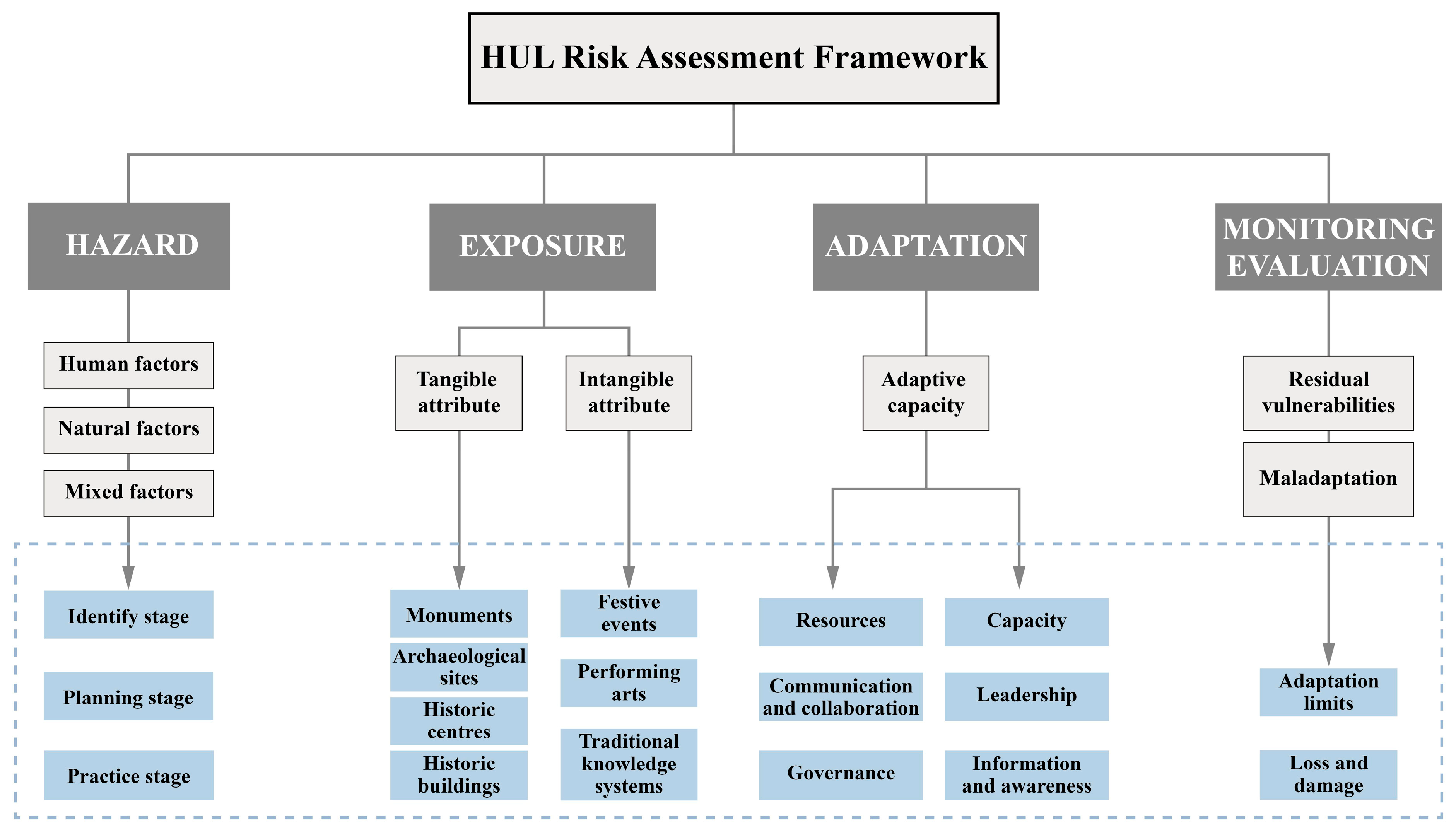
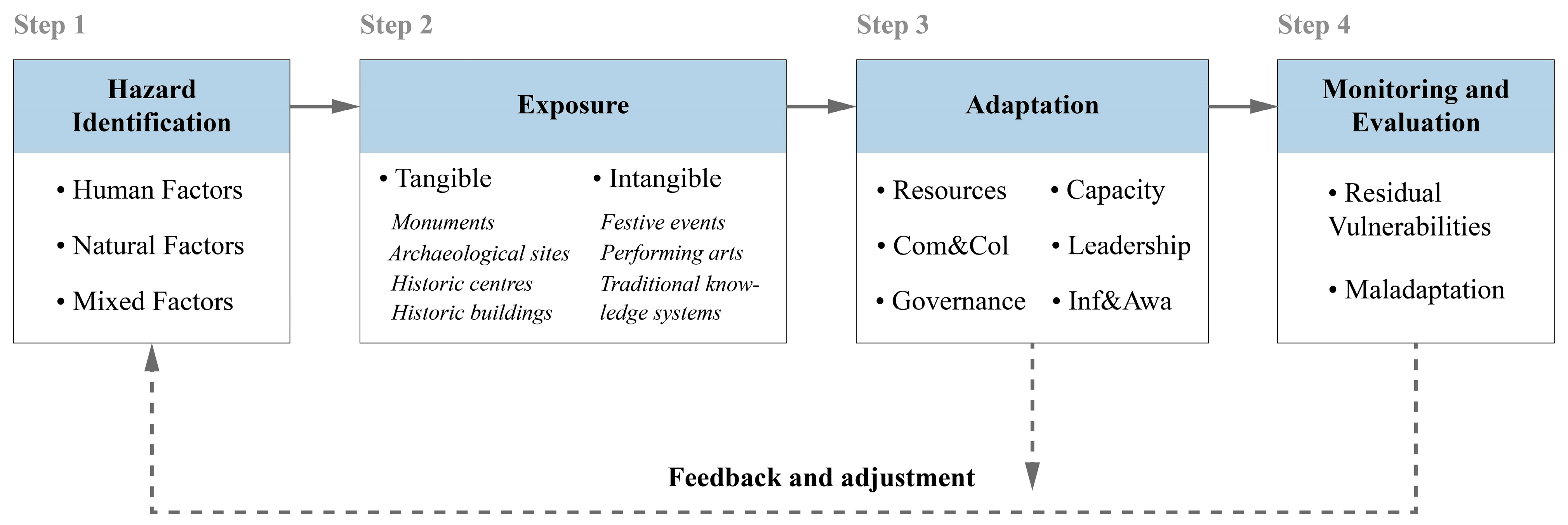
To further operationalise these international frameworks, adaptive capacity is examined through six key determinants: resources, capacity, communication and collaboration, leadership, governance, and information and awareness. Together, these determinants support risk deduction governance and guide HUL management practices. Especially, stakeholder negotiation and engagement prove particularly vital for contextual risk understanding and local decision-making processes [12,27]. Conversely, poorly tailored adaptation strategies and management actions can trigger maladaptation, inadvertently amplifying heritage exposure and generating new vulnerabilities [14]. Therefore, hazard, exposure and adaptation form the fundamental components for evaluating multi-risks of HULs. Building upon these frameworks, this research develops a four-step assessment methodology (as shown in Figure 1) to analyse hazards, risk contexts, and targeted mitigation actions in HUL management, applying to global World Heritage properties as cases.

3. Methods and Materials

3.1. HUL Case Selection of World Heritage

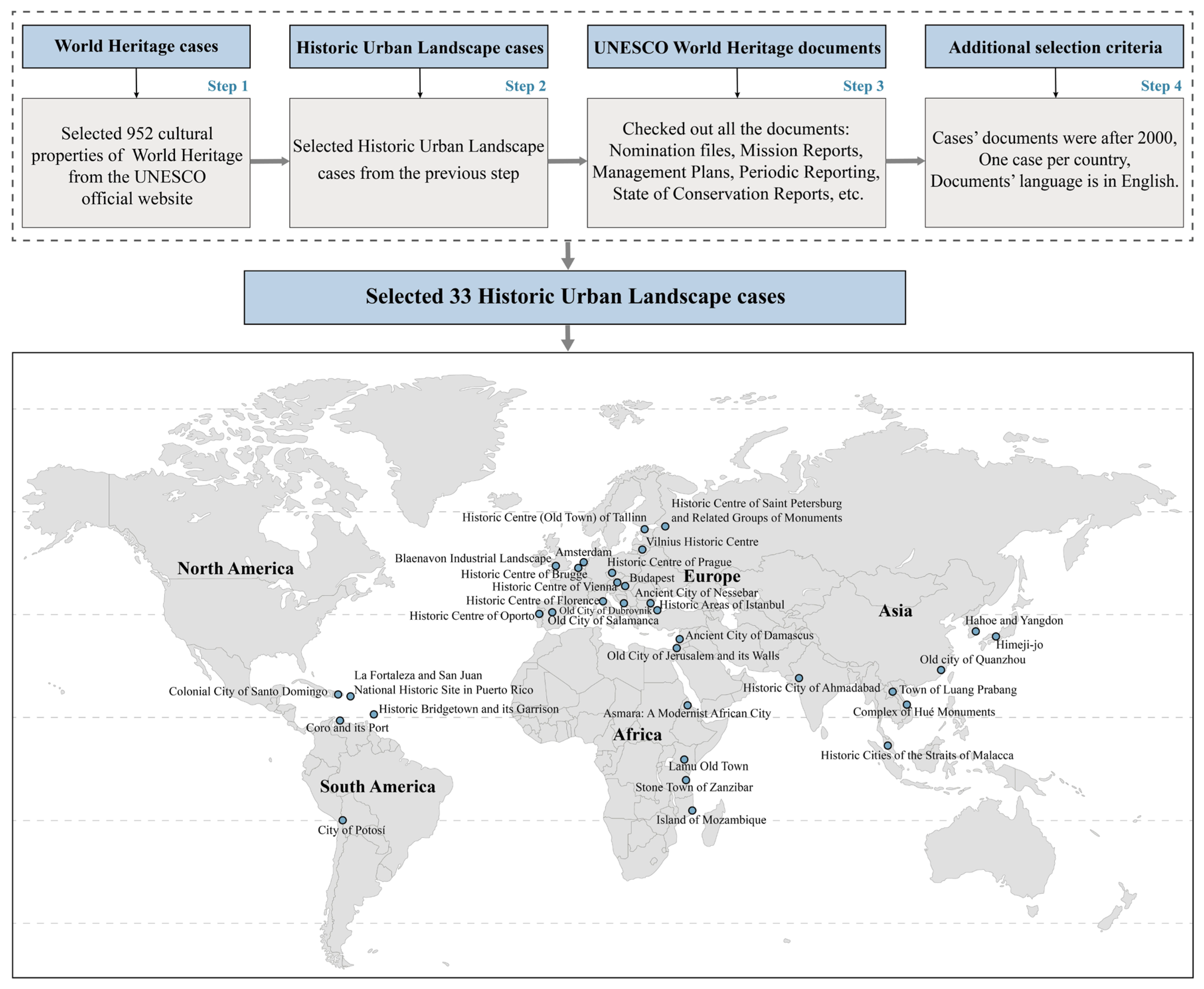
Historic Urban Landscape (HUL) cases were selected from the 952 cultural properties on the World Heritage List as of early 2025. These cases span various continents, including Asia, Europe, Africa, and South and North America, as Figure 2 shows. The case selection process was governed by the following criteria: country representation, document availability, document year, and language. Data were sourced from UNESCO World Heritage official documents, including Nomination Files, Mission Reports, Management Plans, Periodic Reporting Reports, and State of Conservation Reports. These documents were collected from the UNESCO official website (resource: https://whc.unesco.org/en/list/), accessed on 15 March 2025. After the selection process, a total of 33 HUL cases were retained for analysis. In this study, the frequency of specific risks, as mentioned in UNESCO World Heritage official documents, is interpreted as an important manifestation of the attention and priority given to these risks by multi-level World Heritage management agencies and local governments.

3.2. Hazard Identification and Risk Assessment

3.2.1. Identification of Hazards

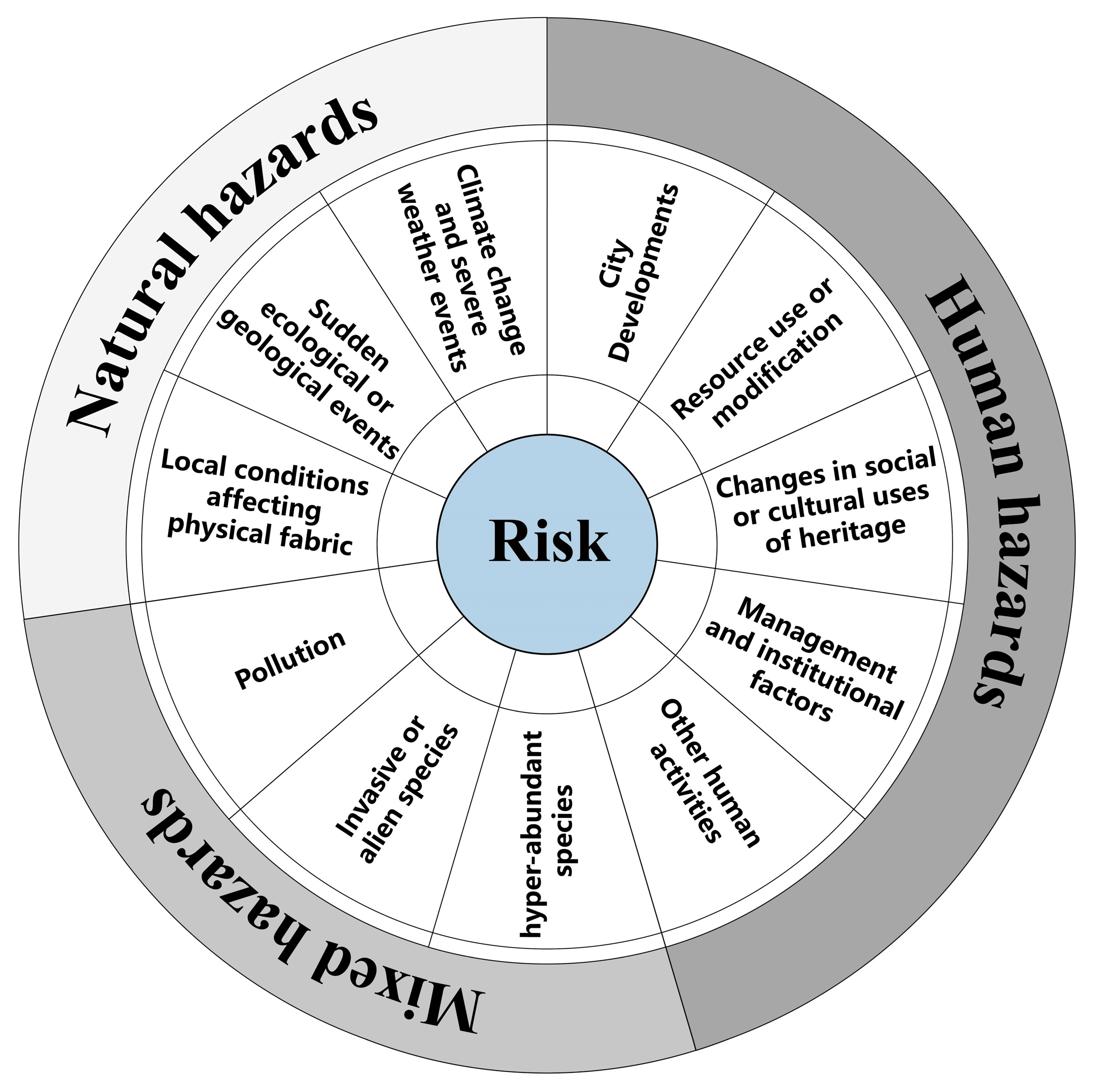
The identification of hazards is essential for risk assessment within HUL management. Drawing upon the UNESCO published risk list, hazards in this research are identified from natural, human and mixed factors (as shown in Figure 3) [3]. Within this risk category list, (1) human-induced factors include city development, resource use, and other human activities such as war and illegal activities; (2) natural factors are related to climate change, severe weather events, sudden geological events, and other local conditions affecting HUL physical fabric; (3) mixed factors refer to threats that arise from the convergence of both human and natural elements, including issues like pollution, the invasion of alien species, and the hyper-abundance of certain species.

3.2.2. Establishment of the Risk Assessment Framework

Based on the state of the art, a four-step risk assessment framework is developed by integrating existing international frameworks and related studies (as shown in Figure 1). In step#1, hazards are categorised into natural, human, and mixed factors while they are also identified within the three management stages of identifying, planning and practice. In step#2, urban heritage attributes that are exposed to hazards are targeted, including both tangible and intangible expressions. In step#3, adaptive capacity is deemed essential to create a safe environment for HUL risk reduction and management. Adaptive capacity-building thus needs to be established from the aspects of capacity, governance, resources, leadership, communication and collaboration, as well as information and awareness. Step#4 focuses on identifying vulnerabilities in the HUL property risk protection process, targeting unresolved risk issues (residual vulnerabilities) and other serious consequences or risks (maladaptations). Therefore, this assessment framework is synthesised for multi-risk assessment for HUL management, applied to World Heritage properties in this research. Within this framework, hazards, exposure, adaptation, and vulnerabilities are conceptually structured as interrelated elements.

3.3. Content Analysis Process

The method of content analysis is employed to analyse the collected official documents reporting World Heritage protection and management practices [28]. The developed multi-risk assessment framework is applied to analyse the texts of the 33 cases’ documents through the NVivo 11 platform qualitatively. Specifically, the content analysis process of this study is divided into three parts: hazard coding, exposure coding and adaptation coding. Hazard coding includes risks related to human-induced factors, natural factors, and mixed factors. For instance, if an official document states that HUL cases face risks from human factors (e.g., city development, resource use), the coding frequency for “city development” is counted as 1 time. In this study, the coding frequency reflects the presence of specific risk types, reflecting the priority given by various World Heritage agencies and local governments. The coding frequency count increases with each additional mention of the same risk factor in the analysed texts. Exposure coding includes tangible and intangible properties. Adaptation coding includes resources, community and collaboration, governance, capacity, leadership, information and awareness. The process of exposure coding and adaptation coding is the same as the process of hazard coding. To ensure the rationality of the coding procedure, two researchers are employed to complete the coding, so the results of the coding can be checked and validated after the completion of the coding procedure. The content of coded texts forms an NVivo database of the World Heritage HULs’ hazards and risk situations.

3.4. Pearson Correlation Analysis

To explore the relationships between three different types of risks and six different types of adaptive capacity, this study employed Pearson correlation analysis. Pearson correlation was selected because the analysis focuses on examining the strength of associations between risk and adaptive capacity, rather than on rank-based or ordinal relationships. In statistics, the Pearson correlation coefficient (ranging from −1 to 1) quantifies linear relationships between two variables: 1 indicates perfect positive correlation, and −1 represents perfect inverse correlation, while values closer to 0 signify weaker linear associations. Based on the coding database, the coding frequencies of various factors under the dimensions of hazard coding and adaptation coding are extracted. The coding frequencies of human factors, natural factors, mixed factors, resources, community and collaboration, governance, capacity, leadership, and information and awareness are obtained for all 33 cases. These frequency values represent the number of times each factor is identified in the analysed documents. Using SPSS Statistics (version 27), Pearson correlation analysis is conducted on the coding frequency data to determine the relationships between different risk and adaptation factors. This provides an objective analysis of the interaction mechanisms between risks and protection measures in World Heritage HULs.

4. Results

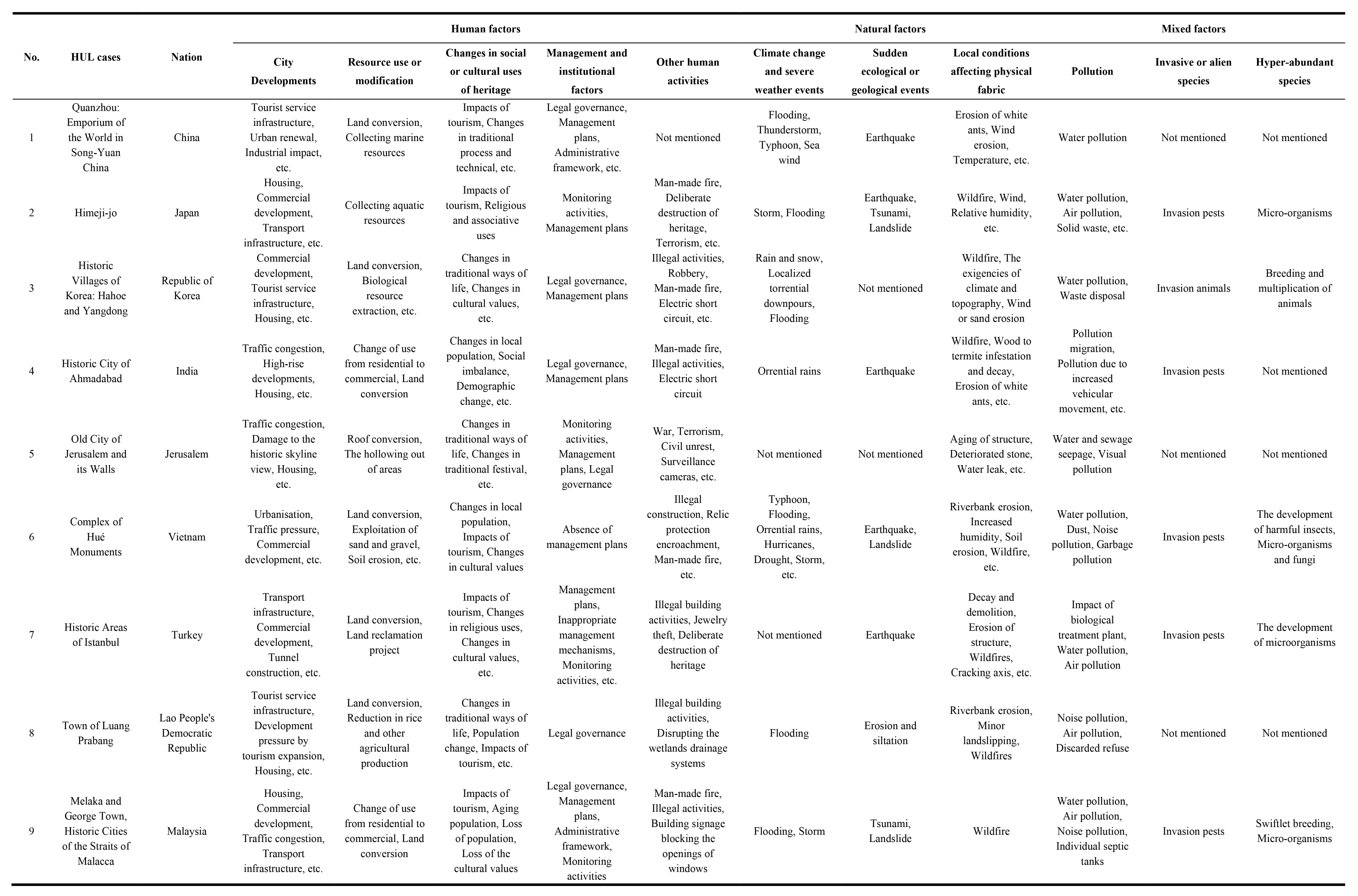
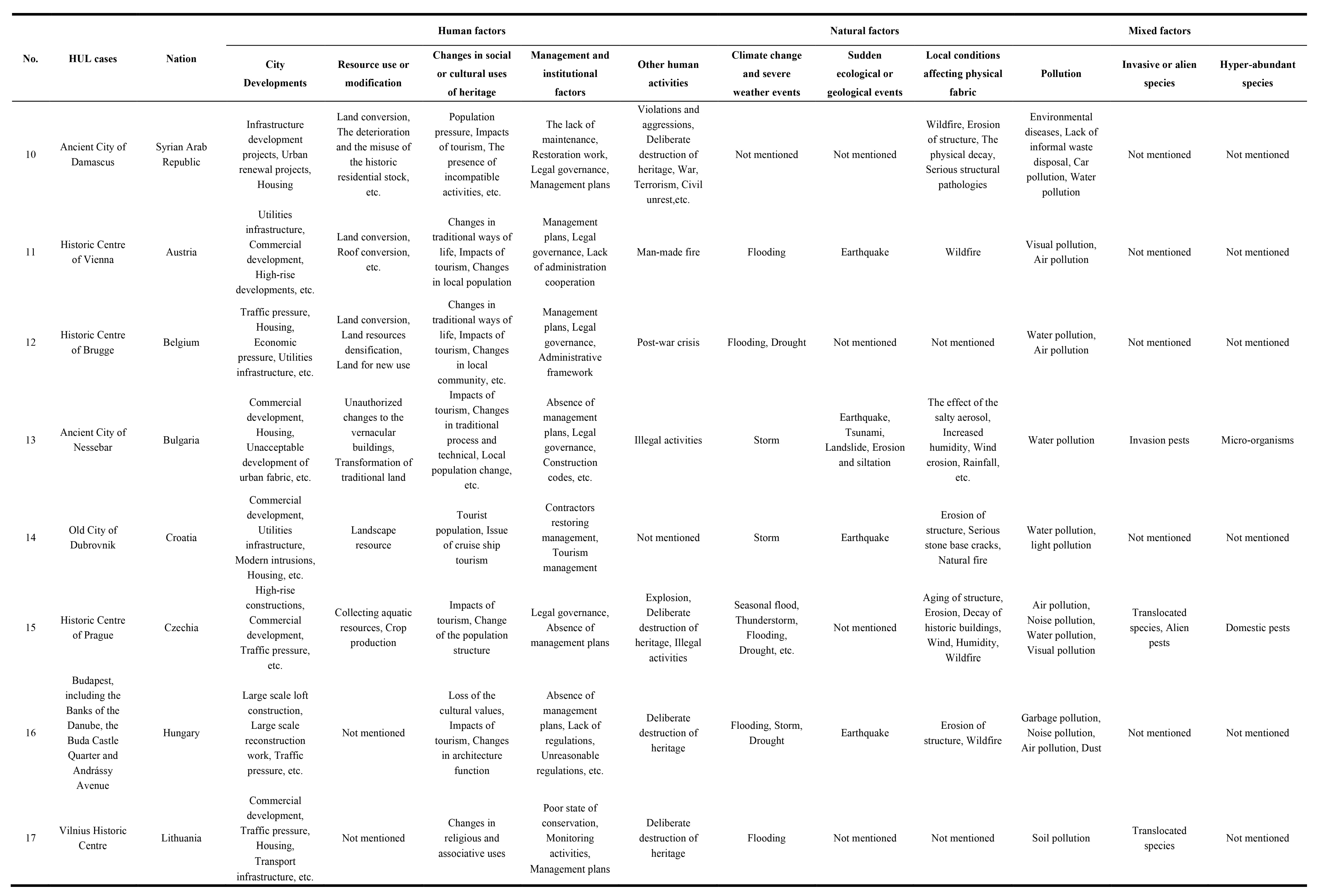
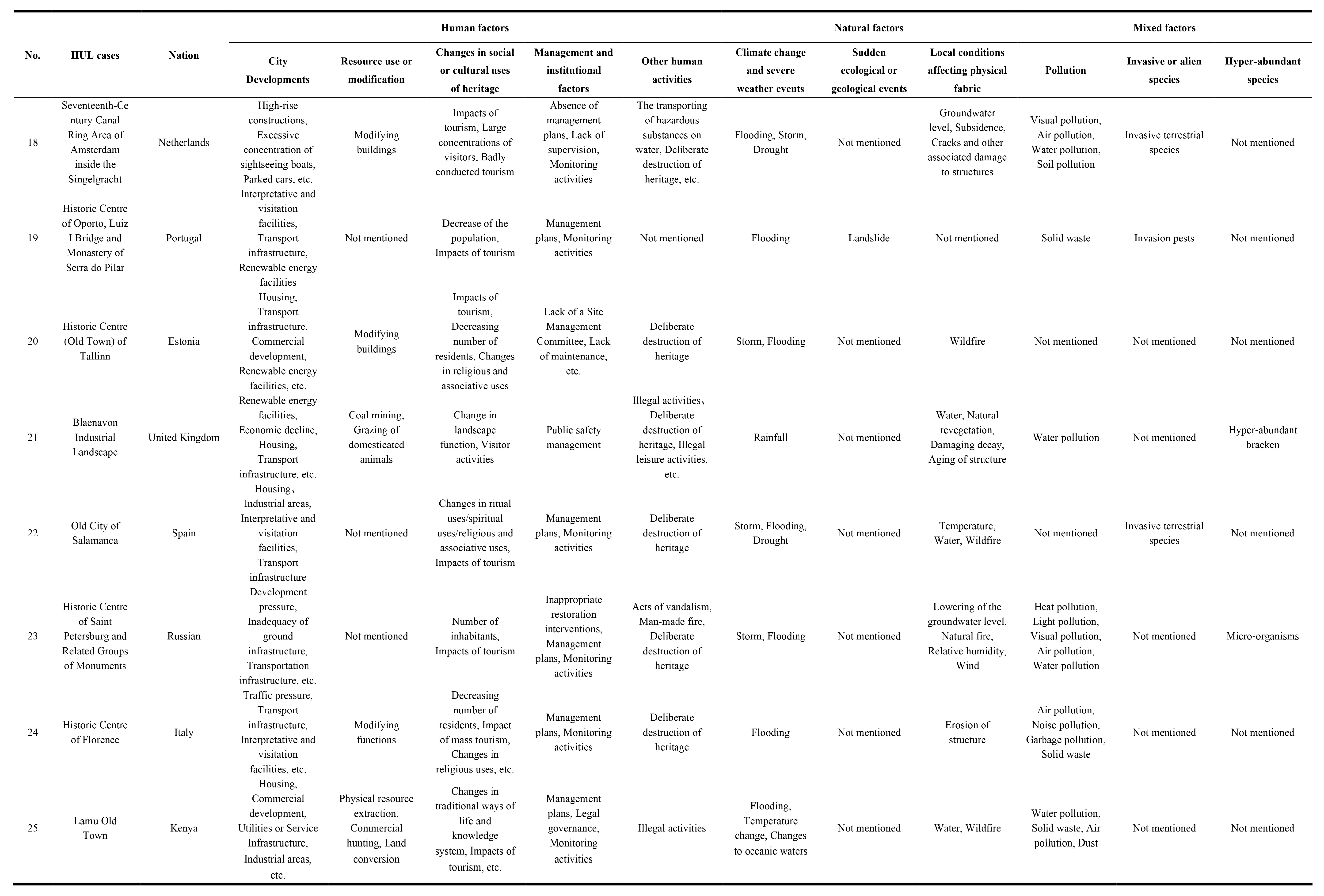
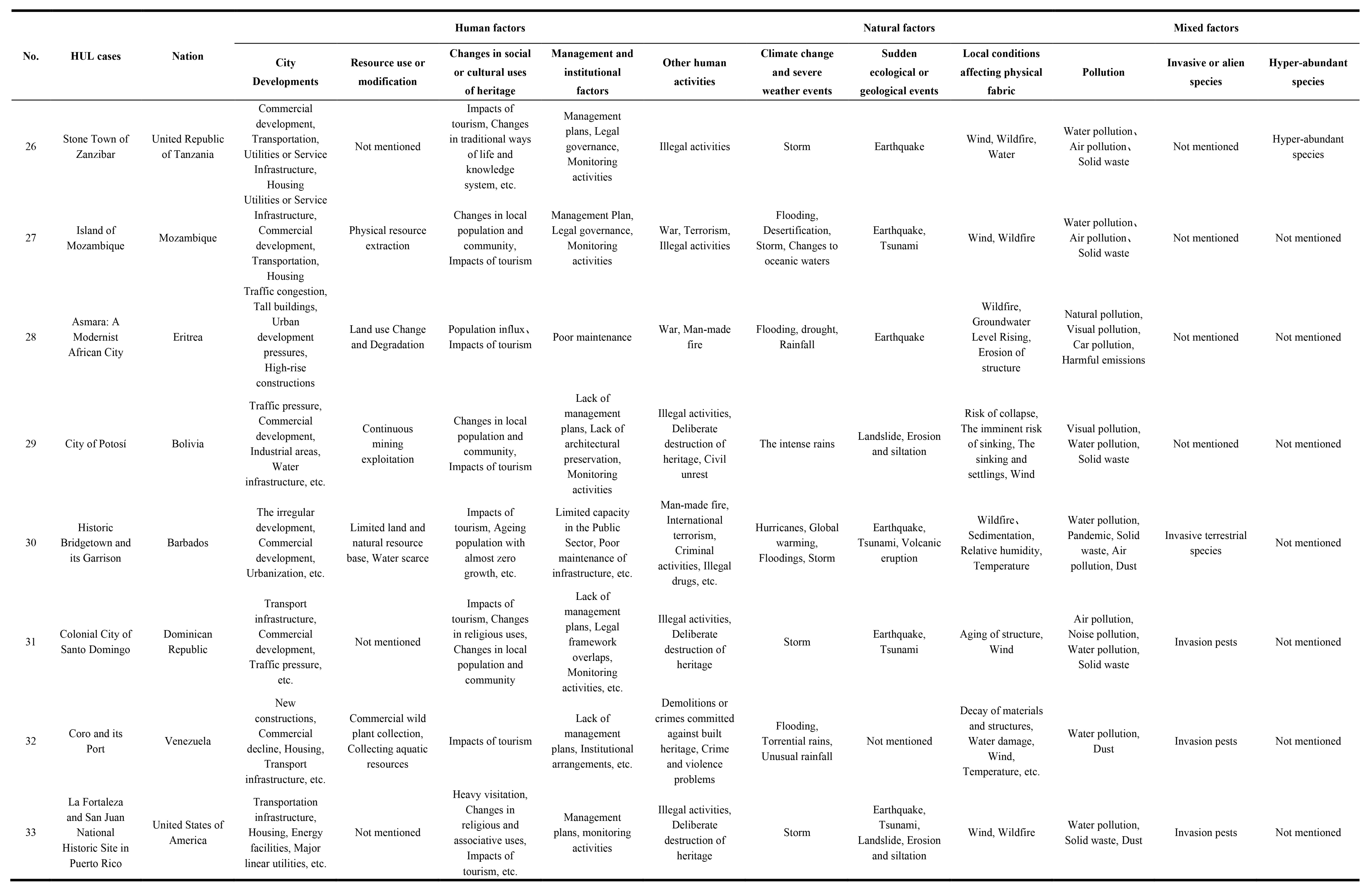
Regarding the 33 World Heritage HUL cases, the coding results of hazard identification and risk management practices are shown in Appendix A. In this section, the research findings are summarised from three aspects: hazard identification (types and management stages), exposed heritage typologies (tangible and intangible), and adaptive capacity-building, in order to evaluate the degree of risk exposure to HUL cases.

4.1. Hazard Identification

4.1.1. Types of Hazards

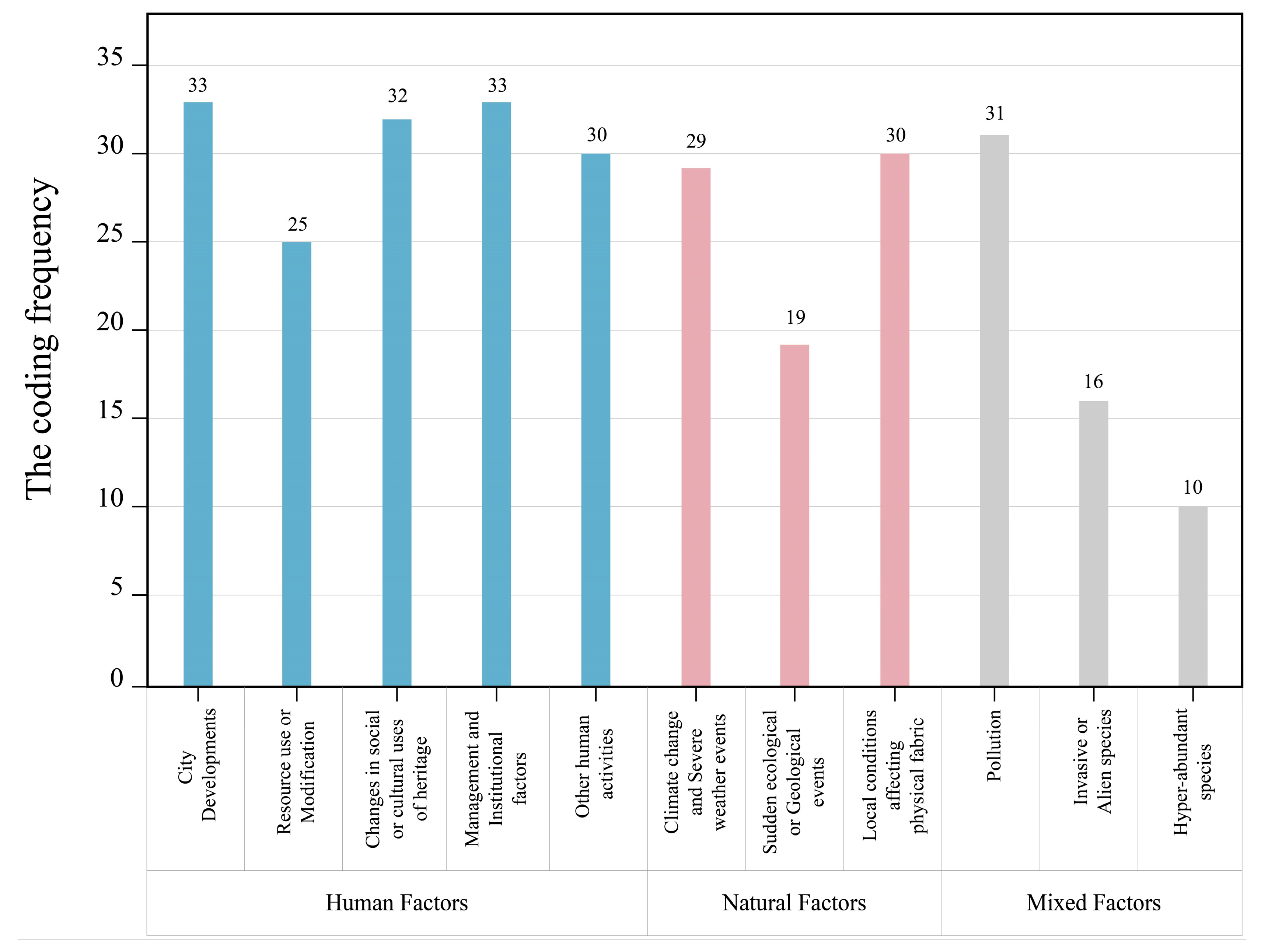
Within the management practices of the 33 cases, all identified 11 hazards are observed, and their case frequency is counted as shown in Figure 4. Regarding human-induced factors of hazards, wherein the case frequency of city developments (33 out of 33) is the highest, while resource use is the lowest (25 out of 33). Under the global contexts of urban expansion and population booms, city developments have gradually become a widespread challenge within urban heritage protection and management. For example, the Complex of Hué Monuments (Vietnam), the Historic Areas of Istanbul (Turkey) and the Historic Centre of Vienna (Austria) are facing the risk of rapid urban development, including encroachment on the urban skyline, traffic congestion, and excessive infrastructure construction. During the review process, management and institutional factors (33 out of 33) can deeply affect HUL attributes and values. In the Ancient City of Nessebar (Bulgaria), the lack of appropriate regulations has resulted in the archaeological remains being in poor condition, and the risk of the destruction of wall sections and inappropriate use is high. Changes in social or cultural uses of heritage as a human-induced hazard are monitored in 32 cases, and it is associated with city developments. For instance, in the Historic Centre of Prague (Czechia), the growth of tourism has prompted the location in the historic centre of many services such as shops, restaurants and hotels, thus creating pressure for the transformation of some historic buildings, and increasing the demand for private transportation and parking. The living space of local residents is being constrained, and their traditional lifestyle has changed, leading to a market-oriented process. In the Historic City of Ahmadabad (India), businesspeople, who have no association with the city’s culture and social identity, renovate historic buildings based on their business needs but alter heritage structures and lifestyles. Also, the Historic Centre of Oporto (Portugal) has shown a constant decrease in local populations due to global migration policies, low birth rates and an ageing society. Regarding resource use or modification (25 out of 33), the internal structure of the upper part of Cerro Rico in Potosí, Bolivia, is severely weakened due to continuous mineral exploitation, posing a significant risk that miners may die from collapses inside the tunnels. In addition, some other human factors of hazards are also observed, such as military conflicts in the Old City of Jerusalem and terrorism in the Ancient City of Damascus, placing heritage attributes at high risk for years. Therefore, among human-induced hazards, urban development, changes in the social or cultural uses of heritage, and the absence of management plans are the most frequently addressed. These three human factors of hazards are all related to the rapid development of cities. While other human activities and physical resource extraction are mentioned relatively less, these two human factors of hazards are mainly associated with people’s illegal activities.
Among natural factors, local conditions affecting physical fabric are the main hazard monitored in 30 cases, including structure wear-out, erosion of white ants and natural fires. In the example of Himeji-jo in Japan, natural fires and the erosion of wood pose constant threats to its wooden structures. In addition, climate-related hazards of flooding and rainstorms have also damaged World Heritage properties, especially in coastal cities and rural areas. The Venezuelan city of Coro and its Port face climate change risks, such as torrential rains, flooding and tsunamis. Therefore, the local government has formulated detailed plans to deal with these climate hazards. In the Historic City of Ahmadabad (India), many sites like the Ahmad Shah’s Mosque and Bhadra Citadel were severely damaged by the earthquake. In Asmara City (Eritrea), with the decay of Asmara’s built environment and the lack of maintenance efforts, the impact of earthquakes can possibly cause major damage to the city’s social and cultural assets. As for the mixed factors of humans and nature, pollution has become a global issue as it varies in the forms of light pollution, visual pollution, water pollution, noise pollution, air pollution and garbage pollution. This series of pollution has caused irreversible damage to the local ecological and socio-cultural environments. Invasive or alien species and hyper-abundant species are also involved in the coding process, with case frequencies of 16 and 10 times, respectively. The cases of the Historic Centre of Prague and the Melaka and George Town(s) have been mentioned and sought to manage these hazards, as the texts state:
Current concerns arise from European-wide problems of the spread of domestic and alien pests and diseases” (invasive or alien species in Historic Centre of Prague) [29]. “Swiftlet breeding in WHS is not only a threat to OUVs but also to safety and sustainability” (hyper-abundant species in Melaka and George Towns) [30].
Consequently, hazards affecting HUL properties extend beyond climate-related issues, necessitating a comprehensive management framework that addresses human, natural and mixed factors. During the hazard identification process, human factors receive the most attention, particularly concerning urban development, changes in the social or cultural use of heritage sites, and management and institutional factors. While natural hazards like climate change, severe weather events, and sudden ecological or geological events are becoming more frequent, local governments are increasingly focusing on planning and risk management to address these threats. Pollution, a globally prevalent hazard, significantly impacts HUL attributes and values, whereas mixed hazards, such as invasive or alien species and hyper-abundant species, are only relevant to a limited number of cases.

4.1.2. Identifying Hazards by Three Stages

Regarding the HUL management of risk identification, planning and practice, State Parties have endeavoured to proceed with local-based actions coping with various hazards in these three stages. Generally, most actions regarding human-induced factors, natural factors, and mixed factors of hazard management have been taken in the stage of risk identification, while the practice stage is the least frequently coded in the analysis process. More specifically, human factors of hazards are coded with the highest frequency, and 26 HUL cases address human factors in all three stages. For example, in the case of Historic Bridgetown and its Garrison, human factors of hazards are coded in the three stages for risk deduction management:
Identifying: “The fight against illegal drugs is particularly challenging since Barbados is now used as a transhipment point for drugs between producing and consuming nations”; planning: “New police stations and outposts will be built in strategic locations and the formation of community watch groups and other groups will be further encouraged”, and practising: “Established a Special Anti-Crime Unit to augment the work of the Force” [31].
For more than half of the identified hazards, State Parties have failed to develop corresponding plans following their identification. Nearly half of the hazards, even when plans have been formulated by State Parties, have not been addressed with corresponding measures in the practice stage. Asmara (Eritrea) and Historic Bridgetown (Barbados) are the only two cases wherein natural factors of hazards are taken into account across the three stages, as shown in the coded texts below. However, there is no case covering mixed factors of hazards in all three management steps, as there are only 18 cases where invasive or alien species and hyper-abundant species are observed.
Identifying: “The impact of seismic activity in the highlands could cause major damage to the city’s social and cultural assets”; planning: “Create a legal and institutional framework to develop and implement earthquake disaster preparedness”, and practising: “Conducted research into the anticipated seismic load and its potential impact” [32].
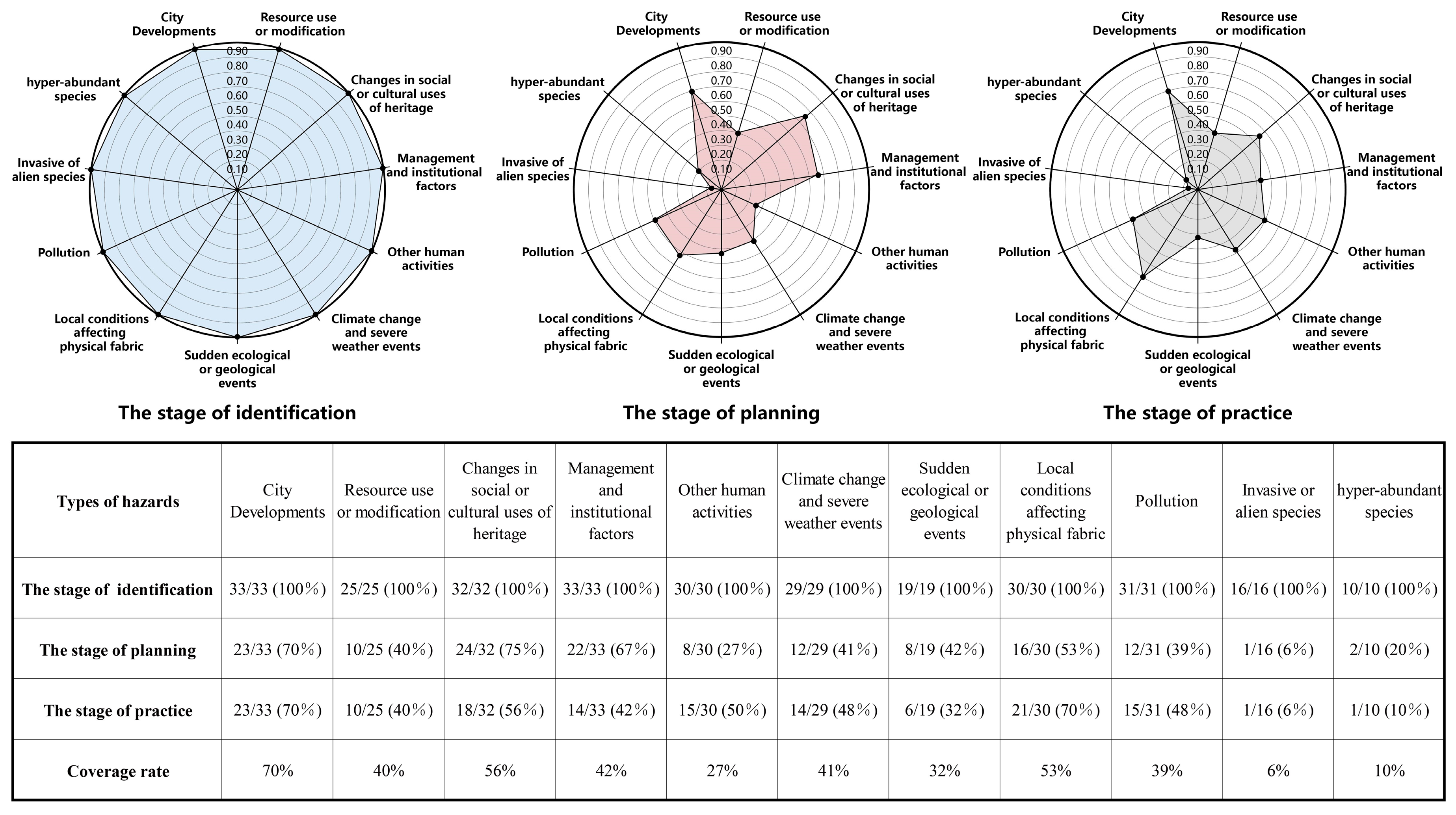
As shown in Figure 5, among the 12 identified hazards, city developments, changes in social or cultural uses of heritage and local conditions have the highest coverage rate in the three stages, up to 70%, 56% and 53%, respectively. This indicates that these three types of hazards are well understood and related management actions are being conducted at both plan-making and practice levels by States parties. For example, in the Historic Villages of Korea, the annual visits of nearly one million tourists have caused enormous pressure and risks to the tourism industry. Therefore, during the planning stage, the local government formulated the Development Master Plan for the Creation of Historic Cultural City of Gyeongju. The prime objective of the plan is to solve the problems raised in the growth of the city and the crisis in the tourism industry. In the practice stage, a new tourism complex has been built, which can satisfy the tourists’ demands. However, the hazards of invasive or alien species and hyper-abundant species have the lowest coverage rate across the three stages, with rates of 6% and 10%, respectively. Other hazards have a coverage rate between 27% and 42% in the three stages, and their related practices often remain limited to one or two stages.
Through the text-coding analysis, it is revealed that hazard identification and related risk deduction practices are still underdeveloped. Many hazards are only addressed in the stage of identification, but related risk reduction actions in the stages of planning and practice are missing. This gap between diagnosis and action delays the implementation of effective protection strategies but also increases the vulnerability of heritage sites in the face of recurring or escalating risks. Local governments and heritage agencies consider human and natural factors of hazards more than mixed factors, so that comprehensive risk management plans are often lacking within most of the collected HULs of World Heritage cases. This further increases the vulnerability of HUL cases when faced with risks.

4.2. Exposure

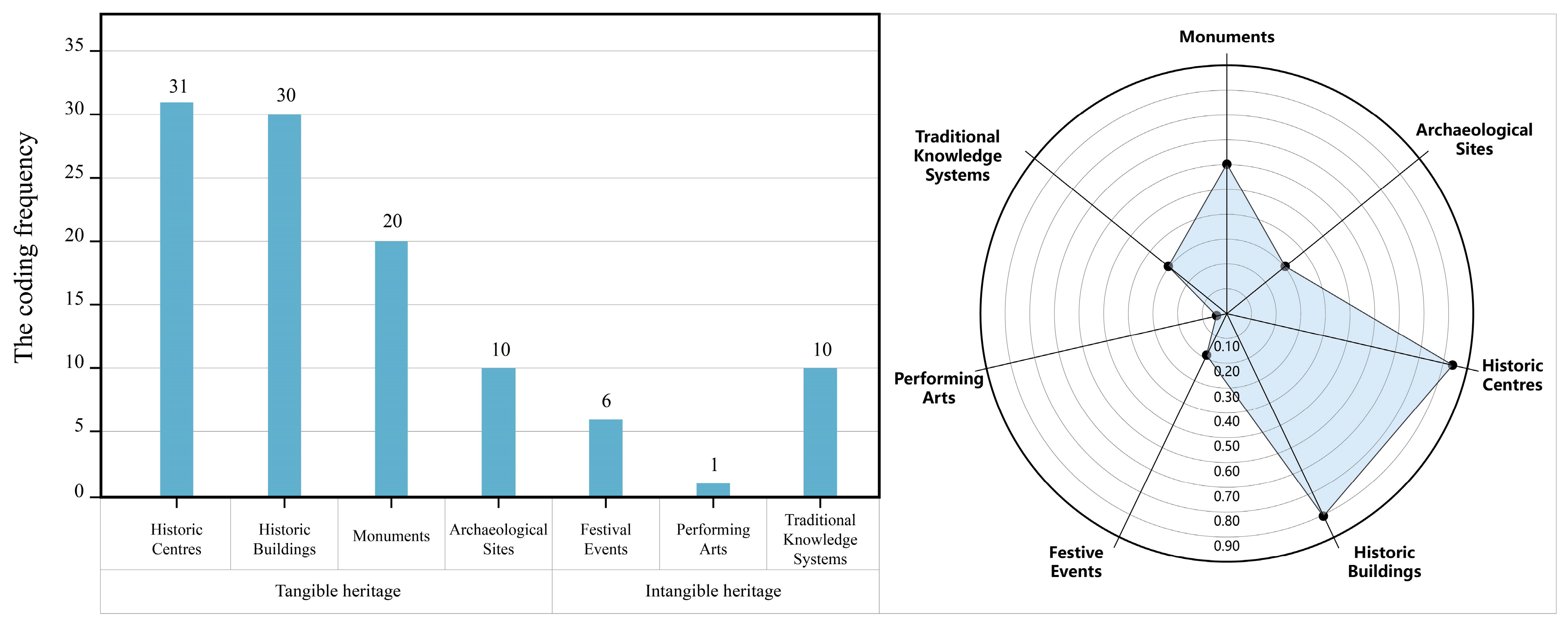
Through the exploration of HUL cases’ exposure to various hazards, tangible and intangible heritage attributes of monuments, archaeological sites, historic centres, and historic buildings as well as festival events, performing arts and traditional knowledge systems are observed, and their coding frequencies are as shown in Figure 6.

4.2.1. Tangible Heritage

Regarding HUL tangible attributes, historic centres and historic buildings are coded with the highest frequencies of 31 times and 30 times, respectively. Within the scope of the historic centres, urban structures, street layouts and public open spaces are often easily exposed to hazards, such as urban redevelopment, fire and hurricanes. In the Old City of Quanzhou, the risks of urban renewal and population growth have gradually changed the urban structures, such as the street layout of the city. Also, the street layout of Historic Bridgetown and its Garrison was also affected by natural disasters such as fires and hurricanes. These natural disasters destroyed many of the old buildings in the town, leading to a change in the layout of its streets. In the Stone Town of Zanzibar, due to enormous development pressure, the open spaces have been extensively converted into commercial properties, which has compromised both authenticity and cityscape harmony. At the smaller scale of historic buildings, public buildings in Amsterdam have been affected. Due to the increasing commercial activities, the cultural and historical value of public buildings has been damaged. Building materials and structures in the Historic Villages of Korea have also been affected. The installation of cables for lighting and electrical equipment along the building structure or through walls not only damages the structure of the building but also easily leads to safety issues.
Monuments are coded 20 times, which is twice as many as archaeological sites (n = 10). The primary hazards affecting monuments are human factors such as graffiti, deliberate destruction, and illegal activities. For instance, in the Vilnius Historic Centre, Lithuania, graffiti and unauthorised painting on walls are widespread and have caused significant, ongoing damage to buildings and monuments. In response, the local government has implemented the Clearing and Cleanliness Rules of Vilnius City Municipality, which prohibit such acts on walls, buildings, or monuments. Similarly, the Historic Centre of Vienna faces irreversible damage to its monuments from graffiti and painting, leading the government to enact the Austrian Monument Protection Act, highlighting the proliferation of protected buildings in the area. Archaeological sites also face risks due to various illegal human activities. Examples include illegal industrial pollution in the Historic City of Ahmadabad, terrorist attacks by extremists in the Old City of Jerusalem, and illegal archaeological activities in the Historic Centre of Tallinn.

4.2.2. Intangible Heritage

Regarding HUL intangible attributes exposed to hazards, results show that traditional knowledge systems are coded the most (n = 10), while festival events and performing arts are coded with 6 times and 1 time, respectively. The coding content of traditional knowledge systems mainly includes vernacular knowledge, traditional craftsmanship, and religious traditions. But these traditional knowledge systems are facing more risks. In the Historic Centre of Brugge, for example, vernacular knowledge education plays a significant role. However, this has a downside in that the increasing pressure from diversified educational approaches is gradually displacing traditional knowledge education while attracting students from other locations. In the Ancient City of Nessebar, the commercialisation of building uses has squeezed out the revitalisation of traditional craftsmanship by local residents, resulting in the complete alienation of original inhabitants. Also, in the Ancient City of Damascus, fire and theft are the main threats to religious traditions. This series of natural or man-made damages have led to the loss of religious relics and the loss of information and practice in traditional arts and crafts, and this may also limit the establishment of traditional knowledge systems.
The coding content of festival events mainly involves the traditional festival activities in each HUL site, and its main risk is the negative impact of tourism. Every year between Easter and October, the Begijnhof in Amsterdam receives some 800,000 visitors. The huge number of tourists has caused traffic congestion and other problems for Begijnhof, and the safety of tourists is also difficult to guarantee. In the Lamu Old Town, the famous cultural festival has led to a large number of tourists entering the ancient city. Safety issues, traffic congestion issues, and health issues have emerged one after another. Therefore, the local heritage committee has also developed a five-year plan to address these issues and risks. The performing arts are mentioned just once in official documents. There is only one case where performing arts were coded. In the Old City of Jerusalem, over four consecutive weekends, outdoor events take place all over the city. Museums are open across the city, and music and theatrical shows take place, and many shows are free. This endeavour brings life to the Old City during evening time, also assisting in easing the pressure during busy weekends. However, due to the local wars and terrorist attacks, the performing arts are facing huge risks.
The analysis reveals a significantly higher coding frequency for tangible heritage compared to intangible heritage. Consequently, the tangible heritage coding results offer a more comprehensive overview of affected HUL types. Historic centres and historic buildings emerge as the primary at-risk typologies, with rapid urban renewal, excessive commercial activity, and natural disasters identified as the main threats impacting them. Graffiti, deliberate destruction and illegal human activities are the main causes of damage to monuments and archaeological sites. This indirectly shows that current risk assessments tend to focus more on visible and physically measurable heritage elements, which are often easier to document, monitor, and protect. Regarding intangible heritage, traditional knowledge systems and festival events are mentioned more frequently, and the main risks faced by these two types are commercialisation of building uses, fires, theft, and overpopulation in tourism. As for the performing arts, only local wars and terrorist attachments are encoded as risks. It indicates that the threats to intangible heritage are more subtle and harder to detect, making them less often considered in protection strategies.

4.3. Adaptation

Within the research domain of heritage risk management, adaptation is the ability of a system to cope with potential damage from extreme events and the way to minimise or avoid negative related consequences [12]. Following the established assessment framework, adaptation includes six indicators, i.e., capacity, governance, resources, leadership, communication and collaboration, as well as information and awareness. Coding results related to adaptation are summarised in Table 1.
Based on collected documents, capacity can be summarised as management capacity, learning capacity and public participation capacity. Management capacity is manifested in plan making, the establishment of institutional departments and the adoption of protective actions. For example, in the Historic City of Ahmadabad, the Gujarat State Disaster Management Authority has developed a series of disaster risk management plans and policies to address both natural and human-induced disasters. These initiatives target major cities and vulnerable zones of the region and aim to improve the management capacity of HUL’s heritage sites. Learning capacity refers to the ability of government agencies to improve their response to risks through the use of scientific research resources. In the City of Potosí, Bolivia, scientific studies for Cerro Rico have been undertaken by the State Party, contributing to the Sinking Stabilisation Project at the Peak of Cerro Rico. This measure effectively utilises the government’s learning ability to prevent the risk of the mountaintop sinking. In the Old City of Quanzhou and the Historic Bridgetown, both cases have addressed the importance of developing the capacity of public participation. Different groups and individuals have been actively involved in daily protection and management activities. These include competent departments of cultural heritage, departments of religious and ethnic affairs, competent departments of Scenic Areas, community residents, volunteers, and other social groups. Unlike capacity, governance leans more towards established regulations or plans. Based on coding results, governance includes management plans, measures, and regulations. The town of Luang Prabang’s management plan identifies the main axis and strategic choices for the expansion of the city due to the negative impact of disorderly urban renewal and construction. In the Old City of Dubrovnik, earthquakes and excessive tourism development have caused potential harm to local cultural relics. So, the Cultural Heritage Protection Bureau and the Ministry of Culture have worked out management measures to protect local cultural relics. In the Blaenavon Industrial Landscape, the government has issued special regulations to prohibit opencast coal extraction in the Brecon Beacons National Park.
Resources include natural resources, human resources, and technical resources. La Fortaleza and San Juan National Historic Site is so rich in natural resources, but due to the negative impact of tourists, vegetation, rivers and other natural resources are gradually being destroyed. Therefore, the local government has developed a 5-year natural resource conservation plan to minimise the impact of tourists on natural resource management. Human resources cover a wide range, such as financial, management and public service resources. In the Colonial City of Santo Domingo, inadequate financial budgets have made it difficult to carry out the renovation and conservation of the historic complex, and the local government has applied to the State for funds to ensure adequate financial resources. In the Historic Centre of Prague, the demand for a large number of tourists has already caused tremendous pressure on public transportation, so the local government has taken care to meet the demands of tourism-related businesses by significantly increasing public service resources. With the progress of scientific research, technical resources have gradually become an important part of the resource attributes of heritage sites. In Coro and its Port, floods are the main natural disaster in the local area, so a drainage system to prevent impacts from flooding vulnerability is in the project phase. In the Historic Centre of Saint Petersburg, numerous historic buildings are facing the problem of structural decay. Protective materials and special technologies are used by the local government to protect the materials of historical blocks and control their deterioration.
Leadership includes managerial leadership, planning leadership, and educational leadership, as observed within the coded texts. Managerial leadership mainly demonstrates the leadership of the local government in formulating management plans and measures to reduce risks in HUL heritage sites. For instance, under the leadership of the Fatih Municipality in the Historic Areas of Istanbul, the regulations for the protection and management of heritage buildings have been formulated, and the staff have carried out 3D laser scanning and repair work on a large number of decaying historic buildings. Planning leadership is similar to managerial leadership, but it reflects leadership for future plans. In the Old City of Salamanca, in response to the damage caused to old buildings by graffiti, the local government has demonstrated planning leadership by formulating a Graffiti Cleaning Plan for the next 20 years. Educational leadership is well evidenced in the case of the Ancient City of Damascus; the deterioration of the buildings in the Old City is getting worse, and as a result, the governor of Aleppo has conducted a series of educational sessions in the local community to raise the awareness of the local community about preservation and to avoid any wrong intervention during the restoration phase of the buildings.
From the content analysis results, communication and collaboration (Com&Col) can be summarised as cooperation, decision making, and method implementation. Cooperation is the most involved content in Com&Col. For example, in Mozambique Island, the sanitation issue is still a big concern for the local authorities because of the existing negative image, mainly on the beaches. Nowadays, the Municipality, in collaboration with the local residents, has achieved visible results in Mozambique Island by cleaning the living areas. In Budapest, air pollution impacts local monuments’ preservation and affects all green building criteria. Therefore, the Management Body collaborates with the Municipality of Budapest, having jointly issued multiple environmental protection regulations to address air pollution issues. Decision making and method implementation are mainly operated by the local government, which is similar to the content of governance. Information and awareness (Inf&Awa) includes public participation, public awareness education, and access to information. Most HUL cases regard public participation and public awareness education as important links in community management. For example, deliberate destruction of heritage, such as graffiti on the walls, poses a significant risk to the buildings in the Historic Centre of Florence. For this reason, the local government has launched the “Firenze per Bene” plan, which aims to raise awareness among citizens and visitors to the respect of local heritage and association volunteers by organising people to participate in speech activities or exhibitions. The coding content of access information mainly involves the protection of paper documents and electronic documents related to heritage protection. In Asmara City, due to the impact of the earthquake, the local government has created a risk communication platform to heighten the level of awareness in evacuation and emergency. The war and terrorist attacks in the Ancient City of Damascus have caused extensive damage to its literary heritage. To prevent further loss, the Directorate of Buildings has undertaken a crucial step by digitally archiving all decisions related to the registration of archaeological sites in Syria. This comprehensive archive comprises approximately 950 laws and decisions, along with invaluable scripts, maps, and photographs.
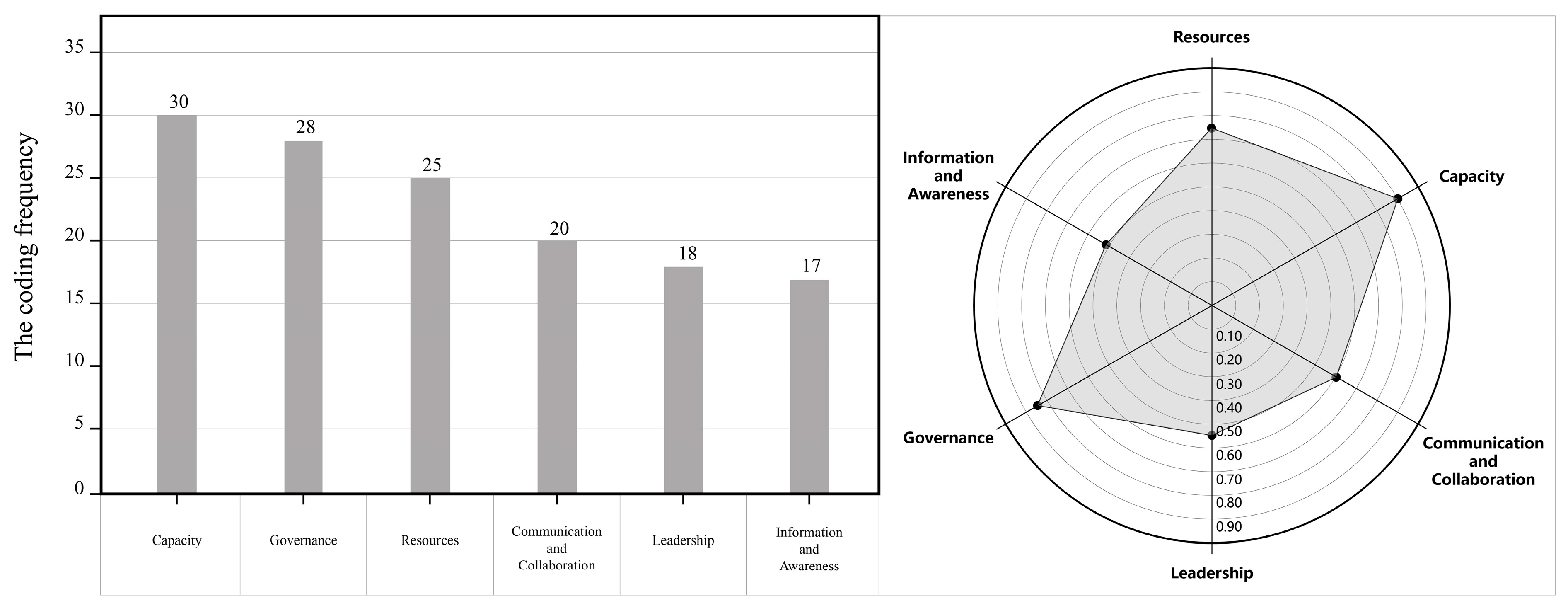
This study compiled statistics on the coding frequency of HUL cases adaptation and visualises it using the chart (Figure 7). Capacity (30 times) and governance (28 times) are relatively more practised in World Heritage HUL management. They all demonstrate the ability of the State Parties to formulate strategies, plan and solve problems when dealing with hazard identification and risk deduction. The management capacity is mentioned more in the capacity coding, while the management plans are mentioned more in the governance coding. Resources (25 times) are also an important indicator of the adaptation, and human resources are the most frequently mentioned in the content. However, technical resources, though less frequently mentioned, often correspond to more advanced and targeted risk mitigation measures, such as the adoption of GIS or 3D scanning technologies. Com&Col (20 times) and leadership (18 times) are less mentioned during the coding process. The cooperation between the government, international organisations and the public can enhance the cohesion of these HUL sites in dealing with risks. Managerial leadership is the most involved content in leadership. Nevertheless, educational leadership is significantly deficient, highlighting the lack of heritage education and training programs for both managers and the public in many HUL cases. This may undermine long-term risk prevention capabilities. Inf&Awa (17 times) has the least discussion as the public awareness education on heritage protection has just started, and most HUL sites have not yet realised the importance enough. To address this, it is suggested that heritage managers incorporate awareness campaigns as integral parts of the adaptation strategy to foster a stronger sense of ownership among local residents. These frequencies indicate that governance and capacity are more prominently addressed across the cases, while other factors receive less attention.

4.4. Adaptive Capacity-Building

A reliability test was conducted to examine the reliability of the data. As shown in Table 2, this model has a Cronbach alpha value of 0.859, which indicates a high reliability of the data.
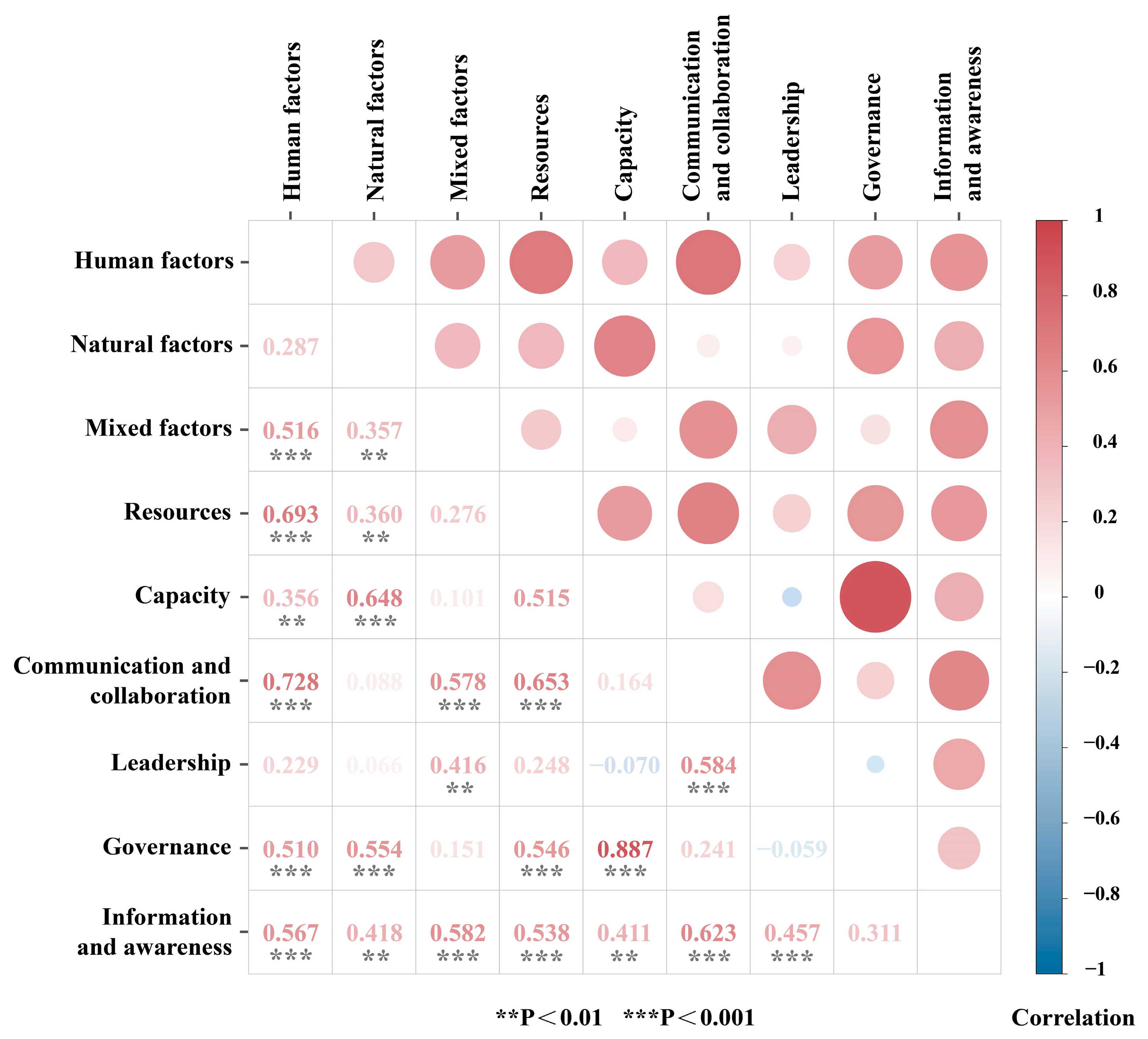
In Figure 8, under the influence of human factors of hazards, the indicators in the adaptation dimension all show a significant correlation with human factors and have a positive impact. The rankings are com&col (0.728), resources (0.693), inf&awa (0.567), governance (0.510), capacity (0.356), and leadership (0.229). Under the influence of natural factors of hazards, the capacity (0.648), governance (0.554), inf&awa (0.497), resources (0.547), com&col (0.239), and leadership (0.152) demonstrate a significant correlation with natural factors and have a positive impact. Under the influence of mixed hazards, the correlation values between the indicators in the adaptation dimension and mixed factors are lower than the other two risk types, but each indicator also shows a significant correlation with mixed factors and has a positive impact. According to the magnitude of the correlation value, the rankings are inf&awa (0.582), com&col (0.578), leadership (0.416), resources (0.276), governance (0.151), and capacity (0.101).
Correlation analysis revealed that in response to human factors of hazards, World Heritage management agencies and local governments have primarily focused on strengthening com&col and resources to mitigate the adverse effects of hazards, while relatively fewer measures have been taken to enhance capacity and leadership. In contrast, under the influence of natural factors, the emphasis has been placed on improving capacity and governance, with limited attention given to com&col and leadership. When addressing the influence of mixed factors of hazards, management efforts have been primarily directed towards enhancing com&col as well as inf&awa, whereas capacity and governance have received comparatively less attention. Overall, the results show that adaptive capacity to different hazard types is differentiated but interconnected. Certain elements, such as com&col, consistently play a central role across multiple risks, while others, including capacity, governance, and resources, play a more prominent role under specific risk conditions. These findings provide an integrated summary of adaptation priorities across different hazard contexts in World Heritage HULs.


5. Discussion

In addition to the steps of hazard identification, exposure categorisation, and adaptation capacity-building, the multi-risk assessment framework for World Heritage HULs also includes the step of monitoring evaluation of residual vulnerabilities and maladaptation. As the fourth step, vulnerability monitoring and evaluation play an important role in verifying the entire risk management and deduction process.

5.1. Residual Vulnerabilities

Residual vulnerabilities refer to disaster risks that persist despite the implementation of effective risk reduction measures [33]. Analysis of the selected World Heritage HULs reveals that these residual vulnerabilities remain, particularly in two scenarios. The first scenario involves risks that are overlooked during the risk identification, planning or practice stages. While human factors, natural factors, and mixed factors are commonly considered, other types of risks may also pose threats to HULs. This highlights the underdeveloped nature of hazard identification and subsequent risk assessment practices. Many risks are identified initially but subsequently neglected during planning or implementation, leading to a lack of corresponding mitigation actions in the management process. For instance, in Budapest, the absence of a comprehensive management plan constitutes a major risk. However, the local government has not issued any documentation outlining plans to address this vulnerability. Similarly, in the Colonial City of Santo Domingo, an excessive number of tourists poses a significant risk. Although the government has introduced relevant plans to mitigate this issue, they have not been effectively implemented in practice. The second scenario encompasses risks that are identified early on but remain unaddressed in the planning or implementation stages. This can occur due to the limited capacity of local governments or the presence of insurmountable factors. Such unresolved risks are a common challenge for HULs. Risk factors like wars, natural disasters, and species invasions are often difficult to address during these stages. For example, military conflicts in the Old City of Jerusalem and terrorism in the Ancient City of Damascus have endangered heritage sites for years. In the Historic Centre of Prague, Melaka, and George Town, invasive or alien species and hyper-abundant species also present significant challenges for local governments. This series of unresolved risks also shows that the current HUL risk management process frequently focuses on hazard identification, with a lack of comprehensive monitoring throughout the entire risk management process.

5.2. Maladaptation

The research defines maladaptation as the implementation of protection measures by local governments and heritage management agencies that, while intended to reduce risks, actually lead to more severe consequences or create new risks and challenges. A notable example is the Historic Centre of Prague, where a comprehensive flood barrier system was constructed along the Vltava River, effectively protecting the historic centre from recurring flood risks. However, this system has caused negative consequences, including the elimination of floodplains, which served as important local revenue and food sources, and a reduction in soil nutrients normally provided by floodwaters [29]. Similarly, in the Ancient City of Nessebar, recent efforts to protect and restore the poorly preserved ancient ruins have inadvertently caused secondary damage. For example, the use of non-traditional materials during restoration has compromised the authenticity of some historical structures [34]. In the Historic Centre of Brugge, local authorities have issued policies and actions to control the overwhelming influx of tourists. While these efforts have successfully limited tourist numbers, they have also led to a decline in the local tourism industry, significantly impacting the catering and hotel sectors as well as heritage protection fundings [35]. These cases further highlight the importance of a multi-risk assessment framework for World Heritage HULs. Unintended damage to HULs, including well-intentioned but detrimental interventions, can be avoided only by establishing a more systematic and diverse risk assessment and monitoring system.
While residual vulnerabilities and maladaptation are crucial for monitoring HUL vulnerability, they persist due to gaps in current risk assessment frameworks and the constrained adaptive capacity of management agencies. Addressing these issues, mitigating residual risks and minimising maladaptation should be a primary focus for future World Heritage HUL risk assessment research and practices.
Overall, this study demonstrates effective multi-risk assessment for World Heritage HULs, by treating hazards, exposure, adaptation, and monitoring as an interconnected system. Based on the proposed assessment framework, this study provides a clear structure and feasible process steps for integrating these factors and assessment results into management decisions. Figure 9 illustrates a workflow that supports the practical application of the framework within UNESCO World Heritage management practices. The discussion highlights the need to address multi-risk challenges in Historic Urban Landscapes through more coordinated and adaptive management approaches.

6. Conclusions

The Historic Urban Landscape (HUL) approach acknowledges that historical cities are facing multifaceted hazards that threaten their attributes and values, necessitating the integration of risk assessment and monitoring into its implementation. This holistic and integrated management process prioritises the identification, assessment and reduction of risks to safeguard urban heritage against human, natural, and mixed risks. In line with this, the paper analyses official management documents from 33 World Heritage HUL cases located in 33 countries, revealing that these properties confront diverse hazards and multiple risks. Establishing a multi-risk assessment framework, the paper examines the management practices of these 33 cases across four stages: hazard identification, exposure categorisation, adaptation capacity-building, and vulnerability monitoring and evaluation. The findings indicate that (1) in hazard identification, local governments and heritage agencies tend to prioritise human and natural factors over mixed factors when identifying hazards. Consequently, many cases lack comprehensive risk management plans. (2) Exposure categorisation: Analysis of tangible heritage reveals that historic centres and historic buildings are the primary types of risk exposure. For intangible heritage, traditional knowledge systems and festival events are the main categories at risk. (3) Adaptation capacity-building: Content analysis identifies six key indicators of adaptative capacity in HUL cases: capacity, governance, resources, leadership, communication and collaboration, and information and awareness; correlation analysis demonstrates that under the influence of human-induced hazards, HUL management agencies and local governments primarily focus on strengthening information and awareness, communication and collaboration, and allocating resources to mitigate negative impacts. (4) Vulnerability monitoring and evaluation: Due to the incompleteness of the risk assessment framework for HULs and the limited adaptive capacity of their management agencies, residual vulnerabilities and maladaptation are prevalent.
While the HUL approach offers a valuable framework for managing urban heritage, its practical application often struggles to effectively address the intricate and multifaceted risks confronting these sites. By monitoring the state of the art of UNESCO World Heritage protection globally, the research develops and tests a novel assessment framework designed to evaluate multiple emerging risks within HUL management. The findings underscore the need for strengthening the risk assessment framework, enhancing the adaptive capacity of management agencies, and prioritising risk management plans to ensure the long-term sustainability of World Heritage HULs. The application of this framework can be further expanded, serving as a crucial reference for urban heritage management and risk reduction efforts worldwide.

Author Contributions

Conceptualization, J.L.; methodology, J.L., H.L. and F.C.; software, F.C. and Q.D.; validation, J.L. and F.C.; formal analysis, J.L., F.C. and Y.S.; data curation, F.C. and Q.D.; writing—original draft preparation, J.L., F.C. and H.L.; writing—review and editing, J.L., F.F. and Y.S.; visualization, F.C.; supervision, J.L. and F.F.; project administration, J.L.; funding acquisition, J.L. All authors have read and agreed to the published version of the manuscript.

Funding

This research was funded by the Young Scientists Fund (C Category) of the National Natural Science Foundation of China (grant number 52508039), the General Project of the Humanities and Social Science Research of the Ministry of Education, China (grant number 23YJC760055), the Natural Science Foundation of Sichuan Province, China (grant number 25QNJJ4773).

Data Availability Statement

The data supporting the findings of this study will be made available by the authors on request.

Conflicts of Interest

The authors declare no conflicts of interest.

Appendix A

Figure A1. The coding results of hazard identification.
Land 15 00198 g0a1aLand 15 00198 g0a1bLand 15 00198 g0a1cLand 15 00198 g0a1d

References

  1. Giudice, B.; Voghera, A. Planning for Landscape and Heritage. A Community Perspective to Overcome Risks and Vulnerabilities in the Italian Case Study. Int. J. Disaster Risk Reduct. 2024, 110, 104610. [Google Scholar] [CrossRef]
  2. Moussavi A, S.M.R.; Lak, A. Cultural Landscapes in Climate Change: A Framework for Resilience in Developing Countries. J. Environ. Manag. 2024, 362, 121310. [Google Scholar] [CrossRef] [PubMed]
  3. UNESCO List of Factors Affecting the Properties. Available online: https://whc.unesco.org/en/factors/ (accessed on 10 February 2025).
  4. Quesada-Ganuza, L.; Garmendia, L.; Roji, E.; Gandini, A. Do We Know How Urban Heritage Is Being Endangered by Climate Change? A Systematic and Critical Review. Int. J. Disaster Risk Reduct. 2021, 65, 102551. [Google Scholar] [CrossRef]
  5. IPCC. Climate Change 2022: Impacts, Adaptation and Vulnerability. Contribution of Working Group II to the Sixth Assessment Report of the Intergovernmental Panel on Climate Change; Pörtner, H.-O., Roberts, D.C., Tignor, M., Poloczanska, E.S., Mintenbeck, K., Alegría, A., Craig, M., Langsdorf, S., Löschke, S., Möller, V., et al., Eds.; Cambridge University Press: Cambridge, UK; New York, NY, USA, 2022. [Google Scholar]
  6. Li, J.; Krishnamurthy, S.; Pereira Roders, A.; Van Wesemael, P. Imagine the Old Town of Lijiang: Contextualising Community Participation for Urban Heritage Management in China. Habitat Int. 2021, 108, 102321. [Google Scholar] [CrossRef]
  7. Rey-Pérez, J.; Pereira Roders, A. Historic Urban Landscape: A Systematic Review, Eight Years after the Adoption of the HUL Approach. J. Cult. Herit. Manag. Sustain. Dev. 2020, 10, 233–258. [Google Scholar] [CrossRef]
  8. Taylor, K. The Historic Urban Landscape Paradigm and Cities as Cultural Landscapes. Challenging Orthodoxy in Urban Conservation. Landsc. Res. 2016, 41, 471–480. [Google Scholar] [CrossRef]
  9. Rodwell, D. The Historic Urban Landscape and the Geography of Urban Heritage. Hist. Environ. Policy Pract. 2018, 9, 180–206. [Google Scholar] [CrossRef]
  10. Ginzarly, M.; Pereira Roders, A.; Teller, J. Mapping Historic Urban Landscape Values through Social Media. J. Cult. Herit. 2019, 36, 1–11. [Google Scholar] [CrossRef]
  11. Fatorić, S.; Biesbroek, R. Adapting Cultural Heritage to Climate Change Impacts in the Netherlands: Barriers, Interdependencies, and Strategies for Overcoming Them. Clim. Change 2020, 162, 301–320. [Google Scholar] [CrossRef]
  12. Sesana, E.; Gagnon, A.S.; Bonazza, A.; Hughes, J.J. An Integrated Approach for Assessing the Vulnerability of World Heritage Sites to Climate Change Impacts. J. Cult. Herit. 2020, 41, 211–224. [Google Scholar] [CrossRef]
  13. Orr, M.; Inoue, Y.; Seymour, R.; Dingle, G. Impacts of Climate Change on Organized Sport: A Scoping Review. WIREs Clim. Change 2022, 13, e760. [Google Scholar] [CrossRef]
  14. Fatorić, S.; Daly, C. Towards a Climate-Smart Cultural Heritage Management. WIREs Clim. Change 2023, 14, e855. [Google Scholar] [CrossRef]
  15. Wamsler, C.; Brink, E.; Rivera, C. Planning for Climate Change in Urban Areas: From Theory to Practice. J. Clean. Prod. 2013, 50, 68–81. [Google Scholar] [CrossRef]
  16. Julià, P.B.; Ferreira, T.M. From Single- to Multi-Hazard Vulnerability and Risk in Historic Urban Areas: A Literature Review. Nat. Hazards 2021, 108, 93–128. [Google Scholar] [CrossRef]
  17. Wang, S.; Gu, K. Pingyao: The Historic Urban Landscape and Planning for Heritage-Led Urban Changes. Cities 2020, 97, 102489. [Google Scholar] [CrossRef]
  18. WHITRAP. The HUL Guidebook: Managing Heritage in Dynamic and Constantly Changing Urban Environments; WHITRAP: Shanghai, China, 2016. [Google Scholar]
  19. Smit, B.; Wandel, J. Adaptation, Adaptive Capacity and Vulnerability. Glob. Environ. Change 2006, 16, 282–292. [Google Scholar] [CrossRef]
  20. Bosher, L.; Kim, D.; Okubo, T.; Chmutina, K.; Jigyasu, R. Dealing with Multiple Hazards and Threats on Cultural Heritage Sites: An Assessment of 80 Case Studies. Disaster Prev. Manag. Int. J. 2019, 29, 109–128. [Google Scholar] [CrossRef]
  21. UNESCO. International Day for Monuments and Sites 2022: Heritage and Climate. Available online: https://whc.unesco.org/en/news/2408 (accessed on 9 August 2025).
  22. Serrano-Chacón, A.R.; Mascort-Albea, E.J.; Romero-Hernández, R.; Canivell, J.; Muñoz-Chavero, F.; Hidalgo-Fort, E.; Jaramillo-Morilla, A. Structural Assessment of the Medieval City Wall of Seville (Spain) Using Low-Cost Accelerometers. J. Cult. Herit. 2025, 73, 225–235. [Google Scholar] [CrossRef]
  23. Navas-Carrillo, D.; Del Espino Hidalgo, B.; Rodríguez-Lora, J.A.; Pérez Cano, M.T. Urban Vulnerability Assessment as a Monitoring Tool for Cultural Heritage Preservation. Medium-Sized Cities in Andalusia. In Proceedings of the Science and Digital Technology for Cultural Heritage—Interdisciplinary Approach to Diagnosis, Vulnerability, Risk Assessment and Graphic Information Models; CRC Press: Sevilla, Spain, 2019; pp. 78–82. [Google Scholar]
  24. Brandano, M.G.; Conti, C.; Modica, M.; Urso, G. Mapping Cultural Heritage Sites at Risk: A Support Tool for Heritage Sites Management. J. Urban Manag. 2025, 4, 690–699. [Google Scholar] [CrossRef]
  25. PICC. Climate Change 2023: Synthesis Report. Intergovernmental Panel on Climate Change, 1st ed.; Intergovernmental Panel on Climate Change (IPCC): Interlaken, Switzerland, 2023. [Google Scholar]
  26. Sabour, S.; Megarry, W.; Forgesson, S.; Paterno, T.; Potts, A.; Soares Silva, J.P.; Ronsin-Quechon, D.; Bouaziz, K.; Polanco, J.; Snyder, M.; et al. Preserving Legacies Guiding Principles and Framework for Assessing Climate Change Risk to Heritage Places; ICOMOS: Charenton-le-Pont, France, 2024. [Google Scholar]
  27. Phillips, H. The Capacity to Adapt to Climate Change at Heritage Sites—The Development of a Conceptual Framework. Environ. Sci. Policy 2015, 47, 118–125. [Google Scholar] [CrossRef]
  28. Simakole, B.M.; Farrelly, T.A.; Holland, J. Provisions for Community Participation in Heritage Management: Case of the Zambezi Source National Monument, Zambia. Int. J. Herit. Stud. 2019, 25, 225–238. [Google Scholar] [CrossRef]
  29. ICOMOS. Joint Reactive Monitoring Mission Report—Historic Centre of Prague. Available online: https://whc.unesco.org/document/180492 (accessed on 22 March 2025).
  30. The Government of Malaysia Conservation Management Plan (CMP) & Special Area Plan (SAP)—Melaka and George Town, Historic Cities of the Straits of Malacca. Available online: https://whc.unesco.org/document/105988 (accessed on 22 March 2025).
  31. Barbados World Heritage Task Force. Historic Bridgetown and Its Garrison—Nomination as a World Heritage Site Nomination Document; UNESCO: Paris, France, 2010. [Google Scholar]
  32. UNESCO. Asmara Heritage Project Nomination of Asmara: Africa’s Modernist City for Inscription on the UNESCO World Heritage List; UNESCO: Paris, France, 2016. [Google Scholar]
  33. Wagner, S.; Souvignet, M.; Walz, Y.; Balogun, K.; Komi, K.; Kreft, S.; Rhyner, J. When Does Risk Become Residual? A Systematic Review of Research on Flood Risk Management in West Africa. Reg. Environ. Change 2021, 21, 84. [Google Scholar] [CrossRef] [PubMed]
  34. ICOMOS. Reactive Monitoring Mission to the World Heritage Property “Ancient City of Nessebar” (Bulgaria). Available online: https://whc.unesco.org/document/200546 (accessed on 22 March 2025).
  35. ICOMOS; UNESCO/WHC; ICOMOS. Joint Reactive Monitoring Mission Report to Historic Centre of Brugge (Belgium). Available online: https://whc.unesco.org/document/104436 (accessed on 22 March 2025).
Figure 1. Multi-risk assessment framework for World Heritage HULs.

Land 15 00198 g001
Figure 2. Historic Urban Landscape case selection process.
Land 15 00198 g002
Figure 3. Risk assessment framework for Historic Urban Landscape cases.
Land 15 00198 g003
Figure 4. The case frequency of hazard types.
Land 15 00198 g004
Figure 5. Coding correlation frequency of hazard at each stage.
Land 15 00198 g005
Figure 6. The coding frequency of exposure.
Land 15 00198 g006
Figure 7. The coding frequency of HUL case adaptation.
Land 15 00198 g007
Figure 8. Correlation analysis results of adaptation in HUL World Heritage cases.
Land 15 00198 g008
Figure 9. Workflow for implementing the multi-risk assessment framework.
Land 15 00198 g009
Table 1. Driven factors for adaptive capacity in HUL risk management.
Main FactorsSub-Factors
CapacityManagement capacity
Learning capacity
Public participation capacity
GovernanceManagement plans
Management measures
Regulations
ResourcesNatural resources
Human resources
Technical resources
LeadershipManagerial leadership
Planning leadership
Educational leadership
Communication and collaborationCooperation
Decision making
Methods implementation
Information and awarenessPublic participation
Public awareness education
Access to information
Table 2. Reliability test results.
Cronbach’s α CoefficientNumber of ItemsNumber of Samples
0.859933
Disclaimer/Publisher’s Note: The statements, opinions and data contained in all publications are solely those of the individual author(s) and contributor(s) and not of MDPI and/or the editor(s). MDPI and/or the editor(s) disclaim responsibility for any injury to people or property resulting from any ideas, methods, instructions or products referred to in the content.