Article

Exploring the Spatial Distribution Mechanisms of Restaurants Across Different Urban Morphologies: A Macau Case Study Using Space Syntax and Big Data

1
Faculty of Innovation and Design, City University of Macau, Macau 999078, China
2
College of Fine Arts, Guangdong Polytechnic Normal University, Guangzhou 510640, China
*
Author to whom correspondence should be addressed.
Land 2025, 14(3), 541; https://doi.org/10.3390/land14030541
Submission received: 15 December 2024 / Revised: 3 February 2025 / Accepted: 3 March 2025 / Published: 5 March 2025
(This article belongs to the Special Issue Economic Perspectives on Land Use and Valuation)

Abstract

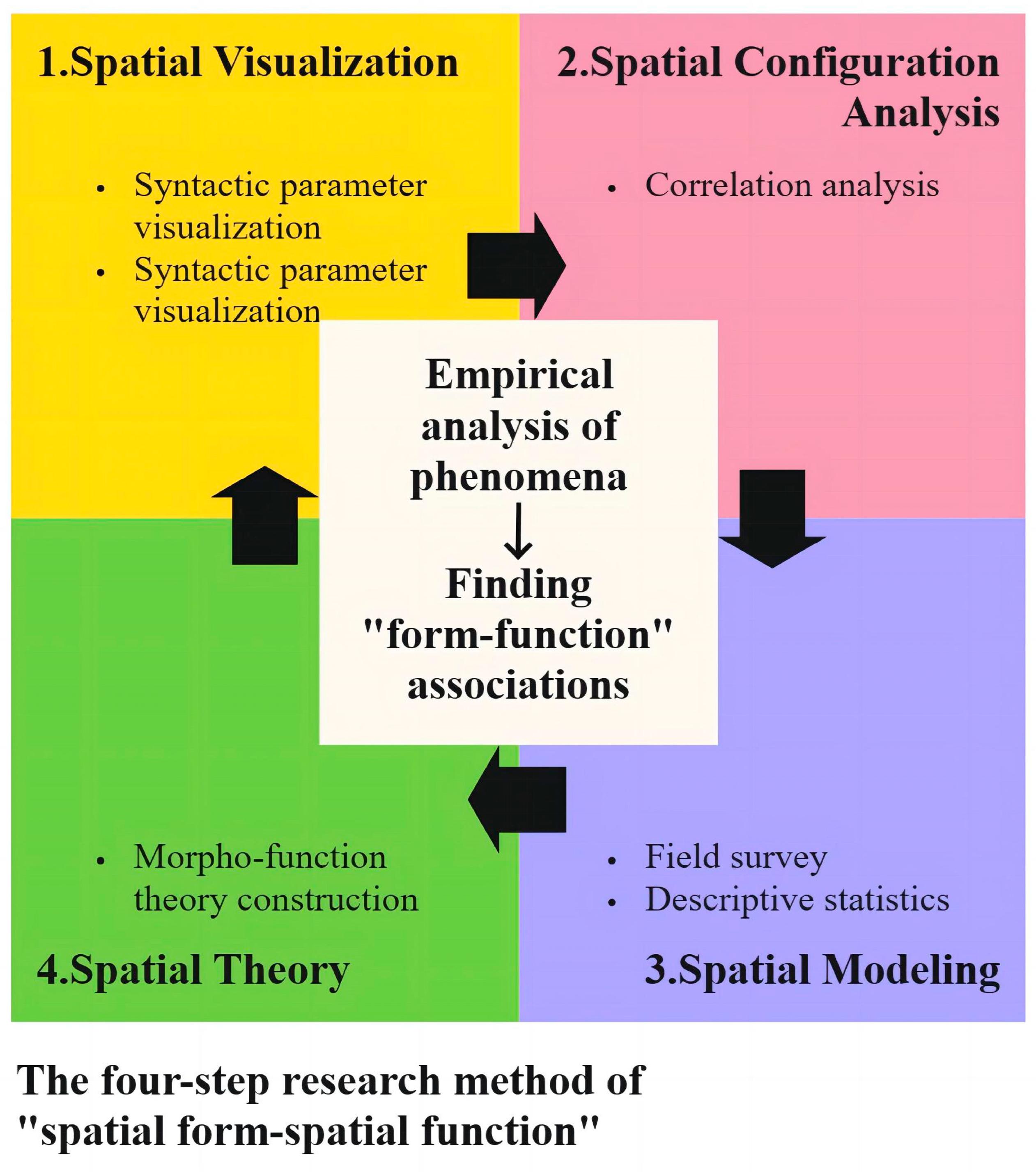
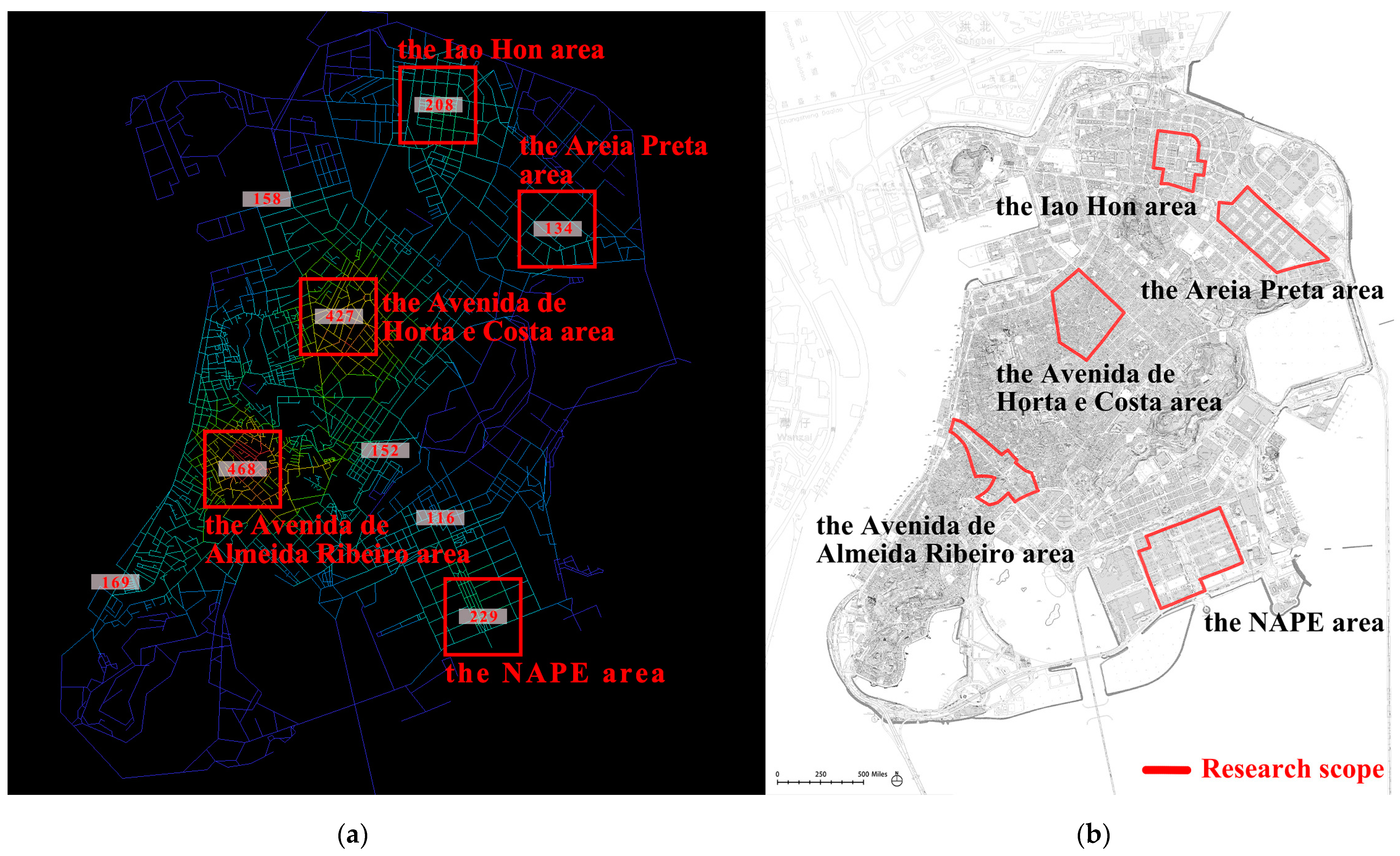
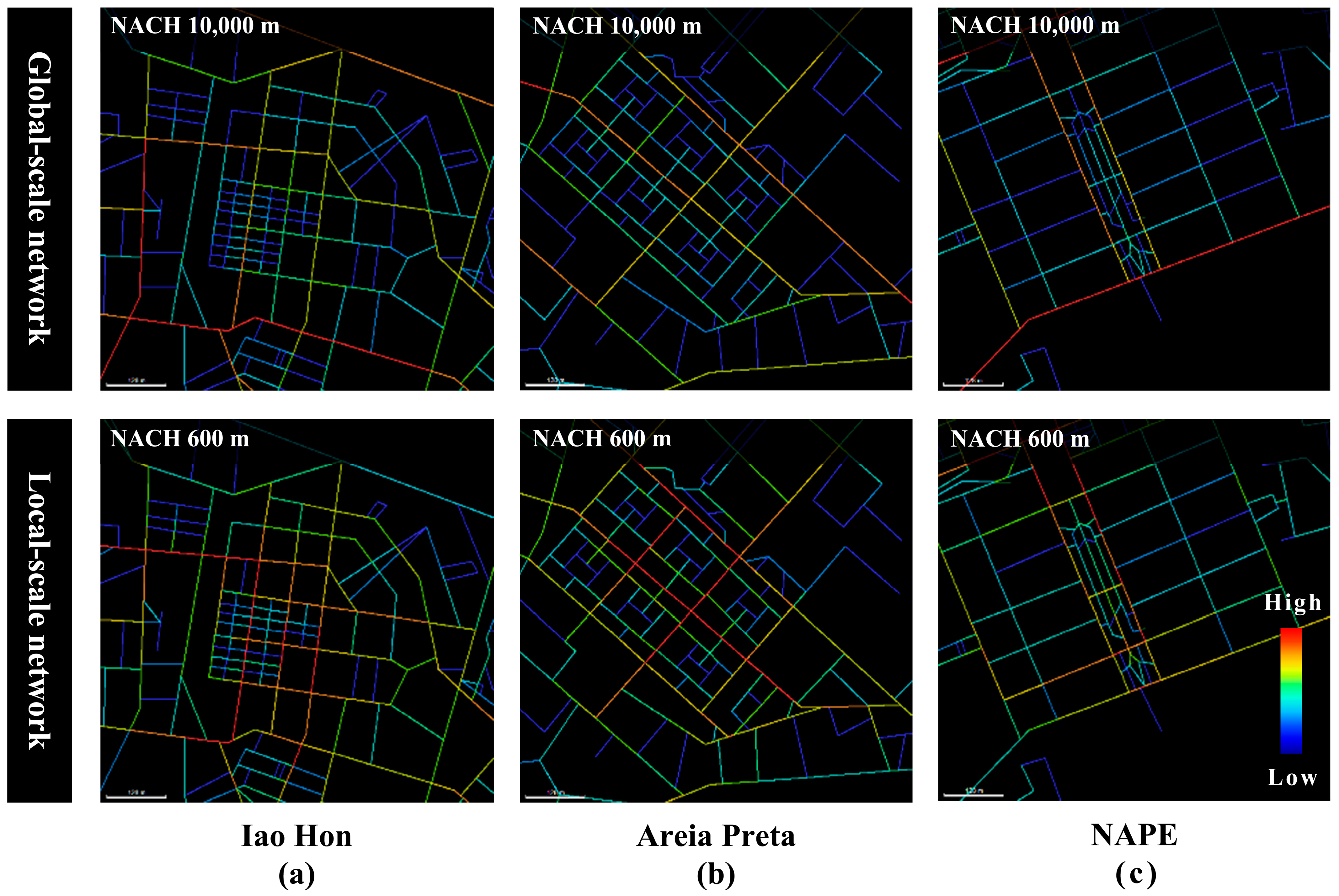
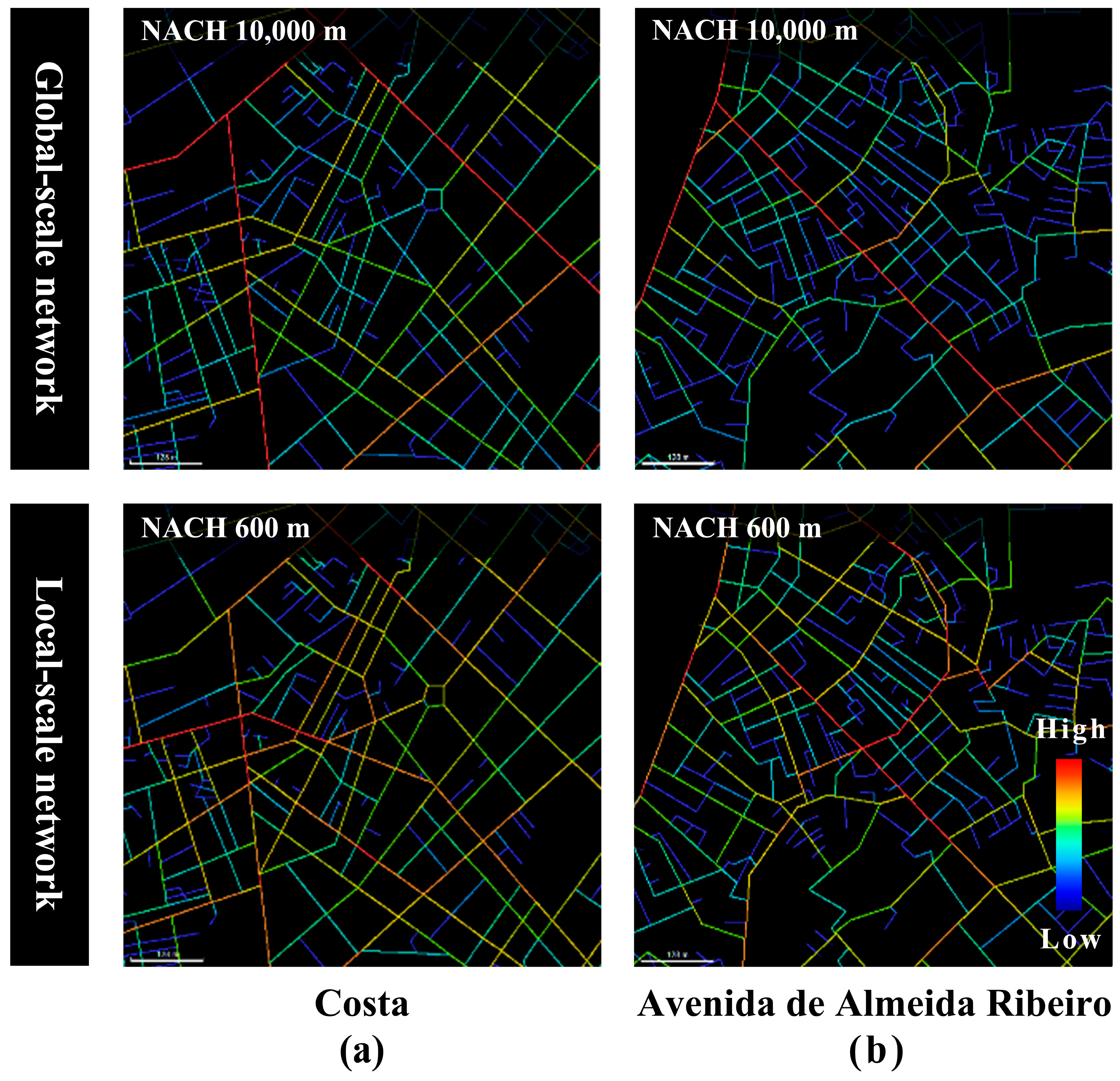
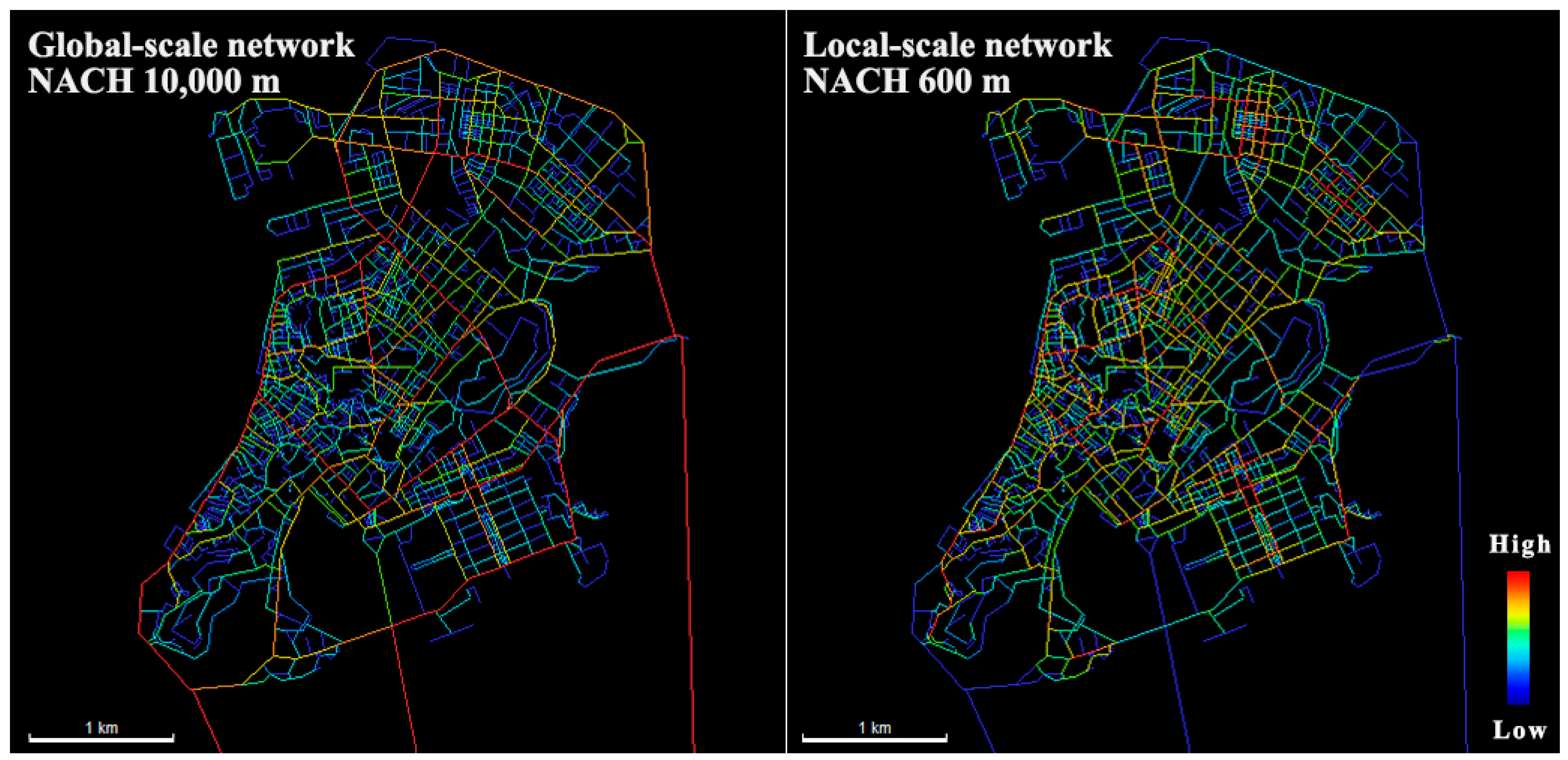
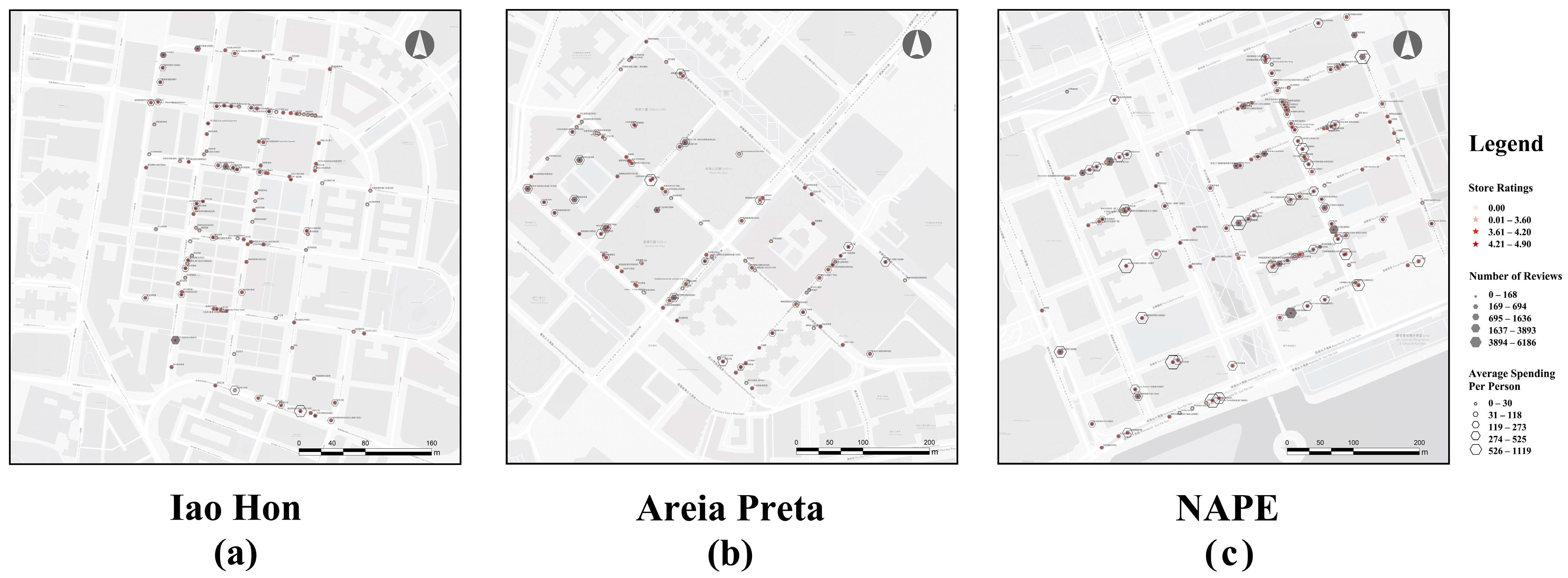
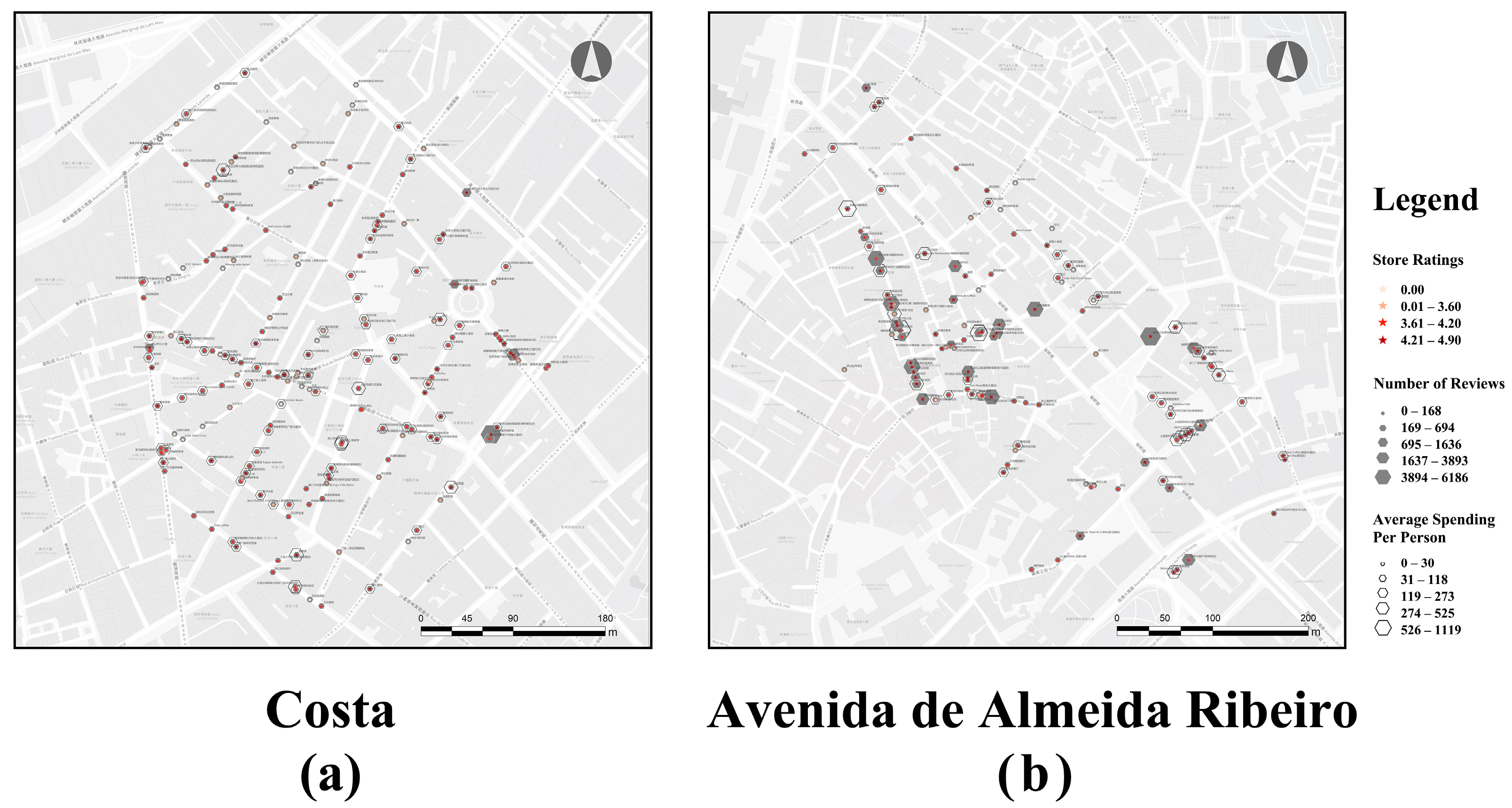
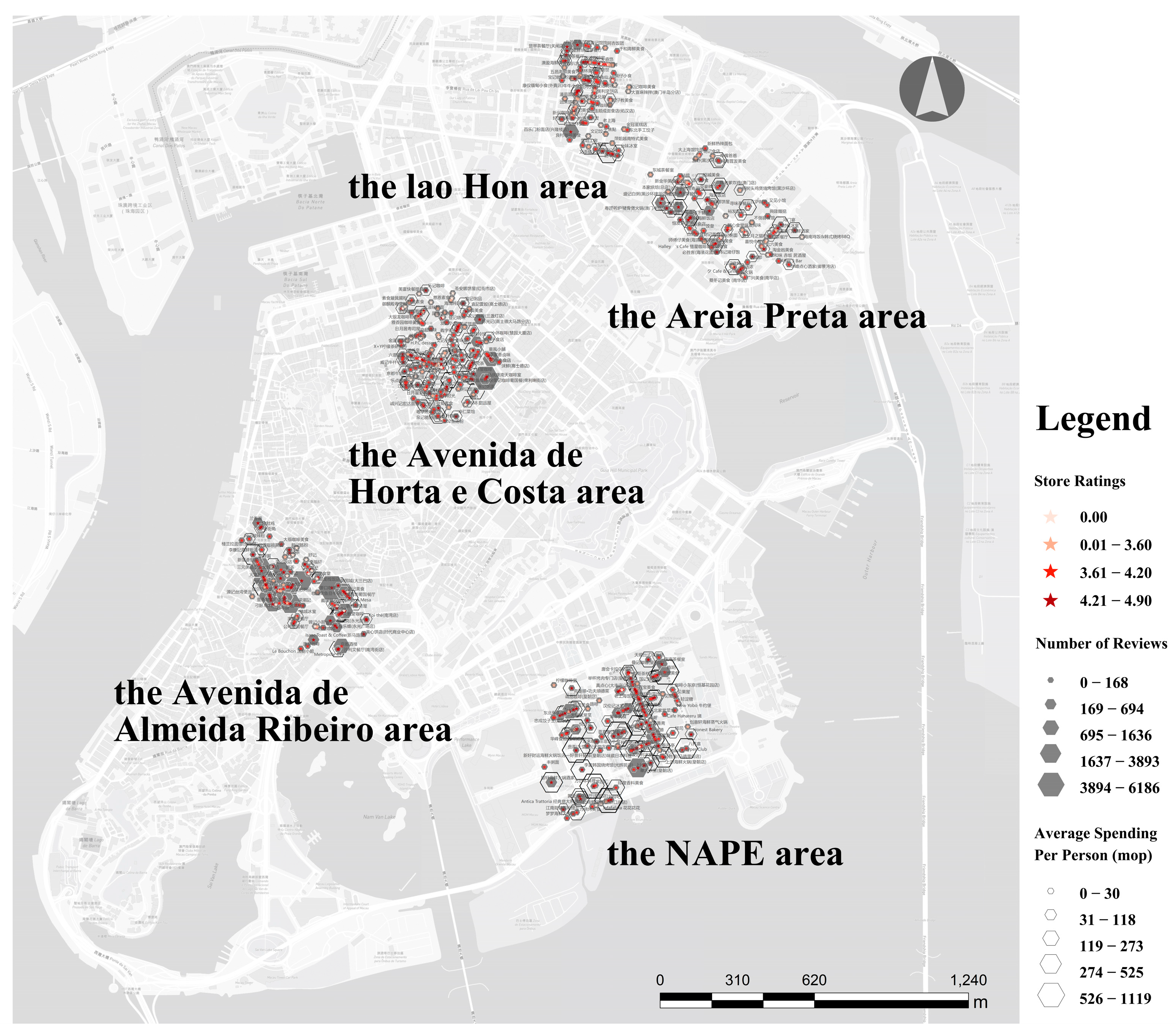
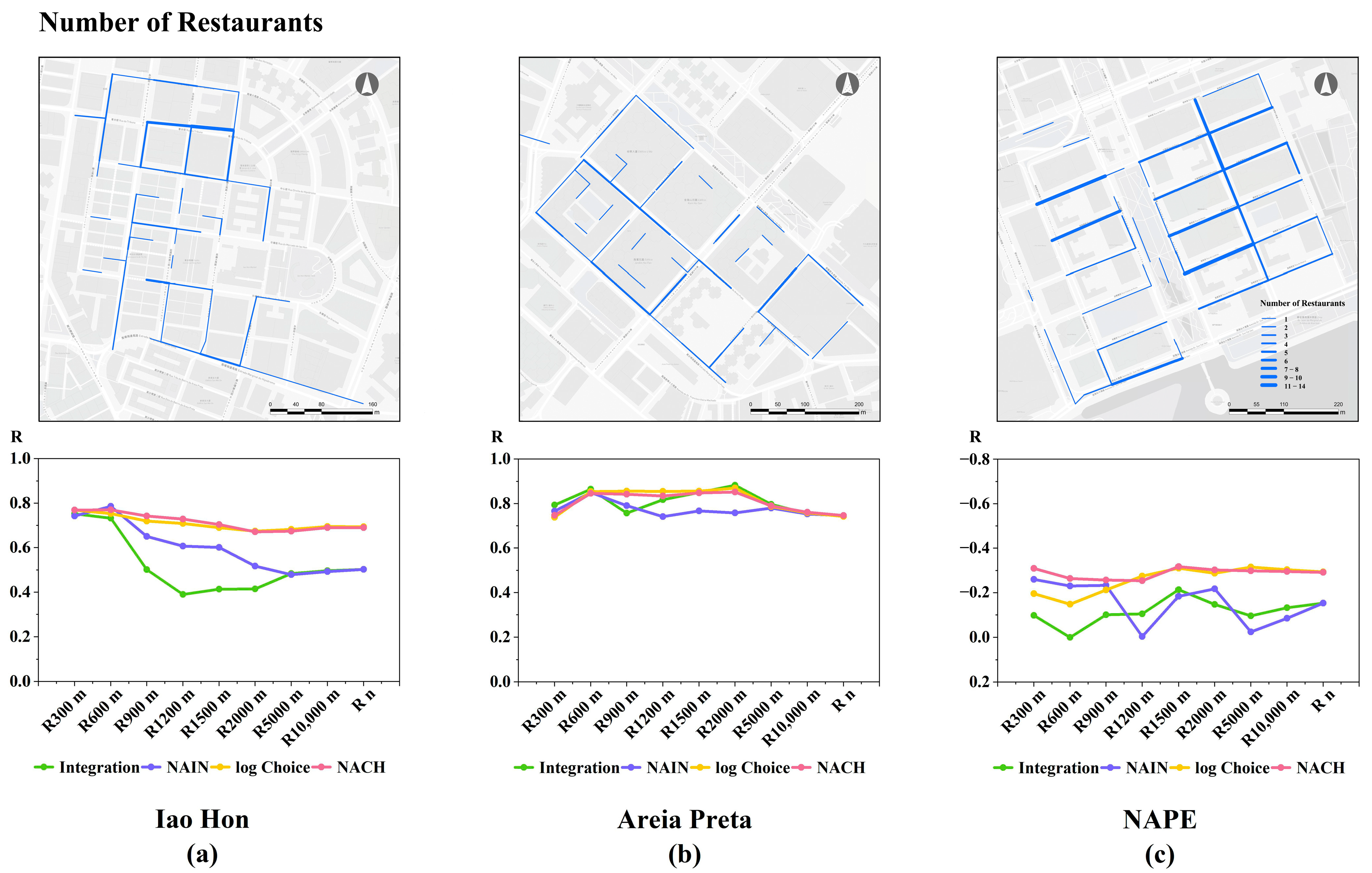
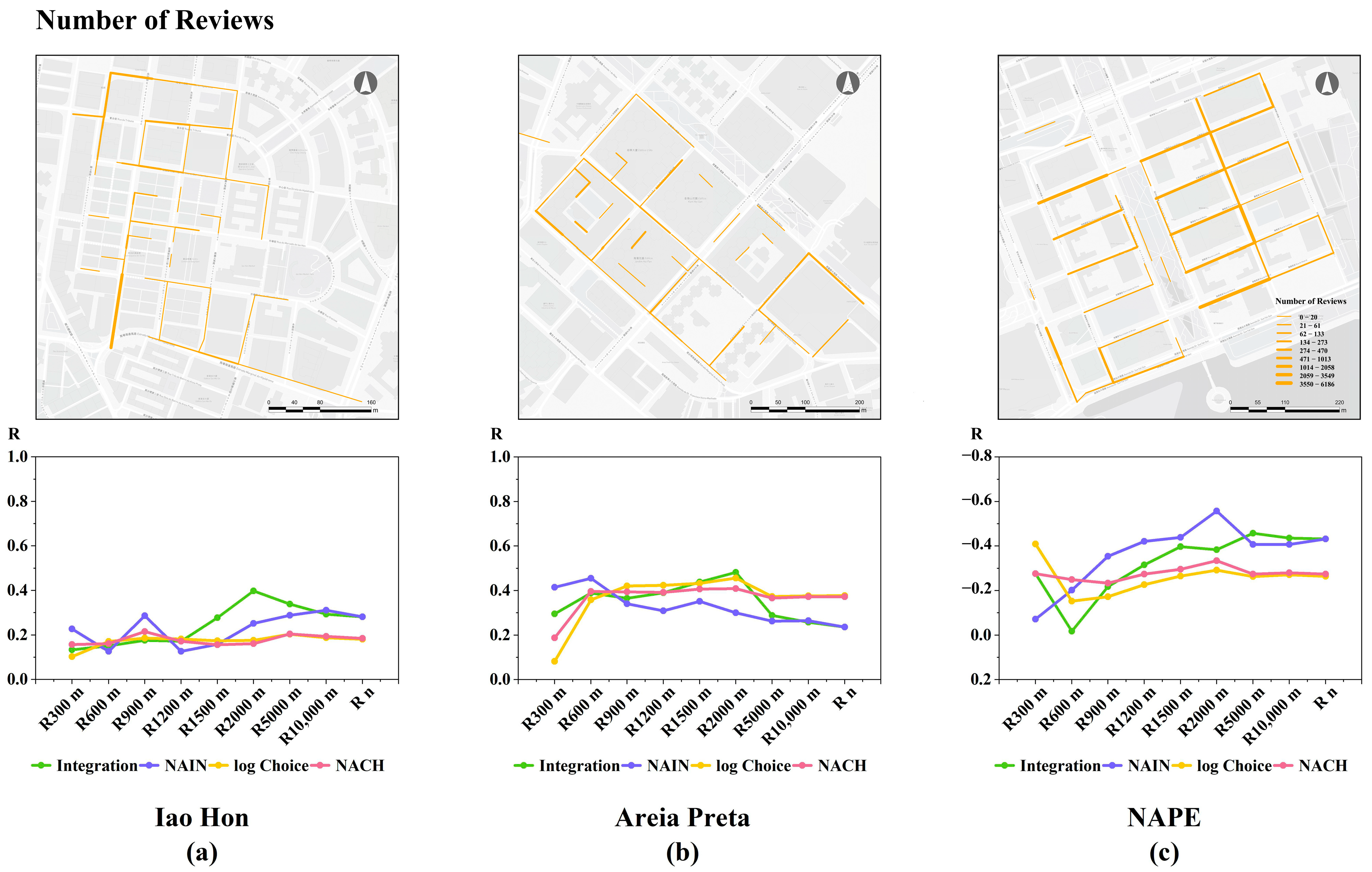
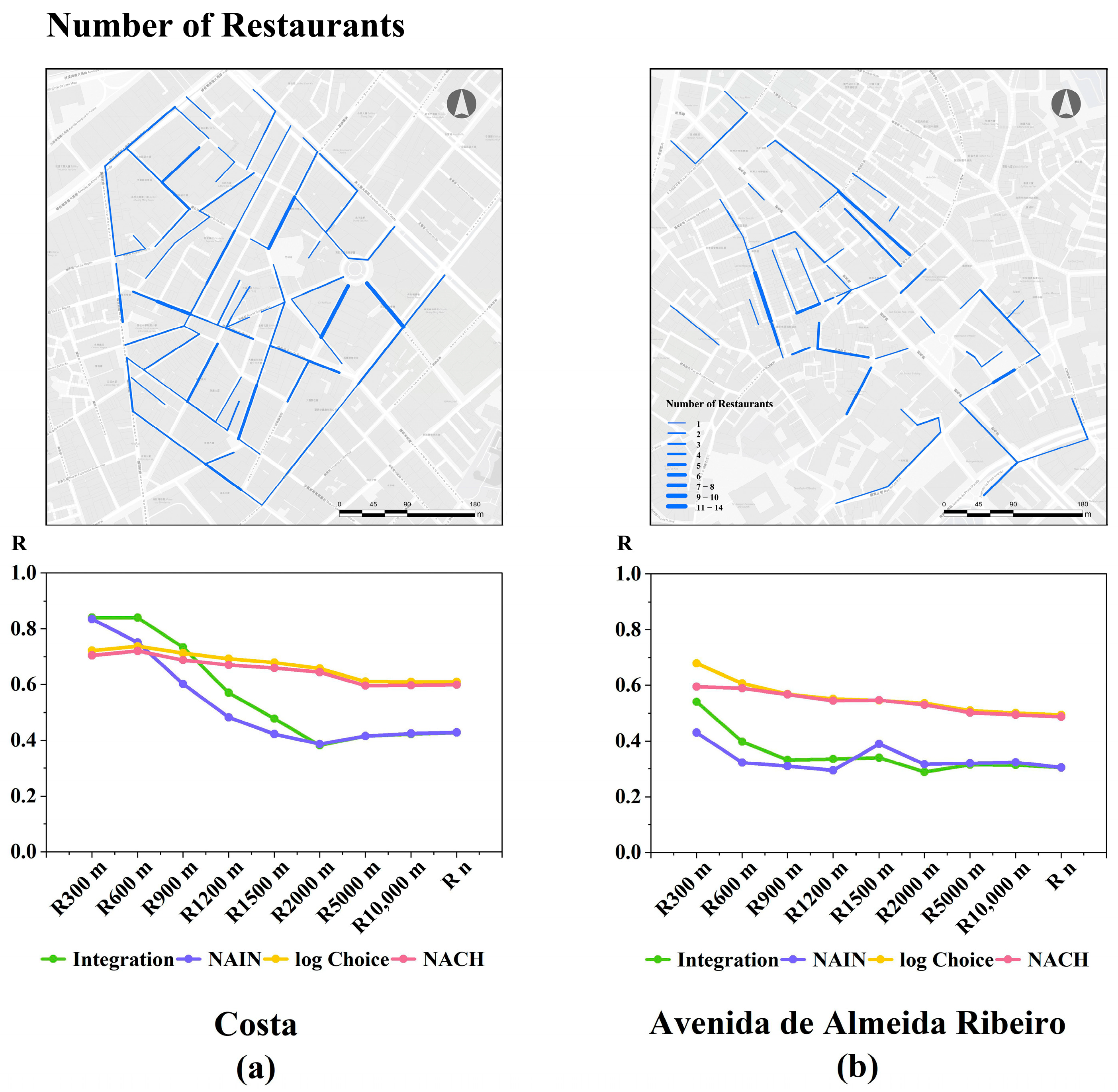
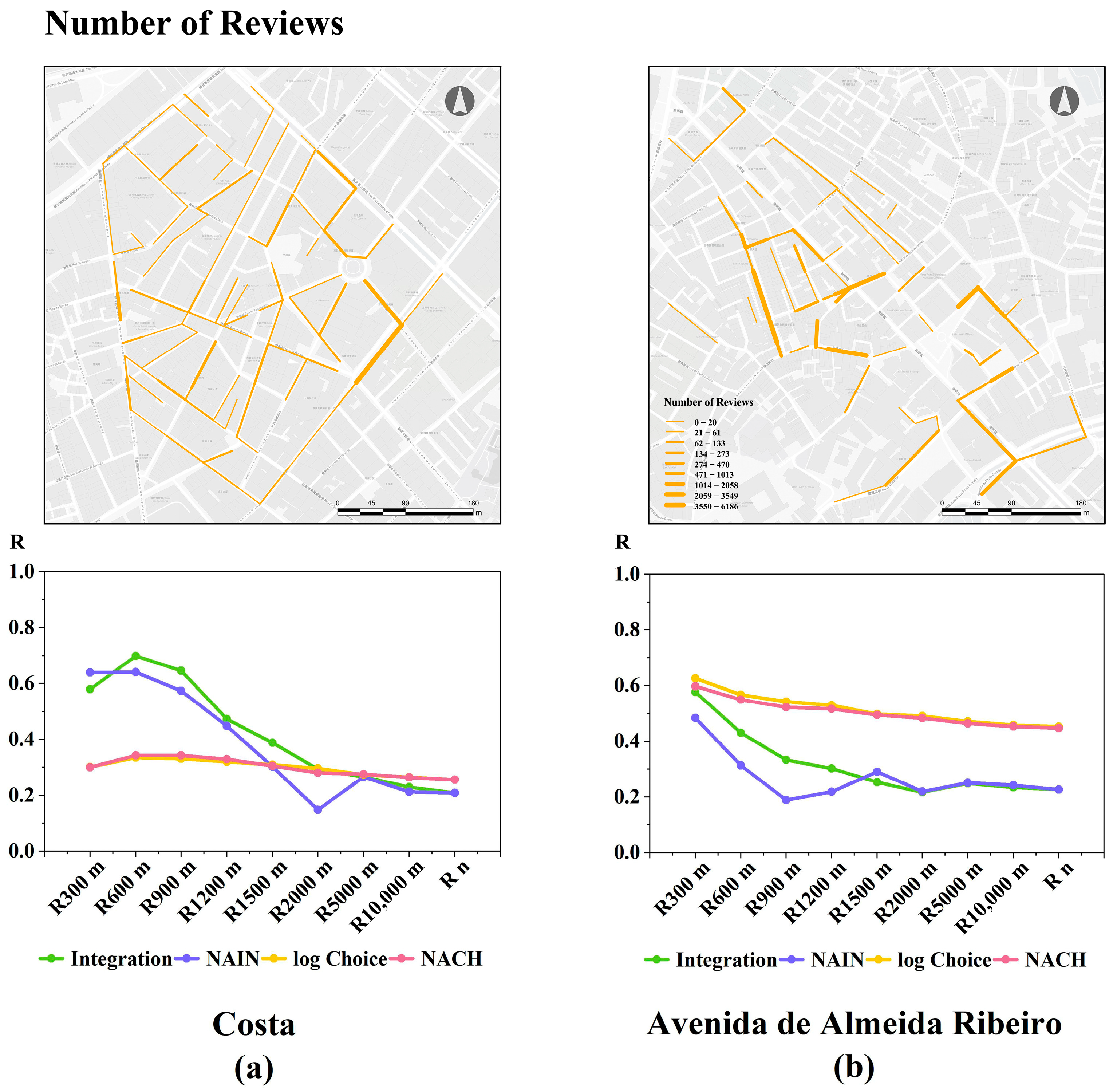
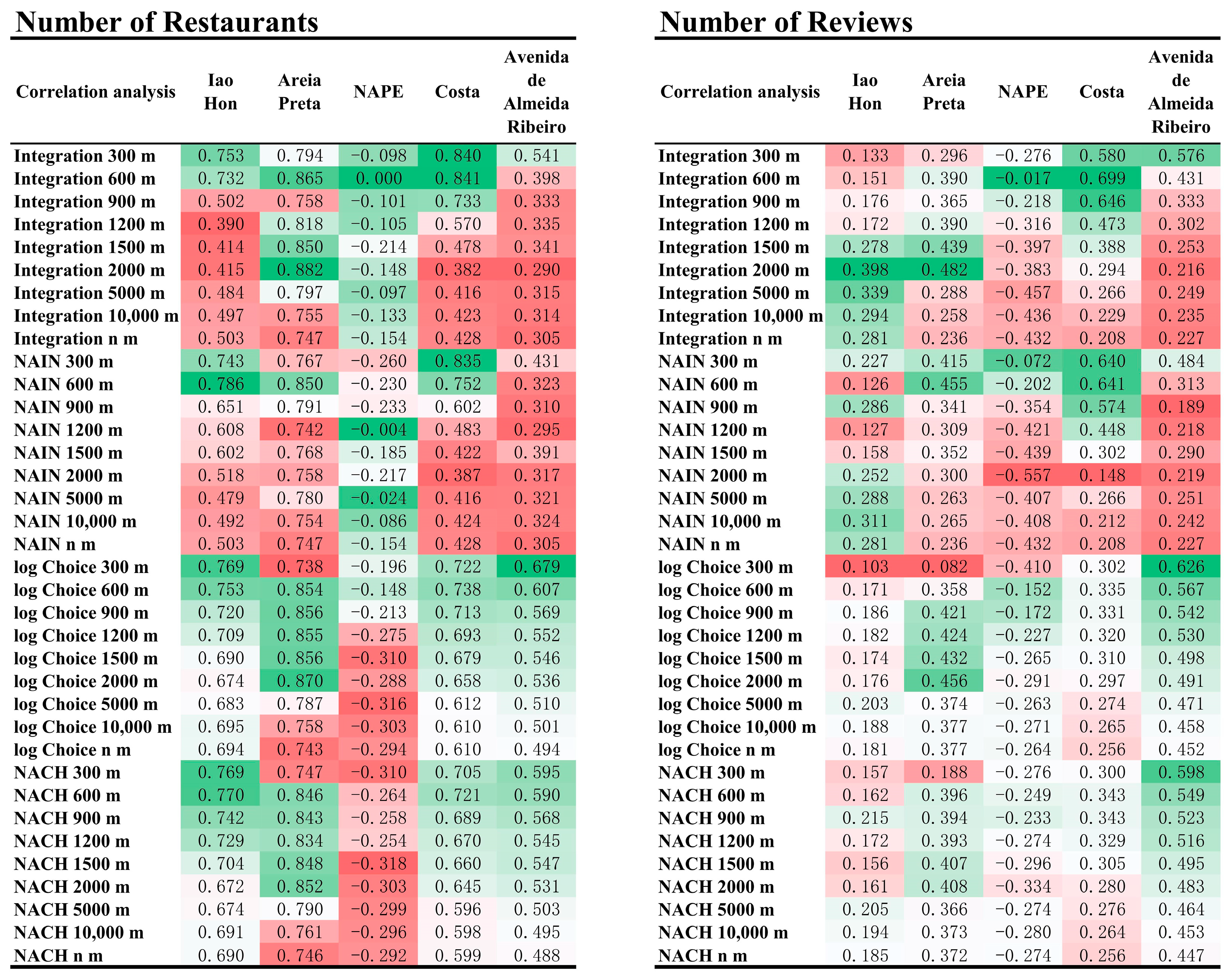
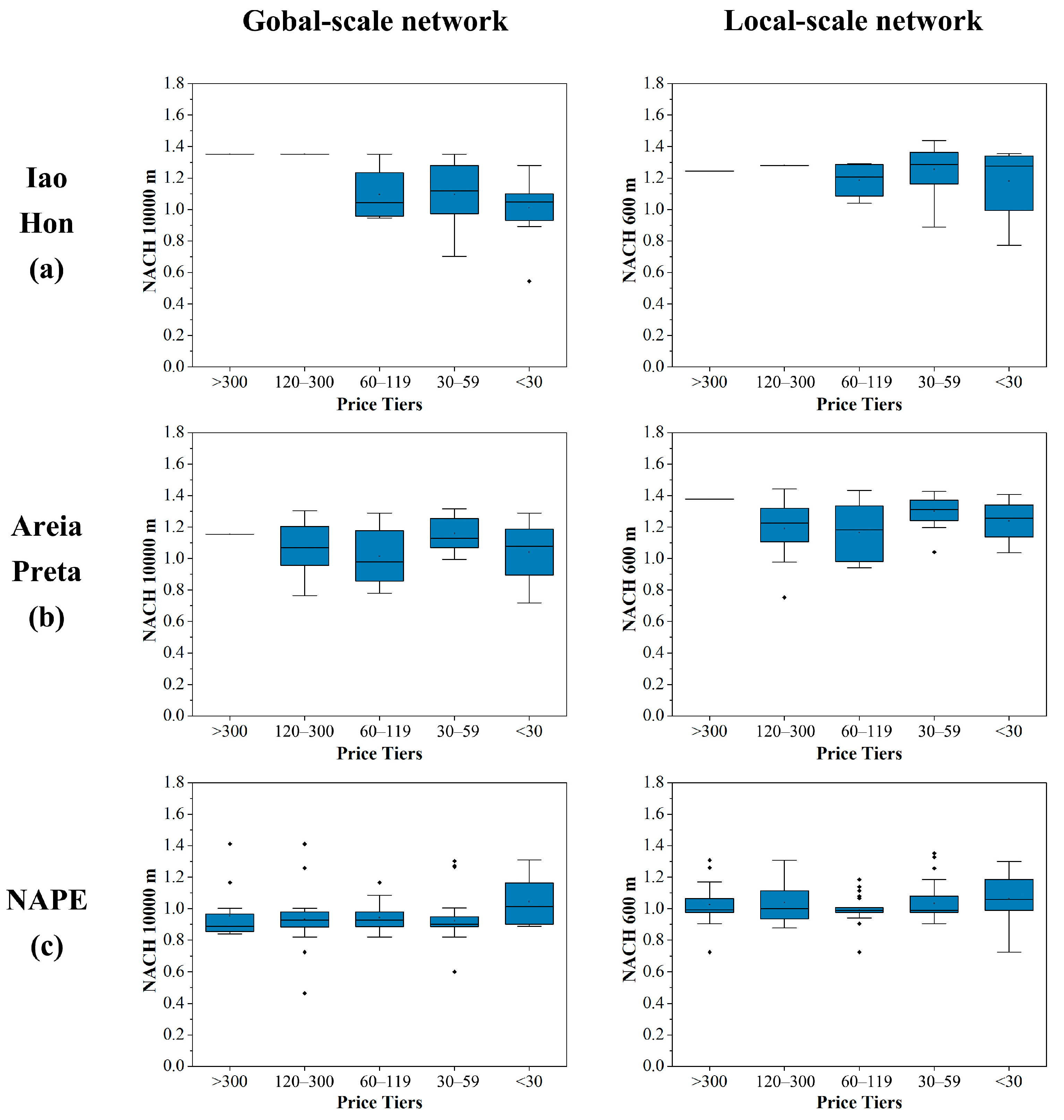
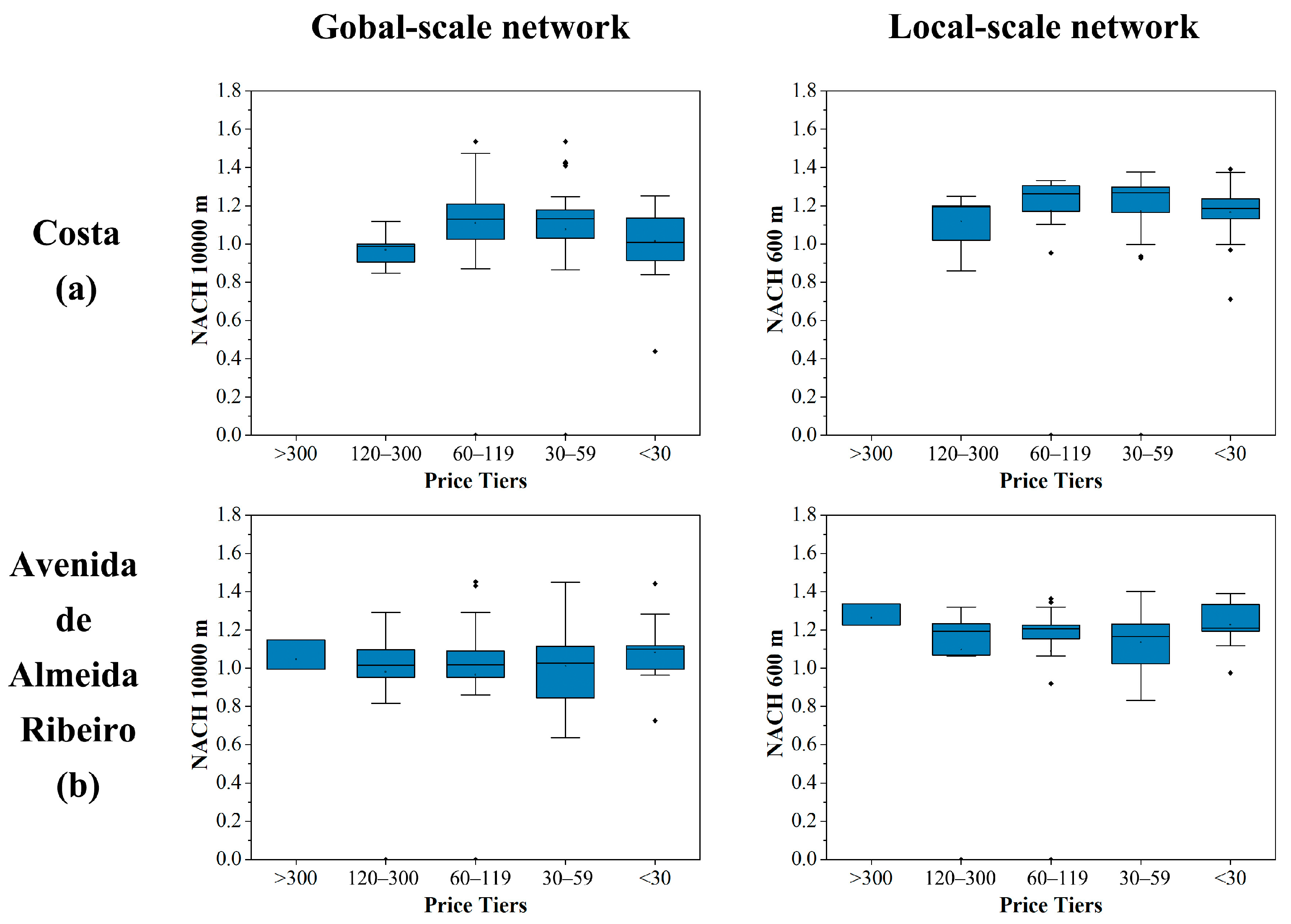
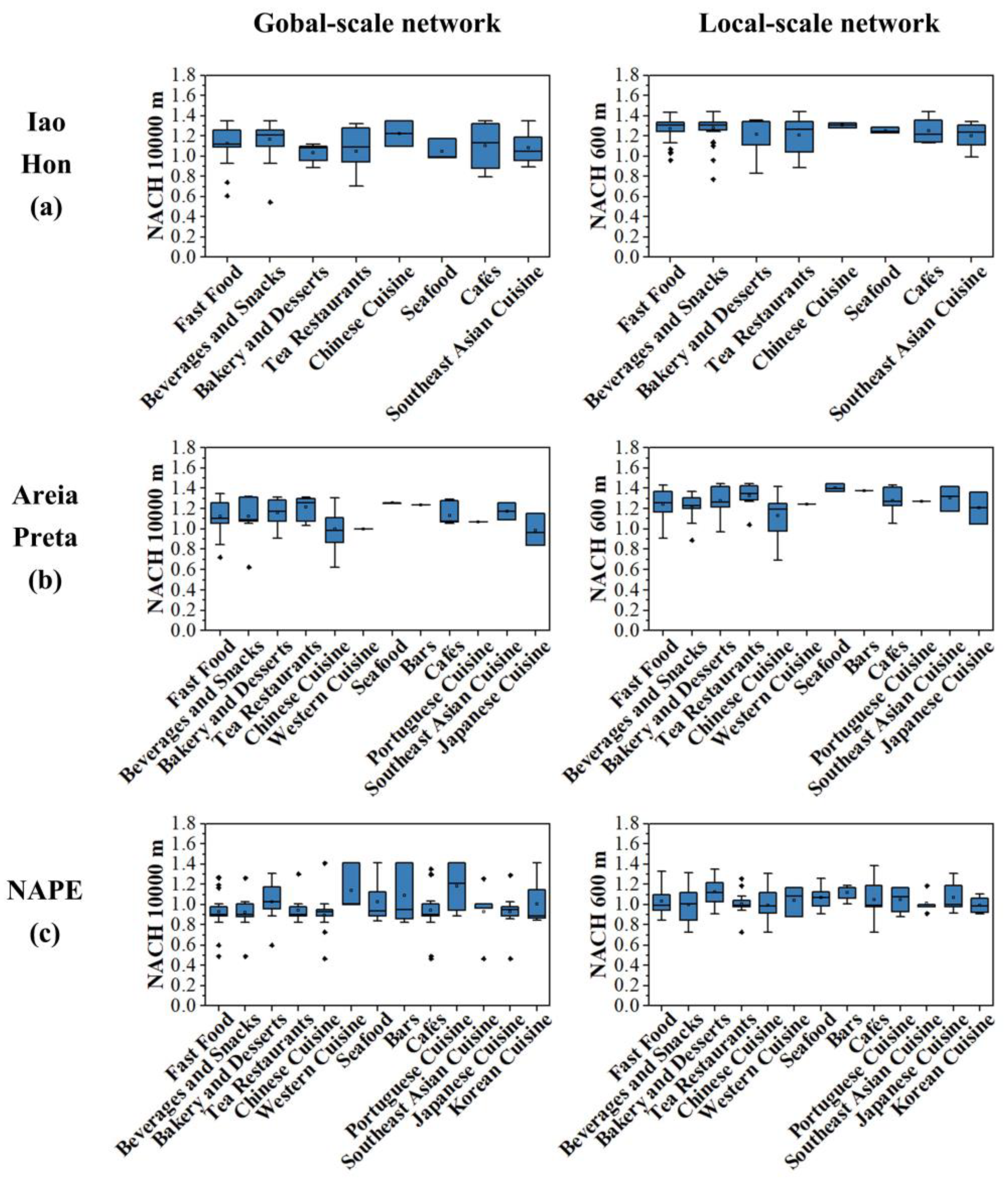
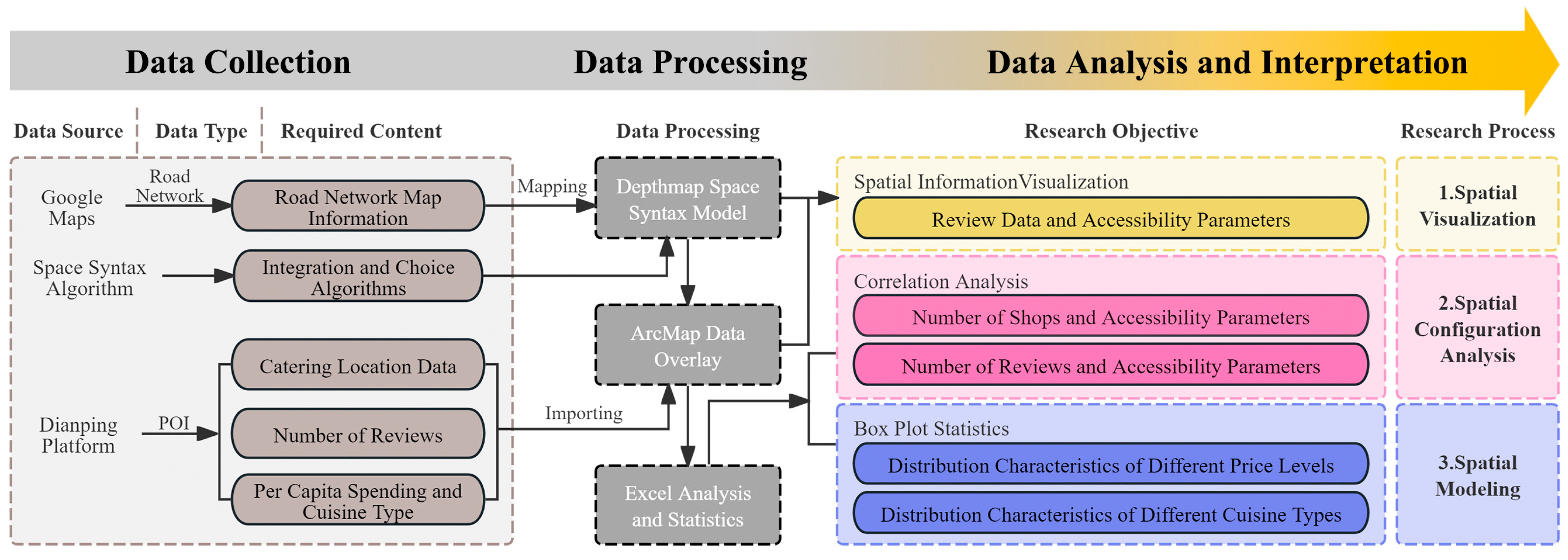
This study integrates space syntax and big data from the catering industry to explore the impact of grid and organic street patterns on the spatial distribution of restaurants from the perspective of urban morphology. Space syntax is a set of theories and techniques for the analysis of spatial configurations. Focusing on five areas of the Macau Peninsula, this study models urban forms using space syntax. Syntactic parameters and Dianping data are analyzed through geographic visualization, correlation analysis, and descriptive statistics. The results reveal that grid-patterned streets provide a relatively equitable commercial environment through a structured hierarchy, whereas organic-patterned streets foster commercial diversity via more complex accessibility patterns. Additionally, at the local network level, a “cultural layer network” mechanism is revealed in organically shaped streets, supporting the stable distribution of different types of restaurants within specific accessibility ranges. For the first time, this study employs high precision (street-level accuracy), multidimensional analysis (number of restaurants and number of reviews), and a systematic methodology (“form-function” research framework) within the same space syntax model to uncover the effects of different urban morphologies on restaurant distribution. Collectively, these findings highlight street morphology’s key role in shaping vibrant commercial street networks in rapidly urbanizing contexts, reveal the morphological–socioeconomic synergy underpinning local catering ecosystems, and offer robust empirical guidance for integrated urban renewal, planning, and design strategies.
Keywords: topological street pattern; catering industry; accessibility; space syntax; spatial logic; data-based urban design topological street pattern; catering industry; accessibility; space syntax; spatial logic; data-based urban design