
Article

Ammonia (NH3) Mitigation in Intensive Pig Housing via a Novel Feed-Based Intervention: Real-Scale Evidence from High-Frequency Indoor Concentration Monitoring

by
Marcello Ermido Chiodini
1,2,*,
Daniele Aspesi
2,
Lorenzo Poggianella
3 and
Marco Acutis
1
1
Department of Agricultural and Environmental Sciences, University of Milan, Via Celoria 2, 20133 Milano, Italy
2
SOP Srl Società Benefit, Via Parco Alto Milanese 1, Busto Arsizio, 21052 Varese, Italy
3
Department of Land, Air and Water Resources, University of California, Davis, CA 95616-8521, USA
*
Author to whom correspondence should be addressed.
Atmosphere 2026, 17(5), 462; https://doi.org/10.3390/atmos17050462
Submission received: 19 March 2026 / Revised: 23 April 2026 / Accepted: 27 April 2026 / Published: 30 April 2026
(This article belongs to the Special Issue Ammonia Emissions and Particulate Matter (2nd Edition))

Abstract

Ammonia (NH3) from intensive agriculture is a primary precursor for secondary fine particulate matter (PM2.5), necessitating mitigation under the EU National Emission Ceilings (NEC) Directive. This study evaluated a novel feed-based intervention assessed under real-scale commercial conditions in weaning and growing pig units. Indoor NH3 concentrations were monitored at high frequency (2 h resolution), and treatment effects were analyzed using a Circular Block Bootstrap (CBB) approach to account for diurnal cyclicity and temporal autocorrelation. In the weaning unit, where pits were fully emptied before the trial, the mean indoor NH3 concentration decreased from 7.51 ppm to 1.37 ppm, representing an 81.7% reduction. In the growing unit, which operated under pre-existing slurry and an overflow system, a significant reduction of 20.9% was observed (from 5.45 ppm to 4.31 ppm). These results demonstrate the intervention’s efficacy in preventing NH3 release from fresh excreta and suggest that its impact in systems managed under slurry overflow can be further optimized by initially activating pre-existing material. This infrastructure-free solution offers a scalable, economically sustainable pathway to align livestock production with zero-pollution targets while supporting multiple Sustainable Development Goals related to human health, worker welfare, and environmental protection.

1. Introduction

Ammonia (NH3), a reduced form of nitrogen, is the most abundant alkaline compound of the terrestrial atmosphere [1]. Estimates indicate that around 93% of NH3 emissions in Europe come from agriculture, with livestock and animal production as the main sources [2]. Once released, NH3 contributes to environmental problems, including acidification of soils and surface waters, eutrophication, and the formation of fine particulate matter (PM2.5), which poses risks to human health [1,3,4]. In Europe, long-term exposure to PM2.5 concentrations above World Health Organization (WHO) guideline levels is associated with approximately 238,000 premature deaths annually, highlighting the relevance of NH3 mitigation as a precursor control strategy [5].
Consequently, NH3 emissions have become a regulatory priority, requiring Member States to report emissions and implement mitigation strategies addressed within the National Emission Ceilings (NEC) Directive [6] and the Best Available Techniques (BATs) conclusions [7] for the intensive rearing of poultry or pigs.
From an environmental perspective, livestock rearing in CAFOs (Concentrated Animal Feeding Operations) is particularly critical due to their intensive nature and the specific housing and manure management practices that create favorable conditions for NH3 release [8,9]. Factors influencing the rate of NH3 release at the farm scale include the total nitrogen excreted, the manure-handling systems, the ambient temperature, the ventilation rates, and the surface area of manure exposed to air [10].
Among livestock, swine farming is a significant source of atmospheric NH3 [11] due to the large amounts of nitrogen excreted in the manure. Nevertheless, the swine sector also plays a crucial role in food production and agricultural systems globally. In fact, pork accounts for 36% of global meat consumption [12] and is a staple in many countries, providing essential nutrients and energy to millions of people daily [13]. Furthermore, in other regions such as Italy or Spain, pork is linked to local traditions and the economy.
In some European countries, NH3 emitted from pigs is of particular concern due to the concentration of intensive livestock operations in specific areas. In Italy, 88% of animals are raised in the Po Valley, with Lombardy accounting for approximately 50% of the total number of pigs, followed by Piedmont (16%) and Emilia Romagna (12%) [14]. This concentration of production creates significant environmental pressures, particularly from NH3 and nitrogen pollution, which affect both air quality and soil/water systems in those regions.
NH3 is a concern not only for humans but also for animals: high concentrations in animal housing facilities can adversely affect animal health, welfare, and productivity [15]. Both the EU and the Italian legislation [16] indicate that good air quality is maintained via keeping “the air circulation, the amount of dust, the temperature, the relative humidity, and the gas concentration within certain limits that are not harmful to animals”, but no indication is given about the limits. Current regulations focus on actual concentrations rather than emission fluxes, as these affect the health of animals and operators. The Scientific Veterinary Committee recommends limits to dangerous pollutant concentrations: for NH3, a reference indoor threshold of 10 ppm is commonly cited in welfare guidance. In Italy, the National Reference Centre for Animal Welfare (CReNBA) developed ClassyFarm [17], a protocol for evaluating animal welfare in breeding that considers the relationships among animal health and public health, the environment, antimicrobial resistance, and food security. These guidelines set limits for indoor concentrations of 10–20 ppm.
Moreover, odors from manure management, for which NH3 is a precursor, cause nuisance and health-related issues for neighboring communities [17,18].
Addressing the presence of this gas in the barns is therefore fundamental to improving alignment with several Sustainable Development Goals (SDGs), including SDG 3 (Good Health and Well-being), SDG 8 (Decent Work), and SDG 11 (Sustainable communities), for the impact of ammonia, air quality, and odors at both the farm and community level.
Strategies for reducing NH3 release in swine operations have been extensively studied to mitigate effects on the environment and on the health of humans and animals. These include dietary manipulation, manure management technologies, feed or manure additives, air scrubbers, and housing design modifications, some of which are reported within the Best Available Techniques (BATs) for intensive pig rearing [7].
However, despite technological advances, the practical control of NH3 release remains challenging. Many available solutions are expensive, technically complex, or difficult to implement within existing farm structures due to high investment costs and operational complexity. Many, like covers, are designed for outdoor storage facilities and are not applicable inside barns; therefore, cost-effective management strategies that do not require structural changes are of particular interest [19].
Despite extensive research on mitigation technologies [3], evidence from long-duration, real-scale pig-housing trials evaluated with high-frequency monitoring remains limited. Indoor NH3 time series typically show strong diurnal patterns and autocorrelation [20,21], which can inflate apparent significance if treated as independent observations. Studies that explicitly account for temporal dependence while maintaining commercial operating conditions are therefore needed to support reliable inference on intervention performance.
This study evaluates the efficacy of a novel feed-based intervention for reducing indoor NH3 concentrations in real-scale intensive pig housing, supported by robust time-series analysis accounting for diurnal cyclicity and temporal autocorrelation. Previous studies demonstrated the ability of another manure additive based on calcium sulfate dihydrate, processed with the same proprietary technology, SOP Inside®, to reduce NH3 release from bovine effluents, in both laboratory and farm-scale trials [22,23,24]. In this study, the authors evaluate the performance of a similar product integrated in the feed ration, rather than being applied directly to the liquid manure.

2. Materials and Methods

2.1. Experimental Site General Description

The experiment took place between late 2024 and early 2025 on a commercial pig farm located in Medole (Province of Mantua, Lombardy, Italy).
The farm houses a total of 11,500 pigs across various growing stages, in several buildings. The effect of the feed additive was assessed during the weaning and growing periods to evaluate the product’s overall ability to reduce indoor NH3 release, regardless of the animals’ growth stage.
The structural and operational characteristics of the weaning and growing units are summarized in Table 1.
Structurally, the weaning and growing barns feature uninterrupted slurry pits extending along the full building length. While a simultaneous group split was technically possible for the animals, it was not feasible for the environmental monitoring: the common manure storage and shared air volume would have led to unavoidable cross-contamination between a control and a treated group. Consequently, we opted for a sequential study design, which allowed for a clear distinction between baseline and treatment periods while maintaining the commercial operating conditions of the facility.
The feed-based intervention under test, named SOP Lagoon Feed Pig (LFP) (SQE034s + SQE610), consists of feed-grade calcium sulphate dihydrate subjected to SOP Inside® process, a proprietary physical process developed by SOP srl, Italy [25], to modify the material’s functional behavior under commercial conditions. The intervention evaluated in this study refers to the processed product as applied in actual farm use conditions: LFP was therefore mixed in the farm’s own feed mill with the feed ration at the dosage of 120 g/t of dry feed basis, as recommended on the label/technical documentation, regardless of the production phase.
For each stage, the indoor NH3 concentrations were monitored continuously for a period of time before, and for a comparable period of time after, the introduction of LFP in the animals’ diet.
No changes in housing design, manure handling routines, feeding regime (other than the tested intervention), or animal density were implemented during the monitoring periods. Ventilation and temperature management followed routine farm practice: ventilation rates were automatically controlled based on internal temperature and humidity for the weaning stage, and on temperature only for the growing stage, and followed the same operational logic during both baseline (UTC) and treatment (LFP) periods.
Furthermore, as reported by the farmer, no effect on animal growth performance and health was observed in both growing stages over the monitored periods.

2.2. Weaning Phase Trial

The weaning phase test was hosted in a building divided into two symmetrical sections along its length. At the time of the study, the facility was managed under an all-in/all-out production system.
Each cycle lasts approximately five to six weeks. At the end of each cycle, all the pigs are moved to other buildings, the manure pits are emptied, and the boxes are thoroughly cleaned.
The weaning barn trial was conducted from 25 September 2024, on the starting date of a new weaning cycle, to late January 2025. The LFP-supplemented diet was introduced on November 12, at the beginning of a new weaning period.

2.3. Growing Phase Trial

The growing phase test was hosted in a building divided into two symmetrical sections along its length. At the time of the study, unlike the weaning phase, the pigs were continuously introduced and removed over approximately 5 weeks, coinciding with the completion of the grower phase.
As a difference from the weaning unit, the manure, collected in the pits under the slats, was removed by overflow.
The growing barn trial also started on September 25 and ended on 20 December 2024. From September 25 to November 11, baseline NH3 concentrations were measured in the absence of the LFP product. Subsequently, the supplementation of the LFP product started on November 12 and continued until the end of the experiment. During the trial, none of the pigs came from the same weaning barn where LFP was supplemented.

2.4. Indoor NH3 Concentration Monitoring

Monitoring indoor NH3 concentrations, rather than emission fluxes, is consistent with the regulatory focus on actual in-barn exposure levels relevant to animal and operator health. NH3 indoor concentrations were acquired by two Cynomys mini instruments (Cynomys srl, Arenzano, GE, Italy) [26].
Each instrument consists of an IP54 box containing an electrochemical NH3 analyzer having the following characteristics: detection range 0.5–50 ppm, resolution 0.1 ppm, measurement interval 30 s, temperature range −20 °C to + 50 °C.
The device continuously samples ambient air, passing it through an appropriate dust filter before directing it to the detector. An internal CPU consolidates the collected measurements and, for this experiment, generated a single data point every 2 h. Data can be accessed in real time via a proprietary web portal and downloaded for subsequent processing.
The devices were factory-calibrated before the beginning of the trials and require annual recalibration as part of the recommended maintenance program. The two devices were delivered ready for use.
The use of electrochemical sensors with 2 h integration provided a balance between temporal resolution and sensor longevity, minimizing the risk of signal drift in the barns’ dust-rich environment. This configuration is consistent with long-term indoor environmental monitoring applications and was selected to ensure signal stability and robustness under typical barn operating conditions.
The instruments were installed at the center of each building, 1.5 m above the slatted floor. On 11 November, the analyzer in the weaning barn (s/n MEC64EC14411) malfunctioned and was replaced by the growing-barn unit (s/n MEC64EC14011), reinstalled in the weaning barn on 24 December 2024.

2.5. Statistical Analysis

Indoor NH3 concentration data were collected every two hours for two independent treatment series (UTC and LFP). Because the resulting time series exhibited a clear 24 h periodicity and strong short-range autocorrelation, classical inferential procedures assuming independent observations were not appropriate. To obtain valid and robust inference under temporal dependence, we applied a Circular Block Bootstrap (CBB) [27,28,29].
In CBB, the original series is divided into overlapping blocks of fixed length, and bootstrap replicates are generated by sampling these blocks with circular wrap-around. This resampling strategy preserves both the within-block autocorrelation structure and the intrinsic diurnal pattern of NH3 concentrations. Block lengths of 12 and 24 observations (at 2 h resolution) were used, according to [30], to perform two complementary analyses, each with 10,000 replicates.

2.5.1. Whole-Series Comparison

For each barn, the difference in mean NH3 indoor concentration (LFP − UTC) was estimated. A centered CBB was used to compute one-sided p-values for the hypothesis that LFP reduces indoor NH3 concentrations (mean (LFP) < mean (UTC)). A non-centered CBB was used to generate non-parametric 95% confidence intervals for the mean difference and the corresponding percentage reduction (Equation (1)):
Reduction (%) = 100 × (1 − (mean (LFP)/mean (UTC)))

2.5.2. Asynchronous Window-Based Comparison

To evaluate the robustness of treatment effects across all possible temporal alignments [31], we conducted an exhaustive comparison of all W-day windows (10 days) from the UTC series with all W-day windows from the LFP series. For each window pair, the mean difference was evaluated using the same one-sided CBB procedure, in order to provide the proportion and significance of windows where LFP could exhibit lower NH3 concentrations than UTC at the 10%, 5%, and 1% thresholds. The same bootstrap framework was used to analyze the daily average NH3 indoor concentrations.
All computations were performed in Python 3.13.9, using code implementing the CBB resampling algorithm: this resampling strategy was selected to ensure conservative inference under temporal dependence typical of real-farm environmental monitoring, thereby avoiding pseudo-replication.

3. Results

3.1. External Temperatures

Table 2 summarizes the average external air temperatures in the period when the present work was conducted [32].
The average temperatures show lower values from September to the end of the test, in line with what is expected from the region. The outside air temperature was constantly lower than the desired temperatures inside the barns, thus requiring progressively reduced air exchange rates towards the end of the study period in order to maintain the prescribed rearing temperatures inside the facilities.

3.2. Weaning Barn

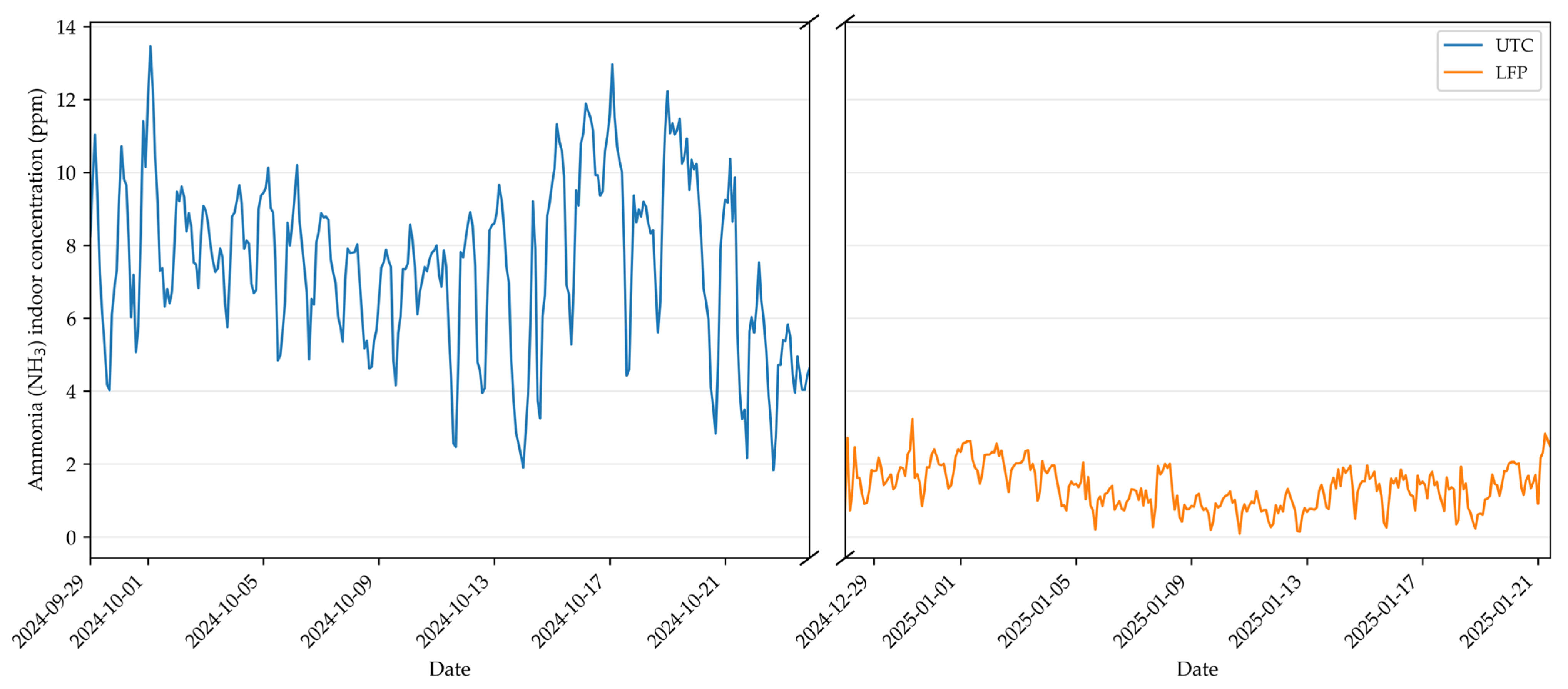
Figure 1 shows the NH3 concentrations in the weaning barn during the monitored periods.
The duration of the UTC and the LFP periods allowed us to retain a total of n = 300 valid 2 h observations n = 294 for the LFP period, respectively.
The data show similar 24 h-long fluctuations, with greater values and larger swings during UTC than in LFP, confirmed by a larger standard deviation (SD). Using the centered CBB analysis, the data shows that the mean indoor NH3 concentration during the UTC period was 7.511 ppm, while during the LFP period it was 1.377 ppm, with a highly significant (p < 0.001) difference for both block sizes (12 and 24 observations) of −6.134 ppm, corresponding to an 81.7% reduction.
All results are reported in Table 3.
For the asynchronous 10-day window analysis, a total of 256 window pairs were compared (16 UTC windows × 16 LFP windows). All information is summarized in Table 4.
Across all comparisons, it is possible to notice that
  • LFP < UTC in 100% of windows;
  • The reduction is statistically significant also at the 1% level for both block sizes in 100% of cases;
  • No window showed higher concentrations in the LFP period (0 of 256).
These results indicate that the LFP-induced reduction was robust across all temporal alignments considered in the asynchronous window comparisons.

3.3. Growing Barn

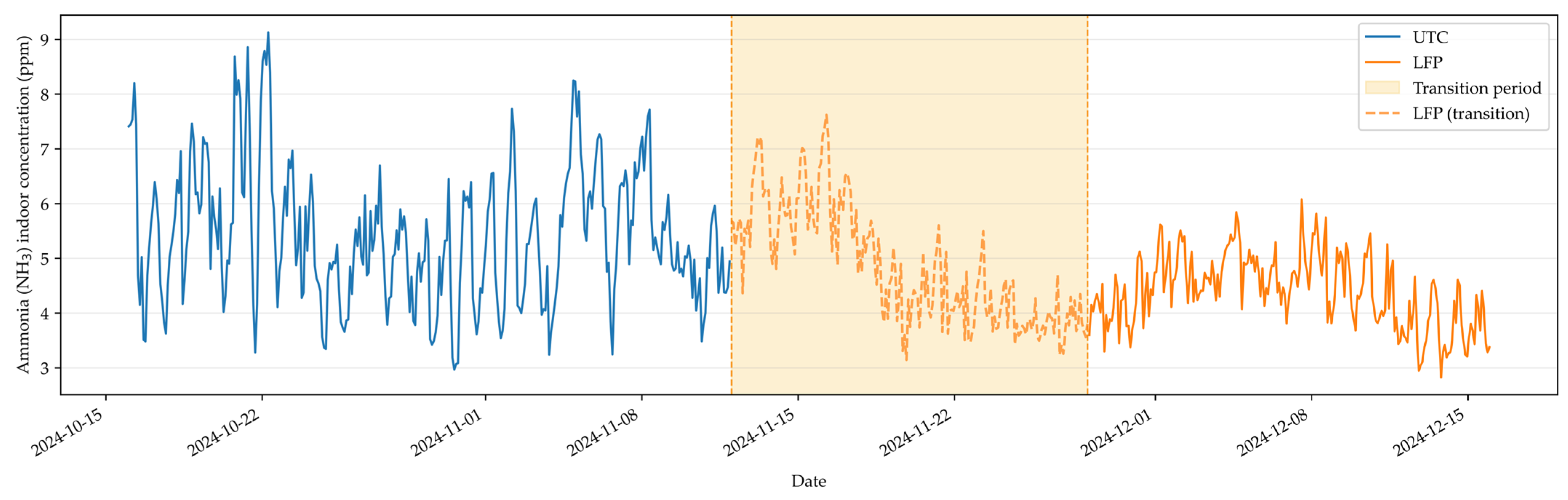
Figure 2 shows the NH3 concentration in the growing barn during the trial.
The graph clearly shows how the values fluctuate similarly around their average, for both UTC and LFP, with greater variability during the UTC period, as shown by the greater SD. The orange part highlighted in the graph (Figure 2) is the transition period, which was determined to be 15 days, from the introduction of LFP into the animals’ diet (November 12) until the measured drop reached a plateau.
After excluding the transition period, a total of n = 360 valid 2 h observations were retained for the UTC period and n = 252 for the LFP period. The bootstrap analysis reveals that the mean indoor NH3 concentration decreased from 5.449 ppm (UTC) to 4.311 ppm (LFP), with a highly significant (p < 0.001) difference for both block sizes (12 and 24 observations) of −1.138 ppm, corresponding to a 20.9% reduction.
All results are shown in Table 5.
For the asynchronous 10-day window analysis, a total of 252 window pairs were compared (21 UTC windows × 12 LFP windows).
Results are reported in Table 6.
Table 6 shows that, across all block sizes,
  • LFP < UTC in 97% of windows at the 10% level;
  • 93% at the 5% level;
  • 67–77% at the 1% level;
  • LFP > UTC in 0.0% of window pairs.
These results show that the treatment effect, although smaller than in the weaning barn, was consistent across the majority of window comparisons, with no evidence for windows in which indoor NH3 concentrations increased under LFP administration.

4. Discussion

NH3 released from livestock is a twofold problem: at a macroscopic scale, it is a major source of regional secondary PM2.5 formation [33], while, at the farm level, high NH3 levels inside barns also affect animal health and productivity [15]. Local interventions in commercial settings that can reduce NH3 at the source, especially in housing, are vital for lowering atmospheric NH3 and PM2.5 formation, improving animal welfare, and supporting SDGs, thus extending the benefits beyond the farm to regional air quality.
The results of this work provide evidence that the tested feed-based intervention consistently reduces indoor NH3 concentrations under commercial pig housing conditions, across two pig growth stages: in the weaning barn, the additive lowered indoor NH3 levels throughout the monitoring period by 81%, and by 21% in the growing barn. The CBB analysis confirmed no increase in ammonia compared to UTC in any of the time windows considered, supporting the robustness of the results.
The barns’ operational characteristics offer plausible explanations for the differences in the indoor NH3 concentration reductions observed across the growing phases.
Refs. [8,9,10,34,35,36,37,38,39], in fact, report that animal age, metabolic rate, slurry characteristics, and barn management can strongly affect NH3 generation, and are known determinants of NH3 dynamics in pig housing environments.
In the trial facility, slurry management under barn floors differed in the two rearing stages, potentially affecting NH3 containment [10]. The weaning unit, in fact, operates on an all-in, all-out basis, with pits fully emptied after each cycle. In this unit, all manure during the LFP phase can be considered treated by the additive under test, as it came entirely from pigs fed LFP.
On the other hand, in the growing barn pig groups were continuously moved in and out of the facility, and the manure was removed only by overflow: at all points, during the test, the storage pits beneath the slatted floor always contained a large amount of slurry, partially coming from pigs that did not yet receive the additive under test. In this work, only the new slurry was conditioned, as a difference from [23], who studied a similar additive applied to dairy manure, and used a defined amount of additive to activate the legacy material at the start of the trial, together with the maintenance dose required for the newly produced slurry. The 15-day transition period shows, however, a quick reduction, likely limited to fresh manure only.
Additionally, growing pigs produce larger slurry volumes with greater buffering capacity [40,41,42] than weaning pigs [43,44]. A combination of varying slurry quality and the presence of inactivated legacy material in the pits under the slats might explain the more moderate effects observed during the growing pig phase compared to the weaning phase. Long-term monitoring, along with an activation protocol for the legacy material during the initial phase of the trial, could provide more comprehensive insights into the performance expected in later growing stages.
A key strength of this study is the robustness of the statistical inference. NH3 release inside livestock buildings typically shows rhythmic daily patterns and strong autocorrelation [21,35,37]. Since the structural constraints previously described necessitated a longitudinal ‘before-after’ design, the resulting time series consisted of observations that were not independent, rendering classical inferential tests invalid. To address these temporal dependencies, a Circular Block Bootstrap (CBB) method was specifically employed. This approach preserved both the 24 h dependence structure and the natural variability in NH3 concentrations related to normal barn activity. This ensured that significance was not overstated due to pseudo-replication and that uncertainty was properly measured.
Bootstrap results showed significant reductions in both barns: in the weaning barn (Table 4), LFP indoor NH3 was statistically lower than UTC in all comparisons, regardless of window position, at all significant levels (10, 5 and 1%). This consistent reduction indicates a strong, robust treatment effect. The effect was smaller in the growing barn but still stable: LFP < UTC in most (>66%, Table 6) window pairs, with no cases where LFP had greater NH3 values than UTC. of increased NH3. This consistency suggests that the reductions were maintained across extended periods of time under normal farming conditions.
In the weaning unit, the intervention reduced the mean indoor NH3 concentration from about 7.5 ppm to 1.3 ppm, while, during the growing phase, UTC peaked at approximately 9 ppm, and LFP peaked at approximately 6 ppm. In both growing stages, LFP showed concentration levels farther from the 10 ppm welfare threshold than UTC (Figure 2).
While the international guidelines on workers safety set at 35 ppm the limit for short-term exposure [45], other authors investigated the effects of chronic exposure to NH3 on the health of the workers: these studies [46,47] propose safety limits of below 7.5 ppm of NH3 in air, particularly in dusty environments, such as pig farms. The reduced final concentrations measured in both stages place the air quality achieved on the farms well below the strictest recommendations, align with animal welfare frameworks such as the Italian ClassyFarm protocol, and enhance operators’ well-being, improving the farm’s alignment with SDG 8.
As stated in the introduction, the study was designed to assess relative mitigation performance under operational conditions, rather than to derive absolute emission factors, which would require ventilation-rate measurements beyond the scope of this work.
Although ventilation was not directly measured, the operational logic behind the air exchange management in the barns remained unchanged. Table 2 shows that outdoor temperatures were much lower than the setpoints during the entire study, requiring moderate ventilation during the trial. As a consequence of the lower outdoor temperatures, following the typical seasonal trend for the area, ventilation rates during the LFP period were, on average, lower than during the UTC period, which would tend to promote NH3 accumulation indoors. Refs. [48,49,50,51], in fact, reported that the decrease in ventilation rates, caused by the decrease in outdoor temperature, led to seasonal variations in NH3 concentrations, with generally higher values in winter than in summer. The reductions observed here, during the winter months, could be therefore conservative with respect to seasonal ventilation confounding, supporting the idea that the observed differences are primarily attributable to treatment-related changes in NH3 generation.
Contrary to the general belief that NH3 concentrations are closely associated with ventilation rates, NH3 levels are more closely associated with evaporation levels that are maximum at higher temperatures [52]. After weaning, the thermal requirements of pigs are 26–28 °C [53], in line with the setpoints established by the farmer, and then they decrease by up to 10 °C throughout the cycle [54,55,56]. Temperature is more often controlled by conventional systems composed of a combination of heating and ventilation, based on temperature [57] rather than on parameters such as relative humidity or other pollutants [58]. In this test, the ventilation in the growing facility is managed based on temperature only, while the weaning barn is also based on Relative Humidity (Table 1).
High relative humidity usually hinders the dispersion of air pollutants [59], with, negative correlation coefficients between NH3 emission and humidity in both the winter and summer periods. In the weaning barn, the UTC and LFP Ammonia curves appear to have the same trends, with a slight valley in the middle of the weaning period, albeit around different averages (Table 3). As the temperature and the humidity setpoints were equal during the UTC and LFP periods, the variation in the ammonia concentration measured could be attributed only to the action of the additive under test.
Future studies should measure ventilation directly to better determine emission levels, along with internal CO2 concentrations and relative humidity as covariates.
Beyond the quantitative reduction in NH3 concentrations observed in this study, the relevance of the present results lies in their implications for environmental management at the farm scale.
In CAFOs’ swine production systems, a broad spectrum of mitigation technologies has been evaluated to reduce NH3 emissions, and several are officially included in the list of Best Available Techniques [7]. These technologies differ substantially in technical complexity, operational costs, and feasibility of adoption. Internal structural measures generally aim to modify manure handling dynamics within the housing unit to reduce the surface area and residence time of slurry exposed to air, which are key drivers of NH3 formation and volatilization [10,60,61]. For instance, design modifications of slurry pits combined with frequent manure removal or flushing strategies under slatted floors have been reported to reduce in-house NH3 release by approximately 50%, by limiting the time available for urea hydrolysis and volatilization before slurry is transferred to external storage or treatment systems [10].
Among external infrastructural mitigation options, air scrubbers are widely adopted in CAFO systems. While air scrubbers can achieve high nominal NH3 abatement efficiencies, ranging from 40 to 100%, they entail substantial capital and operational costs and require robust integration with mechanical ventilation systems to maintain optimal indoor conditions for animal welfare and productivity. As end-of-pipe technologies, air scrubbers address emissions after NH3 generation rather than preventing its formation, leaving pigs and operators constantly immersed in ammonia that accumulates above the slatted floors inside the structure.
Other recommended techniques to reduce NH3 release are covers of different types. While they can achieve abatement efficiencies of 60–80% [3], they address only emissions from storage facilities located outside the barns and would not improve in-barn air quality.
While technologies like air scrubbers or covers can achieve high abatement rates, their adoption is often limited by high investment and operational costs, as well as the need for structural integration into existing barns. In contrast, manure and feed additives can be more flexible management tools and are generally well-received by farmers because they are easy to apply and do not require infrastructure modifications.
From an environmental management perspective, feed-based interventions represent a complementary option to infrastructural mitigation measures, particularly in existing livestock facilities where structural retrofitting is economically or technically constrained. Because they are mixed directly into the diet, they do not require infrastructural modifications or additional energy consumption. Different feed strategies, aimed at reducing the amount of nitrogen excreted by animals, are already included in the Best Available Techniques (BATs), along with more complex infrastructure-based mitigation technologies [7]. However, their adoption often leads to reduced growing performance or higher raw material costs [62].
Feed additives can offer a practical solution when they can combine ease of use with efficacy under real-scale conditions. However, robust scientific evidence supporting the effectiveness of additives in mitigating NH3 release under commercial conditions remains limited, with published studies suggesting that many commercially available additives have little or inconsistent impact on NH3 production and, in some cases, may even increase NH3 release, when primarily designed to mitigate greenhouse gas emissions [63,64]. These mixed outcomes highlight the need for well-controlled, real-scale evaluations to support evidence-based environmental management decisions.
While previous studies have already shown the efficacy of a calcium sulfate-based SOP Inside® additive to mitigate gaseous emissions from bovine manure, this is the first work that tests this type of novel additives, of the same product platform, included in the animals’ ration. The results obtained here are consistent with those observed by [22,24], who reported reduced NH3 emissions by 45% to over 99% in lab-scale setups, and, more recently, by [23,65], who reported reductions in real-scale NH3 and greenhouse gas emissions of up to 87%: this suggests that the efficacy of these types of additives transcends the animal species.
While the addition of calcium sulfate to the animals’ diet has been proven effective in reducing ammonia release from slurry [66], the dosages were significantly higher (than what is recommended for LFP (1.4 to 2.5% vs. 0.012% for LFP, on a feed basis), similarly to what [22,24,65] observed in their works when comparing the use of regular calcium sulfate reported in the literature with the tested products.
The results suggest that LFP can be readily integrated into existing livestock management practices, providing a mitigation strategy that does not require major infrastructural modifications of housing systems, while maintaining low in-use costs, estimated to be lower than 3 €/ton of dry feed.
If real-scale environmental management studies conducted under commercial conditions reflect operational constraints typical of real-scale commercial livestock systems [3], the inclusion, in this work, of two independent production phases (weaning and growing) and extended high-frequency monitoring provides robust internal evidence under typical intensive housing conditions. Indoor NH3 concentrations were used as an operational proxy to assess relative mitigation performance under stable ventilation regimes, consistent with real-farm environmental management practice. Although site-specific factors may influence absolute concentration levels, the observed mitigation pattern is expected to be relevant for comparable intensive pig housing systems operating under similar management conditions.
Mitigating NH3 in barns not only benefits the environment and health but also offers operational advantages, especially for indoor climate control, especially during cold weather, when ventilation is reduced to a Minimum Ventilation Rate (MVR) to conserve heat and reduce heating costs. As air exchange is designed to keep NH3 below welfare thresholds rather than merely to control moisture or CO2 [34,67], when high levels of NH3 limit air quality, climate controllers increase air exchange prematurely, causing thermal losses and higher energy costs. Treatments such as LFP reduce indoor NH3 levels, decouple ventilation from ammonia limits, and allow managers to optimize ventilation for thermal and moisture balance, thereby improving energy efficiency and lowering the carbon footprint of the farm [68].
Furthermore, optimizing the air exchange rate reduces exhaust air volume by addressing pollutants at the source and avoiding over-ventilation, thereby decreasing NH3 released from the stables to the air outside the barns, without the need for costly end-of-pipe technologies such as scrubbers [69,70].
Within this framework, the proposed approach aligns with current environmental policies focused on reducing reactive nitrogen losses from agriculture and can integrate existing Best Available Techniques (BATs) for intensive pig production. By acting at the source and under real operating conditions, such management-oriented interventions can support the enforcement of regulations on NH3 emissions, while avoiding the technical and economic constraints typically associated with purely infrastructural solutions.
The strong effect observed in the weaning barn and the more moderate but consistent reduction in the growing barn suggest that the additive may contribute to lower indoor NH3 concentrations across multiple production stages. Controlled multi-farm trials and mechanistic investigations would help consolidate the results obtained so far, elucidate the underlying processes, and support broader recommendations for the use of these additives.

5. Conclusions

This study shows that using the processed feed-grade calcium sulfate dihydrate under test as a feed-based intervention lowered indoor ammonia (NH3) levels in pig housing. High-frequency monitoring and the Circular Block Bootstrap method accounted for diurnal cycles and autocorrelation, confirming the reductions were statistically significant.
The experimental results showed an 81.7% reduction in mean indoor NH3 concentration in the weaning unit and 20.9% in the growing unit. The findings emphasize the importance of manure management, especially when comparing all-in/all-out systems with empty pits to overflow systems with legacy manure. While the intervention effectively prevents NH3 from fresh excreta, optimal results in overflow systems depend on treating also pre-existing manure volumes.
By maintaining indoor NH3 concentration levels well below the 10 ppm threshold, this intervention supports animal welfare frameworks such as the Italian ClassyFarm protocol and contributes to improved working conditions for the operators.
The results of this work show that, by adopting the tested feeding program, this facility improved its alignment with several Sustainable Development Goals (SDGs), including SDG 3 (Good Health and Well-being), SDG 8 (Decent Work and Economic Growth), and SDG 11 (Sustainable Cities).
While future research should focus on multi-farm studies and mechanistic evaluations to consolidate these findings across diverse climatic and management conditions, the feed-based interventions tested represent a ready-to-use component of integrated environmental management.
From a policy and management perspective, the recent Directive (EU) 2024/1785 explicitly encourages Member States to implement emerging technologies to reach zero-pollution targets. This work enriches the body of evidence that this technology offers integration with traditional structural Best Available Techniques (BATs), such as air scrubbers or pit covers, without requiring significant capital investment from farmers.

Author Contributions

Conceptualization, M.E.C., D.A., M.A.; Resources, M.E.C., D.A., M.A.; Study design, M.A.; Investigation, L.P.; Data curation, M.A.; Methodology, M.A.; Formal analysis, M.A.; Project administration, M.A.; Software, M.A.; Validation, M.A.; Writing—original draft, L.P., M.A.; Writing—review and editing, M.E.C., L.P., M.A. All authors have read and agreed to the published version of the manuscript.

Funding

This research received no external funding.

Institutional Review Board Statement

Not applicable.

Informed Consent Statement

Not applicable.

Data Availability Statement

The datasets generated and analyzed during the current study contain information derived from a commercial farm and are subject to confidentiality restrictions. An anonymized dataset sufficient to reproduce the analyses reported in this article will be available on request. The analysis code used to generate the results will be available on request.

Acknowledgments

The authors acknowledge the SOP company for providing the SOP Lagoon Feed Pig (LFP) product and the Cynomys ammonia concentration monitoring instruments. The authors acknowledge Studio Agronomia Leoni, Asola (MN), Italy, for their assistance in coordinating the relationship with the farm. The authors also acknowledge Bompieri Allevamenti Suini, Ceresara (MN), Italy, for making one of their farms available for the study.

Conflicts of Interest

Marcello Ermido Chiodini and Daniele Aspesi are employees of SOP Srl Società Benefit, the developer of the proprietary SOP Inside® process and the commercial product SOP Lagoon Feed Pig (LFP) evaluated in this study. SOP Srl Società Benefit supplied the product and technical documentation; the company had no role in study design, data collection, statistical analysis, or interpretation of results. Statistical analyses were conducted independently by Marco Acutis (University of Milan). All authors had full access to the study data and took equal responsibility for the integrity of the work and the decision to publish. The authors declare that this commercial affiliation does not compromise the objectivity of the reported results.

References

  1. Erisman, J.W.; Bleeker, A.; Galloway, J.; Sutton, M.S. Reduced Nitrogen in Ecology and the Environment. Environ. Pollut. 2007, 150, 140–149. [Google Scholar] [CrossRef] [PubMed]
  2. EEA. Ammonia Emissions from Agriculture and Other Sources (Indicator). Available online: https://www.eea.europa.eu/en/european-zero-pollution-dashboards/indicators/ammonia-emissions-from-agriculture-and-other-sources-indicator (accessed on 8 January 2026).
  3. Kupper, T.; Häni, C.; Neftel, A.; Kincaid, C.; Bühler, M.; Amon, B.; VanderZaag, A. Ammonia and Greenhouse Gas Emissions from Slurry Storage—A Review. Agric. Ecosyst. Environ. 2020, 300, 106963. [Google Scholar] [CrossRef]
  4. Wyer, K.E.; Kelleghan, D.B.; Blanes-Vidal, V.; Schauberger, G.; Curran, T.P. Ammonia Emissions from Agriculture and Their Contribution to Fine Particulate Matter: A Review of Implications for Human Health. J. Environ. Manag. 2022, 323, 116285. [Google Scholar] [CrossRef]
  5. EEA. Health Impacts of Air Pollution in Europe, 2022. Available online: https://www.eea.europa.eu/en/analysis/publications/air-quality-in-europe-2022/health-impacts-of-air-pollution-in-europe-2022 (accessed on 8 January 2026).
  6. Directive (EU) 2016/2284. Available online: https://eur-lex.europa.eu/eli/dir/2016/2284/2024-02-06 (accessed on 8 January 2026).
  7. Giner, S.G.; Georgitzikis, K.; Scalet, B.M.; Montobbio, P.; Roudier, S.; Delgado, S.L. Best Available Techniques (BAT) Reference Document for the Intensive Rearing of Poultry or Pigs. Industrial Emissions Directive 2010/75/EU (Integrated Pollution Prevention and Control); Publications Office of the European Union: Luxembourg, 2025. [Google Scholar] [CrossRef]
  8. Aarnink, A.J.A.; Elzing, A. Dynamic Model for Ammonia Volatilization in Housing with Partially Slatted Floors, for Fattening Pigs. Livest. Prod. Sci. 1998, 53, 153–169. [Google Scholar] [CrossRef]
  9. Heber, A.; Ni, J.-Q.; Lim, T.; Diehl, C.; Sutton, A.; Duggirala, R.; Haymore, B.; Kelly, D.; Adamchuk, V. Effect of a Manure Additive on Ammonia Emission from Swine Finishing Buildings. Trans. ASAE 2000, 43, 1895–1902. [Google Scholar] [CrossRef]
  10. Philippe, F.-X.; Cabaraux, J.-F.; Nicks, B. Ammonia Emissions from Pig Houses: Influencing Factors and Mitigation Techniques. Agric. Ecosyst. Environ. 2011, 141, 245–260. [Google Scholar] [CrossRef]
  11. Harper, L.A.; Weaver, K.H.; Duffin, S.M.; Coffey, M.T. Changes in Swine Ammonia Emissions Associated with Improved Production Management. J. Environ. Qual. 2022, 51, 1118–1128. [Google Scholar] [CrossRef]
  12. FAOSTAT. Available online: https://www.fao.org/faostat/en/#data/QCL (accessed on 8 January 2026).
  13. OECD-FAO. Available online: https://www.oecd.org/en/publications/oecd-fao-agricultural-outlook-2023-2032_08801ab7-en.html (accessed on 8 January 2026).
  14. ISMEA. Available online: https://www.ismeamercati.it/flex/files/1/5/7/D.f51aaf966bf1e5c654f5/Scheda_settore_SUINI_2024.pdf (accessed on 27 January 2026).
  15. Wang, Y.; Niu, B.; Ni, J.-Q.; Xue, W.; Zhu, Z.; Li, X.; Zou, G. New Insights into Concentrations, Sources and Transformations of NH3, NOx, SO2 and PM at a Commercial Manure-Belt Layer House. Environ. Pollut. 2020, 262, 114355. [Google Scholar] [CrossRef]
  16. Dlgs 146/2001. Available online: https://www.parlamento.it/parlam/leggi/deleghe/01146dl.htm (accessed on 8 January 2026).
  17. O’Neill, D.H.; Phillips, V.R. A Review of the Control of Odour Nuisance from Livestock Buildings: Part 3, Properties of the Odorous Substances Which Have Been Identified in Livestock Wastes or in the Air around Them. J. Agric. Eng. Res. 1992, 53, 23–50. [Google Scholar] [CrossRef]
  18. Zahn, J.A.; Hatfield, J.L.; Do, Y.S.; DiSpirito, A.A.; Laird, D.A.; Pfeiffer, R.L. Characterization of Volatile Organic Emissions and Wastes from a Swine Production Facility. J. Environ. Qual. 1997, 26, 1687–1696. [Google Scholar] [CrossRef]
  19. Galloway, J.N.; Townsend, A.R.; Erisman, J.W.; Bekunda, M.; Cai, Z.; Freney, J.R.; Martinelli, L.A.; Seitzinger, S.P.; Sutton, M.A. Transformation of the Nitrogen Cycle: Recent Trends, Questions, and Potential Solutions. Science 2008, 320, 889–892. [Google Scholar] [CrossRef]
  20. Aarnink, A.J.A.; Keen, A.; Metz, J.H.M.; Speelman, L.; Verstegen, M.W.A. Ammonia Emission Patterns during the Growing Periods of Pigs Housed on Partially Slatted Floors. J. Agric. Eng. Res. 1995, 62, 105–116. [Google Scholar] [CrossRef]
  21. Shin, J.; Roh, H.; Kim, D.; Wi, J.; Lee, S.; Ahn, H. Seasonal and Diurnal Ammonia Emissions from Swine-Finishing Barn with Ground Channel Ventilation. Animals 2025, 15, 1892. [Google Scholar] [CrossRef]
  22. Borgonovo, F.; Conti, C.; Lovarelli, D.; Ferrante, V.; Guarino, M. Improving the Sustainability of Dairy Slurry by A Commercial Additive Treatment. Sustainability 2019, 11, 4998. [Google Scholar] [CrossRef]
  23. Chiodini, M.E.; Costantini, M.; Zoli, M.; Aspesi, D.; Poggianella, L.; Bacenetti, J. Mitigating Ammonia Emissions from Liquid Manure Using a Commercially Available Additive Under Real-Scale Farm Conditions. Atmosphere 2025, 16, 1289. [Google Scholar] [CrossRef]
  24. Peterson, C.B.; Mashad, H.M.E.; Zhao, Y.; Pan, Y.; Mitloehner, F.M.; Peterson, C.B.; Mashad, H.M.E.; Zhao, Y.; Pan, Y.; Mitloehner, F.M. Effects of SOP Lagoon Additive on Gaseous Emissions from Stored Liquid Dairy Manure. Sustainability 2020, 12, 1393. [Google Scholar] [CrossRef]
  25. SOP Farm. Available online: https://sopfarm.com/ (accessed on 27 January 2026).
  26. Cynomys Agritech. Available online: https://www.cynomys.it/en/ (accessed on 10 March 2026).
  27. Kunsch, H.R. The Jackknife and the Bootstrap for General Stationary Observations. Ann. Stat. 1989, 17, 1217–1241. [Google Scholar] [CrossRef]
  28. Lahiri, S.N. Resampling Methods for Dependent Data; Springer Series in Statistics; Springer: New York, NY, USA, 2003. [Google Scholar] [CrossRef]
  29. Politis, D.N.; Romano, J.P. The Stationary Bootstrap. J. Am. Stat. Assoc. 1994, 89, 1303–1313. [Google Scholar] [CrossRef]
  30. Hall, P.; Horowitz, J.L.; Jing, B.-Y. On Blocking Rules for the Bootstrap with Dependent Data. Biometrika 1995, 82, 561–574. [Google Scholar] [CrossRef]
  31. Andrews, D.W.K. Tests for Parameter Instability and Structural Change with Unknown Change Point. Econometrica 1993, 61, 821–856. [Google Scholar] [CrossRef]
  32. Open-Source Weather API. Available online: https://open-meteo.com/ (accessed on 27 January 2026).
  33. Rodeschini, J.; Fassò, A.; Finazzi, F.; Fusta Moro, A. Scenario Analysis of Livestock-Related PM2.5 Pollution Based on a New Heteroskedastic Spatiotemporal Model. Socioecon. Plan. Sci. 2024, 96, 102053. [Google Scholar] [CrossRef]
  34. Costantino, A.; Fabrizio, E.; Villagrá, A.; Estellés, F.; Calvet, S. The Reduction of Gas Concentrations in Broiler Houses through Ventilation: Assessment of the Thermal and Electrical Energy Consumption. Biosyst. Eng. 2020, 199, 135–148. [Google Scholar] [CrossRef]
  35. Cao, Y.; Bai, Z.; Misselbrook, T.; Wang, X.; Ma, L. Ammonia Emissions from Different Pig Production Scales and Their Temporal Variations in the North China Plain. J. Air Waste Manag. Assoc. 2021, 71, 23–33. [Google Scholar] [CrossRef]
  36. Panetta, D.M.; Powers, W.J.; Xin, H.; Kerr, B.J.; Stalder, K.J. Nitrogen Excretion and Ammonia Emissions from Pigs Fed Modified Diets. J. Environ. Qual. 2006, 35, 1297–1308. [Google Scholar] [CrossRef]
  37. Rodriguez, M.R.; Losada, E.; Besteiro, R.; Arango, T.; Velo, R.; Ortega, J.A.; Fernandez, M.D. Evolution of NH3 Concentrations in Weaner Pig Buildings Based on Setpoint Temperature. Agronomy 2020, 10, 107. [Google Scholar] [CrossRef]
  38. Vitaliano, S.; D’Urso, P.R.; Arcidiacono, C.; Cascone, G. Ammonia Emissions and Building-Related Mitigation Strategies in Dairy Barns: A Review. Agriculture 2024, 14, 1148. [Google Scholar] [CrossRef]
  39. Ye, Z.; Zhu, S.; Kai, P.; Li, B.; Blanes-Vidal, V.; Pan, J.; Wang, C.; Zhang, G. Key Factors Driving Ammonia Emissions from a Pig House Slurry Pit. Biosyst. Eng. 2011, 108, 195–203. [Google Scholar] [CrossRef]
  40. Amaral, A.; Kunz, A.; Steinmetz, R.; Scussiato, L.A.; Tápparo, D. Anaerobic Digestion of Swine Manure: Stratified Production Units and Its Biogas Potential. In Proceedings of the IV International Symposium on Agricultural and Agroindustrial Waste Management, Rio de Janeiro, Brazil, 5–7 May 2015. [Google Scholar]
  41. Pizzul, L.; Rodhe, L.; Burzynska, I.; Kieronczyk, M.; Mazur, K.; Neumann, S.; Tamm, K.; Jakovickis, R.; Sekowski, M. Titration, Buffer Capacity and Acid Consumption of Animal Slurries in Baltic Sea Region Countries: Research Results; European Union: Brussels, Belgium, 2018. [Google Scholar]
  42. Provolo, G.; Finzi, A.; Perazzolo, F.; Mattachini, G.; Riva, E. Effect of a Biological Additive on Nitrogen Losses from Pig Slurry during Storage. J. Environ. Qual. 2016, 45, 1460–1465. [Google Scholar] [CrossRef]
  43. Chowdhury, M.A.; Rong, L.; Feilberg, A.; Adamsen, A. Review of Ammonia Emissions from a Pig House Slurry Pit and Outside Storage: Effects of Emitting Surface and Slurry Depth; The Danish Environmental Protection Agency: Odense, Denmark, 2014. [Google Scholar]
  44. Overmeyer, V.; Holtkamp, F.; Clemens, J.; Büscher, W.; Trimborn, M. Dynamics of Different Buffer Systems in Slurries Based on Time and Temperature of Storage and Their Visualization by a New Mathematical Tool. Animals 2020, 10, 724. [Google Scholar] [CrossRef] [PubMed]
  45. Government of Canada, Canadian Centre for Occupational Health and Safety. Available online: https://www.ccohs.ca/oshanswers/chemicals/chem_profiles/ammonia.html (accessed on 2 March 2026).
  46. Donham, K.J.; Reynolds, S.J.; Whitten, P.; Merchant, J.A.; Burmeister, L.; Popendorf, W.J. Respiratory Dysfunction in Swine Production Facility Workers: Dose-Response Relationships of Environmental Exposures and Pulmonary Function. Am. J. Ind. Med. 1995, 27, 405–418. [Google Scholar] [CrossRef]
  47. Donham, K.J.; Cumro, D.; Reynolds, S. Synergistic Effects of Dust and Ammonia on the Occupational Health Effects of Poultry Production Workers. J. Agromed. 2002, 8, 57–76. [Google Scholar] [CrossRef]
  48. Ni, J.-Q.; Heber, A.J.; Lim, T.-T. Ammonia and Hydrogen Sulfide in Swine Production. In Air Quality and Livestock Farming; CRC Press: Boca Raton, FL, USA, 2018. [Google Scholar]
  49. Kryza, M.; Dore, A.J.; Błaś, M.; Sobik, M. Modelling Deposition and Air Concentration of Reduced Nitrogen in Poland and Sensitivity to Variability in Annual Meteorology. J. Environ. Manag. 2011, 92, 1225–1236. [Google Scholar] [CrossRef]
  50. Zong, C.; Li, H.; Zhang, G. Ammonia and Greenhouse Gas Emissions from Fattening Pig House with Two Types of Partial Pit Ventilation Systems. Agric. Ecosyst. Environ. 2015, 208, 94–105. [Google Scholar] [CrossRef]
  51. Raynor, P.C.; Engelman, S.; Murphy, D.; Ramachandran, G.; Bender, J.B.; Alexander, B.H. Effects of Gestation Pens Versus Stalls and Wet Versus Dry Feed on Air Contaminants in Swine Production. J. Agromed. 2018, 23, 40–51. [Google Scholar] [CrossRef]
  52. Banhazi, T.M. Seasonal, Diurnal and Spatial Variations of Environmental Variables in Australian Livestock Buildings. Aust. J. Multi-Discip. Eng. 2013, 10, 60–69. [Google Scholar] [CrossRef]
  53. Groot Koerkamp, P.W.G.; Metz, J.H.M.; Uenk, G.H.; Phillips, V.R.; Holden, M.R.; Sneath, R.W.; Short, J.L.; White, R.P.P.; Hartung, J.; Seedorf, J.; et al. Concentrations and Emissions of Ammonia in Livestock Buildings in Northern Europe. J. Agric. Eng. Res. 1998, 70, 79–95. [Google Scholar] [CrossRef]
  54. Le Dividich, J.; Herpin, P. Effects of Climatic Conditions on the Performance, Metabolism and Health Status of Weaned Piglets: A Review. Livest. Prod. Sci. 1994, 38, 79–90. [Google Scholar] [CrossRef]
  55. Muirhead, M.R.; Alexander, T.J.L. Managing Health and Disease. In Managing Pig Health and de Treatment of Disease: A Reference for the Farm; 5M Enterprises: Sheffield, UK, 1997; pp. 55–104. [Google Scholar]
  56. Rinaldo, D.; Le Dividich, J. Assessment of Optimal Temperature for Performance and Chemical Body Composition of Growing Pigs. Livest. Prod. Sci. 1991, 29, 61–75. [Google Scholar] [CrossRef]
  57. Van Wagenberg, A.V.; Metz, J.H.M.; Den Hartog, L.A. Methods for Evaluation of the Thermal Environment in the Animal-Occupied Zone for Weaned Piglets. Trans. ASAE 2005, 48, 2323–2332. [Google Scholar] [CrossRef][Green Version]
  58. Park, J.H.; Peters, T.M.; Altmaier, R.; Sawvel, R.A.; Renée Anthony, T. Simulation of Air Quality and Cost to Ventilate Swine Farrowing Facilities in Winter. Comput. Electron. Agric. 2013, 98, 136–145. [Google Scholar] [CrossRef]
  59. Yin, Z.; Zhang, Y. Climate Anomalies Contributed to the Rebound of PM2.5 in Winter 2018 Under Intensified Regional Air Pollution Preventions. Sci. Total Environ. 2020, 726, 138514. [Google Scholar] [CrossRef]
  60. Hansen, M.J.; Guldberg, L.B.; Feilberg, A. Effect of Slurry Funnels with Partial Pit Ventilation on Emissions from Pig Houses. Biosyst. Eng. 2023, 229, 200–208. [Google Scholar] [CrossRef]
  61. Misselbrook, T.H.; Chadwick, D.; Chambers, B.; Smith, K.; Sutton, M.; Dore, C. Ammonia Mitigation User Manual; The Agricultural Industries Confederation: Peterborough, UK, 2008. [Google Scholar]
  62. Nicolai, R.; Pohl, S.; Schmidt, D. Covers for Manure Storage Units; South Dakota State University: Brookings, SD, USA, 2004. [Google Scholar]
  63. Holly, M.A.; Larson, R.A. Effects of Manure Storage Additives on Manure Composition and Greenhouse Gas and Ammonia Emissions. Trans. ASABE 2017, 60, 449–456. [Google Scholar] [CrossRef]
  64. Rocha, A.S.; Morales, B.; El Mashad, H.M.; Pan, Y.; Zhao, Y.; Mitloehner, F.M. Effect of Eminex® on Greenhouse Gas and Ammonia Emissions from Dairy Slurry and Lagoon Wastewater. Sustainability 2024, 16, 5778. [Google Scholar] [CrossRef]
  65. Chiodini, M.E.; Costantini, M.; Zoli, M.; Bacenetti, J.; Aspesi, D.; Poggianella, L.; Acutis, M. Real-Scale Study on Methane and Carbon Dioxide Emission Reduction from Dairy Liquid Manure with the Commercial Additive SOP LAGOON. Sustainability 2023, 15, 1803. [Google Scholar] [CrossRef]
  66. Kim, I.B.; Ferke, P.R.; Powers, W.J.; Stein, H.H.; Van Kempe, T.a.T.G. Effects of Different Dietary Acidifier Sources of Calcium and Phosphorus on Ammonia, Methane and Odorant Emission from Growing-Finishing Pigs. Asian-Australas. J. Anim. Sci. 2004, 17, 1131–1138. [Google Scholar] [CrossRef]
  67. Pedersen, S.; Sällvik, K. Climatization of Animal Houses: Heat and Moisture Production at Animal and House Levels; 4th Report of Working Group; International Commission of Agricultural Engineering: Rome, Italy, 2002; Available online: https://www.cigr.org/sites/default/files/documets/CIGR_4TH_WORK_GR.pdf (accessed on 3 March 2026).
  68. Costantino, A.; Comba, L.; Cornale, P.; Fabrizio, E. Energy Impact of Climate Control in Pig Farming: Dynamic Simulation and Experimental Validation. Appl. Energy 2022, 309, 118457. [Google Scholar] [CrossRef]
  69. Melse, R.W.; Ogink, N.W.M.; Rulkens, W.H. Overview of European and Netherlands’ Regulations on Airborne Emissions from Intensive Livestock Production with a Focus on the Application of Air Scrubbers. Biosyst. Eng. 2009, 104, 289–298. [Google Scholar] [CrossRef]
  70. Van der Heyden, C.; Demeyer, P.; Volcke, E. Mitigating Emissions from Pig and Poultry Housing Facilities through Air Scrubbers and Biofilters: State-of-the-Art and Perspectives. Biosyst. Eng. 2015, 134, 74–93. [Google Scholar] [CrossRef]
Figure 1. Trend of indoor NH3 concentration (2 h resolution) in the weaning barn. On the left, in blue, is the UTC (baseline) period; on the right, in orange, is the LFP (treated) period.
Atmosphere 17 00462 g001
Figure 2. Trend of indoor NH3 concentration (2 h resolution) in the growing barn. On the left, in blue, is the UTC (baseline) period; on the right, in orange, is the LFP (treated) period. The dashed line on the orange background represents the transition period, immediately after the introduction of LFP.
Atmosphere 17 00462 g002
Table 1. Structural and operational characteristics of the barns.
ParameterWeaning UnitGrowing Unit
Number of animals11001300
Initial Body Weight (kg)~7~25
Final Body Weight (kg)23–25~45
Floor TypeFully slattedFully slatted
Manure Handling SystemTotal pit emptyingOverflow system
Temperature Set-point (°C)27.0 → 25.524.5
RH Set-point (%)70 → 60-
Building Length (m)22.045.0
Building Width (m)15.016.0
Building Height (m)3.4 → 4.52.3 → 3.5
Box Length (m)5.57.5
Box Width (m)3.32.0
Box Height (m)1.01.0
Pit Length (m)22.045.0
Pit Width (m)15.016.0
Pit Height (m)0.60.4
RH indicates the set-point values of relative humidity defined by the farmer. These values are reported only for the weaning unit, where a humidity control system was pre-installed.
Table 2. Summary of average ambient air temperature in the testing area.
MonthMean Temperature (°C)
September 202417.8
October 202415.6
November 20247.5
December 20243.3
January 20253.3
Table 3. Summary of whole-data CBB results for the weaning barn.
ResolutionBlockMean UTC (ppm)Mean LFP (ppm)Reduction (%)Difference (ppm)95% CI (ppm)
2 h127.511 ± 2.3211.377 ± 0.59381.7−6.134[−6.750, −5.529]
2 h247.511 ± 2.3211.377 ± 0.59381.7−6.134[−6.881, −5.379]
Daily17.511 ± 1.5441.394 ± 0.45381.4−6.117[−6.754, −5.517]
Mean indoor NH3 concentrations, ±standard deviation, during baseline (UTC) and treatment (LFP) periods in the weaning barn, based on the complete time series. Results are shown for 2 h resolution with block sizes of 12 and 24 observations, and for daily averages (block size 1). Estimates include mean concentrations, percentage reduction during LFP administration, bootstrap mean differences (LFP—UTC), and non-centered 95% confidence intervals (CI) derived from 10,000 CBB replicates.
Table 4. Summary of asynchronous 10-day window comparisons for the weaning barn.
BlockTotal Pairs@10%@5%@1%
(no.) (no.) (%) (no.) (%) (no.) (%)
12256256100.0256100.0256100.0
24256256100.0256100.0256100.0
Proportion of 10-day windows in which LFP concentrations were significantly lower than UTC concentrations in the weaning barn, based on exhaustive pairwise comparisons of all windows from the two periods. Results are shown for block sizes of 12 and 24 and for three significance thresholds (10%, 5%, and 1%). No window exhibited higher NH3 concentrations under LFP administration in comparison to UTC.
Table 5. Summary of whole-data CBB results for the growing barn.
ResolutionBlockMean UTC (ppm)Mean LFP (ppm)Reduction (%)Difference (ppm)95% CI (ppm)
2 h125.449 ± 1.2344.311 ± 0.65020.9−1.138[−1.469, −0.812]
2 h245.449 ± 1.2284.311 ± 0.64220.9−1.138[−1.544, −0.726]
Daily15.449 ± 0.6734.311 ± 0.46820.9−1.138[−1.451, −0.826]
Mean indoor NH3 concentrations, ± standard deviation, during the UTC and LFP periods in the growing barn, based on the full time series. Results include 2 h resolution (block sizes 12 and 24) and daily averages (block size 1). Reported values correspond to mean concentrations, percentage reduction, bootstrap mean differences (LFP—UTC), and non-centered 95% confidence intervals (CI) obtained from 10,000 CBB replicates.
Table 6. Summary of asynchronous 10-day window comparisons for the growing barn.
BlockTotal Pairs@10%@5%@1%
(no.)(no.)(%)(no.)(%)(no.)(%)
1225224496.8323492.8619376.59
2425224496.8322488.8916766.27
Proportion of 10-day windows in which LFP concentrations were significantly lower than UTC concentrations in the growing barn. Comparisons cover all possible pairings of windows from the two periods, using block sizes of 12 and 24 and three significance thresholds (10%, 5%, 1%). No window showed higher NH3 during LFP supplementation; the majority showed significant reductions, although with greater variability than in the weaning barn.
Disclaimer/Publisher’s Note: The statements, opinions and data contained in all publications are solely those of the individual author(s) and contributor(s) and not of MDPI and/or the editor(s). MDPI and/or the editor(s) disclaim responsibility for any injury to people or property resulting from any ideas, methods, instructions or products referred to in the content.