Article

Seasonal Characteristics, Sources, and Regional Transport Patterns of Precipitation Components at High-Elevation Mountain in South China

1
College of Resource Environment and Tourism, Capital Normal University, Beijing 100048, China
2
State Key Laboratory of Atmospheric Environment and Extreme Meteorology, Institute of Atmospheric Physics, Chinese Academy of Sciences, Beijing 100029, China
3
Department of Chemistry, Capital Normal University, Beijing 100048, China
*
Authors to whom correspondence should be addressed.
Atmosphere 2026, 17(1), 87; https://doi.org/10.3390/atmos17010087
Submission received: 20 November 2025 / Revised: 12 January 2026 / Accepted: 13 January 2026 / Published: 15 January 2026

Abstract

To investigate the seasonal characteristics, sources, and regional transport patterns of precipitation components in the high-elevation mountainous regions, field sampling was conducted at Mt. Heng (Hunan, South China) from June 2021 to May 2022. In total, 114 precipitation samples were collected and subjected to chemical analysis, including pH, major inorganic ions, and heavy metals. During the study period, the precipitation at Mt. Heng was generally weakly acidic. The concentrations of metals and acidic anions (NO3 and SO42−) were higher in the winter and lower in the summer, whereas the concentration of the primary neutralizing cation, NH4+, peaked during the summer. An association was observed between precipitation pH and metal concentrations, whereby acidic precipitation samples exhibited marginally elevated metal concentrations overall. An additional analysis of winter precipitation chemistry at Mt. Heng revealed an increasing trend of ions from 2015 to 2018, followed by a decrease from 2019 to 2021. This trend coincided with the concentrations of NO2 and SO2 in the surrounding cities, reflecting the results of clean air actions. The results of the source analysis revealed five major sources: secondary sources (41.5%), coal combustion (24.7%), a mixed source of biomass burning and aged sea salt (11.6%), dust (10.8%), and industrial emissions (11.4%). Backward trajectory cluster analysis revealed that air masses originating from the northern regions were generally more polluted than those from the southern regions. This study provides fundamental data and scientific support for regional atmospheric pollution control and ecological protection in South China.

1. Introduction

Since the 20th century, anthropogenic activities have significantly increased the levels of airborne contaminants [1]. These pollutants can undergo long-range transport in the atmosphere and be deposited far from their emission sources; this is a critical environmental issue that is currently affecting the healthy development of human society and the normal functioning of natural ecosystems [2,3]. To date, considerable research has been conducted on the dry and wet deposition of atmospheric pollutants, primarily focusing on chemical characteristics, source apportionment, causative analysis, and spatiotemporal distribution [4,5,6,7]. Wet deposition is the primary means by which atmospheric pollutants are removed through rain, snow and fog [8], and rain is the most prevalent type of wet deposition for scavenging atmospheric pollutants [9]. Inorganic ions and trace elements in precipitation have been extensively studied worldwide because of their significant role in acidic wet deposition and their associated toxicity and bioaccumulation potential [10,11].
In China, the chemical composition of rainfall has been thoroughly studied at urban and rural stations [5,12,13]. Nevertheless, chemical data on rainfall in high-elevation mountainous regions remain relatively scarce [6,14]. Typically, high-elevation monitoring stations experience minimal interference from local anthropogenic inputs and are thus considered ideal for assessing pollution induced by regional atmospheric transport [15,16]. Compared with that in low-elevation areas, the precipitation chemistry in high-elevation mountainous regions generally provides a good representation of regional atmospheric pollution conditions [17].
We focus on Mt. Heng, a typical high-elevation area in South China. Given the topography surrounding Mt. Heng, the atmospheric quality at the summit is highly likely to be representative of the regional atmospheric conditions in South China, making it an optimal location for studying the influences of pollution on atmospheric precipitation components in this region [18,19]. According to the 2021 China Ecological and Environmental Bulletin (https://www.mee.gov.cn/hjzl/sthjzk/zghjzkgb/, accessed on 17 September 2025), Mt. Heng is located within the acid rain area of China. However, previous studies have focused primarily on the influence of precipitation acidity on inorganic ions, with few scholars analyzing the effect of acid rain on metals during high-elevation precipitation. Additionally, most existing studies on Mt. Heng precipitation are limited to short-term observations during a single season and predominantly examine either precipitation ions or metals alone [18,20]. Therefore, in this study, year-round measurements of precipitation components, including both inorganic ions and trace elements, are performed at Mt. Heng. The main objectives of this research are to (1) reveal the pollution characteristics and seasonal variations in precipitation components at Mt. Heng; (2) quantitatively identify the contributions of different sources to these precipitation components; and (3) determine the characteristics of regional atmospheric transport influencing the precipitation components at Mt. Heng.

2. Materials and Methods

2.1. Site Description

Mt. Heng is situated in Hengyang city, Hunan. This mountain features a subtropical monsoon climate characterized by intense solar radiation and significant diurnal temperature variations. In summer, Mt. Heng is under the control of low-pressure systems and prevalent tropical air masses, resulting in humid and rainy conditions. In winter, this mountain is dominated by cold high-pressure systems from Siberia and Mongolia, leading to dry and cold weather. The average annual rainfall is approximately 2000 mm.
The precipitation sampling site is located at the Nanyue High Mountain Meteorological Station (Figure 1), which is east of the peak of Mt. Heng. The station is situated at 112°42′ E, 27°18′ N, with an elevation of 1265.9 m. The sampling site lies merely 90 km to the south of Changsha, approximately 400 km south of Wuhan, approximately 500 km north of the Pearl River Delta, and approximately 900 km west of the Yangtze River Delta. These regions represent major industrial zones and population centers in southern China.

2.2. Sample Collection and Chemical Analysis

Precipitation samples were collected at the Nanyue Meteorological Station on Mt. Heng from June 2021 to May 2022 using a bulk sampler, yielding a total of 114 samples. Sampling typically commenced at 08:00 and continued for 24 h. During collection, two layers of polyethylene sampling bags pretreated with high-purity water were placed to line a steel bucket. Upon the cessation of rainfall, the sampling bags were promptly retrieved, and the amount of precipitation was recorded. The collected samples were then transferred into 30 mL polyethylene bottles and immediately frozen at −20 °C for preservation before being transported to the laboratory in Beijing for subsequent analysis.
After thawing, the pH levels of the samples collected during precipitation were measured using a digital pH meter (FE20, METTLER TOLEDO, Greifensee, Switzerland). A portion of each sample collected during precipitation was filtered through a 0.45 µm Sartorius membrane. The filtered sample was then analyzed for water-soluble ions (Na+, NH4+, K+, Mg2+, Ca2+, SO42−, NO3, F, and Cl) using an ion chromatography system (ICS-90; Dionex Corporation, Sunnyvale, CA, USA). The average detection limit for all ions was less than 5 μg L−1. Another portion of each precipitation sample was acidified with nitric acid (Sigma–Aldrich, Taufkirchen, Germany) to a pH of less than 2.0 and allowed to stand for 24 h. This prepared aliquot was then analyzed for nine heavy metals (V, Cr, Mn, Fe, Cu, Zn, As, Cd, and Pb) using inductively coupled plasma mass spectrometry (ICP-MS 7500ce, Agilent, Santa Clara, CA, USA). Each sample was analyzed in triplicate. To ensure instrumental stability, internal standard elements (72Ge, 103Rh, 115In, and 209Bi) were monitored. An internal standard solution of 1 μg L−1 (Part #5183-4680; Agilent, Santa Clara, CA, USA) was introduced, and the relative standard deviation (RSD) of the internal standards was checked after each data acquisition cycle. Analysis was repeated if any RSD value exceeded 3%.

2.3. Data Analysis and Calculation

2.3.1. Neutralization Factor (NF)

The neutralization factor is an indicator of the potential of alkaline species to neutralize acidic substances in precipitation [21]. The NF can be calculated using the following equation:
N F X = [ X ] [ S O 4 2 ] + [ N O 3 ]
Here, [X] is the equivalent concentration (μeq L−1) of an alkaline species (Na+, NH4+, K+, Mg2+, or Ca2+), while [SO42−] and [NO3] are the equivalent concentrations (μeq L−1) of sulfate and nitrate ions, respectively.

2.3.2. Positive Matrix Factorization (PMF) Model

In this study, the source analysis was performed using the PMF 5.0 (https://www.epa.gov) software package recommended by the US EPA (United States Environmental Protection Agency, Washington, DC, USA). The PMF model was first proposed by Paatero and Tapper [22], and it is based on the least-squares method for quantitative source–receptor analysis. The core function of this model was to obtain the source contribution matrix and the source component spectrum matrix to calculate the minimum value of the objective function (Q) [23]. The specific equations were as follows:
e i j = x i j k = 1 p g i k f k j     ( i   =   1 n ;   j   =   1 m ;   k   =   1 p )
Q = i = 1 n j = 1 m ( e i j / s i j ) 2
where xij is the content of element j in sample i; p is the number of pollution sources; gik is the contribution rate of source k to sample i; fkj is the content of element j in source k; eij is the residual matrix; Q is the objective function; n is the number of samples; m is the number of elements; and sij is the uncertainty of the element j content in sample i.

2.3.3. Back-Trajectory Cluster Analysis

To investigate the movement trajectories of air masses associated with precipitation at Mt. Heng, we utilized the hybrid single-particle lagrangian integrated trajectory (HYSPLIT) model, developed jointly by the National Oceanic and Atmospheric Administration (NOAA) and the Air Resources Laboratory (ARL). The HYSPLIT model is a comprehensive system capable of simulating the transport, dispersion, and deposition characteristics of various interacting pollutants from local to global scales, evolving from simplified single trajectories based on radiosonde observations. This model has been widely used in atmospheric pollutant transport research because it clearly visualizes air mass and particle movement paths [24,25].
Specifically, 48 h backward trajectories for 114 precipitation events at Mt. Heng from June 2021 to May 2022 were determined using the HYSPLIT4 model integrated within the Meteoinfo software (V3.7.0). The calculations were driven by meteorological data from the Global Data Assimilation System (GDAS), which was obtained from the NOAA website (https://www.nco.ncep.noaa.gov/pmb/products/gfs/, accessed on 12 January 2026). The starting height for each trajectory was set to 1500 m above sea level. For the clustering analysis of these trajectories, the spatial variance clustering algorithm proposed by Dorling, Davies [26] was employed as the primary method. This algorithm grouped air mass trajectories arriving at the receptor site on the basis of spatial similarity by calculating the spatial variation between different trajectory combinations. Ultimately, all the trajectories were classified into six distinct clusters.

2.3.4. Supporting Data

The monthly concentration data for atmospheric pollutants (PM2.5, PM10, NO2, SO2) in Hengyang City covering the period from 2015 to 2021 were obtained from the China National Environmental Monitoring Centre (CNEMC, https://air.cnemc.cn:18007, accessed on 28 September 2025).

3. Results and Discussion

3.1. Seasonal Characteristics of Precipitation Components

3.1.1. pH and Ionic Concentrations of Precipitation

Table 1 presents the statistical parameters of the pH and major ion concentrations in the precipitation samples from Mt. Heng over the entire sampling period, along with comparisons with other mountain sites. As shown, the precipitation at Mt. Heng was generally acidic, with a mean pH of 5.51, which was lower than the reference value of acid rain (pH = 5.6). These findings indicate that Mt. Heng is still affected by regional acid pollution. During the study period, among anions, NO3 had the highest mean concentration (48.30 μeq L−1), slightly exceeding that of SO42− (44.33 μeq L−1). Moreover, the higher concentration of NO3 relative to SO42− suggested that nitrogen oxides (NOx) from mobile sources (e.g., vehicle exhaust) could have contributed equally to or even more than sulfur dioxide (SO2) from stationary sources (e.g., coal-fired power plants) to precipitation acidity [27,28]. These findings were consistent with observations from Mt. Lu [6] but differed from those of earlier studies at other high mountain sites, such as Mt. Huang [2] and Mt. Tai [29]. These findings indicated that while SO2 emissions in China have been effectively controlled in recent years, NOx pollution has become increasingly prominent. Among the cations, NH4+ was the most abundant, significantly exceeding the concentrations of the other cations. The concentration of NH4+ at Mt. Heng was second only to that at Mt. Tai (129.1 μeq L−1). The concentrations of Ca2+, Cl, K+, Mg2+, Na+, and F at Mt. Heng were generally lower than those at Mt. Tai, Mt. Lu, and Mt. Sejila and were higher than those recorded at Mt. Lulin [30] and Mt. Yulong [31].
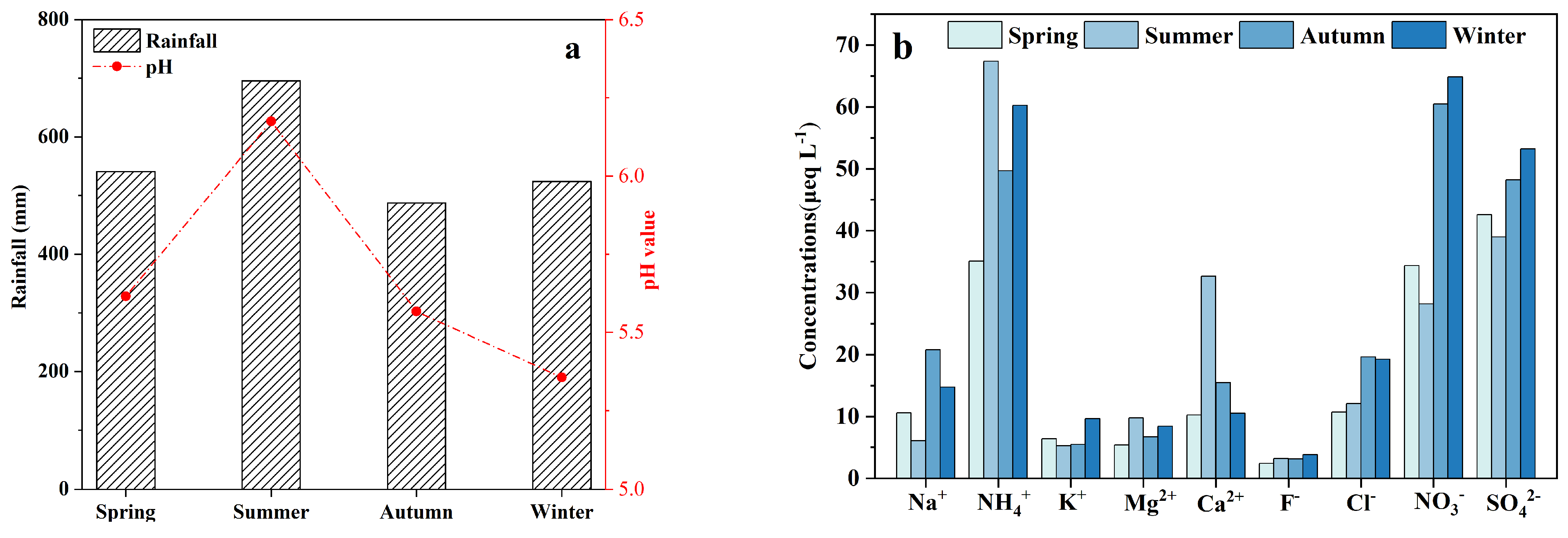
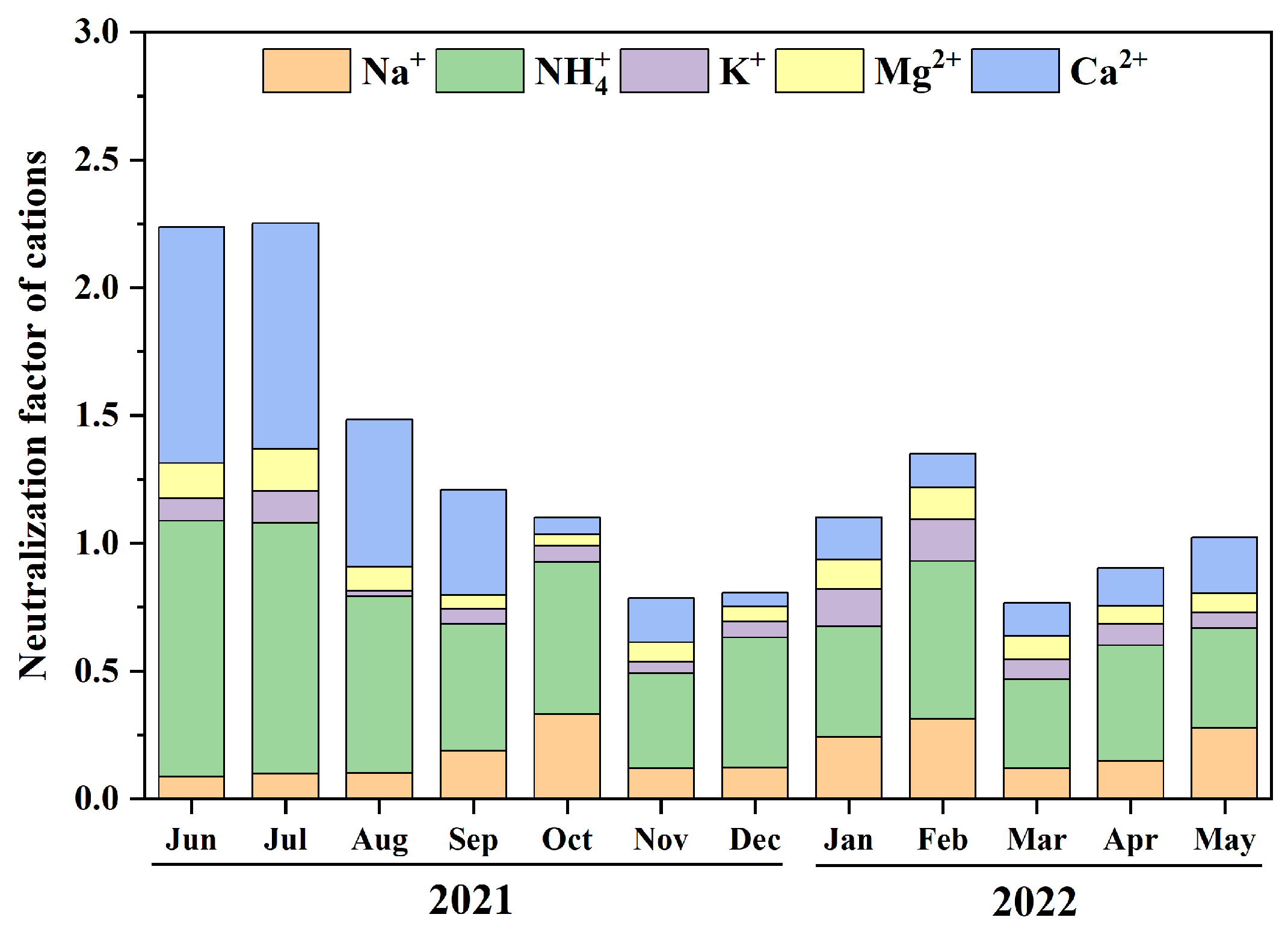
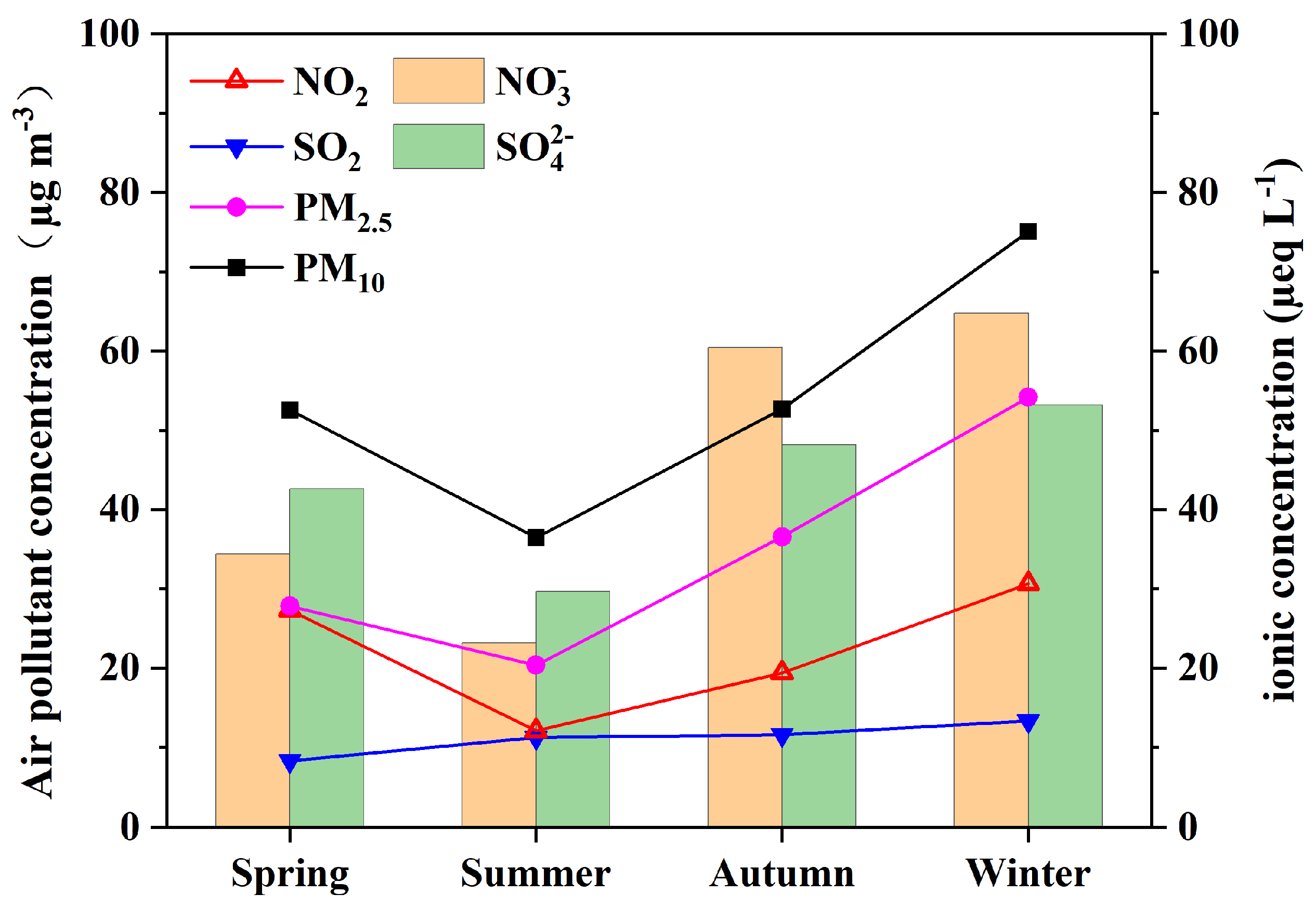
Figure 2 and Figure 3 display the seasonal distributions of chemical components and neutralization factors, respectively, in precipitation at Mt. Heng during the study period. Overall, both the precipitation amount and the pH tended to increase in summer and decrease in winter. With the exceptions of NH4+, Ca2+ and Mg2+, the concentrations of the other ions reached their lowest levels in summer. This phenomenon was primarily attributed to the scavenging and dilution effects caused by the increased rainfall levels during summer [32]. In winter, elevated concentrations of NO3 and SO42− likely reflect not only changes in emissions (e.g., increased fossil-fuel combustion) but also differences in the processes of removal or chemical transformation of components in the atmosphere [33,34]. A comparison of the seasonal concentrations of atmospheric pollutants (SO2, NO2, PM2.5, and PM10) in Hengyang City during the study period revealed that pronounced winter maxima in NO2, PM10 and PM2.5, whereas NO3 and SO42− in precipitation also peaked in winter (Figure 4), which is consistent with more stagnant meteorological conditions and enhanced accumulation in winter [34,35,36,37,38]. In contrast, the concentrations of NH4+, Ca2+ and Mg2+ in precipitation peaked during summer. Furthermore, these three neutralizing cations collectively accounted for more than 50% of the total cation concentration in most summer precipitation events, indicating that their seasonal characteristics could not be attributed to random, isolated rainfall occurrences. Both the concentration and the neutralization factor of NH4+ peaked in summer, primarily because of increased temperatures promoting the volatilization of NH3 from agricultural activities, such as fertilizer application and livestock breeding [39]. Similarly, the neutralization factors and concentrations of Ca2+ and Mg2+ peaked in summer, when the air mass was mainly traced to the Yangtze River Delta and are characterized by elevated Ca2+ and Mg2+ (detailed in Section 3.4).
Table 1. Summary of rainwater pH and ionic concentrations (µeq L−1) at Mt. Heng and comparison with other alpine sites.
LocationSampling PeriodpHNa+NH4+K+Mg2+Ca2+FClNO3SO42−References
Mt. HengAverage5.5113.7243.586.766.4315.973.2115.6448.3044.33This study
SD0.5017.2562.799.827.6712.743.5013.7379.3454.56
Max6.55109.1381.176.6352.0775.8415.486.35469.7314.0
Min4.251.650.320.360.300.190.256.614.144.63
Mt. Lu2018–20205.8019.9033.6033.4015.1070.706.138.4069.4037.90[6]
Mt. Tai2005–20084.4814.30129.110.0011.4081.906.817.9052.80179.4[29]
Mt. Huang2010–20115.036.0025.605.503.1051.20-63.0013.0033.00[2]
Mt. Lulin2003–20055.122.9012.301.401.703.90-7.2010.8015.70[30]
Mt. Yulong20125.893.7213.202.465.6837.70-1.964.0028.30[31]
Mt. Sejila2017–20186.2058.507.1313.1028.70123.0-40.1013.9019.40[13]
Mt. Jiuzhaigou2015–20165.745.7418.4034.805.6055.80-44.109.1015.90[40]
Mt. Tian2003–20047.2728.9028.804.6026.00220.3-21.0014.1075.50[41]

3.1.2. Heavy Metal Concentrations in Precipitation

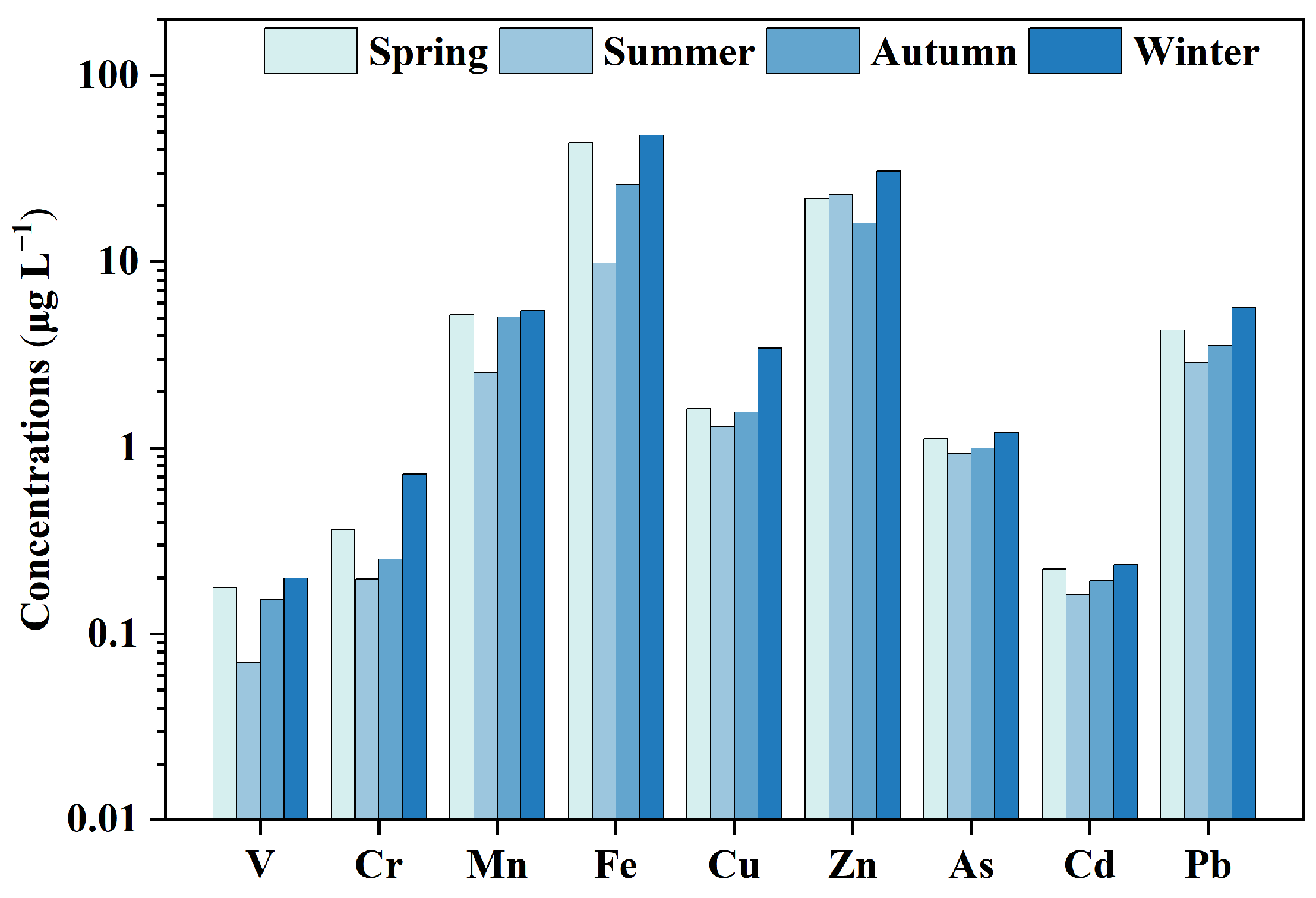
Various trace metals were detected in the precipitation samples collected at Mt. Heng (Table 2). Their average concentrations decreased in the following order: Fe > Zn > Mn > Pb > Cu > As > Cr > Cd > V. Compared with those in other high mountain regions globally, most metal concentrations at Mt. Heng were greater than those at foreign mountain sites and sites on the Tibetan Plateau but lower than those at mountain sites in eastern China. This pattern indicated that Mt. Heng was subject to profound influence from regional anthropogenic emissions. The concentrations of these metals in precipitation at Mt. Heng were generally high in winter and low in summer (Figure 5). In winter, increased heating demand intensifies fossil fuel combustion, leading to elevated concentrations of elements associated with combustion processes, such as As, Cd, and Pb [42]. In contrast, increased summer precipitation enhances the scavenging effect of particulate matter from the atmosphere, resulting in the dilution and reduction in metal concentrations [43].
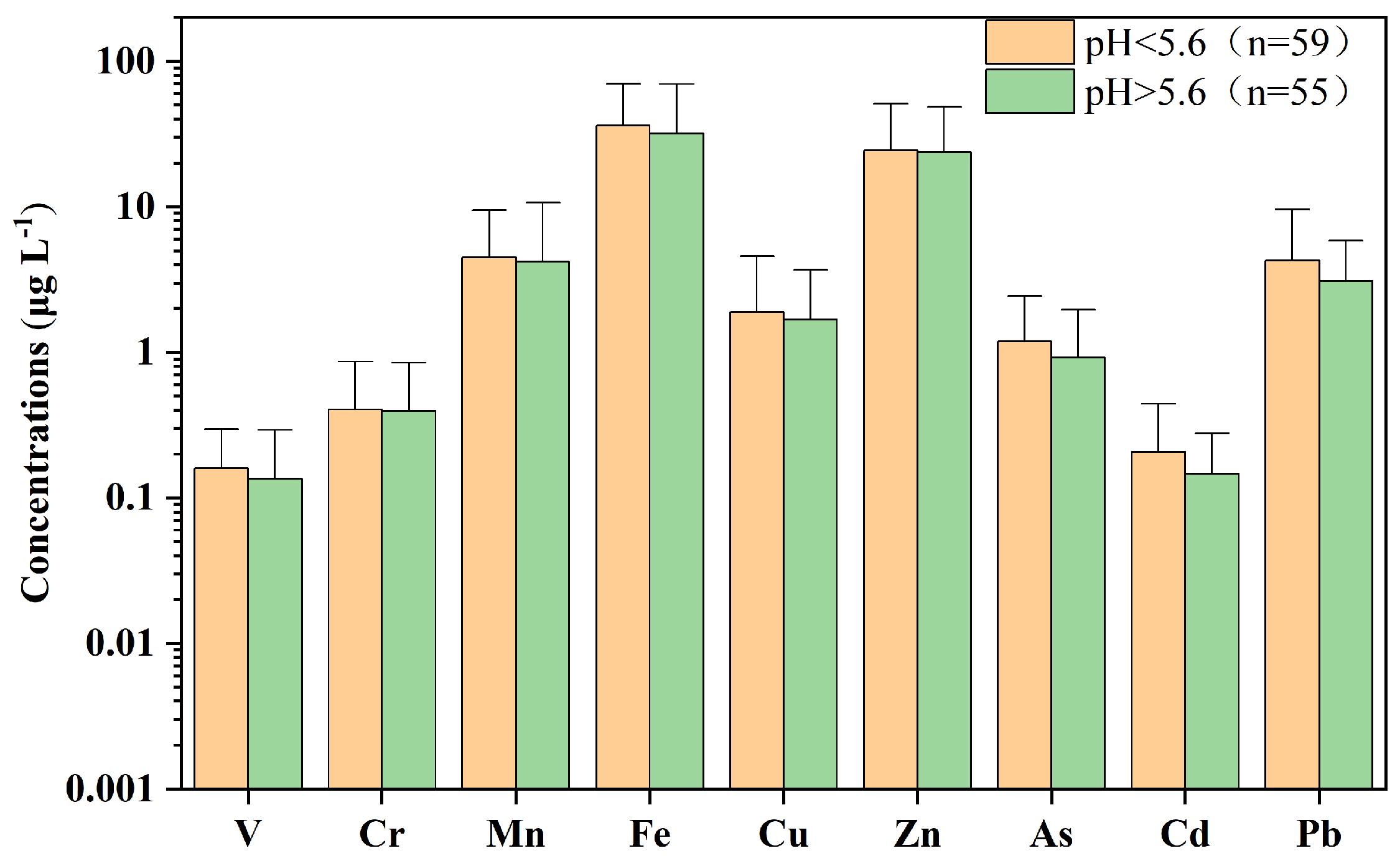
Additionally, we analyzed the influences of pH on metals in the precipitation of Mt. Heng (Figure 6). Metal concentrations were consistently higher in precipitation samples with a pH < 5.6 than in those with a pH > 5.6, suggesting that higher metal concentrations in acidic precipitation at Mt. Heng [44]. Acidic conditions may enhance the dissolution of certain particulate-bound metals, thereby increasing their dissolved fractions in rainwater and resulting in higher measured metal concentrations [45]. A significant inverse relationship was found between rainwater pH and heavy metal concentrations [46], and the concentration of heavy metals in aerosols increased with decreasing pH [47]. In this study, no statistically significant difference was observed in precipitation metal concentrations between the two pH groups, suggesting that pH is not the primary factor governing metal variability. Instead, metal levels in precipitation are more likely modulated by the combined effects of air-mass origin, aerosol particle size, precipitation acidity, and dilution associated with rainfall amount [16,43,46,48]. However, the relatively high concentrations of metals at lower pH (Figure 6) warrant more investigations in future.
Table 2. Summary of rainwater metal concentrations (μg L−1) at Mt. Heng and comparison with other alpine sites.
LocationSampling PeriodVCrMnFeCuZnAsCdPbReferences
Mt. HengAverage0.160.454.8736.462.2324.121.320.224.45This study
SD0.190.676.7842.523.2325.271.610.316.01
Max1.225.4543.39228.615.78141.38.412.3140.13
Min0.010.040.292.450.151.560.020.00040.20
Nam Co Station2007–20080.030.41.016.20.87.90.010.2[49]
Mt. Tai2005–20080.0213.844.53.390.62.090.586.48[16]
Mt. Lu2011–20124.156.163.150.1831.27.720.246.26[46]
Pyrenees Mountain2004–20063.410.414.50.010.020.3[50]
Himalayas2012–20131.832.729.810743.726.50.50.12.4[10]
Mansfield Mountain19980.351.50.740.10.10.5[51]

3.2. Interannual Trends in Precipitation Components

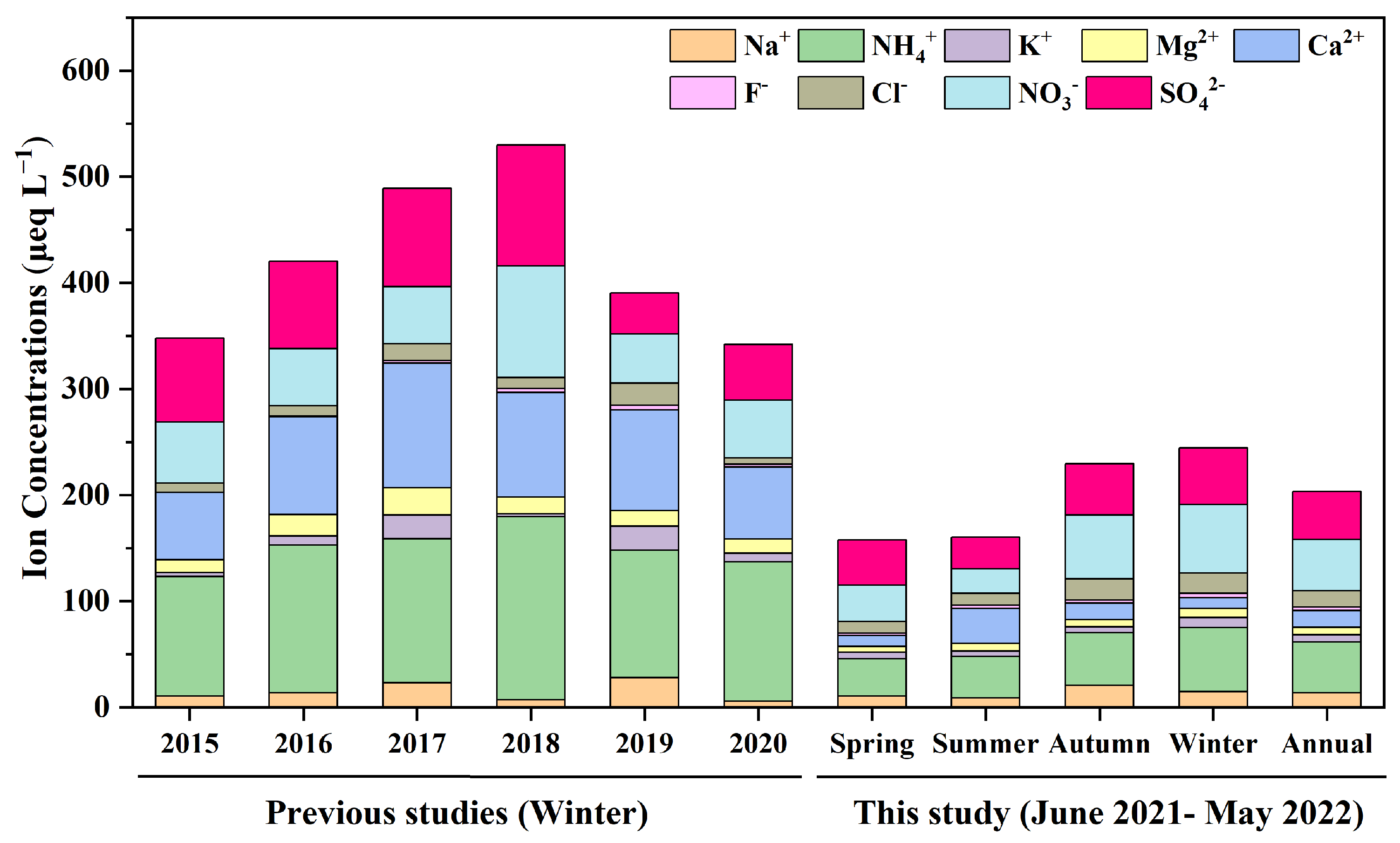
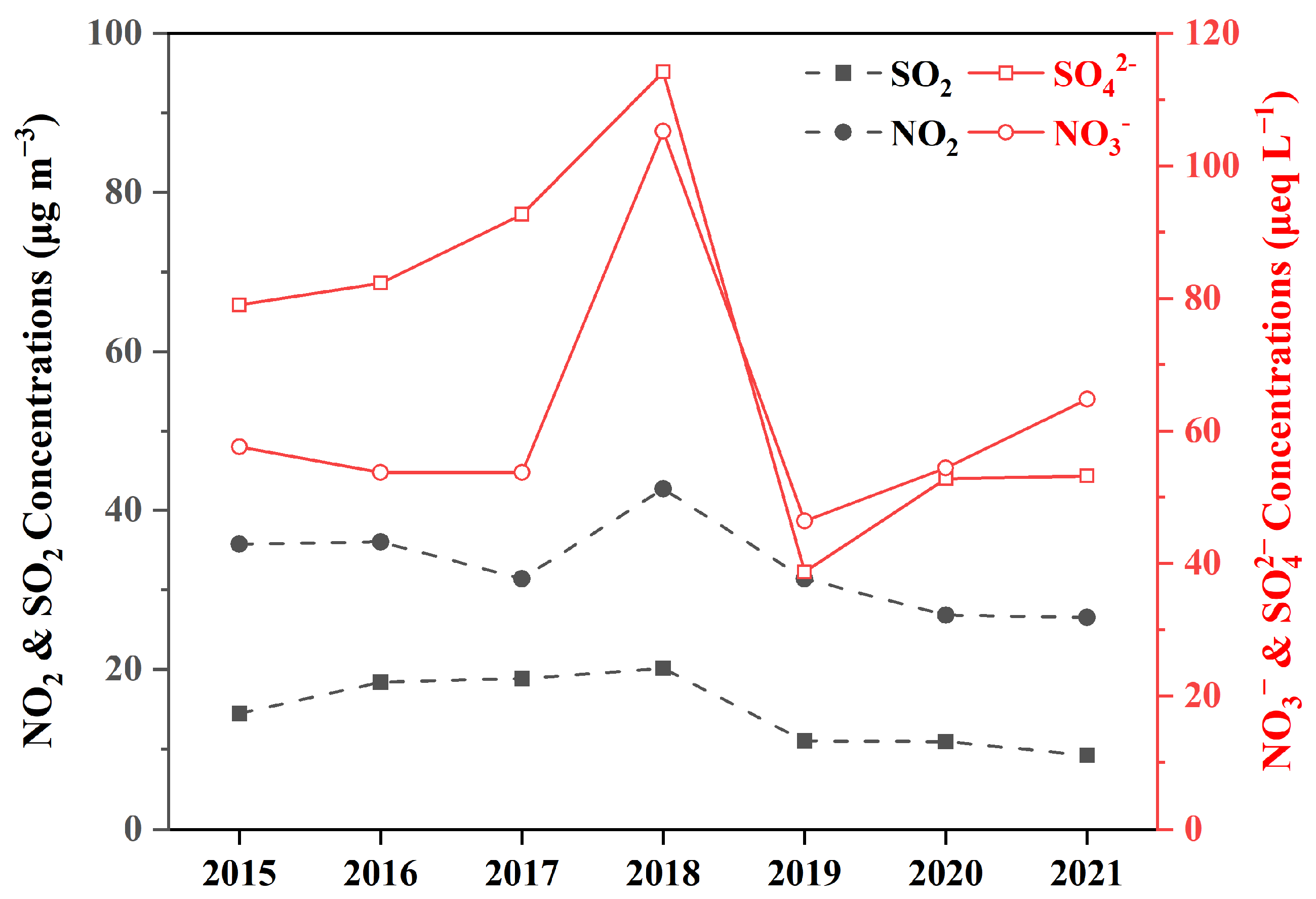
Previous research on ionic concentrations in precipitation at Mt. Heng was confined to winter periods from 2015 to 2020 [52] and lacked comprehensive seasonal coverage and continuous data for an entire year. This study supplements this gap with newly acquired observational data for all four seasons of 2021–2022, with winter being confirmed as the season with the highest ionic concentrations (Figure 7). By integrating continuous winter precipitation ion data spanning seven years (2015–2021), we systematically examine the interannual evolution characteristics of precipitation ionic concentrations at Mt. Heng during this extended period, thereby addressing previous limitations in temporal continuity and interannual dynamic analysis. The corresponding interannual changes in the winter SO2 and NO2 concentrations in Hengyang City, where Mt. Heng is located, are also shown in Figure 7.
The total ionic concentration in precipitation at Mt. Heng tended to increase from 2015 to 2018, began to decrease in 2019, and reached its lowest value in 2021. From 2015 to 2018, the winter concentrations of SO42−, NO3, and NH4+ in precipitation at Mt. Heng increased from 79.0, 57.6, and 112.2 µeq L−1 to 114.2, 105.2, and 172.6 µeq L−1, respectively. As important precursors, the atmospheric concentrations of NH3, SO2 and NO2 directly influence the formation of NH4+, SO42−, and NO3, NH4+ [27,28]. As shown in Figure 8, both the SO2 and NO2 concentrations in Hengyang peaked in 2018, which coincided with the highest recorded SO42− and NO3 concentrations in the precipitation at Mt. Heng. These findings indicate that regional anthropogenic emissions—such as coal combustion, industrial processes, vehicle exhaust, and agricultural activities—were intense from 2015 to 2018, which led to the substantial formation of secondary ions through atmospheric oxidation and neutralization reactions, subsequently influencing high-elevation precipitation chemistry.
After 2018, the SO42−, NO3, and NH4+ concentrations in precipitation at Mt. Heng decreased significantly, paralleling the declines in SO2 and NOx levels in Hengyang. This trend is closely associated with the intensified implementation of China’s three-year action plan to fight air pollution launched in 2018. Specific measures, including ultralow emission upgrades for coal-fired boilers, industrial desulfurization and denitrification, stricter vehicle emission standards, and control of agricultural ammonia emissions, effectively reduced the emissions of precursors responsible for secondary ions, such as SO42−, NO3, and NH4+. Furthermore, the COVID-19 lockdown measures during the observation period reduced anthropogenic activities and corresponding atmospheric pollutant emissions, which contributed to decreases in precipitation ion concentrations [53].

3.3. Analysis of the Sources of Precipitation Components

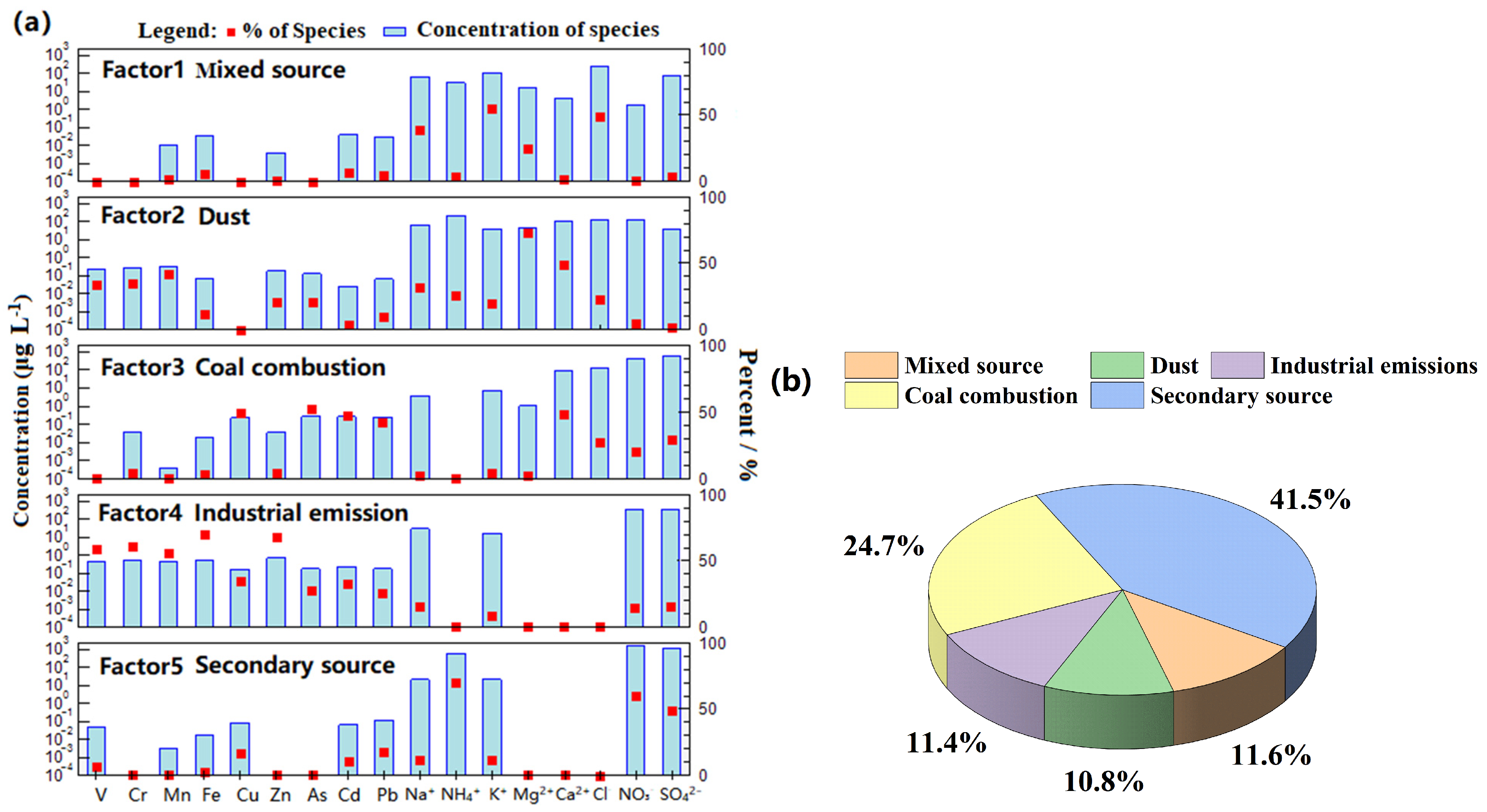
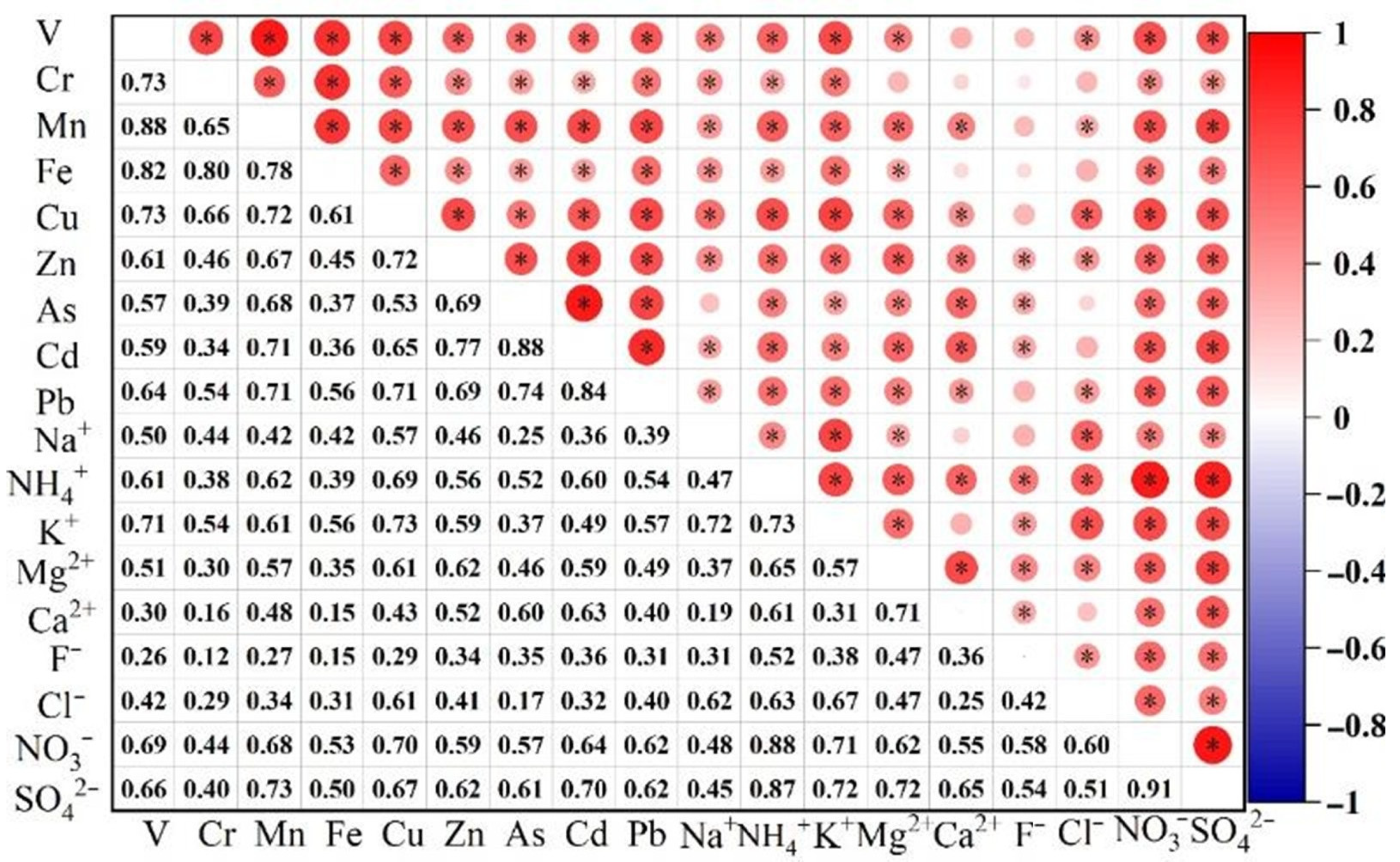
To identify the major sources of inorganic components in precipitation events at Mt. Heng, we employed an integrated approach combining correlation analysis with a positive matrix factorization (PMF) model. For the PMF analysis, F was excluded because its signal-to-noise (S/N) ratio was less than 0.5; thus, it was classified as a weak species. Through simulation, comparison, residual matrix analysis, factor interpretability assessment, and validation of the fitting results, the optimal solution was determined to be a five-factor model. The results of the correlation analysis for inorganic components during the observation period are presented in Figure 9. The source profiles and contribution percentages of the factors are shown in Figure 10.
Factor 1 was characterized by the highest loadings of K+ (54.94%), Cl (49.41%), and Na+ (38.52%). Cl, Na+, and K+ were significantly correlated (0.62 < r < 0.72). K+ is generally regarded as a tracer for biomass burning [54]. Additionally, Cl and Na+ are widely used as tracers for marine air masses [55]. Therefore, Factor 1 was identified as a mixed source of biomass burning and aged sea salt. Factor 2 was represented by high loadings of Ca2+ (73.1%) and Mg2+ (49.56%). These crustal elements, which were strongly and significantly correlated (r = 0.71), likely originated primarily from surface rock weathering and construction dust [6]. Consequently, this factor was attributed to a dust source. Factor 3 had high loadings for certain elements, such as Cu (49.48%), As (53.01%), Cd (47.78%), and Pb (42.73%). These elements represent coal combustion. Cu can be emitted from the combustion of coal and fuel oil [56]. As, Cd and Pb are potentially toxic trace elements in coal [57,58]. Furthermore, the correlation coefficients between Cu and both Cd and Pb exceeded 0.6, indicating significant correlations. The exceptionally high correlation between As and Cd (r = 0.88), coupled with the significant correlation between As and SO42− (r = 0.62), further supported their likely common origin from coal combustion processes.
Factor 4 exhibited high loadings for V (58.92%), Cr (61.08%), Mn (56.17%), Fe (76.42%), and Zn (74.18%). Correlation analysis revealed generally weak correlations between metals such as Fe and Mn and the crustal elements Ca2+ and Mg2+ (e.g., Ca2+ vs. Fe: r = 0.15). In contrast, strong intercorrelations were found among Fe, Mn, V, and Cr (e.g., Fe vs. V: r = 0.82; Mn vs. V: r = 0.88), suggesting that Fe, Mn, V, and Cr were unlikely to be derived from soil dust. Cr and V are typically emitted during metal smelting, such as in alloy steel production, where they are used to increase toughness and corrosion resistance [59]. In addition to crustal sources, Mn, Zn, and Fe can originate from metal smelting and iron/steel manufacturing processes [20]. Given that Hunan is renowned as the “Hometown of Nonferrous Metals” in China with a developed and concentrated presence of metal smelting and iron/steel industries [60], this factor was attributed to industrial emissions. Factor 5 was characterized by high loadings of NH4+ (69.64%), SO42− (60.24%), and NO3 (49.03%). These three ions exhibited extremely strong positive correlations with each other (r > 0.87). SO42− and NO3 originate primarily from fossil fuel combustion, such as coal-fired power plants and vehicle emissions [27,61]. NH4+ is generally derived initially from agricultural emissions, such as nitrogen fertilizer use and livestock farming [39]. These ions are secondary aerosols formed through atmospheric oxidation and neutralization reactions of gaseous precursors (SO2, NOx and NH3) emitted from anthropogenic activities, representing typical secondary pollutants. Therefore, this factor could serve as a secondary source, which is the most significant contributor to the inorganic components in precipitation at Mt. Heng.
In summary, five principal sources were identified for the precipitation components at Mt. Heng: a mixed source of biomass burning and aged sea salt (11.6%), dust (10.8%), coal combustion (24.7%), industrial emissions (11.4%), and secondary sources (41.5%).

3.4. Regional Transport Patterns of Precipitation Components

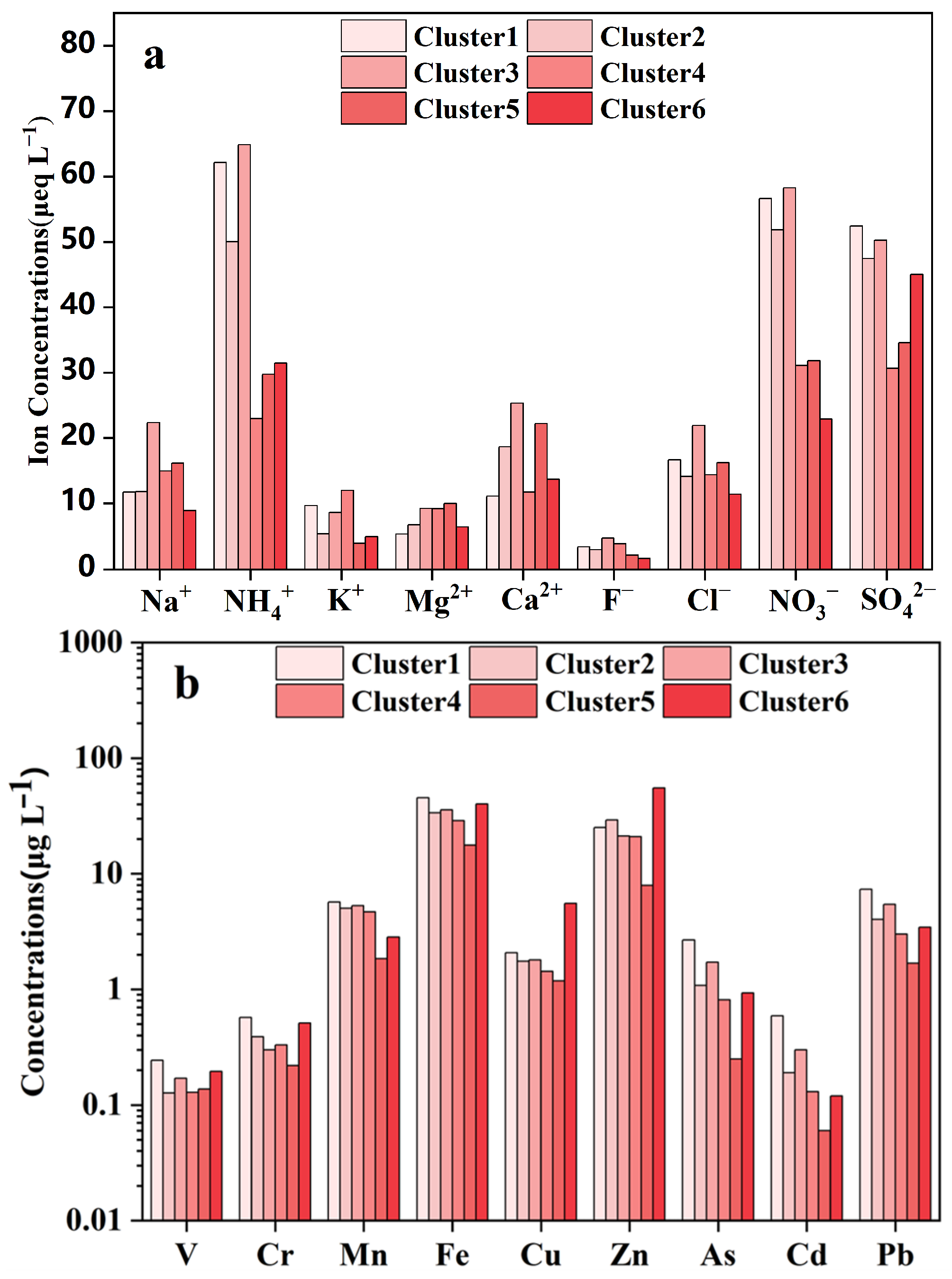
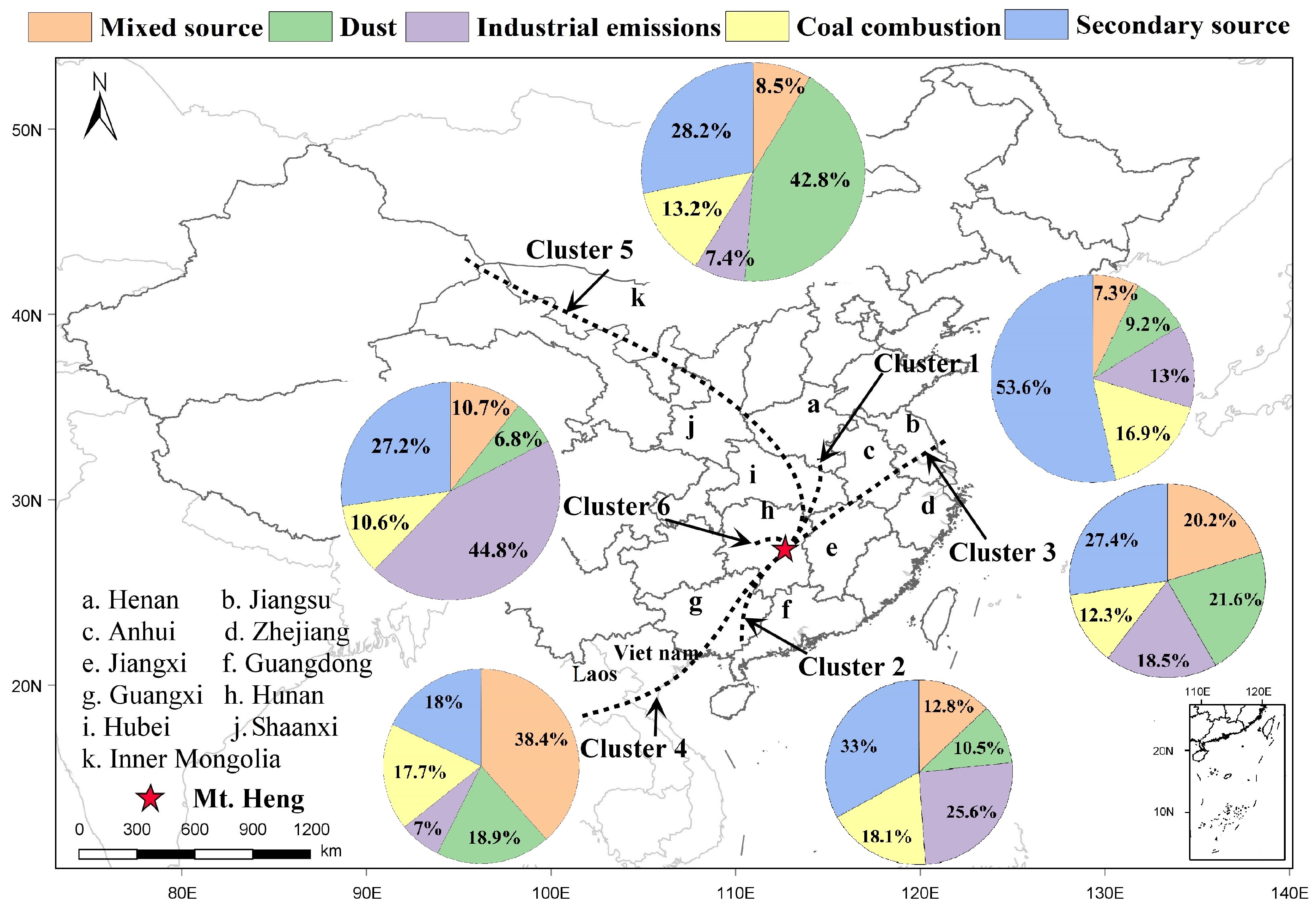
To investigate the effects of different transport pathways on the precipitation components at Mt. Heng during the observation period, we analyzed the transport routes of six clustered air mass trajectories (Figure 11) and the contributions of different components and sources within each cluster (Figure 12).
Cluster 1 originated from the south of Henan province and passed through Wuhan and Changsha before reaching Mt. Heng. This cluster presented the highest concentrations of As, Cd, Pb, and SO42− and the second highest concentrations of NH4+ and NO3. This pattern was driven primarily by fossil fuel combustion from coal-fired power plants and vehicles and agricultural emissions along the transport path across the North China Plain, leading to high contributions from secondary sources (53.6%) and coal combustion sources (16.9%). Cluster 2 primarily originated from the Pearl River Delta region and passed through Guangxi before arriving at Mt. Heng. The inorganic component concentrations in precipitation from this cluster were generally moderate. The concentrations of NO3 and SO42− were second only to those in clusters 1 and 3, whereas the Zn concentration was second only to that in cluster 6. Consequently, this air mass was significantly influenced by secondary sources (33%) and industrial emission sources (25.6%). Cluster 3 mainly originated from the Yangtze River Delta region and passed through Anhui and Jiangxi Provinces. This cluster had the highest concentrations of Na+, Ca2+, NH4+, Cl, and NO3 among all six clusters. This characteristic was attributed to several factors: the coastal location of the Yangtze River Delta led to marine aerosol influence, enhancing the mixed source contribution (20.2%); urbanization processes generated construction and surface dust, contributing significantly to Ca2+ and Mg2+ levels (21.6%); and intensive vehicle activity and agricultural emissions strengthened the roles of secondary sources (27.4%). Additionally, industrial activities (18.5%) collectively contributed moderate concentrations of metal elements. Thus, cluster 3 resulted from the combined effects of secondary sources, dust, mixed sources, and industrial emissions.
With the exception of K+, the concentrations of precipitation components in cluster 4 were generally low, reflecting the weak anthropogenic emission intensity in its source regions (Laos, Vietnam). The high K+ concentration likely arose because of the developed tropical agriculture and less stringent controls on biomass burning (e.g., crop residue burning) in Southeast Asia, allowing K+ from biomass burning (38.4%) to be transported over long distances to Mt. Heng. Cluster 5 primarily originated from Xinjiang and Mongolia in northwestern China. Only the concentrations of dust-related elements such as Ca2+ and Mg2+ were relatively high in this cluster. This phenomenon occurred because of the arid climate, exposed land surfaces, and frequent dust storms in northwestern China, which allowed the air masses to carry significant amounts of Mg2+ and Ca2+ during transport, increasing their concentrations [42]. Therefore, the dust source (42.8%) had the greatest influence on cluster 5. Cluster 6 originated from local areas surrounding Mt. Heng. This cluster showed high concentrations of V, Cr, Cu, Zn, and Fe, and local nonferrous metal smelting and iron/steel manufacturing industries contributed strongly to industrial emission sources (44.8%).
In summary, the chemical characteristics of precipitation at Mt. Heng clearly differed on the basis of transport pathways. Compared with those from the south, air masses arriving from the north generally carried higher concentrations of pollution components. Furthermore, the contributions of different sources varied significantly across the clusters, reflecting the distinct regional atmospheric pollution characteristics associated with each transport path.

4. Conclusions

In this study, the seasonal variations, sources, and regional transport characteristics of precipitation components at Mt. Heng in South China were investigated. The main findings can be summarized as follows:
The average precipitation pH value at Mt. Heng is 5.51. The concentrations of the primary neutralizing cations, NH4+ and Ca2+, peaked in the summer, whereas those of the acidic anions NO3 and SO42− peaked in the winter. The metal concentrations in precipitation were higher in the winter and lower in the summer, and the concentration of metallic elements is relatively high in acidic precipitation. Additional analysis of winter precipitation chemistry at Mt. Heng revealed an increasing trend of ions from 2015 to 2018, followed by a decrease from 2019 to 2022. Combined correlation analysis and PMF source apportionment revealed secondary sources (41.5%) as the dominant contributors to inorganic components of precipitation on Mt. Heng, followed by coal combustion sources (24.7%), a mixed source of biomass burning and aged sea salt (11.6%), industrial emissions (11.4%), and dust (10.8%). Pronounced regional transport characteristics were observed. Compared with those from Southeast Asia (K+) and the Pearl River Delta (NO3, SO42− and Zn), air masses originating from the northwestern China (Mg2+ and Ca2+), the local regions (As, Cd, Fe and SO42−), and the Yangtze River Delta (Na+, Ca2+, NH4+, Cl, and NO3) carried higher concentrations of precipitation components. Moreover, the contributions of different sources varied significantly across trajectory clusters, reflecting distinct regional atmospheric pollution features.

Author Contributions

W.L.: Data Curation, Writing—original draft preparation, Visualization, X.L.: Data Curation, Methodology, X.Y. (Xingyu Li): Supervision, Formal analysis, L.Z.: Investigation, X.L. (Xingru Li): Formal analysis, W.Z.: Supervision, Y.P.: Conceptualization, Writing—review and editing, Project administration and Funding acquisition. All authors have read and agreed to the published version of the manuscript.

Funding

This research was financially supported by National Key Research and Development Program in China (2022YFC3704802).

Institutional Review Board Statement

Not applicable.

Informed Consent Statement

Not applicable.

Data Availability Statement

The data presented in this study are available on request from the corresponding author.

Conflicts of Interest

The authors declare no conflicts of interest.

Abbreviations

The following abbreviations are used in this manuscript:
ICS Ion Chromatography system
ICP-MSInductively Coupled Plasma Mass Spectrometer
RSDrelative standard deviation
NFNeutralization Factor
PMFPositive Matrix Factorisation
HYSPLITHybrid Single-Particle Lagrangian Integrated Trajectory
NOAANational Oceanic and Atmospheric Administration
ARLAir Resources Laboratory
GDASGlobal Data Assimilation System
NOxnitrogen oxides
SO2sulfur dioxide

References

  1. Galloway, J.N.; Thornton, J.D.; Norton, S.A.; Volchok, H.L.; Mclean, R.A.N. Trace-Metals in Atmospheric Deposition—A Review and Assessment. Atmos. Environ. 1982, 16, 1677–1700. [Google Scholar] [CrossRef]
  2. Shi, C.E.; Deng, X.L.; Yang, Y.J.; Huang, X.R.; Wu, B.W. Precipitation Chemistry and Corresponding Transport Patterns of Influencing Air Masses at Huangshan Mountain in East China. Adv. Atmos. Sci. 2014, 31, 1157–1166. [Google Scholar] [CrossRef]
  3. Karlsson, K.; Viklander, M.; Scholes, L.; Revitt, M. Heavy metal concentrations and toxicity in water and sediment from stormwater ponds and sedimentation tanks. J. Hazard. Mater. 2010, 178, 612–618. [Google Scholar] [CrossRef] [PubMed]
  4. Rahimi, S.; Malakooti, H.; Bidokhti, A.A. Investigation of the chemical nature of precipitation and source apportionment of its constituents in Tehran metropolis, Iran. Environ. Res. 2023, 225, 115587. [Google Scholar] [CrossRef] [PubMed]
  5. Gao, J.J.; Tian, H.Z.; Cheng, K.; Lu, L.; Wang, Y.X.; Wu, Y.; Zhu, C.Y.; Liu, K.Y.; Zhou, J.R.; Liu, X.G.; et al. Seasonal and spatial variation of trace elements in multi-size airborne particulate matters of Beijing, China: Mass concentration, enrichment characteristics, source apportionment, chemical speciation and bioavailability. Atmos. Environ. 2014, 99, 257–265. [Google Scholar] [CrossRef]
  6. Li, J.; Wu, H.W.; Jiang, P.J.; Fu, C.S. Rainwater chemistry in a subtropical high-altitude mountain site, South China: Seasonality, source apportionment and potential factors. Atmos. Environ. 2022, 268, 118786. [Google Scholar] [CrossRef]
  7. Pan, Y.P.; Wang, Y.S. Atmospheric wet and dry deposition of trace elements at 10 sites in Northern China. Atmos. Chem. Phys. 2015, 15, 951–972. [Google Scholar] [CrossRef]
  8. Yang, F.; Tan, J.; Shi, Z.B.; Cai, Y.; He, K.; Ma, Y.; Duan, F.; Okuda, T.; Tanaka, S.; Chen, G. Five-year record of atmospheric precipitation chemistry in urban Beijing, China. Atmos. Chem. Phys. 2012, 12, 2025–2035. [Google Scholar] [CrossRef]
  9. Chang, C.T.; Yang, C.J.; Huang, K.H.; Huang, J.C.; Lin, T.C. Changes of precipitation acidity related to sulfur and nitrogen deposition in forests across three continents in north hemisphere over last two decades. Sci. Total Environ. 2022, 806, 150552. [Google Scholar] [CrossRef]
  10. Tripathee, L.; Guo, J.M.; Kang, S.C.; Paudyal, R.; Sharma, C.M.; Huang, J.; Chen, P.F.; Ghimire, P.S.; Sigdel, M.; Sillanpää, M. Measurement of mercury, other trace elements and major ions in wet deposition at Jomsom: The semi-arid mountain valley of the Central Himalaya. Atmos. Res. 2020, 234, 104691. [Google Scholar] [CrossRef]
  11. Vlasov, D.; Kasimov, N.; Eremina, I.; Shinkareva, G.; Chubarova, N. Major ions and potentially toxic elements in atmospheric precipitation during the COVID-19 lockdown in Moscow megacity. Urban Clim. 2023, 48, 101422. [Google Scholar] [CrossRef]
  12. Aas, W.; Shao, M.; Jin, L.; Larssen, T.; Zhao, D.W.; Xiang, R.J.; Zhang, J.H.; Xiao, J.S.; Duan, L. Air concentrations and wet deposition of major inorganic ions at five non-urban sites in China, 2001–2003. Atmos. Environ. 2007, 41, 1706–1716. [Google Scholar] [CrossRef]
  13. Wang, W.; Xu, W.; Collett, J.L.; Liu, D.Y.; Zheng, A.H.; Dore, A.J.; Liu, X.J. Chemical compositions of fog and precipitation at Sejila Mountain in the southeast Tibetan Plateau, China. Environ. Pollut. 2019, 253, 560–568. [Google Scholar] [CrossRef] [PubMed]
  14. Li, Y.; Tang, J.; Yu, X.L.; Xu, X.B.; Cheng, H.B.; Wang, S.F. Characteristics of precipitation chemistry at Lushan Mountain, East China: 1992–2009. Environ. Sci. Pollut. Res. 2012, 19, 2329–2343. [Google Scholar] [CrossRef]
  15. Bacardit, M.; Camarero, L. Atmospherically deposited major and trace elements in the winter snowpack along a gradient of altitude in the Central Pyrenees: The seasonal record of long-range fluxes over SW Europe. Atmos. Environ. 2010, 44, 582–595. [Google Scholar] [CrossRef]
  16. Li, Y.H.; Wang, Y.; Ding, A.J.; Liu, X.H.; Guo, J.; Li, P.H.; Sun, M.H.; Ge, F.L.; Wang, W.X. Impact of long-range transport and under-cloud scavenging on precipitation chemistry in East China. Environ. Sci. Pollut. Res. 2011, 18, 1544–1554. [Google Scholar] [CrossRef]
  17. Okamoto, S.; Tanimoto, H. A review of atmospheric chemistry observations at mountain sites. Prog. Earth Planet Sci. 2016, 3, 34. [Google Scholar] [CrossRef]
  18. Sun, M.H.; Wang, Y.; Wang, T.; Fan, S.J.; Wang, W.X.; Li, P.H.; Guo, J.; Li, Y.H. Cloud and the corresponding precipitation chemistry in south China: Water-soluble components and pollution transport. J. Geophys. Res.-Atmos. 2010, 115, D22303. [Google Scholar] [CrossRef]
  19. Wang, Y.; Sun, M.H.; Li, P.H.; Li, Y.H.; Xue, L.K.; Wang, W.X. Variation of low molecular weight organic acids in precipitation and cloudwater at high elevation in South China. Atmos. Environ. 2011, 45, 6518–6525. [Google Scholar] [CrossRef]
  20. Zhou, J.; Wang, Y.; Yue, T.X.; Li, Y.H.; Wai, K.M.; Wang, W.X. Origin and distribution of trace elements in high-elevation precipitation in southern China. Environ. Sci. Pollut. Res. 2012, 19, 3389–3399. [Google Scholar] [CrossRef]
  21. Keresztesi, G.; Nita, I.A.; Boga, R.; Birsan, M.V.; Bodor, Z.; Szép, R. Spatial and long-term analysis of rainwater chemistry over the conterminous United States. Environ. Res. 2020, 188, 109872. [Google Scholar] [CrossRef]
  22. Paatero, P.; Tapper, U. Analysis of Different Modes of Factor-Analysis as Least-Squares Fit Problems. Chemometr. Intell. Lab. 1993, 18, 183–194. [Google Scholar] [CrossRef]
  23. Ledoux, F.; Kfoury, A.; Delmaire, G.; Roussel, G.; El Zein, A.; Courcot, D. Contributions of local and regional anthropogenic sources of metals in PM 2.5 at an urban site in northern France. Chemosphere 2017, 181, 713. [Google Scholar] [CrossRef]
  24. Xu, X.; Akhtar, U.S. Identification of potential regional sources of atmospheric total gaseous mercury in Windsor, Ontario, Canada using hybrid receptor modeling. Atmos. Chem. Phys. 2010, 10, 7073–7083. [Google Scholar] [CrossRef]
  25. Wang, Y.Q.; Zhang, X.Y.; Draxler, R.R. TrajStat: GIS-based software that uses various trajectory statistical analysis methods to identify potential sources from long-term air pollution measurement data. Environ. Modell. Softw. 2009, 24, 938–939. [Google Scholar] [CrossRef]
  26. Dorling, S.R.; Davies, T.D.; Pierce, C.E. Cluster-Analysis—A Technique for Estimating the Synoptic Meteorological Controls on Air and Precipitation Chemistry—Method and Applications. Atmos. Environ. Part A Gen. Top. 1992, 26, 2575–2581. [Google Scholar] [CrossRef]
  27. Qiao, X.; Xiao, W.Y.; Jaffe, D.; Kota, S.H.; Ying, Q.; Tang, Y. Atmospheric wet deposition of sulfur and nitrogen in Jiuzhaigou National Nature Reserve, Sichuan Province, China. Sci. Total Environ. 2015, 511, 28–36. [Google Scholar] [CrossRef]
  28. Liu, F.; Beirle, S.; Zhang, Q.; van der A, R.J.; Zheng, B.; Tong, D.; He, K.B. NOx emission trends over Chinese cities estimated from OMI observations during 2005 to 2015. Atmos. Chem. Phys. 2017, 17, 9261–9275. [Google Scholar] [CrossRef] [PubMed]
  29. Wang, Y.; Wai, K.M.; Gao, J.; Liu, X.H.; Wang, T.; Wang, W.X. The impacts of anthropogenic emissions on the precipitation chemistry at an elevated site in North-eastern China. Atmos. Environ. 2008, 42, 2959–2970. [Google Scholar] [CrossRef]
  30. Wai, K.M.; Lin, N.H.; Wang, S.H.; Dokiya, Y. Rainwater chemistry at a high-altitude station, Mt. Lulin, Taiwan: Comparison with a background station, Mt. Fuji. J. Geophys. Res. Atmos. 2008, 113, D06305. [Google Scholar] [CrossRef]
  31. Niu, H.W.; He, Y.Q.; Lu, X.X.; Shen, J.; Du, J.K.; Zhang, T.; Pu, T.; Xin, H.J.; Chang, L. Chemical composition of rainwater in the Yulong Snow Mountain region, Southwestern China. Atmos. Res. 2014, 144, 195–206. [Google Scholar] [CrossRef]
  32. Li, J.L.; Li, R.; Cui, L.L.; Meng, Y.; Fu, H.B. Spatial and temporal variation of inorganic ions in rainwater in Sichuan province from 2011 to 2016. Environ. Pollut. 2019, 254, 112941. [Google Scholar] [CrossRef]
  33. Tai, A.P.K.; Mickley, L.J.; Jacob, D.J. Correlations between fine particulate matter (PM2.5) and meteorological variables in the United States: Implications for the sensitivity of PM2.5 to climate change. Atmos. Environ. 2010, 44, 3976–3984. [Google Scholar] [CrossRef]
  34. Bai, X.H.; Wang, Y.; Gui, L.; Tao, M.H.; Zeng, M.Y. Comparing the Influences on NO2 Changes in Terms of Inter-Annual and Seasonal Variations in Different Regions of China: Meteorological and Anthropogenic Contributions. Remote Sens. 2025, 17, 121. [Google Scholar] [CrossRef]
  35. Alam, M.J.; Karim, I.; Zaman, S.U. Seasonal dynamics and trends in air pollutants: A comprehensive analysis of PM2.5, NO2, CO, SO2 and O3 in Houston, USA. Air Qual. Atmos. Health 2025, 18, 2625–2642. [Google Scholar] [CrossRef]
  36. Shikhovtsev, M.Y.; Makarov, M.M.; Aslamov, I.A.; Tyurnev, I.N.; Molozhnikova, Y.V. Application of Modern Low-Cost Sensors for Monitoring of Particle Matter in Temperate Latitudes: An Example from the Southern Baikal Region. Sustainability 2025, 17, 3585. [Google Scholar] [CrossRef]
  37. Shikhovtsev, M.Y.; Molozhnikova, Y.V.; Obolkin, V.A.; Potemkin, V.L.; Lutskin, E.S.; Khodzher, T.V. Features of Temporal Variability of the Concentrations of Gaseous Trace Pollutants in the Air of the Urban and Rural Areas in the Southern Baikal Region (East Siberia, Russia). Appl. Sci. 2024, 14, 8327. [Google Scholar] [CrossRef]
  38. Wei, Y.M.; Sun, Y.K.; Ma, Y.J.; Tan, Y.L.; Ren, X.B.; Peng, K.C.; Yang, S.M.; Lin, Z.; Zhou, X.J.; Ren, Y.Z.; et al. Deviations of Boundary Layer Height and Meteorological Parameters Between Ground-Based Remote Sensing and ERA5 over the Complex Terrain of the Mongolian Plateau. Remote Sens. 2025, 17, 393. [Google Scholar] [CrossRef]
  39. Calvo-Fernández, J.; Marcos, E.; Calvo, L. Bulk deposition of atmospheric inorganic nitrogen in mountainous heathland ecosystems in North-Western Spain. Atmos. Res. 2017, 183, 237–244. [Google Scholar] [CrossRef]
  40. Qiao, X.; Du, J.; Kota, S.H.; Ying, Q.; Xiao, W.Y.; Tang, Y. Wet deposition of sulfur and nitrogen in Jiuzhaigou National Nature Reserve, Sichuan, China during 2015–2016: Possible effects from regional emission reduction and local tourist activities. Environ. Pollut. 2018, 233, 267–277. [Google Scholar] [CrossRef]
  41. Zhao, Z.P.; Tian, L.; Fischer, E.; Li, Z.Q.; Jiao, K.Q. Study of chemical composition of precipitation at an alpine site and a rural site in the Urumqi River Valley, Eastern Tien Shan, China. Atmos. Environ. 2008, 42, 8934–8942. [Google Scholar] [CrossRef]
  42. Liu, H.J.; Tian, H.Z.; Zhang, K.; Liu, S.H.; Cheng, K.; Yin, S.S.; Liu, Y.L.; Liu, X.Y.; Wu, Y.M.; Liu, W.; et al. Seasonal variation, formation mechanisms and potential sources of PM2.5 in two typical cities in the Central Plains Urban Agglomeration, China. Sci. Total Environ. 2019, 657, 657–670. [Google Scholar] [CrossRef] [PubMed]
  43. Wei, W.; Zhang, H.S.; Wu, B.G.; Huang, Y.X.; Cai, X.H.; Song, Y.; Li, J.D. Intermittent turbulence contributes to vertical dispersion of PM2.5 in the North China Plain: Cases from Tianjin. Atmos. Chem. Phys. 2018, 18, 12953–12967. [Google Scholar] [CrossRef]
  44. Liu, B.; Sun, H.J.; Peng, T.J.; Duan, T. Transport and transformation of uranium and heavy metals from uranium tailings under simulated rain at different pH. Environ. Chem. Lett. 2020, 18, 495–503. [Google Scholar] [CrossRef]
  45. Blake, L.; Goulding, K.W.T. Effects of atmospheric deposition, soil pH and acidification on heavy metal contents in soils and vegetation of semi-natural ecosystems at Rothamsted Experimental Station, UK. Plant Soil 2002, 240, 235–251. [Google Scholar] [CrossRef]
  46. Nie, X.L.; Wang, Y.; Li, Y.X.; Sun, L.; Li, T.; Yang, M.M.; Yang, X.Q.; Wang, W.X. Characteristics and impacts of trace elements in atmospheric deposition at a high-elevation site, southern China. Environ. Sci. Pollut. Res. 2017, 24, 22839–22851. [Google Scholar] [CrossRef]
  47. Gong, W.M.; Dastoor, A.P.; Bouchet, V.S.; Gong, S.L.; Makar, P.A.; Moran, M.D.; Pabla, B.; Ménard, S.; Crevier, L.P.; Cousineau, S.; et al. Cloud processing of gases and aerosols in a regional air quality model (AURAMS). Atmos. Res. 2006, 82, 248–275. [Google Scholar] [CrossRef]
  48. Moreda-Piñeiro, J.; Alonso-Rodríguez, E.; Turnes-Carou, I.; Moscoso-Pérez, C.; Blanco-Heras, G.; Tellado, L.G.; López-Mahía, P.; Muniategui-Lorenzo, S.; Prada-Rodríguez, D. Inorganic ions and trace metals bulk deposition at an Atlantic Coastal European region. J. Atmos. Chem. 2017, 74, 1–21. [Google Scholar] [CrossRef]
  49. Cong, Z.Y.; Kang, S.C.; Zhang, Y.L.; Li, X.D. Atmospheric wet deposition of trace elements to central Tibetan Plateau. Appl. Geochem 2010, 25, 1415–1421. [Google Scholar] [CrossRef]
  50. Bacardit, M.; Camarero, L. Fluxes of Al, Fe, Ti, Mn, Pb, Cd, Zn, Ni, Cu, and As in monthly bulk deposition over the Pyrenees (SW Europe): The influence of meteorology on the atmospheric component of trace element cycles and its implications for high mountain lakes. J. Geophys. Res. Biogeo. 2009, 114, G00D02. [Google Scholar] [CrossRef]
  51. Malcolm, E.G.; Keeler, G.J.; Lawson, S.T.; Sherbatskoy, T.D. Mercury and trace elements in cloud water and precipitation collected on Mt. Mansfield, Vermont. J. Environ. Monitor. 2003, 5, 584–590. [Google Scholar] [CrossRef]
  52. Li, X.Y.; Lyu, Y.; Pan, Y.P.; Sun, Q.; Zhu, X.Y.; Hu, J.B.; Liu, J.; Cao, J.; Gu, M.N.; Zhang, M.S.; et al. Chemical characteristics of freezing rain observed at Mount Heng in southern China. Atmos. Environ. 2022, 281, 119140. [Google Scholar] [CrossRef]
  53. Han, L.; Xiao, Q.; Yang, X.; Qi, C.; Tian, J.; Lan, T.; Cheng, S.; Zheng, A.; Guo, J. Evolution of Physical and Chemical Characteristics of Atmospheric Precipitation and Its Significant Impacts on the Environment in Beijing. Environ. Sci. 2024, 45, 3765–3777. (In Chinese) [Google Scholar] [CrossRef]
  54. bin Abas, M.R.; Oros, D.R.; Simoneit, B.R.T. Biomass burning as the main source of organic aerosol particulate matter in Malaysia during haze episodes. Chemosphere 2004, 55, 1089–1095. [Google Scholar] [CrossRef]
  55. Li, T.; Wang, Y.; Li, W.J.; Chen, J.M.; Wang, T.; Wang, W.X. Concentrations and solubility of trace elements in fine particles at a mountain site, southern China: Regional sources and cloud processing. Atmos. Chem. Phys. 2015, 15, 8987–9002. [Google Scholar] [CrossRef]
  56. Kowalczyk, G.S.; Gordon, G.E.; Rheingrover, S.W. Identification of atmospheric particulate sources in Washington, D.C., using chemical element balances. Environ. Sci. Technol. 1982, 16, 79–90. [Google Scholar] [CrossRef]
  57. Duan, J.C.; Guo, S.J.; Tan, J.H.; Wang, S.L.; Chai, F.H. Characteristics of atmospheric carbonyls during haze days in Beijing, China. Atmos. Res. 2012, 114, 17–27. [Google Scholar] [CrossRef]
  58. Liu, G.J.; Zheng, L.G.; Zhang, Y.; Qi, C.C.; Chen, Y.; Peng, Z.C. Distribution and mode of occurrence of As, Hg and Se and sulfur in coal Seam 3 of the Shanxi Formation, Yanzhou Coalfield, China. Int. J. Coal Geol. 2007, 71, 371–385. [Google Scholar] [CrossRef]
  59. Morselli, L.; Olivieri, P.; Brusori, B.; Passarini, F. Soluble and insoluble fractions of heavy metals in wet and dry atmospheric depositions in Bologna, Italy. Environ. Pollut. 2003, 124, 457–469. [Google Scholar] [CrossRef]
  60. Ma, X.Y.; Xiao, Z.H.; He, L.Z.; Shi, Z.B.; Cao, Y.J.; Tian, Z.; Vu, T.; Liu, J.S. Chemical Composition and Source Apportionment of PM2.5 in Urban Areas of Xiangtan, Central South China. Int. J. Environ. Res. Public Health 2019, 16, 539. [Google Scholar] [CrossRef]
  61. Liu, L.; Zhang, X.Y.; Lu, X.H. The composition, seasonal variation, and potential sources of the atmospheric wet sulfur (S) and nitrogen (N) deposition in the southwest of China. Environ. Sci. Pollut. Res. 2016, 23, 6363–6375. [Google Scholar] [CrossRef] [PubMed]
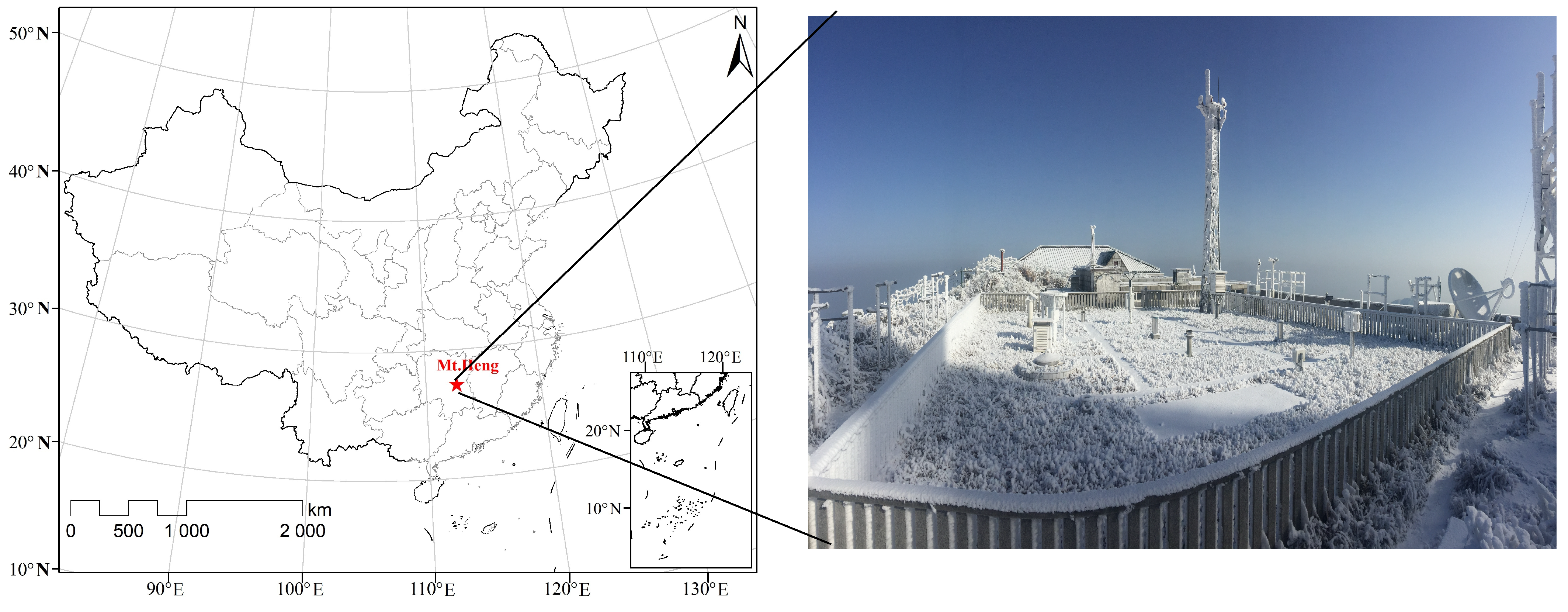
Figure 1. Location of the sampling site (Photograph of the site taken on 30 December 2020).
Atmosphere 17 00087 g001
Figure 2. Seasonal characteristics of (a) rainfall and pH and of (b) inorganic ions at Mt. Heng during the study period.
Atmosphere 17 00087 g002
Figure 3. NFs for NH4+, Ca2+, Na+, K+ and Mg2+ in precipitation events at Mt. Heng during different months.
Atmosphere 17 00087 g003
Figure 4. Comparison of seasonal concentrations of atmospheric pollutants (SO2, NO2, PM2.5, and PM10) in Hengyang City with precipitation NO3 and SO42− in Mt. Heng during the study period.
Atmosphere 17 00087 g004
Figure 5. Seasonal characteristics of precipitated metals on Mt. Heng.
Atmosphere 17 00087 g005
Figure 6. Distribution of metal concentrations during precipitation events at different pH levels (p > 0.05).
Atmosphere 17 00087 g006
Figure 7. Ionic composition of samples collected during precipitation at Mt. Heng in this study relative to previous observations of precipitation.
Atmosphere 17 00087 g007
Figure 8. Annual Winter Concentrations of SO42− and NO3 in Precipitation at Mt. Heng and of SO2 and NO2 in Hengyang City (2015–2021).
Atmosphere 17 00087 g008
Figure 9. Correlations between precipitation components at Mt. Heng (* p < 0.01).
Atmosphere 17 00087 g009
Figure 10. (a) Spectra of different source components and (b) contribution rates of precipitation components on Mt. Heng.
Atmosphere 17 00087 g010
Figure 11. Transport routes of 48 h back trajectories to Mt. Heng for rainfall events from June 2021 to May 2022. Pie chart showing the source contributions to the six cluster trajectories on Mt. Heng.
Atmosphere 17 00087 g011
Figure 12. Distributions of (a) ion and (b) metal concentrations for six cluster trajectories on Mt. Heng.
Atmosphere 17 00087 g012
Disclaimer/Publisher’s Note: The statements, opinions and data contained in all publications are solely those of the individual author(s) and contributor(s) and not of MDPI and/or the editor(s). MDPI and/or the editor(s) disclaim responsibility for any injury to people or property resulting from any ideas, methods, instructions or products referred to in the content.