Article

Mechanistic Links Between Freeze–Thaw Cycles and Topsoil Erosion on the Qinghai–Tibet Plateau

1
Key Laboratory of Mechanics on Disaster and Environment in Western China, Lanzhou University, Lanzhou 730000, China
2
College of Civil Engineering and Mechanics, Lanzhou University, Lanzhou 730000, China
3
Yellow River Water Conservancy and Hydropower Development Group Co., Ltd., Zhengzhou 459000, China
*
Authors to whom correspondence should be addressed.
Atmosphere 2025, 16(9), 1053; https://doi.org/10.3390/atmos16091053
Submission received: 14 July 2025 / Revised: 1 September 2025 / Accepted: 2 September 2025 / Published: 5 September 2025

Abstract

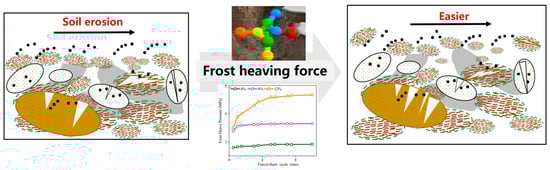
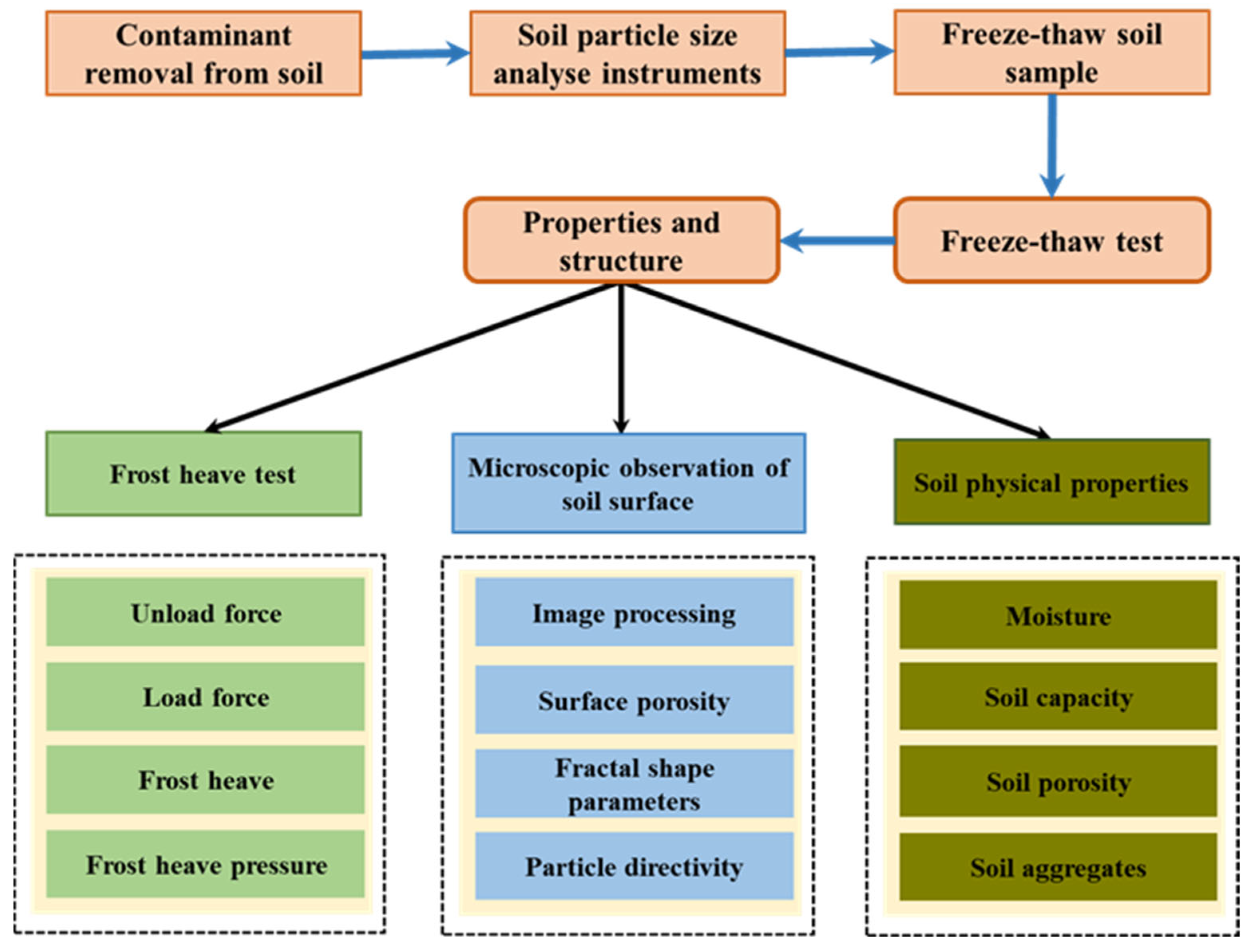
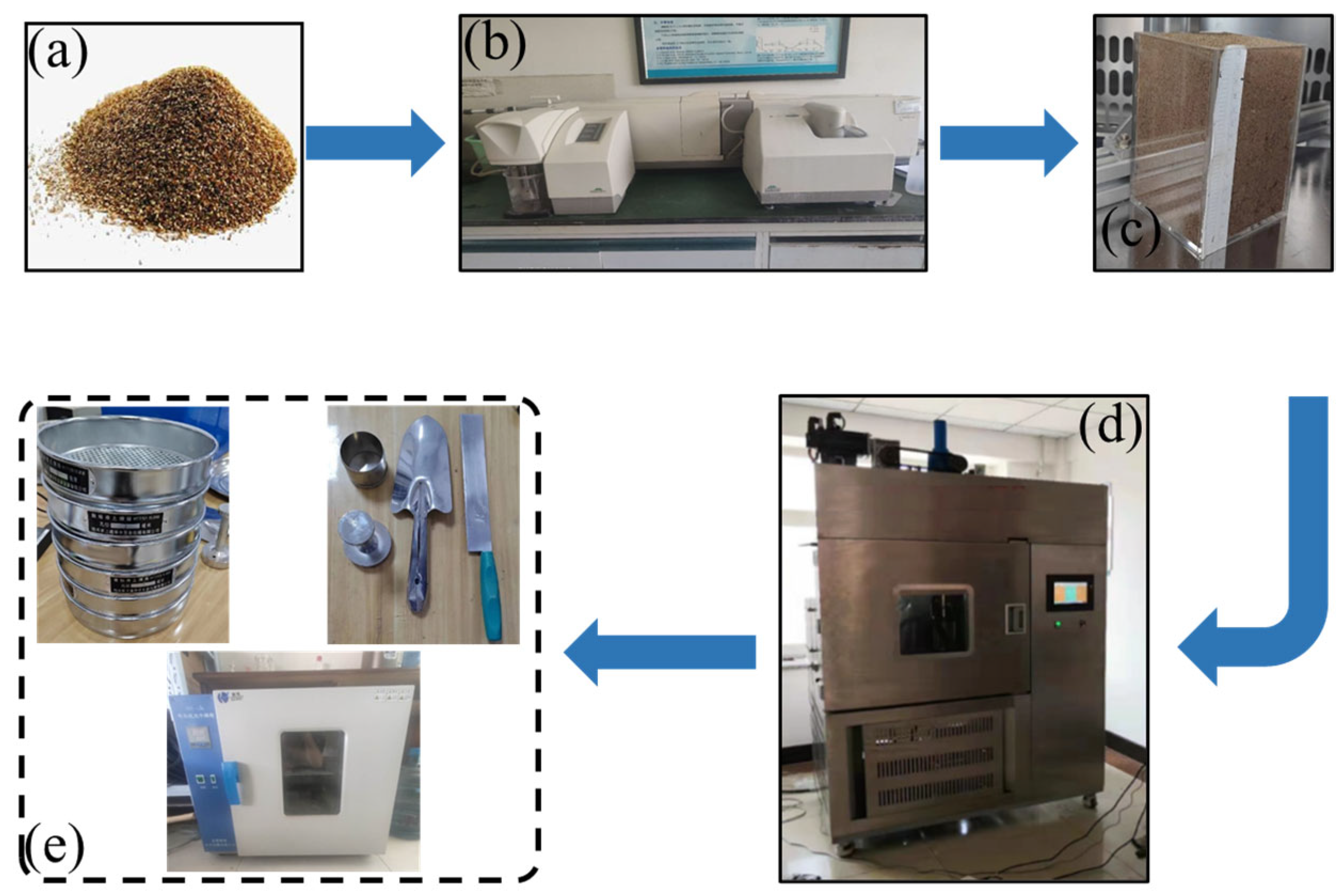
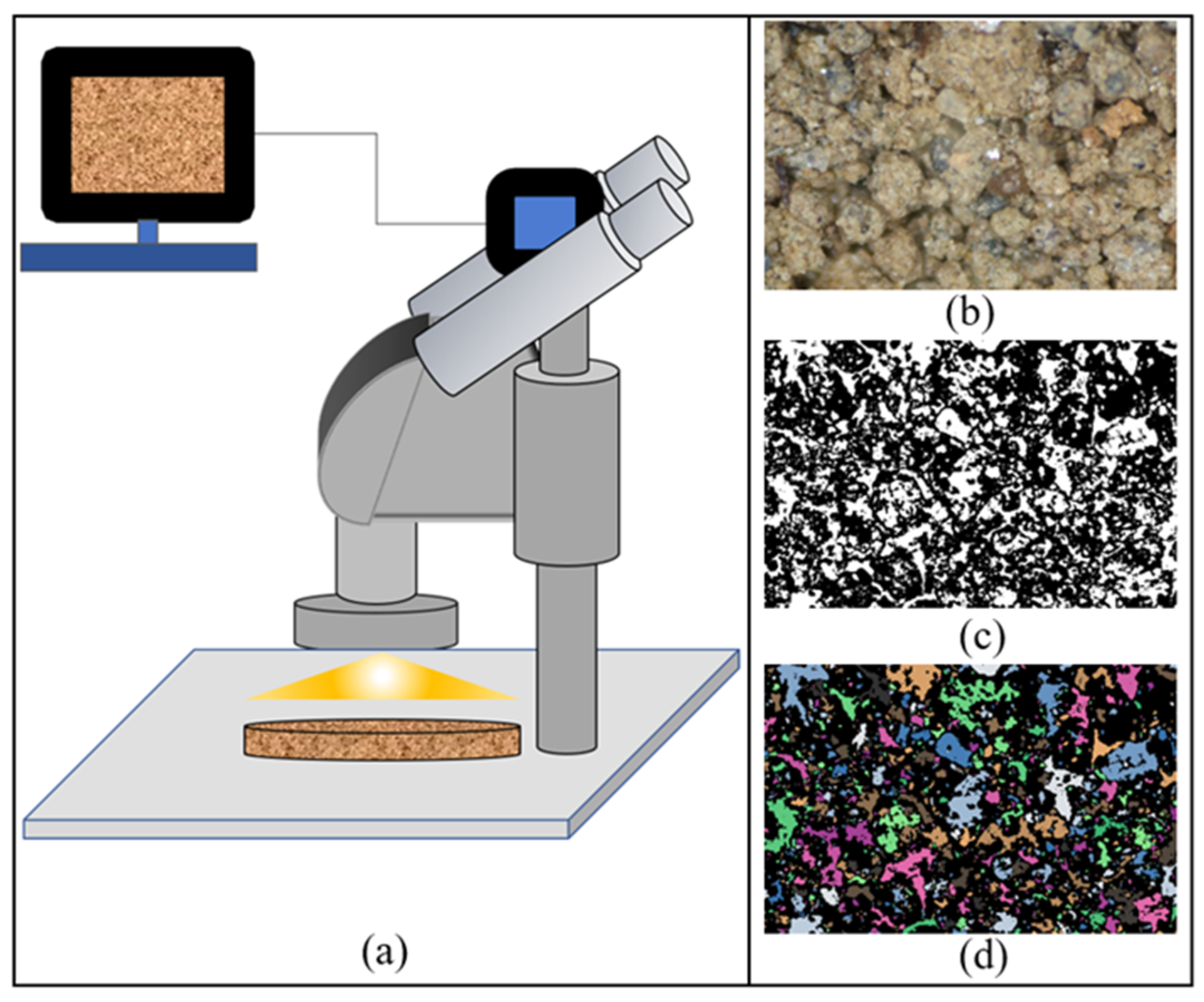
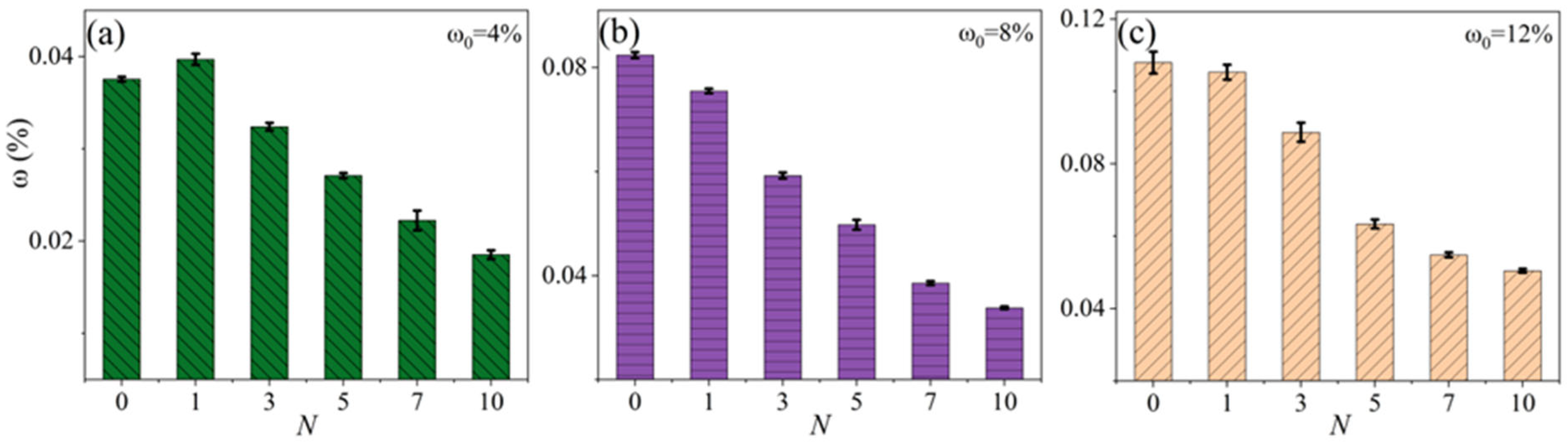
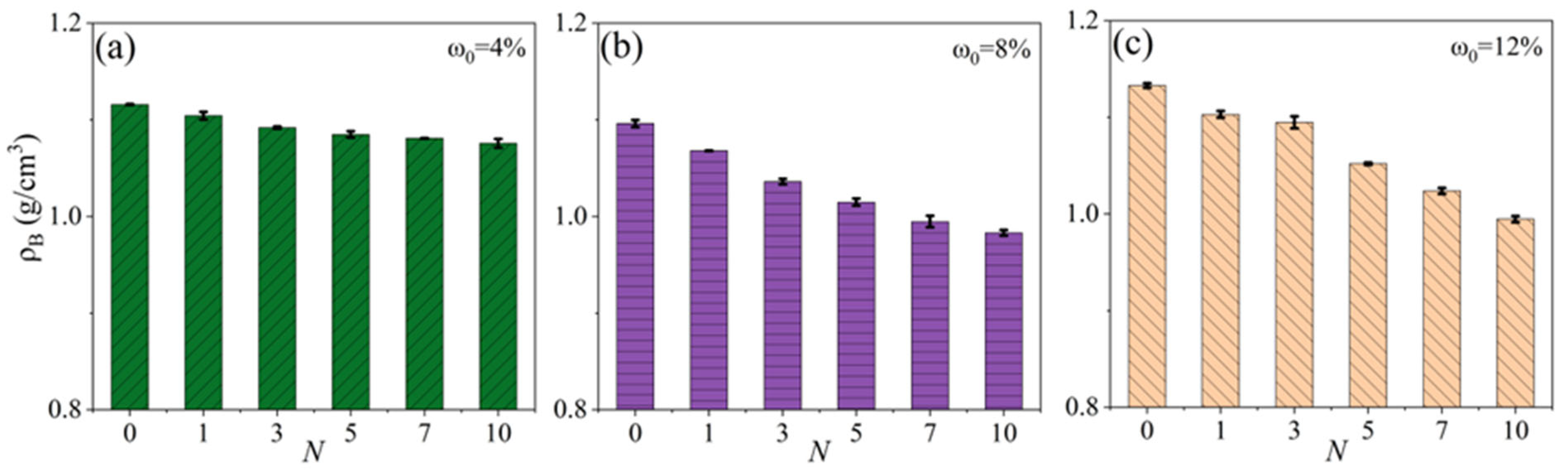
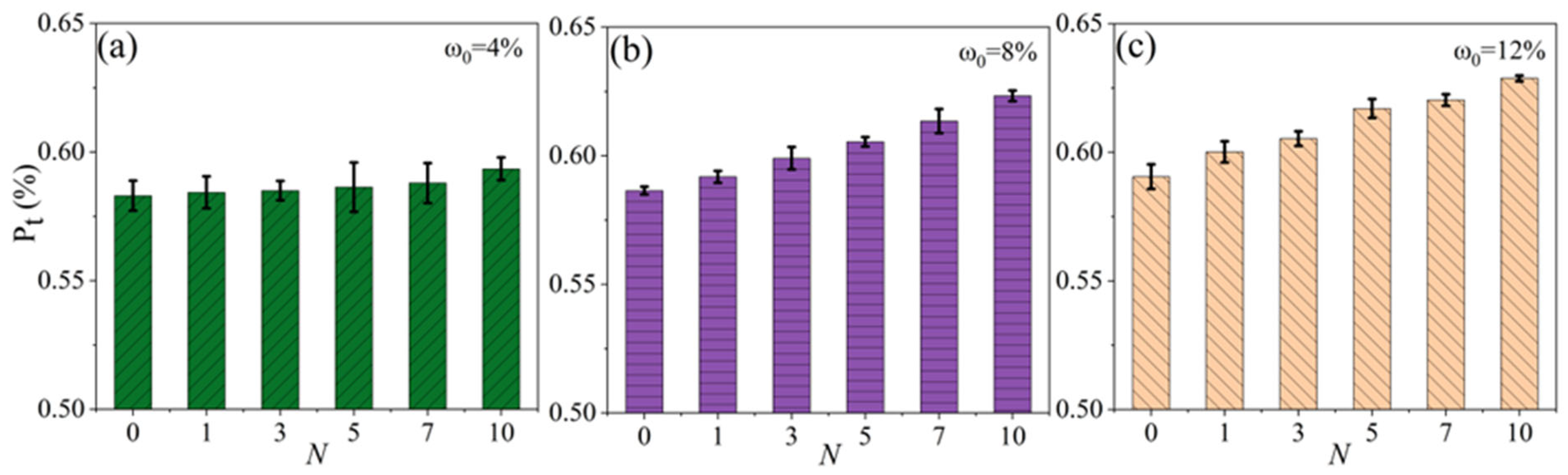
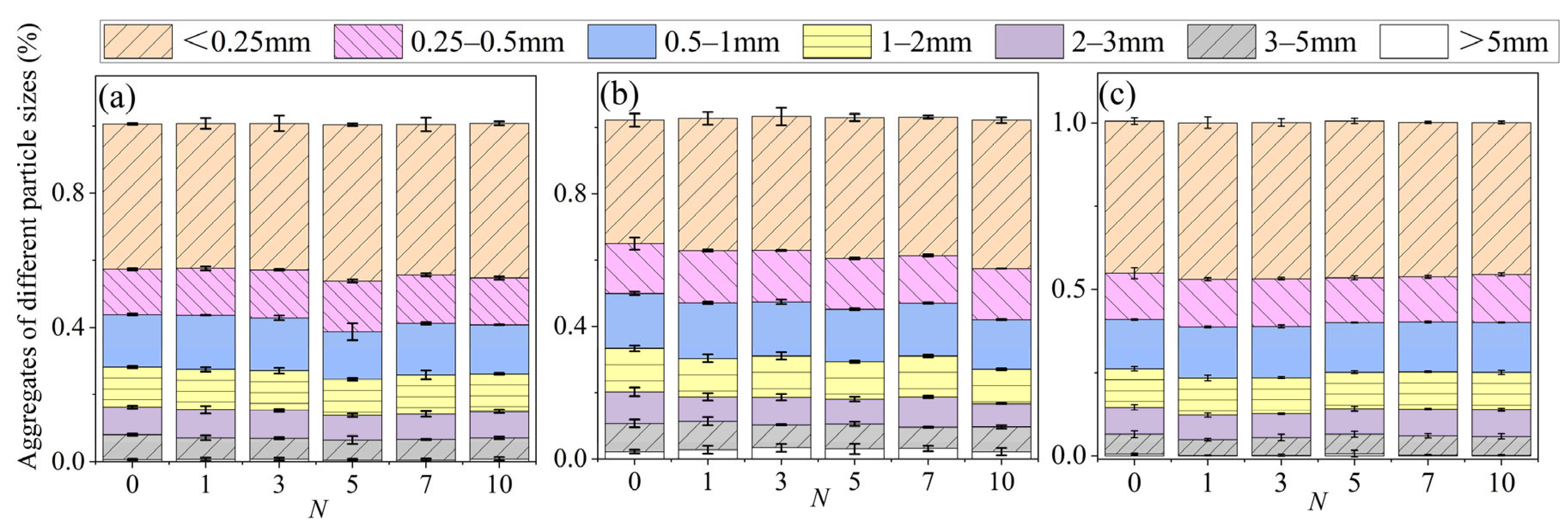
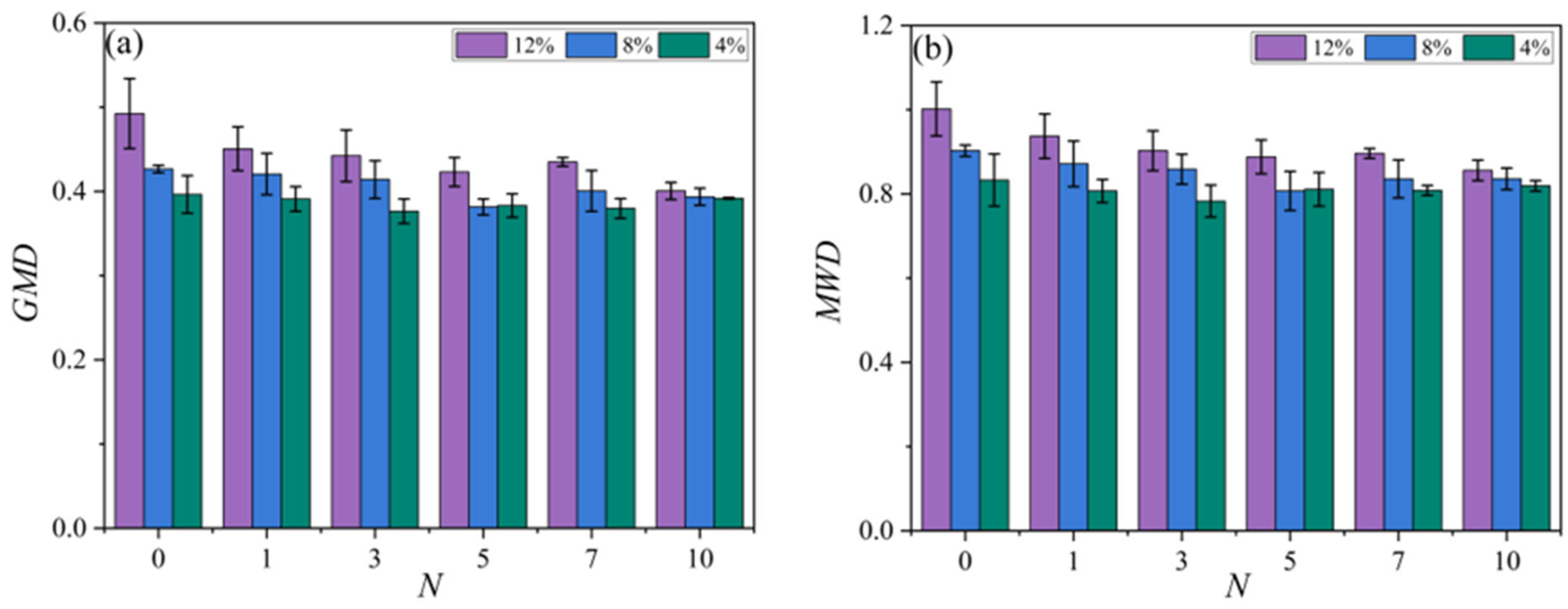
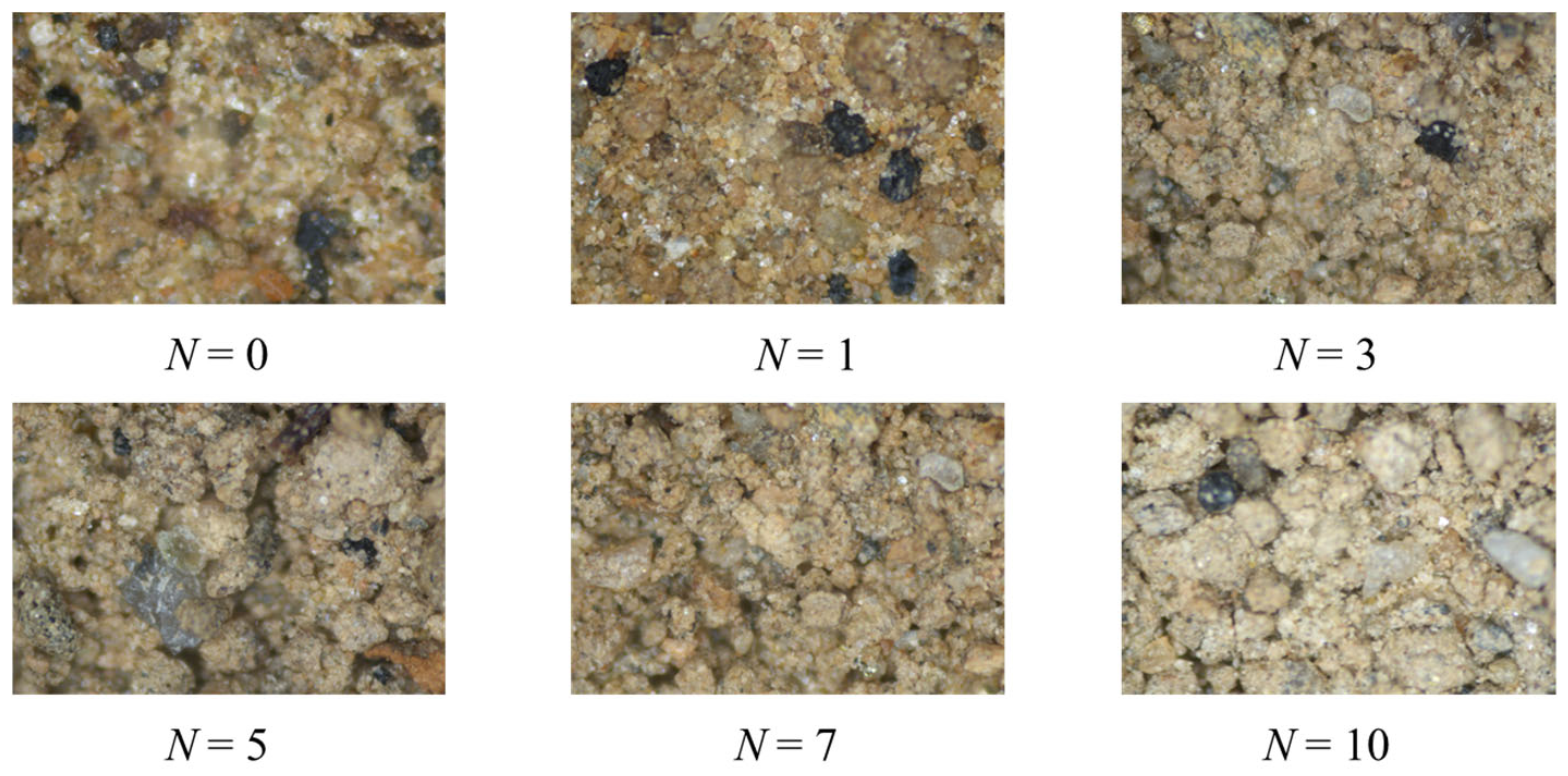
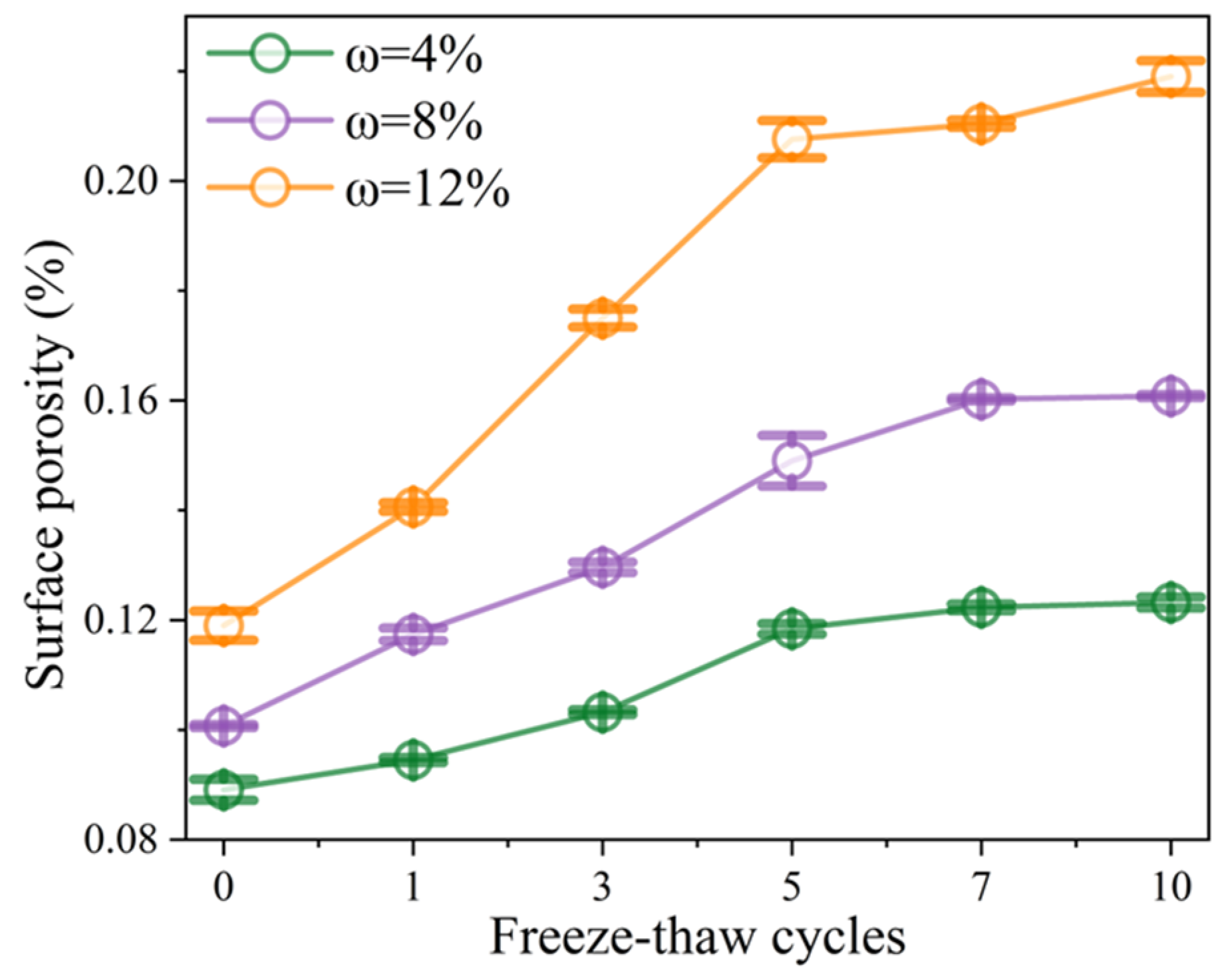
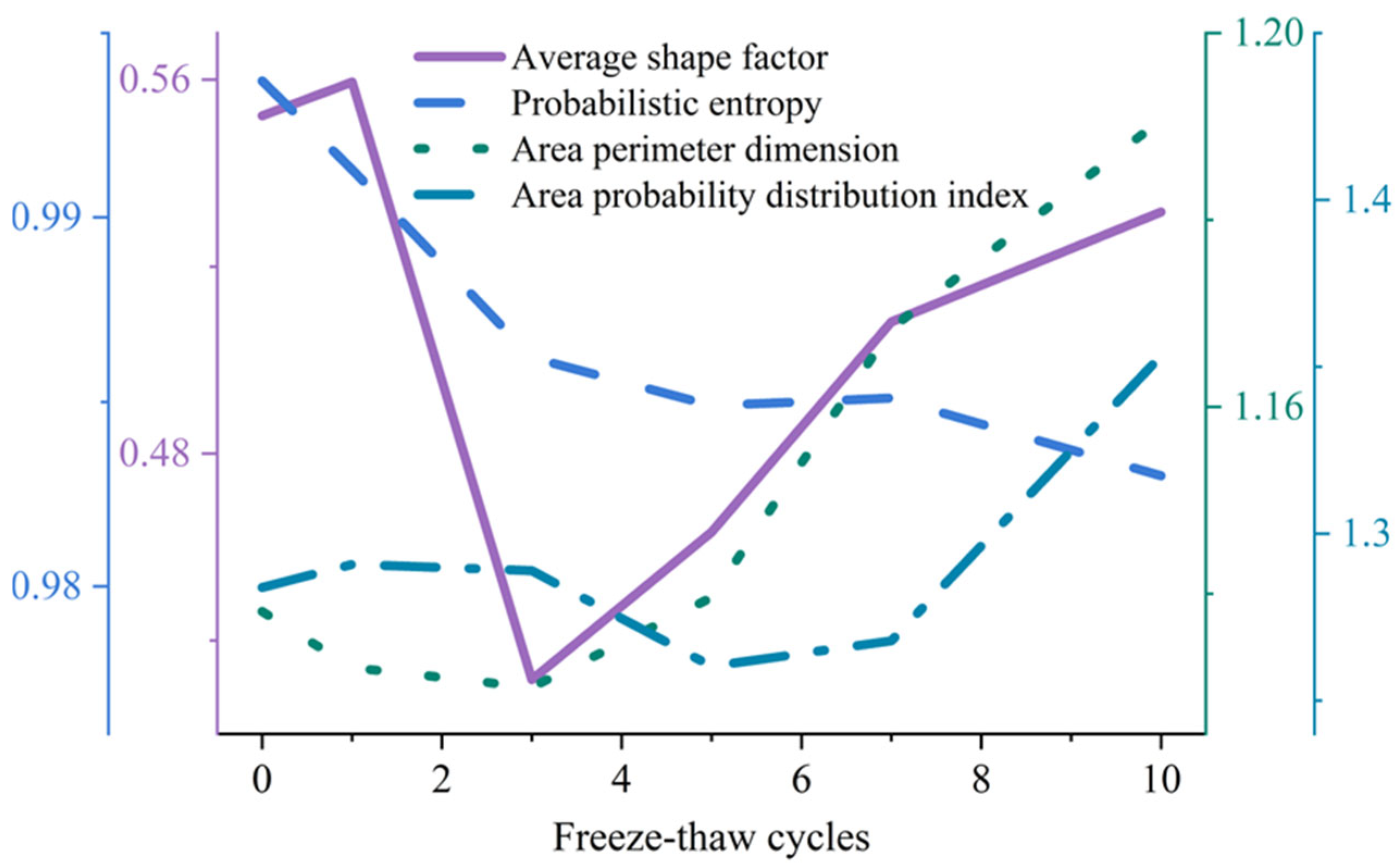
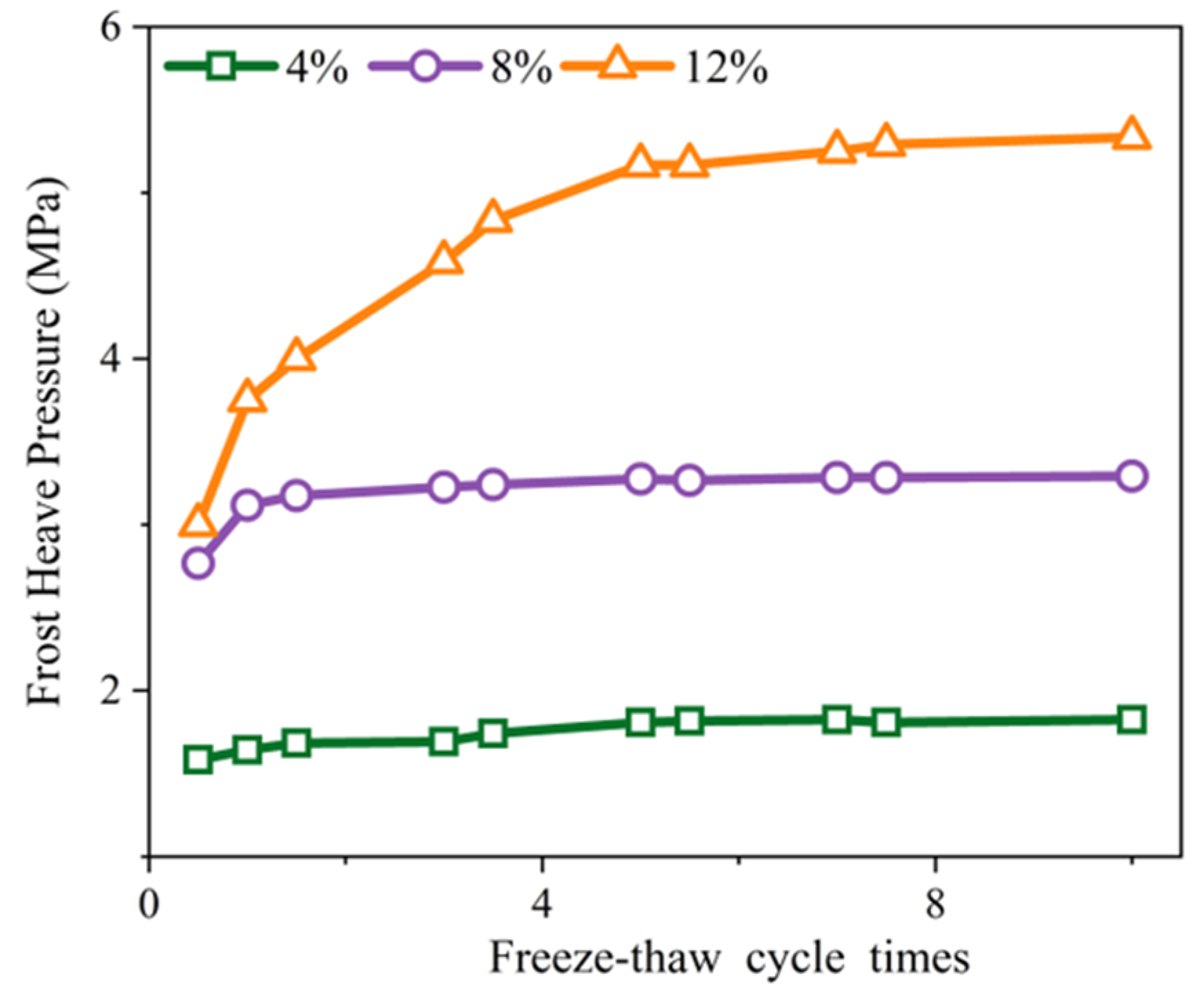
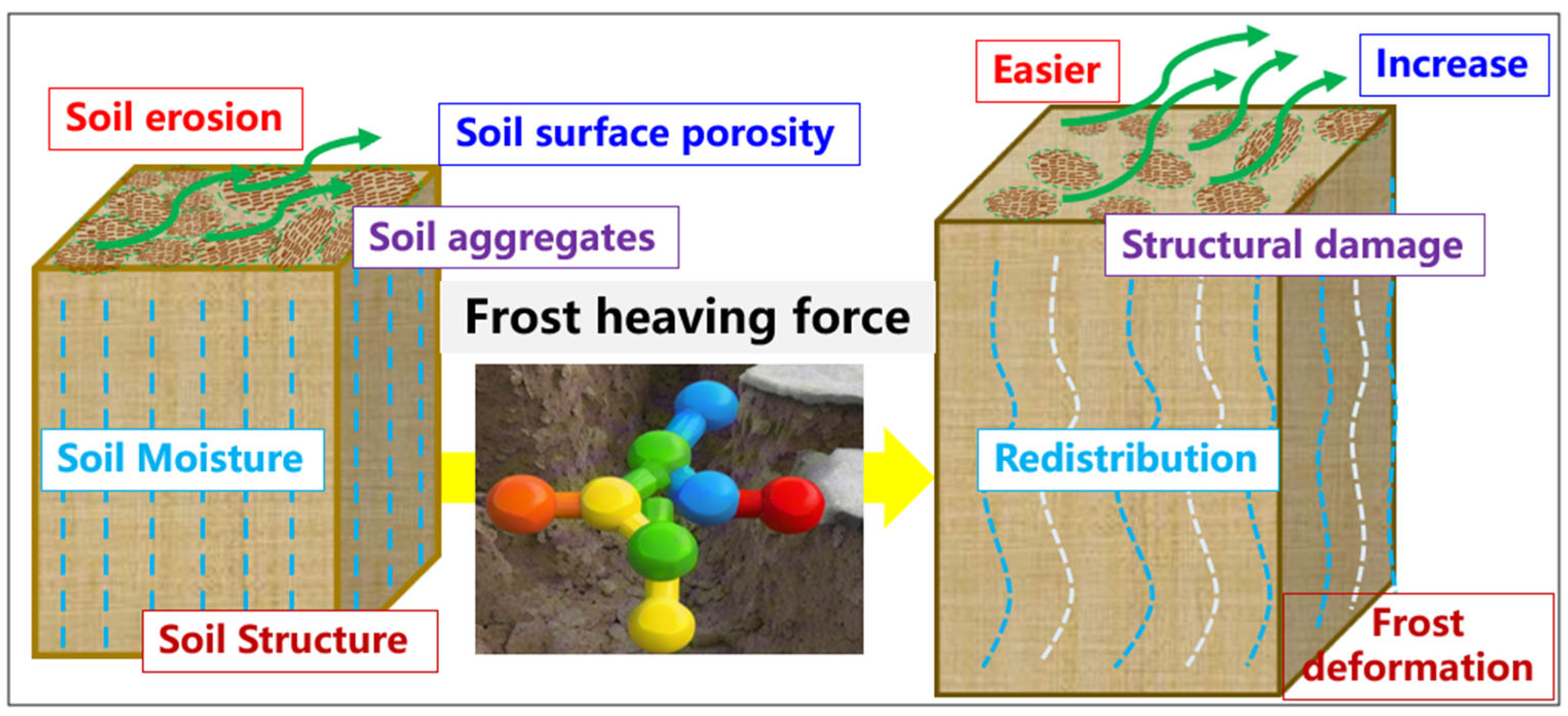
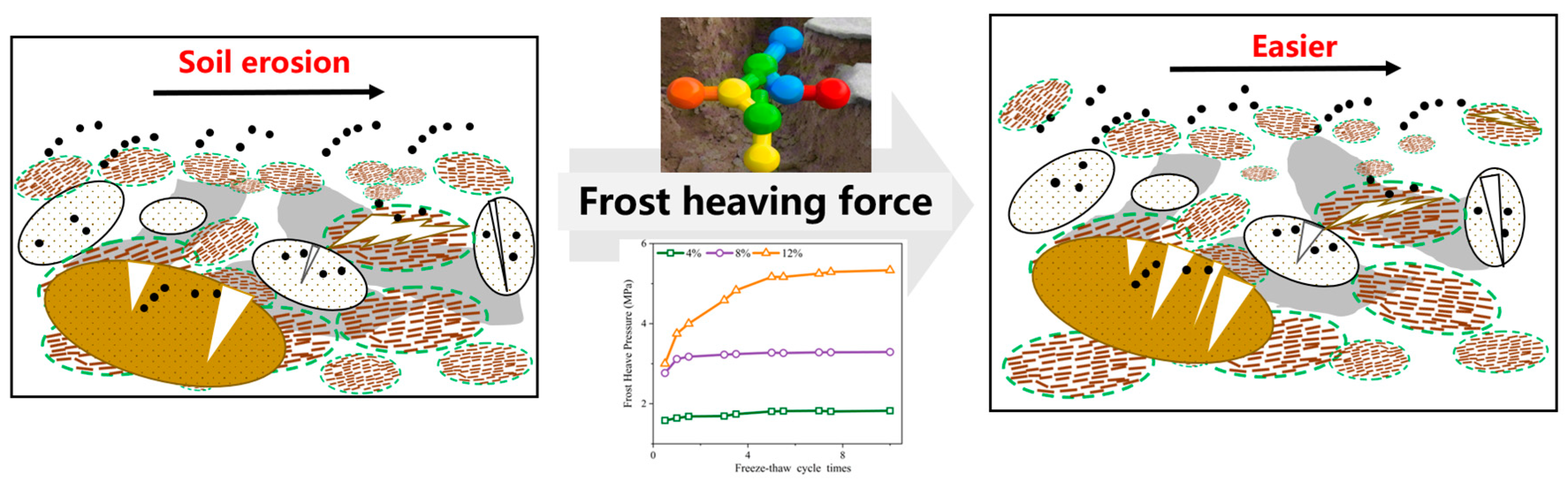
The Qinghai-Tibet Plateau (QTP) is uniquely characterized by widespread permafrost and desertification due to its distinctive natural environment and geographic setting. The current lack of understanding regarding the mechanisms by which the number of freeze-thaw cycles (N) exacerbates soil erosion poses a significant challenge to accurately assessing regional erosion dynamics. Here, we simulate realistic freeze-thaw conditions using an optimized cryogenic simulator and systematically quantify changes in soil physical properties, surface microstructure, and frost heave deformation. Research shows that as the number of freeze-thaw cycles rises, the surface soil moisture content decreases by 54.3%. Total porosity and bulk density display opposite trends. These changes in soil properties are mainly driven by frost heave forces disrupting soil cohesion. In particular, repeated water-ice phase transitions lead to continuous accumulation of axial frost heave stress, which rearranges soil particles. This significantly raises surface porosity with a growth rate as high as 60.3% and greatly reduces the soil’s resistance to external erosion. At the same time, the aggregate size distribution shifts toward finer particles, accompanied by a continued decrease in the mean weight diameter (MWD), which declines by approximately 8%. Notably, this degradation persists even when external loading partially suppresses frost heave. Therefore, the progressive physical degradation induced by frost heave-manifested through as moisture loss, porosity changes, aggregate breakdown, and compromised stability even under load-establishes the core mechanistic pathway through which freeze-thaw cycles intensify erosion in QTP soils.
Keywords: freeze–thaw cycle; desertification; physical properties; load; microstructure freeze–thaw cycle; desertification; physical properties; load; microstructure
Graphical Abstract