Review

Implementation of a Radon Monitoring Network in a Seismic Area

by
Victorin-Emilian Toader
1,*,
Andrei Mihai
1,2,
Iren-Adelina Moldovan
1,
Constantin Ionescu
1,
Alexandru Marmureanu
1 and
Iosif Lingvay
3
1
National Institute for Earth Physics, Calugareni 12, RO-077125 Magurele, Romania
2
Faculty of Physics, University of Bucharest, Atomistilor 405, RO-077125 Magurele, Romania
3
S.C. Electrovâlcea SRL Str. Ferdinand, 19, Râmnicu Vâlcea, RO-240571 Vâlcea, Romania
*
Author to whom correspondence should be addressed.
Atmosphere 2021, 12(8), 1041; https://doi.org/10.3390/atmos12081041
Submission received: 25 June 2021 / Revised: 28 July 2021 / Accepted: 11 August 2021 / Published: 13 August 2021
(This article belongs to the Special Issue Atmospheric Radon Measurements, Control, Mitigation and Management)

Abstract

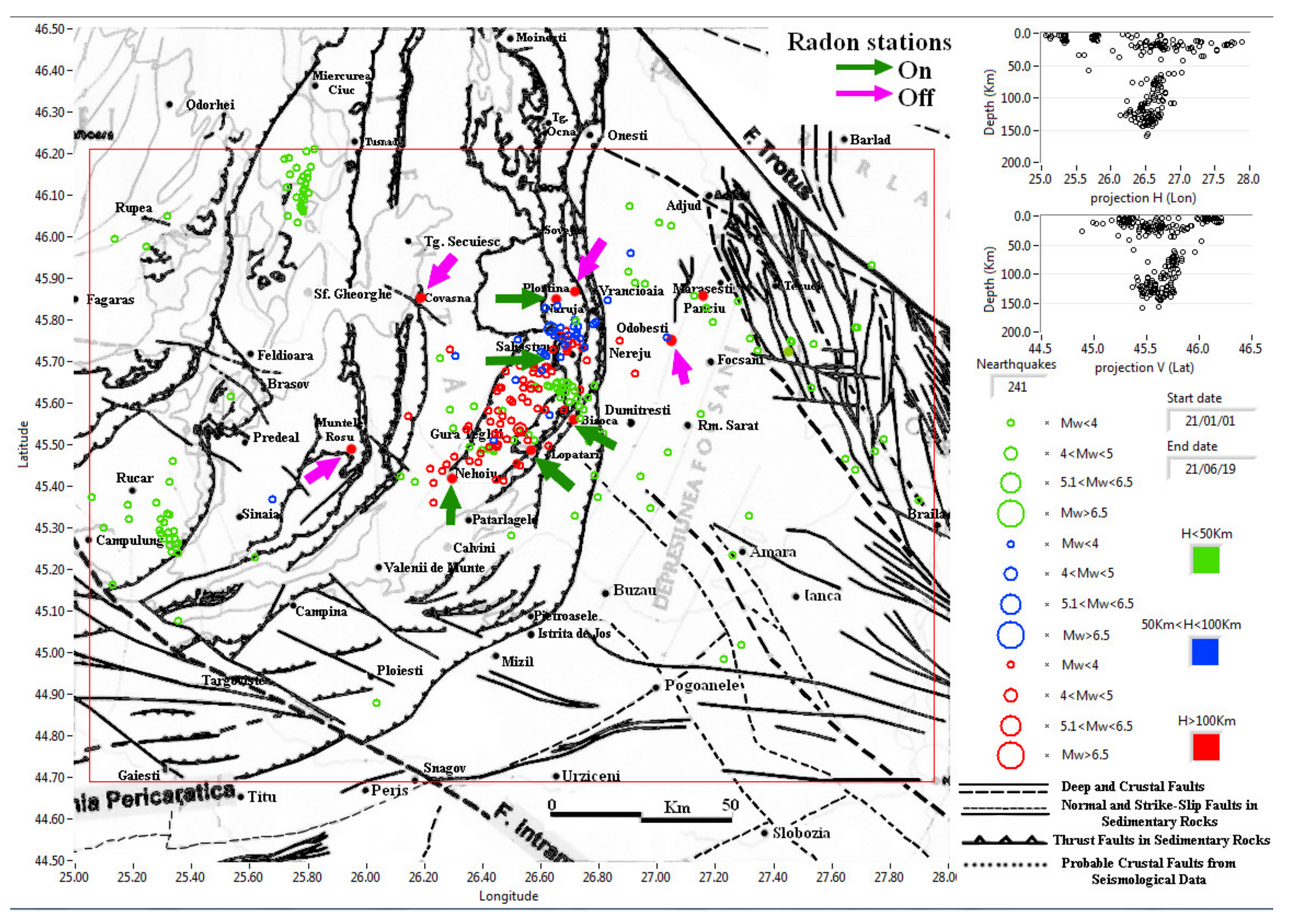
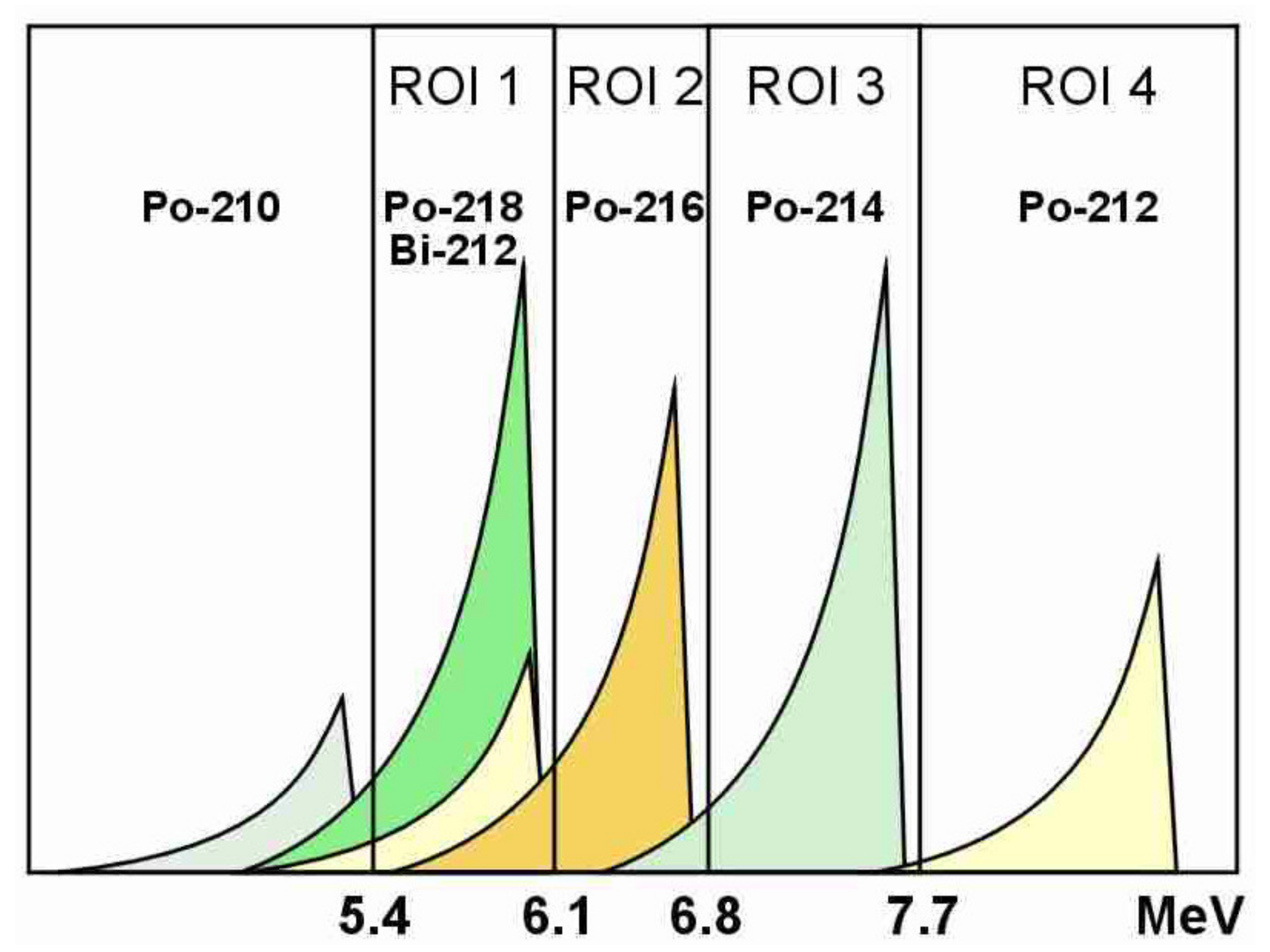
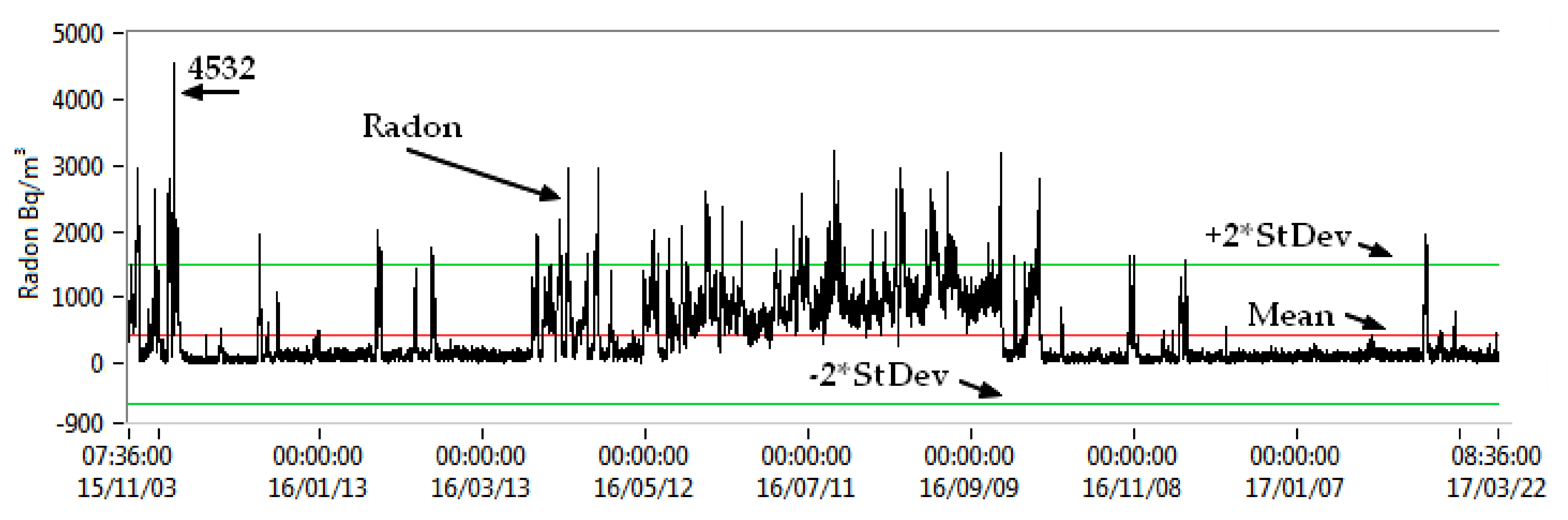
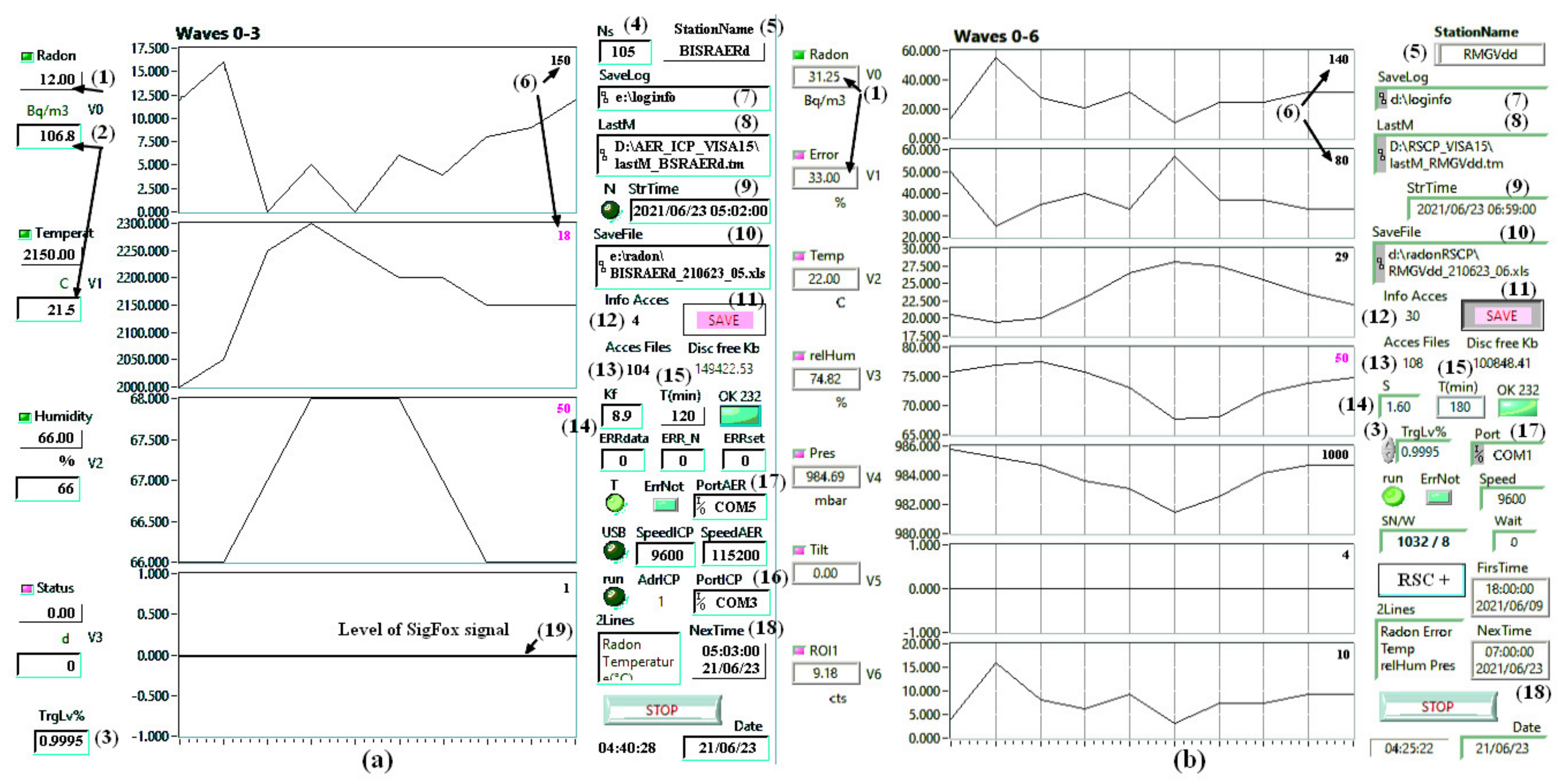
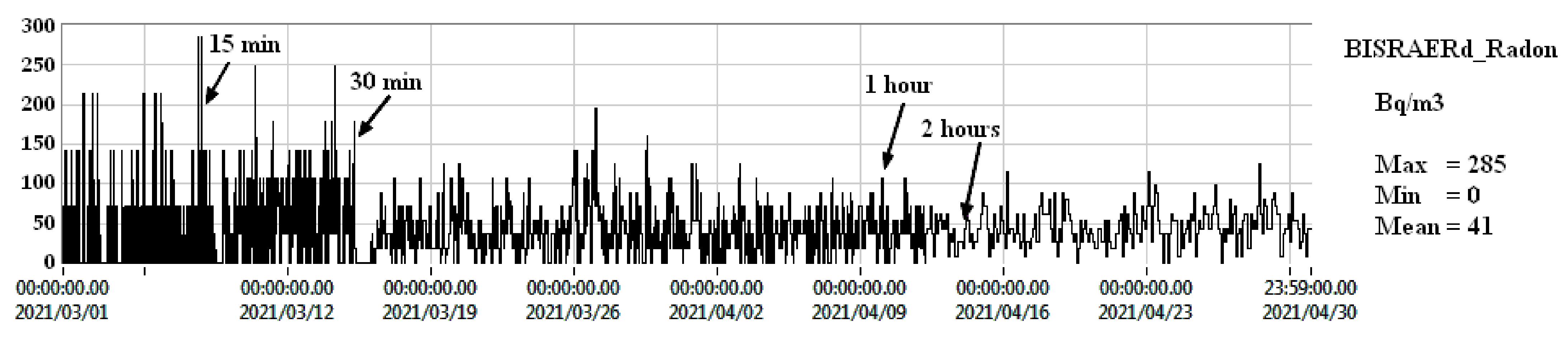
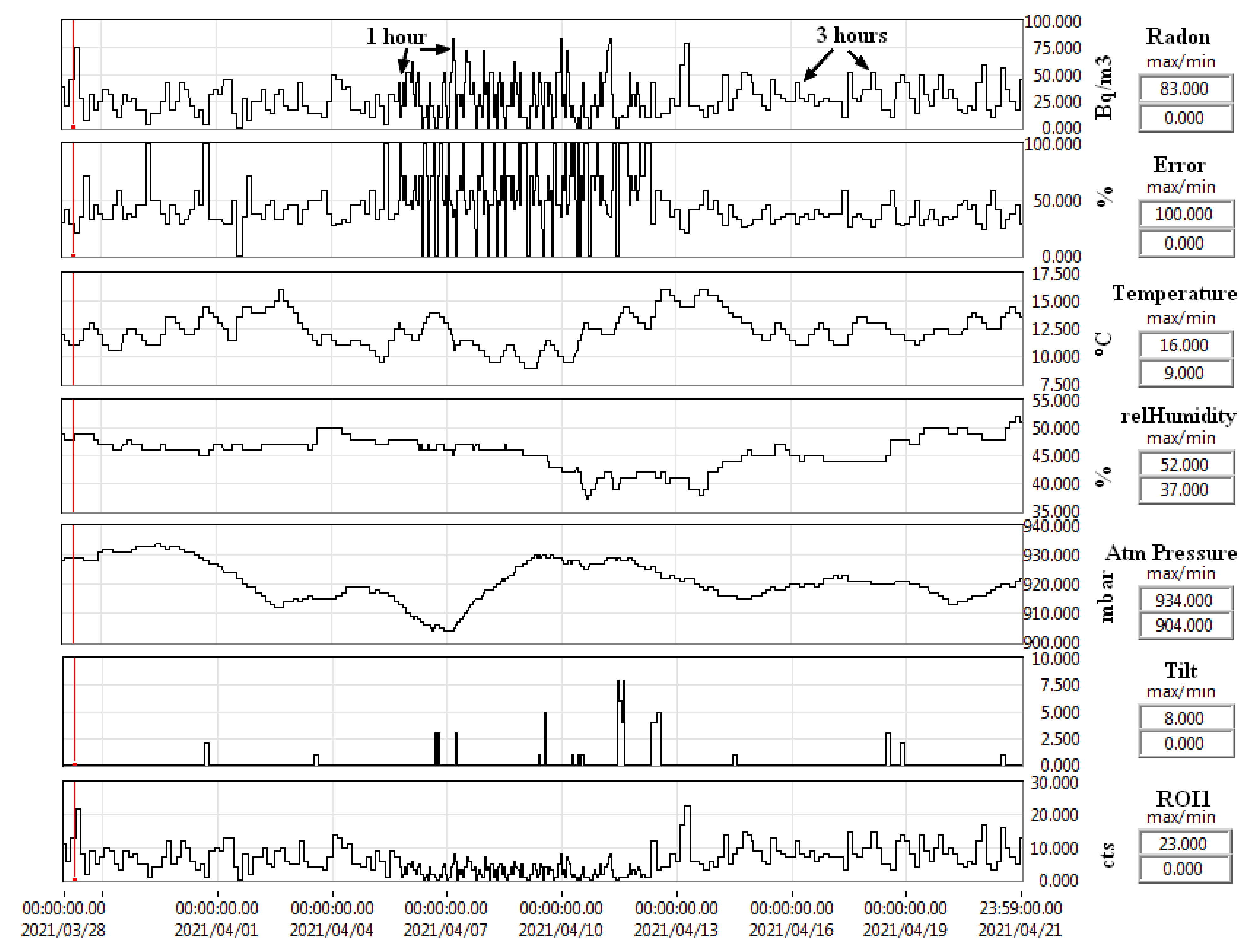
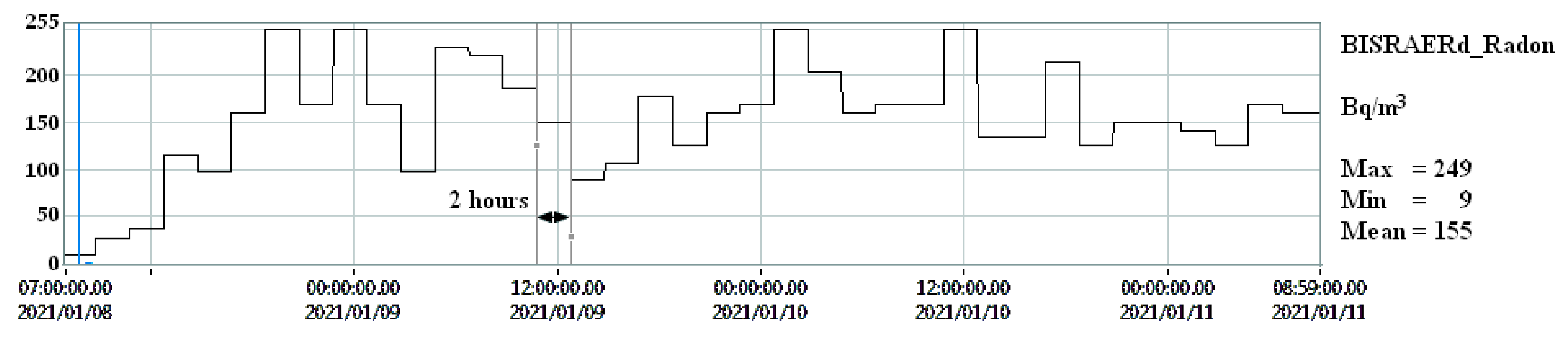
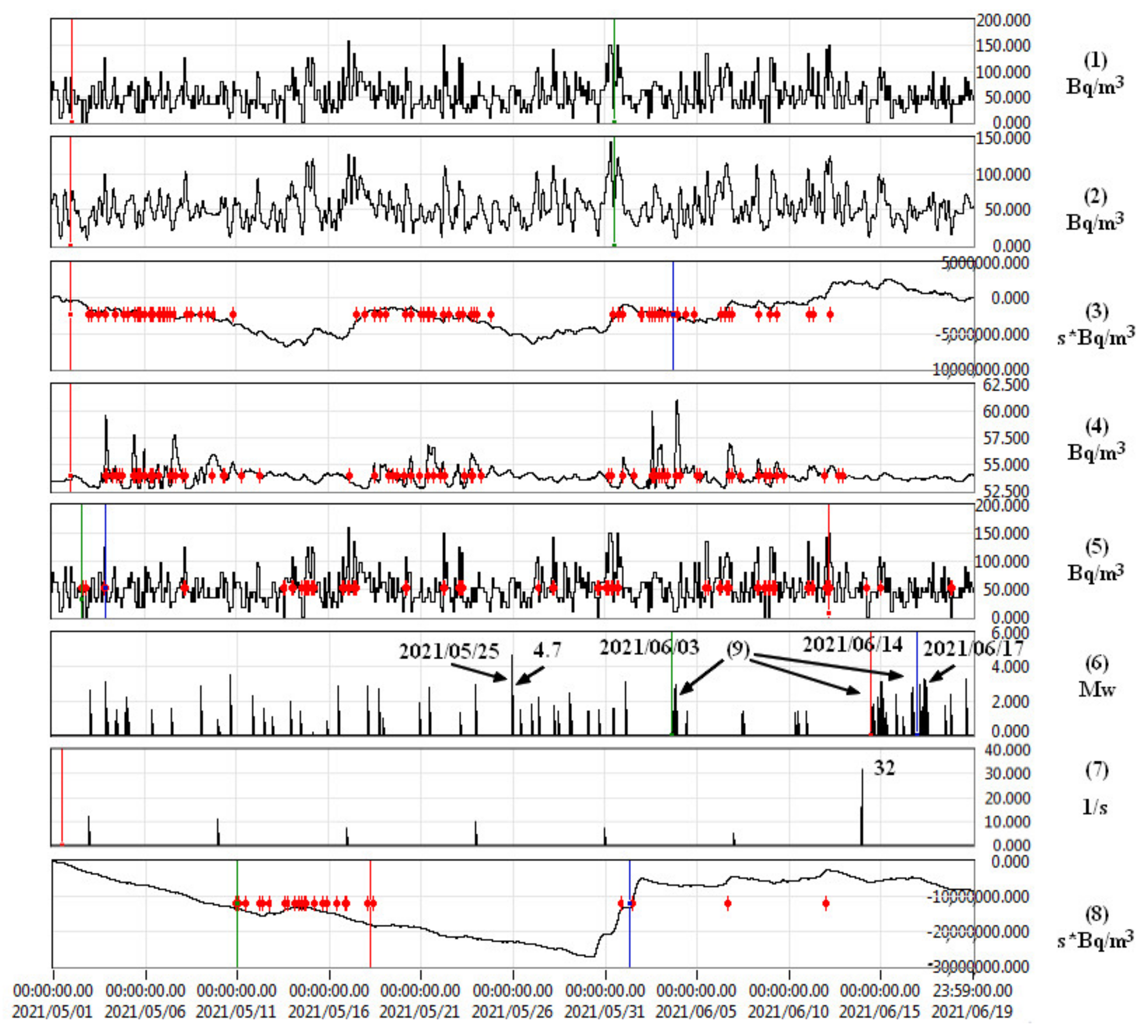
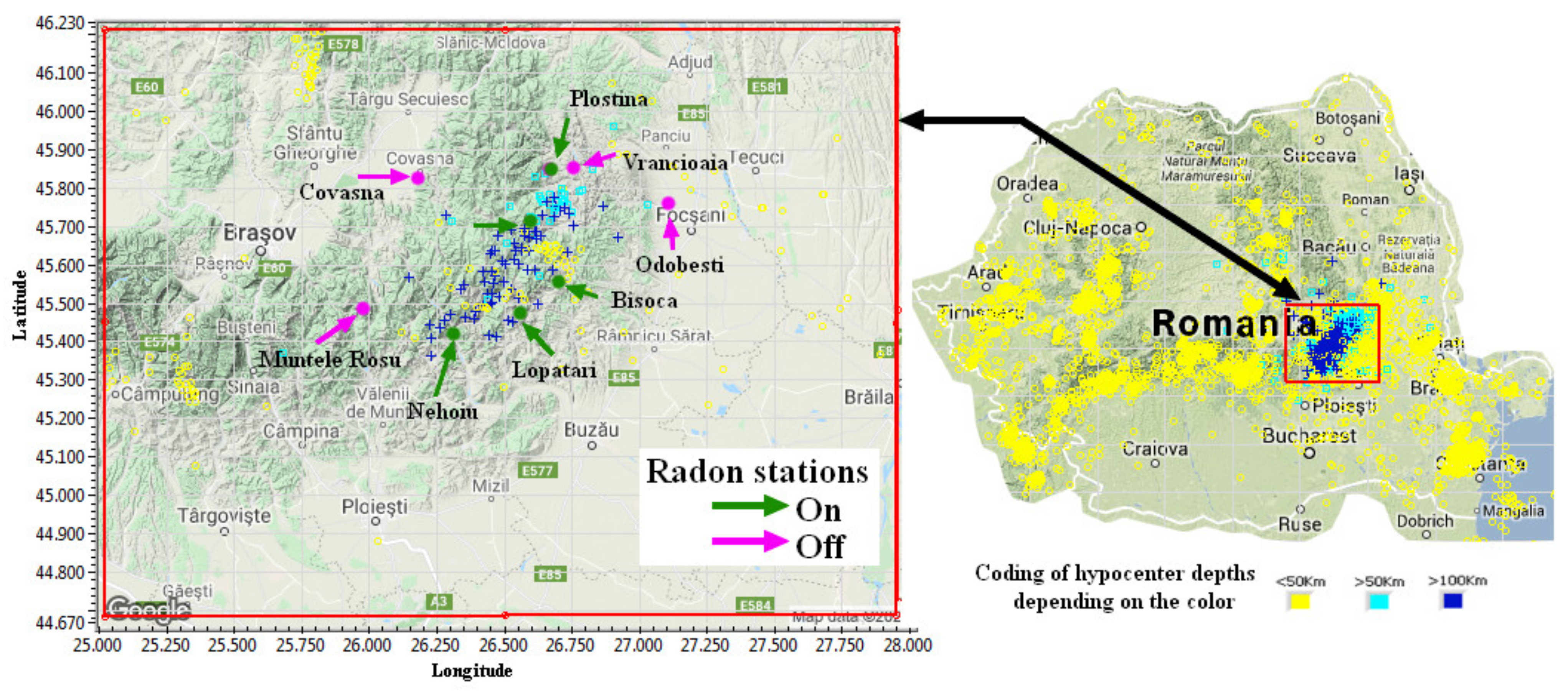
Large-scale radon monitoring is carried out due to the fact that it is directly responsible for public health. European Directive 2013/59/EURATOM has been transposed into the legislation of several countries and provides for the need for long-term monitoring of radon in homes and workplaces by setting the average annual reference level at 300 Bq/m3. At the same time, radon is a precursor factor, its emission being correlated with seismic and volcanic activity. In this case, the protection of the population is ensured by a forecast similar to a meteorological one. The NIEP (National Institute for Earth Physics) is developing a multidisciplinary real-time monitoring network in the most dangerous seismic area in Romania, Vrancea. This is located at the bend of the Carpathian Mountains and is characterized by deep earthquakes (over 80 km), with destructive effects over large distances. Implementing a multidisciplinary monitoring network that includes radon, involves finding the locations and equipment that will give the best results. There is no generic solution for achieving this, because the geological structure depends on the monitoring area, and in most cases the equipment does not offer the ability to transmit data in real time. The positioning of the monitoring stations was based on fault maps of the Vrancea area. Depending on the results, some of the locations were changed in pursuit of a correlation with zonal seismicity. Through repeated tests, we established the optimal sampling rate for minimizing errors, maintaining measurement accuracy, and ensuring the detection of anomalies in real time. The radon 222Rn was determined by the number of counts and ROI1 (region of interest) values, depending on the particularities of the equipment. Finally, we managed to establish a real-time radon monitoring network which transmits data to geophysical platforms and makes correlations with the seismicity in the Vrancea area. The equipment, designed to store data for long periods of time then manually download it with manufacturers’ applications, now works in real time, after we implemented software designed specifically for this purpose.
Keywords: radon real-time monitoring; radon anomaly detection; radon network management radon real-time monitoring; radon anomaly detection; radon network management