Article

Low Concentration Analysis of Silver Nanoparticles in Consumer Spray Products


1
Neuroscience, Department of Biomedical Sciences, Colorado State University, 1680 Campus Delivery, Fort Collins, CO 80523, USA
2
Environmental Health, Department of Environmental and Radiological Health Sciences, Colorado State University, 1681 Campus Delivery, Fort Collins, CO 80523, USA
*
Author to whom correspondence should be addressed.
Atmosphere 2020, 11(4), 403; https://doi.org/10.3390/atmos11040403
Submission received: 4 March 2020 / Revised: 8 April 2020 / Accepted: 15 April 2020 / Published: 17 April 2020
(This article belongs to the Section Aerosols)

Abstract

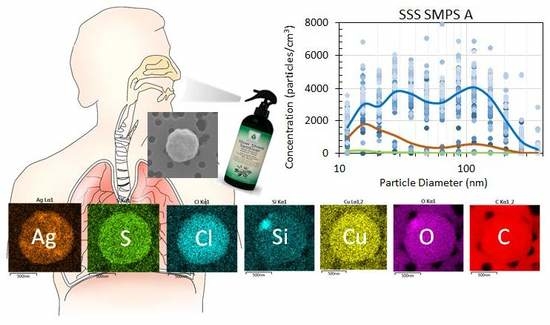
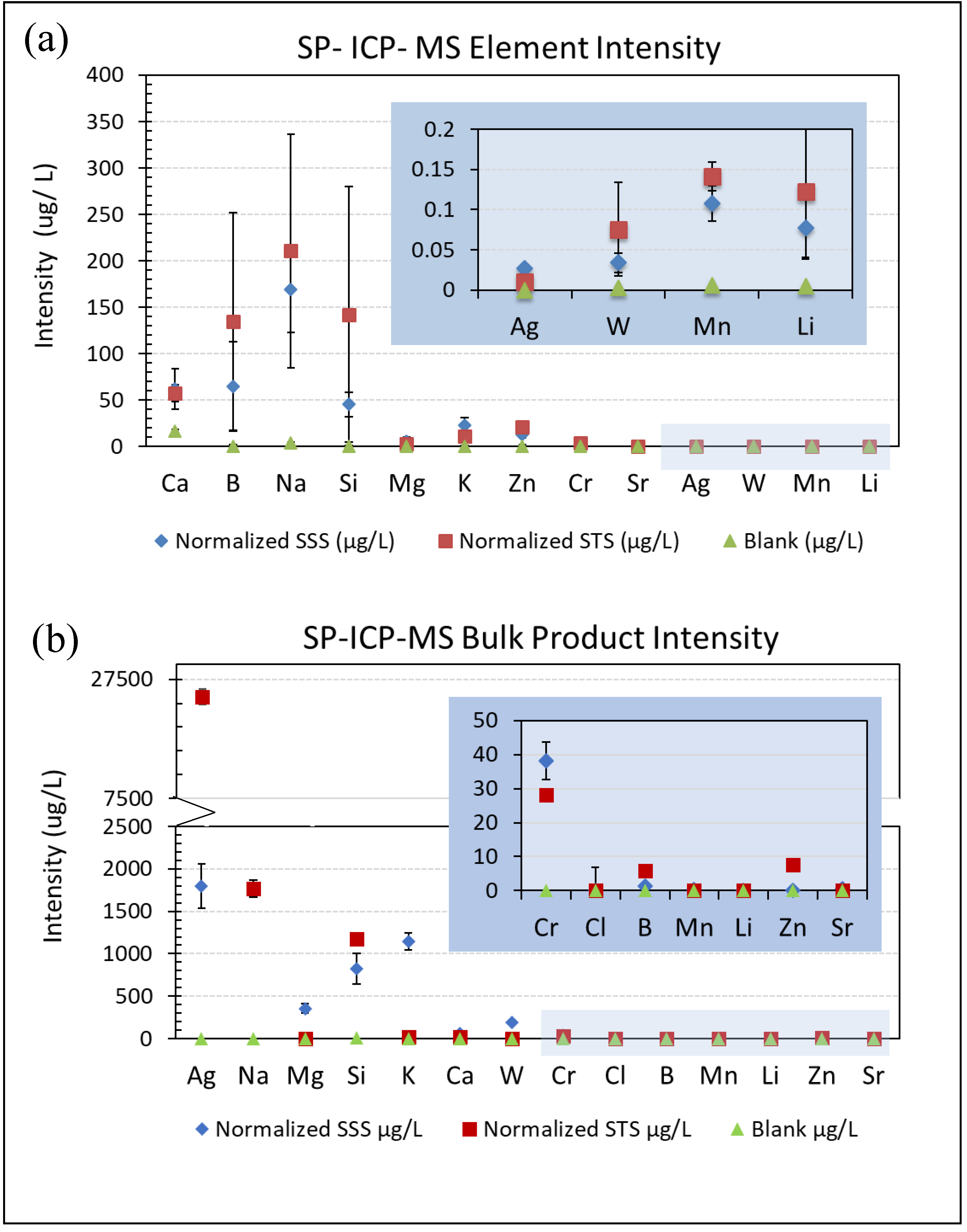
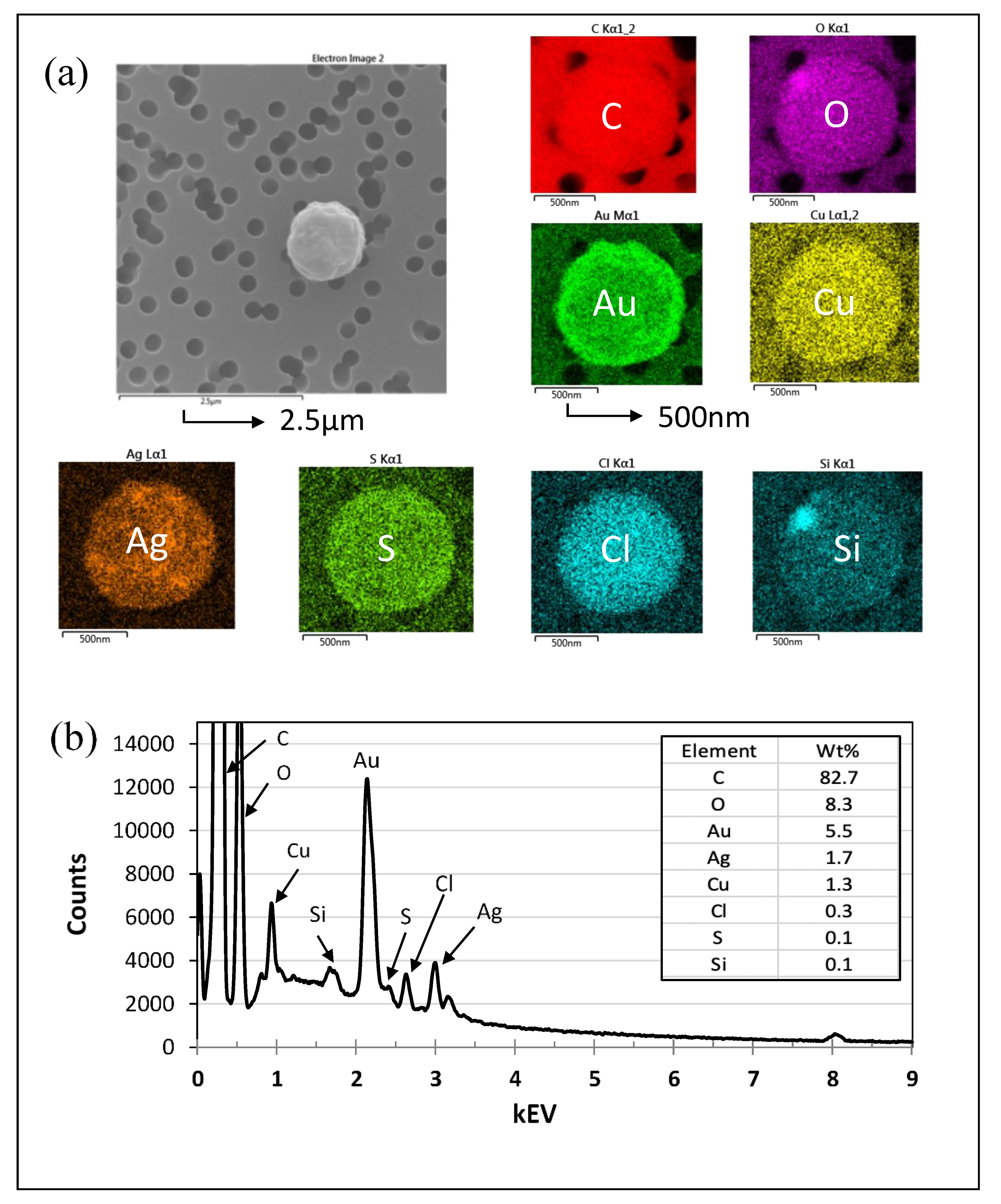
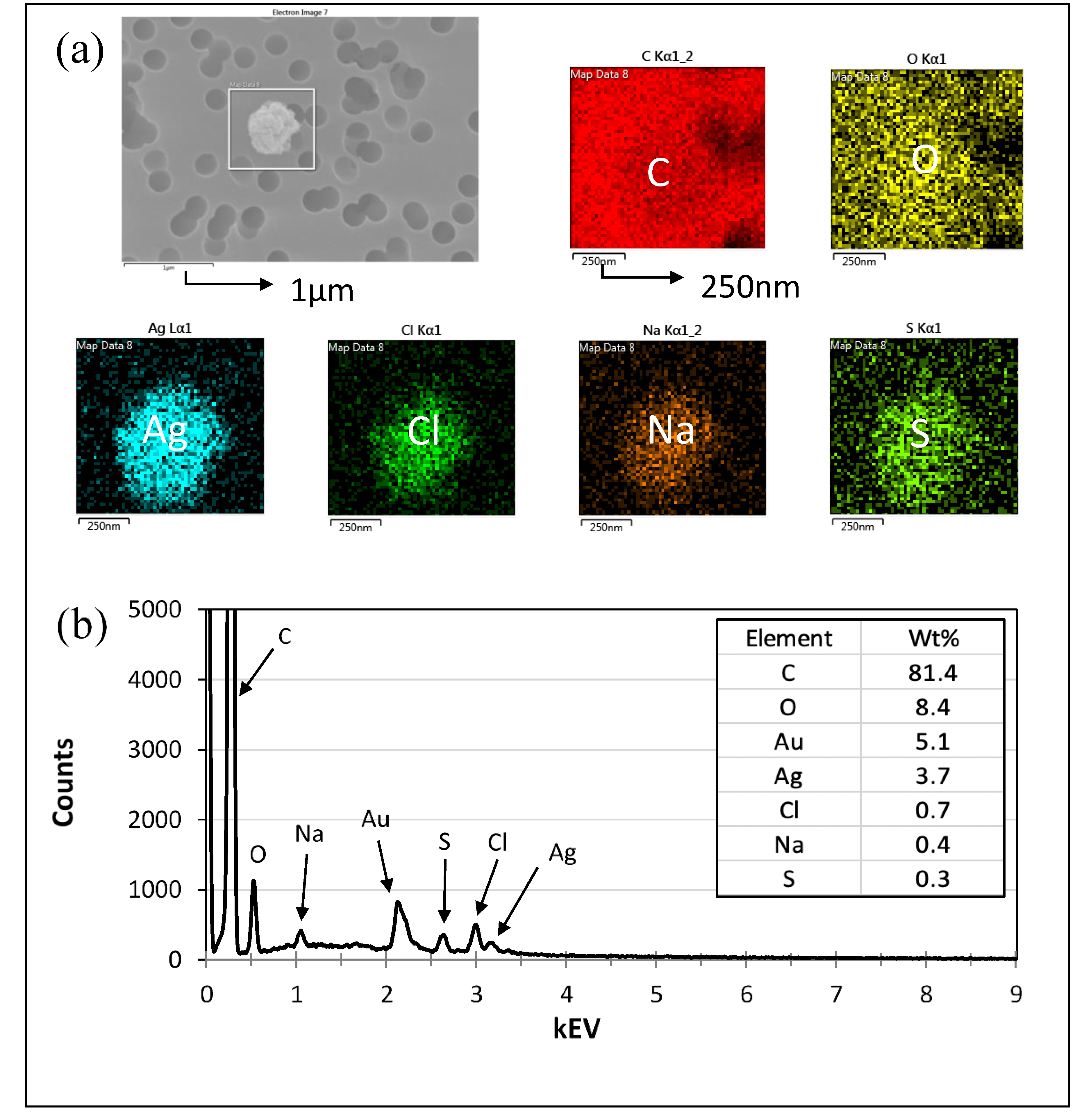
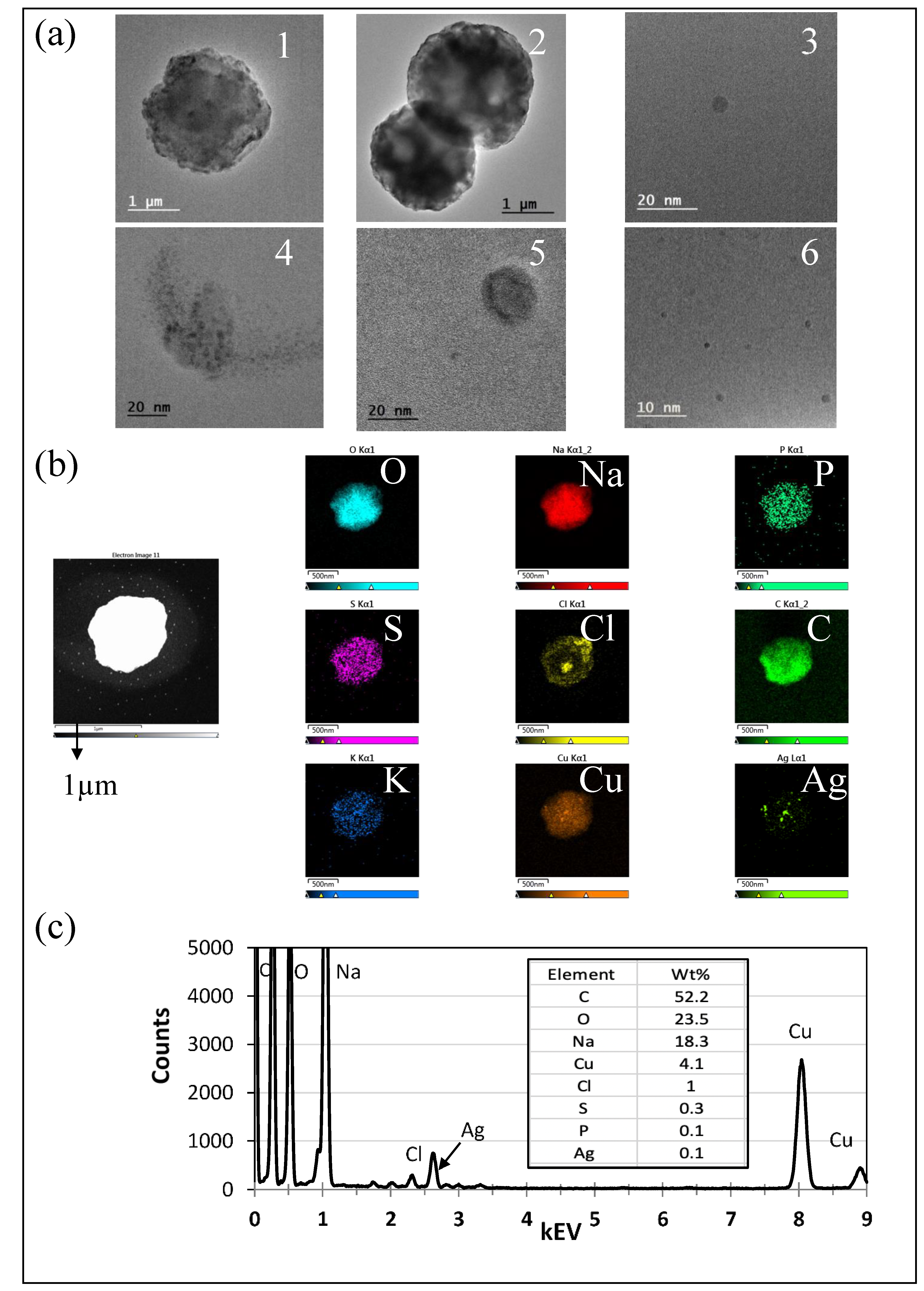
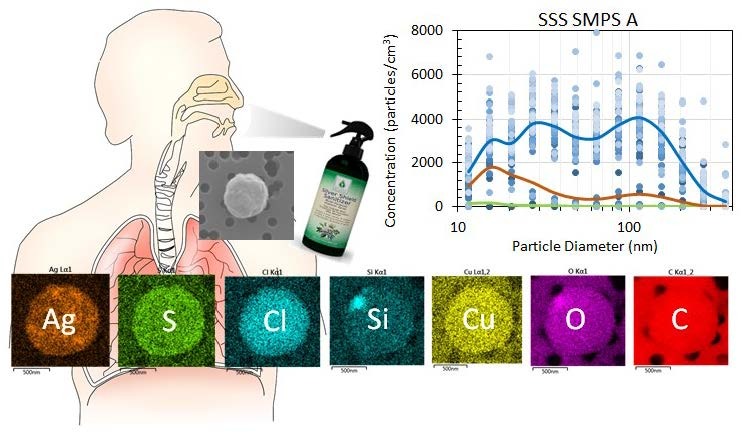
The lack of regulations regarding the manufacture of nanoparticle-containing products has enabled the release of many consumer products into the market with uncorroborated claims. Silver nanoparticles are commonly used in consumer goods, particularly in medical and household products. This study was designed to evaluate the aerosol exposure of silver nanoparticles from two consumer spray products currently on the market that claim to contain silver nanoparticles for antibacterial purposes. The study relies on our current understanding of various sampling and analytical methods to effectively evaluate aerosolized nanoparticles, particularly at low concentrations. To characterize low-concentration nanoparticles, various sophisticated sampling methods, including a NanoScan scanning mobility particle sizer, an optical particle sizer, an impinger, and diffusion samplers, were utilized to quantify, collect, and analyze the chemical compositions of the aerosolized products. Our results show that while both products aerosolize silver particles when sprayed, the emitted nanoparticles contain a low concentration of silver and vary in size and overall chemical composition. Further investigation of silver nanoparticle commercial spray products is needed to assess exposure risk and inform health professionals, industrial hygienists, and the general public regarding disparities in product marketing claims and nanoparticle aerosol exposure.
Keywords: nanoparticle; sampling technique; consumer product; exposure; nanosilver; aerosol; regulation; consumer marketing nanoparticle; sampling technique; consumer product; exposure; nanosilver; aerosol; regulation; consumer marketing
Graphical Abstract