Article

Genome-Wide Identification and Expression Pattern Analysis of SBP Gene Family in Neolamarckia cadamba

Guangdong Key Laboratory for Innovative Development and Utilization of Forest Plant Germplasm, College of Forestry and Landscape Architecture, South China Agricultural University, Guangzhou 510642, China
*
Author to whom correspondence should be addressed.
Genes 2025, 16(4), 460; https://doi.org/10.3390/genes16040460
Submission received: 4 March 2025 / Revised: 10 April 2025 / Accepted: 15 April 2025 / Published: 17 April 2025
(This article belongs to the Section Plant Genetics and Genomics)

Abstract

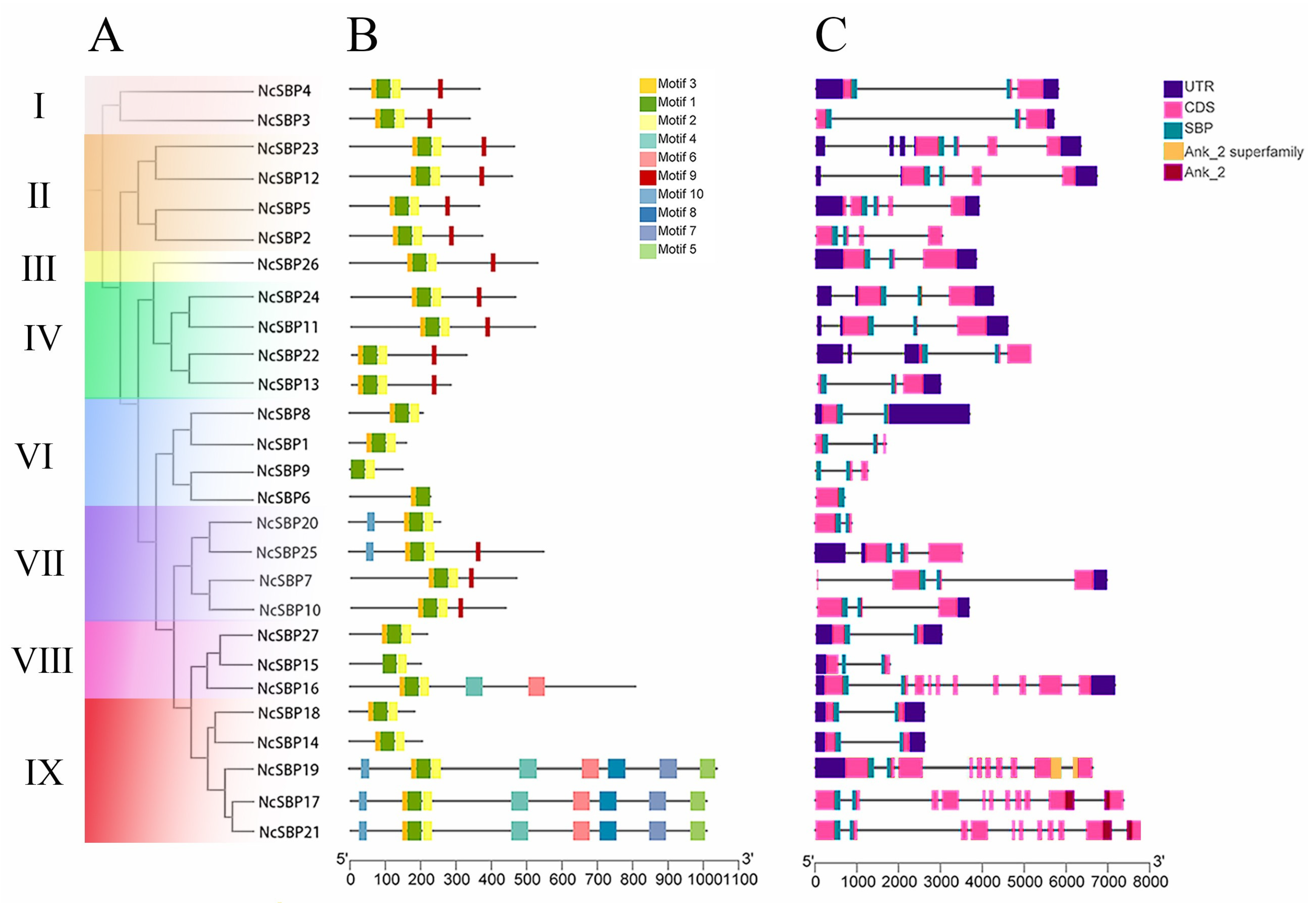
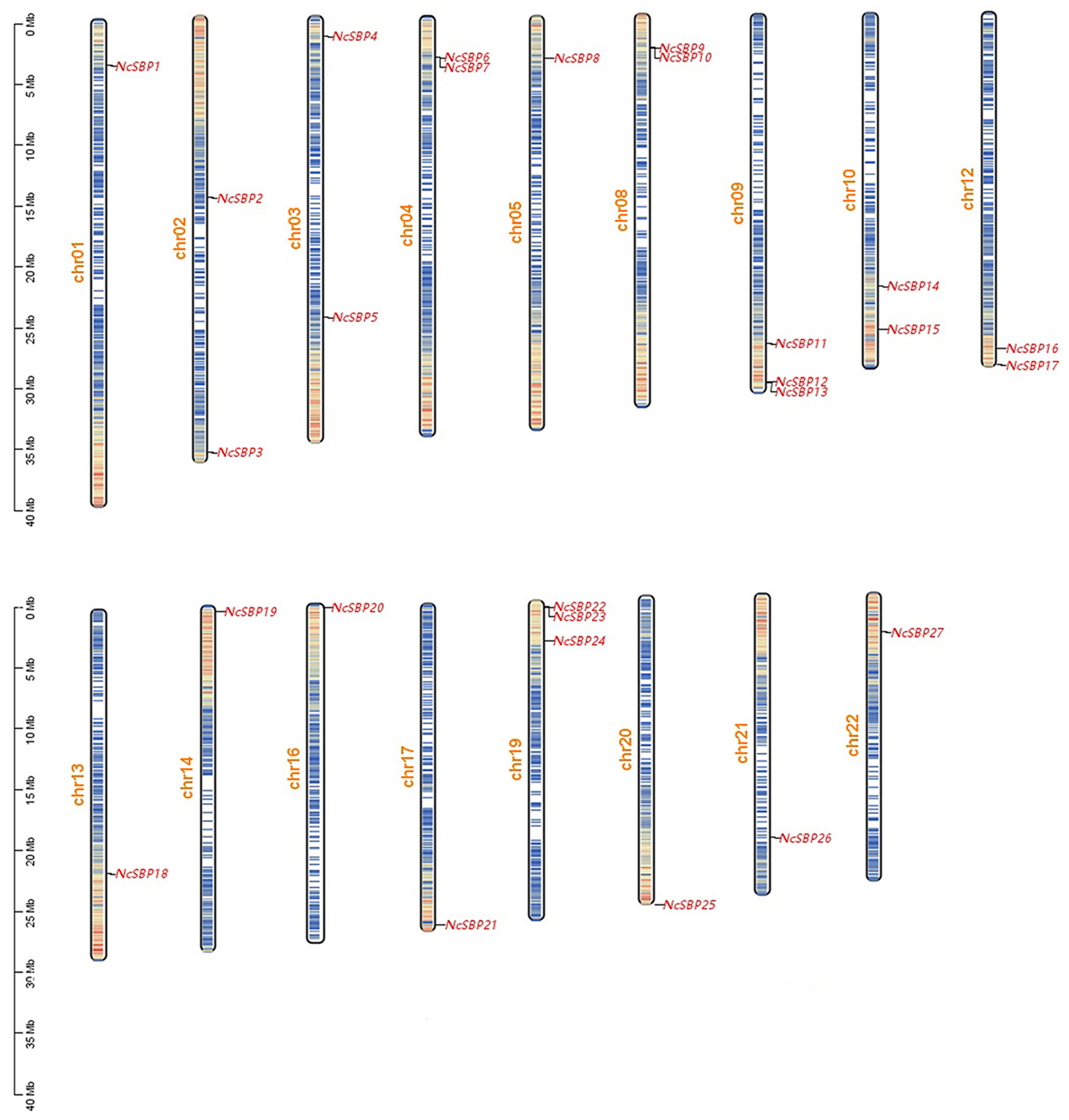
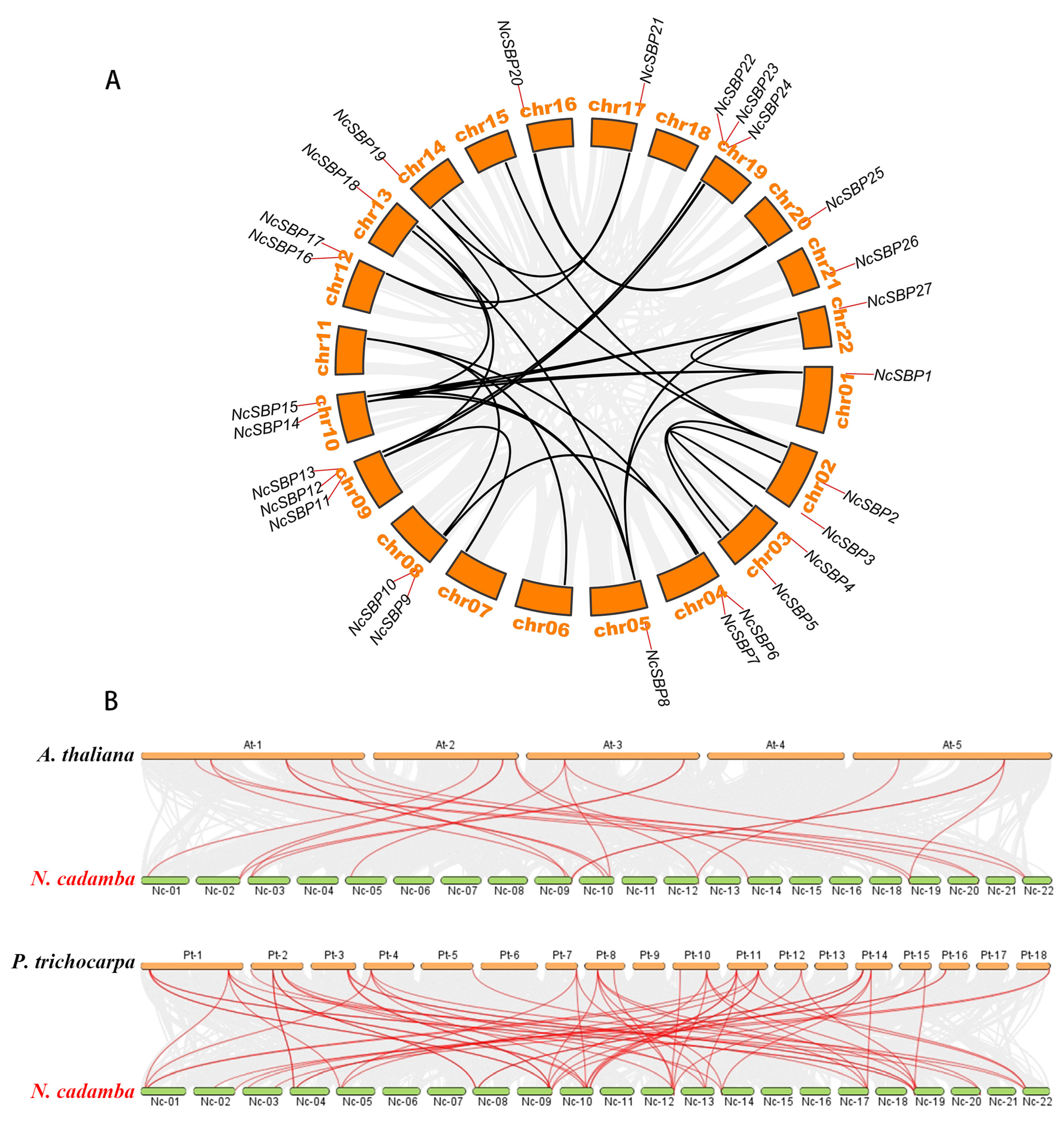
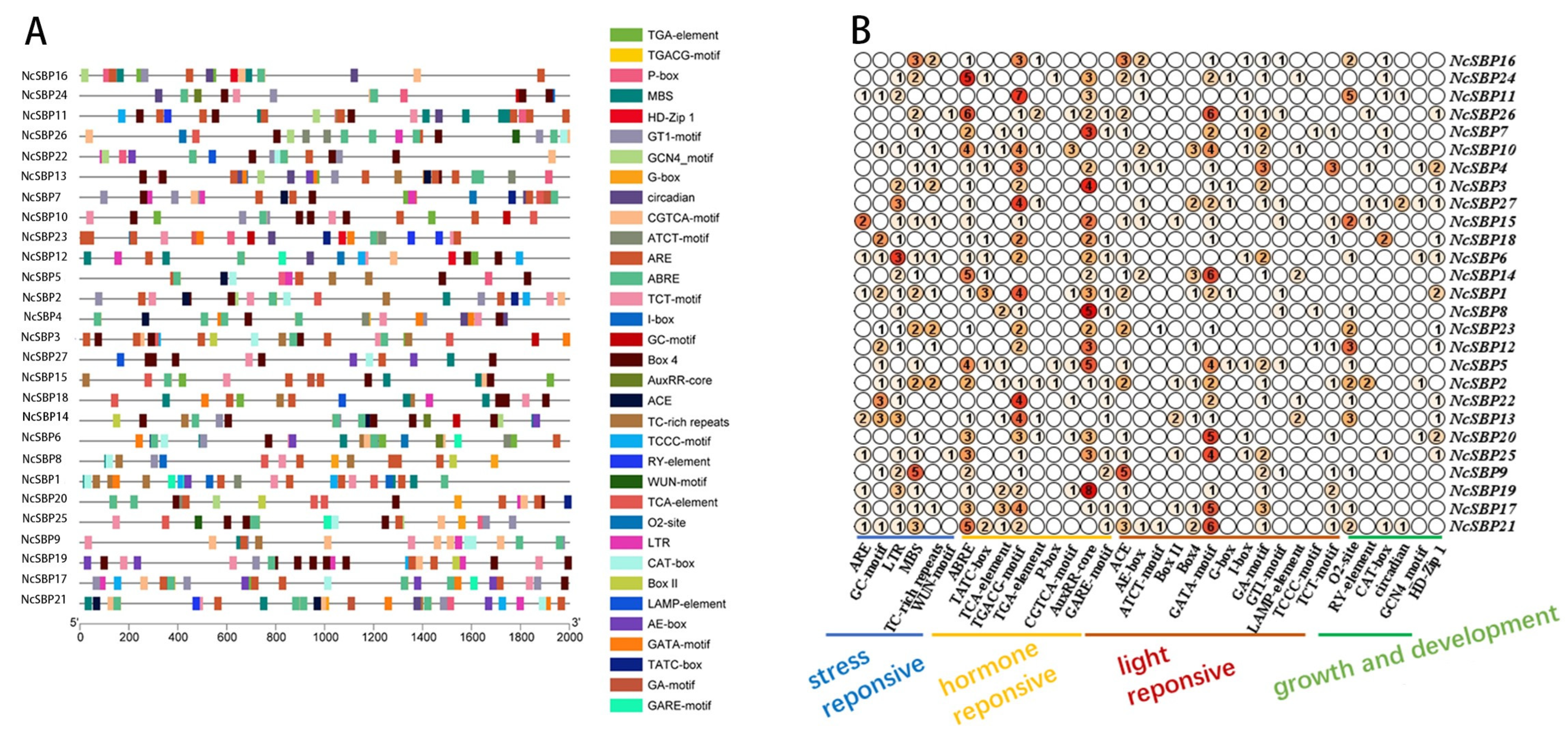
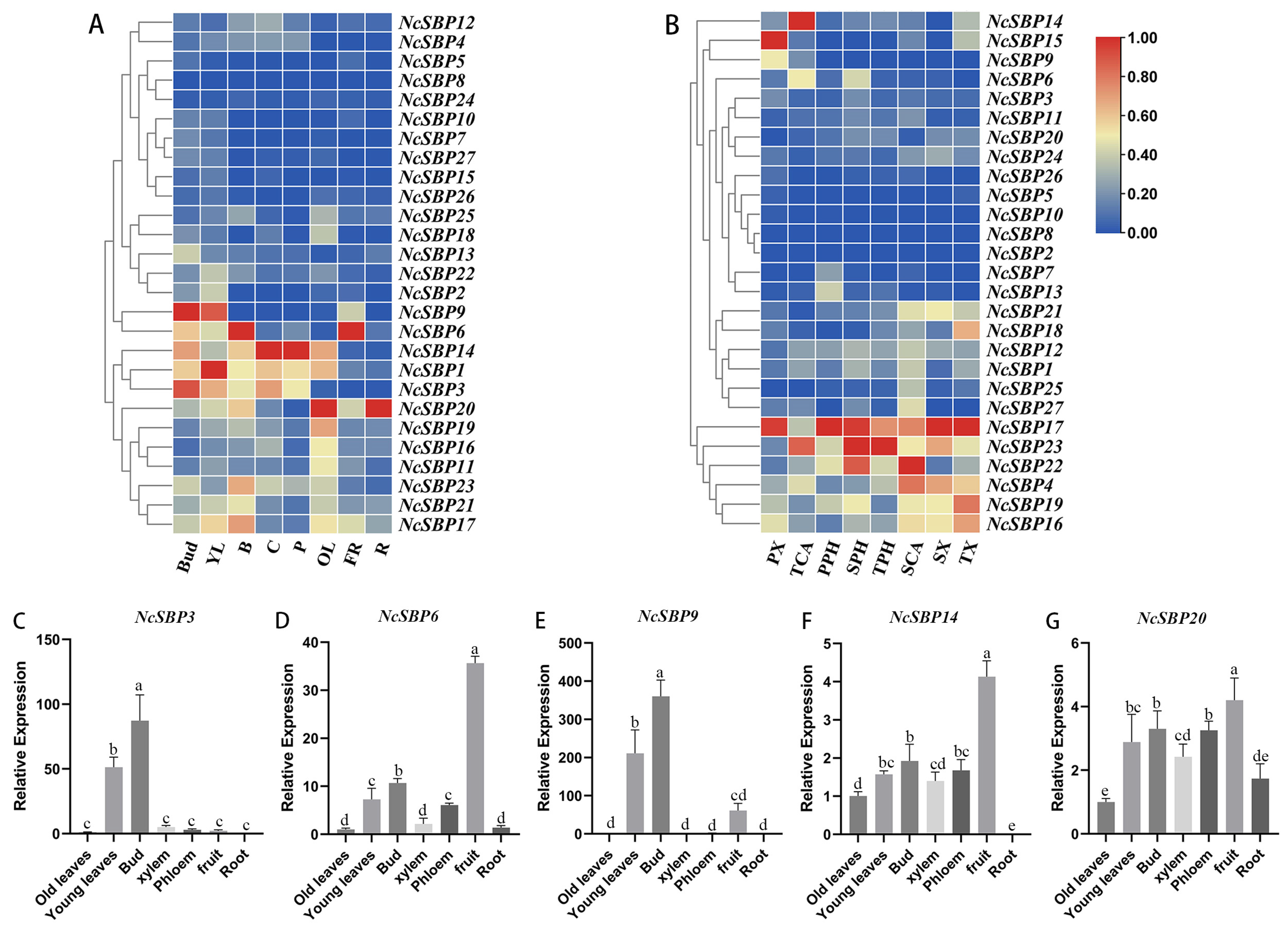
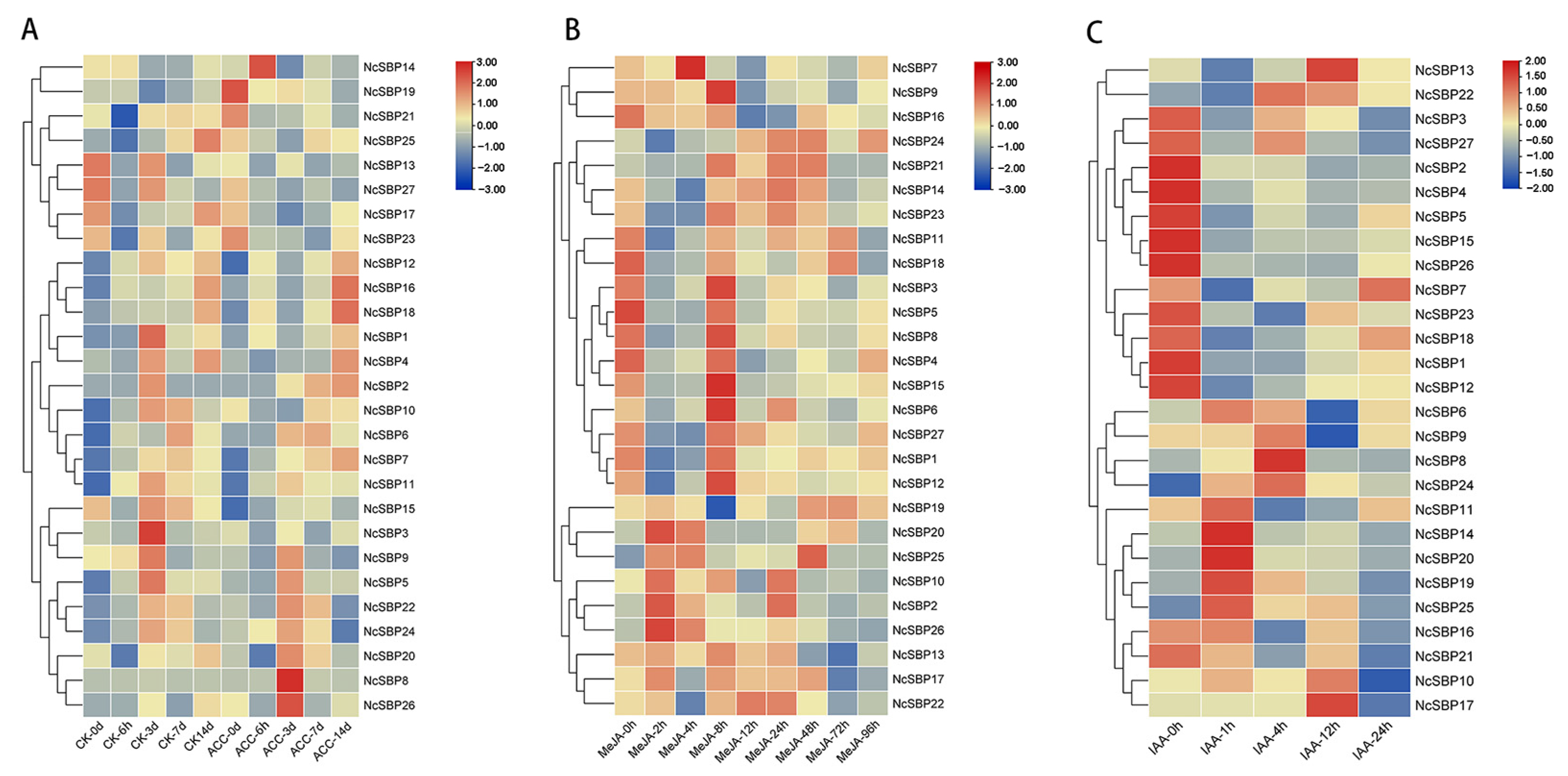
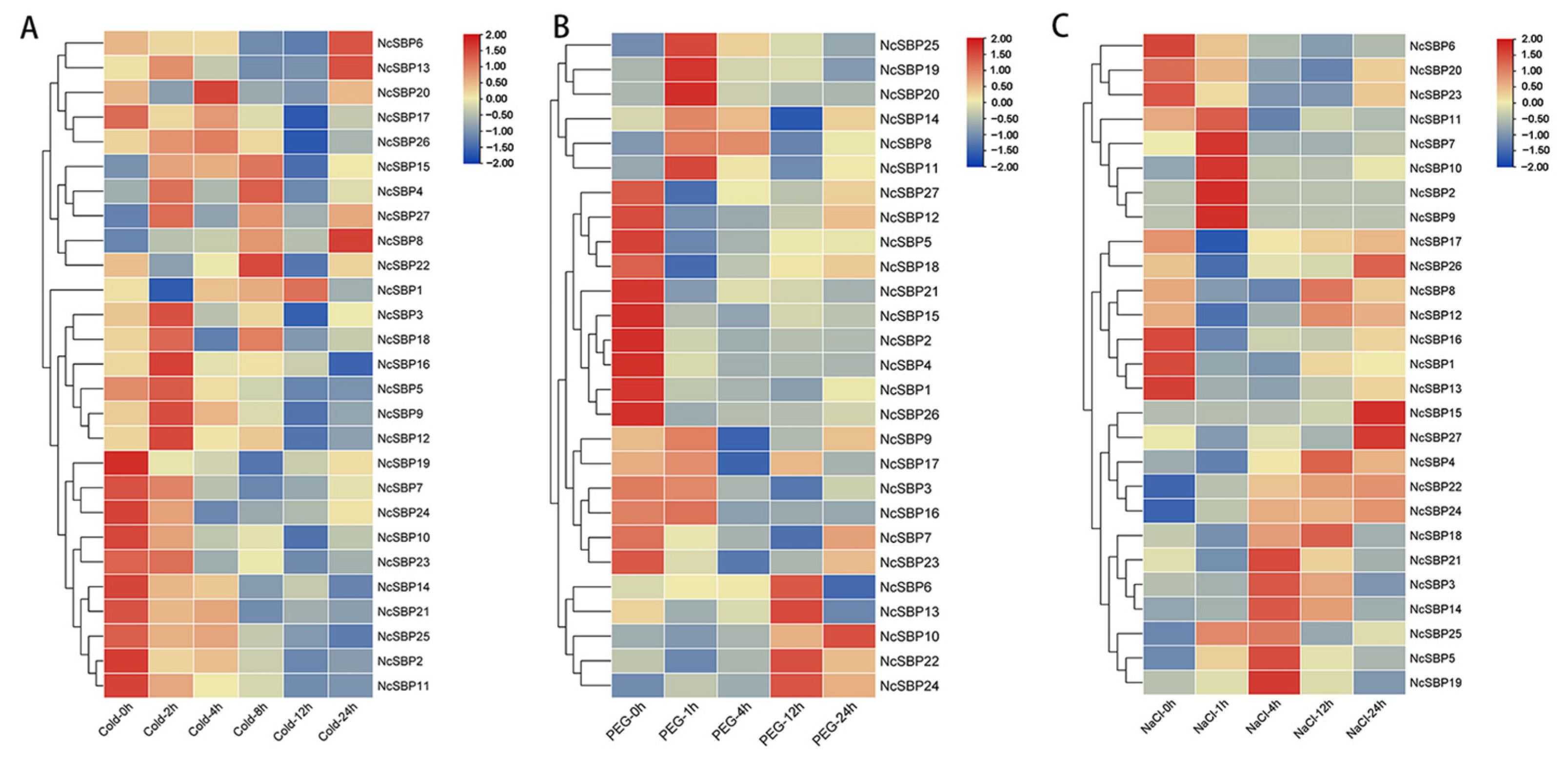
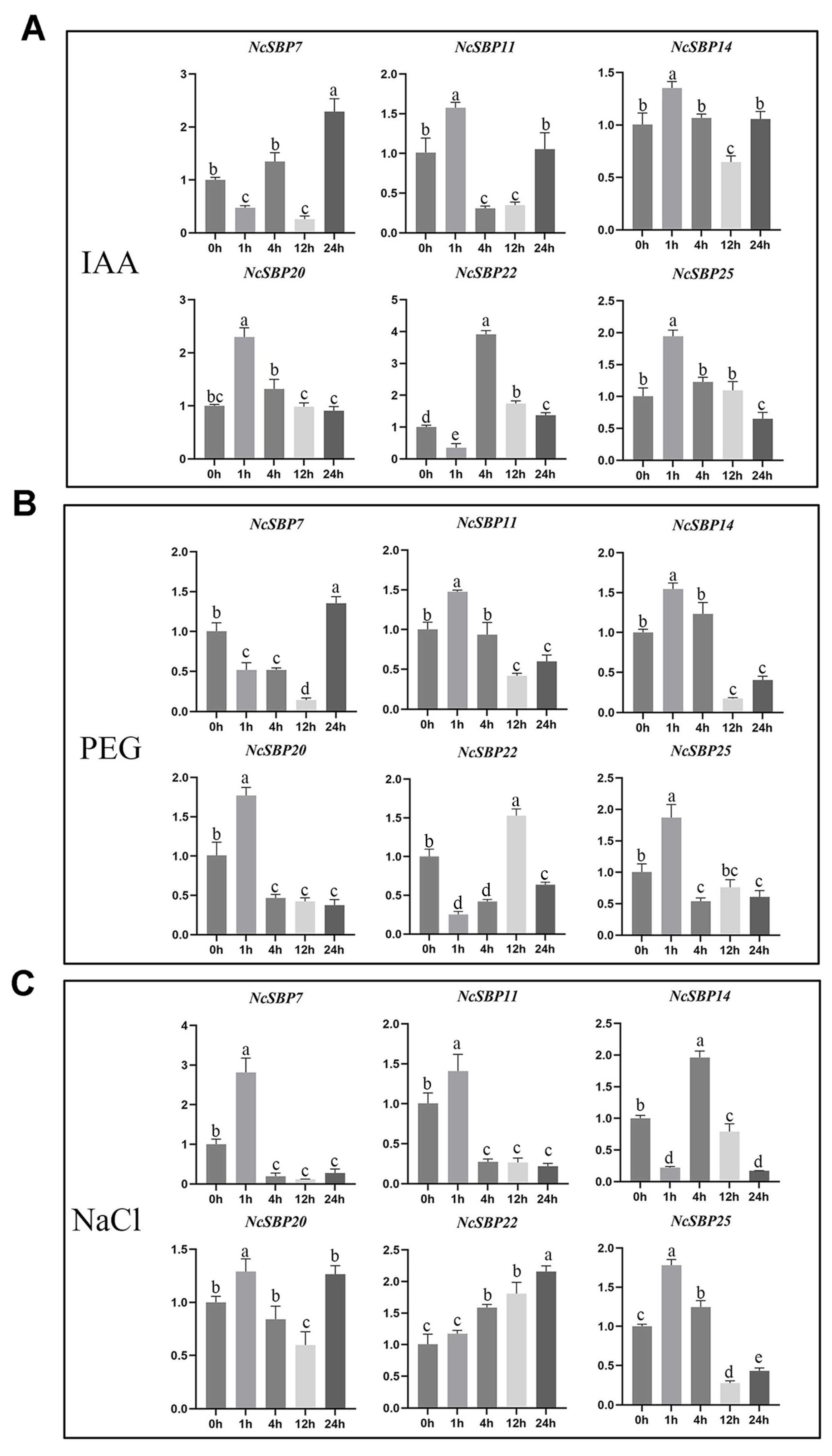
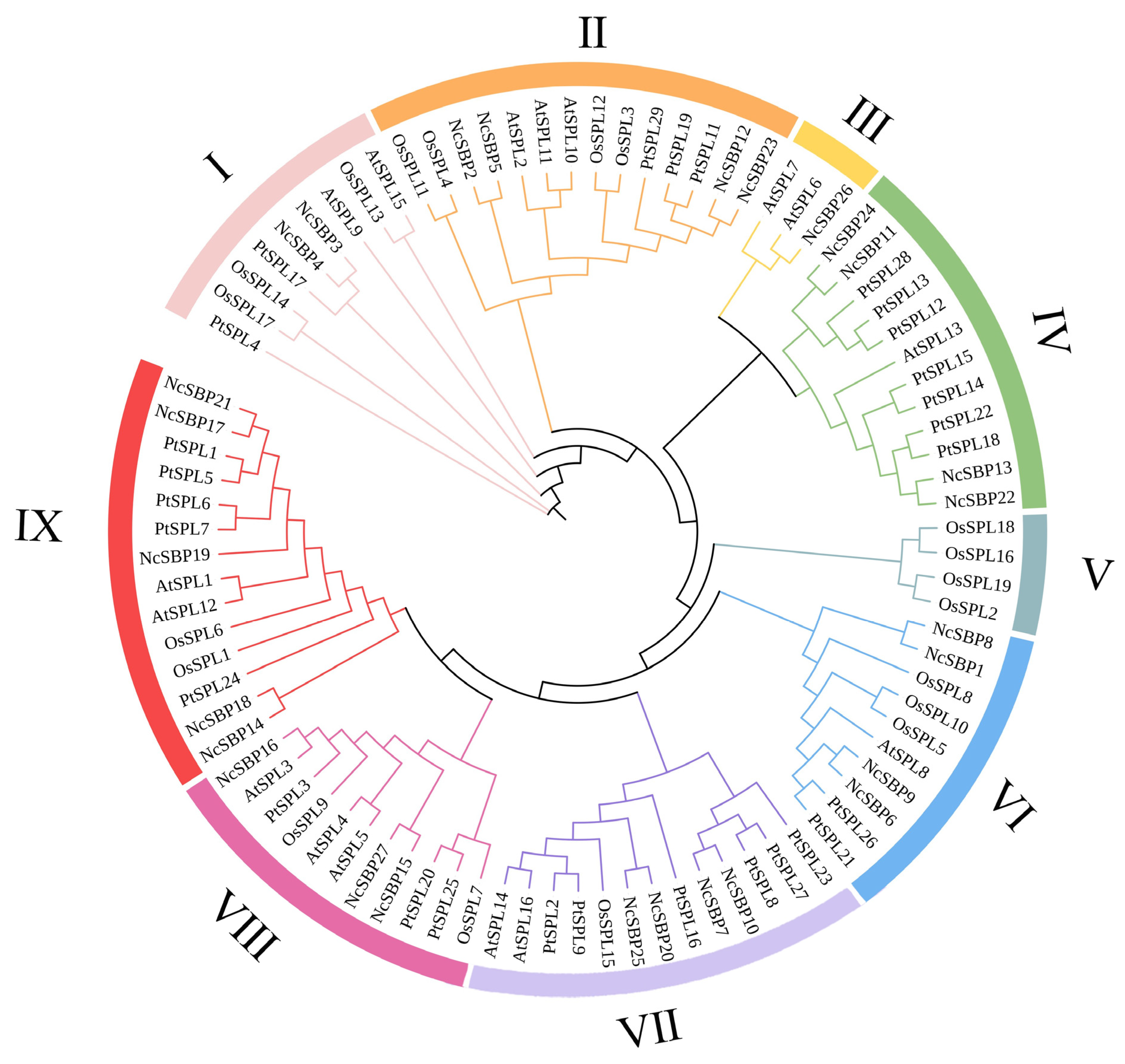
Background: SQUAMOSA promoter-binding protein (SBP) genes encode a group of plant-specific transcription factors that play crucial roles in plant growth, development, and stress responses. To date, SBP genes have been reported in a number of plant species, but the SBP gene family has not been identified in Neolamarckia cadamba, an important fast-growing species referred to as a ‘miracle tree’ and recognized for its potential medicinal value in Southeast Asia. Methods: Bioinformatics approaches were employed to conduct a comprehensive analysis of the NcSBP gene family, including investigations into physicochemical characteristics, phylogenetic relationships, gene structure, chromosomal localization, conserved motifs, cis-acting elements, and expression patterns. Results: A total of 27 NcSBP members were identified in the N. cadamba genome, encoding proteins ranging from 148 to 1038 amino acids in length, with molecular weights between 16,714.34 and 114,331.61 Da. They were classified into eight clades according to phylogenetic analysis, and unevenly distributed across 17 chromosomes, with 4 tandem gene duplication pairs and 27 fragment duplication events. In addition, cis-acting elements associated with hormone and light responses were most presented in the promoters of NcSBP genes. The transcript levels of NcSBP were investigated through RNA-seq and qRT-PCR, indicating distinct expression patterns across various tissues and under different hormone and stress conditions. Conclusions: In summary, this study comprehensively identified and characterized the SBP gene family in N. cadamba, providing a significant foundation for further functional investigation into NcSBP genes.
Keywords: Neolamarckia cadamba; SBP; expression pattern; bioinformatic analysis Neolamarckia cadamba; SBP; expression pattern; bioinformatic analysis