Article

In Vivo Inhibition of miR-34a Modestly Limits Cardiac Enlargement and Fibrosis in a Mouse Model with Established Type 1 Diabetes-Induced Cardiomyopathy, but Does Not Improve Diastolic Function


by
Bianca C. Bernardo
1,2,3,
Gunes S. Yildiz
1,
Helen Kiriazis
1,4,
Claudia A. Harmawan
1,
Celeste M. K. Tai
1,
Rebecca H. Ritchie
1,5,† and
Julie R. McMullen
1,2,4,6,7,*,†
1
Baker Heart and Diabetes Institute, Melbourne, VIC 3004, Australia
2
Department of Diabetes, Central Clinical School, Monash University, Clayton, VIC 3800, Australia
3
Department of Paediatrics, University of Melbourne, Parkville, VIC 3010, Australia
4
Baker Department of Cardiometabolic Health, University of Melbourne, Parkville, VIC 3010, Australia
5
Monash Institute of Pharmaceutical Sciences, Monash University, Royal Parade, Parkville, VIC 3052, Australia
6
Department of Physiology, Monash University, Clayton, VIC 3800, Australia
7
Department of Physiology, Anatomy and Microbiology, La Trobe University, Melbourne, VIC 3086, Australia
*
Author to whom correspondence should be addressed.
Co-senior authors.
Cells 2022, 11(19), 3117; https://doi.org/10.3390/cells11193117
Submission received: 26 August 2022 / Revised: 21 September 2022 / Accepted: 28 September 2022 / Published: 3 October 2022
(This article belongs to the Special Issue Non Coding RNA in Cardiovascular Biology and Medicine)

Abstract

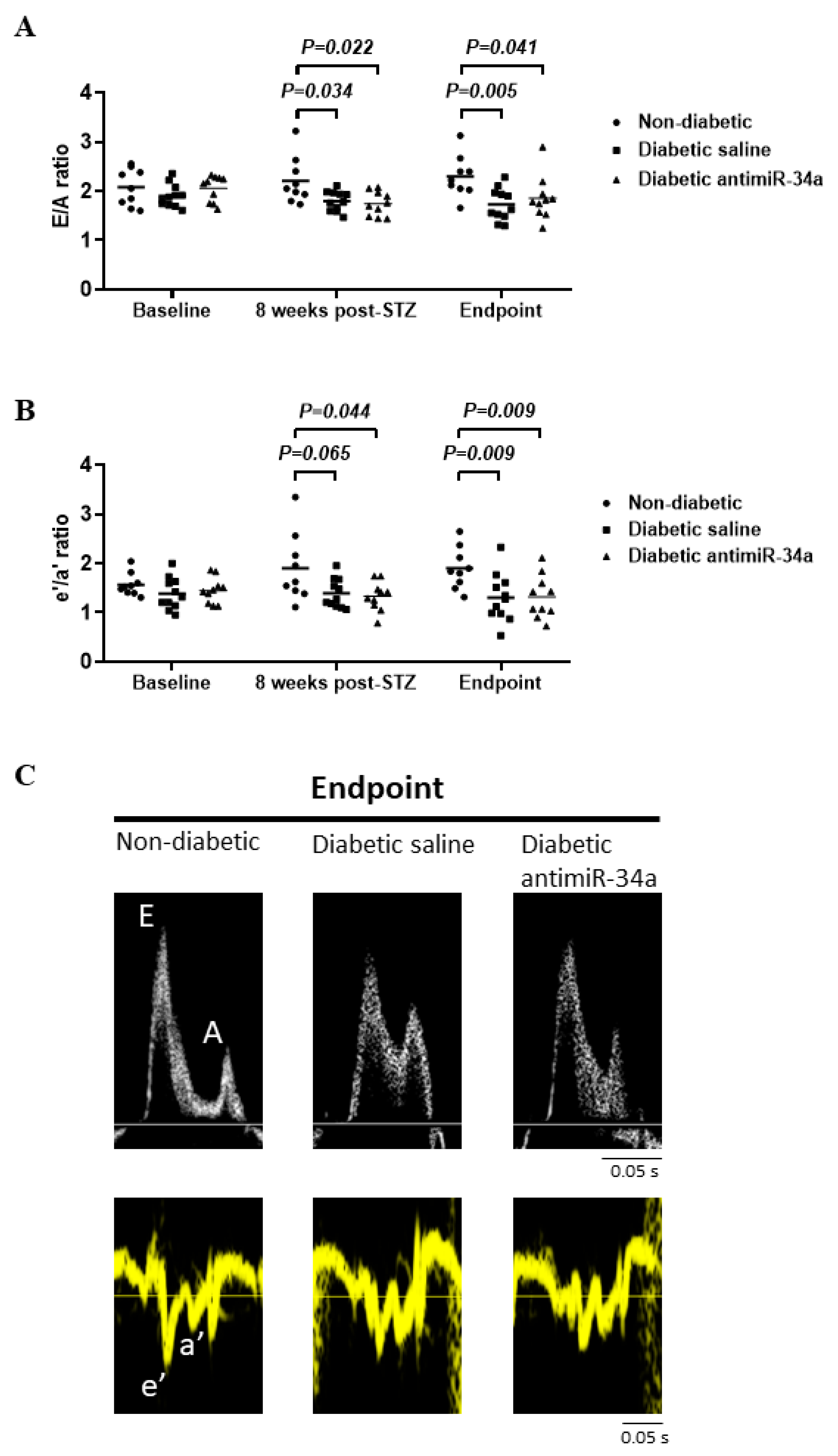
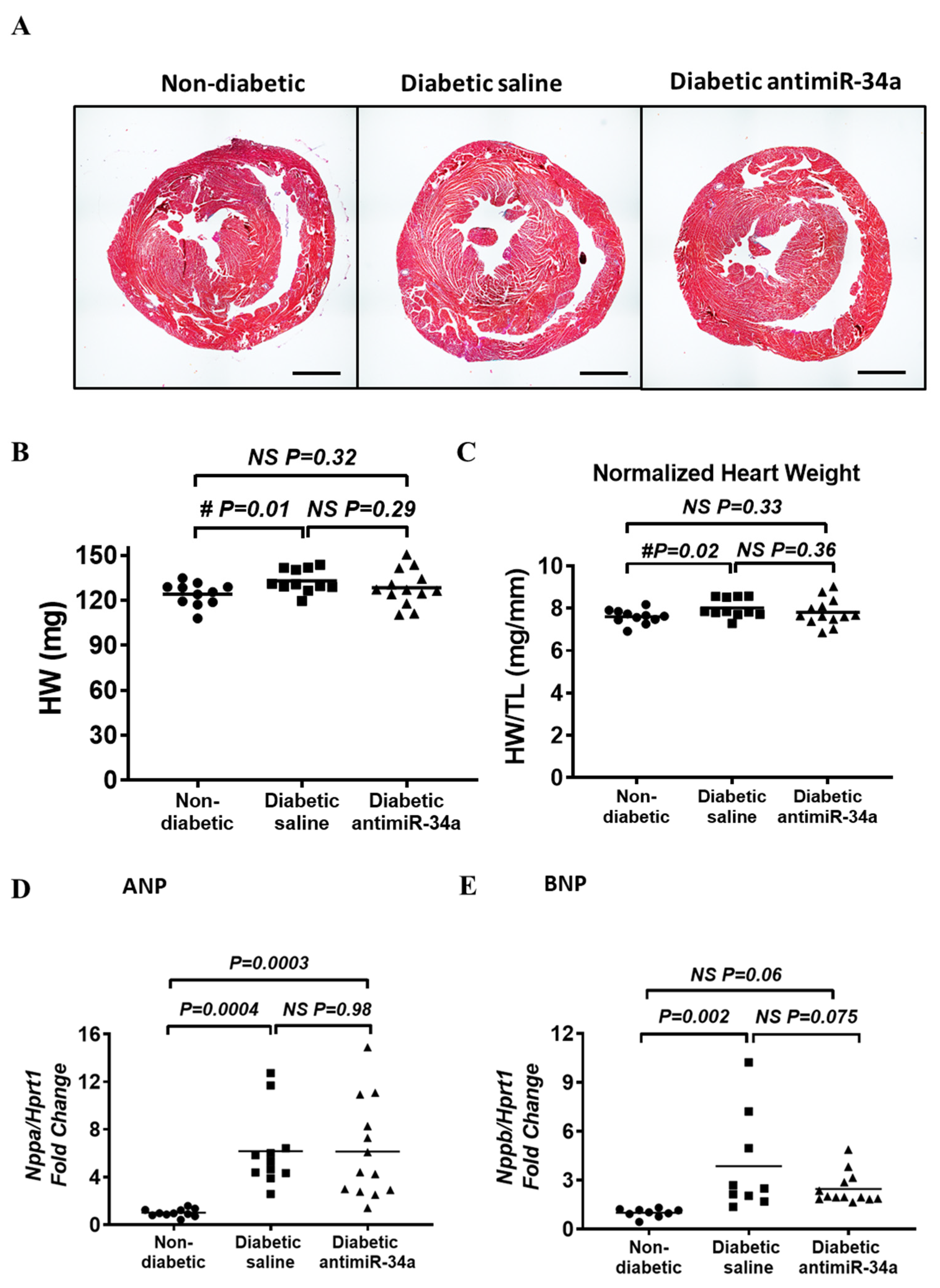
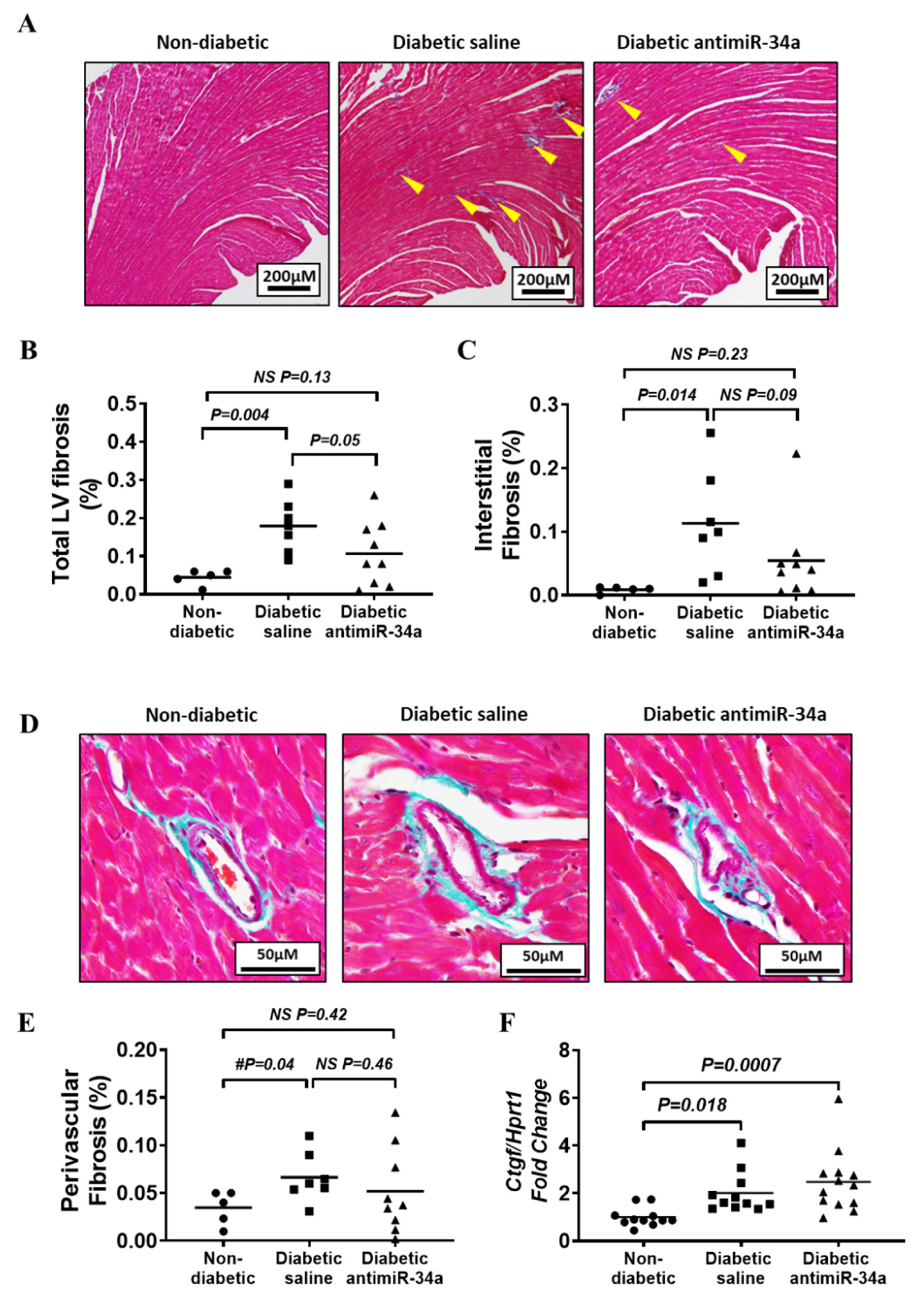
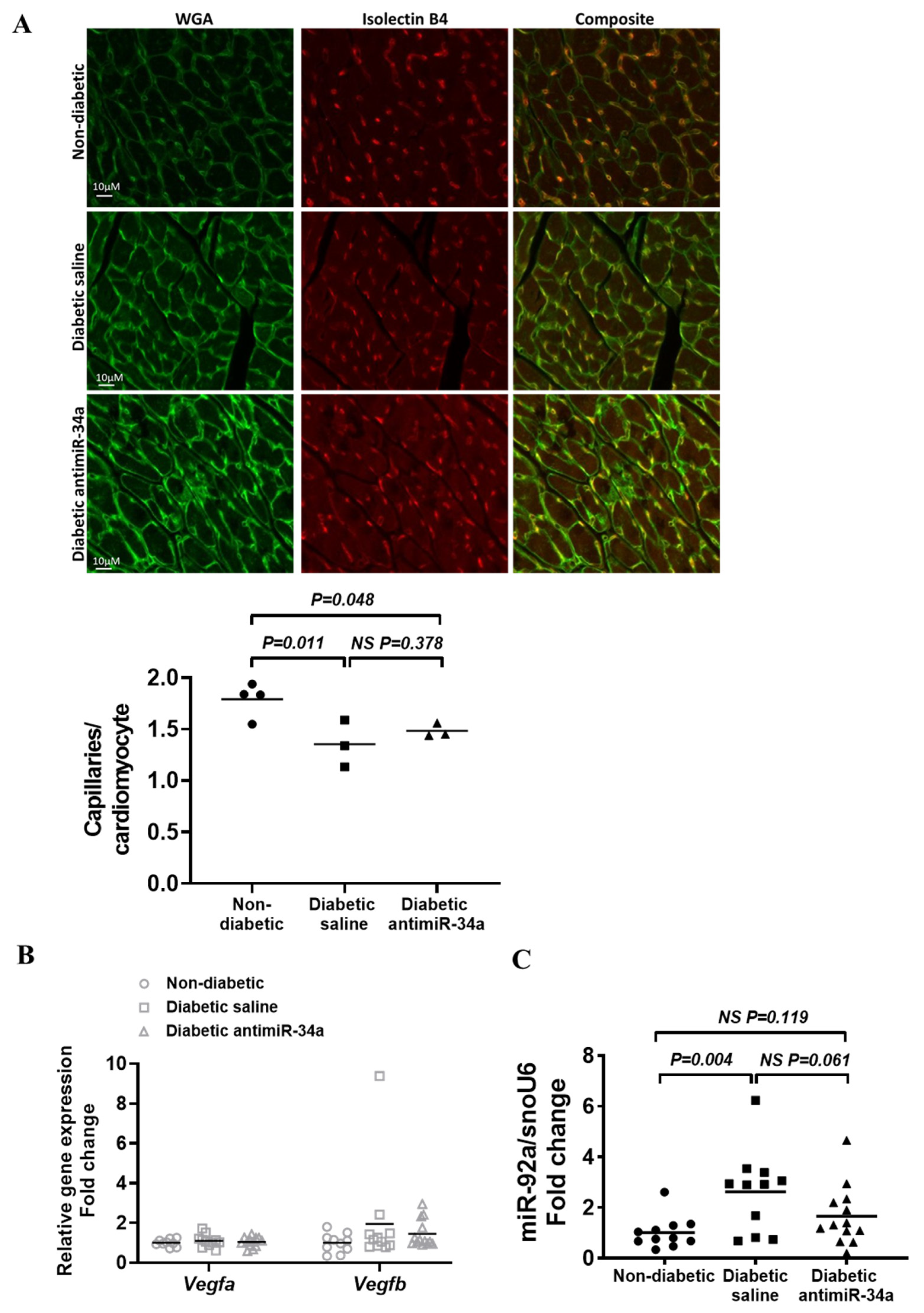
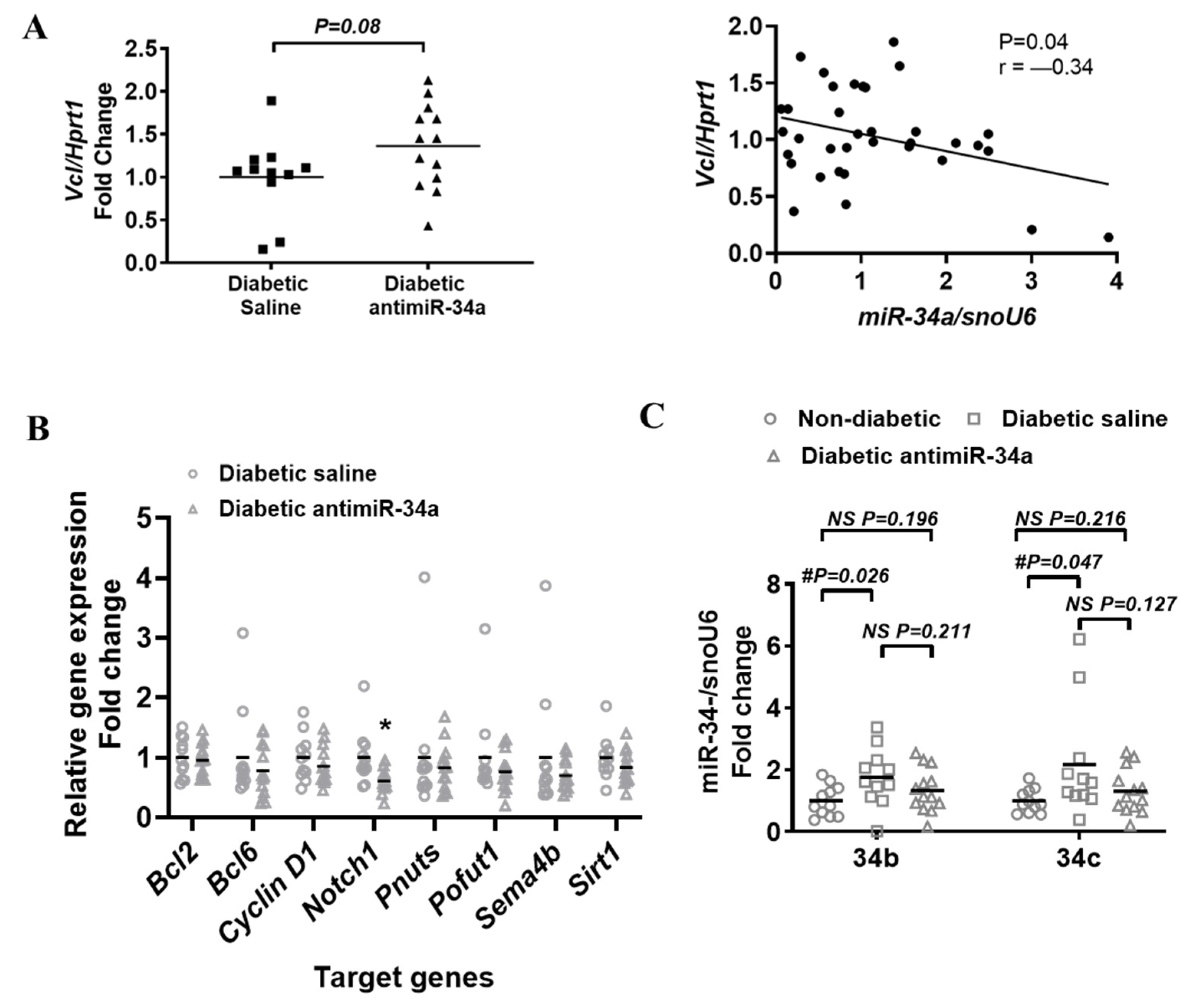
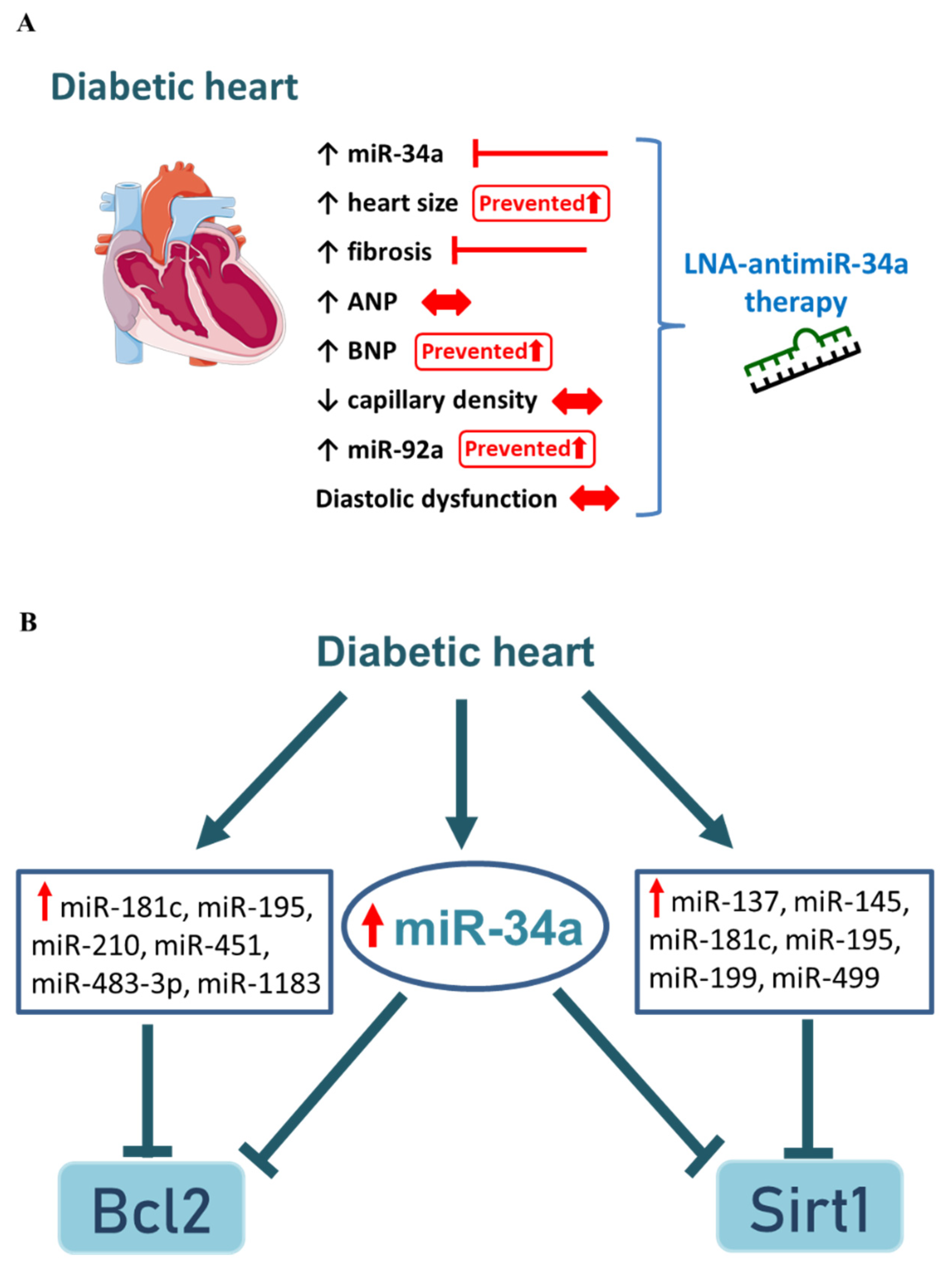
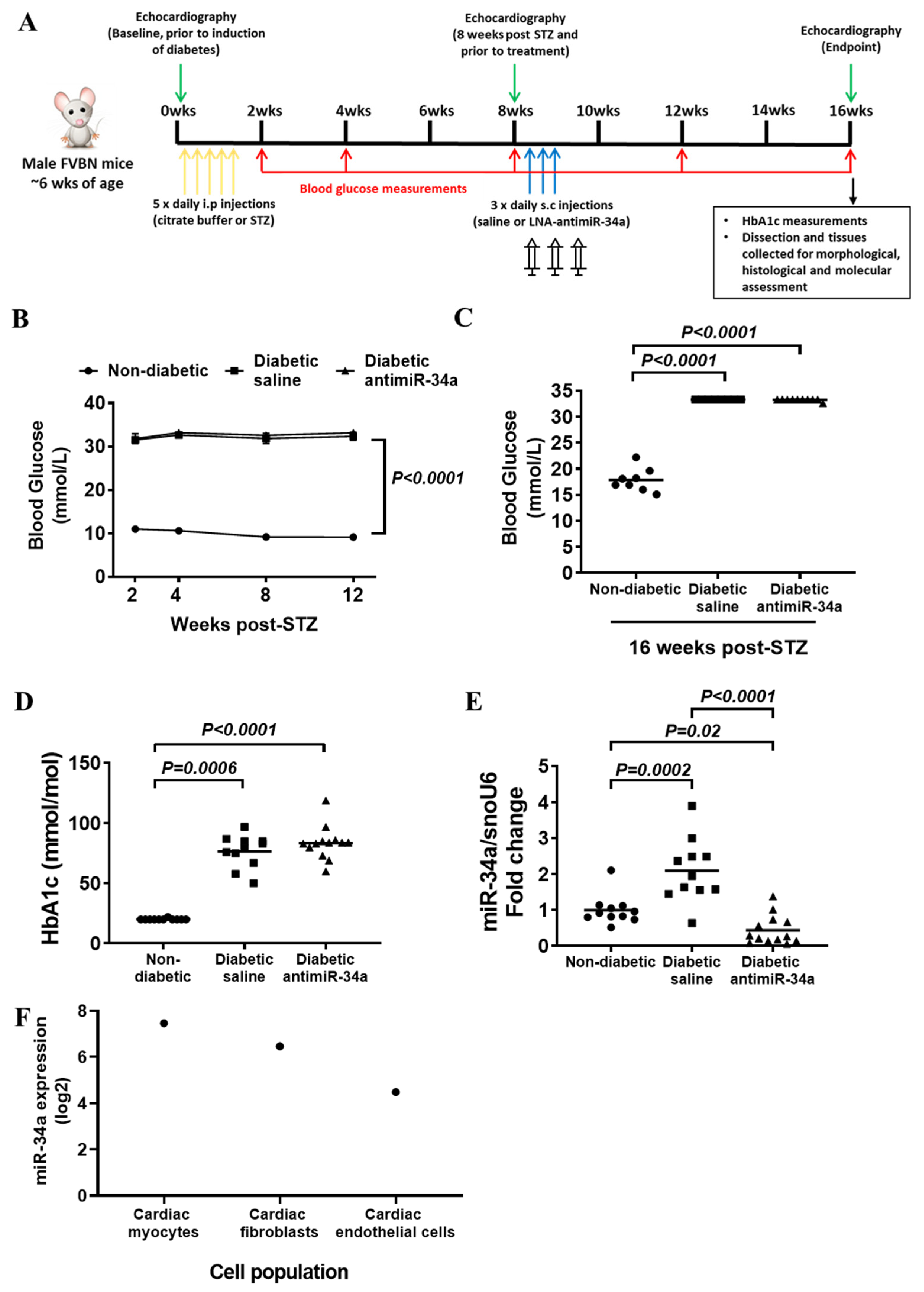
MicroRNA 34a (miR-34a) is elevated in the heart in a setting of cardiac stress or pathology, and we previously reported that inhibition of miR-34a in vivo provided protection in a setting of pressure overload-induced pathological cardiac hypertrophy and dilated cardiomyopathy. Prior work had also shown that circulating or cardiac miR-34a was elevated in a setting of diabetes. However, the therapeutic potential of inhibiting miR-34a in vivo in the diabetic heart had not been assessed. In the current study, type 1 diabetes was induced in adult male mice with 5 daily injections of streptozotocin (STZ). At 8 weeks post-STZ, when mice had established type 1 diabetes and diastolic dysfunction, mice were administered locked nucleic acid (LNA)-antimiR-34a or saline-control with an eight-week follow-up. Cardiac function, cardiac morphology, cardiac fibrosis, capillary density and gene expression were assessed. Diabetic mice presented with high blood glucose, elevated liver and kidney weights, diastolic dysfunction, mild cardiac enlargement, cardiac fibrosis and reduced myocardial capillary density. miR-34a was elevated in the heart of diabetic mice in comparison to non-diabetic mice. Inhibition of miR-34a had no significant effect on diastolic function or atrial enlargement, but had a mild effect on preventing an elevation in cardiac enlargement, fibrosis and ventricular gene expression of B-type natriuretic peptide (BNP) and the anti-angiogenic miRNA (miR-92a). A miR-34a target, vinculin, was inversely correlated with miR-34a expression, but other miR-34a targets were unchanged. In summary, inhibition of miR-34a provided limited protection in a mouse model with established type 1 diabetes-induced cardiomyopathy and failed to improve diastolic function. Given diabetes represents a systemic disorder with numerous miRNAs dysregulated in the diabetic heart, as well as other organs, strategies targeting multiple miRNAs and/or earlier intervention is likely to be required.
Keywords: diabetes; microRNA; miR-34a; cardiomyopathy; fibrosis diabetes; microRNA; miR-34a; cardiomyopathy; fibrosis