Article

Improved Measurements of the Physical Properties of Oriental Lacquers Using Atomic Force Microscopy and a Nanoindenter

1
Advanced Analysis Center, Korea Institute of Science and Technology, Seoul 02792, Korea
2
Center for Opto-Electronic Materials and Devices, Korea Institute of Science and Technology, Seoul 02792, Korea
3
National Agenda Research Division, Korea Institute of Science and Technology, Seoul 02792, Korea
*
Author to whom correspondence should be addressed.
Polymers 2021, 13(9), 1395; https://doi.org/10.3390/polym13091395
Submission received: 5 April 2021 / Revised: 23 April 2021 / Accepted: 23 April 2021 / Published: 26 April 2021
(This article belongs to the Special Issue Functional Polymer Coatings II)

Abstract

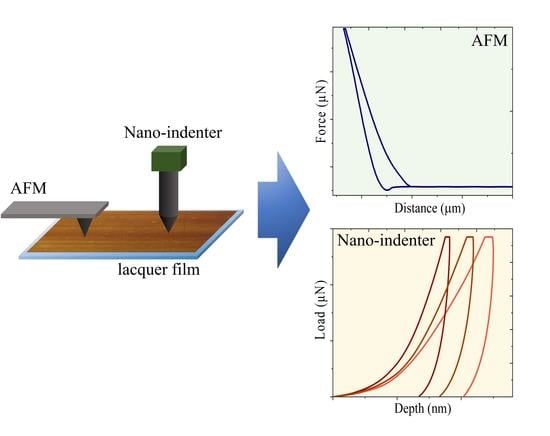
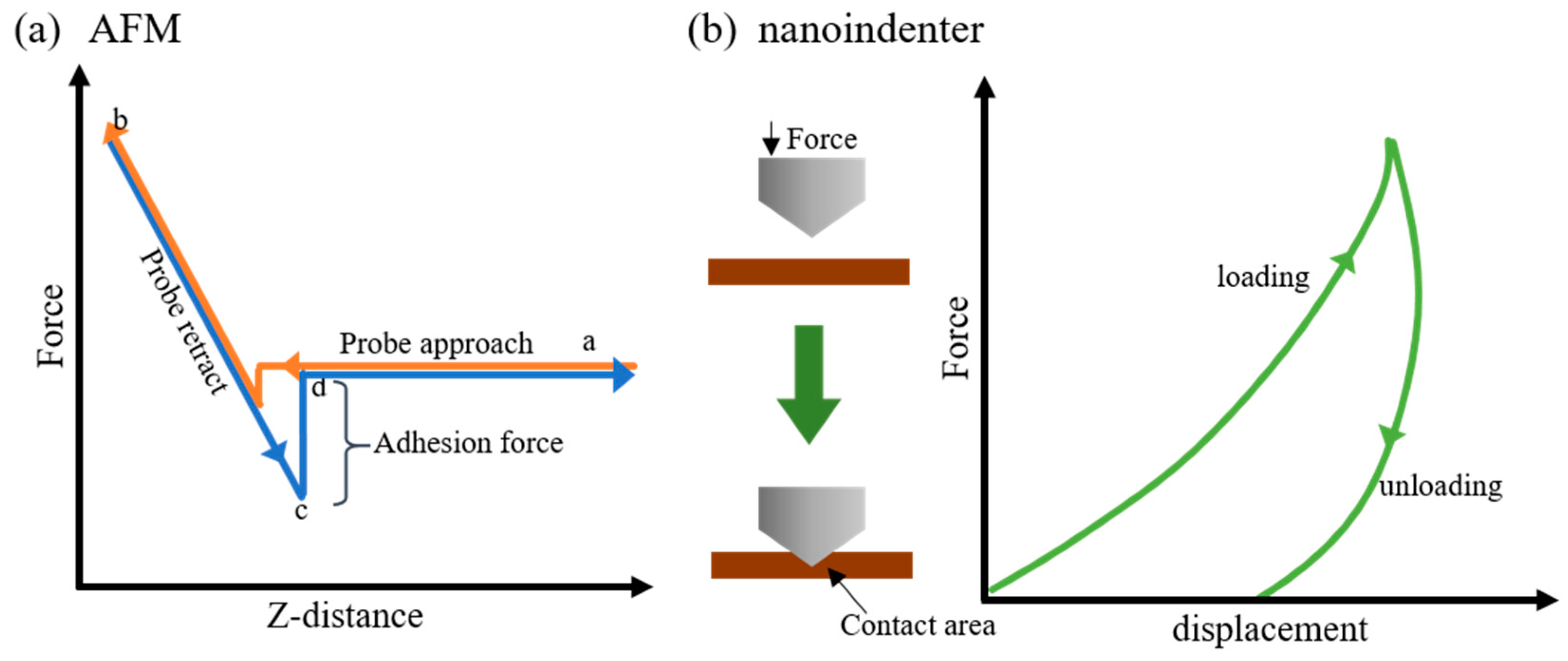
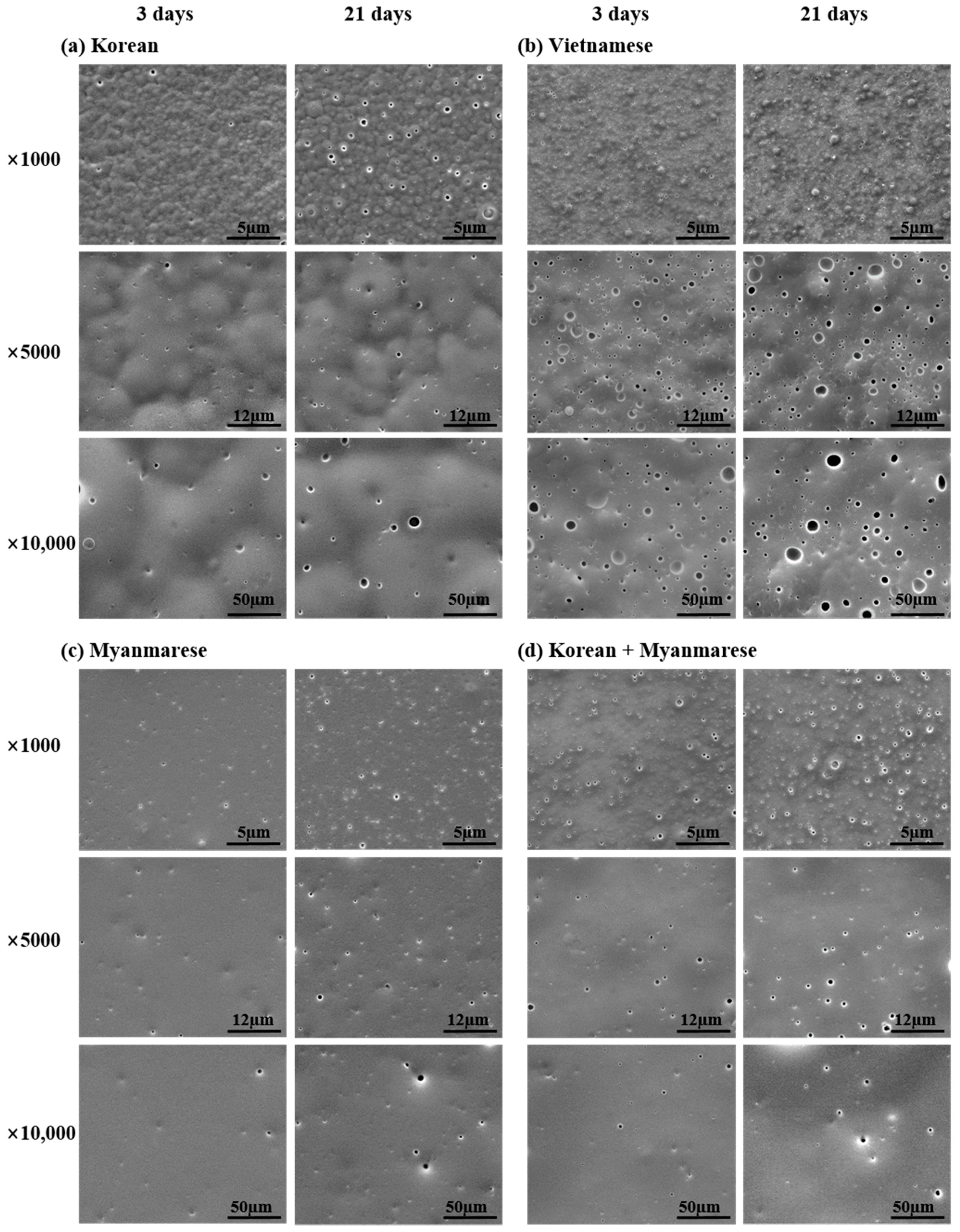
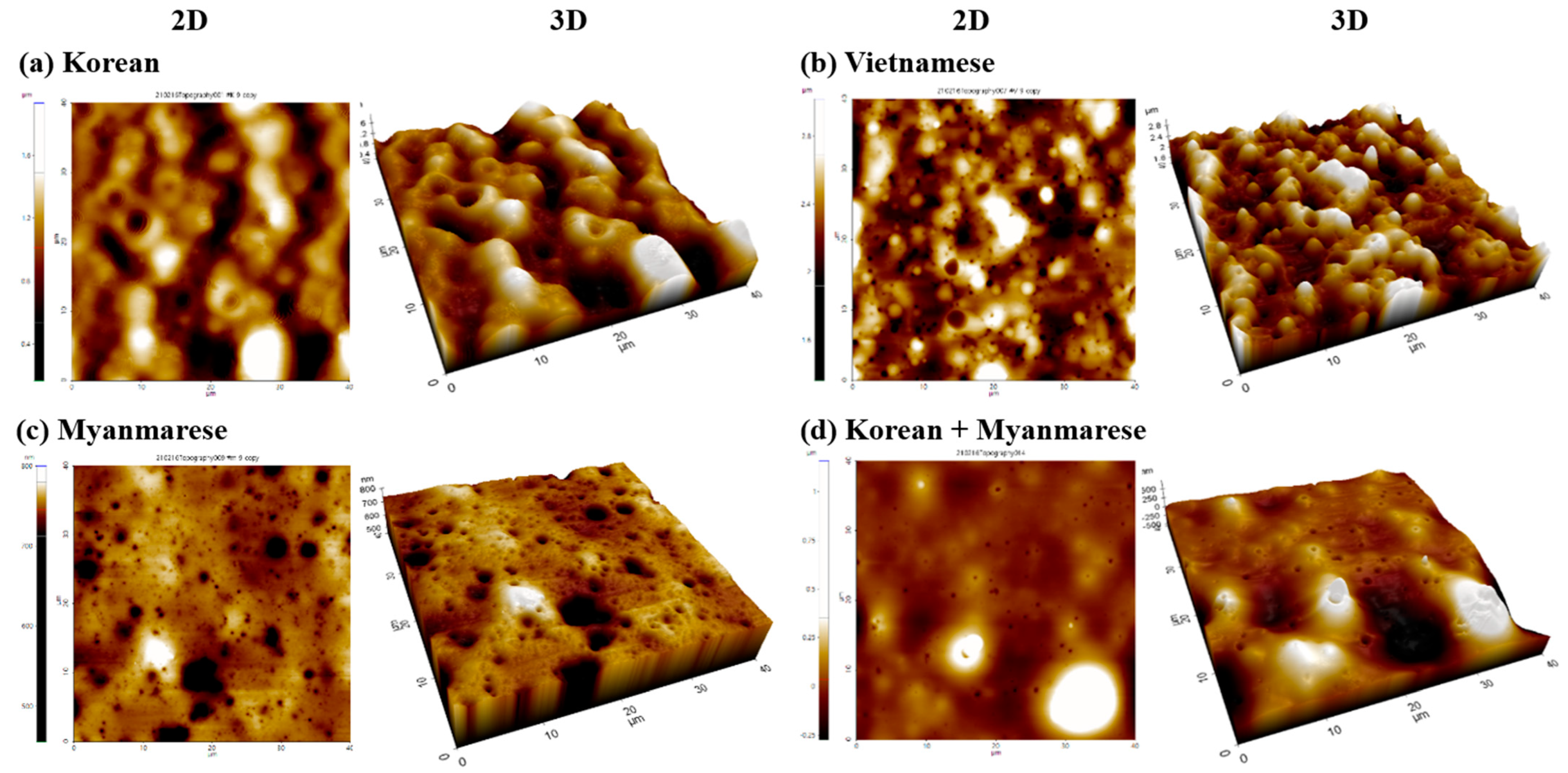
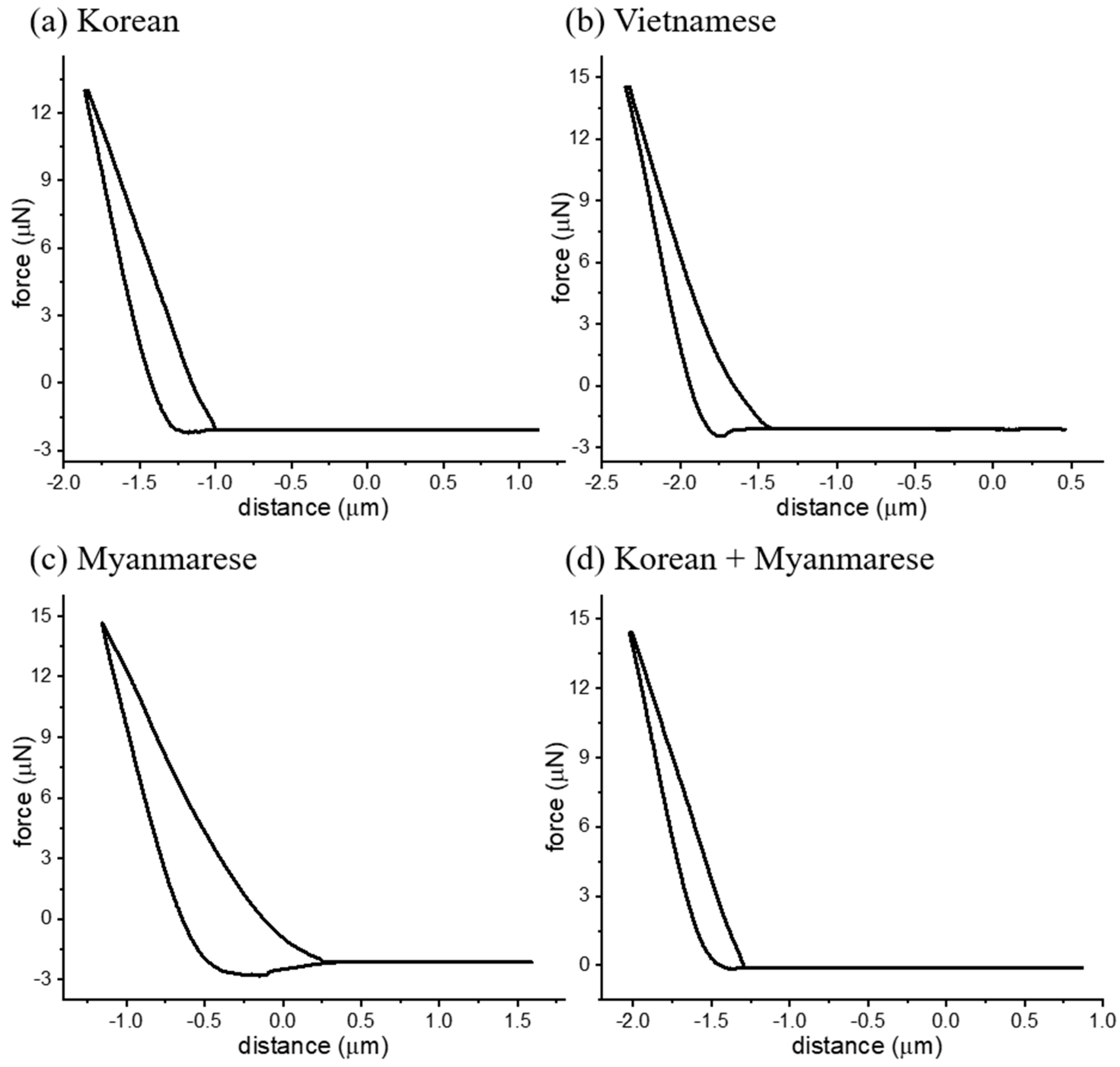
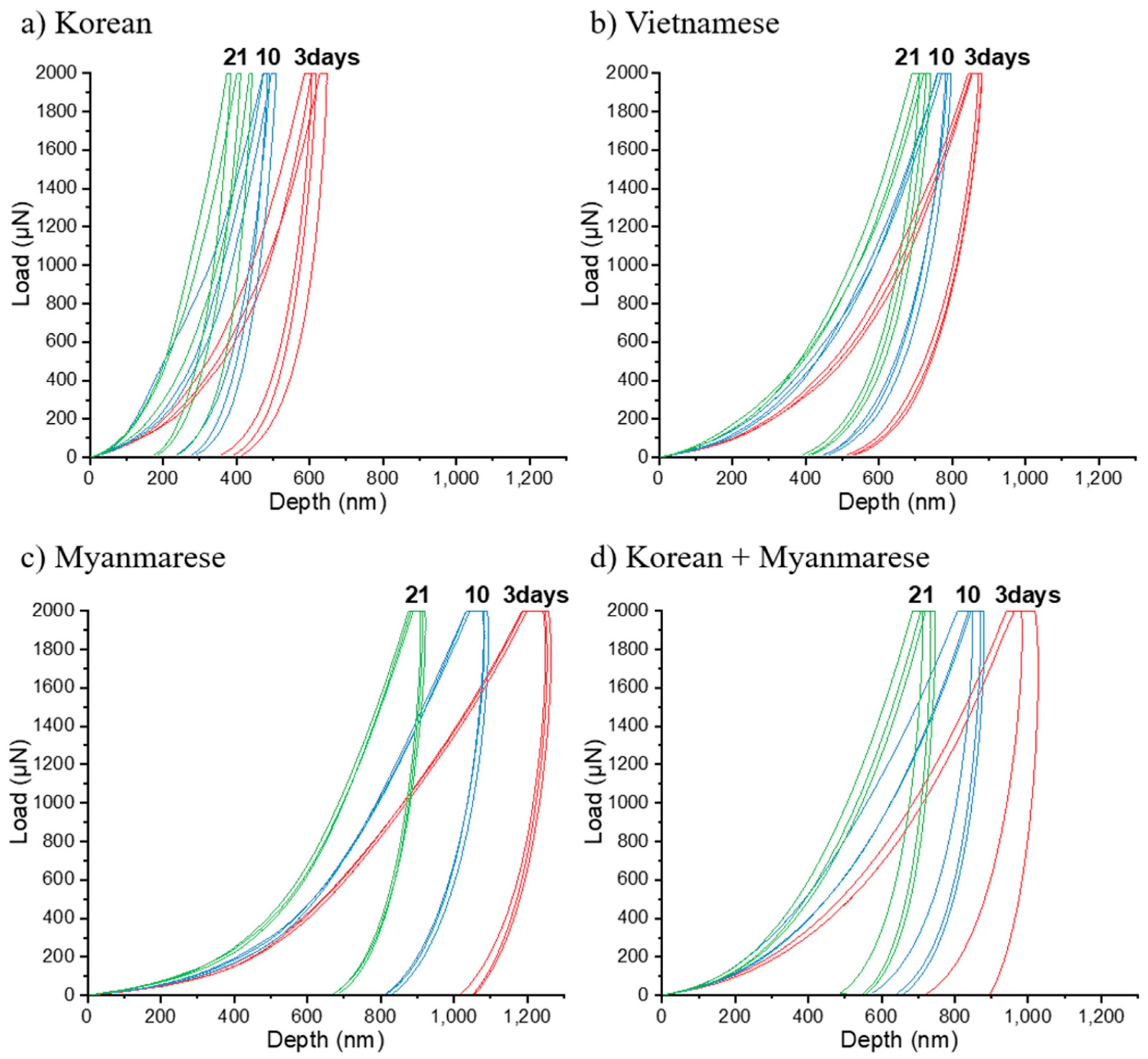
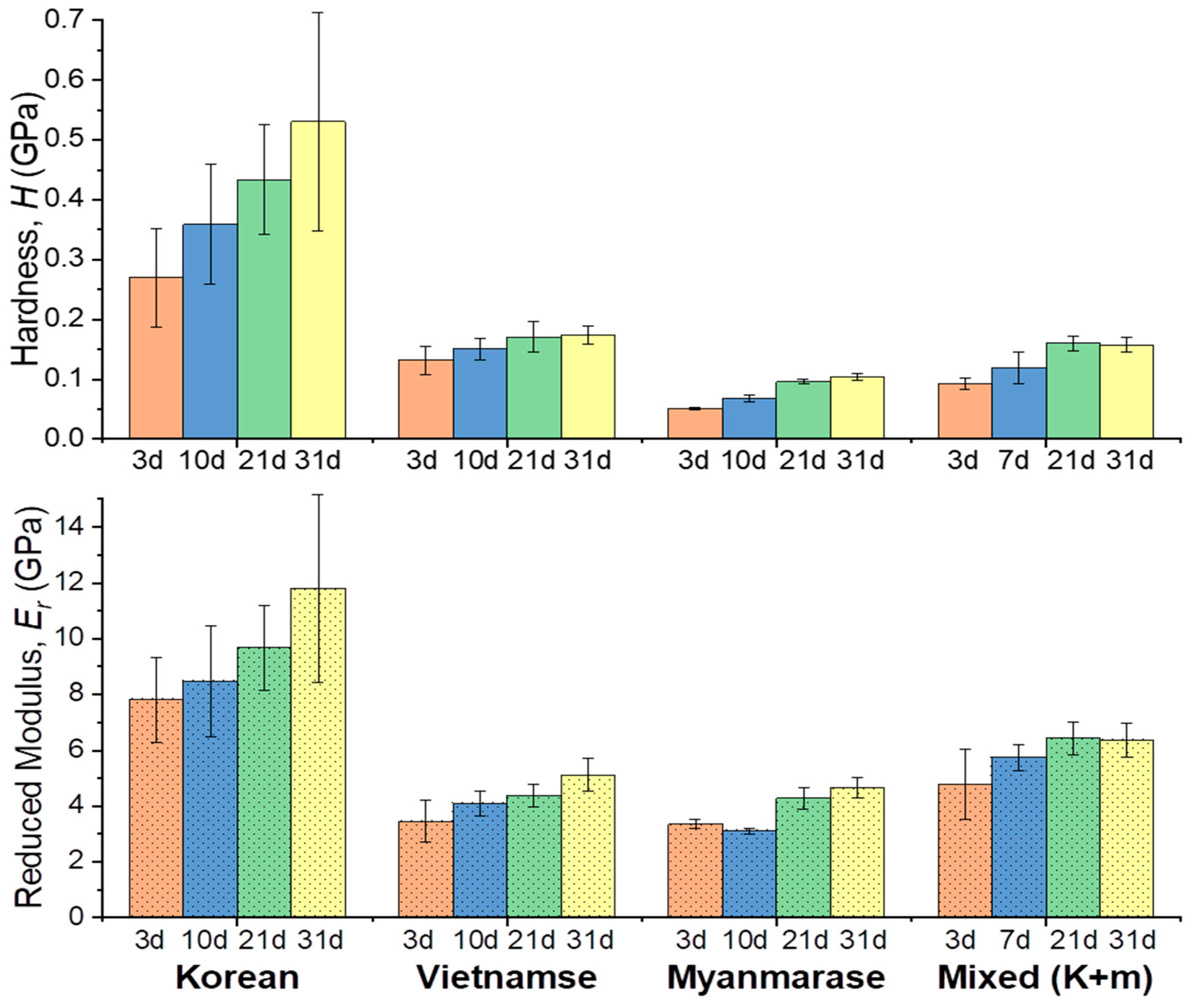
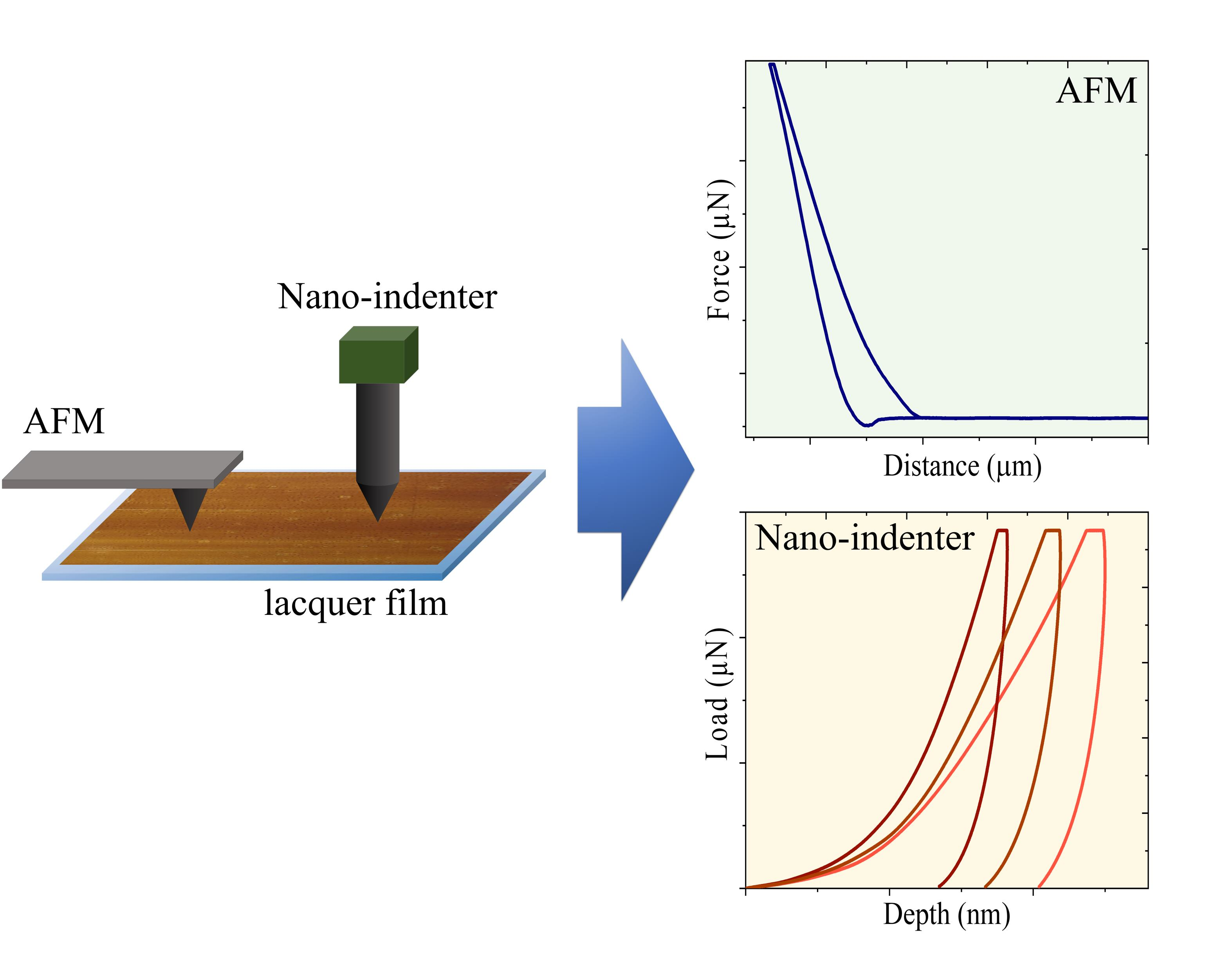
Researchers have widely investigated Oriental lacquers to identify the chemical composition and have elucidated corresponding polymerization mechanisms using rigorous analytical techniques. However, researchers generally test the physical properties of Oriental lacquers by conventional methods that are perhaps overly simplistic. Here, we propose accurate and quantitative methods for evaluating the physical properties of Korean, Vietnamese, and Myanmarese lacquer films using atomic force microscopy (AFM), a nanoindenter, and a 90° peel tester. We obtained surface images of the lacquers in accordance with drying time using scanning electron microscopy and AFM. The Korean lacquer film exhibited fast hardening speed, enhanced hardness, and strong adhesion strength compared with the other lacquers, although the Myanmarese lacquer film had a smoother surface than the Korean lacquer film. We used our characterization approach for evaluating a mixed Korean/Myanmarese (50/50 w/w) lacquer. Our proposed measurement techniques for Oriental lacquer films provided results that agreed with qualitative results from conventional tests. Force–distance curves in AFM and force–displacement with nanoindenter for Oriental lacquer films showed more accurate and quantitative data on the mechanical properties. Thus, researchers will find our approach useful when they optimize the chemical compositions and improve the physical properties of Oriental lacquer films for industrial applications.
Keywords: Oriental lacquer; natural polymer; physical properties; atomic force microscopy; nanoindenter Oriental lacquer; natural polymer; physical properties; atomic force microscopy; nanoindenter
Graphical Abstract