Article

Galactosylation of Cosmetic Preservatives to Reduce Skin Permeation and Cytotoxicity

1
Department of Biotechnology, Korea National University of Transportation, 61 Daehak-ro, Jeungpyeong-gun 368-701, Republic of Korea
2
Department of Applied Thai Traditional Medicine and Center of Excellence in Applied Thai Traditional Medicine Research (CEATMR), Faculty of Medicine, Thammasat University, Klongluang 12120, Thailand
*
Author to whom correspondence should be addressed.
Catalysts 2026, 16(6), 536; https://doi.org/10.3390/catal16060536 (registering DOI)
Submission received: 27 April 2026 / Revised: 4 June 2026 / Accepted: 4 June 2026 / Published: 10 June 2026
(This article belongs to the Special Issue Enzyme and Biocatalysis Application, 2nd Edition)

Abstract

Cosmetic preservatives should have reduced percutaneous absorption to lower the risk of systemic exposure and skin irritation. In this work, previously synthesized galactosylated derivatives of common cosmetic preservatives were comparatively evaluated for transdermal permeation and preliminary toxicity. Escherichia coli β-galactosidase was used to enzymatically modify several of the commonly used cosmetic preservatives to produce their corresponding galactosylated derivatives: benzyl alcohol β-d-galactopyranoside 7, 2-phenoxyethanol β-d-galactopyranoside 8, chlorphenesin β-d-galactopyranoside 9, 1,2-hexanediol β-d-galactopyranoside 10, 1,2-octanediol β-d-galactopyranoside 11, and 2-phenylethyl β-d-galactopyranoside 12. HPLC and NMR spectroscopy were used to analyze the previously synthesized derivatives. The Franz diffusion cell assay was used to evaluate skin penetration. 2-Phenoxyethanol (PE), chlorphenesin (CPN), and 2-phenylethanol (PhE), showed measurable skin penetration, with flux values ranging from 3.82 to 7.34 µg·h−1·cm−2 and permeability coefficients (Kp) between 1.38 and 3.00 × 10⁻³ cm·h−1. In contrast, their galactosylated derivatives showed markedly reduced permeation under the same experimental conditions. Moreover, brine shrimp lethality assays indicated that galactosylated derivatives had significantly higher LD50 values (1.6–2.1 mg/mL) than their parent compounds (0.1–0.79 mg/mL), suggesting lower cytotoxicity. These findings suggest that enzymatic galactosylation can significantly decrease skin permeability and the toxicity of cosmetic preservatives, highlighting its potential approach to improve the safety of cosmetic components.

1. Introduction

Cosmetic preservatives are commonly used in personal care products to prevent microbiological contamination and ensure product stability during storage and use. However, the safety of preservatives has become a major concern because several commonly used chemicals can penetrate the skin and cause irritation, allergic reactions, or systemic exposure with continuous usage [1,2,3].
Many preservatives, such as 2-phenoxyethanol, chlorphenesin, benzyl alcohol, and 2-phenylethanol, are frequently used in cosmetic formulations due to their broad antibacterial properties and formulation compatibility [4,5]. Some of these compounds have been shown in previous studies to show skin barrier penetration despite their effectiveness [6].
Reducing the epidermal penetration of small molecules is chemical or enzymatic modification that increases their hydrophilicity and molecular size [7,8,9]. Glycosylation, particularly galactosylation, has been widely applied in pharmacological and biochemical research to modify the physicochemical properties of bioactive compounds [10], thereby reducing their permeability through the lipophilic layers of the epidermal barrier [11]. Enzymatic galactosylation has several advantages over conventional chemical synthesis, including high specificity, mild reaction conditions, and an environmentally friendly process. β-galactosidase from Escherichia coli is commonly used as a biocatalyst in transgalactosylation strategies to produce galactosylated derivatives [12,13].
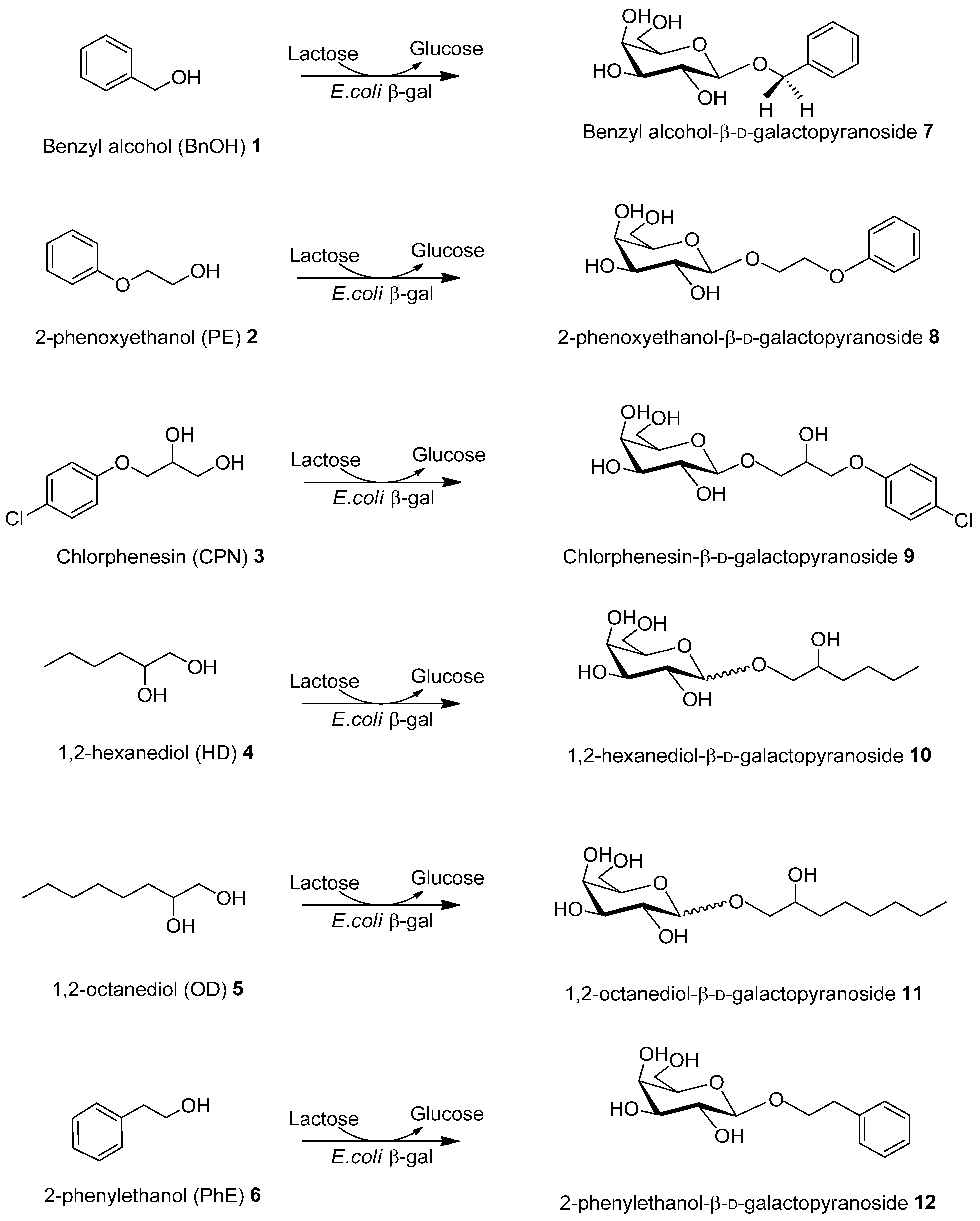
Chromatographic and spectroscopic techniques were used to characterize the modified compounds. Additionally, Franz diffusion cell studies were used to assess the skin penetration of the parent compounds and their galactosylated derivatives. A brine shrimp lethality experiment was also used to measure cytotoxicity (LD50). The purpose of this study was to determine whether galactosylation may improve the safety profile of cosmetic preservatives by lowering their skin permeability and toxicity. Enzymatic galactosylation of conventional preservatives benzyl alcohol (BnOH) 1, 2-phenoxyethanol (PE) 2, chlorphenesin (CPN) 3, 1,2-hexanediol (HD) 4, 1,2-octanediol (OD) 5 and 2-phenylethanol (PhE) 6 using E. coli β-galactosidase yielded the corresponding galactosylated derivatives 712, as shown in Figure 1.
1,2-Octanediol β-d-galactopyranoside 11 and benzyl alcohol β-d-galactopyranoside 7 [14], 2-phenoxyethanol β-d-galactopyranoside 8 [15], chlorphenesin β-d-galactopyranoside 9 [16], and 1,2-hexanediol β-d-galactopyranoside 10 [17] were previously synthesized and characterized using Escherichia coli expressing β-galactosidase. These galactoside derivatives showed improved water solubility, reduced preliminary cytotoxicity, and sustained antimicrobial activity, highlighting their potential for lower toxicity [15].
Dermal permeability of chemical substances can be evaluated using Franz diffusion cell assay [18]. Despite having strong antibacterial properties, conventional cosmetic preservatives may penetrate the skin and have harmful effects [19].
The cytotoxicity of non-galactosylated and galactosylated compounds was evaluated using the brine shrimp lethality assay. The 24 h toxicity was determined by calculating LD50 values, representing the concentration required to kill 50% of the shrimp larvae, following a standard protocol. Experiments were performed in five independent sets, each conducted in triplicate, to ensure reproducibility and reliability of results [20].
The objective of the present study was to investigate the effect of galactosylation on skin permeation using Franz diffusion cell assays and to assess preliminary toxicity changes using the brine shrimp lethality model.
Previously synthesized galactosylated derivatives [21,22] and their transdermal permeation behavior and preliminary cytotoxicity profiles have not yet been comparatively evaluated.

2. Results

2.1. Silica Gel Column Chromatography

TLC confirmed the synthesis of galactosylated compounds after 48 h. The purified mixture was separated by silica gel column chromatography using acetonitrile and water (97:3, v/v) as the eluent. A volume of 1.5 μL of each sample was loaded onto the TLC plate, and the plate was dried to visualize the bands. The enzymatic synthesis efficiencies of the galactosylated derivatives were consistent. Benzyl alcohol galactoside exhibited an approximate conversion yield of 72%, 2-phenoxyethanol galactoside showed yields ranging from 37.5% to 50%, while chlorphenesin galactoside showed conversion yields of approximately 64–67% using β-galactosidase-mediated transgalactosylation. Analysis performed after 30–48 h indicated maximum product formation. TLC analysis further confirmed the formation of the product.

2.2. TLC Analysis of Reaction Products

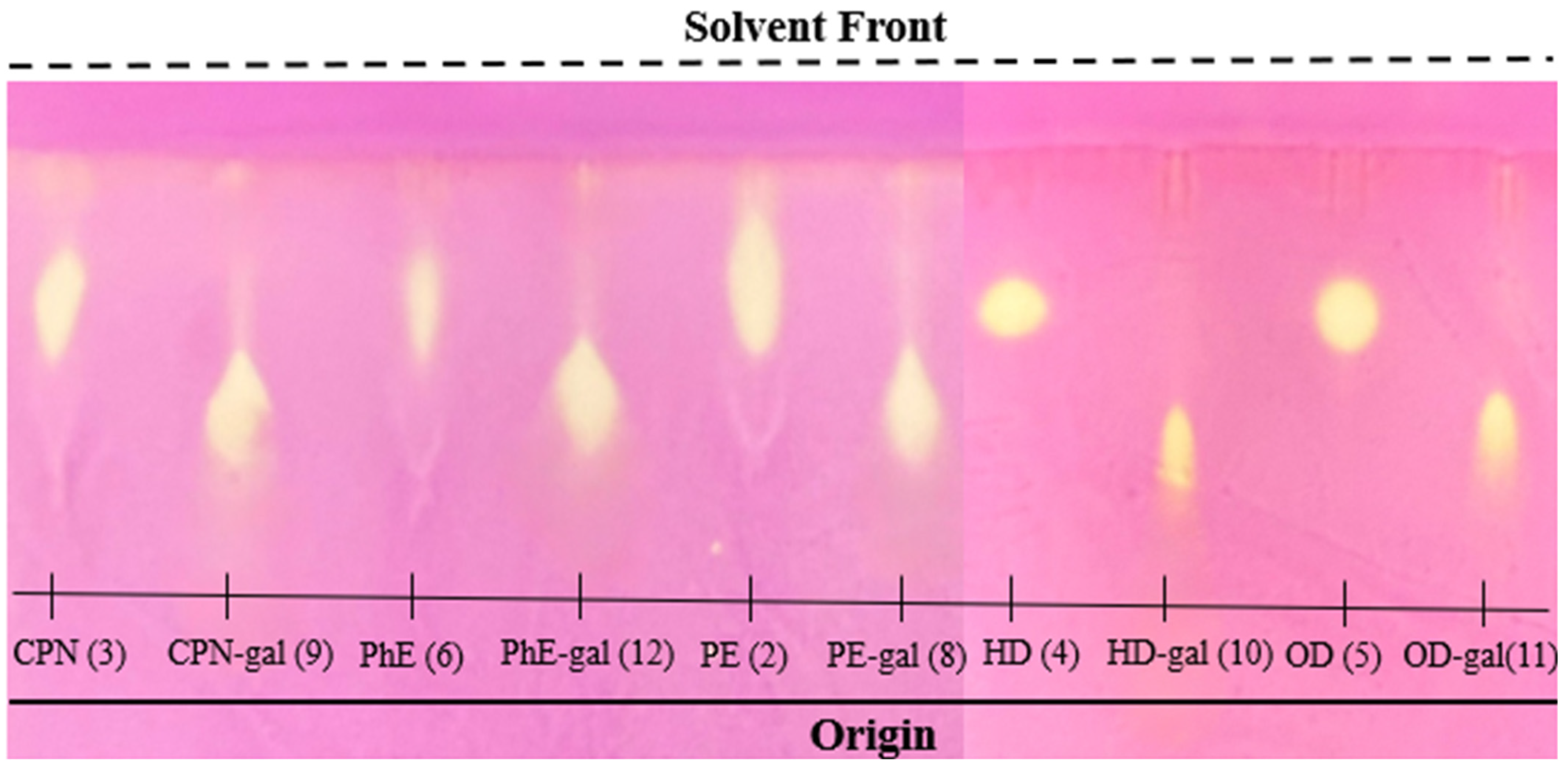
Reaction products were analyzed using thin-layer chromatography (TLC). Samples were spotted on silica gel plates (20 × 10 cm) and developed with acetonitrile and water (97:3, v/v). Visualization was performed using KMnO4 staining solution containing KMnO4 (1.5 g), K2CO3 (10 g), and 10% NaOH (1.25 mL) in 200 mL distilled water. The Rf values obtained were as follows:
CPN (0.815), CPN-gal (0.482), PhE (0.800), PhE-gal (0.662), PE (0.846), PE-gal (0.692), HD (0.783), HD-gal (0.578), OD (0.771), OD-gal (0.602). These matched the band arrangement shown in Figure 2.

2.3. Skin Permeation Analysis by Franz Diffusion Cells

2.3.1. PE and PE-Gal

The skin permeability of non-galactosylated 2-phenoxyethanol (PE) and its galactosylated derivative (PE-gal) was evaluated using Franz diffusion cells at 32 °C with Strat-M™ synthetic membranes.
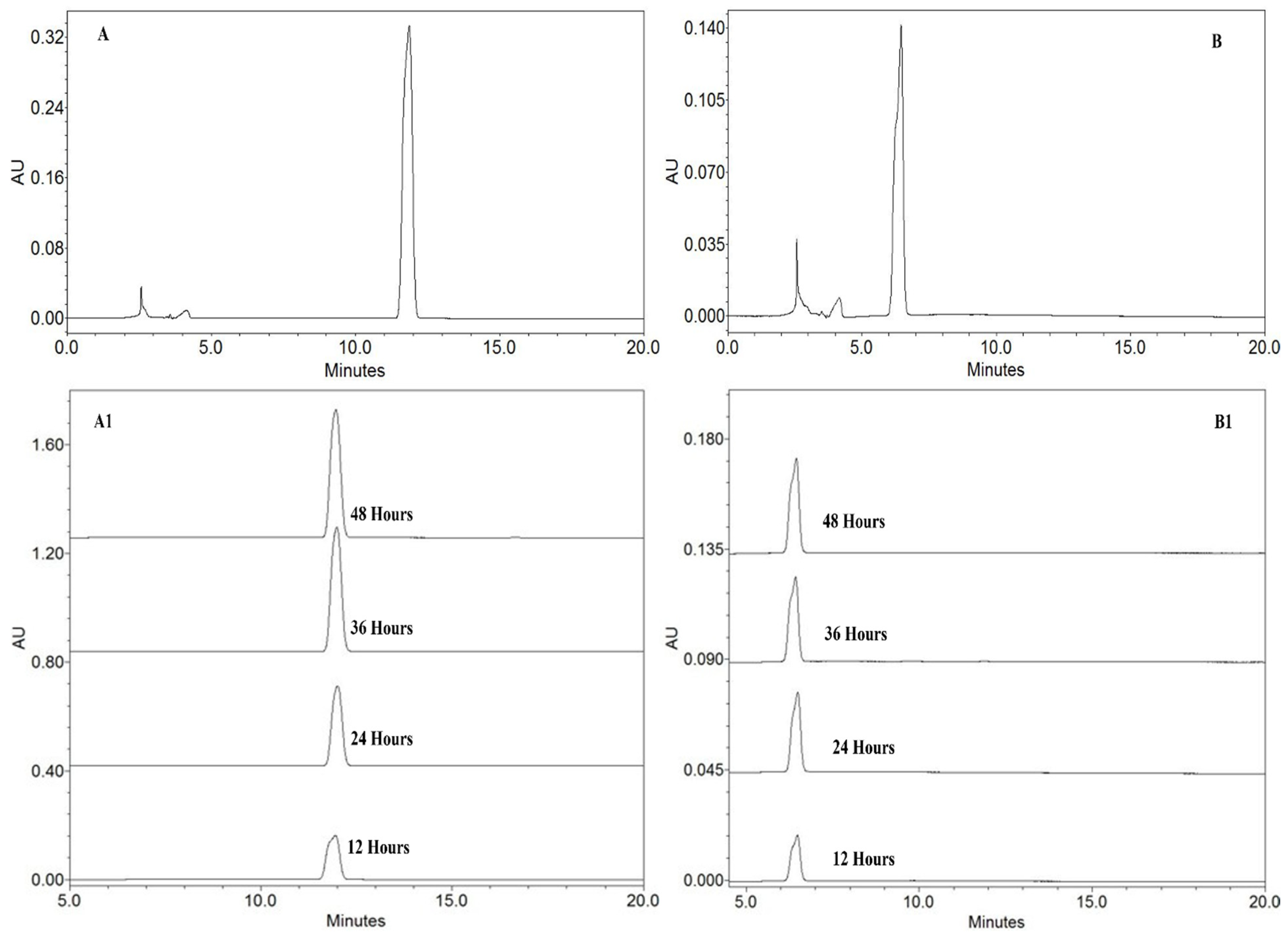
The standard PE showed a retention time (RT) of approximately 12–13 min throughout the analysis. In contrast, PE-gal eluted earlier, at around 6–7 min, under the applied gradient conditions, reflecting its increased polarity due to galactosylation. The consistent retention times for both compounds confirm their chemical stability during analysis.
The permeation profiles of PE (A1) and PE-gal (B1) further exhibited differences in membrane transport behavior. PE (A1) showed a gradual increase in permeation across the Strat-M™ membrane over time, indicating efficient diffusion. In contrast, PE-gal (B1) produced only weak chromatographic signals in the receptor phase. Although these signals increased slightly over time, the concentration remained below the LOQ under the experimental conditions, preventing reliable calculation of flux and permeability coefficient values, as shown in Figure 2.

2.3.2. CPN, CPN-Gal

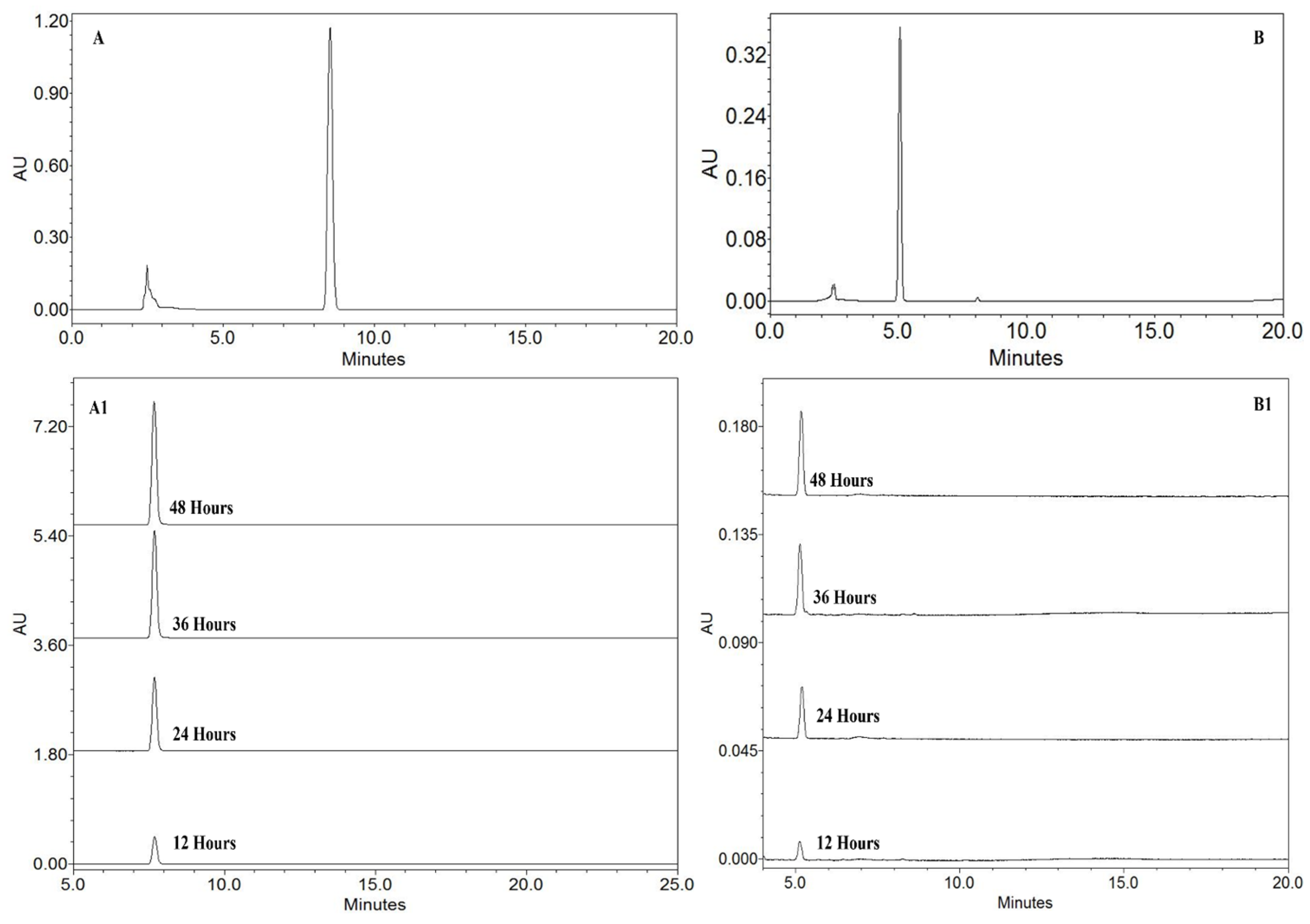
High-performance liquid chromatography (HPLC) was used to evaluate the stability and retention times of CPN and its galactosylated derivative (CPN-gal). In addition, the skin permeation behavior of the CPN (A1) and the CPN-gal (B1) at 32 °C was examined using Franz diffusion cells equipped with Strat-M™ membranes, and the collected receptor-phase aliquots were analyzed by HPLC.
The chromatograms showed that the retention time (RT) of chlorphenesin (CPN) remained stable at approximately 8–9 min throughout the experiment, confirming its chemical stability. In contrast, CPN-gal eluted earlier, at about 4–5 min, due to its higher polarity.
CPN-gal exhibited constant retention during the permeation experiment, while the peak intensity gradually increased from 12 to 48 h. Weak chromatographic signals corresponding to CPN-gal were detected throughout the experiment; however, the concentrations remained below the practical limit of quantification. Therefore, reliable steady-state flux and permeability coefficient (Kp) values could not be calculated, as shown in Figure 3.

2.3.3. PhE, PhE-Gal

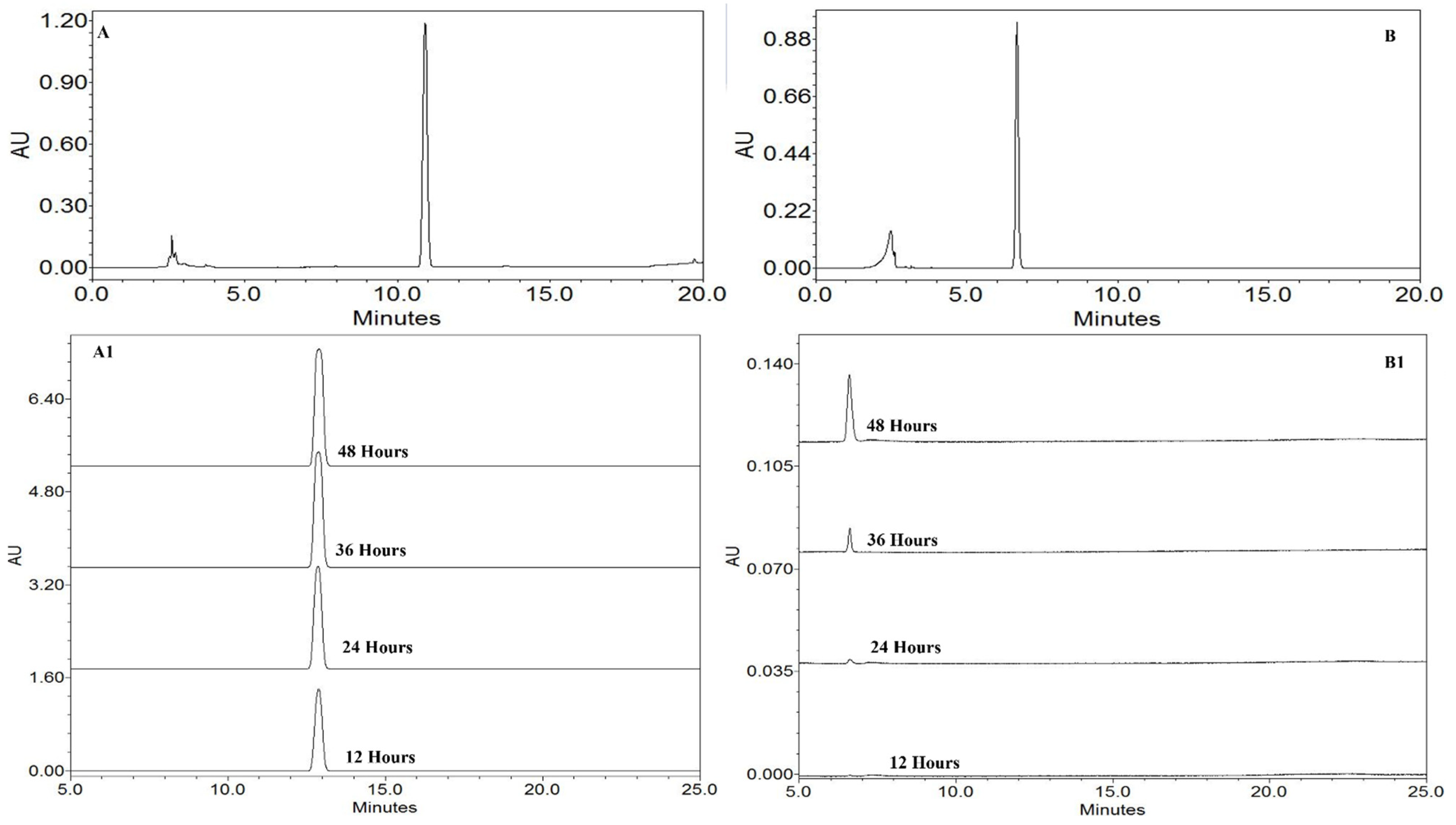
High-performance liquid chromatography (HPLC) analysis showed that PhE (A) exhibited a consistent retention time (RT) of approximately 11 min throughout the experiment, confirming its chemical stability. In contrast, PhE-gal (B) eluted earlier, at around 5 min, due to its higher polarity. During the permeation study, the chromatograms of PhE-gal (B1) in the receptor phase displayed a constant retention time, while the peak intensity gradually increased from 36 to 48 h, indicating a time-dependent increase in concentration. No shift in retention time or additional peaks was observed, suggesting the absence of chemical transformation. However, the concentration remained below the limit under the experimental conditions, making it difficult to calculate precise flux and permeability coefficient values, as shown in Figure 4.
The representative chromatograms were adjusted to start at 0 min, as shown in Figure 3, Figure 4 and Figure 5. Minor peaks observed in the early region (0–5 min) correspond to the solvent front or void volume signals. Since negligible permeation occurs in this region, slight adjustment of the time scale was applied in some chromatograms to improve the clarity of presentation.
The membrane retention of galactosylated derivatives within the Strat-MTM membrane was not evaluated in this research. Therefore, lower receptor-phase concentrations may indicate either minimal penetration or limited membrane retention.

2.4. Effect of Galactosylation on Transdermal Flux and Kp

In the Franz diffusion cell assay, galactosylation significantly reduced the transdermal permeation of the compounds. The non-galactosylated compounds showed measurable steady-state flux values across the Strat-M™ membrane for 2-phenoxyethanol, chlorphenesin, and 2-phenylethanol. The initially linear portion of the permeation profile (0–8 h) reflects the steady-state diffusion phase in the Franz diffusion cell system, from which flux (J) and permeability coefficients (Kp) were calculated. Further samples collected at later time intervals (12–48 h) were used to evaluate compound stability and long-term permeation behavior.
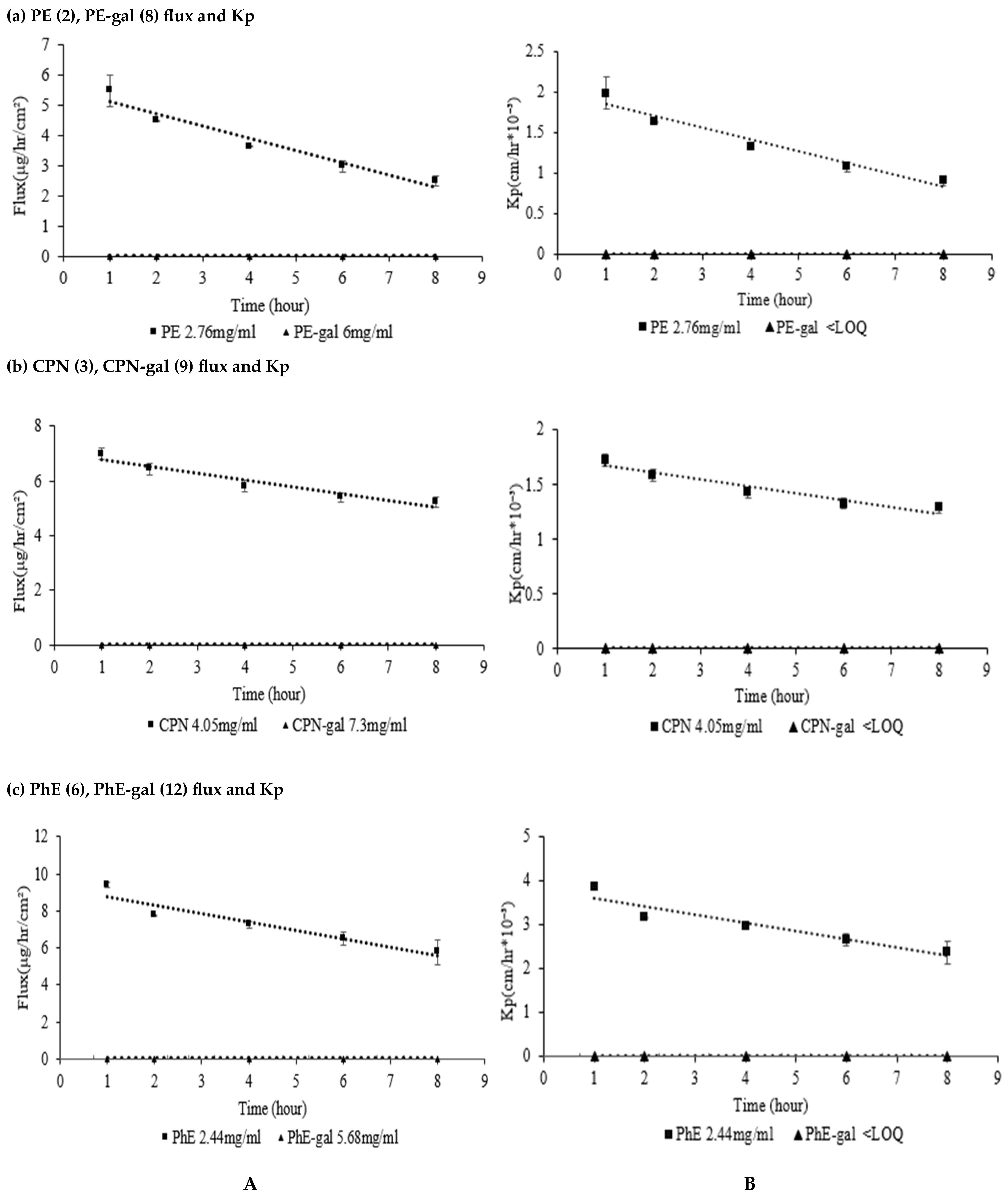
The parent compounds showed transmembrane diffusion, with flux values ranging from 3.82 to 7.34 µg·h−1·cm−2 and corresponding permeability coefficients (Kp) of 1.38 to 3.00 × 10⁻³ cm·h−1 Table 1.
In contrast, receptor-phase samples showed small chromatographic signals for PE-gal, CPN-gal, and PhE-gal. However, given the current HPLC conditions, their quantities continued to be below the practical limit of quantification (LOQ). As a result, accurate steady-state flux and permeability coefficient (Kp) values could not be determined; instead of being zero, these values are represented as <LOQ and ND.
It should be noted that possible compound retention inside the Strat-M™ membrane was not assessed because the present study focused on compound penetration into the receptor phase. Future studies involving membrane extraction and HPLC analysis could provide insight into potential chemical retention in the artificial skin layer.
All things considered, these findings show that galactosylation significantly reduces transdermal transport compared to the parent preservatives, showing a decreased risk of systemic exposure, as shown in Figure 5.

2.5. Cytotoxicity Assessment of Non-Galactosylated and Galactosylated Derivatives Using LD50 Values

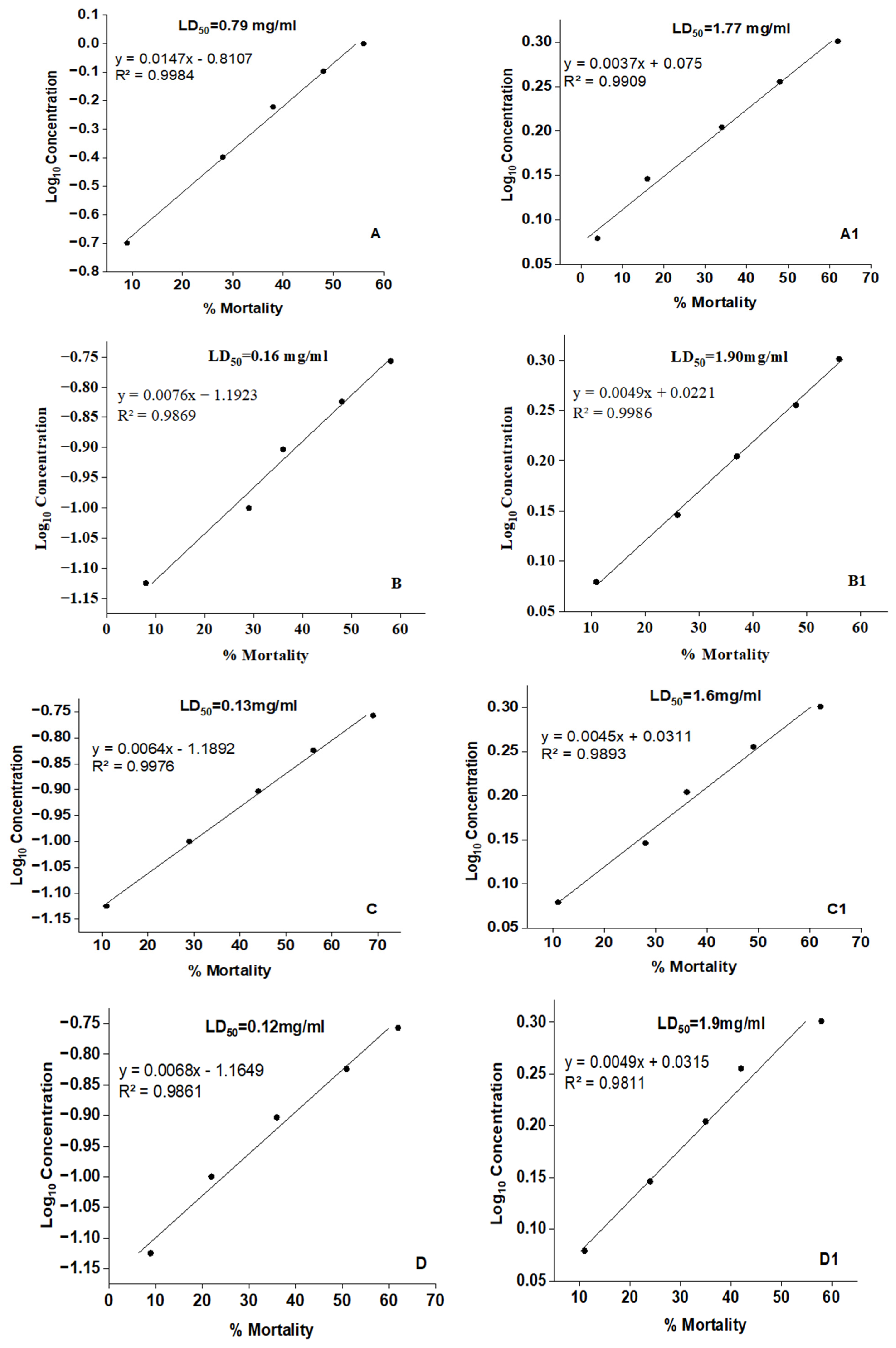
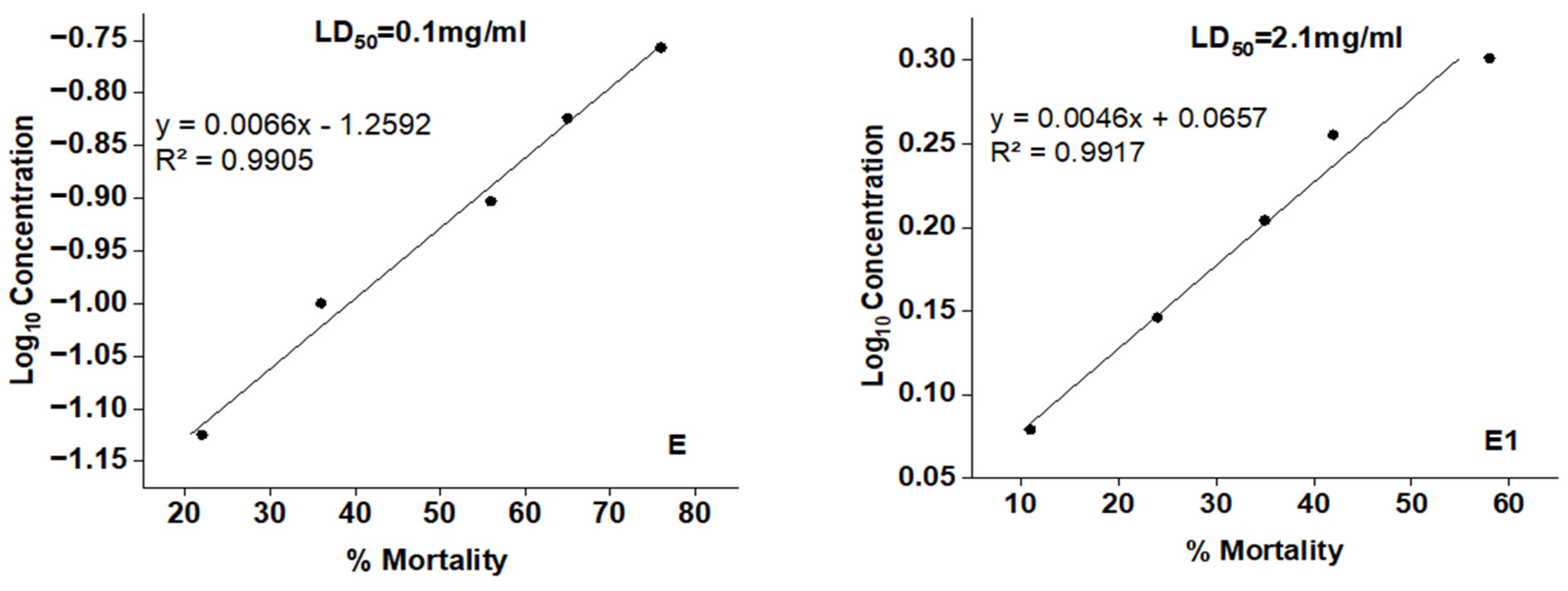
The LD50 values showed a significant reduction in cytotoxicity upon galactosylation for all the original compounds. Among them, 2-phenoxyethanol (Figure 6E) showed the highest toxicity, with an LD50 of 0.1 mg/mL, followed by 2-phenylethanol (Figure 6D, 0.12 mg/mL), chlorphenesin (Figure 6C, 0.13 mg/mL), 1,2-octanediol (Figure 6B, 0.16 mg/mL), and 1,2-hexanediol (Figure 6A, 0.79 mg/mL). After galactosylation, the LD50 values increased significantly for 2-phenoxyethanol-gal (2.1 mg/mL), 2-phenylethyl-gal (1.9 mg/mL), chlorphenesin-gal (1.6 mg/mL), 1,2-octanediol-gal (1.90 mg/mL), and 1,2-hexanediol-gal (1.77 mg/mL). This increase shows that galactosylation effectively decreases the bioactivity of these cosmetic preservatives.
Galactosylated derivatives consistently exhibited higher LD50 values than their corresponding non-galactosylated compounds, indicating a substantial reduction in cytotoxicity following galactosylation. The cytotoxicity of non galactosylated compounds (Figure 6A–E) and their galactosylated derivatives (Figure 6A1–E1) was quantitatively evaluated to determine the protective effect of galactosylation, as shown in Figure 6.

2.6. Structural Confirmation of Galactosylated Derivatives by NMR

2.6.1. Benzyl β-d-Galactopyranoside (7)

[108.14 (BnOH) + 180.156 (galactose) − 18.015 (water) + 22.99 (Na+) = 293.271] [C13H18NaO6]. 1H NMR (400 MHz, CD3OD) 7.43~7.41 (d, 2H, J = 7.2 Hz), 7.34~7.30 (t, 2H, J = 7.2 Hz), 7.28~7.24 (m, 1H), 4.93 (d, 1H, J = 12.0 Hz), 4.67 (d, 1H, J = 12.0 Hz), 4.32 (d, 1H, J = 7.6 Hz), 3.84 (d, 1H, J = 3.2 Hz), 3.82~3.72 (m, 2H), 3.59 (t, 1H, J = 9.2 Hz), 3.51 (t, 1H, J = 6.0 Hz), 3.46 (dd, 1H, J = 10.0 Hz, J = 3.6 Hz). 13C NMR (100 MHz, CD3OD) 139.3, 129.4, 129.3, 128.8, 104.0, 76.9, 75.1, 72.7, 71.8, 70.5, 62.7.

2.6.2. 2-Phenoxyethanol β-d-Galactopyranoside (8)

LC-MS (ESI): m/z C14H20O7, theoretical exact mass, 300.1; measured mass, 323.1 ([M + Na]+) and 299.1 ([M − H]). 1H NMR (400 MHz, D2O) δ 7.34 (m, 2H), 7.01 (m, 3H), 4.42 (d, 1H, J = 8 Hz), 4.22 (t, 2H, J = 4 Hz), 4.19 (m, 1H), 3.98 (m, 1H), 3.86 (d, 1H, J = 4 Hz), 3.69 (m, 2H), 3.64 (t, 1H, J = 4 Hz), 3.60 (dd, 1H, J = 12 Hz, J = 4 Hz), 3.50 (dd, 1H, J = 12 Hz, J = 8 Hz). 13C NMR (100 MHz, D2O) δ 157.8, 129.9, 121.7, 114.9, 103.0, 75.1, 72.7, 70.8, 69.2, 68.2, 67.4, 60.

2.6.3. Chlorphenesin β-d-Glucopyranoside (9)

Mass (ESI): m/z C15H21ClO8Cl (M + Cl); theoretical exact mass, 399.0619; measured mass, 399.0623. 1H NMR (400 MHz, CD3OD) 7.24 (d, 2H, J = 6.6 Hz), 6.94 (d, 2H, J = 6.6 Hz), 4.26 (dd, 1H, J = 5.7 Hz and 1.8 Hz), 4.12 (m, 1H), 4.08 (m, 1H), 4.03 (m, 1H), 3.99 (m, 1H), 3.83 (d, 1H, J = 2.4 Hz), 3.78–3.70 (m, 3H), and 3.58–3.47 (m, 3H). 13C NMR (100 MHz, CD3OD) 157.3, 129.8, 126.1, 116.7, 103.6, 75.6, 73.1,71.3, 71.0, 69.6, 69.1, 69.0, and 61.4.

2.6.4. 1,2-Hexandiol β-d-Galactopyranoside (10)

[118.174 (1,2-hexanediol) + 180.156 (galactose) − 18.01528 (water) + 1.007276 (H+) = 281.3219762]. 1H NMR (400 MHz, D2O) 4.44 (d, 1H, J = 7.7 Hz), 3.96 (d, 1H, J = 3.0 Hz), 3.92~3.90 (m, 1H), 3.86~3.76 (m, 2H), 3.79 (d, 1H, J = 4.4 Hz), 3.74~3.70 (m, 2H), 3.68 (d, 1H, J = 2.9 Hz), 3.58 (t, 1H, J = 8.8 Hz), 1.60~1.45 (m, 2H), 1.40~1.35 (m, 4H), 0.92 (t, 3H, J = 6.7 Hz). 13C NMR (100 MHz, D2O) α-anomer; 103.4, 75.1, 74.2, 72.7, 70.9, 70.5, 68.6, 60.9, 31.9, 26.9, 21.9, 13.2. β-anomer; 102.9, 75.1, 73.9, 72.6, 70.8, 70.2, 68.6, 60.9, 31.9, 26.9, 21.9, 13.2.

2.6.5. 1,2-Octanediol β-d-Galactopyranoside (11)

Mass (ESI): m/z 281.1601 (m/z) theoretical exact mass [118.174 (1,2-hexanediol) + 180.156 (galactose) − 18.01528 (water) + 1.007276 (H+) = 281.3219]. 1H NMR (400 MHz, D2O) 4.39 (d, 2H, J = 7.6 Hz), 3.98~3.95 (m, 4H), 3.90~3.82 (m, 2H), 3.81~3.77 (m, 6H), 3.71~3.66 (m, 6H), 3.60~3.55 (m, 2H), 1.52~1.42 (m, 4H), 1.36~1.26 (m, 16H), 0.89 (t, 6H, J = 6.0 Hz). 13C NMR (100 MHz, D2O) 103.6, 103.0, 75.0, 74.9, 74.4, 74.0, 72.71, 72.66, 70.9, 70.8, 70.5, 70.1, 68.5, 68.4,60.8, 60.6, 32.64, 32.58, 31.4, 29.0, 25.1, 25.0, 22.3, 13.6.

2.6.6. 2-Phenylethanol β-d-Galactopyranoside (12)

LC-MS (ESI): 307.118 m/z C14H20NaO6+, theoretical exact mass [122.073 (2-phenylethanol) + 180.063 (galactose) − 18.01 (water) + 22.99 (Na+) = 307.115]. 1H NMR (400 MHz, D2O) δ 7.30~7.26 (m, 4H), 7.25~7.21 (m, 1H), 4.31 (d, 1H, J = 8.0 Hz), 4.07 (q, 1H, J = 8.0 Hz), 3.86~3.81 (m, 2H), 3.71~3.62 (m, 2H), 3.58~3.51 (m, 2H), 3.38 (t, 1H, J = 15.8 Hz), 2.88 (t, 2H, J = 7.0 Hz). 13C NMR (100 MHz, D2O) δ 138.7. 129.0, 128.6, 126.5, 102.7, 75.0, 72.7, 70.6, 68.6, 60.9, 35.2.

3. Discussion

Experimental variation supports the hypothesis that conjugation of the galactose moiety reduces membrane permeability and bioavailability, thereby lowering the toxicologic risk related to dermal contact. These results specify that galactosylated compounds play a fundamental role in reducing toxicity, making them potentially safe for biological applications in the cosmetic industry.
The brine shrimp lethality assay served as a preliminary and cost-effective model for toxicity screening in this study. The purpose of this study was to expand upon previous research by providing comparative skin penetration and early toxicity evaluation relevant to cosmetic safety applications.
Reaction parameters, including temperature, pH, enzyme concentration, substrate concentration, and incubation time, were selected based on previously optimized methods. Instead of enzymatic optimization, the current study mainly concentrated on comparative transdermal penetration and preliminary toxicity assessment of previously synthesized galactosylated derivatives. The antibacterial activity of several galactosylated derivatives is mentioned in the Supplementary Information.
The present study shows that the biological and physical properties of widely used cosmetic preservatives are considerably changed by enzymatic galactosylation. Specifically, compared to their parent compounds, the conjugation of galactose to 2-phenoxyethanol, chlorphenesin, and 2-phenylethanol led to a significant decrease in transdermal penetration across Strat-MTM membrane. These results are consistent with previous studies showing that galactosylation can significantly affect polarity, molecular size, and membrane permeability.
The measured flux values show that parent preservatives, including phenoxyethanol, chlorphenesin, and phenylethanol, could diffuse across the artificial skin membrane. In contrast, the galactosylated derivatives remained below the practical limit of quantification (LOQ) in receptor chamber samples. This indicates that skin penetration is effectively reduced by the addition of the galactose moiety. The reduced permeation observed in this study is likely attributable to the increased polarity and steric effects introduced by the galactose moiety, which may restrict diffusion through the lipid matrix of the membrane.
Cytotoxicity and irritation during skin contact are important concerns for the safety of cosmetic preservatives [23]. Reducing the transdermal penetration of preservatives is especially beneficial for cosmetic applications from a formulation perspective. Instead of penetrating deep into the skin, preservatives are meant to shield the formulation from microbial contamination [24,25].
Galactosylation is a form of glycosylation that can modify molecular polarity, size, and membrane permeability, making it a promising chemical modification strategy for reducing transdermal penetration [26,27].
Additionally, previous studies indicate that the antibacterial activity of 2-phenoxyethanol against common bacterial strains such Enterococcus faecalis, Pseudomonas aeruginosa, Escherichia coli, and Staphylococcus aureus are not significantly affected by galactosylation [28]. Cytotoxicity experiments using the HaCaT model, which showed that the galactosylated derivative of chlorphenesin exhibits less toxicity than the parent molecule, provide more proof of the safety advantages of galactosylated preservatives [29].
The overall findings show that enzymatic galactosylation offers a useful method for modifying the physicochemical and biological characteristics of cosmetic preservatives. These results demonstrate the possibility of using galactosylated derivatives in cosmetic formulations as safer substitutes for conventional preservatives.
The antibacterial activity of the galactosylated derivatives was evaluated in our previous research, considering the well-known broad antibacterial properties of the parent preservatives. Furthermore, using mammalian cell lines like HaCaT or 3T3, evaluation of cytotoxicity was performed for more evidence. The Franz diffusion analysis for HD and OD were not conducted since they showed weak and inconsistent chromatographic responses under the current HPLC-PDA conditions, causing issues concerning flux and permeability coefficient (Kp) calculations.

4. Materials and Methods

The following compounds were purchased from commercial suppliers: 2-phenoxyethanol (PE) (Fluka), 2-phenylethanol (PhE) (Sigma-Aldrich, 3050 Spruce Street, St. Louis, MO 63103, USA), chlorphenesin (CPN) (CosMol Co., Siheung, Republic of Korea), 1,2-hexanediol (Samchun, 117, Sandan-ro 16beon-gil, Pyeongtaek-si, Gyeonggi-do, 17745), 1,2-octanediol (ThermoScientific, Shore Road, Port of Heysham, Industrial Park, Heysham, Morecambe, Lancashire, LA3 2XY, UK), and methyl paraben (Sigma-Aldrich, 3050 Spruce Street, St. Louis, MO 63103, USA). Phosphate-buffered saline (PBS) solution was prepared by dissolving one PBS tablet (Sigma-Aldrich, 3050 Spruce Street, St. Louis, MO 63103-2530, USA) in 200 mL of triple-distilled water. Thin-layer chromatography (TLC) plates (DC Kiesel gel 60 F254) were obtained from EMD Millipore Corp. (Millipore Sigma, Burlington, MA, USA) and silica gel 60 (0.040–0.063 mm) was also acquired from Merck Millipore for chromatographic applications.
For skin permeability experiments, the Strat-M™ Membrane (Transdermal Diffusion Test Model) was used. HPLC analysis was performed using a Waters e2695 model. The solvents used included anhydrous ethanol and methanol (Daesung, Siheung, Republic of Korea) and acetonitrile (99.9%) (Samjeon, Seoul, Republic of Korea). The Franz diffusion cell assay equipment was obtained from BNC Tech, Daejeon, Republic of Korea, and used for skin permeability experiments.

4.1. Preparation of Culture Medium

The culture medium was prepared by dissolving yeast extract (20 g), glycerol (20 g), KH2PO4 (2.3 g), and Na2HPO4·12H2O (25.75 g) in distilled water. The final volume was adjusted to 1 L with distilled water under magnetic stirring.
Recombinant Escherichia coli MC1061 carrying the pBAD/Myc-His/lacZ expression vector was cultivated in the culture medium described above. A seed culture was first prepared in a 500 mL Erlenmeyer flask containing 100 mL of culture medium and subsequently transferred into a fermenter containing 900 mL of the same culture medium for large-scale cultivation. Expression of β-galactosidase was induced by the addition of arabinose (1%, w/v) in the presence of fucose (0.5%, w/v). After cultivation, cells were separated by centrifugation (8000 rpm, 4 °C, 3 min), washed with PBS buffer, and resuspended in PBS containing 10% ethylene glycol. The enzyme preparation was stored at −20 °C until use. The β-galactosidase preparation obtained from the recombinant cells was subsequently used for the transgalactosylation reactions described in this study.

4.2. Sterilization Procedure

A total of 100 mL of the medium for seed culture preparation was put into a 500 mL Erlenmeyer flask, and the remaining 900 mL was put into the fermenter for the main culture. The Erlenmeyer flask was sealed with a silicon stopper and wrapped in aluminum foil. The fermenter was assembled as per the manufacturer’s instructions.
Arabinose (1%, 10 mL) and fucose (0.5%, 10 mL) solutions were prepared in 15 mL conical tubes, loosely sealed, and covered with foil before sterilization. Aluminum foil was also placed over 1000 μL and 200 μL micropipette tip boxes before autoclaving. All equipment used to handle microorganisms was sterilized before the experiment.

4.3. Synthesis of Galactosylated Compounds Using β-Galactosidase

β-galactosidase was heterologously expressed in recombinant E. coli under the control of the araBAD promoter using the pBAD/Myc-His/lacZ vector (7.2 kb; Invitrogen, Carlsbad, CA, USA). After fermentation, the enzyme was purified from the bacterial cells for subsequent reactions.
For the synthesis of 2-phenoxyethanol galactoside (PE-gal), 2-phenoxyethanol (940 μL, 75 mM final concentration) was mixed with 50 mM phosphate-buffered saline (PBS, pH 7.0), and the total reaction volume was adjusted to 100 mL. Lactose (30 g) was dissolved using sonication, followed by the addition of β-galactosidase (1200 U). The reaction mixture was incubated at 37 °C with agitation at 200 rpm for 48 h. Other galactosylated derivatives were synthesized under identical reaction conditions using different substrates, including 1,2-hexanediol (878 μL, 75 mM final concentration), 1,2-octanediol (1218 μL, 75 mM final concentration), 2-phenylethanol (898 μL, 75 mM final concentration), and chlorphenesin (1.84 g, 75 mM final concentration).
The reaction conditions, including temperature (37 °C), incubation time (48 h), agitation speed (200 rpm), enzyme concentration, and substrate concentration, were selected based on previously optimized enzymatic galactosylation protocols reported in our earlier studies. These standardized conditions were applied uniformly to all substrates to enable direct comparative evaluation of transdermal permeation and cytotoxicity of the synthesized galactosylated derivatives.
The reaction and separation conditions reported in the paper were not obtained from a single experiment but rather through an optimization process carried out over several years.

4.4. Fractionation and Sugar Precipitation

A separatory funnel and ethyl acetate (1:1, v/v) were used to extract nonpolar components from the reaction mixture. In the aqueous phase, sugars and glycosylated products were collected. Residual sugars derived from lactose were precipitated using ethanol or acetonitrile (2:1 v/v). The supernatant was concentrated using a rotary evaporator. This procedure was repeated until residual sugars were no longer detected by thin-layer chromatography (TLC).

4.5. Purification by Column Chromatography

The partially purified reaction mixture was subsequently separated using silica gel column chromatography. Acetonitrile/water (97:3, v/v) was the eluent. TLC analysis of the resulting fractions was used to identify the galactosylated products. TLC analyses and Rf values of the standard compounds and synthesized galactoside are included in Figure 7.

4.6. Chromatographic Requirements for HPLC Analysis

High-performance liquid chromatography (HPLC) was performed to analyze PE 2, PE-gal 8, CPN 3, CPN-gal 9, PhE 6, and PhE-gal 12. A C18 column (Phenomenex Gemini, Torrance, CA, USA, 5 μm, 110 Å, 150 × 4.6 mm) was used with a 43 min gradient program, and the injection volume was 100 μL. Solvent A was distilled water, and solvent B was acetonitrile (ACN). The flow rate was kept at 1.0 mL/min. Detection wavelengths were set at 280 nm for PE, PE-gal, PhE, and PhE-gal, and at 210 nm for CPN and CPN-gal, as shown in Table 2.
All compounds were successfully detected using a photodiode-array (PDA) detector.

4.7. Evaluation of Skin Permeation Using Franz Diffusion Cell Assay

The skin penetration variations in 2-phenoxyethanol (PE), 2-phenylethanol (PhE), chlorphenesin (CPN), and their corresponding galactosylated derivatives (PE-gal 8, PhE-gal 12, and CPN-gal 9) were evaluated using a Franz diffusion cell system. Strat-M™ synthetic membranes (25 mm diameter, thickness 300 µm; Merck Millipore, Carrigtwohill, Co. Cork, Ireland) were used as the artificial skin model for the Franz diffusion cell experiments. The effective diffusion area of the membrane was 0.64 cm2. The receptor medium consisted of ethanol: PBS (1:1, v/v, 75 mM) to ensure sufficient solubility. To prevent air entrapment, the receptor chamber was filled with the receptor medium after the Strat-M™ membrane was carefully positioned between the donor and receptor compartments.
Each donor chamber received 2 mL of the test solution (75 mM). Diffusion cells were maintained at 32 °C to mimic the normal skin temperature. To maintain uniform concentration and encourage consistent diffusion, the receptor phase was continually stirred using a magnetic stir bar. The start of stirring was considered time zero. Aliquots (100 μL) were removed from the sampling port at 12, 24, 36, and 48 h, and an equal volume of fresh receptor media was quickly reintroduced to maintain the volume. The collected samples were stored at 4 °C for 12 h before being evaluated using high-performance liquid chromatography (HPLC).
This experimental methodology allowed for a direct and quantitative comparison of the skin penetration effects of conventional preservatives and their corresponding galactosylated derivatives. Calibration curves for PE/PE-gal, PhE/PhE-gal, and CPN/CPN-gal are included in Supplementary Information Figure S1.
All the galactosylated derivatives of PE, CPN, and PhE were subjected to Franz diffusion analysis. Basically, compounds such as HD and OD do not possess chromophores, making them difficult to detect by HPLC.

4.8. Calculation of Flux and Permeability Coefficient (Kp)

The permeability coefficient (Kp) was calculated by dividing the steady-state flux by the initial concentration of the test compound. Flux values (µg·cm−2·h−1) were obtained from the linear portion of the cumulative permeation over time profile [30,31,32].
In parent compounds (PE, CPN, and PhE), clear steady-state regions were observed, allowing for reliable calculation of both flux and Kp values. In comparison, small chromatographic signals corresponding to the galactosylated derivatives (PE-gal, CPN-gal, and PhE-gal) were detected in the receptor phase, despite their concentrations remaining below LOQ. Therefore, reliable steady-state flux and permeability coefficient (Kp) values could not be determined for these compounds under the experimental conditions.
The calculated flux and Kp values for the parent compounds, along with limit of quantification (LOQ)-based reporting for the galactosylated derivatives, are presented in Section 2.

4.9. Cytotoxicity Assessment Using Brine Shrimp Lethality Assay

The Artemia salina were then used to calculate the LD50 toxicity, which required a minimal amount of tested substance, is inexpensive and safe, and does not require feeding during the experiment [33]. Various hazardous materials, including metal complexes, bioactive compounds, natural extracts, and pesticide nanoparticles, have been tested using Artemia salina species [34]. The nauplii stage is highly sensitive to pollutants, making it an appropriate model for acute toxicity testing [35,36]. In this study, lethality was found to be directly proportional to the concentration of the tested compounds [37].
The cysts of Artemia salina used in the toxicity assay were obtained from Ocean Nutrition. Artificial seawater required for hatching was prepared using reef plus marine salt (Aqua Ocean, Qingdao Sea-Salt Aquarium Technology Co., Ltd., Qingdao, China). Aeration of the culture system was provided by an Amazone power air pump (Az-A1, 2.5 W). A soft light source, such as a 7W fluorescent lamp, was used to support optimal hatching conditions. The incubation system was maintained at 28–30 °C to ensure proper growth and survival of the brine shrimp. Origin software (Version 2024) (OriginLab Corporation, Northampton, MA, USA) was used for data recording, graphical analysis, and calculation of the experimental results.

4.10. Hatching of Artemia Salina

Artificial seawater was prepared by dissolving sea salt (35 g·L−1) in 1000 mL of distilled water, followed by the addition of Artemia salina cysts (2 g·L−1). The mixture was aerated using an air pump and maintained at room temperature under continuous illumination for 48 h. Within 24–48 h, the cysts had hatched and nauplii developed from the eggshells. The hatched nauplii were collected from the illuminated side of the beaker, as they naturally migrate toward light.

4.11. Toxicity Assay Procedure

LD50 values of the test compounds were determined using a 24-well plate. A concentration range of 0.1–2 mg/mL or 0.1–3 mg/mL was prepared, with three replicates per concentration. Each well contained a final volume of 1 mL of the test solution and 12–15 nauplii. The plates were incubated at 28–30 °C for 24 h. After incubation, nauplii mortality was assessed under a stereoscope. Larvae were considered alive if they displayed internal or external movement within a 10 s observation period.
The number of dead larvae was counted, and the percentage of mortality was calculated using the formula:
Mortality = Number of dead nauplii/Total number of nauplii × 100%
This method allowed for a precise evaluation of the toxic effects of the tested compounds on Artemia salina larvae.

4.12. NMR Characterization of β-d-Galactopyranoside Derivatives

Samples were applied to a high-speed liquid chromatography–mass spectrometer (LCMS-IT-TOF, Shimadzu Corp., Tokyo, Japan). 1H and 13C-NMR were performed on a Bruker DRX400 NMR spectrometer (400 MHz). The structures of the synthesized galactosylated derivatives were confirmed by 1H and 13C NMR spectroscopy. The 1H NMR spectrum of BnO-gal 7 displays multiple resonances consistent with galactosylation of benzyl alcohol. Downfield signals at δH 7.43–7.24 ppm indicate the presence of the aromatic ring of the benzyl moiety. The benzylic CH2 appears as two distinct signals at δH 4.93 and 4.67 ppm, which is attributed to diastereotopic splitting arising from interaction with the bulky, substituted sugar, despite the CH2 not being adjacent to a chiral center. Characteristic carbohydrate resonances are observed at δH 4.32, 3.84, and 3.82–3.46 ppm, corresponding to seven protons, thereby supporting the attachment of a galactose unit to benzyl alcohol. The 13C NMR spectrum shows a total of eleven carbon signals derived from the BnO-gal structure, comprising four aromatic carbons, one benzylic CH2 carbon, and six carbohydrate carbons within δC 76.9–62.7 ppm. These data confirm that the compound is a benzyl glucoside bearing a single sugar substituent. Compounds 8~12 likewise exhibit 1H NMR and 13C NMR signals characteristic of galactosylation of the parent alcohols, clearly demonstrating that the original preservatives were conjugated with a sugar moiety. The corresponding spectra of BnO-gal, CPN-gal, HDO-gal, OD-gal, and PhE-gal are provided in the Supplementary Information (Figures S3–S12).

5. Conclusions

The physicochemical and biological properties of 2-phenoxyethanol (PE), 2-phenylethanol (PhE), and chlorphenesin (CPN) were successfully modified by galactosylation. The structures of the synthesized galactosylated derivatives were confirmed using 1H and 13C NMR spectroscopy and high-performance liquid chromatography (HPLC). Furthermore, HPLC analysis showed that the galactosylated derivatives remained chemically stable for 48 h and exhibited earlier elution rates than their parent compounds, indicating stronger polarity.
Franz diffusion cell studies showed that the receptor-phase penetration of galactosylated derivatives was significantly lower than that of the parent compounds under the experimental conditions. The non-galactosylated compounds showed quantifiable steady-state flux values (3.82–7.34 µg·h−1·cm−2) and permeability coefficients (Kp = 1.38–3.00 × 10⁻³ cm·h−1), whereas the galactosylated derivatives showed unquantifiable permeation levels under the experimental conditions.
Furthermore, in Artemia salina toxicity tests, the LD50 values of the galactosylated derivatives were higher than those of the corresponding standard compounds, indicating a decrease in cytotoxicity.
The results of the biological evaluation show that galactosylation affected the parent preservatives’ cytotoxicity and antibacterial activity. PE-Gal maintained significant antibacterial efficacy against typical microorganisms even though some bacterial strains had slightly higher MIC values. Furthermore, at similar concentrations, the XTT assay showed that CPN-Gal maintained higher HaCaT cell survival than the parent compound, showing less cytotoxicity after galactosylation. These results show that galactosylation could improve cosmetic preservatives’ safety while maintaining some of their antibacterial activity.
These findings suggest that galactosylation may be an effective approach for improving the initial safety profile of cosmetic preservatives.

Supplementary Materials

The following supporting information can be downloaded at: https://www.mdpi.com/article/10.3390/catal16060536/s1. The Supplementary Information files provide the datasets supporting the results presented in this study’s Heading S1. These include calibration curves for PE and PE-gal, CPN and CPN-gal, and PhE and PhE-gal. Figure S1. The cytotoxicity data of standard parabens shown in Heading S2 in the Supplementary Information (Figure S2). Heading S3 (a–e) (Figures S3–S12) contains the 1H and 13C NMR spectra of the synthesized galactosylated derivatives BnO-gal, CPN-gal, HD-gal, OD-gal, and PhE-gal. Headings S4, S4.1 and S4.2 discuss the cytotoxicity reduction of CPN-CPN-Gal (24 h) and PE and PE-Gal (12, 24, and 36 h) in HaCaT cells and antimicrobial activity of PE-Gal against bacterial strains, as shown in Table S1, Table S2 and Table S3, respectively.

Author Contributions

M.R.: Methodology; Formal analysis; Writing—original draft. S.-H.K.; Methodology. M.-S.K.: Methodology. J.-H.K.: Methodology. G.-S.M.: Formal analysis. A.I.: Formal analysis. J.-S.K.: Validation. H.-Y.L.: Supervision; Project administration; Writing—review and editing. All authors have read and agreed to the published version of the manuscript.

Funding

This research was supported by the Regional Innovation System & Education (RISE) program through the Chungbuk Regional Innovation System & Education Center, funded by the Ministry of Education (MOE) and the Chungcheongbuk-do, Republic of Korea (2025-RISE-11-004). This work was supported by the Glocal University 30 Project of the Korea National University of Transportation in 2025.

Data Availability Statement

The data presented in this study are available within the article and Supplementary Materials.

Acknowledgments

The authors gratefully acknowledge the Department of Biotechnology for providing academic resources and a supportive environment during the preparation of this manuscript.

Conflicts of Interest

The authors declare no conflicts of interest.

References

  1. Tang, Z.; Du, Q. Mechanism of Action of Preservatives in Cosmetics. J. Dermatol. Sci. Cosmet. Technol. 2024, 1, 100054. [Google Scholar] [CrossRef]
  2. Canavez, A.D.P.M.; de Oliveira Prado Corrêa, G.; Isaac, V.L.B.; Schuck, D.C.; Lorencini, M. Integrated Approaches to Testing and Assessment as a Tool for the Hazard Assessment and Risk Characterization of Cosmetic Preservatives. J. Appl. Toxicol. 2021, 41, 1687–1699. [Google Scholar] [CrossRef]
  3. Poddębniak, P.; Kalinowska-Lis, U. A Survey of Preservatives Used in Cosmetic Products. Appl. Sci. 2024, 14, 1581. [Google Scholar] [CrossRef]
  4. Panico, A.; Serio, F.; Bagordo, F.; Grassi, T.; Idolo, A.; De Giorgi, M.; Guido, M.; Congedo, M.; De Donno, A. Skin Safety and Health Prevention: An Overview of Chemicals in Cosmetic Products. J. Prev. Med. Hyg. 2019, 60, E50–E57. [Google Scholar] [CrossRef] [PubMed]
  5. Darbre, P.D.; Aljarrah, A.; Miller, W.R.; Coldham, N.G.; Sauer, M.J.; Pope, G.S. Concentrations of Parabens in Human Breast Tumours. J. Appl. Toxicol. 2004, 24, 5–13. [Google Scholar] [CrossRef] [PubMed]
  6. Smith, C.N.; Alexander, B.R. The Relative Cytotoxicity of Personal Care Preservative Systems in Balb/C 3T3 Clone A31 Embryonic Mouse Cells and the Effect of Selected Preservative Systems upon the Toxicity of a Standard Rinse-off Formulation. Toxicol. In Vitro 2005, 19, 963–969. [Google Scholar] [CrossRef]
  7. Kumar, A.; Kaur, S.; Sangwan, P.L.; Tasduq, S.A. Therapeutic and Cosmeceutical Role of Glycosylated Natural Products in Dermatology. Phytother. Res. 2023, 37, 1574–1589. [Google Scholar] [CrossRef]
  8. Shivatare, S.S.; Shivatare, V.S.; Wong, C.-H. Glycoconjugates: Synthesis, Functional Studies, and Therapeutic Developments. Chem. Rev. 2022, 122, 15603–15671. [Google Scholar] [CrossRef]
  9. Chettri, D.; Chirania, M.; Boro, D.; Verma, A.K. Glycoconjugates: Advances in Modern Medicines and Human Health. Life Sci. 2024, 348, 122689. [Google Scholar] [CrossRef]
  10. Koššuthová, A.; Antošová, M.; Bauerová-Hlinková, V.; Bauer, J.A.; Polakovič, M. β-Galactosidase-Catalyzed Transglycosylation of Tyrosol: Substrates and Deep Eutectic Solvents Affecting Activity and Stability. Biomolecules 2025, 15, 801. [Google Scholar] [CrossRef]
  11. Li, J.; Xiang, H.; Zhang, Q.; Miao, X. Polysaccharide-Based Transdermal Drug Delivery. Pharmaceuticals 2022, 15, 602. [Google Scholar] [CrossRef]
  12. Andreu, A.; Ćorović, M.; Garcia-Sanz, C.; Santos, A.S.; Milivojević, A.; Ortega-Nieto, C.; Mateo, C.; Bezbradica, D.; Palomo, J.M. Enzymatic Glycosylation Strategies in the Production of Bioactive Compounds. Catalysts 2023, 13, 1359. [Google Scholar] [CrossRef]
  13. de Roode, B.M.; Franssen, M.C.R.; van der Padt, A.; Boom, R.M. Perspectives for the Industrial Enzymatic Production of Glycosides. Biotechnol. Prog. 2003, 19, 1391–1402. [Google Scholar] [CrossRef]
  14. Lee, H.-Y.; Jung, K.-H. NMR spectroscopy and mass spectrometry of benzyl alcohol galactoside synthesized using β-galactosidase. J. Korean Appl. Sci. Technol. 2019, 36, 84–89. [Google Scholar] [CrossRef]
  15. Lee, H.Y.; Jung, K.H. Enzymatic Synthesis of 2-Phenoxyethanol Galactoside by Whole Cells of β-Galactosidase-Containing Escherichia Coli. J. Microbiol. Biotechnol. 2014, 24, 1254–1259. [Google Scholar] [CrossRef] [PubMed]
  16. Lee, S.E.; Lee, H.Y.; Jung, K.H. Production of Chlorphenesin Galactoside by Whole Cells of β-Galactosidase-Containing Escherichia Coli. J. Microbiol. Biotechnol. 2013, 23, 826–832. [Google Scholar] [CrossRef] [PubMed]
  17. Kim, Y.-O.; Lee, H.-Y.; Jung, K.-H. NMR Spectroscopy and Mass Spectrometry of 1, 2-Hexanediol Galactoside Synthesized Using Escherichia Coli β-Galactosidase. J. Korean Oil Chem. Soc. 2016, 33, 286–292. [Google Scholar] [CrossRef]
  18. Zsikó, S.; Csányi, E.; Kovács, A.; Budai-Szűcs, M.; Gácsi, A.; Berkó, S. Methods to Evaluate Skin Penetration In Vitro. Sci. Pharm. 2019, 87, 19. [Google Scholar] [CrossRef]
  19. Głaz, P.; Rosińska, A.; Woźniak, S.; Boguszewska-Czubara, A.; Biernasiuk, A.; Matosiuk, D. Effect of Commonly Used Cosmetic Preservatives on Healthy Human Skin Cells. Cells 2023, 12, 1076. [Google Scholar] [CrossRef] [PubMed]
  20. Byeon, H.J.; Jung, K.H.; Moon, G.S.; Moon, S.K.; Lee, H.Y. A Facile and Efficient Method for the Synthesis of Crystalline Tetrahydro-β-Carbolines via the Pictet-Spengler Reaction in Water. Sci. Rep. 2020, 10, 1057. [Google Scholar] [CrossRef]
  21. Du, T.; Wang, Y.; Xie, H.; Liang, D.; Gao, S. Fragmentation Patterns of Phenolic C-Glycosides in Mass Spectrometry Analysis. Molecules 2024, 29, 2953. [Google Scholar] [CrossRef] [PubMed]
  22. He, P.; Shao, Y.; Zhou, S.; Wang, R.; Ma, W. Structural Biology and Analytical Chemistry Approaches for Characterizing C-Glycoside Metabolic Enzymes in Human Gut Microbiota. J. Vis. Exp. 2025, e67629. [Google Scholar] [CrossRef]
  23. Shen, L.; Lin, J.; Lin, J.; Wu, W. Glycosylation in Dermatology: Unveiling the Sugar Coating of Skin Disease. Exp. Dermatol. 2025, 34, e70098. [Google Scholar] [CrossRef] [PubMed]
  24. Das, C.; Olmsted, P.D.; Noro, M.G. Water Permeation through Stratum Corneum Lipid Bilayers from Atomistic Simulations. Soft Matter 2009, 5, 4549. [Google Scholar] [CrossRef]
  25. Yokota, M.; Tokudome, Y. Permeation of Hydrophilic Molecules across Glycated Skin Is Differentially Regulated by the Stratum Corneum and Epidermis–Dermis. Biol. Pharm. Bull. 2015, 38, 1383–1388. [Google Scholar] [CrossRef]
  26. Danzberger, J.; Donovan, M.; Rankl, C.; Zhu, R.; Vicic, S.; Baltenneck, C.; Enea, R.; Hinterdorfer, P.; Luengo, G.S. Glycan Distribution and Density in Native Skin’s Stratum Corneum. Ski. Res. Technol. 2018, 24, 450–458. [Google Scholar] [CrossRef]
  27. Holleran, W.M.; Takagi, Y.; Menon, G.K.; Legler, G.; Feingold, K.R.; Elias, P.M. Processing of Epidermal Glucosylceramides Is Required for Optimal Mammalian Cutaneous Permeability Barrier Function. J. Clin. Investig. 1993, 91, 1656–1664. [Google Scholar] [CrossRef]
  28. Jung, K.-H.; Lee, H.-Y. Escherichia Coli β-Galactosidase-Catalyzed Synthesis of 2-Phenoxyethanol Galactoside and Its Characterization. Bioprocess Biosyst. Eng. 2015, 38, 365–372. [Google Scholar] [CrossRef]
  29. Lee, S.-E.; Jo, T.-M.; Lee, H.-Y.; Lee, J.; Jung, K.-H. β-Galactosidase-Catalyzed Synthesis of Galactosyl Chlorphenesin and Its Characterization. Appl. Biochem. Biotechnol. 2013, 171, 1299–1312. [Google Scholar] [CrossRef]
  30. Chedik, L.; Baybekov, S.; Cosnier, F.; Marcou, G.; Varnek, A.; Champmartin, C. An Update of Skin Permeability Data Based on a Systematic Review of Recent Research. Sci. Data 2024, 11, 224. [Google Scholar] [CrossRef]
  31. Anissimov, Y.G.; Roberts, M.S. Diffusion Modeling of Percutaneous Absorption Kinetics. 1. Effects of Flow Rate, Receptor Sampling Rate, and Viable Epidermal Resistance for a Constant Donor Concentration. J. Pharm. Sci. 1999, 88, 1201–1209. [Google Scholar] [CrossRef]
  32. Liang, B.; Zhou, L.; Wu, C.; Fang, L.; Wang, L.; Peng, L.; Shu, P.; Tang, L.; Bei, Y.; Cui, X.; et al. Expert Consensus on the Technical Specifications of the in Vitro Skin Penetration Test of Cosmetic Product by Franz Diffusion Cell. J. Dermatol. Sci. Cosmet. Technol. 2024, 1, 100040. [Google Scholar] [CrossRef]
  33. Banti, C.N.; Hadjikakou, S.K. Evaluation of Toxicity with Brine Shrimp Assay. Bio. Protoc. 2021, 11, e3895. [Google Scholar] [CrossRef]
  34. Da Silveira Carvalho, J.M.; De Morais Batista, A.H.; Nogueira, N.A.P.; Holanda, A.K.M.; De Sousa, J.R.; Zampieri, D.; Bezerra, M.J.B.; Stefânio Barreto, F.; De Moraes, M.O.; Batista, A.A.; et al. A Biphosphinic Ruthenium Complex with Potent Anti-Bacterial and Anti-Cancer Activity. New J. Chem. 2017, 41, 13085–13095. [Google Scholar] [CrossRef]
  35. Trompeta, A.F.A.; Preiss, I.; Ben-Ami, F.; Benayahu, Y.; Charitidis, C.A. Toxicity Testing of MWCNTs to Aquatic Organisms. RSC Adv. 2019, 9, 36707–36716. [Google Scholar] [CrossRef]
  36. Zhu, B.; Zhu, S.; Li, J.; Hui, X.; Wang, G.-X. The Developmental Toxicity, Bioaccumulation and Distribution of Oxidized Single Walled Carbon Nanotubes in Artemia Salina. Toxicol. Res. 2018, 7, 897–906. [Google Scholar] [CrossRef]
  37. Waghulde, S.; Kale, M.K.; Patil; Vijay, R. Brine Shrimp Lethality Assay of the Aqueous and Ethanolic Extracts of the Selected Species of Medicinal Plants. Proceedings 2019, 41, 47. [Google Scholar] [CrossRef]
Figure 1. Galactosylation-mediated transformation of benzyl alcohol 1, 2-phenoxyethanol 2, chlorphenesin 3, 1,2-hexanediol 4, 1,2-octanediol 5, and 2-phenylethanol 6 into β-d-galactosylated compounds 712.
Catalysts 16 00536 g001
Figure 2. HPLC chromatograms of PE (A) and PE-gal (B) and their time-dependent permeation profiles across Strat-M™ membranes obtained using the Franz diffusion cell system (A1,B1).
Catalysts 16 00536 g002
Figure 3. HPLC chromatograms of CPN (A) and CPN-gal (B) and their time-dependent permeation profiles across Strat-M™ membranes obtained using the Franz diffusion cell system (A1,B1).
Catalysts 16 00536 g003
Figure 4. HPLC chromatograms of PhE (A) and PhE-gal (B) and their time-dependent permeation profiles across Strat-M™ membranes obtained using the Franz diffusion cell system (A1,B1).
Catalysts 16 00536 g004
Figure 5. Transdermal flux (A) and permeability coefficients (Kp) (B) of the parent compounds and their galactosylated derivatives across Strat-M™ membranes at 32 °C. Flux values were calculated from the initial linear region of the permeation profile (0–8 h) obtained in the Franz diffusion cell experiment.
Catalysts 16 00536 g005
Figure 6. Brine shrimp lethality assay showing cytotoxic effects of original and galactosylated compounds. LD50 values of the original compounds (AE) and their galactosylated derivatives (A1E1) after 24 h of incubation (three replicates per experiment). (A) 1,2-hexanediol; (A1) 1,2-hexanediol-gal; (B) 1,2-octanediol; (B1) 1,2-octanediol-gal; (C) chlorphenesin; (C1) chlorphenesin-gal; (D) 2-phenylethanol; (D1) 2-phenylethanol-gal; (E) 2-phenoxyethanol; (E1) 2-phenoxyethanol-gal.
Catalysts 16 00536 g006aCatalysts 16 00536 g006b
Figure 7. TLC analysis of starting compounds and their corresponding galactosylated derivatives. Samples are arranged based on increasing polarity from left to right.
Catalysts 16 00536 g007
Table 1. Steady-state flux and permeability coefficients (Kp) of non-galactosylated preservatives and galactosylated derivatives across Strat-M™ membranes.
CompoundFlux (µg h−1 cm−2)Kp (cm·h−1 × 10⁻³)
PE3.821.38
CPN5.971.47
PhE7.343.00
PE-galLOQND
CPN-galLOQND
PhE-galLOQND
ND = not determined due to concentrations below the practical limit of quantification (LOQ) under current HPLC conditions.
Table 2. HPLC method and condition.
CompoundsColumnMobile PhaseFlow RateWavelength (nm)Temp (°C)Method
2, 8, 6, 12Phenomenex Gemini 5 µm C18 110 Å 150 × 4.6 mmA: distilled water,
B: ACN
1.0 mL/min28030 °CGradient
3, 9Phenomenex Gemini 5 µm C18 110 Å 150 × 4.6 mmA: distilled water,
B: ACN
1.0 mL/min21030 °CGradient
Disclaimer/Publisher’s Note: The statements, opinions and data contained in all publications are solely those of the individual author(s) and contributor(s) and not of MDPI and/or the editor(s). MDPI and/or the editor(s) disclaim responsibility for any injury to people or property resulting from any ideas, methods, instructions or products referred to in the content.