Editorial

Catalytic Reforming and Hydrogen Production: From the Past to the Future, 2nd Edition


by
Georgios Bampos
1,*,
Paraskevi Panagiotopoulou
2,3 and
Eleni A. Kyriakidou
4
1
Department of Chemical Engineering, University of Patras, GR-26504 Patras, Greece
2
School of Chemical and Environmental Engineering, Technical University of Crete, GR-73100 Chania, Greece
3
Institute of Geoenergy, Foundation for Research and Technology-Hellas (IG/FORTH), GR-73100 Chania, Greece
4
Department of Chemical and Biological Engineering, University at Buffalo, The State University of New York, Buffalo, NY 14260, USA
*
Author to whom correspondence should be addressed.
Catalysts 2026, 16(4), 290; https://doi.org/10.3390/catal16040290
Submission received: 15 March 2026 / Accepted: 18 March 2026 / Published: 27 March 2026
The continuously increasing global energy demand, combined with the urgent need to mitigate climate change and reduce greenhouse gas emissions, has intensified research efforts for developing sustainable energy technologies [1,2]. Among the various alternative energy carriers, hydrogen (H2) has emerged as one of the most promising options due to its high energy density, clean combustion, and potential integration with renewable energy systems [3,4]. Consequently, the development of efficient catalytic processes for producing H2 has recently attracted considerable attention.
Catalytic reforming technologies are among the most widely studied pathways for generating H2. Conventional processes such as dry reforming, steam reforming, and partial oxidation of methane (CH4) convert CH4 into synthesis gas (H2 and CO) or H2 [5,6]. Moreover, emerging technologies focusing on renewable feedstocks, such as photocatalytic H2 production and the use of H2 carriers, have expanded the pathways for catalytic H2 generation beyond the conventional fossil-based pathways [7,8].
The Special Issue, entitled “Catalytic Reforming and Hydrogen Production: From the Past to the Future, 2nd Edition”, aims to highlight recent advances in catalytic systems, reaction mechanisms, and process optimization strategies for producing H2. The first Special Issue [9] focused on advances in methane/methanol reforming and photocatalytic H2 production processes as well as important developments in catalytic materials for sustainable H2 generation. Additional contributions are presented in this Special Issue that expand the scientific scope of the first Special Issue [9], covering catalytic reforming of hydrocarbons and renewable feedstocks, photocatalytic H2 evolution, and H2 generation from chemical carriers.
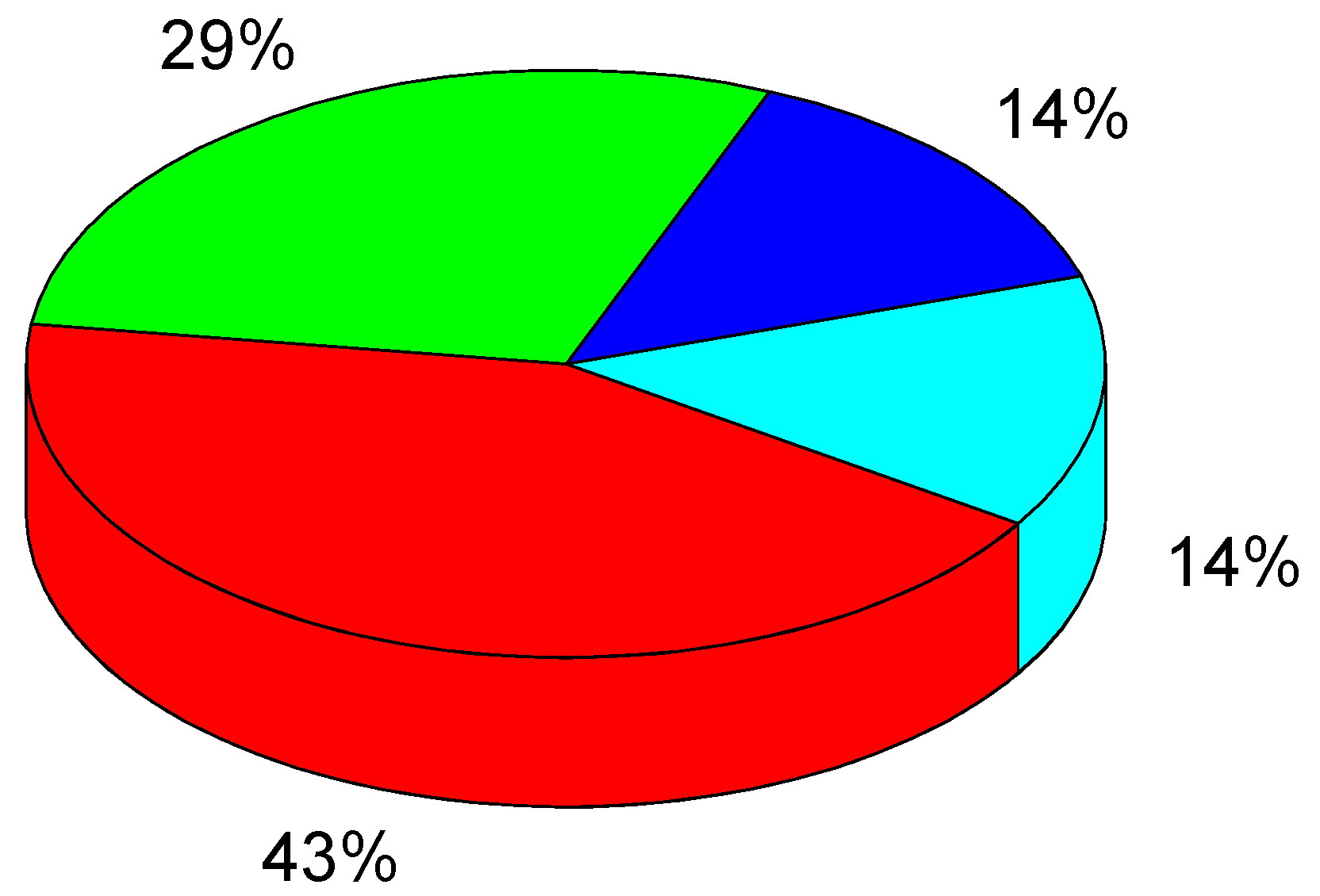
The contributions included in this Special Issue can be categorized into four main thematic groups, reflecting the diversity of the catalytic approaches currently being explored for producing H2. These categories include (i) CH4 reforming catalysts, (ii) reforming of renewable feedstocks, (iii) photocatalytic H2 production, and (iv) H2 generation from chemical carriers (Figure 1).
Methane reforming processes are the most studied catalytic routes for producing H2 and syngas. Several contributions in this Special Issue focus on the development of advanced catalytic systems designed to increase their activity, stability, and resistance to carbon deposition.
Wang et al. (Contribution 1) prepared tourmaline-supported Ni-NiAl2O4 nanocomposite catalysts via a microwave hydrothermal reduction method for the dry reforming of the CH4 (DRM) reaction. The results demonstrate that the tourmaline support effectively enhanced the dispersion of Ni species and improved catalytic performance, particularly under relatively low temperatures (500–600 °C). The increased catalytic activity highlights the potential of using natural mineral supports as cost-effective alternatives for stabilizing Ni-based catalysts.
Bong et al. (Contribution 2) studied the influence of surface basicity in mixed Ni/ZrO2-based oxide catalysts for the oxythermal reforming of CH4 with CO2. The authors found that incorporating alkaline earth promoters (e.g., Ca and Ba) into a Ni/ZrO2 catalyst increased catalytic activity and stability during long-term operation. The enhanced performance of Ni-Ba-Ca/ZrO2 was attributed to its increased surface basicity compared with that of Ni/ZrO2, which facilitated the gasification of carbon species and suppressed coke formation.
Methane reforming reactions are also closely related to electrochemical energy conversion technologies such as solid oxide fuel cells (SOFCs). Ioannidou et al. (Contribution 3) investigated internal DRM in SOFC systems using modified Ni/GDC fuel electrodes. Adding Fe and Au dopants significantly enhanced the electrocatalytic activity and operational stability of the electrodes. Long-term experiments revealed extended operational lifetime and reduced degradation rates, thus highlighting the beneficial effect of Fe-Au co-doping on SOFC fuel electrode performance.
Converting renewable feedstocks into H2 represents an important pathway toward the development of sustainable energy systems. Two contributions in this Special Issue address catalytic processes involving biomass-derived and bio-based feedstocks.
Qiu et al. (Contribution 4) produced H2 through a two-stage pyrolysis-steam reforming process using municipal solid waste (MSW) and biomass feedstocks. Self-derived char-based catalysts prepared via pyrolysis residues were employed to enhance the reforming reactions. The catalysts effectively cracked tar and produced H2 at reforming temperatures between 850 and 900 °C. Notably, the catalytic activity of the MSW-derived char catalysts was higher due to their higher active metal species contents, highlighting the potential of waste-derived catalysts for waste valorization and H2 generation.
Ali et al. (Contribution 5) examined high-pressure ethanol steam reforming (ESR) using commercial nickel-based catalysts. This study demonstrates that high-pressure operation can increase H2 purification efficiency and reduce downstream processing requirements. Ethanol was completely converted under optimized conditions (30 bar and temperatures up to 850 °C), with H2 yields reaching 5.2 mol H2 per mol of ethanol. These results highlight the potential of high-pressure reforming technologies for increasing the efficiency and scalability of producing H2 from renewable alcohols.
Photocatalytic H2 production has emerged as an attractive approach for utilizing solar energy to generate clean fuels. In this Special Issue, Ahmad and Oh provide a comprehensive review (Contribution 6) focusing on photocatalytic H2 evolution using two-dimensional MoS2-based materials. The review summarizes recent advances in the synthesis and application of MoS2 composites with semiconductor materials such as metal oxides, graphene, carbon nanotubes and metal–organic frameworks (MOFs). These hybrid materials enhance charge separation efficiency and provide additional active sites, leading to increased H2 evolution under visible light irradiation.
Another promising approach for producing H2 involves the use of chemical H2 carriers that allow safe storage and on-demand H2 release. Wang et al. (Contribution 7) developed Pd nanoparticles supported on nitrogen-doped porous carbon cages derived from zeolitic imidazolate frameworks (ZIFs) for producing H2 via formic acid dehydrogenation. The synthesized Pd/PNCC nanocatalysts (PNCC denotes porous nitrogen-doped carbon cages) exhibited excellent catalytic performance, with a turnover frequency of 3174 h−1 under mild reaction conditions. The enhanced catalytic activity was attributed to strong metal–support interactions that optimized the electronic properties of the Pd active sites and facilitated efficient H2 evolution.
The contributions included in this Special Issue highlight the continuous progress in catalytic technologies for producing H2 production through conventional and emerging pathways. Several challenges remain to be addressed for achieving the large-scale implementation of catalytic H2 production technologies.
One of the main challenges facing H2 production is developing highly stable catalysts that operate under harsh reaction conditions while maintaining high activity and resistance to deactivation phenomena such as carbon deposition, metal particle sintering, or catalyst poisoning. For example, coke formation and catalyst deactivation in CH4 reforming processes require further investigation through improved catalyst design and the optimization of reaction conditions.
Another important research direction involves the efficient use of renewable feedstocks such as biomass, municipal waste, and bio-derived alcohols. The integration of catalytic reforming processes with waste valorization strategies can significantly contribute to circular economy approaches while reducing the environmental impacts of the process. Additionally, further advancements in photocatalytic H2 production and H2 carrier technologies could offer complementary solutions for sustainably generating and storing H2.
Future research efforts should focus on the development of advanced catalytic materials with increased activity, stability, and cost-effectiveness, as well as elucidating the reaction mechanisms. The integration of catalytic H2 production processes with renewable energy sources and emerging energy technologies will also play a crucial role in the transition toward a sustainable H2 economy.
The studies presented in this Special Issue provide valuable insights into these challenges and demonstrate the broad range of catalytic strategies currently being explored to advance H2 production technologies. Continued research in this field will be essential for developing efficient and sustainable catalytic systems capable of supporting the global transition toward clean energy solutions.

Funding

This research received no external funding.

Acknowledgments

We thank all authors for submitting their work to this Special Issue and to the reviewers for their time and effort in reviewing the manuscripts.

Conflicts of Interest

The authors declare no conflicts of interest.

List of Contributions

  • Wang, J.; Wang, X.; Zhou, P.; Bian, L.; Wang, F. A Simple Fabrication of Tourmaline-Supported Ni-NiAl2O4 Nanocomposites for Enhanced Methane Dry Reforming Activity. Catalysts 2025, 15, 658.
  • Bong, H.J.; Subba Reddy, N.G.; Bhavani, A.G. Mechanistic Behavior of Basicity of Bimetallic Ni/ZrO2 Mixed Oxides for Stable Oxythermal Reforming of CH4 with CO2. Catalysts 2025, 15, 700.
  • Ioannidou, E.; Neophytides, S.G.; Niakolas, D.K. Electrocatalytic Investigation of the SOFC Internal CH4 Dry Reforming with Modified Ni/GDC: Effect of Au Content on the Performance Enhancement by Fe-Au Doping. Catalysts 2025, 15, 618.
  • Qiu, M.; Xiang, C.; Wen, Y.; Hong, W.; Liu, R.; Chen, D.; Chen, D. H2 Production from Pyrolysis-Steam Reforming of Municipal Solid Waste and Biomass: A Comparative Study When Using the Self-Derived Char-Based Catalysts. Catalysts 2025, 15, 531.
  • Ali, F.M.; Rosha, P.; Delfin, K.; Hoaglan, D.; Rapier, R.; Yusuf, M.; Ibrahim, H. High-Pressure Catalytic Ethanol Reforming for Enhanced Hydrogen Production Using Efficient and Stable Nickel-Based Catalysts. Catalysts 2025, 15, 795.
  • Ahmad, K.; Oh, T.H. Recent Progress in Photocatalytic Hydrogen Production Using 2D MoS2 Based Materials. Catalysts 2025, 15, 648.
  • Wang, J.; Qin, H.; Liu, M.; Tang, S.; Xu, L.; Ding, X.; Song, F. Pd Nanoparticles Confined by Nitrogen-Doped Carbon Architecture Derived from Zeolitic Imidazolate Frameworks for Remarkable Hydrogen Evolution from Formic Acid Dehydrogenation. Catalysts 2025, 15, 852.

References

  1. Sun, X.Y.; Zhong, X.H.; Zhang, M.Y.; Zhou, T. Experimental investigation on a novel wind-to-heat system with high efficiency. Renew. Sustain. Energy Rev. 2022, 158, 112143. [Google Scholar] [CrossRef]
  2. Wang, Q.; Huang, R.; Li, R. Renewable energy and sustainable development goals: Insights from latent dirichlet allocation thematic and bibliometric analysis. Sustain. Dev. 2024, 32, 6339–6359. [Google Scholar] [CrossRef]
  3. Bhandari, R.; Adhikari, N. A comprehensive review on the role of hydrogen in renewable energy systems. Int. J. Hydrogen Energy 2024, 82, 923–951. [Google Scholar] [CrossRef]
  4. Zhang, L.; Jia, C.; Bai, F.; Wang, W.; An, S.; Zhao, K.; Li, Z.; Li, J.; Sun, H. A comprehensive review of the promising clean energy carrier: Hydrogen production, transportation, storage, and utilization (HPTSU) technologies. Fuel 2024, 355, 129455. [Google Scholar] [CrossRef]
  5. Usman, M.; Wan Daud, W.M.A.; Abbas, H.F. Dry reforming of methane: Influence of process parameters—A review. Renew. Sustain. Energy Rev. 2015, 45, 710–744. [Google Scholar] [CrossRef]
  6. Sengodan, S.; Lan, R.; Humphreys, J.; Du, D.; Xu, W.; Wang, H.; Tao, S. Advances in reforming and partial oxidation of hydrocarbons for hydrogen production and fuel cell applications. Renew. Sustain. Energy Rev. 2018, 82, 761–780. [Google Scholar] [CrossRef]
  7. Lakhera, S.K.; Rajan, A.; Rugma, T.P.; Bernaurdshaw, N. A review on particulate photocatalytic hydrogen production system: Progress made in achieving high energy conversion efficiency and key challenges ahead. Renew. Sustain. Energy Rev. 2021, 152, 111694. [Google Scholar] [CrossRef]
  8. Ni, Y.; Han, Z.; Chai, Y.; Wu, G.; Li, L. Catalytic hydrogen storage in liquid hydrogen carriers. EES Catal. 2023, 1, 459–494. [Google Scholar] [CrossRef]
  9. Bampos, G.; Panagiotopoulou, P.; Kyriakidou, E.A. Catalytic Reforming and Hydrogen Production: From the Past to the Future. Catalysts 2025, 15, 332. [Google Scholar] [CrossRef]
Figure 1. Publication distribution (%) based on subject: (red) CH4 reforming catalysts, (green) renewable feedstock reforming, (blue) H2 carriers/storage, and (cyan) photocatalytic H2 production.
Catalysts 16 00290 g001
Disclaimer/Publisher’s Note: The statements, opinions and data contained in all publications are solely those of the individual author(s) and contributor(s) and not of MDPI and/or the editor(s). MDPI and/or the editor(s) disclaim responsibility for any injury to people or property resulting from any ideas, methods, instructions or products referred to in the content.