
Article

Learning History Using Virtual and Augmented Reality
by
Inmaculada Remolar
*,
Cristina Rebollo
and
Jon A. Fernández-Moyano
Institute of New Imaging Technologies, Universitat Jaume I, 12006 Castellón, Spain
*
Author to whom correspondence should be addressed.
Computers 2021, 10(11), 146; https://doi.org/10.3390/computers10110146

Submission received: 16 September 2021 / Revised: 31 October 2021 / Accepted: 2 November 2021 / Published: 8 November 2021
(This article belongs to the Special Issue Xtended or Mixed Reality (AR+VR) for Education)

Abstract

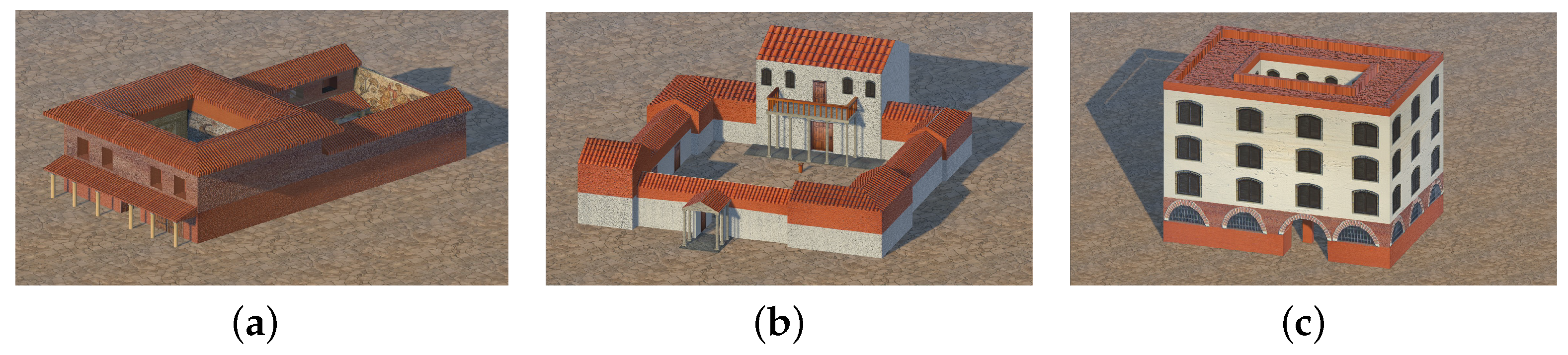
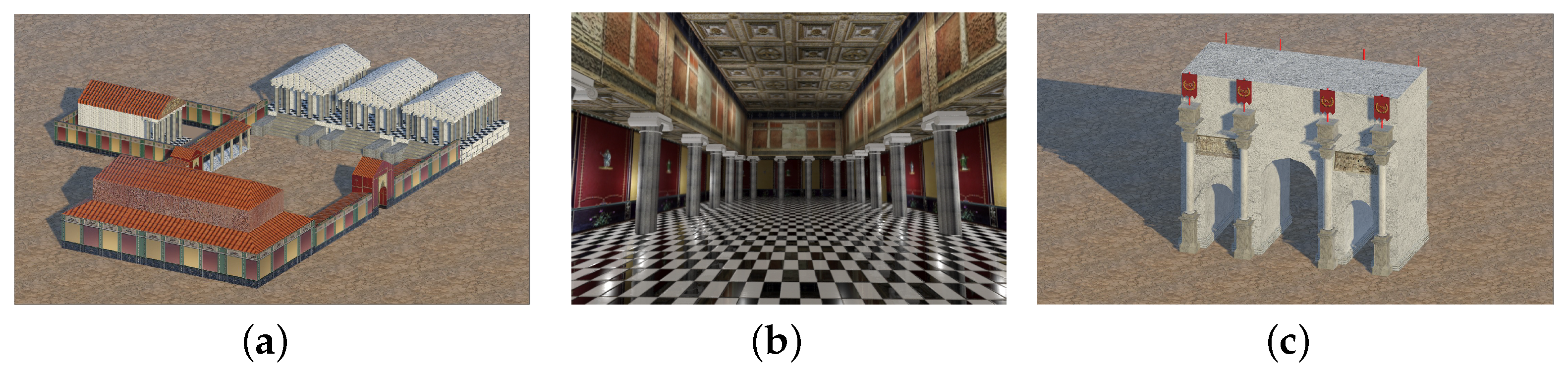
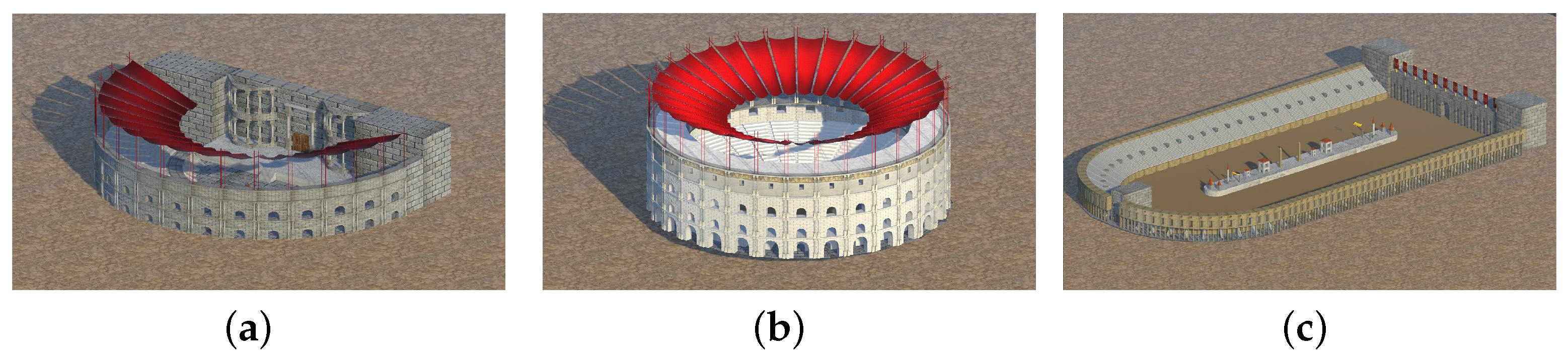
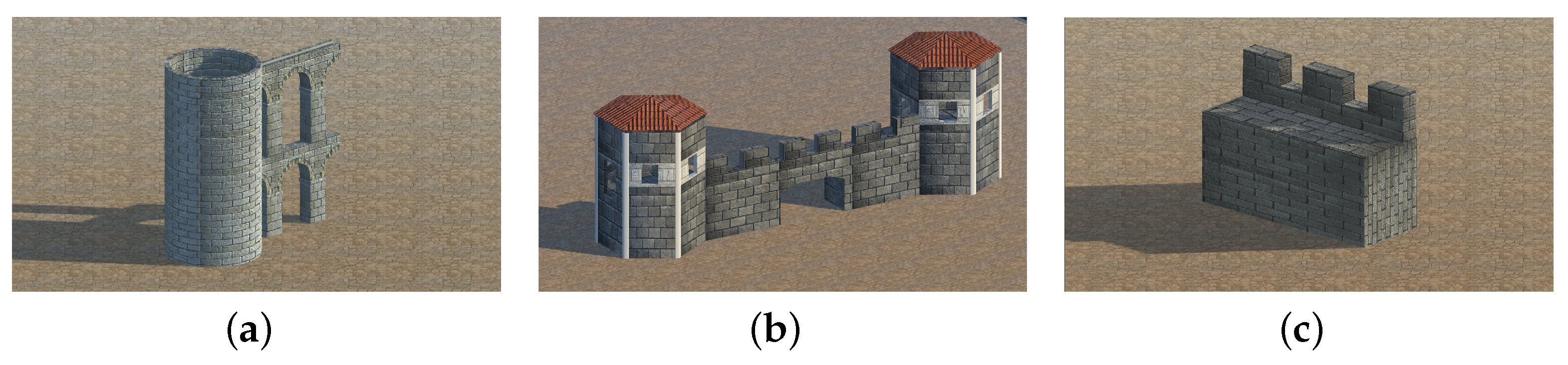
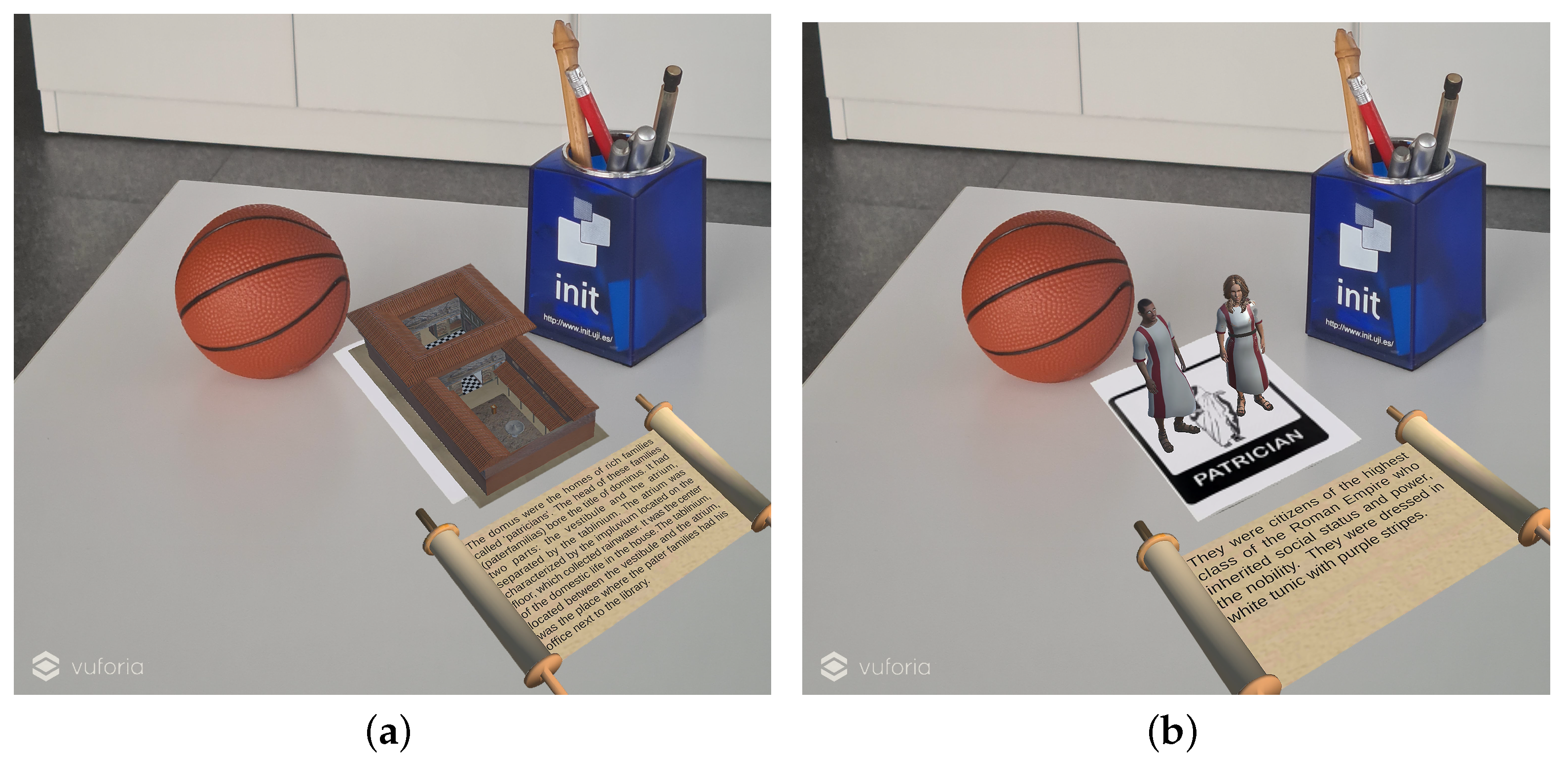
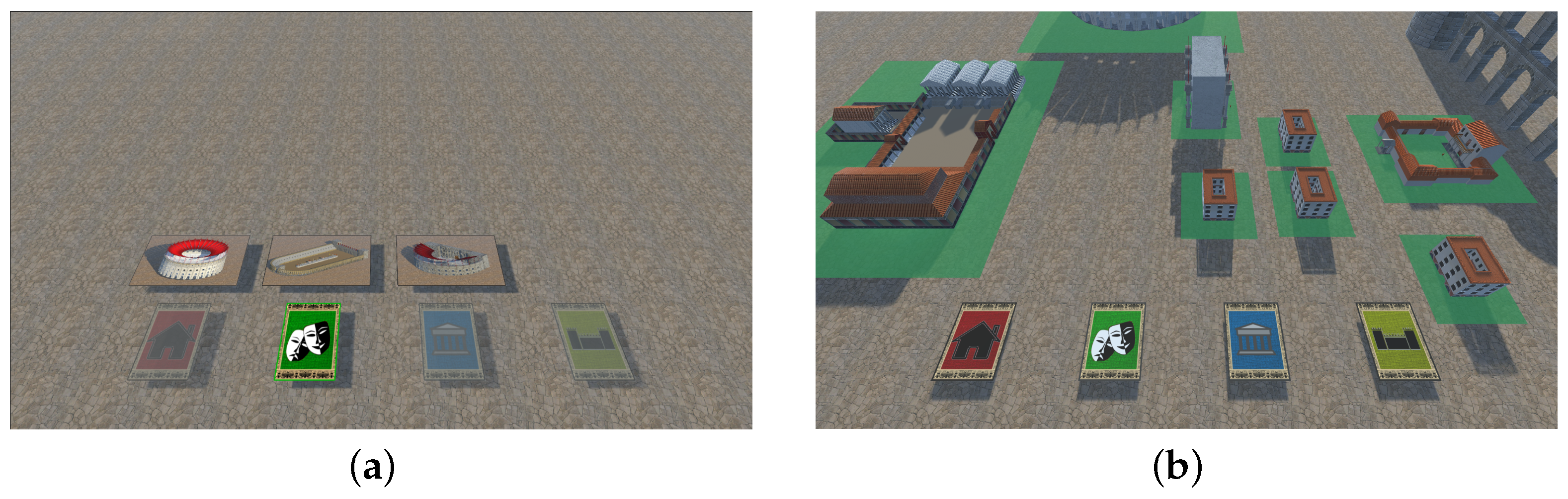
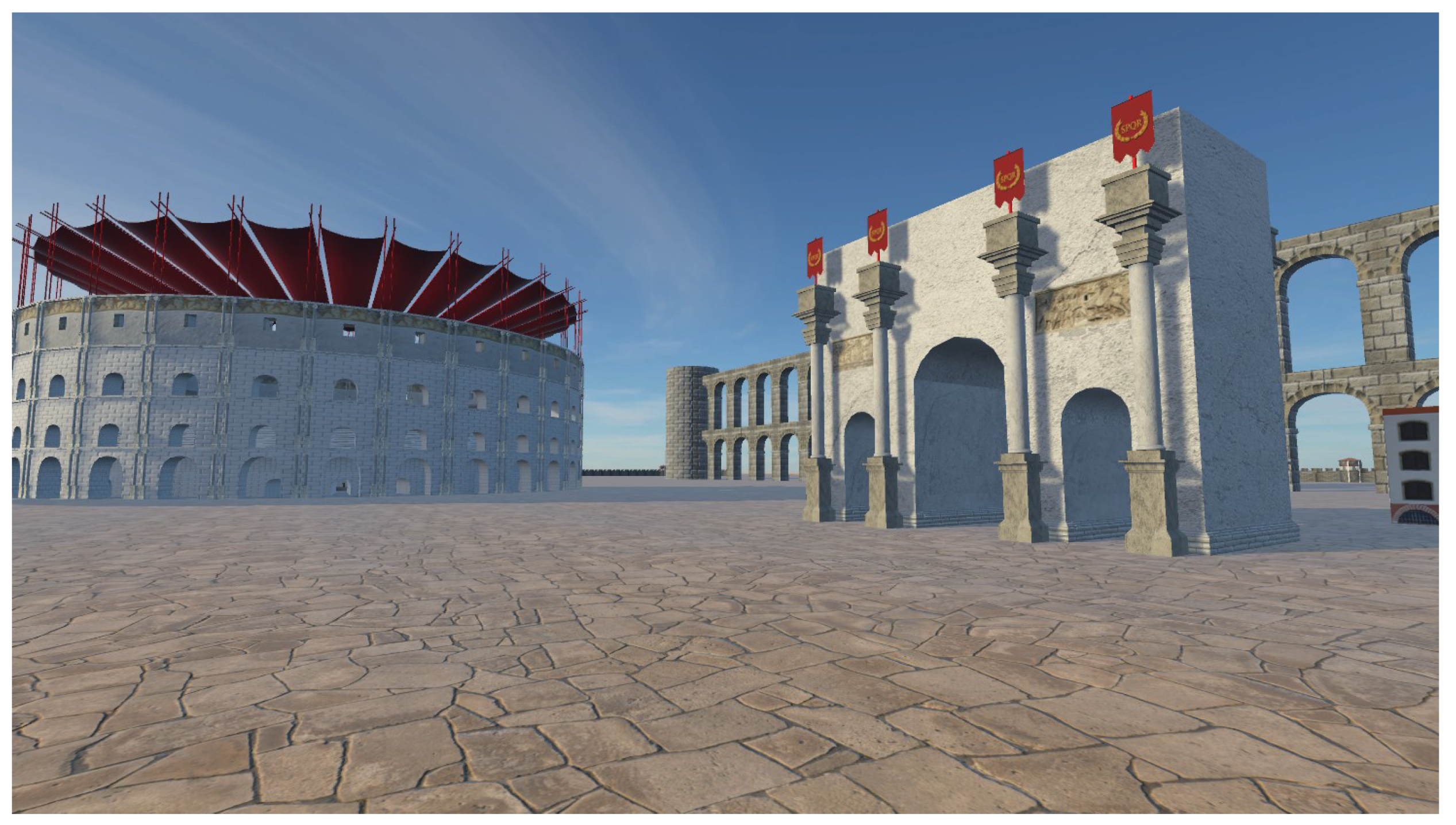
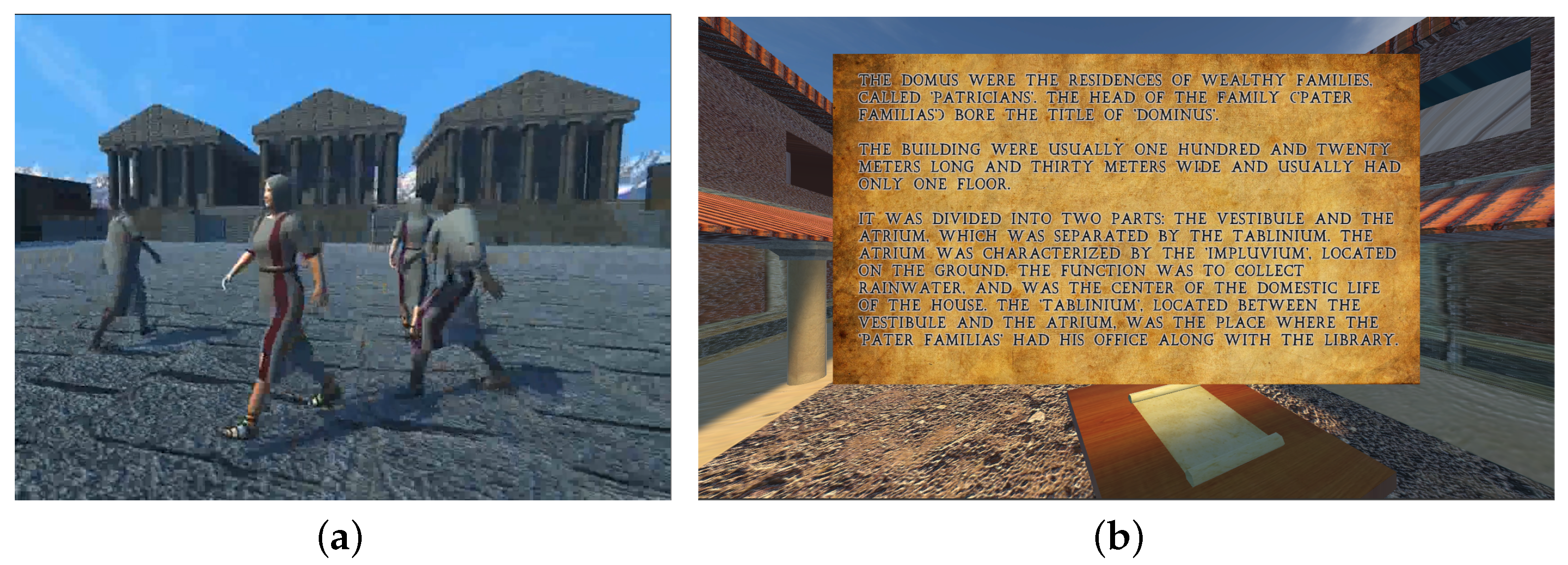
Master lectures of history are usually quite boring for the students, and to keep their attention requires a great effort from teachers. Virtual and Augmented Reality have a clear potential in education and can solve this problem. Serious games that use immersive technologies allow students to visit and interact with environments dated in different ages. Taking this in mind, this article presents a playful virtual reality experience set in Ancient Rome that allows the user to learn concepts from that age. The virtual experience reproduces as accurately as possible the different buildings and civil constructions of the time, making it possible for the player to create Roman cities in a simple way. Once built, the user can visit them, accessing the buildings and being able to interact with the objects and characters that appear. Moreover, in order to learn more information about every building, users can visualize them using Augmented Reality using marker-based techniques. Different information has been included related to every building, such as their main uses, characteristics, or even some images that represent them. In order to evaluate the effectiveness of the developed experience, several experiments have been carried out, taking as sample Secondary School students. Initially, the game’s quality and playability has been evaluated and, subsequently, the motivation of the virtual learning experience in history. The results obtained support on the one hand its gameplay and attractiveness, and on the other, the student’s increased interest in studying history, as well as the greater fixation of different concepts treated in a playful experience.
Keywords: virtual reality; augmented reality; playful experience; education; history virtual reality; augmented reality; playful experience; education; history