Antiproliferative Activity of Krukovine by Regulating Transmembrane Protein 139 (TMEM139) in Oxaliplatin-Resistant Pancreatic Cancer Cells
by
 , , , , and
Jee-Hyung Lee
1,2 ,
,
Sang-Hyub Lee
1,* ,
,
Sang-Kook Lee
2,* ,
,
Jin-Ho Choi
3,
Seohyun Lim
1,
Min-Song Kim
1,
Kyung-Min Lee
1,
Min-Woo Lee
1,
Ja-Lok Ku
4,
Dae-Hyun Kim
5,
In-Rae Cho
1,
Woo-Hyun Paik
1,
Ji-Kon Ryu
1 and
Yong-Tae Kim
1 1
Department of Internal Medicine and Liver Research Institute, Seoul National University Hospital, Seoul National University College of Medicine, Seoul 03080, Republic of Korea
2
Natural Products Research Institute, Seoul National University College of Pharmacy, Seoul 08826, Republic of Korea
3
Department of Medicine, Samsung Medical Center, Sungkyunkwan University School of Medicine, Seoul 03181, Republic of Korea
4
Department of Biomedical Sciences, Korean Cell Line Bank, Laboratory of Cell Biology and Cancer Research Institute, Seoul National University College of Medicine, Seoul 03080, Republic of Korea
5
Dxome Co., Ltd., Seongnam 331, Republic of Korea
*
Authors to whom correspondence should be addressed.
Cancers 2023, 15(9), 2642; https://doi.org/10.3390/cancers15092642
Submission received: 8 March 2023
/
Revised: 24 April 2023
/
Accepted: 2 May 2023
/
Published: 7 May 2023
(This article belongs to the Special Issue Future Trends and Therapies of Pancreatic Cancer—Where Are We Going from Here On?)
Simple Summary
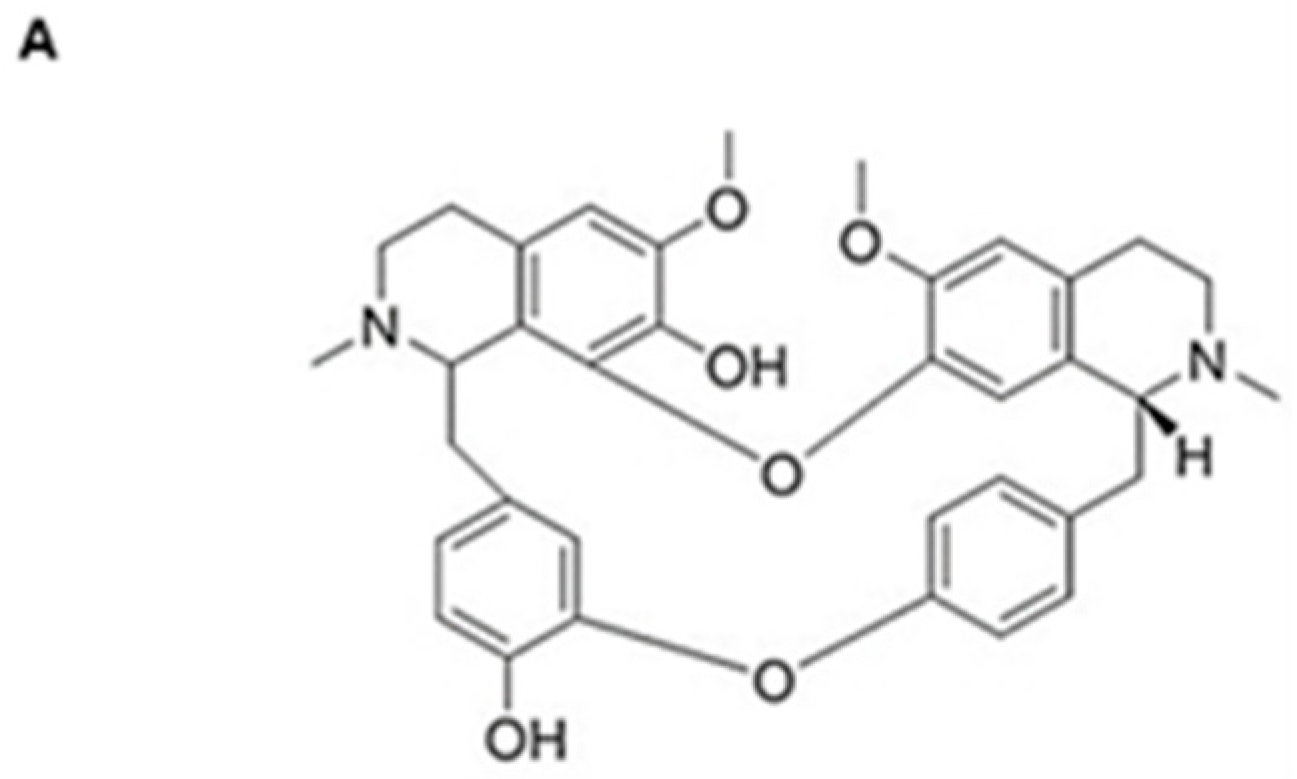
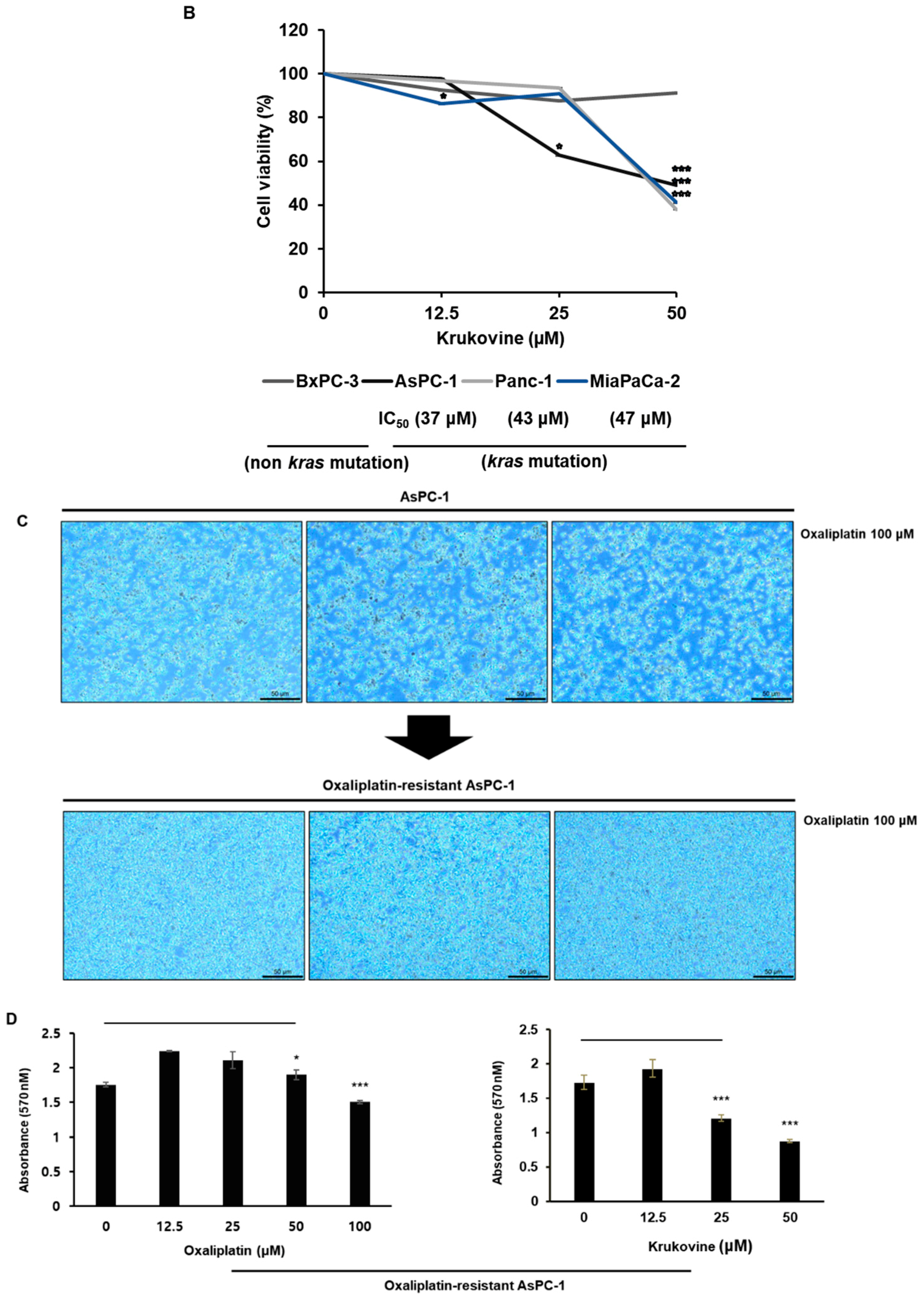
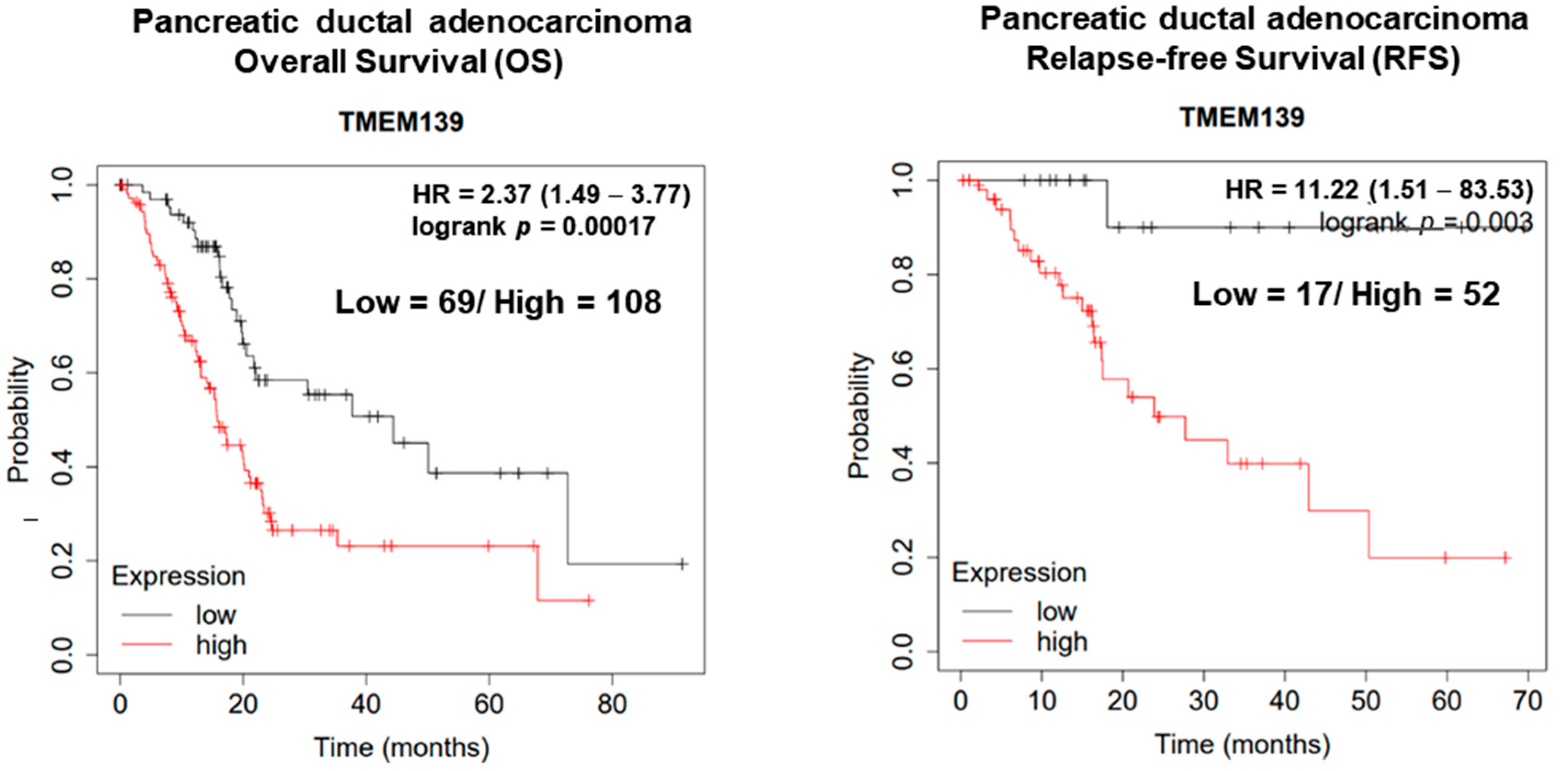
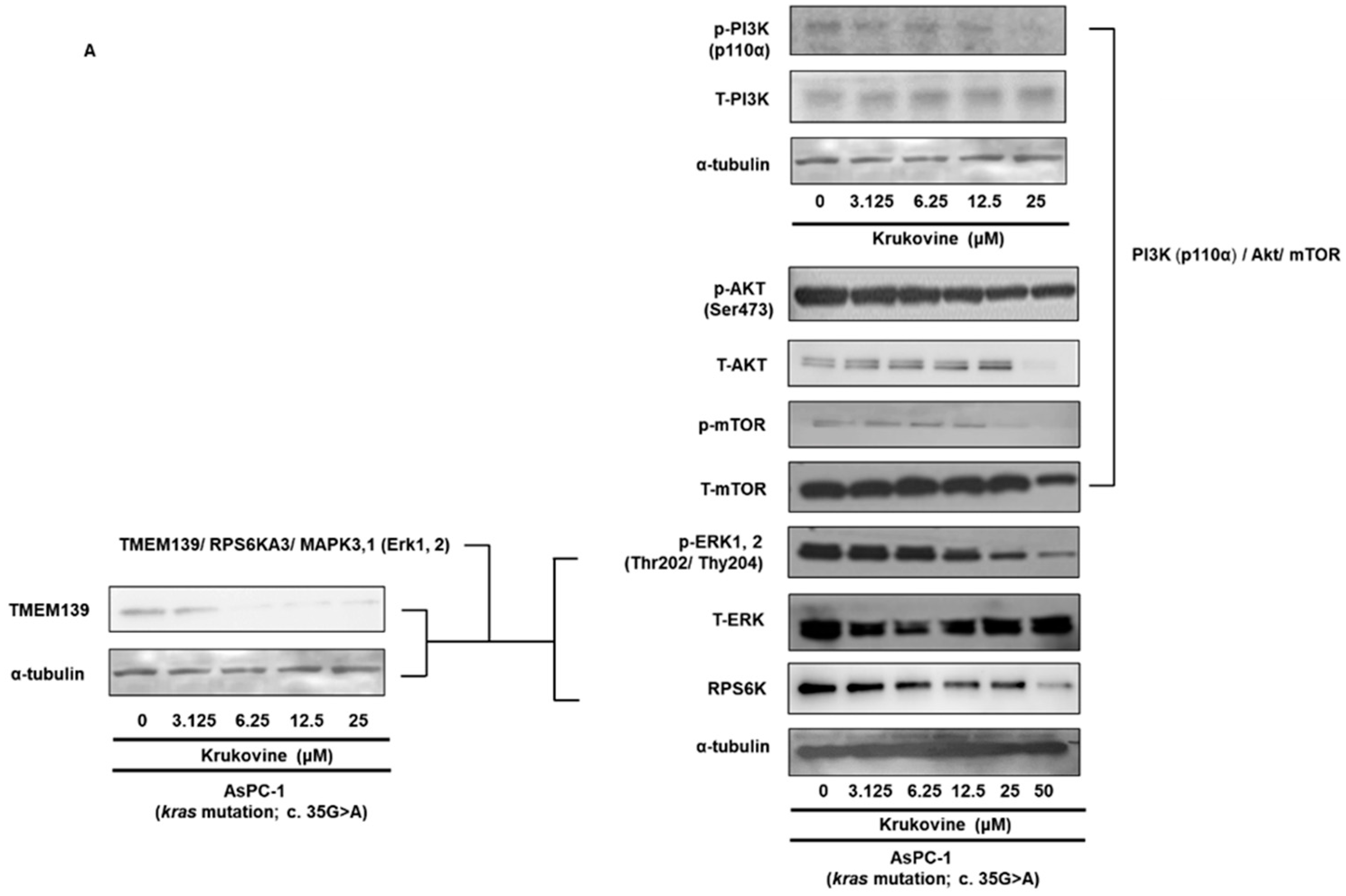
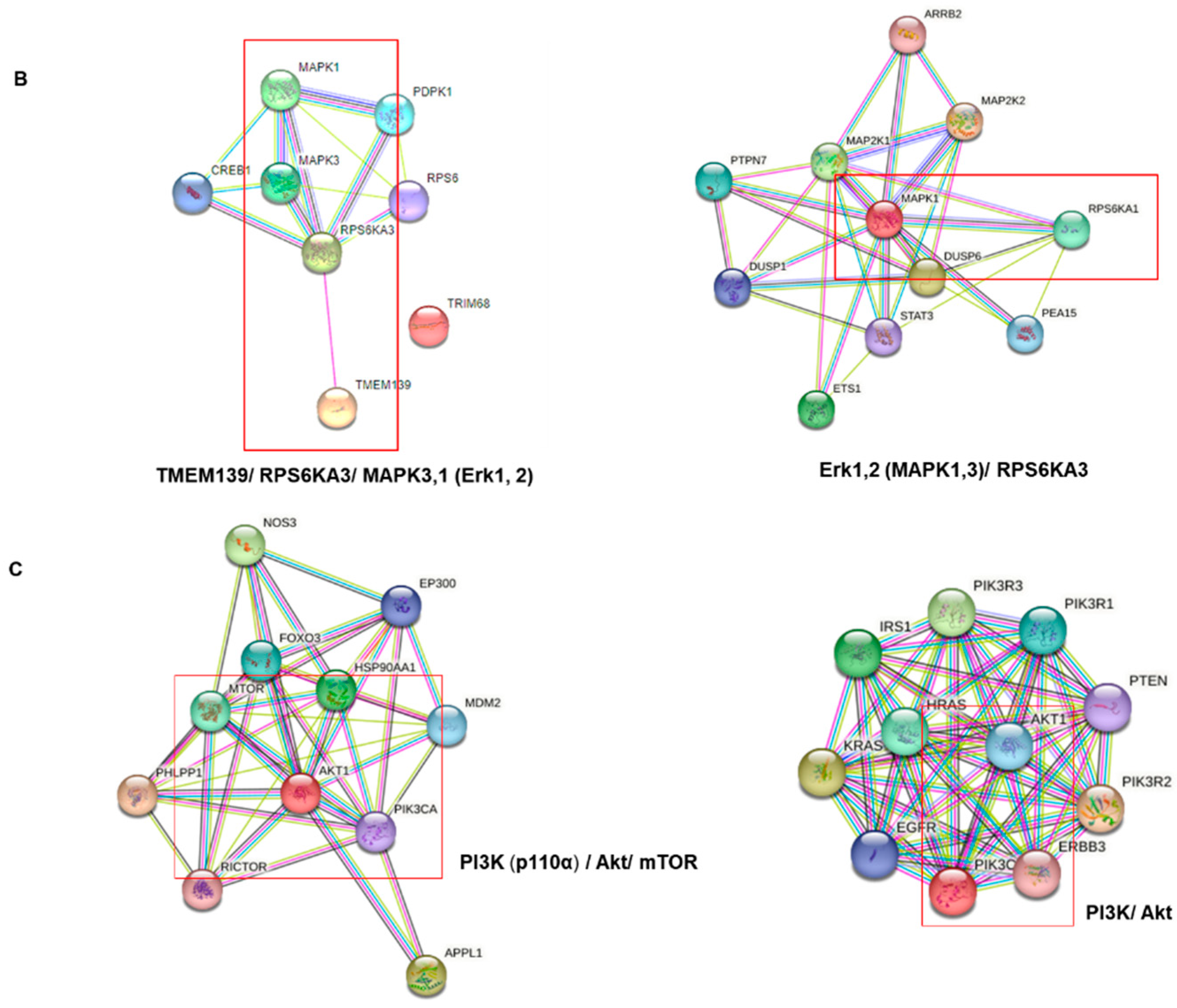
This study investigated the antiproliferative activity of Krukovine (KV) in oxaliplatin-resistant pancreatic cancer cells and explored the mechanism of action. KV suppresses tumor progression via the downregulation of the Erk-RPS6K-TMEM139 signaling pathway in oxaliplatin-resistant pancreatic cancer cells. Transmembrane protein 139 (TMEM139) has been identified as a novel oncogene and its overexpression has been associated with various types of cancer, including pancreatic cancer. In this study, KV significantly downregulated TMEM139 expression in oxaliplatin-resistant pancreatic cancer cells. The downregulation of TMEM139 by KV may contribute to its antiproliferative activity and could be a potential target for future therapeutic interventions. KV could be a potential therapeutic agent for the treatment of pancreatic cancer, particularly for patients with Kras mutations and oxaliplatin-resistant tumors.
Abstract
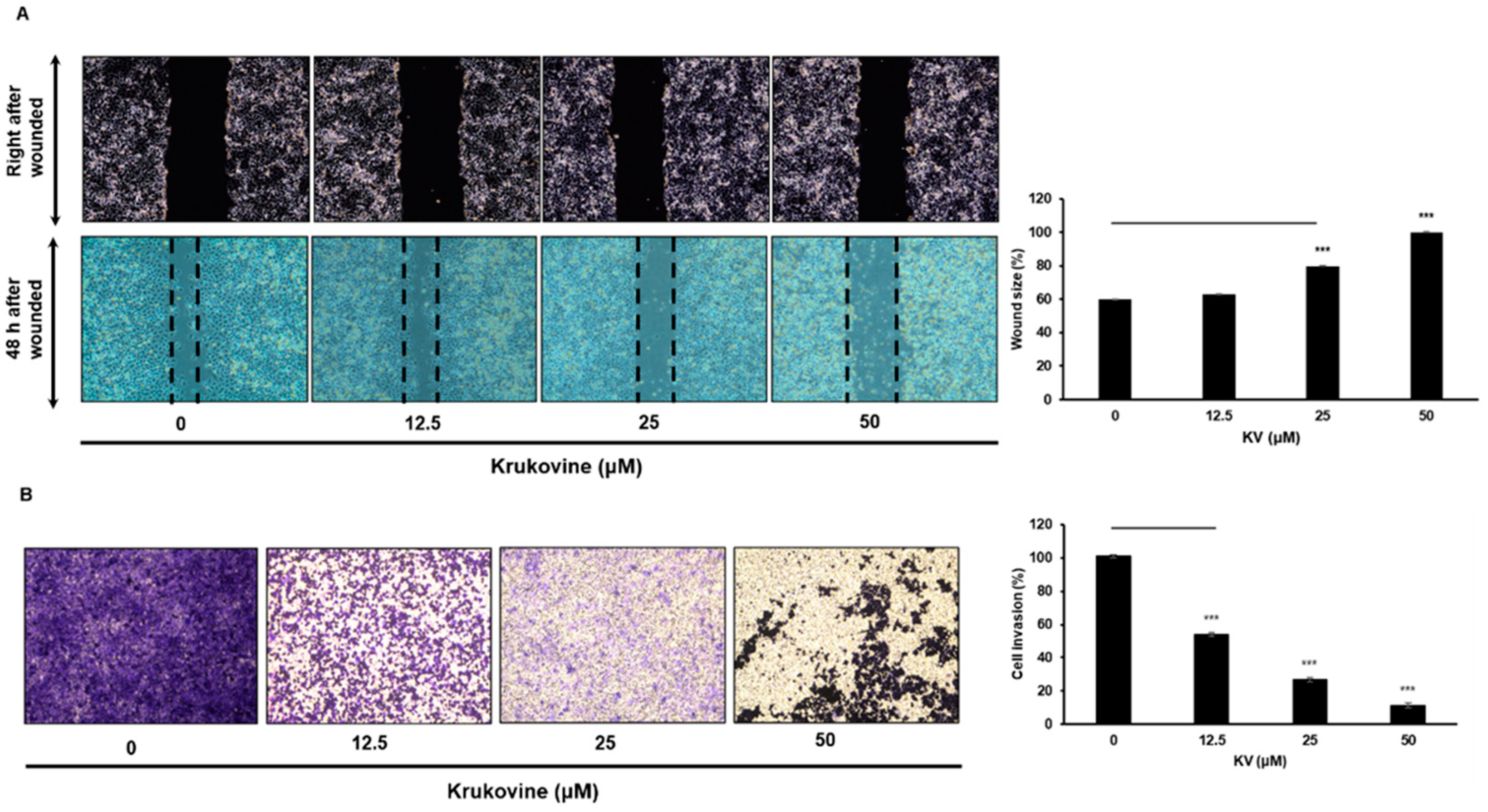
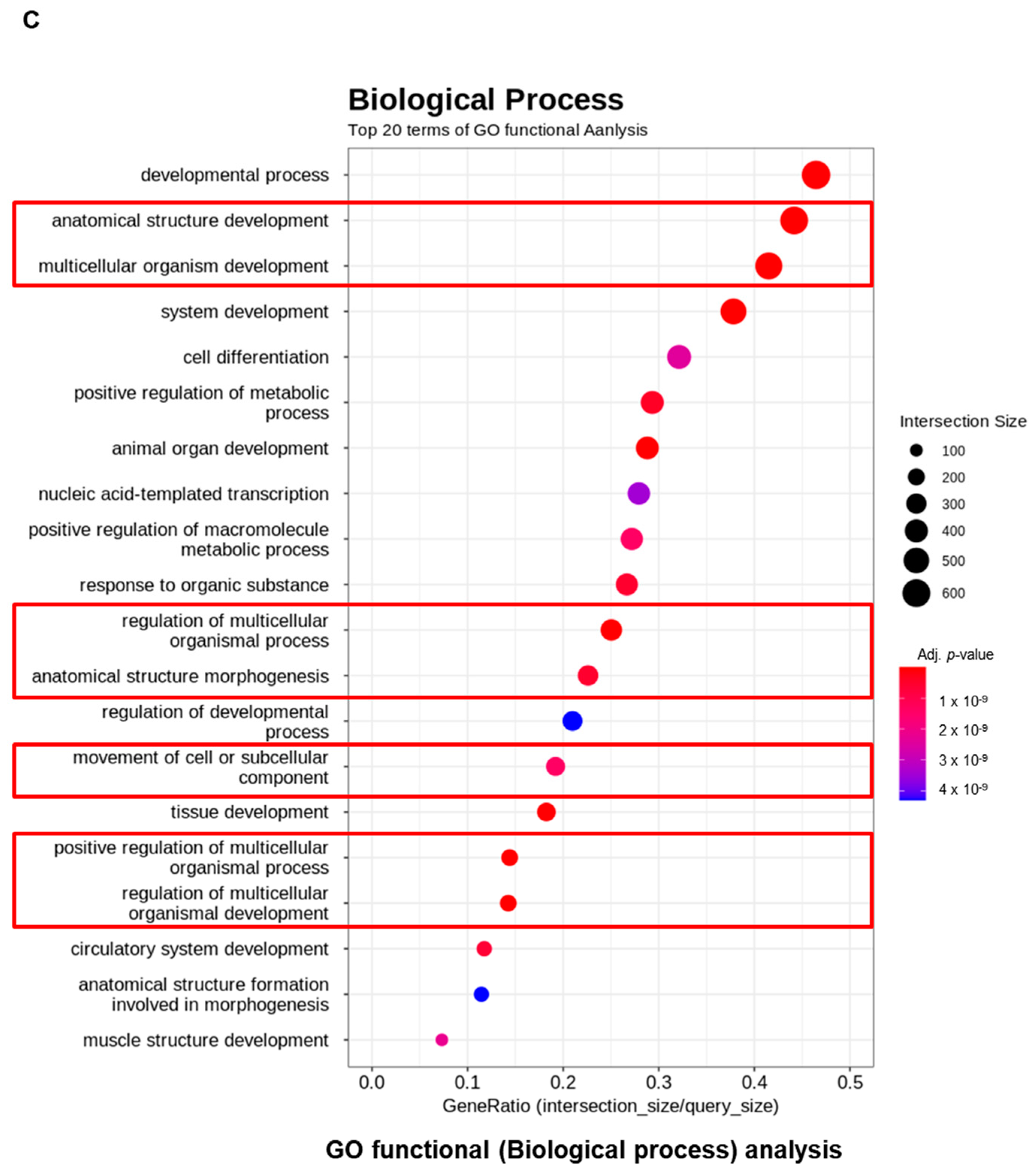
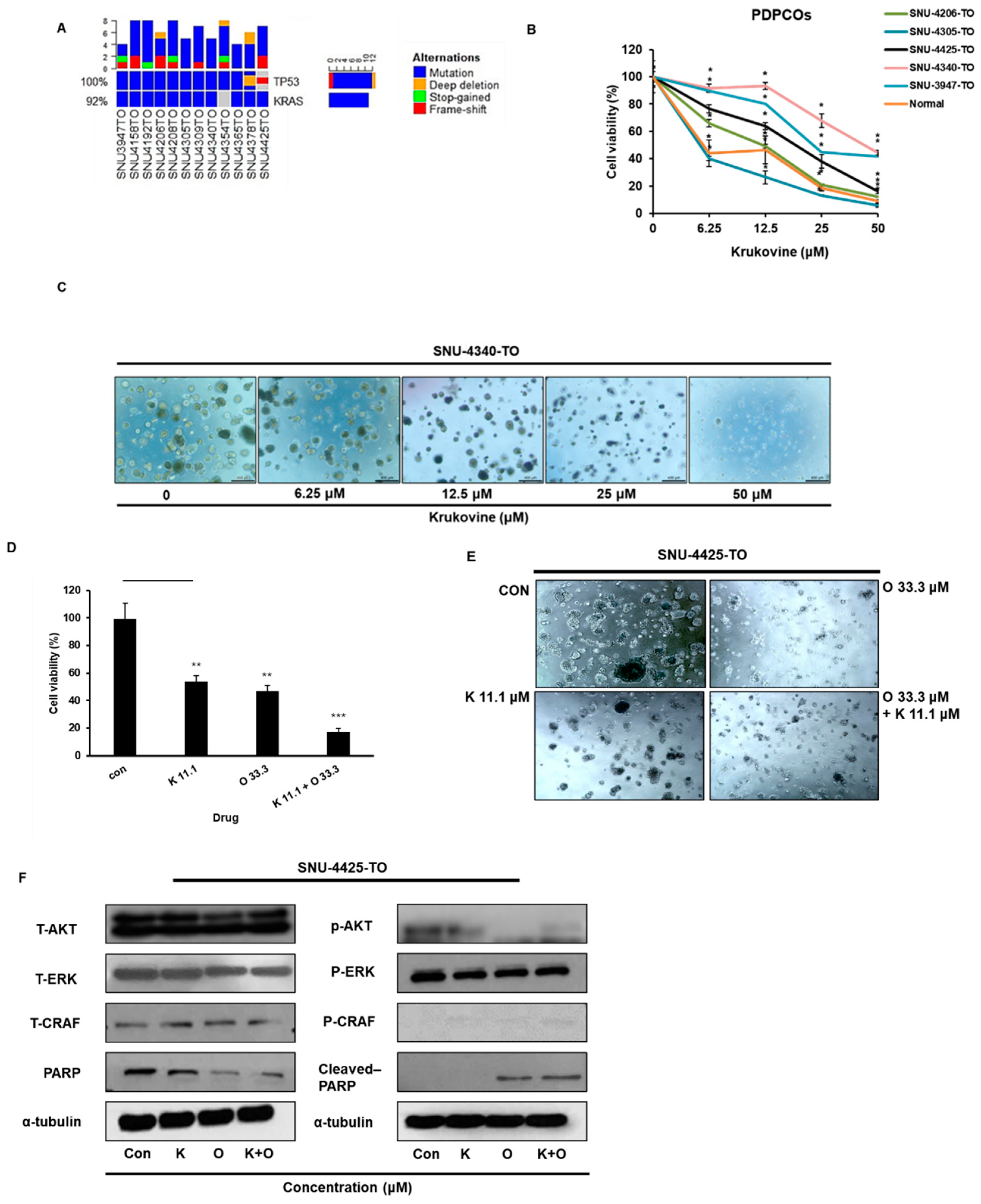
Krukovine (KV) is an alkaloid isolated from the bark of Abuta grandifolia (Mart.) Sandw. (Menispermaceae) with anticancer potential in some cancers with KRAS mutations. In this study, we explored the anticancer efficacy and mechanism of KV in oxaliplatin-resistant pancreatic cancer cells and patient-derived pancreatic cancer organoids (PDPCOs) with KRAS mutation. After treatment with KV, mRNA and protein levels were determined by RNA-seq and Western blotting, respectively. Cell proliferation, migration, and invasion were measured by MTT, scratch wound healing assay, and transwell analysis, respectively. Patient-derived pancreatic cancer organoids (PDPCOs) with KRAS mutations were treated with KV, oxaliplatin (OXA), and a combination of KV and OXA. KV suppresses tumor progression via the downregulation of the Erk-RPS6K-TMEM139 and PI3K-Akt-mTOR pathways in oxaliplatin-resistant AsPC-1 cells. Furthermore, KV showed an antiproliferative effect in PDPCOs, and the combination of OXA and KV inhibited PDPCO growth more effectively than either drug alone.