Next Article in Journal
A Low-Frequency Multi-Band Piezoelectric MEMS Acoustic Sensor Inspired by Ormia ochracea
Next Article in Special Issue
Advances in Magnetically Controlled Medical Robotics: A Review of Actuation Systems, Continuum Designs, and Clinical Prospects for Minimally Invasive Therapies
Previous Article in Journal
Response Analysis of PLC Optical Splitters Under Force Cyclic Loading
Previous Article in Special Issue
Research on Deflection and Stress Analyses and the Improvement of the Removal Uniformity of Silicon in a Single-Sided Polishing Machine Under Pressure
 
 
Correction published on 26 January 2026, see Micromachines 2026, 17(2), 160.
Article

Research on the Trajectory and Relative Speed of a Single-Sided Chemical Mechanical Polishing Machine


School of Mechanical Engineering, Shanghai Jiao Tong University, Shanghai 200240, China
*
Author to whom correspondence should be addressed.
Micromachines 2025, 16(4), 450; https://doi.org/10.3390/mi16040450
Submission received: 8 March 2025 / Revised: 8 April 2025 / Accepted: 9 April 2025 / Published: 10 April 2025 / Corrected: 26 January 2026
(This article belongs to the Special Issue Functional Materials and Microdevices, 2nd Edition)

Abstract

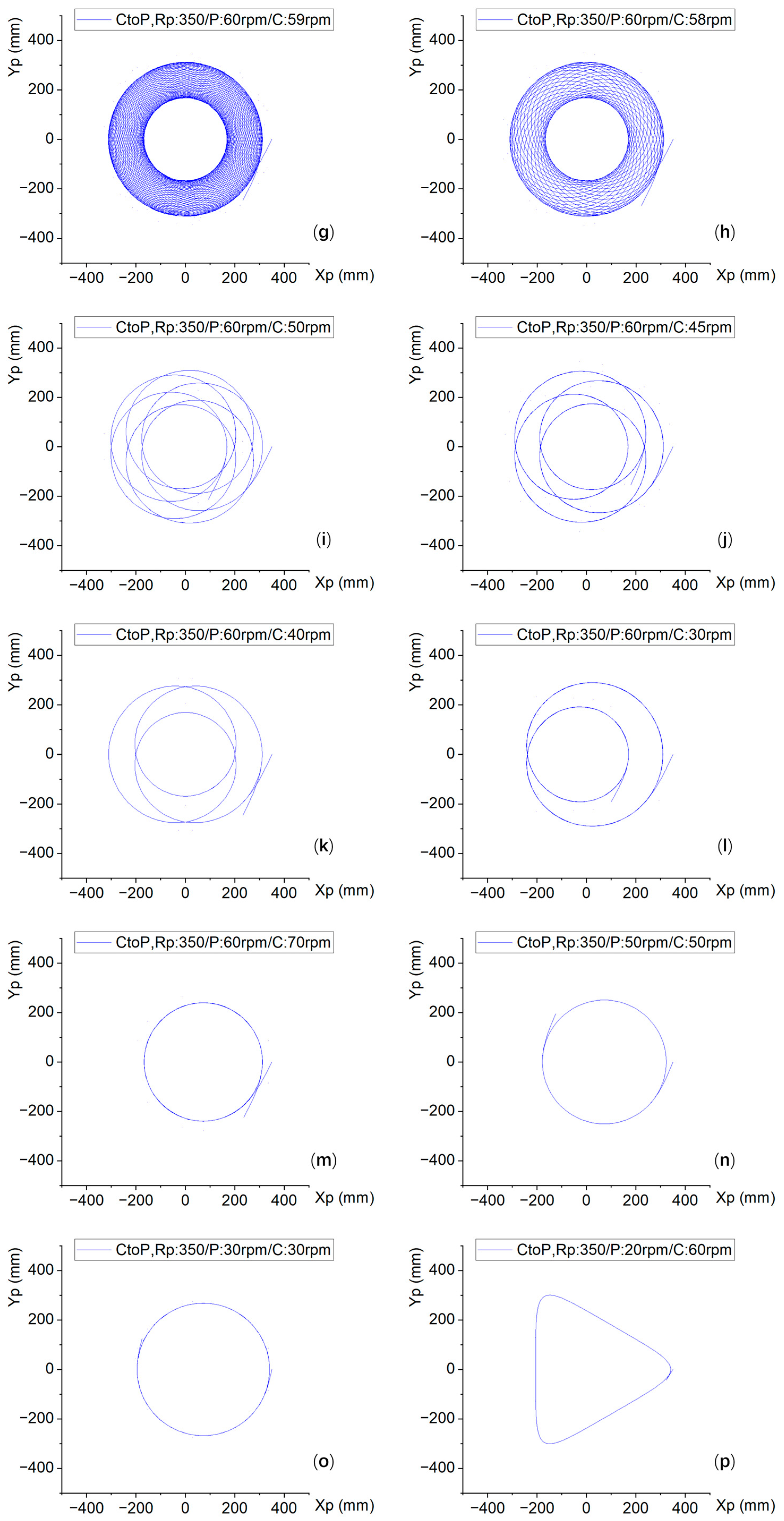
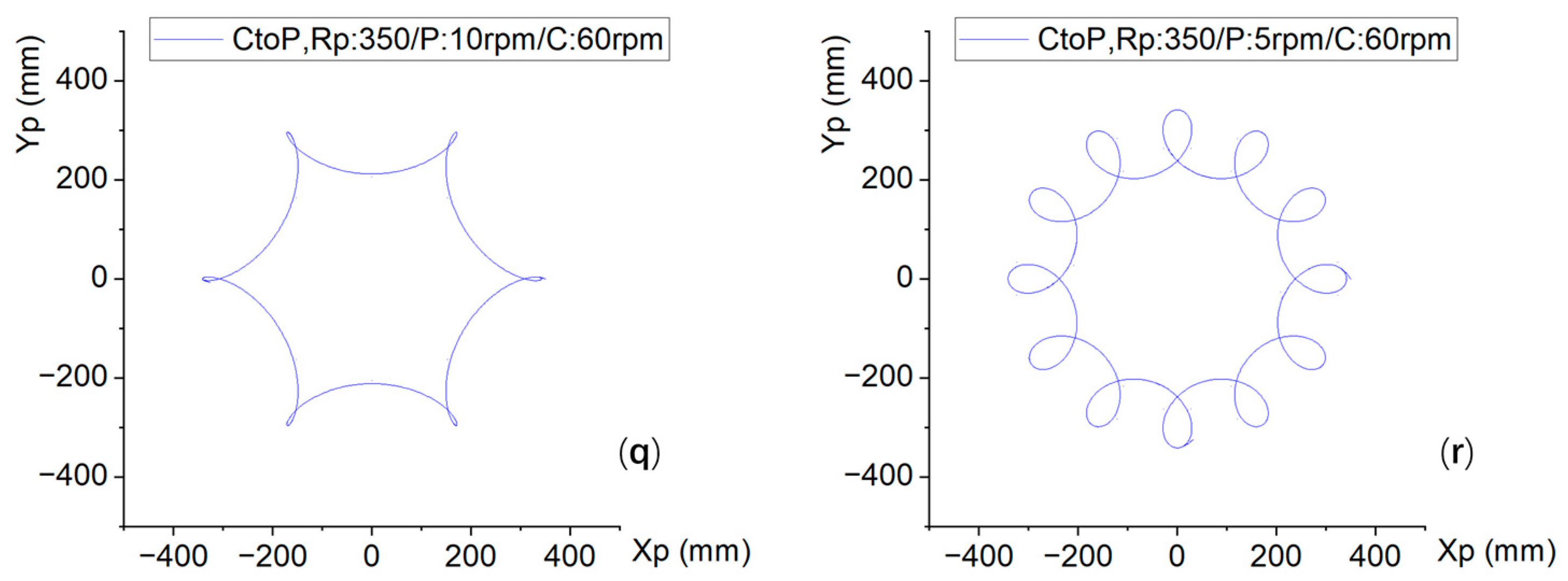
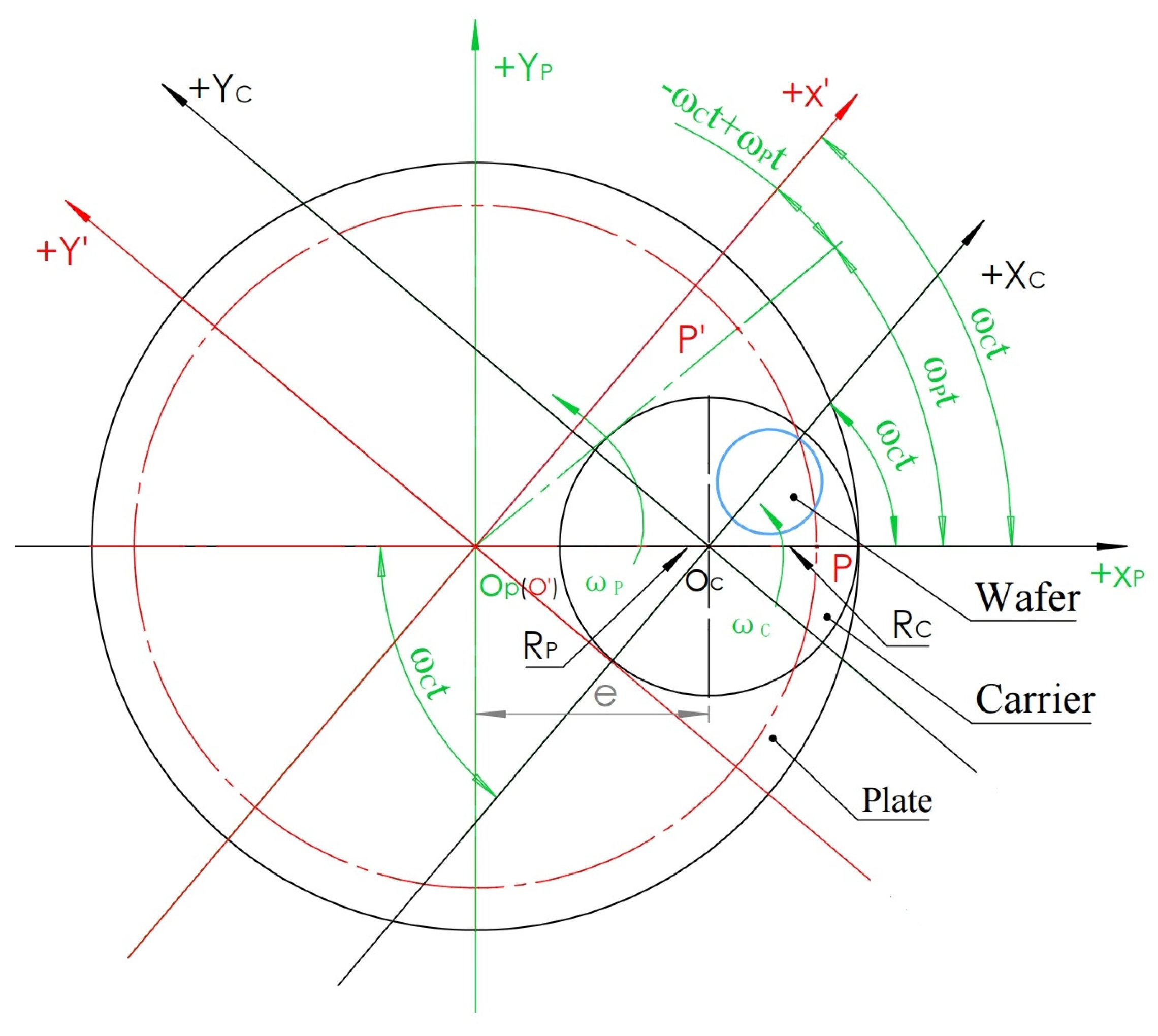
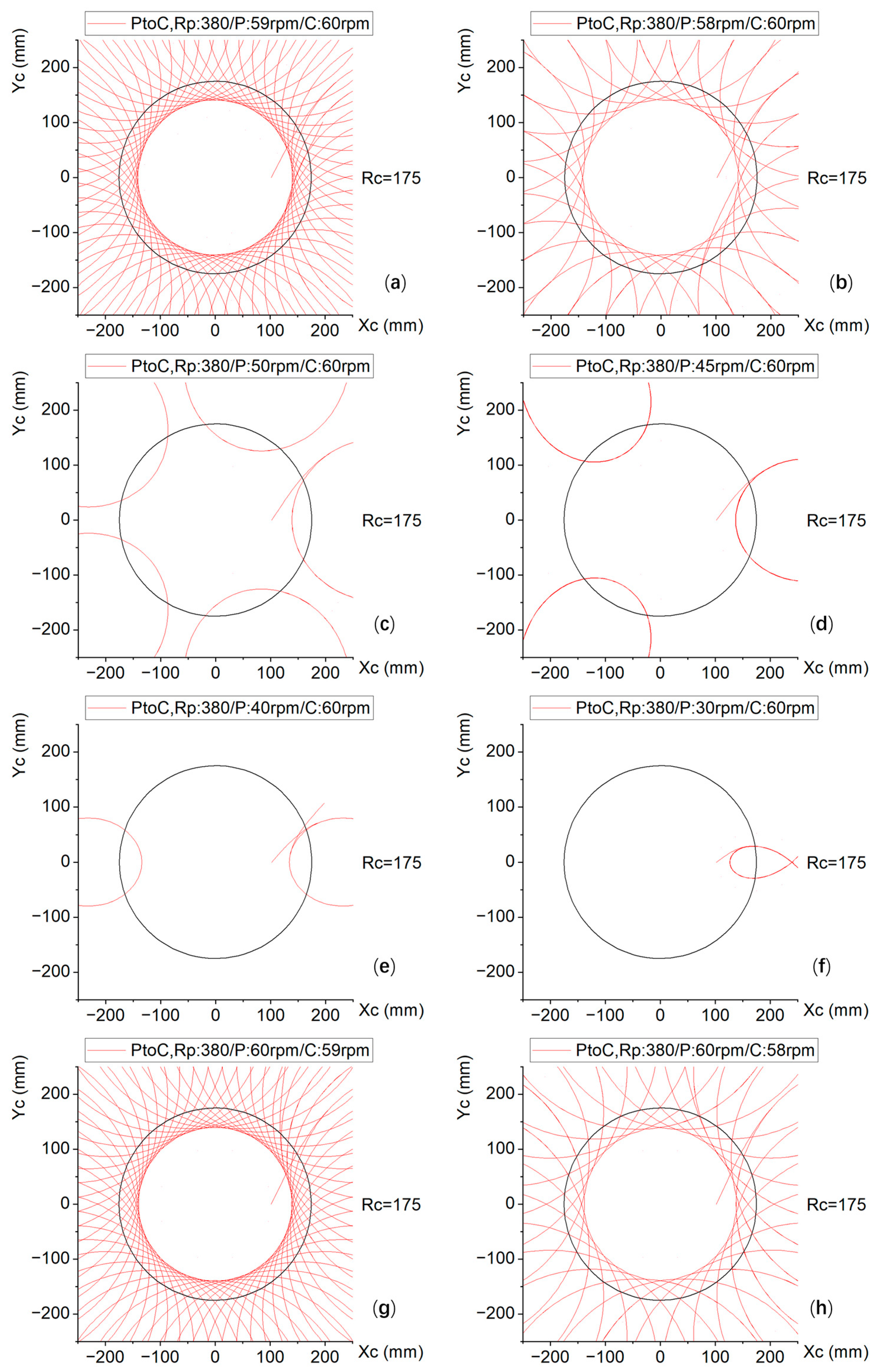
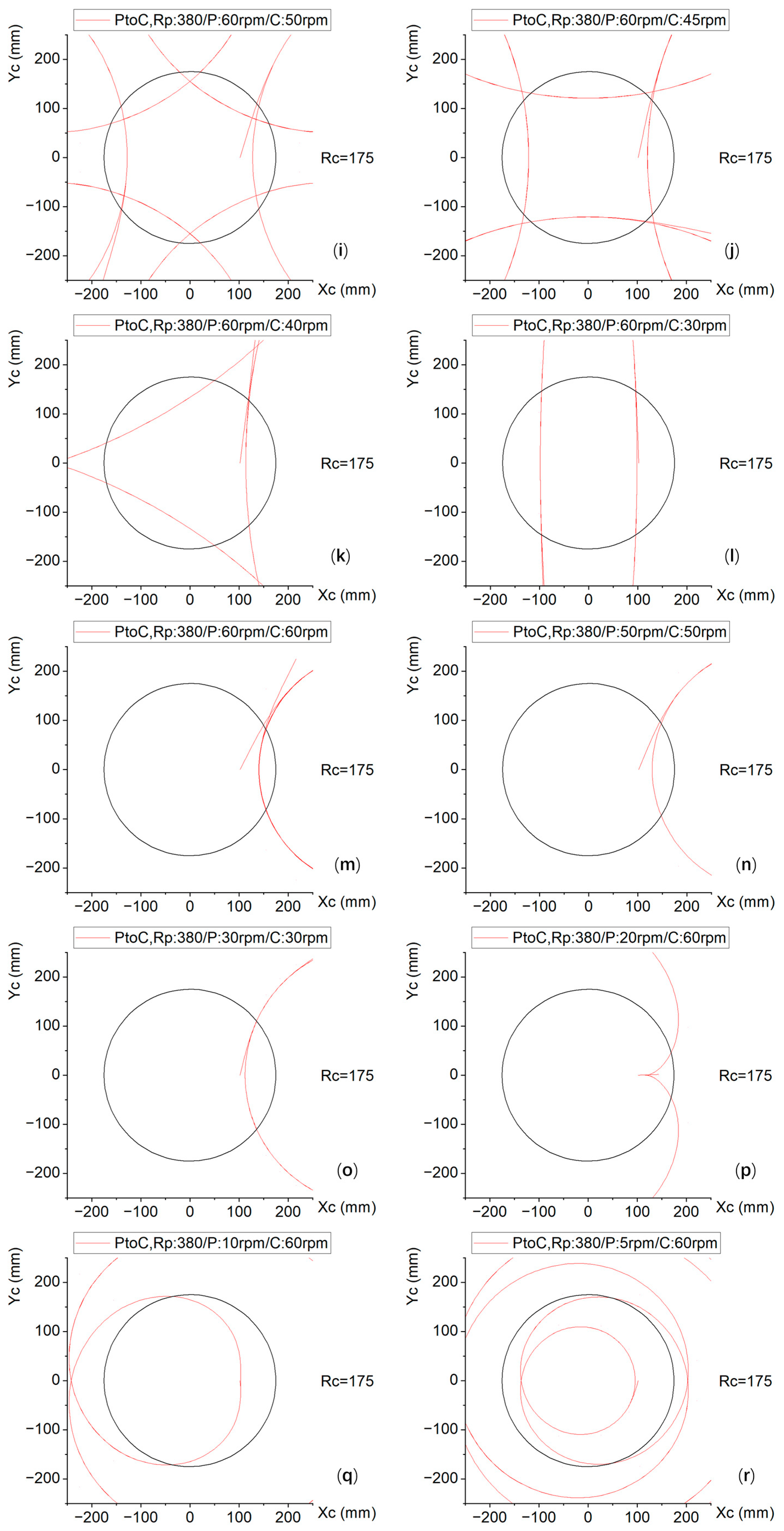
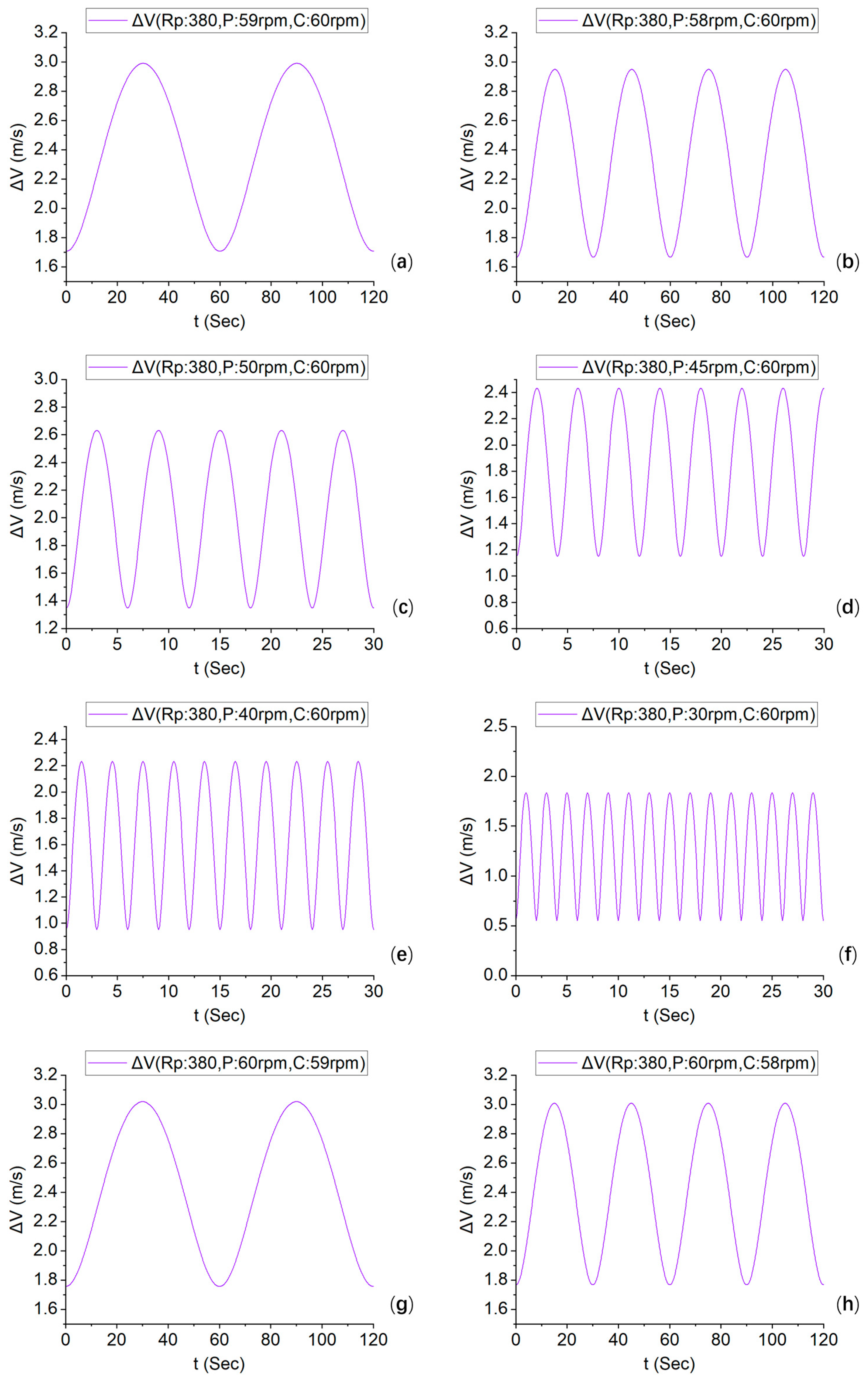
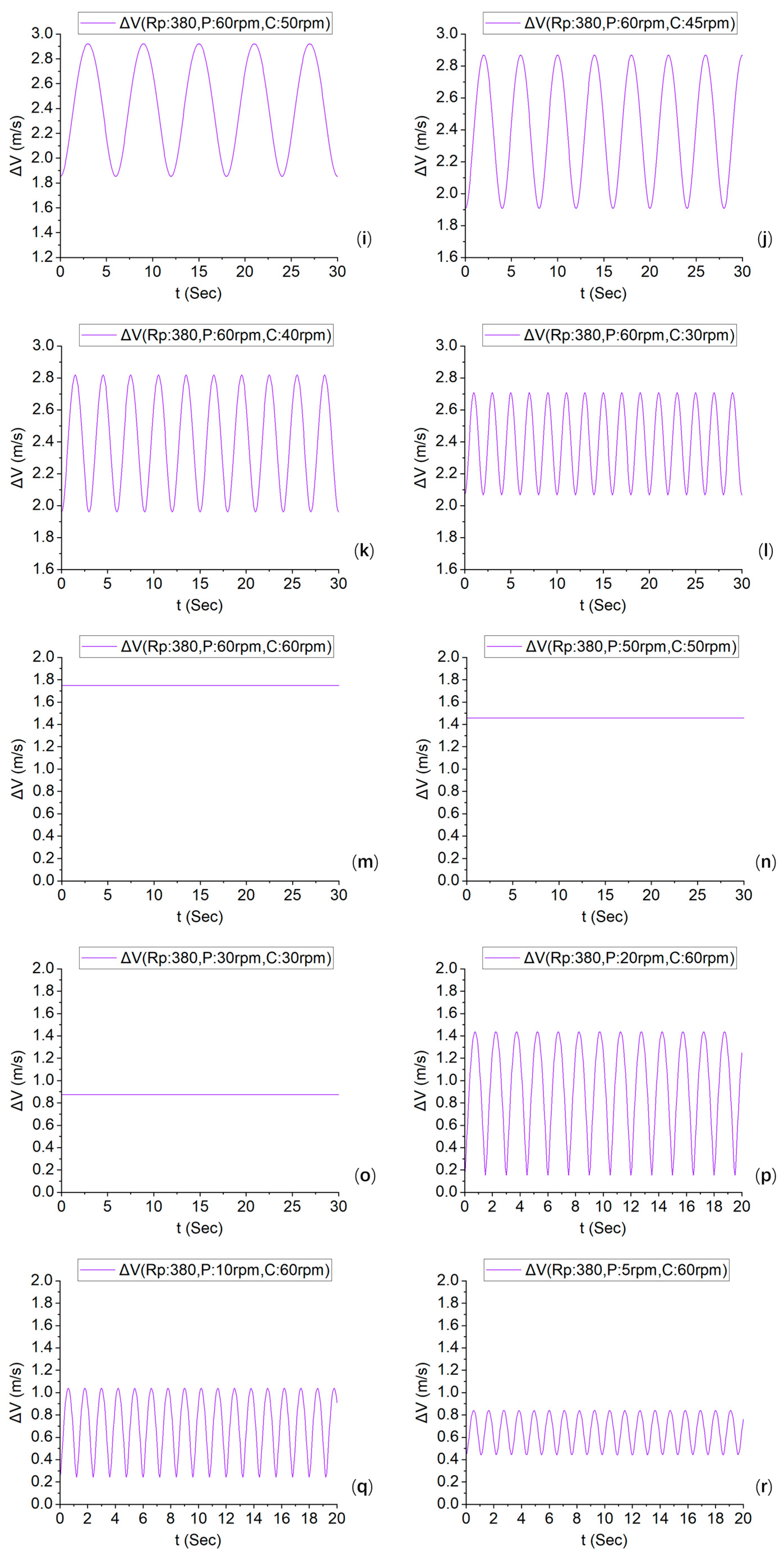
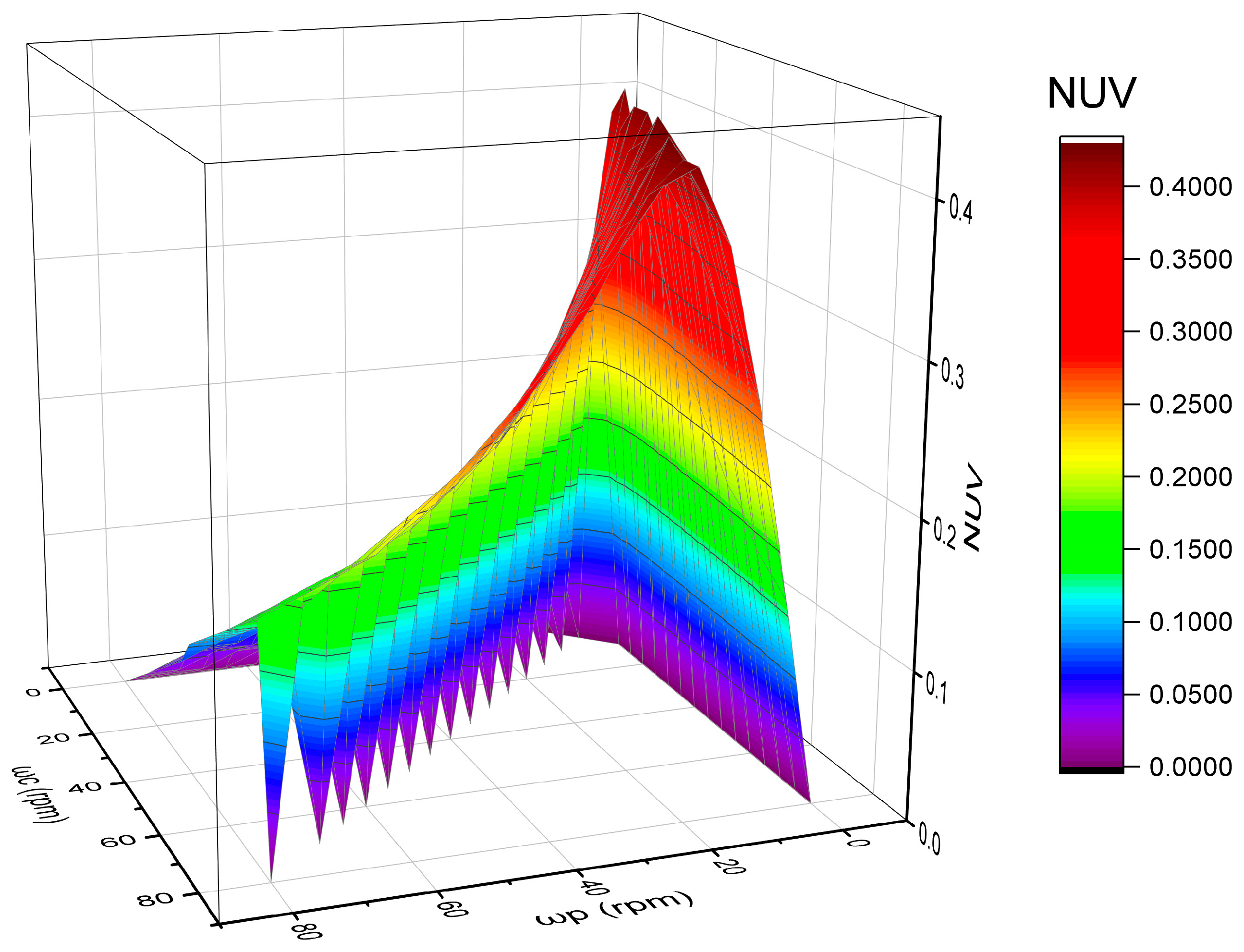
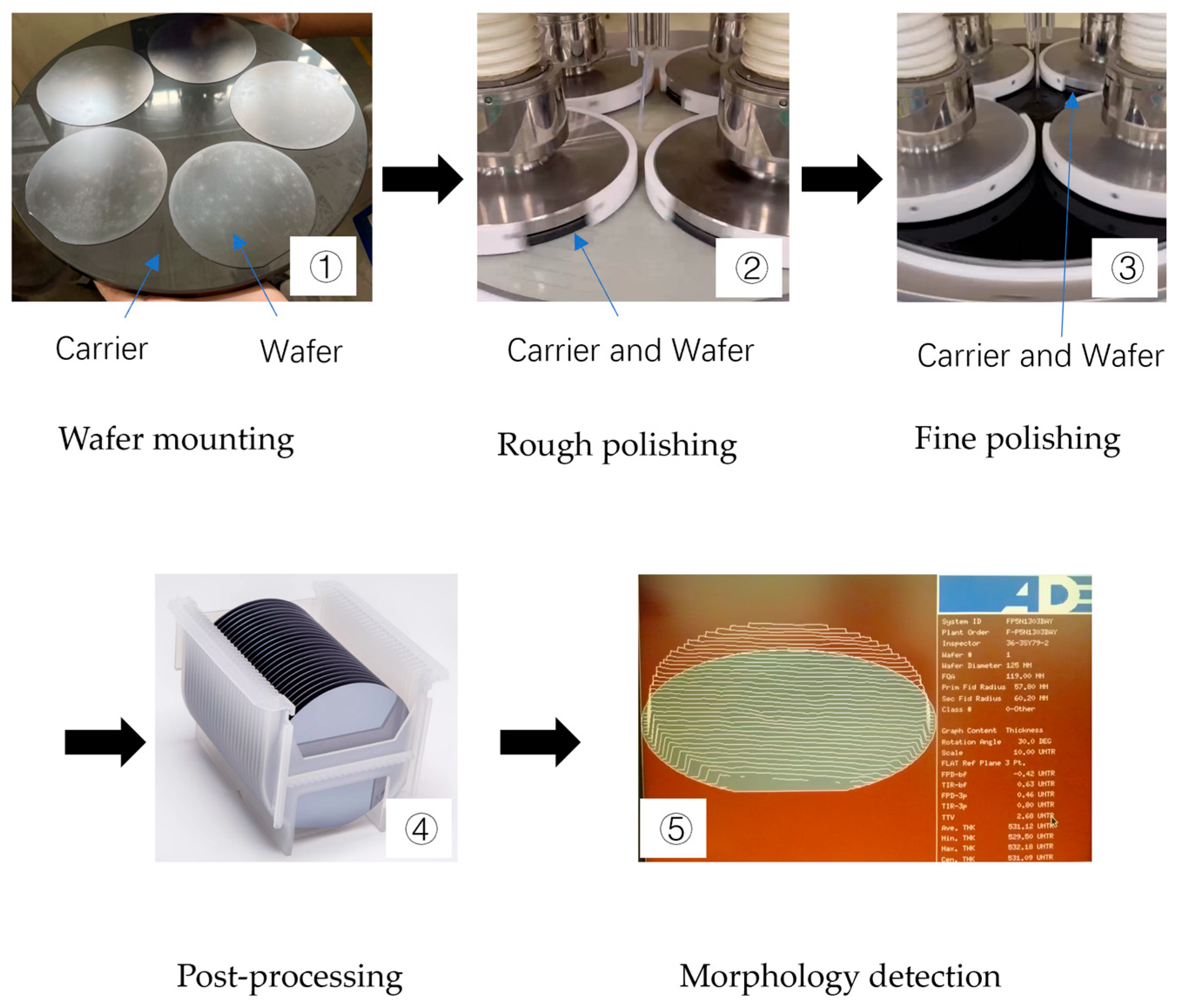
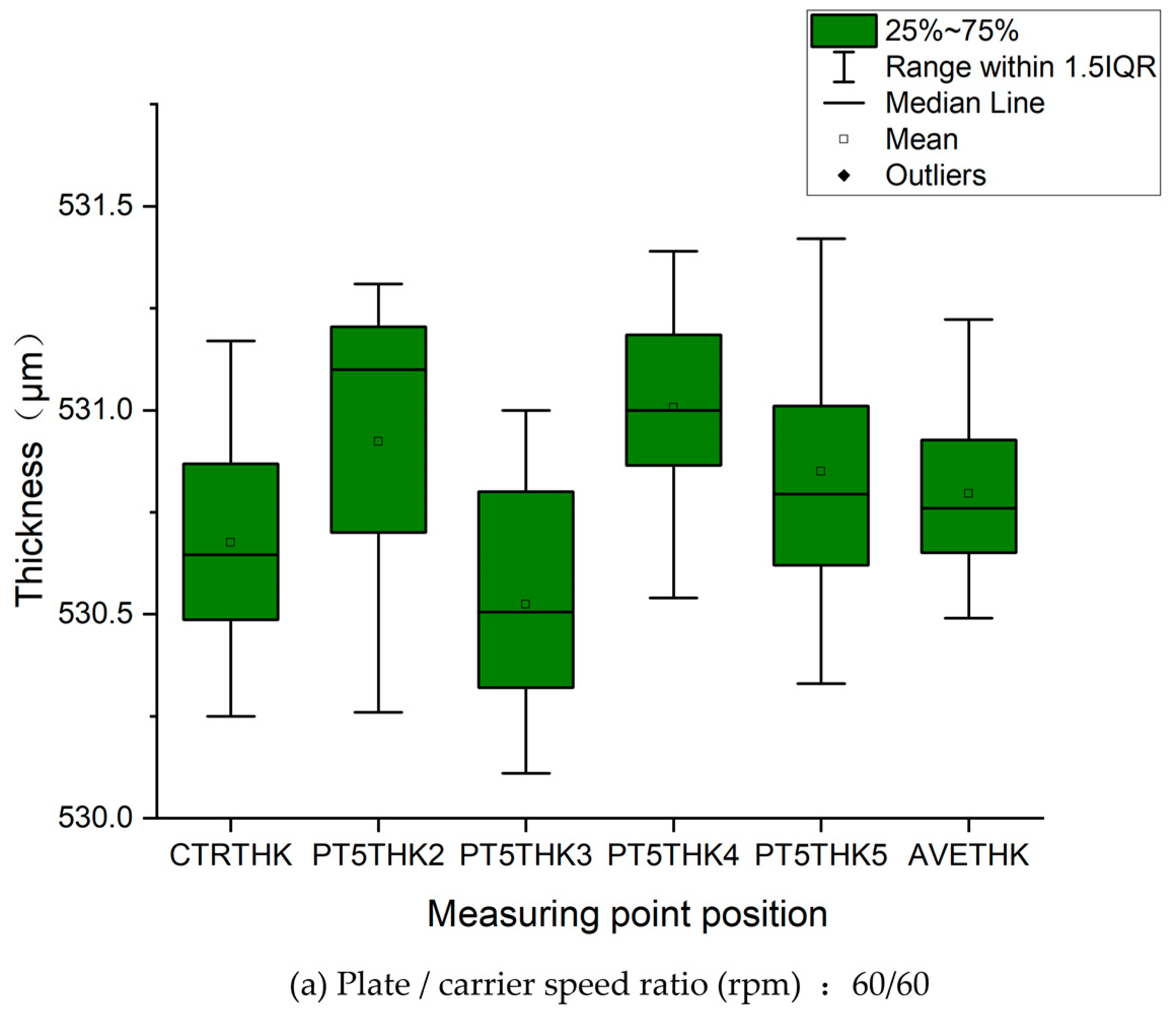
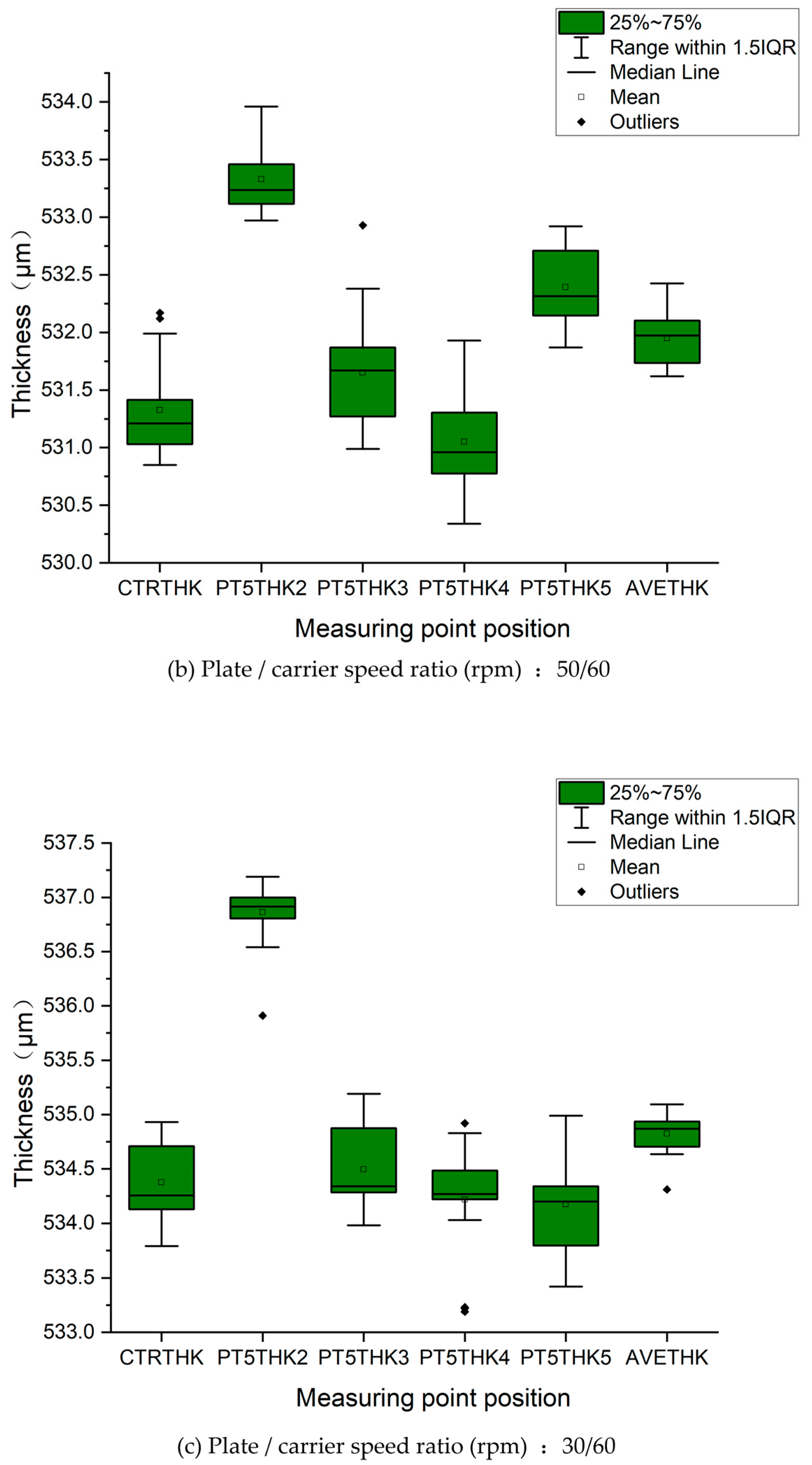
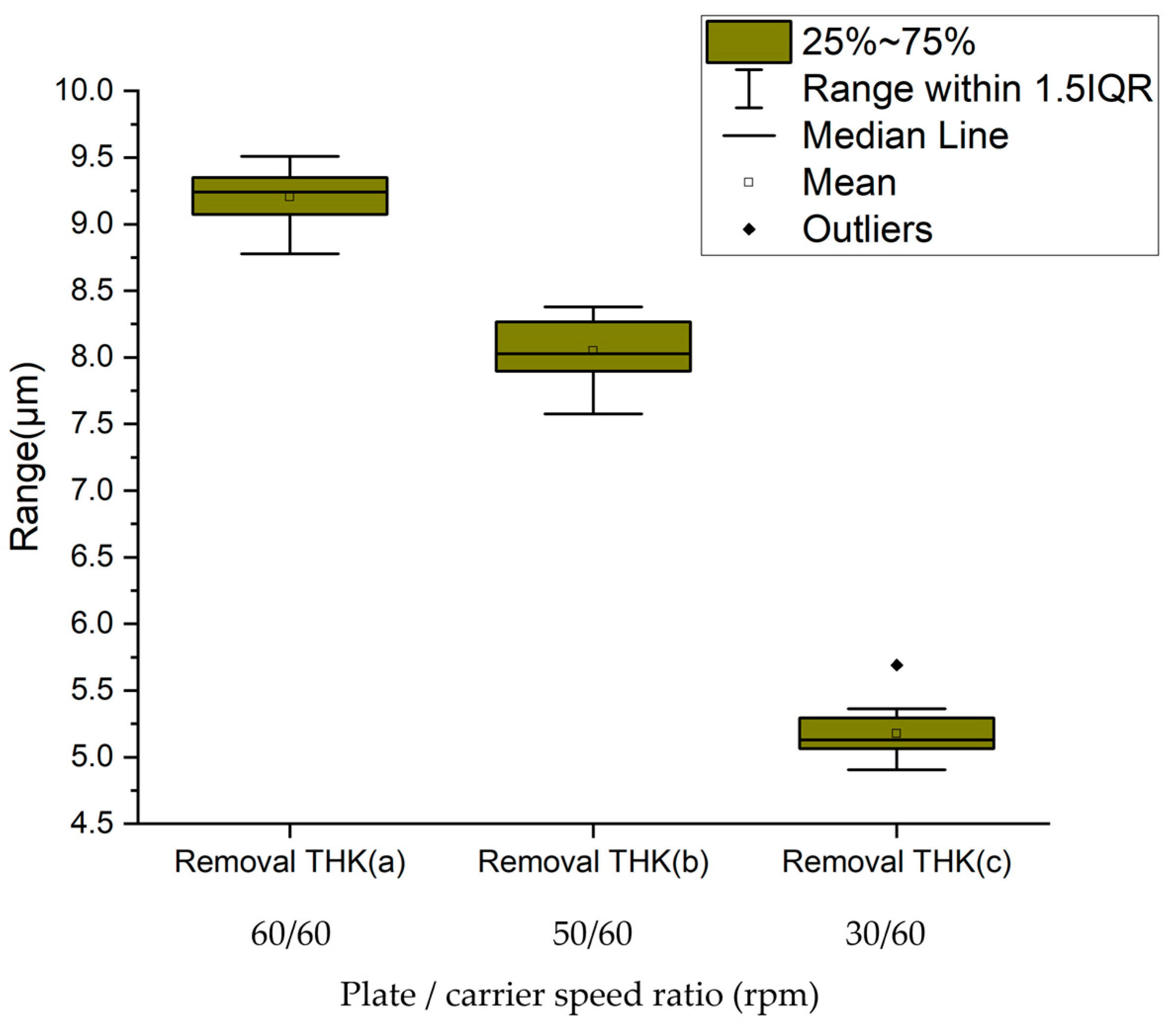
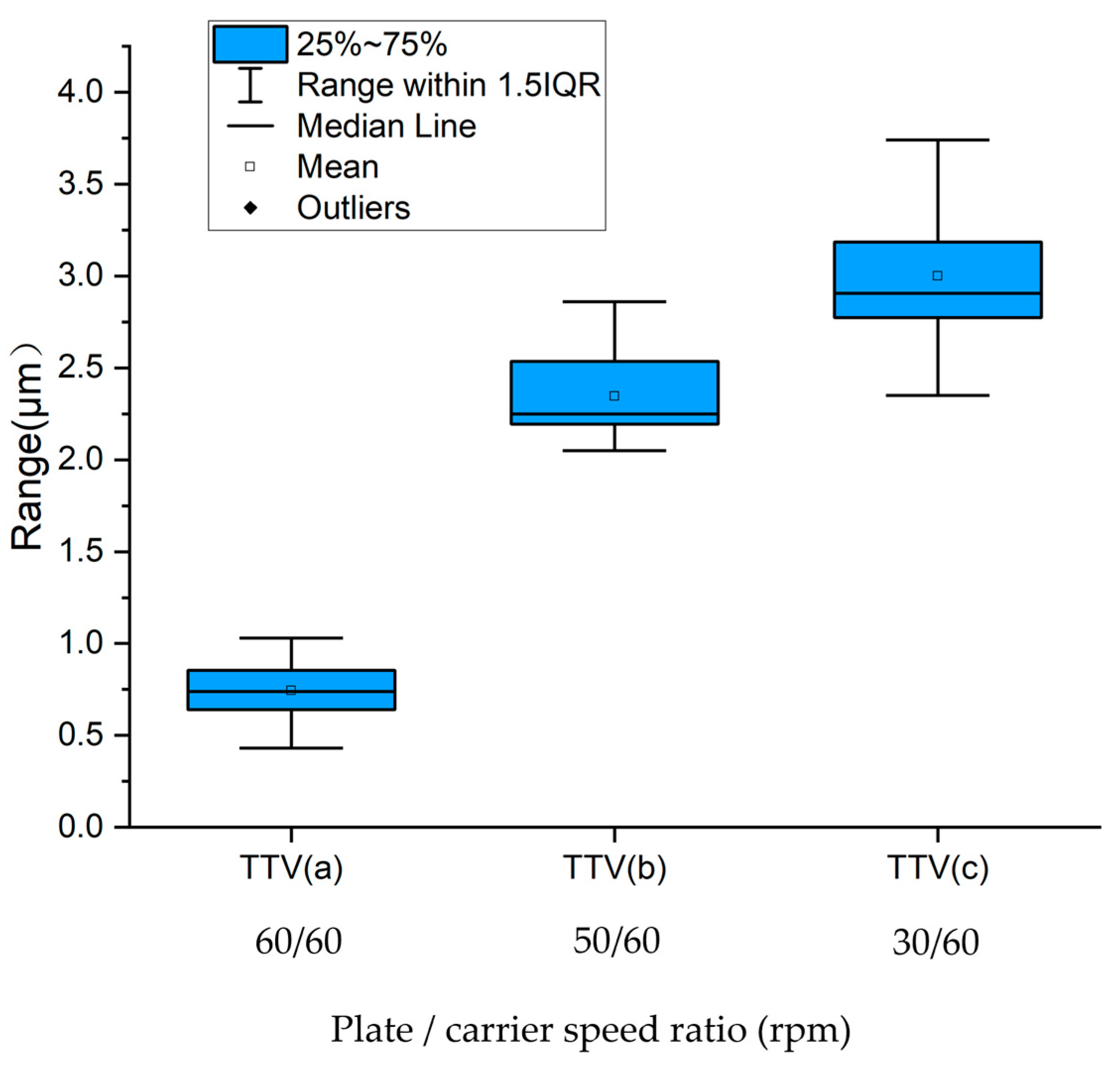
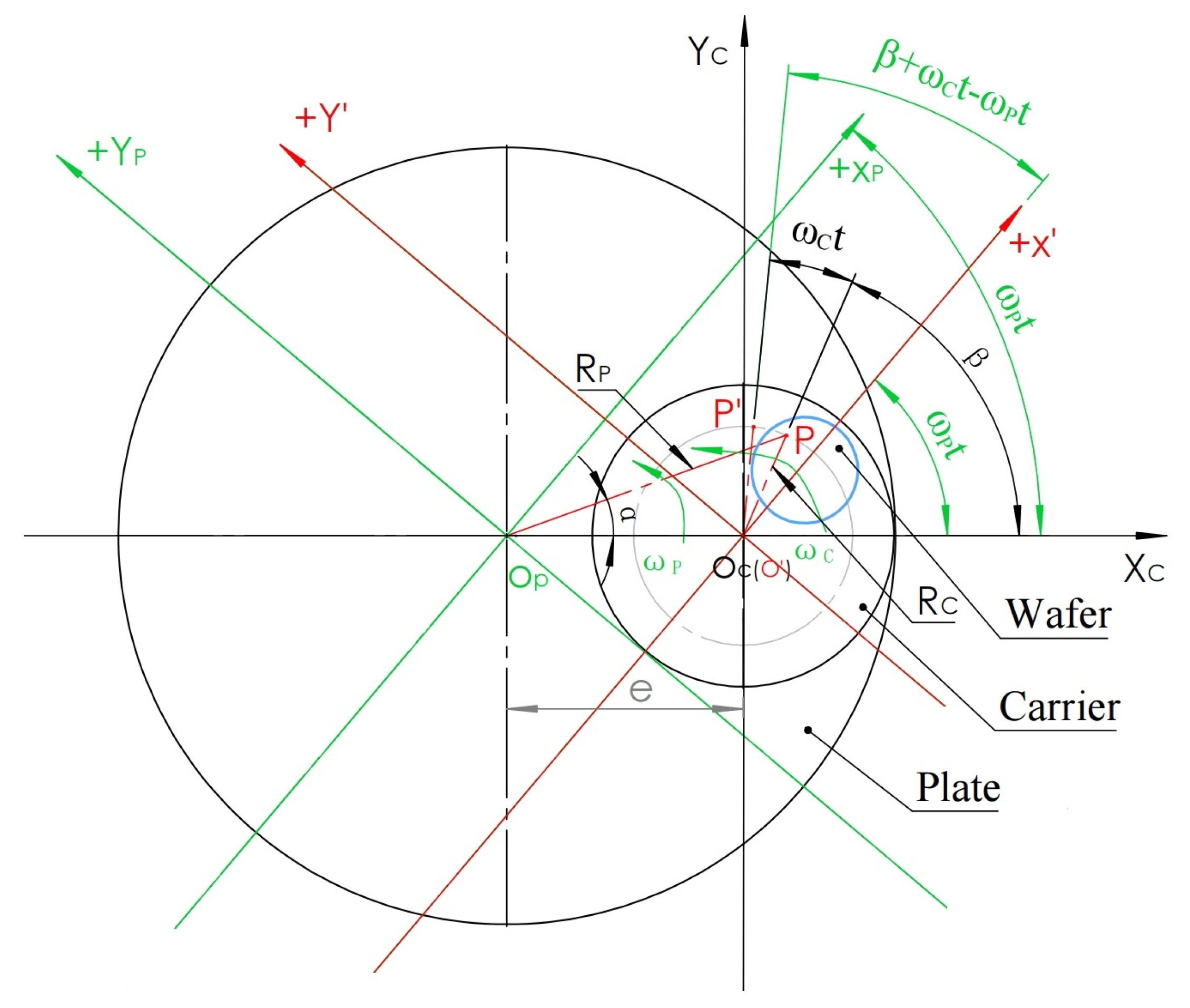
This study establishes a bidirectional kinematic analysis framework for single-sided chemical mechanical polishing systems through innovative coordinate transformation synergies (rotational and translational). To address three critical gaps in existing research, interaction dynamics for both pad–wafer and abrasive–wafer interfaces are systematically derived via 5-inch silicon wafers. Key advancements include (1) the development of closed-form trajectory equations for resolving multibody tribological interactions, (2) vector-based relative velocity quantification with 17 × 17 grid 3D visualization, and (3) first-principle parametric mapping of velocity nonuniformity (NUV = 0–0.42) across 0–80 rpm operational regimes. Numerical simulations reveal two fundamental regimes: near-unity rotational speed ratios (ωPC = [0.95, 1) and (1, 1.05]) generate optimal spiral trajectories that achieve 95% surface coverage, whereas integer multiples produce stable relative velocities (1.75 m/s at 60 rpm). Experimental validation demonstrated 0.3 μm/min removal rates with <1 μm nonuniformity under optimized conditions, which was attributable to velocity stabilization effects. The methodology exhibits inherent extensibility to high-speed operations (>80 rpm) and alternative polishing configurations through coordinate transformation adaptability. This work provides a systematic derivation protocol for abrasive trajectory analysis, a visualization paradigm for velocity optimization, and quantitative guidelines for precision process control—advancing beyond current empirical approaches in surface finishing technology.
Keywords: trajectory; relative speed; chemical mechanical polishing (CMP); single-sided polishing machine; silicon wafer trajectory; relative speed; chemical mechanical polishing (CMP); single-sided polishing machine; silicon wafer