Article

Intestine-Specific Ferroportin Ablation Rescues from Systemic Iron Overload in Mice

Department of Molecular and Integrative Physiology, University of Michigan, Ann Arbor, MI 48109, USA
*
Author to whom correspondence should be addressed.
Nutrients 2026, 18(2), 352; https://doi.org/10.3390/nu18020352
Submission received: 24 December 2025 / Revised: 20 January 2026 / Accepted: 20 January 2026 / Published: 22 January 2026

Abstract

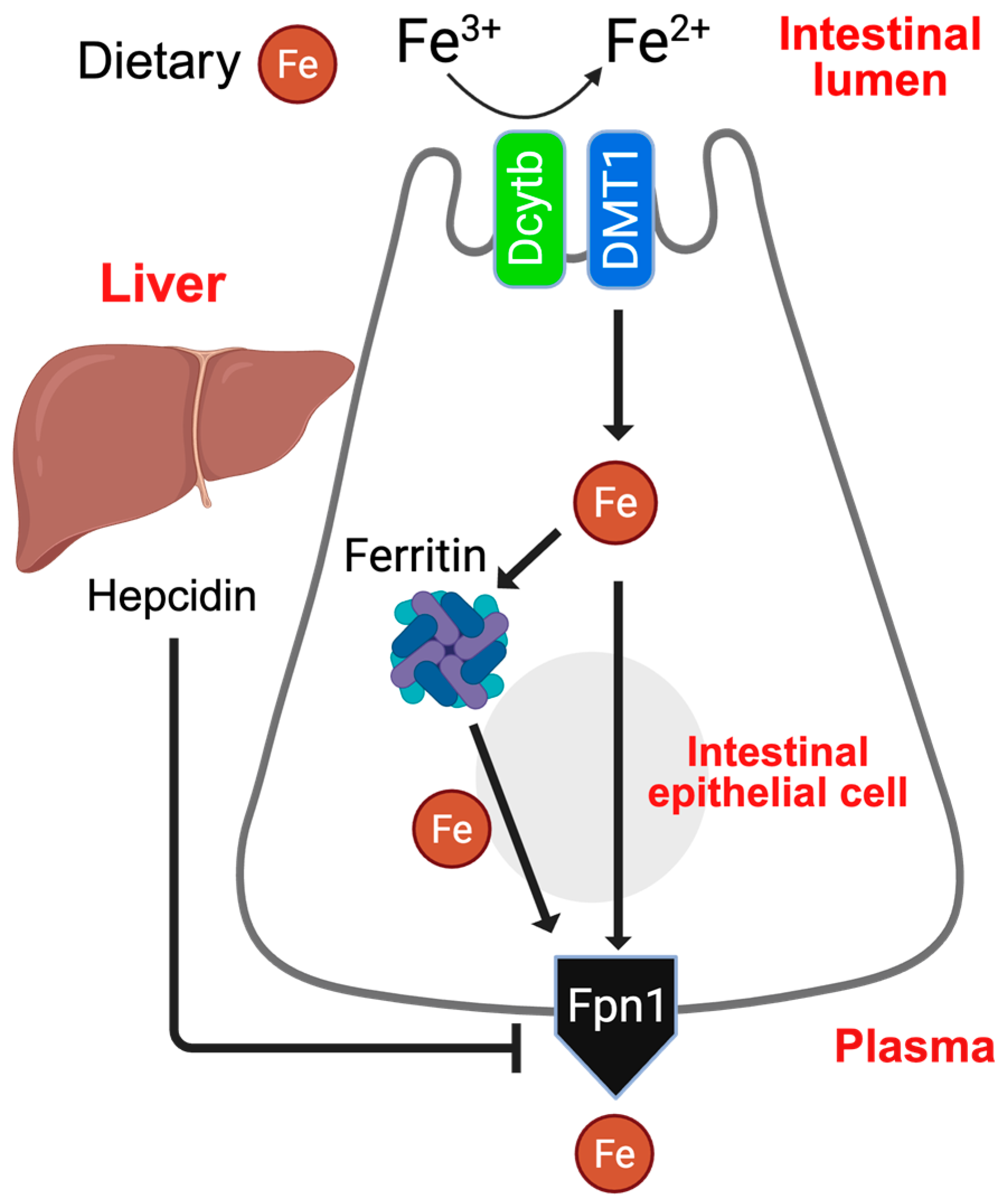
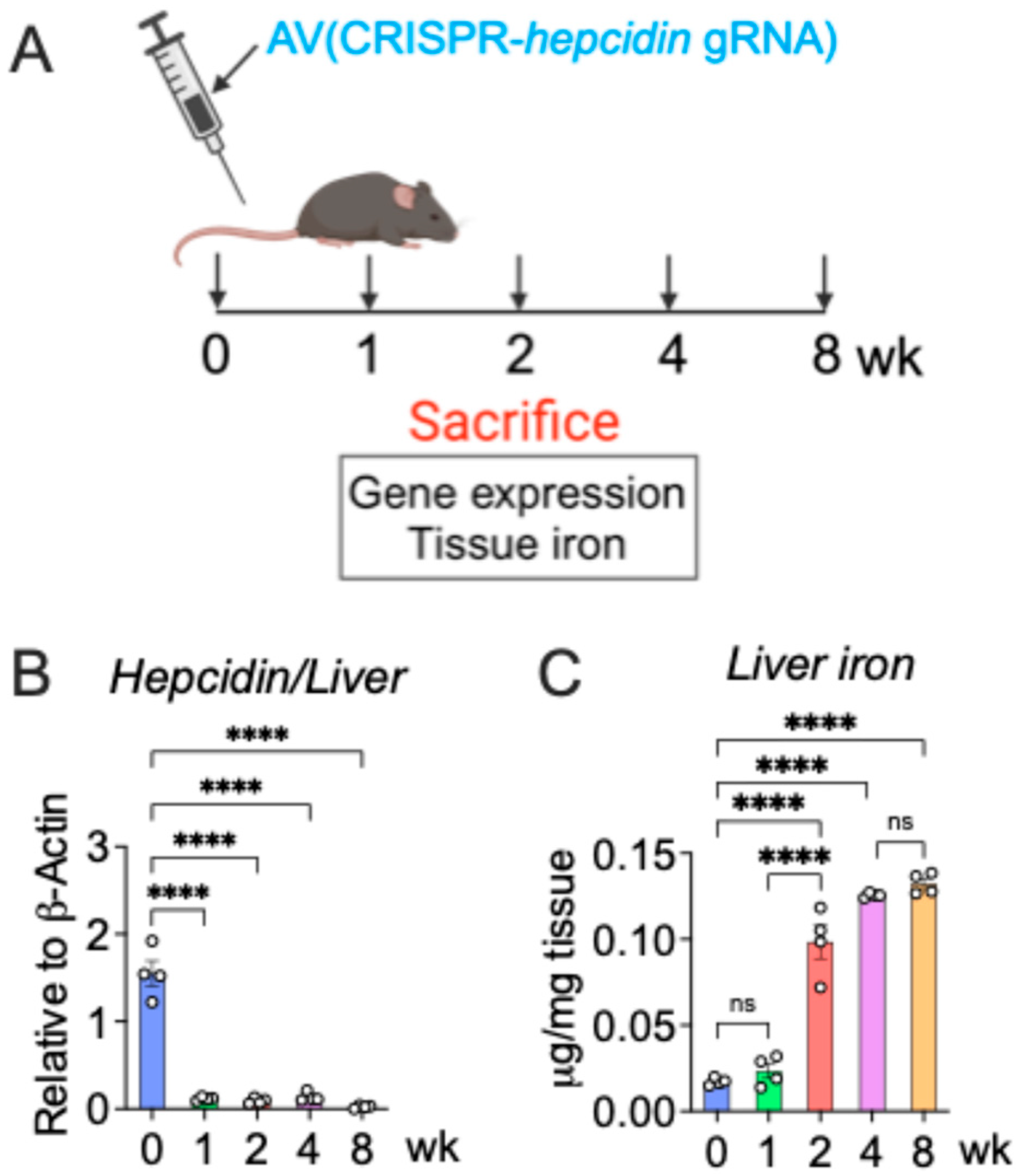
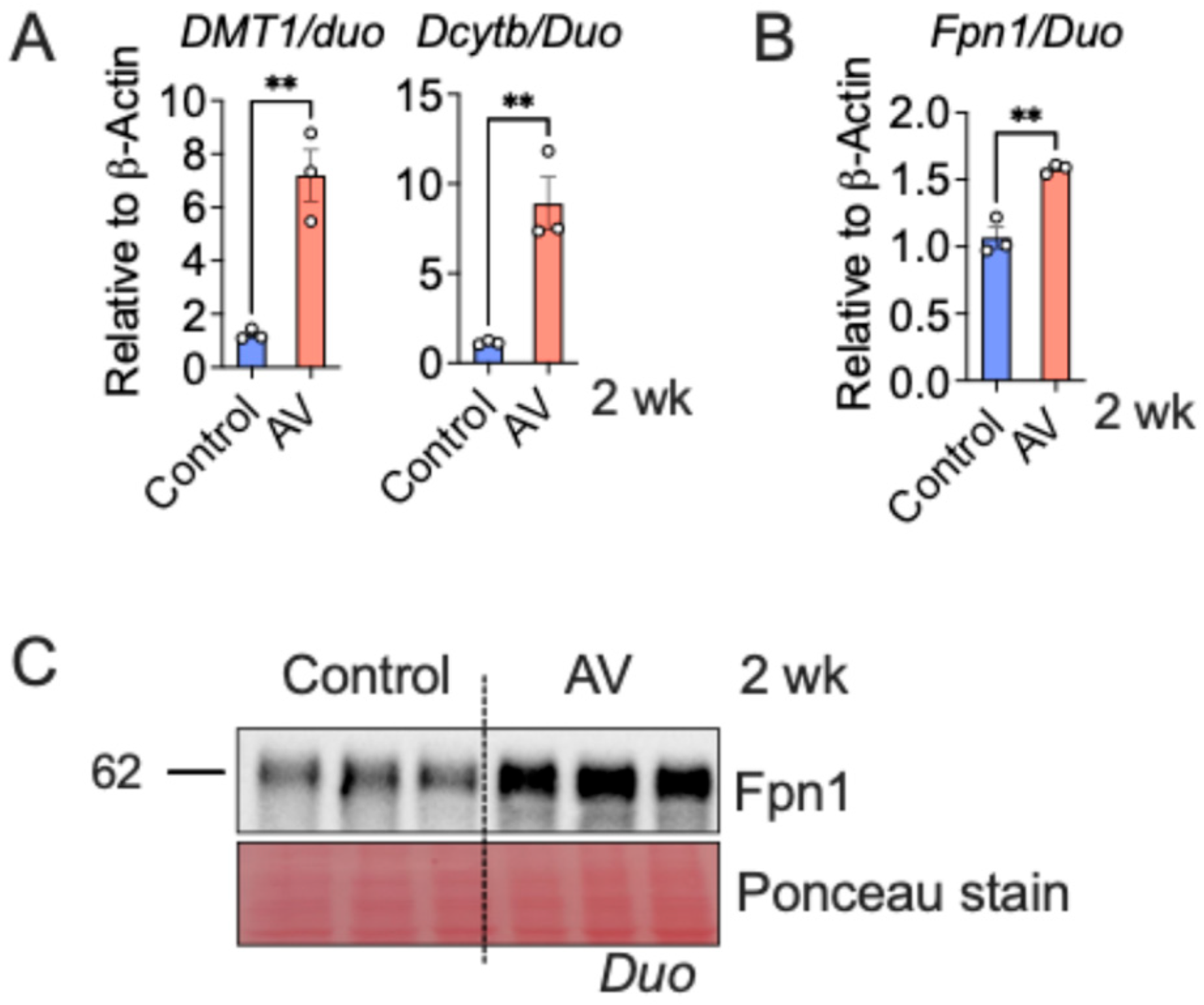
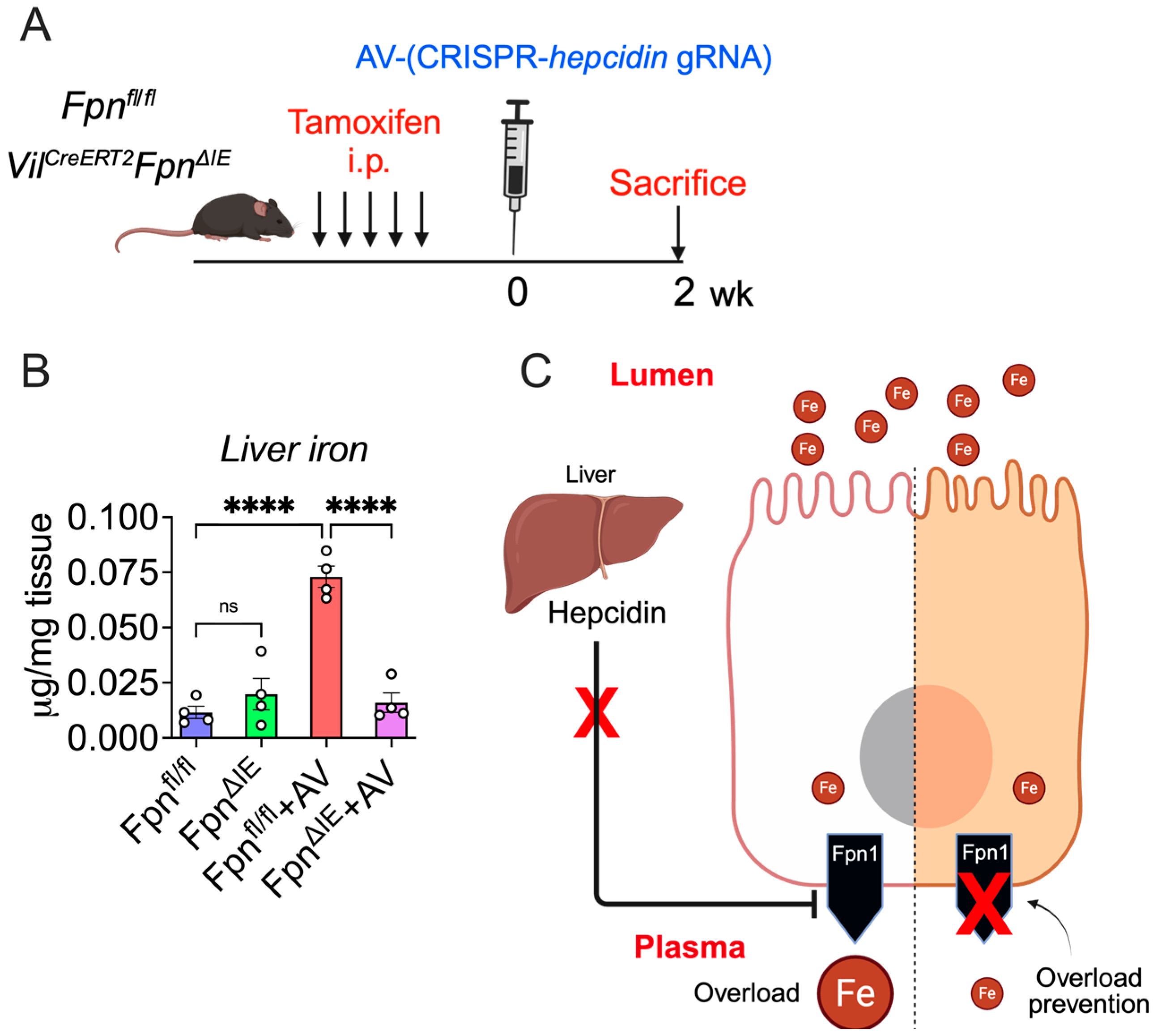
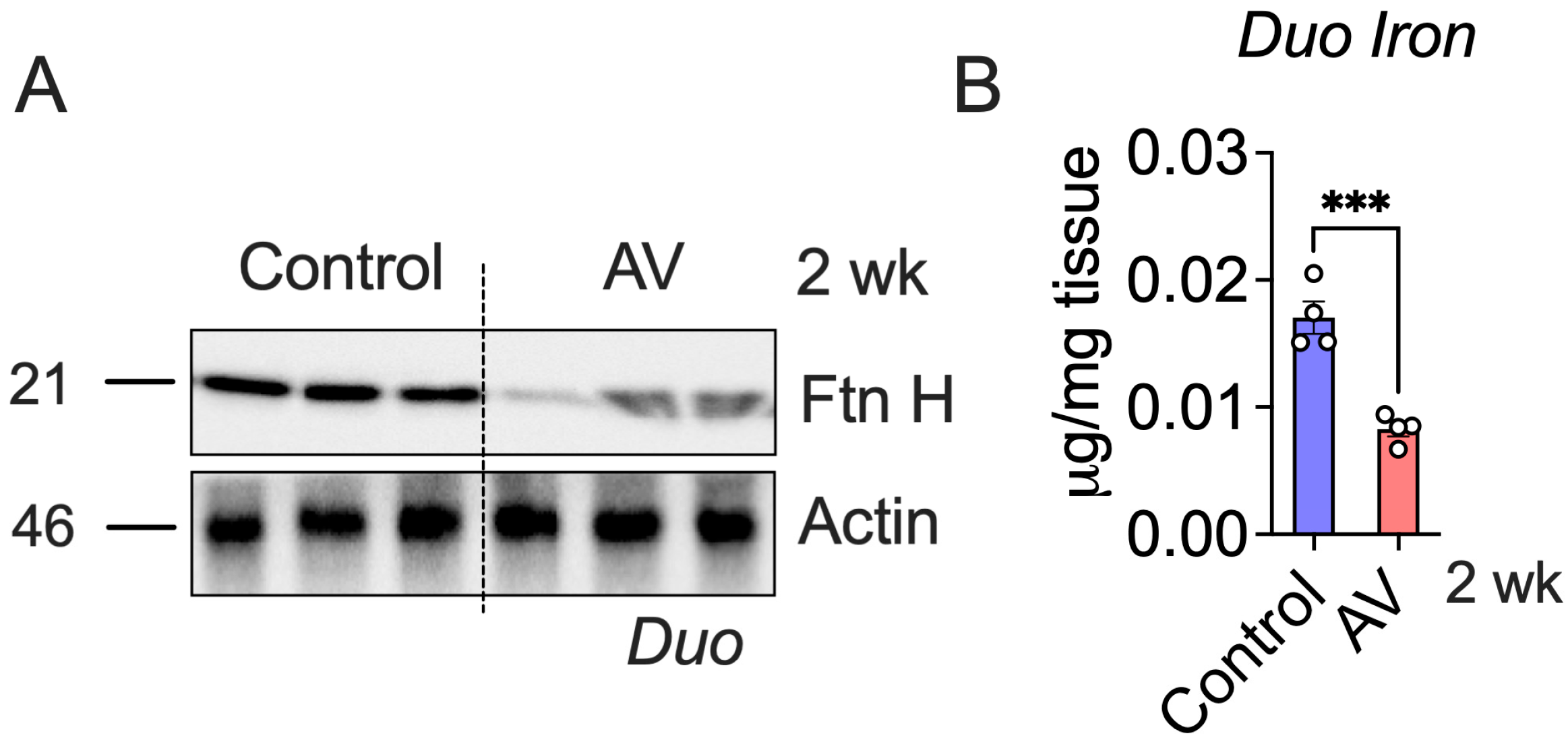
Background/Objectives: The hepcidin–ferroportin (Fpn1) axis is central to intestinal iron absorption, and dysregulation of this axis underlies all known forms of iron disorders. Hemochromatosis, the most common iron overload disorder in humans, results from systemic iron accumulation due to decades of uncontrolled intestinal absorption. Despite major advances in medicine in recent years, strategies for iron overload management are still lagging as they primarily rely on iron chelation and repeated phlebotomies. Fpn1, the cellular iron exporter, is ubiquitously expressed and plays a critical role in maintaining systemic iron homeostasis. Methods: To investigate the specific contribution of intestinal Fpn1 to systemic iron overload, we employed a CRISPR-based adenoviral hepcidin knockout mediated mouse iron overload model, combined with intestine-specific deletion of Fpn1. Results: An initial time-dependent experiment establishes the efficiency of hepcidin knockout (KO) by as early as 1 week of adenovirus injection. At 2 weeks of injection, a perfect reciprocal relationship between hepcidin gene suppression and liver iron levels (5–7-fold induction from the baseline) was established. Finally, intestine-specific Fpn1 deletion effectively prevented iron accumulation in hepcidin KO mice, as evidenced by nearly 4-fold lower liver iron levels compared to hepcidin KO animals with intact intestinal Fpn1. Conclusions: In summary, our results demonstrate that ablation of intestinal Fpn1 is sufficient to attenuate systemic iron accumulation in this mouse model of hemochromatosis. These findings suggest that selective targeting of intestinal Fpn1 may represent a promising strategy for the management of iron overload.
Keywords: iron disorders; intestinal iron absorption; hepcidin; ferroportin; hepcidin–ferroportin axis; hemochromatosis iron disorders; intestinal iron absorption; hepcidin; ferroportin; hepcidin–ferroportin axis; hemochromatosis