Article

Akkermansia muciniphila for the Prevention of Type 2 Diabetes and Obesity: A Meta-Analysis of Animal Studies


1
Department of Nutrition and Food Science, Wayne State University, Detroit, MI 48202, USA
2
Department of Nutritional Sciences, The College of Health and Human Development, The Pennsylvania State University, University Park, PA 16802, USA
*
Author to whom correspondence should be addressed.
Nutrients 2024, 16(20), 3440; https://doi.org/10.3390/nu16203440
Submission received: 20 August 2024 / Revised: 26 September 2024 / Accepted: 3 October 2024 / Published: 11 October 2024
(This article belongs to the Special Issue Effects of Probiotics, Prebiotics, and Postbiotics on Human Health)

Abstract

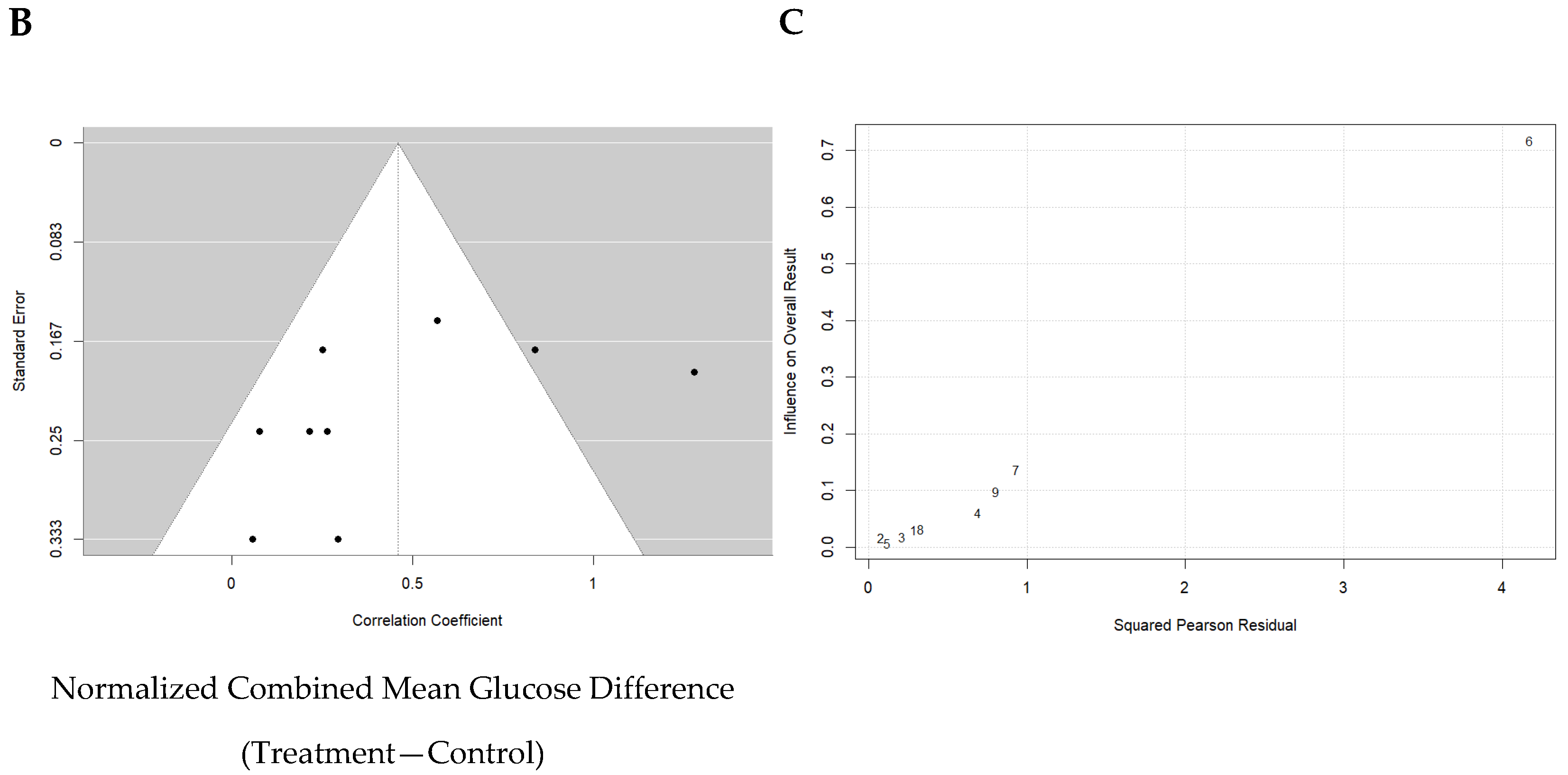
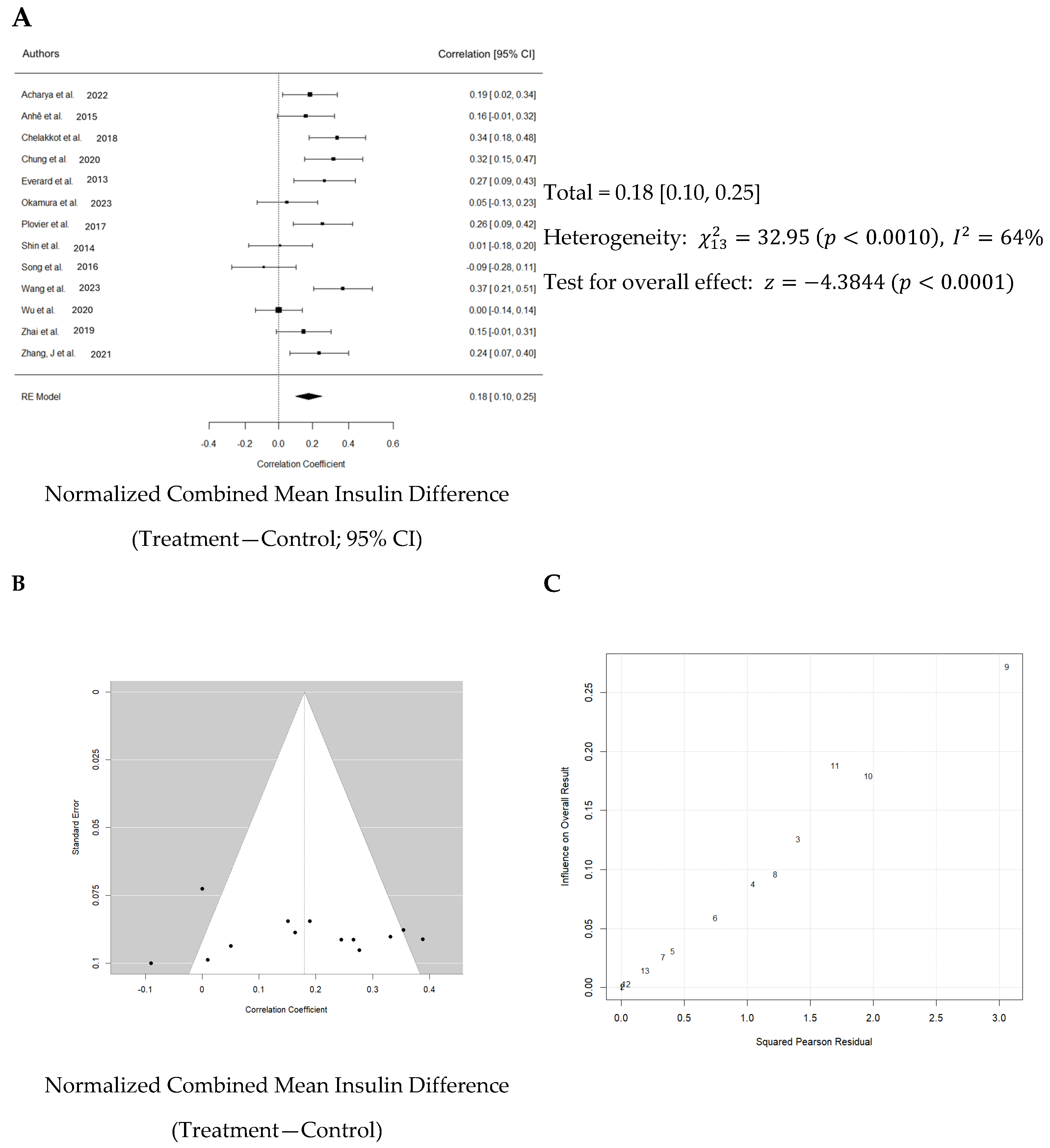
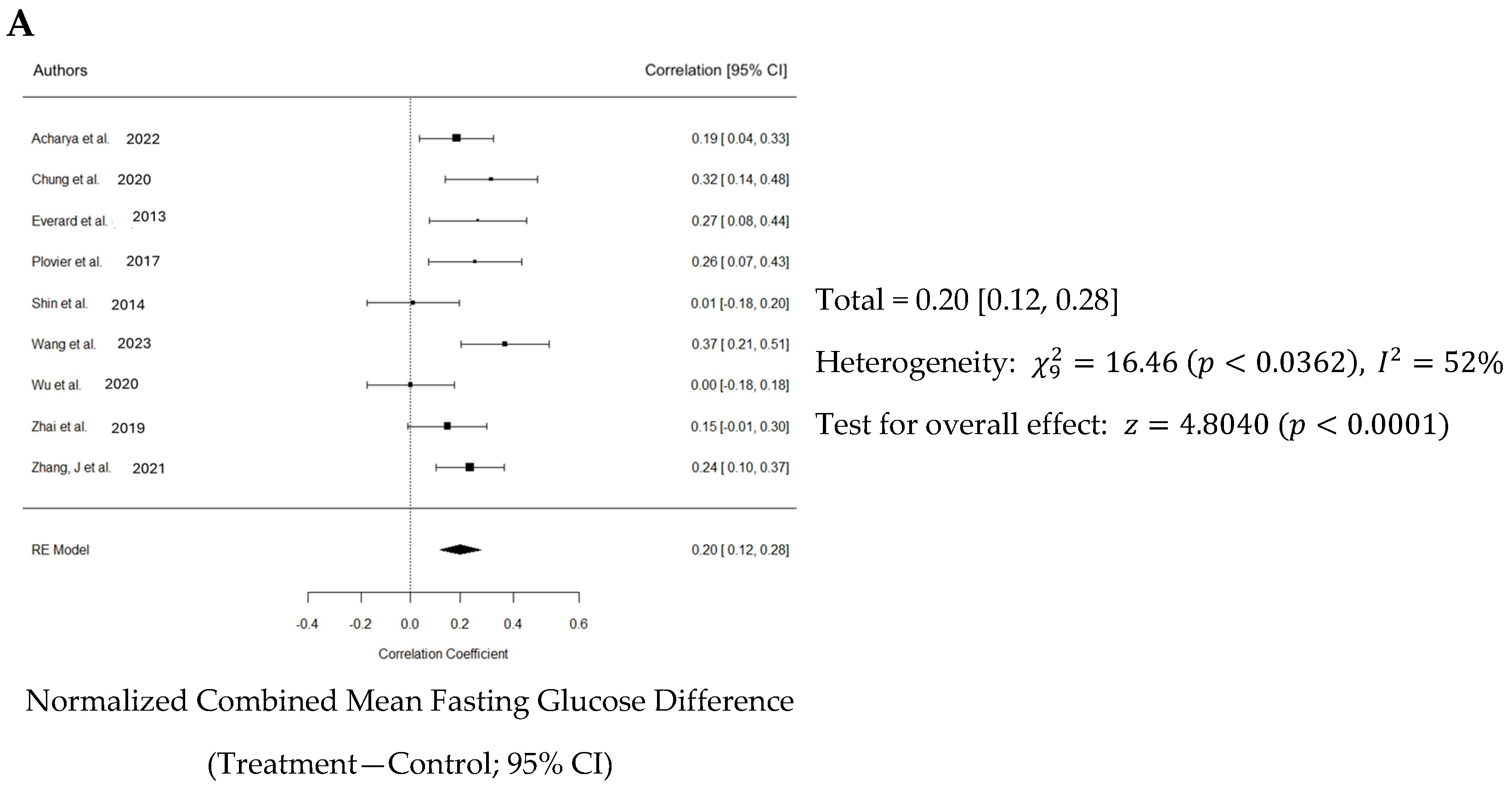
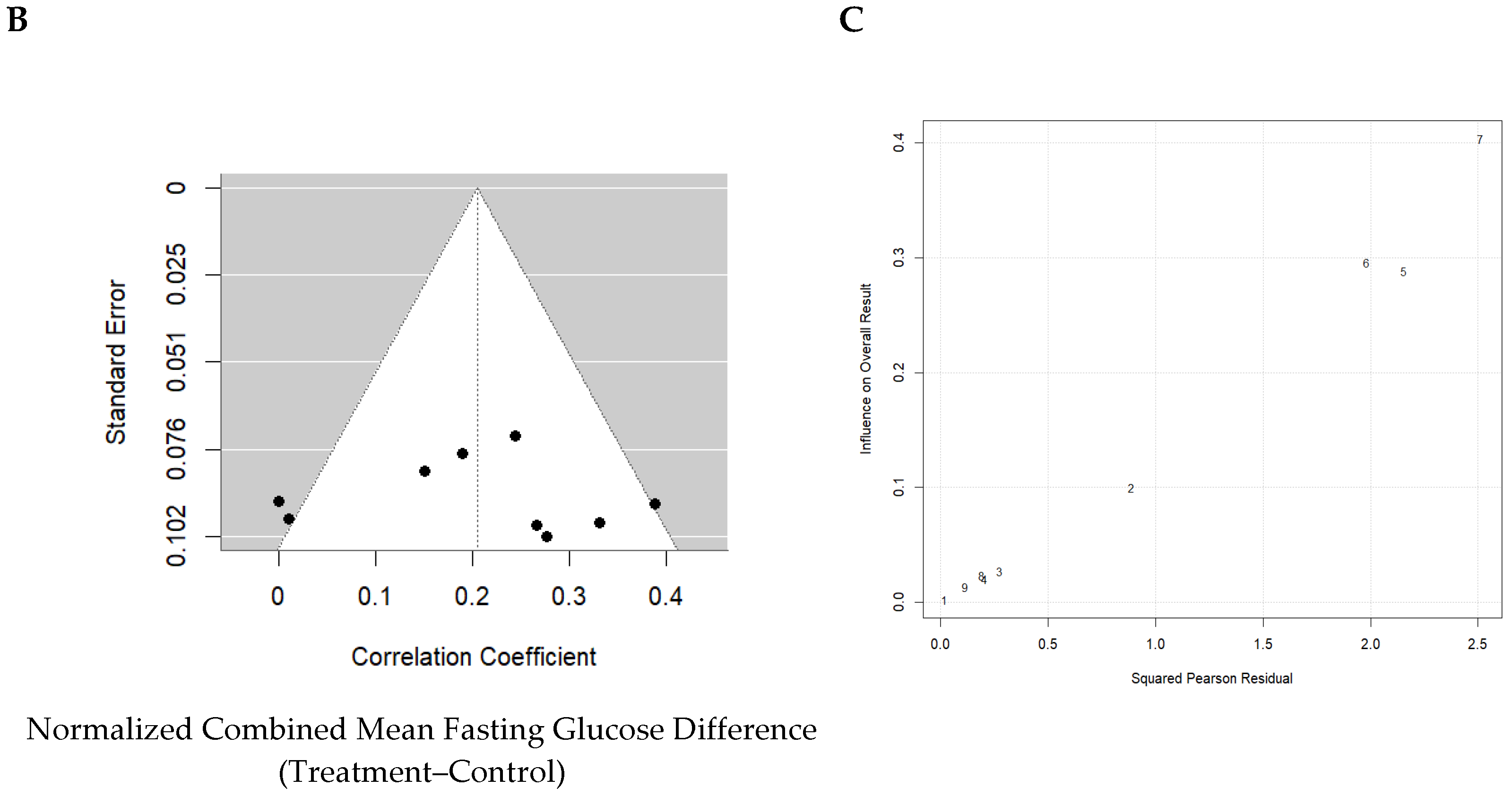
Background: More than half of the states in the U.S. report that over 30% of adults are obese. Obesity increases the risk of many chronic diseases, including type 2 diabetes, hypertension, and cardiovascular disease, and can even reduce one’s lifespan. Similarly, the prevalence of type 2 diabetes follows a comparable trend. As a result, researchers are striving to find solutions to reduce obesity rates, with a particular focus on gut health, which has been previously linked to both obesity and type 2 diabetes. Recent studies suggest that Akkermansia muciniphila (Akk) may have a positive probiotic effect on preventing the onset of type 2 diabetes and obesity. Methods: We conducted a quantitative meta-analysis of 15 qualified animal studies investigating the effects of Akk administration as a probiotic. Results: The statistical analyses showed that Akk administration significantly reduced body weight gain by 10.4% and fasting blood glucose by 21.2%, while also significantly improving glucose tolerance by 22.1% and increasing blood insulin levels by 26.9%. However, our analysis revealed substantial heterogeneity between the control and experimental groups across all subgroups. Conclusions: Overall, Akk appears to be effective at reducing the onset of type 2 diabetes and diet-induced obesity. Long-term studies with larger sample sizes are needed to confirm these beneficial effects, as the current animal studies were of short duration (less than 20 weeks).
Keywords: probiotic; Akkermansia; obesity; type 2 diabetes; animals; meta-analysis probiotic; Akkermansia; obesity; type 2 diabetes; animals; meta-analysis