Review

Antioxidants in Sport Sarcopenia

by
Maria Michela Cesare
1,2,
Francesca Felice
1,*,
Veronica Santini
3 and
Rossella Di Stefano
1,3,4
1
Cardiovascular Research Laboratory, Department of Surgical, Medical and Molecular Pathology and Critical Care Medicine, University of Pisa, 56100 Pisa, Italy
2
Department of Life Sciences, University of Siena, via Aldo Moro 2, 53100 Siena, Italy
3
S.D. of Sport Medicine, Pisa University Hospital, 56100 Pisa, Italy
4
Interdepartmental Research Center “Nutraceuticals and Food for Health”, University of Pisa, 56100 Pisa, Italy
*
Author to whom correspondence should be addressed.
Nutrients 2020, 12(9), 2869; https://doi.org/10.3390/nu12092869
Submission received: 31 July 2020 / Revised: 12 September 2020 / Accepted: 18 September 2020 / Published: 19 September 2020

Abstract

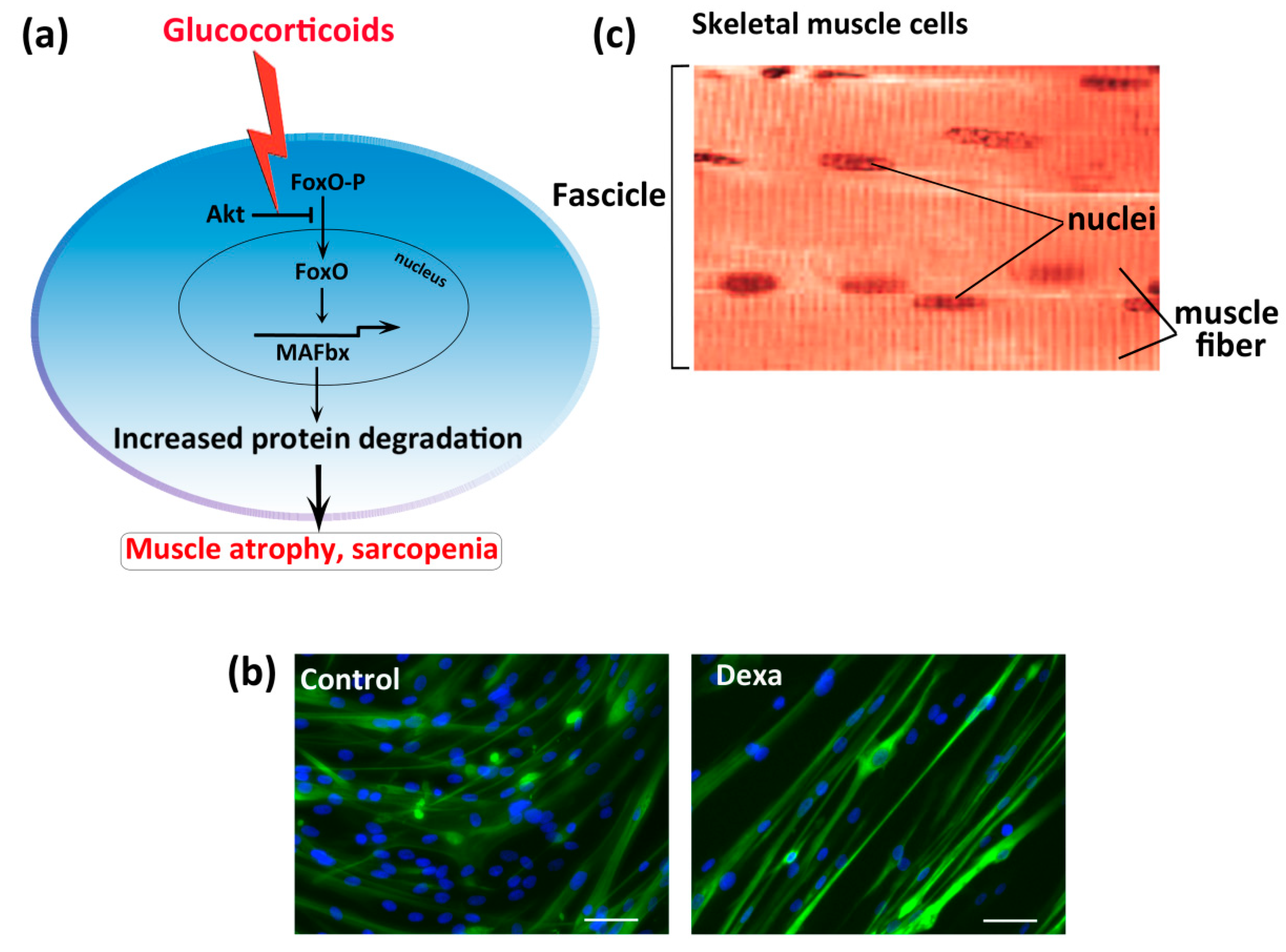
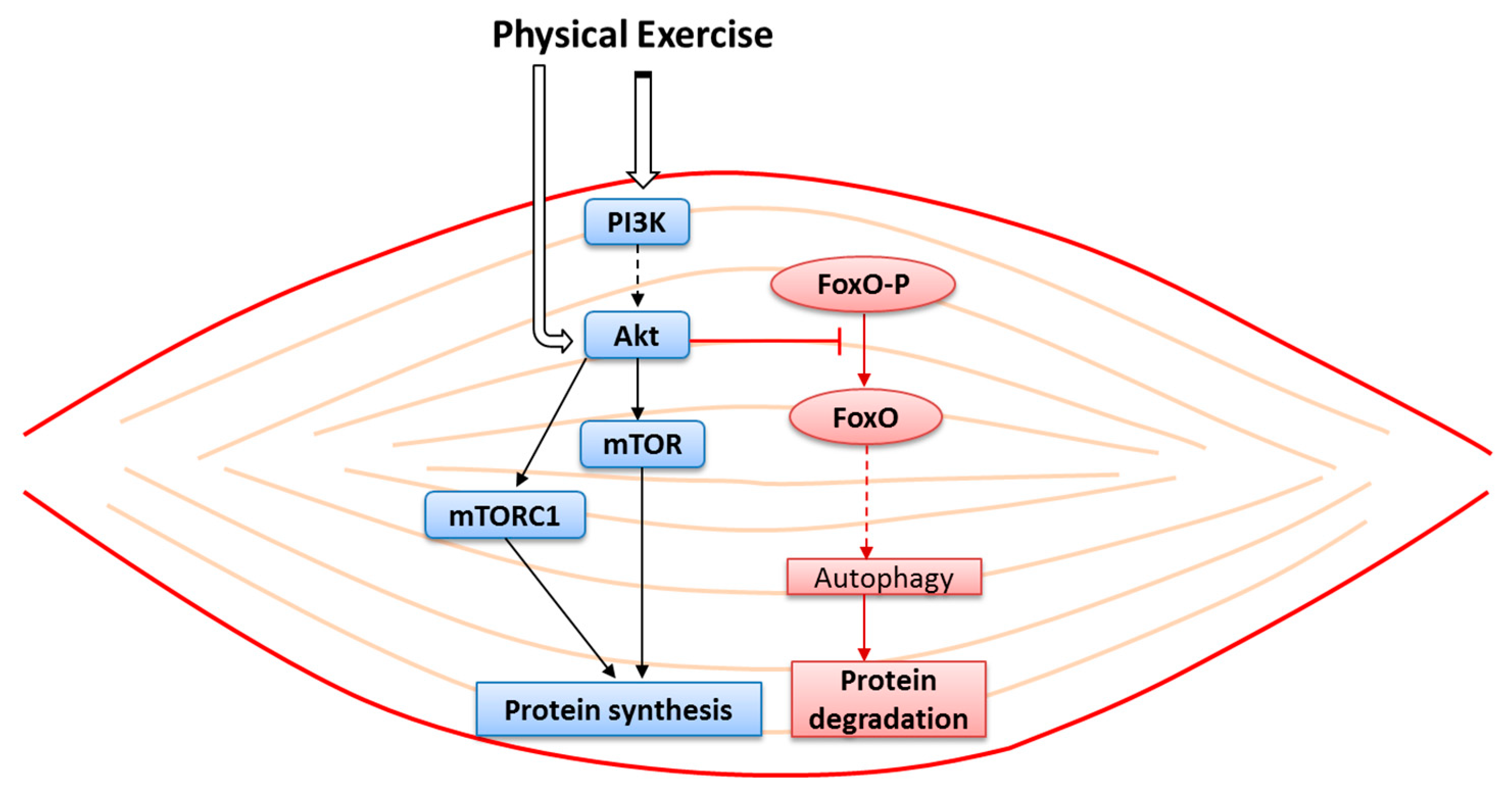
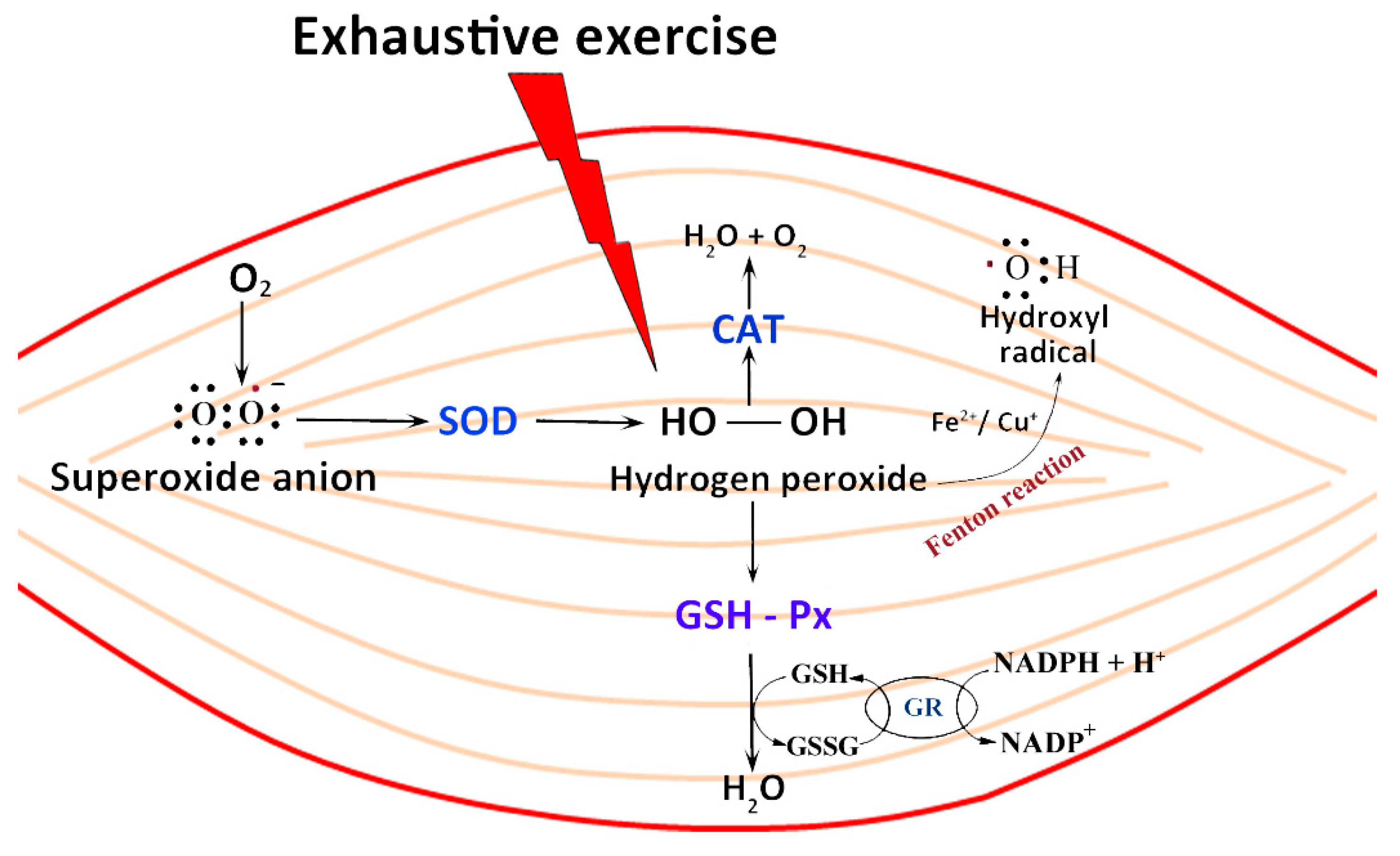
The decline of skeletal muscle mass and strength that leads to sarcopenia is a pathology that might represent an emergency healthcare issue in future years. Decreased muscle mass is also a condition that mainly affects master athletes involved in endurance physical activities. Skeletal muscles respond to exercise by reshaping the biochemical, morphological, and physiological state of myofibrils. Adaptive responses involve the activation of intracellular signaling pathways and genetic reprogramming, causing alterations in contractile properties, metabolic status, and muscle mass. One of the mechanisms leading to sarcopenia is an increase in reactive oxygen and nitrogen species levels and a reduction in enzymatic antioxidant protection. The present review shows the recent experimental models of sarcopenia that explore molecular mechanisms. Furthermore, the clinical aspect of sport sarcopenia will be highlighted, and new strategies based on nutritional supplements, which may contribute to reducing indices of oxidative stress by reinforcing natural endogenous protection, will be suggested.
Keywords: antioxidant; sport sarcopenia; muscle cells; nutritional supplements antioxidant; sport sarcopenia; muscle cells; nutritional supplements