3.1. Impact of Time Series Length on Black Sea Level Change Estimation
Since 1993, SA has been extensively utilized for monitoring global sea level changes [
10,
45,
46]. To investigate the effects of coastal proximity and spatial heterogeneity on regional sea level estimation, this study employs a virtual altimetry station methodology [
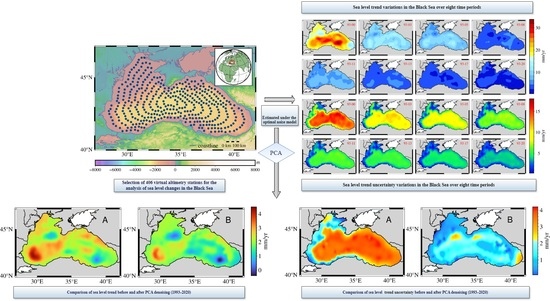
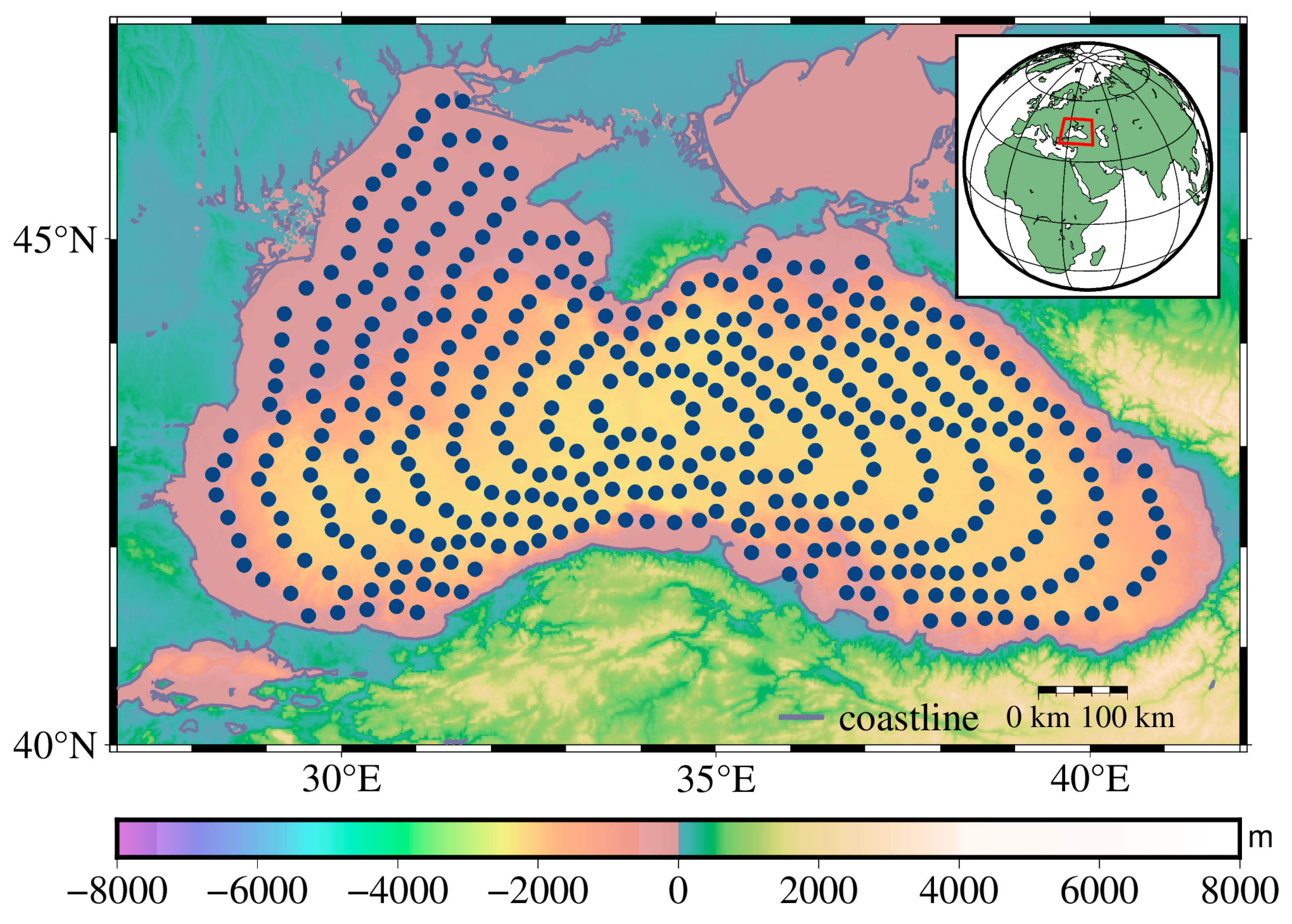
47]; a ring of stations positioned along the outer margin of the Black Sea coastline, then incrementally extended inward toward the basin’s interior until the entire sea area was adequately covered. Ultimately, a total of 406 virtual altimetry stations were identified for analysis (
Figure 1).
Previous studies have demonstrated that SA observations are affected by various types of noise, which can degrade the precision of sea level trend estimations and increase the uncertainty in estimates of sea level change [
48,
49]. To mitigate the impact of such noise and more accurately extract long-term trends, this study employed four noise models—ARFIMA (1, d, 1), ARMA (1, 1), GGM, and WN. The characteristics of sea level change for each time period were determined based on the optimal model selected according to the BIC_tp with Hector software version 2.1 [
50].
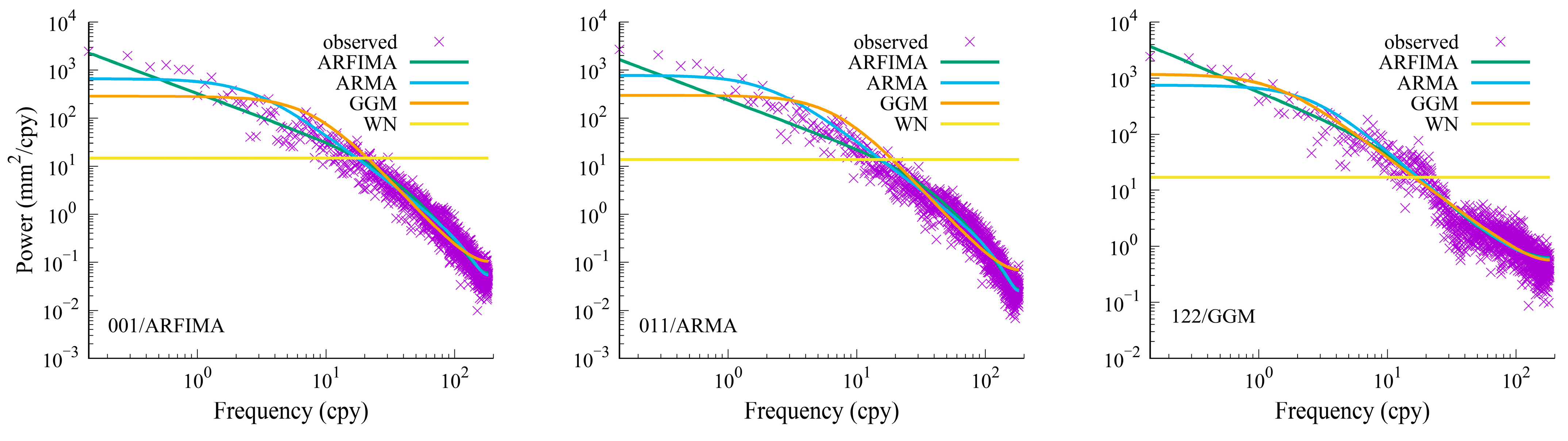
Table 1 illustrates representative stations selected under the optimal noise models based on the BIC_tp criterion (001/ARFIMA; 011/ARMA; 122/GGM), alongside sea level trend estimates and their associated uncertainties derived from four different noise models.
Under different noise models, long-term sea level trend estimates exhibit significant variation. These results highlight that neglecting colored noise or applying an inappropriate noise model can introduce systematic biases into trend estimation.
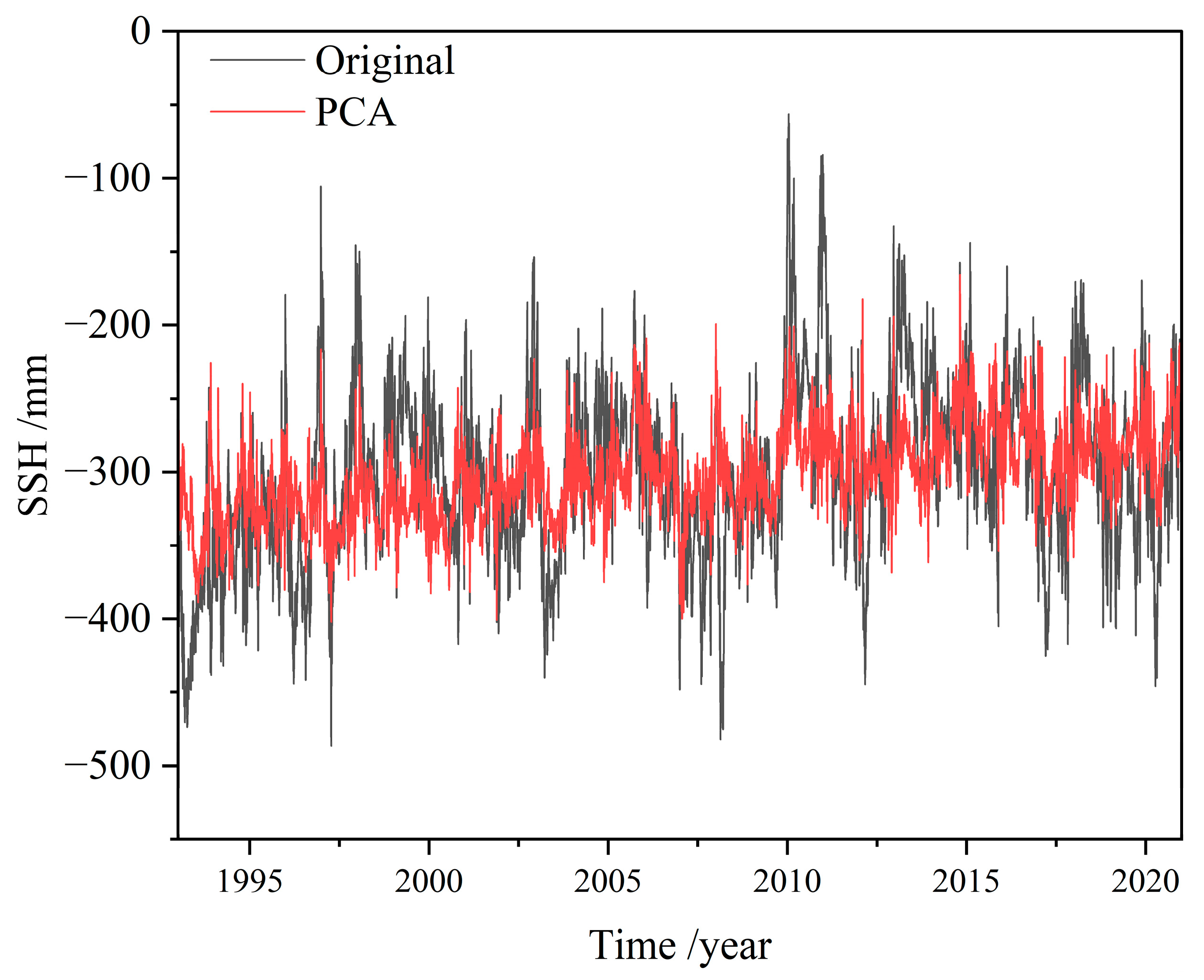
Figure 3 presents the power spectral densities (PSDs) of the SSH residuals at stations 001, 011, and 122, obtained under four different noise models. The PSDs provide a frequency perspective, enabling a visual assessment of each model’s ability to fit the observed data and evaluate whether the noise structure within the time series is adequately captured.
The PSDs of sea level residuals under different stochastic models highlight the presence of colored noise in sea level time series and reveal variations in model performance across stations. These findings underscore the importance of selecting an appropriate noise model to ensure reliable trend estimation and accurate uncertainty quantification. Previous studies have also demonstrated that the duration of the observational time series exerts a substantial influence on the accuracy of sea level trend estimations [
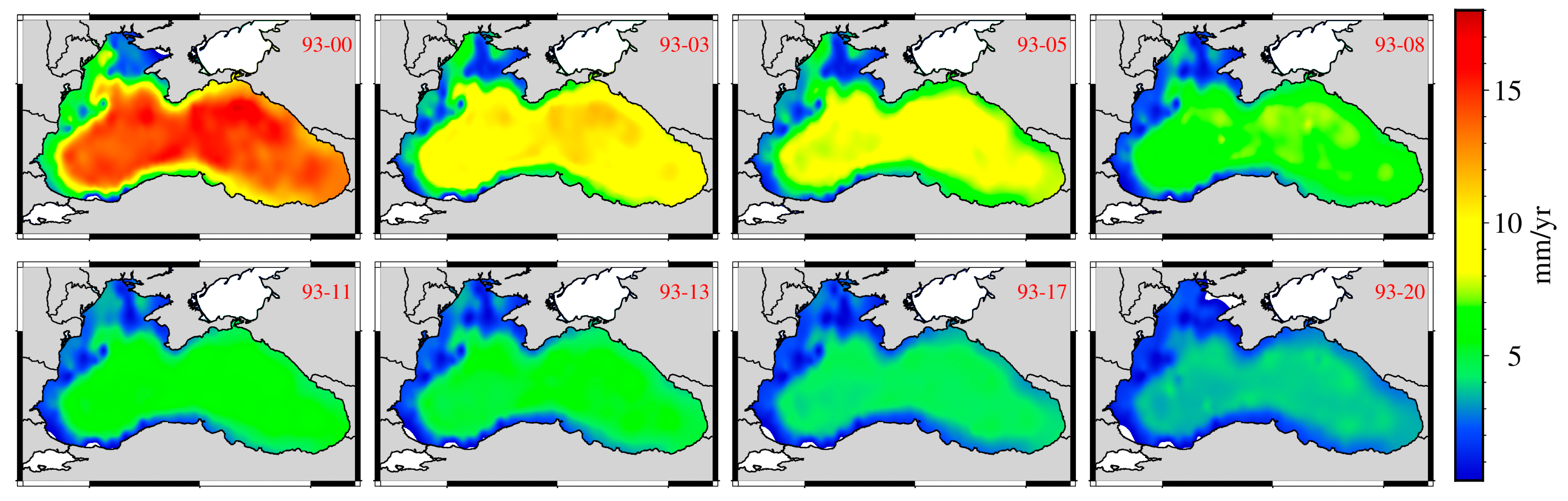
51]. To investigate the temporal evolution of sea level in the Black Sea and evaluate the effect of time period on trend estimation, sea level change and their associated uncertainties were estimated for eight different time periods. To assess the robustness of the results, the derived sea level trends were compared with those reported in the previous literature over comparable periods, and both consistencies and discrepancies were examined (
Table 2).
The results of this study indicate that the Black Sea experienced a significant upward trend in sea level during 1993–2000, with an estimated trend of 21.68 ± 4.05 mm/yr. This finding is consistent with a previous study based on CNES/AVISO satellite altimetry data, which reported a trend of 27.30 ± 2.50 mm/yr for 1993–1998 [
52]. Cazenave et al. pointed out that the abnormal sea level rise during this period may be driven by multiple factors, including the expansion of the surface water body due to heating and the reduction of the runoff of major rivers into the sea, which led to a positive water balance and weakened the seasonal sea level fluctuations.
This study shows that the sea level trend in the Black Sea during 1993–2005 was 8.84 ± 1.62 mm/yr, which is consistent within the uncertainty range with the estimate of 7.6 ± 0.3 mm/yr reported by Kubryakov [
20] based on tide gauge records and satellite altimetry data from the Division for Space Oceanography of Collecte Localisation Satellites, and this elevated rate has been attributed to decadal-scale variability and the spatially non-uniform nature of sea level changes in the region.
During the period 1993–2013, the sea level trend in the Black Sea was estimated in this study to be 4.14 ± 0.69 mm/yr. This estimate is in reasonable agreement with the result reported by a previous study [
25], which derived a rate of 3.15 ± 0.13 mm/yr for the period 1993–2014 using daily sea level anomaly data from AVISO altimetry. Kubryakov et al. indicated that variations in the mean sea level of the Black Sea are primarily governed by its water balance. Moreover, the observed spatial heterogeneity in sea level is closely linked to the basin’s internal dynamical processes.
This study estimated a sea level rise rate of 3.07 ± 0.61 mm/yr in the Black Sea during the period 1993–2017. Avsar and Kutoğlu [
53], based on daily SSH data provided by CMEMS, estimated the mean sea level rise in the Black Sea to be 2.50 ± 0.50 mm/yr after removing seasonal cycles from the SSH time series. The study also highlighted the significant interannual variability in the non-seasonal sea level changes in the Black Sea.
The estimated sea level trend in this study is 2.34 ± 0.59 mm/yr for 1993–2020, and CMEMS reported a sea level trend of 1.40 ± 0.83 mm/yr in the Black Sea, based on the OMI_CLIMATE_SL_BLKSEA_area_averaged_anomalies product (
https://doi.org/10.48670/moi-00215, accessed on 7 October 2024). The CMEMS estimate was corrected for TOPEX-A instrumental drift and basin-averaged glacial isostatic adjustment (GIA), and further processed by removing seasonal, annual, and semi-annual signals, followed by low-pass filtering to isolate long-term trends.
A comparative analysis reveals that the characteristics of sea level change exhibit temporal variability across different periods. During the same time period, our estimates generally align with those reported in existing studies, although some discrepancies are evident. These differences may be attributed to variations in the SA data products and the methods used for station selection. For instance, Kubryakov and Stanichnyi [
20] utilized a dataset specifically tailored for the Black Sea, characterized by a temporal resolution of 10 days and a spatial resolution of 7 km, to estimate sea level trend over 1993–2005, based on station data located along satellite altimetry tracks. Kubryakov et al. [
25] used regional grid data of sea level anomalies to estimate sea level change over the period 1993–2014. The sea level trend data for the Black Sea provided by CMEMS during 1993–2022 are based on a dedicated satellite altimetry dataset for the Black Sea and account for the effects of GIA. In general, sea level change in the Black Sea does not follow a strictly linear pattern. While the long-term trend indicates an upward trajectory, the rate of change exhibits variability across different time periods. During the period 1993–2000, the sea level trend was as high as 21.68 mm/yr, but this trend slowed afterward, with the rate of change fluctuating between 2 and 8 mm/yr after 2005.
3.2. Analysis of Sea Level Trend Uncertainty in the Black Sea
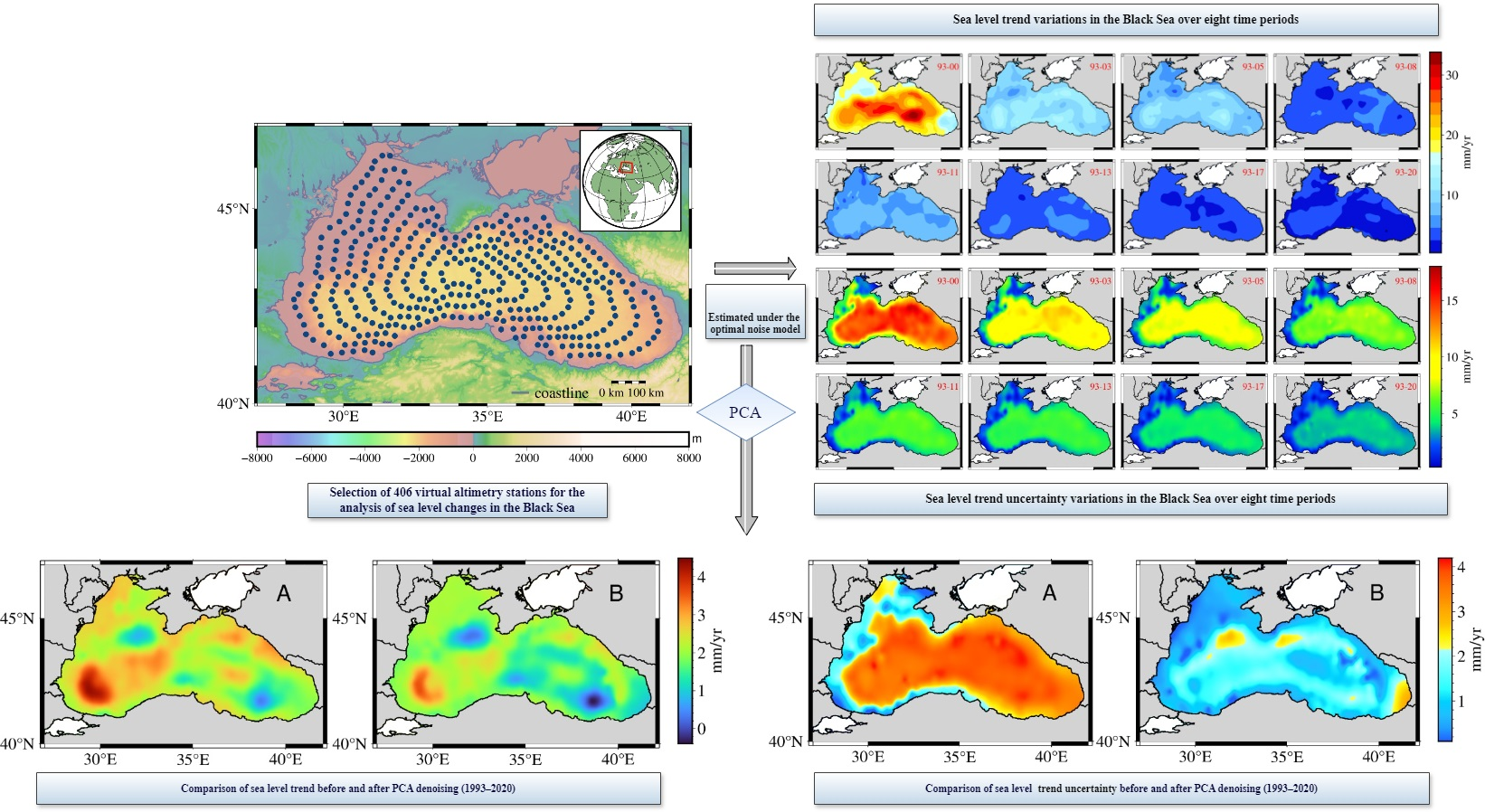
To evaluate the impact of time series length on the accuracy of sea level trend estimation, this study investigates the uncertainties in sea level trend across eight distinct time periods (
Table 3). By analyzing trend estimates derived from time series spanning short (1993–2000) to extended (1993–2020) periods, this study highlights the sensitivity of trend calculations to the length of the observational record and provides a detailed assessment of the robustness and reliability of trend detection in the Black Sea.
The uncertainty of the trend is influenced by both the duration of the observational time series and the presence of noise, with its magnitude serving as an indicator of the stability and reliability of the estimated trend.
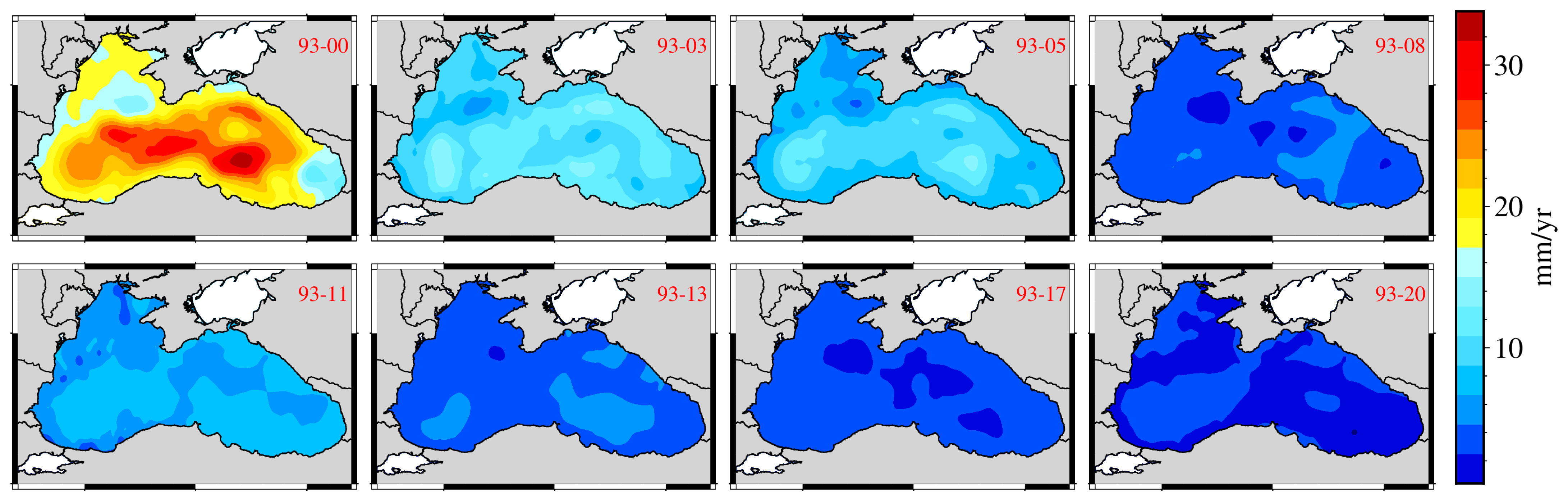
Figure 4 shows the spatial variability in the trend of uncertainty over different periods.
It can be observed from
Figure 4 that the uncertainty of sea level trend estimation for the Black Sea gradually decreases with increasing time span (7, 10, 12, 15, 18, 20, 24, and 28 years). Sea level variability in the Black Sea is thought to be influenced by both large-scale and mesoscale dynamical processes. In particular, the deep-water regions are characterized by more complex oceanic dynamics, including mesoscale eddies and deep circulation. These processes are likely to introduce significant spatial and temporal variability in SSH, which may in turn contribute to regional differences in sea level trends and to the comparatively higher uncertainty observed in the central basin. Further research is needed to fully understand the mechanisms responsible for these uncertainties.
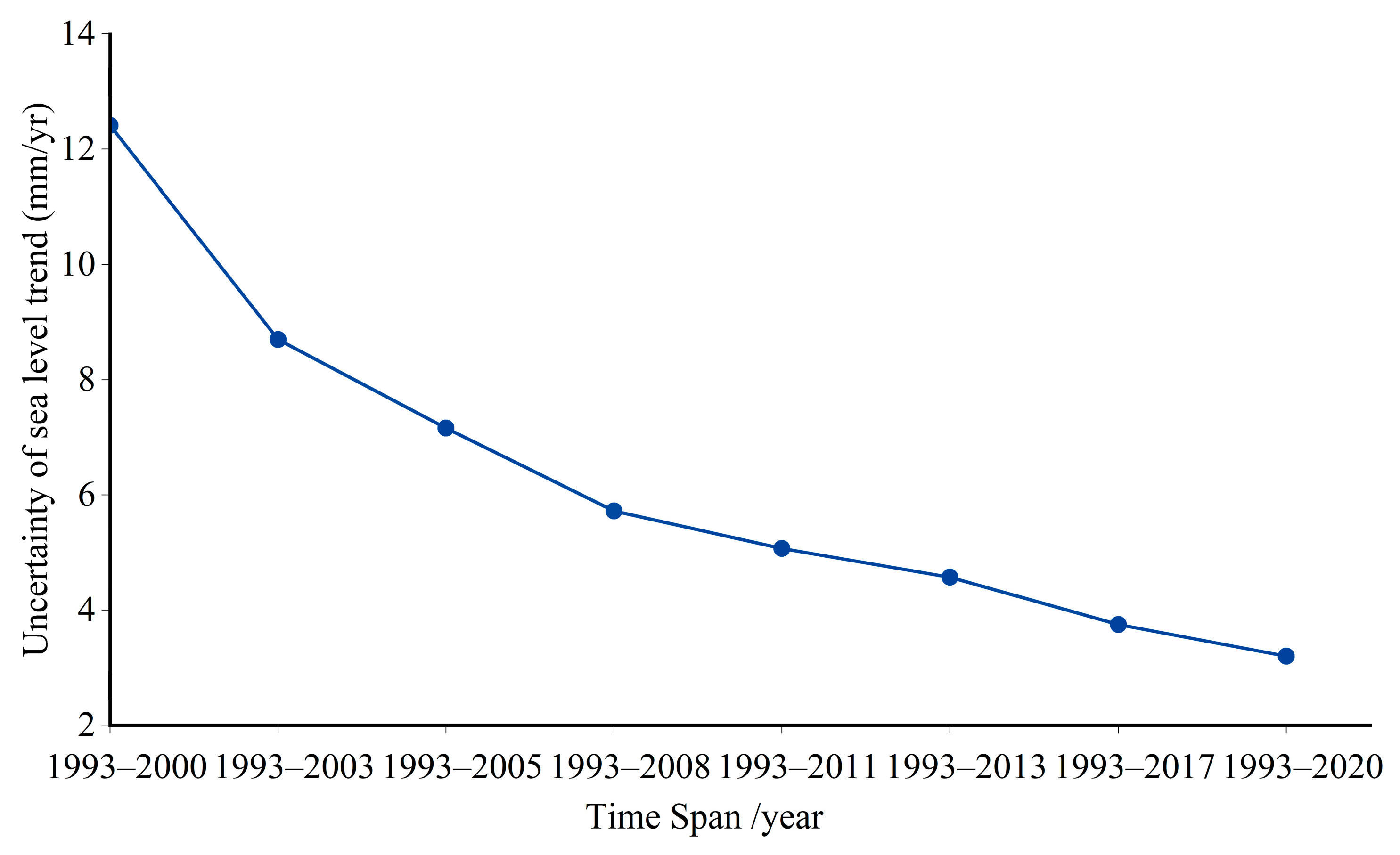
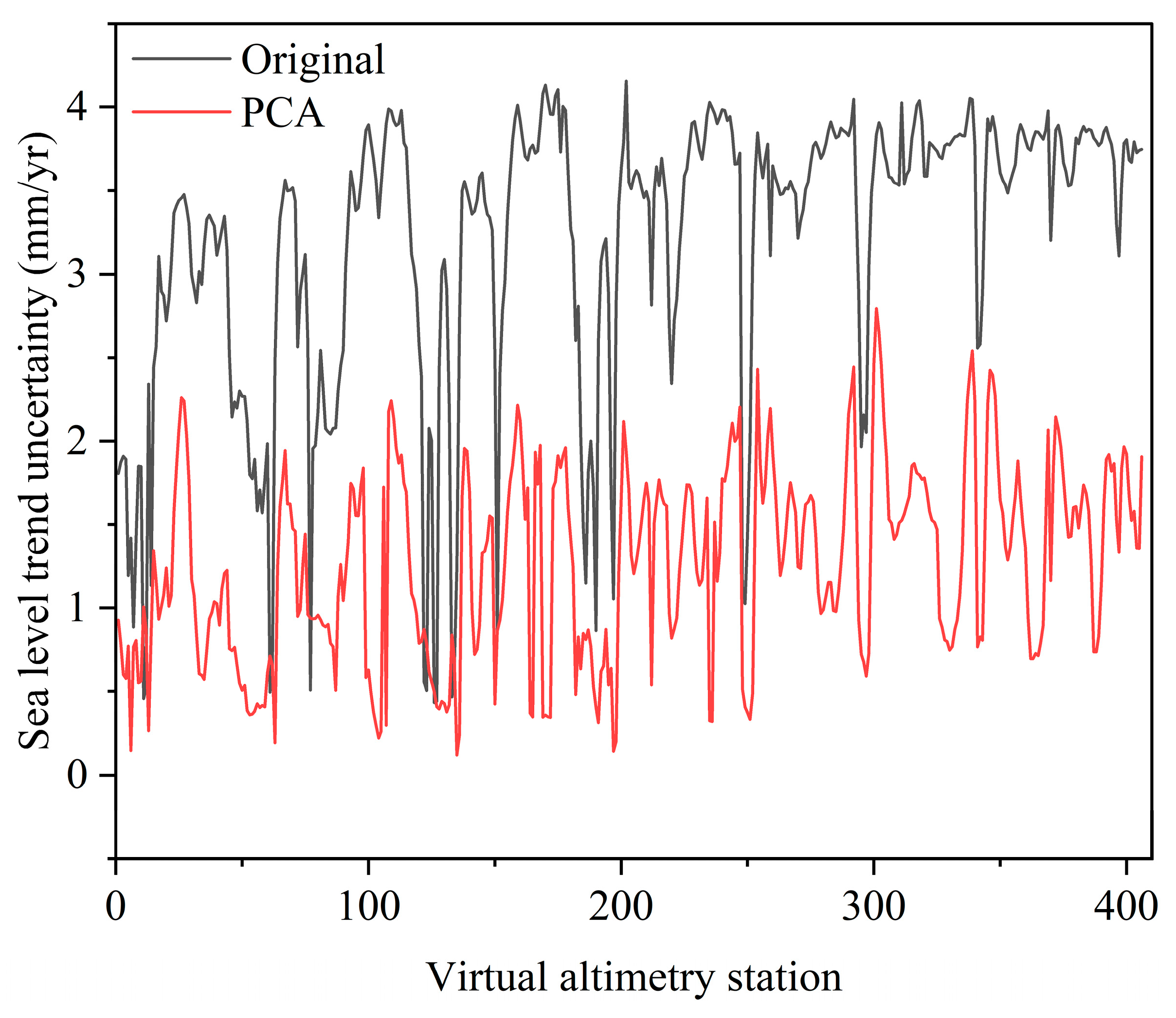
The uncertainty of sea level trend estimation exhibits a clear time-dependent behavior, decreasing progressively with the extension of the observation period (
Figure 5). For the period 1993–2000, the uncertainty in sea level trend estimates reaches 12.41 mm/yr, whereas it substantially reduces to 3.20 mm/yr over the 1993–2020 interval. This uncertainty decline follows a non-linear decay pattern: within the first 15 years (1993–2008), it drops by 54% (from 12.41 mm/yr to 5.72 mm/yr), while achieving similar improvements in precision over subsequent decades requires increasingly longer observation records. This is largely due to the high sensitivity of sea level trends to interannual and decadal variability, which limits the ability of short-term records to distinguish long-term signals from short-term fluctuations, thereby amplifying trend uncertainty [
48].
In the semi-enclosed Black Sea, sea level variability is further influenced by regional climate conditions and ocean circulation. Short time series may fail to capture the full range of such variability, and reliance on a limited number of SA observations can introduce substantial uncertainty in trend estimation [
20]. In contrast, long-term time series are more effective in identifying interannual and decadal variability and isolating the long-term trend through improved noise reduction, resulting in more robust and reliable estimates [
54]. By analyzing sea level trends and their associated uncertainties across different temporal scales, our results demonstrate that the uncertainty of the estimated sea level trend decreases notably with increasing observational period. Over the 28-year period from 1993 to 2020, the uncertainty is approximately 3.20 mm/yr, indicating a substantial improvement in trend stability compared to shorter periods. Based on our results, we recommend using time series longer than 28 years to enhance the robustness and accuracy of sea level trend estimation.
3.3. Spatial Variation of Sea Level Trend in the Black Sea
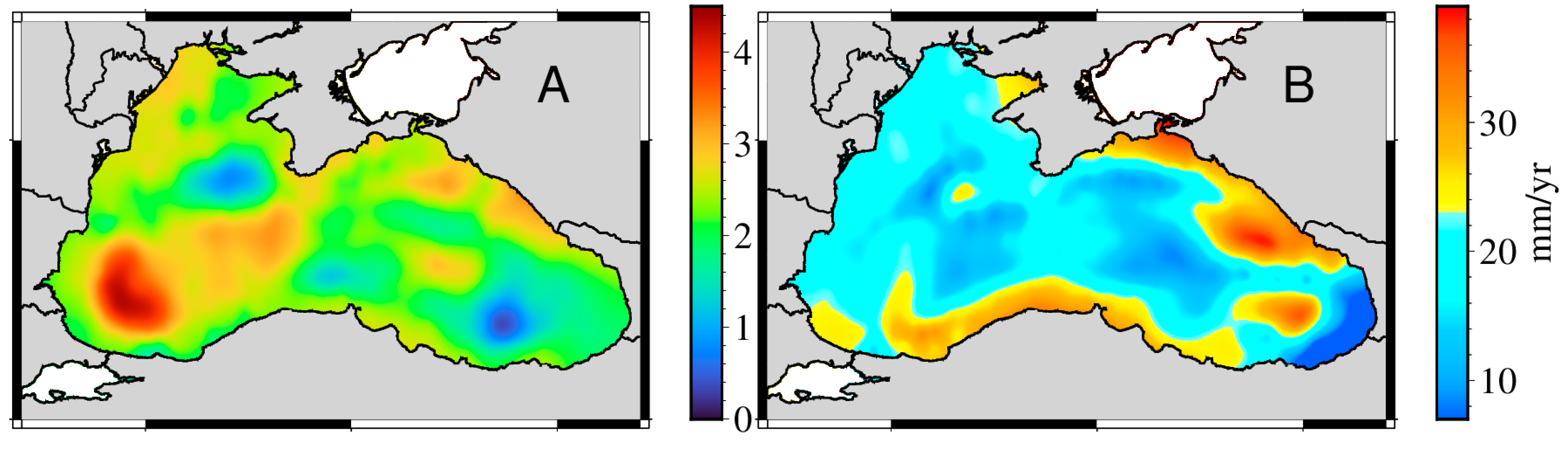
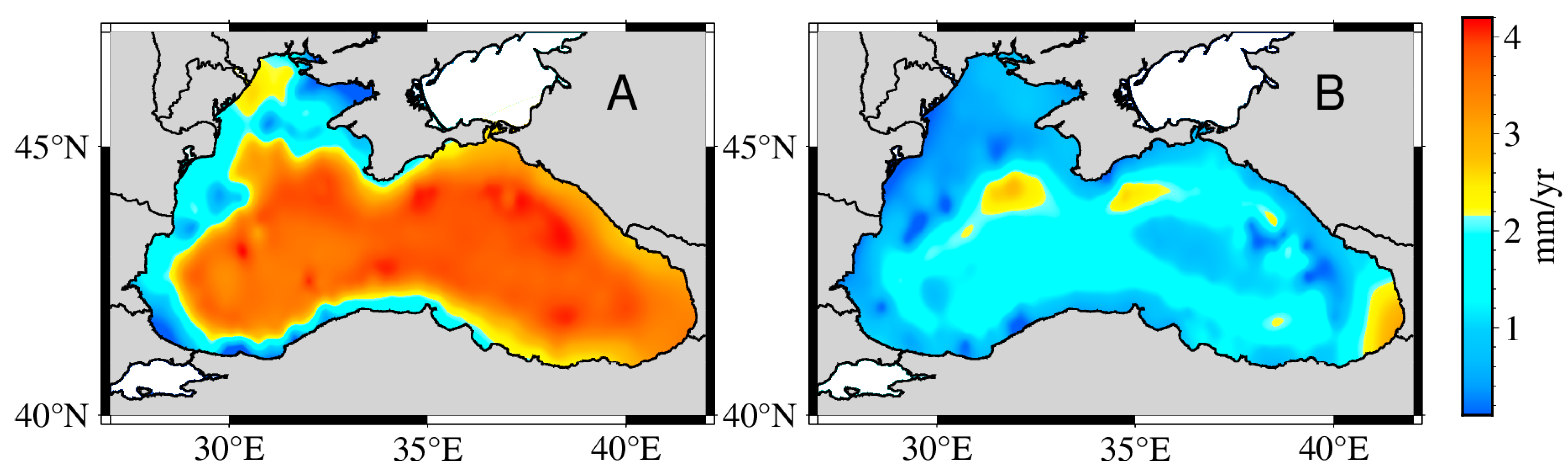
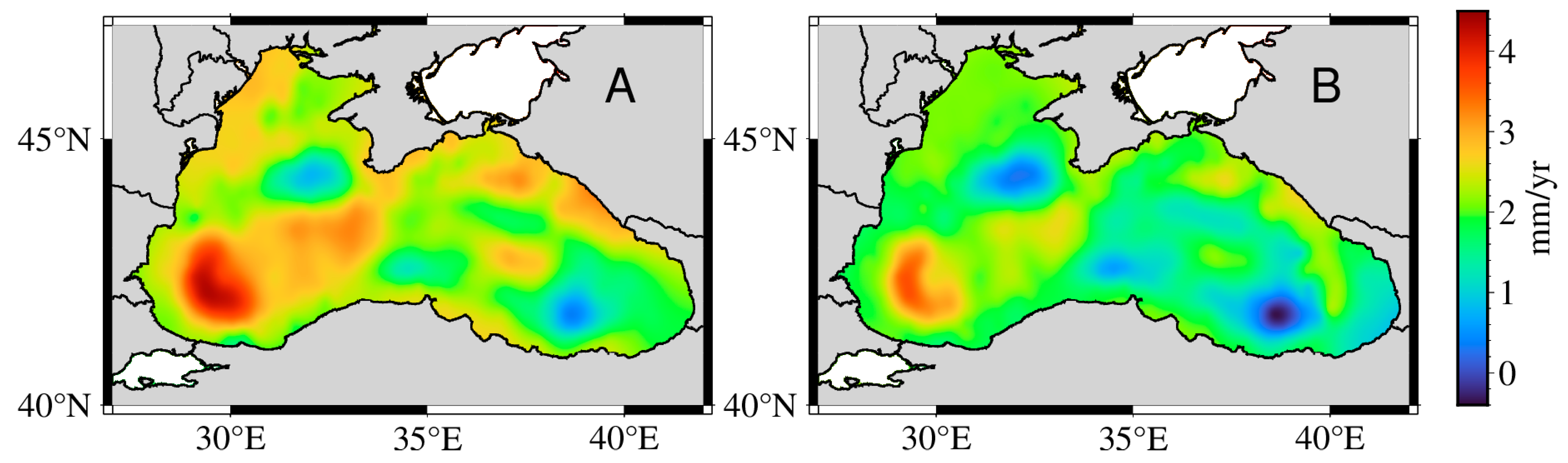
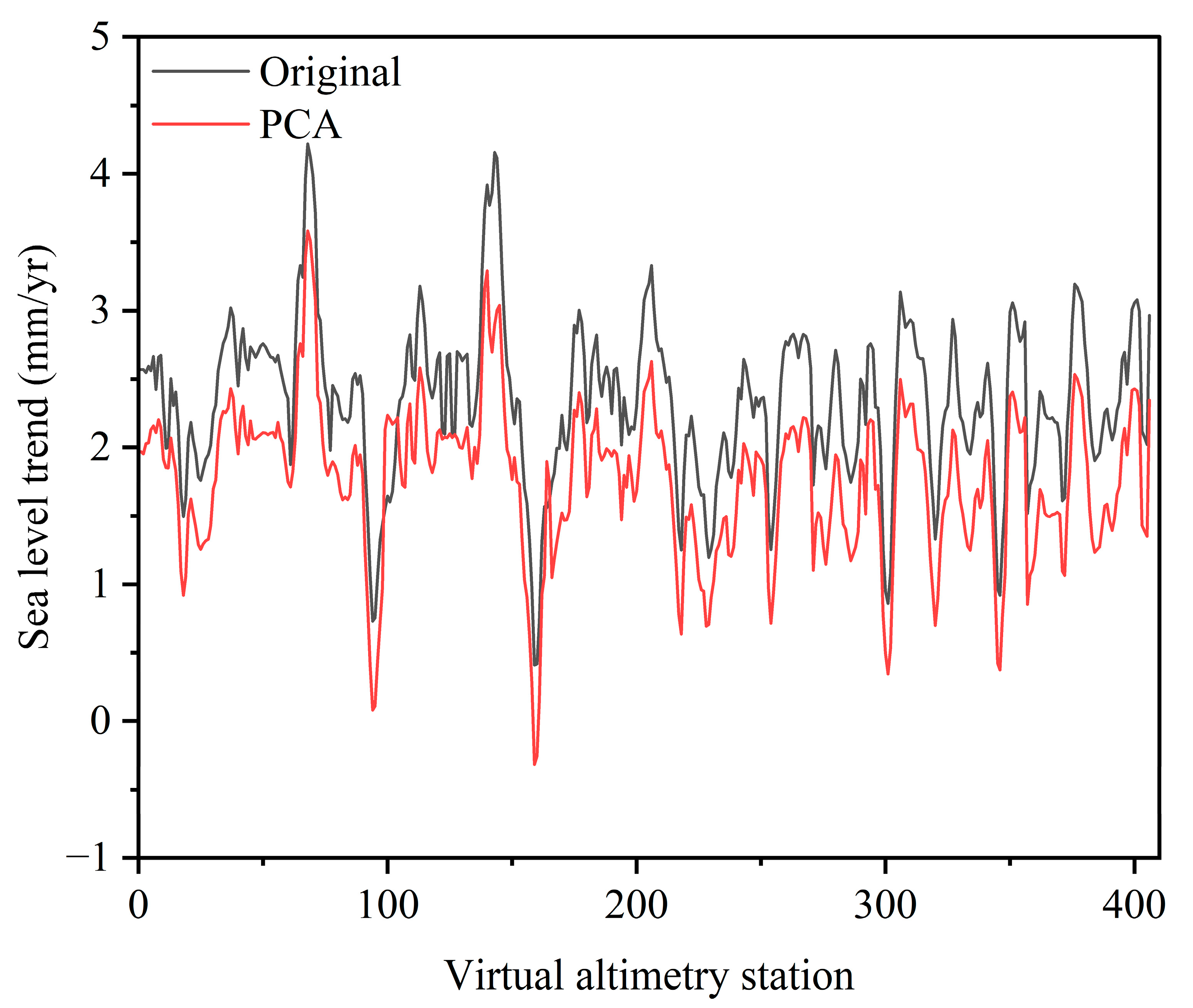
To further investigate the spatial distribution characteristics of sea level change in the Black Sea, this study utilizes SA data spanning the period 1993–2020, using sea level trends estimated from 406 virtual altimetry stations under their respective optimal noise models, a spatial distribution map of sea level trends in the Black Sea region was generated through geospatial interpolation techniques (
Figure 6A).
Figure 6A shows the spatial variation of mean sea level trends in the Black Sea from 1993 to 2020, with an average basin-wide trend of approximately 2.34 mm/yr. Long-term changes in the dynamic regime of the Black Sea have a significant impact on the spatial variability of sea level trends [
25]. Previous studies have identified water balance as the dominant driver of long-term sea level change in the Black Sea [
55]. Along the western coast, inflows from major rivers such as the Danube and Dnieper affect local sea levels, primarily through variations in river discharge. The maximum sea level trend of 4.22 mm/yr is observed in the southwestern sector of the basin, adjacent to the Turkish Straits, highlighting the region’s vulnerability to climate-induced hydrological changes. This region is subject to dynamic influences from water exchange through the straits and is modulated by the topographic constraints of the continental shelf; strong wind events can alter the net flow through the straits, subsequently impacting sea level [
56]. Furthermore, studies have shown that the highest average significant wave heights also occur in this southwestern zone near the Turkish coast [
57], indicating that the sea level change in this area is more significant due to the influence of dynamic factors. In contrast, the southeastern Black Sea displays a lower sea level trend compared to other regions, which may be associated with the presence of anticyclonic gyres. Cyclonic and anticyclonic gyres can induce regional water accumulation or depletion, thereby modulating sea level variability in the area [
58].
3.4. Seasonal Change in the Black Sea
Due to localized oceanographic processes, sea level changes across different regions of the Black Sea basin exhibit marked spatial heterogeneity. In semi-enclosed basins such as the Black Sea, sea level variability is neither temporally linear nor spatially uniform [
59]. Sea level changes are influenced not only by long-term trends but also by short-term variability, including seasonal climatic fluctuations, ocean circulation patterns, wind stress, and thermohaline structure [
60]. This study investigates the characteristics of seasonal variability in the Black Sea by analyzing annual amplitude across eight different time periods. According to the statistical results (
Table 4), the annual amplitudes remain relatively stable over time, with only minor fluctuations between intervals. A slight decreasing trend in amplitude is observed with increasing temporal coverage, which may be associated with evolving climate patterns, adjustments in ocean circulation, or interannual variability.
To further explore the spatial characteristics of seasonal oscillations, a spatial distribution map of annual amplitudes for the period 1993–2020 was generated (
Figure 6B), highlighting regional disparities in seasonal sea level variability across the basin.
The annual amplitude of sea level variation of the Black Sea is not uniformly distributed. Higher amplitudes are observed along the northeastern and southern coasts compared to the central basin. This spatial pattern may be attributed to the cyclonic boundary currents and basin-scale dynamics, which tend to elevate coastal sea levels [
61,
62]. Seasonal amplitude is further enhanced by local storm surges and Ekman transport, both of which are influenced by prevailing wind patterns [
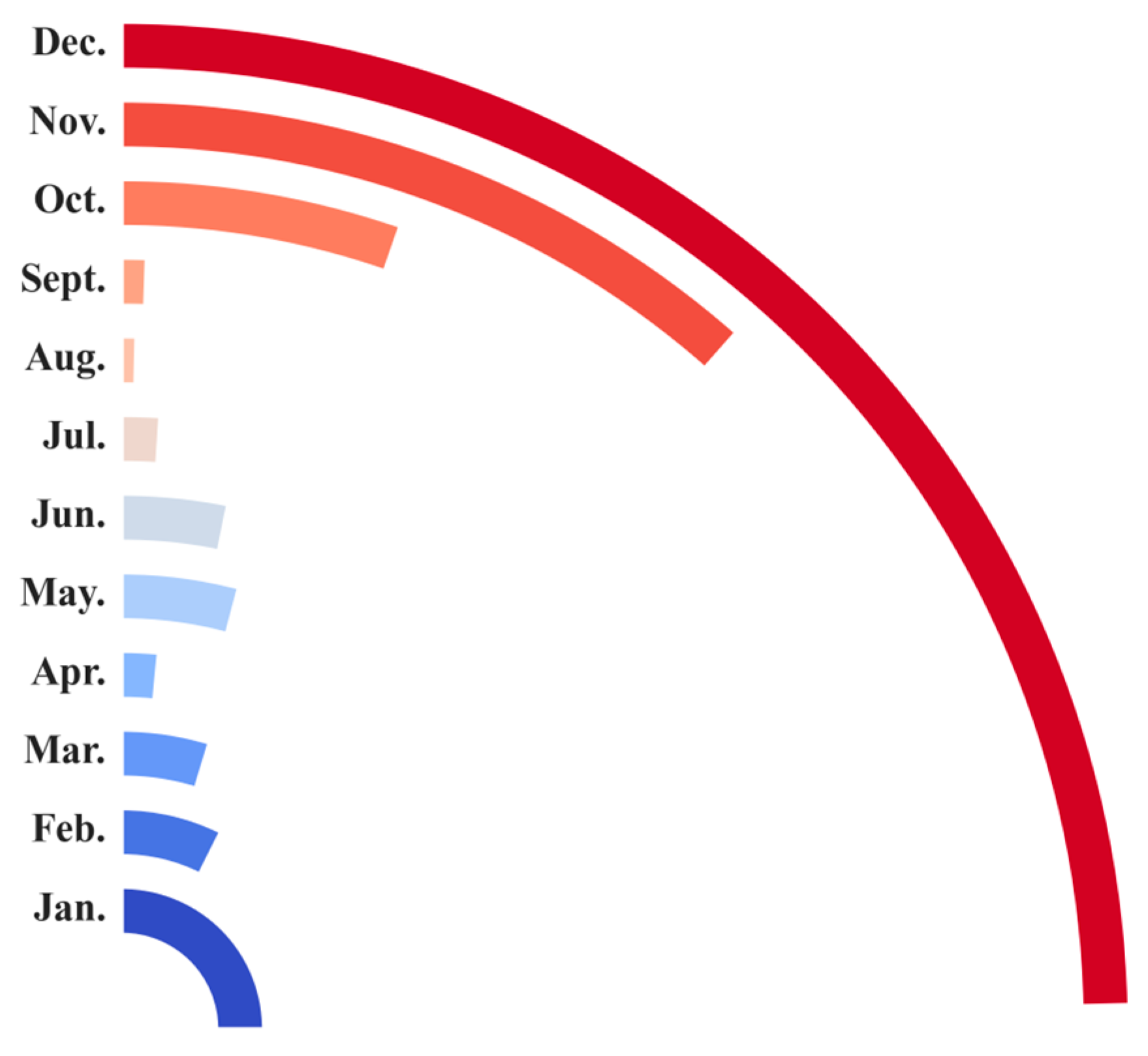
25]. In contrast, the interior basin, constrained by the semi-enclosed nature of the Black Sea, exhibits relatively lower amplitudes. Seasonal sea level variations are modulated by multiple factors, including atmospheric pressure fluctuations, wind stress, river discharge, water balance, and oceanic dynamics. To further investigate the characteristics of seasonal variability and the timing of sea level maxima, this study analyzed SA-derived SSH time series at 406 virtual altimetry stations over the 28-year period from 1993 to 2020, identifying the months in which peak sea levels occur. For each station, we extracted the month corresponding to the maximum SSH value in each year, and obtained a total of 28 “maximum months”. Then, we counted the number of times each Gregorian calendar month (January to December) was marked as the “month of maximum sea level height “ in all stations and years, and finally obtained the frequency of the maximum sea level in the year corresponding to each month (
Table 5).
Statistical analysis reveals that peak sea levels at most stations occur predominantly in December and January, comprising 27.63% and 28.06% of occurrences, respectively (
Figure 7). This seasonal pattern aligns with the dynamics of freshwater inflow, as the Black Sea basin typically experiences the highest precipitation during the winter months, coupled with peak river discharge in the spring. The combined effects of increased winter precipitation and intensified river inflow during spring likely contribute to elevated sea levels observed in December and January. Aydın and Beşiktepe [
63] reported that the highest sea levels generally occur between spring and summer, while the lowest levels are observed during autumn when river discharge is minimal. Sea level variability in the Black Sea has also been shown to be influenced by the North Atlantic Oscillation (NAO), which regulates terrestrial water storage and indirectly contributes to sea level fluctuations [
23,
64]. Sea level fluctuations in the Black Sea exhibit a negative correlation with the NAO index, with elevated sea levels typically occurring during negative NAO phases [
65]. During these phases, increased precipitation and river runoff enhance freshwater input into the basin, while intensified wind forcing can reduce outflow through the Bosphorus Strait, further amplifying sea level rise.
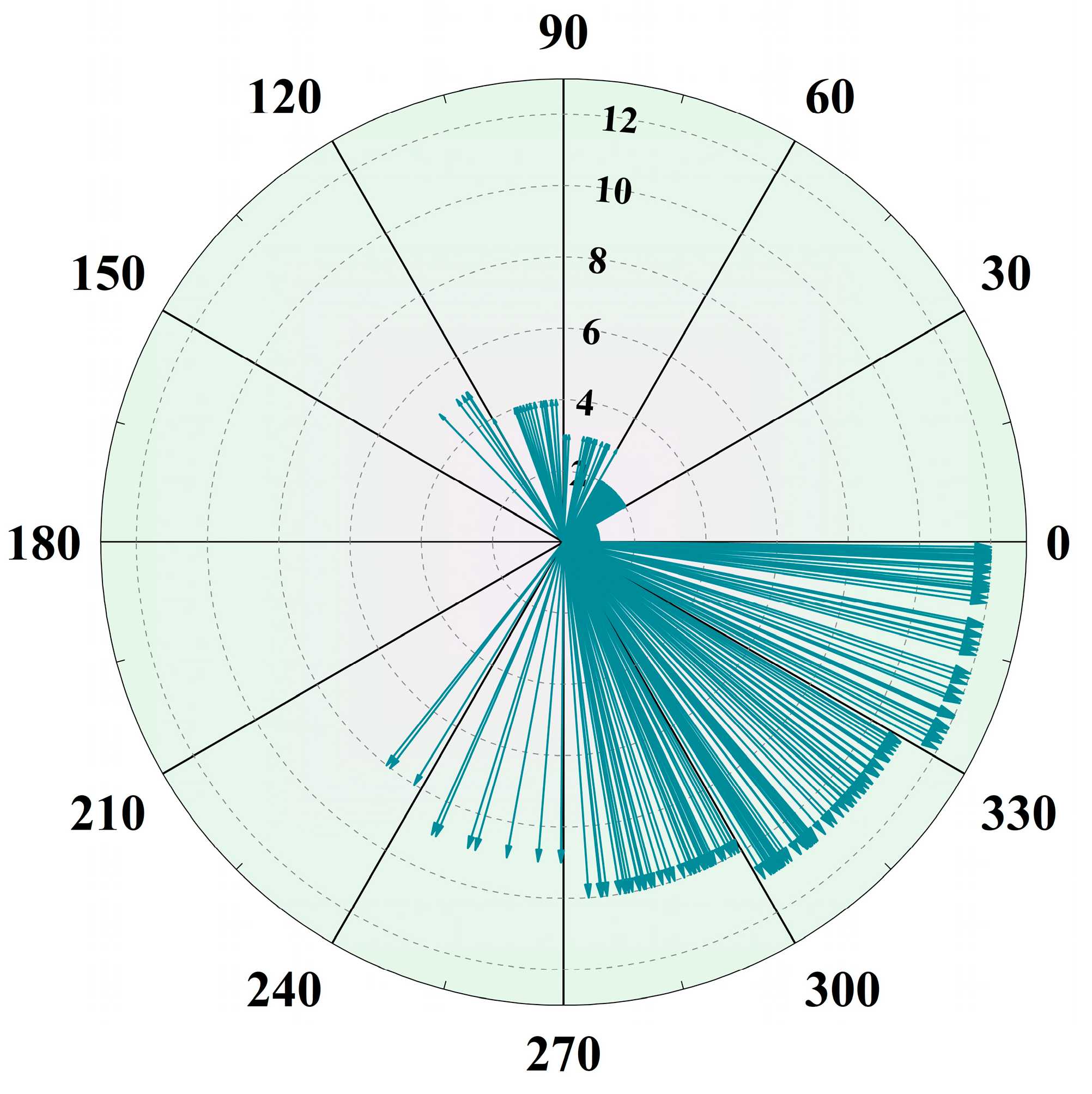
To investigate the spatiotemporal characteristics, dynamic evolution, and seasonal patterns of the annual amplitude of sea level variability in the Black Sea, this study analyzes the phase values derived from 406 virtual altimetry stations for the period 1993–2020. To identify the calendar month associated with the peak of the annual cycle, the phase angle is first normalized over the full 360-degree annual period and then linearly mapped onto a 12-month calendar scale, with 30 degrees representing one month. Statistical analysis identifies the calendar month corresponding to the maximum annual amplitude at each station (
Table 6), revealing the temporal distribution pattern of peak annual sea level variability across the Black Sea.
Table 6 summarizes the distribution of months in which the maximum annual amplitude of sea level occurs at 406 virtual altimetry stations across the Black Sea from 1993 to 2020. The results reveal a pronounced seasonal pattern, with peak amplitudes predominantly occurring between November and February (
Figure 8). Specifically, January and February together account for nearly 51% of all stations (28.82% and 21.92%, respectively), while secondary peaks are observed in November (15.27%) and December (11.58%). In contrast, the number of stations exhibiting peak amplitudes during the summer months (June to August) is negligible. No stations reach their maximum in June or July, and only 0.74% do so in August. This suggests that winter-driven processes dominate in shaping the annual cycle of sea level.




 ,
,