Article

STF-EGFA: A Remote Sensing Spatiotemporal Fusion Network with Edge-Guided Feature Attention
1
Faculty of Land Resource Engineering, Kunming University of Science and Technology (KUST), Kunming 650093, China
2
State Key Laboratory of Resources and Environment Information System, Institute of Geographic Sciences and Natural Resources Research, Chinese Academy of Sciences, Beijing 100101, China
*
Author to whom correspondence should be addressed.
Remote Sens. 2022, 14(13), 3057; https://doi.org/10.3390/rs14133057
Submission received: 10 May 2022 / Revised: 17 June 2022 / Accepted: 23 June 2022 / Published: 25 June 2022

Abstract

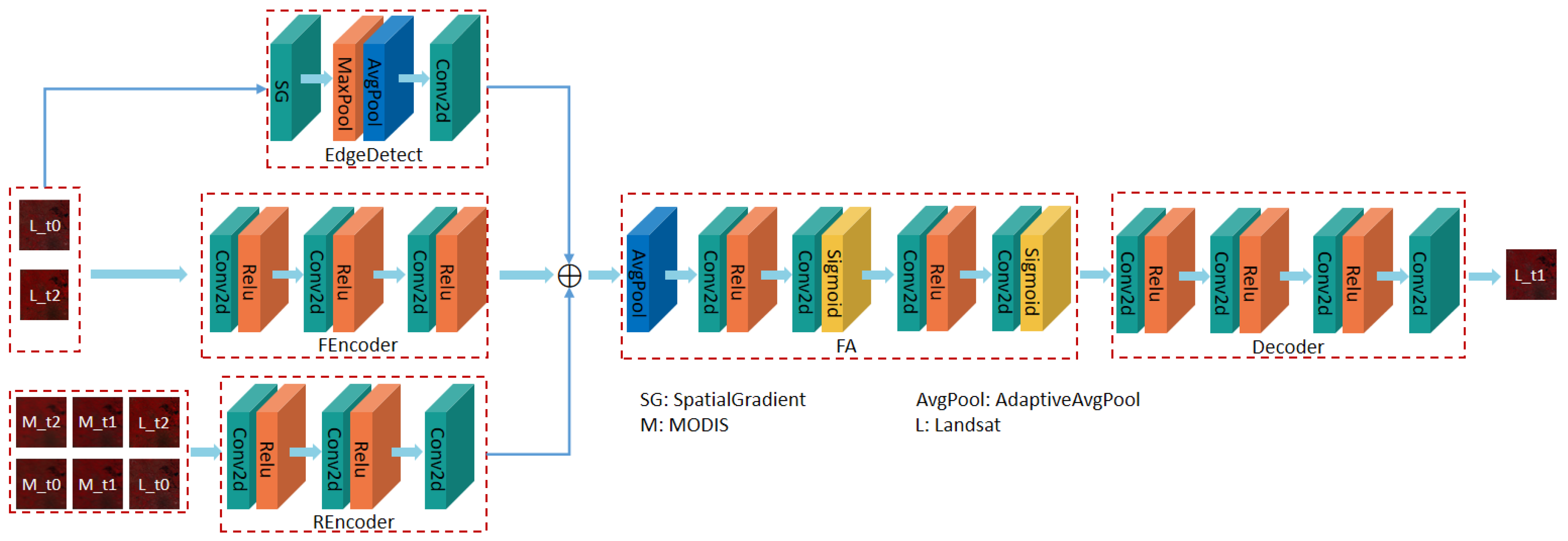
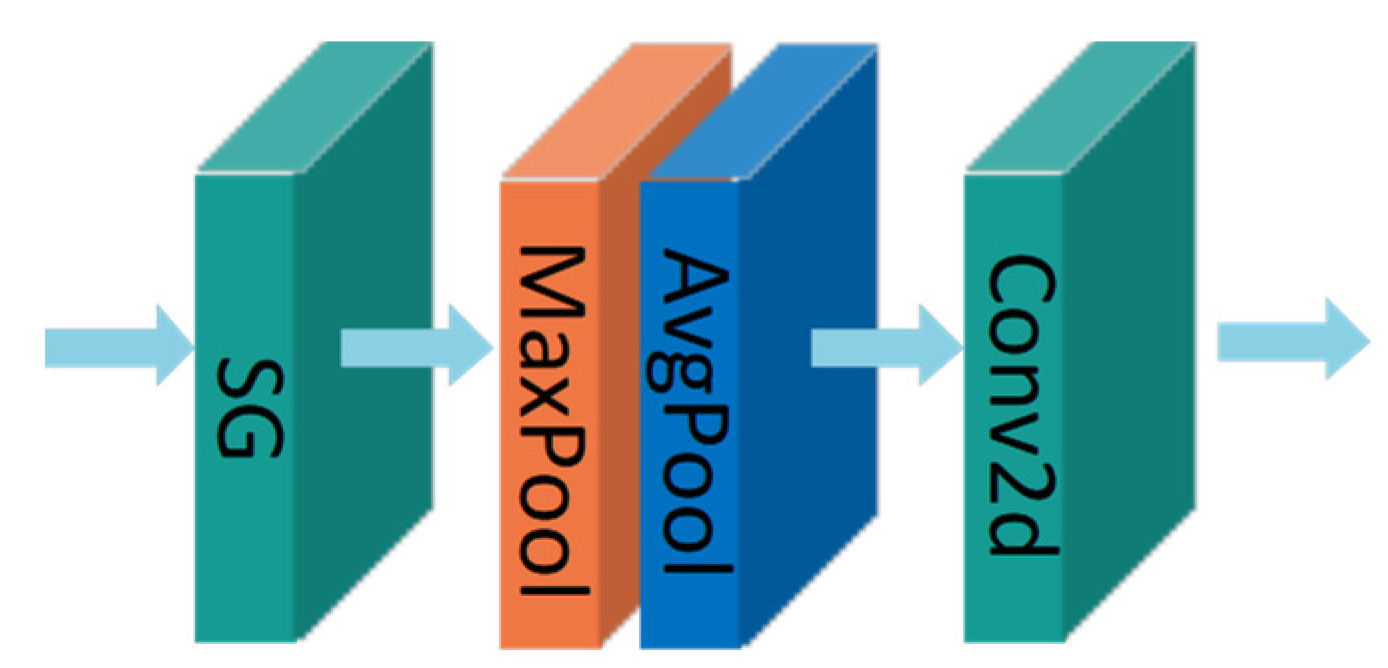
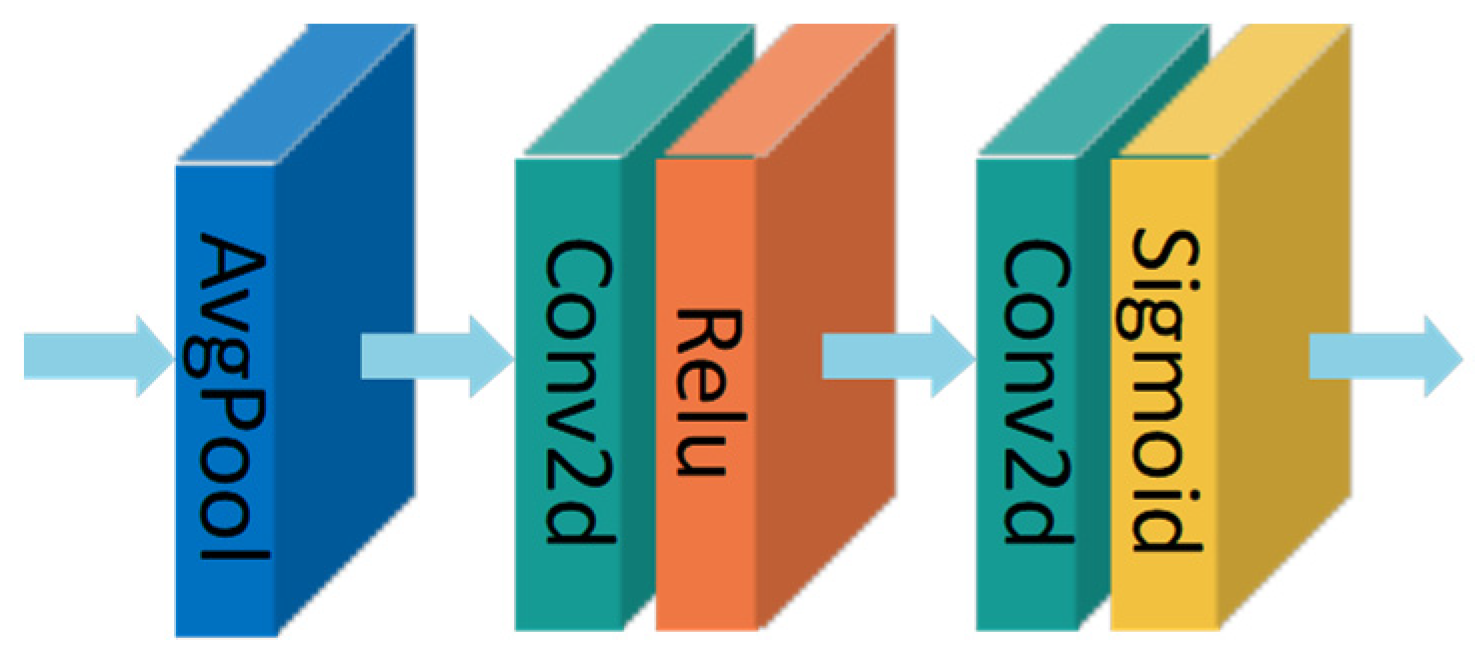
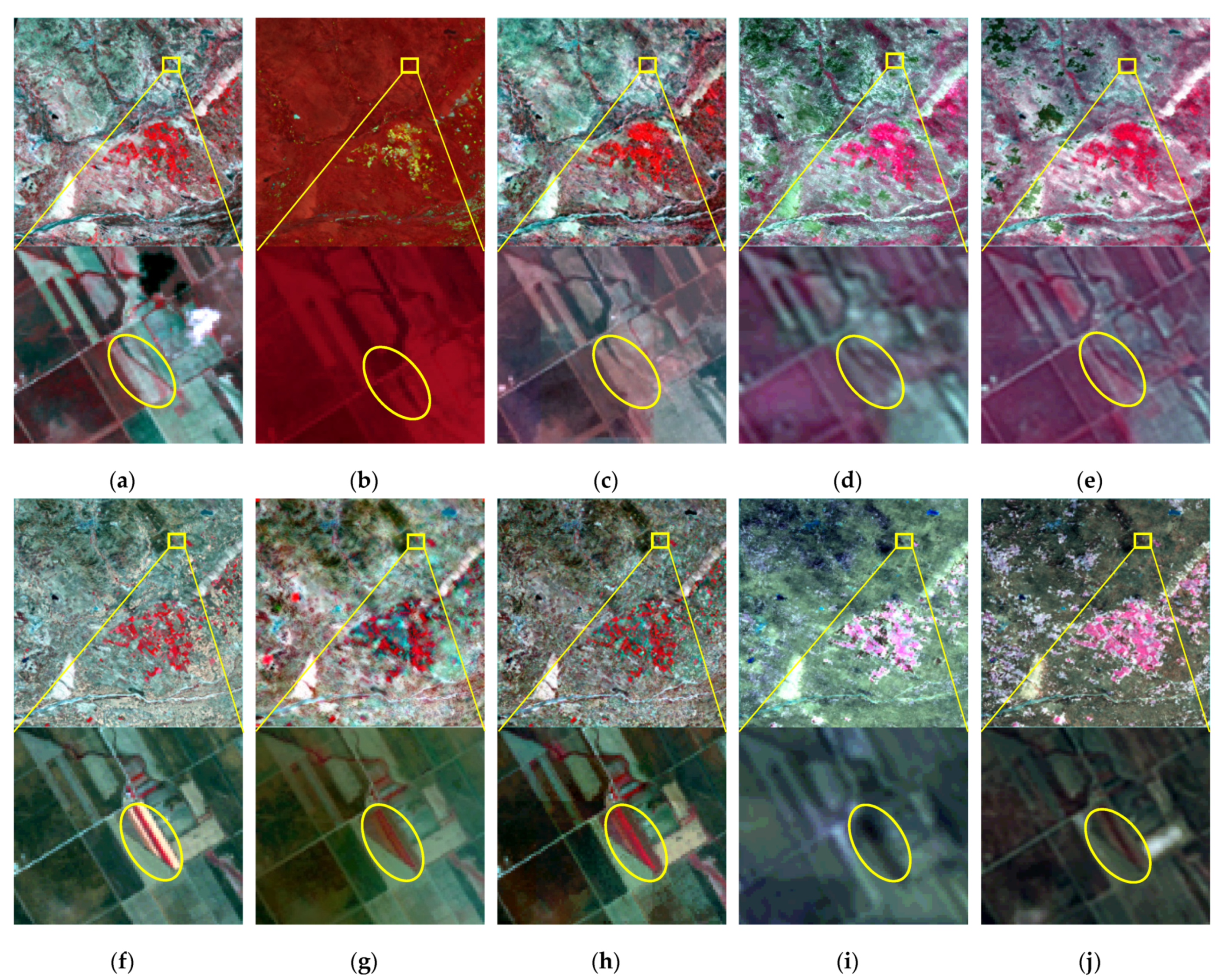
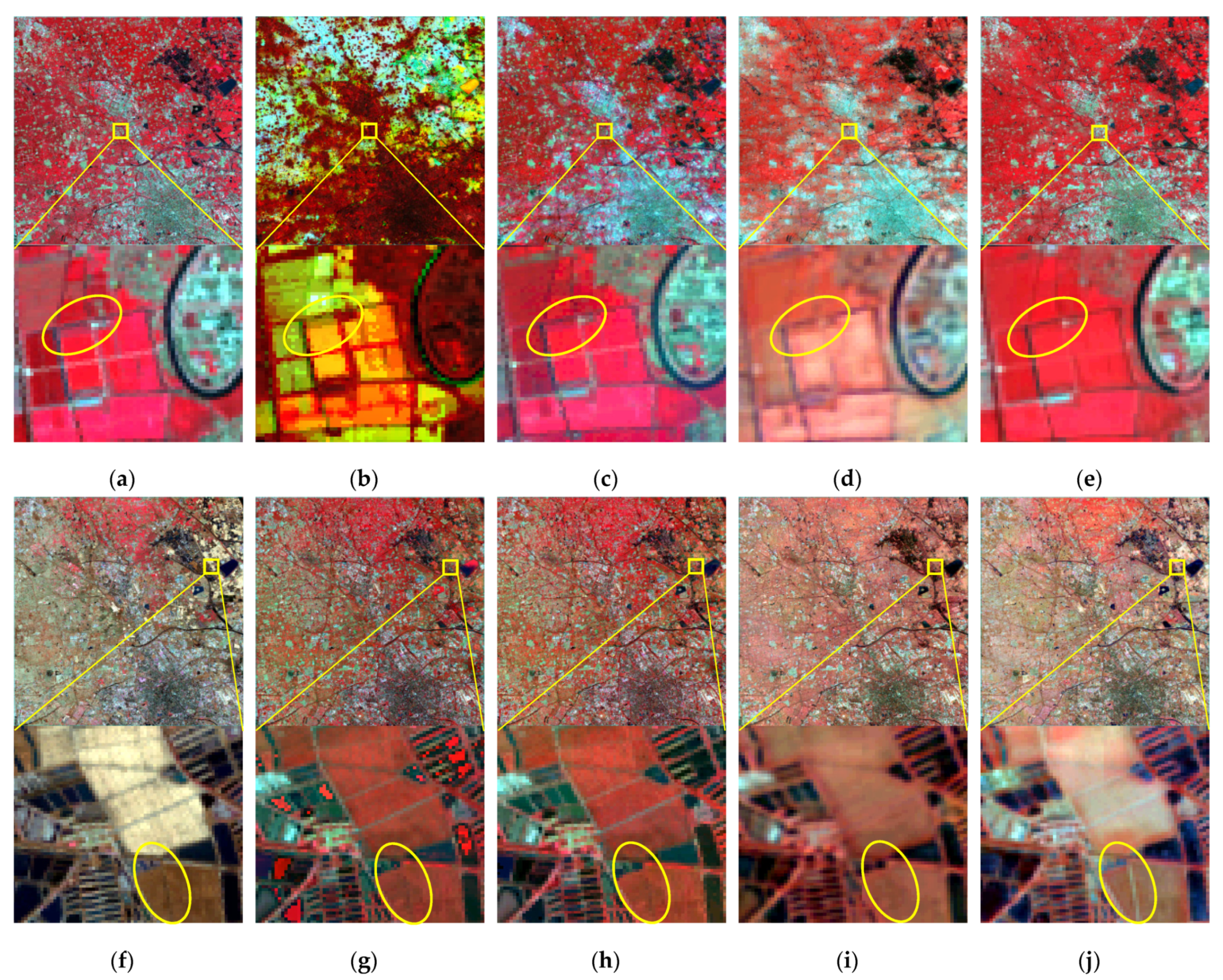
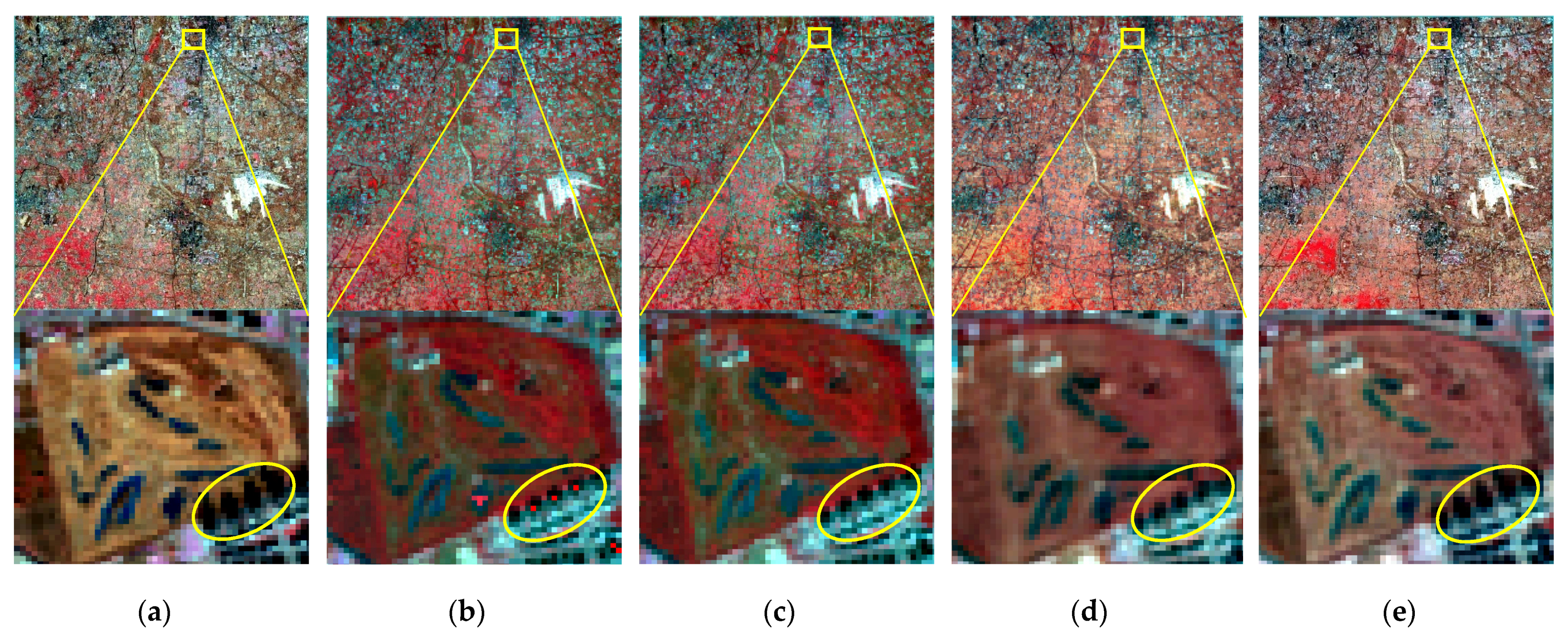
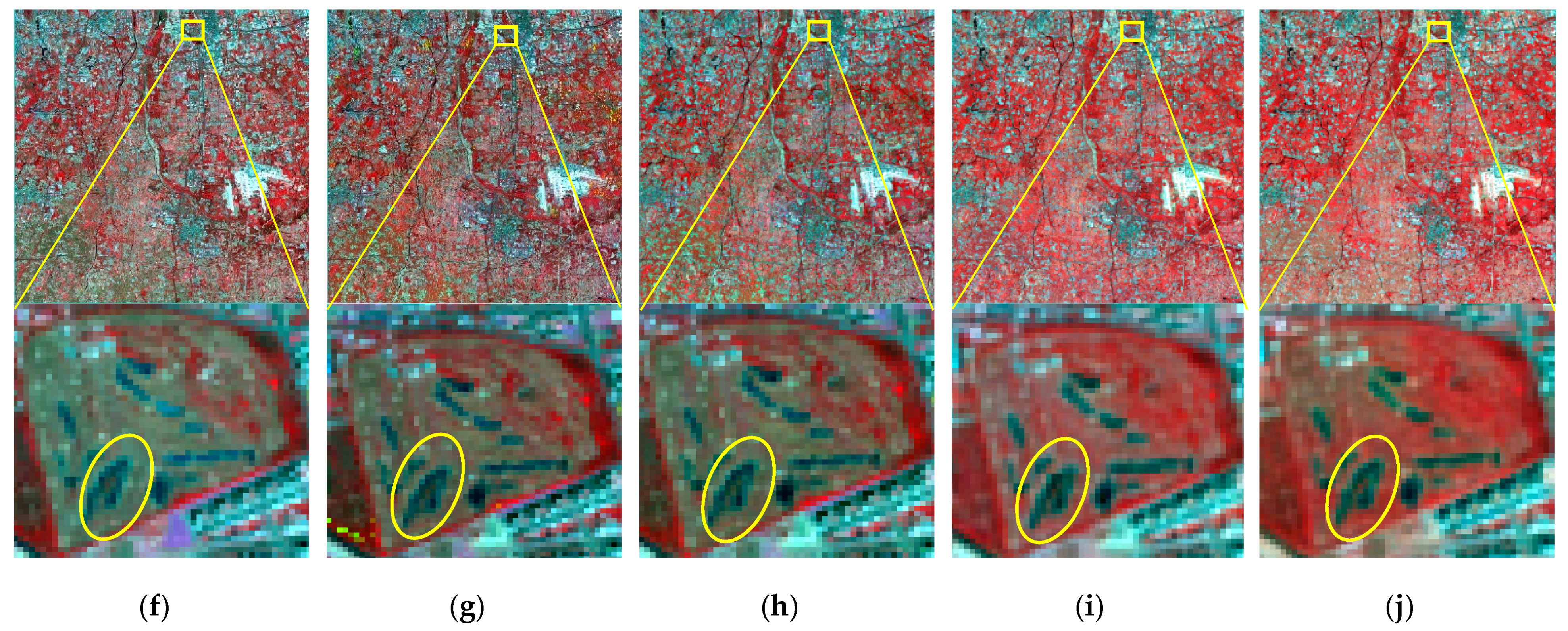
Spatiotemporal fusion in remote sensing plays an important role in Earth science applications by using information complementarity between different remote sensing data to improve image performance. However, several problems still exist, such as edge contour blurring and uneven pixels between the predicted image and the real ground image, in the extraction of salient features by convolutional neural networks (CNNs). We propose a spatiotemporal fusion method with edge-guided feature attention based on remote sensing, called STF-EGFA. First, an edge extraction module is used to maintain edge details, which effectively solves the boundary blurring problem. Second, a feature fusion attention module is used to make adaptive adjustments to the extracted features. Among them, the spatial attention mechanism is used to solve the problem of weight variation in different channels of the network. Additionally, the problem of uneven pixel distribution is addressed with a pixel attention (PA) mechanism to highlight the salient features. We transmit the different features extracted by the edge module and the encoder to the feature attention (FA) module at the same time after the union. Furthermore, the weights of edges, pixels, channels and other features are adaptively learned. Finally, three remote sensing spatiotemporal fusion datasets, Ar Horqin Banner (AHB), Daxing and Tianjin, are used to verify the method. Experiments proved that the proposed method outperformed three typical comparison methods in terms of the overall visual effect and five objective evaluation indexes: spectral angle mapper (SAM), peak signal-to-noise ratio (PSNR), spatial correlation coefficient (SCC), structural similarity (SSIM) and root mean square error (RMSE). Thus, the proposed spatiotemporal fusion algorithm is feasible for remote sensing analysis.
Keywords: convolutional neural network; remote sensing; spatiotemporal; image fusion; feature attention; edge extraction convolutional neural network; remote sensing; spatiotemporal; image fusion; feature attention; edge extraction