Article

Rotation-Invariant and Relation-Aware Cross-Domain Adaptation Object Detection Network for Optical Remote Sensing Images

1
School of Remote Sensing and Information Engineering, Wuhan University, Wuhan 430079, China
2
Westa College, Southwest University, Tiansheng Road No.2, Chongqing 400715, China
3
College of Sciences and Engineering, University of Tasmania, Churchill Avenue, Hobart, TAS 7055, Australia
4
Surveying and Mapping Institute, Lands and Resource Department of Guangdong Province, Guangzhou 510500, China
*
Author to whom correspondence should be addressed.
Remote Sens. 2021, 13(21), 4386; https://doi.org/10.3390/rs13214386

Submission received: 25 August 2021 / Revised: 13 October 2021 / Accepted: 26 October 2021 / Published: 30 October 2021
(This article belongs to the Special Issue Applications of Remote Sensing Imagery for Urban Areas)

Abstract

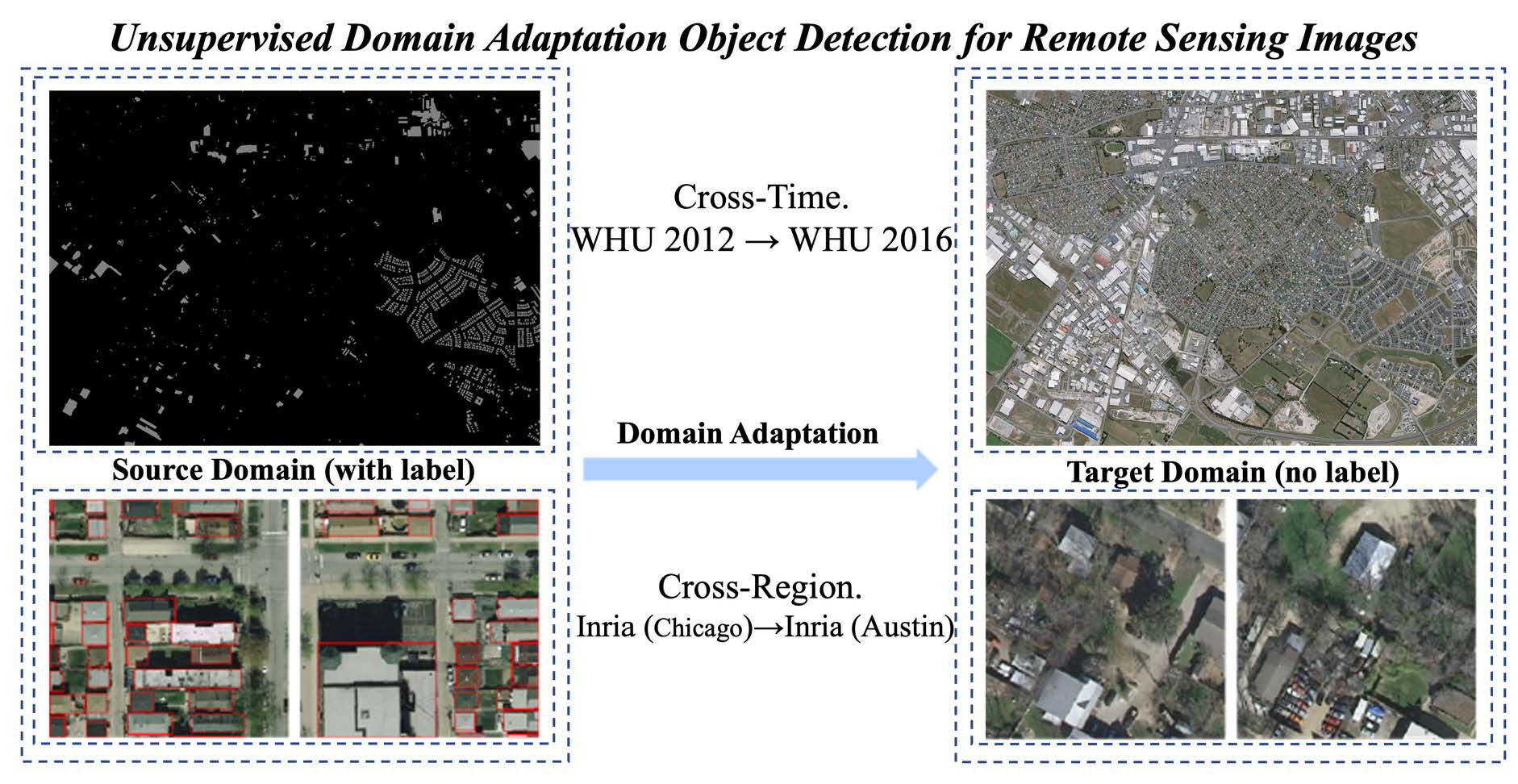
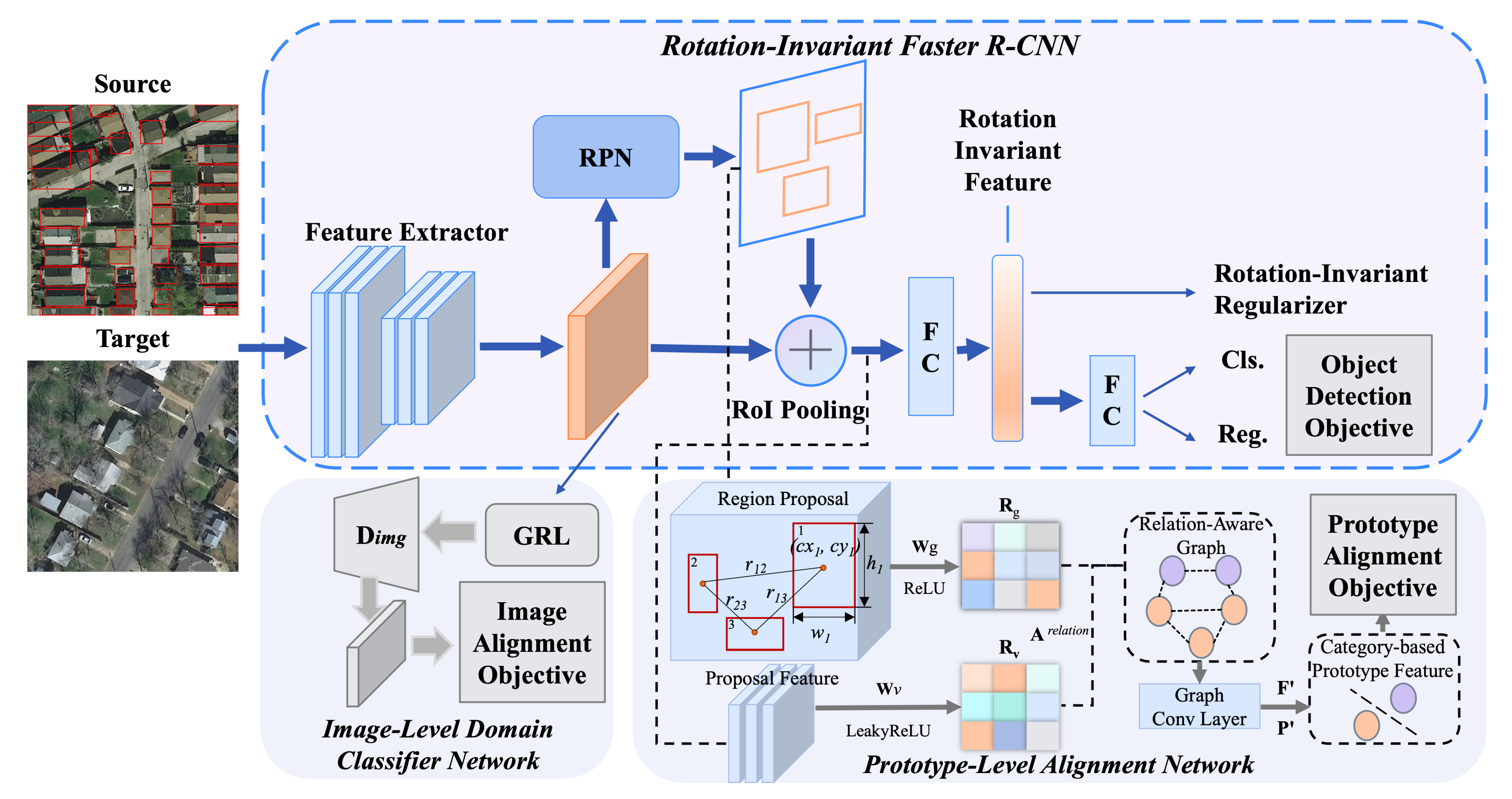
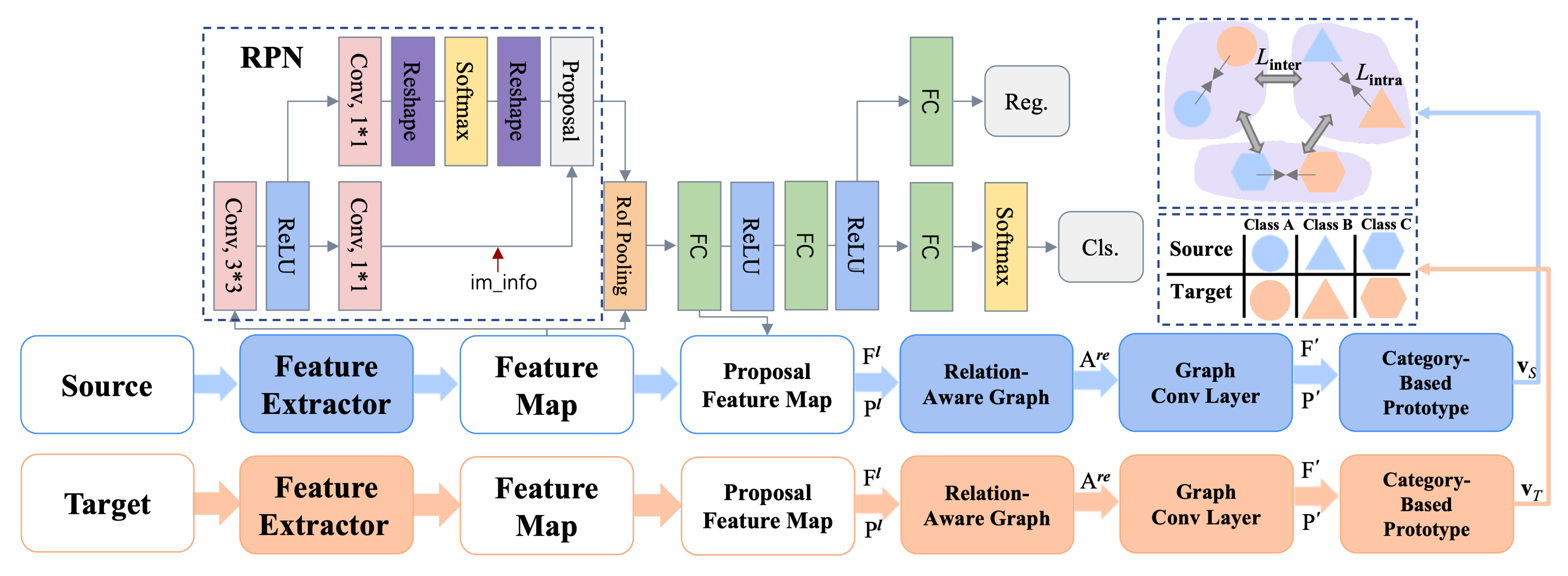
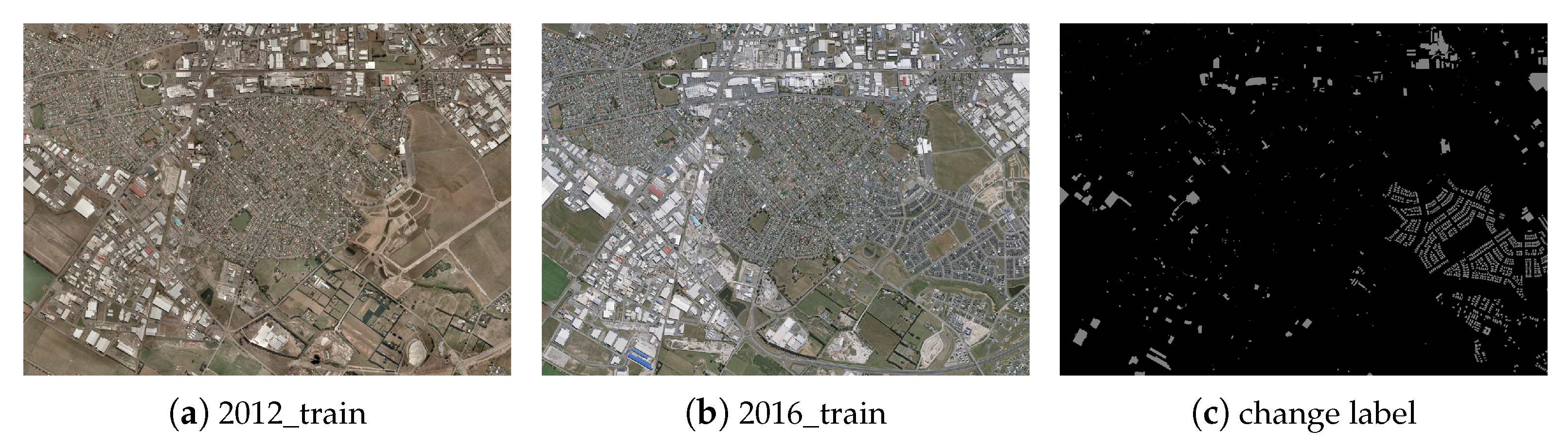
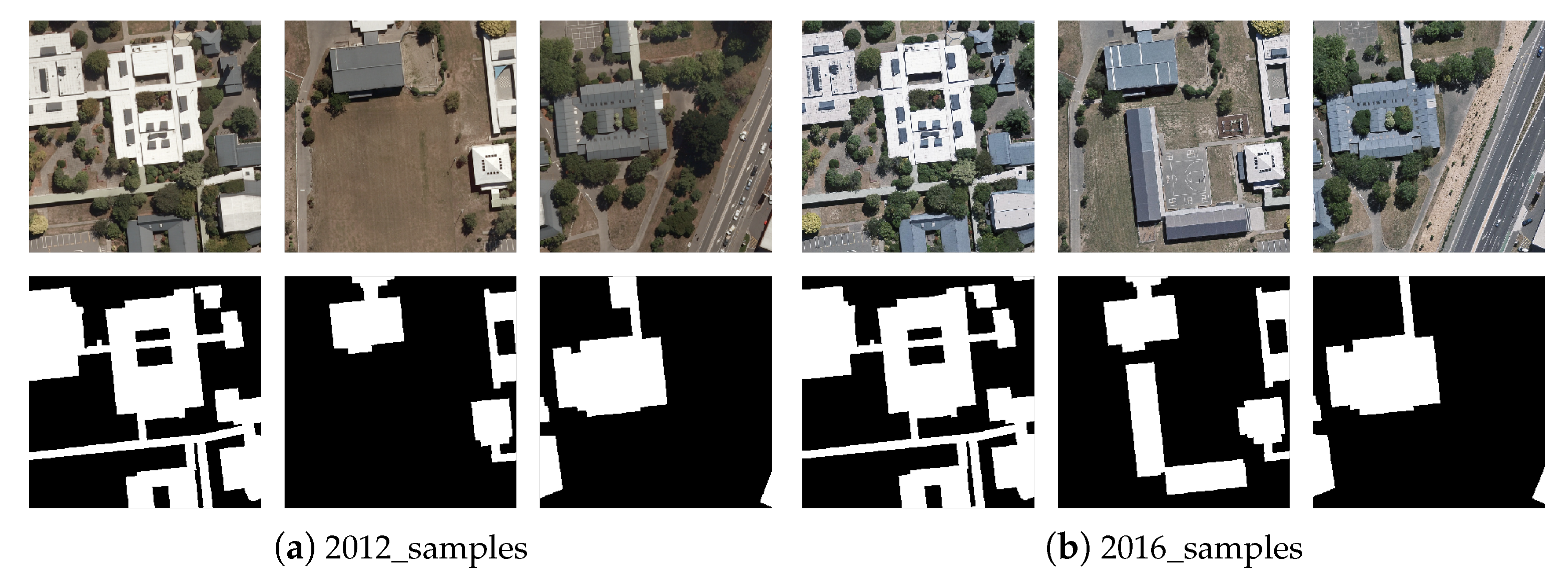
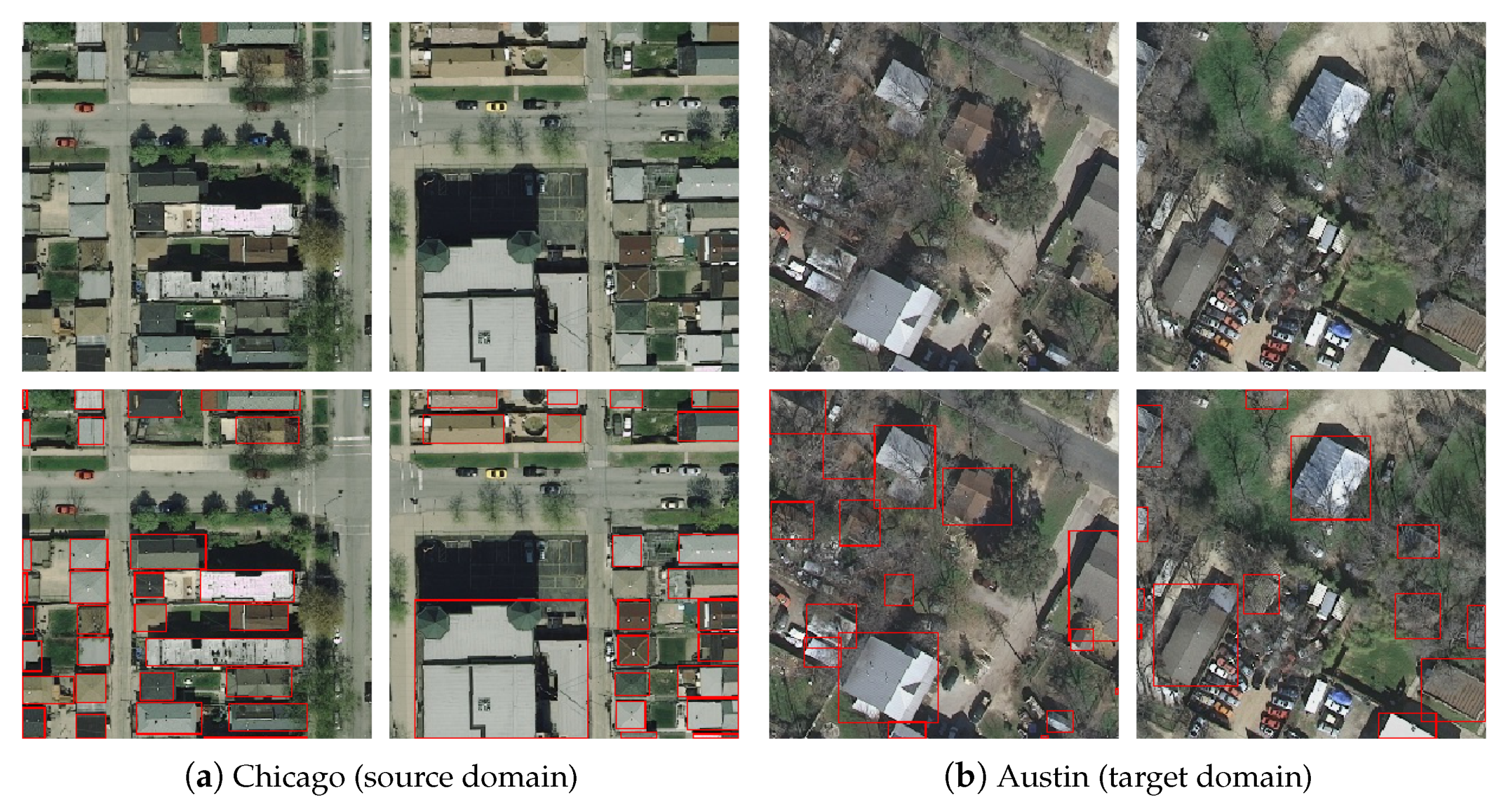
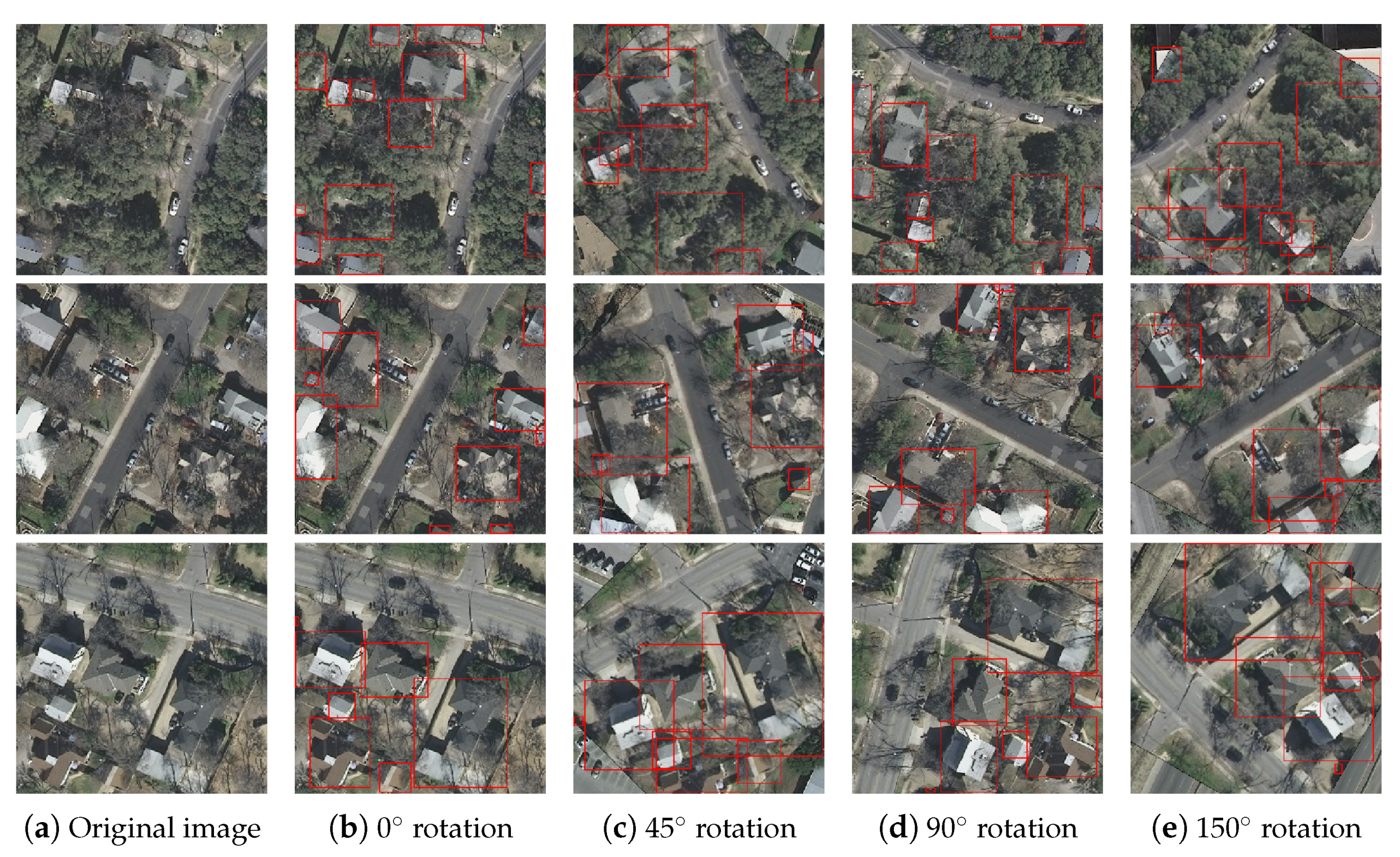
In recent years, object detection has shown excellent results on a large number of annotated data, but when there is a discrepancy between the annotated data and the real test data, the performance of the trained object detection model is often degraded when it is directly transferred to the real test dataset. Compared with natural images, remote sensing images have great differences in appearance and quality. Traditional methods need to re-label all image data before interpretation, which will consume a lot of manpower and time. Therefore, it is of practical significance to study the Cross-Domain Adaptation Object Detection (CDAOD) of remote sensing images. To solve the above problems, our paper proposes a Rotation-Invariant and Relation-Aware (RIRA) CDAOD network. We trained the network at the image-level and the prototype-level based on a relation aware graph to align the feature distribution and added the rotation-invariant regularizer to deal with the rotation diversity. The Faster R-CNN network was adopted as the backbone framework of the network. We conducted experiments on two typical remote sensing building detection datasets, and set three domain adaptation scenarios: WHU 2012 → WHU 2016, Inria (Chicago) → Inria (Austin), and WHU 2012 → Inria (Austin). The results show that our method can effectively improve the detection effect in the target domain, and outperform competing methods by obtaining optimal results in all three scenarios.
Keywords: object detection; unsupervised domain adaptation; remote sensing images; rotation invariance; graph convolutional neural network (GCN) object detection; unsupervised domain adaptation; remote sensing images; rotation invariance; graph convolutional neural network (GCN)
Graphical Abstract