Article

Performance Evaluation of Vibrational Measurements through mmWave Automotive Radars †

1
Information Engineering Department, Università Politecnica delle Marche, via Brecce Bianche 12, 60131 Ancona, Italy
2
Department of Industrial Engineering and Mathematical Sciences, Università Politecnica delle Marche, via Brecce Bianche 12, 60131 Ancona, Italy
*
Author to whom correspondence should be addressed.
This paper is an extended version of our paper published in Proceedings of 2020 IEEE 7th International Workshop on Metrology for AeroSpace (MetroAeroSpace), Pisa, Italy, 22–24 June 2020.
Remote Sens. 2021, 13(1), 98; https://doi.org/10.3390/rs13010098
Submission received: 30 November 2020 / Revised: 23 December 2020 / Accepted: 24 December 2020 / Published: 30 December 2020

Abstract

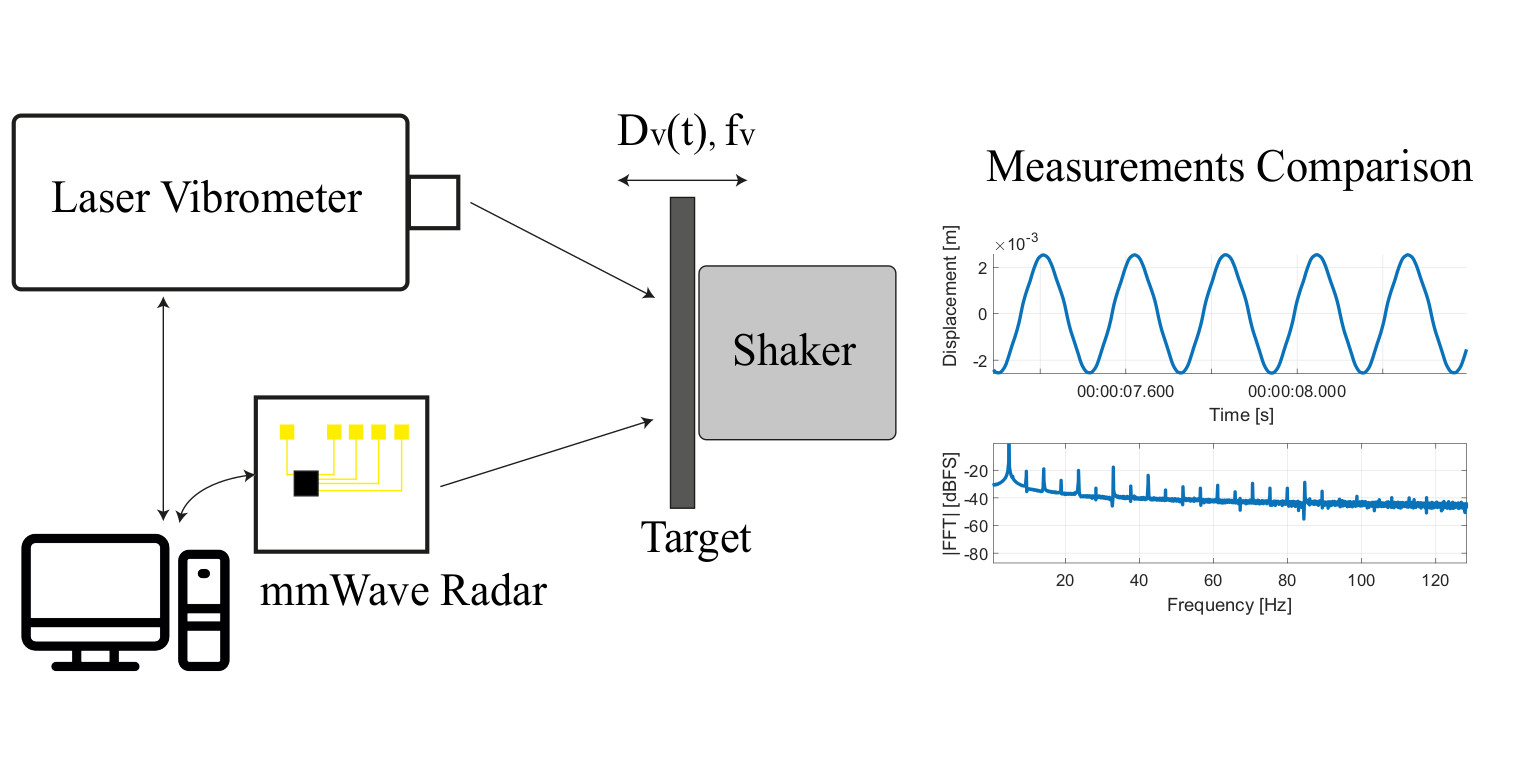
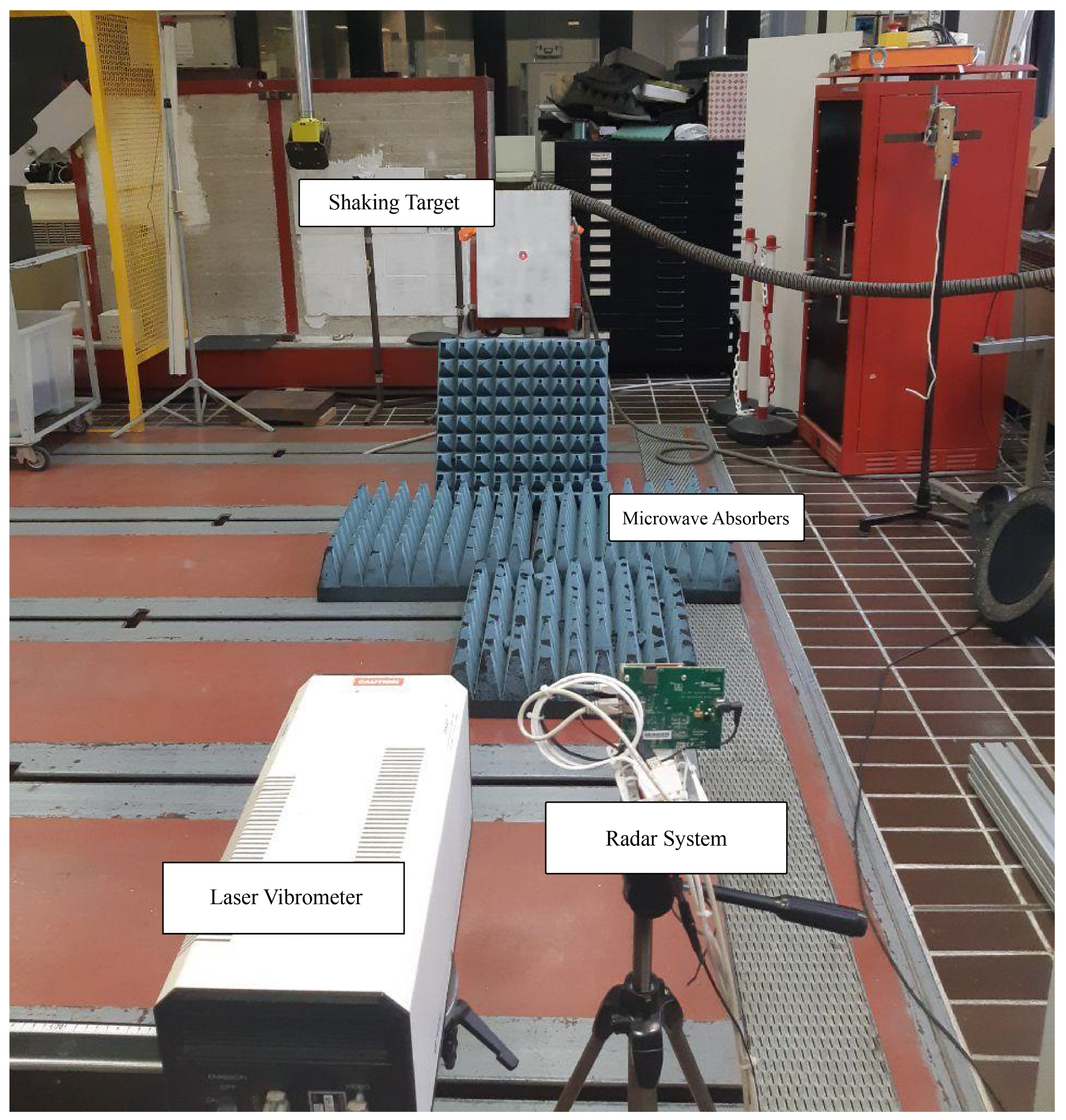
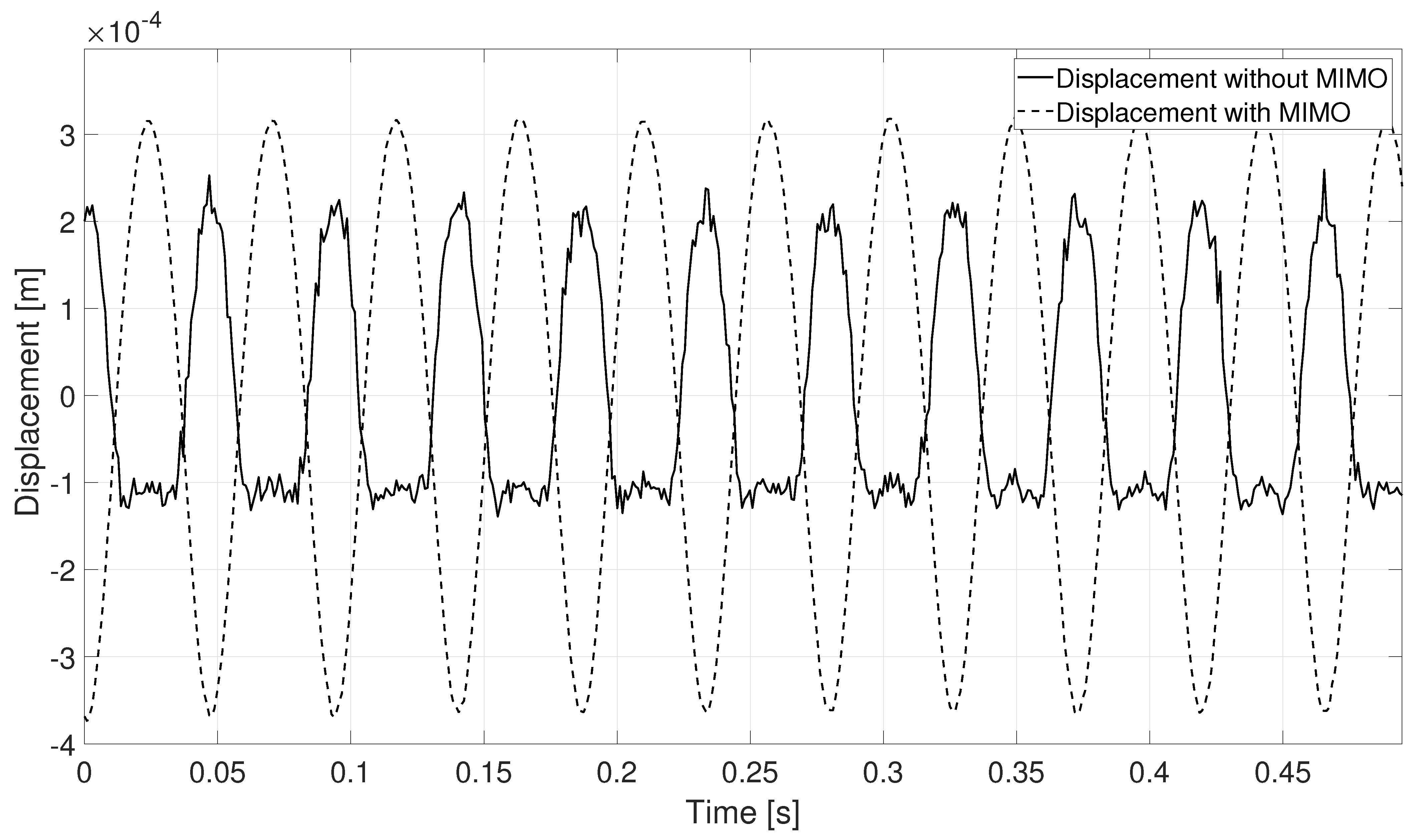
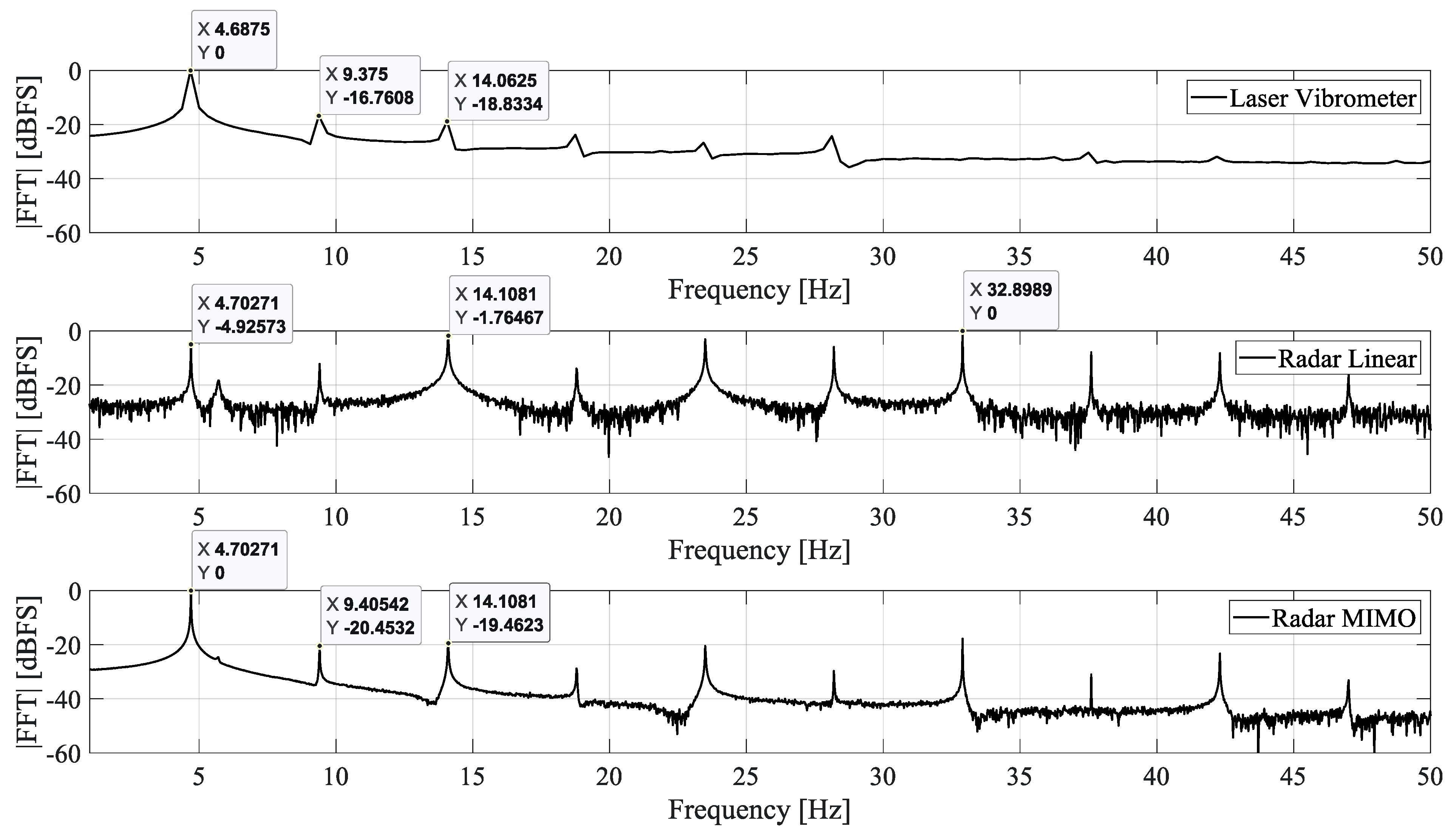
Thanks to the availability of a significant amount of inexpensive commercial Frequency Modulated Continuous Wave Radar sensors, designed primarily for the automotive domain, it is interesting to understand if they can be used in alternative applications. It is well known that with a radar system it is possible to identify the micro-Doppler feature of a target, to detect the nature of the target itself (what the target is) or how it is vibrating. In fact, thanks to their high transmission frequency, large bandwidth and very short chirp signals, radars designed for automotive applications are able to provide sub-millimeter resolution and a large detection bandwidth, to the point that it is here proposed to exploit them in the vibrational analysis of a target. The aim is to evaluate what information on the vibrations can be extracted, and what are the performance obtainable. In the present work, the use of a commercial Frequency Modulated Continuous Wave radar is described, and the performances achieved in terms of displacement and vibration frequency measurement of the target are compared with the measurement results obtained through a laser vibrometer, considered as the reference instrument. The attained experimental results show that the radar under test and the reference laser vibrometer achieve comparable outcomes, even in a cluttered scenario.
Keywords: mmWave; FMCW; radars; automotive; vibrations; micro-Doppler mmWave; FMCW; radars; automotive; vibrations; micro-Doppler
Graphical Abstract