2. Literature Review
The impact of industry 4.0 technologies on the maritime sector is mostly discussed in the literature through the concepts of Maritime 4.0, smart shipping, and Port 4.0. These concepts are used as frameworks to describe the integration of the Internet of Things, big data analytics, artificial intelligence, and autonomous systems into ship operations and port processes [
7,
8,
9,
10]. Real-time data flow is provided between ships, ports, and shore facilities through IoT-based sensors and connected systems; these data are used to monitor, predict, and optimize operational processes through big data analytics and AI-powered applications [
11].
Autonomous and semi-autonomous ship systems, AI-based navigation support solutions, environmental effect, coordination among parties and port automation applications are among the main technological components of industry 4.0 in the maritime sector. These technologies are being developed with the aim of improving route planning, reducing operational disruptions, and increasing process performance [
12,
13,
14]. In this context, industry 4.0 contributes to the formation of a new system architecture in the maritime sector where operational processes are increasingly managed through digital representations and data-driven systems.
As studies addressing the effects of Industry 4.0 on the maritime sector are examined methodologically, it is seen that there are distinct trends and divergences in the literature. Studies conducted by Balan [
15], Tijan et al. [
10] and Razmjooei et al. [
16] investigated digital transformation in the maritime sector primarily through descriptive analyses based on conceptual frameworks and secondary sources; they discuss the potential impacts of industry 4.0 components from a general perspective. Similarly, Heilig et al. [
7] and Molavi et al. [
9] examine digitalization and smart port concepts specifically in ports through conceptual models and index proposals, but give limited attention to empirically testing these models.
In contrast, studies such as Aslam et al. [
12], Durlik et al. [
11], Wang et al. [
17] and Issa et al. [
18] address IoT and data analytics applications from a technical perspective; they focus on architectural structures, data flows, and application scenarios. However, in these studies as well, the impacts of industry 4.0 technologies in the maritime sector are mostly evaluated in the context of technological capacity or application potential and are not directly correlated with measurable operational performance outputs. Shahbakhsh et al. [
13] address autonomous ship systems within a historical and conceptual framework, without including causal or comparative quantitative analyses. However, it has been observed that there are some barriers to the integration of autonomous shipping systems. Main themes are human factors, data and risk management, technology and connectivity and operations and policy barriers for integrating the autonomous shipping technologies [
19]. It can be argued that overcoming the barriers to the integration of autonomous maritime systems depends significantly on critical factors such as technical and digital expertise, operational and managerial capabilities, advanced cognitive skills, and interpersonal competencies [
20].
Oloruntobi et al. [
21], while discussing the environmental performance dimension, only includes limited statistical models that directly measure the impacts of industry 4.0 technologies. On the other hand, digitalization contributes positively to sustainability in many perspectives [
22]. Pu an Lam [
23] investigated the environmental implications of blockchain technology within the context of digital transformation. The key findings indicate the following: (1) digitalization has the potential to cut over 99% of emissions associated with document handling; (2) emissions from passenger road transport for document delivery represent the largest contributor in paper-based systems, accounting for more than 90% of emissions per shipping event; and (3) blockchain-based and centralized systems achieve comparable emission reductions, as do integrated and separate platform approaches. Despite the potential of sustainable digital technologies to enhance operational efficiency and reduce carbon emissions, several barriers continue to hinder their effective integration [
24]. Zeng et al. [
25] examined the barriers and enablers to adaptation for digitalization. Based on the comprehensive review, authors revealed the forefronted technologies such as blockchain, digital twin and autonomous shipping. Lack of awareness has also been mentioned and provided as the slowing effect to adaptation progress. Nguyen et al. [
26] examined the adoption process of blockchain technology in container transportation, focusing on the barriers, approaches, and practical implications for terminal operators, liner shipping companies, and freight forwarders. The study identifies several critical barriers, including limited resources and misaligned needs, security concerns, lack of expertise, privacy issues, insufficient governmental support, and technological complexity. To address these challenges, the authors propose the following six key recommendations: promoting the adoption of sustainable practices, ensuring gradual alignment with formal development pathways, facilitating the transition toward standardized digitalization, streamlining the legalization and certification of blockchain-based solutions, and evaluating such solutions in terms of operational risks and potential disruption-related events. González Chávez et al. [
27] examine the current state of digital servitization in the maritime transport sector, the challenges hindering its adoption, and its role in fostering sustainable solutions through a multiple-case analysis of 13 companies in northern Europe. Using PESTEL and DPSIR frameworks, the analysis highlights that conservative industry structures, data management and connectivity issues, and a shortage of skilled labor slow down digital servitization, whereas regulatory compliance and cost-sharing incentives can accelerate the transformation process. The findings demonstrate the potential of digital servitization to create sustainable value in maritime operations, supported by both theoretical and empirical evidence.
Digital transformation in maritime transportation can be conceptualized as a multidimensional process shaped by interconnected constructs [
28]. Operational autonomy refers to the ability of systems to perform tasks with minimal human intervention, while coordination captures the level of integration and information exchange among stakeholders [
29]. Safety and cybersecurity represent the risk and resilience dimension, ensuring secure and reliable operations in increasingly digital environments [
30]. Sustainability, on the other hand, reflects the long-term environmental and societal implications of technological adoption [
23,
31]. These constructs are inherently interrelated, as higher levels of autonomy and coordination increase both efficiency and exposure to cyber risks, while sustainability considerations impose additional constraints on technology selection. Therefore, hierarchical structuring of these dimensions provides a theoretically grounded basis for evaluating and prioritizing industry 4.0 components in the maritime sector.
Existing studies in industry 4.0 have predominantly examined components in isolation and have not systematically addressed their relative importance under uncertainty, nor have they employed the Bayesian BWM to model decision-makers’ judgments probabilistically. Accordingly, this study aims to prioritize industry 4.0 components in maritime transportation by applying the Bayesian BWM at the component level and to generate a credal ranking that reveals their relative significance under uncertainty.
When these studies are considered together, a significant methodological heterogeneity is observed in the literature regarding the types of data used (secondary data, simulation outputs, and expert-based assessments), analysis techniques (conceptual analyses, bibliometric methods, and technical assessments), and impact measurement levels. This heterogeneity limits the comparability, interoperability, and generalizability of findings regarding the impacts of industry 4.0 technologies on the maritime sector. Based on the literature and existing studies, there is a clear need for an evaluation of industry 4.0 components and technologies with robust methodology. To address this issue, the study employed Bayesian BWM to assess industry 4.0 components and relationship level among them. On the other hand, there is a growing need for integration of sustainability and industry 4.0 technologies and componential analysis with probabilistic perspective.
3. Methodology
This section intended to provide a comprehensive overview of the methodological framework employed in the present study.
MCDM methods are widely employed analytical tools for solving, prioritizing, and selecting among complex decision problems. These methods have also been extensively applied in the maritime transportation literature [
32,
33,
34,
35,
36]. The BWM, one of the MCDM methods, is a weighting approach based on pairwise comparisons among criteria, originally proposed by Rezaei. [
37]. In the BWM framework, decision-makers are required to perform only
pairwise comparisons. Therefore, BWM is considered a data-efficient method that reduces the number of comparisons while ensuring more consistent evaluations [
38]. Furthermore, BWM has several distinctive features. In the first stage, the best and the worst criteria are identified from the set of factors. Subsequently, pairwise comparisons are performed between these reference criteria and the remaining factors. The use of integer-based evaluations also facilitates the assessment process for decision-makers. In addition, the construction of two comparison vectors enables the measurement of consistency. Nevertheless, a notable limitation of the traditional BWM framework is that it relies on the judgments of a single decision-maker.
To address this limitation, several studies have proposed group decision-making extensions integrated with BWM [
39]. The aforementioned methods do not incorporate group decision-making approaches within a probabilistic framework. To address this limitation, the Bayesian BWM was introduced by Mohammadi and Rezaei [
40]. The method enables the determination of optimal criteria weights by aggregating the assessments of multiple decision makers within the BWM structure. In addition, Bayesian BWM provides visual tools that enable researchers to clearly demonstrate the relative importance of decision-making factors. As a result, the method has been widely utilized in different research contexts, such as inland port development evaluation, assessment on critical problems for ship fuel oil separators, port competitiveness analysis, and accident prevention assessment [
41,
42,
43,
44].
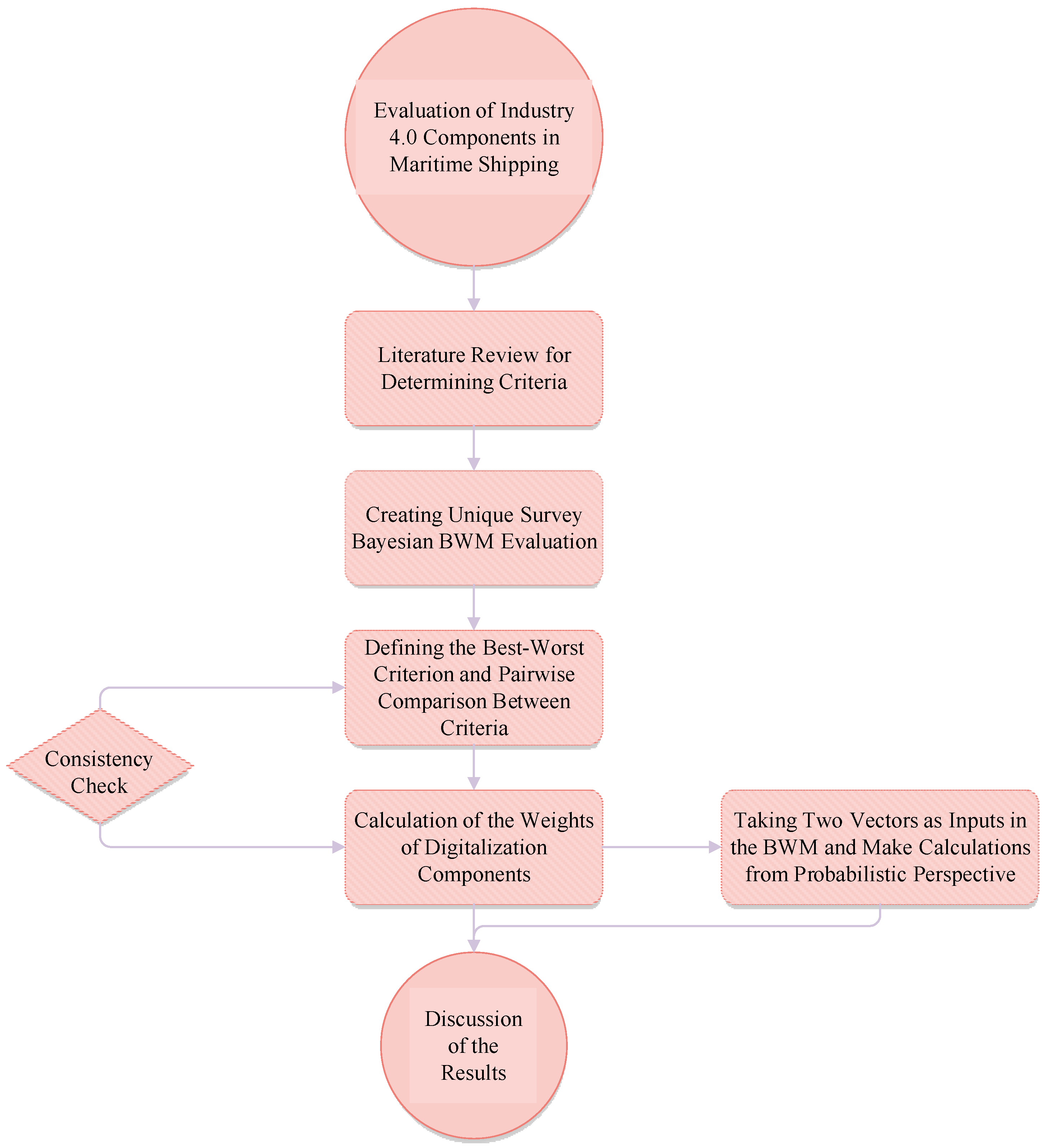
Figure 1 shows the research model grounded on the Bayesian BWM.
The method may be implemented using the MATLAB R2024b program, with the requisite application steps outlined below:
Step 1: In the first step, component pool is created by literature review.
Step 2: Experts evaluate main and sub-components from the questionnaire form in terms of the best and the worst perspectives.
Step 3: Consistency ratio calculation of each expert evaluation. The consistency ratio is calculated using the novel input-based consistency presented by Liang et al. [
45] presented in
Table 1.
In the present study, it is demonstrated that input-based consistency calculations can be performed. The basis for this calculation is the fact that there are 5 main 22 sub-criteria in total, and thus the highest numerical value that can be assigned to 5 main and 22 sub-criteria. The maximum value obtained as a result of the calculation given in Equation below should not be greater than the values obtained from the scale.
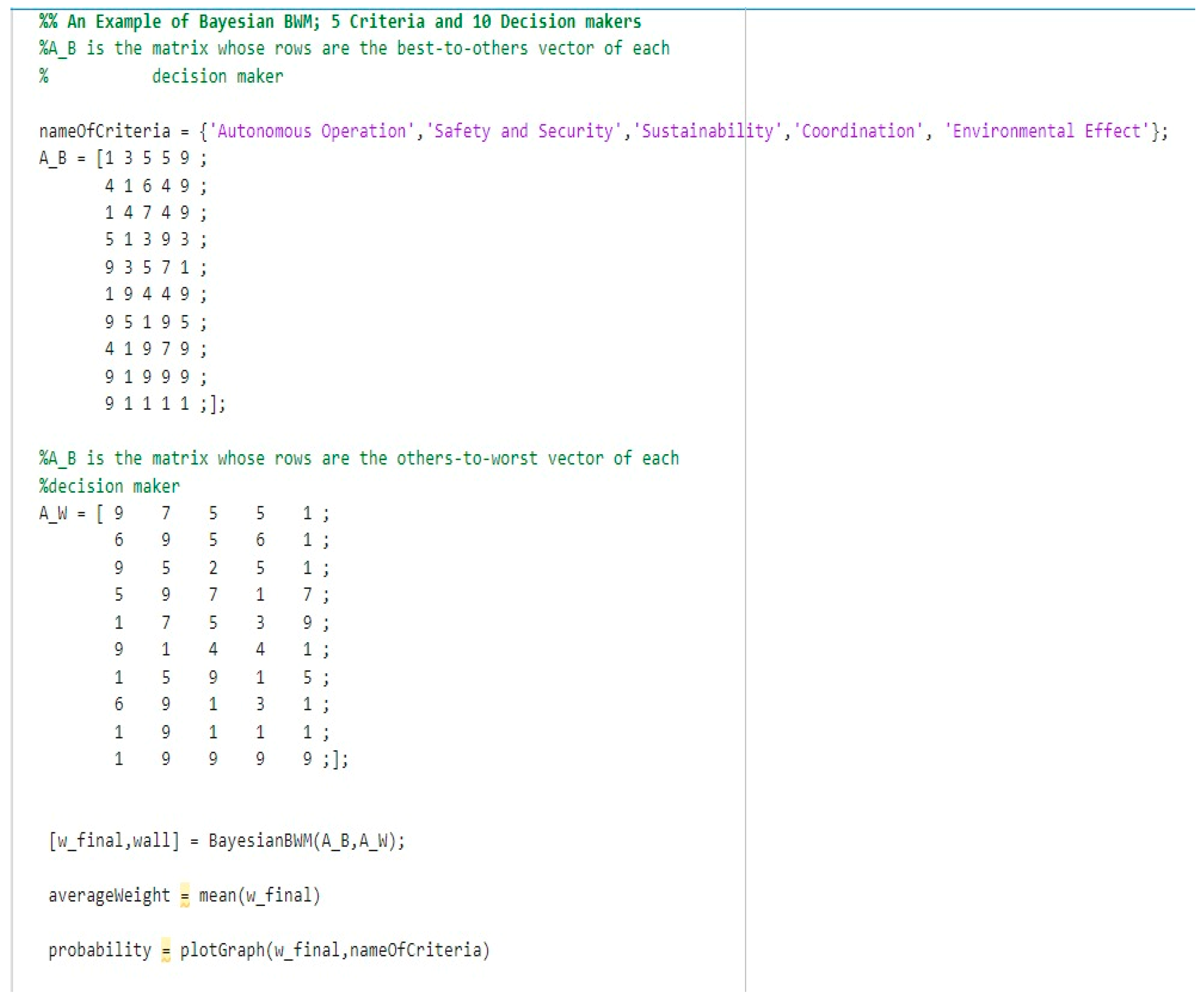
Step 4: In this step, weights of the main and sub-components are calculated, and an example of the MATLAB solver is given in
Figure 2.
The weight of the components is calculated with the help of the BWM, and application steps were given from Step 5 to Step 7.
Step 5: Determining the best and the worst factors.
Step 6: Pairwise evaluation of best
to others are made in this step. Firstly, the best components of industry 4.0 are determined by the experts. The best components are compared with other components in the related cluster. Numbers between 1 and 9 are employed for making the pairwise comparison [
37]. Consequently, best-to-others vector
can be obtained. Equation explains the best-to-others vector model.
represents the expert preference of the best factor for expert k.
Step 7: In this step, the worst components are determined and a pairwise comparison is made with other components. At this stage, the Worst-to-Others vector can be obtained. Equation reveals the Worst-to-Others vector model.
Step 8: In the last step, BWM is converted to a Bayesian network to provide visualization and importance level among components. In general, with MCDM problems based on probability models, it is accepted that
and
. The randomness of the factor’s weights and the occurrence probability can be evaluated with a different perspective. In probability models, each input and output of the probability distributions should be modeled. After evaluating the best and the worst components, multinominal distribution can be modeled. The probability model of the worst factor
can be shown in the equation below.
where
represents the probability of distribution. In the multinomial distribution, the term
denotes the total number of occurrences of each event. The probability of the J event is closely related to the total number of trials.
Likewise,
where w represents the probability distribution is the division operator [
46]. It can be employed similarly to the worst component.
After mathematical evaluation and equations, conventional model can be formed as a multinominal distribution. Aggregated weights
can be calculated based on the following model:
Multinomial refers to the multinomial distribution, Dir denotes the Dirichlet distribution, and gamma (0.1, 0.1) represents a gamma distribution with shape parameters equal to 0.1. The model is estimated using JAGS, a Monte Carlo-based method [
46]. The probability distributions of w correspond to the criteria weights derived from decision-makers’ evaluations. Furthermore, credal ordering is determined following the same procedure outlined by Mohammadi and Rezaei [
40]. The final weights of the criteria are determined through a hierarchical approach. Initially, the weights of the main components are calculated, followed by the determination of the weights for each sub-components associated with them. Ultimately, the weights of the sub-components are multiplied by their corresponding main component weights to calculate the final scores, which are then used to generate a priority ranking. Lastly, credal ranking calculated by the same procedure proposed by Mohammadi and Rezaei [
40]. In this study, interviews were conducted with ten experts actively working in the maritime transportation sector. The participants represent both public institutions related to maritime transportation and private sector organizations. In addition, experts employed in ports and shipyards, two key components of the maritime transportation industry, also contributed to the study. Therefore, the opinions and feedback obtained from the experts are considered to provide a comprehensive perspective. Furthermore, as indicated in Step 3, a consistency analysis was conducted, confirming that the expert evaluations were carried out within a consistent framework.
Table 2 presents the experts involved in the study, while
Table 3 reports the ratios obtained from the expert assessments. Lastly,
Table 4 presents the main and sub-industry 4.0 components.
Table 2 presents the profiles of the ten experts and reflects a purposive selection aimed at ensuring sectoral relevance and credibility. The panel consists of professionals actively working in key segments of the maritime transportation ecosystem, including ports (4 experts), public institutions (2 experts), shipping companies (2 experts), and shipbuilding companies (2 experts), thereby capturing both operational and institutional perspectives. This distribution allows the study to incorporate insights from core actors involved in cargo handling, regulatory processes, vessel operations, and maritime infrastructure, which are all directly influenced by industry 4.0 applications. The experts’ experience ranges from 5 to 30 years, ensuring a balance between long-term strategic knowledge and current operational awareness, while their educational backgrounds (predominantly bachelor’s degree, with one master’s degree) indicate sufficient formal capacity to evaluate technological and sustainability related concepts. Overall, the combination of diverse institutional representation, substantial professional experience, and sector-specific expertise strengthens the reliability and comprehensiveness of the expert evaluations used in this study.
The expert panel size may appear limited; however, this is consistent with the methodological requirements of the Bayesian BWM, which is specifically designed to generate reliable and consistent results with relatively small, expert-based samples. Unlike large-scale survey methods, BWM relies on informed pairwise comparisons provided by knowledgeable participants, prioritizing expertise over quantity. In this study, the selected experts possess substantial sector-specific experience and represent different segments of the maritime transportation system, which enhances the quality and diversity of judgments. Furthermore, the Bayesian extension of BWM improves robustness by aggregating individual preferences probabilistically and reducing the impact of potential inconsistencies in expert evaluations. Nevertheless, it is acknowledged that a limited number of experts may introduce bias related to individual perspectives or sectoral representation; to mitigate this risk, care was taken to ensure heterogeneity in institutional backgrounds and experience levels. Therefore, while the sample size is modest, it is considered methodologically adequate and appropriate for the applied approach.
The component pool was developed through a structured literature review, especially with the studies included in Scopus and Google scholar database. After removing duplicates and applying inclusion criteria (peer-reviewed articles, relevance to maritime context, and focus on digital technologies), relevant components were explored.
The extracted components were evaluated by experts with experience in maritime operations and digital technologies. The experts assessed the components in terms of relevance, clarity, and redundancy, leading to refinement and consolidation of the final structure. The grouping of components is based on the following five main interrelated dimensions: autonomous operation, safety and security, sustainability (long-term impact), coordination and environmental effect.
The consistency analysis results obtained from
Table 3 were compared with the threshold values proposed by Liang and Brunelli [
45] within the input-based consistency framework. The comparison indicates that the expert evaluations satisfy the required consistency conditions. Therefore, the subsequent analysis can be conducted based on these assessments.
Table 4 presents the main and sub-components that structure the multidimensional nature of digital transformation in maritime shipping. The framework reflects a comprehensive perspective encompassing key domains of digitalization such as operational automation, safety and security, sustainability, coordination, and environmental effect [
47].
The autonomous operation component represents the technological infrastructure that enables the transition toward more intelligent and automated operational processes. Within this dimension, components such as utilizing IoT technologies, using autonomous vehicles, augmented reality technologies, equipment monitoring, utilizing artificial intelligence, and human–machine interaction facilitate real-time data generation, remote monitoring of operational equipment, and enhanced interaction between humans and digital systems. The integration of these technologies contributes to improving operational efficiency, minimizing human-related errors, and supporting faster and more informed decision-making processes in maritime logistics operations.
Safety and security components focus on ensuring the reliability and protection of digital infrastructures within increasingly digitalized operational environments. Components including data privacy, cyber security, and simulation technology play a crucial role in safeguarding digital systems while simultaneously reducing potential operational risks. In particular, the growing dependence on digital platforms has elevated the strategic importance of data protection and cyber resilience in maritime logistics. Additionally, simulation technologies enable the testing of operational scenarios in advance, thereby supporting proactive risk management and enhancing operational safety.
The sustainability component reflects the organizational and strategic implications of digital transformation. Components such as cloud computing, using additive manufacturing technologies, providing continuous trainings, and generating new business models contribute to improving information accessibility, fostering organizational learning, and enabling firms to adapt to rapid technological change. Cloud-based systems facilitate efficient information sharing among stakeholders, while continuous training programs help organizations maintain the necessary competencies required in technology-driven operational environments. Furthermore, digitalization supports the emergence of innovative and internet-based business models that can reshape value creation mechanisms within the maritime industry.
The coordination dimension highlights the importance of effective collaboration and information exchange among multiple actors operating within maritime supply chains. Components including providing strong data and information flow among the supply channels, communicating with cyber-physical systems, horizontal and vertical integration, and interoperability enable seamless communication and coordination among stakeholders. Such integration enhances supply chain visibility and supports more synchronized operational processes, ultimately contributing to improved logistics performance and operational transparency.
Finally, the environmental effect component addresses the role of digitalization in mitigating the environmental impact of maritime logistics activities. Components such as optimizing resources through 3D printing, using electrical or hybrid equipment and systems, efficient consumption of energy resources, using renewable energy systems, and environmental supply chain operations represent technological and operational approaches aimed at reducing environmental footprints. These practices contribute to enhancing energy efficiency, lowering emissions, and promoting environmentally responsible supply chain management within the maritime sector. This framework offers a comprehensive basis for analyzing digital competitiveness factors and evaluating how emerging technologies influence operational performance in the maritime logistics sector. The following section presents the findings and discusses the results obtained from the Bayesian BWM analysis.
4. Findings and Discussion
The Bayesian BWM analysis results reveal which factors are considered most critical in technological transformation processes.
Table 5 shows the local and global weights of the main and sub-criteria.
The results presented in
Table 5 reflect not only the numerical prioritization of criteria but also the underlying dynamics of digital transformation in maritime logistics. The relative importance of components appears to be closely linked to their roles in ensuring system reliability, supporting operational processes, and enabling long-term organizational adaptation.
According to the analysis, the safety and security component has the highest weight and ranks first among the main criteria. This finding suggests that, with the increasing adoption of digitalization and industry 4.0 technologies, ensuring data security and system reliability has become a fundamental requirement for organizations. In highly interconnected and data-driven environments, potential risks such as data breaches or system failures may directly disrupt operations, which explains why this dimension is prioritized over others.
At the sub-component level, data privacy has the highest global weight and ranks first overall. This indicates that protecting sensitive data has become a central concern in technology-driven systems where data exchange and integration are essential [
14]. As organizations increasingly rely on digital platforms, issues related to confidentiality, data integrity, and regulatory compliance gain greater importance.
This result is consistent with the existing literature. The expansion of digital technologies has led to a significant increase in data generation and sharing, making cybersecurity and data privacy critical factors for maintaining operational sustainability [
48]. Similarly, Kamble et al. [
49] emphasize that inadequate security infrastructure represents one of the main barriers to industry 4.0 adoption. In addition, the second global rank of simulation technology highlights the importance of testing and evaluating technologies before their real-world implementation. In sectors such as maritime logistics, where operations are complex and costly, simulation-based approaches provide a practical way to assess risks and improve decision-making processes.
The findings also indicate that autonomous operation constitutes a key dimension of technological transformation. Within this category, components such as equipment monitoring and IoT technologies stand out. The high ranking of equipment monitoring suggests that real-time tracking and performance monitoring are essential for the effective functioning of autonomous systems. In this respect, IoT technologies play a crucial role by enabling continuous data flow and enhancing operational visibility across processes [
50].
Furthermore, the coordination component emerges as an important factor for the effectiveness of digital operations. In particular, the strong flow of data and information across supply chain actors is identified as the most significant element within this dimension. This finding highlights the importance of data integration and information sharing in achieving coordination in complex logistics networks. Previous studies similarly underline that digital supply chains depend heavily on integrated information systems and advanced data-sharing capabilities [
51,
52].
The sustainability component, which ranks second among the main criteria, points to the growing importance of long-term considerations in technological transformation. The prominence of continuous training within this dimension suggests that the success of digital transformation is closely linked to human capital. Organizations need not only technological infrastructure but also employees who are capable of adapting to and effectively using new technologies.
Lastly, the environmental effect component, although ranked lower compared to other criteria, still represents an important aspect of technological transformation. This relatively lower ranking may be associated with the longer-term and indirect nature of environmental impacts compared to more immediate operational and security-related concerns. Nevertheless, this finding is consistent with the literature emphasizing the role of energy efficiency and resource management in achieving environmental sustainability [
53]. Technological innovations can contribute to these goals by improving resource utilization and reducing energy consumption in logistics operations.
The analysis results indicate that technological transformation processes are shaped by the interaction of multidimensional elements such as security, automation, coordination, sustainability, and environmental considerations. The prominence of security and data management components, in particular, highlights that secure data infrastructures, human resource development, and system integration play a critical role in the development of effective digital transformation strategies. In the following sections, results of the Bayesian BWM analysis and credal rankings were discussed in a detailed manner.
4.1. Bayesian BWM Credal Ranking Results
The findings derived from the Bayesian BWM offer important insights into the relative prioritization of technological enablers in the maritime logistics sector.
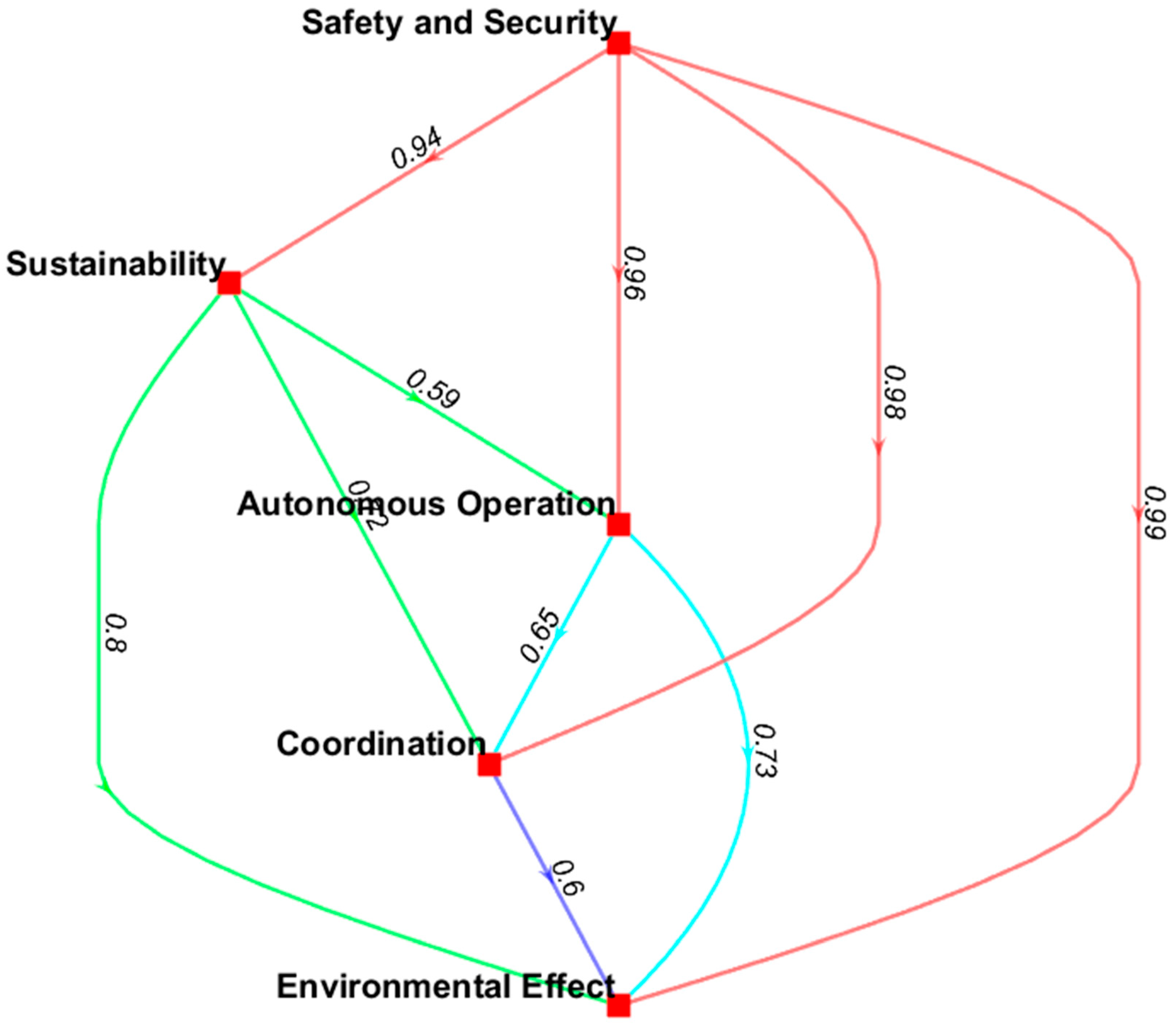
Figure 3 presents the credal ranking of main criteria.
The credal ranking results indicate that safety and security occupy a clearly dominant position among the evaluated criteria. In particular, this dimension demonstrates strong superiority probabilities over autonomous operation, coordination, and environmental effect. These outcomes suggest that the establishment of reliable digital infrastructures and effective cybersecurity mechanisms constitutes a fundamental prerequisite for the effective implementation of digital technologies within maritime operations. This observation is consistent with the broader industry 4.0 literature, which highlights that increasing levels of digital connectivity and data exchange simultaneously intensify concerns related to cyber risks, system vulnerabilities, and data protection.
In addition, sustainability emerges as the second most influential criterion, outperforming environmental effect and autonomous operation. This finding indicates that maritime organizations increasingly evaluate technological adoption not solely in terms of operational efficiency, but also with respect to long-term resilience and sustainable development objectives. Moreover, the higher dominance of autonomous operation relative to coordination and environmental effect reflects the growing strategic role of automation, real-time monitoring, and intelligent equipment in enhancing operational performance. Finally, the superiority of coordination over environmental effect highlights the importance of effective information exchange, stakeholder alignment, and digital integration for managing the growing complexity of maritime logistics networks.
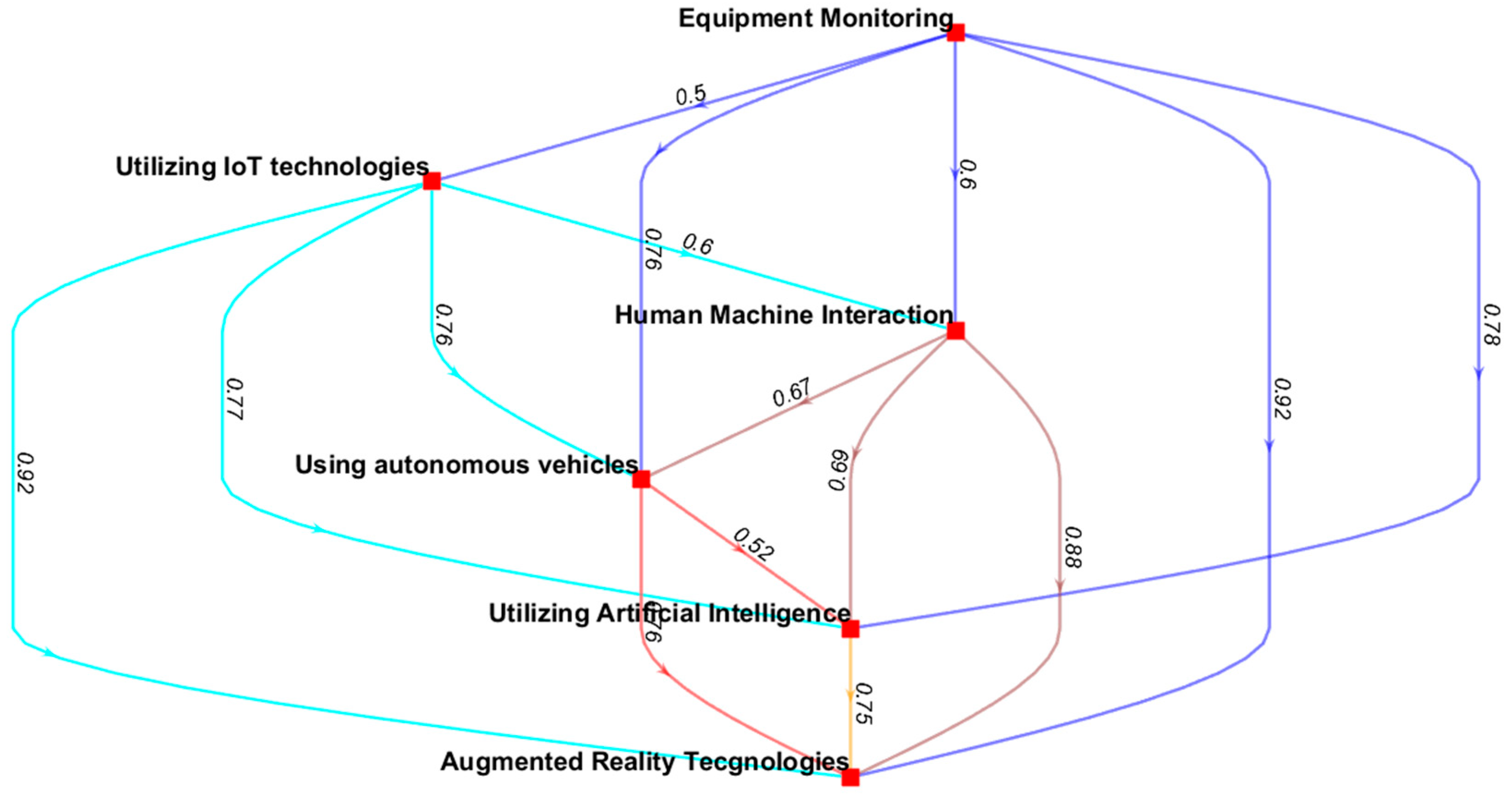
Figure 4 and
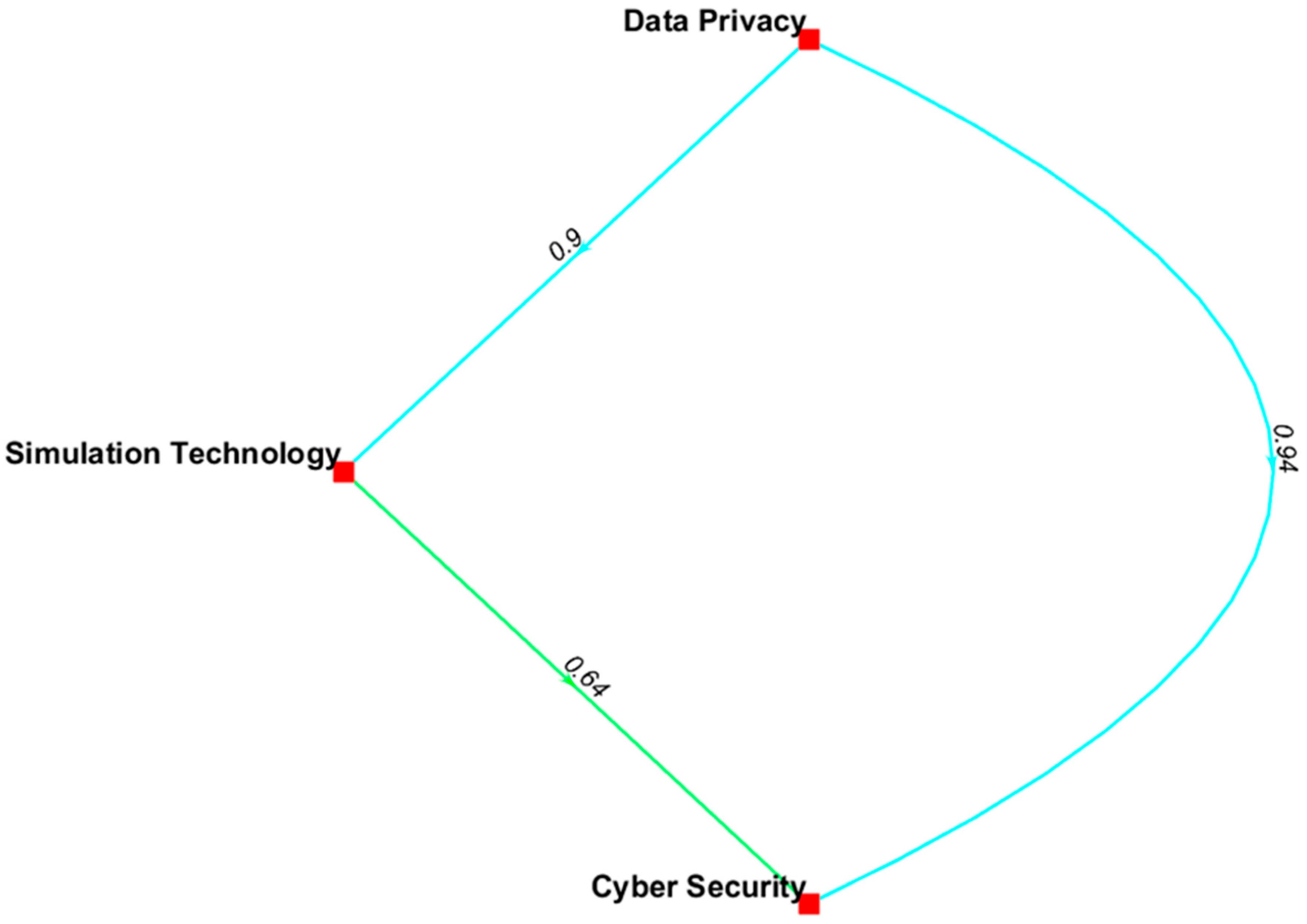
Figure 5 explain the sub-components of autonomous operation and safety and security, respectively.
The dominance of safety and security at the main criteria level suggests that managers should prioritize investments in cybersecurity infrastructure and data protection systems as a prerequisite for digital transformation. While sustainability and autonomous operation remain important, their effective implementation depends on the reliability of secure digital environments. Therefore, decision-makers should adopt a staged investment approach, where security-oriented capabilities are established before scaling automation and integration initiatives.
The credal ranking results for the autonomous operation component provide significant insights into the relative importance of digital technologies that facilitate autonomous and intelligent maritime logistics operations. The analysis indicates that equipment monitoring emerges as the most dominant sub-component among the evaluated alternatives. The strong superiority probabilities observed over other technologies highlight the crucial role of real-time monitoring systems in ensuring operational visibility, enabling predictive maintenance, and supporting the effective management of maritime logistics assets. This finding is consistent with the broader industry 4.0 literature, which emphasizes that sensor-based monitoring and data-driven maintenance mechanisms substantially enhance operational reliability and reduce unexpected disruptions in complex logistics systems.
The leading position of equipment monitoring indicates that managers should focus on real time tracking and predictive maintenance systems to enhance operational reliability. Investments in IoT-based monitoring infrastructures can provide immediate performance improvements compared to more advanced but less mature technologies such as augmented reality. Accordingly, firms should prioritize technologies that directly improve operational visibility and asset utilization.
The credal ranking results for the autonomous operation component provide insights into the relative importance of digital technologies that facilitate autonomous and intelligent maritime logistics operations. The analysis indicates that equipment monitoring emerges as the most dominant sub-component among the evaluated alternatives. The strong superiority probabilities observed over other technologies highlight the crucial role of real-time monitoring systems in ensuring operational visibility, enabling predictive maintenance, and supporting the effective management of maritime logistics assets. This finding is consistent with the broader industry 4.0 literature, which emphasizes that sensor-based monitoring and data-driven maintenance mechanisms substantially enhance operational reliability and efficiency to comply with the complex logistics operations [
54,
55].
The results further reveal that utilizing IoT technologies represents another influential component within the autonomous operation framework. The relatively high superiority probabilities over several competing alternatives suggest that IoT-based connectivity enables continuous data exchange between equipment, infrastructure, and operational platforms, thereby facilitating higher levels of automation and improving operational transparency across maritime logistics processes.
Moreover, human–machine interaction demonstrates a moderate level of importance in the credal structure. This indicates that although autonomous technologies are increasingly integrated into maritime operations, effective interaction between human operators and intelligent systems remains essential for ensuring safe and efficient decision-making processes. Similarly, using autonomous vehicles contributes to operational efficiency by enabling automated cargo handling and transportation activities within port and terminal environments.
Finally, utilizing artificial intelligence and augmented reality technologies appears as comparatively lower-ranked criteria in the credal hierarchy. Although these technologies present considerable long-term potential for decision-support systems and training applications, their current level of adoption in maritime logistics operations appears to be more limited compared to more mature technologies such as IoT-based monitoring systems.
The credal ranking results associated with the safety and security dimension reveal a clear hierarchical structure among the evaluated sub-component. The findings indicate that data privacy occupies the most dominant position, demonstrating strong superiority probabilities over both simulation technology and cyber security. This outcome highlights that as maritime logistics systems become increasingly data-driven and digitally interconnected, safeguarding sensitive operational and commercial information has become a central priority for organizations. The growing reliance on digital platforms and data exchange across maritime supply chains further enhances the importance of protecting confidential information within these complex operational environments.
The prominence of data privacy highlights the need for organizations to strengthen data governance frameworks and ensure compliance with data protection standards. Managers should treat data privacy not only as a regulatory requirement but as a strategic capability that builds trust across stakeholders. In addition, the importance of simulation technologies suggests that firms should integrate scenario-based risk assessment tools into their decision-making processes to proactively manage operational uncertainties.
Within this dimension, simulation technology emerges as the second most influential factor, exhibiting superiority over cyber security. Simulation-based systems play a crucial role in assessing potential operational risks, testing digital infrastructures, and enhancing decision-making processes without interrupting real-world operations. By enabling organizations to evaluate potential disruptions and analyze alternative operational scenarios within controlled digital environments, simulation technologies support more resilient and proactive operational planning.
Although cybersecurity ranks third in the credal hierarchy, it remains a fundamental component of digital maritime ecosystems. Cybersecurity mechanisms are essential for protecting digital infrastructures against malicious attacks, system breaches, and potential data manipulation risks. Therefore, despite the relatively lower priority indicated by the credal ranking compared to data privacy and simulation technologies, cybersecurity continues to function as a critical enabler for maintaining trust, system integrity, and operational continuity in increasingly digitalized maritime logistics systems.
Figure 6,
Figure 7 and
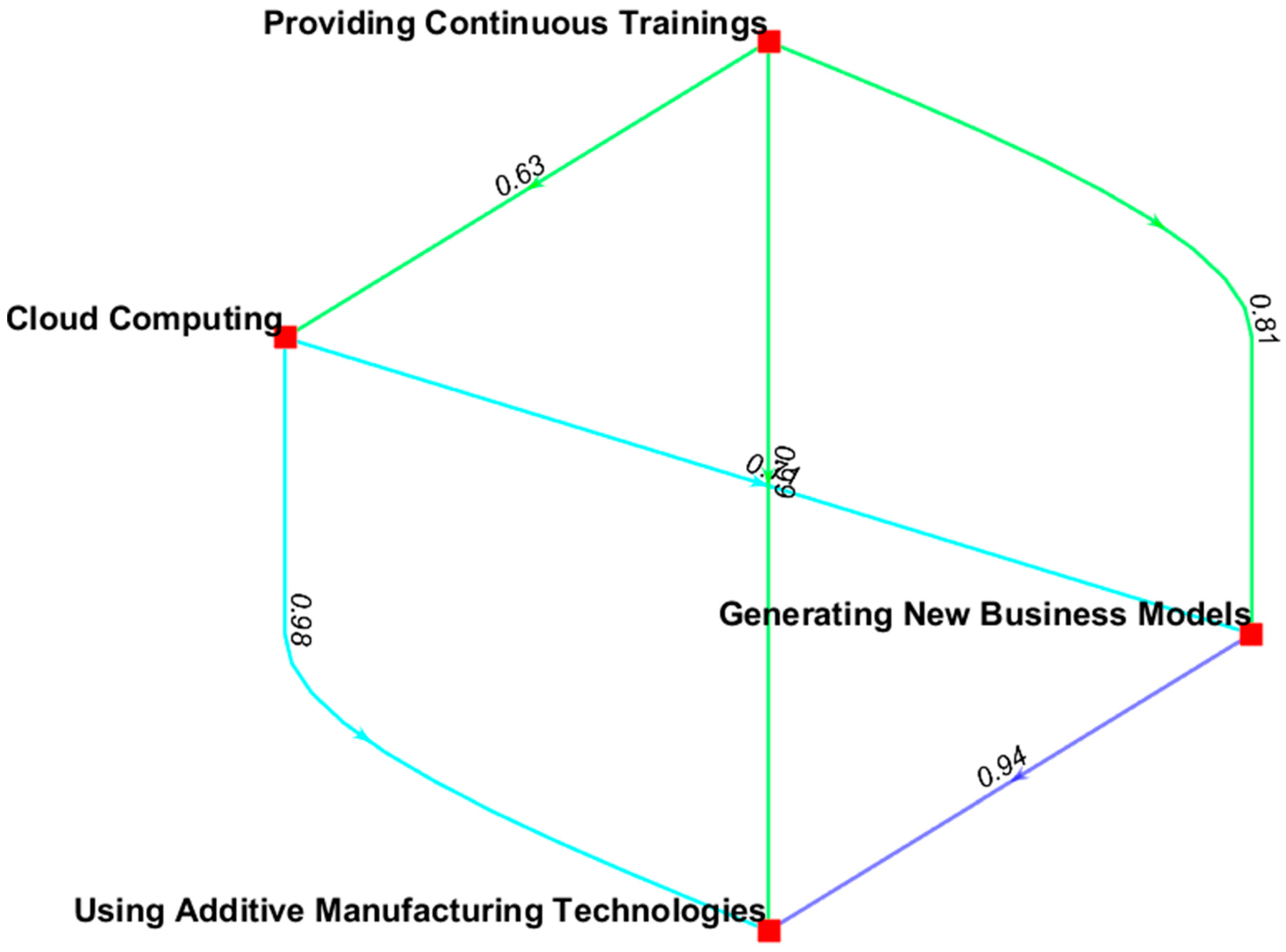
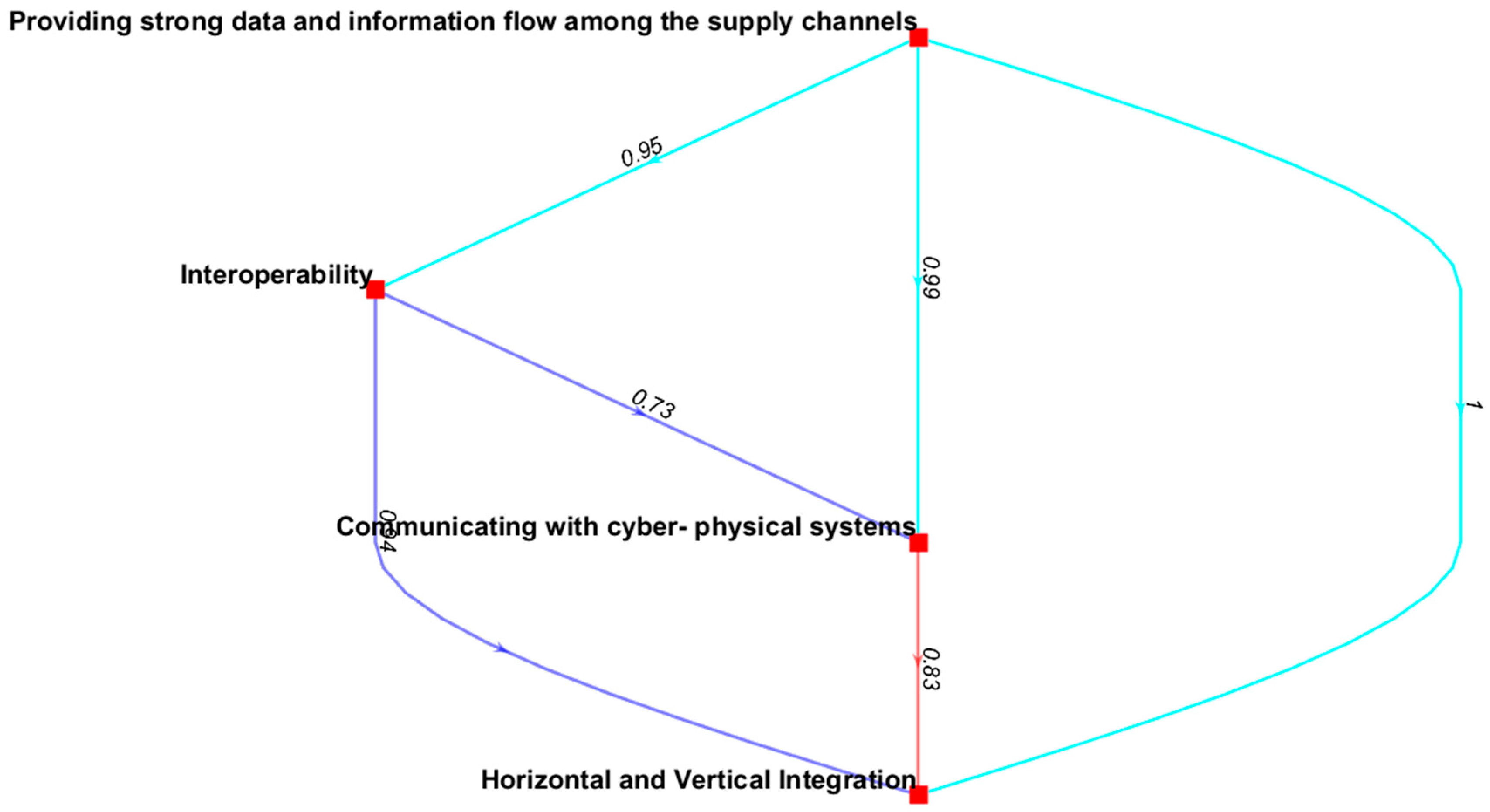
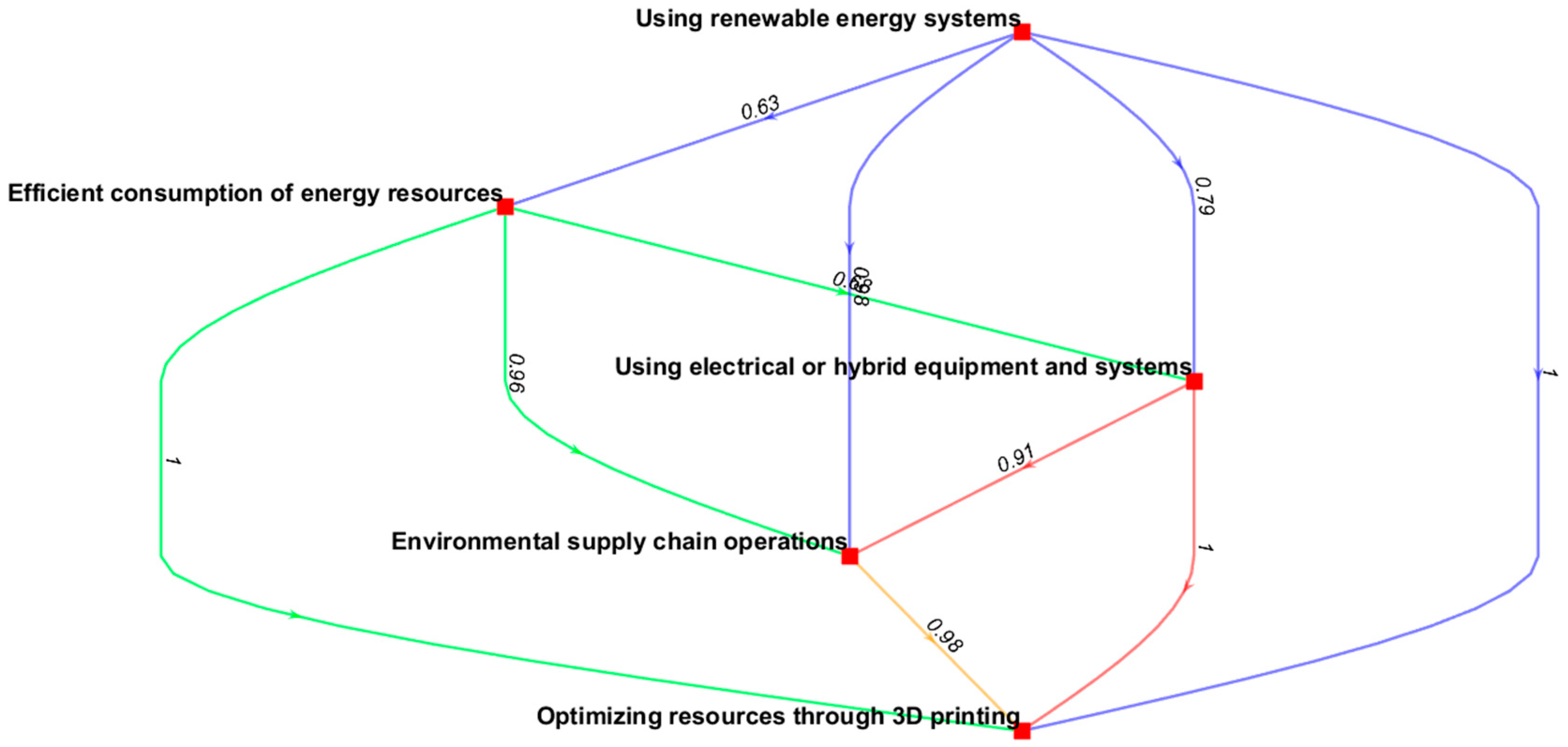
Figure 8 evaluate the credal ranking of sustainability, coordination and environmental effect components respectively.
The credal ranking results associated with the sustainability component explore a clear prioritization structure among the evaluated sub-components. The findings indicate that providing continuous trainings occupies the most dominant position within this component. The relatively strong superiority probabilities over the other alternatives suggest that continuous skill development and workforce training play a critical role in enabling sustainable technological transformation in maritime logistics. As digital technologies become more embedded within operational processes, organizations increasingly require employees who possess the necessary digital competencies to effectively manage and utilize these systems. This observation aligns with the sustainability and digital transformation literature, which emphasizes that human capital development represents a fundamental pillar for maintaining long-term technological adaptability and organizational resilience.
The results further demonstrate that generating new business models emerges as another influential component within the sustainability framework. The superiority probabilities observed over using additive manufacturing technologies highlight that the ability to develop innovative and digitally enabled business models is becoming an important driver of sustainable competitive advantage in maritime logistics. Digital transformation not only enhances operational processes but also facilitates the emergence of new value creation mechanisms and service-oriented logistics models.
In addition, cloud computing appears as a moderately influential criterion in the credal structure. Cloud-based infrastructures provide scalable data storage, enhanced computational capabilities, and improved accessibility across distributed logistics networks, thereby supporting more efficient and sustainable digital operations.
The prioritization of continuous training implies that managers should invest in workforce development to support digital transformation initiatives. Developing employees’ digital competencies is critical for effectively utilizing emerging technologies. At the same time, firms should explore new business models enabled by digitalization, ensuring that sustainability efforts are aligned with long-term competitive strategies.
Lastly, using additive manufacturing technologies ranks relatively lower within the credal hierarchy. Although additive manufacturing technologies offer significant long-term potential for localized production and supply chain flexibility, their current level of adoption in maritime logistics operations remains relatively limited compared to more established digital technologies.
Figure 6 presents the credal ranking of coordination component.
The credal ranking results for the coordination component highlight the relative importance of digital integration mechanisms that enable effective communication and synchronization among maritime logistics stakeholders. The findings indicate that providing strong data and information flow among the supply chains emerges as the most dominant sub-component. The high superiority probabilities over the other components emphasize the critical role of efficient data exchange and transparent information flows in managing increasingly complex maritime logistics networks. Effective information sharing allows stakeholders to improve operational visibility, reduce uncertainties, and support more coordinated decision-making processes across supply chain actors.
The results further show that interoperability represents another influential factor within the coordination framework. The superiority probabilities observed over communicating with cyber physical systems and horizontal and vertical integration suggest that compatibility and seamless interaction between different digital systems and platforms are essential for enabling efficient information exchange within integrated maritime logistics environments.
Moreover, communicating with cyber-physical systems demonstrates a moderate level of importance. The integration of physical operational assets with digital control systems facilitates real-time monitoring, automated responses, and more efficient coordination between digital and physical components of logistics infrastructures.
The importance of strong data and information flow suggests that managers should focus on improving data integration across supply chain partners. Establishing interoperable systems and enhancing information-sharing mechanisms can significantly improve coordination and reduce operational inefficiencies. This requires not only technological investment but also organizational alignment among stakeholders.
The credal ranking results associated with the environmental effect component provide important insights into the relative importance of environmental sustainability practices within maritime logistics systems. The findings explore that using renewable energy systems emerges as the most dominant sub-component within this dimension. The high superiority probabilities observed over the other components indicate that the transition toward renewable energy sources plays a crucial role in reducing environmental impacts and supporting sustainable maritime operations. As ports, terminals, and maritime logistics facilities increasingly seek to align with global decarbonization goals, the adoption of renewable energy technologies has become a key strategic priority for minimizing greenhouse gas emissions and improving environmental performance.
The results further demonstrate that efficient consumption of energy resources represents another influential factor within the environmental effect framework. The superiority probabilities observed over several other alternatives highlight that improving energy efficiency across operational processes remains a fundamental strategy for reducing operational costs while simultaneously minimizing environmental impacts. This finding is consistent with the sustainability literature emphasizing that energy efficiency improvements often represent one of the most accessible and cost-effective pathways toward environmental performance enhancement.
Furthermore, using electrical or hybrid equipment and systems appears to be a moderately influential component. The transition from conventional fossil-fuel-based equipment toward electric or hybrid alternatives supports cleaner operational processes and contributes to the overall reduction of carbon emissions in maritime logistics operations.
Moreover, environmental supply chain operations demonstrate a meaningful level of importance within the credal hierarchy. The integration of environmentally responsible practices across supply chain activities, including green procurement, sustainable logistics planning, and environmentally conscious operational strategies, contributes to the broader sustainability performance of maritime logistics systems.
The leading role of renewable energy systems indicates that managers should prioritize investments in clean energy solutions to meet sustainability targets and regulatory expectations. While other environmental practices remain relevant, transitioning to renewable energy sources can provide more immediate and measurable environmental benefits. Managers should therefore integrate energy transition strategies into their broader digital transformation agendas.
Lastly, optimizing resources through 3D printing appears as the relatively lower-ranked criterion within the credal structure. Although additive manufacturing technologies offer significant potential for reducing material waste and enabling localized production, their current application in maritime logistics operations remains relatively limited compared to more established environmental sustainability practices.
4.2. Findings Related to Sustainability
According to the analysis results, the sustainability component ranks second among the main criteria, indicating that technological transformation in the maritime sector is increasingly shaped by long-term environmental and resilience-oriented considerations rather than solely operational efficiency. This finding suggests a shift in decision-making logic, where digital investments are evaluated not only based on short-term performance gains but also on their contribution to sustainable and adaptive organizational structures.
A more detailed examination of the sub-components reveals that continuous training has the highest global weight within the sustainability dimension. This highlights that the sustainability of digital transformation is strongly dependent on human capital development. In this context, investments in digital skills and organizational learning mechanisms emerge as critical enablers of long-term adaptation, suggesting that technological infrastructure alone is insufficient without the capacity to effectively utilize and sustain it [
56].
Beyond human capital, the results also point to the multidimensional nature of sustainability-oriented digitalization. For instance, cloud computing contributes to sustainability by enabling scalable and resource-efficient infrastructures, while additive manufacturing supports material efficiency and waste reduction. At the same time, the development of new business models enhances organizational flexibility and adaptability in response to evolving technological and market conditions. However, these findings also reveal potential trade-offs, as the implementation of advanced digital technologies may require significant energy consumption and initial investment, thereby creating tensions between short-term efficiency gains and long-term sustainability objectives.
From a strategic perspective, these results imply that technology prioritization in the maritime sector should not be interpreted in isolation from sustainability goals. Instead, organizations need to adopt an integrated approach that balances efficiency, environmental impact, and organizational resilience [
57]. This also suggests that even lower-ranked components may play a complementary role in achieving sustainability targets. Sustainability-oriented technological transformation requires a holistic framework that simultaneously addresses technological innovation, human resource development, and long-term strategic alignment.
5. Conclusions
The present study provides a structured and exploratory evaluation of the role of industry 4.0 technologies in the digital transformation of maritime transportation by employing the Bayesian BWM. Rather than offering a definitive assessment, the findings should be interpreted as a hierarchical and context-dependent prioritization based on expert judgments. In this respect, the study contributes to literature by conceptualizing digital transformation in the maritime sector as a multidimensional system shaped by interconnected components, including safety and security, operational processes, and sustainability considerations, rather than treating technologies as isolated elements.
The empirical findings indicate that technological transformation in the maritime sector extends beyond operational improvements and reflects a broader strategic orientation that integrates security and sustainability dimensions. In particular, safety and security emerge as the most influential main component, with data privacy identified as the highest priority sub-component, emphasizing the critical role of secure data infrastructures and system reliability in digital maritime environments. Furthermore, within the sustainability dimension, continuous training stands out as a key driver, highlighting that the effectiveness and longevity of digital transformation depend not only on technological investments but also on the development of human capabilities and organizational learning processes.
From a practical perspective, the findings provide actionable insights for different maritime stakeholders. Port authorities can utilize the prioritization results to guide investments in digital infrastructures that enhance operational transparency and energy efficiency. Shipping companies may align their digital transformation strategies with sustainability objectives by prioritizing technologies that improve resource efficiency and reduce environmental impact. Logistics operators can benefit from the identified components by strengthening coordination and data integration across supply chain actors, while policymakers may use these insights to design targeted regulatory frameworks and incentive mechanisms that support secure and sustainable digital transformation in the maritime sector. In this sense, the study offers a decision-support perspective rather than universal prescriptions.
Despite these contributions, this study has several limitations. First, the analysis is based on expert evaluations obtained from a relatively small sample, which may limit the generalizability of the findings. Second, although the Bayesian BWM provides a robust probabilistic framework, the results still reflect subjective judgments and do not fully capture the dynamic and interdependent nature of technological systems. Third, the proposed framework represents a static prioritization and does not account for temporal changes in technology adoption or external conditions.
Future research can extend this study in several directions. First, incorporating a larger and more diverse set of stakeholders across different geographical regions would enhance the robustness of the findings. Second, integrating complementary methods such as DEMATEL or ANP could enable the analysis of interdependencies among components. Third, more context-specific investigations focusing on particular shipping segments, such as container or tanker shipping, may provide deeper insights. Finally, future studies may benefit from incorporating Industry 5.0 perspectives, particularly by emphasizing human-centric, resilient, and sustainability-driven system design, as well as by using real-world operational data to assess the long-term environmental and organizational impacts of digital transformation.