1. Introduction
Transportation serves as a critical support and enabling factor for tourism development, acting as an indispensable link and bridge connecting tourists with tourism resources [
1]. Against the backdrop of rapid advancement in China’s transportation infrastructure, the deep interdependence between tourism and transportation has spawned the rise of the “tourism–transportation integration” paradigm. The continuous improvement of transportation networks has underpinned the rapid expansion of tourism—an industry inherently reliant on transport infrastructure—rendering such networks a pivotal driver of local socioeconomic development. As a specialized transport category, tourist highways embody multifunctional values: they facilitate ecological conservation, enable landscape appreciation, stimulate regional economic growth, and enhance the connectivity of tourism resources. Under the strategy of deep tourism–transportation integration, tourist highways are poised to strengthen regional tourism linkages and spatial interconnectedness more effectively, thereby fueling higher-quality and more efficient regional economic development.
The global expansion of anthropogenic activities has markedly increased the scale and density of road transport networks, leading to the continuous encroachment of linear transport infrastructure into natural ecosystems. Dominated by a growth-oriented mindset that prioritizes regional integration and rapid economic gains, conventional highway construction has long neglected ecological constraints and environmental resilience. This short-sighted construction model has become pervasive, exacerbating a series of ecological crises including soil erosion, biodiversity loss, biological invasion, and noise pollution, all of which pose severe threats to the integrity, connectivity, and adaptive capacity of regional ecosystems. Globally, road transport has emerged as one of the primary threats to the sustainable development of terrestrial ecosystems.
In response to such ecological pressures, China has attached unprecedented importance to the ecological and low-carbon transformation of highway construction, advocating a sustainable green highway development philosophy centered on “resource conservation, ecological protection, energy efficiency, and service optimization”. The core goal is to realize highway construction characterized by low carbon emissions, low maintenance costs, and minimal ecological disturbance. As tourism-oriented transport routes highly dependent on natural ecosystems, tourist highways require not only intrinsic environmental sustainability but also harmonious integration with the surrounding ecological landscape throughout the entire lifecycle of planning, design, construction, and operation, with the aim of mitigating adverse ecological impacts of infrastructure construction. This principle is consistent with
Sustainable Tourism in Protected Areas: Guidelines for Planning and Management, which emphasize that tourism infrastructure development in protected areas should take ecological integrity as the fundamental baseline while simultaneously promoting local community economic development [
2]. World Natural Heritage Sites harbor ecosystems and biodiversity with outstanding, universal natural value; thus, exploring the route selection and layout of tourist highways in these protected areas not only helps reconcile the trade-off between ecological protection and tourism-driven economic growth but also carries vital demonstrative significance for the sustainable planning of tourist highways in ecologically sensitive regions.
The earliest exploration of the core connotation of tourist highways in China can be traced back to Wu Donghao, who defined such highways as dual-functional infrastructure: providing transport access to scenic attractions while showcasing regional cultural characteristics and local customs along the route [
3]. In 2005, starting from roadside landscape optimization, Qian Lianghui proposed that tourist highways should integrate ecological, safety, and cultural display functions [
4]. Qin Xiaochuan and Zhang Xiaoming further clarified the scope of tourist highways, including both trunk roads linking major scenic spots and secondary/tertiary roads connecting internal attractions within scenic areas [
5]. Internationally, Harriss first emphasized the pivotal role of landscape design in highway planning, arguing that esthetic value and traffic safety can be achieved synergistically and putting forward corresponding design principles and standards [
6]. Subsequent research noted that tourist highways are not merely access corridors to landscapes but integral components of the scenic system, possessing dual landscape attributes [
7]. Wang Yun found that tourists’ esthetic perception of natural landscapes along tourist highways outweighs that of cultural landscapes [
8]. Scholars such as Fu Lei and Bi Renz Hong have separately established evaluation index systems for tourist highway landscapes from diverse perspectives [
9,
10]. While existing research remains limited in integrating tourist preferences with tourist highway characteristics and final route decision-making, relevant studies have revealed that tourists prioritize scenic quality and landscape uniqueness of tourist routes far more than community leaders, who tend to focus on diverse vegetation types and recreational resource endowments of tourist highways [
11,
12].
Research on the environmental impacts of tourist highways has focused on both site-specific analyses of their effects on landscape patterns, wildlife habitats, and environmental pollution, and comprehensive assessments of their multifaceted negative ecological externalities. William Laurance pointed out that roads can exert either positive or negative impacts on natural ecosystems, depending largely on their spatial location and design schemes [
13]; however, current evidence demonstrates that the negative ecological impacts of tourist highways far outweigh their potential benefits. In terms of highway route layout, early theories and methodologies mostly drew on conventional road planning, while later scholars have attempted to optimize tourist highway network planning based on core tourism resource elements [
14,
15,
16,
17]. With the rapid development of geospatial technology, spatial modeling has gradually become a key methodological tool for tourism road planning and has been widely applied in international research: Zeller et al. constructed a spatial explicit agent model to predict the impact of transportation infrastructure on the habitats of endangered species, providing a scientific basis for the demarcation of ecological no-construction zones in protected areas [
18]. Marxan, a classic spatial conservation planning tool jointly developed by the UNEP-WCMC and the IUCN, achieves spatial optimization through quantitative analysis that prioritizes ecological protection while taking development needs into account [
19]. It has become the core method for the spatial layout of infrastructure in global nature reserves and provides an internationally recognized modeling logic for the spatial analysis of tourist road route selection.
Overall, current research on tourist roads mostly focuses on their landscape attributes, while relatively insufficient attention is paid to their comprehensive attributes and multiple functions. Most existing studies are conducted from a single dimension such as the perspective of highway traffic science, the perspective of resource elements, or the perspective of suitability evaluation, lacking systematic integration of key elements such as the spatial pattern of tourism development, the distribution of tourism resources, and the value characteristics of tourism roads, which restricts the coordinated exertion of multiple functions of tourism roads. Meanwhile, existing research mainly focuses on the analysis of the entire region or within nodes. Studies on the spatial organization of single-core tourist destinations are relatively limited, especially in ecologically sensitive nature reserve areas, where related research on tourist roads is still insufficient. In addition, although relatively rich research results have been accumulated in the planning and design of tourist roads and landscape evaluation, a universal analytical framework and evaluation system have not yet been formed at both the theoretical and practical levels. In the existing research, the application of quantitative analysis methods is relatively insufficient, resulting in a lack of systematic and refined scientific support for practical decision-making, which is not conducive to the effective realization of the comprehensive functions of tourism roads.
The Global Sustainable Development Report 2023 further emphasizes that decision-making at the nexus of ecology and development should rely on scientific tools, such as scenario simulation and spatial modeling, while integrating local contextual needs to avoid imbalances caused by single-dimensional planning approaches [
20]. Based on this, this paper takes road ecology, point-axis system theory and tourism spatial competition theory as the theoretical basis, and starts from the two dimensions of tourism development potential and ecological suitability, innovatively constructs a binary coordinated route selection analysis framework for tourism roads around World Natural heritage sites, providing a theoretical basis for the scientific route selection of tourism roads around world natural Heritage sites.
This research fills the gap in the current study of tourist highways and is an important expansion and deepening of the existing research. Theoretically, for the first time, theories such as road ecology have been integrated into a unified analytical framework, establishing a dual coordination mechanism based on tourism development potential and ecological suitability, and expanding the research perspective on the synergy between the protection of world natural heritage sites and tourism development. In terms of methodology, a binary coordination matrix model is constructed, and a quantitative assessment system for tourism development potential and ecological suitability is established with the town area as the basic research unit. This provides a structured and operational analysis method for the route selection of tourism roads, making up for the deficiency of quantitative research. In practice, taking the Mount Fanjing World Natural Heritage Site as an example, the scientificity and feasibility of this analytical framework have been verified, providing a reference for the optimized construction of the tourist highways around Mount Fanjing and also offering a referenceable planning idea for other World Natural Heritage Sites.
2. Materials and Methods
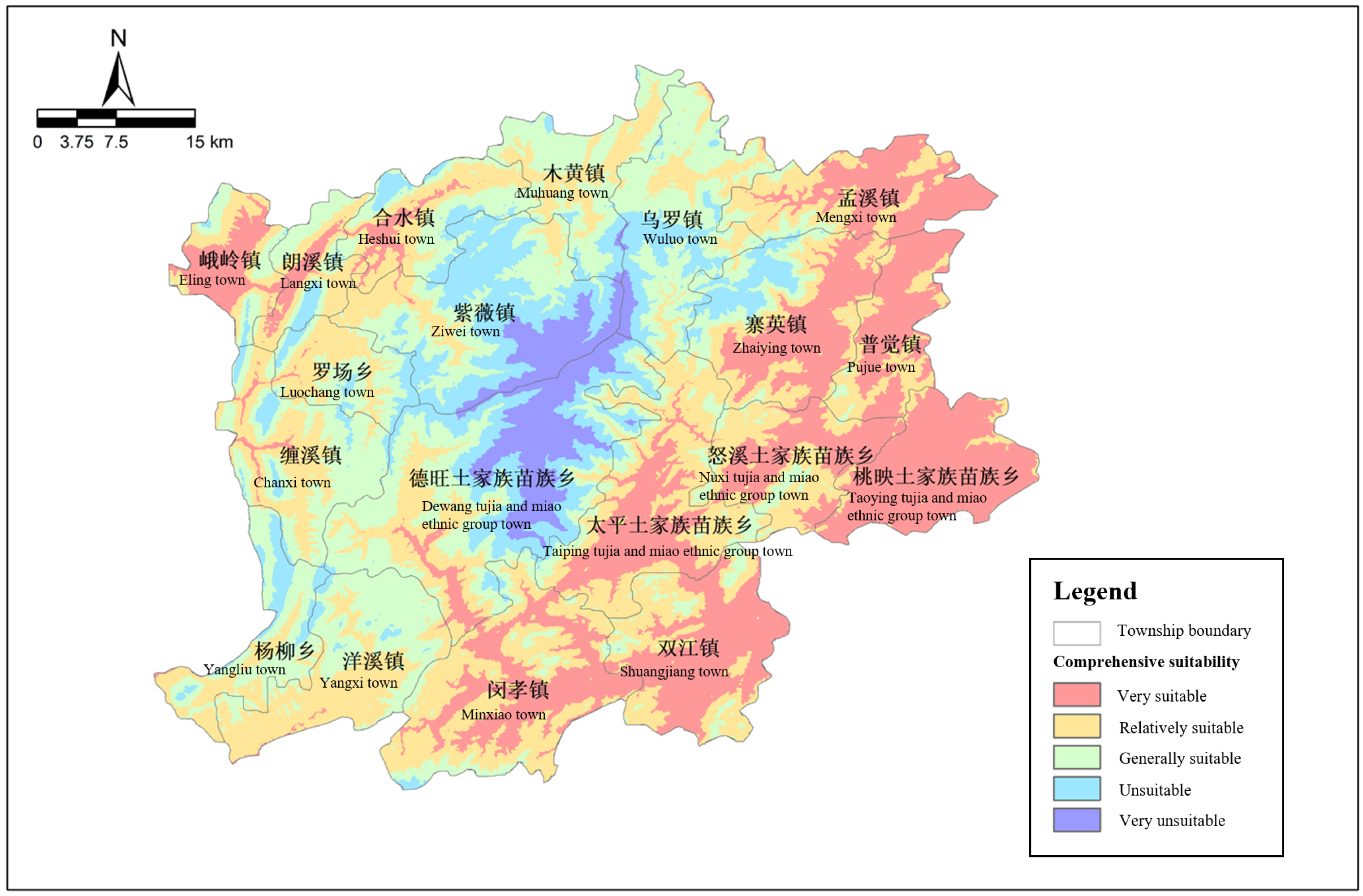
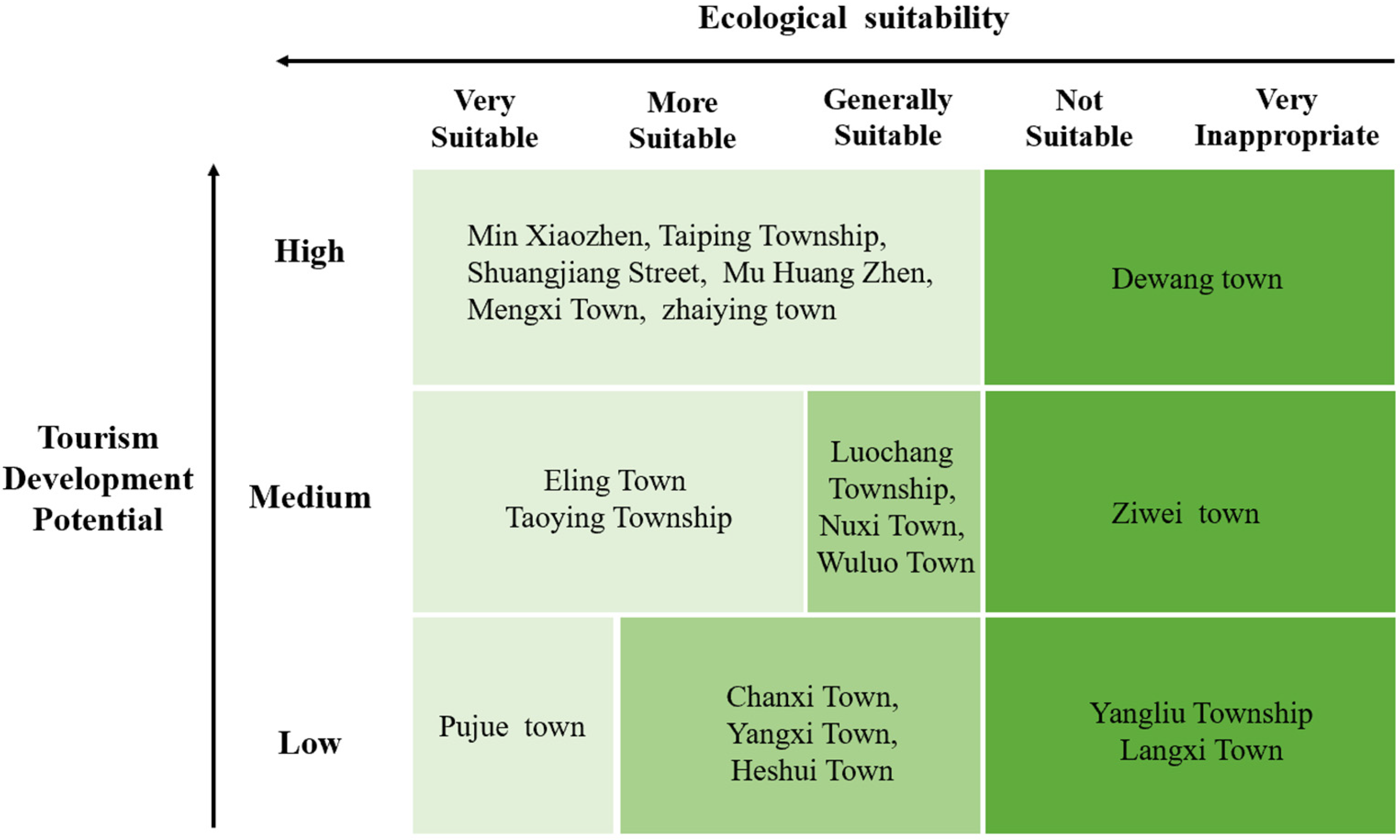
The basic approach to constructing the analysis framework for the route layout of tourism roads around the World Natural Heritage Site involves using the surrounding towns as research units. This process includes assessing the tourism development potential of these towns and determining their development potential levels. Utilizing spatial data and GIS technology, the ecological suitability for the route layout of tourism roads around the World Natural Heritage Site is analyzed to identify areas suitable for tourism road construction. Based on the assessment results of town-level tourism development potential and ecological suitability, a binary matrix model is constructed. Through a binary coordination mechanism, towns are classified into three categories: development-priority, development-restricted, and protection-priority, to determine the key nodes for tourism road service provision. Finally, using the integrated map combining development-priority towns and ecological suitability grading, the optimal tourism road route layout plan is obtained through the least-cost path method and manual adjustments. This process will yield a generalized dual coordination route selection model for tourism roads based on practical summaries.
2.1. The Study Area
2.1.1. Overview of the Study Area
Mount Fanjing World Natural Heritage Site, with an elevation ranging from 500 m to 2570 m, is a world-famous nature reserve, a key global ecological protection area, and a national science education base for wildlife conservation. It retains one of the rare intact subtropical primary ecosystems worldwide, and serves as the only natural habitat and in situ conservation site for the Guizhou snub-nosed monkey, representing irreplaceable conservation value. The core zone of the heritage site is the sole and most critical global habitat for this endangered primate, acting as the core area for its in situ conservation and scientific research. Furthermore, the core zone preserves the world’s only subtropical dark coniferous forest dominated by firs, and the ecological community formed by Abies and its understory species is unique and non-substitutable.
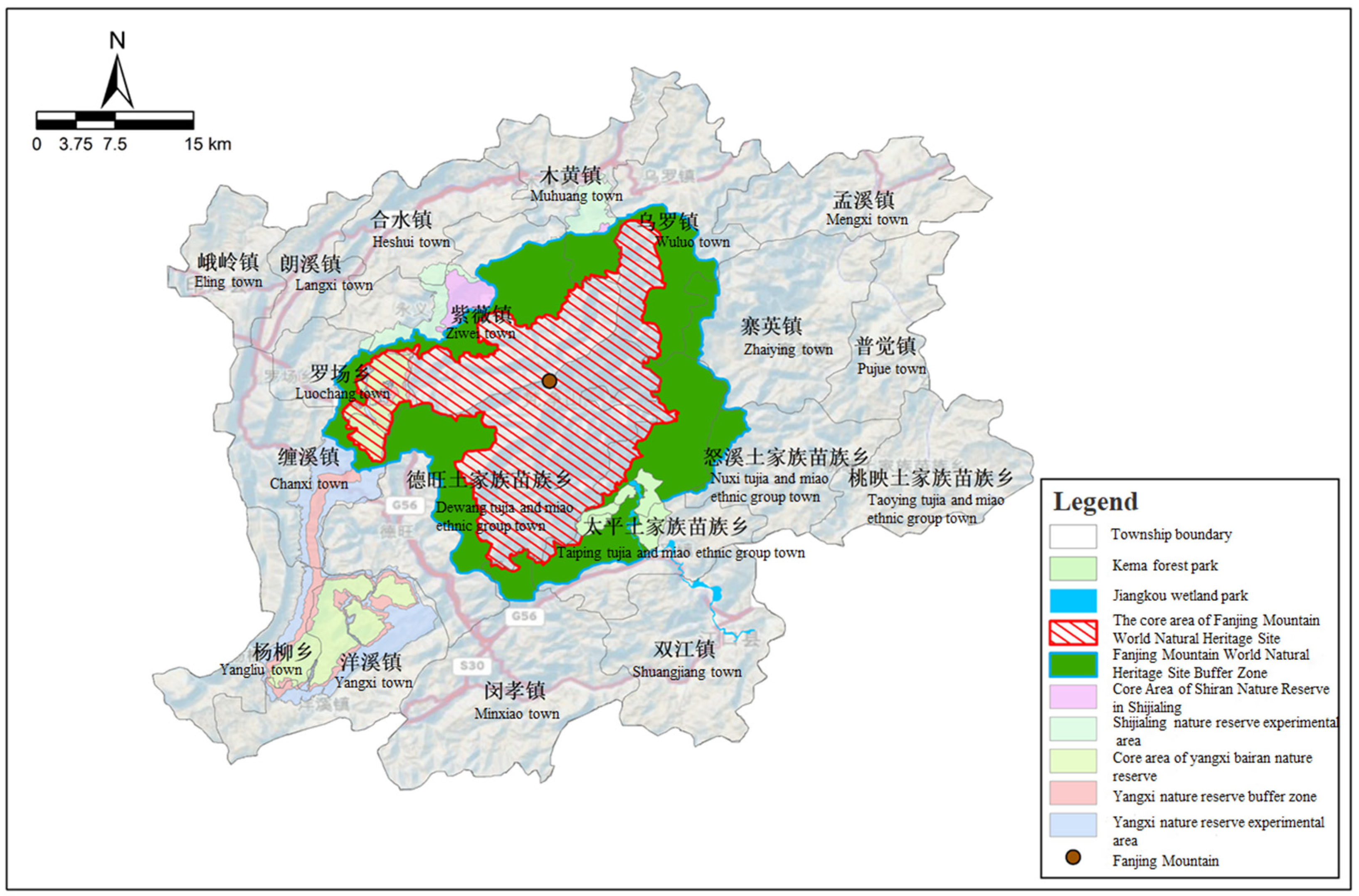
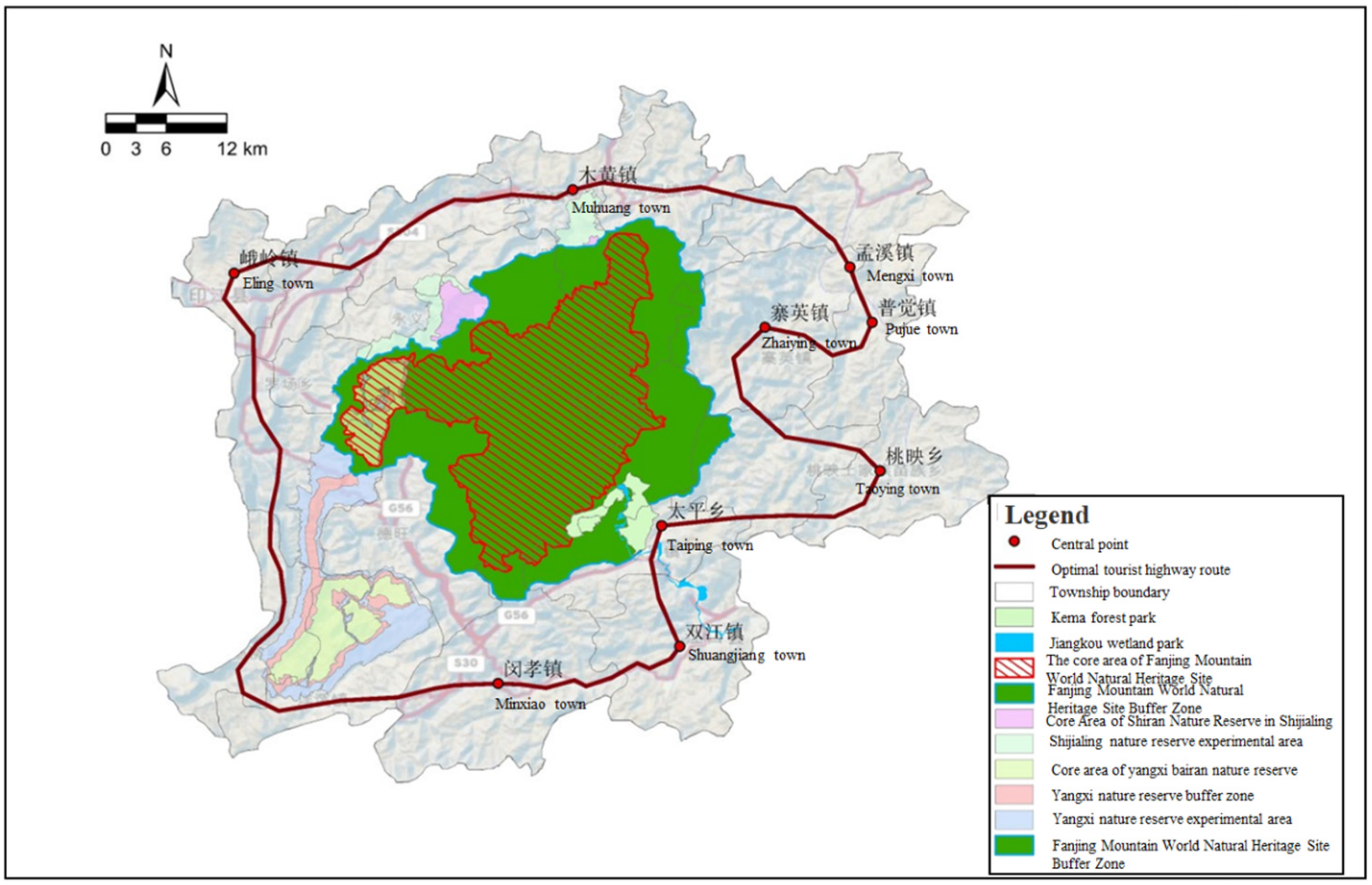
Before being inscribed on the World Heritage List, Mount Fanjing was designated as a national nature reserve, with multiple surrounding protected areas, including Yinjiang Yangxi Provincial Nature Reserve, Mount Fanjing-Taiping River Scenic Area, Yinjiang Muhuang Provincial Scenic Area, Shi Jialing County-level Nature Reserve, Jiangkou National Wetland Park, and Kiama Forest Park. After its world heritage designation, the core and buffer zones of Mount Fanjing World Natural Heritage Site are mostly located within the boundaries of Guizhou Mount Fanjing National Nature Reserve, with partial overlaps with other adjacent protected areas (as shown in
Figure 1).
The peripheral zone of Mount Fanjing World Natural Heritage Site, centered on the heritage site and adjacent towns, boasts huge tourism development potential. This core research area covers a 20–40 km radius around Mount Fanjing, encompassing 19 towns across three county-level administrative regions: Songtao, Yinjiang, and Jiangkou. The region is endowed with abundant high-quality tourism resources and profound cultural heritage, featuring diverse, concentrated and uniquely characteristic resources that are well-matched in landscape and culture. Coupled with favorable climatic conditions and a livable natural environment, it forms a comprehensive advantage for the development of a three-dimensional, integrated tourism resource system around Mount Fanjing. Thus, under the strategy of all-for-one tourism, constructing a complete tourist highway network is imperative to satisfy visitor demand for the heritage site, boost local tourism and economic development, and rationally extend the “Mount Fanjing radiation effect” via improved transportation connectivity.
2.1.2. Challenges in the Existing Tourist Road Around Mount Fanjing
Despite the urgent need for optimized tourist highways, the existing road network around Mount Fanjing presents two prominent defects that hinder coordinated conservation and development:
- (1)
Ecological degradation of the world natural heritage site
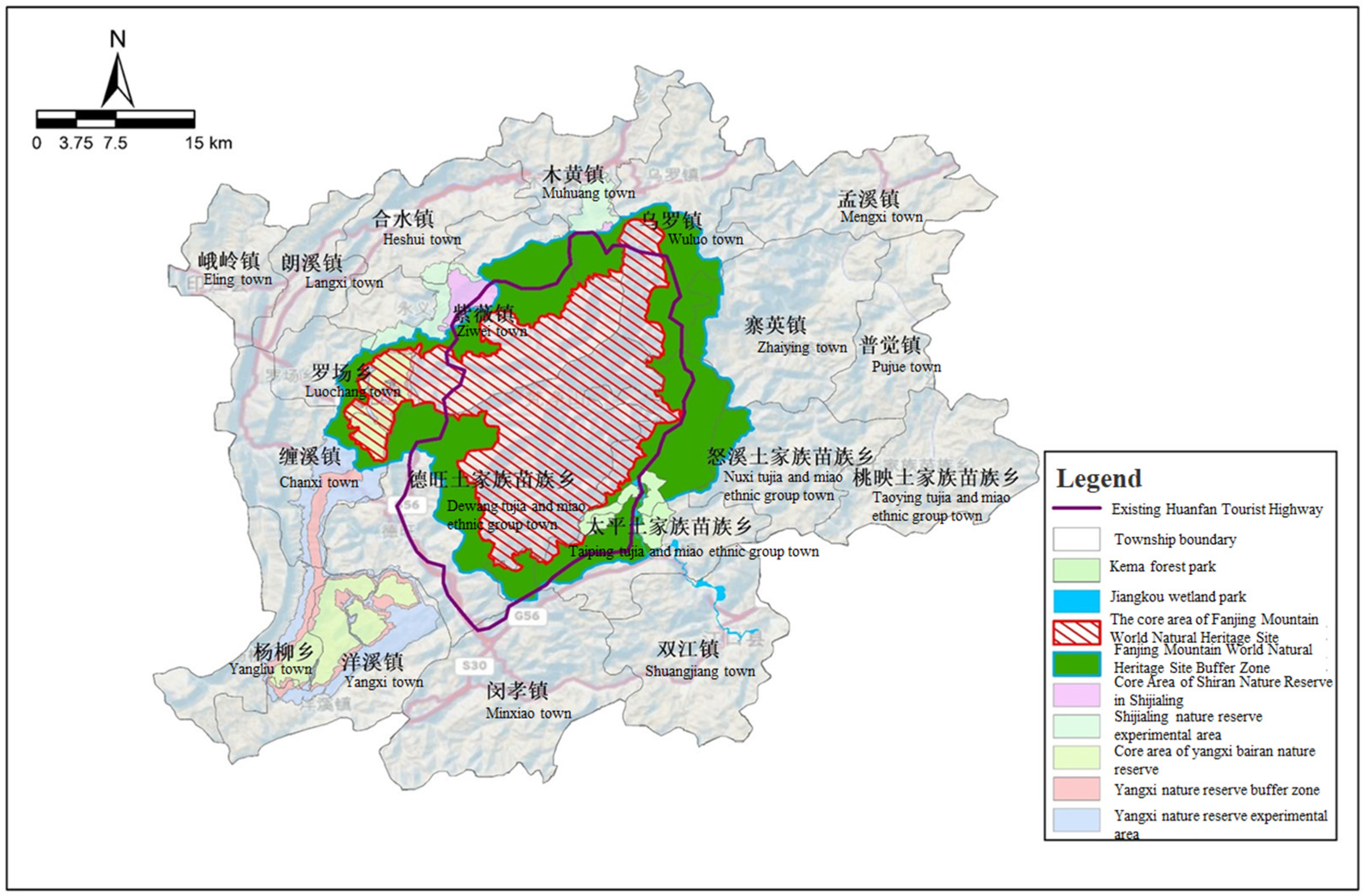
In recent years, massive construction of rural roads and tourist highways around Mount Fanjing has been concentrated in the heritage buffer zone (as shown in
Figure 2), close to the mountain foothills with inadequate ecological buffering between roads and the core habitat, which severely conflicts with heritage conservation requirements. These roads have disrupted wildlife activity ranges, especially the habitats of Guizhou snub-nosed monkeys, leading to severe habitat fragmentation. For this endemic endangered species, maintaining habitat integrity is a top conservation priority of Mount Fanjing. Meanwhile, booming tourism has brought surging annual visitor numbers, and the expansion of supporting facilities along existing roads has pushed tourist activities deeper into the heritage core zone, creating sharp contradictions between road construction and heritage protection, and causing substantial ecological damage.
- (2)
Weak economic driving effect of tourist highways
Most segments of the existing tourist highways fail to connect effectively with surrounding villages and towns, and fail to tap their endogenous development potential, restricting the formation of coordinated regional tourism development and failing to drive the economic growth of peripheral settlements. As the core attraction of the region, Mount Fanjing concentrates nearly all tourist flows, resulting in a serious spatial imbalance in tourism development. The current road network cannot link visitor demand for Mount Fanjing with peripheral tourism service facilities, leading to excessive tourist pressure on the heritage site while leaving surrounding areas underdeveloped in tourism. Accordingly, the planning and layout of tourist highways around Mount Fanjing must balance economic driving benefits and ecological security. Specifically, key towns with both tourism development potential and ecological suitability should be selected as core tourism service nodes, and road routes should be optimized based on ecological suitability assessment, to realize coordinated regional economic growth and heritage ecological conservation.
2.2. Evaluation System for Town-Level Tourism Development Potential
2.2.1. Selection of Evaluation Indicators for Tourism Development Potential
Current research on the potential for tourism development primarily concentrates on provincial and urban levels, with comparatively few investigations at the county and village tiers. This study systematically organizes and reviews both domestic and international literature pertinent to tourism development potential. Drawing on the intrinsic significance of town-level tourism development potential, an initial compilation of 47 evaluation indicators that correspond to the research objectives is created [
21,
22,
23,
24,
25,
26,
27,
28].
Subsequently, the indicator system was refined through expert discussion. The selection of experts followed strict criteria to ensure the reliability and validity of the results. Specifically, the experts were required to have relevant academic or professional backgrounds in fields such as tourism geography, transportation planning, ecological assessment, or regional development. In addition, they were affiliated with diverse institutions, including universities, research institutes, and government agencies, to ensure a balance between theoretical knowledge and practical experience. What is more, All experts were screened to avoid potential conflicts of interest, particularly those directly involved in the planning or construction of the studied tourism road, thereby ensuring the objectivity and independence of the evaluation.
The expert revision process followed several key principles: (1) scientific validity and theoretical relevance, prioritizing indicators that effectively reflect the core connotation of tourism development potential; (2) representativeness and independence, eliminating redundant indicators with overlapping meanings or high correlation; (3) operability and data availability, selecting indicators with reliable data sources and consistent statistical definitions; (4) regional applicability, ensuring that the indicators accurately reflect the characteristics of the study area. Based on expert scoring and questionnaire feedback, the indicators were further screened and integrated, resulting in a preliminary set of indicators.
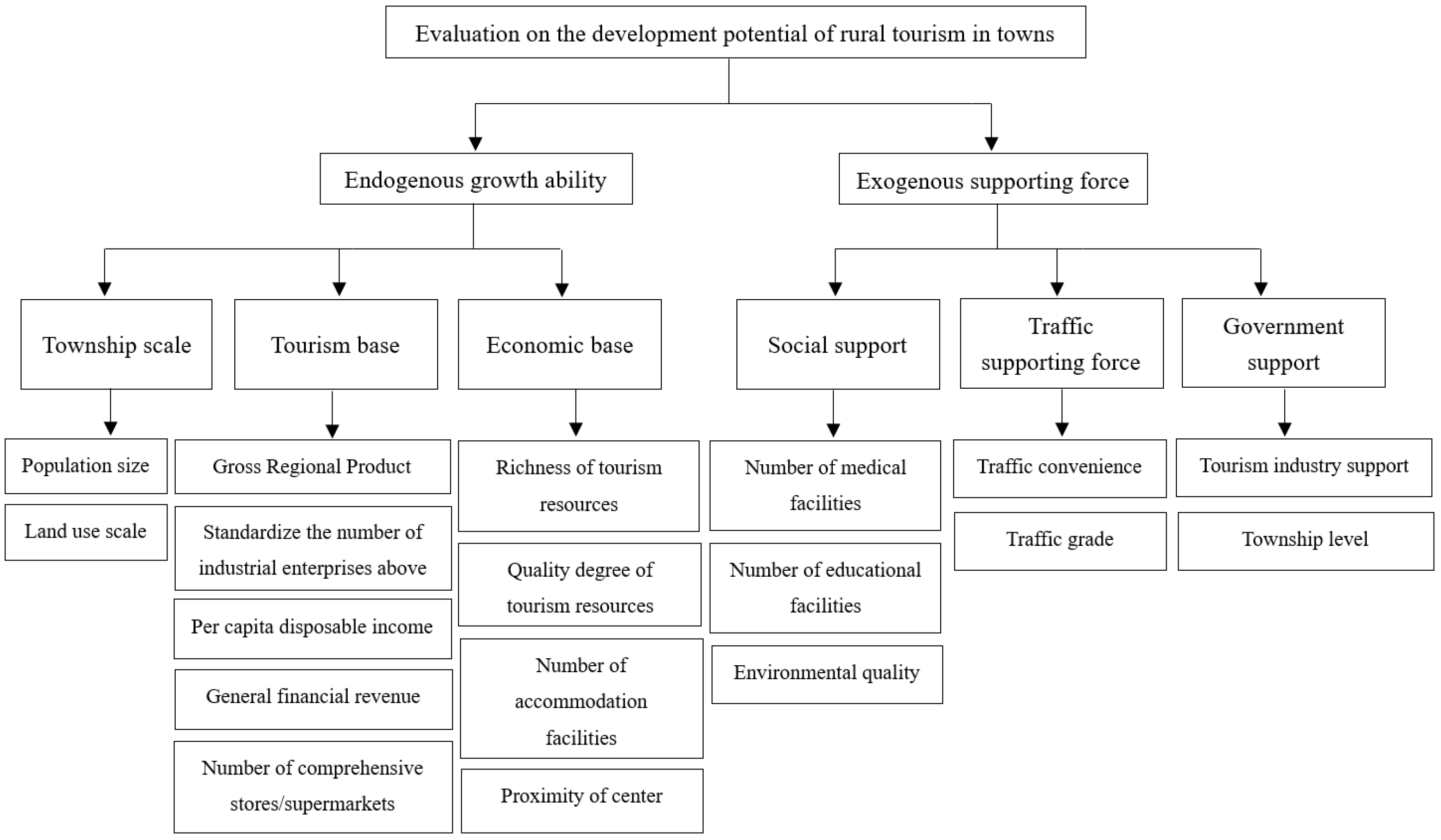
Due to the complexity of data collection at the township level and inconsistencies in statistical standards, some indicators in the ideal evaluation system were not available. Therefore, further adjustments were made: the indicators of employment in the tertiary industry and the proportion of tourism revenue in GDP were removed, while an indicator of tourism industry support was added. In addition, tourism reception capacity was replaced by the number of accommodation facilities; social security was replaced by the number of medical and educational facilities; and tourism investment was replaced by township hierarchy level. Ultimately, an evaluation system for town-level tourism development potential is established, comprising 18 indicators across two dimensions: intrinsic growth capacity and extrinsic support capacity (as shown in
Table 1).
2.2.2. Data Standardization
The evaluation system for town-level tourism development potential encompasses various categories of indicators across different dimensions. These indicators exhibit differences in scale and magnitude. Analyzing the raw data directly may lead to significant biases. To ensure the scientific validity of the analysis results, this study employs the method of range normalization (Formula (1)) to eliminate the influence of indicator scales and enhance data performance.
Among them, represents the standardized evaluation value after normalization, represents the original data, represents the minimum value of the evaluation indicator, represents the maximum value of the evaluation indicator.
2.2.3. Determination of Index Weights
Based on the evaluation indicator system for town-level tourism development potential, the hierarchical structure diagram (as shown in
Figure 3) was constructed, and a survey questionnaire using the 1–9 scale method was developed for each level. A total of 10 experts were invited to participate in the evaluation in this study. The pairwise importance comparison matrix was obtained through expert scoring, and the weight vector was calculated. The number of experts was determined based on the Analytic Hierarchy Process methodological requirements and previous empirical studies, which suggest that a panel of 5–15 experts is sufficient to achieve stable and reliable judgment matrices while maintaining consistency and feasibility in data collection.
Based on this, a consistency check is conducted on the judgment matrices: the Consistency Index (CI) is calculated based on Equation (2), and the Consistency Ratio (CR) is computed using CI and the Random Index (RI) from
Table 2 (as shown in Equation (3)). If CR is less than 0.1, the overall hierarchy passes the consistency test; otherwise, if CR exceeds 0.1, the hierarchy fails the consistency test. In such cases, the judgment matrices are examined using the matrix inspection function of
Yaahp V11.3software. For judgment matrices that meet certain criteria, the automatic consistency correction function of
Yaahp V11.3 can be employed to adjust the matrix data. If the inconsistent judgment matrices cannot be reasonably corrected, experts are invited to fill them out again or they are discarded.
Among them, CI represents the Consistency Index, represents the maximum eigenvalue of the judgment matrix, n represents the dimension of the matrix.
Based on the consistency check results, the Consistency Ratio (CR) is less than 0.10, indicating that the consistency of the judgment matrices is acceptable. Consequently, the weights of the 18 evaluation indicators are determined as shown in
Table 1.
2.3. Ecological Suitability Assessment System for Tourist Highways
2.3.1. Selection of Evaluation Indicators for Ecological Suitability
The primary premise for the route layout of tourism roads around the World Natural Heritage Site is to minimize negative impacts on the ecological environment, species protection, and cultural heritage, while fully preserving the integrity and authenticity of key ecosystems. Therefore, the ecological suitability evaluation indicators for these tourism roads should meet the ecological protection objectives, as well as ensure road safety and construction economy. This study focuses on the ecological suitability of the surrounding areas of the World Natural Heritage Site. It comprehensively organizes and studies the evaluation indicators from relevant research, considering various ecological elements and environmental issues specific to the region, and lists influencing factors accordingly.
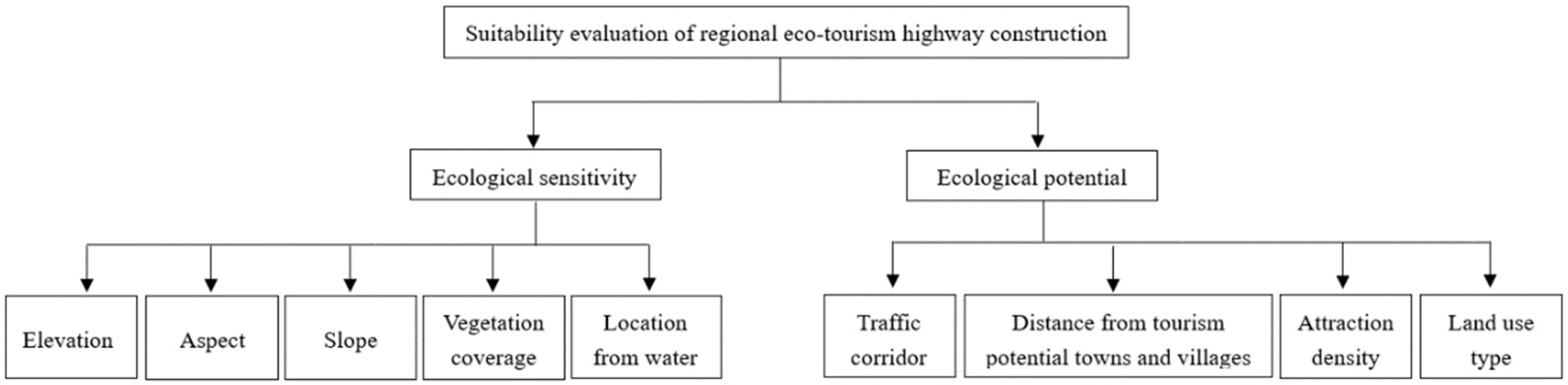
The expert group, considering that the route selection and layout of the tourism road around the World Natural Heritage Site should meet the basic premise of maintaining ecological security and conform to the development requirements of economic construction. Therefore, they screened the evaluation indicators from the two aspects of ecological sensitivity and ecological potential. Among them, ecological sensitivity refers to the degree of sensitivity of the study area’s geographical environment in building tourism roads—the lower the sensitivity, the higher the suitability. On the one hand, it ensures the safety of tourism road construction; on the other hand, it reduces or even avoids the deterioration of the ecological environment caused by tourism road construction. The evaluation factors of ecological sensitivity mainly include elevation, slope, aspect, vegetation coverage and water area elements. Ecological potential mainly measures the ecological potential value of existing resources—the lower the ecological potential, the more suitable it is. By rationally utilizing and assessing the ecological potential of existing resources, it is possible not only to effectively utilize existing resources and enhance the economic efficiency of tourist roads, but also to avoid damaging areas with excellent ecological potential. Ecological potential is mainly influenced by existing transportation corridors, the density of scenic spot distribution, land use types, and high tourism potential township nodes.
Ultimately, this study establishes an ecological suitability evaluation indicator system for the route layout of tourism roads around the World Natural Heritage Site, comprising 9 evaluation indicators across 2 dimensions (as shown in
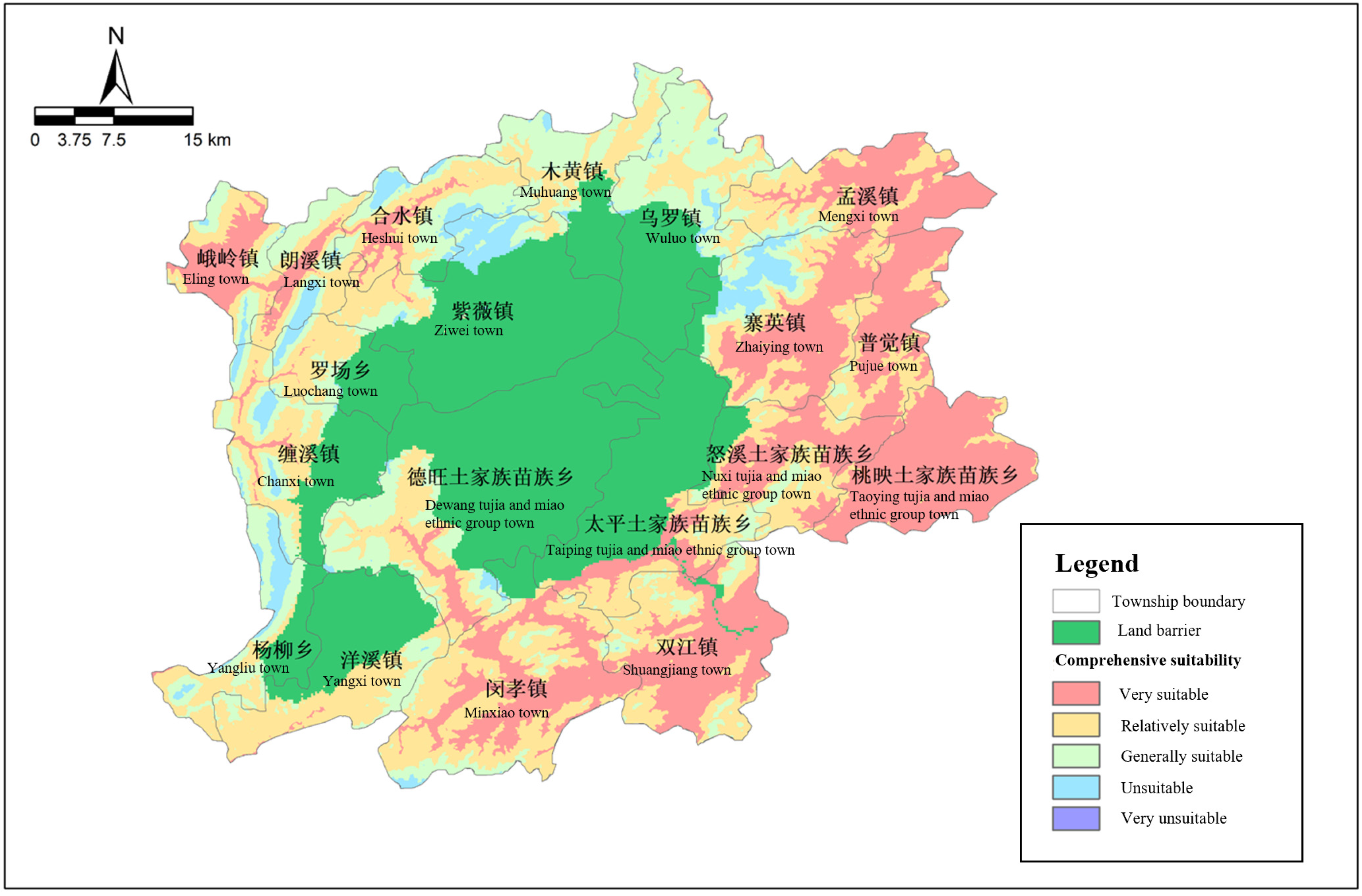
Table 3). Due to the particularity of World Natural Heritage Sites in terms of ecological protection and heritage preservation, this study further adds land use barrier factors, taking mandatory protective areas such as World Natural Heritage sites and nature reserves that are prohibited from development and construction in government documents, protection plans and regulations as preemptive influencing factors, and making them veto items.
2.3.2. Determination of Indicator Weights
Based on the aforementioned evaluation indicator system and the hierarchy diagram created using
yaahp V11.3 (as shown in
Figure 4), the 1–9 scale method was used to construct pairwise comparison matrices at each level. Questionnaires were then distributed to collect expert evaluations. Ten experts provided scores to generate pairwise importance comparison matrices, from which weight vectors were calculated. Consistency checks were performed according to Formulas (2) and (3). On the basis of a consistency ratio below 0.10, the weights of each indicator were determined as follows: Elevation (0.143), Slope (0.135), Aspect (0.051), Vegetation Cover (0.107), Distance to Water Bodies (0.120), Transportation Corridors (0.122), Distance to Towns with High Tourism Development Potential (0.118), Density of Attractions (0.096), and Land Use Type (0.108).
2.4. Dual-Coordination Matrix Model for Tourism Development and Ecological Protection
The tourism development potential of towns situated within various ecological suitability zones exhibits considerable variability. Consequently, the level of tourism development potential does not necessarily correlate positively or negatively with ecological suitability. Thus, the identification of tourism road service nodes cannot rely solely on the assessment of tourism potential, a further evaluation based on ecological suitability is essential. For instance, if a town with high tourism development potential is located in a very unsuitable or less suitable area in terms of space, then this town cannot become a priority choice and tourism service supply node for the development of tourism roads. Similarly, a town with low tourism potential may also be located in a highly suitable area in terms of space, and thus can serve as a potential secondary node, functioning as a small-scale tourism service supply point in the future construction of a tourism road network.
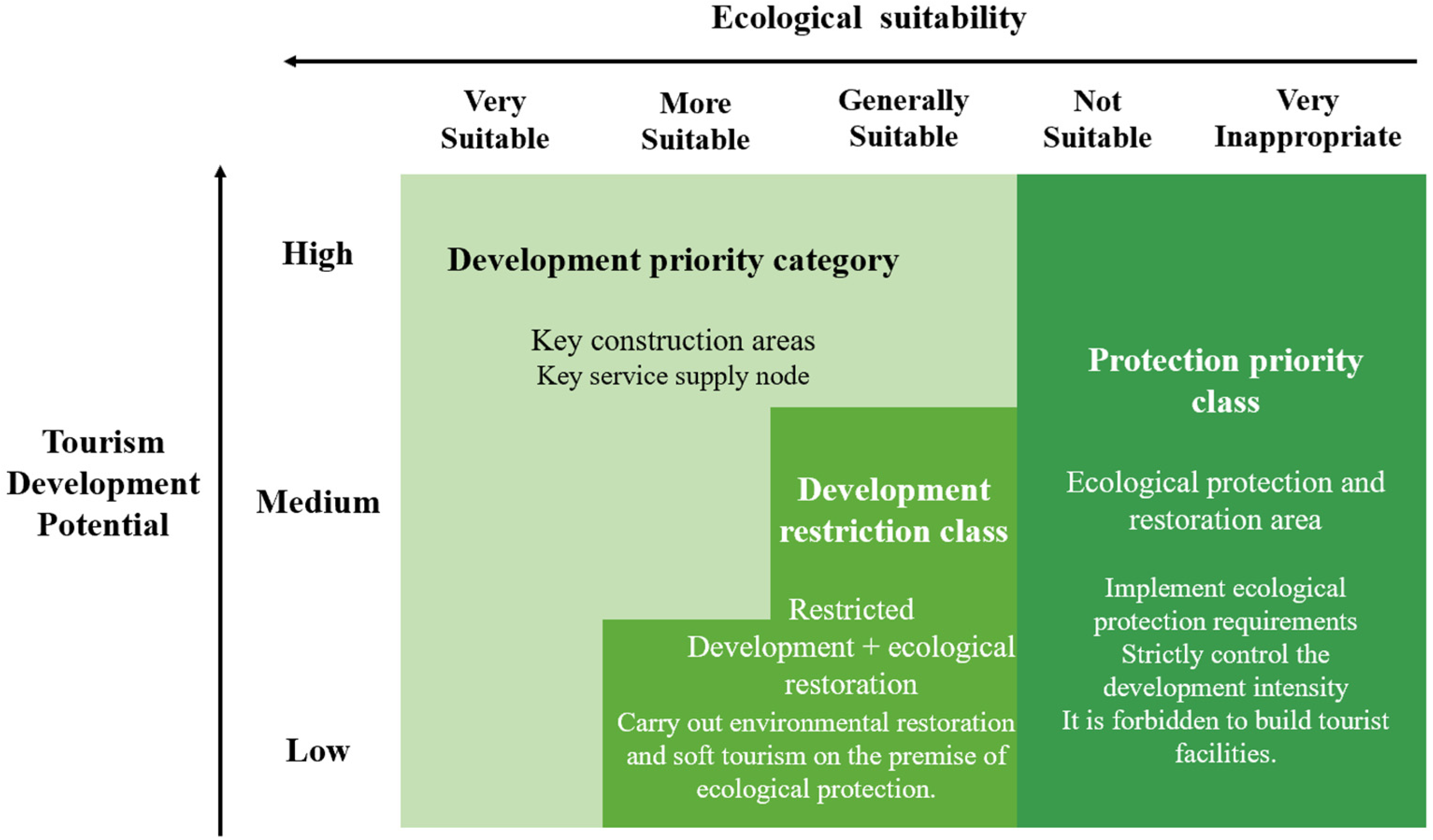
Therefore, a dual-matrix model termed “Tourism Development Potential-Ecological Suitability” has been constructed, which classifies townships according to their respective tourism development potential and ecological suitability levels(as shown in
Figure 5). This model categories the towns into three distinct classes: development priority, development restriction, and protection priority. Specific development requirements are delineated for each category. By judiciously allocating spaces for tourism development and ecological protection through division of labor, cooperation, and complementary advantages, the efficiency of resource allocation can be enhanced.
2.5. Identification and Optimization of Tourist Road Route Selection
Based on the binary matrix model, the development priority towns and townships are determined as the key tourism service supply points of the tourism road. Then, based on the spatial relationship between tourism service supply points, the basic traffic sequence of the proposed tourism road route is determined. Further, combined with the cost raster data obtained from the ecological suitability assessment, the minimum cost distance from each target node to the next target node is calculated through the minimum cost path method, and the tourism road route is preliminarily identified.
The route automatically extracted by the minimum cost path algorithm of ArcGIS 10.2 software is the result under ideal conditions, without considering issues such as the smoothness of tourist road curves and construction costs. Therefore, based on the initially identified tourist road routes, this study conducts artificial correction and optimization in accordance with the following principles: (1) Ecological priority principle: Avoid areas of World Natural Heritage Sites and other nature reserves to maintain ecological security; (2) Principle of adapting measures to local conditions: Give priority to choosing existing transportation corridors to reduce construction costs; (3) Driving safety principle: Utilize the “Smooth Line” tool of ArcGIS 10.2 and manual correction to optimize the zigzag lines to ensure driving safety. Ultimately, the optimal path is obtained to protect the ecological environment to the greatest extent and reduce construction costs.
4. Discussion
4.1. Whether Ecologically Sensitive Areas Are Suitable for Conducting Research on the Route Selection of Tourist Roads
The issue of route selection for tourist roads in ecologically sensitive areas has always been a controversial focus in both academic circles and practice. Traditional research on the route selection of tourist roads often focuses on the analysis of a single dimension such as ecological suitability or economic development potential, with less consideration given to the balance between ecological protection and economic development. But In these ecologically fragile areas such as World Natural Heritage Sites, ecological protection is the top priority. Thus, with the rapid development of the tourism industry and the increase in economic demand, how to rationally plan tourist roads in ecologically sensitive areas, achieving both ecological protection and promoting tourism development, has become an urgent problem to be solved.
The dual coordination model proposed in this study was put forward precisely under this background, aiming to comprehensively consider ecological suitability and tourism development potential, and through scientific assessment, propose the most suitable route selection plan. Our research indicates that despite the high ecological protection pressure faced by ecologically sensitive areas, through precise spatial analysis and scientific planning, reasonable route selection for tourist roads can still be carried out in these areas. The key lies in strict restrictions and precise calculations during the route selection process to ensure that the construction of tourist roads does not cause excessive damage to the ecological environment.
Unlike the previous studies that emphasized that ecologically sensitive areas should completely avoid any form of development, this study holds that the planning of tourism roads in ecologically sensitive areas cannot be directly denied. Instead, it stresses the rational division of regions through precise route selection, hierarchical protection, and multi-dimensional comprehensive consideration. Focus on the construction of areas that are ecologically suitable and have development potential, and carry out ecological restoration in the restricted development areas of the ecological protection red line, so that ecological protection and tourism development can achieve a win-win situation in ecologically sensitive areas. Therefore, it can be concluded that as long as scientific planning and management measures are adopted, research on the route selection of tourist roads can be conducted in ecologically sensitive areas. The prerequisite is that all route selection schemes should give priority to ecological protection and avoid the negative impacts brought about by large-scale construction.
4.2. Limitations and Future Directions
The study focuses on the core contradiction between ecological sensitivity and tourism development demands of World Natural Heritage Sites, conducts an in-depth empirical analysis targeting the route selection and spatial layout of tourist highways from the dual dimensions of tourism development potential and ecological suitability, and puts forward a targeted dual-coordination analysis framework, which provides targeted theoretical references and practical paths for the sustainable planning of tourist highways in ecologically fragile heritage areas. Nevertheless, constrained by multifaceted factors including limited research capacity, constrained research cycle, disciplinary boundaries, and the availability of grassroots spatial and statistical data, this study still has several notable limitations in terms of research content, system construction, evaluation indicators and research scale. Therefore, future research needs to carry out targeted expansion and in-depth optimization in the above aspects, so as to further enhance the scientificity, systematicity, universality and practical guiding value of the research.
4.2.1. Expand the Research Content and Promote the Systematization of Tourism Road Construction
The planning and construction of tourist roads is a comprehensive systematic project covering multiple fields and links. Route selection and layout are only the core and fundamental links, not the entire content. Due to the limitations of the author’s research capabilities, time and energy, this study only focused on the analysis of a single dimension of the route selection and layout of tourism roads, without covering key supporting planning contents such as the configuration of landscape plants along the route, characteristic sign systems, convenient recreational service facilities, ecological viewing platforms, and supporting rest nodes. It is difficult to form a complete research system for tourism road planning. At the same time, due to the limitations of professional knowledge boundaries, the multiple influencing factors of tourist road route selection have not been deeply analyzed from interdisciplinary perspectives such as engineering management, art design, and transportation engineering. The research perspective is relatively single and lacks in-depth analysis of interdisciplinary integration.
From the perspective of industry development and academic research trends, after years of development, foreign scenic roads have formed mature development principles, construction standards and standardized planning processes, which can provide high-quality references for the construction of domestic tourist roads. Future research needs to break through the limitations of a single perspective, integrate theories from multiple disciplines such as tourism planning, economic geography, engineering, landscape ecology, and art design, and in line with the core construction goals of domestic tourism roads, which prioritize ecological protection, promote the integrated development of culture and tourism, and drive rural revitalization, sort out and integrate advanced domestic and international experiences with local practical demands. Build tourism road planning and design guidelines that are in line with China’s national conditions and the characteristics of regional development, promote the transformation of tourism road construction from fragmented and scattered to standardized, normalized and scientific, and achieve systematic planning and construction of the entire chain and all dimensions of tourism roads.
4.2.2. Promote the Transformation of Tourism Road Loops into a Tourism Road Network to Enhance Tourism Accessibility
The core of the research focuses on the economic driving value and ecological protection bottom line of tourism roads, with a particular emphasis on the economic adaptability and ecological suitability of the route selection and layout. However, there is a lack of attention paid to the traffic connectivity and hierarchical connection of tourism roads. The efficient linkage between tourism roads and the first and second-level core tourism service nodes in the region has not been achieved. The radiation and accessibility of the road network layout are insufficient. It is difficult to fully leverage the role of tourist roads as a transportation link and in connecting culture and tourism. The core value of tourist roads lies not only in the construction of individual routes, but also in the connection of tourism resources throughout the region through the road network, achieving the integrated integration of regional cultural and tourism resources and economic elements. In the future, based on this research, the scope of the study should be expanded to conduct systematic evaluations of the tourism development potential and ecological suitability of multi-level nodes such as towns, counties and cities, and well-known tourist attractions within the region. The resource endowments, transportation conditions, and development needs of each node should be refined to construct a multi-level tourism road network of “first-level main trunk lines + second-level branch lines + third-level connecting lines”. Promote the transformation and upgrading of the layout of tourism roads to achieve “single-point construction—route connection—road network coverage”, deepen the degree of regional cultural and tourism location integration, strengthen the economic radiation and driving effect of tourism roads on the villages and towns along the routes, and promote the regionalization of economic development.
4.2.3. Enrich Evaluation Indicators and Expand the Scope of Application
Most current studies are based on the special circumstances of World Natural Heritage sites and have not yet formed a standard analysis framework for the route selection of tourist roads, thus having limited application scope. On the one hand, the prerequisite for the selection and layout framework of the tourism road around the World Natural Heritage Site is that there are ecological protection areas and tourism development demands within the region. Therefore, when using this framework, the research area needs to have ecological protection sources and tourism resource areas. On the other hand, in the construction of the tourism development potential index system and the ecological suitability index system in this study, the particularity of rural areas and world natural heritage sites is mainly considered, and the evaluation indicators are selected based on the main principles of ecological protection and economic driving. As the relevant evaluation research on tourism development potential and ecological suitability has not yet reached a consensus on the evaluation dimensions and first-level indicators, it is inevitable that there will be omissions or repetitions in the selection of evaluation factors in this study. In future research, it is possible to attempt to construct a “tourism development potential evaluation factor library” and an “ecological suitability evaluation factor library”, and formulate factor selection principles to help researchers build a scientific and reasonable evaluation system based on the characteristics of the research objects, thereby achieving scientific and objective empirical research.
4.2.4. Deepen the Research Data and Achieve Rural Research at the Village Level Unit
During the actual research process, there were generally differences or gaps in the data statistics at the village level. Therefore, the research unit was limited to the township level and failed to be further refined to the village level. However, the village-level units under the jurisdiction of towns and townships are the focus and handle for the development and construction of rural tourism, and they deserve special attention and research. Therefore, in future research, emphasis should be placed on collecting relevant data at the village level to achieve the assessment of tourism development potential and ecological suitability with the village level as the research unit.
5. Conclusions
The study identifies that the prominent defects of current tourist highway construction in World Natural Heritage Sites stem from two key deficiencies: the route layout fails to fully safeguard the ecological sustainability and integrity of heritage ecosystems, and there is a lack of targeted awareness of leveraging tourist highways to boost tourism development in surrounding townships. To address these issues and achieve the dual values of ecological protection and economic stimulation for tourist highways, this study constructs a specialized route selection analysis framework for tourist highways encircling World Natural Heritage Sites. The framework consists of four core components: grading the tourism development potential of peripheral townships, delineating ecologically suitable areas for road construction, determining key service supply nodes for tourist highways, and generating optimized tourist highway routes.
Considering the ecological sensitivity and unique attributes of tourist highways in World Natural Heritage Sites, this study puts forward a “tourism development potential-ecological suitability” dual matrix model that supports long-term ecological sustainability. Based on the grading outcomes of these two dimensions, surrounding townships are categorized into three types: development-priority, development-restricted, and protection-priority, with tailored differentiated development strategies proposed for each category. This classification method enhances the scientificity and rationality of tourist highway service node selection, and further drives the overall optimization and integrated upgrading of regional tourism while ensuring sustainable ecological conservation.
Under the guidance of the established route selection analysis framework, this study combines statistical data and spatial geographic data to scientifically evaluate the tourism development potential and ecological suitability of townships surrounding the Mount Fanjing World Natural Heritage Site. Taking the circular tourist highway around Mount Fanjing as an empirical case, this research verifies the feasibility of the framework and model, and proposes targeted optimization schemes for its route layout.
The empirical research results show that the binary coordination matrix model innovatively proposed in this study is of great significance for the sustainable development of tourism roads. In theory, Integrating multiple scientific theories into a unified analytical framework has expanded the boundaries of research. In terms of methods, the selection of township areas as the basic research units for quantitative research fills the gap in the existing research on tourist roads. In practice, the proposal and application of this mechanism have enhanced the dual value of the Mount Fanjing Tourist Road, promoting local economic growth and ecological protection. It has also promoted the optimization and all-round progress of ecological sustainability and coordinated development in the surrounding areas of other World Natural Heritage Sites.