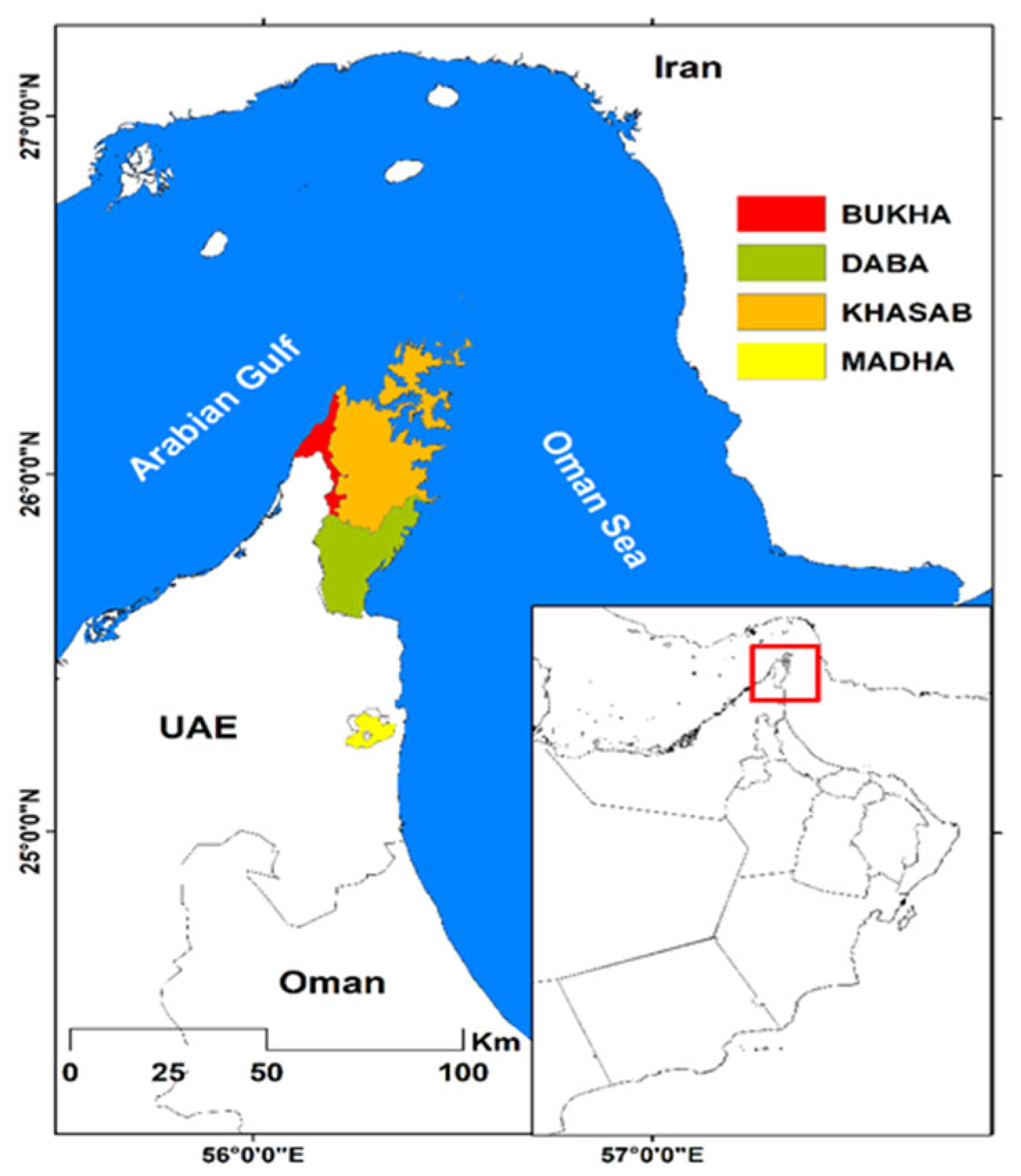
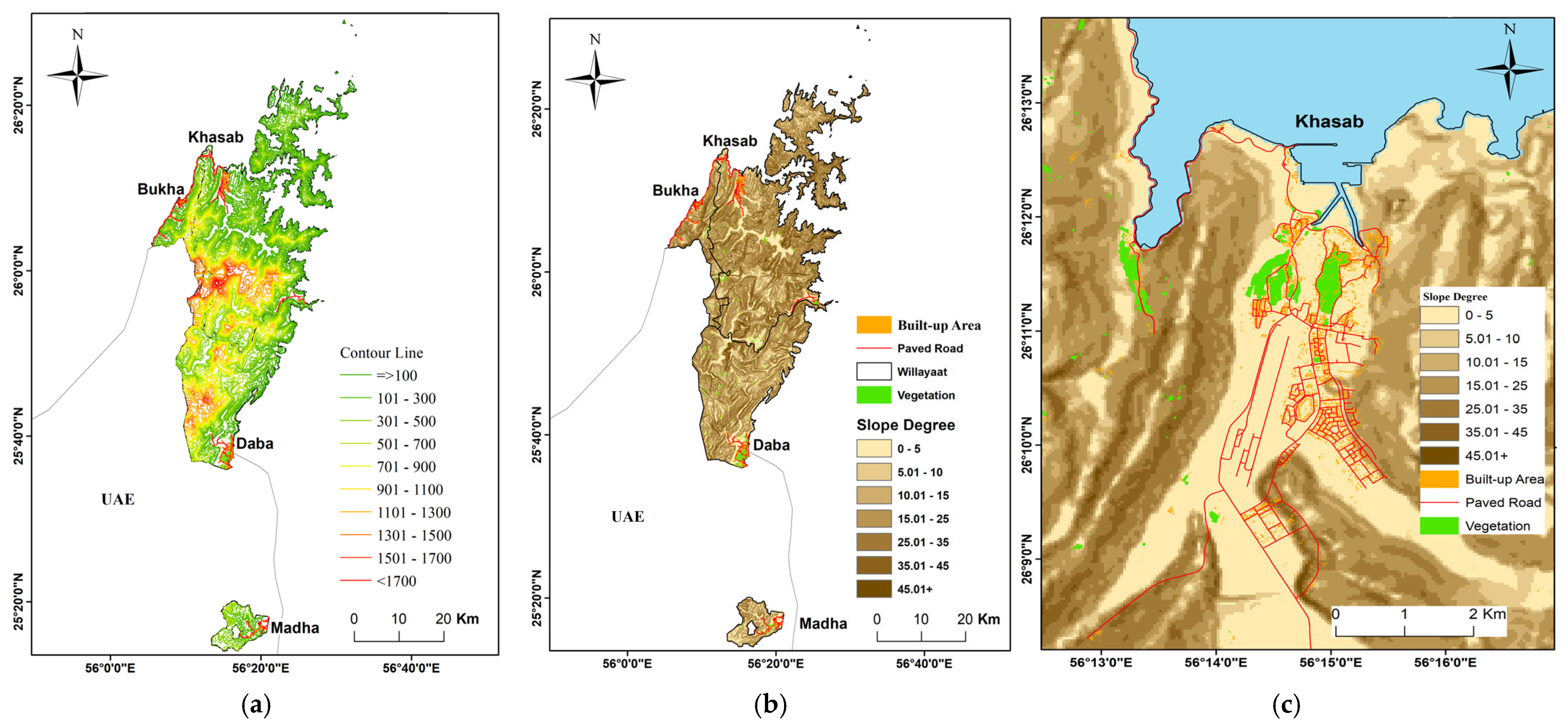
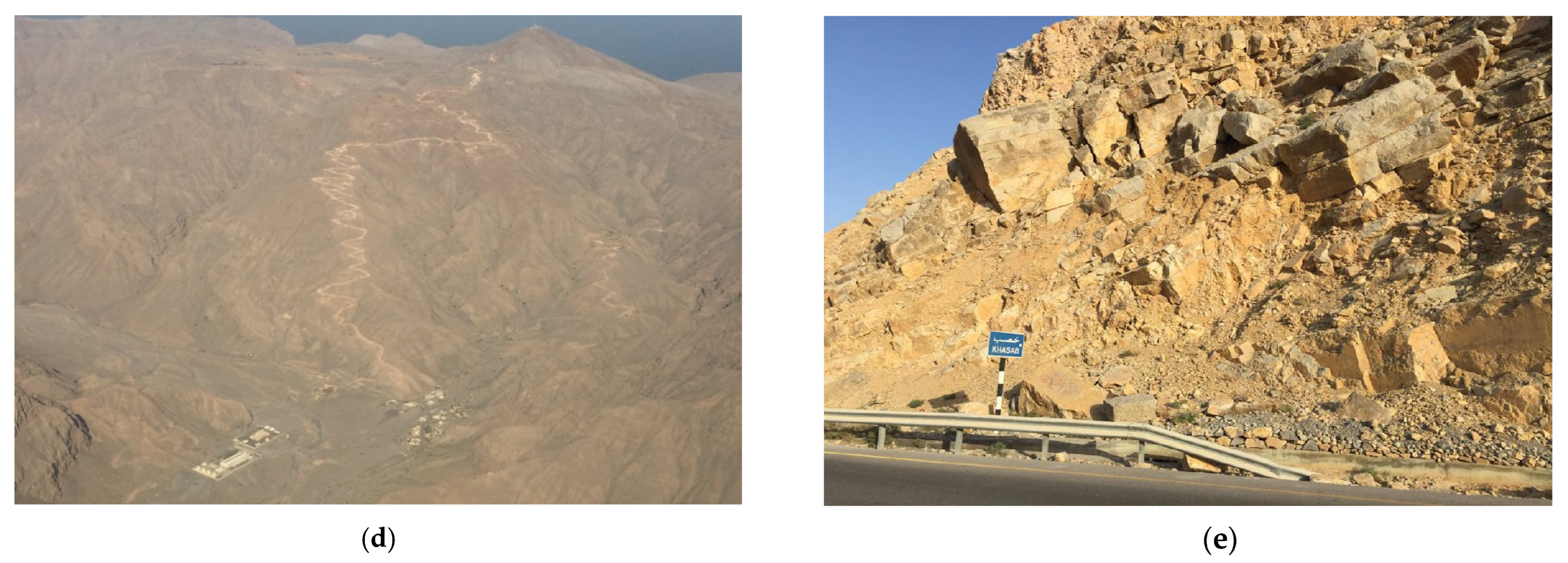
1. Introduction
The study of geographical exclaves represents a critical frontier in understanding how spatial discontinuity shapes socioeconomic dynamics, identity formation, and cross-border interactions. Exclaves, territories separated from their parent state by foreign territory, present distinctive challenges and opportunities that illuminate fundamental questions about governance, development, and human adaptation to geographical fragmentation [
1,
2]. Recent scholarship has increasingly emphasized the need to shift analytical focus from abstract territorial arrangements to the lived experiences of exclave populations, recognizing that understanding separated territories requires attention to how residents navigate, adapt to, and sometimes transcend the constraints imposed by geographical discontinuity [
3]. The theoretical framework for analyzing exclaves has evolved considerably since foundational work in the mid-twentieth century, with contemporary research emphasizing exclaves as transitional spaces where conventional boundaries between national territories become permeable, opening possibilities for innovative forms of economic activity and social organization [
1,
4].
The economic geography of exclaves presents unique vulnerabilities and opportunities that have garnered renewed attention in recent scholarship on spatial inequality and regional development. Distance effects create substantial transportation costs and logistical complexities that can lead to economic marginalization of exclave populations, particularly when parent states lack effective policies to offset additional costs of maintaining cross-border linkages [
5]. However, exclaves can also develop specialized economic niches that capitalize on their intermediate position between different economic systems, particularly in border trade, tourism, and services. Recent research on cross-border mobility demonstrates how exclave residents develop sophisticated strategies to leverage proximity to neighbouring territories while maintaining connections with their parent state [
1]. The dual nature of economic vulnerability and opportunity is increasingly understood through frameworks that emphasize spatial inequality as a multidimensional phenomenon encompassing not only income disparities but also differential access to education, healthcare, infrastructure, and digital connectivity [
6,
7].
Social development in exclaves exhibits distinctive patterns shaped by geographical isolation and border dynamics, creating unique challenges for maintaining social cohesion and cultural continuity with the parent state while navigating relationships with surrounding territories. Contemporary border studies scholarship emphasizes how cross-border mobility patterns reflect complex interplays of structural inequalities, institutional arrangements, and individual agency [
8]. Exclave communities often develop hybrid identities that incorporate elements from both the parent state and surrounding territories, through active negotiation and strategic choices rather than passive responses to geographical circumstances. Recent empirical research on cross-border regions demonstrates that functional integration emerges through actual cross-border mobility, creating living areas that transcend formal administrative boundaries [
1,
8]. These findings challenge conventional assumptions about the inherent disadvantages of territorial fragmentation, suggesting that exclaves can serve as catalysts for cross-border cooperation when adequately integrated into regional economies and supported by appropriate policy frameworks.
Despite the strategic importance of Musandam and its unique position as an Omani exclave, the existing literature reveals significant gaps in understanding the lived experiences and development challenges of its population. Previous studies have primarily focused on descriptive accounts of geographical features, historical trade patterns, or specific sectors, without providing a comprehensive analysis of socioeconomic interactions and development patterns [
9,
10,
11]. The limited attention to Musandam in the academic literature is particularly striking given its geopolitical significance at the Strait of Hormuz and the potential insights it offers for understanding exclave dynamics in the contemporary Middle East, where borders often reflect colonial legacies rather than organic social or economic boundaries. Furthermore, existing exclave studies have predominantly focused on European and post-Soviet cases [
12,
13,
14], with limited attention to exclaves in the Arabian Gulf region, thereby producing theoretical frameworks that may not fully capture the distinctive features of Gulf exclaves. The absence of systematic studies measuring human development levels in Musandam relative to other Omani governorates represents a critical empirical gap that limits understanding of how exclave status affects socioeconomic outcomes and whether opportunities for cross-border engagement offset challenges of geographical separation. Understanding Musandam’s development trajectory has become increasingly urgent as Gulf Cooperation Council (GCC) states pursue economic diversification strategies under frameworks such as Oman Vision 2040, which emphasize sustainable development and balanced regional growth [
15,
16].
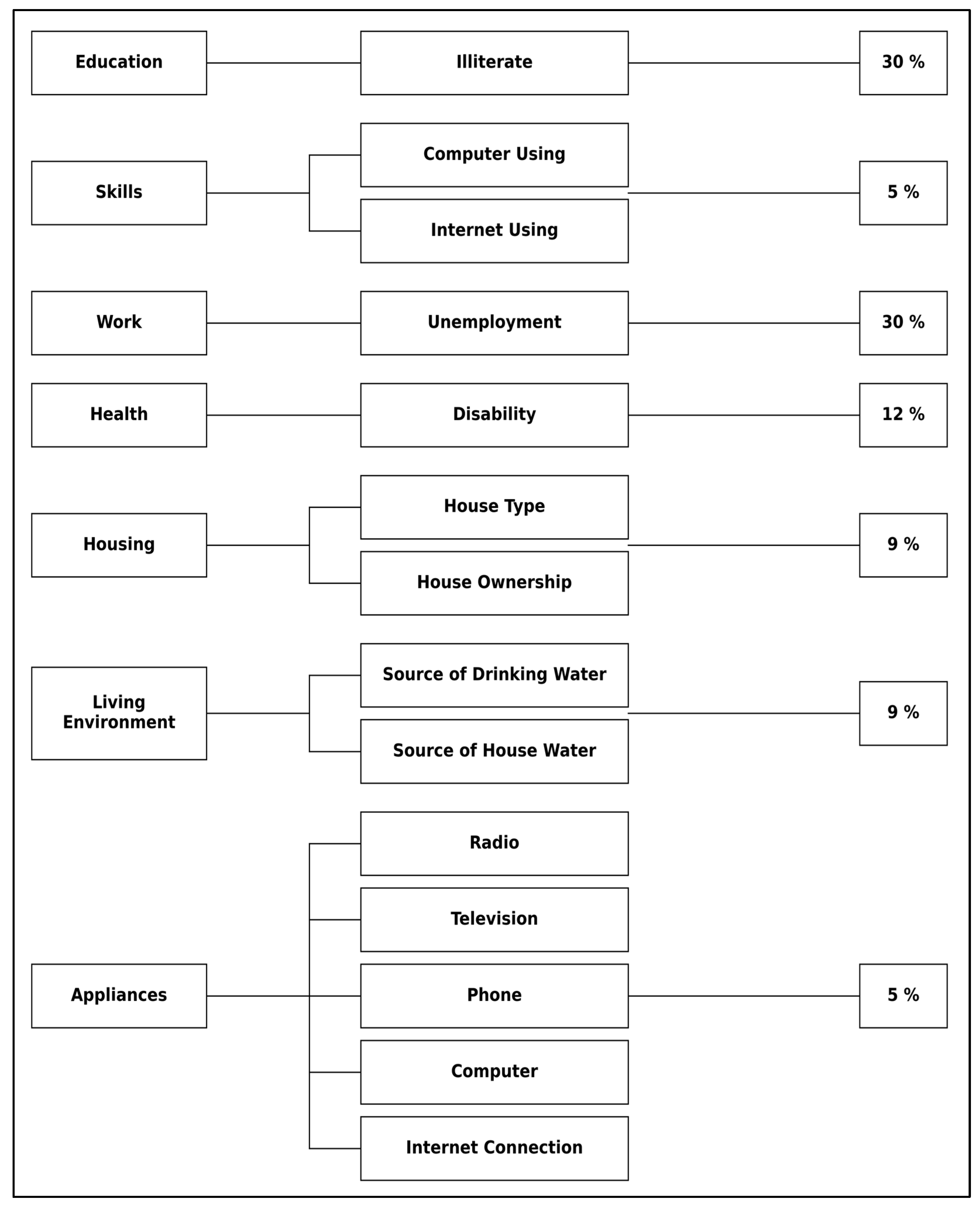
This study advances the literature on geographical exclaves and regional development in the Arabian Gulf through three interconnected contributions that address critical theoretical and empirical gaps. Drawing on extensive fieldwork conducted across multiple visits between 2019 and 2023, the research centers the voices and experiences of Musandam’s residents through in-depth interviews and participatory research methods, responding to calls for exclave studies that prioritize human dimensions over abstract geographical or legal considerations. The study introduces an innovative methodological approach through the first systematic application of the Vera Carstairs Index (VCI) to measure and compare human development levels across Omani wilayaat, examining seven domains, including education, employment, housing, skills, living environment, household appliances and health across fourteen variables to provide empirical evidence about the development implications of exclave status that has been absent from previous scholarship. Through the integration of this quantitative assessment with qualitative insights from field research, the findings reveal how geographical separation influences development outcomes while simultaneously demonstrating the agency and resilience of exclave populations in navigating spatial challenges and creating opportunities for cross-border cooperation and economic advancement. The research thus contributes not only to academic understanding of exclave dynamics but also offers practical insights for policymakers seeking to address unique development challenges faced by geographically separated territories, moving beyond external observations to capture authentic strategies and adaptations developed by local populations whose lives are shaped by spatial discontinuity and their position at the intersection of multiple national borders.
3. Results
3.1. Musandam’s Position in Oman’s National Development Hierarchy
Table 1 presents a comprehensive General Development Index (GDI) for Oman’s 61 wilayaat across seven critical development dimensions: education, skills, employment/labor market participation, housing quality, living environment conditions, household facilities and appliances, and health services. Each dimension is measured using a standardized deprivation index, with positive values indicating below -average performance and negative values indicating above-average performance, and corresponding ordinal rankings in which higher numbers indicate superior performance. The Overall General Development Index synthesizes these seven dimensions through weighted aggregation, producing final composite rankings that position wilayaat along a development continuum from 1 (lowest development) to 61 (highest development). This multidimensional approach enables systematic identification of specific developmental deficits within each wilayah while revealing patterns of regional inequality across Oman’s administrative geography.
It is important to clarify that the ranking of Omani wilayaat on the development index is inversely ordered: the wilayah ranked 61st is the least deprived and the most developed according to the measured indicators, whereas the wilayah ranked 1st is the most deprived and the least developed. It should also be noted that negative index values indicate levels of development above the national average, while positive values reflect development levels below the national average.
Musandam Governorate’s four constituent wilayaat demonstrate pronounced internal heterogeneity in development outcomes, ranging from relatively strong to severely disadvantaged positions within the national hierarchy. Interestingly, the wilayah of Bukha records the highest development level among the wilayaat of Musandam Governorate, ranking 48th nationally (GDI = −0.66). It demonstrates the strongest national performance in household facilities (rank 61, index −3.46), despite its relatively weak standing in education (rank 13, index 0.56). Madha, the smaller exclave, ranks 41st nationally (GDI = −0.48), with high skills development outcomes (rank 60, index −4.34, second-best nationally) and severe employment rate (rank 59, index −3.14), though achieving very bad housing scores (rank 2, index 2.76). Khasab, the governorate capital, ranks 23 (GDI = 0.11) and has a robust housing performance (rank 48, index −0.94) but substantial deficiencies in education (rank 7, index 1.20). Daba exhibits the lowest overall performance, ranking 18th nationally (GDI = 0.31). While it records an exceptionally high level of development in the living environment (rank 60 nationally, index −3.32), this is offset by critically weak conditions in both health (rank 1, index 4.58) and education (rank 12, index 0.75).
The weak employment index scores observed in the two wilayat, Daba (18th) and Bukha (27th) likely reflect structural labour-market distortions, whereby a substantial share of the working-age population seeks employment opportunities across the UAE border rather than within local Omani economic sectors. This cross-border labor mobility, while potentially generating household income, fails to register within national employment statistics or contribute to local economic diversification, thereby producing artificially depressed employment development scores.
Despite its border location, three wilayaat achieved high rankings in the facilities and household appliances index (Bukha at 61st, Daba at 48th, and Khasab at 42nd). This is likely due to the availability of durable consumer goods, appliances, and home technologies, which residents typically access through cross-border retail channels in UAE cities, particularly through seamless supply chains.
Ironically, Musandam’s high housing development scores, Khasab and Bukha ranked 48th and 43rd nationally, respectively may reflect targeted government investment in housing infrastructure aimed at offsetting the region’s remoteness, lower land costs, and modest population density. These factors collectively support comparatively better housing conditions despite other developmental limitations.
The composite rankings position two of Musandam’s four wilayaat in the lower half of national development (Khasab 23rd and Daba 18th), and tow achieving upper-tier status (Madaha 41st and Bukha 48th), substantiating the governorate’s peripheral position within Oman’s spatial development hierarchy. The divergence between Bukha’s relative success and Daba’s acute distress within the same small governorate, separated by merely 120 km, suggests that border crossing functionality critically mediates development outcomes in exclave contexts. Daba’s dual-city status straddling the Oman-UAE boundary and its role as primary border gateway likely explain its superior living environment index (−3.32, rank 60), through enhanced infrastructure investment supporting cross-border flows. The low rank of Khasab in GDI, the capital city of the governorate (average rank 23 out of 61), combined with education facilities deficits (rank 7, average index 1.20), and health (rank 9, index 0.70) and skills (rank 18, index 0.84) provides quantitative validation of testimony assertions that “Musandam has nothing and is completely dependent on the UAE”.
3.2. Difficulty of Travelling to the Mainland
One of the most consistent findings from field observations concerns the substantial challenges of travelling to the Musandam Governorate from other regions of the Sultanate of Oman. These challenges arise primarily from Musandam’s unique geographic status as an exclave, physically separated from the Omani mainland by UAE territory. This spatial arrangement shapes not only the technical and administrative organization of transport routes but also the everyday mobility experiences of residents and visitors navigating access to the governorate.
To complement the narrative analysis of spatial separation and cross-border interaction, we examined operational transportation data comparing access routes to Khasab. The Musandam Governorate, as an Omani exclave separated from mainland Oman by the UAE, is accessible by land only through UAE territory [
35,
36]. The cost differential between access modes strongly supports the assertion of cross-border dependence. Land travel via the UAE (specifically the Al Dhara border crossing from Ras Al Khaimah) represents the most cost-effective option for residents of Bukha and Khasab. Total costs range between OMR 5.2 and 8.4 (USD 13–22) per person. This figure includes UAE exit fees (AED 35) and Omani visa fees for eligible travelers (OMR 5 or USD 13 for non-GCC nationals). Omani nationals are exempt from departure fees when entering the UAE. According to official regulations, citizens of Oman, along with their accompanying family members, are fully exempt from all entry and departure fees. This exemption applies regardless of the mode of entry (land, air, or sea). The policy aims to strengthen regional cooperation and facilitate travel between Gulf Cooperation Council (GCC) countries.
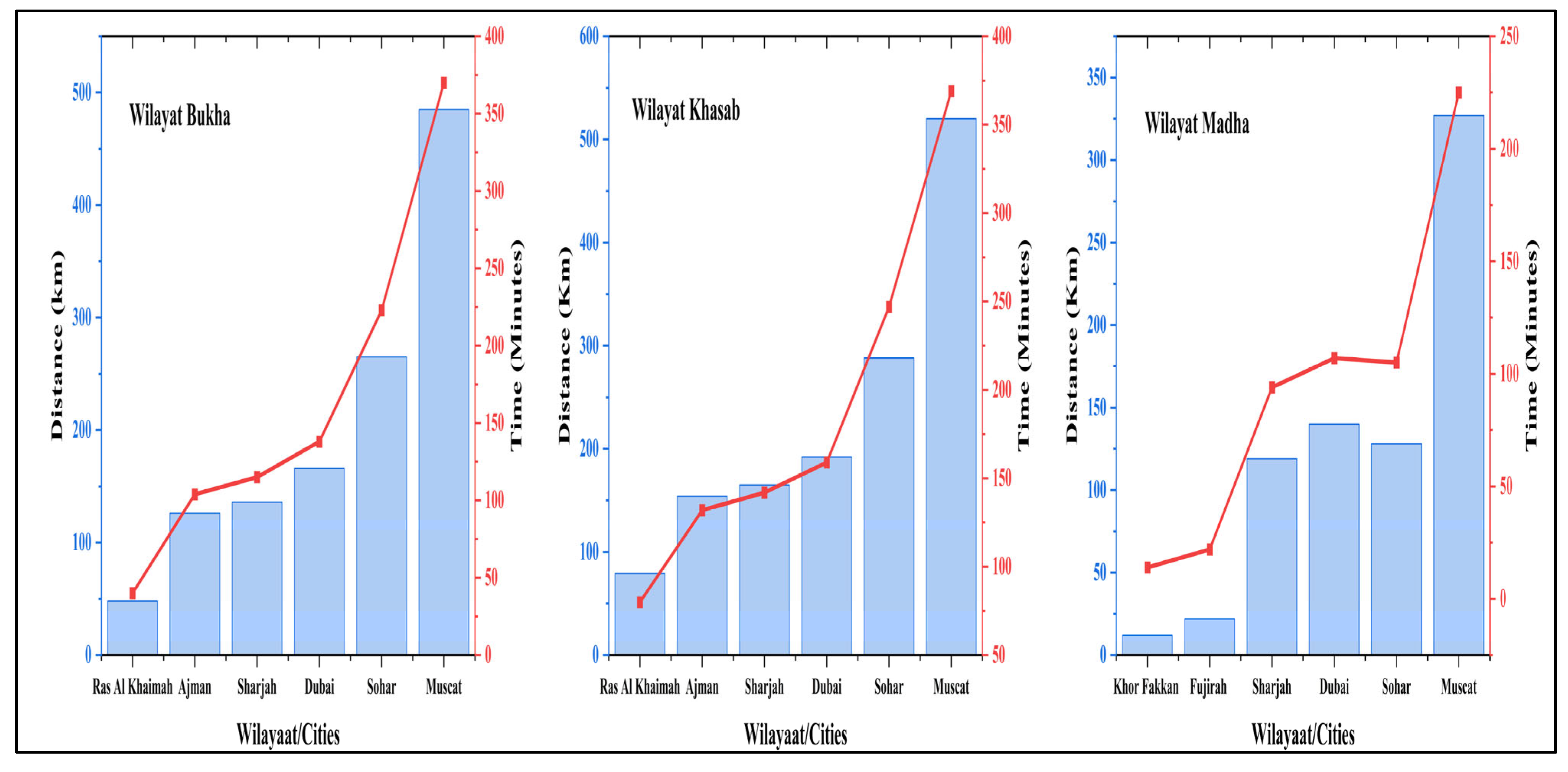
The mean travel time from Bukha to Ras Al Khaimah is approximately 40 min, increasing to about 104 min for trips to Ajman. In contrast, the journey from Khasab to Ras Al Khaimah averages 80 min, with durations reaching 138 min to Ajman. Among Omani wilayaat, Madha demonstrates the greatest proximity to Emirati urban centers; the travel time from Madha to the coastal city of Khor Fakkan is approximately 14 min, and the trip to Fujairah City is around 22 min (
Figure 3).
It is pertinent to note that the Al Dhara border crossing, located between Bukha and Ras Al Khaimah, is characterized by streamlined procedures and minimal wait times, particularly for Omani nationals, for whom processing typically concludes in under 10 min. By contrast, transit durations for non-Omani residents may be extended due to mandatory document verification and visa processing protocols. Furthermore, cross-border movement between Madha and the cities of Khor Fakkan and Fujairah is notably efficient, facilitated by explicit bilateral border arrangements that enable rapid transit between the two sides (
Figure 3). Travel from Dubai averages two to three hours, extending significantly during weekends and public holidays due to increased traffic volume [
37].
In contrast, maritime access via the National Ferry Company’s Shinas–Khasab line costs OMR 22 for Omani nationals and OMR 26 for non-Omani nationals (USD 60–70) for an economy-class round trip. Additionally, vehicle transport fees range from OMR 10 to 16. This mode entails a total journey duration of five to seven hours, with service limited to four days per week [
38]. Furthermore, airfare prices fluctuate between OMR 40 and 80 (USD 105–210) for a single trip, despite a brief flight duration of 65 min [
39]. This cost structure, where UAE road access costs less than one-third of maritime alternatives and one-fifth of air travel, creates strong economic incentives favoring cross-border dependence for both routine commuting and commercial activities.
3.3. Access Routes to Khasab
Khasab is currently served by three principal modes of transportation: land, air, and sea. Yet, each is shaped by conditions that limit the reliability, inclusiveness, or ease of access to the governorate. These constraints, taken together, help explain why reaching Musandam remains a persistent challenge despite its importance for tourism, local mobility, and national integration. Travelling by land highlights the unique geopolitical context of Musandam: the journey requires leaving the Omani mainland, crossing into the UAE, and then re-entering Oman. While this route is generally smooth for Omani citizens under existing bilateral arrangements, it presents notable administrative hurdles for non-Omani nationals, who must obtain a UAE entry visa. As a result, mixed-nationality groups and many expatriate residents encounter barriers that complicate overland access and limit the practicality of road travel as an option.
Air travel, the most direct domestic connection, faces a different set of constraints. A daily flight links Muscat International Airport with Khasab Airport, which operates as a dual-use facility within a military base. However, fieldwork indicates that this route is highly vulnerable to interruption, particularly during winter. Strong winds, combined with the airport’s challenging topography, its runway enclosed by mountains on most sides, frequently result in cancellations. These disruptions can have cascading effects on travellers and local economic activities, illustrating that despite its convenience, air access remains far from stable. The limitations of land and air transport underscore the broader structural challenges of connecting Musandam to the rest of Oman.
These combined constraints are vividly illustrated in the experience of one Khasab resident, whose travel plans were disrupted by both geographic and administrative barriers. As he recounted: “… we were scheduled to take the 8:00 AM flight from Muscat Airport to Khasab Airport. However, due to strong winds and the airport’s location the flight was canceled. We could not travel directly to Musandam via the UAE because there were some non-Omanis in our group. Therefore, we had to travel by car to the port of Shinas, and from there we boarded a ferry that departed at 3:00 PM and arrived at the port of Khasab at 9:00 PM. Instead of arriving in Khasab at 10:00 AM by plane, we arrived at 9:00 PM.”
This demonstrates how the interplay of weather-related disruptions, topographical constraints, and cross-border regulations can combine to significantly prolong and complicate travel to Musandam, reinforcing the structural challenges outlined above.
Maritime transport provides an alternative means of reaching Khasab, though it remains considerably time-consuming and limited in capacity. A regular sea link connects the port of Shinas, approximately 250 km north of Muscat, to the port of Khasab, with the journey typically takes around 5 h. Several years ago, a more convenient direct route operated between the seaport of Mattrah in Muscat and Khasab, but this service was discontinued due to high operating costs. While sea travel avoids the cross-border and weather-related constraints that affect land and air access, it introduces its own challenges related to frequency, capacity, and scheduling. These limitations are clearly reflected in the following resident opinion, which illustrates how constraints across different modes of transport accumulate into significant hardship for those traveling to and from Musandam:
“… there is real hardship involved in both air and sea travel. Because of strong winds, flights may operate only once a week, and although airfare is discounted for Musandam residents, 27 rials for a round trip to Muscat with a seven-day validity, any longer stay costs double. Even with the discount, seats are often unavailable, and travelers must also rent a car upon arrival in Muscat. The ferry presents its own difficulties: there is only a single route from Shinas to Khasab, and the vessel accommodates just 10 cars, meaning that securing a seat can take up to two weeks. The former Mattrah–Khasab route was much better, with a larger ferry capable of carrying around 46 cars.”
This narrative underscores how the limitations of sea transport, when combined with the unreliability of air travel, can lead to prolonged delays, additional financial burdens, and significant uncertainty for residents and visitors alike.
3.4. Intra-Governorate and Exclave Connectivity
Limited connectivity between the wilayaat of Musandam and the Omani mainland is a recurring theme in the empirical material. These constraints are intensified by the presence of additional enclaves and divided urban spaces. The wilayah of Madha, for example, is surrounded by the UAE and can only be reached by land through Emirati territory, making everyday mobility dependent on UAE road networks and border procedures. A similar pattern applies to Daba Al Baya, which is connected to other Omani ports by two maritime routes, from Shinas and from Khasab, but is also accessed overland via the Emirati city of Daba Al Hisn. As a result, travel between Daba Al Baya and the rest of Oman often requires crossing UAE territory, mirroring the broader dependence on external transit routes found across Musandam. The field evidence shows that access to Musandam, including Khasab, Madha, and Daba Al Baya, is shaped by demanding geography, weather-sensitive infrastructure, limited maritime capacity, and reliance on cross-border passage through the UAE. Together, these factors make everyday mobility more costly, time-consuming, and uncertain, raising broader questions about territorial cohesion, transport equity, and the governance of strategic exclave regions within the Sultanate of Oman.
3.5. Social Economic Interactions
The socio-economic interactions of Musandam’s population with the neighboring countries, the UAE and Iran, include several aspects that could be determined as follows:
3.5.1. Sea Trade Between Khasab and Bandar Abbas
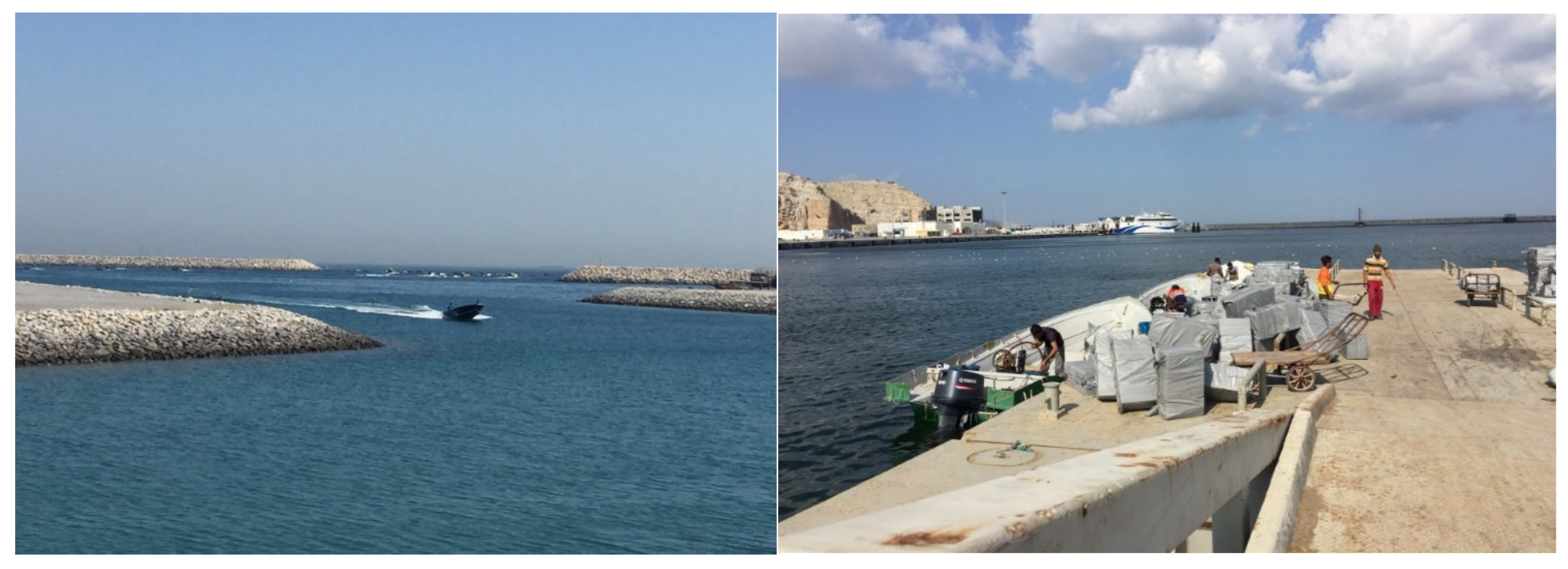
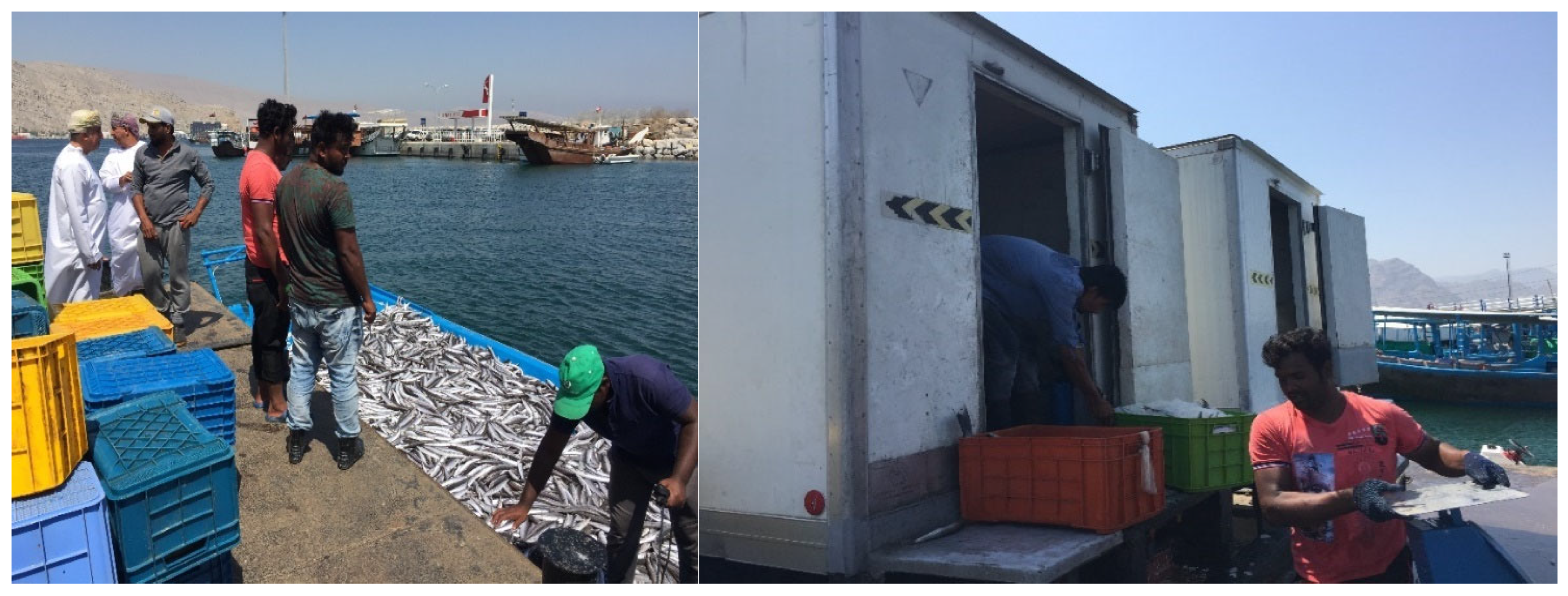
Musandam’s socio-economic interactions with its neighboring countries are shaped by a set of distinct cross-border linkages. One of the most prominent is the long-standing pattern of sea-based trade between Khasab and Bandar Abbas. Musandam’s strategic location at the Strait of Hormuz plays a central role in structuring this activity, enabling a dynamic wholesale trading system that connects the governorate with nearby markets in Iran and the UAE. Small boats transport goods daily between the ports of Bandar Abbas and Khasab, after which a substantial share of these goods is re-exported to the UAE, particularly to Dubai (
Figure 5). This circulation of goods not only sustains local commercial activity but also generates revenue for Oman through customs fees collected at border entry points for items destined for the UAE.
Figure 5 depicts the daily maritime exchange between Khasab and Bandar Abbas, highlighting the continuity of cross-border trade in the region. Around midday, high-speed boats arrive at Khasab carrying goods such as goats, sheep, and fruits; by evening, they return to Iran loaded with electronic appliances, spare parts, and furniture. This circulation underscores the economic interdependence between northern Oman and southern Iran and demonstrates the importance of traditional maritime routes in sustaining local livelihoods and regional trade networks. The figure also shows Iranian merchants loading goods at Khasab Port for transport across the Strait of Hormuz, illustrating the port’s role as a logistical hub supporting long-standing commercial exchanges.
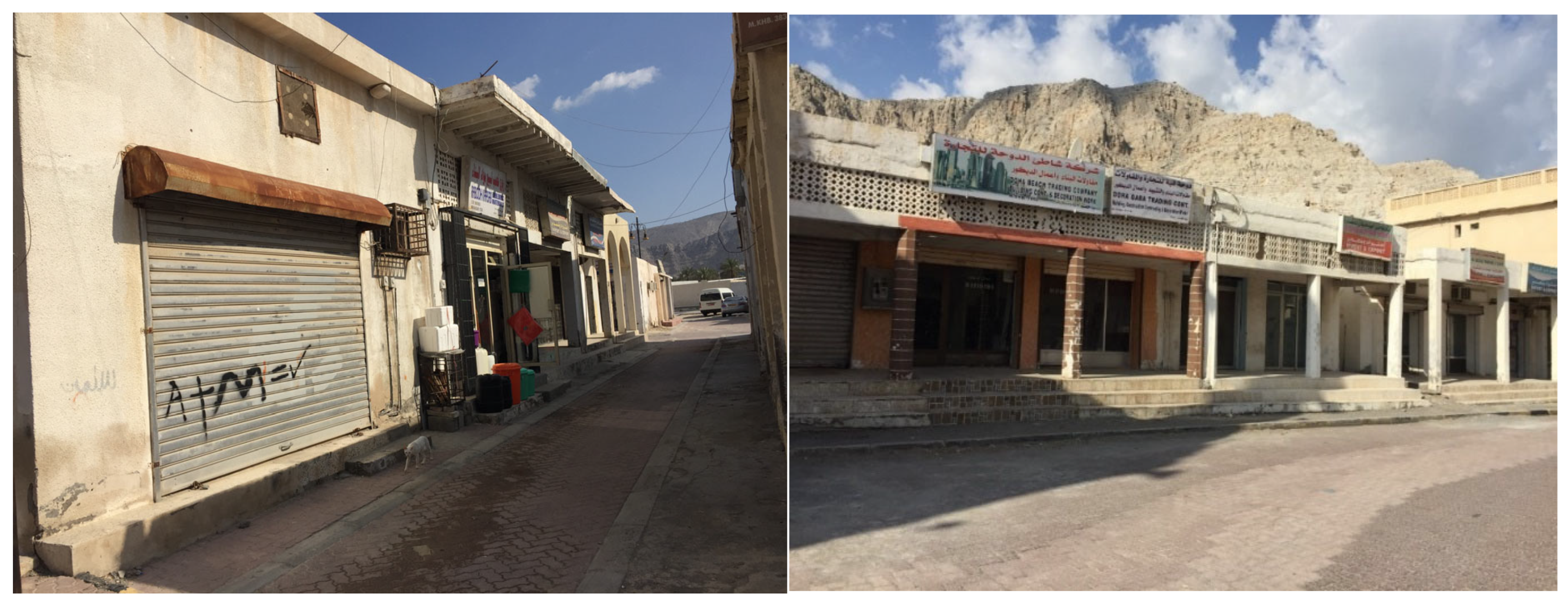
A portion of these imported goods was sold in the old market of Khasab, which benefited from steady trade flows and the presence of Iranian merchants who once moved freely into the city. Their activity boosted sales, supported cafés and restaurants, and contributed to a vibrant commercial environment. However, when authorities restricted merchants from leaving the port for safety reasons, the old market rapidly declined. Many shops closed, footfall decreased, and the market ultimately ceased to exist (
Figure 6). Interviews confirmed the impact of this downturn on residents. One respondent explained:
“As you can see, most of the shops in the market have closed; very few restaurants and cafes remain open. Traders have moved to the new Khasab market to acquire shops there. This market used to be very busy; buying and selling were frequent, and we could find all kinds of goods at good prices. Many families in Khasab used to come here to buy goods, food, and household items, especially those imported from Iran. Now, no one comes here.”
Figure 6.
The old market in Khasab was a meeting point for Iranian merchants. Since they are no longer allowed to leave the port of Kasab, the market no longer exists. Source: Field work.
Figure 6.
The old market in Khasab was a meeting point for Iranian merchants. Since they are no longer allowed to leave the port of Kasab, the market no longer exists. Source: Field work.
In response, Musandam Governorate has initiated a strategic plan to revive the historic Khasab market as part of broader efforts to enhance tourism and preserve cultural heritage. The aim is to restore its traditional character and re-establish it as a key cultural and commercial attraction. This initiative remains in its early stages, with further work underway to finalize and implement the redevelopment plan.
3.5.2. Exporting Fish to Dubai
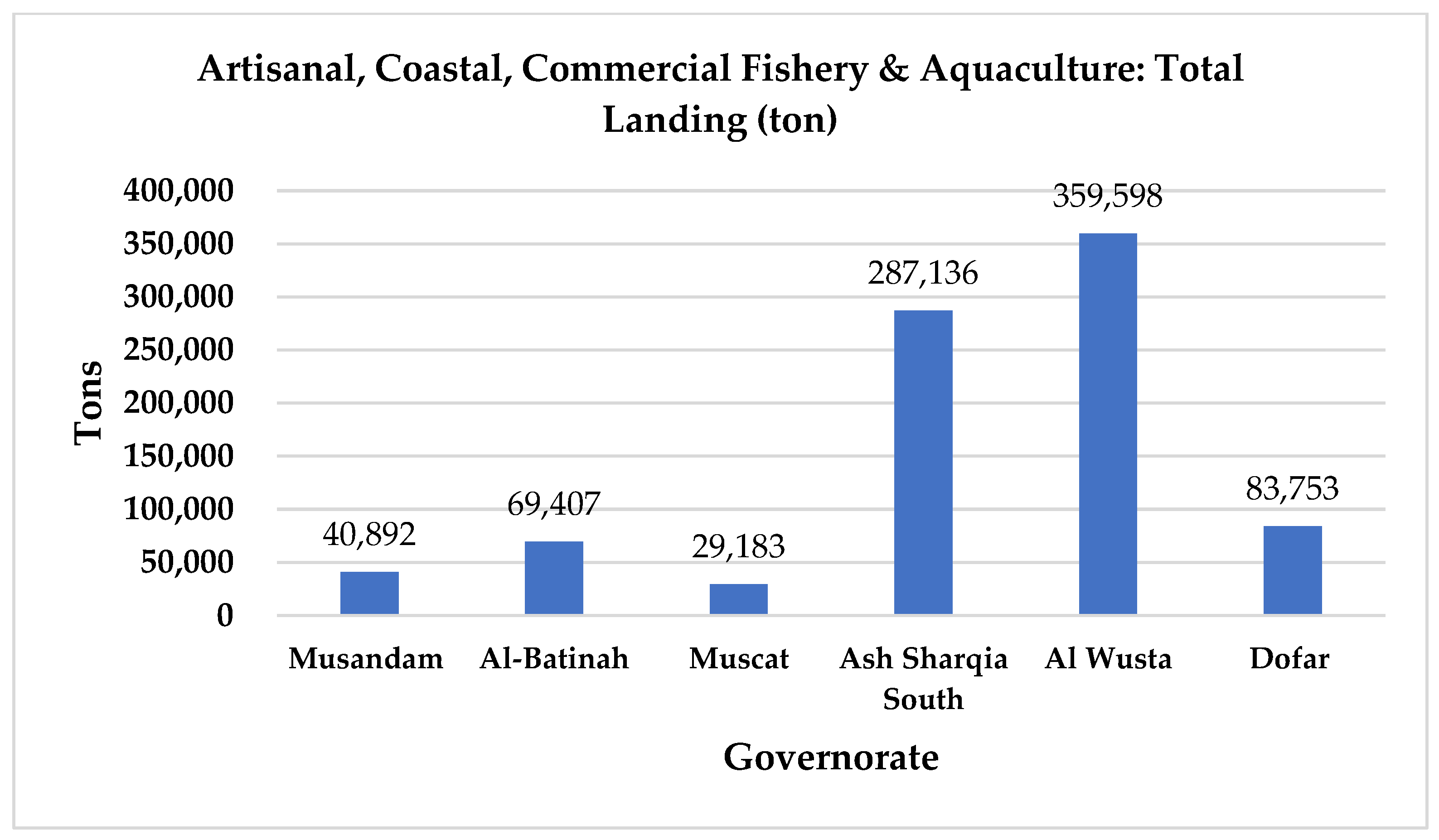
The Musandam Governorate possesses rich marine resources, making fishing one of the region’s most significant economic activities. Oman’s total fish production from all sources (artisanal, coastal, commercial, and aquaculture) reached approximately 870,264 tons in 2021. Despite its small area and demographic size, Musandam contributed around 40,892 tons, equivalent to 4.7% of the national total, underscoring the sector’s importance to the local economy. At the national level, Al Wusta Governorate recorded the highest production at 359,598 tons (41.3%), followed by Ash Sharqiyah South with 287,136 tons (33.0%). Dhofar ranked third with 83,753 tons (9.6%), while North and South Al Batinah collectively produced 69,407 tons (8.0%). Muscat Governorate contributed the least, with 29,183 tons (3.4%) (
Figure 7).
The fisheries sector in Musandam generates quantities that exceed local demand, with most of the daily catch exported directly to the Dubai fish market. Fish traders in Khasab typically maintain agents in Dubai who relay real-time price updates and market fluctuations (
Figure 8). Due to transport difficulties and the long distance separating Musandam from the Omani mainland, only small quantities are shipped to markets such as Sohar and Muscat. Field observations indicate that the fishing and fish-trading workforce is predominantly composed of expatriate laborers, whose lower wages make them the preferred choice for companies operating in the sector. As one interviewee explained, Indian workers dominate both the fish trade and the transport of fish to UAE markets: “
… most of the companies operating in the fish trade are Indian-owned and employ Indian workers, which reduces job opportunities for the Omani young people in the governorate. Fishing is profitable work, but the profit is not constant; the amount of fish caught increases and decreases from day to day”.
Approximately 4103 individuals are employed in the fishing industry in Musandam, accounting for about 6.7% of Oman’s total fisheries workforce. Of these, around 2299 reside in the Wilayat of Khasab, 1351 in Daba, and 452 in Bukha [
29]. Data distinguishing between Omani and expatriate workers is not available, but a significant share of migrant labourers operate through informal employment arrangements, often outside formal regulatory oversight.
3.5.3. Obtaining Services in Neighboring Countries
Given Musandam’s proximity to the UAE and the ease of movement enabled by GCC agreements, many residents regularly cross into the UAE to access education and healthcare services that are limited or unavailable within the governorate. Some households also travel to Iran for medical treatment, often flying through Sharjah Airport because of its proximity to the wilayaat of Musandam. While a few residents seek services in Sohar, many avoid Muscat due to the long, arduous journey. Interview excerpts clearly illustrate this reliance on neighboring countries:
“Families in Bukha send their children to schools in Ras Al Khaimah. Students go daily; students from Daba Al-Baya in Oman go to Daba Al-Hisn in the UAE daily.”
Families often choose UAE schools because they perceive better chances of achieving higher grades, and daily commuting across the border has become routine for students in Bukha and Daba Al-Baya.
“Even if your daughter attends any college in Muscat on a government scholarship, there are other costs such as accommodation, transportation, and flights. Therefore, studying in the UAE is much cheaper and closer than in Muscat.”
For many households, the indirect costs of studying in Muscat outweigh the benefits, making the UAE a more affordable and accessible option for higher education.
“I myself sent my daughter to study nursing in the Emirates, and it cost me 20,000 Omani riyals… After she graduated, I authenticated her documents in Muscat in 2013, and we submitted them to the Ministry of Manpower. She was appointed in 2017.”
This opinion reflects the long-term implications of cross-border education: families invest heavily in study opportunities abroad, yet graduates must still navigate domestic bureaucratic processes. They may face long delays before securing employment in Oman. These narratives show how Musandam’s geographic isolation and limited local services have created strong functional linkages with nearby UAE cities, resulting in routine cross-border mobility for essential educational and health needs.
3.5.4. Cross-Border Shopping and Service Dependence
The geographical contiguity between Musandam Governorate and the urban centers of the UAE, combined with the broader market variety and competitive pricing available across the border, has significantly reshaped local consumer behavior. Many households in Khasab, Bukha, and Daba Al-Baya now rely on Emirati markets for goods and services that are limited or unavailable locally. This trend has slowed commercial development in Musandam’s urban centers. The following interview excerpts illustrate how this cross-border dependence manifests in everyday life and how deeply it has become embedded in residents’ routines and economic decisions.
“We go with our families in the afternoon after work to shop in Ras Al Khaimah, Ajman, or Sharjah, and return at 10 PM. Some families go daily, while others go only for haircuts and then return. There are no beauty salons for women in Khasab; all the women go to the Emirates. I wanted to open a beauty salon for women and hire a beautician, but the authorities refused to issue us a license. There are no gold shops, silver shops, or shops specializing in selling shoes, bags, or watches in the Khasab market; there are only general shops.”
“In the past, households in Khasab purchased electrical appliances from Ras Al Khaimah, or Al Fujairah (UAE), because prices were lower there. However, recent UAE export taxes have increased costs, leading residents to prefer buying appliances locally in Khasab.”
“My first shopping destination is the UAE, specifically Ras Al Khaimah, Ajman, and Sharjah. If my car breaks down, I take it to Ras Al Khaimah for repairs. The UAE is currently more expensive than Oman, but we go there because of the variety and availability of goods”.
Drawing upon data collected through the Citizen Science methodology, the information data form registered by a housewife residing and employed in Bukha disclosed noteworthy cross-border consumer behaviours. Specifically, her responses indicated that she traveled to Ras Al Khaimah markets twice within a single week: initially on Saturday, coinciding with the weekend, during which she procured weekly household necessities and provided recreational time for her children, and subsequently on Tuesday afternoon following her professional obligations, when she visited the markets to purchase specific sewing materials.
The interview data reveal a complex, differentiated pattern of cross-border shopping and service dependence among residents of Musandam Governorate, shaped by the enclave’s unique geographic configuration and the uneven distribution of commercial services across Oman. These narratives highlight how proximity to the UAE, combined with limited market diversity in local urban centers such as Khasab, has produced an enduring functional integration between Musandam and adjacent emirates.
The first quotation highlights the routine, socially embedded nature of cross-border mobility for everyday consumption. The respondent notes that families commonly travel to Ras Al Khaimah, Ajman, or Sharjah “in the afternoon after work” and return the same evening. This practice suggests that shopping trips to the UAE have become normalized extensions of daily life rather than exceptional cross-national journeys. Moreover, the absence of key services in Khasab beauty salons and specialized retail outlets for gold, silver, shoes, bags, and watches creates a commercial vacuum that households fill by turning to nearby Emirati markets. The interviewee’s unsuccessful attempt to open a licensed beauty salon further underscores institutional constraints that limit the development of specialized services in Musandam. Such regulatory barriers reinforce pre-existing structural dependencies and compel residents to maintain cross-border economic ties.
The second quotation introduces a crucial temporal dimension to this dependence. Previously, Khasab households purchased electrical appliances in Ras Al Khaimah or Fujairah because prices were lower there. However, the introduction of new UAE export taxes has raised costs, making local purchases in Khasab more economically viable. This shift demonstrates the sensitivity of cross-border consumption patterns to changes in regulatory and fiscal regimes. While proximity affords Musandam residents’ access to alternative markets, these practices remain contingent upon the economic incentives created by bilateral trade policies and price differentials. The statement illustrates how borderland economies are fluid, rapidly adjusting to external policy shifts that recalibrate the comparative attractiveness of domestic and foreign markets.
The third quotation reinforces the UAE’s primacy as a shopping and service destination, despite rising prices: “The UAE is currently more expensive than Oman, but we go there because of the variety and availability of goods.” Here, the driver of cross-border mobility is not cost but consumer choice and product availability. The mention of automobile repairs highlights that dependence extends beyond retail goods to specialized services that are either limited or underdeveloped in Musandam. This case reflects a broader phenomenon in border studies whereby residents of peripheral regions rely on adjacent metropolitan centers across national boundaries to access diversified commercial ecosystems, specialized labor, and higher-quality services.
These quotations underscore several interrelated dynamics. First, the commercial landscape of Musandam is characterized by limited specialization and regulatory constraints that inhibit private-sector diversification. Second, geographic proximity to the UAE provides residents with a convenient, culturally familiar alternative, reinforcing a cross-border economic corridor deeply embedded in everyday routines. Third, dependence is dynamic rather than static, shaped by shifts in regional pricing, taxation, and regulatory environments. Finally, the interviews illustrate how borderland populations strategically navigate these multi-scalar conditions, making decisions that balance cost, convenience, availability, and quality. These opinions reveal that Musandam’s reliance on UAE shopping and service markets is not merely a matter of preference but a structural outcome of geographic isolation, policy constraints, and regional asymmetries in commercial development. These cross-border practices exemplify the adaptive strategies of residents living in enclaved borderlands and highlight the need to consider regulatory reforms and market diversification within Musandam to address longstanding service gaps.
3.5.5. Cross-Border Employment Between Musandam and the UAE
Labor mobility from the wilayaat of Khasab, Bukha and Madha toward neighboring emirates, particularly Ras Al Khaimah, Sharjah, Dubai, and Fujairah, reflects a structural dependence on the UAE labor market. Specific sectors in the UAE continue to demand Omani workers, who are drawn by relatively better wages and diversified employment opportunities compared with Musandam’s limited local economy. Interview narratives highlight this pattern. One participant noted that “young people from Khasab and Bukha work in the Emirates… in government institutions, private companies, and the car trade.” Another added that “out of every ten people, three work in the UAE, while the rest either wait for opportunities or work at sea, though fishing is unstable, and young people are reluctant to pursue it”. These accounts demonstrate the normalization of cross-border employment and the declining viability of traditional livelihoods such as fishing.
Access to UAE residency further reinforces this mobility. As one respondent explained, “with a UAE residency permit, you receive free medical treatment… and can purchase cars more easily”. Residency can be obtained through employment, family ties, or property arrangements and provides households with tangible welfare benefits, especially reduced healthcare costs, thereby enhancing the attractiveness of cross-border engagement.
However, mobility decisions remain economically calculated rather than unconditional. As one interviewee stated, “If I had a job opportunity in Oman, I would work in Oman. But if the salary were attractive, we would go to the UAE… though living here in Khasab is better because of lower prices”. This ambivalence underscores the trade-offs between higher wages in the UAE and Musandam’s lower cost of living, as well as social attachments to place and family.
These narratives reveal a multidimensional form of cross-border labor dependence shaped by geographical proximity, divergent economic structures, and differential access to welfare services. Musandam’s relative isolation and constrained local labor market contrast sharply with the UAE’s diversified economy and institutional benefits, producing a functional socio-economic integration across the border. Labor mobility thus operates as an adaptive strategy for households navigating limited local employment options and broader regional opportunities.
3.5.6. Migration, Citizenship Shifts, and Population Change
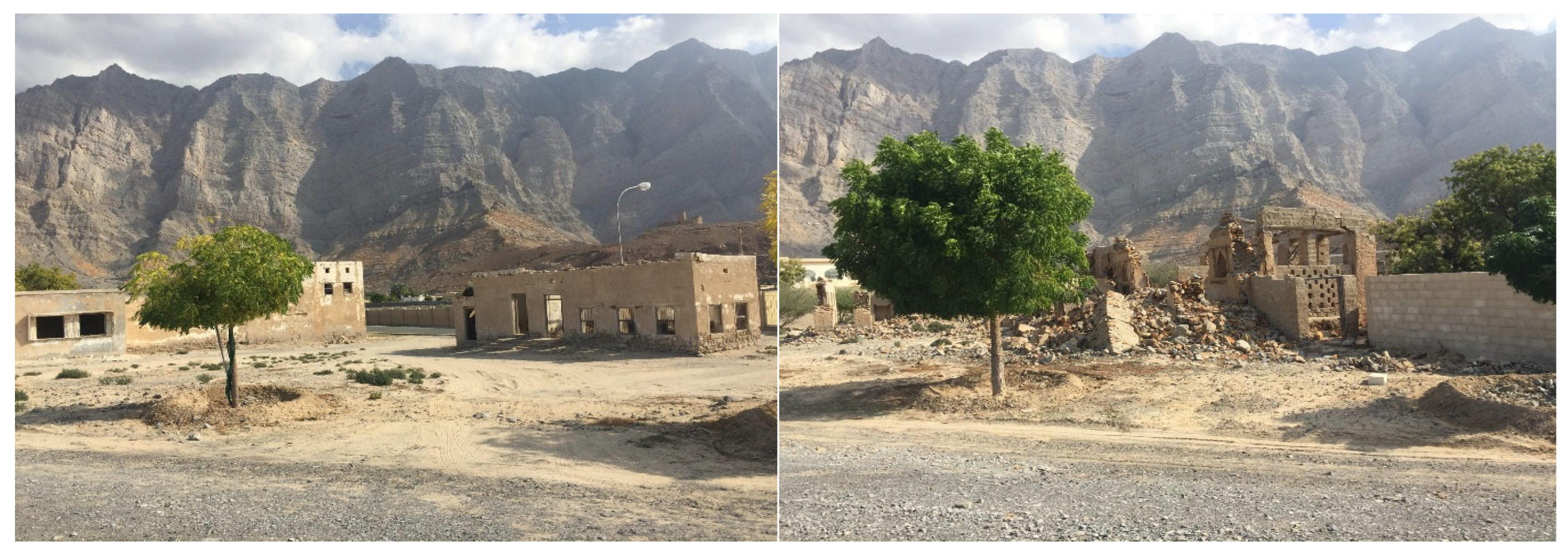
Some Omani families have transitioned from temporary labor mobility to permanent settlement in the UAE after obtaining Emirati citizenship. In Bukha, numerous abandoned or deteriorated houses stand as material evidence of this long-term relocation (
Figure 9). Population statistics also reflect this shift: while Khasab and Daba experienced population growth between 2020 and 2025, Bukha and Madha recorded declines (
Table 2).
Several years ago, the UAE issued residence cards to Omanis with first-degree Emirati relatives, a practice that has since ceased. Currently, residency is granted to Omanis working in the UAE, owning businesses, or renting accommodation there. These residence cards provide substantial benefits, including streamlined car purchases and exports, commercial registration for business activities, free medical services, and school access for children. Such advantages are especially significant for residents of Madha, many of whom enroll their children in nearby schools in Al-Nahwa or Khor Fakkan.
3.5.7. UAE-Musandam Tourism Corridor
Musandam Governorate’s distinctive geography, characterized by extensive waterways, mountainous peninsular terrain, and fjord systems, positions it as a strategically important ecotourism destination with pronounced seasonal patterns. Peak visitor activity occurs between October and April, driven predominantly by European tourists accessing the region via UAE aviation gateways, particularly Sharjah and Dubai airports. This cross-border accessibility enables multi-destination tourism circuits that integrate UAE cities with Musandam into comprehensive Gulf itineraries.
Tourism operations emphasize specialized marine-based activities, with local enterprises providing yacht excursions and diving expeditions throughout the fjord systems. The industry generates substantial employment for young Omani adults, particularly through yacht-based transportation services operated by established Omani tourism enterprises and private operators in Khasab. Ahmed, a 40-year-old entrepreneur from Kumzar village who works for Khasab Municipality, exemplifies this economic model. Operating a small diving yacht accommodating multiple passengers, he states: “I’ve been in this field for ten years. It’s profitable. We depend entirely on European tourists arriving via Sharjah and Dubai Airport who book complete tours including Emirates cities, then come to Musandam for marine tourism and diving.” His recent three-day excursion for European tourists, supported by several employees, demonstrates the business viability of this cross-border model. Notably, domestic tourism from other Omani governorates remains weak compared to the substantial European winter-season arrivals.
Ahmed’s case illustrates how Musandam’s exclave status generates cross-border tourism dynamics that local actors strategically exploit. His business model is embedded in the UAE’s transport and tourism infrastructure: tourists arrive via Sharjah and Dubai Airport and consume Musandam as an “add-on” destination within wider Gulf itineraries. This configuration exemplifies classic borderland dependence, in which peripheral value creation relies on gateways, marketing networks, and regulatory frameworks located outside the national territory. Simultaneously, Musandam’s geopolitical discontinuity translates into economic opportunity, and proximity to major Emirati tourism hubs reduces European tourists’ access costs. At the same time, Oman’s political distinctiveness offers experiential differentiation through short trips across cross-border cultural and landscape contrasts. Ahmed’s yacht-based diving tours capitalize on this “cross-border contrast,” transforming the exclave into a niche product combining accessibility with experiential uniqueness.
The predominance of European visitors and weak domestic tourism underscores how Khasab’s tourism operates through cross-border flows rather than national circuits. For Musandam, this suggests development pathways grounded in strengthening logistical, institutional, and marketing linkages with neighboring Emirates while negotiating better local value capture through Omani-owned enterprises, employment generation, and service supply chains. Musandam’s distinctive location has also encouraged international cruise companies to designate Khasab Port as a key destination on Arabian Gulf itineraries. Mega yachts dock weekly, arriving from regional ports for day visits during which tourists explore Khasab City and engage in coastal diving activities. However, this cruise tourism contributes minimally to the local economy, as visitors predominantly consume onboard food, beverage, and accommodation services rather than using city establishments, thereby reducing recorded tourist nights and limiting local economic spillovers.
3.6. COVID-19 Exposed Musandam’s Structural Dependency on the UAE
Musandam’s geographical proximity to UAE cities and movement facilitated by the Gulf Cooperation Council (GCC) agreement have historically strengthened cross-border social and economic ties. However, during the COVID-19 lockdowns, Musandam residents suffered disproportionately due to heavy reliance on goods imported across the UAE border. International border closures proved significantly more stringent than internal Omani restrictions, exposing critical vulnerabilities in the exclave’s supply chains and social networks. Personal interviews reveal the severity of lockdown impacts on economic and social conditions, as some residents highlighted:
“My sister is married to an Emirati man. At the beginning of the coronavirus pandemic, she was visiting us in Khasab and was unable to return to Ras Al Khaimah. For a long time, she could not go to her husband because of border crossing closures.”
“My husband suffers from chronic diabetes requiring special medicines. During the closure period, these medicines were unavailable in Khasab pharmacies, and we could not buy them as usual from Ras Al Khaimah due to border closures.”
“There are strong social and familial ties between families in Musandam and the UAE cities. They have relatives living there and used to visit them regularly. During the COVID-19 pandemic, these visits decreased and stopped altogether during lockdown.”
“During lockdown, there was a severe shortage of food supplies. Even yogurt and milk were unavailable. Those eight months were incredibly difficult. In Daba, there were two weeks without bread due to border closures. For eight months, no one could travel; there was a clear lack of supplies.”
“I have two brothers married in the UAE. We visited them three times a week, but these visits stopped due to COVID-19. The pandemic proved that Musandam has nothing and is completely dependent on the UAE.”
“COVID testing was free in the UAE, while in Oman it cost 15 riyals. We couldn’t get yogurt and milk in Khasab. It would run out Tuesdays after the ferry arrived, then disappear from the market. Suffering in Daba resulted from transportation issues and border closures. No goods came from the UAE. The only route was ferry from Shinas to Daba.”
These testimonies demonstrate that the lockdown constituted a profound social rupture. The sisters’ “unable to return to Ras Al Khaimah” and descriptions of regular familial ties and “three times weekly” visits across borders underscore the highly transnational nature of regional social life. The border functions not as a political demarcation but as a permeable membrane facilitating daily social reproduction and familial cohesion. Border closure thus imposed involuntary social fragmentation, severing immediate kinship links and disrupting fundamental support structures. This exemplifies “borderland society,” where social realities transcend national jurisdictions, with closure causing ties to “decrease and stop altogether,” signalling temporary but significant erosion of social capital essential to community identity and well-being.
The most acute recurring theme reveals Musandam’s extreme reliance on the UAE for essential commodities, exposing critical logistical vulnerability. Statements describing “severe shortage of food supplies,” unavailable “yogurt and milk,” and the assertion that “the pandemic proved Musandam has nothing and is completely dependent on the UAE” constitute compelling evidence of structural dependency. The eight-month border closure effectively choked primary supply routes. The temporary bread shortage in Daba suggests a failure of supply chain resilience and inadequate redundancy in the face of external shocks. While the Omani government mitigation via ferry and plane from Muscat/Shinas provided alternatives, this maritime-aerial route proved demonstrably insufficient to maintain a consistent supply, creating significant market gaps (“It would run out Tuesdays after the ferry arrived, then disappear”).
The diabetic patient case, whose “special medicines were unavailable” locally and typically sourced from Ras Al Khaimah, demonstrates profound public health implications. This scenario elevates border closure from an economic issue to a humanitarian concern for chronic condition patients. Furthermore, COVID-19 testing cost disparities (“free in the UAE, 15 riyals in Oman”) introduced health inequity, incentivizing cross-border services, a strategy that lockdown made impossible. The interviews provide irrefutable evidence that the COVID-19 lockdown, through the enforced Musandam-UAE border closure, functioned as an “external stressor” that amplified pre-existing regional disparities and logistical weaknesses.
3.7. Infrastructure Development and Structural Dependencies Since 2010
Since 2010, Musandam has seen significant infrastructure investments to improve both internal connectivity and links to the Omani mainland. Major developments include the substantial expansion and modernization of Khasab Port facilities, which have enhanced cargo handling capacity and passenger services; substantial progress in the construction and paving of the Daba-Lima-Khasab coastal road (Route 2), improving accessibility along the eastern coastline; enhanced telecommunications infrastructure with expanded mobile network coverage extending to previously underserved wilayaat; continued development of National Ferries Company high-speed catamaran services connecting Khasab to Shinas and Daba, reducing travel time and increasing frequency; and upgrades to Khasab Airport infrastructure and navigational systems aimed at improving flight reliability despite challenging weather conditions.
These infrastructure improvements likely reduced some of the absolute disparities in accessibility and service provision captured in the 2010 baseline, particularly regarding physical connectivity between wilayaat and basic infrastructure availability. However, our longitudinal qualitative evidence from 2019–2023 reveals a paradoxical pattern. While internal infrastructure has improved, the fundamental structural dependency on UAE services and economic opportunities has intensified rather than diminished. Improved road connectivity has facilitated easier access to UAE borders, potentially deepening rather than reducing cross-border dependencies by lowering the transaction costs of accessing superior UAE healthcare, education, employment, and consumer services.
The COVID-19 border closures provided a revealing natural experiment demonstrating that despite 15 years of infrastructure investment, Musandam’s vulnerability to spatial separation from mainland Oman persists as a fundamental constraint. During the eight-month border closure (March–November 2020), residents reported severe difficulties accessing healthcare, education, employment, and basic goods, despite the infrastructure improvements implemented since 2010. This suggests that infrastructure development, while valuable, has not fundamentally transformed the structural conditions that make cross-border access to UAE services more attractive, accessible, and affordable than mainland Omani alternatives.
Therefore, while we acknowledge that the 2010 development index scores may not precisely reflect current absolute conditions in terms of infrastructure availability, we argue that the relative spatial pattern of development disparities and the structural logic of cross-border dependencies captured in the baseline remains valid. The infrastructure improvements have occurred within, rather than transformed, the fundamental constraint of spatial separation from mainland Oman. Our qualitative evidence consistently demonstrates that residents continue to perceive and experience UAE services as superior in quality, more accessible in terms of distance and time, and more affordable, despite improvements in Musandam’s internal infrastructure. The 2010 baseline should thus be interpreted as establishing the structural conditions, spatial separation, limited economic base, and cross-border accessibility advantages that continue to shape development trajectories even as absolute infrastructure levels have improved. This interpretation is supported by our finding that post-pandemic recovery (2022–2023) saw the rapid resumption of pre-pandemic cross-border patterns, suggesting deep structural rather than merely behavioral dependencies that infrastructure improvements alone cannot overcome.
4. Discussion
The findings of this study position Musandam Governorate as a structurally distinctive case within Oman’s national development hierarchy, shaped not merely by topographical constraints but by the fundamental logic of exclave geography. Two of its four wilayat, Khasab (GDI rank 23rd) and Daba (18th), fall in the lower half of the national ranking, while Bukha (48th) and Madha (41st) achieve upper-tier positions. This pattern of pronounced internal heterogeneity within a single small governorate warrants comparison with analogous exclave contexts studied in the international literature.
Russia’s Kaliningrad Oblast offers the most extensively theorized parallel. Like Musandam, Kaliningrad is geographically severed from its mainland state and has developed an asymmetric functional relationship with wealthier neighboring territories. Fedorov [
14] demonstrated that Kaliningrad’s development is persistently distorted by its exclave position through a ‘distance effect’ that raises transportation costs, distorts labor markets, and channels consumer demand outward rather than inward. The present study documents a structurally analogous pattern. Musandam residents routinely cross into the UAE for employment, healthcare, education, and daily provisioning, driven by proximity advantages that operate independently of national policy intentions. The decisive institutional contrast is that whereas Kaliningrad’s potential integration with EU neighbors has been frustrated by geopolitical antagonism and progressive border hardening [
41,
42], Musandam benefits from the GCC framework, which institutionalizes relatively frictionless movement and enables the cross-border mobility documented throughout this study. The American exclave of Point Roberts similarly illustrates the border’s dual character as both economic enabler and ‘sterilizing’ force [
43], though that case involves a high-income bilateral context whose symmetry is absent in the UAE–Musandam relationship, where the asymmetry between a wealthy Emirati urban economy and a developmentally constrained exclave amplifies structural dependency in ways not fully captured by the North American exclave literature.
The concept of ‘dual patterns of belonging’, wherein political affiliation to the parent state coexists with functional integration with neighboring territories, theorized by Rozhkov-Yuryevsky [
23] for Kaliningrad, receives robust empirical confirmation here. Musandam residents maintain a strong Omani national identity and express clear residential preference for Khasab, yet simultaneously depend on UAE urban centers for service delivery in ways that effectively substitute for mainland Omani provision. This finding extends Rozhkov-Yuryevsky’s framework by demonstrating that dual belonging operates as a rational adaptive strategy rather than merely an affective condition. It aligns with Drevon et al.’s [
8] documentation of functional cross-border living areas in Luxembourg, while differing crucially in that Musandam’s GCC-facilitated integration does not extend equivalently to the large non-Omani expatriate population, whose visa-related barriers to overland travel represent a persistent constraint on territorial cohesion and strengthen the case for digital border-management reforms proposed in this study. Berger’s [
25] comparative analysis of European exclaves found that spatial separation can paradoxically create economic specialization opportunities, a proposition supported here by Musandam’s yacht-based diving economy, yet the study also documents the limits of this dynamic. Cruise tourism generates minimal local spillovers, confirming that exclave geography creates niches without guaranteeing locally retained development benefits.
The General Development Index results reveal a divergence between material welfare and human capital outcomes with significant theoretical implications. Musandam’s most acute deficits lie in education (Khasab rank 7, Daba rank 12) and health (Daba rank 1, Khasab rank 9), while household appliances rankings remain comparatively high (Bukha 61st, Daba 48th, Khasab 42nd), reflecting cross-border consumer acquisition that compensates materially but not institutionally. As Bathelt et al. [
7] and Maroto Sánchez et al. [
6] have argued, spatial inequality is a multidimensional phenomenon encompassing differential access to education and healthcare, not merely income disparities; the adapted Vera Carstairs Index (VCI) operationalizes this understanding and surfaces intra-national inequality that purely income-based or national-scale indices would obscure, consistent with the approach advocated by Alkire and Santos [
33] for the Multidimensional Poverty Index. The weighting scheme privileging education (0.30) and work (0.30), is grounded in human capital theory and corroborated by Londoño-Pineda et al.’s [
32] AHP-based finding that these domains most strongly predict subnational development trajectories.
The eight-month Musandam–UAE border closure during COVID-19 constituted a natural experiment in exclave supply chain vulnerability. Documented shortages of staple foods and specialized medicines align with the global pattern identified by Moosavi et al. [
44], but with a critical amplification because Musandam’s supply chains run through a single cross-border corridor rather than diversified national logistics networks; closure severed the primary supply route rather than disrupting one among several alternatives. This resonates with UNOHRLLS findings [
45] on landlocked developing countries, demonstrating that geographical dependency on transit routes creates acute vulnerability regardless of the parent state’s income level. Crucially, the rapid resumption of pre-pandemic cross-border patterns in 2022–2023, documented during the study’s fourth field campaign, contrasts with the supply chain nearshoring and diversification observed globally [
46], confirming that Musandam’s dependencies are structural rather than behavioral and will not self-correct without targeted policy intervention.
The 30-rank development gap between Bukha (48th) and Daba (18th) within a governorate spanning approximately 120 km points to the mediating role of border-crossing functionality. Daba’s exceptional living environment index (rank 60) likely reflects infrastructure investment spillovers from its role as a primary border gateway, while its weak employment metrics reflect cross-border labor leakage, a pattern consistent with Song and Zhu’s [
47] finding that active, institutionalized crossing points shape not only development levels but the dimensional distribution of development benefits in Chinese border cities. Madha’s position as a nested exclave, yet ranking 41st nationally with the second-best skills index nationally, further illustrates that highly permeable, informally institutionalized borders can partially offset extreme geographic fragmentation, echoing Gelbman and Timothy’s [
13] argument that border complexity generates distinctive economic niches when crossing procedures are sufficiently streamlined.
The six strategic priorities identified address structural drivers rather than symptoms, consistent with OECD [
48] recommendations that sustainable cross-border development requires multi-level governance, simultaneously targeting connectivity and local capacity building. The Oecusse-Ambeno Special Administrative Region in Timor-Leste, where the ZEESM framework has sought to formalize locally adapted economic activity within an exclave-specific regulatory structure [
49], provides the most directly comparable policy model for the proposed Cross-Border Special Economic Cooperation Zone near the Al Dhara crossing. Infrastructure improvements since 2010, including Khasab Port expansion and the Sultan Faisal bin Turki Road project, signal growing recognition of exclave-specific requirements under Oman Vision 2040, yet qualitative evidence from 2019–2023 consistently shows that improved road connectivity has facilitated rather than reduced cross-border mobility, a paradox well documented in the OECD cross-border governance literature [
48] and one that underscores the need for simultaneous investment in local service quality alongside physical connectivity. The findings demonstrate that Musandam’s sustainable development challenge is systemic, shaped by the intersection of exclave geography, GCC institutional frameworks, and economic asymmetry with the UAE, and that effective policy must address this structural architecture rather than treating cross-border dependency as a behavioral anomaly to be corrected.
5. Policy Interventions for Sustainable Development in Musandam Governorate
Drawing on field study findings, six policy-relevant interventions can support sustainable development in Musandam Governorate:
5.1. Establish Higher Education Institutions in Khasab
The recently established University of Technology and Applied Sciences branch in Khasab represents a strategic initiative addressing political, economic, scientific, tourism, and social dimensions while aligning with Oman Vision 2040. This project supports balanced inter-governorate development, attracts investment in services and infrastructure, and strengthens economic systems in marine ecotourism, fisheries, logistics services, and renewable energy. The branch enhances human capital development, increases local employment opportunities, and supplies labor markets with qualified graduates meeting comprehensive development requirements. Student enrollment reached 328 in the 2024–2025 academic year, substantially reducing outward migration to UAE universities or mainland Omani institutions.
5.2. Improve Transportation Infrastructure Connecting Wilayaat
Musandam’s most significant challenge involves difficult inter-wilayaat accessibility. No direct paved road connects Khasab and Daba; current access requires sea transit or routing through UAE territory. The Ministry of Transport, Communications and Information Technology commenced the Sultan Faisal bin Turki Road project, a 71 km paved route linking Khasab and Daba via Lima city. This vital infrastructure project will connect the governorate’s wilayaat, facilitate population movement, serve communities along the route, and significantly enhance economic and tourism potential (Royal Decree 58/2025, [
50]).
5.3. Develop Marine Fisheries and Fish-Based Food Industries
Fisheries represent Musandam’s most promising economic resource. The governorate produces substantial quantities of fish, exceeding local demand, with the surplus exported directly to UAE markets. The sector offers potential as an economic development pillar through establishing fish processing industries, canning, drying, and value-added products, creating employment opportunities for local populations while capturing higher margins in regional markets.
5.4. Enhance Tourism Infrastructure and Promote Domestic Visitation
The Musandam Peninsula possesses unique natural assets, positioning it as a significant tourist destination requiring strategic marketing initiatives. The Ministry of Tourism’s Musandam Winter Season exemplifies effective promotion, with seasonal and cultural events designed to stimulate growth in the tourism sector. The initiative promotes governorate tourism assets, supports youth entrepreneurship and small- and medium-sized enterprises, increases private-sector tourism revenues, and creates sustained visitor seasons that attract domestic and international tourists.
5.5. Facilitate Small-Medium Enterprise Investment and Traditional Handicrafts
Traditional handicrafts, pottery, palm frond weaving, wool textiles, perfumes, incense, and traditional burqas preserve cultural heritage while supporting heritage-based tourism. The Authority for Small and Medium Enterprises Development organizes regular marketing exhibitions on occasions such as Omani Craftsman Day, showcasing products from all wilayaat and villages, featuring traditional performances, folk music, and live craft demonstrations that simultaneously promote cultural preservation and economic opportunity.
5.6. Provide Residential Land for Young Families
Musandam’s mountainous terrain creates acute flat-land scarcity suitable for construction. Khasab suffers from insufficient housing plans from the Ministry of Housing and Urban Planning, an issue frequently raised in resident interviews. Providing urban housing construction opportunities alongside employment generation would stabilize populations in governorate urban centers, carrying not merely economic and social significance but also strategic security importance for sustaining inhabited exclave territories.
5.7. Targeted Policy Responses to Cross-Border Arbitrage
Beyond conventional infrastructure and service provision, the findings point to the need for policy interventions that explicitly recognize and manage cross-border arbitrage as a structural feature of everyday life in Musandam. Rather than attempting to suppress cross-border mobility, policymakers could leverage it by establishing a Cross-Border Special Economic Cooperation Zone focused on currently externalized services to the UAE, such as vehicle maintenance, logistics, and specialized retail. Such a zone, strategically located near the Al Dhara border crossing, could attract private investment, reduce economic leakage, and retain value locally while remaining integrated with regional supply chains. Formalizing and localizing activities that currently require cross-border travel would transform dependency into a mechanism for endogenous economic development.
In parallel, the study suggests that institutional and digital reforms at the border itself could substantially reduce friction costs without undermining security or sovereignty. Specifically, the digital transformation of the border crossing permit system, through interoperable e-visa platforms, pre-clearance for frequent travelers, and real-time queue management, could lower transaction costs for residents whose livelihoods depend on regular cross-border movement. Such measures would acknowledge the functional reality of cross-border interaction while improving efficiency, predictability, and equity. Importantly, these interventions align with broader smart-governance and digitalization agendas and provide a policy pathway that is both scalable and transferable to other spatially fragmented regions.
6. Limitations of the Study
This study acknowledges several methodological and contextual limitations that warrant consideration. First, the highly context-specific nature of Musandam’s exclave status, shaped by its unique trilateral positioning between Oman, UAE, and Iran; the enabling framework of the Gulf Cooperation Council agreement; extreme mountainous terrain; and shared cultural-linguistic context, limits direct generalizability to other exclaves worldwide, which may function under substantially different geo-economic, geopolitical, and geomorphological conditions. Second, while the Vera Carstairs Index was adapted to the Omani context using seven development domains, the assignment of domain weights (education: 0.30, work: 0.30, housing: 0.09, skills: 0.05, living environment: 0.09, household appliances: 0.05, health: 0.12) reflects theoretical considerations and national development priorities rather than empirically validated optimal weights, and alternative weighting schemes could yield different absolute development scores, though the relative disadvantages observed in Musandam’s employment and education domains remain evident in the domain-specific indices themselves. Third, the qualitative data collection spanning 2019–2023 across four field campaigns, while providing temporal breadth and rich contextual insights, may not capture more recent shifts in cross-border dynamics following post-pandemic border policy changes or evolving regional geopolitical developments. Fourth, although the citizen science methodology enhanced community participation and integration of local knowledge, the sample of 12 trained community participants may not reflect the full diversity of perspectives across all demographic groups, particularly marginalized populations and recent migrants. Finally, reliance on interview data to document cross-border interactions introduces potential recall bias and social desirability effects, though triangulation with observational data and secondary sources helps mitigate these concerns.
7. Conclusions
This study provides comprehensive empirical evidence that geographical exclave status fundamentally shapes socio-economic development trajectories, cross-border interaction patterns, and institutional vulnerability, challenging conventional assumptions about territorial integrity and national development. Through systematic analysis combining the Vera Carstairs Index with extensive qualitative fieldwork across Musandam Governorate, the research demonstrates that spatial separation from the Omani mainland has generated distinctive development challenges characterized by systematic employment deficits, household infrastructure gaps, and acute dependency on cross-border economic networks with the United Arab Emirates. The General Development Index rankings place two of Musandam’s four wilayat (Daba and Khasab) in the lower half of Oman’s national hierarchy, with very poor scores in health and education revealing structural vulnerabilities that extend beyond geographical remoteness to encompass functional integration into transnational economic systems.
The COVID-19 pandemic served as a critical external stressor, amplifying pre-existing dependencies, turning the eight-month border closure into a humanitarian crisis marked by food shortages, unavailability of medicine, and social fragmentation. The theoretical contribution lies in demonstrating that exclaves should not be conceptualized as geographical anomalies but rather as complex spatial formations where conventional boundaries become functionally permeable, generating hybrid economic systems and dual patterns of belonging. Musandam’s experience validates Vinokurov’s (2007) [
22] proposition of prioritizing lived experiences over legal abstractions, while revealing how institutional frameworks, such as the Gulf Cooperation Council agreement, create conditions enabling cross-border integration that paradoxically increases vulnerability when borders reassert restrictive functions. The finding that Musandam residents maintain stronger functional connections with UAE cities than with mainland Omani governorates challenges nation-state-centric development paradigms, suggesting that exclave populations develop distinctive spatial practices that transcend formal political boundaries while maintaining national identity.
Policy implications underscore the necessity for differentiated development strategies, recognizing that exclave regions require interventions extending beyond conventional approaches. The six strategic priorities identified are to establish higher education institutions, improve transportation infrastructure, develop marine fisheries industries, enhance tourism potential, facilitate small and medium enterprises, and provide residential land, collectively addressing multidimensional exclave disadvantage while capitalizing on opportunities arising from an intermediate position between different economic systems. The recent establishment of the University of Technology and Applied Sciences branch in Khasab and the commencement of the Sultan Faisal bin Turki Road project represent recognition that exclave development requires sustained infrastructure investment to counterbalance centrifugal forces. However, policy interventions must navigate fundamental tension between strengthening mainland connections for territorial cohesion while leveraging proximity to UAE economic hubs. The optimal pathway involves strategic combinations of enhanced mainland connectivity, formalized cross-border cooperation frameworks, and local economic diversification, a multifaceted approach requiring coordination across national boundaries.
This study provides a detailed empirical examination of how one specific exclave functions within its particular geo-economic, geopolitical, and geomorphological context. Musandam’s experience is shaped by factors that may not generalize to other exclaves worldwide. Its trilateral positioning between Oman, the UAE, and Iran; the enabling framework of the Gulf Cooperation Council agreement; extreme mountainous terrain; and a shared cultural-linguistic context that facilitates cross-border integration. While these specificities limit direct generalization, Musandam’s case illuminates broader questions about territorial fragmentation in an era of simultaneous regional integration and national sovereignty assertion. The findings suggest that geographical exclaves, while shaped by highly context-specific factors, may nonetheless face certain common pressures.
Future research should examine comparative exclave experiences across diverse geopolitical, geo-economic, and geomorphological contexts to identify which patterns observed in Musandam represent context-specific responses versus more generalizable exclave dynamics. A systematic comparative analysis is needed to understand how different institutional frameworks (e.g., the presence/absence of regional integration agreements), varying degrees of cultural-linguistic distance, and diverse topographical constraints shape exclave development trajectories and cross-border dependencies.




 ,
,