1. Introduction
Climate change can be understood as the outcome of dominant socio-economic choices, which have not necessarily been guided by adequate urban planning or by a development model centered on human well-being, but rather by capital-driven logics [
1,
2]. These contradictions become particularly evident in the low resilience of urban spaces to climate-related disaster risks, especially in contexts marked by socio-spatial vulnerability and precarious housing conditions. The complexity of this phenomenon is rooted in multiple layers of political and institutional relations that intersect across scales, revealing conflicting interests and unevenly distributed impacts [
3,
4,
5].
Cities, which are responsible for more than 70% of global CO
2 emissions [
6], lie at the epicenter of the climate crisis. They play a dual role: on the one hand, they are major contributors to climate change; on the other, they are among the most affected by its impacts, including rising temperatures, sea-level rise, and the increasing frequency and intensity of extreme events. This duality places urban areas at the forefront of efforts to develop solutions that not only mitigate emissions but also enable adaptation to an uncertain and increasingly volatile future [
5,
6].
Urban climate governance refers to the processes and institutions through which state and non-state actors negotiate and implement climate goals [
7,
8,
9]. Urban planning, conversely, serves as the spatial and regulatory tool for land use [
1,
10,
11,
12,
13,
14]. The interrelationship between them is foundational: while planning provides the technical instruments (zoning, building codes), governance provides the political legitimacy and multi-level coordination required to move from strategy to implementation [
15,
16,
17]. While climate justice principles have gained traction in academic discourse and policy rhetoric, translating these principles into concrete policy instruments and governance mechanisms remains a persistent challenge. Many cities have adopted climate action plans with equity language, yet implementation often falls short, with resources disproportionately flowing to affluent neighborhoods and participatory processes failing to meaningfully include marginalized communities [
18,
19,
20,
21,
22,
23].
In this context, urban climate governance has re-emerged as a critical concept. It encompasses the articulation of policies, the mobilization of multiple levels of government, and collaboration among public authorities, private actors, and local communities. The effectiveness of climate governance is essential for developing climate action plans that are aligned with local realities, enabling more integrated, responsive, and resilient urban responses. However, the implementation of such policies is frequently hindered by structural barriers, including limited financial and technical resources, institutional fragmentation, capacity gaps, and the absence of consistent monitoring and evaluation mechanisms [
24,
25,
26].
Therefore, we define climate justice as a framework that bridges development and human rights. It champions a human-centered approach to the climate crisis, prioritizing the protection of vulnerable groups and the equitable distribution of the burdens and benefits of climate impacts [
1]. At the same time, the intersection between climate justice and urban planning has become increasingly salient. Climate change exacerbates existing social inequalities, as vulnerable populations tend to experience disproportionate impacts from climate-related risks [
3,
4]. Urban policies must therefore be sensitive to socio-spatial inequalities and ensure that marginalized groups are meaningfully included in the formulation of adaptation and mitigation strategies [
9,
27,
28].
Despite the growing body of research on climate governance and urban planning, significant gaps remain in literature. Many studies address climate governance or urban planning in isolation, without sufficiently integrating these domains into a coherent analytical framework. Moreover, there is a shortage of recent systematic reviews (post-2020) that synthesize emerging trends, critically assess methodological approaches, and identify key barriers to the territorial implementation of climate action. Persistent gaps also concern the operationalization of climate justice within urban planning instruments, the methodological robustness of climate plans, and the limitations of multilevel governance arrangements [
11,
29,
30]. Against this backdrop, a central question arises: how can governance function as a strategic lever for integrating climate change mitigation and adaptation into urban planning?
In response, this article aims to critically examine how climate governance has been mobilized within urban planning scholarships between 2020 and 2025, identifying key trends, challenges, and research gaps. This study adopts a systematic literature review (SLR) approach to examine how climate governance has been addressed within the field of urban planning in recent academic scholarship. Systematic reviews are particularly suitable for synthesizing fragmented bodies of knowledge, identifying dominant trends, methodological patterns, and research gaps, while ensuring transparency and replicability in the selection and analysis of sources [
31].
Specifically, the study seeks to: (i) map and characterize recent academic production on climate governance and urban planning through bibliometric and thematic analyses; (ii) assess the methodological approaches employed, identifying dominant patterns and recurring limitations; (iii) examine how urban planning instruments and practices incorporate (or fail to incorporate) climate governance, including aspects of resilience, institutional coordination, and climate justice; (iv) identify persistent theoretical, practical, and methodological gaps that constrain the effective territorial implementation of climate action; and (v) propose pathways to strengthen the integration between governance and urban planning in support of more resilient, equitable, and sustainable cities.
3. Results
3.1. Bibliometric Analysis
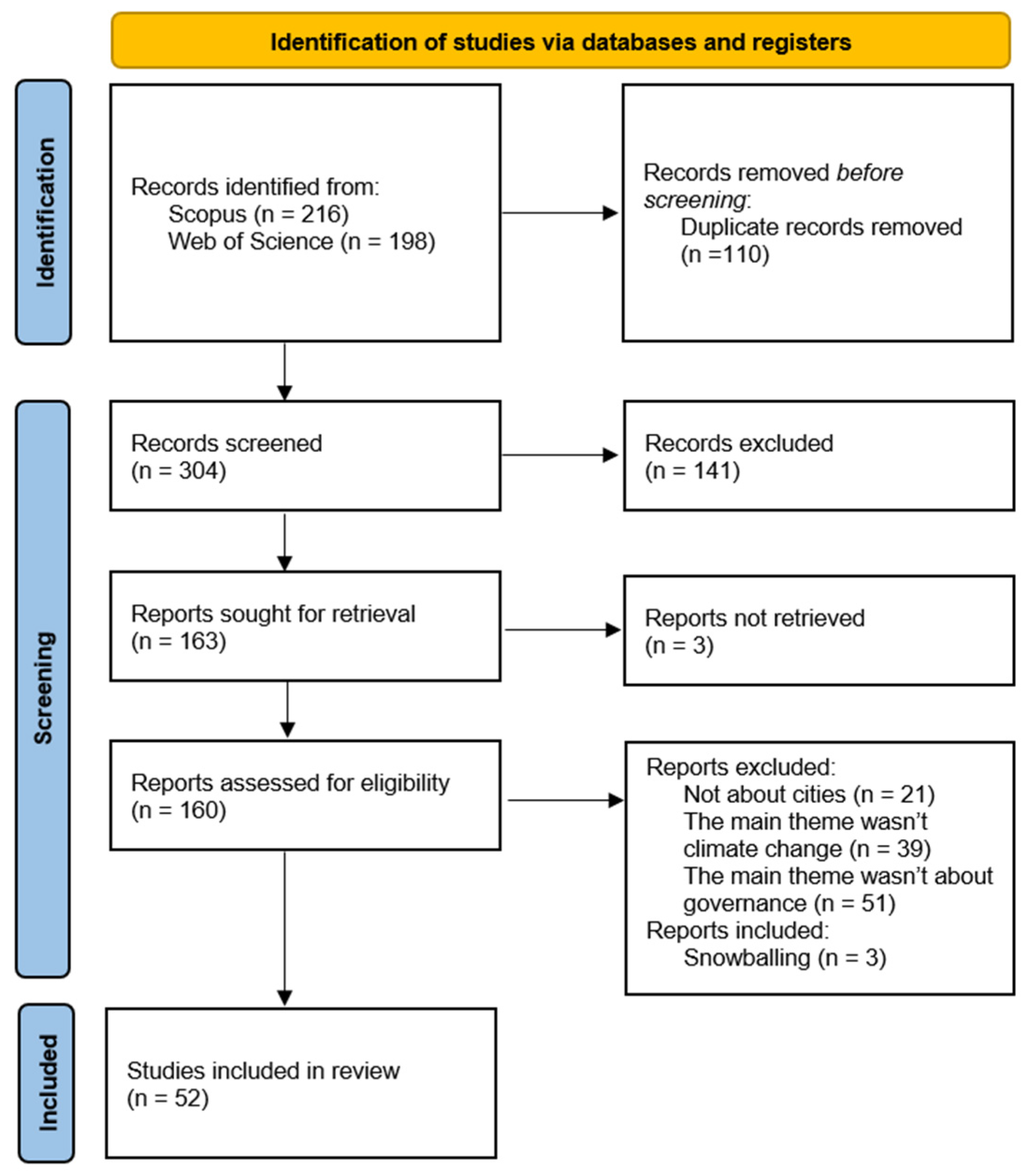
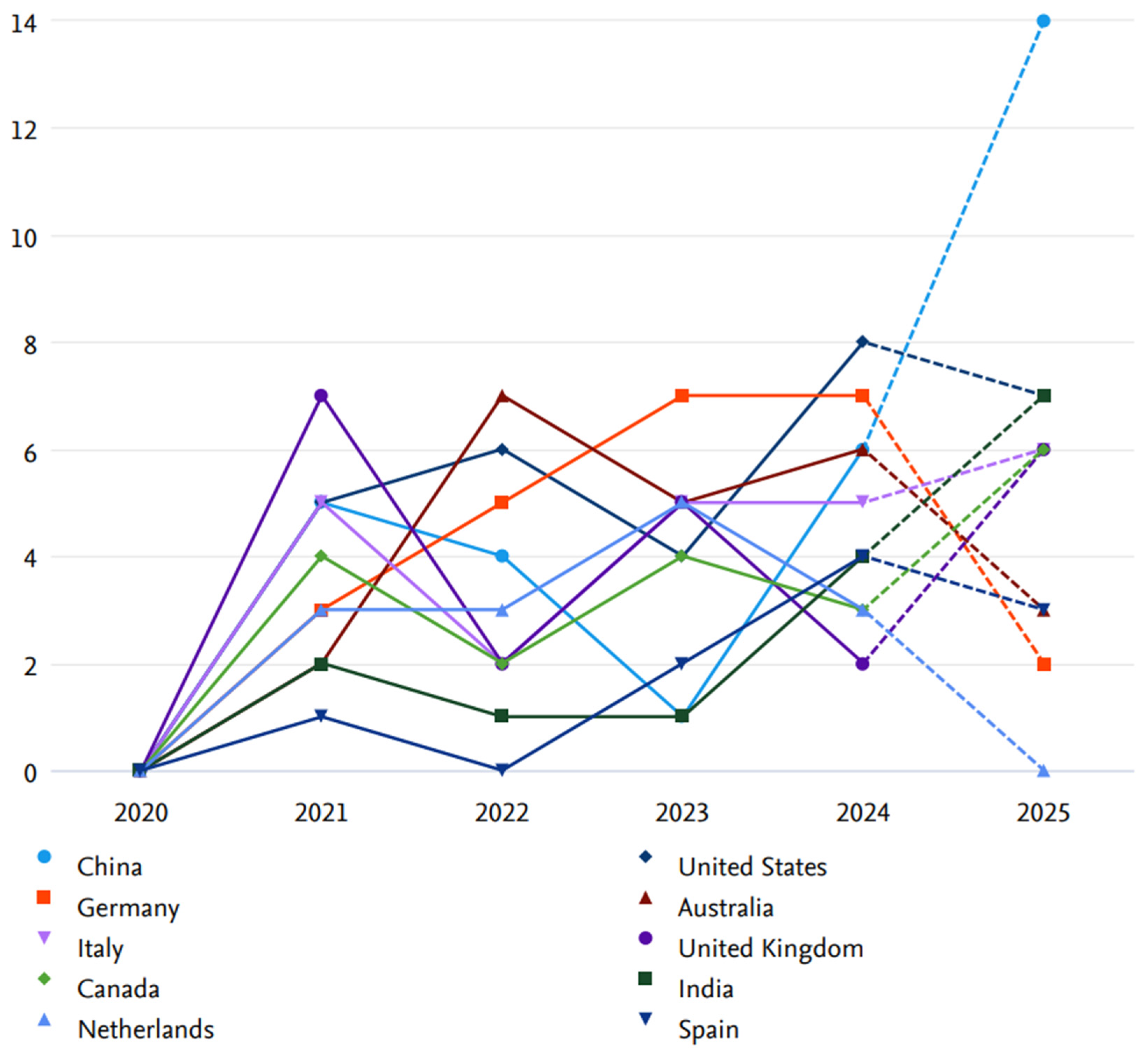
A total of 414 articles were initially examined through a bibliometric analysis. To capture recent scientific production, only studies published from 2020 onwards were considered. The results indicate a steady growth in research output on the topic over this period, with a peak in 2025. This increase is largely driven by publications from China, followed by the United States and Germany, reflecting the growing urgency of climate governance and urban planning debates as the 2030 deadline of the United Nations Sustainable Development Goals (SDGs) approaches and several targets remain unmet. The countries associated with each publication were also systematically identified and are presented in
Figure 3.
The analysis reveals a clear predominance of studies originating from the Global North, reinforcing the need for further research focused on the Global South, where climate impacts, socio-spatial vulnerabilities, and geopolitical contexts differ substantially. This imbalance highlights an important gap in the literature, particularly given that many cities in the Global South face disproportionate climate risks and more severe institutional and resource constraints.
Table 1 presents the universities with the highest number of publications and their respective impact factors. The results show that Australian institutions lead in terms of publication volume on this topic, followed by universities in the United States and Germany.
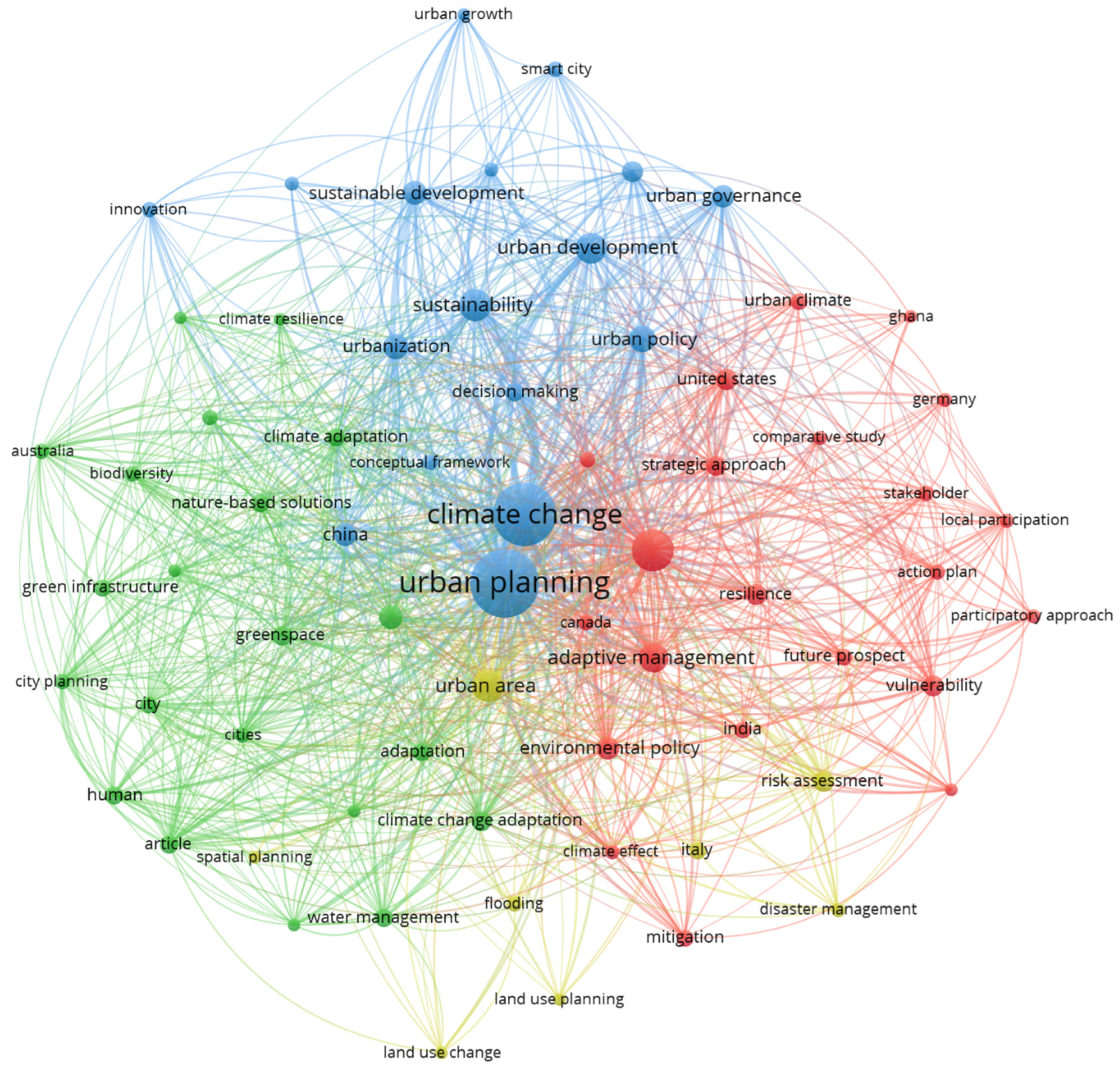
Figure 4 presents a keyword co-occurrence generated from the frequency count of keywords extracted from the analyzed articles. The size of each term corresponds to its frequency of occurrence across the reviewed publications.
The bibliometric network analysis conducted using VOSviewer (version 1.6.16; CWTS, Leiden University, The Netherlands), reveals the conceptual structure of the literature on climate change and urban planning through keyword co-occurrence patterns. The visualization highlights a dense and highly interconnected research field organized around four major thematic clusters, indicating strong interdisciplinary linkages. At the core of the network, “climate change” and “urban planning” emerge as the most central and influential keywords, reflecting their pivotal role in structuring the field. Although ‘urban planning’ and ‘climate governance’ appear as dominant nodes—an expected result given the search string—the significance of this map lies in the peripheral clusters. These nodes reveal how specific themes like ‘nature-based solutions’ and ‘social justice’ are gravitating toward the center of the planning discourse.
The blue cluster concentrates on themes related to urban development, urban governance, sustainable development, urban policy, and smart cities. This cluster reflects a governance-oriented perspective, emphasizing decision-making processes, policy frameworks, and institutional arrangements that shape urban responses to climate change. The strong connections between sustainability, urbanization, and governance suggest that climate challenges are increasingly framed within long-term urban development and planning agendas.
The green cluster focuses on climate adaptation, nature-based solutions, green infrastructure, biodiversity, water management, and greenspaces. This thematic group highlights ecological and spatial planning approaches aimed at enhancing urban resilience. The strong presence of adaptation-related keywords indicates a growing emphasis on ecosystem-based strategies and spatial planning tools to address climate risks, particularly flooding and heat-related impacts.
The red cluster is centered on resilience, vulnerability, risk assessment, adaptive management, and participatory approaches. This cluster underscores the social and governance dimensions of climate change, emphasizing stakeholder involvement, local participation, and comparative studies across different national contexts. The presence of country-specific keywords (e.g., United States, Germany, India, Ghana) suggests that empirical and comparative research plays a significant role in this strand of the literature.
The yellow cluster brings together keywords related to land-use planning, land-use change, mitigation, disaster management, and environmental policy. This cluster reflects a planning and regulatory perspective, linking spatial development patterns with climate mitigation efforts and disaster risk reduction. Although smaller than the other clusters, it plays an important bridging role between adaptation, mitigation, and planning practices.
The structural analysis of the keyword network reveals that the field is not merely a collection of isolated topics, but a hierarchical system where certain nodes act as ‘gatekeepers’ between theory and practice. Blue Cluster (Urban Governance) occupies a central position, with keywords such as ‘policy-making’ and ‘institutional framework’ serving as essential bridges to green Cluster (Adaptation Strategies). This connection suggests a causal relationship: the maturity of institutional frameworks (Cluster blue) is a primary driver for the scalability of nature-based solutions and technical adaptation (Cluster green). Without robust governance, technical planning remains fragmented and lacks the legal authority for implementation.
Furthermore, the link between the red Cluster (Climate Justice) and the central governance nodes highlights that ‘equitable urban development’ is increasingly dependent on inclusive decision-making processes. The co-occurrence of ‘social vulnerability’ and ‘urban planning’ indicates that governance acts as a strategic lever to ensure that climate resilience is not restricted to affluent areas, but is integrated into social housing and informal settlement upgrades. Therefore, the failure of governance mechanisms (Cluster blue) directly limits the scope of justice-oriented planning (Cluster red), reinforcing the need for integrated, multi-level policy approaches.
Overall, the network demonstrates a high degree of interconnectivity among clusters, indicating that research on climate change and urban planning is inherently multidisciplinary. Adaptation, governance, ecological planning, and risk management are not treated as isolated domains but are increasingly integrated within comprehensive urban planning frameworks. The central positioning of urban planning suggests its role as a key integrative platform for addressing climate change in cities.
Table 2 presents the 20 most frequently addressed research topics identified using SciVal. These topics represent clusters of publications identified through citation analysis, indicating a shared research focus. In SciVal, a Topic refers to a collection of publications that share a common intellectual interest and are grouped based on direct citation patterns. These topics represent global research fields. The columns “Topic at this publication set” and “Worldwide” allow for the comparison between the contribution of the specific publication set under analysis (e.g., publications from a given institution or dataset) and the global average performance within the same topics.
Based on
Table 2, “Urban Climate Governance and Policy Adaptation” and “Urban Resilience and Adaptive Governance Frameworks” emerge as the most prominent research themes in terms of publication volume. This analysis provides valuable insights into prevailing research trends and helps identify thematic areas that are more consolidated and widely disseminated within academic literature.
3.2. Methodological Analysis
The 52 selected articles were systematically analyzed and synthesized according to their main research themes (the 20 most frequently used topics presented in
Table 2), as well as their research design and methodological approach, summarized in
Table 3. The thematic focus of each study was identified based on its stated research objectives.
Qualitative methods were predominantly employed in studies addressing governance, justice, conflicts, and planning processes. These studies commonly relied on in-depth interviews, thematic analysis, discourse analysis, or process tracing to capture social and political complexity [
30,
33]. Quantitative approaches, in turn, focused on the statistical modeling of phenomena, such as policy diffusion—often using software such as Stata [
34]—or on the analysis of geospatial data through remote sensing and GIS-based tools (e.g., QGIS version 2.18) [
30,
35].
Many studies examining urban plans and policies adopted mixed-methods approaches to assess policy coherence or quality. These approaches typically combined the quantification of textual content—such as Logical Framework Analysis (LFA) or Principal Component Analysis (PCA), which assign scores to planning documents—with qualitative interviews [
26,
36,
37,
38,
39]. Qualitative Comparative Analysis (QCA) also appeared as a comparative technique, applying set-theoretic qualitative logic supported by Boolean algebra [
40].
Most of the identified themes—particularly those related to governance and public policy—relied heavily on qualitative or mixed methods. This reflects the fact that the primary objective of these studies is not merely to quantify climate impacts, but rather to analyze institutional structures, policy discourses, and the capacities of actors to innovate and implement complex climate policies.
In addition, the spatial scales addressed in each study were identified. Approximately 56% of the studies focused on the municipal level, examining urban policies and plans and emphasizing city-specific challenges. Examples include analyses of 190 U.S. cities in relation to the adoption of local climate policies [
34], as well as case studies focusing on the technical capacity and policy frameworks of individual cities such as Magelang (Indonesia) [
41], Munich (Germany) [
42], Guangzhou [
43] and Xangai [
44].
About 33% of the studies adopted a regional perspective, examining how regional policies influence municipal planning. For example, the analysis of the impact of regional strategic policy on municipal adaptation planning on Vancouver Island, Canada [
38] demonstrated that regional guidance is critical for initiating municipal policy adoption. Other studies focused on metropolitan regions, where challenges and solutions transcend municipal boundaries [
26,
45,
46].
Finally, 11% of the studies focused explicitly on multilevel governance, recognizing the need for coordination and synergy across different levels of government [
47,
48,
49]. Although distinct spatial scales are addressed, it is essential to consider the specific territorial contexts of municipalities and how policies can be integrated across scales to enhance collective implementation capacity. These results underscore governance as a structuring mechanism that reframes urban planning from a predominantly rule-based approach into an adaptive and process-oriented system, capable of coordinating multiple actors, institutional capacities, and equity-driven objectives, while operationalizing global policy agendas through locally grounded resilience practices.
3.3. Content Analysis: The Role of Urban Planning in Climate Change
The systematic review indicates that urban planning plays a central and multifaceted role in the management and transformation of urban environments. It functions as the primary interface between governance and policy formulation on the one hand, and land use and the built environment on the other hand [
22,
36].
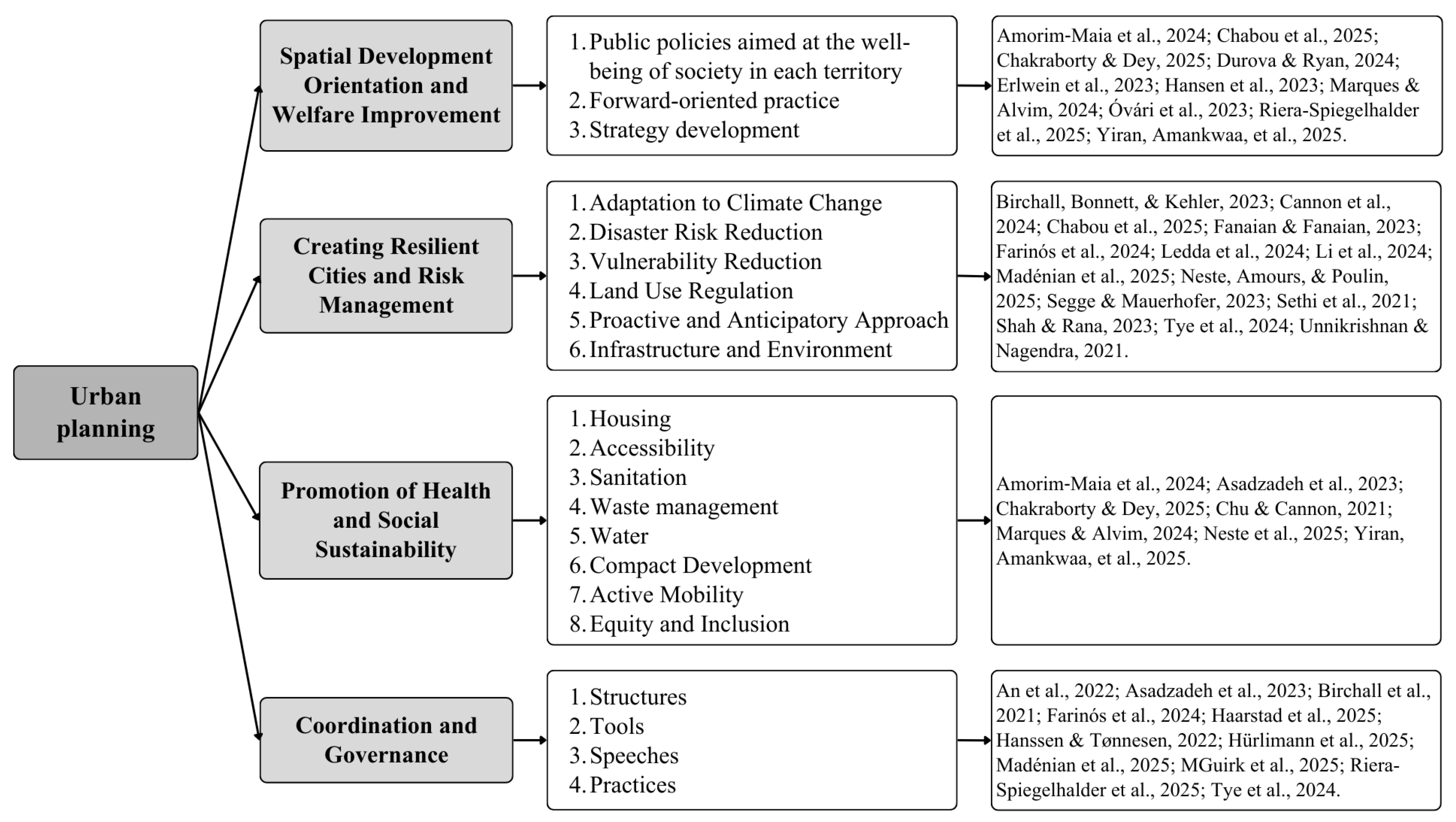
Figure 5 illustrates the main roles attributed to urban planning across the reviewed studies.
The literature highlights planning as a spatial development tool aimed at guiding urban growth and liveability [
59]. According to [
13], the reviewed studies characterize planning as a forward-oriented practice that establishes visions and priorities for action. In the context of climate adaptation, the research points to land-use regulation—including local plans and zoning—as the primary mechanism for implementing adaptation goals [
37,
61]. This includes specific measures such as development restrictions in hazardous or flood-prone areas [
50]. In the domains of infrastructure and environment, the analyzed studies report the integration of ecosystem services, biodiversity, and green-blue infrastructure as a trend to address environmental challenges [
62]. Furthermore, the literature associates urban planning with the determinants of public health, citing compact development, walkable neighborhoods, and the provision of green spaces as recurrent measures for both mitigation and adaptation [
39,
60].
The review also reveals that planning systems operate within institutional contexts defined by legal requirements. These structures delineate the roles of key actors and facilitate coordination. As noted in [
48], planning tools such as strategies and guidelines serve to link policy objectives to on-the-ground practices, while the science–policy interface is identified as a necessary component for informing decision-makers about climate projections [
51].
Another key role highlighted by [
39] is the promotion of health and social sustainability. Urban planning directly addresses housing, mobility and accessibility, sanitation, waste and water management, and by shaping urban form and function, it substantially influences the physical, social, economic, and environmental determinants of health. Compact urban development, walkable neighbourhoods, the provision of open green spaces, and active mobility are central measures for both mitigation and adaptation. Planning is also essential for addressing the social dimension and socio-economic inequalities exacerbated by climate change and population growth and must therefore include inclusive tools to respond to the needs of marginalized groups [
27,
30].
Urban planning operates within complex and dynamic institutional contexts. As a connector between governance and land use, planning systems are shaped by legal requirements that define relevant institutions and agencies responsible for spatial development objectives. These structures clarify the roles and responsibilities of key actors and facilitate coordination. Planning tools link policy objectives to on-the-ground practices through plans, strategies, projects, and guidelines, while planning discourses reflect the dominant narratives that shape priorities and areas of focus [
48]. Ultimately, governance arrangements must aim at the implementation of spatial policies through collaborative territorial governance. Planning also requires strengthening the science–policy interface to inform decision-makers about climate change projections and the socio-economic implications of adaptation measures [
52].
3.4. Content Analysis: Climate Governance
Governance is an indispensable instrument for enabling effective urban planning in the context of climate change. When aligned, governance and planning systems are widely recognized as the central pillars of global and international initiatives aimed at advancing sustainable development, climate change adaptation, and disaster risk reduction in urban areas. The significance of governance lies in its capacity to coordinate, harmonize, and catalyze action within complex urban environments, where climate impacts are often most acute [
25,
37,
50,
63].
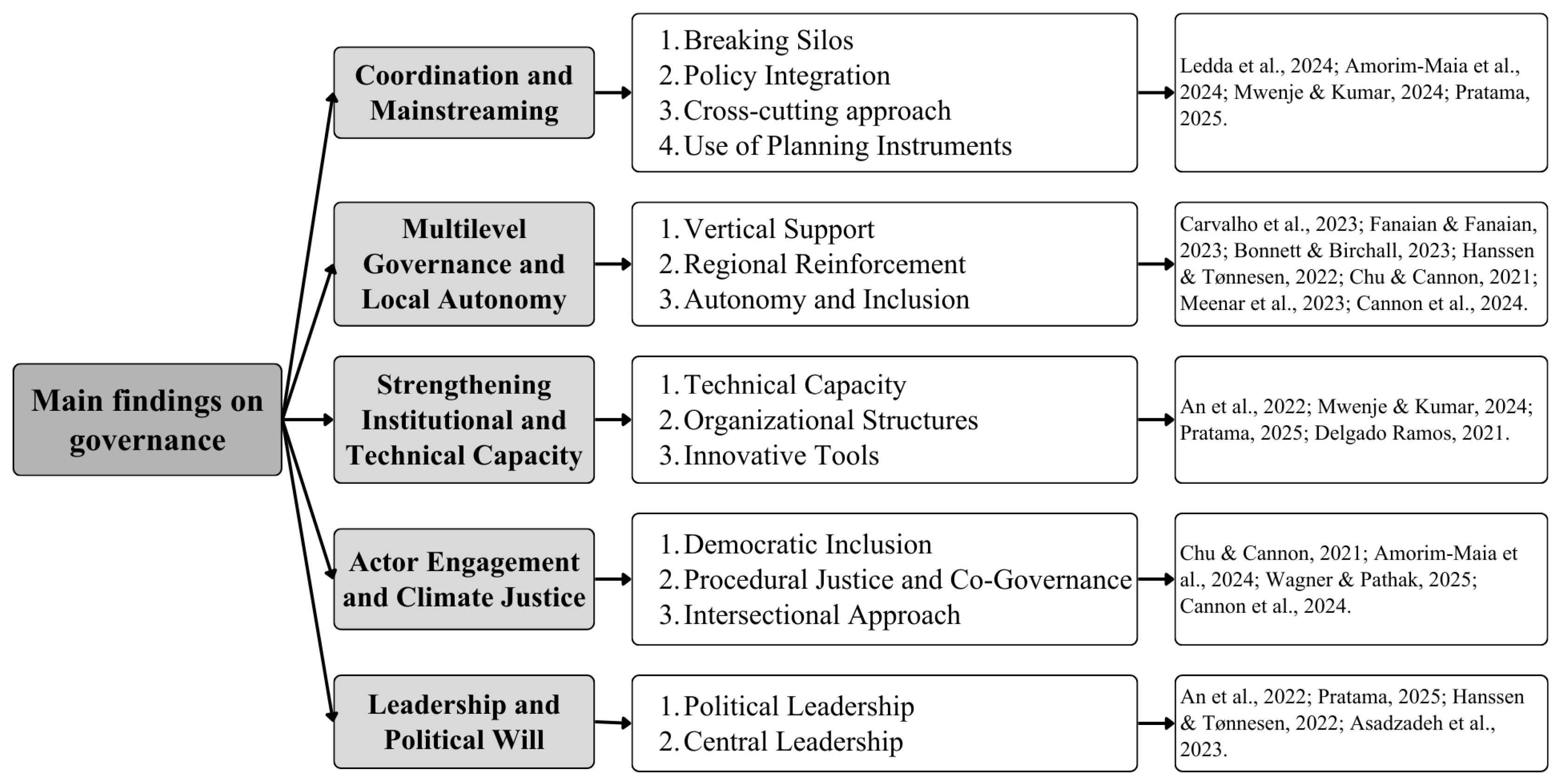
Figure 6 summarizes the main findings related to the essential pillars of effective climate governance identified in the reviewed studies.
A recurring finding in the literature is the use of governance to mainstream climate objectives across various urban sectors, such as health, water management, and environmental services [
23,
32]. The studies identify institutional fragmentation and “organizational silos” as common barriers to policy efficiency [
26]. Case studies within the sample, such as the Barcelona Office for Climate Change and Sustainability, illustrate models of centralized coordination between governmental and non-governmental agencies [
25].
Regarding multi-level governance, the research highlights the importance of “vertical support” defined as collaborative action across different levels of government [
52]. The studies indicate that local climate innovation is often driven by leadership at multiple levels, though it remains dependent on national support and regional financial incentives [
14,
40,
50].
The analysis also identifies the development of internal capacities and technical tools as a key finding. Tools such as carbon budgeting are cited as instruments that allow planners to visualize the interconnections between planning decisions and climate outcomes [
6]. Finally, the literature documents a shift toward collaborative arrangements, including the co-production of climate action with community groups [
10,
34]. Political support and high-quality leadership are consistently cited as the primary drivers for the success of these governance structures [
32,
42]. Governance must also prioritize the development of internal capacities required to implement complex climate policies. Senior public officials play a pivotal role in shaping local climate policy, and their awareness and engagement are crucial. Technocratic approaches must be integrated with climate considerations within broader urban development agendas [
25,
53]. The development and application of concrete tools—such as carbon budgeting—can help planners and governance actors visualize the interconnections among planning decisions, enabling more coherent decision-making and transparent management of competing objectives [
7].
3.5. Gaps
The results of this systematic review reveal that, although climate justice discourse has been increasingly incorporated into urban agendas, its operationalization remains limited and highly uneven. The barriers identified (
Figure 6) demonstrate that the constraints are not merely technical or financial but should be understood as political and structural in nature.
The centralization of resources and competencies, combined with the absence of robust multilevel governance mechanisms, undermines the integration of environmental and social policies. In Global South contexts, these limitations are further exacerbated by colonial and neoliberal logics that prioritize market-based solutions and “green growth” over redistribution and community participation. As highlighted by [
66], the reproduction of exclusionary structures through so-called “green” policies can generate counterproductive outcomes, such as green gentrification and the displacement of vulnerable populations.
Several studies show that the implementation of adaptation plans is weakened by an excessive focus on regulatory, financial, and engineering-based solutions, limiting the capacity to address chronic social drivers of vulnerability. In the development of Urban Climate Action Plans in cities such as Accra and São Paulo, information regarding how stakeholders were selected was neither documented nor publicly available [
39].
Urban and climate governance is often perceived as slow and constrained by fragmented formal systems, frequently dominated by government-led processes. The COVID-19 pandemic reinforced a recentralization of decision-making toward national governments and international organizations, temporarily weakening cities as spaces for experimental governance. Bonnett and Birchall [
38] argue for a shift toward faster, community-led governance innovations capable of responding more effectively to crisis situations. They propose overcoming these barriers through more engaged and grassroots-oriented planning and governance, alongside stronger involvement of civil society actors to ensure socially equitable outcomes.
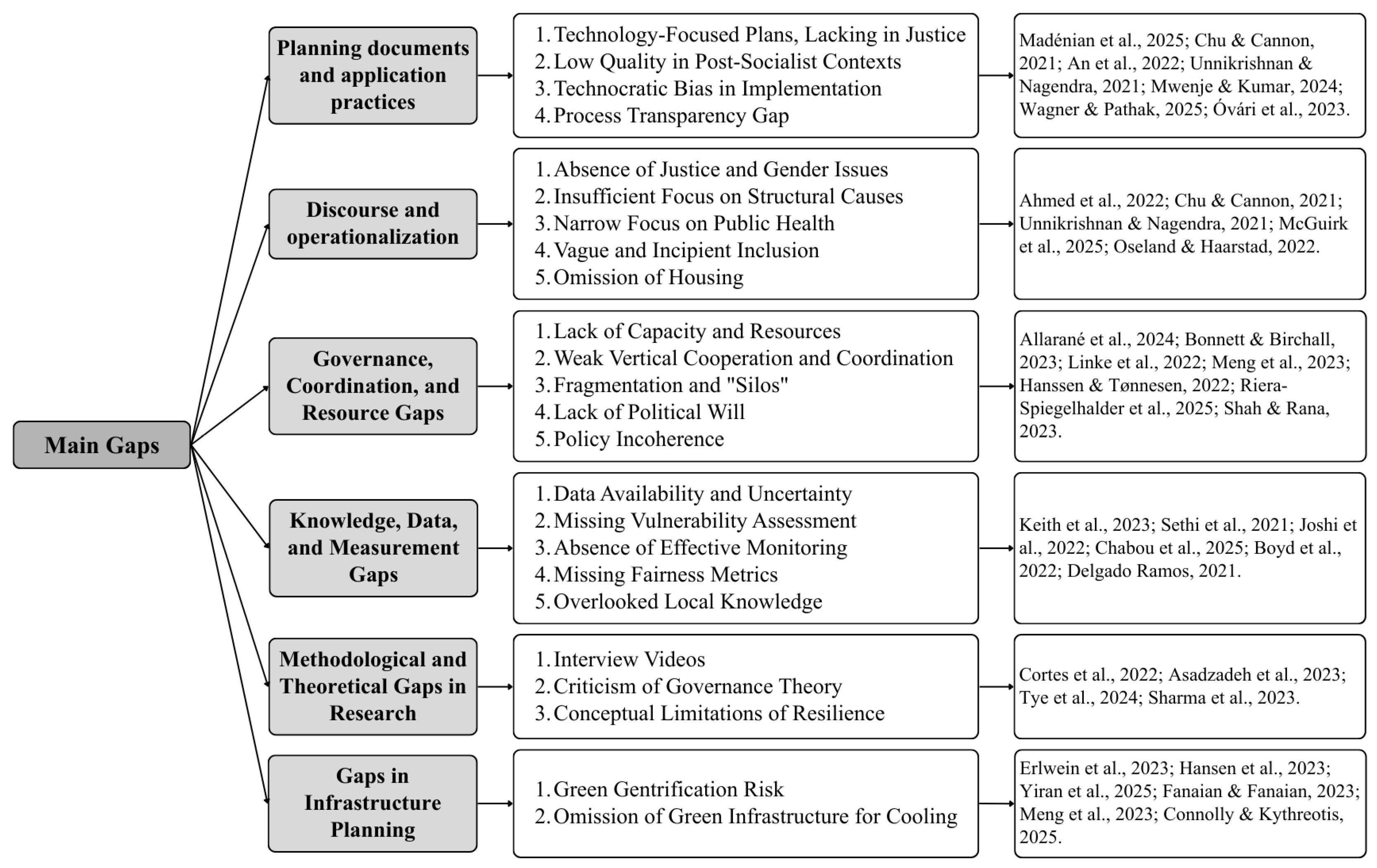
Figure 7 synthesizes the main gaps identified.
3.5.1. Content and Focus Gaps
The reviewed studies reveal several critical gaps in both urban climate governance and the content and implementation of public policy plans across different global contexts. Despite the growing rhetoric surrounding climate justice, a persistent gap between discourse and practice remains evident. Many resilience strategies retain a technocratic and managerial bias, placing disproportionate emphasis on engineering, regulatory, and financial [
41,
54]. This limits engagement with chronic social drivers of vulnerability and silences the social production of vulnerability.
Equity is further compromised by the failure to adequately integrate housing into urban climate planning, increasing vulnerability and displacement risks [
67]. Public health concerns are frequently addressed only through the strengthening of existing health infrastructure. However, spatial planning also requires consideration of the interconnections between heatwaves, vector-borne diseases, solid waste management, air pollution, and access to green spaces [
51,
59,
60,
64].
3.5.2. Governance, Coordination and Resources Gaps
Institutional fragmentation and insufficient resources and coordination remain dominant barriers to implementation. Cities—particularly in developing countries, such as Hungarian and African cities—face severe constraints related to limited financial resources, insufficient municipal expertise, and an inability to allocate adequate time and funding to climate strategy development [
37,
55].
Failures in vertical cooperation across governance levels have been identified as systemic challenges, particularly in the implementation of ecosystem-based approaches [
56]. The absence of federal or state leadership in adaptation, along with insufficient national funding allocation, further constrains local action [
37].
Diverging priorities among municipal administrative units and siloed planning practices hinder policy integration. Unclear roles and responsibilities at the local level, coupled with limited political will and commitment, further undermine the adoption of urban adaptation plans and weaken coherence between climate adaptation policies and broader urban policies, as observed in Ghana [
24,
39].
3.5.3. Knowledge, Data and Measure Gaps
Adaptation planning frequently lacks a robust evidence base and reliable assessment tools. Problems related to data availability and access, as well as the management of uncertainty associated with climate risks, were recurrently identified. In African case studies, climate vulnerability assessments were absent from all analyzed plans, indicating insufficient attention to identifying vulnerable areas and populations [
36].
Additionally, the lack of concrete data on policy implementation and effectiveness, along with weak monitoring mechanisms to assess transformative progress, represents a significant gap [
7,
15,
63]. There is also a clear deficit in the development of metrics and indicators capable of measuring progress in equity, inclusion, and justice [
27]. Finally, plans frequently fail to recognize indigenous and local knowledge systems and to establish robust community engagement strategies [
40,
57].
3.5.4. Methodological and Theoretical Gaps in Research
Several limitations inherent to current research designs and methodologies were also identified. Studies relying primarily on interviews with municipal government representatives risk introducing institutional bias, often resulting in overly positive portrayals of projects and initiatives [
58]. The multilevel governance model has been criticized for its apolitical nature and for neglecting horizontal and temporal dimensions that shape social change, underscoring the need to incorporate political agency and power relations. Similarly, the concept of resilience faces critiques related to its theoretical abstraction, multidisciplinary ambiguity, difficulties in translating theory into practice, and fragmentation of resilience frameworks [
37,
45,
69].
3.5.5. Infrastructure Planning Gaps
Finally, significant gaps were identified in urban infrastructure planning, particularly regarding the risk of green gentrification associated with the implementation of nature-based solutions and related trade-offs or disservices [
30,
56]. In evaluations, these criteria often receive low scores or are omitted entirely—such as in cases of beach renaturation and sustainable urban drainage systems in parks—highlighting the need for greater attention to preventing green gentrification and real estate speculation [
47,
56,
59]. Moreover, the omission of green infrastructure for natural cooling, such as urban agriculture and wetlands, in urban policies reflects a critical oversight [
52].
3.6. Proposed Solutions
The gaps identified in
Section 3.5 particularly institutional fragmentation, the mismatch between global goals and local fiscal capacity, and the lack of integrated data—require a multi-dimensional strategic response. To address these barriers, the following measures are proposed. These solutions do not operate in isolation; rather, they are designed to function as the ‘strategic lever’ needed to operationalize the key findings from the literature (
Section 3.4) within the practical constraints of urban planning.
This is an example of an equation: The contributions identified (
Figure 5) suggest a growing mobilization of innovative practices centred on participatory planning, equitable financing instruments, and the incorporation of intersectional criteria. Experiences such as Barcelona [
28] and the Real Deal initiative in Australia [
53] demonstrate that policy co-production, institutional transversalization, and the valorization of care can transform climate justice from an abstract principle into institutionalized practice. The development of justice imaginaries and metrics, as proposed by [
70], also emerges as a critical tool for accountability and impact evaluation.
Governance transforms planning from a purely technical exercise into a social and political process oriented toward equity and climate justice, emphasizing the engagement of diverse stakeholders. The municipal scale is often the most accessible and responsive to citizens, strengthening governance capacity and public support for climate action [
38]. Advanced governance arrangements involve the co-production of climate action between governments and vulnerable community groups, fostering local ownership and meaningful partnerships. Community participation in planning processes can improve decision-making related to climate risks such as extreme heat [
11,
60]. Governance strategies can also be used to integrate intersectional climate justice, for example through cross-sectoral collaboration and by centering the concept of care within urban planning [
71]. Governance structures must therefore be reconfigured to advance equity and address structural inequalities [
28].
Political support and commitment are critical drivers of municipal climate action. High-quality leadership underpins collaborative governance, yet the lack of political support remains one of the most challenging barriers to overcome, even when awareness exists among public officials [
36]. Leadership by core cities within metropolitan contractual arrangements can align the efforts of national, regional, and local authorities, strengthening climate mitigation policy at the metropolitan scale [
36,
46]. Summary, governance transforms urban planning from a set of static rules into a dynamic and adaptive process that integrates diverse actors, capacities, and justice objectives, serving as the critical link between abstract global goals and the concrete implementation of local resilience actions [
27,
57].
Ultimately, governance arrangements must aim at the implementation of spatial policies through collaborative territorial governance. Planning also requires strengthening the science–policy interface to inform decision-makers about climate change projections and the socio-economic implications of adaptation measures [
52].
3.6.1. Multilevel Governance
The main findings underscore the emergent nature of urban climate action. Results highlight the need for more robust governance approaches, the centrality of equity, and persistent implementation barriers—particularly in the Global South and rapidly developing contexts. The adoption of local Climate Action Plans depends heavily on pre-existing internal adaptive capacity at the municipal level.
The integration of adaptation strategies is often hindered by diverging priorities among municipal departments and by the absence of leadership at state or federal levels. A lack of political support and commitment is strongly associated with fragmented planning systems. In this regard, metropolitan governance bodies are crucial for resilience and energy transition processes.
Key solutions include reducing information barriers, providing technical and financial support, and developing coordinated local adaptation plans. Participatory methodologies aim to enhance collective awareness and foster attitudinal and intentional shifts among senior public officials, enabling the integration of climate issues into urban planning.
To overcome the institutional fragmentation identified as a primary gap, cities must move towards horizontal integration. This involves the creation of cross-departmental climate task forces that dismantle ‘organizational silos’. By institutionalizing climate mandates across sectors (e.g., housing, transport, and water management), urban planning ceases to be a sectoral effort and becomes a cohesive strategic framework. In Barcelona, for example, cross-sectoral collaboration has enabled governmental actors to work more cohesively on climate action. The Barcelona Office for Climate Change and Sustainability functions as an umbrella institution for climate-related initiatives, centralizing structured coordination between governmental and non-governmental agencies [
28].
Governance also mediates the relationship between different levels of government and local autonomy, a dimension that is both critical and complex. Vertical support, defined as complementary and collaborative action across governance levels, can significantly enhance local adaptation efforts [
56]. Leadership across multiple governance levels has been identified as a driver of local climate innovation; however, its effectiveness depends on support from national governments, as the absence of such support limits local governments’ capacity to coordinate stakeholders [
15]. Regional governments can accelerate adaptation innovation through legislation, financial incentives, and policy instruments, reinforcing municipal autonomy in climate action [
44,
52].
According to [
63], effective governance is essential for collaboration between local governments, national authorities, and international assistance. Their analysis of the Japanese experience presents a self-sufficient triangular governance model based on active collaboration among local governments, communities, and residents. Transformative resilience requires governance transformation, including multilevel coordination, flexibility, decentralization, and leadership capacity [
33].
3.6.2. Climate Justice and Inequalities
The findings emphasize the structural inequalities reproduced through climate policies, as illustrated by debates on intersectional climate justice in Barcelona. Governance strategies include cross-sectoral integration of climate and gender considerations and the centralization of everyday life and care work within policy frameworks [
28].
To respond to the social equity gaps, governance must act as a lever for climate justice. This requires moving beyond top-down technical planning to ‘co-production’ models. By involving marginalized community groups in the design of Nature-based Solutions, cities can prevent ‘green gentrification’ and ensure that resilience measures are distributed equitably, as emphasized in the thematic clusters analysis. Caution is required to ensure that strategies do not trigger green gentrification and that environmental benefits are distributed more equitably [
62]. Urban Climate Action Plans may neglect equity concerns, as illustrated by the “Missing the Housing for the Trees” critique, underscoring the need to explicitly address vulnerabilities [
57].
In Global South megacities such as Manila, resilience strategies often function as a form of socio-spatial fix, reinforcing exploitation and exclusion. Disaster responses have resulted in the forced displacement of tens of thousands of families from informal settlements, serving capital accumulation interests [
68]. Studies also reveal a pronounced spatial asymmetry between poverty prevalence and risk intensity—such as drought and resource consumption—in the Metropolitan Area of the Valley of Mexico [
65].
3.6.3. Policy Quality and Robustness
The results reveal significant deficiencies in planning documents and practices at the municipal level. An analysis of adaptation plans in India found that most lacked actionable agendas, while justice and gender criteria were largely absent compared to technological, economic, and ecological priorities [
35].
Addressing the financial and jurisdictional gaps, vertical alignment is essential. The literature suggests that local autonomy is often restricted by a lack of national support. Solutions must include the development of municipal ‘carbon budgeting’ and direct access to international climate funds, ensuring that the strategic visions of urban plans are backed by the necessary fiscal capacity for implementation. Climate Action Plans in Hungarian cities were classified as comprehensive and autonomous responses to national legislation; however, their quality remains questionable due to limited resources and constrained local autonomy [
55,
59].
3.7. Implications
The analysis of the scientific literature indicates growing theoretical maturity in the incorporation of multiple dimensions of justice:
Distributive justice, reflected in concerns about resource allocation and risk exposure [
28];
Procedural justice, emphasized through meaningful participation [
57];
Recognitional justice, evident in approaches integrating race, gender, ethnicity, and traditional knowledge [
27].
Based on the reviewed studies, four priority pathways are proposed:
Institutionalizing climate equity councils as permanent governance mechanisms with representation from historically marginalized groups;
Reforming municipal financing instruments through justice-sensitive budgeting, prioritizing mitigation and adaptation actions in vulnerable areas;
Promoting multiscale and cross-sectoral approaches that connect housing, health, sanitation, and mobility policies with climate agendas;
Adopting integrated climate justice metrics within public policy evaluation systems, including qualitative indicators co-created with communities.
Despite notable advances, fundamental tensions persist, including the instrumentalization of climate justice as rhetoric, the risk of symbolic participation without power redistribution, and challenges in integrating non-hegemonic knowledge into decision-making processes. Nevertheless, this review demonstrates that these limitations can be addressed through institutional innovation and the recognition of the city as a political space of contestation and transformation.
In sum, the combined analysis of these studies provides a deeper and more nuanced understanding of the challenges and opportunities associated with climate risk management and adaptation. It underscores the centrality of human perceptions, social dynamics, and structural conditions in shaping vulnerability and resilience, while highlighting the need for locally grounded, data-informed policies supported by active governance that promotes public participation and multi-actor engagement. Such governance is essential not only for producing integrated and high-quality plans, but also for ensuring their effective implementation and tangible outcomes.
4. Conclusions
This systematic literature review on climate governance and urban planning over the past five years demonstrates that integrating climate action with urban development remains one of the most pressing contemporary challenges for urban sustainability. The analysis of 52 studies reveals an expanding research field, with increasing recognition of multilevel and collaborative governance as a fundamental mechanism for operationalizing urban transitions in response to climate change.
This paper aimed to understand how governance can function as a strategic lever for integrating climate change mitigation and adaptation into urban planning. In response to this core research question, the study concludes that governance acts as a strategic lever through three specific mechanisms:
First, as an integration framework, governance overcomes institutional fragmentation by creating cross-sectoral platforms (horizontal integration) that align previously isolated municipal departments, such as transport, housing, and environment. This ensures that climate goals are not peripheral but central to land-use regulations.
Second, as a scale-bridging mechanism, governance provides the necessary vertical alignment between national climate targets and local implementation. By securing political commitment and financial autonomy for municipalities, governance transforms abstract global goals into concrete, enforceable urban planning instruments.
Third, as a promoter of equity, governance reconfigures urban planning from a technical exercise into a socio-political process. It ensures that mitigation and adaptation are integrated through inclusive decision-making, preventing “green gentrification” and prioritizing the needs of vulnerable populations.
This systematic review successfully addressed its five core objectives by mapping and characterizing recent academic production (2020–2025), which revealed an interdisciplinary field organized around four dominant thematic clusters: urban governance, nature-based adaptation, social resilience, and land-use policy. By assessing the employed methodological approaches, the study identified a clear predominance of qualitative and mixed-methods research for governance analysis, while highlighting recurring limitations such as institutional bias in stakeholder interviews and a lack of robust metrics for measuring equity. The examination of urban planning instruments demonstrated that while planning provides the essential technical and regulatory framework for land use, governance acts as the critical mechanism for multi-level coordination and political legitimacy required for implementation. Furthermore, the study identified persistent gaps that constrain territorial climate action, specifically the technocratic bias in resilience strategies, the marginalization of Global South perspectives, and the institutional “silos” that hinder policy integration. Finally, the review proposes pathways to strengthen this integration by developing internal technical capacities—such as carbon budgeting—and fostering collaborative arrangements that co-produce climate action with local communities, ultimately supporting the transition toward more resilient, equitable, and sustainable cities.
The findings show that, despite significant advances in the formulation of urban climate planning instruments, a critical gap persists between policy design and effective territorial implementation. Key barriers include: (i) institutional fragmentation and weak coordination across governance levels; (ii) limited financial and technical resources, particularly in cities within developing countries; (iii) the absence of consistent monitoring and evaluation mechanisms; (iv) insufficient reliable data and tools for assessing climate vulnerabilities; and (v) limited community participation in decision-making processes.
Multilevel governance has emerged as a central theme in recent debates, reflecting the understanding that effective climate action requires coordinated articulation across local, regional, national, and global scales. However, the literature also highlights significant challenges in translating this model into practice, including jurisdictional conflicts, power asymmetries, and difficulties in vertical and horizontal coordination. Overcoming these barriers requires not only more robust institutional arrangements, but also cultural and political shifts that foster collaboration and shared responsibility.
Climate justice has consolidated itself as a structuring axis of urban governance agendas, emphasizing the need for policies that recognize and address pre-existing socio-spatial inequalities, which are often intensified by climate impacts. The reviewed studies demonstrate that vulnerable populations, including low-income communities, racialized groups, and residents of informal settlements, are disproportionately affected by both climate risks and poorly designed adaptation policies, such as green gentrification. Integrating principles of equity and inclusion into urban planning processes is therefore a prerequisite for the legitimacy and effectiveness of climate policies, as well as for the development of participatory climate plans designed with the consent and involvement of the populations they intend to serve.
Regarding planning instruments, the review identified significant methodological shortcomings in most urban climate plans, including the absence of systematic vulnerability assessments, weak integration with sectoral planning instruments, insufficient consideration of local and indigenous knowledge, and the omission of robust community engagement strategies. Moreover, many plans lack measurable targets, clear timelines, and accountability mechanisms, limiting their capacity to guide concrete action and assess progress.
From a practical standpoint, the findings suggest that strengthening urban climate governance requires action on multiple fronts: (i) institutional reforms to enhance integration and coordination across governance levels and sectors; (ii) expansion of technical capacity and financial resources, particularly for local governments; (iii) development of robust monitoring, reporting, and verification systems; (iv) institutionalization of participatory processes that ensure meaningful inclusion of vulnerable groups in decision-making; (v) integration of climate justice principles across all urban planning instruments; and (vi) promotion of institutional learning and knowledge exchange among cities.
Finally, this systematic review contributes to the theoretical and methodological advancement of the field by integrating recent evidence on climate governance and urban planning, offering a critical synthesis of dominant approaches, identifying structural, epistemological, and operational gaps that constrain territorial climate action, and proposing an analytical framework capable of guiding future research and improving the evaluation, formulation, and integration of urban climate policies.
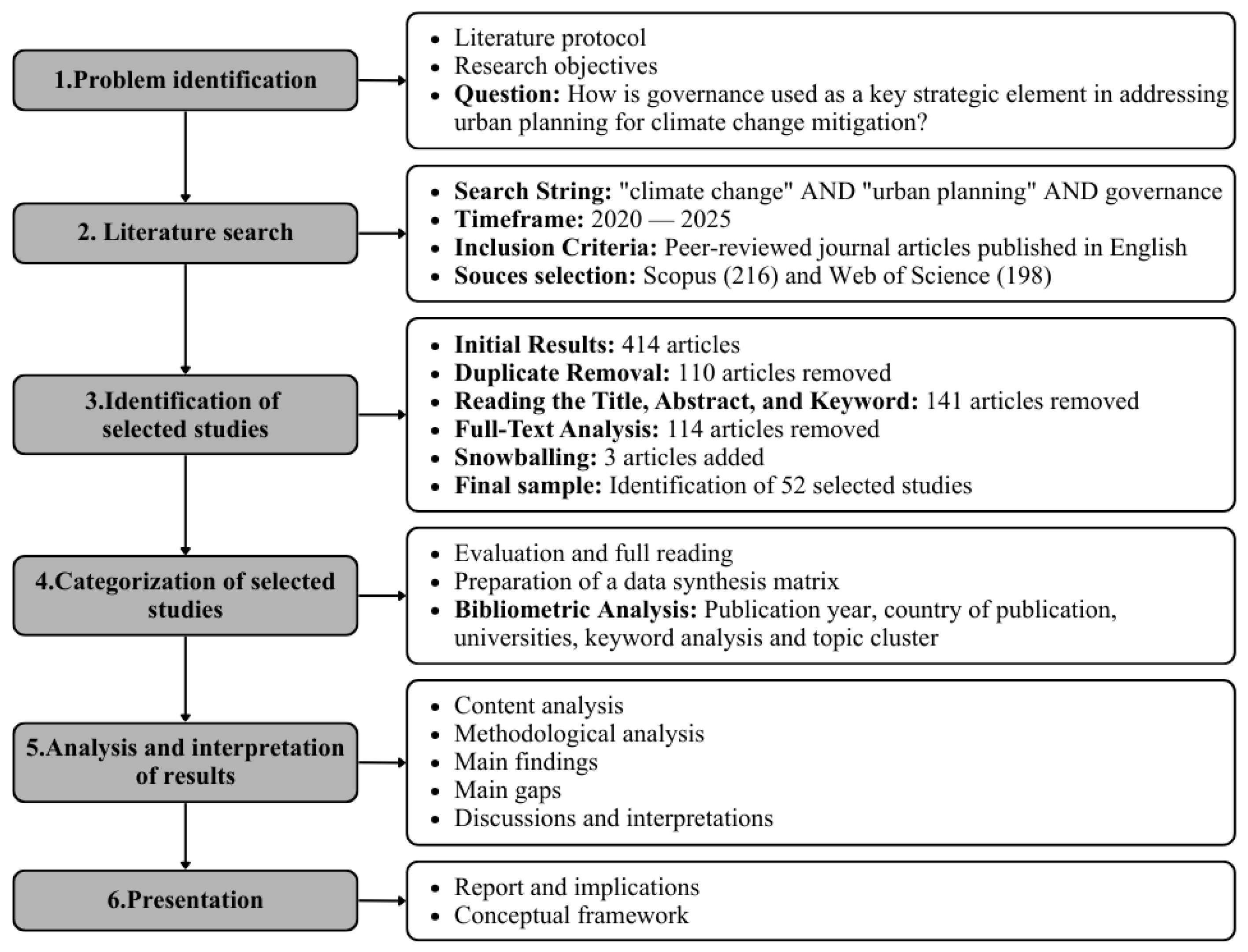
For each selected article, a structured data extraction protocol was applied. The following information was systematically recorded: (i) publication year and journal; (ii) geographical focus and spatial scale; (iii) research objectives and thematic focus; (iv) methodological approach (qualitative, quantitative, or mixed methods); (v) governance scale(s) addressed (local, regional, national, or multilevel); (vi) treatment of urban planning instruments and practices; and (vii) explicit references to climate justice, equity, or social inclusion.
The analysis combined bibliometric, methodological, and qualitative content analysis techniques. Bibliometric analysis was used to identify publication trends, disciplinary concentrations, and geographical patterns. Methodological analysis focused on identifying dominant research designs, data sources, and analytical approaches. Finally, thematic content analysis was conducted to identify recurring concepts, narratives, and gaps related to governance arrangements, institutional coordination, and the integration of climate considerations into urban planning.