Article

Impact of Continuous-Regeneration Particulate Filters on Gaseous Pollutant Emissions of Diesel Engines


1
Key Laboratory of Vehicle Emission Control and Simulation of Ministry of Ecology and Environment, Chinese Research Academy of Environmental Sciences, Beijing 100012, China
2
Institute of Advanced Technology, University of Science and Technology of China, Hefei 230026, China
3
Vehicle Emission Control Center, Chinese Research Academy of Environmental Sciences, Beijing 100012, China
4
Xiamen Environmental Protection Vehicle Emission Control Technology Center, Xiamen 361000, China
*
Authors to whom correspondence should be addressed.
Sustainability 2026, 18(5), 2250; https://doi.org/10.3390/su18052250
Submission received: 27 January 2026 / Revised: 14 February 2026 / Accepted: 19 February 2026 / Published: 26 February 2026
(This article belongs to the Special Issue Control of Traffic-Related Emissions to Improve Air Quality)

Abstract

With increasingly stringent international limits on diesel particulate matter emissions, Continuous-Regeneration Particulate Filters (CRPFs) have been widely applied in heavy-duty vehicle (HDV) exhaust systems. However, their impacts on the complete gaseous pollutant profile remain insufficiently characterized. This study investigated the effects of three CRPF configurations on gaseous emissions from a China III diesel engine under the World Harmonized Transient Cycle (WHTC). Regulated pollutants (CO, total hydrocarbons (THC), NOx, and CO2) and unregulated pollutants (benzene series compounds and aldehydes) were measured before and after CRPF installation. The results demonstrated that CRPFs achieved high reduction efficiencies for CO (98.5–99.9%) and THC (77.4–99.9%) through catalytic oxidation, while showing negligible effects on NOx (0.2–3.0% reduction) and slight increases in CO2 (0.07–0.55%). For unregulated pollutants, aldehydes were effectively reduced (formaldehyde: 84.1–100.0%; acetaldehyde: 47.4–100.0%), whereas benzene series compounds exhibited variable responses, with some species showing increased emissions. These findings reveal complex pollutant transformation mechanisms within CRPF systems and provide references for optimizing aftertreatment configurations to meet China VI and subsequent emission standards, thereby contributing to the mitigation of air pollution, the protection of public health, and the promotion of sustainable societal development.

1. Introduction

Diesel engines, renowned for their superior thermal efficiency and durability, serve as the primary power source for the global heavy-duty transportation and industrial sectors. However, the particulate matter and gaseous pollutants emitted from their combustion processes remain critical environmental challenges [1,2,3,4]. Diesel particulate matter (DPM), particularly its ultrafine fraction, poses severe risks to both the environment and human health [5,6,7,8,9]. These nanoparticles can penetrate deep into the alveolar region of the lungs, potentially impairing respiratory function and leading to cellular toxicity [7,8], while epidemiological studies have linked chronic exposure to diesel exhaust with elevated risks of lung cancer and increased premature mortality [9]. In response to these well-documented health risks, major regulatory bodies worldwide have introduced stringent emission standards, including the European Union’s “Euro 7” regulation [10], the U.S. EPA standards for model year 2027 [11], and China’s “Stage VI” emission limits [12].
To meet these legislative mandates, the wall-flow diesel particulate filter (DPF) has become indispensable in modern diesel emission control systems [13,14,15,16,17,18,19,20,21]. Implemented across light and HDVs as well as non-road machinery [13,14,15,16], these systems achieve PM mass reduction rates exceeding 95% and particle number (PN) removal rates frequently surpassing 99% [13,14,15,18,19,20,21]. However, the continuous trapping of particulates leads to progressive soot and ash accumulation, resulting in increased exhaust backpressure that degrades engine performance and necessitates periodic regeneration, which can increase fuel consumption by 13% to 40% [22,23,24].
DPF regeneration technologies are broadly divided into active and passive categories [25,26,27,28]. Active regeneration relies on external energy input to raise the DPF temperature to the soot combustion point (typically >550 °C) through methods such as in-cylinder post-injection [29,30], exhaust pipe fuel injection [31,32], burners [33,34], or electric heaters [35,36]. Passive regeneration, in contrast, occurs automatically during normal operation by catalytically lowering the soot ignition temperature [37,38]. The dominant passive approach combines an upstream diesel oxidation catalyst (DOC) with a catalyzed DPF (CRPF), where the DOC generates NO2 that enables continuous soot oxidation at lower exhaust temperatures (250–400 °C) [37,38,39,40]. This Continuous-Regeneration Particulate Filter configuration effectively manages soot load without external energy input, minimizing impacts on fuel consumption while meeting modern emission standards [39,40].
The CRPF’s operational characteristics have been extensively studied, including its purification principles involving flow dynamics, pressure, and thermal characteristics [41,42], NO2-based oxidation kinetics [43,44], and low-temperature combustion mechanisms [45]. Research has confirmed high removal rates for PM [46], with solid particle number filtration efficiencies approaching 100% [47], extending from micro-scale filtration simulations [48] to transient conditions such as cold starts [49]. Studies on the regeneration process have investigated pollutant emissions [50] and developed sophisticated controls through modeling NOx-PM coupled reactions [51], catalyst impacts on passive regeneration, and active regeneration characteristics [52]. Despite this extensive work, a significant research gap persists; while studies have begun quantifying toxic gaseous emissions from HDVs [53] or assessing aftertreatment systems on alternative-fuel engines [54], a systematic investigation of the CRPF’s influence on the complete gaseous pollutant profile—especially unconventional pollutants—remains lacking.
The gaseous pollutants examined in this study include both regulated and unregulated emissions which are harmful to the environment and human health. Carbon monoxide (CO), an incomplete combustion product, adversely affects human respiratory and nervous systems, contributes to stratospheric ozone depletion, and acts as a greenhouse gas [55,56,57]. Total hydrocarbons (THC), resulting from incomplete combustion due to uneven fuel–air mixing [58], consist of various volatile organic compounds that react with NOx to form photochemical smog, severely impacting air quality and human health [59]. Nitrogen oxides (NOx), primarily NO and NO2 generated under high-temperature oxygen-rich conditions [60], pose significant health risks including respiratory irritation, cardiovascular disorders, and immune dysfunction [61,62], while environmentally serving as precursors for ozone formation and acid deposition [63,64]. Carbon dioxide (CO2), a primary driver of global climate change, is of particular concern as transportation sector emissions account for 15% of global greenhouse gas emissions, with HDVs contributing disproportionately relative to their fleet size [65,66,67,68].
The unregulated pollutants examined include benzene series compounds (toluene, ethylbenzene, xylene, and styrene) and aldehydes (formaldehyde, acetaldehyde, and acrolein), which are not currently restricted by emission regulations globally. Benzene series compounds can induce leukopenia and, in extreme cases, progress to aplastic anemia or leukemia [69], while exhibiting inhibitory effects on the central nervous system causing neurasthenic symptoms [70] and deleterious effects on respiratory, reproductive, and immune systems [71]. Consequently, the abatement of these unregulated pollutants from diesel vehicles is critically necessary.
To address the research gap, this study investigates the influence of CRPFs on gaseous pollutant emissions. A series of tests were carried out under the World Harmonized Transient Cycle (WHTC) to measure CO2, conventional gaseous pollutants (CO, THC, and NOx), and unconventional pollutants (benzene-series compounds and aldehyde-ketone substances) before and after the CRPF. The emission reduction performance was analyzed to clarify the CRPF’s impact on diesel engine gaseous pollutants emissions to provide support for further understanding the gaseous emissions status of diesel engines equipped with CRPFs, and lay a foundation for in-depth research on the reaction mechanism of gaseous pollutants from CRPFs. This research can also provide a reference for diesel engines matching emission control systems to meet China VI and subsequent emission standards, as well as strengthened DPF requirements in other countries, thereby contributing to the mitigation of air pollution from mobile sources, the reduction in associated public health risks and medical burdens, and the promotion of sustainable societal development.

2. Test Systems and Methods

2.1. CRPF Systems

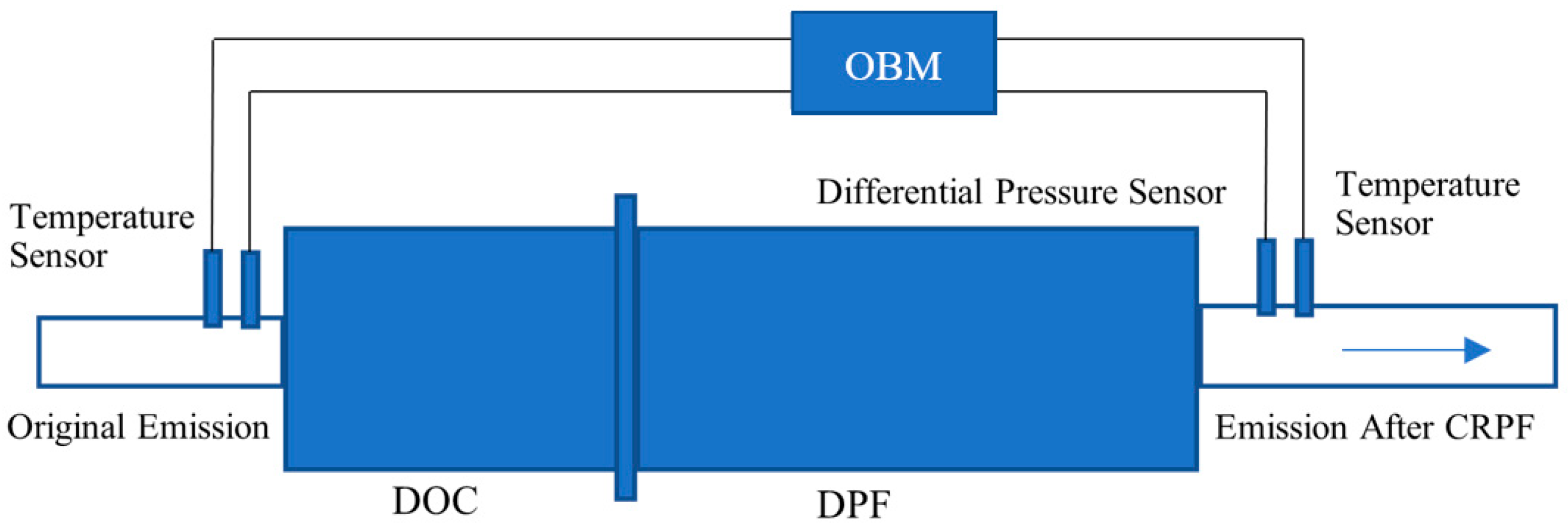
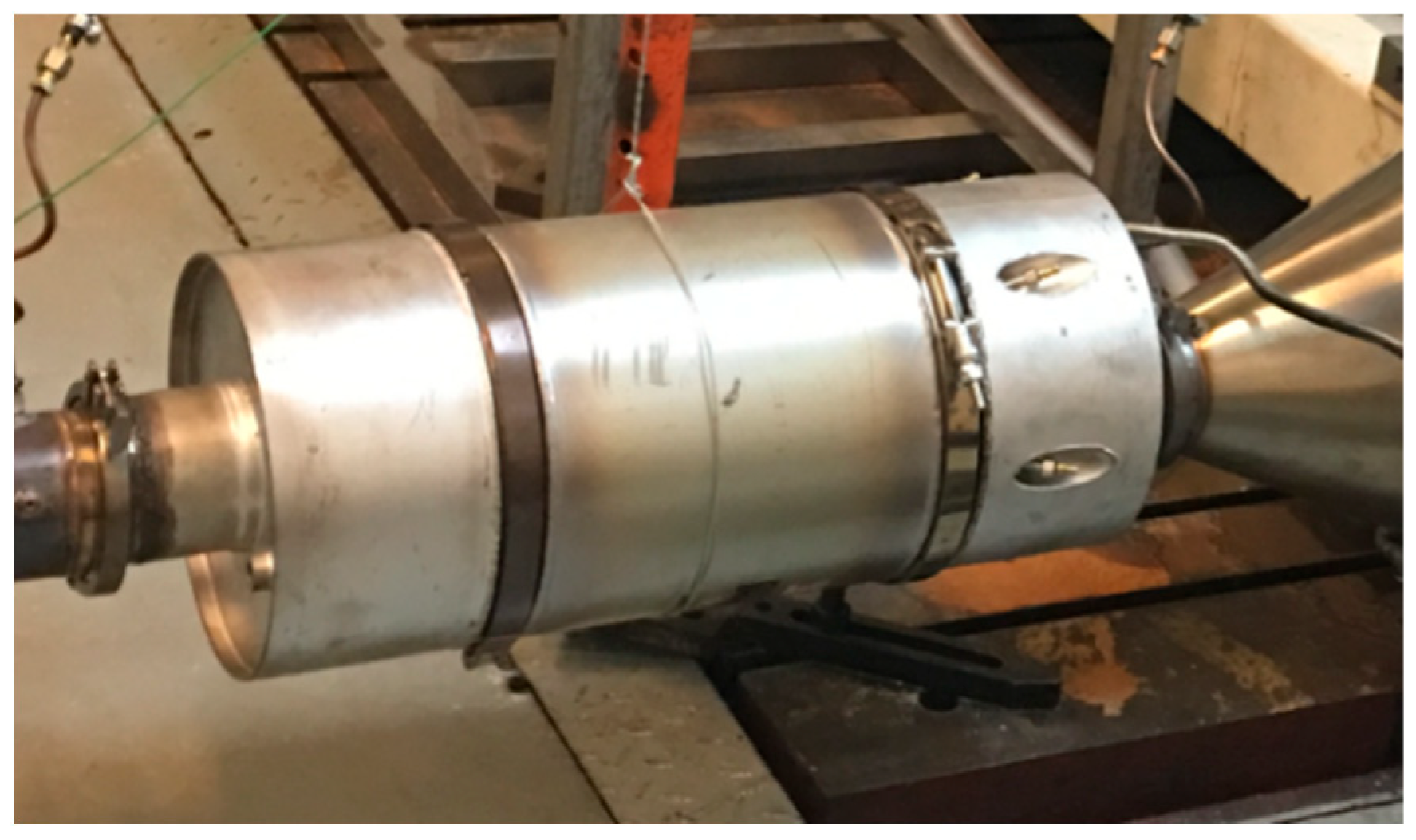
The Continuous-Regeneration Particulate Filter (CRPF) system integrates two functional components, a diesel oxidation catalyst (DOC) and a catalyzed diesel particulate filter (DPF), both utilizing substrates coated with precious metal catalysts (typically platinum and palladium). The system achieves continuous passive regeneration without requiring external energy input for active soot oxidation. The overall schematic of the CRPF system is shown in Figure 1, the physical photograph of the CRPF system is presented in Figure 2, and the detailed configuration parameters of the three CRPF products used in the experiment are listed in Table 1. The CRPF system is integrated with an On-Board Monitor (OBM) for real-time temperature and pressure monitoring and fault detection.
Diesel Oxidation Catalyst (DOC): The DOC is positioned upstream and serves as the primary oxidation unit. The DOC substrate is typically made of cordierite or metallic materials with a honeycomb structure, providing a large surface area for catalytic reactions. The precious metal catalysts (Pt and Pd) are dispersed on a high-surface-area washcoat (typically γ-Al2O3) applied to the substrate walls. Within the DOC, the precious metal catalysts facilitate the oxidation of gaseous pollutants in the exhaust stream. The key chemical reactions occurring in the DOC include:
C O + 1 2 O 2 C O 2
C x H y + x + y 4 O 2 x C O 2 + y 2 H 2 O
N O + 1 2 O 2 N O 2
Among these reactions, the oxidation of NO to NO2 is particularly critical for the CRPF system, as the generated NO2 serves as the primary oxidant for passive regeneration in the downstream DPF.
Diesel Particulate Filter (DPF): The DPF is positioned downstream of the DOC and functions as the particulate matter (PM) capture and oxidation unit. The DPF substrate is made of cordierite ceramic with a wall-flow honeycomb structure. The filter walls are porous with a typical porosity of 45–55% and mean pore size of 10–20 μm, which enables efficient particle capture while maintaining acceptable exhaust backpressure. The wall-flow filter structure forces exhaust gases through the porous ceramic substrate walls, thereby trapping soot particles with a filtration efficiency typically exceeding 95%.
In the CRPF system, the accumulated soot is continuously oxidized through passive regeneration, which utilizes the NO2 generated in the upstream DOC to oxidize trapped soot at relatively low exhaust temperatures (typically 250–400 °C). The passive regeneration reactions are as follows:
C + 2 N O 2 C O 2 + 2 N O
C + N O 2 C O + N O
The NO produced during soot oxidation can be re-oxidized to NO2 in the presence of the catalyst, enabling a continuous regeneration cycle. This passive regeneration mechanism allows the CRPF system to maintain low backpressure without requiring periodic high-temperature active regeneration events.

2.2. Test System

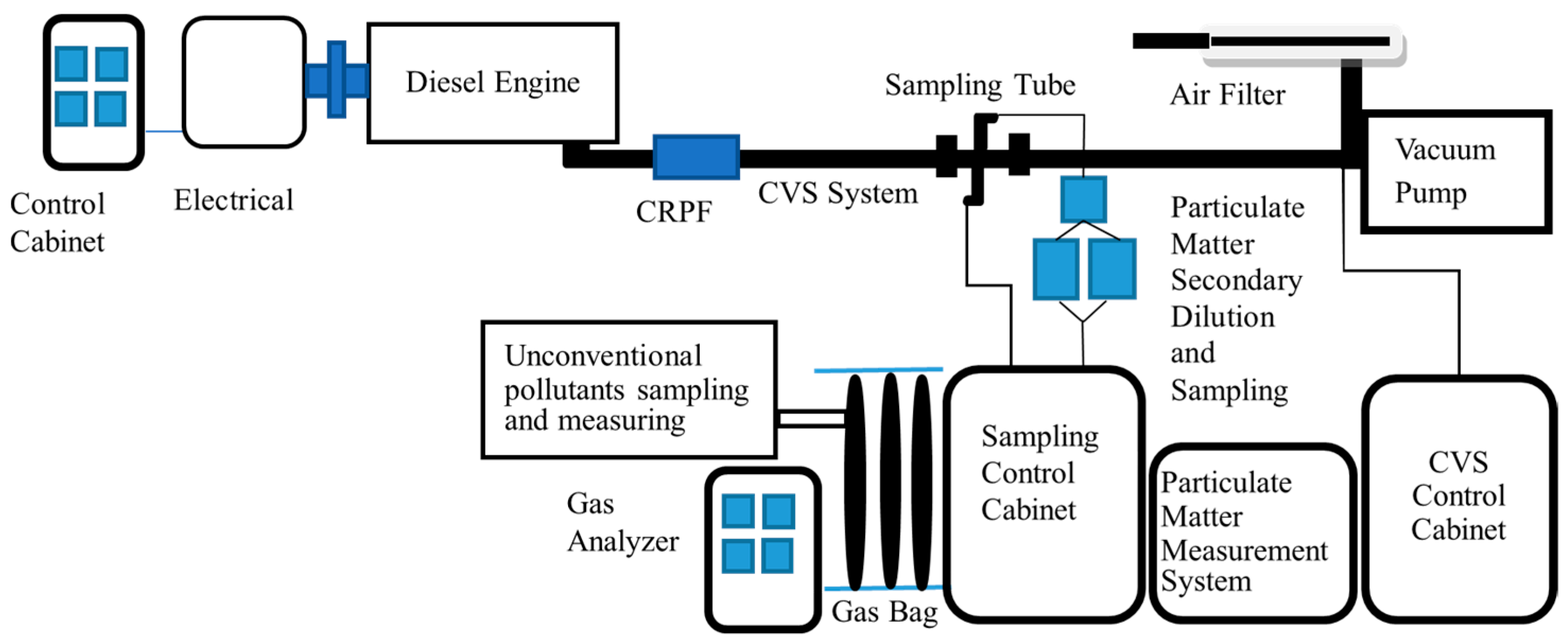
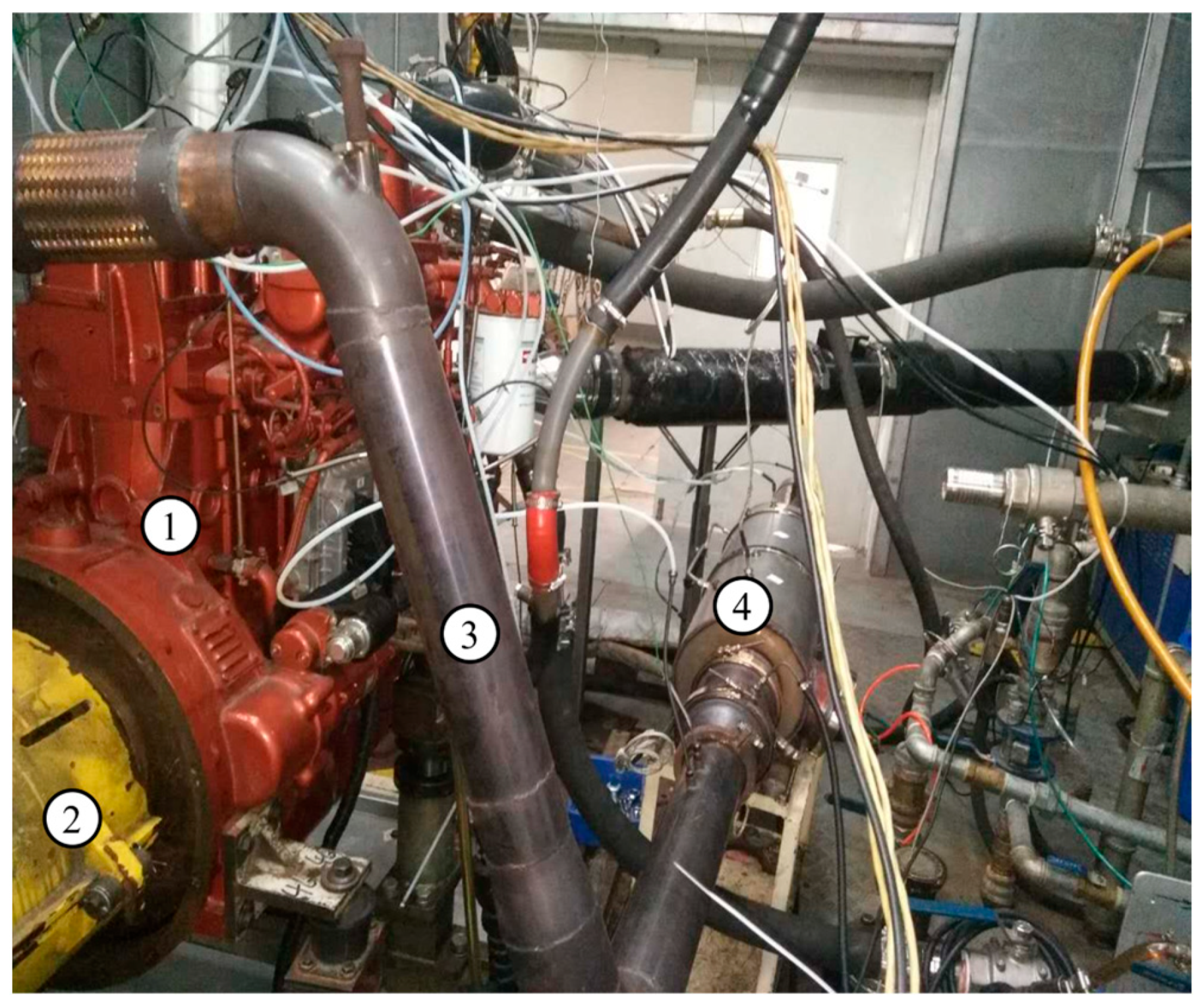
The test engine was a Yuchai YC4G180-30 diesel engine, which was a high-pressure common rail system, with an in-line four-cylinder, turbocharged and intercooled engine, meeting the China III emission standards [72]. The original engine was not equipped with an aftertreatment system. The test procedure was as follows: first, the original engine emissions were measured; then, the matched CRPF system was installed on the engine exhaust pipe; next, the emissions were collected and measured after the CRPF with the same test cycle. In both test cases, the exhaust gases from the engine were diluted through a full-flow dilution channel and then entered the sampling and analysis system (for CO, CO2, HC, and NOx analysis). Unconventional pollutants were sampled in the dilution gas bag. The following unconventional pollutants from diesel engines were quantitatively analyzed: (1) toluene, ethylbenzene, xylene, and styrene, which were collected using TenaxTA adsorption tubes and analyzed by gas chromatography with flame ionization detection (GC-FID); (2) formaldehyde, acetaldehyde, and acrolein, which were sampled using 2,4-Dinitrophenylhydrazine (2,4-DNPH) sampling tubes and analyzed by high-performance liquid chromatography. The schematic diagram of the test system is shown in Figure 3, the physical photograph of the test bench is presented in Figure 4, and the models and parameters of the test equipment used are listed in Table 2.

2.3. Test Cycle

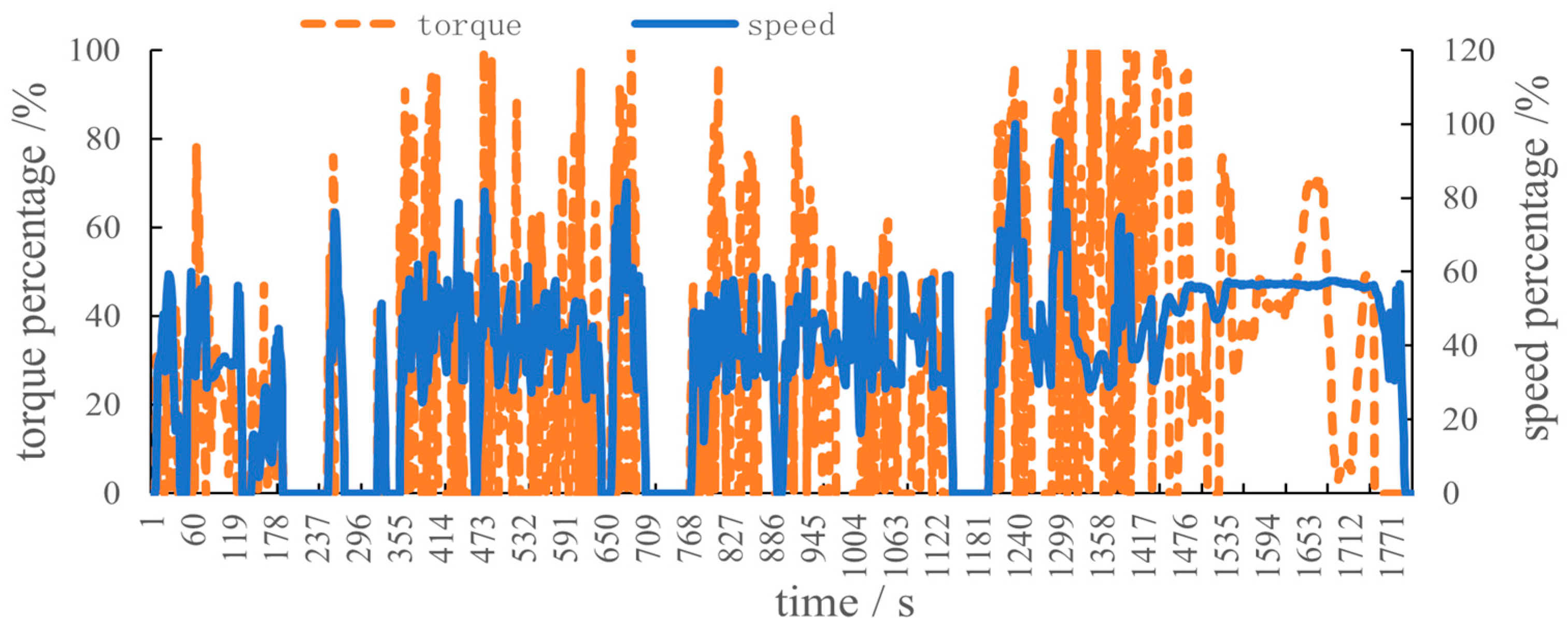
The test cycle used was the World Harmonized Transient Cycle (WHTC) specified in the Chinese national standard “Limits and measurement methods for emissions from diesel-fueled heavy-duty vehicles (CHINA VI) (GB 17691-2018)” [12]. In this cycle, the engine torque and speed changed dynamically over time, encompassing various load conditions representative of real-world heavy-duty vehicle operation. The complete test duration was 1800 s, with an average engine speed of approximately 37% of the rated speed and an average engine power of 17% of the rated power. The cycle conditions are shown in Figure 5.
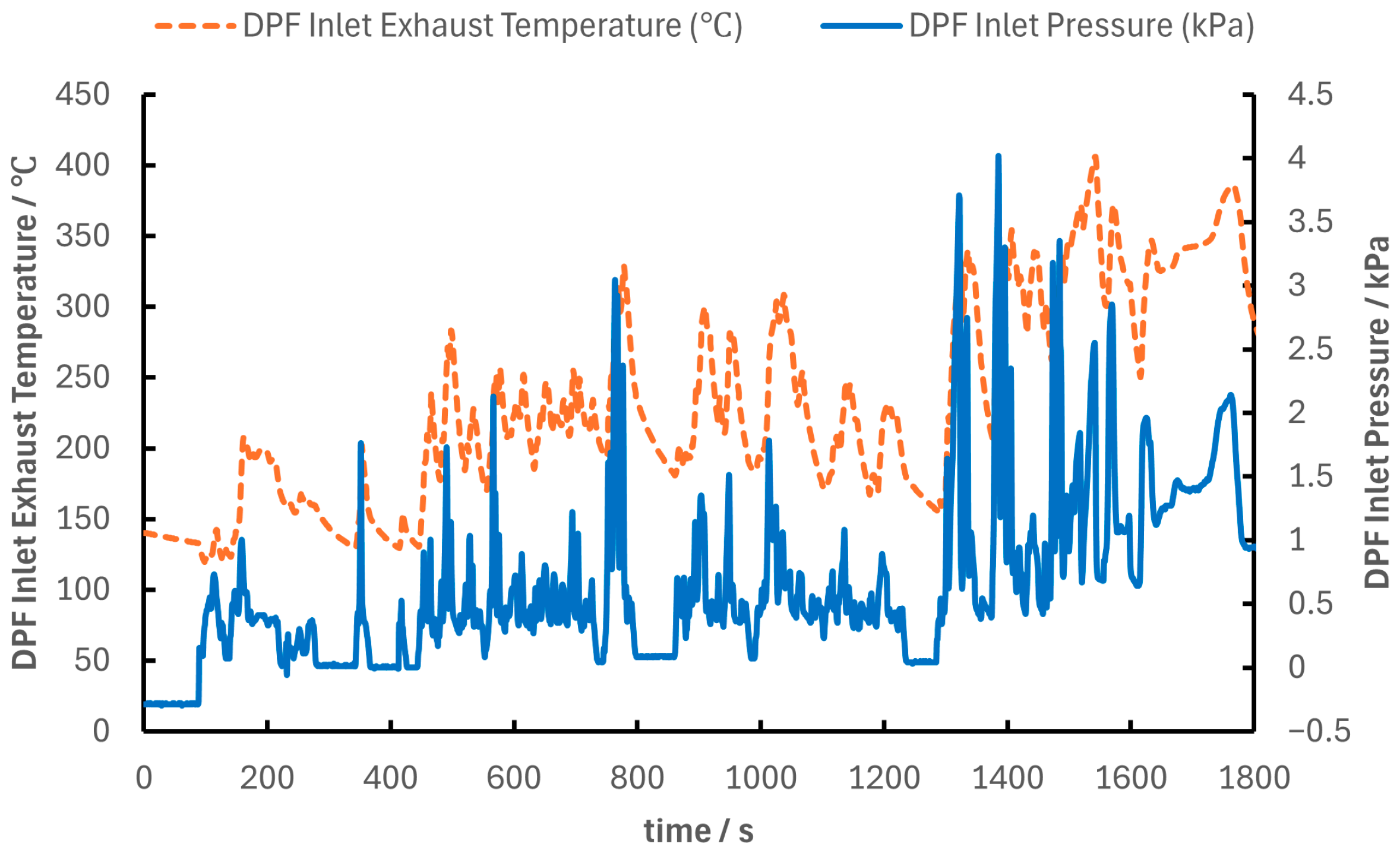
Figure 6 presents the temporal variations in DPF inlet exhaust temperature and pressure during the WHTC test cycle under hot start conditions. The inlet temperature ranged from 119.7 °C to 406.3 °C with an average of 231.6 °C. The inlet pressure varied between −0.31 kPa and 4.00 kPa, with an average of 0.63 kPa. Both parameters exhibited characteristic fluctuations corresponding to the transient engine operating conditions throughout the 1800 s test cycle.

2.4. Emission Calculation Method

The exhaust emissions were measured using a Constant Volume Sampling (CVS) full-flow dilution system in accordance with Appendix CA.6 of GB 17691-2018 “Limits and measurement methods for emissions from diesel-fueled heavy-duty vehicles (CHINA VI)” [12]. In this system, the entire engine exhaust was introduced into a dilution tunnel where it was mixed with filtered ambient air, and the diluted exhaust was sampled for gaseous pollutant analysis.
The mass emissions of gaseous pollutants were calculated following the method specified in Appendix CA.5.2.4 of GB 17691-2018 [12]. Since the CVS system operated without a heat exchanger to maintain constant diluted exhaust temperature, the instantaneous mass emission rate was calculated and integrated over the entire test cycle. For gaseous pollutants measured on a wet basis, the instantaneous mass emission rate (g/s) was calculated using:
m ˙ g a s , i = c g a s , i 10 6 × m ˙ e d , i × M g a s M d
where ṁgas,i is the instantaneous mass emission rate of the gaseous pollutant (g/s); cgas,i is the instantaneous concentration of the gaseous pollutant measured on a wet basis (ppm); ṁed,i is the instantaneous mass flow rate of the diluted exhaust (g/s); Mgas is the molar mass of the gaseous pollutant (g/mol); and Md is the molar mass of the diluted exhaust (g/mol). The molar masses used for the gaseous pollutants were CO = 28 g/mol; CO2 = 44 g/mol; NOx (as NO2 equivalent) = 46 g/mol; and THC (as CH1.85 equivalent) = 13.85 g/mol.
The total mass emission of each gaseous pollutant over the complete WHTC was obtained by integrating the instantaneous mass emission rate over the 1800 s cycle duration:
m g a s = 0 1800   m ˙ g a s , i d t ( m ˙ g a s , i × Δ t )
where mgas is the total mass emission of the gaseous pollutant over the cycle (g) and Δt is the time interval between consecutive measurements (s).
The brake-specific emission (g/kWh) was then calculated by dividing the total mass emission by the actual cycle work:
e g a s = m g a s W a c t
where egas is the brake-specific emission (g/kWh) and Wact is the actual cycle work calculated by integrating the engine power over the 1800 s test duration (kWh).
It should be noted that the emission values reported in this study represent the integrated results over the entire 1800 s WHTC duration rather than instantaneous or partial cycle measurements. This integration approach accounts for the varying load conditions (engine speed and torque) throughout the transient cycle, providing representative emission factors that reflect the complete operating envelope of the WHTC. The reduction rates of the CRPF were calculated by comparing the integrated mass emissions measured before and after the CRPF installation under identical test conditions.
The pollutant reduction rate was calculated using the following formula:
R = L I L F L I × 100 %
In Formula (9), R represents the pollutant reduction rate; LI is the pollutant emission measured at the CRPF system inlet, g/kWh (for CO,THC, NOx and CO2) or μg/m3 (for unregulated pollutants); LF is the pollutant emission measured at the CRPF system outlet, g/kWh (for CO,THC, NOx and CO2) or μg/m3 (for unregulated pollutants).

3. Results and Analysis

3.1. CRPF Impacts on CO and THC Emissions

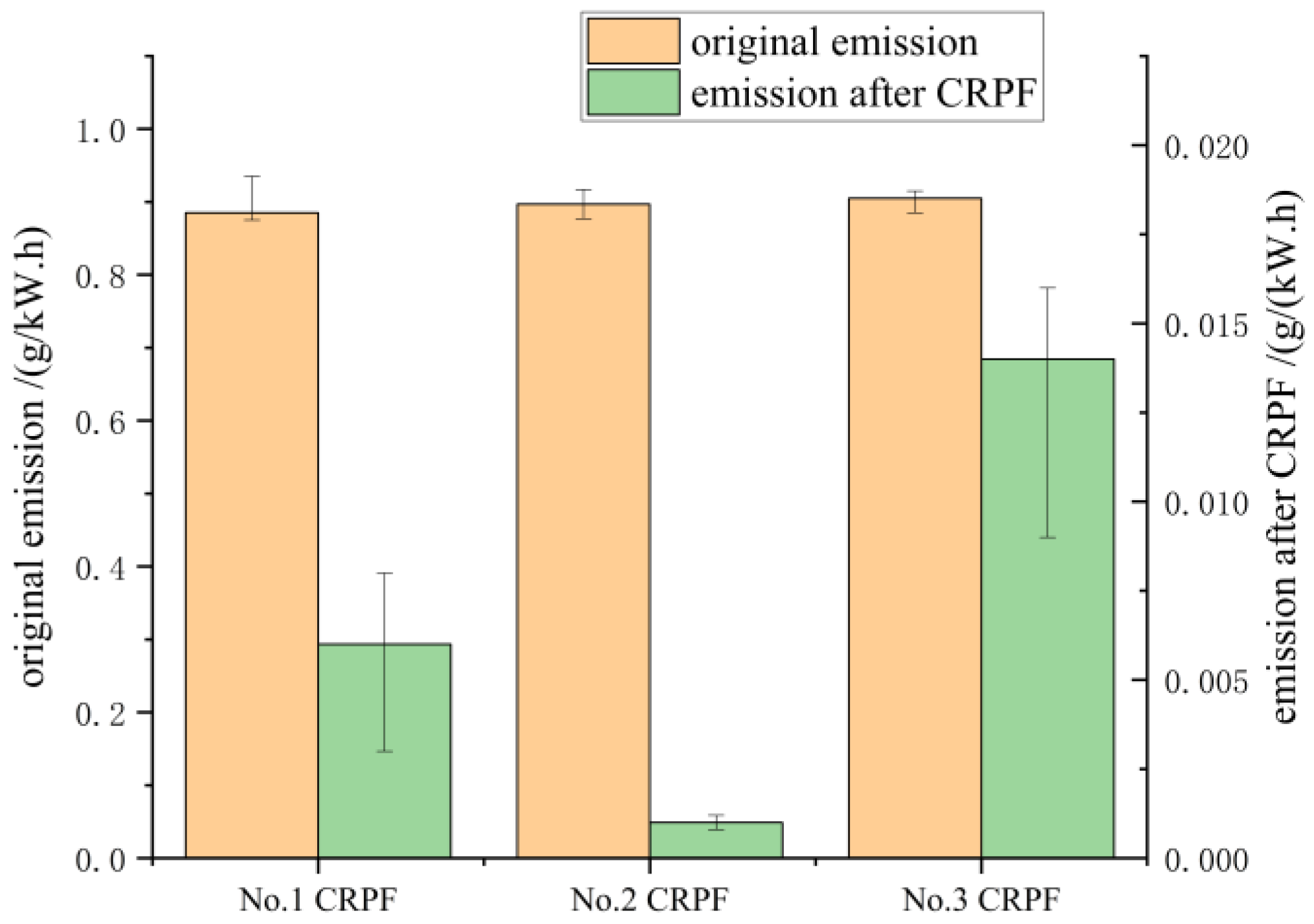
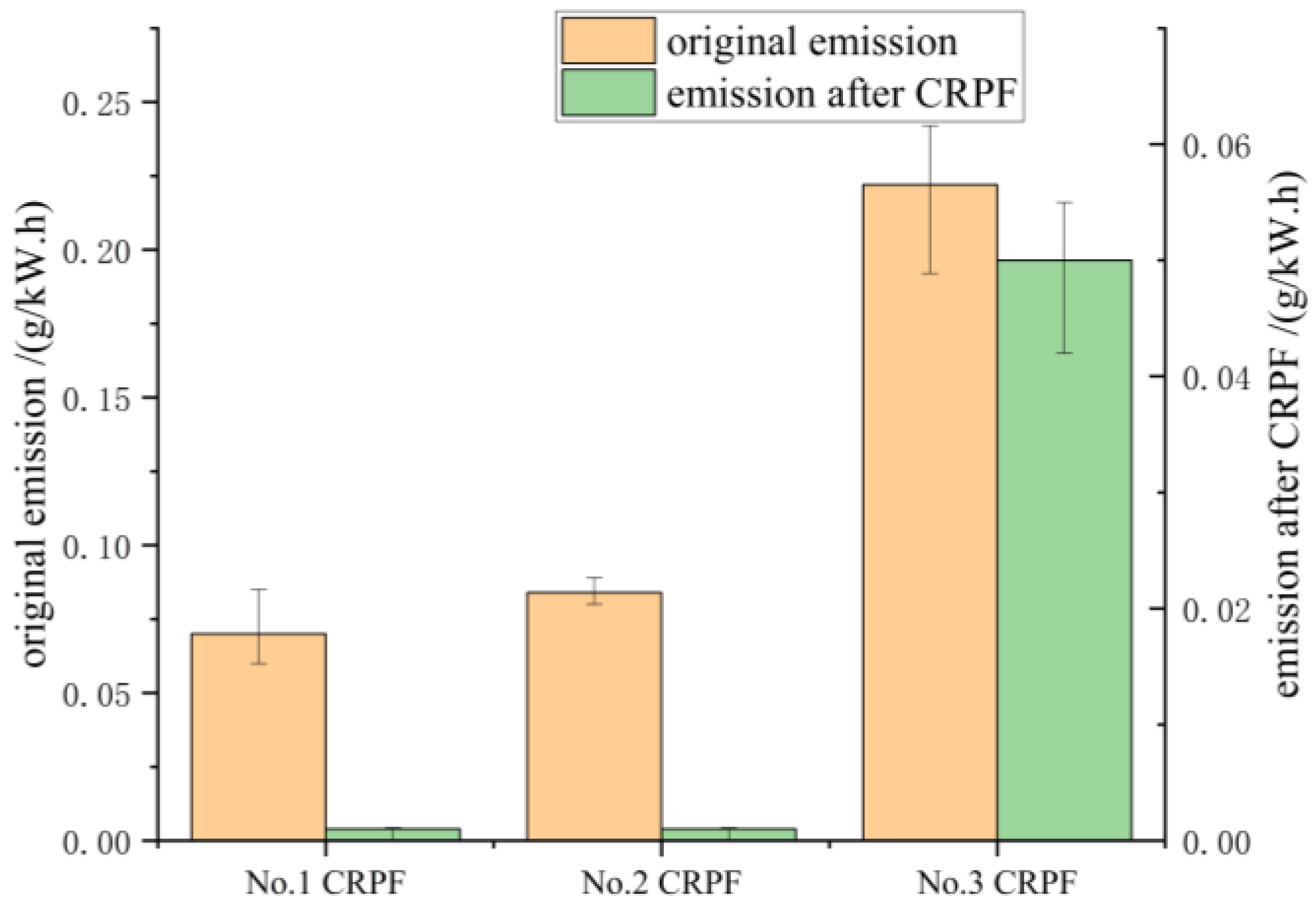
The effects of the three CRPF systems on the CO and THC emissions of the test diesel engine are shown in Figure 7 and Figure 8. As shown in Figure 7, the three CRPF systems had a very obvious reduction effect on the CO emissions of the diesel engine. After passing through the three CRPF systems, the CO emissions of the diesel engine were reduced to nearly 0 g/kWh, with a reduction rate ranging from 98.5% to 99.9%. For THC, the reduction effects of the three CRPF systems were not the same. After passing through the No. 1 and No. 2 CRPF systems, the THC emissions of the diesel engine were reduced to nearly 0 g/kWh, with a reduction rate of 99.9%. However, after passing through the No. 3 CRPF system, the THC emissions of the diesel engine were not completely oxidized: there was still a small amount of THC emissions (about 0.05 g/kWh) after the CRPF system, with a reduction rate of approximately 77.4%. The good oxidation effect of the continuous-regeneration type DPF on the CO and THC emissions of the diesel engine was related to its structure, such as the DOC placed in front of the DPF, which had a good catalytic conversion effect on CO and THC [73], and was also related to the precious metal catalytic materials coated on the DPF substrate. When passing through the DPF, due to the precious metal coating materials on the substrate, CO and THC could further undergo oxidation reactions, thereby greatly reducing the emissions of CO and THC. The reason why the THC conversion efficiency of the No. 3 CRPF system was lower than those of the No. 1 and No. 2 CRPF systems might be related to the lower content of precious metals coated on the DOC and DPF substrate.

3.2. CRPF Impact on NOx Emissions

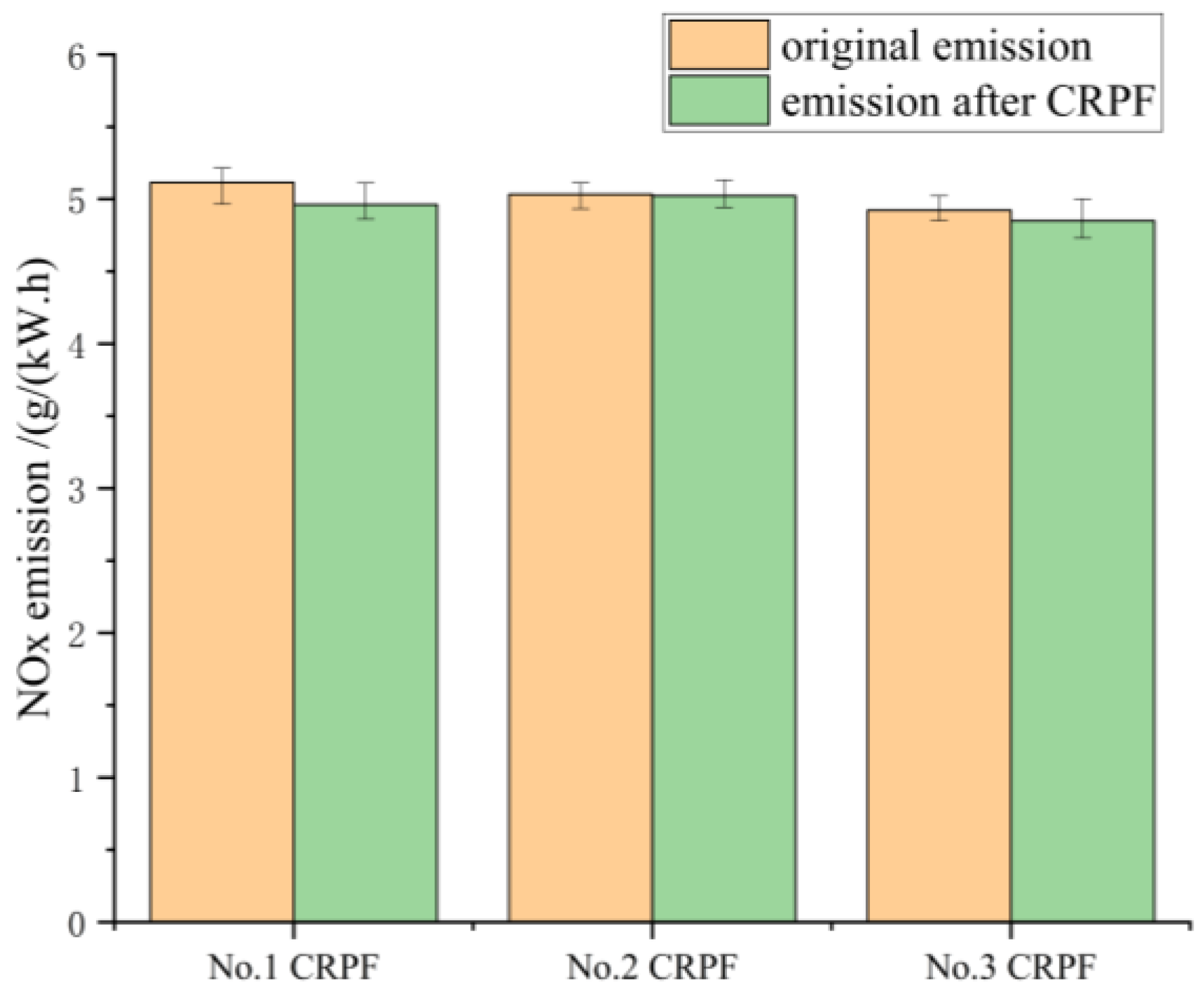
Figure 9 shows the comparison of NOx emissions of the diesel engine before and after the installation of the CRPF system. Figure 9 shows that the NOx emissions of the original diesel engine were approximately 0.5 g/kWh, and after passing through the three CRPF systems, NOx emissions were reduced to 4.9~5.0 g/kWh, with a reduction rate of only about 0.2% to 3.0% (average 1.6%). Since the reduction in NOx required a reduction reaction, but the oxygen content in the diesel engine exhaust was relatively high, which was not conducive to the reaction of NOx, the reduction in NOx after the CRPF was not obvious. The slight reduction in NOx in the test might be related to the fact that the DOC was coated with precious metals acting as catalysts and that CO and HC in the exhaust gas acted as reducing agents to react with NOx [74]. The mechanism and reduction effect of NOx in the CRPF still need further research.

3.3. CRPF Impact on CO2 Emissions

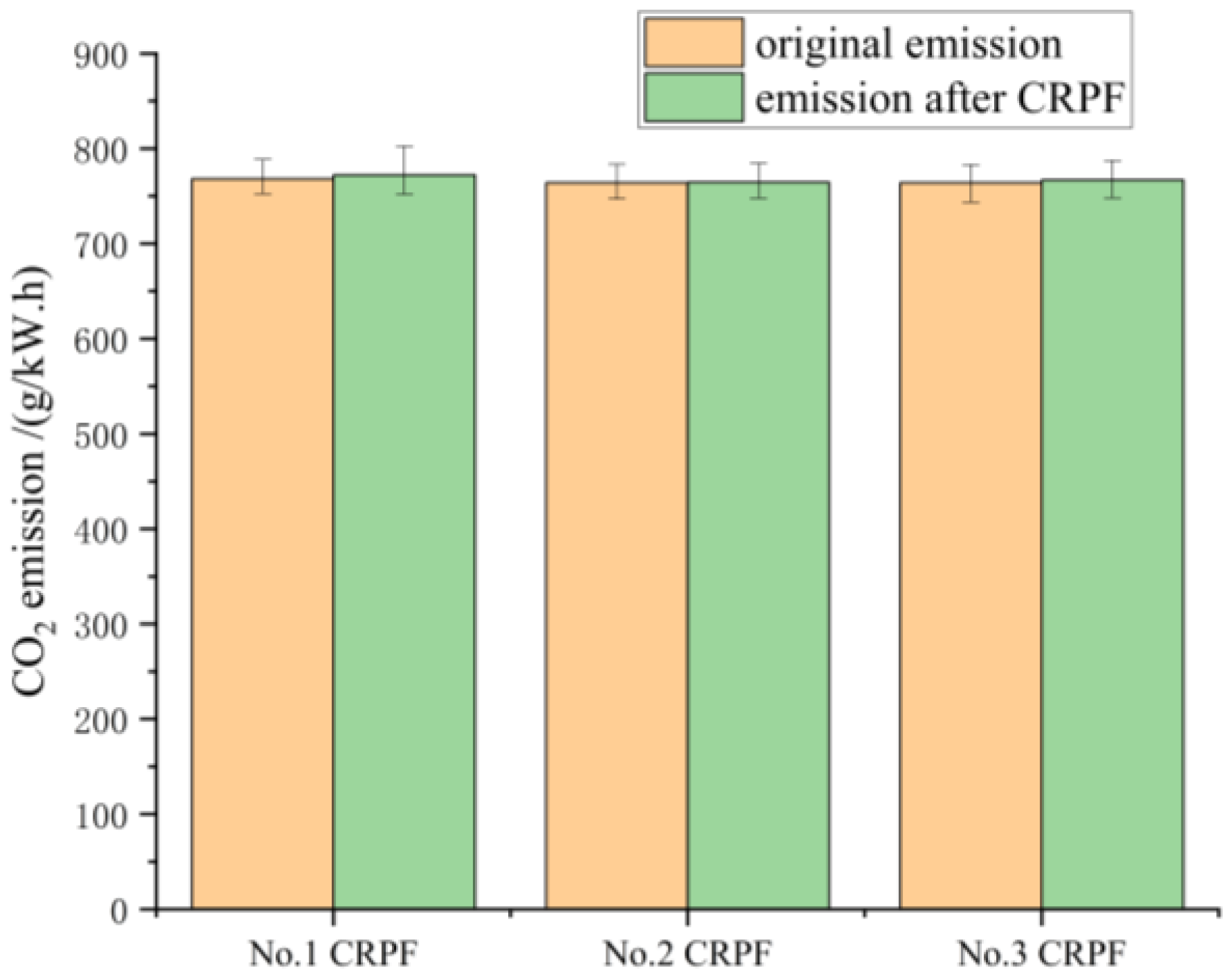
The effects of the three CRPF systems on the CO2 emissions of the diesel engine are shown in Figure 10. After the installation of the CRPF, the variation range of the CO2 reduction rate of the diesel vehicle is from −0.07% to −0.55% (negative values indicated an increase in CO2 emissions). The average CO2 emissions after the three CRPF systems were approximately 0.32% higher than the original CO2 emissions, which had a relatively small impact. The reason for the increase in CO2 emissions was mainly that, when the CRPF was installed on the diesel engine exhaust pipe, the increase in backpressure would cause an increase in engine fuel consumption, thereby leading to an increase in CO2 emissions to a certain extent. Compared with the active regeneration type DPF, the CRPF has a smaller impact on the backpressure and the fuel consumption, and thus the increase in CO2 emissions was also smaller.

3.4. CRPF Impact on Unregulated Pollutants

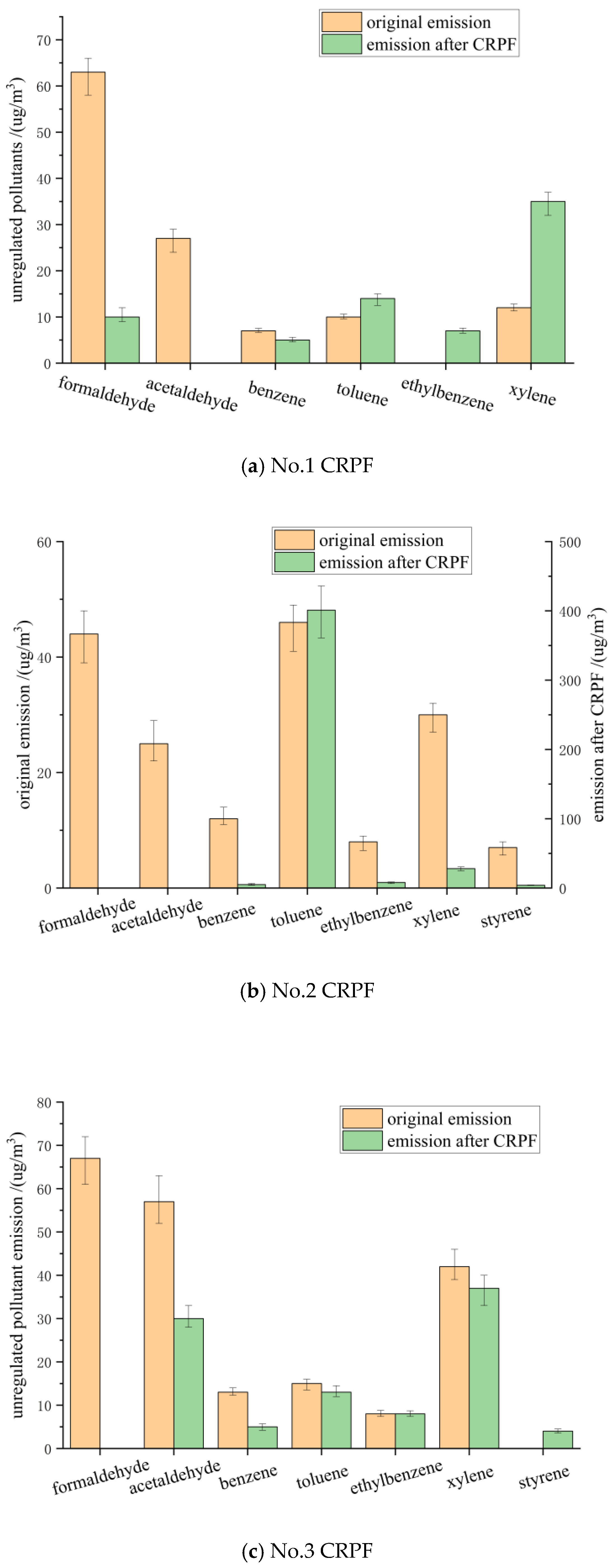
Tests and analyses on the effects of three CRPF systems on the emissions of unregulated pollutants of the diesel engines were conducted under hot start conditions with the WHTC. The comparison of the emissions of various aldehydes and ketones and benzene series substances from the diesel engine before and after passing through the three CRPF systems is shown in Figure 11. Acrolein was not detected in the original exhaust or after passing through the three CRPF systems and is therefore not included in Figure 11.
It can be seen from Figure 11 that the three CRPF systems had a high reduction effect on aldehydes. The formaldehyde emissions of the diesel engine decreased from 63.0 µg/m3 to 10.0 µg/m3 after the No. 1 CRPF system, with a reduction rate of 84.1%. For the No. 2 and No. 3 CRPF systems, formaldehyde emissions dropped below the detection limit of the instrument, with a reduction rate of approximately 100.0%. For acetaldehyde, the emissions also decreased to 0 µg/m3 (below the detection limit) after passing through the No. 1 and No. 2 CRPF systems, with a reduction rate of approximately 100.0% for both CRPFs. After passing through the No. 3 CRPF system, acetaldehyde emissions decreased from 57.0 µg/m3 to 30.0 µg/m3, with a reduction rate of 47.4%. The reason for the reduction in aldehydes was that there were relatively active aldehyde groups that could be easily oxidized, and also because the DOC and CRPF substrates in the CRPF system were coated with precious metal catalysts, and in the oxygen-rich environment of diesel engine exhaust, aldehydes were easily oxidized and reduced.
For benzene series substances, the reduction effects of the three CRPF systems varied greatly. For benzene, all three CRPF systems had a certain reduction effect, with reduction rates of 28.6%, 58.3%, and 61.5%, respectively for No.1, No.2 and No.3 CRPF. For toluene, the emissions increased by 40.0% and 771.7% after passing through the No. 1 and No. 2 CRPF systems, respectively. Only the No. 3 CRPF system slightly reduced toluene emissions by 13.3%. For ethylbenzene, the No. 1 CRPF system increased ethylbenzene emissions. Ethylbenzene was not detected in the original exhaust, but after passing through this CRPF system, ethylbenzene concentration rose to 7 µg/m3. Ethylbenzene concentrations after passing through the No. 2 and No. 3 CRPF systems remained the same as in the original exhaust, with no increase, and the reduction rate was 0.0%. For xylene, the three CRPF systems also showed different reduction effects, with reduction rates of −191.7% (a negative value indicates an increase in emissions), 6.7%, and 11.9%, respectively for No.1, No.2 and No.3 CRPF. Styrene was not detected in the original exhaust or after passing through the No. 1 CRPF system. The reduction rate of the No. 2 CRPF system was about 42.9%, and for the No. 3 CRPF system, the styrene emission changed from undetectable in the original exhaust to 4 µg/m3 after the CRPF. The different reduction effects of CRPFs on benzene series substances were related to the stable structure of benzene series compounds, which are difficult to react under normal temperature and pressure. With the action of precious metal catalysts in the CRPF, CRPF catalytic oxidation has a certain effect on benzene series. But due to the different activities of various benzene series substances, the reduction effects of CRPF on different benzene series substances were not the same.
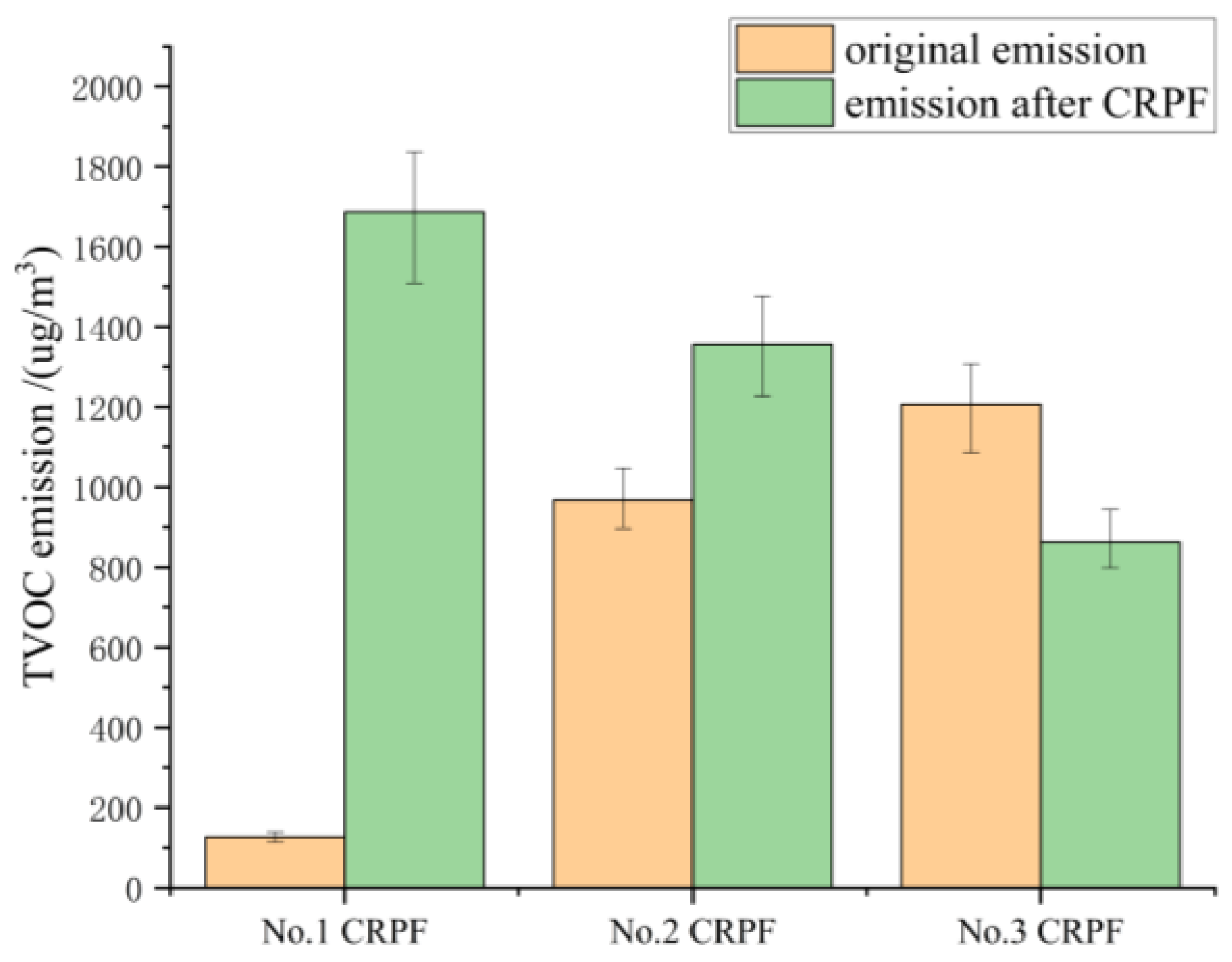
The reduction effects of the three CRPF systems on TVOCs also varied greatly, as shown in Figure 12. The No. 1 and No. 2 CRPF systems increased the TVOC emission, with a 1228.3% increase after passing through the No. 1 CRPF system and a 40.3% increase after passing through the No. 2 CRPF system. The No. 3 CRPF system had a reduction effect on VOCs, with a reduction rate of 28.5%. The different reduction effects of CRPF on TVOCs were related to the different components of TVOCs and the relatively complex reaction mechanism. Overall, the effects of CRPF on the emissions of unregulated pollutants of the diesel engine were not uniform. Further research on its reaction mechanism and reduction effect is needed.

4. Discussion

The findings of this study, together with the existing literature, demonstrate that the adoption of CRPF technology not only significantly reduces particulate matter mass and number emissions, but also substantially decreases CO and THC emissions, establishing it as a high-performance aftertreatment device for diesel engines. However, the CRPF exhibits very limited effectiveness in NOx reduction, indicating that the sole application of CRPF cannot comprehensively meet the stringent emission requirements of China VI, United States EPA 2027, and European Euro 7 regulations. Table 3 presents the emission limits for regulated gaseous pollutants under the China VI standard for heavy-duty diesel vehicles. When equipped with a CRPF, a China III diesel engine can achieve CO emissions below 14 mg/kWh and THC emissions below 50 mg/kWh; however, NOx emissions remain above 4850 mg/kWh, far exceeding the regulatory limit of 460 mg/kWh.
Consequently, in addition to the CRPF, diesel engines typically require the installation of a selective catalytic reduction (SCR) system to achieve effective NOx control. Modern SCR systems can achieve NOx conversion efficiencies exceeding 90%, and the combination of CRPF and SCR technologies can satisfy the current emission control requirements such as China VI standards. To meet the more stringent emission regulations anticipated in Euro 7 and U.S. EPA standards beyond 2027, further optimization and system integration of CRPF and SCR configurations will be necessary to enhance both particulate matter and gaseous pollutant purification performance. If the NOx reduction efficiency of SCR systems can be elevated to 95% or higher, compliance with future emission regulations may become achievable. This highlights the engineering application value of the present study: the quantitative characterization of CRPF performance on various gaseous pollutants provides essential data for the optimal matching and integration of multi-component aftertreatment systems in heavy-duty diesel vehicles.
Regarding unregulated pollutants, these compounds are not currently restricted by existing diesel vehicle emission regulations and have therefore received relatively limited attention. With the widespread adoption of advanced aftertreatment devices such as DPF and SCR systems in modern diesel vehicles, research on the effects of these aftertreatment systems on unregulated pollutant emissions remains insufficient. Previous studies have indicated that vehicle technology significantly influences the emission characteristics of benzene series compounds [75]. For diesel vehicles equipped with catalyzed DPF systems, in addition to the conventional and well-understood chemical reaction processes, numerous side reactions occur within the catalytic converter under the action of precious metal catalysts such as Pt and Pd.
The formation of unregulated pollutants is influenced not only by the vehicle operating conditions and the species and concentrations of pollutants in the raw exhaust, but also by factors such as the precious metal loading of the catalyst, the residence time within the catalytic converter, and the catalyst aging state [76]. As observed in this study, even under identical operating conditions, the emission profiles of unregulated pollutants differed substantially after passing through different CRPF configurations. This variability suggests that the reaction mechanisms governing unregulated pollutant transformations are diverse and complex. The 1# CRPF, which features the highest precious metal loading on both DOC and DPF substrates, exhibited the most effective reduction in aldehydes but also showed the greatest increases in certain benzene series compounds. In contrast, the 3# CRPF with the lowest precious metal loading demonstrated different selectivity patterns. These observations suggest that precious metal loading and catalyst formulation significantly influence the balance between oxidation and potential formation pathways of various VOC species. The detailed chemical reaction mechanisms underlying these complex transformations are beyond the scope of the present study and warrant dedicated in-depth investigations in future research.
The novelty and contribution of this study lie in providing a systematic and comprehensive evaluation of CRPF effects on the complete gaseous pollutant spectrum, including both regulated and unregulated emissions, under standardized transient test conditions. While previous studies have primarily focused on the CRPF’s particulate matter reduction capabilities, this work fills a research gap by quantifying the impacts on CO, THC, NOx, CO2, aldehydes, and benzene series compounds simultaneously. The comparative analysis of three different CRPF configurations with varying precious metal loadings and substrate materials provides valuable insights into the factors influencing pollutant transformation within catalyzed aftertreatment systems. These findings not only advance the fundamental understanding of CRPF performance characteristics but also offer practical guidance for the design and optimization of integrated emission control systems for heavy-duty diesel vehicles to meet increasingly stringent global emission standards.

5. Conclusions

This study investigated the impact of Continuous-Regeneration Particulate Filters (CRPFs) on gaseous pollutant emissions from a diesel engine under the World Harmonized Transient Cycle (WHTC). The experimental results revealed distinctly different effects on various pollutant categories, which can be summarized in the following three aspects.
(1) Effects on regulated gaseous pollutants (CO, THC, and NOx): The CRPFs demonstrated highly effective reduction of carbon monoxide (CO) and total hydrocarbons (THC), with CO reduction rates ranging from 98.5% to 99.9% and THC reduction rates ranging from 77.4% to 99.9%. These high removal efficiencies are attributed to the oxidation reactions occurring over the precious metal catalysts in the diesel oxidation catalyst (DOC) component. In contrast, the CRPFs showed no significant effect on nitrogen oxide (NOx) emissions, with reduction rates of only 0.2% to 3.0%, confirming that the CRPF is not designed for NOx abatement, which requires dedicated selective catalytic reduction (SCR) systems. Meanwhile, CO2 emissions slightly increased by 0.07% to 0.55%, which can be attributed to the enhanced oxidation of CO and THC to CO2 within the CRPF system.
(2) Effects on unregulated pollutants (aldehydes, benzene series compounds, and TVOCs): The CRPFs exhibited highly effective reduction in aldehyde compounds, with formaldehyde reduction rates of 84.1% to 100.0% and acetaldehyde reduction rates of 47.4% to 100.0%, demonstrating the beneficial secondary effect of oxidation catalysts on carbonyl compound abatement. However, the effects on benzene series compounds varied considerably: benzene reduction ranged from 28.6% to 61.5%, while toluene and xylene showed limited or negative reduction effects (toluene: −771.7% to 13.3%; xylene: −191.7% to 11.9%). For ethylbenzene and styrene, the results differed among the three CRPF configurations, with some producing new emissions rather than achieving reduction. Consequently, the total volatile organic compound (TVOC) reduction rates varied widely from −1228.8% to 28.5%, indicating that under certain conditions, the CRPFs may generate rather than reduce certain VOC species.
(3) Implications for reaction mechanisms and future research: The contrasting emission reduction performance between aldehydes and benzene series compounds indicates complex reaction mechanisms and conversion effects occurring within the CRPF system. While the oxidation catalysts effectively remove aldehydes through complete oxidation, they may also promote the formation or release of certain benzene series compounds through incomplete oxidation reactions or desorption from accumulated deposits. These findings highlight the need for further research into the detailed chemical pathways governing unconventional pollutant transformations in catalyzed aftertreatment systems, which is essential for optimizing CRPF designs to achieve comprehensive pollutant control.

Author Contributions

Conceptualization, Y.W. and K.L.; Methodology, Y.W.; Validation, J.K., Y.Q., Y.W. and H.J.; Formal analysis, K.L., J.K., J.M., Y.L., Y.Q. and H.J.; Resources, S.S., J.M. and Y.L.; Data curation, S.S., J.M. and Y.L.; writing—original draft preparation, Y.W. and M.M.; writing—review and editing, M.M. and Y.W.; visualization, Y.Q.; supervision, H.J.; project administration, H.J.; funding acquisition, H.J. All authors have read and agreed to the published version of the manuscript.

Funding

This research was funded by the project of Study on the Comprehensive Treatment Plan of Atmospheric Pollution from Mobile Sources in Changzhou City (by Chinese Academy of Environmental Planning).

Institutional Review Board Statement

Not applicable.

Informed Consent Statement

Not applicable.

Data Availability Statement

The original contributions presented in this study are included in the article. Further inquiries can be directed to the corresponding author(s).

Conflicts of Interest

The authors declare no conflicts of interest.

Abbreviations

The following abbreviations are used in this manuscript:
COCarbon Monoxide
CO2Carbon Dioxide
cpsiCells Per Square Inch
CRPFContinuous Regeneration Particulate Filter
CVSConstant Volume Sampling
DOCDiesel Oxidation Catalyst
DPFDiesel Particulate Filter
DPMDiesel Particulate Matter
GC-FIDGas Chromatography with Flame Ionization Detection
HDVHeavy-Duty Vehicle
NOxNitrogen Oxides
OBMOn-Board Monitor
PdPalladium
PMParticulate Matter
PNParticle Number
PtPlatinum
SCRSelective Catalytic Reduction
THCTotal Hydrocarbons
TVOCsTotal Volatile Organic Compounds
VOCVolatile Organic Compound
WHTCWorld Harmonized Transient Cycle
2,4-DNPH2,4-Dinitrophenylhydrazine

Nomenclature

The following symbols are used in this manuscript:
cgas,iInstantaneous concentration of gaseous pollutant (ppm)
egasBrake-specific emission of gaseous pollutant (g/kWh)
LFPollutant emission at CRPF outlet (g/kWh or µg/m3)
LIPollutant emission at CRPF inlet (g/kWh or µg/m3)
MdMolar mass of diluted exhaust (g/mol)
MgasMolar mass of gaseous pollutant (g/mol)
mgasTotal mass emission of gaseous pollutant (g)
ṁed,iInstantaneous mass flow rate of diluted exhaust (g/s)
ṁgas,iInstantaneous mass emission rate of gaseous pollutant (g/s)
RPollutant reduction rate (%)
WactActual cycle work (kWh)
ΔtTime interval between consecutive measurements (s)

References

  1. Liu, A.; Shao, Y.; Chen, Y.; Xu, J.; Guo, Z.; Wu, D.; Wu, J.; Chang, Y.; Li, Z.; Ma, L.; et al. The emissions characteristics of condensable particulate matter from typical China VI diesel vehicles. Fuel 2025, 385, 134099. [Google Scholar] [CrossRef]
  2. Ansari, A.M.; Memon, L.A.; Selim, M.Y.E. Experimental study of particulate matter emission for a diesel engine fueled with nanoparticles and biofuel/diesel blends. Int. J. Thermofluids 2024, 23, 100738. [Google Scholar] [CrossRef]
  3. Li, Z.; Liu, G.; Cui, X.; Sun, X.; Li, S.; Qian, Y.; Jiang, C.; Lu, X. Effects of the variation in diesel fuel components on the particulate matter and unregulated gaseous emissions from a common rail diesel engine. Fuel 2018, 232, 279–289. [Google Scholar] [CrossRef]
  4. Shen, X.; Hao, J.; Kong, L.; Shi, Y.; Cao, X.; Shi, J.; Yao, Z.; Li, X.; Wu, B.; Xu, Y.; et al. Variation characteristics of fine particulate matter and its components in diesel vehicle emission plumes. J. Environ. Sci. 2021, 107, 138–149. [Google Scholar] [CrossRef] [PubMed]
  5. Kumar, V.; Behera, S.N. Characterization of trace elements of size-resolved particulate matter, development of emission factors and human health impacts associated with stationary diesel engine exhausts. J. Hazard. Mater. Adv. 2024, 14, 100432. [Google Scholar] [CrossRef]
  6. Yoshimura, A.; Mori, K.; Dan, V.; Kanazawa, T.; Yoshimoto, M.; Matsuno, Y. Evaluation of the effect of remanufacturing diesel particulate filters to minimize environmental impacts. Atmos. Environ. X 2024, 22, 100269. [Google Scholar] [CrossRef]
  7. Zerboni, A.; Rossi, T.; Bengalli, R.; Catelani, T.; Rizzi, C.; Priola, M.; Casadei, S.; Mantecca, P. Diesel exhaust particulate emissions and in vitro toxicity from Euro 3 and Euro 6 vehicles. Environ. Pollut. 2022, 297, 118767. [Google Scholar] [CrossRef]
  8. Geng, Y.; Cao, Y.; Zhao, Q.; Li, Y.; Tian, S. Potential hazards associated with interactions between diesel exhaust particulate matter and pulmonary surfactant. Sci. Total Environ. 2022, 807, 151031. [Google Scholar] [CrossRef]
  9. Zhang, B.; Cheng, S.; Lu, F.; Lei, M. Estimation of exposure and premature mortality from near-roadway fine particulate matter concentrations emitted by heavy-duty diesel trucks in Beijing. Environ. Pollut. 2022, 311, 119990. [Google Scholar] [CrossRef]
  10. European Union. Regulation (EU) 2024/1257 of the European Parliament and of the Council. Available online: https://eur-lex.europa.eu/legal-content/EN/TXT/?uri=OJ:L_202401257 (accessed on 9 January 2026).
  11. US EPA. Final Rule and Related Materials for Control of Air Pollution from New Motor Vehicles: Heavy-Duty Engine and Vehicle Standards (40 CFR Part 2, 59, 60, 80, 86). Available online: https://www.epa.gov/regulations-emissions-vehicles-and-engines/final-rule-and-related-materials-control-air-pollution (accessed on 9 January 2026).
  12. GB 17691-2018; Limits and Measurement Methods for Emissions from Diesel Fuelled Heavy-Duty Vehicles (China VI). Ministry of Ecology and Environment of the People’s Republic of China; China Environment Publishing House: Beijing, China, 2018. Available online: https://www.mee.gov.cn/ywgz/fgbz/bz/bzwb/dqhjbh/dqydywrwpfbz/201807/t20180703_445995.shtml (accessed on 9 January 2026).
  13. Guan, B.; Zhan, R.; Lin, H.; Huang, Z. Review of the state-of-the-art of exhaust particulate filter technology in internal combustion engines. J. Environ. Manag. 2014, 154, 225–258. [Google Scholar] [CrossRef]
  14. Caliskan, H.; Mori, K. Environmental, enviroeconomic and enhanced thermodynamic analyses of a diesel engine with diesel oxidation catalyst (DOC) and diesel particulate filter (DPF) after treatment systems. Energy 2017, 128, 128–144. [Google Scholar] [CrossRef]
  15. Hu, J.; Liao, J.; Hu, Y.; Lei, J.; Zhang, M.; Zhong, J.; Yan, F.; Cai, Z. Experimental investigation on emission characteristics of non-road diesel engine equipped with integrated DOC + CDPF + SCR aftertreatment. Fuel 2021, 305, 121586. [Google Scholar] [CrossRef]
  16. Bao, Z.; Chen, H.; Geng, L.; Qi, D.; Wu, H.; Yan, X.; Ji, Z.; Zhang, P.; Sun, F.; Zhang, W. Overview of technological development challenges of diesel particulate filters adapting to future emission regulations. Chem. Eng. J. 2025, 506, 159982. [Google Scholar] [CrossRef]
  17. Smith, J.D.; Ruehl, C.; Burnitzki, M.; Sobieralski, W.; Ianni, R.; Quiros, D.; Hu, S.; Chernich, D.; Collins, J.; Huai, T.; et al. Real-time particulate emissions rates from active and passive heavy-duty diesel particulate filter regeneration. Sci. Total Environ. 2019, 680, 132–139. [Google Scholar] [CrossRef]
  18. Stępień, Z.; Ziemiański, L.; Żak, G.; Wojtasik, M.; Jęczmionek, Ł.; Burnus, Z. The evaluation of fuel borne catalyst (FBC’s) for DPF regeneration. Fuel 2015, 161, 278–286. [Google Scholar] [CrossRef]
  19. Zhang, Y.; Lou, D.; Tan, P.; Hu, Z.; Fang, L. Effect of catalyzed diesel particulate filter and its catalyst loading on emission characteristics of a non-road diesel engine. J. Environ. Sci. 2023, 126, 794–805. [Google Scholar] [CrossRef]
  20. Wang, Y.; Li, K.; Teng, Q.; Su, S.; Mu, J.; Chen, W.; Zhang, H. Emission reduction characteristics of an active-passive combined regeneration diesel particulate filter. J. Environ. Eng. Technol. 2025, 15, 841–847. (In Chinese) [Google Scholar] [CrossRef]
  21. Yildiz, I.; Caliskan, H.; Mori, K. Effects of cordierite particulate filters on diesel engine exhaust emissions in terms of pollution prevention approaches for better environmental management. J. Environ. Manag. 2021, 293, 112873. [Google Scholar] [CrossRef]
  22. Tan, P.; Liu, T.; Duan, L.; Yin, Y.; Lou, D.; Hu, Z. Characteristics of ash formed by different lubricant additives and its effect on DPF performance. Fuel 2024, 358, 130287. [Google Scholar] [CrossRef]
  23. Huang, Y.; Ng, E.C.Y.; Surawski, N.C.; Zhou, J.L.; Wang, X.; Gao, J.; Lin, W.; Brown, R.J. Effect of diesel particulate filter regeneration on fuel consumption and emissions performance under real-driving conditions. Fuel 2022, 320, 123937. [Google Scholar] [CrossRef]
  24. Huang, J.; Gao, J.; Wang, Y.; Chen, H.; Laurikko, J.; Pellikka, A.-P.; Yang, C.; Ma, C. Insight into the penalty of exhaust emissions and fuel consumption by DPF regeneration of a diesel passenger car. Chemosphere 2022, 309, 136629. [Google Scholar] [CrossRef] [PubMed]
  25. Huang, H.; Chen, R.; Tao, S.; Wang, Y.; Zhang, L. Study of soot dynamic behavior and catalytic regeneration in diesel particulate filters. Chem. Eng. J. 2024, 489, 151498. [Google Scholar] [CrossRef]
  26. Cavallo, D.M.; Chiavola, O.; Palmieri, F.; Mancaruso, E.; Vaglieco, B.M. Experimental study on the effect of loading and regeneration for an optimized management of the DPF. Results Eng. 2023, 18, 101048. [Google Scholar] [CrossRef]
  27. Meng, Z.W.; Zeng, B.S.; Ran, G.M.; Chen, Z. Comparative analysis of emission characteristics of DPF and CRPF active regeneration. Trans. CSICE 2024, 42, 35–43. Available online: http://nrjxb.paperonce.org/#/digest?ArticleID=881 (accessed on 9 January 2026). (In Chinese)
  28. Duan, L.; Tan, P.; Yin, Y.; Li, Y.; Lou, D.; Hu, Z. Effect of ash on temperature and particulate emission characteristics of diesel particulate filter during active regeneration. J. Clean. Prod. 2023, 426, 138980. [Google Scholar] [CrossRef]
  29. Zheng, M.; Reader, G.T.; Wang, D.; Zuo, J.; Kumar, R.; Mulenga, M.C.; Asad, U.; Ting, D.; Wang, M. A Thermal Response Analysis on the Transient Performance of Active Diesel Aftertreatment. SAE Int. J. Fuels Lubr. 2005, 114, 1804–1815. [Google Scholar] [CrossRef]
  30. Hein, E.; Kotrba, A.; Inclan, T.; Bright, A. Secondary Fuel Injection Characterization of a Diesel Vaporizer for Active DPF Regeneration. SAE Int. J. Engines 2014, 7, 1228–1234. [Google Scholar] [CrossRef]
  31. Tang, T.; Cao, D.; Zhang, J.; Zhao, Y.G.; Shuai, S.J. Experimental Study of Catalyzed Diesel Particulate Filter with Exhaust Fuel Injection System for Heavy-Duty Diesel Engines 2014-01-1496. SAE Tech. Pap. Available online: https://doi.org/10.4271/2014-01-1496 (accessed on 9 January 2026).
  32. Wang, D.Y.; Cao, J.H.; Tan, P.Q.; Wang, Z.X.; Li, W.L.; Liu, Z.W.; Wang, J. Full course evolution characteristics of DPF active regeneration under different inlet HC concentrations. Fuel 2022, 310, 122452. [Google Scholar] [CrossRef]
  33. Khair, M.K. A Review of Diesel Particulate Filter Technologies. In Future Transportation Technology Conference & Exposition; SAE Technical Paper 2003-01-2303; SAE International: Warrendale, PA, USA, 2003. [Google Scholar] [CrossRef]
  34. Chen, G.S.; Yang, R.M.; Jiang, W.T.; Lv, Y.; Pan, M.Z.; Huang, Z. Effect of burner spray parameters on DPF active regeneration. Trans. CSICE 2021, 39, 506–514. Available online: http://nrjxb.paperonce.org/#/digest?ArticleID=732 (accessed on 9 January 2026). (In Chinese)
  35. Saito, M.; Hoshino, H.; Furuhata, T.; Arai, M. Continuous regeneration of an electrically heated diesel particulate trap: Mechanism of particulate matter trapping and improvement of trapping efficiency. Int. J. Engine Res. 2010, 11, 127–136. [Google Scholar] [CrossRef]
  36. Sun, Z.; Sun, P.; Ji, Q.; Zhao, S. Experimental research on electrical heating regeneration for DPF. Veh. Engine 2014, 211, 80–83. (In Chinese) [Google Scholar] [CrossRef]
  37. Zhang, Y.H.; Lou, D.M.; Tan, P.Q.; Hu, Z.Y. Study of spatial and temporal aging characteristic of catalyzed diesel particulate filter catalytic performance used for diesel vehicle. Sci. Rep. 2020, 10, 19761. [Google Scholar] [CrossRef] [PubMed]
  38. Southward, B.W.L.; Basso, S. An Investigation into the NO2-Decoupling of Catalyst to Soot Contact and Its Implications for Catalyzed DPF Performance. SAE Int. J. Fuels Lubr. 2009, 1, 239–251. [Google Scholar] [CrossRef]
  39. Zhang, Z.; Li, D.; Niu, C.; Pan, M.; Guan, W.; Liu, H.; Lu, K.; Tan, D. Soot formation mechanism of modern automobile engines and methods of reducing soot emission for catalyzed diesel particulate filter: A review. Process Saf. Environ. Prot. 2024, 190, 1403–1430. [Google Scholar] [CrossRef]
  40. Hu, S.; Deng, B.; Wu, D.; Hou, K. Energy flow behavior and emission reduction of a turbo-charging and EGR non-road diesel engine equipped with DOC and DPF under NRTC (non-road transient cycle). Fuel 2021, 305, 121571. [Google Scholar] [CrossRef]
  41. Geng, J.; Zhang, T.; Wu, C.; Li, M.; Shen, B.; Liu, X. Research on flow and heat transfer at different positions in CDPF channel based on three-dimensional thermal LBM. Case Stud. Therm. Eng. 2023, 51, 103640. [Google Scholar] [CrossRef]
  42. Lou, D.; Chen, Y.; Zhang, Y.; Jue, K.; Tan, P.; Hu, Z.; Fang, L. Analysis of temperature and pressure characteristics in catalyzed diesel particulate filter operation for heavy-duty diesel engine. Fuel 2022, 328, 125248. [Google Scholar] [CrossRef]
  43. He, C.; Li, J.; Ma, Z.; Tan, J.; Zhao, L. High NO2/NOx emissions downstream of the catalytic diesel particulate filter: An influencing factor study. J. Environ. Sci. 2015, 35, 55–61. [Google Scholar] [CrossRef] [PubMed]
  44. Tan, P.; Cao, C.; Hu, Z.; Lou, D. Modeling of soot fragmentation that proceeds in a catalyzed diesel particulate filter of a diesel engine. Chem. Eng. J. 2019, 375, 122110. [Google Scholar] [CrossRef]
  45. Jiao, P.; Li, Z.; Li, Q.; Zhang, W.; He, L.; Wu, Y. Simulation of low temperature combustion mechanism of different combustion-supporting agents in close-coupled DOC and DPF system. ISA Trans. 2018, 78, 88–97. [Google Scholar] [CrossRef]
  46. Zhang, Y.; Lou, D.; Tan, P.; Hu, Z.; Li, H. Emission reduction characteristics of a catalyzed continuously regenerating trap after-treatment system and its durability performance. J. Environ. Sci. 2019, 84, 166–173. [Google Scholar] [CrossRef]
  47. Tang, T.; Zhang, J.; Cao, D.; Shuai, S.; Zhao, Y. Experimental study on filtration and continuous regeneration of a particulate filter system for heavy-duty diesel engines. J. Environ. Sci. 2014, 26, 2434–2439. [Google Scholar] [CrossRef]
  48. Huang, H.; Tao, S.; Chen, R.; Zhang, L.; Wang, Y.; Xing, K. Simulation of soot filtration and oxidation characteristics in the porous wall of a wall-flow CDPF. Chem. Eng. Sci. 2025, 310, 121523. [Google Scholar] [CrossRef]
  49. Meng, Z.; Bao, Z.; Wang, W.; Ou, J.; Liu, J. An assessment of the application of catalyst preheating prior to engine cold start to improve the filtration performance of CDPF on particulate emissions. Process Saf. Environ. Prot. 2024, 182, 345–356. [Google Scholar] [CrossRef]
  50. Meng, Z.; Wang, W.; Zeng, B.; Bao, Z.; Hu, Y.; Ou, J.; Liu, J. An experimental investigation of particulate emission characteristics of catalytic diesel particulate filters during passive regeneration. Chem. Eng. J. 2023, 468, 143549. [Google Scholar] [CrossRef]
  51. Jiao, P.; Li, Z.; Shen, B.; Zhang, W.; Kong, X.; Jiang, R. Research of DPF regeneration with NOx-PM coupled chemical reaction. Appl. Therm. Eng. 2017, 110, 737–745. [Google Scholar] [CrossRef]
  52. Meng, Z.; Deng, M.; Wu, D.; Ou, J.; Liu, X.; Bao, Z. The back diffusion of catalysts on the oxidation characteristics of particle layer during the CDPF active regeneration process. Fuel 2024, 365, 131155. [Google Scholar] [CrossRef]
  53. Toumasatos, Z.; Zhu, H.; Durbin, T.D.; Johnson, K.C.; Cao, S.; Karavalakis, G. Real-world particulate, GHG, and gaseous toxic emissions from heavy-duty diesel and natural gas vehicles. Atmos. Environ. 2024, 327, 120512. [Google Scholar] [CrossRef]
  54. Liu, J.; Liang, W.; Ma, H.; Ji, Q.; Xiang, P.; Sun, P.; Wang, P.; Wei, M.; Ma, H. Effects of integrated aftertreatment system on regulated and unregulated emission characteristics of non-road methanol/diesel dual-fuel engine. Energy 2023, 282, 128819. [Google Scholar] [CrossRef]
  55. Reitz, R.D.; Ogawa, H.; Payri, R.; Fansler, T.; Kokjohn, S.; Moriyoshi, Y.; Agarwal, A.K.; Arcoumanis, D.; Assanis, D.; Bae, C.; et al. IJER editorial: The future of the internal combustion engine. Int. J. Engine Res. 2020, 21, 3–10. [Google Scholar] [CrossRef]
  56. Arias, P.A.; Bellouin, N.; Coppola, E.; Jones, R.G.; Krinner, G.; Marotzke, J.; Naik, V.; Palmer, M.D.; Plattner, G.-K.; Rogelj, J.; et al. Climate Change 2021: The Physical Science Basis. Contribution of Working Group I to the Sixth Assessment Report of the Intergovernmental Panel on Climate Change: Technical Summary; Intergovernmental Panel on Climate Change: Geneva, Switzerland, 2021; Available online: https://www.ipcc.ch/report/ar6/wg1/chapter/technical-summary/ (accessed on 9 January 2026).
  57. Mouronte-López, M.L.; Subirán, M. Analysis of Worldwide Greenhouse and Carbon Monoxide Gas Emissions: Which Countries Exhibit a Special Pattern? A Closer Look Via Twitter. Int. J. Environ. Res. 2023, 17, 19. [Google Scholar] [CrossRef] [PubMed]
  58. Paykani, A.; Kakaee, A.-H.; Rahnama, P.; Reitz, R.D. Progress and recent trends in reactivity-controlled compression ignition engines. Int. J. Engine Res. 2015, 17, 481–524. [Google Scholar] [CrossRef]
  59. Manisalidis, I.; Stavropoulou, E.; Stavropoulos, A.; Bezirtzoglou, E. Environmental and Health Impacts of Air Pollution: A Review. Front. Public Health 2020, 8, 14. [Google Scholar] [CrossRef] [PubMed]
  60. Wang, Z.; Yang, X. NOx Formation Mechanism and Emission Prediction in Turbulent Combustion: A Review. Appl. Sci. 2024, 14, 6104. [Google Scholar] [CrossRef]
  61. Landwehr, K.R.; Mead-Hunter, R.; O’Leary, R.A.; Kicic, A.; Mullins, B.J.; Larcombe, A.N. Respiratory Health Effects of In Vivo Sub-Chronic Diesel and Biodiesel Exhaust Exposure. Int. J. Mol. Sci. 2023, 24, 5130. [Google Scholar] [CrossRef]
  62. Hahad, O.; Rajagopalan, S.; Lelieveld, J.; Sørensen, M.; Kuntic, M.; Daiber, A.; Basner, M.; Nieuwenhuijsen, M.; Brook, R.D.; Münzel, T. Noise and air pollution as risk factors for hypertension: Part II–pathophysiologic insight. Hypertension 2023, 80, 1384–1392. [Google Scholar] [CrossRef]
  63. Yang, J.; Lei, G.; Zhu, J.; Wu, Y.; Liu, C.; Hu, K.; Bao, J.; Zhang, Z.; Lin, W.; Jin, J. Particulate-bound alkyl nitrate pollution and formation mechanisms in Beijing, China. Atmos. Chem. Phys. 2024, 24, 123–136. [Google Scholar] [CrossRef]
  64. Grennfelt, P.; Engleryd, A.; Forsius, M.; Hov, Ø.; Rodhe, H.; Cowling, E. Acid rain and air pollution: 50 years of progress in environmental science and policy. Ambio 2020, 49, 849–864. [Google Scholar] [CrossRef]
  65. Li, Z. Energy Faces at the CIIE: Foreign Enterprises Focus on China’s Green and Low-Carbon Transition. China Business Journal, 11 November 2023; p. B16. Available online: http://www.cb.com.cn/index/show/bzyc/cv/cv135204561646 (accessed on 9 January 2026). (In Chinese)
  66. Lamb, W.F.; Wiedmann, T.; Pongratz, J.; Andrew, R.; Crippa, M.; Olivier, J.G.J.; Wiedenhofer, D.; Mattioli, G.; Al Khourdajie, A.; House, J.; et al. A review of trends and drivers of greenhouse gas emissions by sector from 1990 to 2018. Environ. Res. Lett. 2021, 16, 073005. [Google Scholar] [CrossRef]
  67. Jing, X.; Ren, S.; Wang, X.; Li, T.; Fang, M. The basic idea and development trend of the next stage of emission regulations for heavy-duty vehicles. J. Automot. Saf. Energy Conserv. 2023, 14, 133–156. (In Chinese) [Google Scholar] [CrossRef]
  68. Adekanbi, A.; Sabernia, S.; Carton, J. A Review of Policies for Decarbonising Heavy Goods Vehicles in Ireland. In Transport Transitions: Advancing Sustainable and Inclusive Mobility, Proceedings of the Transport Research Arena (TRA 2024), Dublin, Ireland, 15–18 April 2024; McNally, C., Carroll, P., Martinez-Pastor, B., Ghosh, B., Efthymiou, M., Valantasis-Kanellos, N., Eds.; Springer Nature: Cham, Switzerland, 2025; pp. 37–42. [Google Scholar] [CrossRef]
  69. Jin, K.; Zhu, F.; Wu, B.; Li, M.; Wang, X.; Cheng, X.; Li, M.; Huang, D.; Xing, C. Leukemia risk assessment of exposure to low-levels of benzene based on the linearized multistage model. Front. Public Health 2024, 12, 1355739. [Google Scholar] [CrossRef] [PubMed]
  70. Saeedi, M.; Malekmohammadi, B.; Tajalli, S. Interaction of benzene, toluene, ethylbenzene, and xylene with human’s body: Insights into characteristics, sources and health risks. J. Hazard. Mater. Adv. 2024, 16, 100459. [Google Scholar] [CrossRef]
  71. Zhang, R.; Zhao, M.; Wang, H.; Wang, H.; Kong, H.; Wang, K.; Koutrakis, P.; Huang, S.; Xiong, J. Cabin air dynamics: Unraveling the patterns and drivers of volatile organic compound distribution in vehicles. PNAS Nexus 2024, 3, pgae243. [Google Scholar] [CrossRef]
  72. GB 17691-2005; Limits and Measurement Methods for Exhaust Pollutants from Compression Ignition and Gas Fuelled Positive Ignition Engines of Vehicles (III, IV, V). Ministry of Ecology and Environment of the People’s Republic of China; China Environment Publishing House: Beijing, China, 2005. Available online: https://www.mee.gov.cn/ywgz/fgbz/bz/bzwb/dqhjbh/dqydywrwpfbz/200701/t20070101_67495.htm (accessed on 9 January 2026).
  73. Karre, A.V.; Garlapalli, R.K.; Jena, A.; Tripathi, N. State of the art developments in oxidation performance and deactivation of diesel oxidation catalyst (DOC). Catal. Commun. 2023, 179, 106682. [Google Scholar] [CrossRef]
  74. Václavík, M.; Kocí, P.; Novák, V.; Thompsett, D. NOx conversion and selectivity in multi-layer and sequential DOC-LNT automotive exhaust catalysts: Influence of internal transport. Chem. Eng. J. 2017, 329, 128–134. [Google Scholar] [CrossRef]
  75. Louis, C.; Liu, Y.; Tassel, P.; Perret, P.; Chaumond, A.; André, M. PAH, BTEX, carbonyl compound, black-carbon, NO2 and ultrafine particle dynamometer bench emissions for Euro 4 and Euro 5 diesel and gasoline passenger cars. Atmos. Environ. 2016, 141, 80–95. [Google Scholar] [CrossRef]
  76. Wang, H.; Ge, Y.; Tan, J. The effects of ash deposited in diesel particulate filter on the unregulated emissions. Chin. Intern. Combust. Engine Eng. 2021, 42, 81–85. (In Chinese) [Google Scholar] [CrossRef]
Figure 1. Schematic diagram of CRPF system.
Sustainability 18 02250 g001
Figure 2. Physical photograph of the CRPF system used in this study.
Sustainability 18 02250 g002
Figure 3. Schematic diagram of experimental equipment.
Sustainability 18 02250 g003
Figure 4. Physical photograph of test bench: ① diesel engine; ② electrical dynamometer; ③ exhaust pipe; ④ CRPF system.
Sustainability 18 02250 g004
Figure 5. WHTC test cycle.
Sustainability 18 02250 g005
Figure 6. Temporal variations in DPF inlet exhaust temperature and pressure.
Sustainability 18 02250 g006
Figure 7. Comparison of CO emissions before and after CRPF.
Sustainability 18 02250 g007
Figure 8. Comparison of THC emissions before and after CRPF.
Sustainability 18 02250 g008
Figure 9. Comparison of NOx emissions before and after CRPF.
Sustainability 18 02250 g009
Figure 10. Comparison of CO2 emissions before and after CRPF.
Sustainability 18 02250 g010
Figure 11. Comparison of unregulated pollutant emissions before and after CRPF.
Sustainability 18 02250 g011
Figure 12. Comparison of TVOC emissions before and after CRPF.
Sustainability 18 02250 g012
Table 1. Configuration and characteristic parameters of the CRPF system.
ComponentParameter1# CRPF2# CRPF3# CRPF
DOCSubstrate materialMetalCordieriteCordierite
Cell density (cpsi)300300300
Substrate dimensions (mm)Φ 210 × 150Φ 267 × 85Φ 267 × 101
Substrate volume (L)5.24.25.7
Precious metal loading (g/L)1.061.060.71
Normal operating temperature (K)423–1023423–823423–823
Maximum operating temperature (K)1123923973
DPFSubstrate materialCordieriteCordieriteCordierite
Cell density (cpsi)200200200
Substrate dimensions (mm)Φ 210 × 269Φ 267 × 203.1Φ 267 × 203
Substrate volume (L)9.3111.3511.34
Precious metal loading (g/L)0.17660.3530.125
Soot loading capacity (g/L)4–5Max. 84
Normal operating temperature (K)423–1073423–823523–973
Maximum operating temperature (K)11239231173
Table 2. Test equipment information.
No.EquipmentType/ModelManufacturer, City, CountryKey Parameters
1Diesel EngineYC4G180-30Guangxi Yuchai Machinery Co., Ltd., Yulin City, China Displacement: 5.2 L; Net Maximum Power: 128 kW; Maximum Torque: 660 Nm
2Electrical DynamometerAVL AFAS44-4/2001-1BV-1AVL List GmbH, Graz, AustriaMax Speed: 4200 r/min; Maximum Power: 440 kW; Maximum Torque: 28,001 Nm
3Emission Analysis SystemAVL AMAi60AVL List GmbH, Graz, AustriaCO: 0~5000 ppm;
CO2: 0~20%;
THC: 0~60,000 ppm;
CH4: 0~20,000 ppm;
NO/NOx: 0~10,000 ppm
4GC-FIDAgilent 7820AAgilent Technologies, Santa Clara, CA, USARetention Time Repeatability < 0.06%; Peak Area Repeatability < 2%; Detection Limit: 4 µg/m3
5Liquid ChromatographyThermo Scientific U-3000ThermoFisher Scientific, Waltham, MA, USAUV Detector Wavelength Range: 190~900 nm; Fluorescence Detector Excitation/Emission Wavelength Range: 200~900 nm; Detection Limit: 10 µg/m3
Table 3. Emission limits for regulated gaseous pollutants (China VI).
Test CycleCO (mg/kWh)THC (mg/kWh)NOx (mg/kWh)
WHTC4000160460
Disclaimer/Publisher’s Note: The statements, opinions and data contained in all publications are solely those of the individual author(s) and contributor(s) and not of MDPI and/or the editor(s). MDPI and/or the editor(s) disclaim responsibility for any injury to people or property resulting from any ideas, methods, instructions or products referred to in the content.