Systematic Review

The Role of User-Generated Content in Social Commerce: A Systematic Review

1
Faculty of Technical Sciences, University of Novi Sad, 21000 Novi Sad, Serbia
2
Novi Sad School of Business, 21102 Novi Sad, Serbia
3
Faculty of Economics and Engineering Management in Novi Sad, University Business Academy in Novi Sad, 21107 Novi Sad, Serbia
*
Author to whom correspondence should be addressed.
Sustainability 2026, 18(3), 1601; https://doi.org/10.3390/su18031601
Submission received: 30 December 2025 / Revised: 30 January 2026 / Accepted: 3 February 2026 / Published: 4 February 2026

Abstract

User-generated content (UGC) plays a central role in social commerce. However, existing knowledge remains theoretically fragmented across constructs, perspectives, and empirical contexts. To address this gap, this study conducts a systematic review of 60 peer-reviewed studies published between 2014 and 2024, following PRISMA 2020 guidelines. It develops an integrative conceptual perspective structured around five key dimensions: trust, authenticity, perceived risk, engagement, and loyalty. The findings demonstrate that UGC influences consumer decision-making primarily through mediating psychological and social mechanisms, including trust, satisfaction, perceived value, social presence, and community identification. At the same time, perceived risk remains insufficiently theorized, and comprehensive multi-dimensional models remain scarce in the literature. The study advances social commerce theory by consolidating fragmented evidence into a coherent conceptual framework. It also explicitly foregrounds the central explanatory role of mediating mechanisms in UGC effects. From a practical perspective, the findings highlight the strategic importance of fostering authentic and trustworthy UGC. This supports sustainable consumer–brand relationships and long-term value creation within digital platform ecosystems. The review has limitations related to database coverage and language restrictions, which may have led to the omission of relevant studies.

1. Introduction

The rapid development of digital technologies has fundamentally reshaped how consumers search for information, evaluate alternatives, and engage with brands. While electronic commerce (e-commerce) initially transformed transactional processes, the emergence of social commerce (s-commerce) has shifted the focus toward interactive, relationship-based value creation within digital environments [1,2]. In this context, user-generated content (UGC) has become a central mechanism through which consumers construct meaning, evaluate credibility, and form long-term perceptions of brands.
UGC encompasses reviews, comments, images, videos, and other consumer-created expressions on digital platforms [3]. Extensive empirical evidence confirms its influence on consumer trust, perceived credibility, engagement, and purchase-related outcomes [4,5,6]. Consumers perceive UGC as more authentic and trustworthy than firm-generated communication [7,8], and it plays a critical role in reducing uncertainty and risk during online decision-making processes [9]. Accordingly, UGC is increasingly recognized not merely as informational input but as a relational and social resource that shapes consumer–brand dynamics.
Despite a growing number of reviews on social commerce, there is a lack of research that systematically integrates key dimensions, such as trust, authenticity, perceived risk, engagement, and loyalty, into a single conceptual perspective. Existing studies typically focus on isolated constructs, most commonly trust, engagement, or purchase intention, and rarely examine how these mechanisms interact within an integrated social commerce environment. Consequently, important dimensions are often explored independently, leading to a fragmented theoretical understanding of how UGC operates as a holistic process in contemporary social commerce ecosystems. This fragmentation points to a clear research gap in the need for an integrative framework that accounts for the interconnectedness of these consumer outcome dimensions.
Moreover, the rapid evolution of platform functionalities and user practices has fundamentally changed the nature of UGC in recent years. Social commerce environments are increasingly characterized by rich multimedia formats, continuous interaction, and community-based value co-creation. In this context, dimensions such as trust, authenticity, perceived risk, engagement, and loyalty become particularly critical, as they collectively determine whether consumer–brand relationships remain predominantly transactional or evolve toward more sustainable, long-term forms of value creation.
This study conducts a systematic literature review to consolidate evidence around five central dimensions through which UGC shapes consumer outcomes in social commerce: trust, authenticity, perceived risk, engagement, and loyalty. Rather than treating these constructs as independent outcomes, the manuscript adopts an integrative perspective and examines how they jointly contribute to consumer decision-making and relational development. Through this structured synthesis, the study aims to advance theoretical clarity in the social commerce domain and provide a stronger conceptual foundation for future empirical research.

2. Materials and Methods

This study adopts a Systematic Literature Review (SLR) approach to synthesize theoretical and empirical research on the role of user-generated content (UGC) in social commerce (s-commerce). The review follows established methodological guidelines for evidence-based management and organizational research [10,11] and is further guided by the PRISMA 2020 framework to enhance transparency, rigor, and reproducibility in study identification, screening, and reporting.
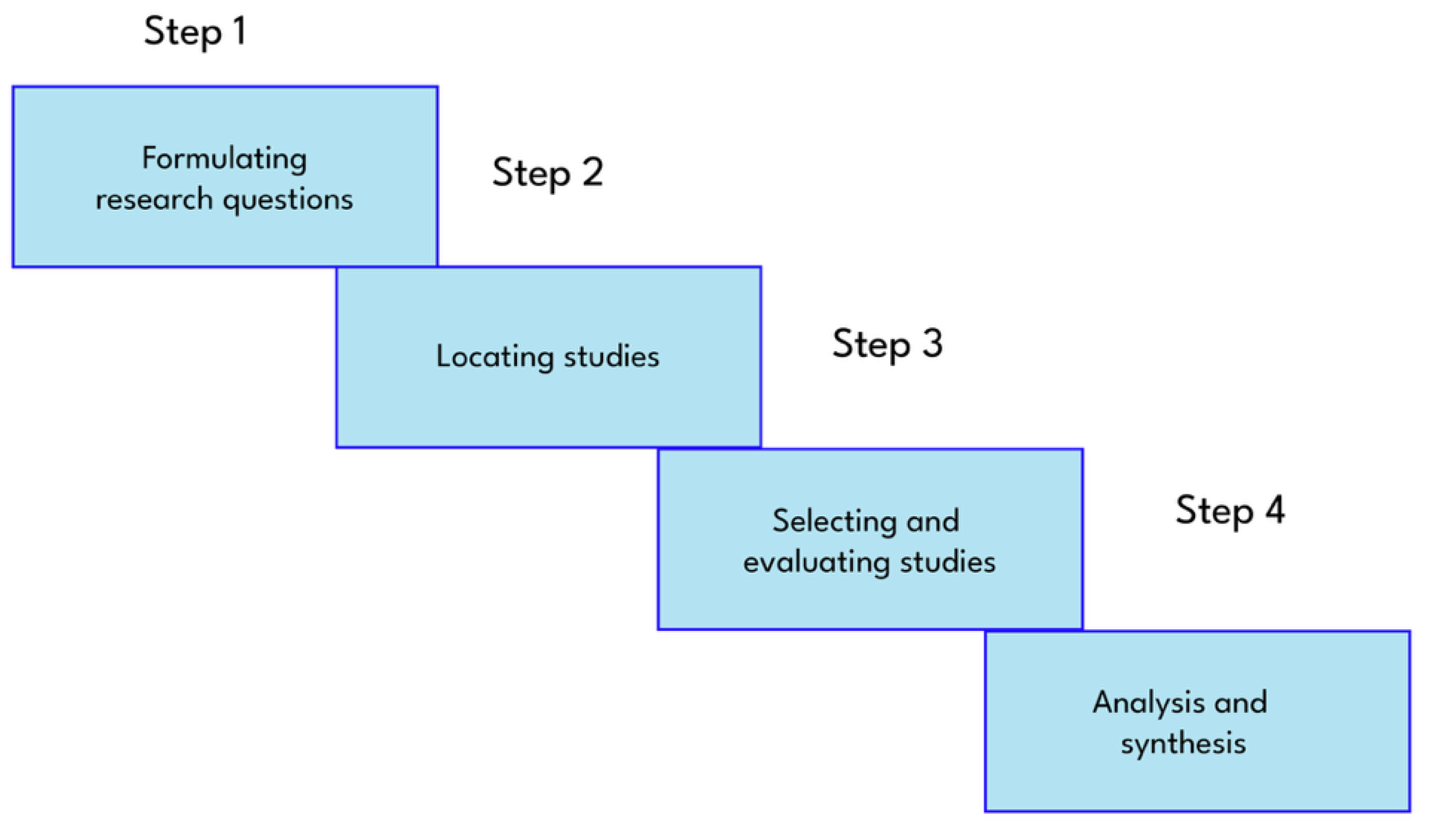
This systematic review followed the Preferred Reporting Items for Systematic Reviews and Meta-Analyses (PRISMA) 2020 guidelines. The review protocol was not registered prior to study commencement. To mitigate potential bias, clearly defined research questions, inclusion and exclusion criteria, and transparent screening procedures were applied consistently throughout the entire review process. The main stages of the review formulation of research questions, identification of studies, screening and eligibility assessment, and data extraction and synthesis are illustrated in Figure 1.

2.1. Research Questions

Building on prior conceptual and empirical research, the SLR was designed to address the following overarching research question:
  • RQ0: What are the main findings of recent studies examining the relationship between user-generated content (UGC) and key dimensions of social commerce, namely trust, authenticity, perceived risk, engagement, and loyalty?
To provide a more detailed understanding of the existing literature, three specific research questions were formulated:
  • RQ1: Which research methods have been employed in studies investigating the role of UGC in social commerce (e.g., survey research, experimental designs, case studies, meta-analyses)?
  • RQ2: Which forms of UGC (e.g., reviews and ratings, comments, photographs, videos, live streaming) are most frequently examined, and how do they differ in their impact on consumer behavior?
  • RQ3: Which variables have been identified as mediators in the examined models, and which constructs (trust, authenticity, perceived risk, engagement, loyalty) are conceptualized as key mechanisms through which UGC affects outcomes, including purchase intention?
These research questions guided all subsequent stages of the review, from literature search and screening to data extraction and synthesis.

2.2. Information Sources and Search Strategy

The literature search targeted peer-reviewed journal articles indexed in major international bibliographic databases. Two multidisciplinary platforms were used: Web of Science™ (including the Science Citation Index Expanded and the Social Sciences Citation Index) and Scopus. These databases were selected because they (1) provide comprehensive coverage of high-impact journals in marketing, information systems, management, and social sciences; (2) ensure strong bibliographic control and transparent indexing procedures; (3) are widely recognized as the most reliable sources for replicable systematic literature searches; and (4) are commonly used as primary data sources in high-quality systematic literature reviews within these disciplines. Compared to broader academic search engines (e.g., Google Scholar), Scopus and Web of Science offer greater transparency, reduce the inclusion of non-peer-reviewed sources, and enhance the methodological rigor of the review process.
The literature search was conducted from 1 October to 1 December 2025 and covered the period from 1 January 2014 to 31 January 2024. This time window was selected because scholarly interest in social commerce and UGC increased substantially after 2014, following the rise in platform-based commerce models (e.g., social media shopping, live-streaming commerce, community-based platforms), while also allowing sufficient time for the accumulation of robust empirical evidence and theoretical development.
Prior to finalizing the search string, an exploratory scoping search was conducted to assess the sensitivity and specificity of alternative keywords commonly used in adjacent research streams, such as “electronic word-of-mouth”, “eWOM”, and “social media content”. These terms were ultimately excluded from the final query because they substantially broadened the scope beyond social commerce contexts and generated a high proportion of irrelevant results (e.g., studies focusing on general social media use or online communication without a commerce component). Therefore, the final search string was deliberately kept focused to ensure conceptual precision, relevance, and replicability. The exploratory search was limited in scope and aimed primarily at verifying the conceptual boundaries of the review rather than involving multiple rounds of iterative query refinement.
The final search string was selected based on its balance between conceptual precision and manageable result volume. The final search string applied in both databases was: (“user-generated content” OR “UGC” OR “online review”) AND (“social commerce”). The query was applied to titles, abstracts, and author keywords in both databases. The initial search yielded 166 records in total: 101 from Web of Science and 65 from Scopus. No forward or backward citation searching (snowballing) was conducted. Instead, the manuscript relied exclusively on the structured database search and predefined screening procedures to ensure methodological consistency and transparency.

2.3. Screening and Eligibility Criteria

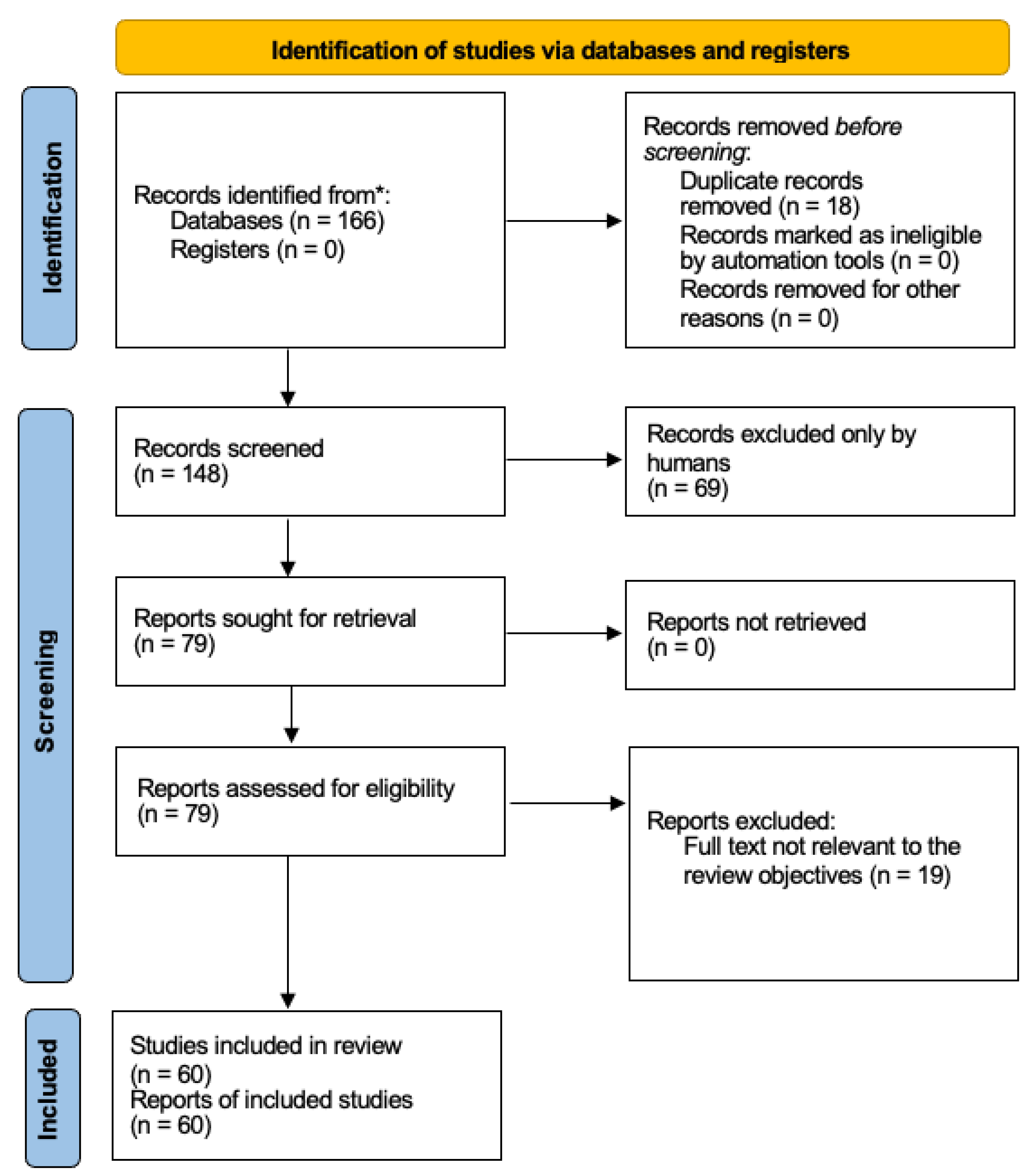
The screening and selection process followed the stages recommended by PRISMA 2020. After merging the two datasets, 18 duplicate records were identified and removed manually, resulting in 148 unique articles. Titles and abstracts were then screened, leading to the exclusion of 69 articles that were clearly irrelevant to the research scope. This process resulted in 79 articles eligible for full-text assessment. After full-text evaluation based on the predefined inclusion and exclusion criteria, 60 articles were retained for final analysis.
To enhance reliability, authors independently conducted the screening and data extraction. A pilot screening of an initial subset of articles was conducted prior to full screening to ensure a shared understanding of the inclusion and exclusion criteria. In cases of uncertainty regarding eligibility, decisions were resolved through discussion until consensus was reached. While formal inter-rater reliability statistics were not calculated, this procedure enhanced consistency and reduced the risk of subjective bias.
Inclusion criteria were defined ex ante and applied consistently across all records:
  • Peer-reviewed scientific articles published in international journals;
  • Articles written in English;
  • Original empirical studies and review papers analyzing the role of UGC in social commerce;
  • Full-text availability through open-access or institutional access.
Exclusion criteria included:
  • Studies not directly related to the context of social commerce (e.g., general e-commerce without a social dimension);
  • Studies in which UGC was not a central analytical focus (e.g., technical research on recommendation algorithms, big data analytics, or network structures without consideration of consumer behavior);
  • Studies that did not examine the relationship between UGC and at least one of the following dimensions: trust, authenticity, perceived risk, engagement, or loyalty;
  • Conference proceedings, doctoral dissertations, books, and meta-analyses.
The screening and selection procedure is summarized in a PRISMA flow diagram (Figure 2).

2.4. Data Extraction and Classification

A structured data extraction template was employed to ensure consistency across the included studies. For each article, the following information was recorded:
  • Bibliographic details (authors, year of publication, journal).
  • Country or regional context of the empirical setting.
  • Research design and methodological approach (e.g., survey, experiment, case study, mixed methods).
  • Sample characteristics (sample size, type of respondents, platform context).
  • Type and form of UGC examined (e.g., reviews, ratings, comments, photographs, videos, live streaming).
  • Focal outcome dimensions related to social commerce (trust, authenticity, perceived risk, engagement, consumer loyalty, purchase intention).
  • Mediating and moderating variables included in the proposed models.
  • Key findings relevant to the research questions.
The coding scheme combined deductive and inductive logic. The five focal dimensions (trust, authenticity, perceived risk, engagement, and loyalty) were defined a priori based on theory and the conceptual framework of the study. At the same time, subcategories (e.g., specific types of trust, forms of engagement, platform-specific contexts, types of UGC formats) were developed inductively during the coding process through iterative comparison across studies.
Coding was conducted manually using a structured Excel matrix. During the process, the coding framework was refined iteratively as recurring patterns and conceptual distinctions emerged. When ambiguities occurred, coding decisions were discussed among the authors until agreement was reached, which reduced the risk of inconsistent interpretation.
Studies were classified according to the primary social commerce dimension most prominently associated with UGC: trust, authenticity, perceived risk, engagement, or consumer loyalty. When studies addressed multiple dimensions simultaneously, classification was guided by the dominant dependent variable or the main conceptual focus of the proposed model. While this procedure inevitably involves a degree of interpretative judgment, ambiguous cases were discussed among the authors to reduce the risk of misclassification and strengthen the transparency of the synthesis process. Detailed classification table is reported in Section 3.

2.5. Quality Appraisal and Synthesis Approach

No formal standardized appraisal checklist (e.g., CASP or AMSTAR) was applied in a rigid scoring format. However, methodological quality was systematically considered throughout the data extraction and synthesis process. The appraisal criteria were informed by widely used quality principles in social science systematic reviews and evidence-based management guidelines and were aligned with core dimensions emphasized in established tools such as CASP. These criteria included attention to the following aspects:
  • Clarity of research objectives and theoretical positioning;
  • Transparency of construct operationalization;
  • Appropriateness of research design and methodological approach;
  • Adequacy of data analysis and sample size relative to the method;
  • Coherence between the theoretical framework, methods, and conclusions.
No studies were excluded solely on the basis of methodological quality. Instead, methodological rigor was used as an interpretative lens during synthesis, allowing greater weight to be assigned to more robust evidence when integrating findings. Overall, the body of evidence reflects predominantly medium to high methodological quality, although certain limitations, such as those related to sampling strategies or construct operationalization, were identified in some studies and are acknowledged in the discussion.
Given the substantial heterogeneity of research designs, measurement approaches, empirical contexts, and reported outcomes, a narrative and thematic synthesis was adopted rather than a quantitative meta-analysis. The synthesis is organized around the five focal dimensions of social commerce: trust, authenticity, perceived risk, engagement, and loyalty, integrating both empirical findings and conceptual developments across the reviewed literature. As with any thematic classification in a systematic review, there is a risk of misclassification, particularly for studies addressing multiple dimensions. This risk was mitigated through independent coding and consensus-based resolution.

3. Results

3.1. Descriptive Overview of the Included Studies

To provide an overview of the publication landscape, the final sample of studies was first examined according to the academic journals in which they were published. Table 1 presents the ten most frequently represented journals publishing research on user-generated content (UGC) in the context of social commerce during the period 2014–2024. The distribution of publications highlights the interdisciplinary nature of this research stream, spanning marketing, information systems, digital business, and sustainability-oriented outlets (Table 1).
Table 2 summarizes the main characteristics of the studies included in this systematic review, including authorship, publication year, and relationships with the observed key dimensions. It presents all 60 scientific articles, classified according to the social commerce dimensions most frequently associated with UGC: trust, authenticity, perceived risk, engagement, and consumer loyalty. Among these studies, 24 examine the relationship between UGC and trust (40.0%), 27 focus on authenticity (45.0%), and only 2 address perceived risk (3.3%). The largest share, 37 studies (61.7%), conceptualizes UGC primarily in relation to engagement and interaction outcomes, while 23 studies (38.3%) link UGC to consumer loyalty. Notably, multiple studies address multiple dimensions simultaneously, but none analyze all five dimensions together in a single integrated model. This reveals a clear gap in the literature: research heavily emphasizes positive relational mechanisms, especially engagement, authenticity, and trust, while largely overlooking constraining mechanisms, such as perceived risk.
Beyond these descriptive counts, several broader patterns can be identified. First, the strong predominance of engagement and authenticity-oriented studies suggests a conceptual shift in the literature away from purely transactional outcomes toward more relational, experiential, and participatory perspectives on social commerce. This trend reflects the increasing recognition of consumers as active contributors to value creation rather than passive recipients of marketing communication.
This distribution is also reflected in the substantive focus of individual studies. Several contributions conceptualize UGC primarily in relation to trust formation, without extending their models toward engagement or long-term loyalty outcomes [15,20,26]. By contrast, a substantial body of research focuses on engagement-related behaviors such as commenting, sharing, and participation, treating these activities as primary outcomes rather than positioning them within a broader relational process [21,22,35]. In comparison, perceived risk remains empirically marginal despite its theoretical relevance, with only a very limited number of studies in the reviewed sample explicitly addressing this dimension [17,24]. Taken together, these examples further substantiate the broader patterns identified above.
Second, the extremely limited number of studies addressing perceived risk confirms that this construct remains empirically underdeveloped, despite its conceptual importance for understanding uncertainty and decision-making in digital environments. This imbalance indicates that the current body of knowledge may overemphasize positive relational mechanisms while underexploring potential negative mechanisms and boundary conditions of UGC effects.
Third, the distribution of studies across multiple dimensions, combined with the absence of integrative models encompassing all five domains, indicates that the literature remains fragmented rather than theoretically consolidated. While individual mechanisms have been examined in depth, their interrelationships are still insufficiently theorized and empirically tested, pointing to the need for more integrative and holistic future research.
It should be noted that this review did not involve formal quantitative analysis of contextual variables such as geographical focus, specific platform types, or industry categories. Although these variables were recorded during the data extraction phase, they were not subjected to statistical comparison in the Results section, as the primary aim of the study was thematic synthesis rather than comparative quantitative assessment. Nevertheless, the thematic distribution of the reviewed studies provides meaningful insight into the evolving orientation of the field. In particular, the dominance of engagement and authenticity related research suggests a broader scholarly shift toward relational and participatory perspectives on social commerce, while the limited attention devoted to perceived risk highlights an important imbalance in current research priorities.

3.2. Thematic Findings

To structure the synthesis, the findings are organized across five thematic domains: UGC and trust; UGC and authenticity; UGC and perceived risk; UGC and engagement; and UGC and consumer loyalty. These five thematic domains were selected because they represent the most frequently recurring constructs across the reviewed models and collectively capture both psychological mechanisms (trust, authenticity, perceived risk) and behavioral outcomes (engagement, loyalty) through which UGC operates in social commerce. Each thematic subsection first outlines insights from foundational pre-2014 research, followed by an integrated synthesis of empirical findings published between 2014 and 2024, allowing for a longitudinal perspective on the evolution of research in this field.

3.2.1. User-Generated Content and Trust

Trust is widely recognized as a key determinant of successful online and social commerce environments. Early research demonstrates that UGC, particularly user reviews and ratings, reduces perceived uncertainty and facilitates consumer decision-making [73,74]. Rating and feedback systems function as institutionalized trust-building mechanisms within digital marketplaces [75].
More recent studies confirm that UGC enhances platform and brand credibility, encouraging consumers to accept purchase-related risks more readily [76,77]. Trust is therefore shaped not only by individual experiences but also by social validation derived from the experiences and interactions of other users [2]. Collectively, these findings position UGC as a critical antecedent of trust formation in social commerce ecosystems.
In relation to the research questions, studies focusing on trust predominantly analyze textual reviews and ratings as key forms of UGC (RQ2), most commonly rely on survey-based or experimental designs (RQ1), and frequently conceptualize trust as both an outcome and a mediating mechanism within social commerce models (RQ3).

3.2.2. User-Generated Content and Authenticity

Authenticity emerges as a central evaluative criterion in consumers’ assessments of UGC. Users tend to trust content perceived as honest, transparent, and free from overt commercial influence [78,79]. Authenticity is closely related to perceived usefulness, as clear provenance, relevance, and internal consistency enhance perceived credibility [80].
Empirical evidence suggests that brands encouraging and amplifying authentic user contributions strengthen their reputational capital and foster more durable consumer relationships. In this sense, authenticity functions as a conceptual bridge between trust and loyalty, reinforcing the strategic role of UGC in relational and reputation-oriented marketing.
These findings further indicate that authenticity-related effects are most often examined in relation to visual and narrative forms of UGC (RQ2), are predominantly based on quantitative empirical designs (RQ1), and that authenticity frequently operates as a mediating construct linking UGC exposure to downstream outcomes such as engagement and loyalty (RQ3).

3.2.3. User-Generated Content and Perceived Risk

Although the relationship between UGC and perceived risk is the least explored dimension in the reviewed literature, the two studies that explicitly examine this relationship nonetheless underscore its conceptual relevance. Foundational insights suggest that online feedback mechanisms reduce uncertainty and mitigate the risk of suboptimal decision-making [75]. The limited empirical evidence further indicates that user reviews and shared community experiences may alleviate concerns related to financial loss, product quality, and negative purchase outcomes [81]. UGC, therefore, appears particularly relevant in purchase contexts characterized by higher complexity or financial involvement, where uncertainty is more salient.
In relation to the research questions, these two studies primarily focus on textual reviews and peer experiences as dominant forms of UGC (RQ2), rely mainly on quantitative survey-based designs (RQ1), and conceptualize perceived risk as a constraining or mediating mechanism influencing downstream outcomes such as trust and purchase intention (RQ3). However, given that only two studies in the entire sample explicitly address perceived risk, these findings cannot be generalized across the broader social commerce literature and should be interpreted as indicative rather than conclusive. This pronounced scarcity of evidence highlights perceived risk as one of the most critical gaps in current research and underscores the need for systematic empirical investigation of risk-related mechanisms in future studies.

3.2.4. User-Generated Content and Engagement

Engagement is the most extensively examined dimension in the reviewed body of research. Empirical findings consistently indicate that UGC stimulates interaction, discussion, and experience sharing, thereby fostering a sense of community belonging [82,83]. Such engagement increases the likelihood of future interactions and reinforces positive brand-related outcomes [78].
UGC-driven engagement transcends traditional one-way marketing communication, as consumers actively participate in the co-creation of brand meaning. Consequently, UGC emerges as a foundational driver of participatory behaviors that characterize contemporary social commerce ecosystems. With respect to the research questions, engagement-focused studies primarily investigate interactive forms of UGC such as commenting, sharing, and community participation (RQ2), most frequently use quantitative survey methods (RQ1), and often conceptualize engagement as both an outcome and a mediating mechanism within broader social commerce models (RQ3).

3.2.5. User-Generated Content and Consumer Loyalty

Consumer loyalty represents a key long-term outcome influenced by UGC. Reviews and peer recommendations contribute to favorable brand perceptions, increasing both repeat purchase intentions and positive word-of-mouth behavior [5]. UGC thus extends beyond transactional interactions by shaping enduring relational bonds and emotional attachment to brands.
Prior research highlights that loyalty is also embedded in community identification and social influence processes [83], further underscoring UGC’s role as a catalyst for sustained consumer–brand relationships. These findings further suggest that loyalty-related effects of UGC are most commonly examined through attitudinal and behavioral outcomes using quantitative survey-based approaches (RQ1), with reviews, recommendations, and peer narratives representing the dominant forms of UGC analyzed (RQ2), while loyalty is typically conceptualized as a downstream outcome mediated by constructs such as trust and satisfaction (RQ3).

3.2.6. Mediating Mechanisms Across Social Commerce Dimensions

Table 3 summarizes the mediating mechanisms identified across the reviewed studies. Across dimensions, UGC rarely exerts direct effects; instead, its influence is typically transmitted through psychological and social mediators, including trust, satisfaction, perceived authenticity, social presence, and community identification.
Specifically:
  • Trust is mediated by perceived review quality, platform reputation, and content transparency;
  • Authenticity and usefulness operate through perceived credibility and consumer satisfaction;
  • Perceived risk is reduced via authenticity cues and social proof;
  • Engagement is mediated by community trust, social presence, and identification;
  • Loyalty is predominantly transmitted through brand trust and satisfaction.
These findings indicate that the effects of UGC are multi-layered and relational, highlighting the need for integrative theoretical models capable of capturing these interdependencies.
The mediating mechanisms presented in Table 3 were identified based on how they were conceptualized and addressed within the reviewed studies. In several cases, mediators were explicitly tested using statistical mediation techniques, whereas in others they were proposed as part of broader theoretical frameworks without formal mediation testing. Consequently, constructs that recur across multiple independent studies (e.g., trust, satisfaction, perceived credibility) can be regarded as more empirically grounded mechanisms, while less frequently observed mediators should be interpreted as emergent and exploratory rather than theoretically consolidated.

3.2.7. User-Generated Content and Purchase Intention

Purchase intention is among the most frequently examined outcomes in social commerce research. Numerous studies demonstrate that UGC, through reviews, ratings, comments, and recommendations, affects purchase decisions both directly and indirectly [74,81,88]. By providing access to real user experiences, UGC reduces uncertainty and enhances trust [76,77].
Recent research further identifies mediating mechanisms, including emotional connection, community engagement, relationship quality with platforms, and perceived social support [14,16,18]. UGC also increases perceived value, which indirectly strengthens purchase intentions [30,31].
Overall, the evidence confirms that UGC influences purchase intention through both cognitive (e.g., trust, perceived value) and affective (e.g., emotional attachment, social identification) pathways, underscoring its multidimensional impact in social commerce environments.

4. Discussion

This section moves beyond descriptive synthesis to provide an integrative interpretation of the findings and to explicitly address the research questions guiding this review. With respect to RQ1, the discussion critically examines dominant methodological patterns and limitations in existing studies. Regarding RQ2, it synthesizes how different forms of UGC operate across trust, authenticity, perceived risk, engagement, and loyalty. In relation to RQ3, it evaluates the mediating mechanisms through which UGC influences consumer outcomes. Taken together, this integrative interpretation directly addresses the overarching research question (RQ0) by clarifying not only whether UGC matters in social commerce, but also how and through which relational mechanisms it shapes key psychological and behavioral outcomes.

4.1. Integration of Findings Across Social Commerce Dimensions

Prior research has mostly examined trust, authenticity, perceived risk, engagement, and loyalty as separate constructs. This manuscript demonstrates that these dimensions function as interdependent mechanisms rather than as isolated outcomes.
A key insight emerging from the synthesis is that authenticity and trust form the foundational layer of UGC effectiveness. Across the reviewed studies, consumers tend to evaluate the perceived genuineness, credibility, and experiential quality of UGC before developing trust in a brand or platform. This suggests a process in which authenticity perceptions often precede and enable trust formation, particularly in the early stages of evaluation. This perspective also helps explain why visual, narrative, and experientially rich UGC formats are especially influential, as they convey authenticity cues more effectively than purely informational content.
This study also challenges the implicit assumption that engagement necessarily leads to loyalty. Although engagement is the most frequently examined outcome, high levels of interaction (e.g., liking, commenting, participating) often reflect short-term activity rather than enduring relational commitment. Users may actively engage with content without forming sustained attachments to a brand or platform. This distinction is theoretically important: engagement captures behavioral intensity, whereas loyalty reflects relationship stability and long-term orientation. In this process, attitudinal loyalty reflects consumers’ emotional attachment and psychological commitment, whereas behavioral loyalty refers to observable manifestations such as repeat purchase, continued platform use, and advocacy.
Perceived risk remains notably underrepresented in the literature, despite its conceptual importance for understanding uncertainty, vulnerability, and boundary conditions in social commerce. Only two studies in the reviewed sample explicitly address this dimension, resulting in a body of knowledge that disproportionately emphasizes positive relational mechanisms while largely overlooking constraining factors such as skepticism, distrust, or perceived vulnerability. This imbalance limits the field’s ability to explain when and why UGC effects may weaken, fail, or backfire, particularly in high-involvement or high-stakes decision contexts.
Overall, the evidence supports a process-oriented understanding of UGC effects. Authentic UGC contributes to trust development; trust enables meaningful engagement; engagement may, but does not necessarily, lead to loyalty. Perceived risk shapes the strength and stability of these relationships depending on contextual conditions. Together, these findings indicate that UGC operates through dynamic, interconnected psychological and behavioral mechanisms rather than through simple linear cause-and-effect relationships.
In relation to the overarching research question (RQ0), the primary contribution of this review lies in conceptualizing UGC as a form of relational infrastructure within social commerce rather than merely as informational input or persuasive content. UGC shapes consumer outcomes by structuring perceptions of authenticity, enabling trust formation, influencing engagement processes, and defining the conditions under which loyalty may develop. Accordingly, UGC supports relationship-building within digital ecosystems instead of functioning solely as a driver of isolated outcomes.

4.2. Theoretical Implications

Beyond summarizing the findings, this study offers several broader conceptual insights. First, the prominence of mediating mechanisms indicates that UGC rarely produces direct effects. Instead, its influence is typically transmitted through intermediate perceptions such as trust, satisfaction, credibility, social presence, and identification. This suggests that future research should move beyond simple UGC–outcome relationships and place greater emphasis on the quality of psychological and relational processes triggered by UGC exposure.
Second, the review reveals a clear imbalance in the literature. Engagement and authenticity are extensively examined, whereas perceived risk remains underdeveloped. This creates an overly optimistic understanding of social commerce dynamics and limits the field’s ability to explain boundary conditions, negative outcomes, and situations in which UGC fails to generate positive effects.
Third, the lack of integrative models that examine multiple dimensions simultaneously remains a major limitation of the field. Most studies continue to focus on one or two outcomes in isolation, which restricts understanding of how consumer–platform and consumer–brand relationships evolve over time. Future research would benefit from more holistic approaches that conceptualize trust, authenticity, engagement, risk, and loyalty as components of an interconnected system rather than as independent variables.
In addition, theoretical insights contribute to sustainability-oriented marketing research by placing UGC in s-commerce as a mechanism that supports more responsible and informed consumption. UGC can lessen information asymmetry and promote longer-term, value-based consumer–brand connections by facilitating transparent, peer-driven information exchange and influencing relational processes in digital marketplaces. This viewpoint is consistent with SDG 12 (Responsible Consumption and Production) since it prioritizes sustainable value creation and well-informed decision-making over immediate transactional results. By combining disparate findings into a cohesive theoretical framework based on sustainability-oriented management thinking, the review thereby unifies and expands on previous sustainability research on UGC and social commerce.

4.3. Practical Implications

The findings offer several actionable implications for developing more sustainable social commerce ecosystems. Platform design should prioritize credibility, transparency, and authenticity rather than maximizing content volume. Features such as verified reviews, visible reviewer histories, transparent moderation practices, and disclosure of incentives can help build trust and reduce uncertainty. Platforms can also contribute to sustainability by promoting UGC related to responsible consumption, including content about product longevity, ethical sourcing, repair experiences, and environmentally conscious practices, thereby shaping community norms toward long-term, responsible use rather than impulsive consumption.
Brands should avoid excessive control over UGC, as over-curation can undermine perceived authenticity. Encouraging diverse user voices, acknowledging criticism, and highlighting real customer experiences can support stronger and more durable consumer–brand relationships. Sustainability-oriented strategies can further leverage UGC by encouraging consumers to share experiences related to durability, reuse, and responsible product use, positioning UGC as a mechanism for long-term relationship quality rather than short-term persuasion.
At the broader ecosystem level, UGC plays an important role in promoting market transparency and consumer empowerment. Supporting clear disclosure standards for sponsored content, discouraging misinformation, and promoting accountability in content governance contribute to healthier digital environments. Sustainable social commerce depends on UGC functioning as a reliable informational infrastructure that supports informed decision-making and responsible participation. Across stakeholders, the key implication is that UGC should be managed as a long-term relational resource rather than merely as a short-term marketing tactic.

4.4. Gaps and Directions for Future Research

Several important conceptual and methodological gaps emerge from this review and provide concrete directions for future research. Empirical investigations of perceived risk in social commerce remain extremely limited, despite the conceptual relevance of uncertainty in online decision-making. Future studies should explicitly examine different types of risk, such as financial, performance, social, and privacy risk, as well as their interaction with UGC characteristics. For instance, longitudinal or experimental designs could investigate how exposure to negative versus positive UGC influences risk perceptions and subsequent loyalty over time.
The absence of integrative models represents a major conceptual gap. Future research should develop and empirically test cross-dimensional frameworks that simultaneously examine trust, authenticity, engagement, and perceived risk as interacting mechanisms shaping long-term outcomes, such as loyalty and sustainable consumer–brand relationships. Structural equation modeling and longitudinal panel designs are particularly well suited to these research objectives.
Significant contextual gaps persist in the existing literature. Most reviewed studies focus on large, established platforms, such as Instagram, Facebook, or generic social commerce environments, and are disproportionately conducted in Asian and European contexts. This focus limits the generalizability of findings to emerging markets, smaller platforms, or culturally distinct settings. Future research should examine more diverse platform types, including niche community platforms and peer-to-peer marketplaces, as well as underrepresented regions, to better capture contextual variability.
Methodological diversity also remains limited, with a continued dominance of cross-sectional survey-based designs that constrain causal inference. More experimental, longitudinal, and mixed-method approaches are therefore needed to capture the dynamic nature of UGC effects, particularly regarding the evolution of trust, engagement, and loyalty over time.
Emerging UGC formats, such as live streaming, short-form video, influencer-generated content, and AI-assisted content, remain insufficiently examined in relation to deeper psychological mechanisms and long-term behavioral outcomes. These developments represent promising avenues for future research in social commerce.

4.5. Limitations of the Review

First, because this study relied exclusively on the Web of Science and Scopus databases, the sample is likely biased toward established journals and higher-impact outlets. This may have contributed to the dominance of quantitative survey-based studies and partially explains the limited presence of critical, qualitative, or exploratory perspectives, particularly in underrepresented areas such as perceived risk.
Second, restricting the review to English-language publications may have resulted in the omission of relevant studies conducted in non-English-speaking contexts. This language bias may limit the geographical diversity of the evidence base and potentially underrepresent regional social commerce dynamics, especially in emerging markets.
Third, the review protocol was not preregistered prior to data collection. While the study followed PRISMA 2020 guidelines and applied transparent procedures throughout, the absence of preregistration may allow for some interpretative flexibility in study selection and classification. This limitation primarily affects procedural transparency rather than the substantive conclusions of the synthesis.
Finally, a methodological limitation is that this review did not employ bibliometric techniques such as co-citation analysis, bibliographic coupling, or network visualization methods. While such approaches can provide valuable structural insights into the intellectual organization of a research field, the present study deliberately focused on in-depth qualitative synthesis of conceptual themes and underlying mechanisms. Future reviews could employ bibliometric mapping tools (e.g., SciMAT, VOSviewer, CiteSpace) to complement qualitative synthesis with structural visualization of the intellectual landscape and to further explore the structural evolution of social commerce and UGC research.

5. Conclusions

This systematic literature review synthesizes 60 peer-reviewed studies (2014–2024) on user-generated content (UGC) in social commerce (s-commerce). Rather than treating UGC effects as isolated, the review adopts an integrative perspective. Evidence is organized into five key dimensions: trust, authenticity, perceived risk, engagement, and loyalty, illustrating how these factors collectively influence consumer decision-making and relationships within platform commerce.
A primary contribution of this study is the identification of a consistent explanatory pattern: UGC effects are predominantly indirect, shaping consumer responses through psychological and social mechanisms such as trust-related evaluations, satisfaction, perceived value, social presence, and community identification. This mechanism-based perspective clarifies how UGC generates value in social commerce and reconciles previously fragmented findings. Emphasizing these explanatory pathways strengthens the foundation for cumulative and comparable research in this field.
Another contribution involves clarifying which dimensions are conceptually mature and which remain underdeveloped. Trust, authenticity, and engagement are extensively examined and often positioned as central mechanisms, whereas perceived risk remains empirically marginal despite its significance for uncertainty and vulnerability in digital markets. This imbalance indicates that current research disproportionately emphasizes positive relational processes, with insufficient attention to constraining mechanisms and boundary conditions. Consequently, the literature is limited in explaining when UGC is ineffective or produces mixed outcomes, particularly in high-involvement and high-stakes purchase contexts.
The review also identifies a significant structural limitation in existing research. Comprehensive multi-dimensional models are scarce, and methodological approaches are predominantly cross-sectional survey designs. As a result, much of the literature captures associations rather than the temporal development of trust, engagement, and loyalty. Advancing this area requires integrative frameworks that model interactions among dimensions and research designs capable of testing dynamic pathways over time, including longitudinal and experimental approaches. This need is particularly pressing as emerging UGC formats, such as live streaming, short-form video, and AI-assisted content, increasingly influence the construction of authenticity and credibility in digital environments.
From practical and societal perspectives, the findings suggest that sustainable value creation in social commerce relies less on increasing the volume of UGC and more on enhancing its credibility and relational function. Platform governance and brand strategies that promote authentic expression, transparent content practices, and constructive community norms can foster more durable consumer–brand relationships and encourage responsible participation within digital ecosystems.
In summary, the findings demonstrate that UGC most consistently influences social commerce outcomes through indirect pathways, where authenticity and trust related evaluations affect engagement and, under favorable conditions, loyalty. By integrating fragmented evidence into five cross-cutting dimensions and highlighting mediating mechanisms, this review enhances conceptual clarity and identifies perceived risk and the lack of multi-dimensional modeling as critical gaps. From practical and policy perspectives, the results indicate that sustainable social commerce can be supported by governance and marketing practices that prioritize credible, transparent, and responsibility-oriented UGC, thereby enabling long-term relationship quality and value creation within platform ecosystems.

Supplementary Materials

The following supporting information can be downloaded at: https://www.mdpi.com/article/10.3390/su18031601/s1, The PRISMA 2020 checklist is provided as supplementary material.

Author Contributions

Conceptualization, S.K.; Methodology, S.K. and J.S.; Data curation, S.K. and I.Š.; Formal analysis, S.K., J.S., Đ.A., B.L. and S.B.; Investigation, S.K., J.S. and Đ.A.; Writing—original draft preparation, S.K. and J.S.; Writing—review and editing, I.Š., Đ.A. and S.B.; Visualization, B.L.; Supervision, J.S.; Project administration, I.Š. and S.B. All authors have read and agreed to the published version of the manuscript.

Funding

This research received no external funding.

Institutional Review Board Statement

Not applicable.

Informed Consent Statement

Not applicable.

Data Availability Statement

The original contributions presented in this study are included in the article/Supplementary Materials. Further inquiries can be directed to the corresponding author.

Conflicts of Interest

The authors declare no conflicts of interest.

References

  1. Laudon, K.C.; Traver, C.G. E-Commerce: Business, Technology, and Society, 16th ed.; Pearson: New York, NY, USA, 2021. [Google Scholar]
  2. Liang, T.-P.; Turban, E. Introduction to the Special Issue: Social Commerce—A Research Framework for Social Commerce. Int. J. Electron. Commer. 2011, 16, 5–14. [Google Scholar] [CrossRef]
  3. Kaplan, A.M.; Haenlein, M. Users of the World, Unite! The Challenges and Opportunities of Social Media. Bus. Horiz. 2010, 53, 59–68. [Google Scholar] [CrossRef]
  4. Park, D.H.; Lee, J.; Han, I. The Effect of On-Line Consumer Reviews on Consumer Purchasing Intention: The Moderating Role of Involvement. Int. J. Electron. Commer. 2007, 11, 125–148. [Google Scholar] [CrossRef]
  5. Zhang, H.; Lu, Y.; Gupta, S.; Zhao, L. What Motivates Customers to Participate in Social Commerce? The Impact of Technological Environments and Virtual Customer Experiences. Inf. Manag. 2014, 51, 1017–1030. [Google Scholar] [CrossRef]
  6. Mudambi, S.M.; Schuff, D. What Makes a Helpful Online Review? A Study of Customer Reviews on Amazon.com. MIS Q. 2010, 34, 185–200. [Google Scholar] [CrossRef]
  7. Hennig-Thurau, T.; Gwinner, K.P.; Walsh, G.; Gremler, D.D. Electronic Word-of-Mouth via Consumer-Opinion Platforms: What Motivates Consumers to Articulate Themselves on the Internet? J. Interact. Mark. 2004, 18, 38–52. [Google Scholar] [CrossRef]
  8. Daugherty, T.; Eastin, M.S.; Bright, L.F. Exploring Consumer Motivations for Creating User-Generated Content. J. Interact. Advert. 2008, 8, 16–25. [Google Scholar] [CrossRef]
  9. Cheong, H.J.; Morrison, M.A. Consumers’ Reliance on Product Information and Recommendations Found in User-Generated Content. J. Interact. Advert. 2008, 8, 38–49. [Google Scholar] [CrossRef]
  10. Tranfield, D.; Denyer, D.; Smart, P. Towards a Methodology for Developing Evidence-Informed Management Knowledge by Means of Systematic Review. Br. J. Manag. 2003, 14, 207–222. [Google Scholar] [CrossRef]
  11. Denyer, D.; Tranfield, D. Producing a Systematic Review. In The SAGE Handbook of Organizational Research Methods; Buchanan, D.A., Bryman, A., Eds.; SAGE Publications: London, UK, 2009; pp. 671–689. [Google Scholar]
  12. Page, M.J.; McKenzie, J.E.; Bossuyt, P.M.; Boutron, I.; Hoffmann, T.C.; Mulrow, C.D.; Shamseer, L.; Tetzlaff, J.M.; Akl, E.A.; Brennan, S.E.; et al. The PRISMA 2020 Statement: An Updated Guideline for Reporting Systematic Reviews. BMJ 2021, 372, n71. [Google Scholar] [CrossRef]
  13. Sang, V.M.; Thanh, T.N.P.; Gia, H.N.; Nguyen Quoc, D.; Long, K.L.; Yen, V.P.T. Impact of User-Generated Content in Digital Platforms on Purchase Intention: The Mediator Role of User Emotion in the Electronic Product Industry. Cogent Bus. Manag. 2024, 11, 2414860. [Google Scholar] [CrossRef]
  14. Rut, D.; Muqarrabin, A.M. Global Competition: Factors Influencing Local Skincare Purchase Intention through Social Commerce Mediated by Customer Engagement. In Achieving Sustainable Business Through AI, Technology Education and Computer Science; Hamdan, A., Ed.; Studies in Big Data; Springer: Cham, Switzerland, 2024; Volume 159. [Google Scholar] [CrossRef]
  15. Zhu, K.; Tan, C.S.L.; Panwar, T. Assessing the Influence Mechanism of Media Richness on Customer Experience, Trust, and Swift Guanxi in Social Commerce. In International Conference on Human-Computer Interaction; Springer Nature: Cham, Switzerland, 2024; pp. 127–142. [Google Scholar] [CrossRef]
  16. Zhou, W.; Dong, J.; Zhang, W. The Impact of Interpersonal Interaction Factors on Consumers’ Purchase Intention in Social Commerce: A Relationship Quality Perspective. Ind. Manag. Data Syst. 2023, 123, 697–721. [Google Scholar] [CrossRef]
  17. Boonta, S.; Hinthaw, K. Forecasting the Business Performance of Restaurants on Social Commerce. J. Distrib. Sci. 2024, 22, 11–22. [Google Scholar] [CrossRef]
  18. Gautam, V. Understanding Roles of Institution-Based Trust and Social Interactions in Social Commerce Environment. J. Organ. Comput. Electron. Commer. 2024, 34, 231–246. [Google Scholar] [CrossRef]
  19. Malik, I.A.; Raza, M.A.; Hadi, N.U.; Khan, M.J.; Hameed, F. Social Commerce Constructs and Purchase Intention on Social Commerce Sites: Investigating the Role of Affective and Cognitive Attitudes in Managing Digital Marketing Challenges. Manag. Mark. 2023, 18, 123–142. [Google Scholar] [CrossRef]
  20. Bryant, M.M.; Basu, R. People, Profiles, and Purchases: Investigating the Impact of Environmental Cues in Social Commerce. Cogent Bus. Manag. 2023, 10, 2285037. [Google Scholar] [CrossRef]
  21. Galib, M.H.; Al-Haddad, H.; Al-Amad, A.; Hailat, K.; Bazi, S. Determinants of Customer Engagement on Social Commerce Sites: Role of User-Generated Content. Int. J. Electron. Commer. Stud. 2023, 14, 223–246. [Google Scholar] [CrossRef]
  22. Peter, M.K.; Neher, A.; Zachlod, C. Social Commerce—When Social Media Meets E-Commerce: A Swiss Consumer Study. In Marketing and Smart Technologies: Proceedings of ICMarkTech 2022; Springer Nature: Singapore, 2023; Volume 2, pp. 613–626. [Google Scholar] [CrossRef]
  23. Liao, J.; Chen, J. The authenticity advantage: How influencer authenticity management strategies shape digital engagement with sponsored videos. J. Bus. Res. 2024, 185, 114937. [Google Scholar] [CrossRef]
  24. Islam, T.; Pitafi, A.H.; Akhtar, N.; Liang, X. Determinants of Purchasing Luxury Counterfeit Products in Social Commerce: The Mediating Role of Compulsive Internet Use. J. Retail. Consum. Serv. 2021, 63, 102596. [Google Scholar] [CrossRef]
  25. Mikalef, P.; Sharma, K.; Pappas, I.O. Seeking Information on Social Commerce: An Examination of the Impact of User- and Marketer-Generated Content through an Eye-Tracking Study. Inf. Syst. Front. 2021, 23, 279–298. [Google Scholar] [CrossRef]
  26. Leong, L.Y.; Hew, T.S.; Ooi, K.B.; Chong, A.Y.L.; Lee, V.H. Understanding Trust in m-s-Commerce: The Roles of Reported Experience, Linguistic Style, Profile Photo, Emotional, and Cognitive Trust. Inf. Manag. 2021, 58, 103416. [Google Scholar] [CrossRef]
  27. Trehan, D.; Sharma, R. Assessing Advertisement Quality on C2C Social Commerce Platforms: An Information Quality Approach Using Text Mining. Online Inf. Rev. 2021, 45, 1105–1122. [Google Scholar] [CrossRef]
  28. Sura, S.B.; Nistah, N.M.; Lee, S.; Alebaba, D.B. Using Eye-Tracking Approach in Analyzing Social Network Site Area of Interest for Consumers’ Decision-Making in Social Commerce. Int. J. Adv. Comput. Sci. Appl. 2021, 12, 482–488. [Google Scholar] [CrossRef]
  29. Wang, X.; Lin, X.; Zhang, C.; Macias, J. Establishing consumer trust in social commerce: Cognitive and affective appraisal. J. Comput. Inf. Syst. 2024, 1–15. [Google Scholar] [CrossRef]
  30. Kumar, H.; Singh, M.K.; Gupta, M.P. Socio-Influences of User Generated Content in Emerging Markets. Mark. Intell. Plan. 2018, 36, 349–364. [Google Scholar] [CrossRef]
  31. Zhuang, W.; Zeng, Q.; Zhang, Y.; Liu, C.; Fan, W. What makes user-generated content more helpful on social media platforms? Insights from creator interactivity perspective. Inf. Process. Manag. 2023, 60, 103201. [Google Scholar] [CrossRef]
  32. Qin, F.; Le, W.; Zhang, M.; Deng, Y. How perceived attributes of livestreaming commerce influence customer engagement: A social support perspective. J. Serv. Theory Pract. 2023, 33, 1–22. [Google Scholar] [CrossRef]
  33. Duong, N.T.; Lin, H.-H.; Wu, T.-L.; Wang, Y.-S. Understanding consumer trust dynamics and purchase intentions in a multichannel live streaming e-commerce context: A trust transfer perspective. Int. J. Hum.–Comput. Interact. 2025, 41, 9123–9136. [Google Scholar] [CrossRef]
  34. Lin, X.; Wang, X.; Hajli, N. Building e-commerce satisfaction and boosting sales: The role of social commerce trust and its antecedents. Int. J. Electron. Commer. 2019, 23, 328–363. [Google Scholar] [CrossRef]
  35. George, A.; Joseph, A.; Abraham, M.; Joseph, E.T. Brand trust and engagement in social commerce. Int. J. Consum. Stud. 2023, 47, 1791–1809. [Google Scholar] [CrossRef]
  36. Senali, M.G.; Iranmanesh, M.; Ghobakhloo, M.; Foroughi, B.; Asadi, S.; Rejeb, A. Determinants of Trust and Purchase Intention in Social Commerce: Perceived Price Fairness and Trust Disposition as Moderators. Electron. Commer. Res. Appl. 2024, 65, 101370. [Google Scholar] [CrossRef]
  37. Li, Q.; Liang, N.; Li, E.Y. Does Friendship Quality Matter in Social Commerce? An Experimental Study of Its Effect on Purchase Intention. Electron. Commer. Res. 2018, 18, 693–719. [Google Scholar] [CrossRef]
  38. Ahmad, S.N.; Laroche, M. Analyzing electronic word of mouth: A social commerce construct. Int. J. Inf. Manag. 2017, 37, 202–213. [Google Scholar] [CrossRef]
  39. Wang, M.; Sun, L.L.; Hou, J.D. How Emotional Interaction Affects Purchase Intention in Social Commerce: The Role of Perceived Usefulness and Product Type. Psychol. Res. Behav. Manag. 2021, 14, 123–137. [Google Scholar] [CrossRef] [PubMed]
  40. Lu, B.; Fan, W.; Zhou, M. Social presence, trust, and social commerce purchase intention: An empirical research. Comput. Hum. Behav. 2016, 56, 225–237. [Google Scholar] [CrossRef]
  41. Monfared, A.R.K.; Ghaffari, M.; Barootkoob, M.; Malmiri, M.M. The role of social commerce in online purchase intention: Mediating role of social interactions, trust, and electronic word of mouth. J. Int. Bus. Entrep. Dev. 2021, 13, 22–39. [Google Scholar] [CrossRef]
  42. Hajli, N. A Study of the Impact of Social Media on Consumers. Int. J. Mark. Res. 2014, 56, 387–404. [Google Scholar] [CrossRef]
  43. Attar, R.W.; Shanmugam, M.; Hajli, N. Investigating the antecedents of e-commerce satisfaction in social commerce context. Br. Food J. 2021, 123, 849–868. [Google Scholar] [CrossRef]
  44. Riaz, M.U.; Guang, L.X.; Zafar, M.; Shahzad, F.; Shahbaz, M.; Lateef, M. Consumers’ Purchase Intention and Decision-Making Process through Social Networking Sites: A Social Commerce Construct. Behav. Inf. Technol. 2021, 40, 1244–1262. [Google Scholar] [CrossRef]
  45. Shekhar, R.; Jaidev, U.P. Antecedents of Online Purchase Intention in the Context of Social Commerce. Int. J. Appl. Manag. Sci. 2020, 12, 321–342. [Google Scholar] [CrossRef]
  46. Hajli, N. The impact of positive and negative valence on social commerce purchase intention. Inf. Technol. People 2020, 34, 1082–1103. [Google Scholar] [CrossRef]
  47. Hsieh, Y.-H.; Lo, Y.-T. Understanding Customer Motivation to Share Information in Social Commerce. J. Organ. End User Comput. 2021, 33, 1–19. [Google Scholar] [CrossRef]
  48. Patwa, N.; Gupta, M.; Mittal, A. Modeling the Influence of Online Communities and Social Commerce. Glob. Knowl. Mem. Commun. 2024, 73, 781–796. [Google Scholar] [CrossRef]
  49. Poureisa, A.; Aziz, Y.A.; Ng, S.I. Swipe to Sustain: Exploring Consumer Behaviors in Organic Food Purchasing via Instagram Social Commerce. Sustainability 2024, 16, 2338. [Google Scholar] [CrossRef]
  50. Chen, A.H.; Lu, Y.B.; Gupta, S. Enhancing Decision Quality through Learning from Social Commerce Components. J. Glob. Inf. Manag. 2017, 25, 22–43. [Google Scholar] [CrossRef]
  51. Hussain, S.; Li, Y.; Li, W.L. Influence of Platform Characteristics on Purchase Intention in Social Commerce: Mechanism of Psychological Contracts. J. Theor. Appl. Electron. Commer. Res. 2021, 16, 1–17. [Google Scholar] [CrossRef]
  52. Baghdadi, Y.; Pulparambil, S. Comprehensive Classification and Analysis of s-Commerce Design Research. Telemat. Inform. Rep. 2025, 5, 100229. [Google Scholar] [CrossRef]
  53. Elshaer, I.A.; Alyahya, M.; Azazz, A.M.S.; Mansour, M.A.; Mohammad, A.A.A.; Fayyad, S. Understanding the Nexus between Social Commerce, Green Customer Citizenship, Eco-Friendly Behavior, and Staying in Green Hotels. Sustainability 2024, 16, 1409. [Google Scholar] [CrossRef]
  54. Sheikh, Z.; Liu, Y.Z.; Islam, T.; Hameed, Z.; Khan, I.U. Impact of Social Commerce Constructs and Social Support on Social Commerce Intentions. Inf. Technol. People 2019, 33, 923–947. [Google Scholar] [CrossRef]
  55. Bernstein, F.; Guo, Y. A Customer Choice Model of Impulse Buying in Social Commerce. Nav. Res. Logist. 2025, 72, 660–676. [Google Scholar] [CrossRef]
  56. Laradi, S.; Alrawad, M.; Lutfi, A.; Agag, G. Understanding factors affecting social commerce purchase behavior: A longitudinal perspective. J. Retail. Consum. Serv. 2024, 78, 103751. [Google Scholar] [CrossRef]
  57. Liu, F.; Liu, S.; Jiang, G.Y. Consumers’ Decision-Making Process in Redeeming and Sharing Behaviors toward App-Based Mobile Coupons in Social Commerce. Int. J. Inf. Manag. 2022, 63, 102550. [Google Scholar] [CrossRef]
  58. Wang, X.; Tang, J.; Li, Q.L.; Guo, W.Y.; Zhang, N. Will You Buy My Books? Investigating Influential Factors for the Sales of User-Generated E-Books on a Social Commerce Platform. Inf. Technol. Manag. 2023, 25, 151–164. [Google Scholar] [CrossRef]
  59. Vij, S.; Kaur, B. Measuring consumer perceptions towards s-Commerce: Scale development and validation. Rajagiri Manag. J. 2025, 19, 30–43. [Google Scholar] [CrossRef]
  60. Li, C.-Y. How social commerce constructs influence customers’ social shopping intention: An empirical study of a social commerce website. Technol. Forecast. Soc. Chang. 2019, 144, 282–294. [Google Scholar] [CrossRef]
  61. Elshaer, I.A.; Alrawad, M.; Lutfi, A.; Azazz, A.M.S. Social Commerce and Buying Intention Post COVID-19: Evidence from a Hybrid Approach Based on SEM-fsQCA. J. Retail. Consum. Serv. 2024, 76, 103548. [Google Scholar] [CrossRef]
  62. Cheng, X.; Bala, H.; Tan, X. From Links to Likes: Evidence from a Social Commerce Platform. J. Assoc. Inf. Syst. 2025, 26, 43–67. [Google Scholar] [CrossRef]
  63. Maia, C.; Lunardi, G.; Longaray, A.; Munhoz, P. Factors and characteristics that influence consumers’ participation in social commerce. Rev. Gestão 2018, 25, 194–211. [Google Scholar] [CrossRef]
  64. Alhumud, A.A.; Elshaer, I.A. Social Commerce and Customer-to-Customer Value Co-Creation Impact on Sustainable Customer Relationships. Sustainability 2024, 16, 4237. [Google Scholar] [CrossRef]
  65. Jia, Y.L.; Liu, L.B.; Lowry, P.B. How do consumers make behavioural decisions on social commerce platforms? The interaction effect between behaviour visibility and social needs. Inf. Syst. J. 2024, 34, 1703–1736. [Google Scholar] [CrossRef]
  66. Tariq, A.; Wang, C.F.; Tanveer, Y.; Akram, U.; Akram, Z. Organic Food Consumerism through Social Commerce in China. Asia Pac. J. Mark. Logist. 2019, 31, 398–418. [Google Scholar] [CrossRef]
  67. Esmaeili, L.; Mardani, S.; Golpayegani, S.A.H.; Madar, Z.Z. A Novel Tourism Recommender System in the Context of Social Commerce. Expert Syst. Appl. 2020, 146, 113301. [Google Scholar] [CrossRef]
  68. Zhang, K.Z.K.; Cheung, C.M.K.; Lee, M.K.O. Examining the moderating effect of inconsistent reviews and its gender differences on consumers’ online shopping decision. Int. J. Inf. Manag. 2014, 34, 89–98. [Google Scholar] [CrossRef]
  69. Patwa, N.; Gupta, M.; Mittal, A. Social Proof: Empowering Social Commerce through Social Validation. Glob. Knowl. Mem. Commun. 2024, 73, 1825–1841. [Google Scholar] [CrossRef]
  70. Chen, A.H.; Lu, Y.B.; Wang, B. Customers’ Purchase Decision-Making Process in Social Commerce: A Social Learning Perspective. Int. J. Inf. Manag. 2017, 37, 627–638. [Google Scholar] [CrossRef]
  71. Lian, Q.L.; Wong, I.A.; Xiong, X.L. Motivating social media sharing of food user-generated content on Instagram: How incentives drive social commerce. Tour. Rev. 2025. [Google Scholar] [CrossRef]
  72. Walsh, D.; Kliamenakis, A.; Laroche, M.; Jabado, S. Authenticity in TikTok: How content creator popularity and brand size influence consumer engagement with sponsored user-generated content. Psychol. Mark. 2024, 41, 2645–2656. [Google Scholar] [CrossRef]
  73. Pavlou, P.A.; Gefen, D. Building Effective Online Marketplaces with Institution-Based Trust. Inf. Syst. Res. 2004, 15, 37–59. [Google Scholar] [CrossRef]
  74. Chevalier, J.A.; Mayzlin, D. The Effect of Word of Mouth on Sales: Online Book Reviews. J. Mark. Res. 2006, 43, 345–354. [Google Scholar] [CrossRef]
  75. Dellarocas, C. The Digitization of Word of Mouth: Promise and Challenges of Online Feedback Mechanisms. Manag. Sci. 2003, 49, 1407–1424. [Google Scholar] [CrossRef]
  76. Yim, C.K.; Tse, D.K.; Chan, K.W. Strengthening Customer Loyalty through Intimacy and Passion: Roles of Customer-Firm Affection and Customer-Staff Relations in Services. J. Mark. Res. 2008, 45, 741–756. [Google Scholar] [CrossRef]
  77. Farivar, S.; Yuan, Y.; Turel, O. Understanding social commerce acceptance: The role of trust, perceived risk, and benefit. In Proceedings of the Americas Conference on Information Systems (AMCIS 2016), San Diego, CA, USA, 11–14 August 2016; Paper 13. Available online: https://aisel.aisnet.org/amcis2016/DigitalComm/Presentations/13 (accessed on 28 January 2026).
  78. Hajli, M. Social commerce: The role of trust. In Proceedings of the Americas Conference on Information Systems (AMCIS 2012), Seattle, WA, USA, 9–12 August 2012; Paper 9. Available online: https://aisel.aisnet.org/amcis2012/proceedings/ISSecurity/9 (accessed on 28 January 2026).
  79. Zhang, K.Z.; Benyoucef, M. Consumer Behavior in Social Commerce: A Literature Review. Decis. Support Syst. 2016, 86, 95–108. [Google Scholar] [CrossRef]
  80. Busalim, A.H.; Hussin, A.R.C. Understanding social commerce: A systematic literature review and directions for further research. Int. J. Inf. Manag. 2016, 36, 1075–1088. [Google Scholar] [CrossRef]
  81. Lin, X.; Featherman, M.; Brooks, S.L.; Hajli, N. Exploring gender differences in online consumer purchase decision making: An online product presentation perspective. Inf. Syst. Front. 2019, 21, 1187–1201. [Google Scholar] [CrossRef]
  82. Ng, C.S.P. Intention to Purchase on Social Commerce Websites across Cultures: A Cross-Regional Study. Inf. Manag. 2013, 50, 609–620. [Google Scholar] [CrossRef]
  83. Wang, C.; Yu, C. Social Interaction-Based Consumer Decision-Making Model in Social Commerce: The Role of Word of Mouth and Observational Learning. Int. J. Inf. Manag. 2017, 37, 179–189. [Google Scholar] [CrossRef]
  84. Hajli, M. Social Commerce Constructs and Consumer’s Intention to Buy. Int. J. Inf. Manag. 2015, 35, 183–191. [Google Scholar] [CrossRef]
  85. Beneke, J.; Sousa, S.; Mbuyu, M.; Wickham, B. The Effect of Negative Online Customer Reviews on Brand Equity and Purchase Intention of Consumer Electronics in South Africa. Int. Rev. Retail Distrib. Consum. Res. 2015, 26, 171–201. [Google Scholar] [CrossRef]
  86. Shin, D.-H. User experience in social commerce: In friends we trust. Behav. Inf. Technol. 2013, 32, 52–67. [Google Scholar] [CrossRef]
  87. Shkeer, A.; Sharabati, A.-A.; Samarah, T.; Alqurneh, M.; Ali, A. The Influence of Social Media Content Marketing on Consumer Engagement: The Mediating Role of Consumer Cognition. Int. J. Data Netw. Sci. 2024, 8, 2423–2434. [Google Scholar] [CrossRef]
  88. Hajli, M. Social commerce adoption model. In Proceedings of the UK Academy for Information Systems Conference (UKAIS 2012), Oxford, UK, 18–20 April 2012; Paper 16. Available online: https://aisel.aisnet.org/ukais2012/16 (accessed on 28 January 2026).
Figure 1. The systematic literature review process (created by the authors).
Sustainability 18 01601 g001
Figure 2. PRISMA flow diagram of the study selection process (Adapted from [12]). * The initial search was conducted in two databases (Web of Science and Scopus). The initial search yielded 166 records in total: 101 from Web of Science and 65 from Scopus.
Sustainability 18 01601 g002
Table 1. Top ten journals publishing research on user-generated content in social commerce (2014–2024). Source: Author’s own elaboration.
JournalNumber of Articles
Journal of Retailing and Consumer Services 4
International Journal of Information Management3
Lecture Notes in Computer Science3
Sustainability3
Information Technology and People3
Global Knowledge Memory and Communication2
International Journal of Applied Management Sciences and Engineering1
Information1
Journal of Organizational and End User Computing1
SAGE Open1
Table 2. Classification of reviewed studies.
Author(s) and YearCTCAPRUECL
Sang et al. (2024) [13] x x
Rut and Muqarrabin (2024) [14] x
Zhu et al. (2024) [15]x
Zhou et al. (2023) [16]x x
Boonta and Hinthaw (2024) [17]xxx
Gautam (2024) [18]x x
Malik et al. (2023) [19] xx
Bryant and Basu (2023) [20]x
Galib et al. (2023) [21] x
Peter et al. (2023) [22] x x
Liao and Chen (2024) [23] x x
Islam et al. (2021) [24] xx
Mikalef et al. (2021) [25]xx
Leong et al. (2021) [26]x
Trehan and Sharma (2021) [27] x
Sura et al. (2021) [28] x
Wang et al. (2024) [29]x x
Kumar et al. (2018) [30] x x
Zhuang et al. (2023) [31] xx
Qin et al. (2023) [32] x x
Duong et al. (2025) [33]x x
Lin et al. (2019) [34] x x
George et al. (2023) [35] x xx
Senali et al. (2024) [36]x x
Li et al. (2018) [37] xx
Ahmad and Laroche (2017) [38]x x
Wang et al. (2021) [39] xx
Lu et al. (2016) [40]x x
Monfared et al. (2021) [41] xx
Hajli (2014) [42] x x
Attar et al. (2021) [43]x x
Riaz et al. (2021) [44] xx
Shekhar and Jaidev (2020) [45]x x
Hajli (2020) [46]x
Hsieh and Lo (2021) [47] x x
Patwa et al. (2024) [48]x x
Poureisa et al. (2024) [49] x x
Chen et al. (2017) [50] xx
Hussain et al. (2021) [51] x x
Baghdadi and Pulparambil (2025) [52] x x
Elshaer et al. (2024) [53]x x
Sheikh et al. (2019) [54]x x
Bernstein and Guo (2025) [55] xx
Laradi et al. (2024) [56] xx
Liu et al. (2022) [57] x x
Wang et al. (2023) [58]x x
Vij and Kaur (2025) [59] x x
Li (2019) [60]xx x
Elshaer et al. (2024) [61] xx
Cheng et al. (2025) [62] x
Maia et al. (2018) [63] x x
Alhumud and Elshaer (2024) [64] x x
Jia et al. (2024) [65]x x
Tariq et al. (2019) [66]xx
Esmaeili et al. (2020) [67] x x
Zhang et al. (2014) [68]x
Patwa et al. (2024) [69]x x
Chen et al. (2017) [70] x x
Lian et al. (2025) [71] x x
Walsh et al. (2024) [72] x x
Note: CT = Consumer Trust; CA = Content Authenticity/Usefulness. CA captures studies that operationalize authenticity directly or are closely related to authenticity-based evaluations (e.g., perceived usefulness and credibility of UGC). PR = Perceived Risk; UE = User Engagement/Interaction; CL = Consumer Loyalty. Studies are classified according to their primary conceptual focus. When a study addresses more than one-dimension, additional associations are also indicated. An “x” in a given column indicates that a study examines the corresponding dimension.
Table 3. Mediating mechanisms in studies on user-generated content and social commerce dimensions.
DimensionMediating MechanismsSources
Trust/credibilityPerceived review quality; platform reputation; content transparency[34,77,83]
Authenticity/usefulnessPerceived credibility; consumer satisfaction; perceived value[79,80,84]
Perceived riskPerceived authenticity; social proof[42,85]
Engagement/interactionTrust in the community; social presence; community identification[34,84,86]
Consumer loyaltyBrand trust; consumer satisfaction[80,87]
Disclaimer/Publisher’s Note: The statements, opinions and data contained in all publications are solely those of the individual author(s) and contributor(s) and not of MDPI and/or the editor(s). MDPI and/or the editor(s) disclaim responsibility for any injury to people or property resulting from any ideas, methods, instructions or products referred to in the content.