1. Introduction
Cryptocurrencies such as Bitcoin were created to establish an electronic payment system based on blockchain technology. Blockchain is categorized as a form of Distributed Ledger Technology (DLT), in which data are shared, replicated, and synchronized across multiple computers without reliance on a central authority [
1]. This structure enables two parties to conduct transactions directly and securely over the internet without the need for a trusted intermediary. The core objective is to facilitate peer-to-peer payments by eliminating intermediaries such as banks [
2]. This mechanism is commonly referred to as “decentralization,” as it removes the necessity of centralized authorities (e.g., central banks). Moreover, blockchain technology reduces the risks associated with censorship and single points of failure, while empowering individuals with greater control over their assets and transactions. It also enhances data security, transparency, immutability, and enables the use of smart contracts [
3].
Cryptocurrencies represent a departure from fiat money toward digitally produced assets whose creation depends on real resource inputs rather than central authority issuance. In particular, cryptocurrency mining converts electrical energy into digital value, establishing a direct link between energy consumption and coin generation [
4]. This process underscores the intrinsic connection between natural resources, energy use, and cryptocurrency production, implying that mining activity is inherently tied to environmental and sustainability considerations [
5]. Following the introduction of Bitcoin, numerous alternative cryptocurrencies—such as Ethereum, Litecoin, and Ripple—have emerged, leading to a rapidly expanding crypto ecosystem. As of recent years, total market capitalization has reached approximately USD 3.4 trillion, with Bitcoin accounting for around 62% of the total [
6]. Despite differences in technological design and use cases, cryptocurrency production—particularly mining—remains highly resource-intensive, requiring substantial computational power and energy [
7]. Notably, generating one US dollar’s worth of Bitcoin consumes significantly more energy than producing equivalent values of traditional commodities such as copper or gold [
8].
Bitcoin operates on blockchain technology using the proof-of-work (PoW) consensus mechanism to validate transactions and generate new coins [
9]. This mechanism relies on solving hash-based computational puzzles, the difficulty of which is periodically adjusted to maintain network stability [
10,
11]. As computational difficulty increases, electricity consumption rises accordingly, leading to growing energy demand over time. Previous studies indicate that Bitcoin’s design inherently drives increasing computational intensity, intensifying competition among miners for cheaper energy sources and more efficient hardware. As a result, Bitcoin mining has evolved into a highly energy-intensive and carbon-emitting industry [
12,
13].
In recent years, cryptocurrencies have rapidly gained prominence in global financial markets, evolving from niche digital assets into widely recognized financial instruments. For example, the number of actively traded cryptocurrencies increased from approximately 5000 in 2020 to more than 10,000 by 2024. This rapid expansion—shaped by the aftermath of the 2008 global financial crisis, the COVID-19 pandemic, and significant advances in digital technologies—has attracted growing attention from both empirical and theoretical research. Consequently, the literature has expanded substantially, employing a wide range of econometric methods and examining diverse financial, technical, and environmental dimensions of cryptocurrency markets [
14]. This evolution highlights the need for more integrated analytical frameworks that explicitly connect financial dynamics with the energy-intensive and environmentally relevant characteristics of cryptocurrency systems.
Studies increasingly examine the intersection between cryptocurrencies, energy consumption, and environmental sustainability. One strand of this literature focuses on the technical linkages between blockchain-based systems and energy markets, analyzing how mining activity influences electricity demand, decentralized energy systems, and overall energy efficiency. As cryptocurrency markets expanded rapidly—reaching an estimated market capitalization of approximately USD 3.4 trillion, with Bitcoin accounting for around 62%—concerns regarding the sector’s energy footprint and associated environmental externalities have intensified [
6].
Across major cryptocurrencies such as Bitcoin, Ethereum, and Litecoin, mining remains highly energy intensive. Producing one U.S. dollar’s worth of Bitcoin requires substantially more electricity than mining equivalent values of traditional metals such as copper or gold [
7,
8]. Bitcoin’s proof-of-work algorithm continuously increases computational difficulty, thereby raising electricity consumption as miners compete for cheaper power sources and more efficient hardware [
9,
10,
11,
12,
13]. Moreover, the decentralized verification of transactions across thousands of network nodes further amplifies electricity use and associated emissions [
15,
16,
17]. Given the frequent reliance on fossil-fuel-based energy sources, cryptocurrency mining has emerged as a notable contributor to global greenhouse gas emissions, raising significant sustainability concerns. Overall, the literature suggests that while blockchain technologies may enhance transparency and energy-system resilience, energy-intensive mining activities have substantially increased electricity demand and carbon intensity [
2,
9,
13,
18,
19,
20,
21,
22,
23,
24,
25,
26,
27,
28,
29,
30].
In terms of regulations and energy policies, Climate Policy Uncertainty (CPU) refers to the unpredictability or lack of clarity surrounding future climate-related regulations, policy frameworks, and government actions [
31,
32,
33]. Although CPU is often viewed as a purely environmental concept, it exerts profound effects on financial markets by shaping investment, production, and consumption decisions. First, CPU increases investment risk. Firms—particularly those operating in carbon-intensive sectors such as energy, transportation, construction, and mining—face difficulties in anticipating how future climate policies will affect their costs, profitability, and regulatory exposure. This uncertainty tends to delay long-term investment decisions, alter expected cash flows, and amplify stock-price volatility [
34]. Second, decision-making becomes more ambiguous. When investors and fund managers are uncertain whether a sector or firm will be classified as “green” or “carbon-intensive,” risk aversion increases, contributing to heightened volatility in capital markets. Finally, regulatory sensitivity intensifies as policy instruments such as carbon pricing, emissions-trading schemes, and green taxes compel firms to internalize regulatory risk, thereby affecting the valuation of financial assets including equities and bonds. Collectively, these channels add an additional layer of risk to already volatile financial markets [
35,
36].
Cryptocurrencies intensify climate policy uncertainty (CPU) through their high and volatile energy consumption, linking them directly to carbon regulation risks [
37]. Policy unpredictability—shaped by political and social factors—complicates forecasting for both investors and regulators, adding systemic volatility and distorting asset valuation [
38]. The combination of crypto-market instability and energy-intensive mining further amplifies CPU, constraining effective environmental policymaking and undermining global decarbonization efforts [
39]. Although blockchain technologies may support sustainability through applications such as transparent energy tracking, Bitcoin’s prevailing energy-intensive design deepens regulatory ambiguity and challenges alignment with net-zero targets [
19,
40]. The theoretical linkage between cryptocurrency volatility and CPU can be understood through several transmission channels. First, energy-intensive mining operations render cryptocurrencies highly sensitive to expectations about carbon regulation, thereby amplifying market volatility. Second, climate policy uncertainty directly influences investment behavior in sustainability-oriented crypto assets—such as SolarCoin—affecting price formation and trading activity. Third, while blockchain-based verification systems and cross-border data flows may improve transparency, they also expose crypto markets more directly to climate-related regulatory signals. Finally, broader macro-financial conditions generate asymmetric effects: consistent with our empirical findings, Bitcoin prices remain largely detached from CPU, whereas smaller and more climate-sensitive cryptocurrencies exhibit pronounced responsiveness [
37,
38,
39]. These mechanisms explain why climate policy uncertainty does not affect all crypto assets uniformly, highlighting significant heterogeneity within the digital financial ecosystem.
Policy certainty is essential for effective regulation and sustained investment in green technologies. Achieving the objectives of the Paris Agreement and the Sustainable Development Goals is estimated to require approximately USD 6.9 trillion in investments by 2030, a substantial share of which depends on private-sector participation. However, economic and political uncertainties—particularly those arising from shifting government policies—discourage firms from committing to long-term investments in low-carbon infrastructure [
41,
42]. Abrupt regulatory changes increase market volatility, elevate the risk of stranded assets, and may threaten financial stability. Consequently, stable and predictable climate policy frameworks are critical for mobilizing green finance and ensuring long-term sustainability [
43,
44,
45].
In the literature, cryptocurrencies enter the climate policy uncertainty (CPU) framework primarily through their energy-intensive nature [
37]. Owing to their substantial electricity consumption, crypto mining activities are directly exposed to climate-related regulatory decisions, which are often shaped by political, geopolitical, and social factors and therefore remain difficult to predict [
38]. This uncertainty influences market pricing and risk premia, as investors demand higher returns for assets perceived as vulnerable to future climate policies, thereby increasing capital costs when carbon risks are insufficiently priced [
39]. Moreover, the inherent volatility of crypto markets, combined with their large and fluctuating energy demand, complicates policymakers’ ability to forecast energy needs and design consistent environmental regulations. While blockchain technology holds potential for sustainability-enhancing applications, its dominant use in energy-intensive mining currently deepens regulatory ambiguity, positioning cryptocurrency markets as both an object and a source of climate policy uncertainty [
19,
40]. Policy certainty therefore plays a crucial role in enabling effective climate regulation and stimulating private investment in green technologies, which is essential for achieving the objectives of the Paris Agreement and the Sustainable Development Goals [
41,
42]. Given that the private sector finances a substantial share of climate-related investments, uncertainty surrounding future climate policy acts as a major deterrent by increasing market volatility, raising the risk of stranded assets, and reducing the predictability of returns on low-carbon investments [
43,
44]. Empirical evidence indicates that heightened climate policy uncertainty leads firms to postpone or scale back investments in clean technologies and infrastructure. Consequently, reducing policy-induced volatility and enhancing regulatory predictability emerge as key prerequisites for mobilizing private capital toward sustainable transitions [
45].
Within this “from mining to mitigation” framework, a growing body of literature examines the role of crypto assets in environmental sustainability. These studies explore the interaction between cryptocurrency markets and environmental outcomes, particularly with respect to climate change, greenhouse gas emissions, renewable energy deployment, and green finance instruments. This strand of research highlights that blockchain infrastructures—when integrated with renewable energy sources or sustainability-oriented applications—can mitigate environmental pressures through mechanisms such as solar-powered mining, smart-grid integration, and blockchain-based supply-chain monitoring [
1,
3,
5,
16,
46,
47,
48,
49,
50,
51,
52,
53,
54,
55,
56,
57]. From a policy perspective, this literature implicitly underscores the role of regulatory and climate-policy conditions in shaping investment incentives and operational choices within crypto markets. In particular, uncertainty surrounding climate and energy regulations influences whether crypto-related investments are directed toward renewable-powered and efficiency-enhancing activities or remain locked into carbon-intensive mining practices. As current regulatory frameworks largely fail to directly constrain blockchain-related energy use, scholars increasingly emphasize the need for targeted energy and climate policies capable of redirecting crypto mining toward cleaner energy sources, thereby altering its environmental footprint.
A second strand of the literature examines the technical and empirical linkages between cryptocurrencies and energy systems. Studies by Silvestre et al. [
2] and Royal [
28] emphasize that the integration of blockchain technologies into power systems and smart grids has accelerated in recent years, particularly through peer-to-peer energy trading and decentralized energy infrastructures. Empirical evidence provided by Abakah et al. [
58], Adewuyi et al. [
40], Aye et al. [
18], Corbet et al. [
8], and Das and Dutta [
9] demonstrate that the expansion of cryptocurrency mining has significantly increased electricity demand, thereby intensifying environmental pressures and greenhouse gas emissions—a finding further supported by Vries [
29]. At the same time, Han et al. [
20], Karim et al. [
21], Laimon et al. [
59], Li et al. [
23], Miglani et al. [
24], Mnif et al. [
25], Okorie et al. [
26], Omrane et al. [
27], Royal [
28], Silvestre et al. [
2], and Yuan et al. [
30] argue that blockchain-based systems can enhance transparency, efficiency, and resilience in energy markets when combined with renewable energy sources and decentralized infrastructures. This duality indicates that cryptocurrencies function simultaneously as energy-intensive financial assets and as technological enablers within modern energy systems. Crucially, changes in regulatory and climate-policy environments influence mining scale, geographic location, and energy-source selection, thereby linking climate policy uncertainty to energy demand dynamics and emission outcomes. These technical interdependencies establish a direct transmission channel from crypto-market conditions to environmental performance, forming a core component of the CPU–crypto mining–GHG nexus examined in this study.
A third strand of the literature insist on crypto–finance nexus (implications for capital markets and policy uncertainty). They conceptualizes cryptocurrencies primarily as financial instruments and examines their interactions with international capital flows, trade dynamics, and global financial markets under conditions of uncertainty. As traditional financial systems struggle to meet the growing demand for fast, low-cost, and flexible transactions, blockchain-based digital assets have emerged as decentralized alternatives that enhance liquidity and investment flexibility while challenging the dominance of centrally regulated national currencies [
60,
61]. Within this framework, scholars analyze cryptocurrencies in terms of volatility transmission, safe-haven properties, capital returns, and cross-border capital mobility. Studies by Balcı and Balcı [
62], Chu [
63], Crepelliere et al. [
64], Jeribi and Ghorbel [
65], Karaömer [
66], Schwafert [
67], and Song [
68] show that crypto assets—particularly Bitcoin—can function both as transmitters of financial risk and as diversification instruments, depending on market conditions. Importantly, shifts in regulatory expectations and uncertainty reshape investor behavior, portfolio allocation, and speculative activity in crypto markets, thereby influencing capital inflows into mining-intensive assets. As increased financial demand for cryptocurrencies ultimately translates into higher mining activity, this literature provides an indirect but crucial link between financial uncertainty, crypto market dynamics, and energy-intensive production processes. Consequently, financial-market-driven uncertainty operates as an upstream channel through which climate policy uncertainty can amplify mining activity and associated greenhouse gas emissions, completing the finance–crypto–energy–GHG transmission mechanism explored in this study.
Based on the above literature review, this study addresses several important gaps by contributing to both the technical and market dimensions of cryptocurrencies. While prior studies have largely focused on aggregate energy consumption or general market trends, limited attention has been paid to how specific technical parameters of the Bitcoin network—such as electricity consumption, hash rate, and average block size—directly contribute to carbon emissions. Likewise, the effects of cryptocurrency market dynamics, including volatility and the distinction between green and non-green crypto assets, on climate policy uncertainty (CPU) remain underexplored. By employing two complementary models, this study captures both the environmental impacts of Bitcoin mining and the policy-relevant effects of cryptocurrency market behavior, thereby offering a more integrated perspective on the interaction between digital finance, sustainability, and climate policy. In addition, the study advances the literature through several methodological contributions. First, structural breaks are explicitly incorporated into the cointegration analysis to account for regulatory shifts, market disruptions, and major exogenous events—such as the COVID-19 pandemic, China’s crypto-mining ban, and geopolitical conflicts—that may alter long-run relationships over time. Second, the asymmetric causality framework enables a distinction between the effects of positive and negative shocks, capturing nonlinear and direction-dependent dynamics that symmetric approaches fail to detect. Third, by jointly analyzing technical network parameters, market volatility, and green crypto dynamics, the study provides novel insights into both the short- and long-run sustainability implications of cryptocurrencies.
Within this framework, the primary objective of the study is to examine how developments in blockchain activity, energy consumption, and cryptocurrency market volatility influence environmental sustainability under conditions of structural change. This issue has become increasingly relevant as the rapid expansion of cryptocurrencies raises concerns about their carbon footprint and regulatory treatment. By empirically disentangling these mechanisms, the study aims to generate evidence that can inform policymakers seeking to balance technological innovation with environmental responsibility. Finally, the analysis contributes to the literature by offering a comprehensive assessment of cryptocurrencies as a distinct asset class with unique market dynamics relative to traditional financial instruments, thereby providing a foundation for future research on the environmental and policy implications of digital finance.
Hypothesis 1. The growing use of cryptocurrencies, such as Bitcoin, significantly influences climate policy uncertainty (CPU) and greenhouse gas (GHG) emissions.
Hypothesis 2. Major global events (such as the COVID-19 pandemic, the Russia–Ukraine war, China’s ban on crypto-mining, and Ethereum’s transition from proof-of-work to proof-of-stake) introduce significant structural breaks in the market and generate asymmetric financial effects.
The remaining part of the study is organized as follows. Section two presents the data, model and the research design. Section three reports the results from the analysis. Discussion and conclusion of the study are presented in
Section 4 and
Section 5, respectively.
2. Methods
In the context of this study, the STIRPAT model (Stochastic Impacts by Regression on Population, Affluence, and Technology) offers a flexible framework to analyze the environmental impact of cryptocurrency mining activities.
Appendix A provides details on this framework.
The data used in this study are compiled from internationally recognized and publicly available sources. Climate Policy Uncertainty (CPU) is obtained from the Economic Policy Uncertainty database, which provides a media-based index capturing uncertainty related to climate policies. Bitcoin network variables, including the hash rate and the number of transactions, are retrieved from Blockchain.com, reflecting the technical and operational dynamics of the network. To represent sustainability-oriented financial instruments, the S&P Green Bond Index is sourced from S&P Global. Bitcoin electricity consumption data are collected from Figshare and Digiconomist, which provide widely cited estimates of energy use associated with crypto mining activities. Finally, Bitcoin-related carbon emission data are obtained from the Cambridge Centre for Alternative Finance, ensuring consistency with the most authoritative estimates available for recent years, including 2025.
In the modeling stage, two complementary empirical models are established to examine the effects of cryptocurrency-specific variables on sustainability-related indicators. The growing intersection between digital finance, environmental outcomes, and climate policy uncertainty has motivated the use of increasingly sophisticated econometric frameworks. Although fully nonlinear and regime-switching models may, in principle, capture richer dynamics between climate policy uncertainty and crypto-related environmental outcomes, their reliable implementation typically requires longer time spans and higher-frequency data. Given the monthly frequency and the relatively limited sample size imposed by data availability, the use of highly parameterized nonlinear specifications would risk overfitting and low statistical power. To address this constraint while still accounting for nonlinear and regime-dependent behavior, this study adopts a parsimonious modeling strategy that integrates Fourier-based cointegration techniques and asymmetric causality analysis. This approach allows for smooth structural shifts and differentiated responses to positive and negative shocks without imposing excessive parameterization. Moreover, although major policy interventions—such as China’s cryptocurrency mining ban—represent influential global events, the empirical findings are interpreted with caution and without assuming uniform global effects. This limitation is explicitly acknowledged in the discussion, and the results are framed as reflecting heterogeneous and event-driven dynamics rather than universal causal mechanisms. Accordingly, the following regressions specify the functional relationships underlying the two empirical models employed in this study;
In this specification, β0 is the constant parameter of the model, ε represents the disturbance term, and subscript t refers to the monthly time span from 2017M1 to 2025M5. In our empirical models, we specifically selected the most relevant indicators for green and non-green cryptocurrencies to maintain both theoretical clarity and econometric reliability. Including every possible cryptocurrency-related variable could lead to overfitting, multicollinearity, and reduced robustness of the results, potentially distorting the true relationships between cryptocurrencies, greenhouse gas emissions (GHG), and climate policy uncertainty (CPU). For Model 1, we focus on BAS, HR, and BEC as key determinants of energy consumption and emissions, while Model 2 incorporates CCVI, BP, and SP to capture market volatility and sustainability-sensitive asset performance. This targeted approach ensures that the models are both parsimonious and conceptually aligned with the study’s objectives, allowing for a meaningful assessment of the environmental and financial impacts of cryptocurrencies.
Although the sample consists of 101 monthly observations, which may raise concerns regarding statistical power, this limitation mainly reflects the availability of consistent and reliable data for climate policy uncertainty and cryptocurrency-specific indicators over a common time span. To mitigate potential low-power issues and the mixed integration properties indicated by unit root and cointegration tests, the empirical strategy deliberately employs econometric methods that are robust to small samples, heterogeneous integration orders, and nonlinear dynamics. In particular, the Fourier cointegration approach and the bootstrap Toda–Yamamoto asymmetric causality framework does not rely on strict pre-testing assumptions regarding stationarity or cointegration and are capable of capturing smooth structural changes rather than abrupt regime shifts. In this context, the statistically insignificant regime-shift term observed in Model 1 does not undermine the existence of a long-run relationship; instead, it suggests that the adjustment process operates through gradual and continuous changes, which is consistent with the evolving nature of climate policy uncertainty. Accordingly, the adopted methodology is well suited to capture the complex and potentially nonlinear interactions between cryptocurrency market
According to these models, two distinct types of data are utilized: technical indicators and financial components. In the first part of the analysis, we employ monthly data on Bitcoin Greenhouse Gas Emissions (GHG), Bitcoin Average Block Size (BAS), Hash Rate (HR), and Bitcoin Electricity Consumption (BEC). Within this framework, Bitcoin Greenhouse Gas Emissions—rising from approximately 3.6 MtCO
2 equivalent in January 2017 to about 87.9 MtCO
2 equivalent in May 2025—are used as the dependent variable to capture the environmental impact of cryptocurrency mining activities and to serve as a direct indicator of sustainability concerns. Bitcoin Average Block Size (measured in megabytes) is included to reflect changes in transaction volume and data load on the network, which may affect energy consumption per transaction. Bitcoin miners validate transactions by solving complex cryptographic problems known as hashes. Accordingly, the Hash Rate of Bitcoin (measured in terahashes per second, TH/s) represents the computational power devoted to mining activities and indicates the speed at which new transactions are added to the blockchain. Hash rate is a key determinant of electricity demand, as higher hash rates require greater computational intensity to mine a given number of blocks. Finally, Bitcoin Electricity Consumption (measured in terawatt-hours, TWh) is incorporated to quantify the overall energy intensity of the network. Electricity costs constitute the dominant share of Bitcoin mining expenditures, with estimates suggesting that energy expenses can account for as much as 90–95% of total mining costs. Consequently, lower electricity prices tend to increase mining profitability and incentivize higher mining activity. Taken together, these variables provide a comprehensive framework for assessing the sustainability implications of Bitcoin mining by explicitly linking technical network performance to environmental outcomes. As illustrated in
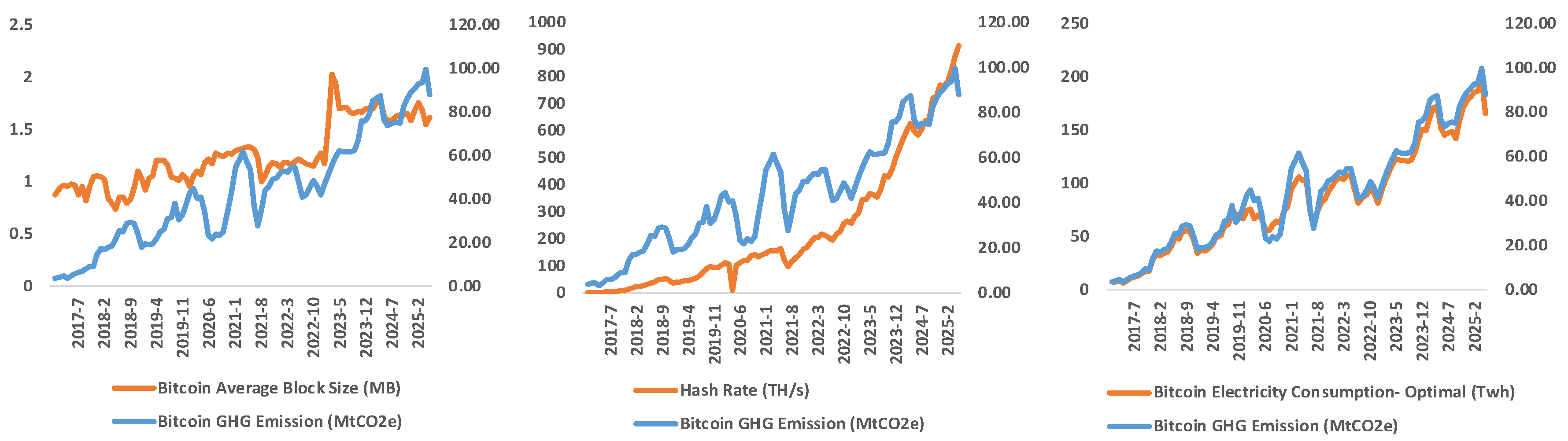
Figure 1, a strong positive correlation is observed between carbon emissions and the explanatory variables included in Model 1.
In the second phase of the analysis, the Climate Policy Uncertainty Index (CPU, 1987 = 100) is employed as the dependent variable to capture how climate-related policy uncertainty responds to developments in cryptocurrency markets. To this end, the Compass Crypto Volatility Index (CCVI; Bitcoin—20%) is included as an indicator of market uncertainty and instability, reflecting fluctuations in crypto-market conditions that may influence investor confidence and policymakers’ responsiveness to climate-related risks. Bitcoin Price (BP, USD) is incorporated as a representative non-green cryptocurrency variable, capturing speculative dynamics and the economic dominance of the largest cryptocurrency by market capitalization. In contrast, SolarCoin Price (SP, USD) is included as a proxy for green cryptocurrencies [
5,
68], as it is explicitly designed to incentivize renewable energy generation and thus provides a sustainability-oriented benchmark within the crypto ecosystem. This distinction allows the model to differentiate between environmentally neutral or energy-intensive crypto assets and sustainability-linked digital tokens. Data for cryptocurrency-related variables are obtained from blockchain and cryptocurrency market platforms, while the Climate Policy Uncertainty index is sourced from the Economic Policy Uncertainty (EPU) database. The full dataset covers the period from 2017M1 to 2025M5, yielding a total of 101 monthly observations. As illustrated in
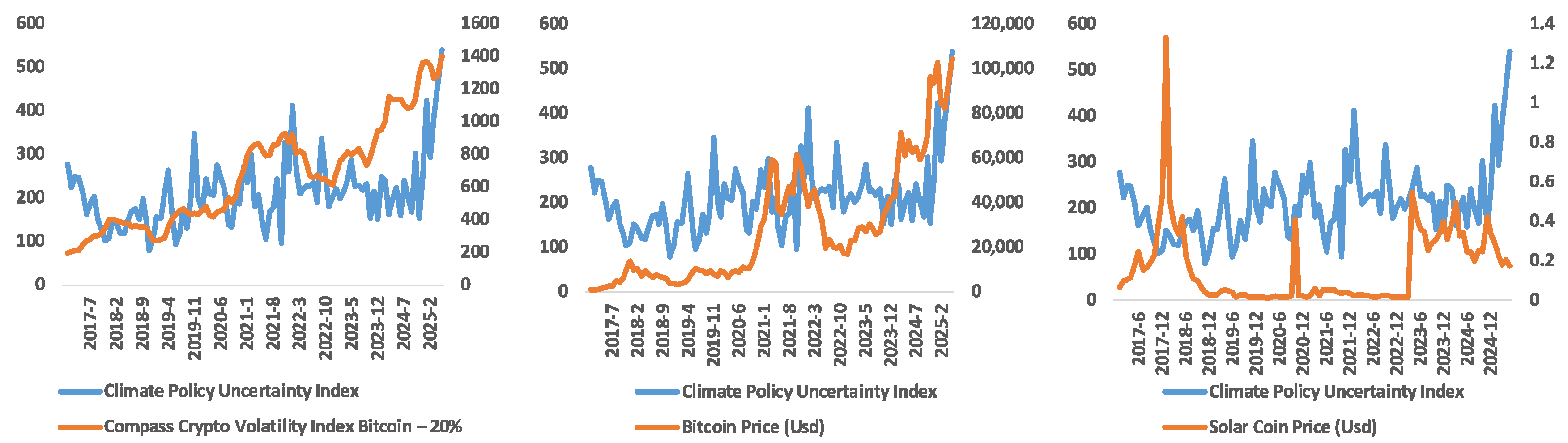
Figure 2, a positive correlation is observed between climate policy uncertainty and the explanatory variables included in Model 2.
In this study, monthly data are employed as they allow for a more reliable identification of structural breaks. Compared to high-frequency series, monthly data contain less short-term noise, facilitating the detection of economically meaningful regime shifts. Structural breaks typically arise from macroeconomic, political, or regulatory shocks that materialize over time, making lower-frequency data more suitable for capturing such gradual adjustments. Moreover, the use of high-frequency data increases the risk of spurious break detection, potentially distorting inference. In this context, econometric procedures such as the Maki [
69] cointegration test exhibit stronger statistical performance and reliability when applied to monthly data. Although the overall sample length is relatively short, the selected period coincides with several major global events that are highly relevant to cryptocurrency markets, energy systems, and climate policy dynamics. First, the COVID-19 pandemic that emerged in early 2020 triggered widespread economic disruption and elevated financial uncertainty. Second, China’s nationwide ban on cryptocurrency mining in September 2021 substantially altered global hash rates, mining locations, and energy consumption patterns. Third, the Russia–Ukraine military conflict beginning in February 2022 generated geopolitical instability and negatively affected global energy markets [
14,
70,
71]. Finally, Ethereum’s transition from a proof-of-work to a proof-of-stake consensus mechanism in September 2022 marked a critical technological shift, significantly reducing energy intensity and reshaping sustainability discussions within the crypto ecosystem. As of today, proof-of-stake–based cryptocurrencies account for approximately 11% of total market capitalization [
72].
Prior to implementing econometric procedures, it is essential to examine whether the variables exhibit stationarity. A time series is considered stationary if its mean and variance remain constant over time and it displays no persistent trend or systematic cyclical behavior [
73]. To this end, we employ a GLS-based unit root test with multiple structural breaks, which explicitly accounts for potential regime shifts over the sample period [
74]. In the presence of structural breaks, conventional unit root tests may produce biased results and incorrectly classify a stationary process as non-stationary. To address this issue, the econometric literature has proposed several extensions. An early contribution by Zivot and Andrews [
75] introduced a unit root test allowing for a single structural break under the alternative hypothesis. However, the null hypothesis assumes no breaks, and restricting the analysis to a single break is often insufficient in empirical applications. Subsequently, Narayan and Popp [
76] developed a two-break model, while Lee and Strazicich [
77,
78] proposed LM-based unit root tests that allow for breaks under both hypotheses. Nevertheless, these approaches typically rely on break dates that are either pre-specified or introduced through dummy variables, rather than being endogenously determined within the model. Moreover, real-world time series—particularly over extended and eventful periods—often exhibit more than two structural breaks. To overcome these limitations, Silvestre et al. [
74] proposed a GLS-based unit root testing framework that accommodates multiple structural breaks under both the null and alternative hypotheses. This methodology enables the endogenous identification of break dates through GLS detrending, thereby providing a more flexible and reliable assessment of stationarity in the presence of complex structural dynamics (see
Appendix B for methodological details and research design).
3. Findings
To test the first hypothesis (H1), “The growing use of Bitcoin significantly influences climate policy uncertainty (CPU) and greenhouse gas (GHG) emissions”, the Maki cointegration test was employed. The results provide evidence of a long-term cointegration relationship among the variables across most models, except for the Regime Shift model. The Model 2, both the Level Shift with Trend model (significant at the 10% level) and the Level, Trend & Regime Shift model (significant at the 5% level) confirm cointegration, while other specifications indicate no cointegration, leading to acceptance of the null hypothesis in those cases. Overall, the Maki cointegration test with multiple structural breaks reveals a statistically significant long-run equilibrium relationship among blockchain adoption, cryptocurrency usage, CPU, and GHG emissions.
In the second hypothesis (H2), “Major global events (such as the COVID-19 pandemic, the Russia–Ukraine war, China’s ban on crypto-mining, and Ethereum’s transition from proof-of-work to proof-of-stake) introduce significant structural breaks in the market and generate asymmetric financial effects” was evaluated using the causality test to identify potential causal linkages among the variables. In this framework, the standard Granger non-causality test [
79] is a commonly applied method. However, this approach assumes that positive and negative shocks exert symmetric effects on the dependent variable. In practice, causal dynamics may be asymmetric as economic agents often respond differently to gains and losses due to behavioral and informational asymmetries. Based on this idea, we applied the Asymmetric Bootstrap Toda–Yamamoto causality test. According to the test results, positive shocks in independent variables (BAS
+ HR
+ BEC
+) are negative Granger cause of positive shocks in dependent variables (GHG
+) in Model 1. Similarly, for dependent variable CPU, Granger causality is observed from various shocks of the independent variables, except for Bitcoin Price (BP), for which no significant causality is detected.
In the following paragraphs, more details are provided. Before proceeding with the analyses, the common statistics of the variables are presented in
Table 1.
The Jarque–Bera test is a statistical procedure used to assess whether a dataset’s skewness and kurtosis align with those of a normal distribution. Firstly, the result for both models indicates that, Hash Rate (HR) and price variables (BP and SP) significantly deviate from normality based on the Jarque–Bera test (p < 0.01). The remaining variables do not show strong evidence against the null hypothesis of normality. Secondly, the correlation matrix in Model 1 indicates strong positive relationships among all variables suggesting that Bitcoin’s environmental impact is closely tied to its electricity consumption and mining activity. However, the situation is different in Model 2. The correlation matrix indicates moderate positive relationships among CPU, CCVI, and Bitcoin Price (BP), with the strongest being between CCVI and BP (0.96), suggesting that market volatility and price movements are closely linked. In contrast, Solar Coin Price (SP) shows weak correlations with all variables, and notably a weak negative correlation with CPU (−0.19), implying a slight inverse association with climate policy uncertainty.
The very high correlation between greenhouse gas emissions (GHG) and Bitcoin electricity consumption (BEC) observed in Model 1 reflects a structural and economically meaningful relationship rather than an econometric deficiency. Since electricity consumption is the primary channel through which cryptocurrency mining generates emissions, strong co-movement between these variables is theoretically expected. Although multicollinearity may affect coefficient precision in standard regression settings, it does not necessarily undermine causality-based inference. The asymmetric bootstrap Toda–Yamamoto approach employed in this study relies on the significance of lagged dynamics rather than coefficient magnitudes; therefore, high pairwise correlations do not compromise the validity of the causality results. Furthermore, bootstrap inference with 10,000 replications enhances robustness under small-sample conditions and mixed integration properties, making the chosen framework well suited for analyzing the crypto–energy–emissions nexus.
In Model 2, SolarCoin is not employed as a proxy for the overall cryptocurrency market or mining scale, but rather as a sustainability-oriented signal variable reflecting climate-policy-sensitive valuation dynamics within the crypto ecosystem. Its relatively small market capitalization and weak correlation with major crypto assets are consistent with its limited exposure to speculative behavior and support its role as a niche indicator rather than a representative market proxy. Alternative assets, such as Ethereum following its transition to proof-of-stake, are excluded due to sample incompatibility and major structural regime shifts, while energy-system-specific indicators (e.g., load factors) are constrained by data availability at the monthly frequency. Accordingly, Model 2 is designed as a complementary linear specification to assess directional and policy-relevant linkages, whereas nonlinear and asymmetric effects are explicitly examined within the primary empirical framework.
At the next step, we test for unit root to avoid any spurious regression results. For this purpose, we employed GLS-based unit root test of Silvestre et al. [
74] that allow for multiple structural breaks under both the null and alternative hypotheses.
Table 2 reports the GLS-based unit root test results for both models under different types of structural breaks. For example, in the level-shift specification, the test statistic for the GHG variable is 8.01, which exceeds the corresponding critical value of 6.10; therefore, the null hypothesis of a unit root cannot be rejected. When the first difference in the series is considered, the test statistic declines to 4.35, falling below the critical value and indicating stationarity. A similar interpretation applies to the remaining variables. Overall, the results suggest that all series are integrated of order one, implying non-stationarity in levels but stationarity after first differencing. This pattern is consistent with the presence of structural changes and major shocks over the sample period, which may affect the stochastic properties of the series. Given that the variables are I(1), it is appropriate to proceed with cointegration analysis to examine whether a long-run equilibrium relationship exists among them. To this end, we employ the Maki [
69] cointegration test. Unlike alternative approaches such as Gregory and Hansen [
80] or Hatemi [
81], which require prior assumptions regarding the number or timing of structural breaks, the Maki test determines both the existence and number of breaks endogenously. This feature is particularly suitable in contexts characterized by multiple and overlapping global shocks. Moreover, compared to conventional procedures, the Maki test offers a methodologically stingy framework for capturing long-run relationships under multiple structural breaks [
69].
Table 3 reports the Maki cointegration test results together with the relevant critical values. Given the monthly frequency of the data, the maximum lag length was set to 12 and the trimming parameter to 0.05, consistent with standard practice. The findings provide evidence of a long-run cointegration relationship in several specifications across both models. In Model 1, cointegration is supported in most cases; however, the Regime Shift specification fails to reject the null hypothesis of no cointegration, as the test statistic (−6.794) does not exceed the corresponding critical value. This result suggests that the long-run relationship is more likely characterized by gradual and smooth adjustments rather than abrupt regime changes. In Model 2, both the Level Shift with Trend specification (significant at the 10% level) and the Level, Trend, and Regime Shift specification (significant at the 5% level) confirm the presence of cointegration, indicating a stable long-run association between cryptocurrency market indicators and climate policy uncertainty under flexible break structures. Specifications imposing more restrictive assumptions on structural changes do not yield cointegration, underscoring the sensitivity of long-run dynamics to the treatment of structural breaks. Moreover, the Maki test endogenously identifies multiple break dates that broadly coincide with major economic and policy-related events during the sample period.
Upon examining the identified breakpoints, it is evident that they largely coincide with major global economic, geopolitical, and technological events that have shaped cryptocurrency markets. These include the onset of the COVID-19 pandemic in early 2020, which generated unprecedented economic uncertainty; China’s nationwide Bitcoin mining ban in September 2021, which led to a sharp contraction and subsequent relocation of mining activities; the outbreak of the Russia–Ukraine conflict in February 2022, intensifying geopolitical and energy-market risks; and Ethereum’s transition from Proof-of-Work to Proof-of-Stake in September 2022, marking a structural shift toward lower-energy blockchain protocols. Among these events, China’s mining ban represents a particularly salient policy intervention targeting carbon-intensive activities. Although the econometric framework does not explicitly estimate separate pre- and post-break coefficients, the timing of the identified break suggests a structural reorganization of mining activity rather than a simple proportional reduction in emissions. In practice, mining operations were geographically reallocated toward jurisdictions with different energy mixes, implying that environmental impacts became more spatially dispersed rather than eliminated. This interpretation helps explain why greenhouse gas emissions remain strongly linked to technical network variables even after major regulatory shocks. Similarly, the COVID-19-related breakpoint reflects heightened uncertainty and volatility in energy markets, reinforcing the view that global shocks tend to amplify the sensitivity of crypto-related emissions to underlying network dynamics rather than severing long-run relationships.
In the final phase of the analysis, we employ the asymmetric causality test proposed by Hatemi [
82]. Conventional causality approaches, such as the Granger [
79] framework, implicitly assume that positive and negative shocks exert symmetric effects on the dependent variable. This assumption is often violated in economic and financial settings, where agents respond asymmetrically to gains and losses due to behavioral mechanisms such as loss aversion, risk asymmetry, and information frictions. Moreover, standard linear causality tests are limited in their ability to capture nonlinear and direction-dependent dynamics, which are particularly relevant in volatile and energy-intensive markets such as cryptocurrencies [
34]. Hatemi’s asymmetric causality approach addresses these limitations by decomposing each variable into its positive and negative shock components, thereby allowing causal relationships to differ by shock direction. This feature enables the identification of hidden or offsetting causal effects that would remain undetected in symmetric specifications. Such differentiation is especially important in the context of cryptocurrency markets, where negative shocks (e.g., declines in mining activity or market volatility) may not generate proportional reductions in energy use or emissions, while positive shocks can rapidly amplify environmental pressures. Consequently, the asymmetric causality framework provides a more appropriate and policy-relevant tool for examining the nonlinear transmission mechanisms between crypto-market dynamics, greenhouse gas emissions, and climate policy uncertainty [
83].
The findings from the bootstrap-based Granger causality analysis are reported in
Table 4, considering four possible causal directions under the null hypothesis that variations in X do not cause changes in Y and vice versa. Inference is based on bootstrapped critical values generated through 10,000 simulations using the empirical data. In each bootstrap iteration, the M-WALD (Modified Wald) test statistic is calculated. After repeating this process many times, the empirical distribution of the test statistic is generated. The upper αth quantiles of this distribution are then used to derive the critical values corresponding to the 1%, 5%, and 10% significance levels. M-WALD statistic exceeds the respective critical value, so the null hypothesis of no causality is rejected. Importantly, the bootstrap approach remains valid even under conditions of non-normality and heteroskedasticity, including the presence of ARCH effects.
The M-WALD test results reveal asymmetric causal relationships in line with the framework proposed by Hatemi-J [
18], which allows positive and negative shocks to exert distinct causal effects. Accordingly, the null hypothesis of no causality is rejected for both positive and negative components of Bitcoin Average Block Size (BAS), indicating bidirectional asymmetric causality running from BAS
+ to GHG
+ and from BAS
− to GHG
−.
The relationship between BAS and Bitcoin greenhouse gas emissions (GHG) is largely indirect and operates through transaction intensity and mining activity. Positive shocks to BAS—reflecting increased transaction capacity—are associated with higher mining effort, elevated electricity consumption, and consequently higher emissions. Conversely, negative shocks to BAS tend to reduce transaction throughput and mining activity, leading to lower emissions. However, these effects are mediated by factors such as mining efficiency, the number of active miners, and the prevailing energy mix, resulting in asymmetric environmental responses.
A similar asymmetric causal pattern is observed between hash rate (HR) and GHG, with evidence of causality from HR+ to GHG+ and from HR− to GHG−. While increases in computational power intensify mining activity and electricity demand, reductions in hash rate do not necessarily translate into proportional emission declines, particularly when mining relocates to less efficient or more carbon-intensive energy sources.
Finally, the results indicate significant causality at the 5% level from positive shocks in Bitcoin electricity consumption (BEC+) to positive shocks in GHG, whereas no causal effect is detected for negative shocks. This finding highlights structural rigidities in energy use and emissions, where increases in electricity consumption immediately raise emissions, but reductions are often offset by inflexible energy infrastructures, base-load requirements, or delayed transitions toward cleaner energy sources. Overall, these asymmetric dynamics underscore the importance of policy-driven interventions, as market-based contractions alone appear insufficient to deliver proportional emission reductions.
In Model 2, we find evidence of asymmetric causality running from negative shocks in the Compass Crypto Volatility Index (CCVI−) to positive shocks in Climate Policy Uncertainty (CPU+) at the 10% significance level. This relationship may reflect a volatility-targeted exposure mechanism. Periods of declining market volatility typically increase risk-taking and exposure to crypto assets, potentially stimulating mining activity and speculative investment. Such expansion in crypto-related operations can intensify environmental and energy-related policy debates, thereby elevating climate policy uncertainty. The observed asymmetry suggests that periods of market calm may indirectly amplify regulatory ambiguity by increasing systemic exposure rather than reducing risk.
In contrast, no causal relationship is detected between Bitcoin price and CPU, indicating that price dynamics alone do not systematically influence climate policy uncertainty. However, significant asymmetric causality is identified between SolarCoin prices and CPU, with causal effects running from SP− to CPU+ and from SP+ to CPU− at the 10% and 5% significance levels, respectively. These results suggest that SolarCoin functions as a sustainability-sensitive signal within the crypto ecosystem. Positive shocks to SP prices may reflect increased confidence in green digital assets and perceived effectiveness of climate policies, thereby reducing uncertainty. Conversely, negative shocks may signal weakening trust in sustainable finance initiatives, raising doubts about policy continuity and increasing uncertainty.
More broadly, SolarCoin’s performance can be interpreted as a financial proxy for the credibility and viability of sustainability-oriented crypto initiatives. Fluctuations in its valuation may therefore influence policymakers’ expectations and responses, explaining why both positive and negative shocks exert asymmetric effects on climate policy uncertainty.
Our findings indicate that asymmetric causality between variables arises from multiple channels. First, energy-intensive operations such as increases in block size (BAS+) and hash rate (HR+) amplify greenhouse gas emissions immediately, while reductions in these variables (BAS-, HR-) often produce muted or delayed decreases due to structural rigidities, energy source constraints, and operational baseline requirements. Second, cryptocurrency prices and market behavior create asymmetry: positive shocks can boost investor confidence in sustainability-oriented assets (e.g., SolarCoin), reducing climate policy uncertainty (CPU), whereas negative shocks can elevate uncertainty by undermining trust in green initiatives. Third, the distinction between green and non-green tokens matters, as sustainable cryptocurrencies respond more sensitively to policy signals, while energy-intensive coins generate disproportionately larger emissions in positive shocks. Fourth, broader macro-financial conditions and liquidity constraints can magnify positive shocks and dampen negative ones, adding another layer of asymmetry. Finally, technological efficiency and miner behavior can mediate these effects, as improvements may limit the impact of negative shocks, while positive shocks continue to increase energy demand. Taken together, these channels demonstrate that the environmental and policy impacts of cryptocurrencies are direction-dependent and highlight the necessity of targeted regulatory interventions to manage asymmetric outcomes effectively.
As a result, the asymmetric causality results indicate that negative shocks in crypto-related activity—such as declines in hash rate or reductions in electricity consumption—do not generate proportionate decreases in greenhouse gas emissions. This finding points to the presence of structural rigidities in crypto-mining-related emission dynamics, whereby contractions in activity are partially offset by factors such as the geographic relocation of mining operations, continued dependence on carbon-intensive energy sources, or efficiency losses during downturns. In contrast, positive shocks translate more directly into intensified mining activity and higher energy demand, resulting in stronger and more immediate increases in emissions. This asymmetry suggests that emission responses are upwardly elastic but downwardly rigid, implying that market-driven slowdowns or cyclical volatility alone are insufficient to deliver meaningful and sustained emission reductions. Consequently, the results underscore the necessity of proactive regulatory interventions—such as carbon pricing mechanisms, energy-based taxation, or the application of the polluter-pays principle—to internalize environmental externalities and ensure that emission reductions occur through deliberate policy action rather than incidental market fluctuations.
4. Discussion
Numerous studies document that the substantial electricity consumption associated with cryptocurrency mining poses a serious challenge for environmental sustainability. In practice, however, miners rarely internalize these environmental costs when making investment and location decisions. Instead, profitability considerations dominate, with three key factors guiding operational choices: access to low-cost electricity, reliable high-speed internet infrastructure, and climatic conditions that reduce cooling needs. Consequently, regions with naturally low temperatures and inexpensive energy supplies tend to attract a disproportionate share of mining activity.
This behavior helps explain why relatively small cost differentials across locations can translate into large shifts in global mining capacity and, in turn, into sharp increases in energy use and associated emissions. The empirical link identified in this study between mining intensity, electricity consumption, and GHG emissions is consistent with this mechanism. From a policy perspective, these patterns suggest that unregulated market incentives alone are unlikely to internalize the environmental externalities generated by crypto-mining, thereby reinforcing the relevance of climate-related policy uncertainty in shaping investment and regulatory expectations.
From a policy perspective, the widely accepted polluter-pays principle—enshrined in Article 191(2) of the EU Treaty, OECD guidelines, and the Rio Declaration—holds that those responsible for environmental harm should bear the associated costs. When applied to blockchain and cryptocurrency mining, this principle implies that the environmental damages generated by energy-intensive mining activities should be reflected in miners’ cost structures. Given that mining profitability is closely tied to energy-based capital accumulation, the strong empirical link between electricity consumption and GHG emissions identified in this study supports the relevance of such cost internalization mechanisms.
In this context, instruments such as carbon pricing, energy taxation, or emissions-based regulation can be interpreted as potential channels through which the negative externalities of blockchain-related activities might be incorporated into market outcomes. Likewise, measures targeting the end products of blockchain technologies—such as digital currencies and energy-intensive smart-contract applications—may influence demand patterns by shifting activity away from environmentally harmful designs toward more sustainable alternatives. These policy mechanisms are therefore closely connected to the transmission channels through which crypto-market dynamics affect both emissions and climate policy uncertainty in the empirical models. Second, governments may impose excise duties or import tariffs on mining hardware. As tangible and tradable capital goods, mining machines fall naturally within existing excise and customs tax regimes, making them a feasible channel for influencing the supply-side drivers of excessive energy consumption. Third, taxation policies on cryptocurrency ownership, trading, and profits may also play a role in reflecting environmental externalities, for example, through profit surcharges or differentiated capital gains taxation linked to the carbon footprint of crypto-related activities. Fourth, registration or licensing fees that vary according to the energy intensity of blockchain systems could further affect miners’ cost structures by increasing the relative burden on carbon-intensive operations. Fifth, mandatory and transparent reporting standards on energy use and carbon emissions would improve information availability, thereby strengthening market discipline and enabling investors to better distinguish between environmentally sustainable and unsustainable blockchain projects. Taken together, these instruments are conceptually consistent with internationally recognized principles such as the polluter-pays framework embedded in EU law and OECD guidelines. In the context of the empirical results presented in this study, which document a strong link between crypto activity, emissions, and climate policy uncertainty, such mechanisms can be interpreted as relevant channels through which policy responses may interact with cryptocurrency markets and environmental outcomes.
Our empirical findings provide a basis for distinguishing between short-run and long-run transmission mechanisms implied by the asymmetric causal structure. In the short run, positive shocks in block size (BAS+), hash rate (HR+), and electricity consumption (BEC+) are associated with immediate increases in greenhouse gas emissions (GHG+), whereas negative shocks generate weaker or more delayed adjustments, reflecting operational rigidities, baseline energy requirements, and constraints in energy sourcing. In a similar manner, short-term volatility in cryptocurrency markets (CCVI) and abrupt movements in sustainability-oriented asset prices (SP) are found to translate into fluctuations in climate policy uncertainty (CPU), indicating that financial market dynamics rapidly feed into policy-related expectations. From a longer-run perspective, the results suggest that structural features of the cryptocurrency ecosystem—such as technology choice, energy mix, and the relative attractiveness of green versus non-green crypto-assets—shape the persistence of these environmental and policy-uncertainty effects. The asymmetric causal patterns identified in Models 1 and 2 indicate that expansionary phases of crypto activity exert stronger and more immediate environmental and policy impacts than contractionary phases, implying that adjustment processes are not symmetric over time. This provides an empirical basis for interpreting how technological change, market structure, and regulatory environments jointly influence the sustainability profile of blockchain-based systems.
A further important implication of the results is the analytical distinction between cryptocurrencies and the underlying blockchain technology. Cryptocurrency mining and blockchain infrastructures are not equivalent, and their environmental implications differ substantially. While proof-of-work–based mining is directly associated with high electricity use and emissions, many blockchain-enabled energy applications operate at the level of grid management, electricity consumption monitoring, demand-response mechanisms in smart homes, and electric mobility systems.
An expanding literature suggests that blockchain-based systems can contribute to energy access and sustainable development, particularly in regions facing energy poverty while attempting to integrate distributed and renewable energy sources [
84]. By enabling transparent, tamper-resistant, and real-time information exchange among upstream and downstream actors, blockchain technologies can improve coordination within energy markets and support more efficient allocation of resources. In this sense, the environmental footprint of cryptocurrencies should be analytically separated from the broader technological potential of blockchain-based energy applications when evaluating their long-run sustainability implications.
In South Asia and Africa, pilot projects have already implemented blockchain-based, solar-powered microgrids that allow households to trade electricity on a peer-to-peer basis. These systems provide a mechanism for matching local supply and demand, lowering transaction costs, and facilitating private investment in decentralized energy infrastructure. Beyond cryptocurrency mining, blockchain applications have been extended to areas such as billing, trading, automation, grid management, cybersecurity, and resource sharing. When integrated with artificial intelligence, such systems are also capable of analyzing consumption patterns and improving energy-use efficiency.
Nevertheless, the scalability of blockchain networks, transaction-speed limitations, and uneven levels of digital infrastructure across regions continue to constrain the practical deployment of these applications. Moreover, institutional and legal frameworks—covering smart contracts, data protection, and regulatory compliance, including standards such as the GDPR—play a decisive role in determining how effectively blockchain technologies can be deployed in energy systems. These structural and regulatory factors help explain why the environmental footprint of blockchain varies widely across use cases and why its sustainability implications cannot be inferred solely from cryptocurrency mining activities.
In the context of climate policy, a large body of literature emphasizes that policy certainty plays a critical role in shaping investment decisions and regulatory effectiveness, particularly in green and low-carbon technologies. Higher levels of uncertainty increase perceived risk and delay capital allocation, which is consistent with the empirical relevance of climate policy uncertainty (CPU) identified in this study. Against this backdrop, blockchain technology has emerged as a potentially important institutional and informational infrastructure within sustainability-oriented policy environments, including those linked to the United Nations Sustainable Development Goals (SDGs). Beyond its financial applications, blockchain has been increasingly used to enhance transparency, traceability, and verification in climate-related activities. For example, the transparent and immutable recording of carbon credits on blockchain platforms can reduce information asymmetries and credibility concerns in voluntary carbon markets, thereby strengthening environmental governance. These developments illustrate how technological infrastructures may interact with policy environments and uncertainty dynamics, reinforcing the relevance of CPU as a channel through which digital financial systems influence sustainability outcomes.
Similarly, renewable energy certificates can be securely recorded and tracked on blockchain networks, reducing fraud risks and improving the credibility of green electricity markets. Peer-to-peer (P2P) energy trading platforms, in which households generate solar power and sell it directly to local users, further illustrate how blockchain can support decentralized and low-carbon energy systems. In agricultural and industrial production, blockchain-based supply-chain records enhance the traceability of inputs and processes, allowing firms and regulators to verify whether goods are produced in environmentally responsible ways. In addition, blockchain-based digital measurement, reporting, and verification (dMRV) systems enable environmental data to be recorded in a tamper-resistant manner, strengthening the reliability of emissions reporting. By reducing information asymmetries and credibility gaps, these applications can lower climate policy uncertainty (CPU) and support more stable expectations about environmental regulation and compliance.
Cross-border data flows play an increasingly important role in reducing climate policy uncertainty by enabling real-time monitoring, transparent reporting, and internationally comparable environmental information. Through the exchange of large-scale datasets on carbon emissions, renewable energy generation, and climate risks, governments, firms, and financial institutions can form more accurate expectations about future climate policies and regulatory enforcement. For example, a solar farm in Sub-Saharan Africa can optimize production using weather and grid-stability forecasts processed in European or North American data centers, thereby improving both operational efficiency and investment reliability. In this context, blockchain-supported Data Supply Chains (DSCs) further enhance credibility by ensuring that environmental data are verifiable, tamper-resistant, and auditable across borders. In carbon markets, such systems allow investors and regulators to confirm whether reported emissions reductions—such as reforestation projects in Brazil or renewable installations in India—are genuine and measurable. By reducing information asymmetries and verification costs, cross-border data flows combined with blockchain-based verification mechanisms can lower CPU, support international coordination, and facilitate more stable and efficient allocation of capital toward low-carbon technologies.
As a result, emission reductions claimed in voluntary carbon markets become real, traceable, and independently auditable, which substantially strengthens market credibility and investor confidence. More importantly, by improving the reliability of environmental information, these mechanisms reduce uncertainty surrounding climate policy implementation and enforcement. This enhanced transparency supports more predictable regulatory frameworks and facilitates progress toward national and international environmental targets.
An additional implication of the empirical results relates to the absence of a causal link between Bitcoin prices and climate policy uncertainty. This pattern indicates that, despite the energy-intensive nature of Bitcoin mining, price formation is largely driven by global financial conditions, speculative behavior, and broader macro-financial uncertainty rather than climate-related regulatory expectations. By contrast, the statistically significant causal effects observed for market volatility and SolarCoin suggest that sustainability-oriented crypto assets and volatility-sensitive markets are more responsive to shifts in climate policy expectations. This divergence points to an important asymmetry within the crypto ecosystem: while climate policy uncertainty influences environmental outcomes mainly through production-side mechanisms such as mining scale, energy sources, and technological intensity, these effects do not necessarily translate into Bitcoin price dynamics. From a policy perspective, this implies that price-based market signals alone may be insufficient to induce environmentally relevant adjustments in energy-intensive mining activities.
5. Conclusions
This study examines the relationship between cryptocurrency mining activity, greenhouse gas (GHG) emissions, and climate policy uncertainty (CPU) over the period January 2017–March 2025 using a global dataset dominated by major mining and policy events. The empirical findings indicate that crypto-mining intensity is closely associated with higher energy consumption and emissions, while crypto-market volatility transmits uncertainty into climate policy expectations. Although blockchain-based systems may support transparency and monitoring, the results underline that current mining practices pose non-negligible environmental challenges. The analysis is conducted within a linear econometric framework that incorporates structural breaks and asymmetries; however, potential nonlinear or regime-dependent dynamics are left for future research. Accordingly, the findings should be interpreted with caution and without implying homogeneous global effects. Overall, the study contributes by providing evidence that cryptocurrency-related technological and financial dynamics are increasingly relevant for sustainability-oriented policy discussions.
Although this study employs advanced econometric methods, it is ultimately based on linear specifications, which may not fully capture nonlinearities and regime-dependent dynamics inherent in financial–environmental systems. Future research may therefore benefit from nonlinear time-series models such as threshold regression, smooth transition regression (STAR), or Markov-switching frameworks. For example, the impact of hash rate or block size on greenhouse gas emissions may differ across electricity consumption regimes or market conditions. In addition, comparative analyses across regions—particularly between Africa and Asia—could provide further insights into how digital financial development and energy structures shape the environmental implications of blockchain adoption.






 where DUt (Tj) indicates constant level shift (due to structural breaks in level, series does not revert to a constant mean throughout the entire time period) that takes zero value till break date and becomes 1 after that. Dt T(Tj) is constant that takes zero value till break date and become 1, 2,…n after that. At the second stage of the test, we detrend series. GLS detrending refers to the process of removing deterministic components (such as a constant or trend) from a time series using the Generalized Least Squares (GLS) method. The goal is to enhance the power of unit root tests by more efficiently isolating the stochastic component of the series. Compared to traditional OLS detrending, GLS detrending minimizes error variance and provides more reliable results, especially in small samples. The key difference in this process lies in the transformation of both yt and dt using a local-to-unity parameter α which is typically set as α = 1 + c/T. where c < 0 is a fixed constant and T is the sample size. The transformed variables are computed as: and . Then, the GLS regression is run as . From this, the GLS-detrended series is obtained as: . In this process null hypothesis H0: means unit root against the alternative one Ha: [74]. After construction of detrending series, we can test the null hypothesis by using point optimal (PT) statistic of Perron and Rodrigez [98]: