


Abstract
The growing demand for safe and minimally processed fresh fruits and vegetables has highlighted the need for effective and environmentally friendly decontamination methods. Conventional washing techniques often fail to remove pesticide residues and microbial contaminants efficiently, while chemical disinfectants raise concerns related to toxicity and sustainability. In this context, natural surfactants and fermentation-derived solutions have emerged as promising alternatives. This critical review presents aspects regarding recent advances in the use of plant-based and microbial surfactants, for the decontamination of fresh products, with highlights on their mechanisms of action, ranging from enhanced removal of hydrophobic residues to disruption of microbial bio-films. Also, particular attention is given to the potential of combining surfactants with bioactive compounds obtained through fermentation processes, as well as to the valorization of agro-industrial waste as sustainable raw materials. The impact of these treatments will contribute to the improvement of product quality, safety, and environmental compatibility. Finally, current challenges related to scalability, standardization, and regulatory aspects are outlined, highlighting the need for further research to support the transition from laboratory studies to real-world applications.
1. Introduction
Fresh produce (FP), plays a crucial role in human health as it offers a consistent source of micronutrients, vitamins, and dietary fiber. The growing consumer interest in sustaining a healthy lifestyle has indirectly resulted in a rise in the intake of fresh fruits and vegetables. In 2023 the global production of fruits and vegetables attained 2.1 billion tons, marking a 1% rise from the previous year [1]. However, fresh produce safety has become a major global public health concern due to the increasing consumption of raw fruits and vegetables and their frequent implication in foodborne disease outbreaks. Unlike thermally processed foods, fresh produce is often consumed without cooking, which allows pathogenic microorganisms such as Salmonella, Escherichia coli O157:H7, and Listeria monocytogenes to survive and reach consumers [2,3]. According to the World Health Organization (WHO), contaminated food causes more than 600 million illnesses and 420,000 deaths annually worldwide, while fresh fruits and vegetables are recognized as important vehicles for pathogen transmission [4]. Contamination may occur at any stage of the food chain, including cultivation, harvesting, processing, transportation, and retail handling. The increasing complexity of global food supply chains, together with changing consumption habits and international trade, has further intensified the need for effective and sustainable decontamination strategies for fresh produce. Following the harvest of FP, various chemical agents, including pesticides and preservatives, are frequently applied to enhance their shelf life and preserve an appealing visual quality, which may linger on their surfaces [5].
In the food industry, chemical disinfectants are commonly employed to reduce microbial contamination and to delay the spoilage of fresh produce. In the post-harvest phase, fruits and vegetables are frequently washed or treated with sanitizing agents, including chlorine-based compounds (such as sodium hypochlorite), peracetic acid, hydrogen peroxide, and organic acids [6]. These disinfectants work by inactivating microbial pathogens and spoilage organisms on product surfaces, which helps extend shelf life and enhance food safety. In addition, they are recognized for their broad antimicrobial spectrum, affordability, simplicity of application, and minimal influence on the quality of products [7]. Nonetheless, the utilization of these chemical disinfectants presents specific challenges regarding the emergence of chemical residues and disinfection by-products (DBPs), including trihalomethanes (THMs) and haloacetic acids (HAAs). THMs, such as chloroform (CHCl3), bromodichloromethane (CHCl2Br), dibromochloromethane (CHClBr2), and bromoform (CHBr3), are often generated during disinfection processes and can be absorbed by various types of foods, such as ready-to-eat fresh vegetables, during washing operations [8]. Haloacetic acids (HAAs) are recognized as the second most widespread group of disinfection by-products (DBPs) produced during water disinfection, particularly through chlorination [9]. The U.S. Environmental Protection Agency (EPA) regulates five major HAAs, namely monochloroacetic acid (MCAA), dichloroacetic acid (DCAA), trichloroacetic acid (TCAA), monobromoacetic acid (MBAA), and dibromoacetic acid (DBAA). Both THMs and HAAs have attracted considerable attention because of their documented mutagenic, cytotoxic, genotoxic, teratogenic, and carcinogenic properties and their association with adverse health outcomes, including cancer, reproductive disorders, congenital abnormalities, and miscarriage [10,11]. Consequently, researchers are diligently investigating safer and more sustainable alternatives sourced from nature. Natural surfactants or other plant-derivate solutions obtained from plants have shown encouraging antimicrobial properties, biodegradability, and low toxicity, rendering them viable options for the decontamination of fresh produce [12]. These innovative strategies seek to efficiently eliminate pesticide residues and microbial pathogens while reducing negative impacts on human health and the environment. Many review papers on the subject of fresh produce safety have been published in recent times. This critical review aims to address different gaps in the decontamination of fresh products, such as aspects regarding recent advances in the use of plant-based and microbial surfactants, with highlights on their mechanisms of action ranging from enhanced removal of hydrophobic residues to disruption of microbial bio-films. Also, particular attention is given to the potential of combining surfactants with bioactive compounds obtained through fermentation processes, as well as to the valorization of agro-industrial waste as sustainable raw materials. The impact of these treatments will lead to the improvement on product quality, safety, and environmental compatibility. Finally, current challenges related to scalability, standardization, and regulatory aspects are outlined, highlighting the need for further research to support the transition from laboratory studies to real-world applications.
2. Common Sources of Contamination in Fresh Produce
Fruits and vegetables are extensively recognized as potential vectors for a variety of contaminants, including viruses, bacteria, fungi, and pesticide residues, owing to their exposure to complex environmental factors and handling practices. Contamination can take place during the pre-harvest period due to environmental factors like soil, irrigation water, organic fertilizers, and contact with both domestic and wild animals [13].
2.1. Bacterial Contaminants
Biofilms are conglomerates of microorganisms that attach to one another and to surfaces, remaining embedded in a self-produced matrix of extracellular polymeric substances (EPS) [14]. Biofilm formation is a dynamic process that begins with the reversible attachment of planktonic cells to a surface, followed by irreversible adhesion mediated by cellular appendages and surface adhesins. Subsequently, microorganisms produce EPS, which promotes cell aggregation, biofilm maturation, and increased resistance to environmental stresses and antimicrobial agents [15].
The pathogenic bacterium Listeria monocytogenes has been detected on fresh produce in regions such as Europe, China, South America, and Nigeria. It is primarily transmitted during the harvesting, processing, packaging, or transportation of food in environments that are already contaminated [16]. Consumption of contaminated food can lead to listeriosis or other infections that pose a risk to health [17]. Listeria monocytogenes is of particular concern in fresh produce processing due to its ability to form biofilms on food-contact surfaces and produce tissues. These biofilms increase microbial tolerance to conventional sanitation procedures, promoting persistence and cross-contamination during processing [18]. Thus, L. monocytogenes represents a major challenge for fresh produce decontamination and food safety management. Irrigation water has been identified as an important source of fresh produce contamination, with several foodborne pathogens, including Salmonella Enteritidis, Listeria monocytogenes, and Staphylococcus aureus, being detected in water used for strawberry cultivation [19].
Products that are minimally processed are often preserved under modified atmosphere packaging (MAP) and refrigerated conditions to delay microbial spoilage. Besides the impact of MAP on the quality of produce, it may also affect the survival and proliferation of psychrotrophic, facultative anaerobic, and microaerophilic microorganisms, which can endure refrigeration temperatures and low oxygen conditions [20]. Importantly, contamination does not usually cause visible spoilage, meaning that fruits and vegetables may appear fresh while still carrying harmful pathogens [21]. The presence of Salmonella spp. has been reported in a variety of fresh produce commodities, including lettuce [22], mangoes, and tomatoes [23], highlighting the potential food safety risks associated with their consumption.
2.2. Fungi
Fungal contamination of fresh produce represents a major challenge for food quality, safety, and shelf life. Yeasts and molds, recognized as the principal fungal contaminants, can increase in number throughout cultivation, harvesting, transportation, and storage, especially when conditions are warm, humid, and insufficiently hygienic [24]. Contaminated fresh produce can function as vectors for mycotoxins, which represent toxic secondary metabolites synthesized by filamentous fungi [25]. The occurrence and contamination levels of these mycotoxins are influenced by the fungal species involved, the host commodity, and environmental conditions [26]. Mycotoxigenic fungi can invade fruits and vegetables through wounds, natural openings, or damaged tissues, facilitating their establishment on the surfaces of produce before harvest [25]. Under favorable environmental conditions, fungal proliferation and mycotoxin production may increase, compromising food safety, contributing to economic losses, and posing potential risks to public health [27]. Fungal contamination has been widely reported in a variety of fresh fruits and vegetables. Studies on ready-to-eat leafy vegetables, have identified fungal genera such as Cladosporium, Alternaria, Fusarium, Penicillium, Mucor, Trichoderma, and Aspergillus [28]. Similarly, a variety of fruit commodities have been shown to harbor filamentous fungi, predominantly belonging to the genera Botrytis, Rhizopus, and Epicoccum [29]. Consequently, effective and sustainable decontamination strategies are essential to limit fungal growth, reduce mycotoxin contamination, and ensure the microbiological safety of fresh produce.
2.3. Pesticides
Pesticides are crucial for the cultivation of agricultural products, as they protect crops against a variety of pests, including insects, weeds, and rodents [30]. However, their application may result in the accumulation of residues on fresh fruits and vegetables through direct spraying or environmental exposure via soil and water. The presence of pesticide residues on fresh produce has raised significant food safety concerns, as excessive exposure has been associated with adverse health effects, including neurotoxicity, endocrine disruption, and increased cancer risk [31,32,33]. Several monitoring studies have reported the widespread occurrence of pesticide residues in fresh fruits and vegetables. El-Sheikh et al. detected numerous pesticide residues in a variety of produce commodities, with a substantial proportion exceeding the established maximum residue limits (MRLs), highlighting potential acute and chronic health concerns for consumers [34]. Similarly, Osaili et al. identified more than 80 different pesticides in imported fruit samples, with many samples exhibiting residue levels at or above the corresponding MRLs [35]. In addition, surveys conducted on vegetables marketed in Egypt revealed the presence of multiple pesticide residues, including restricted compounds, with some commodities showing residue levels above regulatory limits [36]. These concerns highlight the need for innovative and sustainable decontamination approaches capable of minimizing pesticide residues on fresh produce.
3. Natural Surfactants Used in Fresh Produce Decontamination
Natural surfactants are surface-active molecules synthesized from renewable resources like plants, animals, microorganisms, agricultural by-products, and waste streams [37]. Due to their biodegradability and low toxicity, they have emerged as promising alternatives for fresh produce decontamination [38]. In contrast, conventional surfactants are generally synthesized from petroleum-derived feedstocks and may present environmental concerns related to toxicity and biodegradability [39,40]. Biodegradability depends on factors such as chemical structure, concentration, wastewater treatment conditions, and characteristics of the receiving ecosystem; their environmental performance should be assessed on a case-by-case basis.
Natural surfactants are generally classified into two main categories based on their origin and production process: bio-based surfactants and biosurfactants. Their amphiphilic nature (Figure 1) improves the elimination of pesticide residues and microorganisms from the surfaces of fruits and vegetables.
Figure 1.
Amphiphilic nature of surfactants.
Table 1 and Table 2 presents an overview of the application of natural surfactants in fresh products decontamination, meanwhile their application is exhaustively presented in Section 4.
3.1. Bio-Based Surfactants
Bio-based surfactants (considered as first-generation surfactants) are obtained and purified or chemically synthesized from feedstock derived from plants to create the intended surfactant structure. Saponins (plant-based surfactants) gained significant attention for the decontamination of fresh produce. Additionally, sugar-based surfactants, including alkyl polyglucosides, sorbitan esters, or sugar esters, have also received attention for their effectiveness in sanitizing fresh produce [41]. The general structures of plant-derived surfactants are illustrated in Figure 2.
Figure 2.
General structures of plant-based surfactants.
3.1.1. Saponins
Saponins are secondary metabolites widely produced by various plants [42]. They consist of a triterpenoid or steroid backbone characterized by hydrophobic properties, complemented by hydrophilic saccharide residues. These residues are connected to the hydrophobic framework via glycosidic bonds, which endow the molecules with amphiphilic characteristics and enhanced surface activity [43]. According to the structure of the aglycone, these compounds are categorized in two distinct types: steroidal saponins and terpenoid saponins [44]. Steroidal saponins consist of a hydrophobic steroidal component known as sapogenin, along with one or more hydrophilic constituents, represented by sugar moieties. Steroidal saponins are characterized by a skeleton made up of 27 carbon atoms. They can be classified into three categories based on the differences in their aglycone structures: spirostanol saponins, furostanol saponins, and cholestanol saponins [45].
They are primarily produced by monocotyledonous plants, particularly those belonging to the families Asparagaceae, Dioscoreaceae, Melanthiaceae, Alliaceae, Liliaceae, Amaryllidaceae, Arecaceae, Costaceae, Bromeliaceae, Poaceae, Smilacaceae, and Scrophulariaceae [46]. Terpenoid saponins consist of 30 carbon atoms and are found especially in dicotyledonous plants such as Leguminosae, Araliaceae, and Caryophyllaceae [47]. The sugar unit is generally connected to the C3 position of the saponin framework, depicted as a monosaccharide or oligosaccharide [48]. Furthermore, these compounds exhibit characteristics such as low surface tension, hydrophilicity, hydrophobicity, as well as foaming and emulsifying capabilities. Due to the non-polar aglycone units and polar sugar groups, saponins form colloidal solutions in the presence of water, leading to the appearance of a foam due to the decrease in surface tension and aggregation into micelles [49]. Therefore, these compounds can be used as foaming or emulsifying agents in the food industry [50]. Saponins that possess a single sugar chain exhibit enhanced foaming properties in comparison to those that have multiple sugar chains.
Despite promising results in foaming capacity [51], several practical limitations should be considered when evaluating the industrial applicability of saponins; in the food industry, a major practical limitation is the inherent bitterness of many saponins, which can negatively affect sensory acceptance [52]. Their pronounced foaming capacity, while beneficial for surfactant performance, may interfere with industrial washing systems by affecting water circulation and process control. Furthermore, interactions between saponins and the natural wax layer covering fruits and vegetables may modify surface properties and potentially influence moisture loss, appearance, or shelf life [53]. The impact of saponin-based treatments on sensory attributes such as texture, aroma, and consumer acceptance remains insufficiently investigated and requires further evaluation under commercial processing conditions.
3.1.2. Phospholipids and Lecithin
Phospholipids are amphiphilic molecules that consist of a glycerol backbone esterified with two hydrophobic fatty acid chains and a hydrophilic head group containing phosphate (polar head group) [54,55]. The composition of the head-group can exhibit significant diversity, featuring various functional groups attached to the phosphate groups. Among these, the most relevant include phosphatidic acid (PA), phosphatidylcholine (PC), phosphatidylethanolamine (PE), and phosphatidylserine (PS). Additionally, the types of fatty acid chains can differ, influenced by both the length of the chain and the degree of carbon saturation. Lecithin is the most widely recognized form of phospholipid [56]. While phospholipids exhibit surfactant characteristics owing to their amphiphilic nature, their contribution to the decontamination of fresh produce is primarily indirect. Instead of serving as potent antimicrobial agents on their own, phospholipids enhance surface wettability, facilitate the dispersion of hydrophobic substances, and act as carriers for antimicrobial agents.
3.1.3. Sugar-Based Surfactants
Alkyl Polyglucosides (APGs) are categorized as bio-based surfactants due to their production from renewable natural resources, mainly fatty alcohols sourced from vegetable oils (such as coconut or palm oil) and glucose extracted from starch (for instance, corn or wheat). The fatty alcohols provide the hydrophobic alkyl chain, while glucose forms the hydrophilic head group. During synthesis, these components undergo condensation to form glycosidic bonds, resulting in amphiphilic molecules composed of a hydrophobic tail and a hydrophilic sugar moiety, which typically exist as complex mixtures of homologues, anomers, and structural isomers [57]. This molecular diversity enhances their beneficial surface-active characteristics, such as significant wetting ability, low critical micelle concentrations (CMCs), resistance to electrolytes, and durability in hard water environments [58].
Their superior biodegradability, low toxicity, effective cleaning properties, foaming capacity, wettability, and environmental compatibility have resulted in heightened interest in APGs as sustainable options compared to traditional petrochemical surfactants [59]. Recent investigations have emphasized their potential as sustainable surfactants for cleaning fresh produce, facilitating the removal of surface impurities and helping to lower microbial counts on fruits and vegetables.
3.1.4. Sugar Esters
Sugar esters are non-ionic bio-based surfactants synthesized through the esterification of sugars with fatty acids, resulting in amphiphilic molecules with excellent emulsifying and surface-active properties [41]. Typically, sucrose esters are recognized as suitable antimicrobial agents that help reduce the surface tension between bacteria and the food substrate.
Sorbitan esters are non-ionic, bio-based surfactants produced through the esterification of sorbitan (a dehydrated form of sorbitol) with fatty acids. In the synthesis process, sorbitol is dehydrated at elevated temperatures to yield sorbitan, which then reacts with fatty acids to form amphiphilic molecules characterized by a hydrophilic sorbitan head and a hydrophobic fatty acid tail [60]. These substances are commonly referred to as “Spans” and can undergo further ethoxylation to create polysorbates (“Tweens”) that exhibit improved water solubility [41].
Table 1.
Plant-derived surfactants in decontamination for fresh produce.
3.2. Biosurfactants
Biosurfactants are compounds that exhibit surface activity, generated by microorganisms including bacteria, yeasts, and fungi via fermentation processes that utilize renewable substrates including sugars, vegetable oils, hydrocarbons, and agro-industrial wastes and by-products [37]. Their chemical structures (Figure 3) and various properties are determined by the microorganisms involved in their production, the types of substrates that are used, the composition of the medium, and the specific culture conditions. The most frequently used methods for biosurfactant production are submerged fermentation (SmF) and solid-state fermentation (SSF) [72]. In the biosurfactants production through submerged fermentation (SmF), the microorganisms proliferate in liquid nutrient media that contains sugars, vegetable oils, hydrocarbons, glycerol, or by-products from agro-industrial processes. During the fermentation process, microorganisms produce amphiphilic compounds that are either secreted extracellularly or associated with the cell membrane [73]. This method is extensively utilized due to its high productivity, ease of controlling parameters, and its appropriateness for large-scale industrial production. Factors such as pH, temperature, aeration, agitation, and the carbon-to-nitrogen ratio significantly affect the yield and composition of biosurfactants [74]. In Solid-State Fermentation (SSF) production of biosurfactants, the microorganisms are cultivated on wet solid substrates with restricted free water availability. Low-cost substrates often include agricultural and food-processing residues such as wheat bran, rice husks, fruit peels, sugarcane bagasse, and oil cakes. Solid-state fermentation is viewed as eco-friendly because it promotes the use of agro-industrial waste while decreasing production costs and the generation of wastewater [75]. In addition, sustainable production approaches based on food-processing by-products and waste valorization have recently gained increasing attention for improving biosurfactant yield, functionality, and industrial scalability. Thus, the structure of biosurfactants comprise a hydrophilic component containing amino acids or peptides, anions or cations, mono-, di-, or polysaccharides and a hydrophobic component consisting of unsaturated, saturated, or fatty acids [76]. The main classifications of biosurfactants consist of glycolipids, lipopeptides and lipoproteins, phospholipids and fatty acids, and polymeric biosurfactants, as well as particulate surfactants [77]. Glycolipids, lipopeptides, and phospholipids are classified as low-mass bio biosurfactants, whereas polysaccharides, proteins, lipoproteins, and lipopolysaccharides are categorized as high-mass biosurfactants [73,78].
Figure 3.
Chemical structure of the biosurfactants (produced by fermentation) used in fresh produce decontamination.
3.2.1. Glycolipids
Glycolipids are a significant class of biosurfactants, made up of amphiphilic molecules that feature a carbohydrate (hydrophilic part) attached to one or more fatty acid chains or hydroxy-fatty acids (hydrophobic part) [79]. Thanks to this arrangement, glycolipids can effectively decrease surface and interfacial tension, stabilize emulsions, and facilitate the solubilization of hydrophobic compounds [80]. Glycolipid are most commonly produced through SmF [81]. They can be categorized into rhamnolipids (which are predominantly generated by Pseudomonas species), sophorolipids, (produced by yeasts like Starmerella bombicola) [82], trehalolipids (which are typically synthesized by species of Rhodococcus and Mycobacterium), and mannosylerythritol lipids (MELs), (created by yeasts belonging to the genus Pseudozyma) [83]. Among glycolipid biosurfactants, rhamnolipids and sophorolipids are currently the most extensively investigated and practically applied compounds for fresh fruit and vegetable decontamination, particularly for antifungal, antibacterial, and postharvest protection purposes.
Rhamnolipids
Rhamnolipids are glycolipid biosurfactants composed of one or two rhamnose sugar moieties linked to one or two β-hydroxy fatty acid chains, resulting in amphiphilic molecules with strong surface-active properties [84].
Sophorolipids
Sophorolipids are composed of a hydrophilic sophorose group that is covalently bonded to a hydrophobic fatty acid group. Sophorose, which is a disaccharide (2-O-β-d-glucopyranosyl-β-d-glucopyranose), consists of two glucose units linked by a glycosidic bond (β-1,2′) [85].
The antimicrobial properties of sophorolipids are associated with a reduction in surface tension, leading to destabilization, rupture, and enhanced permeability of the microorganism’s membrane and can also to induce cell death in Gram-positive and Gram-negative bacteria, similar to conventional antimicrobials that displayed bacteriostatic effects [86,87].
Trehalolipids
The composition of trehalolipids (TLs) consists of a hydrophilic sugar component and a hydrophobic tail derived from fatty acids. Nonetheless, there exists significant variation in the fatty acid tail, which can be composed of either aliphatic fatty acids or hydroxylated fatty acids featuring branched-chain structures (α-branched-β-hydroxy fatty acids) and varying chain lengths. The chemical structure of TLs is heavily influenced by the microorganisms that produce them, with variations occurring even among individuals of the same species [83].
Mannosylerythritol Lipids
Mannosylerythritol lipids are chemically structured with two fatty acids (hydrophobic section), one mannose, and one erythritol (hydrophilic section). Their molecular structure differs in the arrangement and quantity of acetyl radicals [88]. Multiple studies have indicated that MELs have antifungal, antimicrobial, emulsifying abilities, and can reduce the hydrophobicity of surfaces and inhibit the infectious behavior of phytopathogenic fungi, emphasizing their significant potential for future applications in the decontamination of fresh produce [89,90].
3.2.2. Lipopeptides
Lipopeptides represent a significant category of biosurfactants predominantly generated by bacterial species including Bacillus or Pseudomonas. They consist of two primary regions: acyl tail(s) and a brief linear oligopeptide sequence that contains an amide bond. The hydrophobic tail is made up of a hydrocarbon chain, while the hydrophilic head comprises the peptide sequence found in the lipopeptide biosurfactant [91]. A significant number of biosurfactant lipopeptides, such as surfactins, iturins, and fengycins, exhibit cyclic structures marked by lactone or lactam rings, which play a crucial role in their molecular stability and strong membrane-interacting characteristics [92,93,94]. Their biosynthesis is mediated by non-ribosomal peptide synthetases (NRPSs), highly specialized multienzyme complexes capable of generating structurally diverse compounds independently of the ribosomal pathway [95].
3.3. Fermentation-Derived Antimicrobial Fractions
Fermentation-derived bioactive systems have recently attracted considerable interest as sustainable alternatives for food preservation and fresh produce decontamination due to their antimicrobial, antioxidant, and surface-active properties. These systems are generated through the metabolic activity of microorganisms during fermentation [96]. In contrast to conventional chemical sanitizers, fermentation-derived systems are generally regarded as environmentally friendly, biodegradable, and compatible with food application. Among these systems are included cell-free supernatants obtained from probiotic and fermentative microorganisms [96]. Postbiotics are characterized as intricate mixtures of microbial metabolites and bioactive compounds that are secreted, which include enzymes, peptides, organic acids, vitamins, and short-chain fatty acids.
Fermentation-derived solutions are not surfactants per se; however, they are included in this review because they share the common objective of sustainable fresh produce decontamination and are increasingly investigated as complementary or synergistic alternatives to conventional chemical sanitizers.
Cell-free supernatants (CFS) represent bioactive extracellular fractions that are derived following the extraction of microbial cells from fermented culture media, which is typically achieved through centrifugation and filtration techniques. These supernatants encompass a diverse array of metabolites generated during microbial fermentation, exhibiting antimicrobial properties [97]. CFS are predominantly produced by probiotic and fermentative microorganisms, including Lactobacillus, Lactiplantibacillus, Bacillus, Pediococcus, and yeasts, during their metabolic growth in nutrient-rich media. Numerous studies have shown that the antimicrobial properties of CFS are closely linked to the synergistic effects of metabolites produced during fermentation, especially organic acids and bacteriocins, which are capable of inhibiting the proliferation of foodborne pathogens and spoilage microorganisms [98]. The generation and composition of CFS are affected by various factors, such as the microbial strain, the substrate used for fermentation, pH levels, incubation temperature, oxygen availability, and the duration of fermentation. After fermentation, microbial cells are typically eliminated through centrifugation and membrane filtration to yield a sterile cell-free fraction that is rich in extracellular bioactive compounds [99]. Due to their antimicrobial, antibiofilm, and antioxidant characteristics, CFS are being increasingly explored as natural preservation systems for fresh produce, minimally processed foods, and formulations for edible coatings.
The CFS obtained from B. subtilis, incubated at 28 °C for 16 h, markedly inhibited spore germination, germ tube elongation, and hyphal growth of Penicillium expansum. To evaluate the effects of CFS on the pathogenicity of P. expansum, 5% CFS was co-inoculated with the fungal suspension into grape and citrus fruits. After 3 days, the treatment significantly reduced disease incidence compared with the control group. In grapes, the incidence rate decreased from 83.5% in the control to 61.0% following CFS treatment, while in citrus fruits it decreased from 67.9% to 25.8%, corresponding to a 42.1% reduction. The investigations revealed that the CFS induced the accumulation of reactive oxygen species (ROS) in the mycelium, disrupted cell membrane integrity, caused leakage of cytoplasmic contents, and promoted membrane lipid peroxidation. The antifungal activity was mainly associated with membrane destabilization and the induction of severe intracellular oxidative stress. Moreover, the expression of autophagy- and stress-related genes was significantly upregulated after CFS treatment, with PePRT increasing by 16.75-fold, while PeMetacaspase1 and PeMetacaspase2 were upregulated by 2.06- and 4.96-fold, respectively [100].
Garin-Murguialday et al. investigated the potential of CFSs generated by three strains of lactic acid bacteria (Pediococcus acidilactici CNTA 1059, Levilactobacillus brevis CNTA 1374, and Lactiplantibacillus plantarum CNTA 600) as bioprotective agents for fresh-cut pineapple sticks stored in refrigerated environments. Among the strains assessed, the CFS obtained from Pediococcus acidilactici revealed the most significant efficacy, effectively inhibiting spoilage yeasts (Meyerozyma spp. and Rhodotorula toruloides). The combination of P. acidilactici CFS and modified atmosphere packaging showed the strongest preservative effect, limiting microbial growth to only 2.93 ± 0.15 log CFU/g during 12 days of refrigerated storage, maintaining the color, texture, and sensory quality of the pineapple sticks [101].
Furthermore, Zhao et al. demonstrated that CFS produced by Bacillus velezensis disrupted the integrity of fungal hyphal membranes, leading to leakage of cellular contents and excessive accumulation of reactive oxygen species (ROS), which ultimately caused oxidative damage in Botrytis cinerea. The treatment also reduced the pathogenicity of B. cinerea on cherry tomato, apple, kiwifruit, and strawberry fruits. In addition, CFS concentrations ranging from 2% to 6% significantly inhibited spore germination, while germ tube elongation was reduced by 50.1%, 59.4%, and 90.9% following treatment with 2%, 4%, and 6% CFS, respectively. Higher concentrations (4% and 6%) also severely disrupted hyphal integrity, highlighting the strong biocontrol potential of B. velezensis-derived CFS [102].
Yu et al. isolated a fungal strain capable of utilizing chlorpyrifos as the sole carbon and energy source and demonstrated its strong biodegradation potential in mineral salt medium, with chlorpyrifos half-lives (DT50) of 2.03, 2.93, and 3.49 days at concentrations of 1, 10, and 100 mg/L, respectively. Two diluted cell-free extracts, designated as E (1:10) and E (1:20), were prepared from the fungal fermentation medium and applied to contaminated vegetables to enhance chlorpyrifos degradation. Compared with untreated controls, the application of E (1:20) fungal-derived extracts significantly accelerated chlorpyrifos degradation, reducing its half-life (DT50) by 70.3% in pakchoi, 65.6% in water spinach, 80.6% in Malabar spinach and haricot beans, and 86.1% in pepper. Treatment with the more concentrated E (1:10) extracts also enhanced pesticide degradation, leading to DT50 reductions of 53.8%, 43.2%, 66.0%, 54.3%, and 67.7% in the respective vegetables. These findings highlight the promising potential of fermentation-derived cell-free systems for pesticide detoxification on fresh produce surfaces [103].
Table 2.
Biosurfactants produced by fermentation in decontamination for fresh produce.
4. Applications of Natural Surfactants in Fresh Produce Decontamination
The practical applications of natural surfactants in fresh produce decontamination are discussed in the following sections, with emphasis on pesticide residue removal, microbial control, postharvest preservation, and antiparasitic activity. The mechanism of action in decontamination strategies using natural surfactants is presented in Figure 4.
Figure 4.
Mechanism of action in decontamination strategies.
4.1. Removal of Pesticide Residues
Literature data suggests that the insecticidal properties of tea saponins are associated with their impact on the detoxification enzymes found in insects. Tea saponins have the ability to decrease the activities of superoxide dismutase (SOD), catalase (CAT), acetylcholinesterase (AChE), and carboxylesterase (CES). Certain studies propose that the insecticidal effectiveness of saponins arises from their interaction with cholesterol, resulting in disruption of ecdysteroid synthesis [112]. Hsu et al. have examined the ability of saponins extracted from soybean byproducts (SBE) and camellia seed cake (CSE) to eliminate pesticide residues in fruits and vegetables. The SBE was obtained using 80% ethanol with a solid–liquid ratio of 1:20 g/mL for a duration of 15 min at a temperature of 25 °C. The CSE was extracted under comparable conditions, utilizing a solid–liquid ratio of 1:10 g/mL. The total saponin content for SBE was measured at 40.32 ± 1.50 mg/g, whereas for CSE, it was found to be 216.49 ± 0.79 mg/g. Pesticide residues present on field-sprayed vegetables were effectively removed by aeration-assisted washing processes using 0.1 mg/mL SBE or CSE. Specifically, the combination of saponins with assisted aeration washing processes can effectively dislodge hydrophobic pesticide residues from the surfaces of: bok choy, lambda-cyhalothrin was significantly reduced in sweet potato leaves, chlorothalonil and methomyl were removed from spoon cabbage, and pesticide residues were also effectively reduced in Chinese kale [61]. To avoid the initial residue being too low for easy detection, all the initial pesticide residues must be higher than 1/10 times the pesticide MRL. Saponins were isolated from alfalfa (Medicago sativa L.) seeds by immersion in 40% ethanol in a 1:5 ratio, under continuous agitation for 48 h at room temperature. Following treatment with a 1% saponin solution (pH 5.3) for 5, 10, and 15 min, the removal rates of Cypermethrin residues from apple peels were recorded at 07.32 ± 0.035%, 08.97 ± 0.041%, and 09.42 ± 0.031%, respectively. In contrast, a 2% saponin solution (pH 5.4) demonstrated removal rates of 09.72 ± 0.037%, 10.31 ± 0.039%, and 10.76 ± 0.038% after 5, 10, and 15 min of washing, respectively [62].
In another research, Krishnan and his team, revealed the effectiveness of saponins obtained from Sapindus mukorossi (S. mukorossi) in the removal of pesticide residues from grapes. Following the drying of soapnut fruits, aqueous extracts were generated from their pericarp utilizing an ultrasonic processor. Grapes contaminated with various pesticides were first rinsed with 500 mL of water, followed by immersion in the obtained extract for 20, 30, and 40 min at ambient temperature. The optimal extraction parameters were determined to be 15 min of ultrasonic treatment, an amplitude of 52%, and a solvent-to-solid ratio of 27 mL/g, resulting in an enhanced emulsification index. S. mukorossi demonstrated a greater ability to remove pesticide residues from grapes compared to water washing. The examination of pesticide residues through liquid chromatography–tandem mass spectrometry (LC-MS/MS) demonstrated that the plant extract exhibited a notably superior removal efficiency, achieving diazinon levels of up to 94.6%, chlorpyrifos at 92%, and dichlorvos at 90% following 40 min of treatment. In contrast, water attained a maximum removal rate of 75% under equivalent conditions [63]. The presence of the insecticide Chlorpyrifos in pistachios is often above the maximum residue limit (MRL). A study by Ranjbarmohammadi et al. highlighted the potential of saponins extracted from Saponaria officinalis (soapwort) as a natural method for reducing chlorpyrifos residues in pistachios. The authors categorized the pistachio samples into two separate testing groups: category 1 (pistachios with hard shells) and category 2 (fresh pistachios green-shelled). These samples were subjected to washing process with solutions that included saponin extract at concentrations of 2%, 5%, and 10%, for 5, 10, or 15 min, at temperatures ranging from 25–55 °C. The ideal conditions were determined to be 10% extract for 15 min in Group 1 and 5% extract for 15 min in Group 2, leading to the removal of 81% and 74.2% of residues, respectively. Washing with water alone resulted in only a 12–22% reduction. Raising the extract concentration beyond 5% in Group 2 even diminished the efficiency, thereby establishing 25 °C as the optimal temperature. Validation through UHPLC–MS/MS confirmed reductions in residue levels of up to 77.4% under the optimized conditions [64].
An important limitation of the available literature is the inconsistent reporting of analytical quality parameters. In several surfactant-based decontamination studies, pesticide removal is expressed only as a percentage reduction, while LODs, LOQs, measurement uncertainty, and final residue concentrations are not reported. As a result, it is often difficult to determine whether the treated commodities would comply with regulatory MRLs or whether the observed reductions translate into a meaningful improvement in consumer safety.
4.2. Antibacterial Decontamination
Donsì et al. investigated how nanoemulsion delivery systems influence the antimicrobial activity of essential oil compounds. Carvacrol, limonene, and cinnamaldehyde were encapsulated in sunflower oil nanoemulsions, which were stabilized with different emulsifiers, such as lecithin. The antimicrobial activity was tested against Escherichia coli, Lactobacillus delbrueckii, and Saccharomyces cerevisiae. The results demonstrated that lecithin-based systems modified the distribution of bioactive compounds in the aqueous phase, leading to improved delivery and enhanced effectiveness of natural antimicrobial compounds [113].
Soli et al. developed a dual decontamination method for ginger, Japanese ginger, perilla, parsley, Welsh onion, cucumber, and strawberries [69]. The procedure included the application of 100 mg/L sucrose monopalmitate (in conjunction with microbubble generation), followed by immersion in slightly acidic hypochlorous water containing 30 mg/L chlorine. This treatment was administered to all samples at 50 °C and at 20 °C specifically for strawberries, for 5 min. The treatment was found to be especially effective for perilla, parsley, and Welsh onion, with viable bacterial counts (VBC) decreasing by roughly 2 log CFU/g immediately post-treatment. Additionally, ginger, parsley, and Welsh onion sustained microbial loads below 5 log CFU/g over a period of 6 days at 6 °C, demonstrating effective preservation and microbial management during refrigeration. In contrast, cucumbers exhibited a lower level of decontamination efficiency, achieving only a 1 log CFU/g reduction following treatment, and subsequently experiencing an increase in bacterial counts to 5.5 log CFU/g after 6 days of storage.
In another study, Zhao et al. synthesized sugar esters utilizing various fatty acids, including capric, lauric, myristic, palmitic, and stearic acids, along with saccharides such as glucose, fructose, sucrose, and maltose. Their investigation was focused on the antibacterial efficacy of the synthesized esters against bacteria related to food, including Bacillus cereus AS1.1846, Bacillus subtilis AS1.1849, Staphylococcus aureus AS1.89, Escherichia coli AS1.90, and Salmonella Typhimurium AS1.1174. Among the substances tested, sucrose monocaprate showed the highest antimicrobial activity, particularly towards Gram-positive bacteria. The minimum inhibitory concentrations (MICs) recorded were 2.5 mM for Gram-positive bacteria and 10 mM for Gram-negative bacteria, with the minimum bactericidal concentration (MBC) for Gram-positive bacteria being 10 mM. The authors indicate that sucrose monocaprate, exhibiting both emulsifying and affect antibacterial cell wall, having the potential to serve in the food system [70].
The efficacy of a two-step washing strategy for the removal of Escherichia coli and Salmonella Typhimurium from sweet basil and Thai mint was investigated by Klintham et al. [71]. The procedure involved a preliminary surfactant wash (0.1% Tween 80®), followed by treatment with acidic electrolyzed oxidizing microbubble water (AEO-MB). The combined treatment resulted in substantial reductions of both pathogens, demonstrating the potential of surfactant-assisted decontamination approaches for fresh produce [71].
Sophorolipids were assessed for their antimicrobial properties against Escherichia coli O157:H7 in bacterial suspension and on spinach leaves. The in vitro research indicated that sophorolipids were successful in inactivating E. coli O157:H7. After 2 h of treatment with biosurfactant, the E. coli population, which initially measured 7.1 log CFU/mL, was diminished to 1 log CFU/mL. These findings imply that sophorolipids could serve as potential sanitizers for inactivating human pathogens like E. coli O157:H7 in wash water and on fresh produce [107].
Rhodococcus fascians BD8, which was isolated from Arctic soil, demonstrated the ability to produce trehalolipid biosurfactants, when is cultivated on n-hexadecane as its only carbon source. The isolated biosurfactant decreased the surface tension of water from 72 to 34 mN/m. The most significant antimicrobial effects of trehalolipids were noted against Vibrio harveyi and Proteus vulgaris. The maximum concentration evaluated (0.5 mg/mL) resulted in a partial inhibition ranging from 11% to 34% of various Gram-positive and Gram-negative bacteria, along with a 30% reduction in the growth of Candida albicans, exhibiting also 95% and 70% antiadhesive efficacy against C. albicans and Escherichia coli, respectively [114].
It should be noted that, in several studies, surfactants were applied together with additional decontamination technologies such as microbubbles, electrolyzed water, or oxidizing agents [71]. Therefore, the observed microbial reductions cannot always be attributed exclusively to the surfactant component. Synergistic interactions between physical, chemical, and surfactant-mediated mechanisms may contribute substantially to the overall decontamination efficacy.
4.3. Antifungal Applications
The antifungal properties of saponins are primarily linked to their interaction with sterols in fungal membranes, especially ergosterol. Saponins can create complexes with these membrane sterols, resulting in the formation of pores and heightened membrane permeability. Consequently, the integrity of the fungal cell membrane is compromised, leading to the leakage of ions and vital intracellular metabolites, which ultimately results in the death of the fungal cell [44].
Huang et al. propose that S. mukorossi saponin serves as an eco-friendly substitute for chemical fungicides in the prevention and control of postharvest gray mold affecting fruits and vegetables. In their research, they applied 10 mL of S. mukorossi saponins at suitable concentrations onto strawberries (Fragaria × ananassa Duch), followed by inoculation with Botrytis cinerea (B. cinerea) through surface spraying (2 × 10⁵ conidia/mL, 10 mL). The fruits were maintained at a temperature of 22 °C and were regularly assessed at 48 and 72 h after inoculation, indicating that a concentration of 30% S. mukorossi saponin was adequate to fully inhibit the conidia of B. cinerea germination [65]. Moreover, Cardoso et al. developed nanoemulsions based on saponins for the purpose of sanitizing lettuce, which effectively diminished the presence of Salmonella and Escherichia coli. For the nanoemulsions preparations, an aqueous phase containing saponin (sourced from Quillaja brasiliensis) as a natural emulsifier, was mixed with an oil phase of carvacrol (11 mg/mL). This mixture underwent high-energy probe sonication to reduce the size of the droplets and to create stable oil-in-water nanoemulsions. The CNS (Carvacrol-Saponin Nanoemulsion) exhibited a satisfactory distribution of droplet sizes (PDI < 0.22) and elevated zeta potential values (approximately −30 mV) in comparison to CNP (Carvacrol-Polysorbate 80 Nanoemulsion). CNS demonstrated a bacterial inactivation concentration (BIC) against both cocktails, from 5.51 to 0.69 mg/mL for the Salmonella cocktail (comprising S. Enteritidis SE86, S. Minnesota 7301007, and S. Heidelberg 22295), and from 1.84 to 0.69 mg/mL for the Escherichia coli cocktail (E. coli ATCC 25922, E. coli 8739, and E. coli DH5-α). The treatment exhibited rapid antimicrobial activity, achieving reductions exceeding 2 log CFU/g (~99%) for both Salmonella and E. coli within just 30 s of washing [66]. Dong et al. have examined the antifungal and preservation properties of camellia saponin on bananas after harvest. A Fusarium strain was extracted from bananas and subjected to various concentrations of saponin to determine its antifungal efficacy. Furthermore, bananas were treated with saponin solutions ranging from 15 to 30 mg/mL and stored for 25 days at a temperature of 16 °C and 85% relative humidity to evaluate quality metrics including weight loss, hardness, soluble solids, titratable acidity, and respiration rate. The findings indicated that the antifungal efficacy increased with the concentration, achieving a peak inhibition rate of 86.52% at 20 mg/mL, with no notable enhancement observed at elevated concentrations. Additionally, the treatment at 20 mg/mL exhibited the most effective preservation impact, significantly decreasing weight loss (up to approximately 50%) and enhancing quality characteristics in comparison to the control group. After being stored for a duration of 20 days, the weight loss rate was diminished by 48.04% and 51.67% when compared to the control group, which included both the clear water group and the positive control group [67].
The level of fungal contamination on strawberries significantly reduced from 4.9 to 2.3 log CFU/g right after treatment and remained stable throughout the storage period [69]. It is important to note that microbubbles facilitate the detachment of microorganisms from surfaces as a result of hydrodynamic shear and surface tension effects [115].
Lysophosphatidylethanolamine (LPE), a naturally occurring phospholipid, was examined for its potential to prolong the shelf life of bananas. Due to LPE’s low solubility in water, soy lecithin was utilized to enhance its dispersion and aid in the treatment of the fruit. Bananas at ripening stage 2 were soaked for 30 min in a solution containing LPE and lecithin, and then stored at room temperature for a duration of 10 days. The most effective treatment involved 200 mg/L LPE in conjunction with lecithin, leading to over 75% of the fruit being marketable after 7 days of storage. The LPE + lecithin treatment markedly enhanced postharvest quality by decreasing ion leakage from peel tissues, ensuring greater pulp firmness, and maintaining peel thickness, which suggests improved membrane stability and a postponement of senescence [116].
Caretta et al. synthesized sophorolipids through submerged fermentation in a bioreactor, using 150 g/L glucose, 219.5 g/L oleic acid, and 2.5 g/L yeast extract from Starmerella bombicola (ATCC 22214), which were used as substrates over a period of 12 days. The biosurfactants displayed significant antimicrobial activity against Botrytis cinerea, Sclerotium rolfsii, Rhizoctonia solani, and Pythium ultimum. The biosurfactant inhibited the mycelial growth in vitro with a minimum concentration of 2 mg/mL. The application of sophorolipids at 1, 2, and 4 mg/mL in detached leaves of tomato before the inoculation of the fungus B. cinerea was the best treatment, reducing leaf necrosis by up to 76.90%. The authors demonstrated that sophorolipids are a promising natural antimicrobial agent against phytopathogens, providing an alternative to standard pesticides [106].
The study conducted by Adnan and his colleagues examined the effectiveness of rhamnolipids in managing postharvest fungal infections and preserving the quality of tomatoes, cucumbers, and mangoes during storage. Rhamnolipids were produced from residual glycerin and utilized as a natural biofungicide against the main fungal pathogens identified for each fruit: Botrytis cinerea for tomatoes, Colletotrichum capsici for cucumbers, and Phytophthora palmivora for mangoes. The results indicated that treatments with rhamnolipids significantly reduced the severity of the disease, postharvest degradation, and weight loss when compared to untreated samples. After six days of storage, the level of degradation was reduced to 22.63% for tomatoes, 15.98% for cucumbers, and 50% for mangoes. The authors have concluded that the mechanism of action is related to the amphiphilic interaction between rhamnolipids and fungal membranes, causing destabilization of the membrane, an increase in permeability, and the inhibition of pathogenic fungi growth during the post-harvest storage [104]. In another study conducted by Yan and colleagues, the direct antifungal effect of rhamnolipids was evaluated, along with the possible mechanisms involved in inhibiting the fungal development caused by Alternaria alternata. The results of the in vitro assays revealed that rhamnolipids inhibited the growth of fungi on solid media and prevented both spore germination and mycelium growth in liquid media. Additionally, the combination of rhamnolipids and essential oil produced a synergistic effect, which contributed to a reduction in the fungicidal concentrations of laurel oil [105].
Sophorolipids (produced by Wickerhamiella domercqiae Y2A, cultivated in flasks containing 50 mL of yeast extract medium composed of 1% yeast extract, 2% glucose, and 2% peptone, incubated on a rotary shaker at 180 rpm and 30 °C for 24 h) have the potential to affect the germination of spores and the growth of hyphal tips in Phytophthora infestans. They were found to decrease the activity of β-1,3-glucanase in the mycelia of Phytophthora infestans. The inhibition of mycelial growth of Phytophthora infestans by sophorolipids was influenced by pH levels: a higher pH value resulted in a reduced inhibition rate. In controlled greenhouse experiments, the application of sophorolipids at a concentration of 3 mg mL−1 on foliage significantly mitigated the severity of late blight in potatoes caused by Phytophthora infestans [108].
Magwebu et al. evaluated the antifungal efficacy of cyclolipopeptides (CLPs), specifically fengycin and iturin A, produced by Bacillus amyloliquefaciens, as alternative biofungicides for the postharvest protection of pome fruits. Crude CLP extracts incorporated into a zein edible coating were applied to “Packham’s Triumph” pears infected with Botrytis cinerea (gray mold) and “Cripps Pink” apples infected with Penicillium expansum (blue mold). Treatments were administered either preventively or curatively through dip or spray applications at pH 2.0 and 8.0 and compared with the commercial fungicide. The most effective treatment was the curative dip application of CLPs at pH 2.0, which reduced B. cinerea infection by 92.6%, resulting in only 5.7% gray mold incidence, with efficacy comparable to fludioxonil. In apples, the same treatment achieved the lowest blue mold incidence (68.6%). The results demonstrated the strong potential of fengycin- and iturin A-based lipopeptides as sustainable alternatives to synthetic fungicides for postharvest fruit [109]. The secondary metabolites produced by Bacillus amyloliquefaciens BUZ-14 were investigated against several important postharvest phytopathogens. The researchers assessed the efficacy of the lipopeptide fraction (LPF) in both in vitro conditions and on infected fruits. TLC-bioautography analyses identified iturin A as the primary antifungal compound responsible for pathogen inhibition. The minimum inhibitory concentrations (MICs) of iturin A were determined as 16.9 μg/mL for Monilinia species and 33.9 μg/mL for P. expansum. Additionally, cultures of BUZ-14 grown for 24 h successfully suppressed brown rot in peaches and blue rot in apples, suggesting that the amount of iturin A naturally produced by the strain was sufficient to control these diseases [110]. Galitskaya et al. have demonstrated the biosurfactants generated by the rhizosphere isolate Bacillus mojavensis P1709 have the capacity to safeguard postharvest cherry tomatoes against decay and mycotoxin contamination induced by Fusarium oxysporum f. sp. Lycopersici. The APF (acid-precipitated fraction) derived from the B. mojavensis P1709 culture medium, at a concentration of 20 g L−1, demonstrated a 93% inhibition of pathogen radial growth on agar plates, as well as a 98% reduction in T-2 and HT-2 mycotoxin production after 5 days of cultivation. Additionally, biosurfactant exhibited a suppression of fungal growth in an in vivo test on cherry tomato fruits, achieving 93% inhibition on the 2nd day and 25% on the 7th day of incubation [111].
4.4. Antiparasitic Applications
Boonsuya and his team investigated the development of a natural vegetable-washing solution aimed at reducing the risk of intestinal parasite transmission through contaminated fresh produce. Their research evaluated the effectiveness of papaya seed extract and lauryl glucoside (an alkyl polyglucoside derived from coconut oil), comparing their performance with distilled water, tap water, 5% vinegar, and Albendazole used as a reference treatment. The study involved fresh vegetables that had been contaminated with larvae of Strongyloides stercoralis, eggs of Ascaris lumbricoides and Taenia spp. The vegetables were immersed for 5 min in each washing solution, and the effects on the movement of larvae and the removal of parasite eggs were analyzed using the sedimentation method over a 60-min observation period. At a concentration of 200 mg/L, papaya seed extract exhibited the quickest antiparasitic activity, effectively immobilizing larvae in about 10 min. Also, the results indicate that the combination of papaya seed extract and 1% lauryl glucoside exhibited the greatest effectiveness in eliminating parasite larvae and eggs from vegetable surfaces, significantly surpassing the control groups [68].
5. Challenges and Future Perspectives
Despite the significant promise of biosurfactants and natural surfactants as eco-friendly substitutes for petrochemical-derived compounds, their application on an industrial scale is still hindered by various technological and operational challenges. A significant challenge is the high costs of production associated with fermentation processes, downstream purification, and substrate selection. The production of natural surfactants frequently necessitates intricate multistep purification methods, such as centrifugation, solvent extraction, ultrafiltration, or precipitation, which considerably raise energy usage and processing expenses [40].
5.1. Economic and Scale-Up Challenges
One of the major barriers to industrial adoption is the intrinsic variability of natural raw materials. The composition of plant-derived surfactants may vary depending on species, cultivar, geographical origin, harvesting season, extraction procedure, and storage conditions [117]. The recovery of saponins is often challenging due to their structural diversity, low concentrations in plant materials, and chemical instability. Although advanced extraction technologies such as ultrasound-assisted, microwave-assisted, and subcritical water extraction can markedly improve saponin recovery, their reliance on specialized equipment, additional process optimization, and higher operational costs may limit their industrial applicability [118]. The production of saponin-rich plant biomass can represent an additional economic challenge, as cultivation conditions, propagation methods, and plant genotype may significantly affect both saponin yield and production costs. Studies on Saponaria officinalis have shown that optimization of cultivation strategies is required to ensure economically viable and reproducible large-scale production of saponins [119]. In addition, the economic feasibility and operational complexity associated with phospholipid- and lecithin-based decontamination systems remain insufficiently documented. Factors such as formulation costs, emulsion stability, process integration, and scalability may influence their commercial viability and should be assessed under industrial processing conditions [120].
Many studies report impressive reductions of microbial populations or pesticide residues under laboratory conditions. However, direct extrapolation to industrial processing environments should be performed cautiously. The scale-up commercialization of biosurfactants remains challenging due to high production costs, low product concentrations, excessive foam formation during fermentation, and the fact that they are generally estimated to be 20–30% more expensive than their synthetic counterparts [121]. Traditional fermentation methods frequently incur high production costs due to the reliance on pure substrates and refined nutrients, as well as limitations in oxygen transfer and foam generation in large-scale bioreactors [122]. Various strategies have been implemented to enhance the productivity of biosurfactants, such as the use of inexpensive raw materials, optimization of cultivation conditions, selection of resilient microorganisms, genetic engineering of microbial species, and the creation of innovative, cost-efficient downstream processes [123]. Advanced bioreactor designs, such as continuous-flow systems and immobilized-cell reactors, can enhance process stability, prolong production cycles, and boost biosurfactant yields [124]. Concurrently, in situ product recovery methods like foam fractionation and membrane extraction mitigate product inhibition, decrease solvent usage, and lower downstream processing expenses, thus improving the economic feasibility of large-scale production [125]. Also, the utilization of agro-industrial residues and food-processing by-products as renewable substrates has emerged as one of the most promising strategies for enhancing economic viability while supporting circular bioeconomy principles [122].
Scaling up fermentation processes may significantly affect the chemical composition, metabolite profile, and bioactivity of the final products [126].
5.2. Formulation Stability
The successful application of natural surfactants in industry hinges not only on their decontamination capabilities but also on the stability and reproducibility of their formulations [127]. The foaming properties and stability of saponins are influenced by factors such as concentration, pH, temperature, and formulation components, which may complicate product standardization and batch-to-batch consistency [128]. Moreover, the intrinsic physicochemical instability of saponins has led to the formulation of stabilization strategies such as nanoemulsions, liposomes, and microencapsulation systems; however, formulation complexity, scalability constraints, and the lack of standardized evaluation methods remain important challenges for industrial applications [129].
Biosurfactants generally exhibit good stability over a broad range of pH, temperature, and salinity conditions [130]. Among them, rhamnolipid biosurfactants have demonstrated excellent stability and surface activity across temperatures of 30–70 °C, varying pH levels, and NaCl concentrations, with optimal stability reported under alkaline conditions and at 1% NaCl [131].
5.3. Limitations of Fermentation-Derived Systems
Fermentation-derived solutions, particularly cell-free supernatants and postbiotic-type fractions, attracted increasing interest due to their antimicrobial properties and sustainable production routes [103,104,105]. However, their practical application remains challenging because their composition may vary depending on the microbial strain, substrate, fermentation parameters, downstream processing, and storage conditions. As a consequence, their biological activity and efficacy may also significantly vary between production batches, making standardization and reproducibility important challenges for both research and industrial implementation [80,132].
More than that, fermentation-derived fractions represent complex biological mixtures, including organic acids, antimicrobial peptides, enzymes, polysaccharides, and other microbial metabolites whose individual contributions to the overall antimicrobial activity are not always fully understood. This compositional complexity complicates quality control, mechanism elucidation, and regulatory assessment, particularly when crude fermentation broths are used instead of purified or standardized fractions [80,132].
Another important limitation is that most fermentation-derived antimicrobial systems remain at the laboratory scale, while pilot-scale production, process optimization, downstream purification, and industrial validation have received comparatively limited attention. For these reasons, future developments should focus on defined fermentation products and well-characterized active fractions rather than crude fermentation broths, as well as pilot-scale validation studies to facilitate the transfer into commercially applicable technologies.
5.4. Sensory Quality and Consumer Acceptance
Another important challenge is maintaining product quality and consumer acceptance after decontamination treatments. The successful implementation of decontamination strategies for fresh fruits and vegetables depends not only on their biological activity and decontamination efficacy but also on their ability to preserve the appearance, texture, aroma, flavor, and overall sensory quality of the treated produce [133].
Saponins are generally associated with a characteristic bitter taste and astringency, which may influence the sensory attributes and consumer acceptance of food products when present at high concentrations [48]. Tomatoes treated with alfalfa saponin formulations showed improved firmness and better retention of texture, aroma, and color during storage, suggesting that saponins can preserve sensory quality while enhancing shelf life [134]. Similarly, Dong et al. reported that camellia saponin treatments helped maintain banana firmness and overall postharvest quality during storage, indicating that saponins can contribute to shelf-life extension without negatively affecting fruit quality [67]. Similar observations have been reported for biosurfactant-based formulations. Lettuce leaves treated with rhamnolipid-based antimicrobial formulations exhibited no visible quality deterioration, such as yellowing, darkening, black spots, edge blackening, or unpleasant odors, during 5 days of storage, indicating that the treatment preserved the visual and sensory quality of the product during storage [133]. Therefore, future research should focus on long-term storage stability, nutritional preservation, and sensory optimization under realistic industrial conditions [135].
5.5. Environmental, Toxicological and Regulatory Challenges
Despite the growing interest in natural surfactants and fermentation-derived solutions as sustainable alternatives to conventional sanitizers, several environmental, toxicological, and regulatory challenges continue to limit their large-scale implementation in fresh produce decontamination systems.
Although natural surfactants are frequently described as biodegradable and environmentally friendly, these characteristics cannot be generalized to all compounds and formulations. Their environmental behavior depends on multiple factors, including chemical structure, concentration, wastewater treatment efficiency, degradation pathways, and the characteristics of the receiving ecosystem. In some cases, high concentrations of biosurfactants or plant-derived surfactants may affect aquatic organisms or alter microbial communities involved in wastewater treatment processes. Consequently, environmental performance should be evaluated through comprehensive life-cycle assessments and ecotoxicological studies rather than assumed solely on the basis of natural origin.
Similarly, the toxicological profile of natural surfactants and fermentation-derived products requires careful consideration. While many plant-derived compounds exhibit low acute toxicity, some bioactive metabolites may possess allergenic properties or biological activities that warrant further safety evaluation. Fermentation-derived systems may present additional challenges, as their composition may vary considerably depending on microbial strains, fermentation conditions, substrate composition, and storage parameters, potentially affecting both efficacy and safety [136]. Therefore, detailed characterization of active components, identification of active fractions and standardized quality-control procedures are essential prerequisites for their commercial application.
Regulatory approval represents an additional barrier to commercialization. In contrast to conventional sanitizers such as chlorine-based disinfectants or peracetic acid, many natural surfactants and fermentation-derived products lack specific regulatory frameworks governing their use in fresh produce processing. Demonstrating consistent efficacy, product safety, environmental compatibility, and compliance with food-contact regulations remains a complex and costly process. Furthermore, industrial stakeholders require robust evidence regarding long-term stability, reproducibility, supply chain reliability, and economic feasibility before adopting new decontamination technologies.
Addressing these environmental, toxicological, and regulatory challenges will be essential for translating promising laboratory findings into commercially viable solutions. Future efforts should therefore combine efficacy studies with toxicological assessments, environmental impact analyses, standardization strategies, and regulatory validation pathways to support the safe and sustainable implementation of natural surfactants and fermentation-derived products within modern fresh produce processing systems. Although reduced susceptibility to sanitizers has been documented in contaminants removal at sublethal concentrations, current studies generally do not demonstrate true resistance under recommended-use conditions and rarely address long-term adaptive or evolutionary consequences of repeated sublethal exposure, leaving important gaps in understanding potential sanitizer tolerance development in food processing environments [137].
Also, although agro-industrial waste-based biosurfactant production is often presented as a circular and sustainable strategy, life cycle assessment evidence is needed to show that the overall environmental benefit strongly depends on process conditions, as energy-intensive operations and downstream processing steps can significantly increase the cumulative environmental impact, potentially offsetting the advantages of using waste-derived feedstocks [138].
6. Conclusions
The growing consumer preference for clean-label, eco-friendly, and safer food products has heightened interest in bio-based decontamination methods, such as plant-derived surfactants, microbial biosurfactants, and fermentation-derived antimicrobial systems. Besides enhancing food safety and extending shelf life, these substances also aid in minimizing chemical residues and environmental pollution linked to traditional sanitation practices. Although the reported results are encouraging, the technology remains at a relatively early stage of development and requires further validation before widespread industrial adoption can be recommended. This review highlighted the considerable potential of natural surfactants and fermentation-derived bioactive systems as sustainable and eco-friendly alternatives for the decontamination and preservation of fresh fruits and vegetables. The analyzed studies demonstrated that these compounds can effectively reduce pesticide residues, inhibit pathogenic and spoilage microorganisms, and suppress postharvest fungal infections while preserving the physicochemical and sensory quality of fresh produce, but further works are needed in order to develop a truly commercial alternative. An important limitation of the currently available literature is that many studies have been conducted under controlled laboratory conditions using artificially contaminated produce. Although these studies are valuable for demonstrating proof-of-concept efficacy, their results cannot be directly extrapolated to commercial supply chains, where contamination patterns, produce variability, washing conditions, and environmental factors are considerably more complex. Future research should clearly distinguish between laboratory-scale and field-scale evidence and prioritize pilot-scale validation under realistic processing conditions. Furthermore, the available evidence indicates that treatment efficacy is highly commodity-dependent. Differences in surface morphology, cuticular wax composition, tissue structure, and contamination patterns may significantly influence treatment performance. Therefore, conclusions drawn from specific commodities such as lettuce, strawberries, grapes, or tomatoes should not be generalized to all fresh produce categories without further validation.
Author Contributions
Conceptualization, A.M.B., D.M.-M., I.F. and R.C.F.; methodology, D.M.-M., I.F. and R.C.F.; validation, A.M.B., D.M.-M., I.F. and R.C.F.; investigation, A.M.B., I.E.C., D.M.-M., I.F., R.I.M., T.F. and R.C.F.; resources, I.E.C. and I.F.; data curation, A.M.B., D.M.-M. and I.F.; writing—original draft preparation, A.M.B., D.M.-M., I.F. and R.C.F.; writing—review and editing, A.M.B., D.M.-M., I.F. and R.C.F.; supervision, I.E.C., D.M.-M., I.F. and R.C.F.; project administration, I.E.C. and I.F. All authors have read and agreed to the published version of the manuscript.
Funding
A.M.B., I.E.C., R.I.M. and R.C.F. gratefully acknowledge the support of the Ministry of Research, Innovation and Digitization (Ministry of Education and Research—National Authority for Research), CCCDI—UEFISCDI, project number PN-IV-P7-7.1-PTE-2024-0607, contract 57PTE/2025, within PNCDI IV. I.F. and T.F. gratefully acknowledge the support of the Ministry of Education and Research, CCCDI—UEFISCDI, project number PN-IV-P6-6.1-CoEx-2024-0120, contract 13CoEx/2026, within PNCDI IV.
Institutional Review Board Statement
Not applicable.
Informed Consent Statement
Not applicable.
Data Availability Statement
No new data was created for this study.
Conflicts of Interest
The authors declare no conflicts of interest. The funders had no role in the design of the study; in the collection, analyses, or interpretation of data; in the writing of the manuscript; or in the decision to publish the results.
References
- Agricultural Production Statistics 2010–2023. Available online: https://www.fao.org/statistics/highlights-archive/highlights-detail/agricultural-production-statistics-2010-2023/en (accessed on 11 May 2026).
- Friedman, M.; Levin, C.E.; Henika, P.R. Addition of phytochemical-rich plant extracts mitigate the antimicrobial activity of essential oil/wine mixtures against Escherichia coli O157:H7 but not against Salmonella enterica. Food Control 2017, 73, 562–565. [Google Scholar] [CrossRef] [Scilit]
- Patino, M.; Valencia-Guerrero, M.F.; Barbosa-Ángel, E.S.; Martinez-Cordon, M.J.; Donado-Godoy, P. Evaluation of Chemical and Microbiological Contaminants in Fresh Fruits and Vegetables from Peasant Markets in Cundinamarca, Colombia. J. Food Prot. 2020, 83, 1726–1737. [Google Scholar] [CrossRef] [Scilit] [PubMed]
- Food Safety. Available online: https://www.who.int/news-room/fact-sheets/detail/food-safety (accessed on 11 May 2026).
- Bhilwadikar, T.; Pounraj, S.; Manivannan, S.; Rastogi, N.K.; Negi, P.S. Decontamination of Microorganisms and Pesticides from Fresh Fruits and Vegetables: A Comprehensive Review from Common Household Processes to Modern Techniques. Compr. Rev. Food Sci. Food Saf. 2019, 18, 1003–1038. [Google Scholar] [CrossRef] [Scilit] [PubMed]
- An, H.; Chang, H. Evaluation of the Disinfection Capacity of Electrolyzed Water and Growth Rates of Listeria monocytogenes on Chives at Different Storages for Ensuring Microbiological Quality of Fresh Vegetable Foods. Foods 2026, 15, 957. [Google Scholar] [CrossRef] [Scilit] [PubMed]
- Lepaus, B.M.; Uliana, D.S.; Guimarães, A.P.; Bonna, L.D.; Leal, R.M.P.; de São José, J.F.B. Use of Nanotechnology in the Sanitization of Fruits and Vegetables. In Nanotechnology in Food Safety and Sustainability; Prakash, B., São José, J.F.B., Eds.; Springer: Cham, Germany, 2026; pp. 227–249. [Google Scholar] [CrossRef] [Scilit]
- Coroneo, V.; Carraro, V.; Marras, B.; Marrucci, A.; Succa, S.; Meloni, B.; Pinna, A.; Angioni, A.; Sanna, A.; Schintu, M. Presence of Trihalomethanes in ready-to-eat vegetables disinfected with chlorine. Food Addit. Contam. Part A Chem. Anal. Control Expo. Risk Assess. 2017, 34, 2111–2117. [Google Scholar] [PubMed]
- Cardador, M.J.; Gallego, M. Effect of the Chlorinated Washing of Minimally Processed Vegetables on the Generation of Haloacetic Acids. J. Agric. Food Chem. 2012, 60, 7326–7332. [Google Scholar] [CrossRef] [Scilit] [PubMed]
- Parvez, S.; Ashby, J.L.; Kimura, S.Y.; Richardson, S.D. Exposure Characterization of Haloacetic Acids in Humans for Exposure and Risk Assessment Applications: An Exploratory Study. Int. J. Environ. Res. Public Health 2019, 16, 471. [Google Scholar] [CrossRef] [Scilit] [PubMed]
- Tafesse, N.; Porcelli, M.; Hirpessa, B.B.; Gasana, J.; Padhi, R.K.; Garie, S.R.; Ambelu, A. Exposure and carcinogenic risk assessment of trihalomethanes (THMs) for water supply consumers in Addis Ababa, Ethiopia. Toxicol. Rep. 2023, 10, 261–268. [Google Scholar] [CrossRef] [Scilit] [PubMed]
- Vijayakumar, S.; Saravanan, V. Biosurfactants-types, sources and applications. Res. J. Microbiol. 2015, 10, 181–192. [Google Scholar] [CrossRef] [Scilit]
- Mekonnen, A.; Yenew, C.; Damitie, M.; Melkie, G.; Yeshiwas, A.G. Microbial contamination and contributing factors of fresh vegetables in South Gondar Zone Markets, Ethiopia. Sci. Rep. 2025, 15, 40560. [Google Scholar] [CrossRef] [Scilit] [PubMed]
- Amrutha, B.; Sundar, K.; Shetty, P.H. Study on E. coli and Salmonella biofilms from fresh fruits and vegetables. J. Food Sci. Technol. 2017, 54, 1091–1097. [Google Scholar] [CrossRef] [Scilit] [PubMed]
- Sauer, K.; Stoodley, P.; Goeres, D.M.; Hall-Stoodley, L.; Burmølle, M.; Stewart, P.S.; Bjarnsholt, T. The biofilm life cycle: Expanding the conceptual model of biofilm formation. Nat. Rev. Microbiol. 2022, 20, 608–620. [Google Scholar] [CrossRef] [Scilit] [PubMed]
- Okeke, K.S.; Obi, P.; Idris, B. Incidence and Effect of Processing on Listeria Monocytogenes Load of Fresh Cut Vegetables. Int. J. Nat. Sci. Adv. Res. 2026, 12, 2026. [Google Scholar] [CrossRef] [Scilit]
- du Toit, S.A.; Gouws, P.A.; Rip, D. Profiling Listeria monocytogenes in Hummus, Fresh Produce, and Food Processing Environments in the Western Cape, South Africa. MicrobiologyOpen 2025, 14, e70060. [Google Scholar] [CrossRef] [Scilit] [PubMed]
- Flores, V.d.A.; Bernardi, A.O.; Tagliapietra, B.L.; Escalona, M.; da Silva, M.N.; Fracari, J.C.; Copetti, M.V.; Richards, N.S.P.d.S. Bacterial Inactivation by Common Food Industry Sanitizers. Hygiene 2025, 5, 36. [Google Scholar] [CrossRef] [Scilit]
- Xie, Y.; Lu, J.; Li, B.; Li, D.; Du, X.; Fan, B.; Zhang, C.; Liu, X.; Schmidt, S. Combined detection of foodborne pathogens in irrigation water in Jiangsu, China. Food Microbiol. 2026, 133, 104885. [Google Scholar] [CrossRef] [Scilit] [PubMed]
- Francis, G.A.; Gallone, A.; Nychas, G.J.; Sofos, J.N.; Colelli, G.; Amodio, M.L.; Spano, G. Factors Affecting Quality and Safety of Fresh-Cut Produce. Crit. Rev. Food Sci. Nutr. 2012, 52, 595–610. [Google Scholar] [CrossRef] [Scilit] [PubMed]
- Ehuwa, O.; Jaiswal, A.K.; Jaiswal, S. Salmonella, Food Safety and Food Handling Practices. Foods 2021, 10, 907. [Google Scholar] [CrossRef] [Scilit] [PubMed]
- Talplacido, M.; Carlos, A.M.; Oliveros, B.R.; Dalmacio, I. Isolation and Enumeration of Salmonella enterica from Fresh Lettuce (Lactuca sativa L.) Leaves and Its Susceptibility to Different Washing Protocols. Philipp. Agric. Sci. 2025, 108, 2. [Google Scholar] [CrossRef] [Scilit]
- Godínez-Oviedo, A.; Cabrera-Díaz, E.; Palacios-Marmolejo, A.; Pérez-Covarrubias, O.B.; Vargas-Daniel, R.C.; Tamplin, M.L.; Bowman, J.P.; Hernández-Iturriaga, M. Detection, quantification, and characterization of Salmonella enterica in mango, tomato, and raw chicken purchased in the central region of Mexico. J. Food Sci. 2022, 87, 370–382. [Google Scholar] [CrossRef] [Scilit] [PubMed]
- Yenew, C.; Mekonen, S.; Ambelu, A.; Yeshiwas, A.G. Mitigation of Fungal Contamination in Vegetables: Key Factors From a Study in Debre Tabor, Ethiopia. Food Sci. Nutr. 2025, 13, e70412. [Google Scholar] [CrossRef] [Scilit] [PubMed]
- Nan, M.; Xue, H.; Bi, Y. Contamination, Detection and Control of Mycotoxins in Fruits and Vegetables. Toxins 2022, 14, 309. [Google Scholar] [CrossRef] [Scilit] [PubMed]
- Daou, R.; Joubrane, K.; Maroun, R.G.; Khabbaz, L.R.; Ismail, A.; Khoury, A.E. Mycotoxins: Factors influencing production and control strategies. AIMS Agric. Food. 2021, 6, 416–447. [Google Scholar] [CrossRef] [Scilit]
- Goda, A.A.; Shi, J.; Xu, J.; Liu, X.; Zhou, Y.; Xiao, L.; Abdel-Galil, M.; Salem, S.H.; Ayad, E.G.; Deabes, M.; et al. Global health and economic impacts of mycotoxins: A comprehensive review. Environ. Sci. Eur. 2025, 37, 122. [Google Scholar] [CrossRef] [Scilit]
- Farian, E.; Kowalczyk, K.; Wójcik-Fatla, A. Occurrence of Filamentous Fungi and Mycotoxins in Fresh and Minimally Processed Leafy Vegetables from Gardens and Markets. Foods 2026, 15, 64. [Google Scholar] [CrossRef] [Scilit] [PubMed]
- Barboráková, Z.; Jakabova, S.; Maskova, Z.; Mrvova, M.; Uzsákova, V.; Makova, J.; Tancinova, D. Toxin producing micromycetes of the genus penicillium and aspergillus on berries, grapes, and tomato fruits in Slovak stores. J. Microbiol. Biotechnol. Food Sci. 2023, 13, e9927. [Google Scholar] [CrossRef] [Scilit]
- Gelaye, Y.; Negash, B. Residue of Pesticides in Fruits, Vegetables, and Their Management in Ethiopia. J. Chem. 2024, 2024, 9948714. [Google Scholar] [CrossRef] [Scilit]
- Lopes-Ferreira, M.; Maleski, A.L.A.; Balan-Lima, L.; Bernardo, J.T.G.; Hipolito, L.M.; Seni-Silva, A.C.; Batista-Filho, J.; Falcao, M.A.P.; Lima, C. Impact of Pesticides on Human Health in the Last Six Years in Brazil. Int. J. Environ. Res. Public Health 2022, 19, 3198. [Google Scholar] [CrossRef] [Scilit] [PubMed]
- Jokanović, M. Neurotoxic effects of organophosphorus pesticides and possible association with neurodegenerative diseases in man: A review. Toxicology 2018, 410, 125–131. [Google Scholar] [CrossRef] [Scilit] [PubMed]
- Shah, R. Pesticides and human health. In Emerging Contaminants; Nuro, A., Ed.; IntechOpen: London, UK, 2020; pp. 638–655. [Google Scholar]
- El-Sheikh, E.-S.A.; Ramadan, M.M.; El-Sobki, A.E.; Shalaby, A.A.; McCoy, M.R.; Hamed, I.A.; Ashour, M.-B.; Hammock, B.D. Pesticide Residues in Vegetables and Fruits from Farmer Markets and Associated Dietary Risks. Molecules 2022, 27, 8072. [Google Scholar] [CrossRef] [Scilit] [PubMed]
- Osaili, T.M.; Al Sallagi, M.S.; Dhanasekaran, D.K.; Odeh, W.A.B.; Al Ali, H.J.; Al Ali, A.A.; Ismail, L.C.; Mehri, K.O.A.; Pisharath, V.A.; Holley, R.; et al. Pesticide residues in fresh fruits imported into the United Arab Emirates. Heliyon 2022, 8, e11946. [Google Scholar] [CrossRef] [Scilit] [PubMed]
- Malhat, F.; Saber, E.-S.; Shokr, S.A.S.; Eissa, F. Pesticide residues in Egyptian vegetables: A comprehensive analysis of compliance, co-occurrence of multiple residues, and health risk assessment. J. Food Compos. Anal. 2025, 143, 107634. [Google Scholar] [CrossRef] [Scilit]
- Romero Vega, G.; Gallo Stampino, P. Bio-Based Surfactants and Biosurfactants: An Overview and Main Characteristics. Molecules 2025, 30, 863. [Google Scholar] [CrossRef] [Scilit] [PubMed]
- Roy, A.; Khan, M.R.; Mukherjee, A.K. Recent advances in the application of microbial biosurfactants in food industries: Opportunities and challenges. Food Control 2024, 163, 110465. [Google Scholar] [CrossRef] [Scilit]
- Ng, Y.J.; Lim, H.R.; Khoo, K.S.; Chew, K.W.; Chan, D.J.K.; Bilal, M.; Munawaroh, H.S.H.; Show, P.L. Recent advances of biosurfactant for waste and pollution bioremediation: Substitutions of petroleum-based surfactants. Environ. Res. 2022, 212, 113126. [Google Scholar] [CrossRef] [Scilit] [PubMed]
- Santos, D.K.F.; Rufino, R.D.; Luna, J.M.; Santos, V.A.; Sarubbo, L.A. Biosurfactants: Multifunctional Biomolecules of the 21st Century. Int. J. Mol. Sci. 2016, 17, 401. [Google Scholar] [CrossRef] [Scilit] [PubMed]
- Hyla, K.; Janek, T. Sugar Esters of Fatty Acids: Chemo-Enzymatic Synthesis and Biological Activity. Molecules 2025, 30, 3123. [Google Scholar] [CrossRef] [Scilit] [PubMed]
- Xiao, M.-Y.; Li, S.; Pei, W.-J.; Gu, Y.-L.; Piao, X.-L. Natural Saponins on Cholesterol-Related Diseases: Treatment and Mechanism. Phytother. Res. 2025, 39, 1292–1318. [Google Scholar] [CrossRef] [Scilit] [PubMed]
- Schreiner, T.B.; Dias, M.M.; Barreiro, M.F.; Pinho, S.P. Saponins as Natural Emulsifiers for Nanoemulsions. J. Agric. Food Chem. 2022, 70, 6573–6590. [Google Scholar] [CrossRef] [Scilit] [PubMed]
- Shakeel, A.; Noor, J.J.; Jan, U.; Gul, A.; Handoo, Z.; Ashraf, N. Saponins, the Unexplored Secondary Metabolites in Plant Defense: Opportunities in Integrated Pest Management. Plants 2025, 14, 861. [Google Scholar] [CrossRef] [Scilit] [PubMed]
- Lao, L.; Cai, S.; Wen, Z.; Wu, Y.; Zhang, X.; Si, J.; Yang, M.; Chen, D.; Liu, J.; Li, C. Steroidal saponins in edible and medicinal plants: Species distribution, bioactivity, biosynthesis, and regulation. Phytochem. Rev. 2026, in press. [Google Scholar] [CrossRef] [Scilit]
- Li, Y.; Li, Z.; Zhang, F.; Li, S.; Gu, Y.; Tian, W.; Tian, W.; Wang, J.; Wen, J.; Li, J. Integrated evolutionary pattern analyses reveal multiple origins of steroidal saponins in plants. Plant J. 2023, 116, 823–839. [Google Scholar] [CrossRef] [Scilit] [PubMed]
- Kundu, P.; Thorat, S.A.; Kiran, A.; Goel, K.; Zinta, G. Plant-derived triterpenoid saponins: Multifaceted roles and bioengineering prospects. Plant Cell Rep. 2025, 44, 172. [Google Scholar] [CrossRef] [Scilit] [PubMed]
- Timilsena, Y.P.; Phosanam, A.; Stockmann, R. Perspectives on Saponins: Food Functionality and Applications. Int. J. Mol. Sci. 2023, 24, 13538. [Google Scholar] [CrossRef] [Scilit] [PubMed]
- Roopashree, K.; Naik, D. Saponins: Properties, applications and as insecticides: A review. Biosci. Trends 2019, 8, 1–14. [Google Scholar]
- Rai, S.; Kafle, A.; Devkota, H.P.; Bhattarai, A. Characterization of saponins from the leaves and stem bark of Jatropha curcas L. for surface-active properties. Heliyon 2023, 9, 1587. [Google Scholar] [CrossRef] [Scilit] [PubMed]
- Ning, R.; Cheng, X.; Zhang, F.; Chen, D.; Li, W.; Zhang, L.; Zhu, L.; Jiang, J. Comparative study on potentials of Camellia oleifera shell saponins as foam cleaning agents in the late growth stage. J. Clean. Prod. 2023, 420, 138326. [Google Scholar] [CrossRef] [Scilit]
- You, Q.Y.; Qi, Y.H.; Wu, J.; Zou, L.; Wang, Z.P.; Wan, Y.; Huang, J.W. Saponins: Advanced extraction, quantification techniques, multi-target bioactivities, and applications in food and health. Food Chem. 2026, 512, 148836. [Google Scholar] [CrossRef] [Scilit] [PubMed]
- Chu, W.; Gao, H.; Chen, H.; Fang, X.; Zheng, Y. Effects of cuticular wax on the postharvest quality of blueberry fruit. Food Chem. 2018, 239, 68–74. [Google Scholar] [CrossRef] [Scilit] [PubMed]
- Bot, F.; Cossuta, D.; O’Mahony, J.A. Inter-relationships between composition, physicochemical properties and functionality of lecithin ingredients. Trends Food Sci. Technol. 2021, 111, 261–270. [Google Scholar] [CrossRef] [Scilit]
- Drescher, S.; van Hoogevest, P. The Phospholipid Research Center: Current Research in Phospholipids and Their Use in Drug Delivery. Pharmaceutics 2020, 12, 1235. [Google Scholar] [CrossRef] [Scilit] [PubMed]
- Pichot, R.; Watson, R.L.; Norton, I.T. Phospholipids at the Interface: Current Trends and Challenges. Int. J. Mol. Sci. 2013, 14, 11767–11794. [Google Scholar] [CrossRef] [Scilit] [PubMed]
- Vakh, C.; Yahya, L.A.; Kubica, P.; Koronkiewicz, S. Expanding the frontiers of alkyl polyglucoside surfactants: Applications in research and industry. Chem. Eng. J. 2026, 529, 172627. [Google Scholar] [CrossRef] [Scilit]
- Vakh, C.; Kasper, S.; Kovalchuk, Y.; Safonova, E.; Bulatov, A. Alkyl polyglucoside-based supramolecular solvent formation in liquid-phase microextraction. Anal. Chim. Acta 2022, 228, 340304. [Google Scholar] [CrossRef] [Scilit] [PubMed]
- Wasilewski, T.; Hordyjewicz-Baran, Z.; Sabura, E.; Malorna, K.; Dresler, E.; Zegarski, M.; Stanek-Wandzel, N. Application of Alkyl Polyglucosides as Components of the Extraction Medium in the Preparation of a Shampoo Cosmetic Formulation Containing Substances Isolated from Red Grape Pomace. Molecules 2025, 30, 3817. [Google Scholar] [CrossRef] [Scilit] [PubMed]
- Ortiz, M.S.; Alvarado, J.G.; Zambrano, F.; Marquez, R. Surfactants produced from carbohydrate derivatives: A review of the biobased building blocks used in their synthesis. J. Surfactants Deterg. 2022, 25, 147–183. [Google Scholar] [CrossRef] [Scilit]
- Hsu, W.H.; Chen, S.; Lin, J.H.; Yen, G.C. Application of saponins extract from food byproducts for the removal of pesticide residues in fruits and vegetables. Food Control 2022, 136, 108877. [Google Scholar] [CrossRef] [Scilit]
- Manzoor, S.; Asghar, W.; Khan, R.S.; Khalid, N. Assessing the Effectiveness of Saponins from Alfalfa (Medicago sativa L.) to Mitigate Cypermethrin Residues in Apples. J. Chem. Soc. Pak. 2023, 45, 64–71. [Google Scholar] [CrossRef] [Scilit]
- Krishnan, A.; Packirisamy, A.S.B.; Pal, K. Enhanced pesiticide residue removal in grapes by Sapindus mukorossi using response surface methodology process optimization. Eur. Phys. J. Spec. Top. 2026, in press. [Google Scholar] [CrossRef] [Scilit]
- Ranjbarmohammadi, B.; Hosseini, M.; Farimani, M.M.; Es-haghi, A.; Mahdavi, V.; Khaneghah, A.M. Chlorpyrifos residue reduction in pistachios using a saponin-rich extract from Saponaria officinalis: An eco-friendly washing approach. Appl. Food Res. 2026, 6, 101915. [Google Scholar] [CrossRef] [Scilit]
- Huang, X.; Liu, W.; Dong, F.; Xu, Y.; Tian, S.; Chen, T. Sapindus mukorossi saponins inhibit gray mold on strawberry fruit by impairing membrane integrity and organellar homeostasis of Botrytis cinerea. Postharv. Biol. Technol. 2024, 207, 112594. [Google Scholar] [CrossRef] [Scilit]
- Cardoso, L.T.; Alexandre, B.; Cacciatore, F.Y.; Magedans, Y.V.S.; Fett-Neto, A.G.; Contri, R.V.; Malheiros, P.S. Carvacrol-loaded nanoemulsions produced with a natural emulsifier for lettuce sanitization. Food Res. Int. 2023, 168, 112748. [Google Scholar] [CrossRef] [Scilit] [PubMed]
- Dong, C.; Yi, Y.; Liu, S.; Li, C.; Xiao, Z.; Liu, R. Application of Camellia Saponin in the Preservation of Bananas. Sci. Technol. Food Ind. 2022, 43, 307–313. [Google Scholar] [CrossRef]
- Boonsuya, A.; Pechdee, P.; Arunsan, P.; Thanchonnang, C.; Phinsiri, S.; Rattanapitoon, N.K.; Rattanapitoon, S.K. Papaya seed extract combined lauryl glucoside against human parasites contaminated in fresh vegetables. Nat. Prod. J. 2025, 15, e22103155322731. [Google Scholar] [CrossRef] [Scilit]
- Soli, K.W.; Yoshizumi, A.; Yamakawa, M.; Mishima, T.; Honjoh, K.; Miyamoto, T. Application of a Combined Decontamination Method for Fresh Produce Using SAHW, Sucrose Fatty Acid Ester and Microbubbles. Food Sci. Technol. Res. 2011, 17, 555–559. [Google Scholar] [CrossRef] [Scilit]
- Zhao, L.; Zhang, H.; Hao, T.; Li, S. In vitro antibacterial activities and mechanism of sugar fatty acid esters against five food-related bacteria. Food Chem. 2015, 187, 370–377. [Google Scholar] [CrossRef] [Scilit] [PubMed]
- Klintham, P.; Tongchitpakdee, S.; Chinsirikul, W.; Mahakarnchanakul, W. Two-step washing with commercial vegetable washing solutions, and electrolyzed oxidizing microbubbles water to decontaminate sweet basil and Thai mint: A case study. Food Control 2018, 94, 324–330. [Google Scholar] [CrossRef] [Scilit]
- Olubiyo, O.J.; Ferreira, S. Use of Cereals and Other Starch-Rich By-Products in Fungal Protein Production: Opportunities and Challenges. Bioresour. Bioprod. 2026, 2, 8. [Google Scholar] [CrossRef] [Scilit]
- Saranraj, P.; Sivasakthivelan, P.; Karrar, J.H.; Mustafa, S.H.; Abdel-Rahman, M.A.; Al–Tawaha, A.R.M. Microbial fermentation technology for biosurfactants production. In Microbial Surfactants; Sayyed, R.Z., El-Enshasy, H., Eds.; CRC Press: Boca Raton, FL, USA, 2024; pp. 17–42. [Google Scholar] [CrossRef] [Scilit]
- Solomon, A.A.; Vishnu, D. Integrated strategies for biosurfactant production and scale-up: Advances in fermentation engineering and computational modelling. Results Eng. 2025, 27, 106853. [Google Scholar] [CrossRef] [Scilit]
- Bustos-Vázquez, M.G.; Rodríguez-Durán, L.V.; Pichardo-Sánchez, M.A.; Rodríguez-Durán, N.R.; Rodríguez-Durán, N.A.; Trujillo-Ramírez, D.; Torres-de los Santos, R. Recent Advances in Biosurfactant Production in Solid-State Fermentation. Fermentation 2025, 11, 592. [Google Scholar] [CrossRef] [Scilit]
- Desai, J.D.; Banat, I.M. Microbial production of surfactants and their commercial potential. Microbiol. Mol. Biol. Rev. 1997, 61, 47–64. [Google Scholar] [CrossRef] [Scilit] [PubMed]
- Bezerra, K.G.O.; Rufino, R.D.; Luna, J.M.; Sarubbo, L.A. Saponins and microbial biosurfactants: Potential raw materials for the formulation of cosmetics. Biotechnol. Progress. 2018, 34, 1482–1493. [Google Scholar] [CrossRef] [Scilit] [PubMed]
- Maitlo, M.A.; Qazi, M.A.; Shaikh, S.H.; Phulpoto, I.A.; Maitlo, R.R.; Bhatti, M.S.I.; Talpur, M.A.M.; Mirbahar, Q.; Shar, A.H. Microbial Biosurfactants: A review of their Classification and Multidimensional Applications. Planta Anim. 2023, 4, 155–163. [Google Scholar] [CrossRef] [Scilit]
- Darwiche, N.; Dufresne, C.; Chartier, A.; Claude, B.; Colas, C.; Fougère, L.; Lucchesi, M.E.; Le Floch, S.; Nehmé, R. Glycolipid and Lipopeptide Biosurfactants: Structural Classes and Characterization—Rhamnolipids as a Model. Crit. Rev. Anal. Chem. 2026, 56, 806–826. [Google Scholar] [CrossRef] [Scilit] [PubMed]
- Nitschke, M.; Costa, S.G.V.A.O. Biosurfactants in food industry. Trends Food Sci. Technol. 2007, 18, 252–259. [Google Scholar] [CrossRef] [Scilit]
- Oiza, N.; Moral-Vico, J.; Mendiola, J.A.; Ibañez, E.; Sánchez, A.; Gea, T. Alternative extraction strategies for biosurfactants produced by solid-state fermentation from organic waste. Sep. Purif. Technol. 2026, 385, 136501. [Google Scholar] [CrossRef] [Scilit]
- Adu, S.A.; Twigg, M.S.; Naughton, P.J.; Marchant, R.; Banat, I.M. Glycolipid Biosurfactants in Skincare Applications: Challenges and Recommendations for Future Exploitation. Molecules 2023, 28, 4463. [Google Scholar] [CrossRef] [Scilit] [PubMed]
- Sałek, K.; Euston, S.R.; Janek, T. Phase Behaviour, Functionality, and Physicochemical Characteristics of Glycolipid Surfactants of Microbial Origin. Front. Bioeng. Biotechnol. 2022, 10, 816613. [Google Scholar] [CrossRef] [Scilit] [PubMed]
- Abdel-Mawgoud, A.M.; Lépine, F.; Déziel, E. Rhamnolipids: Diversity of structures, microbial origins and roles. Appl. Microbiol. Biotechnol. 2010, 86, 1323–1336. [Google Scholar] [CrossRef] [Scilit] [PubMed]
- Pal, S.; Chatterjee, N.; Das, A.K.; McClements, M.J.; Dhar, P. Sophorolipids: A comprehensive review on properties and applications. Adv. Colloid Interface Sci. 2023, 313, 102856. [Google Scholar] [CrossRef] [Scilit] [PubMed]
- Hipólito, A.; Silva, R.A.A.; Caretta, T.O.; Silveira, V.A.I.; Amador, I.R.; Panagio, L.A.; Borsato, D.; Celligoi, M.A.P.C. Evaluation of the antifungal activity of sophorolipids from Starmerella bombicola against food spoilage fungi. Biocatal. Agric. Biotechnol. 2020, 29, 101797. [Google Scholar] [CrossRef] [Scilit]
- De Rienzo, M.A.D.; Banat, I.M.; Dolman, B.; Winterburn, J.; Martin, P.J. Sophorolipid biosurfactants: Possible uses as antibacterial and antibiofilm agent. New Biotechnol. 2015, 32, 720–726. [Google Scholar] [CrossRef] [Scilit] [PubMed]
- Matosinhos, R.D.; Cesca, K.; Carciofi, B.A.M.; de Oliveira, D.; de Andrade, C.J. Mannosylerythritol lipids as green pesticides and plant biostimulants. J. Sci. Food Agric. 2023, 103, 37–47. [Google Scholar] [CrossRef] [Scilit] [PubMed]
- Yoshida, S.; Koitabashi, M.; Nakamura, J.; Fukuoka, T.; Sakai, H.; Abe, M.; Kitamoto, D.; Kitamoto, H. Effects of biosurfactants, mannosylerythritol lipids, on the hydrophobicity of solid surfaces and infection behaviours of plant pathogenic fungi. J. Appl. Microbiol. 2015, 119, 215–224. [Google Scholar] [CrossRef] [Scilit] [PubMed]
- Liu, X.; Shu, Q.; Chen, Q.; Pang, X.; Wu, Y.; Zhou, W.; Wu, Y.; Niu, J.; Zhang, X. Antibacterial Efficacy and Mechanism of Mannosylerythritol Lipids-A on Listeria monocytogenes. Molecules 2020, 25, 4857. [Google Scholar] [CrossRef] [Scilit] [PubMed]
- Carolin, C.F.; Kumar, P.S.; Ngueagni, T. A review on new aspects of lipopeptide biosurfactant: Types, production, properties and its application in the bioremediation process. J. Hazard. Mat. 2021, 407, 124827. [Google Scholar] [CrossRef] [Scilit] [PubMed]
- Finking, R.; Marahiel, M.A. Biosynthesis of Nonribosomal Peptides. Annu. Rev. Microbiol. 2004, 58, 453–488. [Google Scholar] [CrossRef] [Scilit] [PubMed]
- Ongena, M.; Jacques, P. Bacillus lipopeptides: Versatile weapons for plant disease biocontrol. Trends Microbiol. 2008, 16, 115–125. [Google Scholar] [CrossRef] [Scilit] [PubMed]
- Yin, Y.; Wang, X.; Zhang, P.; Wang, P.; Wen, J. Strategies for improving fengycin production: A review. Microb. Cell Fact. 2024, 23, 144. [Google Scholar] [CrossRef] [Scilit] [PubMed]
- Aoki, R.; Kumagawa, E.; Kamata, K.; Ago, H.; Sakai, N.; Hasunuma, T.; Taoka, N.; Ohta, Y.; Kobayashi, S. Engineering of acyl ligase domain in non-ribosomal peptide synthetases to change fatty acid moieties of lipopeptides. Commun. Chem. 2025, 8, 17. [Google Scholar] [CrossRef] [Scilit] [PubMed]
- Nataraj, B.H.; Ali, S.A.; Behare, P.V.; Yadav, H. Postbiotics-parabiotics: The new horizons in microbial biotherapy and functional foods. Microb. Cell Fact. 2020, 19, 168. [Google Scholar] [CrossRef] [Scilit] [PubMed]
- Żółkiewicz, J.; Marzec, A.; Ruszczyński, M.; Feleszko, W. Postbiotics—A Step Beyond Pre- and Probiotics. Nutrients 2020, 12, 2189. [Google Scholar] [CrossRef] [Scilit] [PubMed]
- Mani-López, E.; Arrioja-Bretón, D.; López-Malo, A. The impacts of antimicrobial and antifungal activity of cell-free supernatants from lactic acid bacteria in vitro and foods. Compr. Rev. Food Sci. Food Saf. 2022, 21, 604–641. [Google Scholar] [CrossRef] [Scilit] [PubMed]
- D’Carmo Sodré, M.M.; Araújo Cruz, I.D.; Santos, U.R.; Potente Dutra Luquetti, S.C.; Silva, V.L.; Ferreira Machado, A.B.; Galuppo Diniz, C.; de Souza, C.T.; Romano, C.; Marin, L.J.; et al. Probiotic cell-free supernatants as a strategy against antimicrobial resistance: A systematic review. Front. Cell. Infect. Microbiol. 2026, 16, 1731341. [Google Scholar] [CrossRef] [Scilit] [PubMed]
- Li, H.; Chen, Y.; Xie, Z.; Su, Q.; Chen, B.; Yang, Y.; Ma, G.; Yang, Y.; Shan, X.; Wang, J.; et al. Cell-Free Supernatant of Bacillus subtilis Suppresses the Mycelial Growth of Penicillium expansum by Destroying the Cell Membrane Integrity and Provoking Cell Death. Biology 2026, 15, 326. [Google Scholar] [CrossRef] [Scilit] [PubMed]
- Garin-Murguialday, N.; Márquez-Urbano, F.; Pagán, R.; Virto, R.; Espina, L.; Arias, E. Quality and safety preservation of pineapple sticks using the cell-free supernatant of lactic acid bacteria. Appl. Food Res. 2026, 6, 101727. [Google Scholar] [CrossRef] [Scilit]
- Zhao, H.; Liu, K.; Fan, Y.; Cao, J.; Li, H.; Song, W.; Liu, Y.; Miao, M. Cell-free supernatant of Bacillus velezensis suppresses mycelial growth and reduces virulence of Botrytis cinerea by inducing oxidative stress. Front. Microbiol. 2022, 13, 980022. [Google Scholar] [CrossRef] [Scilit] [PubMed]
- Yu, Y.L.; Fang, H.; Wang, X.; Wu, X.M.; Shan, M.; Yu, J.Q. Characterization of a fungal strain capable of degrading chlorpyrifos and its use in detoxification of the insecticide on vegetables. Biodegradation 2006, 17, 487–494. [Google Scholar] [CrossRef] [Scilit] [PubMed]
- Adnan, A.A.; Ahmad, K.; Pak Dek, M.S.; Zakaria, M.R. Efficacy of rhamnolipids in mitigating postharvest fungal infections and preserving quality of tomatoes, cucumbers, and mangoes. AgroTech—Food Sci. Technol. Environ. 2024, 3, 42–56. [Google Scholar] [CrossRef] [Scilit]
- Yan, F.; Xu, S.; Guo, J.; Chen, Q.; Meng, Q.; Zheng, X. Biocontrol of post-harvest Alternaria alternata decay of cherry tomatoes with rhamnolipids and possible mechanisms of action. J. Sci. Food Agric. 2015, 95, 1469–1474. [Google Scholar] [CrossRef] [Scilit] [PubMed]
- Caretta, T.O.; Silveira, V.A.I.; Andrade Filho, G.; Macedo, F., Jr.; Celligoi, M.A.P.C. Antimicrobial activity of sophorolipids produced by Starmerella bombicola against phytopathogens from cherry tomato. J. Sci. Food Agric. 2022, 102, 1245–1254. [Google Scholar] [CrossRef] [Scilit] [PubMed]
- Zhang, X.; Fan, X.; Solaiman, D.K.Y.; Ashby, R.D.; Liu, Z.; Mukhopadhyay, S.; Yan, R. Inactivation of Escherichia coli O157:H7 in vitro and on the surface of spinach leaves by biobased antimicrobial surfactants. Food Control 2016, 60, 158–165. [Google Scholar] [CrossRef] [Scilit]
- Chen, J.; Liu, X.; Fu, S.; An, Z.; Feng, Y.; Wang, R.; Ji, P. Effects of sophorolipids on fungal and oomycete pathogens in relation to pH solubility. J. Appl. Microbiol. 2020, 128, 1754–1763. [Google Scholar] [CrossRef] [Scilit] [PubMed]
- Magwebu, S.; Meitz-Hopkins, J.C.; Pott, R.W.M.; Lennox, C.L. Efficacy of the cyclolipopeptides fengycin and iturin A against postharvest pome fruit pathogens. Front. Hortic. 2023, 2, 1175251. [Google Scholar] [CrossRef] [Scilit]
- Calvo, H.; Mendiara, I.; Arias, E.; Blanco, D.; Venturini, M.E. The role of iturin A from B. amyloliquefaciens BUZ-14 in the inhibition of the most common postharvest fruit rots. Food Microbiol. 2019, 82, 62–69. [Google Scholar] [CrossRef] [Scilit] [PubMed]
- Galitskaya, P.; Karamova, K.; Biktasheva, L.; Galieva, G.; Gordeev, A.; Selivanovskaya, S. Lipopeptides Produced by Bacillus mojavensis P1709 as an Efficient Tool to Maintain Postharvest Cherry Tomato Quality and Quantity. Agriculture 2022, 12, 609. [Google Scholar] [CrossRef] [Scilit]
- Cui, C.; Yang, Y.; Zhao, T.; Zou, K.; Peng, C.; Cai, H.; Wan, X.; Hou, R. Insecticidal Activity and Insecticidal Mechanism of Total Saponins from Camellia oleifera. Molecules 2019, 24, 4518. [Google Scholar] [CrossRef] [Scilit] [PubMed]
- Donsì, F.; Annunziata, M.; Vincensi, M.; Ferrari, G. Design of nanoemulsion-based delivery systems of natural antimicrobials: Effect of the emulsifier. J. Biotechnol. 2012, 159, 342–350. [Google Scholar] [CrossRef] [Scilit] [PubMed]
- Janek, T.; Krasowska, A.; Czyżnikowska, Ż.; Łukaszewicz, M. Trehalose Lipid Biosurfactant Reduces Adhesion of Microbial Pathogens to Polystyrene and Silicone Surfaces: An Experimental and Computational Approach. Front. Microbiol. 2018, 9, 2441. [Google Scholar] [CrossRef] [Scilit] [PubMed]
- Soli, K.W.; Yoshizumi, A.; Motomatsu, A.; Yamakawa, M.; Yamasaki, M.; Mishima, T.; Miyaji, N.; Honjoh, K.; Miyamoto, T. Decontamination of fresh produce by the use of slightly acidic hypochlorous water following pretreatment with sucrose fatty acid ester under microbubble generation. Food Control 2010, 21, 1240–1244. [Google Scholar] [CrossRef] [Scilit]
- Zienab, F.R.A.; Palta, J.P. Postharvest dip treatment with a natural lysophospholipid plus soy lecithin extended the shelf life of banana fruit. Postharv. Biol. Technol. 2016, 113, 58–65. [Google Scholar] [CrossRef] [Scilit]
- Díaz-Cruces, E.; Tom, T.; Gómez-López, V.M.; Ne-grete-Bolagay, D.; Hermoso-Gil, J.; Miró-Colmenárez, P.J.; Troconis, J.; Toro-Mendoza, J.; Narváez-Muñoz, C.; Zamora-Ledezma, E.; et al. Saponins as Natural Emulsifiers: Challenges, Regulatory Landscape, and Future in Biomedical and Cosmetic Fields. Ind. Eng. Chem. Res. 2025, 64, 6217–6239. [Google Scholar] [CrossRef] [Scilit]
- Zhang, N.; Ebrahim, Z.M.S.; Tao, L.; Shi, W.; Li, W.; Lu, W. Optimized Extraction of Saponins from Camelia Oleifera Using Ultrasonic-Assisted Enzymes and Their Surface Performance Evaluation. Processes 2025, 13, 1063. [Google Scholar] [CrossRef] [Scilit]
- Stoffel, S.T.; de Vaumas, R.; Postel, R.; Schillberg, S.; Schwenkglenks, M.; Schinkel, H. Identification of Cost-Relevant Factors in the Production of a Triterpenoid Saponin in Hydroponically Grown Soapwort: A Case Study. Horticulturae 2025, 11, 353. [Google Scholar] [CrossRef] [Scilit]
- McClements, D.J.; Gumus, C.E. Natural emulsifiers—Biosurfactants, phospholipids, biopolymers, and colloidal particles: Molecular and physicochemical basis of functional performance. Adv. Colloid Interface Sci. 2016, 234, 3–26. [Google Scholar] [CrossRef] [Scilit] [PubMed]
- Lavanya, M.; Agarwala, R. Advancements and Challenges in the Production of Biosurfactants: A Path Toward Sustainable Surfactant Alternatives. Chem. Bio Eng. Rev. 2026, 13, e70041. [Google Scholar] [CrossRef] [Scilit]
- Matosinhos, R.D.; Cascaes, J.M.; Gerloff, D.K.B.; de Oliveira, D.; Monteiro, A.R.; Calado, H.D.R.; Andrade, C.J.d. Integrated Enzymatic and Fermentative Pathways for Next-Generation Biosurfactants: Advances in Process Design, Functionalization, and Industrial Scale-Up. Fermentation 2026, 12, 31. [Google Scholar] [CrossRef] [Scilit]
- Miao, Y.; To, M.H.; Siddiqui, M.A.; Wang, H.; Lodens, S.; Chopra, S.S.; Kaur, G.; Roelants, S.L.K.W.; Lin, C.S.K. Sustainable biosurfactant production from secondary feedstock—Recent advances, process optimization and perspectives. Front. Chem. 2024, 12, 1327113. [Google Scholar] [CrossRef] [Scilit] [PubMed]
- Khan, R.; Shukla, S.; Chrzanowski, L.; Roccaro, P. Critical evaluation of sustainable biosurfactants on the example of rhamnolipid and sophorolipid production from waste valorization: Challenges, industrial feasibility, and future perspectives. J. Environ. Chem. Eng. 2025, 13, 120485. [Google Scholar] [CrossRef] [Scilit]
- Liu, K.; Sun, Y.; Cao, M.; Wang, J.; Lu, J.R.; Xu, H. Rational design, properties, and applications of biosurfactants: A short review of recent advances. Curr. Opin. Colloid Interface Sci. 2020, 45, 57–67. [Google Scholar] [CrossRef] [Scilit]
- Zahn, J.A. Scale-up and optimization of natural product fermentation processes using mass-guided metabolite fingerprinting. Adv. Biotech. Microbiol. 2017, 3, 555614. [Google Scholar] [CrossRef] [Scilit]
- Singh, A.; Sharma, T.; Abdullah, M.M.S.; Vishal, V. Stable nano-enhanced phase change material emulsions of natural surfactant and silica nanoparticles for thermal energy storage applications. Appl. Therm. Eng. 2025, 270, 126236. [Google Scholar] [CrossRef] [Scilit]
- Chen, X.; Chu, X.; Li, X.; Su, E.; Cao, F.; Zhu, W.; Li, S.; Jiahong, W. Insight Into Foam Properties of Natural Saponins with Low-pH and High-Temperature Tolerance from Xanthoceras sorbifolium Bunge Leaves for Industry Applications. Food Biophys. 2023, 18, 545–555. [Google Scholar] [CrossRef] [Scilit]
- Mao, T.L.; Li, J.; Guo, X.; Wu, W.L.; Thakur, K.; Ma, Y.L.; Wei, Z.J. Recent advances in dietary saponins stabilization: A review on technologies and applications. Trends Food Sci. Technol. 2026, 173, 105769. [Google Scholar] [CrossRef] [Scilit]
- Wang, C.; Zhou, C.; Cao, Y.; Sadeeq, M.; Yu, K.; Hou, F.; Xiong, P. Sophorolipids: Multifunctional microbial glycolipids with diverse bioactivities and applications. Biotechnol. Biofuels Bioprod. 2025, 19, 3. [Google Scholar] [CrossRef] [Scilit] [PubMed]
- Dabaghi, S.; Ataei, S.A.; Taheri, A. Production of rhamnolipid biosurfactants in solid-state fermentation: Process optimization and characterization studies. BMC Biotechnol. 2023, 23, 2. [Google Scholar] [CrossRef] [Scilit] [PubMed]
- Salminen, S.; Collado, M.C.; Endo, A.; Hill, C.; Lebeer, S.; Quigley, E.M.M.; Sanders, M.E.; Shamir, R.; Swann, J.R.; Szajewska, H.; et al. The International Scientific Association of Probiotics and Prebiotics (ISAPP) consensus statement on the definition and scope of postbiotics. Nat. Rev. Gastroenterol. Hepatol. 2021, 18, 649–667. [Google Scholar] [CrossRef] [Scilit] [PubMed]
- Carraturo, F.; Esposito, R.; Masi, M.; Cimmino, A.; Siciliano, A.; Salamone, M.; Gallucci, N.; De Paola, F.; De Tommaso, G.; Iuliano, M.; et al. Sustainable formulations composed of biosurfactants and phytochemicals with potential application in fresh-cut food industry. Sci. Rep. 2024, 15, 39632. [Google Scholar] [CrossRef] [Scilit] [PubMed]
- Akhtar, M.; Akhtar, A.; Nazir, W.; Khalid, N. Formulation of Edible Coatings from Alfalfa Saponins to Enhance the Postharvest Quality of Tomatoes. Prev. Nutr. Food Sci. 2023, 28, 178–188. [Google Scholar] [CrossRef] [Scilit] [PubMed]
- Cohen, G.; Sela, D.A.; Nolden, A.A. Sucrose Concentration and Fermentation Temperature Impact the Sensory Characteristics and Liking of Kombucha. Foods 2023, 12, 3116. [Google Scholar] [CrossRef] [Scilit] [PubMed]
- Rai, S.; Acharya-Siwakoti, E.; Kafle, A.; Devkota, H.P.; Bhattarai, A. Plant-Derived Saponins: A Review of Their Surfactant Properties and Applications. Sci 2021, 3, 44. [Google Scholar] [CrossRef] [Scilit]
- Bland, R.; Brown, S.R.B.; Waite-Cusic, J.; Kovacevic, J. Probing antimicrobial resistance and sanitizer tolerance themes and their implications for the food industry through the Listeria monocytogenes lens. Compr. Rev. Food Sci. Food Saf. 2022, 21, 1777–1802. [Google Scholar] [CrossRef] [Scilit] [PubMed]
- Lian, J.Z.; Liu, T.; Yang, J.; Zhu, H.; Chalermchotiwong, N.; Grain, Y.; Yue, L.; Luo, X.; Cucurachi, S.; Li, J.; et al. Sustainable extraction of bioactive compounds: A life cycle perspective on technologies, solvents, and process scale-up. RSC Sustain. 2026, 4, 1180–1202. [Google Scholar] [CrossRef] [Scilit]
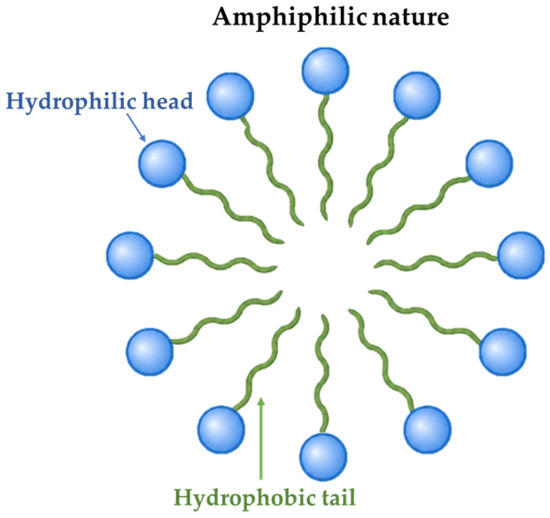
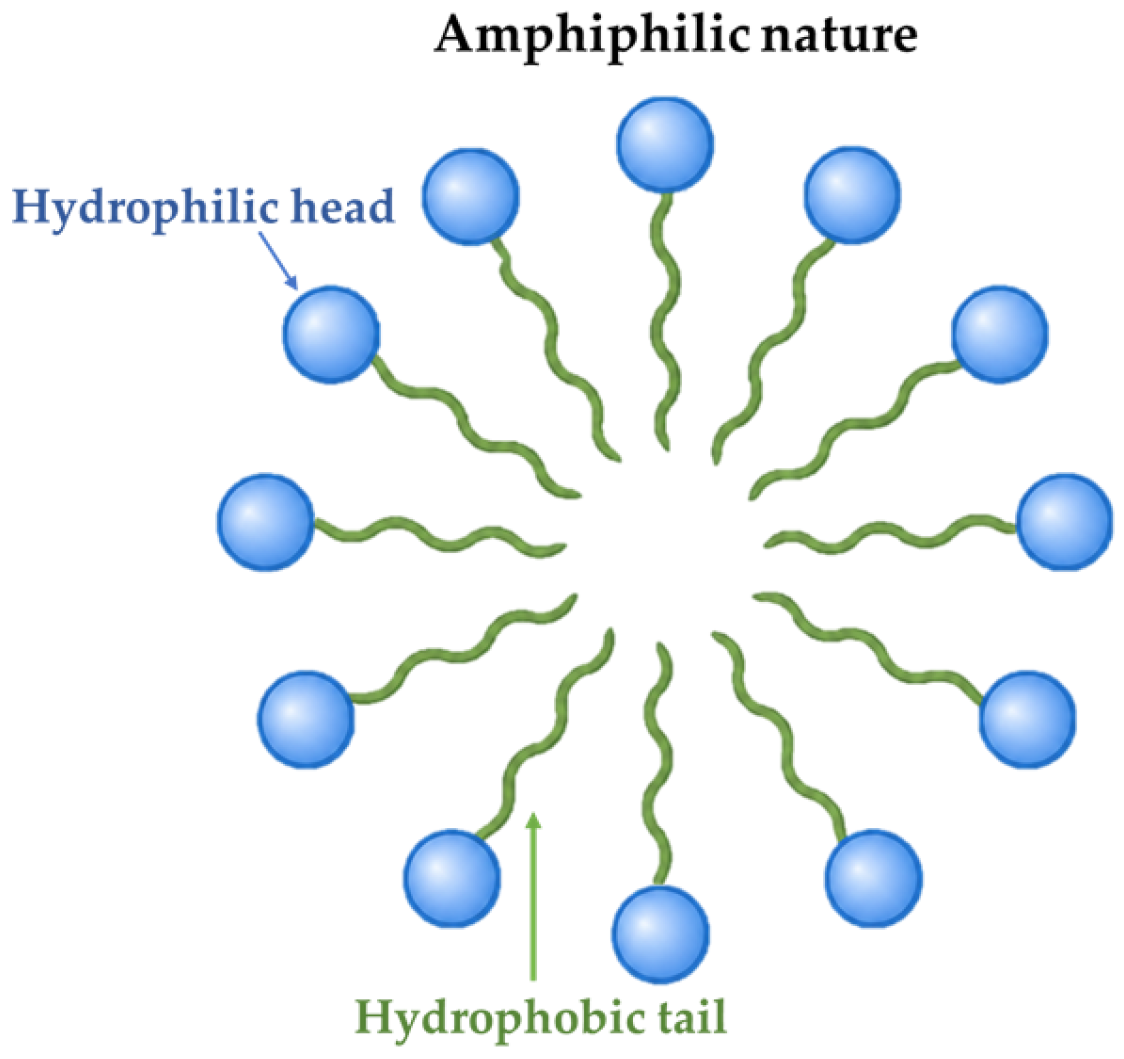
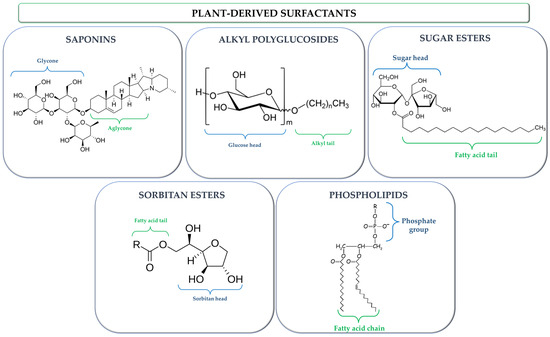
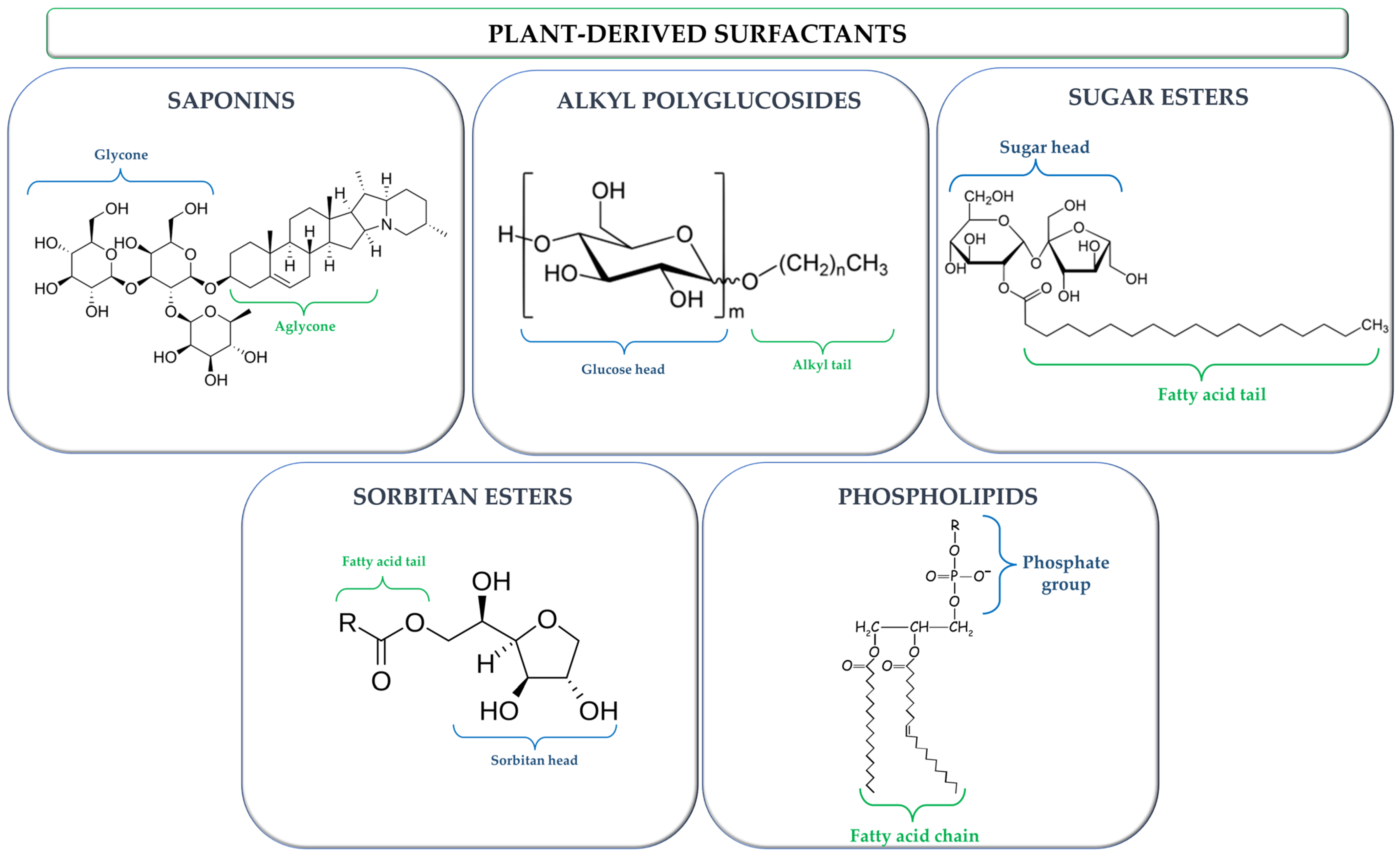
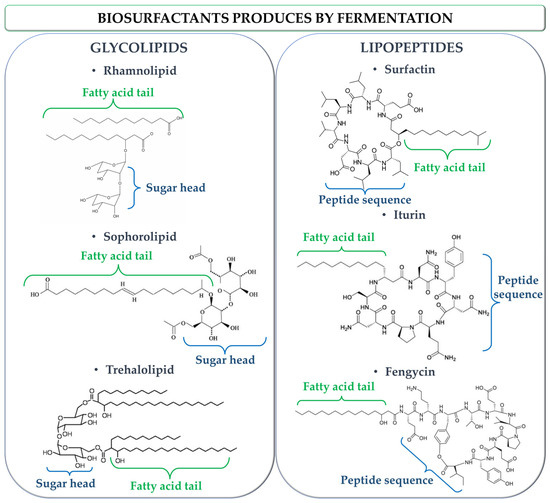
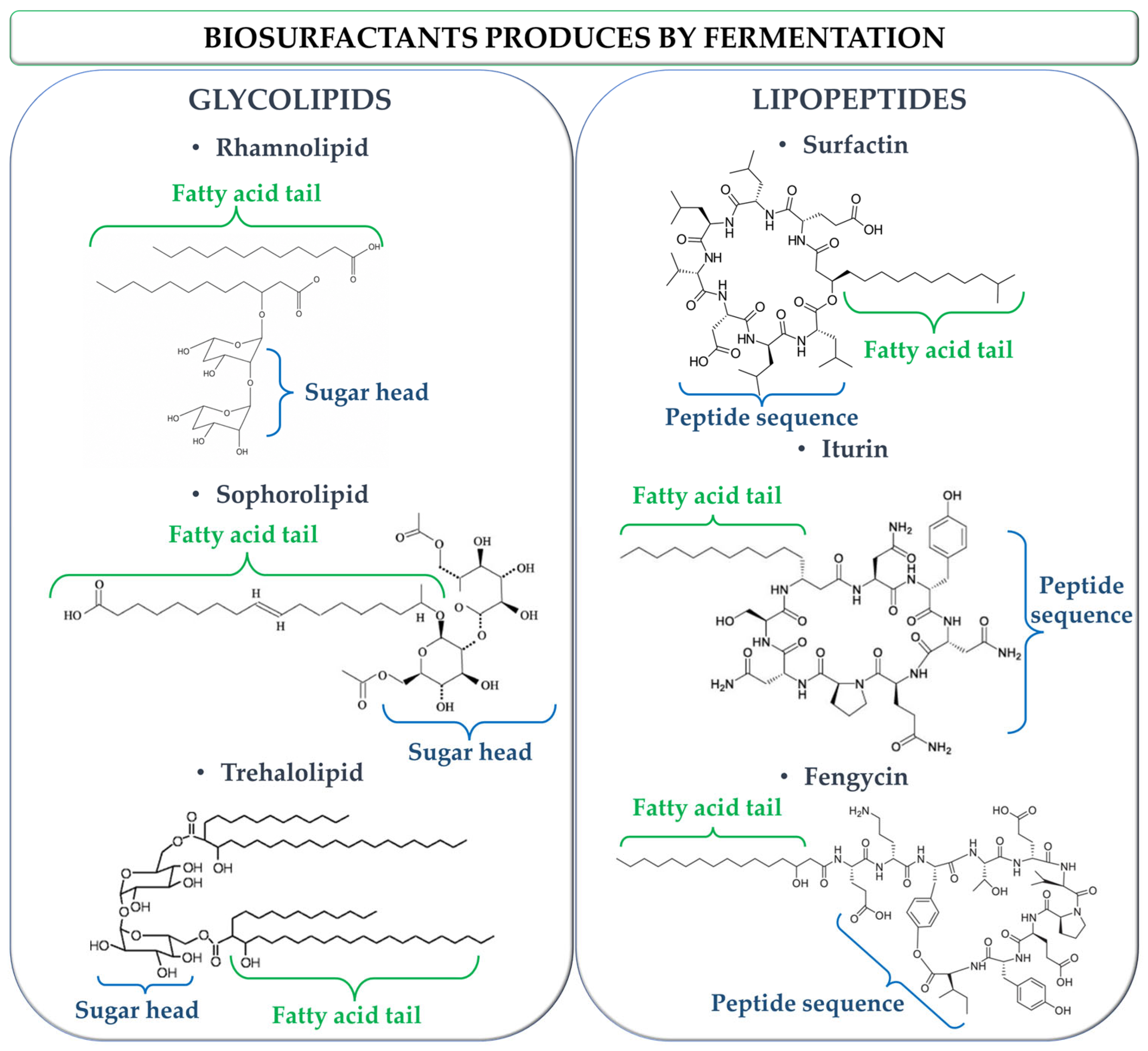
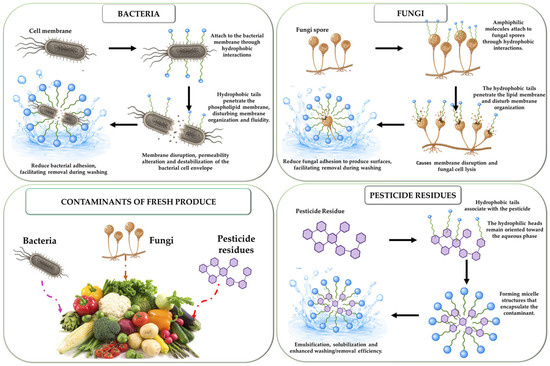
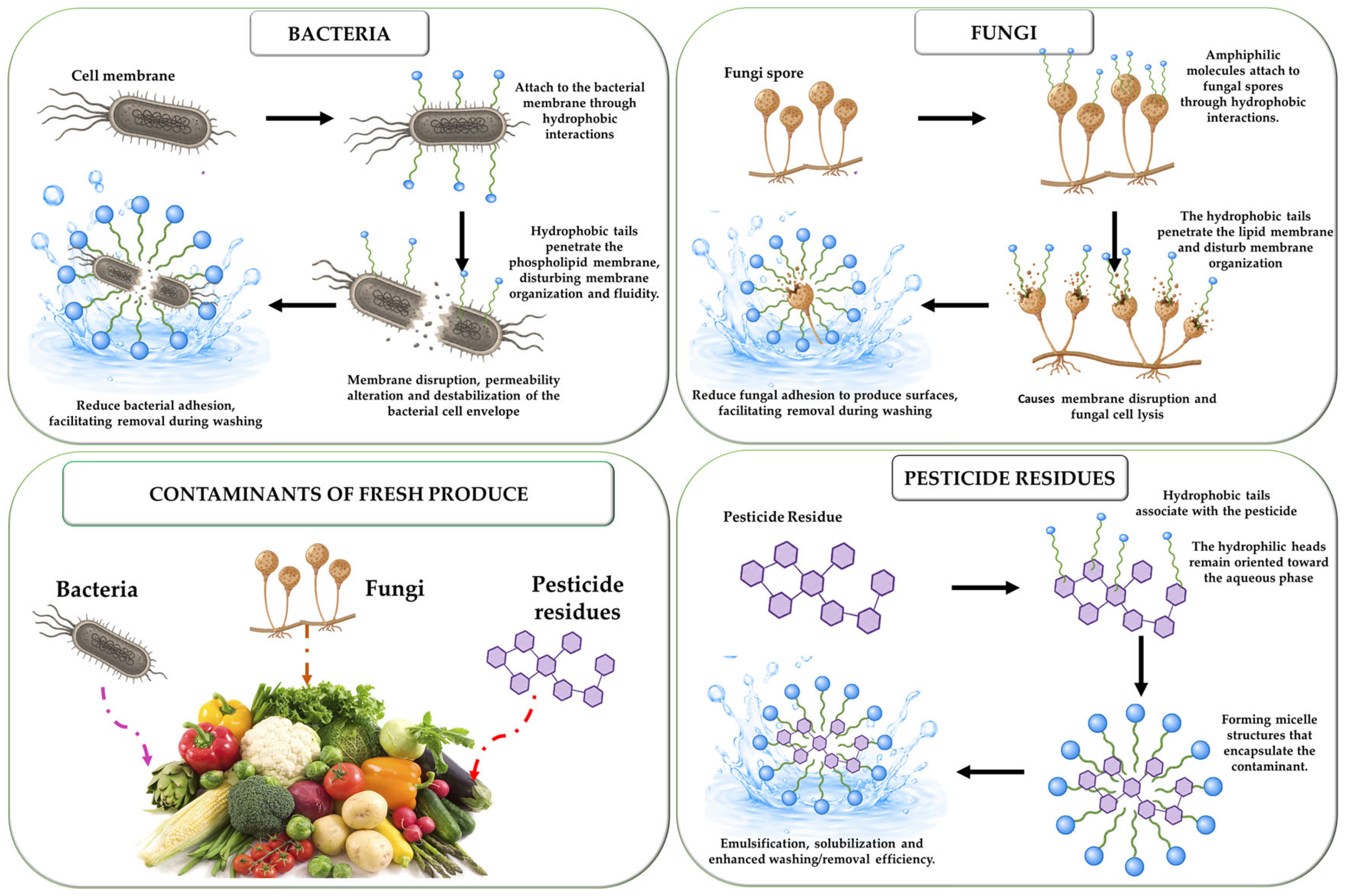
Disclaimer/Publisher’s Note: The statements, opinions and data contained in all publications are solely those of the individual author(s) and contributor(s) and not of MDPI and/or the editor(s). MDPI and/or the editor(s) disclaim responsibility for any injury to people or property resulting from any ideas, methods, instructions or products referred to in the content. |
© 2026 by the authors. Licensee MDPI, Basel, Switzerland. This article is an open access article distributed under the terms and conditions of the Creative Commons Attribution (CC BY) license.