1. Introduction
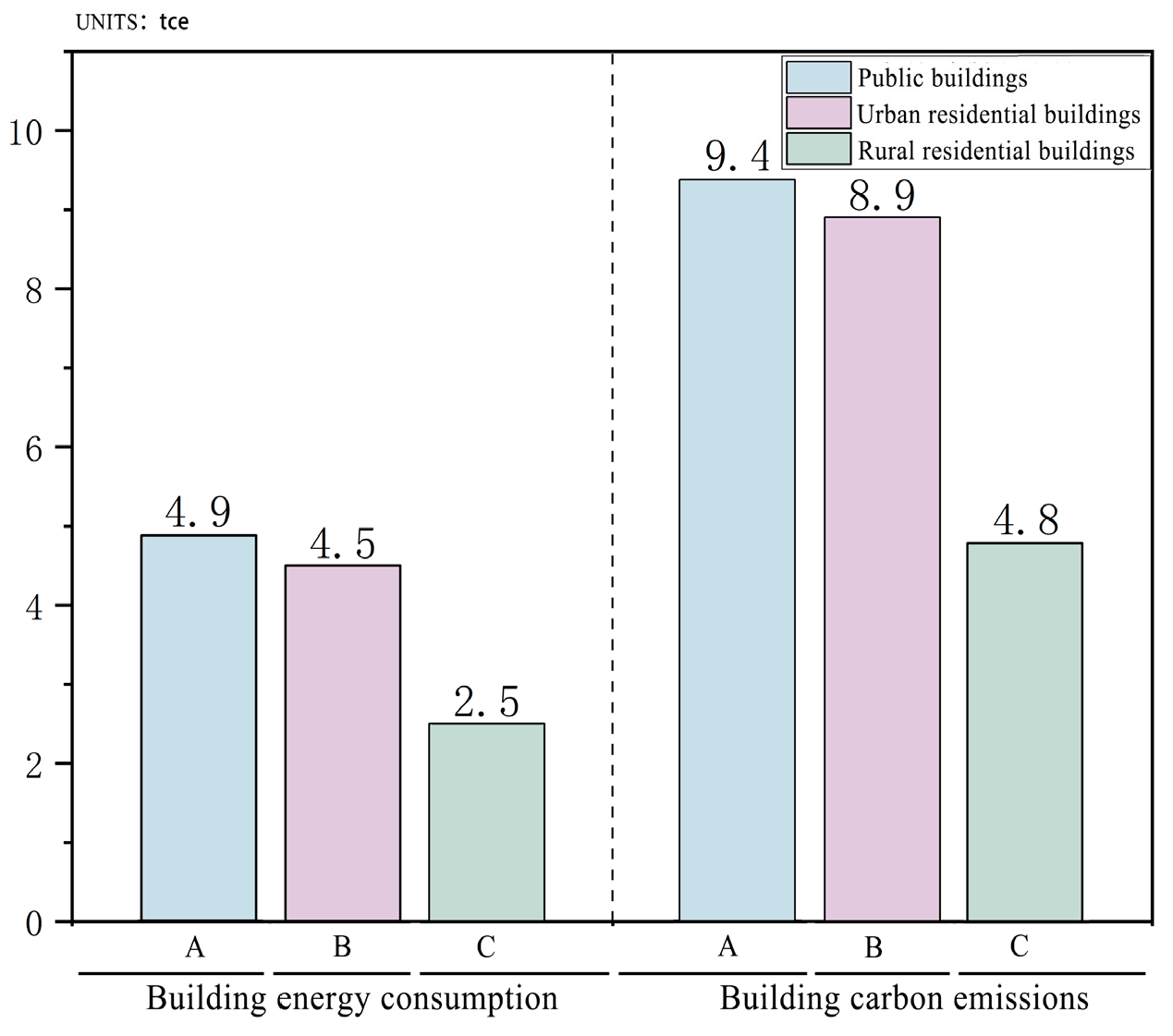
The building sector occupies a critical position within China’s carbon emission reduction strategy. National data reveals that public buildings contribute substantially to energy-related carbon emissions (
Figure 1), with commercial complexes representing particularly significant energy conservation potential given their consumption of up to one-third of total building energy consumption [
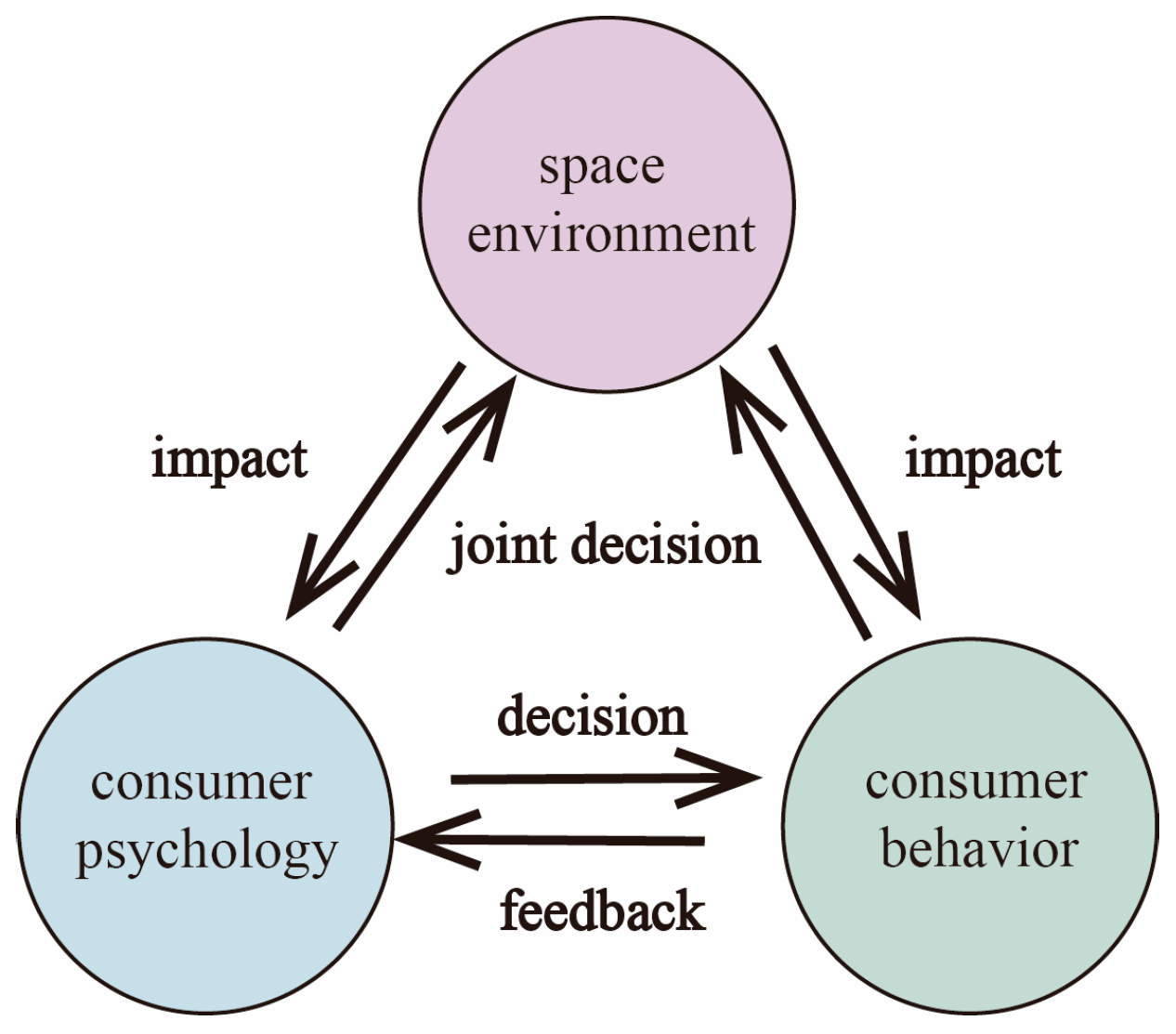
1]. Beyond energy challenges, these complexes face evolving market pressures, including online competition and the need for enhanced customer attraction. Research confirms the relationship between spatial environment and consumer behavior (
Figure 2), supporting Maslow’s theory that customers seek higher-level experiences once basic needs are met.
The atrium, as a fundamental spatial element in commercial complexes, serves as a critical interface between interior public spaces and the external environment. Existing research demonstrates that atrium spaces can significantly influence building energy performance through passive climate adaptation strategies. By utilizing natural ventilation in summer and solar heating in winter, properly designed atria can mitigate the harsh climatic conditions characteristic of cold regions [
2]. Simultaneously, as important public spaces, atria contribute substantially to user experience by providing visually appealing and comfortable environments.
However, current research reveals several challenges in atrium design. The large skylight areas typical of atria make solar radiation a dominant factor in their thermal performance [
3,
4]. While natural lighting offers benefits for visual comfort and energy savings [
5,
6,
7]. It can also lead to adverse effects, including summer overheating, winter heat loss, and glare problems [
8]. These issues are particularly pronounced in existing single-atrium commercial complexes in cold regions, where poor environmental performance often results in both high energy consumption and unsatisfactory user experience.
Substantial research has addressed atrium environmental performance. Early studies established their vulnerability to external climates, with Fan demonstrating thermal behavior variations in tropical regions. Subsequent investigations have employed increasingly sophisticated methodologies: Mousavi systematically reviewed natural ventilation strategies; Wang examined morphology impacts in cold climates using CFD; while Dong et al. [
9] analyzed underground atrium configurations and [
9] analyzed underground atrium configurations.
Nevertheless, the existing literature exhibits notable limitations. Most previous studies have focused on single-objective optimization (SOOP), primarily addressing energy conservation while neglecting the equally important aspect of user experience. This approach often proves inadequate for addressing the complex interplay between environmental performance and occupant comfort. Moreover, there is a conspicuous lack of research addressing the specific challenges of single-atrium commercial complexes in cold regions [
10]. However, the limitations of existing research make it difficult for designers to make reasonable decisions during the design phase, thereby hindering them from adopting the best renovation solutions [
11].
The complex design space generated by multi-dimensional parameters necessitates multi-objective optimization to resolve conflicting objectives. Genetic algorithms effectively identify superior Pareto solutions for such problems [
12]. In commercial building applications, Mofidi et al. [
13] proposed a multi-objective optimization (MOOP) method for managing energy and comfort. Recent advancements include the NSGA-II implementation by Lapisa, which addresses climate impacts, and the EnergyPlus-integrated approach by Zhai et al. for window optimization [
14]. Consequently, this study’s multi-objective optimization strategies provide practical solutions for atrium renovation that balance energy conservation, customer experience, and social sustainability [
15].
The literature review indicates that the following two points should be noted: 1. The study selected severe cold regions and optimized a single atrium design, while setting the customer experience-related objective functions SUMUDI and SUMPPD and the energy consumption objective function D-RAD as optimization targets. The NSGA-II algorithm was used, which reduces computational complexity and improves algorithm efficiency. The elite strategy was implemented to expand the search space, ensuring that excellent individuals were retained during optimization, avoiding their omission.
Therefore, the current situation urgently requires a reasonable design to address the existing discomfort in the atrium space of commercial complexes. 2. Previous studies lack effective methods for determining optimal solutions, making it difficult to make the best renovation decisions. Therefore, there is an urgent need to study decision-making methods for optimal solutions. This study proposes a suitable atrium renovation form for single-atrium commercial complexes to fill the gap in related research. Compared to previous studies, the main innovations of this paper are selecting cold regions and using the single-atrium form as the optimization object, while also taking indoor thermal comfort under natural conditions as one of the optimization objectives. This study also employs the NSGA-II algorithm, which reduces computational complexity and enhances algorithm efficiency. By implementing an elite strategy, the search space is expanded to ensure that outstanding individuals are retained during the optimization process, avoiding their omission [
16].
Section 1 establishes the context by presenting the research background, the specific problem, and a literature review, which collectively identify the research gaps and define the objectives and methodology of this study.
Section 2 elaborates on the selection of variables and objectives, the construction of the meta-model, and the underlying decision theory.
Section 3 presents and analyzes the optimization results, ranking the solutions according to different weighting schemes.
Section 4 investigates the influence of variables on the objectives through three sensitivity analysis methods and synthesizes the study’s innovations and limitations. Finally,
Section 5 concludes the paper by summarizing the principal findings and contributions.
2. Materials and Methods
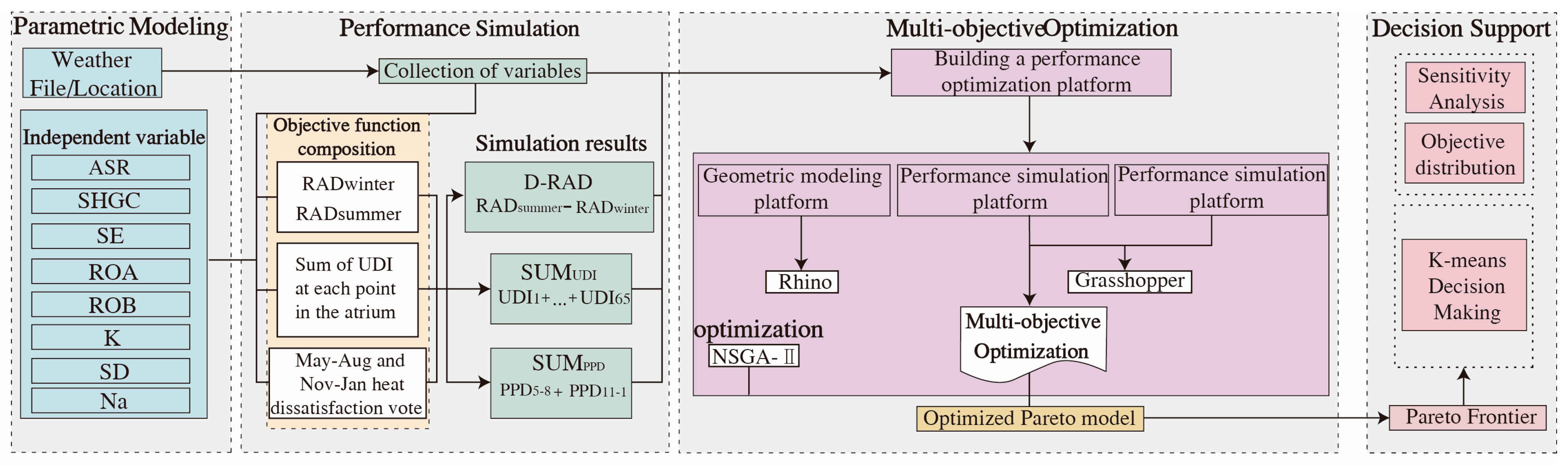
This study establishes a reproducible computational workflow for optimizing atrium design in commercial complexes located in severe cold regions. The methodology comprises four integrated phases, with the overall research framework illustrated in
Figure 3.
Step 1 (Parametric Modeling): A parametric base model was developed in Rhinoceros 7 using the Grasshopper plugin [
17]. The key design variables parameterized included SE, ROB, Na, ROA, R, SW, ASR, SHGC, and K. Their realistic value ranges were determined based on a survey of existing commercial complexes in severe cold regions and an analysis of relevant literature. These parameters were systematically defined to enable a comprehensive exploration of thermal and visual comfort performance across the design space in subsequent simulations.
Step 2 (Performance Simulation): The parametric models were converted into analyzable energy models using the Honeybee plugin within the Ladybug Tools suite. The simulation workflow utilized Chinese Standard Weather Data (CSWD) for Urumqi, processed through Ladybug to define boundary conditions, including dry-bulb temperature, relative humidity, and wind speed. OpenStudio served as the simulation engine. Two primary simulation scenarios were conducted: (1) a baseline performance assessment of a standard atrium form, and (2) a parametric analysis to evaluate the individual impact of each design variable on energy consumption and indoor environmental quality (thermal and visual comfort).
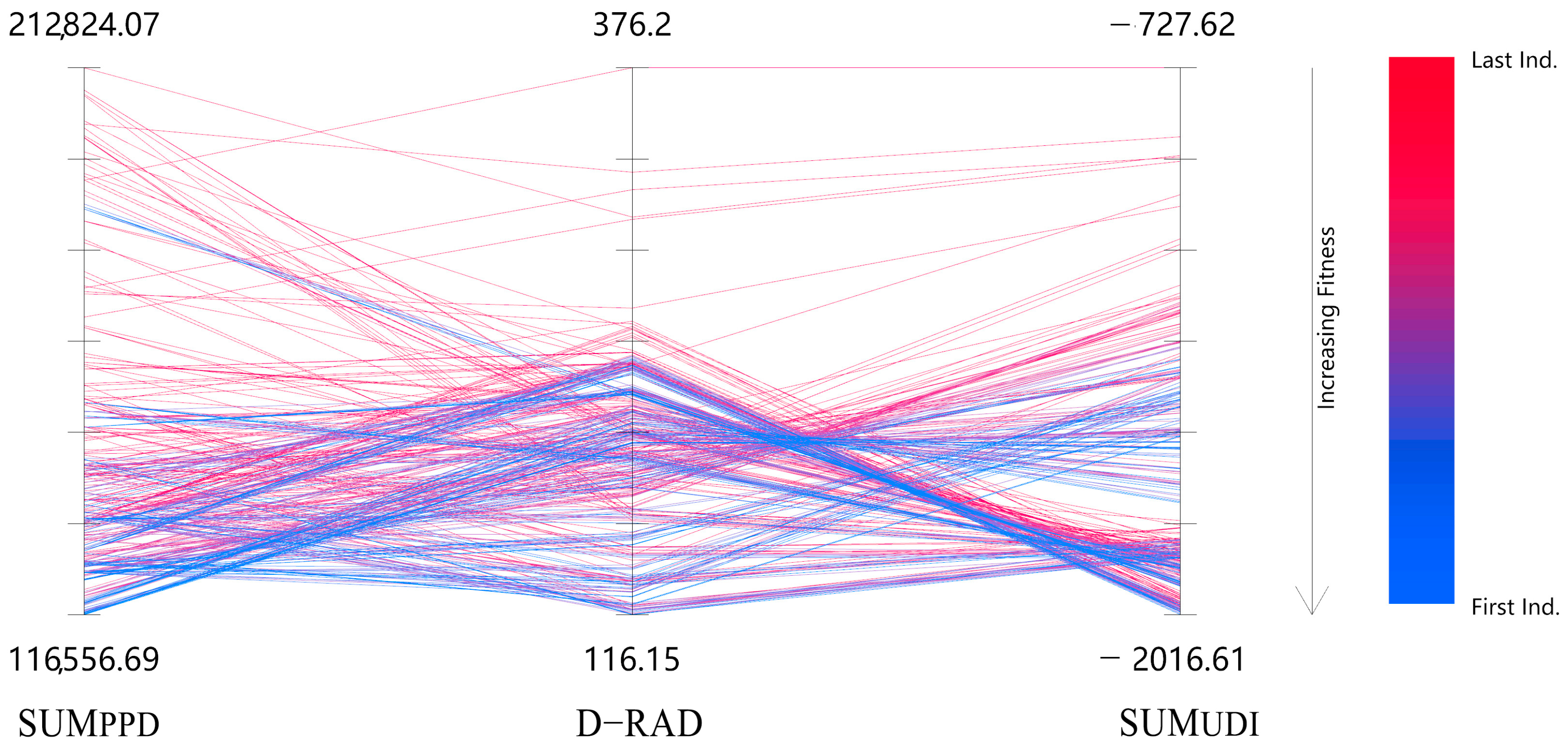
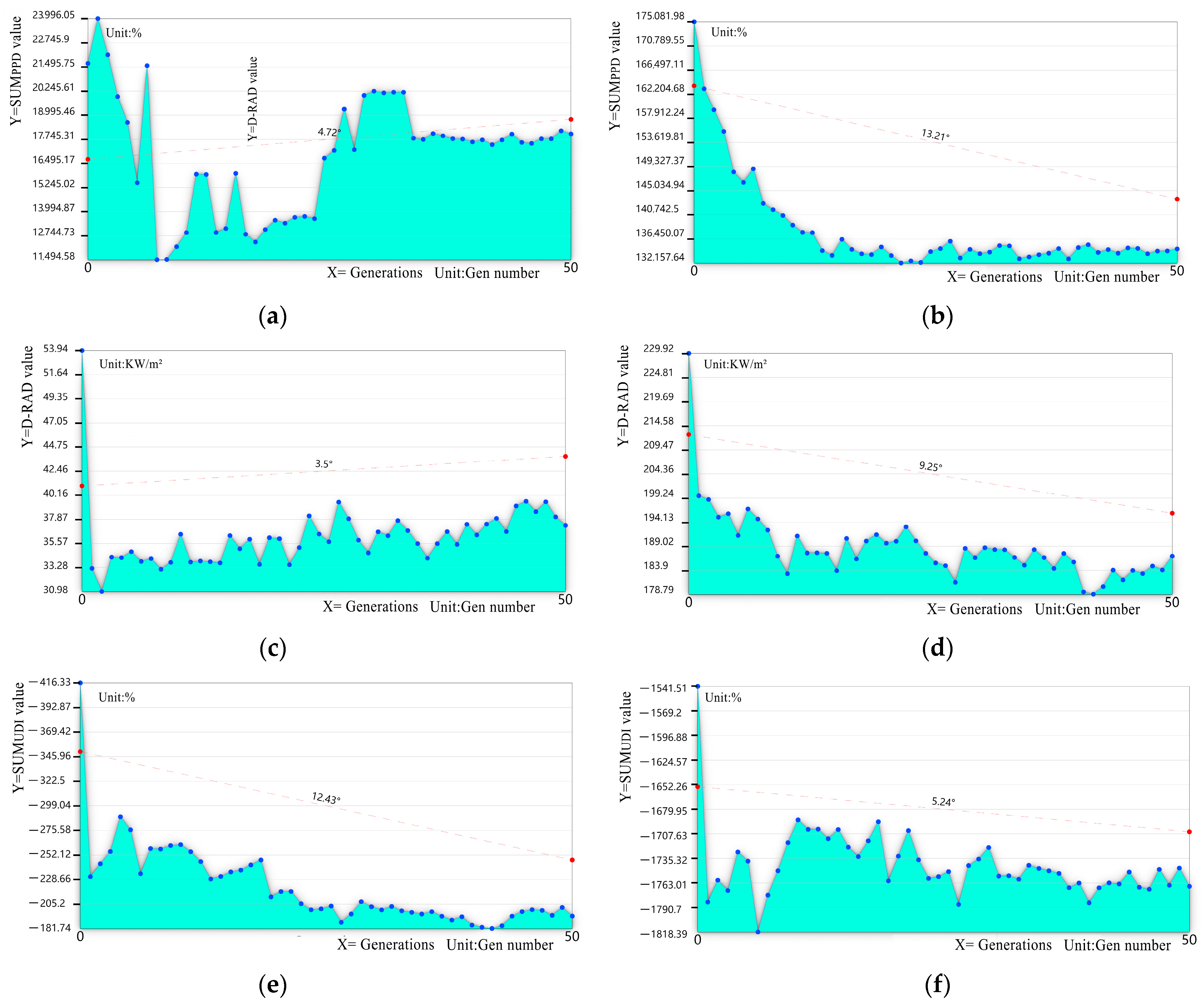
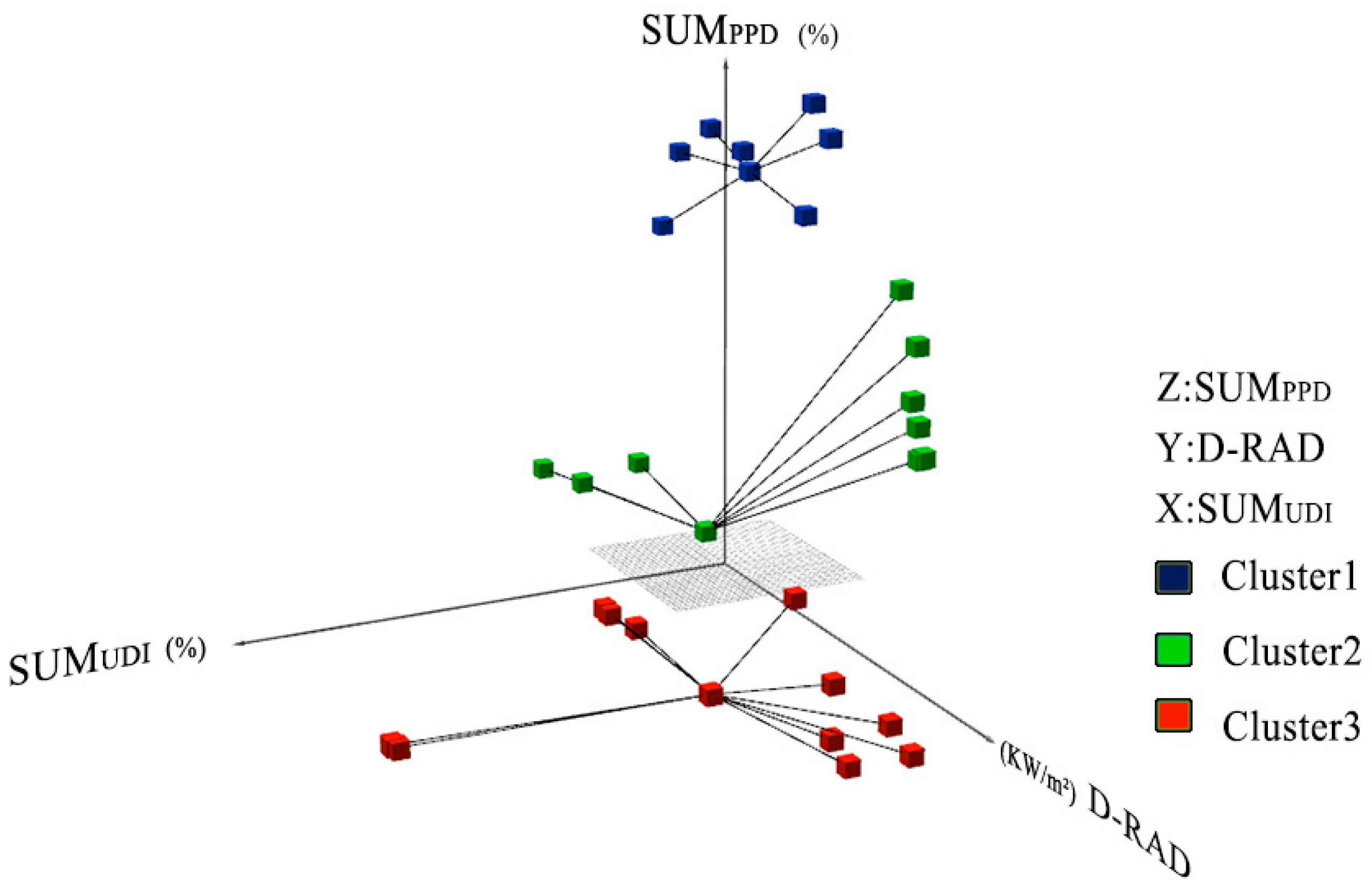
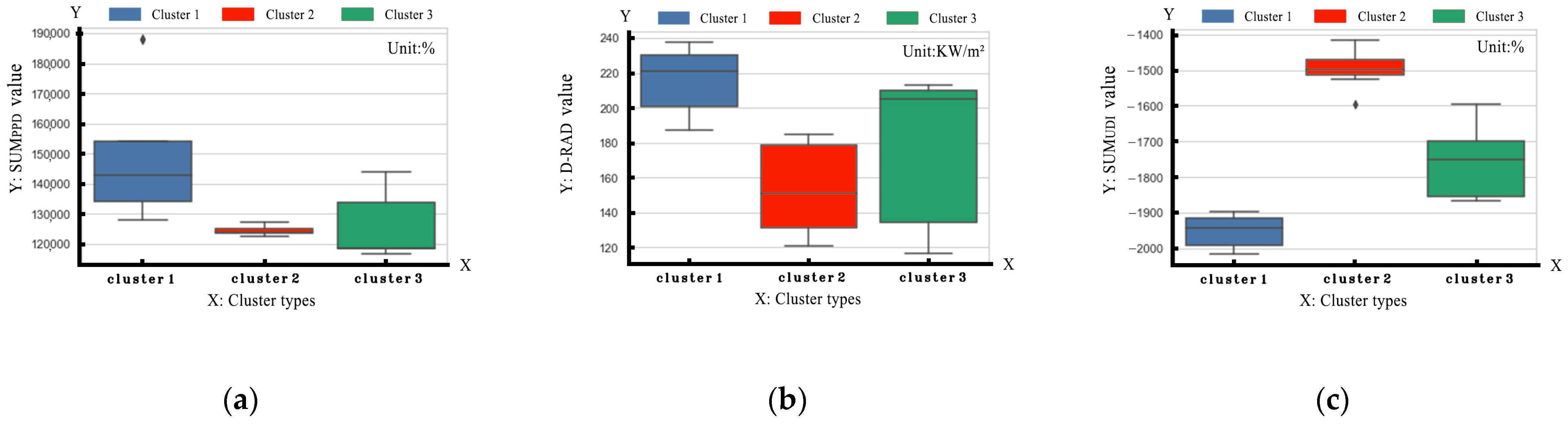
Step 3 (Multi-Objective Optimization): The optimization phase was structured as follows: 1. Objectives: Three conflicting objectives were minimized: Spatial Uniformity of Predicted Percentage Dissatisfied (SUMPPD, for thermal comfort), Spatial Uniformity of Useful Daylight Illuminance (SUMUDI, for visual comfort), and the Difference in Solar Radiation Heat Gain between summer and winter (D-RAD, for energy efficiency). 2. Variables: Nine key design variables were selected: SE, ROB, Na, ROA, R, SW, ASR, SHGC, and K. 3. Constraints: Variable ranges and increments were determined based on architectural feasibility, local building codes, and preliminary survey data (the specific values and ranges are detailed in a subsequent section). 4. Algorithm: The Non-dominated Sorting Genetic Algorithm II (NSGA-II) was employed via the Wallacei X optimization platform, with a population size of 30 and 50 generations. This configuration was determined through preliminary trials to ensure stable convergence of the three objective functions. Subsequently, K-means clustering was applied to the resulting Pareto front to identify distinct representative solution sets.
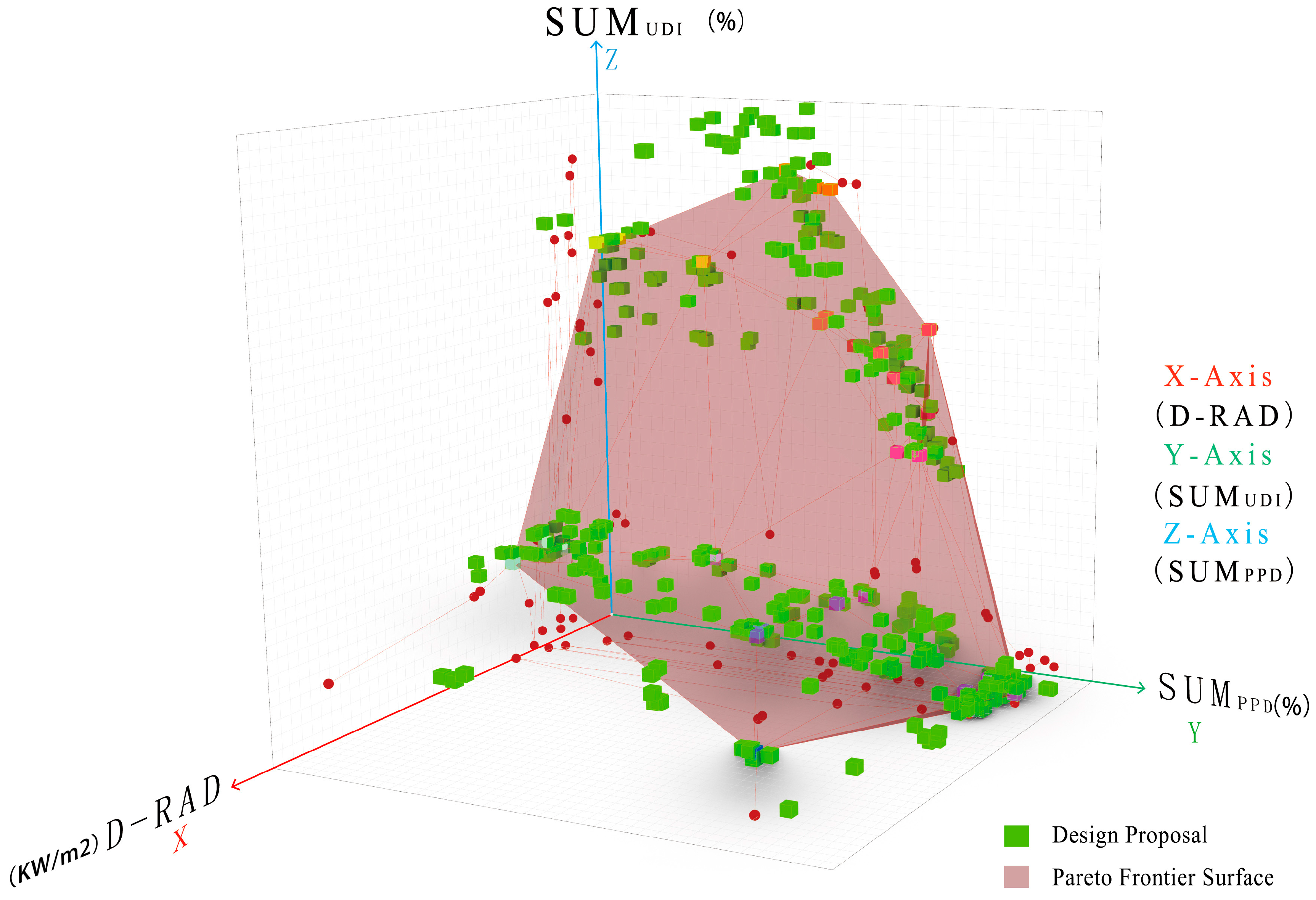
Step 4 (Post-Optimization Analysis): The optimization process generated a three-dimensional Pareto frontier. A sensitivity analysis based on Pearson’s correlation coefficient was then performed on the solution set to quantify the influence of each design variable on the three performance objectives. This analysis identifies the most critical parameters to inform architects’ decision-making during the schematic design phase.
After completing all settings, automatic optimization based on the NSGA-II algorithm was performed [
18]. After numerous iterations and optimizations, the final design achieved a relatively low level of dissatisfaction with the building’s thermal environment, good lighting conditions, and appropriate solar radiation heat (adequate heat protection in summer and cold protection in winter), resulting in an overall optimal solution that provides valuable reference and inspiration for future architectural design.
2.1. Field Investigation
2.1.1. Geography and Climate
This study focuses on commercial complexes in severely cold regions, selecting representative cities in areas such as: Urumqi, Hohhot, Harbin, and Shenyang. The region refers to areas in China where the average temperature of the coldest month is ≤−10 °C or the number of days with an average temperature of ≤5 °C is ≥145 days. These regions are characterized by long, cold winters and short, cool summers. Regarding building design, special attention must be paid to cold protection, thermal insulation, and frost prevention. The “Building Climate Zoning” (GB 50178—2019) [
19] divides China into seven primary and twenty secondary climate zones based on key climate parameters such as temperature, relative humidity, and precipitation. The “Thermal Design Code for Civil Buildings” (GB 50176—2016) [
20] focuses on building thermal design, emphasizing thermal insulation and heat retention performance. This standard divides China into five climate zones based on average temperature data: severe cold, cold, hot summer and cold winter, hot summer and warm winter, and temperate zones. Such classification helps guide building design to ensure that the thermal performance of buildings in various regions meets the requirements of their climate conditions.
At the same time, this paper selects Urumqi as a representative city in a severely cold region as the basis for simulating the outdoor environment of commercial complexes. According to the Köppen climate classification system [
21], the distribution of arid areas of China is mainly concentrated around 40° north latitude. The northern region of Xinjiang and the Junggar Basin at the northern foot of the Tianshan Mountains have typical climatic conditions and are representative of the arid region in northwestern China. The annual evaporation in this region is approximately 2300 mm, and the average yearly precipitation is 222 mm, which belongs to the temperate continental arid climate zone [
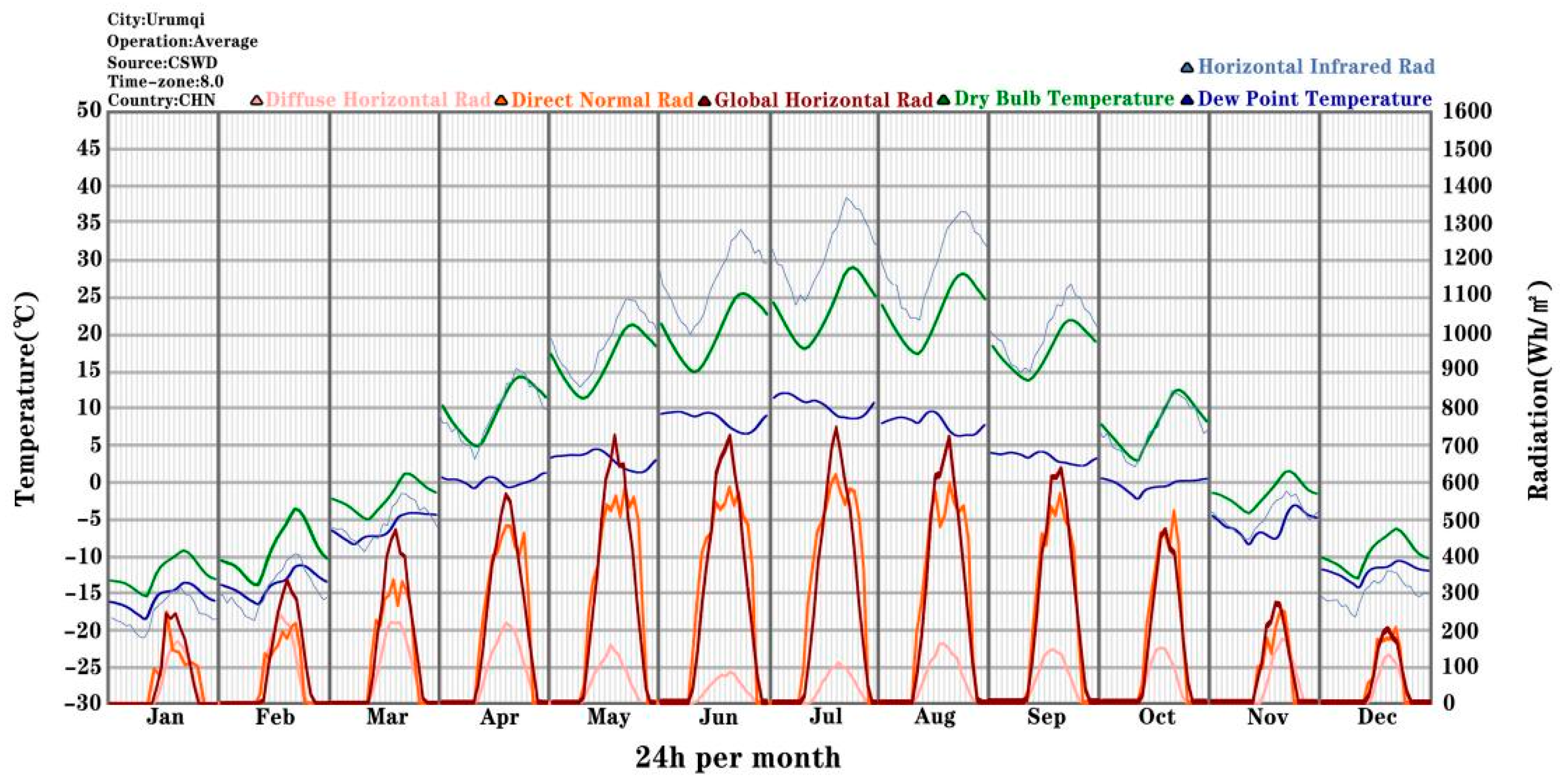
22]. The summer is hot and dry, with July being the hottest month. The average temperature in July is 23.5 °C, with the highest recorded temperature reaching 42.1 °C. The coldest month is January, with an average temperature of −15.4 °C, and the lowest recorded temperature reaching −41.5 °C. The plains and low mountain areas of Urumqi have many sunny days, low cloud cover, and strong solar radiation. During the growing season from April to October, solar radiation accounts for 75–79% of the annual total radiation. The temperature and radiation distribution characteristics of the Urumqi region are shown in
Figure 4.
2.1.2. Research Cases
By screening commercial complexes in these cold regions, buildings with multiple atrium (more than one), no atrium, or those of insufficient scale were excluded. Ultimately, 23 commercial complexes will be studied. This paper has detailed the specific data regarding the atrium sections through field research, data collection, and organization. As shown in
Appendix A Table A1.
2.1.3. The Layout of the Atria
- (1)
Atrium location
Single atria, particularly those of the core type, are relatively common but have been studied less extensively. Therefore, this paper focuses on studying single atria, particularly those of the core type.
An analysis of the basic layout of four commercial complexes in cold regions determined that their fundamental elements are retail spaces, corridors, and atrium. Based on the spatial relationship between the atrium and the main building structure, the layout types of single atria were categorized into three categories: central, peripheral, and through-type. Based on field research as shown in
Table 1 and a review of relevant literature, core-type atria are commonly found at the center of commercial complexes. As shown in
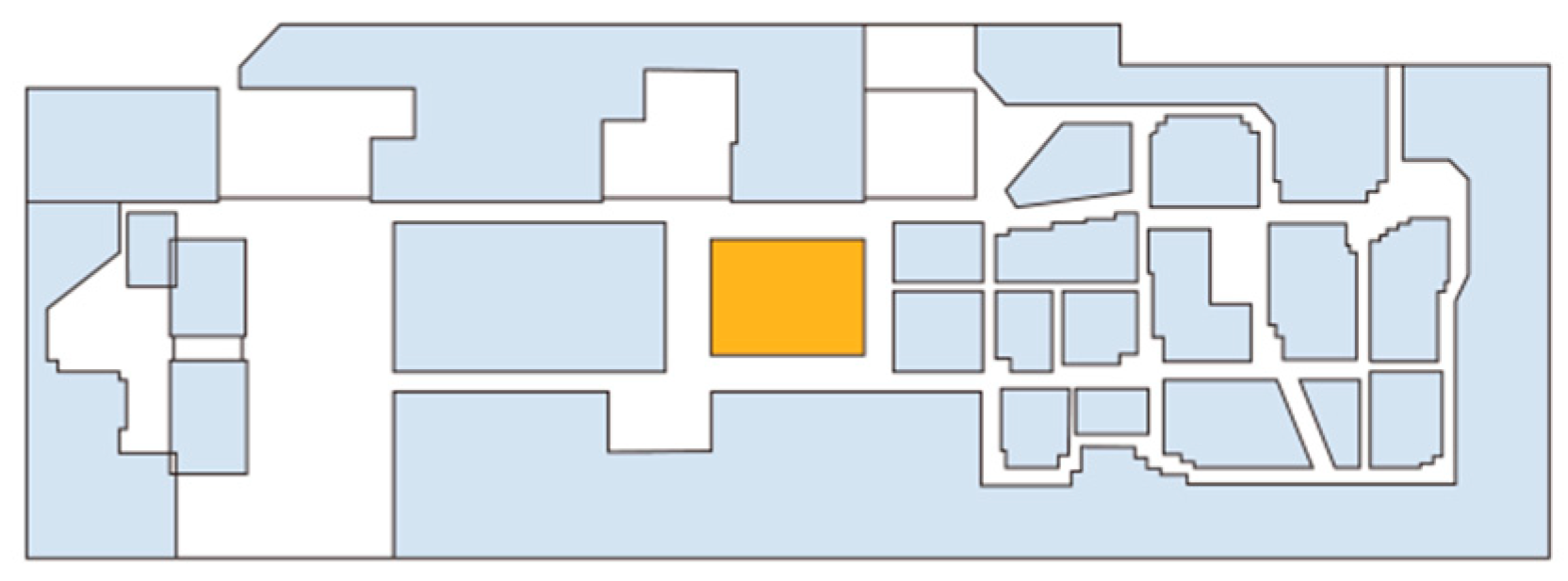
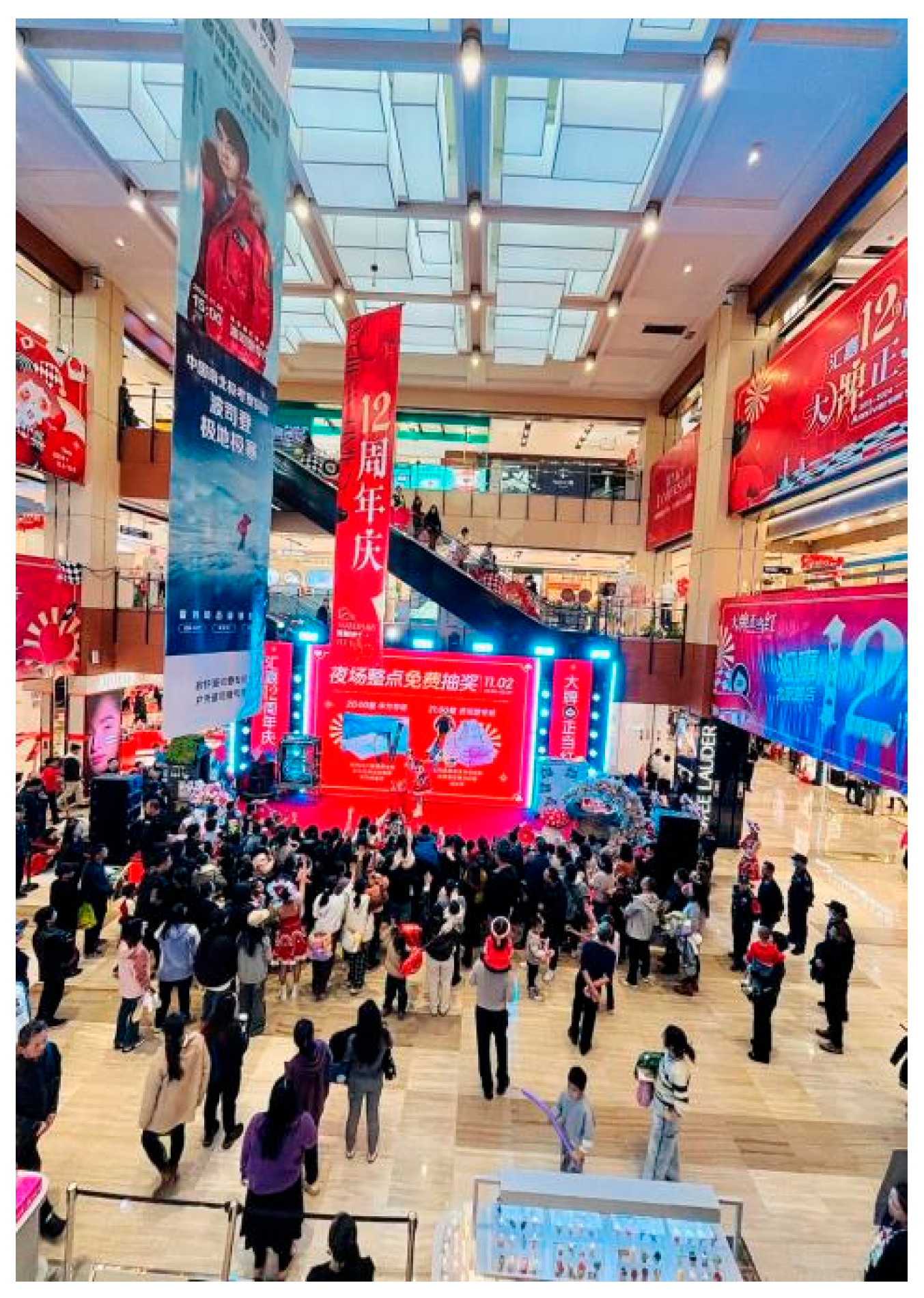
Figure 5, the orange area in the center is the atrium. their top design may include skylights to introduce natural light or be covered by the floor slab above. The primary functions of such atria include supporting temporary sales points, commercial activities, exhibition spaces, and integration with the building’s vertical transportation systems, as shown in
Figure 6.
- (2)
Classification of courtyard floor plan shapes
When classifying the plan shapes of atrium, an important geometric parameter is the ratio of the width (D) to the length (L) of the atrium plan, i.e., the aspect ratio (PAR) of the atrium. By analyzing the PAR value, the basic shape of the atrium can be determined, and the atria can be classified accordingly. Specifically, when the PAR value reaches or exceeds 0.4, it indicates that the atrium has a more concentrated shape, and such atria are classified as node-shaped atria. The corresponding objective function can be described as follows:
- (3)
Courtyard floor plan
The layout of the atrium is characterized by a relatively concentrated shape and di verse plan forms [
23], including circular, elliptical, triangular, rectangular, regular hexagonal, and irregular shapes (as shown in
Figure 7).
After analysis and organization, it was found that most atrium spaces in commercial complexes tend to adopt circular or rectangular designs, primarily to facilitate a practical functional layout. However, to enhance visual impact and provide a sense of novelty, several commercial complexes have opted for triangular or irregularly shaped designs for their atrium spaces. This diversity in design reflects architects’ commitment to creating attractive and memorable spatial environments while pursuing functional layout.
2.1.4. Overview of the Reference Building
- (1)
Total building area analysis
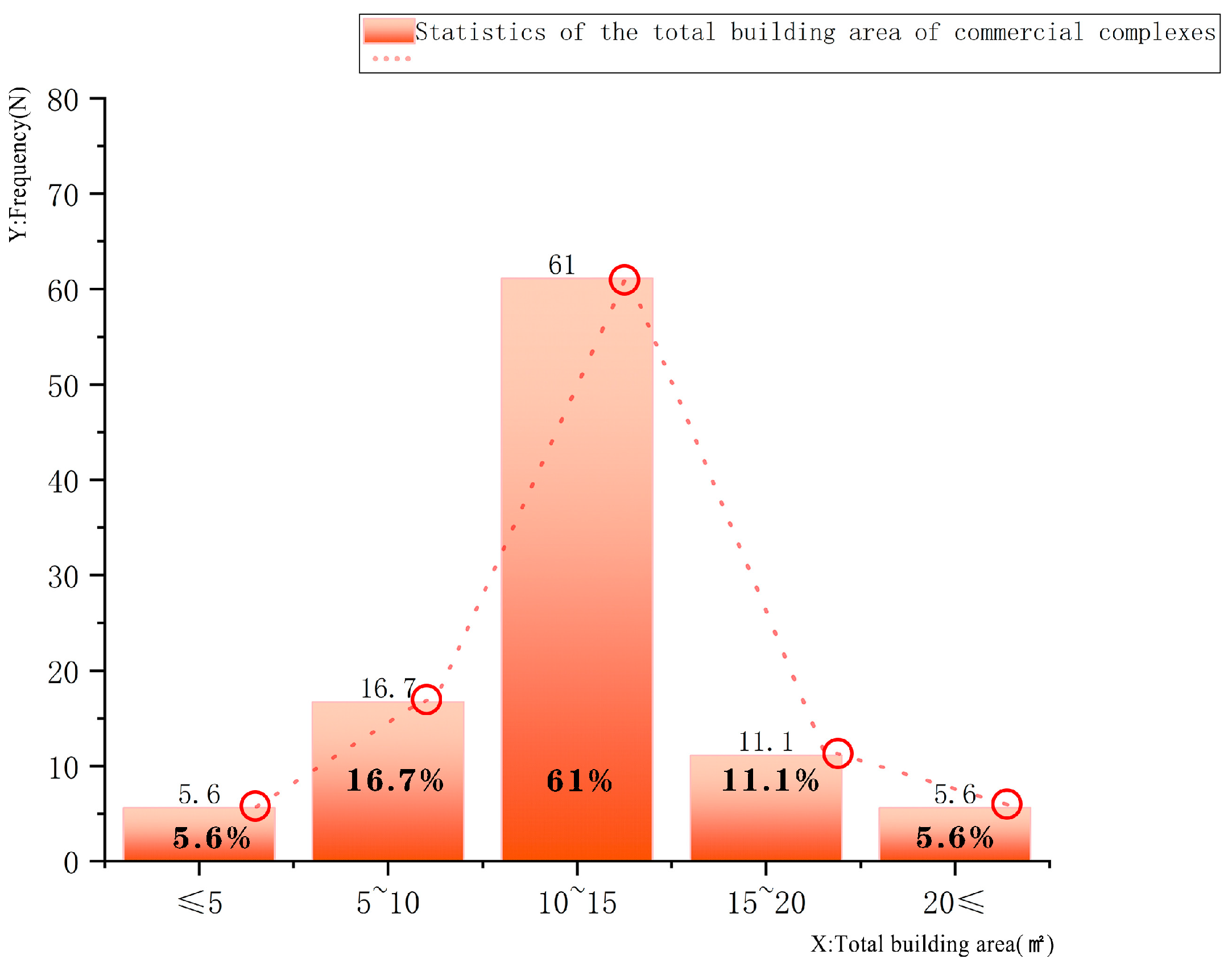
Statistics on the proportion of total building area, as shown in
Figure 8, reveal that the frequency of occurrence in the 100,000 to 150,000 square meter range reached 61% according to the statistical analysis results. This statistical result indicates that commercial complexes with a total area of 130,000 square meters have the highest frequency of occurrence in cold regions.
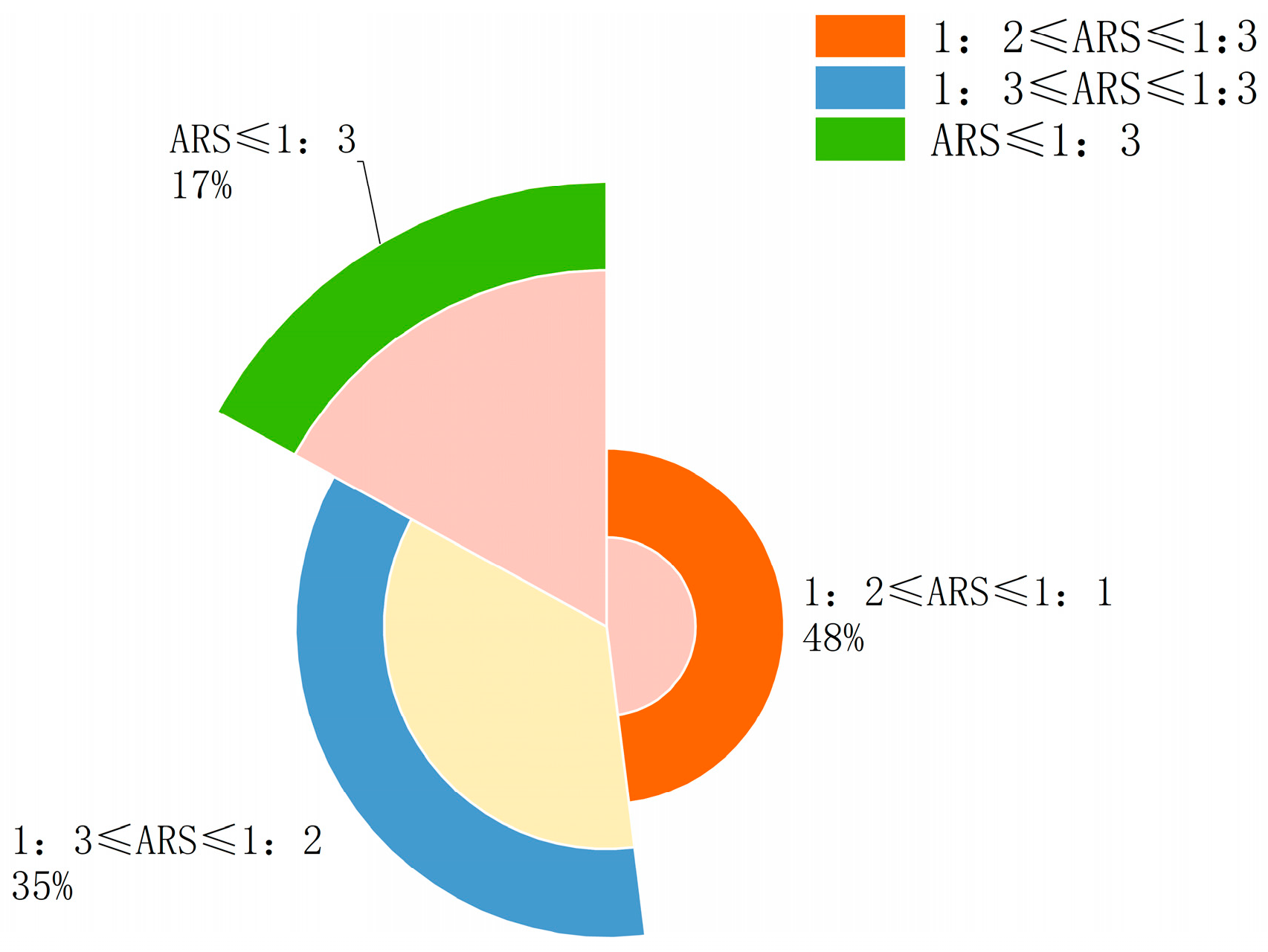
In studying commercial complexes, it was found that their floor plan types primarily include rectangular, triangular, and polygonal layouts. Rectangular floor plans are the most common type due to their high layout efficiency and space utilization, accounting for over half of the total number of buildings surveyed. Regarding the specific size ratios of rectangular floor plans, according to the survey results, common length-to-width ratios include 1:1, 2:1, 2.5:1, and 3:1. The representative example with a length-to-width ratio of 1:1 is the Changqing Road Commercial Center; the example with a ratio of 2:1 is the Baisheng Shopping Center, with a floor plan size of 194 m × 103 m; the example with a ratio of 2.5:1 is the Harbin Songlei Department Store; and the example with a ratio of 3:1 is the Wuyue Plaza at the Exhibition Center. The specific survey results are shown in
Figure 9 below.
- (2)
Building height
In this study, by integrating field survey results with architectural drawings, precise calculations and comparative analyses were conducted on the floor-to-ceiling heights and overall building heights of commercial complexes in urban areas of severely cold regions. The study found that to meet the specific functional requirements of commercial spaces, these complexes generally adopt a higher ceiling height for the first floor in their design. Based on the measured data obtained from field surveys, the average ceiling height of the first floor of commercial complexes is approximately 6 m. In comparison, the average ceiling height of other floors, excluding the first floor, is approximately 5.5 m, with the average total height of commercial complexes approaching 28 m.
2.1.5. Analysis of the Atrium Volume
- (1)
Percentage of atrium area
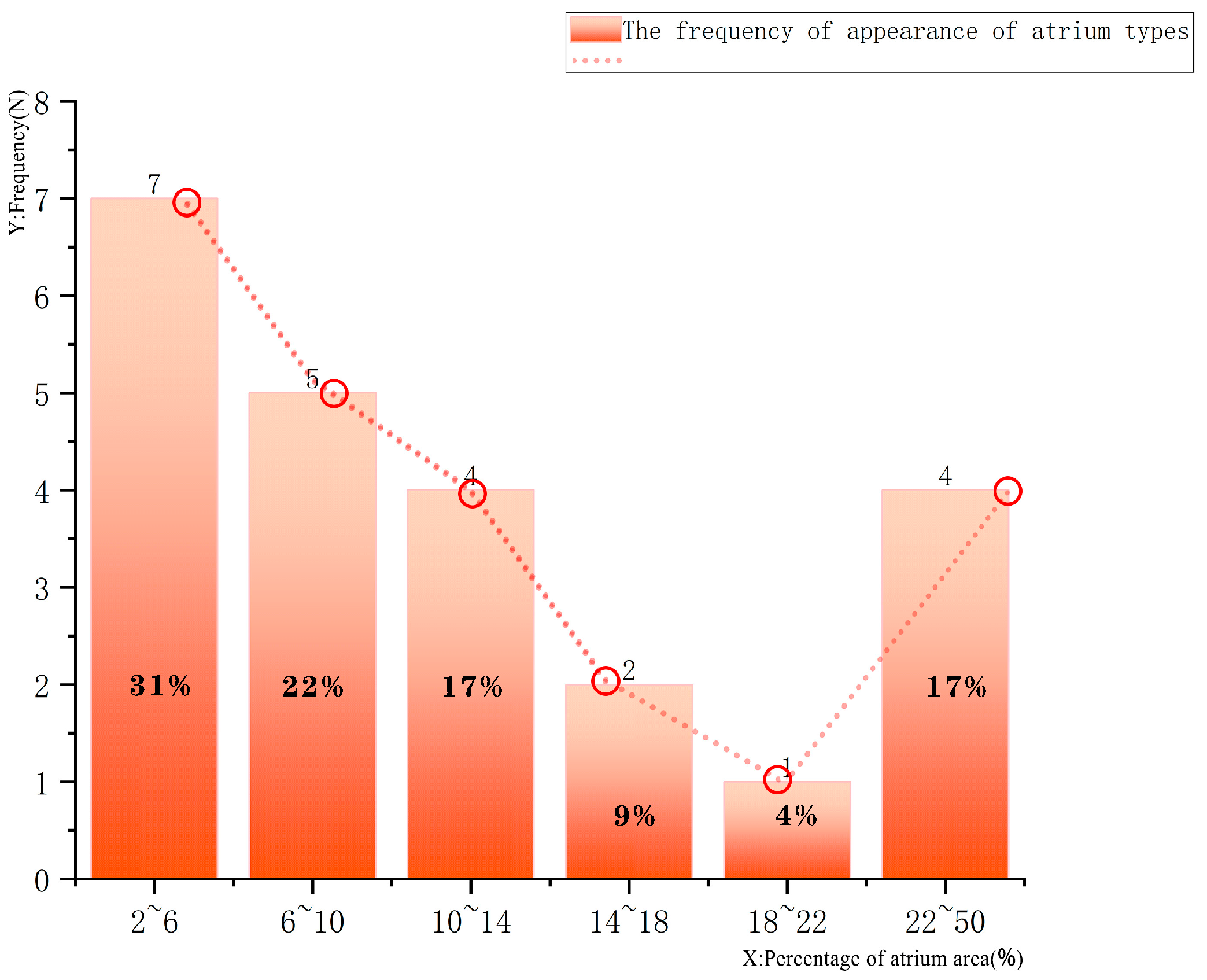
The area ratio of atria in commercial complexes is related to the scale and grade of the building. The number of atria varies across different cases: some buildings are designed with a single atrium, while others feature multiple atrium spaces. Two methods were employed to accurately assess the study cases’ spatial proportions: direct measurement and estimation. The area of the atrium space in each commercial complex was then detailed and summarized, with a 5% margin of error. The survey results are shown in
Figure 10. As analyzed in
Figure 6, over 50% of the commercial complexes have atrium space areas concentrated within the 2% to 10% range.
- (2)
Number of floors in the atrium
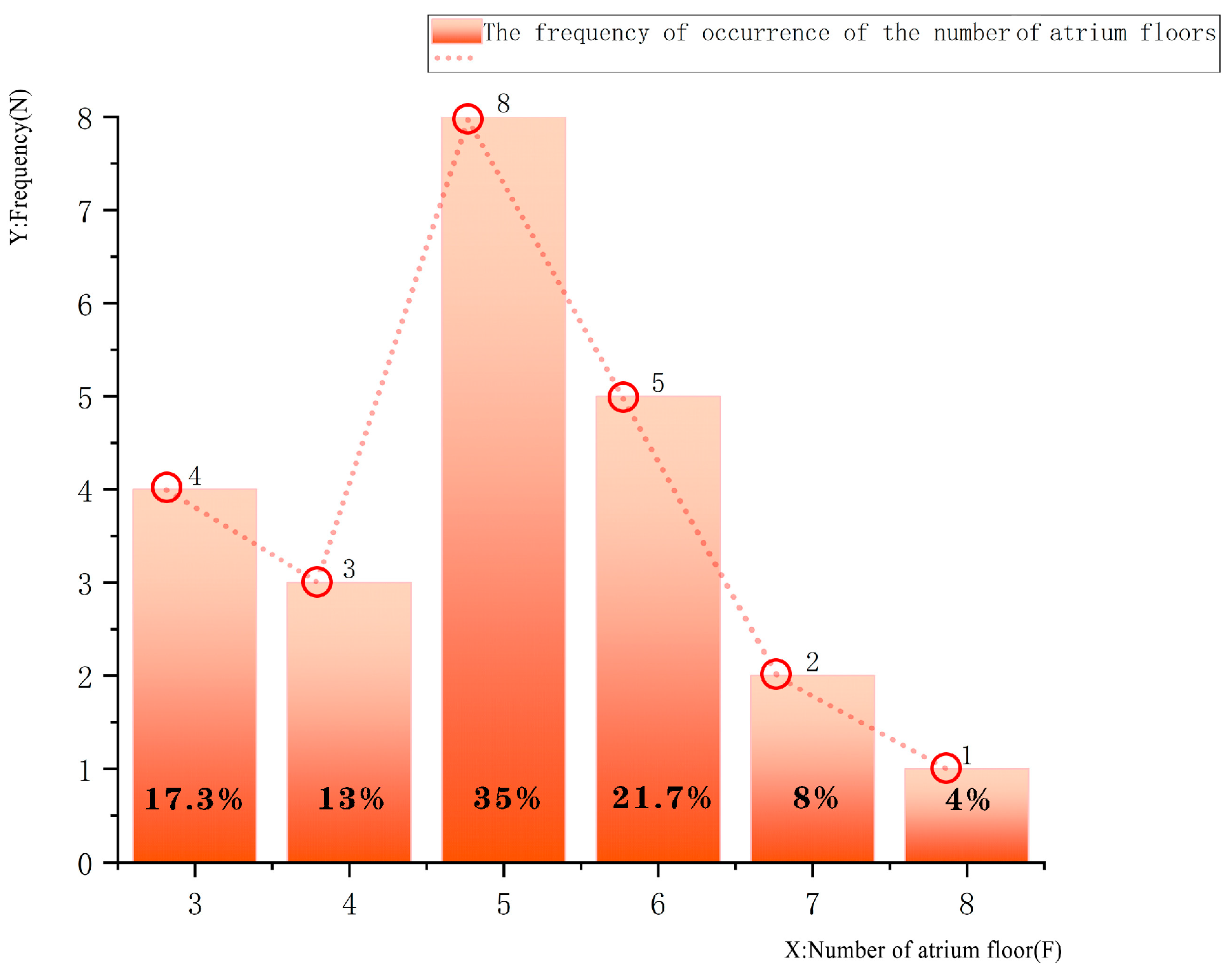
Research on commercial complexes in the sample found that atria in severe cold regions are above ground, so this study does not consider underground atria. The number of floors in commercial complexes with atria in cold areas is mainly 3 to 9. The frequency statistics for the number of floors with atria are shown in
Figure 11. It can be seen that five floors is the most frequent number of floors in commercial complexes in cold regions, accounting for about 35%.
- (3)
Atrium length-to-width ratio
① After analyzing the dimensions of the most common rectangular atrium in commercial complexes, statistical data revealed that the average length was approximately 60 m and the average width was approximately 30 m. Specifically, the length of rectangular atria ranged from 35 m to 160 m, while the width ranged from 15 m to 45 m. In addition, analysis of circular atria showed that their average diameter was approximately 15 m.
② Length-to-width ratio of atria: The length-to-width ratio was calculated based on the collected atrium size data. Considering that the size of the atrium is directly affected by the scale of buildings, the range of length-to-width ratios is relatively large. This study focuses only on several of the most common length-to-width ratios to reveal the adaptability and diversity of atrium design in different building environments.
For ease of analysis, this study simplified the spatial layout of the samples into a rectangular model and entered the corresponding length and width data. The length-to-width ratio was estimated for the atrium area to obtain the relevant proportional data. This approach simplified the analysis process and ensured data accuracy.
2.2. Prototypical Model Development
Based on the preliminary research and analysis of commercial complexes in severely cold regions mentioned above, it can be determined that most commercial complexes in severely cold regions have a 1:2 rectangular floor plan. Therefore, in the design of the benchmark model, the building floor plan is set to a 2:1 rectangle. The floor area of commercial complexes typically ranges between 100,000 and 135,000 square meters, with an average value selected. Additionally, on-site research showed that commercial complexes in cold regions primarily adopt a single-core layout. Since the atrium serves as the weakest link in the public space of a commercial complex, the number of atria is strictly controlled across various complexes. This study focuses on commercial complexes with a single-core atrium layout.
This simulation’s primary parameters are the atrium space’s layout, form, and spatial configuration [
24]. In the simulation, the variables are: building orientation, atrium space area, orientation, shape, layout, and atrium size.
For the convenience of calculation and modeling, the data considered are integers and moduli, as shown in
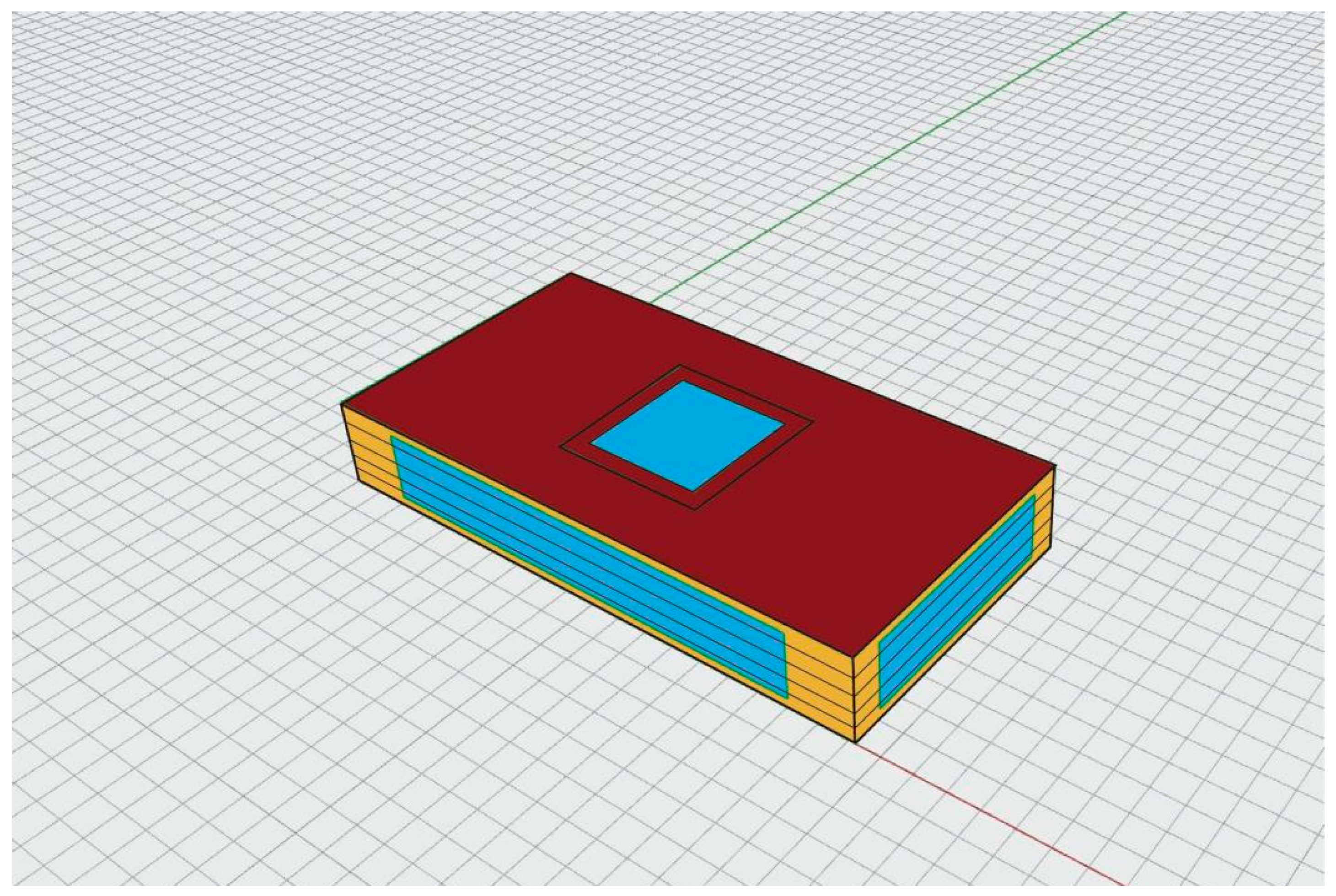
Table 1. After comprehensive consideration, calculation, and comparison, the final benchmark model dimensions were determined to be 192 m in length and 96 m in width, with a total of five floors. The height of the first floor of the building is 6 m, while the height of the standard floors is 5.5 m, with a total height of 28 m. The atrium layout is a core-type single layout (as shown in
Figure 12).
Model Reference Standard
In the “Energy Conservation Design Standards for Public Buildings” (GB 50189-2015) [
25] and the “General Specifications for Building Energy Conservation and Renewable Energy Utilization” (GB 55015-2021) [
26], a series of basic requirements are proposed for the architectural design of commercial complexes, including building shape coefficients (as shown in
Appendix A Table A2), lighting illuminance standards (as shown in
Appendix A Table A3), and thermal performance limits for building envelopes (as shown in
Appendix A Table A4), among others. Based on these standards, parameters for building materials are set (as shown in
Appendix A Table A5). Due to commercial complexes’ structural and functional diversity, these standards do not establish explicit criteria for their indoor thermal environment. Therefore, this study defines an appropriate indoor temperature range for human comfort, specifically 18 °C to 26 °C. Specifically, indoor temperatures are controlled during summer not to exceed 26 °C; during winter, temperatures are ensured to not fall below 18 °C. The operating schedule is set for the front desk of the commercial complex [
27]. This method not only meets indoor comfort requirements but also complies with the environmental protection concept of energy conservation and emission reduction.
Based on the summary and analysis of the survey results mentioned above, this study takes the central atrium as the research object, establishes a simulation scheme, and explores the relationship between the proportion of atrium area and the thermal comfort of the building. According to Clause 3.0.8 of the “Code for Calculation of Building Area in Building Engineering” (GB/T50353-2013) [
28], the area of lobbies and halls in buildings should be calculated based solely on the area of the first floor. Additionally, following Clause 3.1.6 of the “General Specifications for Building Energy Conservation and Renewable Energy Utilization” (GB 55015-2021) [
26], the area of translucent roof sections in Class A public buildings should not exceed 20% of the total roof area. These two provisions collectively provide clear reference criteria for area calculation and energy-saving requirements in architectural design. In the design, the atrium skylight ratio is set at 60%. Here, the atrium skylight ratio refers to the ratio of the area of the open windows on the atrium roof to the total area of the atrium roof. When the atrium area is 25%, the atrium skylight ratio is 15% (25% × 60%), which complies with the standard.
The floor area of the atrium significantly impacts commercial complexes’ thermal environment. This study simulates different atrium areas while ensuring that the skylight’s light-transmitting section complies with regulations. Most commercial complexes in Urumqi lack side windows, so this study does not consider side window issues. Additionally, vertical spatial form changes are not considered when discussing the impact of atrium area changes on energy consumption. Furthermore, based on the extensive research conducted in
Section 2, this study determined that the fluctuation range of the atrium area as a proportion of the total roof area of the building is between 2.2% and 22.2%. To ensure the objectivity and scientific rigor of the research results, this study employed a segmented simulation experiment method with design variable increments set at 5% intervals, while maintaining the overall building volume constant.
2.3. Design Variables
Combining the mechanisms by which individual factors influence energy consumption and thermal comfort in commercial complexes, six design variables were selected based on simulation data, and three additional variables significantly impacting energy consumption were identified. These are as follows: atrium edge count (SE), building rotation angle (ROB), number of atria (Na), atrium rotation angle (ROA), atrium radius (R), and shading depth (SW), atrium skylight ratio (ASR), solar heat gain coefficient (SHGC), and exterior wall thermal conductivity (K). These nine design parameters were used to conduct simulation calculations of atrium space energy consumption and research on energy-saving design strategies under the synergistic effects of multiple factors.
Considering that the mechanisms by which various morphological elements influence different types of courtyards are essentially the same, this paper focuses solely on multi-factor synergistic optimization of single-core courtyards, typical in severely cold regions.
2.4. Objective Functions
We optimized the objectives and organized them based on the research findings. Among the numerous commercial complexes, we identified the indoor atrium space, which is relatively wide and flat, and thus insufficient for use as a thermal pressure ventilation atrium. Functionally, it serves as a connecting space, an exhibition, and an outdoor seating area. Therefore, comfortable lighting and thermal comfort are paramount for the atrium.
From a regional climate perspective, due to the shading effect of the curtain wall, the impact of wind environmental factors on the atrium space is relatively minor. Based on the analysis above, the characteristic of cold regions is hot summers with high solar radiation levels; winter has less solar radiation, bringing more cold air. Therefore, optimizing the atrium’s light and thermal environment for comfort becomes particularly important, with the optimization goal of providing a comfortable light and thermal environment. The optimization criteria are indoor thermal comfort, solar radiation heat (D-RAD = RAD summer − RAD winter), and natural lighting conditions. As shown in
Table 2.
- (1)
D-RAD
This study’s first optimization objective function is solar radiation heat gain (D-RAD), which refers to the total amount of solar radiation received per unit area over a specific period. It is the product of solar radiation intensity and time. It is typically expressed in watts per square meter (KW/m2) or kilojoules per square meter (KJ/m2). The most important aspect of utilizing solar radiation for passive summer heat and winter cold protection is leveraging regional climate conditions. Heat is controlled at the source by minimizing summer solar radiation heat gain in spaces, and by maximizing winter solar radiation heat gain, winter heating costs are reduced. Therefore, the optimization objective for solar radiation heat gain is to achieve ① the lowest RAD in summer and ② the highest RAD in winter. Simplified into a single value, this is expressed as D-RAD = RAD summer − D-RAD winter. RADsummer represents the solar radiation heat gain in summer, RADwinter represents the solar radiation heat gain in winter, and RAD is the difference between summer and winter solar radiation heat gain. The optimization standard for solar radiation heat gain is to minimize the D-RAD value.
- (2)
SUMPPD
The third optimization objective of this study is SUMPPD. Regarding thermal comfort performance, the case study takes the minimum percentage of thermal discomfort time as the design target for thermal comfort performance. PMV-PPD is a thermal environment evaluation index proposed by Professor Fanger in the 1970s. [
29,
30] This indicator is widely used internationally. [
31] PMV considers six factors: metabolic rate, clothing thermal resistance, air temperature, relative humidity, mean radiant temperature, and airflow. The PPD index refers to the degree of dissatisfaction with the thermal environment of a building. [
32] The relevant objective function can be described as follows:
For ease of calculation, the author accumulated the percentages of thermal discom fort time and selected the most representative months, namely the frigid and extremely hot periods (May–August and November–January). This is SUMPPD.
- (3)
SUMUDI
The final optimization objective function in this study is SUMUDI (Useful Daylight Illuminance), which is measured in percentages (%) [
33]. The SUMUDI index is a standard established by considering the upper limit of illuminance acceptable to the human eye while meeting the minimum brightness requirements, taking into account the comfort requirements of the human eye. It is defined as the ratio of the total working time to the time during which indoor natural illuminance is between 100 and 2000 lux over one year. The optimization standard for indoor atria is to strive for the best possible lighting conditions that are both good and comfortable to meet the needs of their dual use as art exhibition spaces, ensuring that UDI100 lux < E < 2000 lux is as large as possible. For convenience in calculation, the author has summed the UDI values of all points within the atrium and applied a negative value adjustment, which is SUMUDI.
2.5. Software Simulation and Evaluation Index
The prototype building was parametrically modeled in the Rhino platform Grasshopper, generating new building designs when design variables were adjusted. We used the Ladybug Tools component to perform performance simulations on the design. Ladybug and Honeybee can simulate building energy consumption, light, and thermal environments. In this study, the performance simulations assumed that the building’s surrounding environment was an ideal, unobstructed condition. We used regional meteorological data from the official EnergyPlus database for subsequent performance simulation [
34].
Table 3 sets out the location, occupancy density, lighting power density, fresh air supply per capita, and heating and cooling set points for the prototype building.
2.6. Multi-Objective Optimization
The genetic algorithm optimization plugin Wallacei used in this study is an evolutionary engine based on the Grasshopper platform [
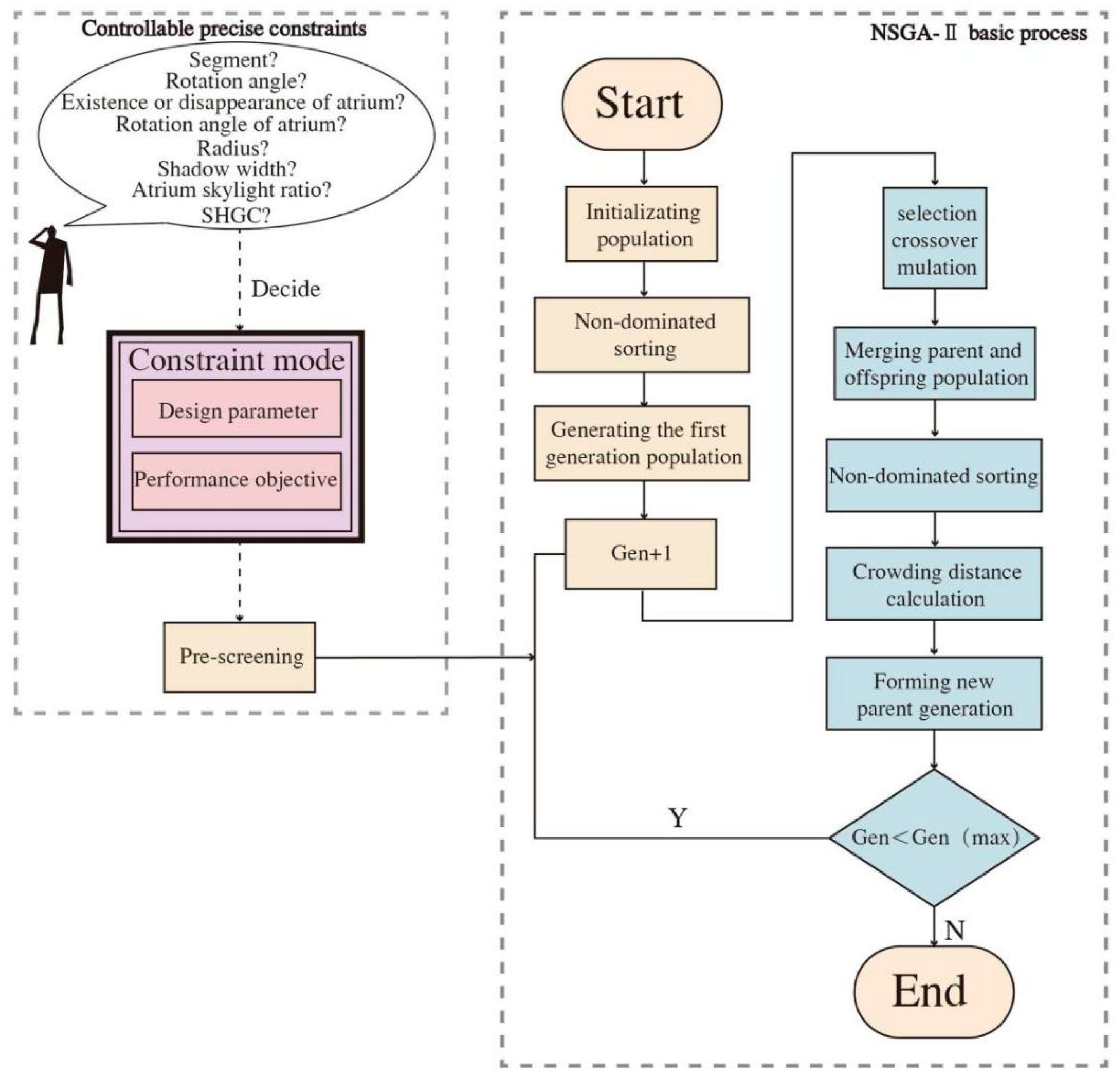
35]. Wallacei X, the NSGA-II algorithm is used as the main evolutionary algorithm, as shown in
Figure 13, and the K-means method is used as the clustering algorithm [
36,
37]. This paper selects the NSGA-II algorithm to generate a set of Pareto optimal solutions, balancing different search objectives to obtain a solution with overall good performance [
38].
The atrium space in commercial complexes serves as the primary subject of this investigation, aiming to improve its comfort and energy consumption performance through in-depth optimization research. During the research process, based on relevant specifications and field survey data, key parameters such as the length, width, atrium skylight ratio, and number of atrium sides were adjusted during the optimization process to improve indoor environmental quality while reducing energy consumption. The range of values for each design element is summarized in
Table 4.
During the optimization process, parameter settings are critical to the results’ scientific validity, accuracy, and computational efficiency. In genetic algorithms, setting the number of iterations (i.e., generations) to 50 means that the algorithm will run for 50 generations. Theoretically, the more iterations, the more likely the algorithm is to find a solution close to the optimal solution, but this also means higher computational requirements. Additionally, the population size, i.e., the number of individuals in each generation, is set to 30. Apart from the above two parameters, all others remain at their default settings. When applying the genetic algorithm for iterative optimization of the atrium, the parameter settings for each design variable are shown in
Table 5.
4. Discussion
4.1. Sensitivity Analysis
Design variables are the fundamental components of an optimization problem, representing the parameters that can be adjusted during the design process. In this architectural study, the key variables considered are SE, ROB, Na, ROA, R, SW, ASR, SHGC, and K. Correlation analysis which is a statistical method widely used in building science to quantify the strength of the relationship between two or more variables. This analysis helps researchers and designers understand the interactions among different factors, thereby informing better design and planning decisions. The analysis typically employs correlation coefficients to measure these relationships, with common measures including Pearson’s correlation coefficient, Spearman’s rank correlation coefficient, and the coefficient of determination. The results are often visualized using a correlation heatmap. This study utilizes Pearson’s correlation coefficient to express the relationships between feature variables, calculated as follows:
In this formula, and represent the values of the two variables, while and denote their respective sample means. The Pearson correlation coefficient measures the linear relationship between two continuous variables. Its value ranges from −1 to +1, where 0 indicates no linear correlation, positive values signify a positive linear relationship, and negative values indicate a negative linear relationship.
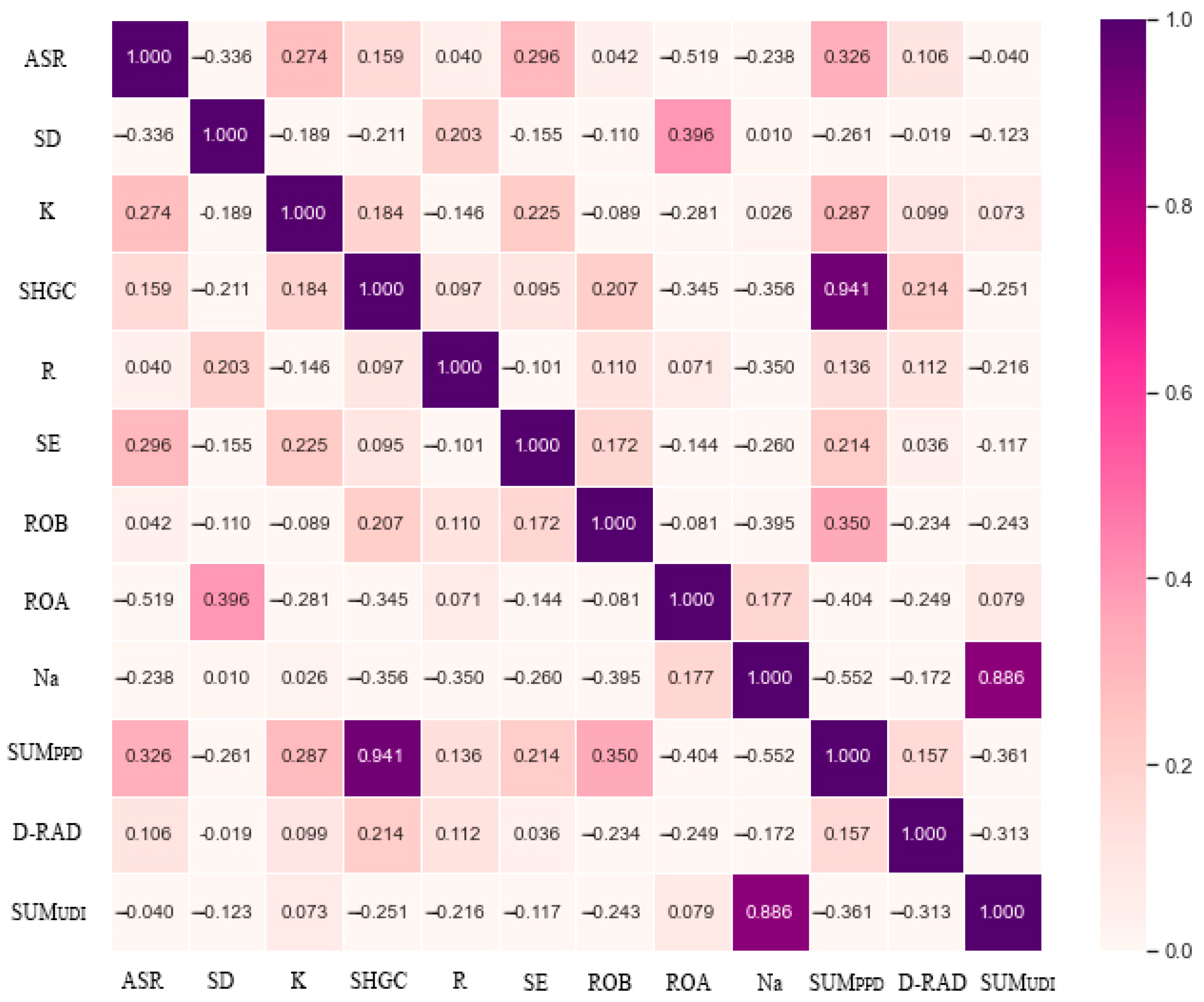
This study used Pearson’s correlation coefficient method to obtain the sensitivity values of each design variable and conducted a comprehensive analysis and discussion of multiple results based on their sensitivity intensity [
39] (the analysis focuses on the entire solution set, meaning a global sensitivity analysis is being conducted). The strength of the correlation can be determined by the depth of the color blocks (
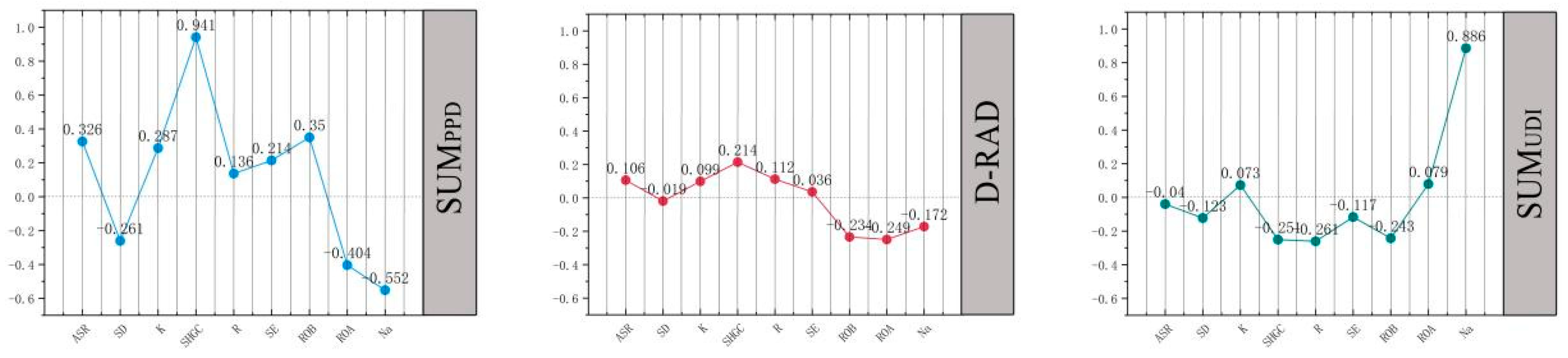
Figure 21). Subsequently, the content of the correlation table is extracted (
Figure 22). For the single objective of SUMPPD, the ranking of the strength of influence of each factor is as follows: SHGC > Na > ROA > ROB > ASR > K > SD > SE > R. SHGC has the most significant influence on SUMPPD. In contrast, the size of the atrium space (outer circle radius R) has the least influence on SUMPPD. An analysis of the single target D-RAD indicates that the factors influencing its ranking strength are as follows: ROA > ROB > SHGC > Na > R > ASR > K > SE > SD. Among these factors, ROA and ROB have the most significant impact on D-RAD. Therefore, the study shows that the orientation of buildings and atrium significantly impacts D-RAD. For the last optimization objective, SUMUDI, the ranking of the influence of each factor is as follows: Na > R > SHGC > ROB > SD > SE > ROA > K > ASR, among which the factors related to the atrium size in commercial complexes (Na, R) have the most significant influence on SUMUDI. In summary, the study shows that the three factors, SHGC, Na, and ROB significantly influence SUMPPD, D-RAD, and SUMUDI.
4.2. Prediction Models for Atrium Performance Based on an Improved NSGA-II Algorithm
A critical gap exists in the current literature regarding the performance optimization of commercial complexes, particularly those featuring single-atrium designs, in severe cold regions. Prevailing research approaches have predominantly relied on Computational Fluid Dynamic (CFD) simulations coupled with single-objective optimization (SOOP), which are primarily geared toward addressing isolated energy consumption concerns. While valuable, this SOOP paradigm proves inadequate for confronting the inherently multi-faceted challenges of contemporary architectural design, where energy efficiency must be reconciled with occupant comfort and experiential quality. The present study addresses this methodological shortcoming by implementing a robust multi-objective optimization (MOOP) framework utilizing the NSGA-II algorithm.
4.3. Multi-Objective Optimization Effect
Comparative analysis of Pareto-optimal solutions reveals differential influences of design parameters on optimization objectives, yielding important implications for both design practice and policy development.
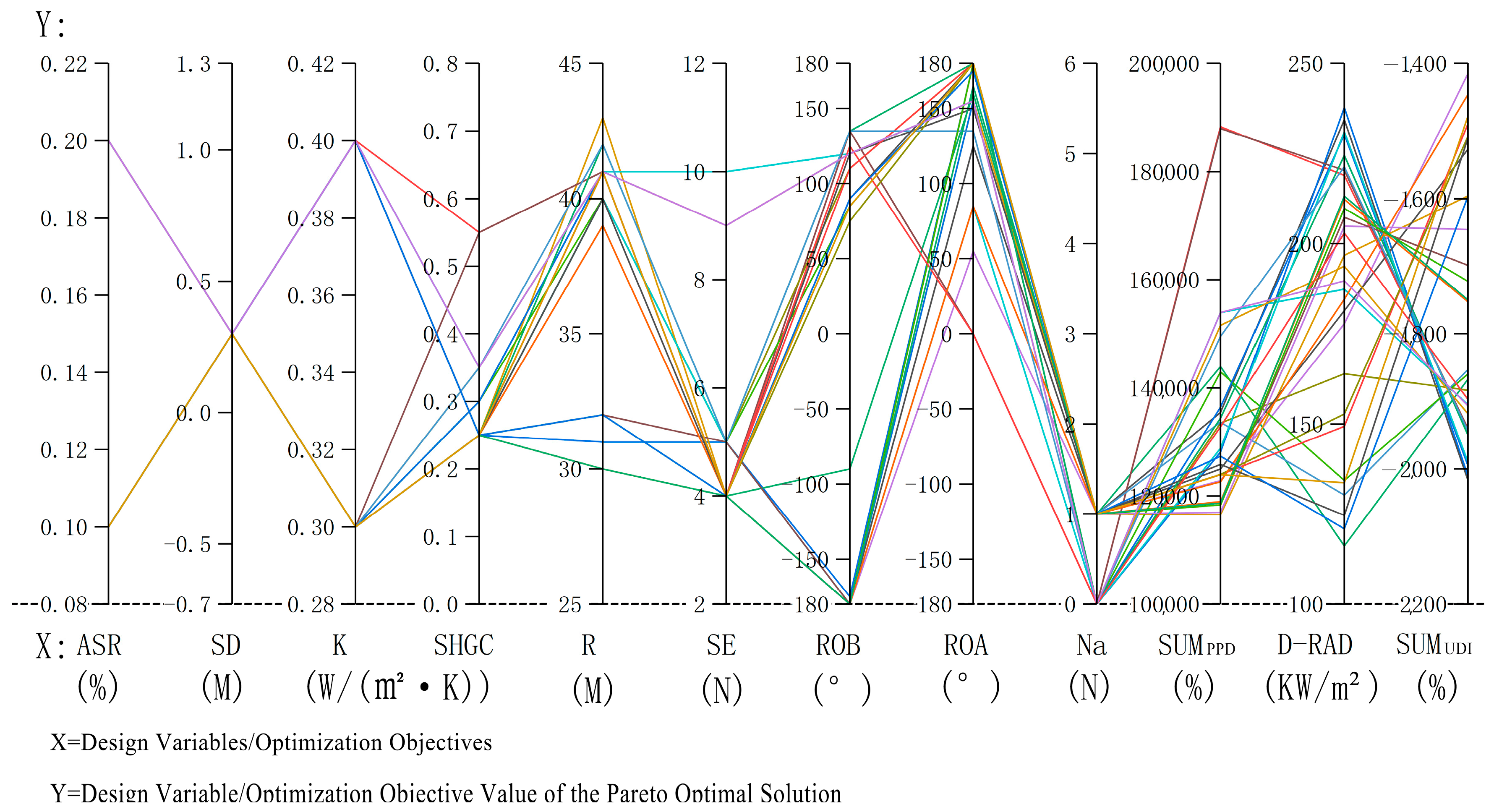
For architectural design, the multi-objective optimization identifies precise optimal ranges for key parameters: SW (0.3 cm), K (0.3), and Na (1) maintain stable values across solutions; SHGC peaks at 0.25 (±0.05) while ASR centers at 0.1 (±0.1); atrium radius stabilizes at 41 m (±3 m). These well-defined optimal ranges provide architects with directly applicable design benchmarks, significantly reducing design uncertainty. The distinct variation patterns of ROA and ROB parameters offer designers flexibility for preference-based selection—these parameters can be adjusted according to whether energy efficiency or comfort is prioritized.
For policy formulation, the consistent convergence of most parameters toward stable values supports the development of climate-specific performance-based standards. The identified parameter ranges provide scientific basis for establishing regional building energy codes in severe cold regions. Furthermore, the systematic variation patterns of ROA and ROB justify incorporating comfort metrics into green building certification systems, promoting comprehensive building performance enhancement beyond mere energy conservation.
The parameter optimization framework developed in this study not only provides specific design guidance for Ürümqi but also establishes a transferable methodology for commercial complexes in similar climatic zones, effectively bridging the gap between performance optimization research and engineering practice. These insights enable the creation of built environments that successfully balance sustainability with human-centered design principles.
4.4. Research Innovation and Limitation
Although extensive research has been conducted on multi-objective optimization and performance prediction models for atrium spaces in commercial complexes, the form of atria has not been fully explored. Currently, there is a lack of performance prediction models and multi-objective optimization research for single atrium forms in commercial complexes. Therefore, this study supplements the above short paper and has the following innovations:
Analyzed the synergistic effects of different parameter variables on the photo thermal performance and thermal sensation in a single atrium of a commercial complex in a severely cold region.
For the atrium of this type of commercial complex, we used evolutionary algorithms to improve the neural network, ultimately establishing a corresponding photo thermal comfort performance prediction model. This is an important distinction between our research and other similar studies.
A rapid optimization method was established by combining the above parameterized model (Model-I), Ladybug, Honeybee, and NSGA-II algorithms.
It is worth noting that the optimization model proposed in this study still has some limitations. First, the model is only applicable to a single atrium form. Second, the key indicators currently considered are limited to SUMPPD, SUMUDI, and D-RAD; other indicators could be incorporated in future research. Third, while this study establishes an effective framework for static design optimization, it does not explore integration with dynamic active systems like intelligent shading controls. Future research could build upon machine learning approaches, such as Hussien et al.’s predictive model [
40], to enable real-time building adaptation. Furthermore, as demonstrated by Maksoud et al. in flood-resilient design [
41], the computational methodology developed here shows potential for addressing broader environmental challenges through cross-domain application. Finally, due to limitations in time-series data, the selection of influencing parameters is relatively basic. This study is limited to the climate of China’s severely cold regions. It lacks adaptive analysis for different regional climates, necessitating further research to address the model’s adaptability to various climatic conditions [
42].
5. Conclusions
This study establishes an integrated computational workflow for optimizing atrium design in commercial complexes in cold regions, demonstrating significant advancements in balancing energy efficiency with occupant comfort. Through the application of multi-objective optimization using the NSGA-II algorithm, we have developed a methodology that effectively resolves the inherent conflicts between three critical performance criteria: energy consumption (D-RAD), thermal comfort (SUMPPD), and visual comfort (SUMUDI). Our findings reveal that most design parameters converge toward stable optimal values, with SW (0.3 cm), K (0.3), and Na (1) exhibiting particular consistency across solutions. This convergence provides architects with well-defined design benchmarks that significantly reduce decision uncertainty. The exceptional case of ROA and ROB parameters, which show substantial variation across the Pareto frontier, actually presents designers with strategic flexibility—these parameters can be deliberately adjusted based on whether energy conservation or comfort enhancement is prioritized in specific projects.
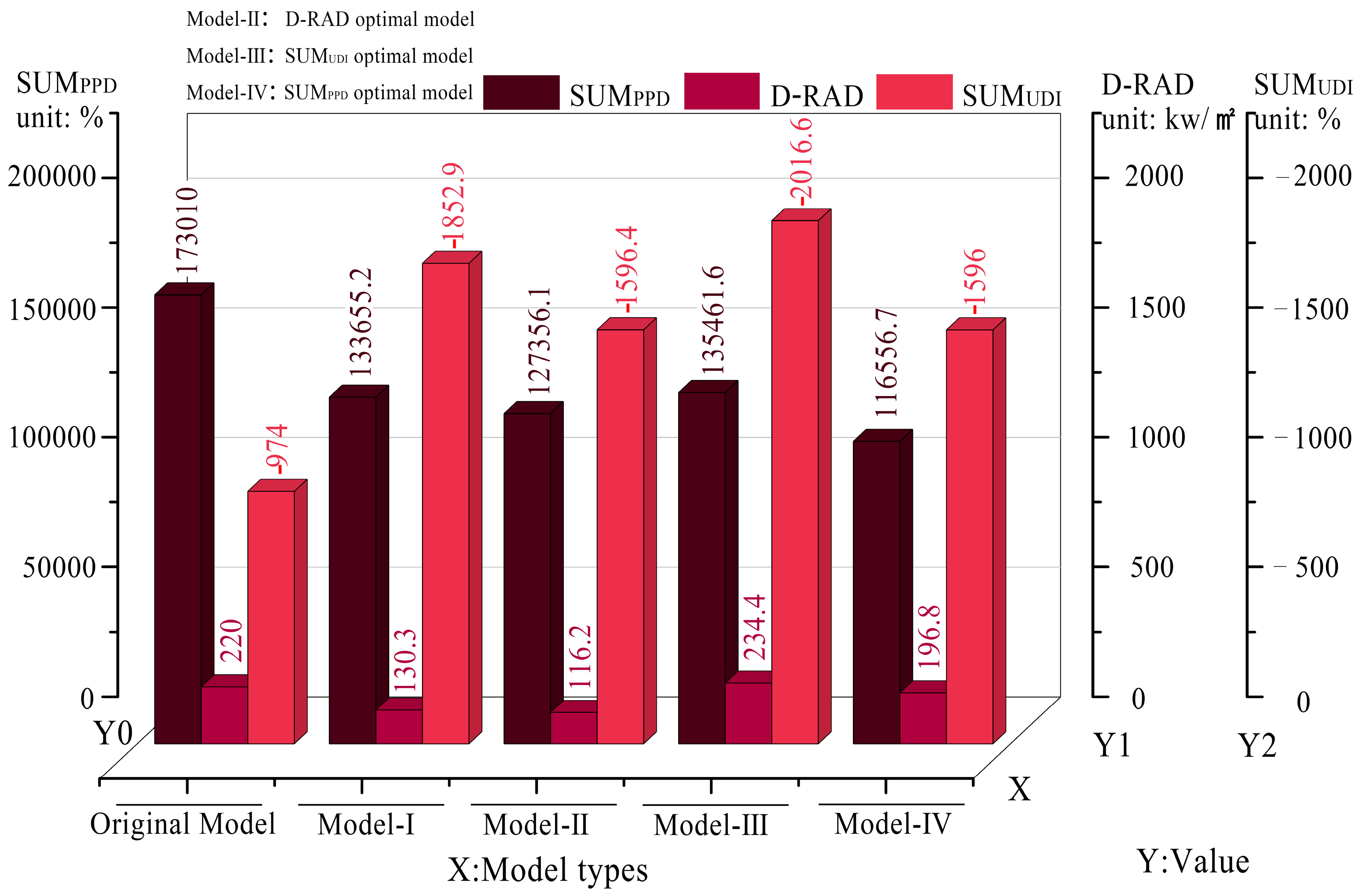
The practical significance of this research extends beyond theoretical optimization. The 23% improvement in SUMPPD, 41% reduction in D-RAD, and 90% enhancement in SUMUDI demonstrate the substantial performance gains achievable through our methodology. More importantly, the identification of SHGC and atrium aspect ratio as the most sensitive parameters provides direct guidance for focusing design attention where it yields maximum impact.
Several key contributions emerge from this work. First, we have successfully transitioned from single-objective to multi-objective optimization paradigm, acknowledging the complex interplay between building performance dimensions. Second, the generated Pareto-optimal solutions offer a structured approach to navigating design trade-offs, moving beyond prescriptive guidelines to provide a spectrum of context-aware solutions. Third, our sensitivity analysis translates optimization results into actionable design intelligence, empowering architects to make informed decisions during early design phases.
For future work, we recommend investigating the integration of dynamic shading systems and adaptive building technologies with the statically optimized parameters identified in this study. Furthermore, validating the simulation results through physical monitoring in real-world building applications would significantly enhance the practical relevance and reliability of our findings. The methodology established in this research provides a robust foundation for developing climate-specific design guidelines, effectively addressing the dual challenges of energy efficiency and occupant experience in commercial buildings located in severe cold regions.