This paper investigates a seismic and energy retrofit strategy suitable for buildings with a reinforced concrete (RC) structural frame. The aim is to address a problem that affects most of the real estate in Italy and in many other countries, that is to say, the insufficient structural and thermal performance of the existing buildings. This is mainly due to the time lag between the construction of a large part of the current building stock and the introduction of comprehensive and restrictive technical standards.
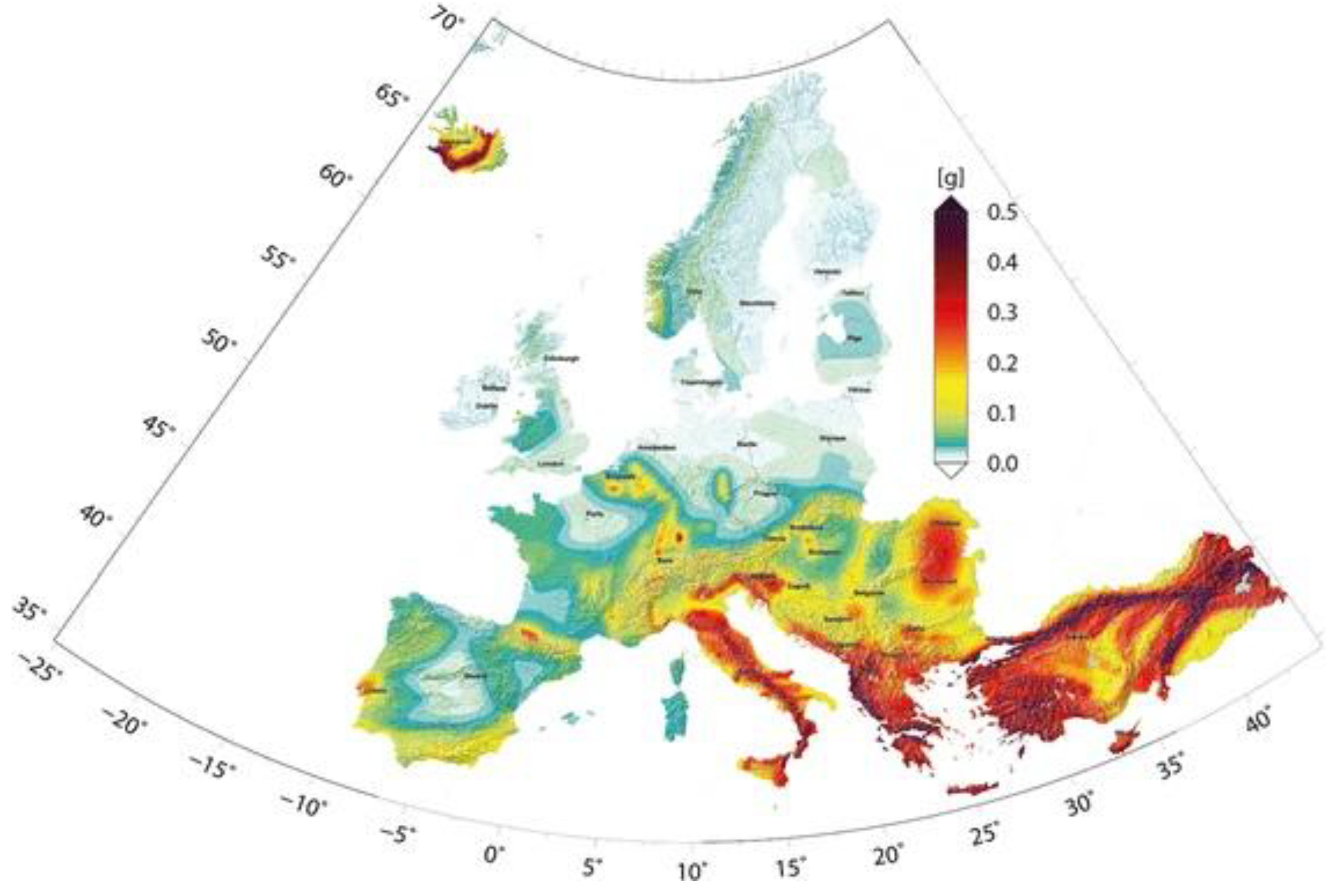
On the other hand, fewer steps forward have been done to reduce the seismic vulnerability of the existing building stock, mostly due to the low percentage of EU countries rated as earthquake-prone (
Figure 2). In many European cities, a high percentage of the residential building stock is exposed to seismic risk (around 50% in Italy) [
2], and urgently need interventions to improve their seismic safety, i.e., their social sustainability. Regarding the Italian peninsula, the seismicity is due to its geographic position at the border between the Eurasian and African tectonic plates. Their relative movement causes deformations and energy accumulation, which is occasionally released in form of earthquakes. It must be noticed that, in areas with high seismic hazard, the greatest risk is related to human losses and to the damage or collapse of buildings and monuments with great historical and artistic value; these considerations should make structural retrofitting a priority when renovating the building stock.
1.1. The Italian Building Stock and Building Regulations
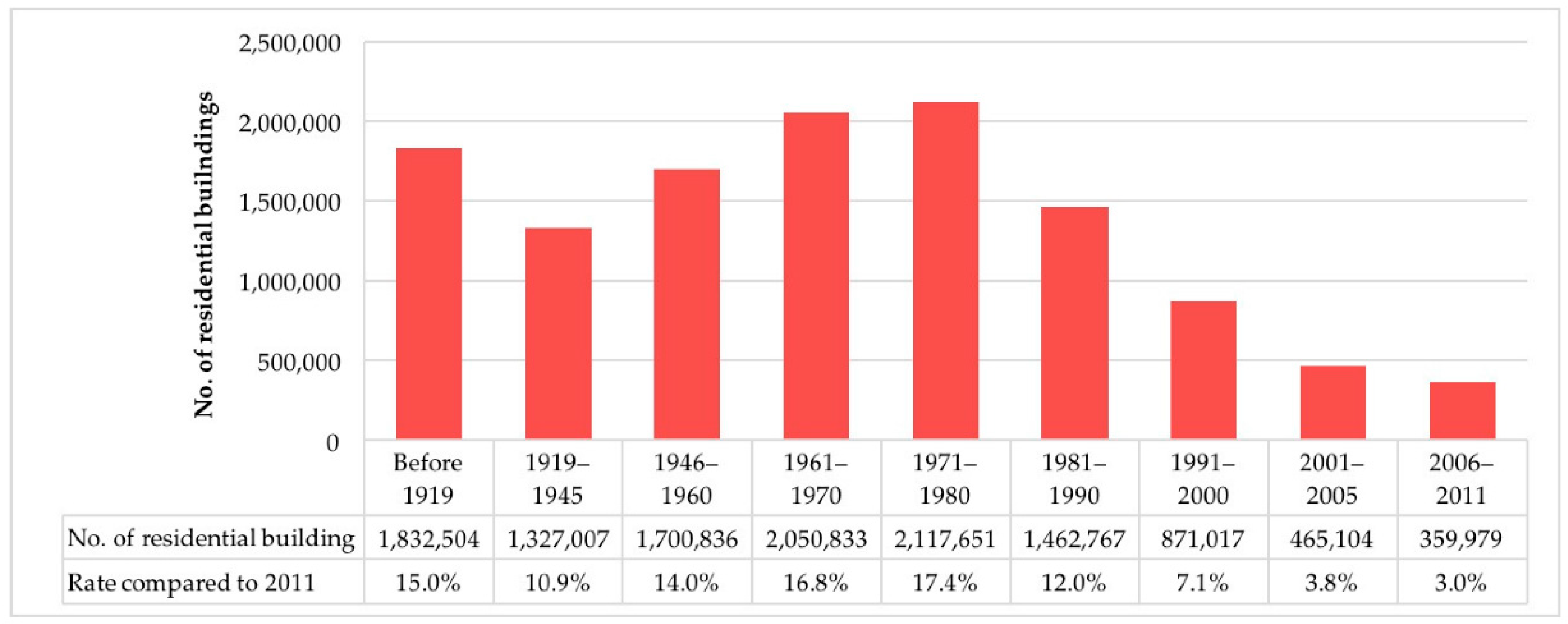
Most of the Italian residential buildings (over 74%) were constructed before 1980 (
Figure 3), when only 25% of the national territory was classified as a seismic area. According to the 2011 census of the Italian national statistical institute (ISTAT), around 66% of the existing residential stock was built before 1974, that is to say, before the issue of Law 64/1974, which is the framework law for earthquake-resistant buildings.
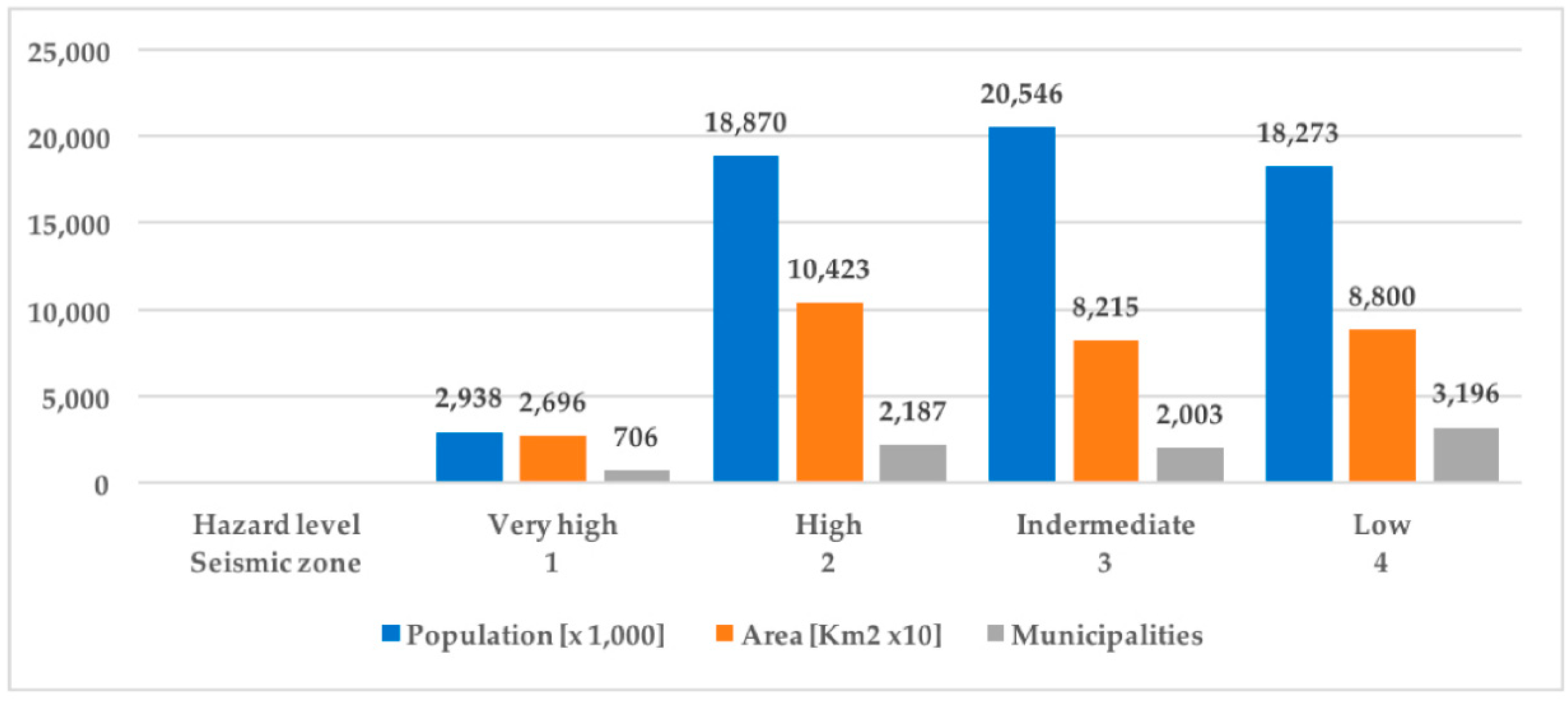
As a matter of fact, this is one of the main reasons of the seismic vulnerability of buildings: in fact, most of them have been designed to sustain gravity loads only, without considering possible seismic forces. Moreover, even those buildings erected after 1974, although in compliance with the laws in force at the time of construction, may not comply with the current seismic regulation because in recent years the seismic hazard map has been updated several times, including a great number of cities in higher risk areas. The areas with a high seismic risk cover 44% of the Italian territory (131 thousand km
2) and 36% of the municipalities (2893 units). 21.8 million people live in these areas (36% of the population, in total, 8.6 million families) where there are about 5.5 million residential and non-residential buildings (
Figure 4).
Among these, residential buildings correspond to 86%. Furthermore, another risk condition of the existing structures depends on their conservation status. In Italy, nearly 60% of the residential stock was built before 1971 (around 7 million units) and the rest were built in the last 50 years; hence, a large part of the real estate will be in a bad condition, if not renovated.
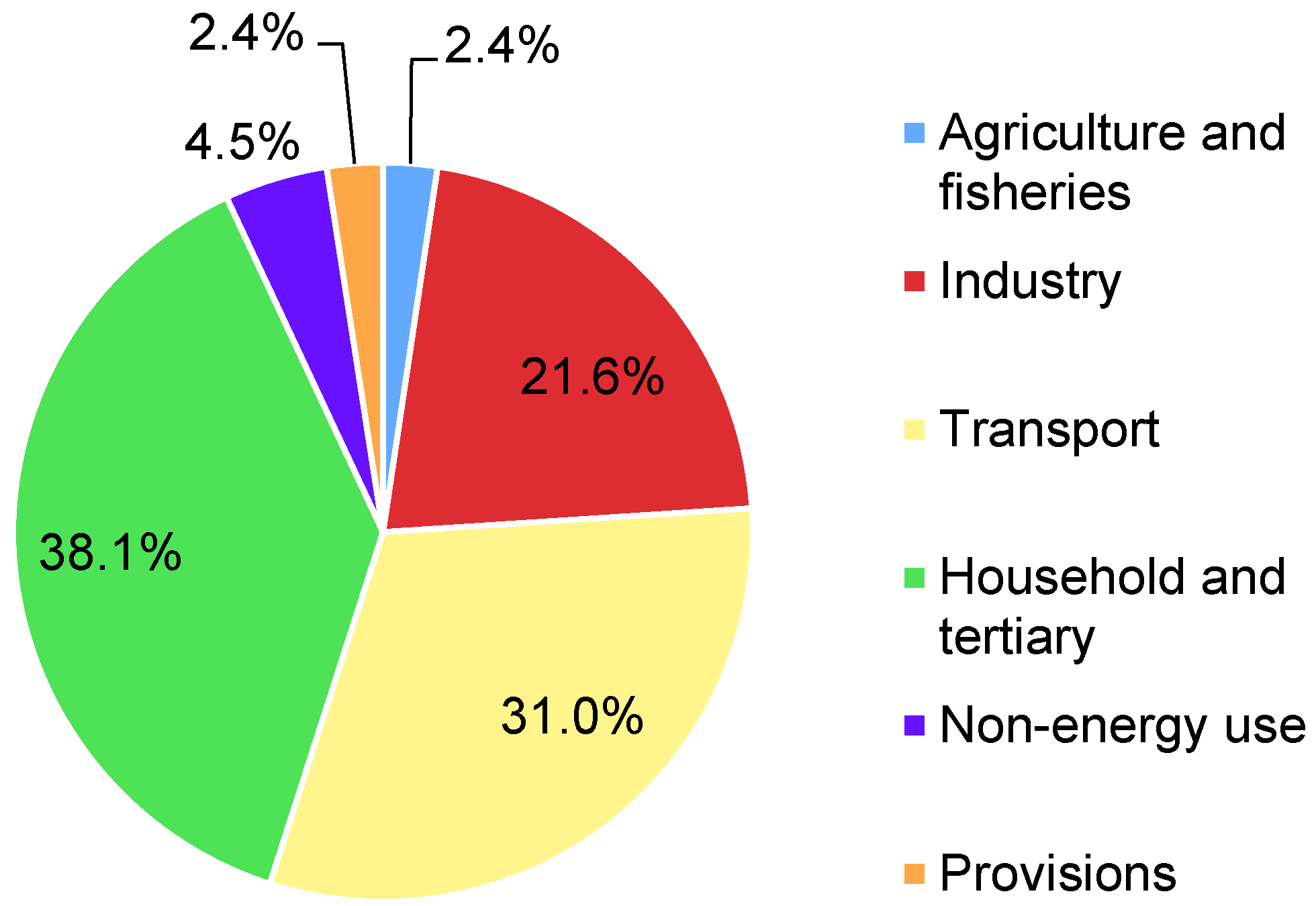
On the other hand, existing buildings are responsible for the consumption of significant amounts of energy and the consequent emission of relevant quantities of greenhouse gases.
The first restrictive Italian regulation concerning the reduction of energy consumption in buildings was Law 10/1991, introduced when around 86% of the current residential building stock had already been built. According to data from BPIE [
6], these constructions are characterized by a heating energy demand of about 140–220 kWh m
−2 year
−1, far beyond the limit enforced by the current regulations [
7].
Energy improvements are today mandatory in Italy in case of major renovations. In detail, when refurbishment activities involve more than 25% of the building envelope, the thermal transmittance (U) of the envelope components and the efficiency of the heating and cooling systems must be considerably improved. Besides, if the retrofit involves the entire building envelope, the current regulation imposes the installation of renewable energy sources (RES) systems [
8].
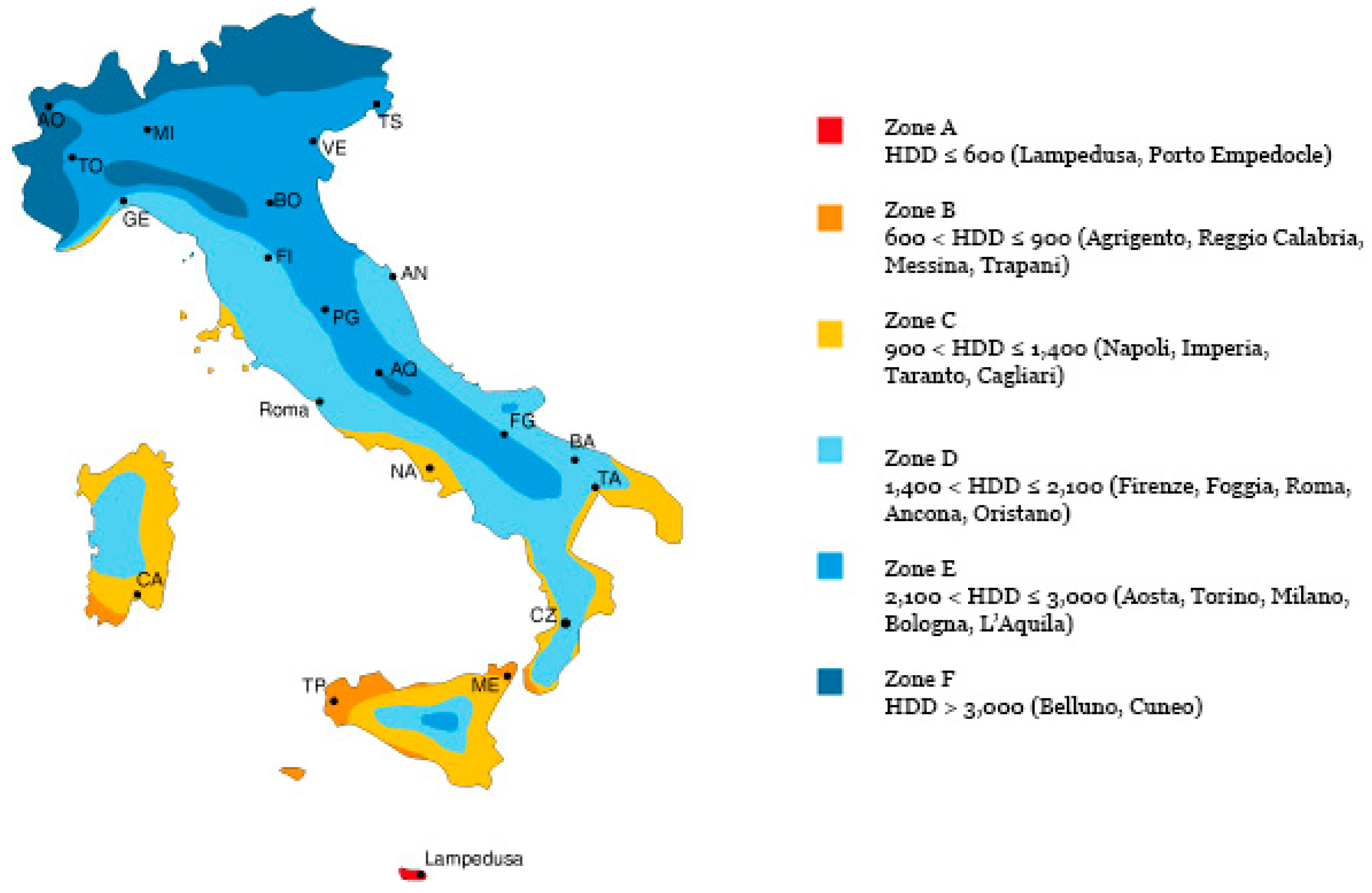
According to the Presidential decree D.P.R. 412/93 [
9] and its subsequent modifications, the Italian territory is divided into six different climatic zones, depending on the value of the heating degree-days (HDD). This parameter is computed as the sum, throughout the entire heating season, of the positive differences between the standard indoor temperature and the daily mean outdoor air temperature. For each climatic zone, the current regulation provides various limitations on thermal transmittance of all the components of the building envelope, such as for windows, infill walls, slabs, etc. Moreover, the aforementioned decree states, for each zone, mandatory limitations about the duration of the heating season and the daily number of operations for the heating systems (
Table 1). The Italian climatic zoning map is shown in
Figure 5.
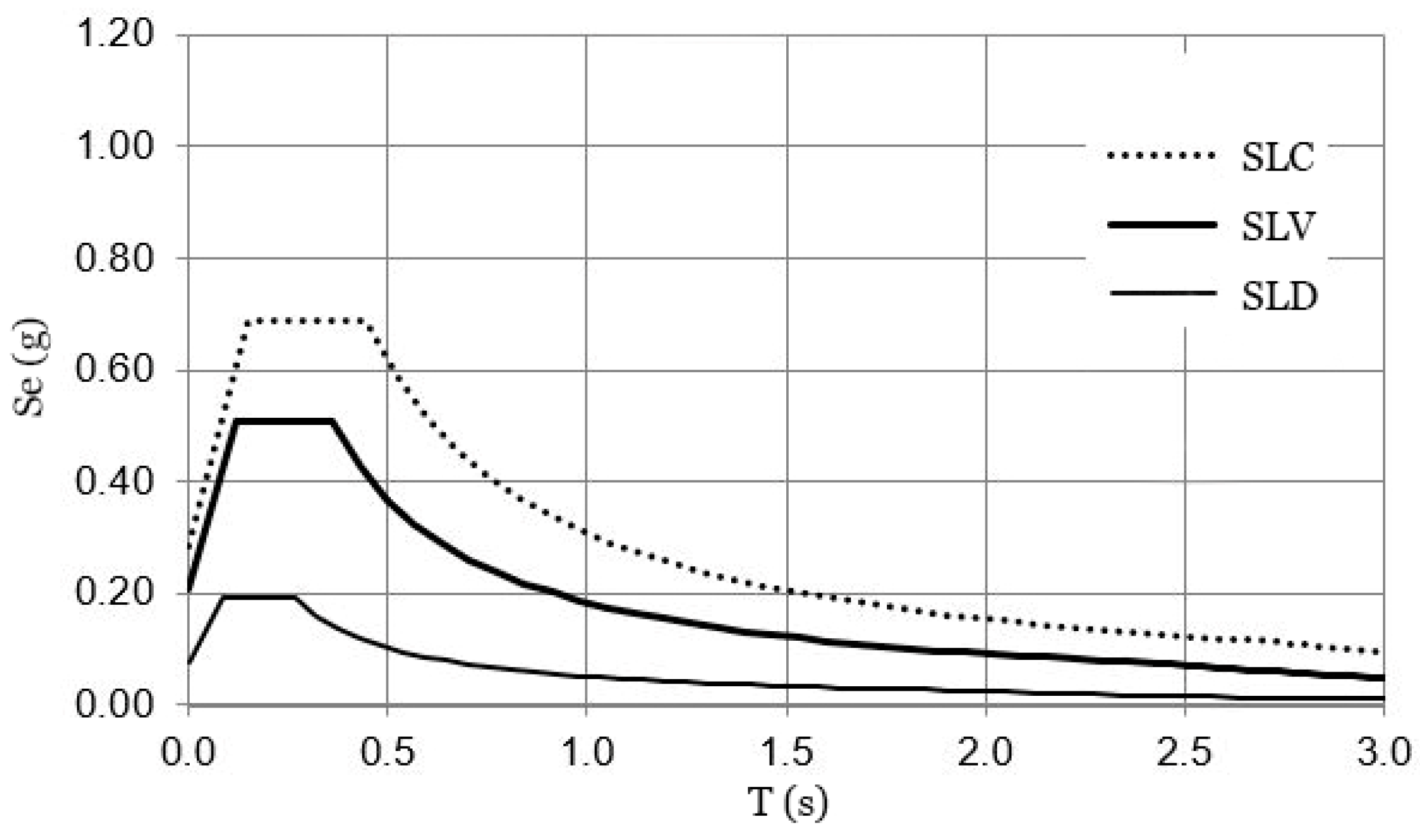
As regards the structural design for earthquake resistance, initially conceived with the sole aim of saving human lives, it has evolved to include other requirements that are imposed on the structures to ensure specific performance for a wide range of seismic events. For this reason, today the philosophy of performance-based design is applied, which provides for various levels of performance or limit states that should be met. In this regard, the Italian code defines the following main limit states:
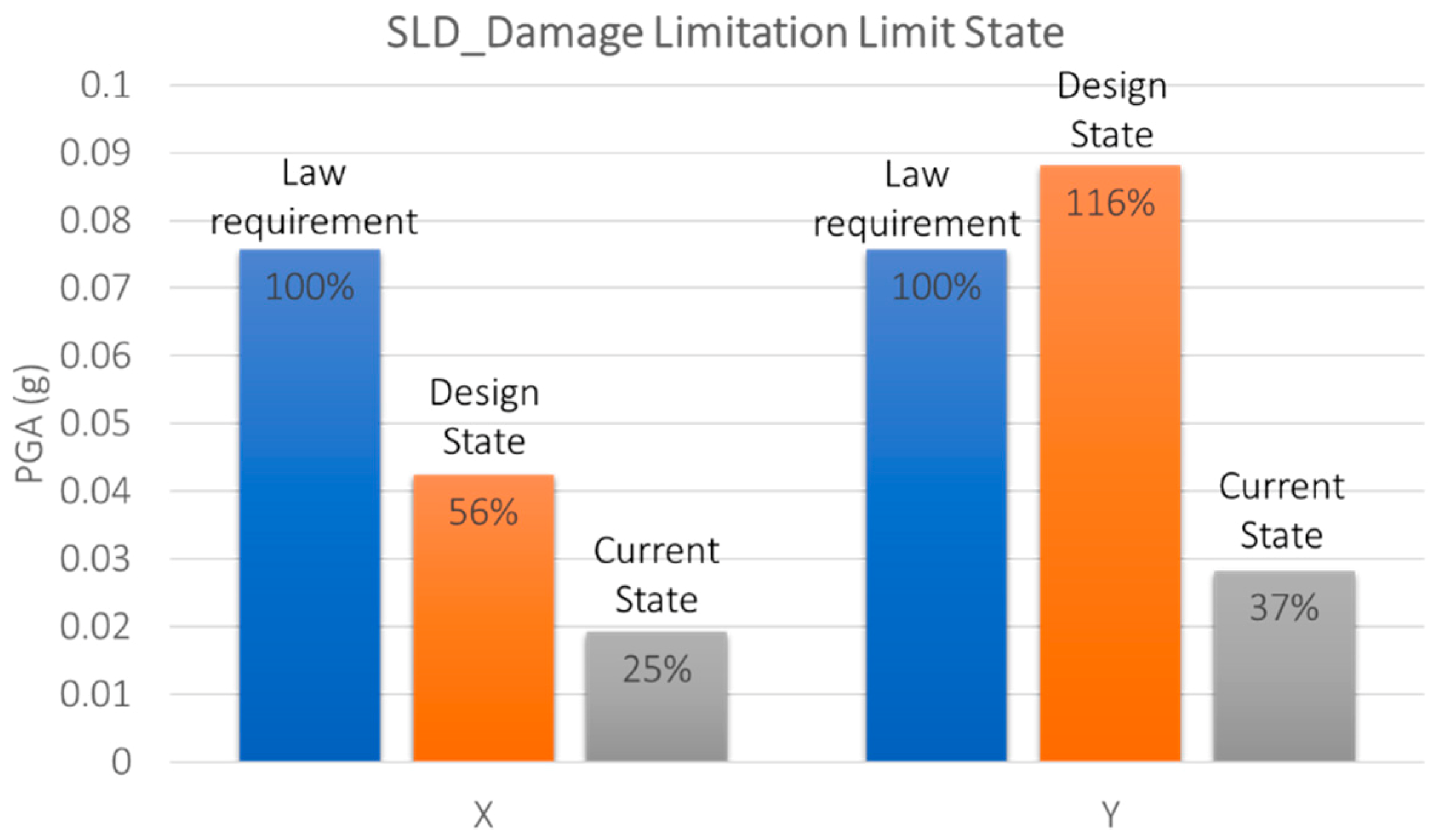
Damage limitation limit state (SLD): it is accepted that the non-structural components of the construction suffer damage, but structural members remain basically undamaged and their resistance and stiffness are not compromised;
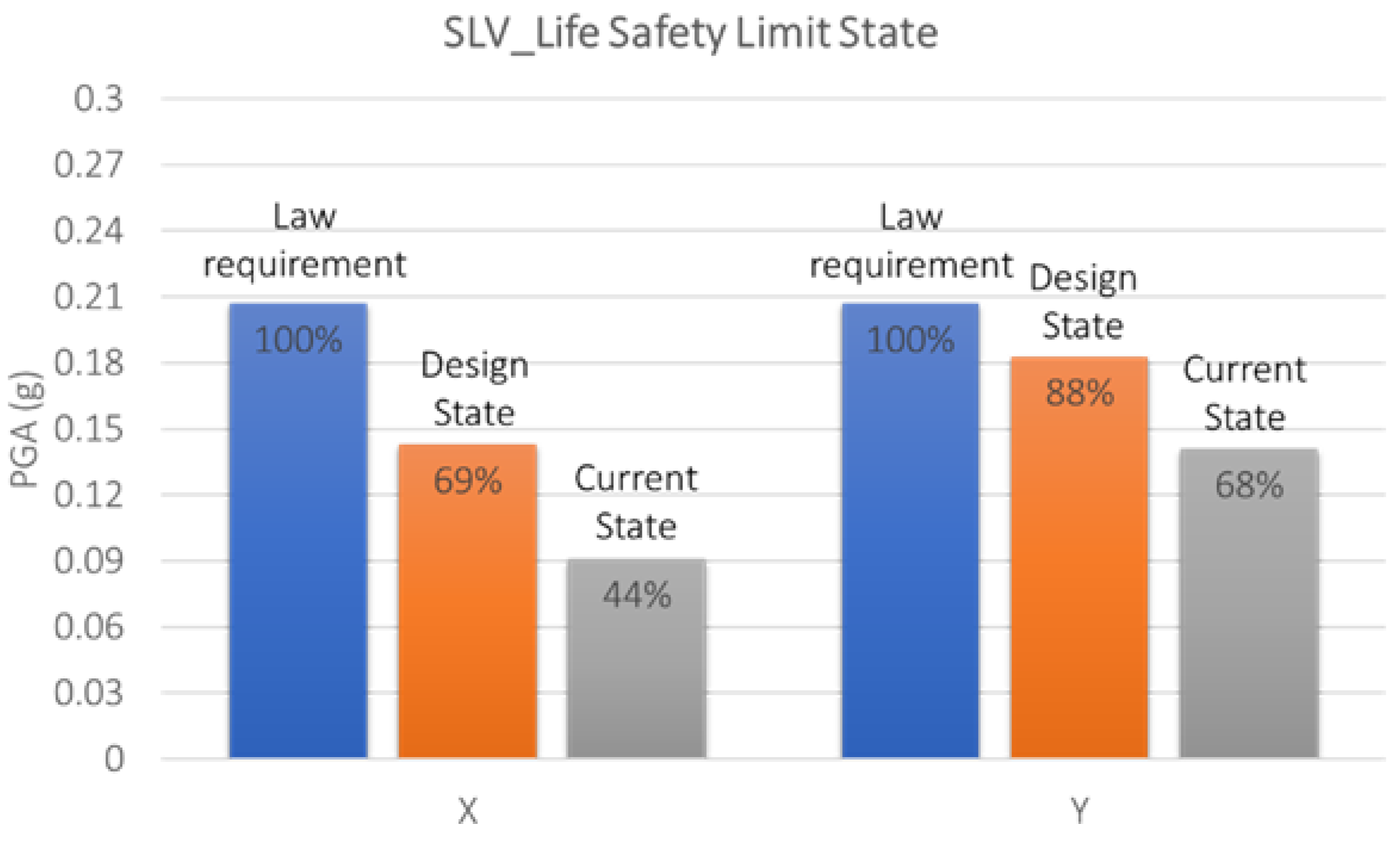
Life safety limit state (SLV): heavy damage of non-structural components is admitted, structural members sustain damage also, but a certain resistance and a safety margin for any load is preserved;
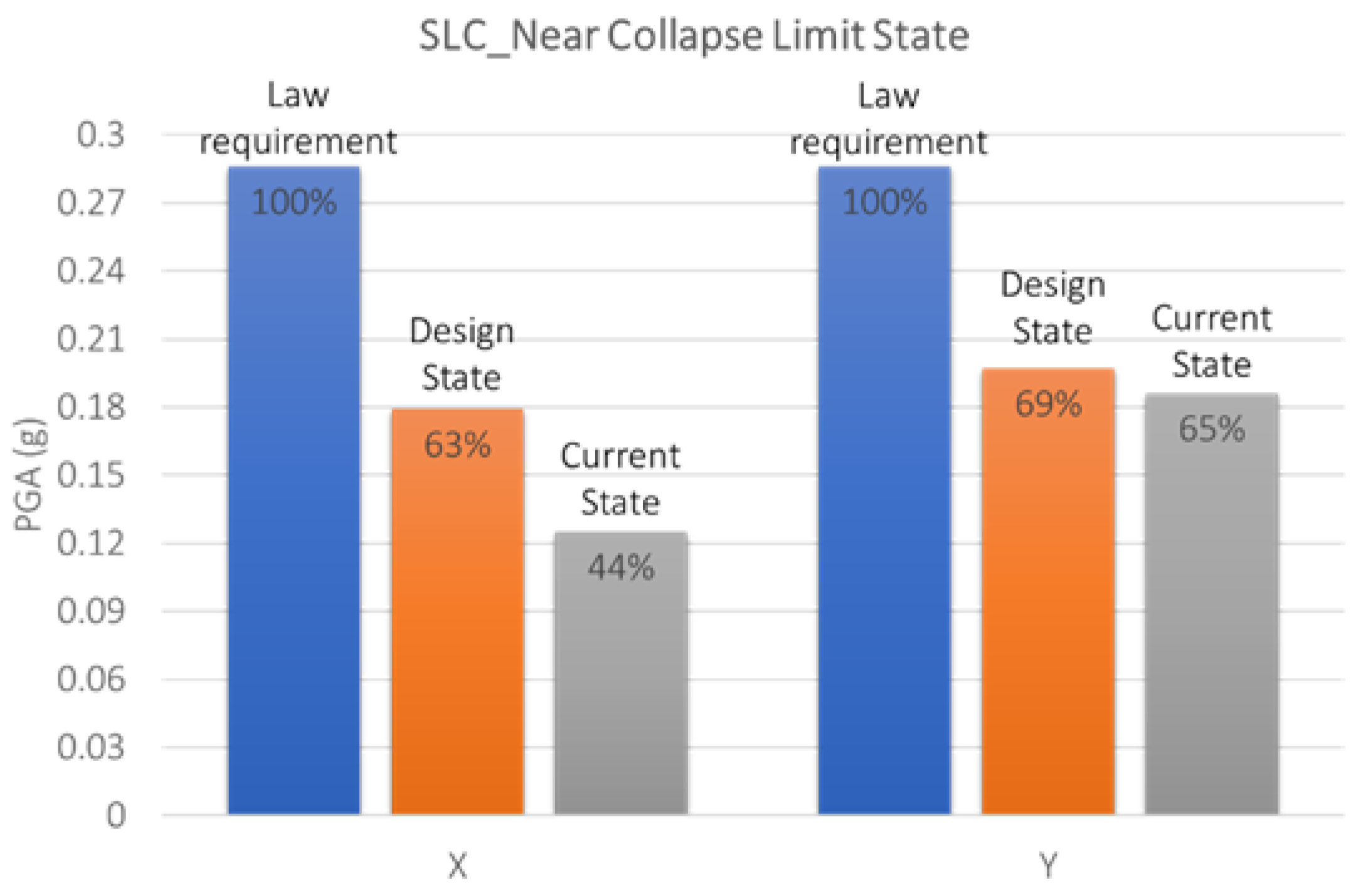
Near collapse limit state (SLC): extensive structural damage is allowed, the structure is still capable to sustain gravity loads but the safety margin related to the collapse induced by seismic excitation is minimal.
The legislation stipulates the verification of one or more limit states, considering for each of them an earthquake excitation level with a certain probability of exceedance in a reference period,
VR, or the corresponding return period,
TR. The reference period is equal to 50 years for residential buildings. The return period, which represents the estimated average time between two seismic events with given earthquake excitation level, is related to the probability of exceedance.
Table 2 shows the probabilities of exceedance in
VR and the related return periods for
VR = 50 years stipulated in the Italian building code for the verifications of the limit states.
The structural project must be carried out with respect to a seismic action which depends essentially on the values of peak ground acceleration (PGA), which is related to seismic zone, type of soil, and topographic surface.
1.2. The Need of an Integrated Retrofitting Approach
Since most buildings are inadequate in terms of both seismic and thermal performance, an integrated renovation approach is strongly recommended. In fact, an integrated approach can provide more benefits at the same time, introducing a sustainable way for retrofitting the existing building stock.
Therefore, the need to define criteria and intervention techniques, aimed at reducing seismic vulnerability and increasing energy efficiency in the context of an integrated approach, is imposed by the social relevance of such a large quantity of buildings with bad energy and seismic performance.
A great advantage deriving from combined actions lies in the possibility of solving two major sustainability issues in a single solution: in fact, one must proceed with the renovation works only once, thus avoiding additional costs and disturbance to the occupants, as occurs in case of distinct and/or unrelated renovation interventions.
Moreover, since the sectoral design takes little account of—or does not consider them at all—other constructive, environmental, and architectural aspects, further emphasis must be put on the fact that the quality of an integrated intervention project can only be higher. As a matter of fact, this would simultaneously solve all those issues, which otherwise would remain disconnected or even conflicting.
Furthermore, an integrated intervention strategy is particularly advantageous because the increase in costs of an eventual maintenance, renovation, or reconstruction following a seismic event would be avoided.
Last but not least, the importance of significantly reducing the risk of post-earthquake emergencies related to people evacuation, as well as the protection of belongings with high economic and/or social value, and above all, the life safeguarding should not be neglected.
From the previous considerations, and considering the high frequency of earthquakes in Italy, the seismic retrofit of the existing building stock is an imperative, since it allows a consistent reduction in the extent of damage, as well as in the number of victims and injured people.
Moreover, one must also consider the opportunity to take advantage of the tax incentives currently in force in Italy [
10], which provide an important reduction in the economic burden that owners have to bear to renovate their assets. This is clearly bound to the achievement of certain specific targets in terms of seismic and energy performance. All these tools are even more convenient since the legislator allows the combination of seismic and energy incentives in the case of integrated interventions, achieving the requirements for access to both deductions.
Lastly, a convenient and useful mechanism for the credit assignment has been recently introduced; it allows transferring the tax credit directly to the involved construction companies or to third parties acting as intermediaries in the transaction, reducing the financial outlay for owners.
1.3. The State of Art of Combined Renovation Interventions
To start with a focus on typical strategies for structural retrofit, one possible way is to increase the strength and/or ductility capacity of the structure at a global or local scale. For instance, the global strength of a structure can be increased by adding new seismic-resistant elements, e.g., RC shear walls or steel-braced frames [
11]. The new resisting elements should be properly connected to the existing structure and stiff enough to sustain part of the seismic force. Alternatively, the strength can be enhanced locally by interventions on individual structural elements; for example, RC, steel, or fiber reinforced polymer (FRP) jacketing can be used to improve the flexural and/or shear strength of existing RC members [
12]. Jacketing is still the most common conventional strengthening technique to increase the strength and ductility of RC members and masonry walls.
Although these techniques are making use of composite materials, they are identical to the conventional RC jacketing. Furthermore, nowadays the use of FRP materials has become very widespread in the design practice for seismic upgrading. FRP has gained increasing popularity within the engineering community, due to its favorable properties such as high strength-to-weight ratio, corrosion resistance, ease and speed of application, and minimal change in the geometry. As reported in [
12], despite these advantages, the FRP strengthening technique entails some drawbacks, i.e., poor behavior at high temperatures, inapplicability on wet surfaces or low temperatures, health and safety issues for manual workers, high costs, incompatibility with substrate materials, mainly attributed to the organic resins used to bind and impregnate the fibers. Moreover, when used to strengthen masonry infill walls, FRP strips suffer from brittle failure modes [
12,
13]. In order to address the problems of the conventional or the FRP strengthening techniques, textile-reinforced mortar has been recently proposed for the seismic retrofitting of RC structures [
13]. The use of polymers targeting energy retrofit and structural strengthening was also deeply studied as a retrofit strategy for masonry buildings [
14]. Furthermore, the above-mentioned interventions also allow the enhancement of the RC members’ ductility through the confinement of the concrete elements, unlike the solution proposed in this paper, which aims at improving the structural performance mainly by raising strength and stiffness of the infill walls.
An alternative retrofitting solution is to reduce the seismic demand of the structure by base isolation. The isolator inserted beneath the structure elongates the fundamental period of the structure, thus drastically reducing the seismic action onto the structure. This strategy is very effective but it cannot be used when a building is adjoining to other constructions and, in addition, its effectiveness decreases with the aspect ratio, i.e., the height-to-width ratio of the building.
Seismic demand can also be reduced by using dampers [
15] (hysteretic, viscous, viscoelastic, etc.), which are devices aimed at dissipating part of the energy provided by the earthquake, thus decreasing the displacement demand of the structure.
Another route to improve the performance of existing structures and avoid the economic consequences of infill failure is the effort of converting infill walls into a more reliable source of resistance, through a guaranteed and quantifiable contribution to the building’s strength/stiffness.
In the recent past, some researches suggesting an integrated approach to building renovation has been published. Some of them [
16,
17] proposed to create a double-skin façade to improve both seismic and energy performance. Among all possible global interventions, external interventions are very promising. These interventions do not necessarily require the relocation of the inhabitants during the works; the appropriate use of dampers allows concentrating the damage into limited zone and reducing the repair costs after an earthquake to the substitution of a few elements. In both the aforementioned papers [
16,
17], an exoskeleton was investigated: the authors proposed a tridimensional addition to the façade of the existing structure able to improve energy performance and structural safety. Furthermore, it also allows an improvement of the architectural image of the building.
In particular, Feroldi et al. analyzed the incidence of the addition of buckling restrained braces to the structure [
16], checking the effects related to the increase in stress resulting from the general increase in the system stiffness, with the aim of minimizing damage to the building. Furthermore, in addition to realizing dissipative braces rigidly connected to the existing structure, the possibility to concentrate energy dissipation in the links between the reinforcing building and the external structure is described.
The same strategy suggested by Feroldi et al. has been previously investigated by Manfredi and Masi [
17], who also alternatively proposed to replace the external layer of the as-built infill walls with a new panel with better thermal insulation properties (20 cm-thick cored bricks). However, they used a simplified numerical model to take into account the structural contribution of infill walls; in particular, infills are simulated by diagonal strut model and reducing the infill strength and stiffness properties through the Decanini et al. expression [
18], in order to consider the presence of openings.
Other studies deepened the concept of the engineered double-skin façade [
19], also including energy dissipation systems [
20], while D’Urso and Cicero proposed diagrid exoskeletons as a chance to strengthen a structure by means of parametric design [
21], mainly trying to achieve the often-neglected beauty of the final output in a usual retrofit design process. The main difference with the present paper is related to the realization of an additional structure that requires a significant quantity of material and additional external space for the installation; however, it should be noted that exoskeletons can be more effective, especially from the structural point of view, making possible the achievement of higher levels of seismic upgrading.
A recent paper by Ferrante et al. [
22] suggests an holistic and integrated renovation system based on pre-assembled components. This research is aimed at achieving the highest performances in terms of energy efficiency, as well as safety, social and economic sustainability, by adding a new energy performing envelope and new high-efficient HVAC (heating ventilation air conditioning) systems, using appropriate external addition, again in form of exoskeletons. The application of a new external steel frame connected to the existing RC building enhances the rigidity of the structure with a minimum mass increase, resulting in a reduction in the structure’s fundamental period of vibration.
To sum up, the use of earthquake-resistant exoskeletons entails the increase of the global dimensions of the existing building, while urban regulations often do not allow any extension of the original building footprint. The footprint increase facilitates interventions in very high seismic-prone areas but may imply a derogation from the urban planning parameters [
23].
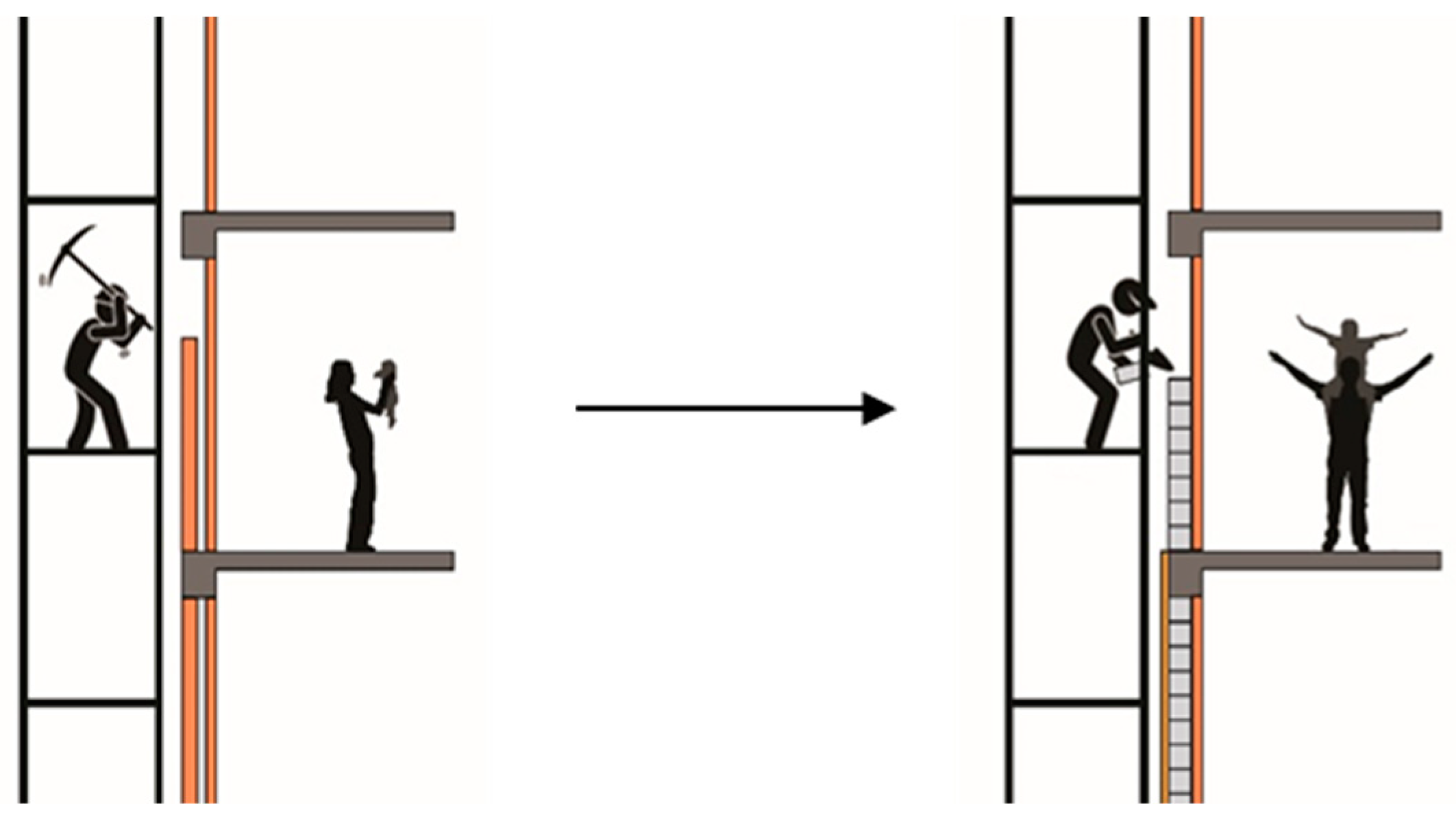
Finally, the proposed solution, described in the following "
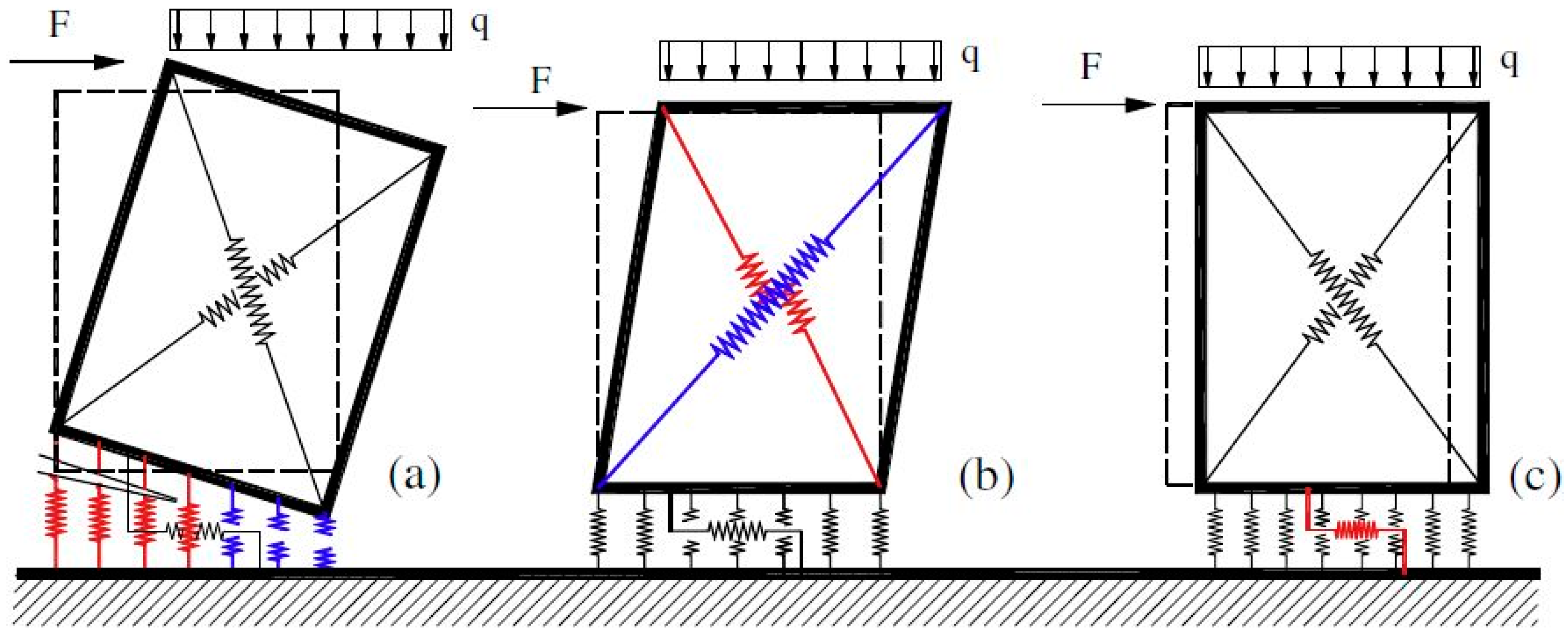
Section 2.1, may be advantageous compared to the others because it does not entail any derogation to urban regulations. In fact, it can be applied to any structure, even in aggregate ones, unlike the exoskeleton addition. Despite this, the solution with exoskeleton may be interesting for enhancing the architectural image. A similar argument can be made with respect to base isolation systems, which are not applicable in the case of buildings in aggregate and with a high aspect ratio. Proposals that include interventions such as shear walls and steel-braced frames, although among the best for the level of seismic performance achievable, are rather invasive and involve a temporary interruption of the building use. On the other hand, instead, the solution proposed in this study is almost totally applicable from the outside, limiting disturbance to the users. Lastly, the application of a macro-element calculation model to assess the structural behavior of RC-framed buildings with infill walls (see
Section 2.4) is more detailed and more precise than the diagonal strut model, as established in [
24].