Article

Salivary Oral Microbiota in Patients with Prediabetes Undergoing Intragastric Balloon Surgery

by
Rabab A. D. Meshan
,
Norah Ahmed AlOsaimi
,
Abdulmohsen Redha
and
Maribasappa Karched
*
Oral Microbiology Research Laboratory, Department of Bioclinical Sciences, College of Dentistry, Health Sciences Center, Kuwait University, P.O. Box 24923, Safat 13110, Kuwait
*
Author to whom correspondence should be addressed.
Microbiol. Res. 2026, 17(1), 7; https://doi.org/10.3390/microbiolres17010007

Submission received: 23 October 2025 / Revised: 21 December 2025 / Accepted: 22 December 2025 / Published: 30 December 2025

Abstract

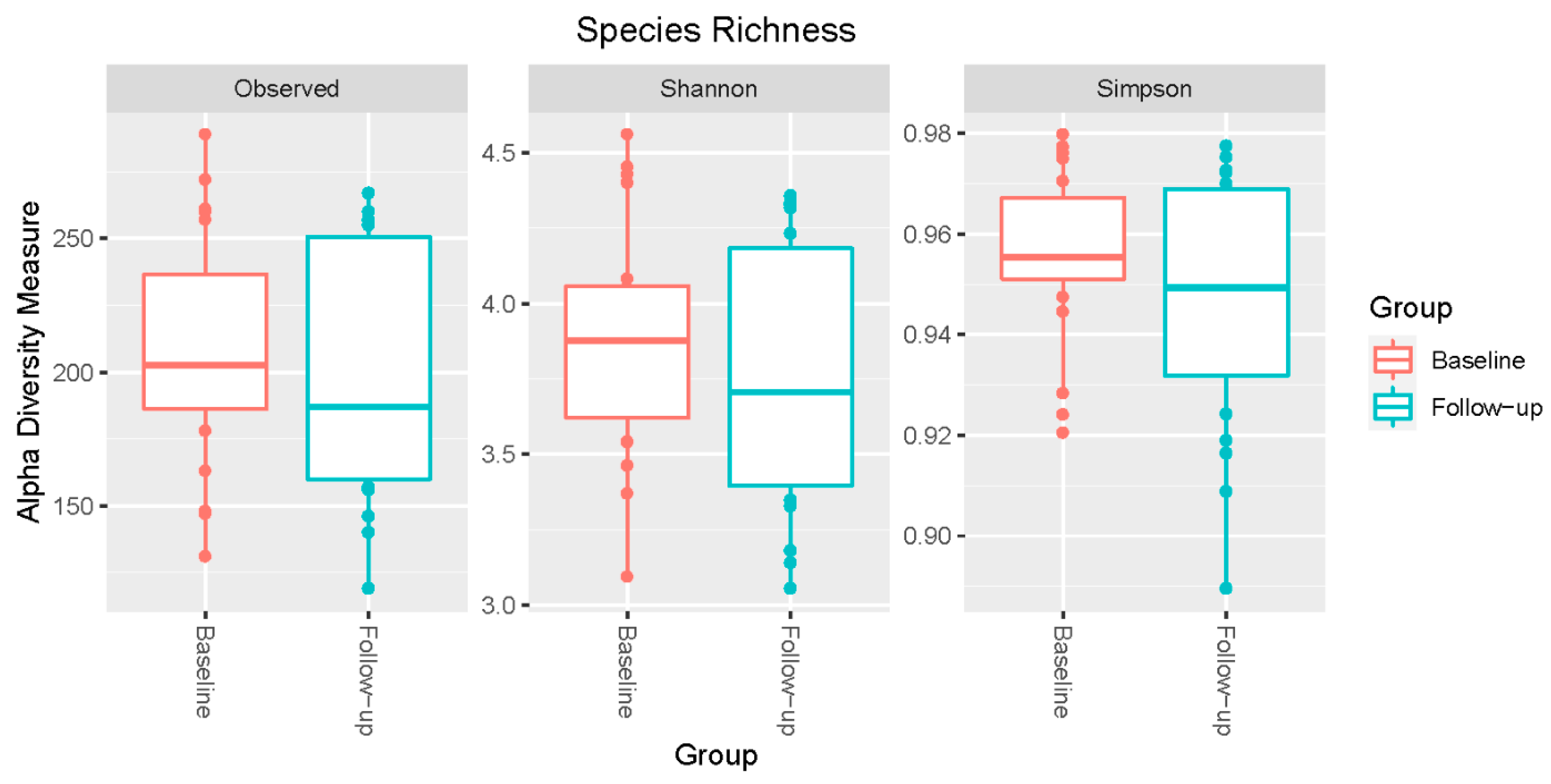
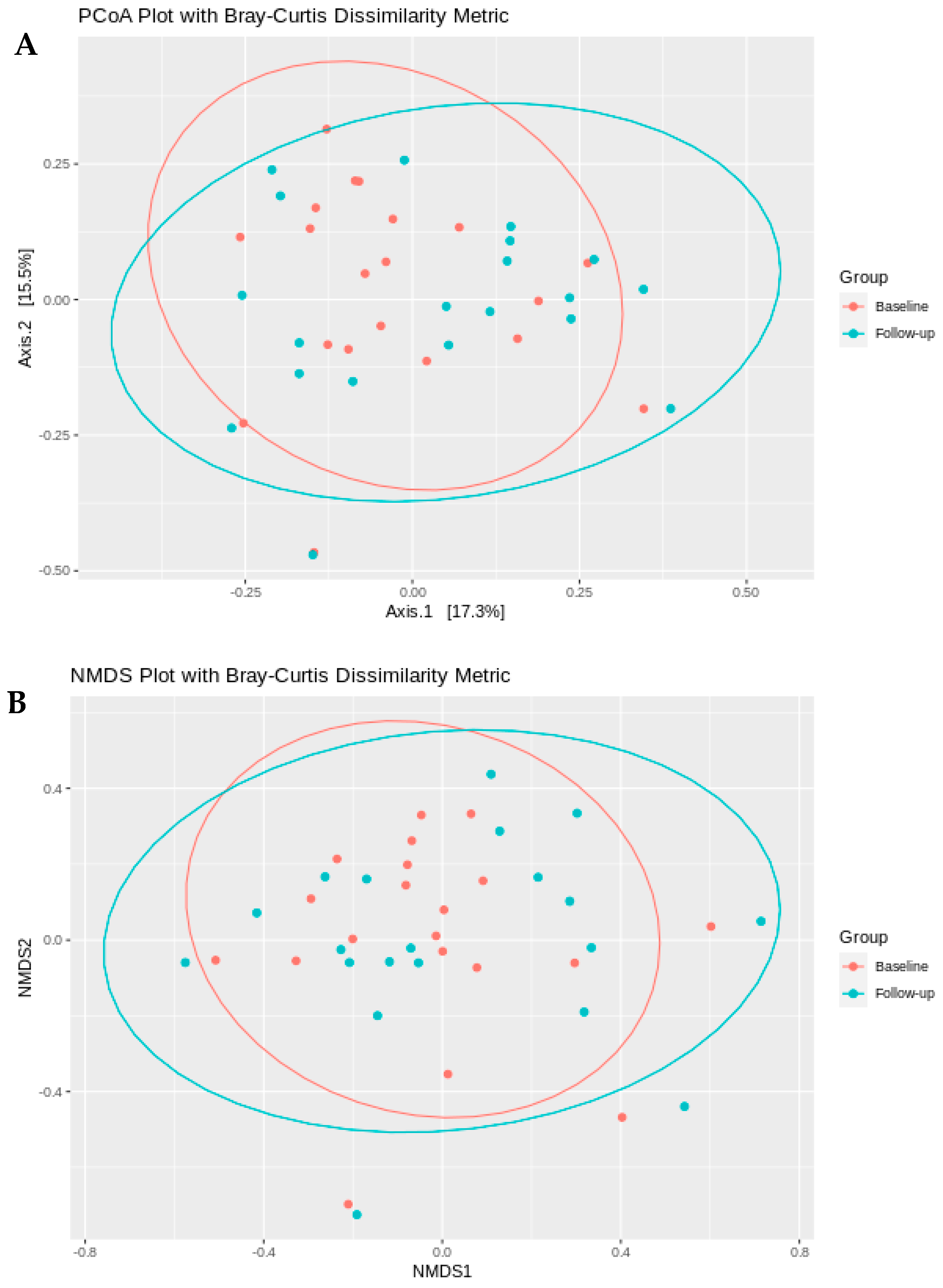
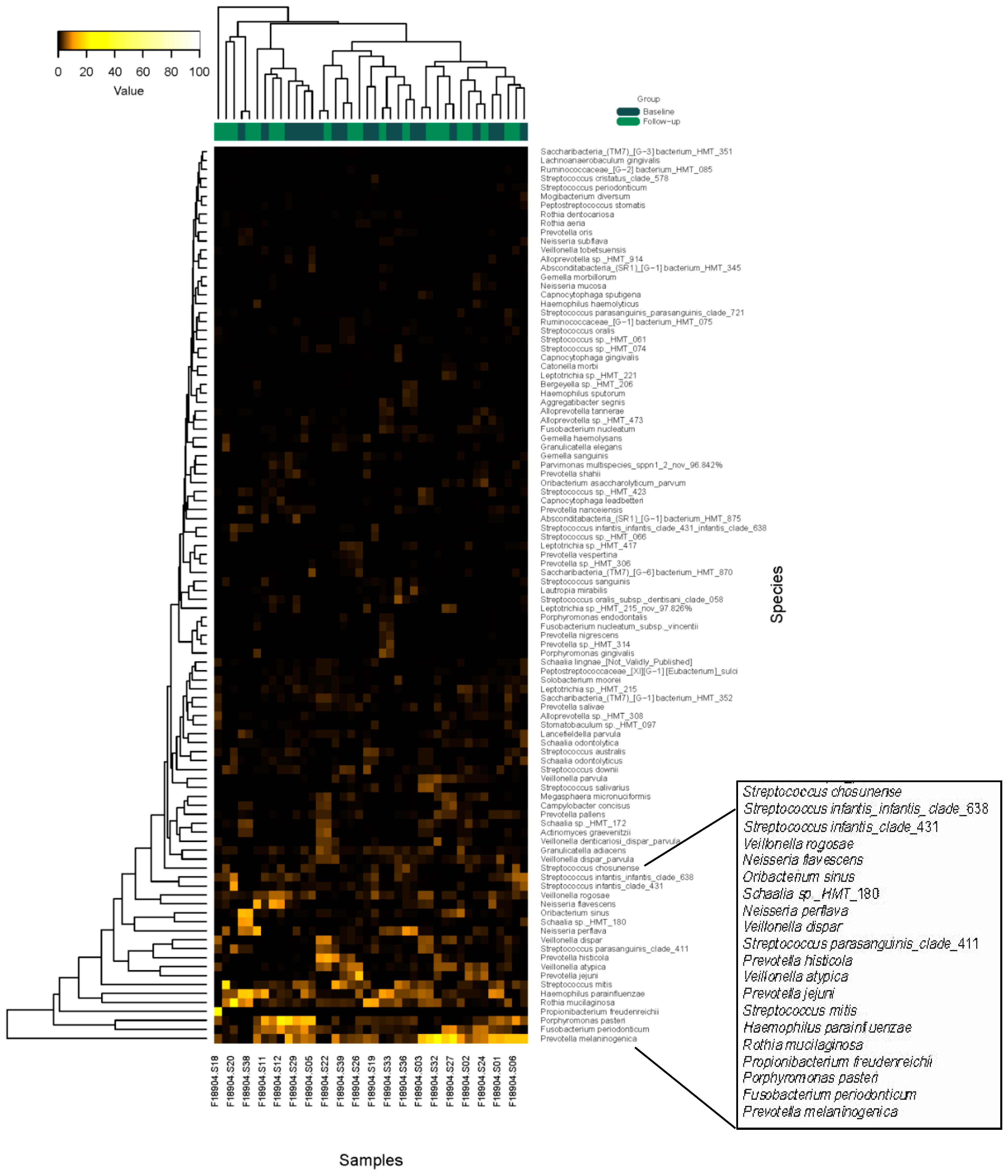
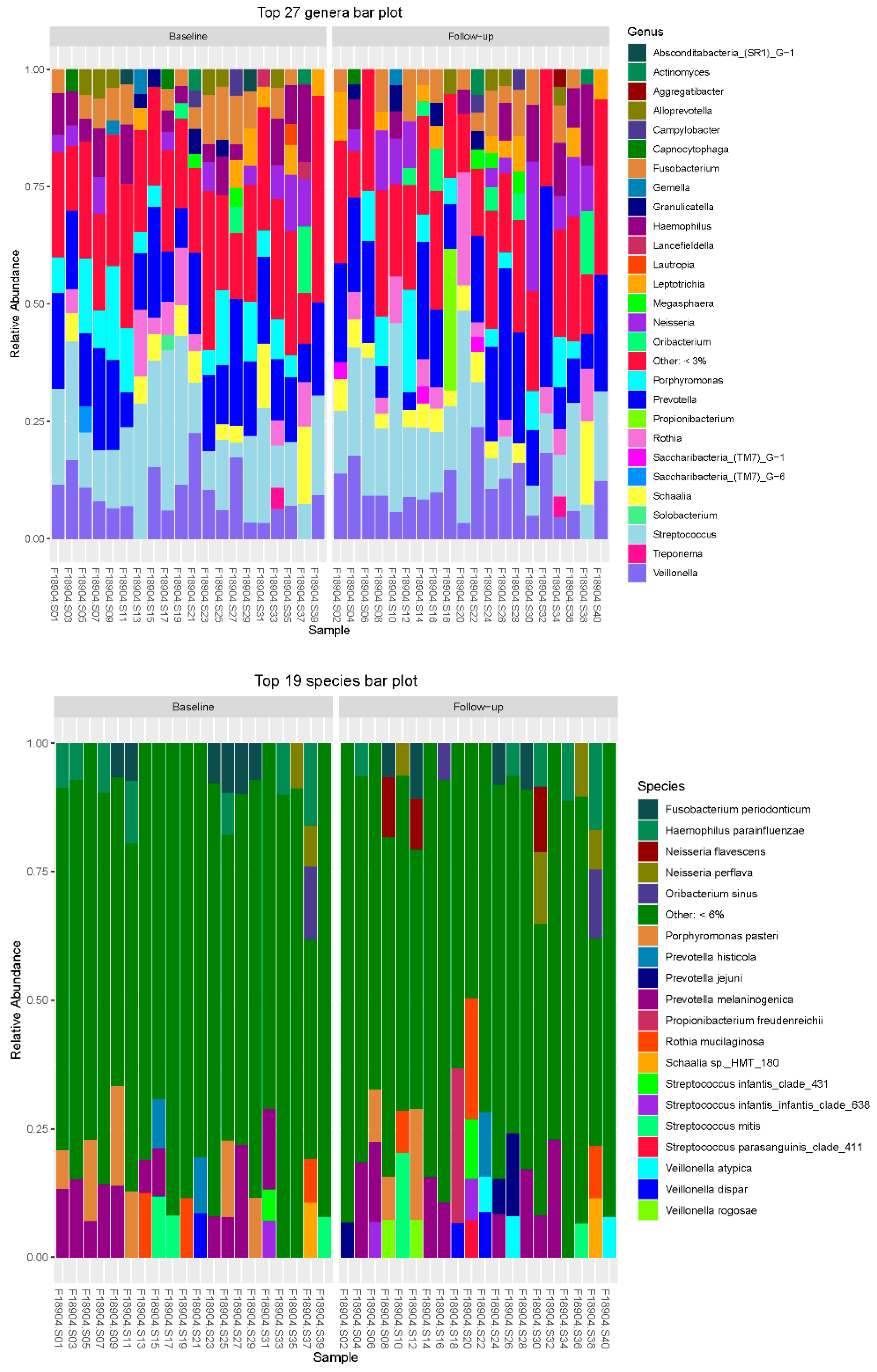
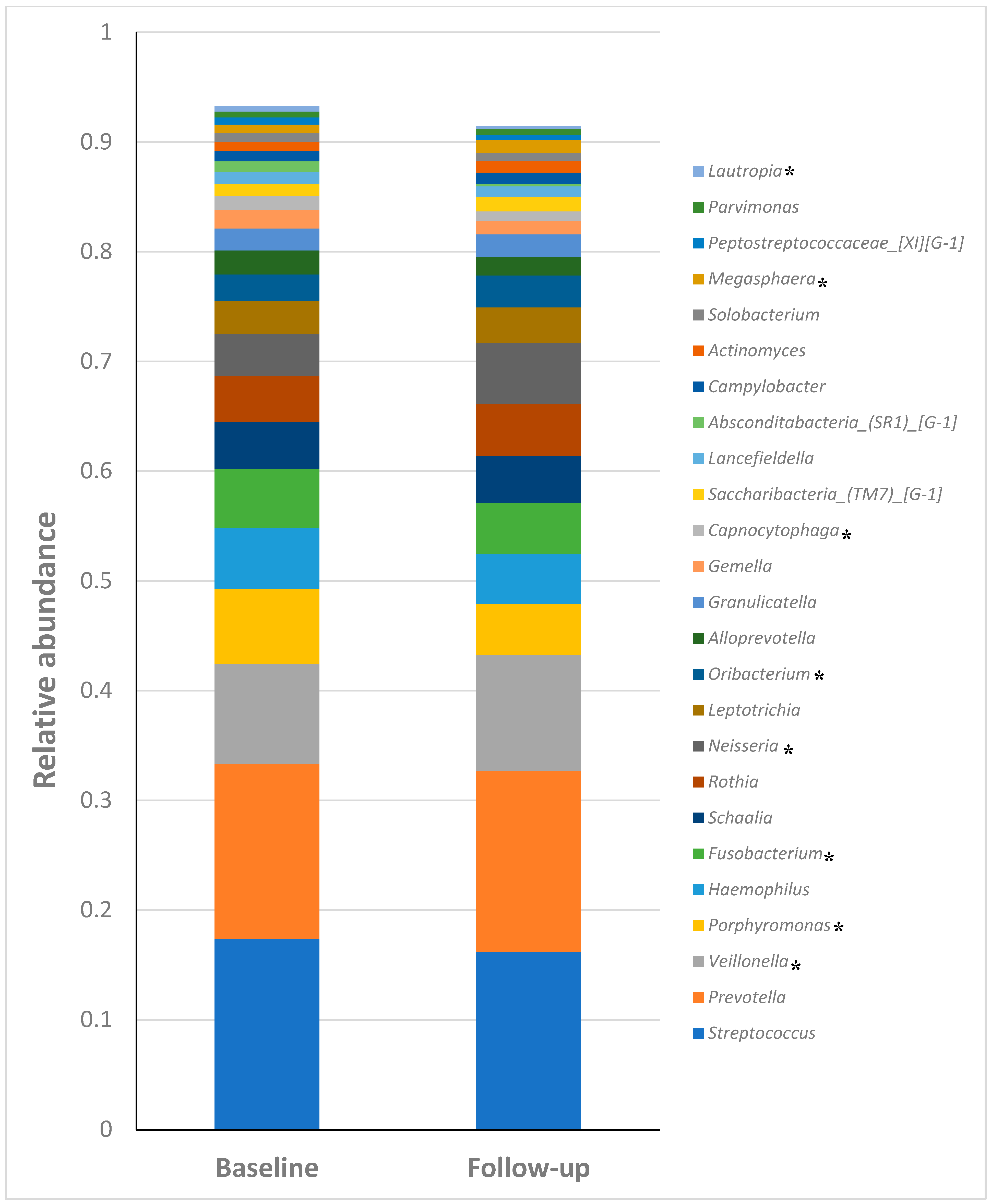
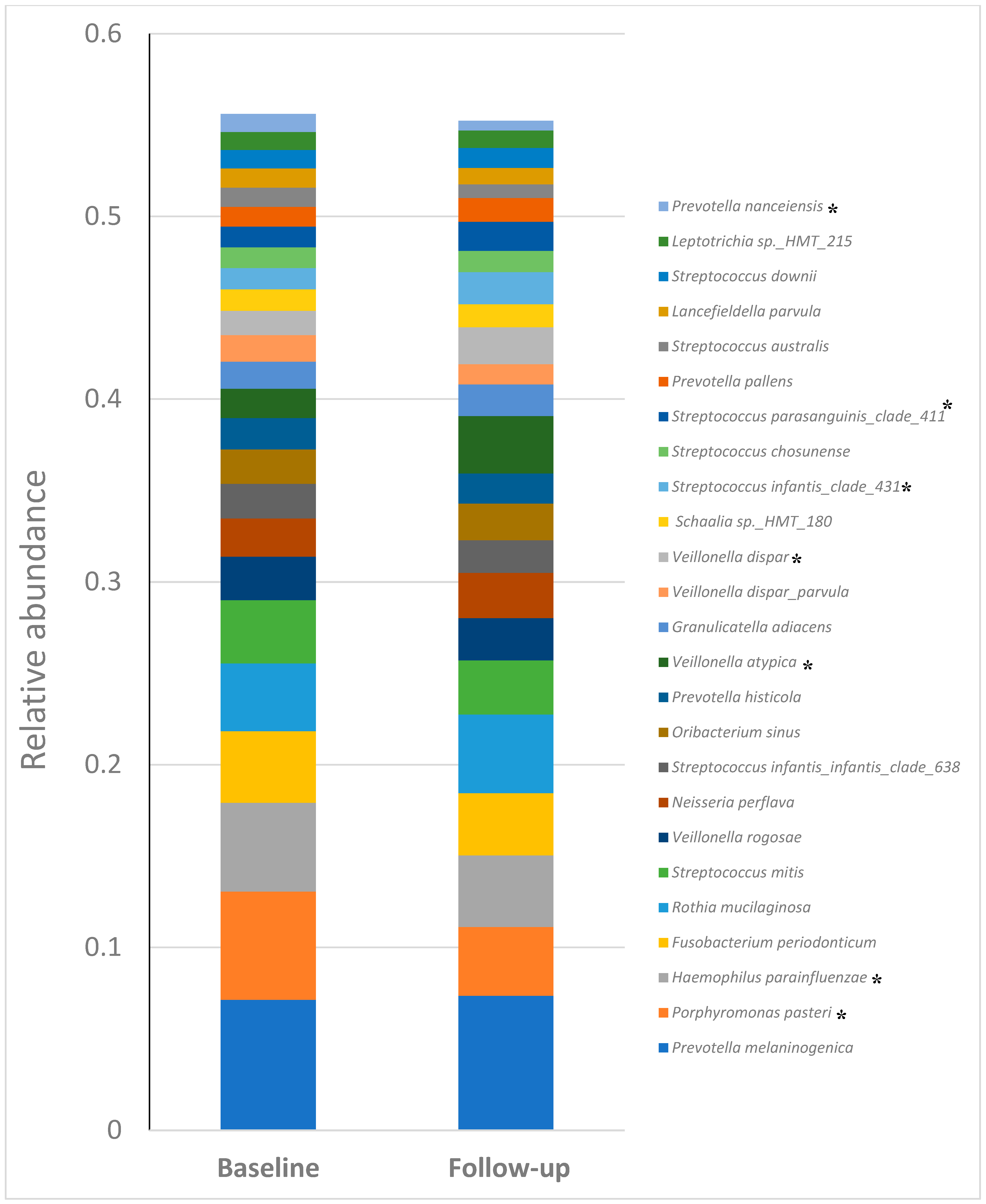
Kuwait faces a significant public health challenge from obesity and Type 2 Diabetes Mellitus (T2DM), conditions known to disrupt the natural balance of oral bacteria. This imbalance, or dysbiosis, can promote gum disease and may worsen metabolic health. While the intragastric balloon (IGB) is a common, less invasive weight-loss procedure, its specific effect on the community of bacteria in saliva remains unclear, especially for high-risk groups. The objective of this study was to investigate changes in the salivary microbiota of obese prediabetic patients following IGB placement. We recruited 20 obese patients (11 female, 9 male; average age 31.5) from a clinic in Kuwait. Saliva samples were collected just before IGB (Allurion™) insertion and again 6 weeks after that. Using 16S rRNA gene sequencing, we identified the bacterial species present and used bioinformatic tools to analyze diversity and abundance. Our analysis revealed that the overall diversity and structure of the salivary microbial community remained stable after the procedure. However, we detected notable changes in specific types of bacteria. The relative abundance of several genera, including Veillonella, Porphyromonas, and Fusobacterium, shifted significantly. At the species level, Porphyromonas pasteri and Haemophilus parainfluenzae became less abundant, while certain Veillonella and Streptococcus species increased in number after the IGB was placed. In conclusion, for obese prediabetic patients in Kuwait, the salivary microbiome demonstrates remarkable stability in the weeks following IGB surgery. The procedure did not drastically alter the overall ecosystem, but it did trigger specific, subtle changes in certain bacterial populations. This suggests the oral microbiota is resilient, adapting to the new physiological conditions without a major upheaval.
Keywords: oral microbiome; intragastric balloon; obesity; type 2 diabetes; 16S rRNA sequencing; saliva; bariatric endoscopy; Kuwaiti population oral microbiome; intragastric balloon; obesity; type 2 diabetes; 16S rRNA sequencing; saliva; bariatric endoscopy; Kuwaiti population