
Article

Simulator Training on Neurointerventional Skill Acquisition in Novices: A Pilot Study

1
Section of Neuroradiology, Department of Radiology and Nuclear Medicine, Neurocenter, Cantonal Hospital Lucerne, University Teaching and Research Hospital, University of Lucerne, 6000 Lucerne, Switzerland
2
Faculty of Health Sciences and Medicine, University of Lucerne, 6002 Lucerne, Switzerland
3
Center for Clinical Research–Biostatistics and Methodology, Lucerne Cantonal Hospital, University of Lucerne, 6002 Lucerne, Switzerland
4
Department of Radiology and Nuclear Medicine, Luzerner Kantonsspital, University Teaching and Research Hospital, University of Lucerne, 6000 Lucerne, Switzerland
*
Author to whom correspondence should be addressed.
These authors contributed equally to this work.
Neurol. Int. 2026, 18(1), 16; https://doi.org/10.3390/neurolint18010016

Submission received: 3 November 2025 / Revised: 26 December 2025 / Accepted: 9 January 2026 / Published: 14 January 2026

Abstract

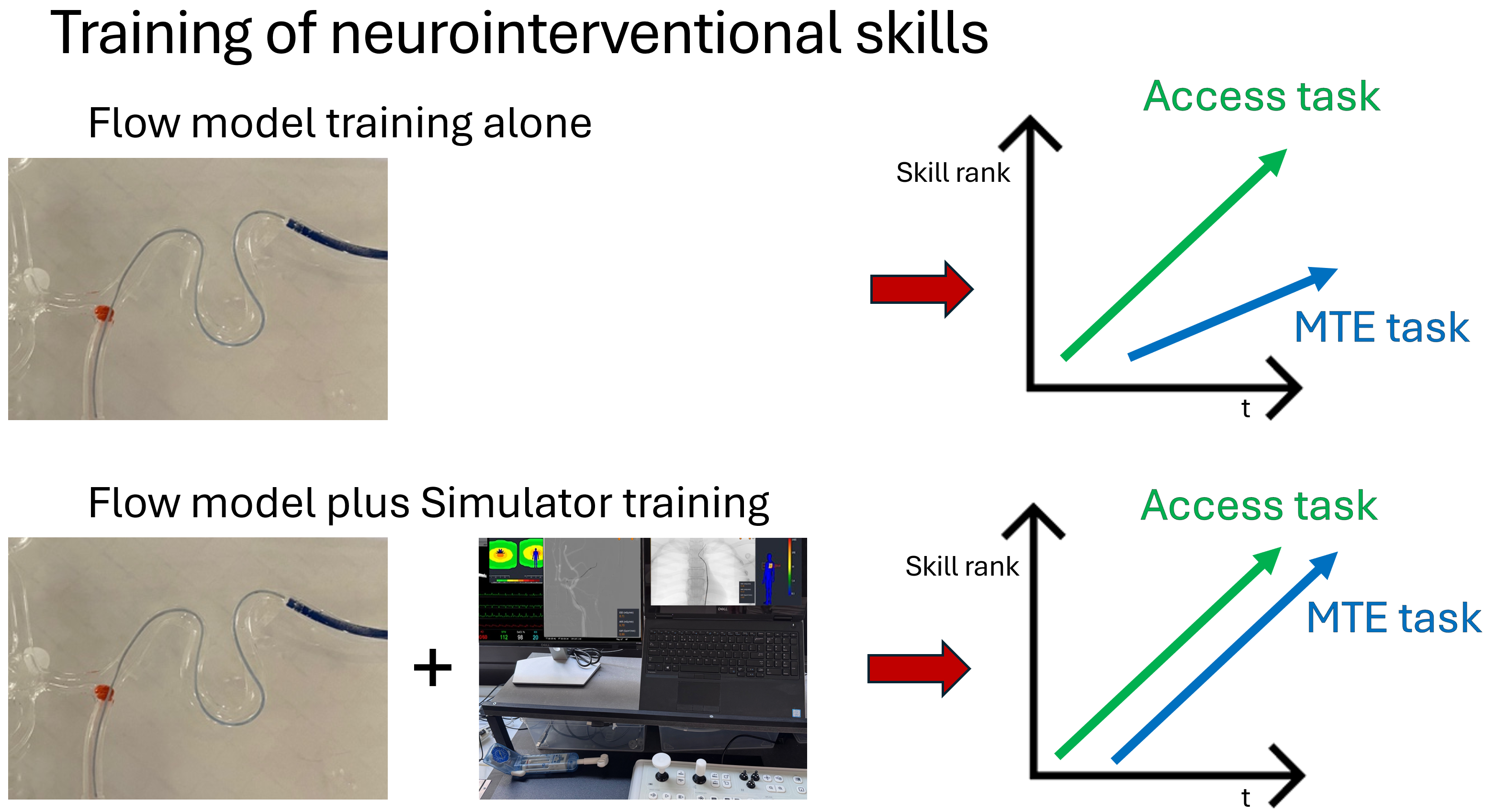
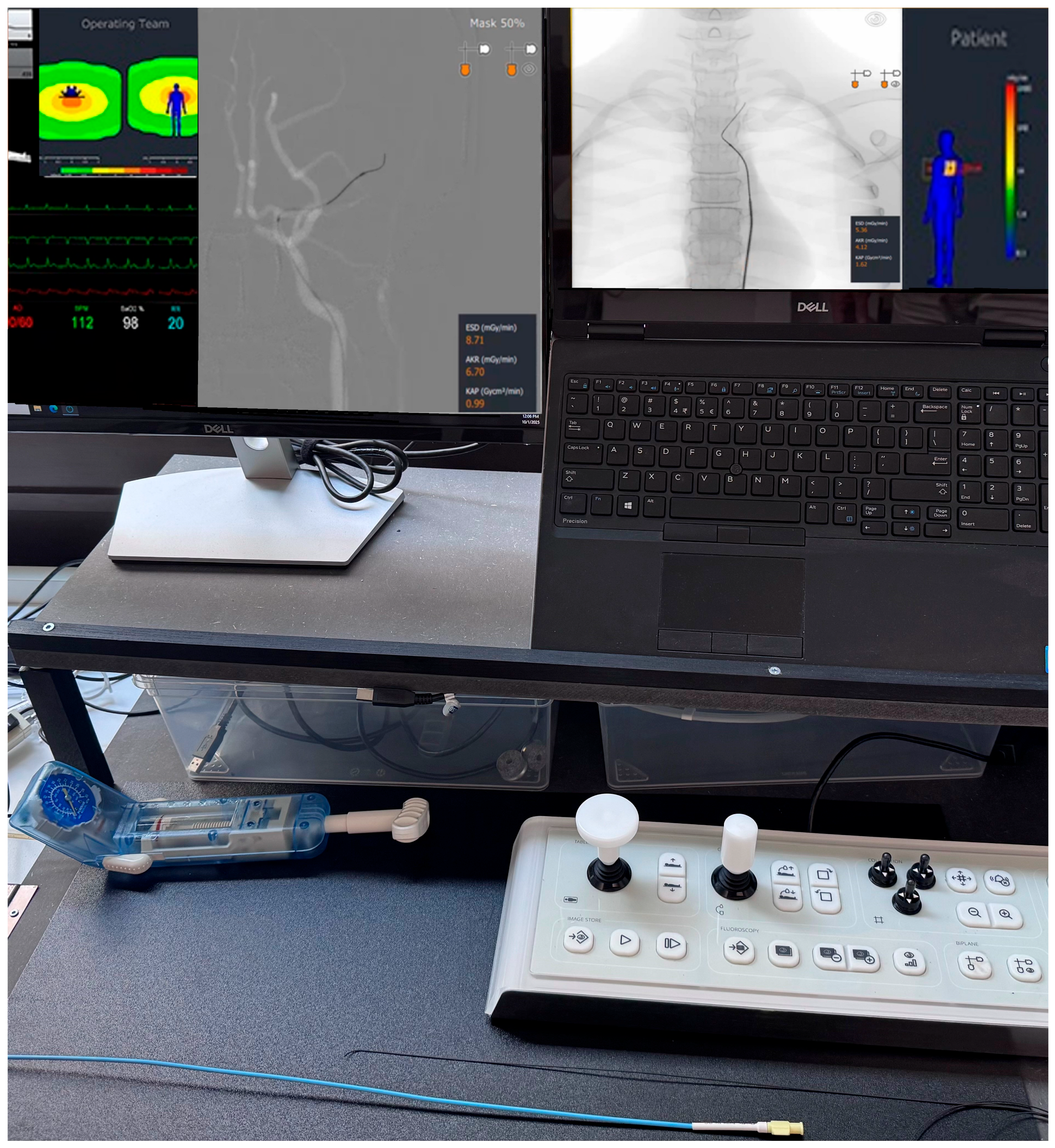
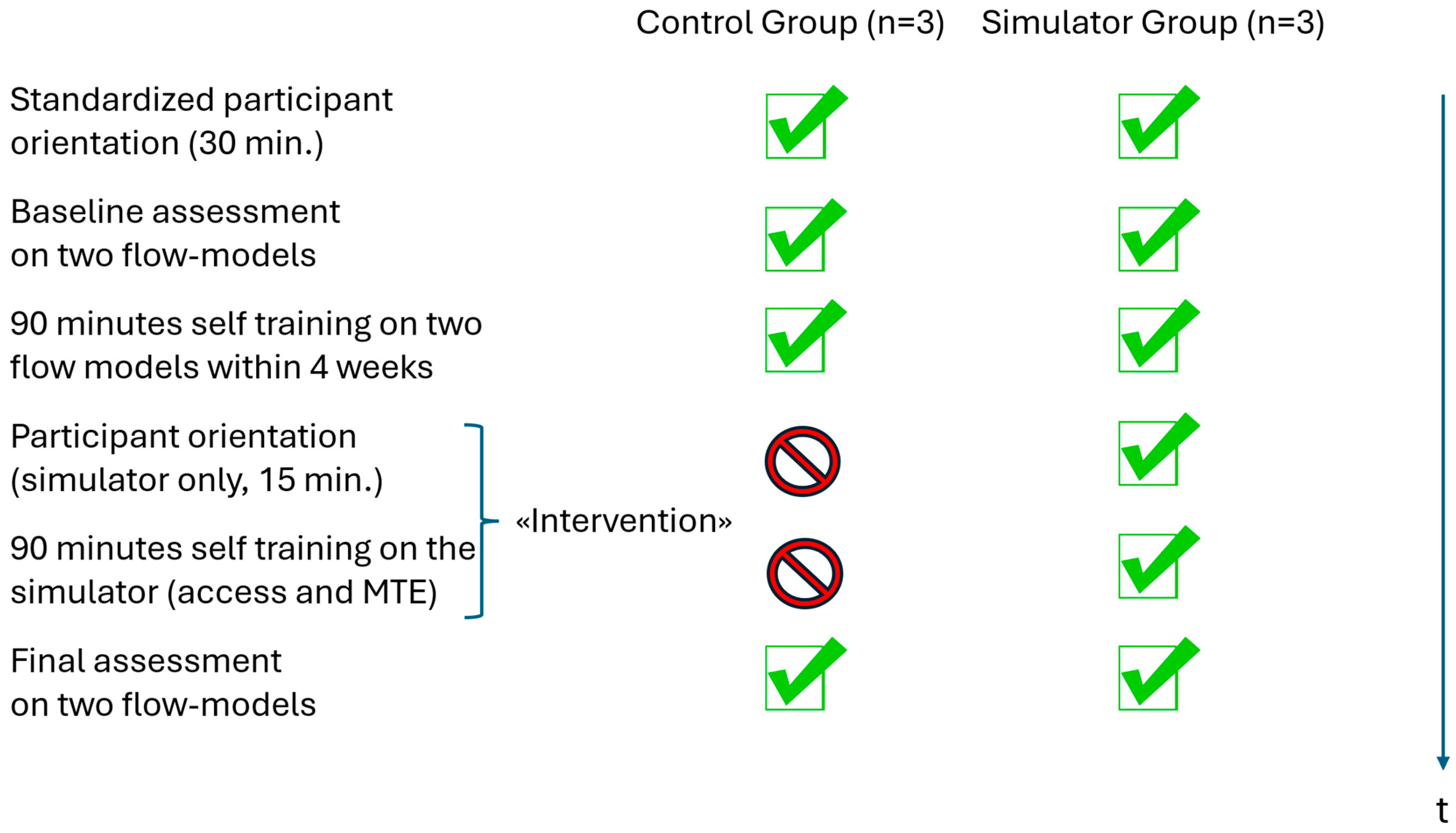
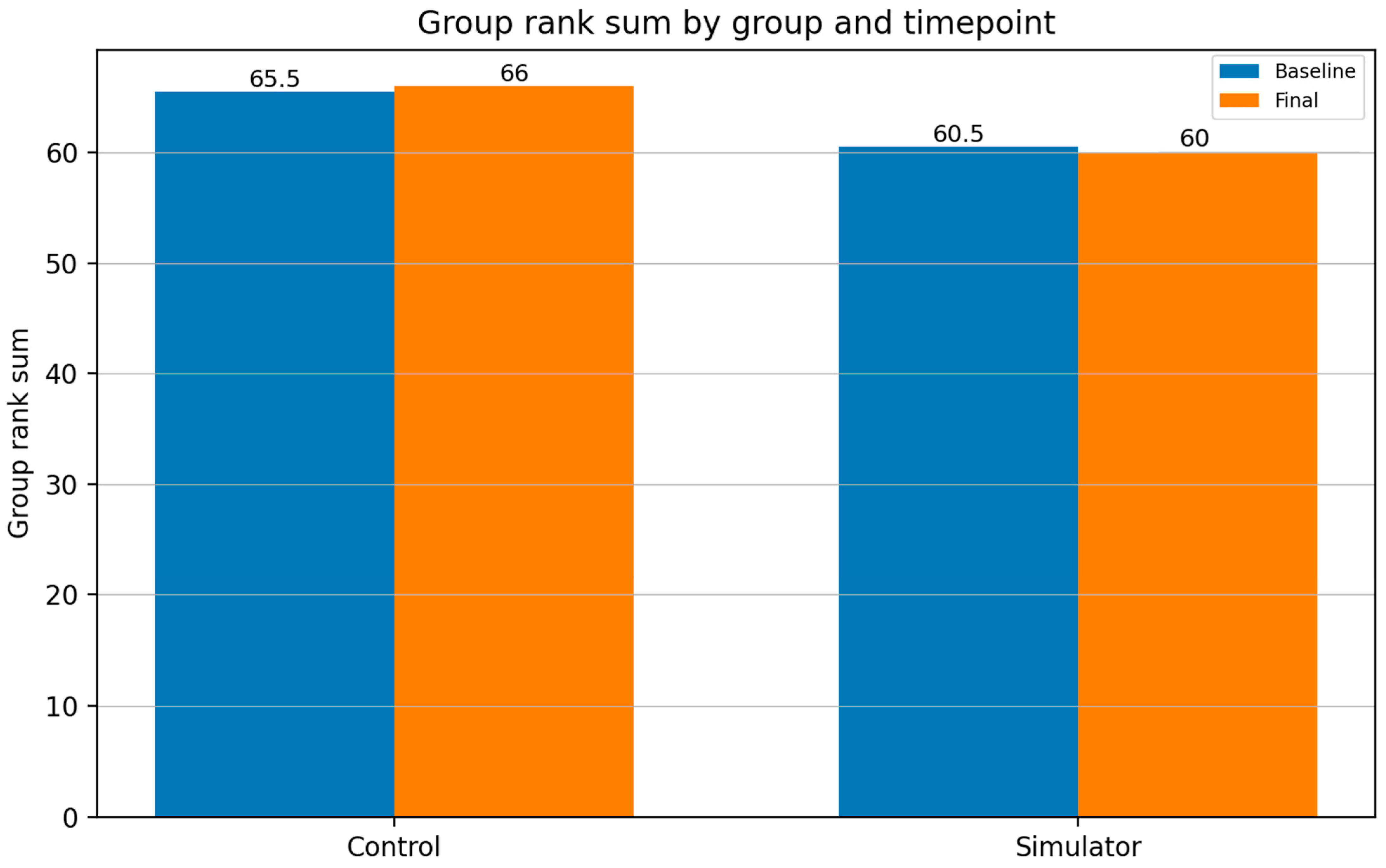
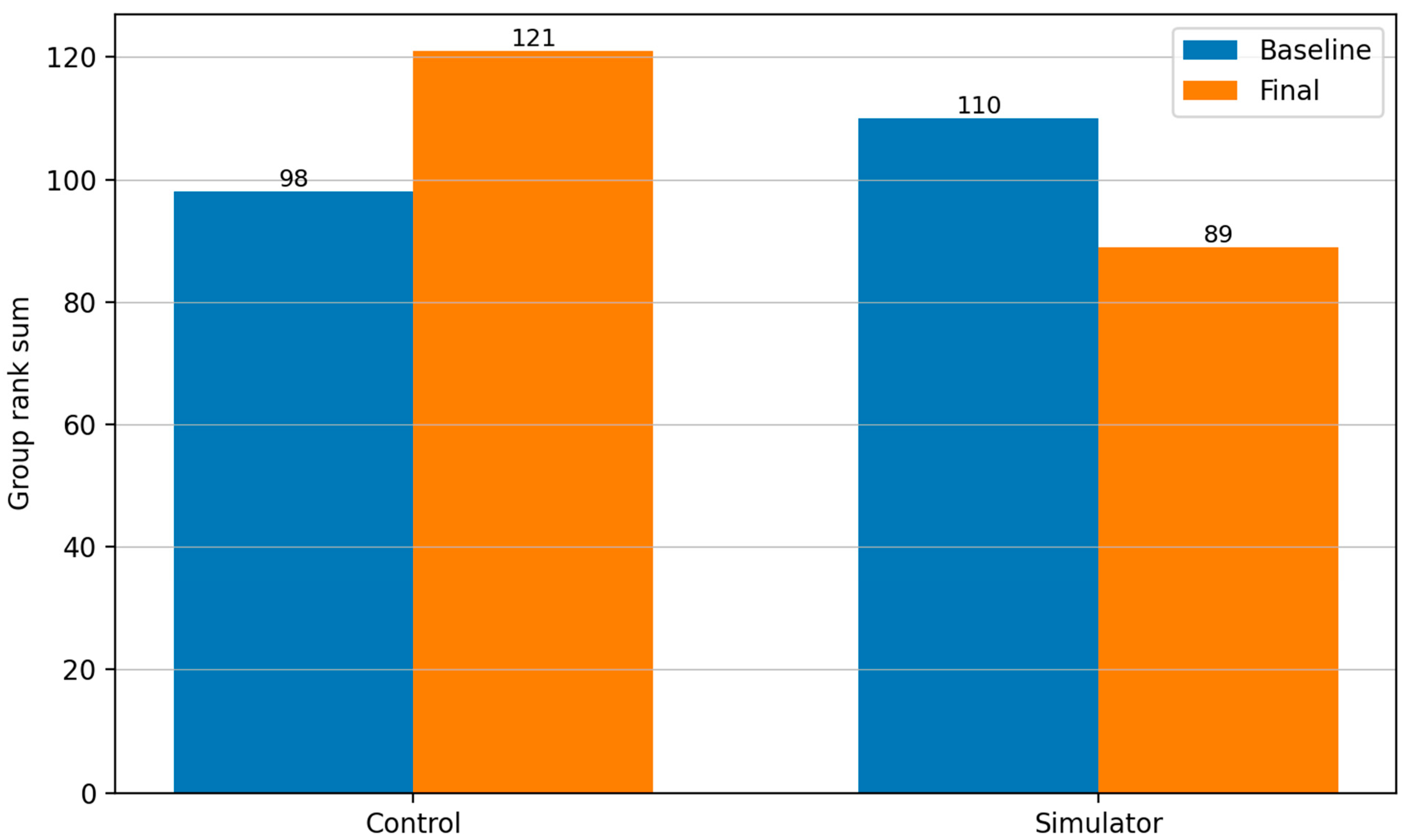
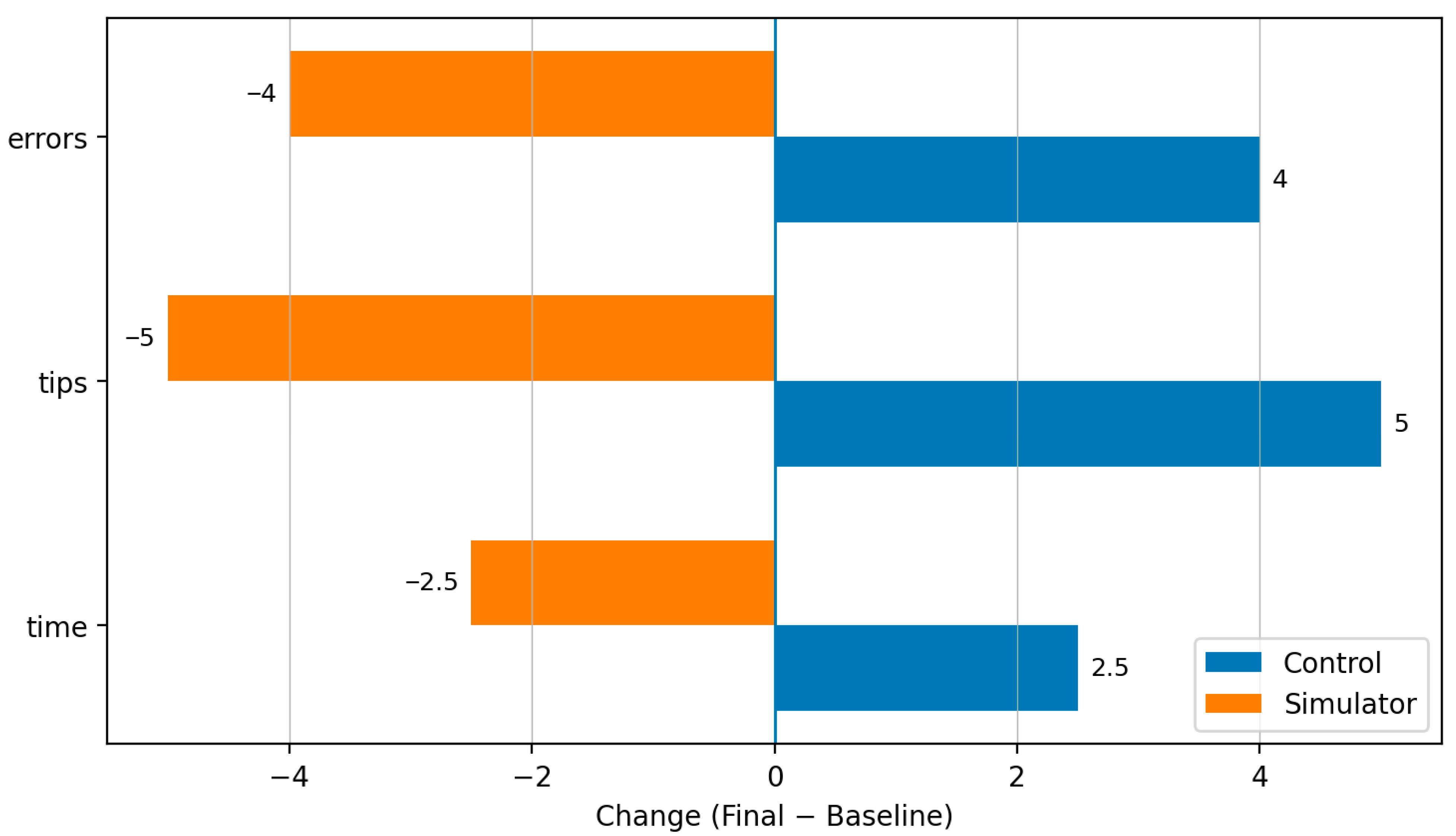
Background: Simulation-based training may offer a useful approach to support skill acquisition in neurointerventional stroke treatment without exposing patients to procedural risks. As the global demand for thrombectomy rises, training strategies that ensure procedural competence while addressing workforce constraints are increasingly important. With this pilot study, we aim to generate a hypothesis as to whether additional exposure of trainees to mechanical thrombectomy could benefit from simulator training on top of the standard training carried out on flow models. This study was designed as an exploratory pilot investigation and was not able to provide inferential or confirmatory statistical conclusions. Methods: Six novice participants (advanced clinical-year medical students with completed anatomical and preclinical training, but without previous exposure to catheter-based interventions) performed two neurointerventional tasks, vascular access and mechanical thrombectomy (MTE), on flow models. After a baseline assessment, three participants received standard model-based training (control group), and three received additional simulator training using a high-fidelity angiography simulator (Mentice VIST G5). Performance was reassessed after four weeks using technical and clinical surrogate metrics, which were ranked and descriptively analyzed. Results: No relevant differences were observed between groups for the vascular access task. In contrast, the simulator group demonstrated a trend toward improved performance in the MTE task, with greater gains in efficiency, autonomy, and procedural safety. Conclusions: Our findings indicate a possible benefit of even brief simulator exposure for skill acquisition for complex endovascular procedures such as MTE. While conventional training may suffice for basic skills, simulation may be particularly helpful in supporting learning in more advanced tasks.
Keywords: neurointervention; simulation training; stroke; mechanical thrombectomy; angio-simulator; Mentice; interventional neuroradiology; skill acquisition neurointervention; simulation training; stroke; mechanical thrombectomy; angio-simulator; Mentice; interventional neuroradiology; skill acquisition
Graphical Abstract