
Article

High Gain Converter with Improved Radial Basis Function Network for Fuel Cell Integrated Electric Vehicles

by
Balasubramanian Girirajan
1,
Himanshu Shekhar
2,
Wen-Cheng Lai
3,*,
Hariraj Kumar Jagannathan
4 and
Parameshachari Bidare Divakarachar
5
1
Collaboratory for Social Innovation, SR University, Warangal 506371, India
2
Department of Electronics and Communication Engineering, Hindustan Institute of Technology and Science, Kelambakkam 603103, India
3
Department of Electronic Engineering, National Yunlin University of Science and Technology, Yunlin 64002, Taiwan
4
Department of Electronics and Communication Engineering, Sona College of Technology, Salem 636005, India
5
Department of Telecommunication Engineering, GSSS Institute of Engineering and Technology for Women, Mysuru 570016, India
*
Author to whom correspondence should be addressed.
World Electr. Veh. J. 2022, 13(2), 31; https://doi.org/10.3390/wevj13020031
Submission received: 7 January 2022 / Revised: 26 January 2022 / Accepted: 27 January 2022 / Published: 31 January 2022

Abstract

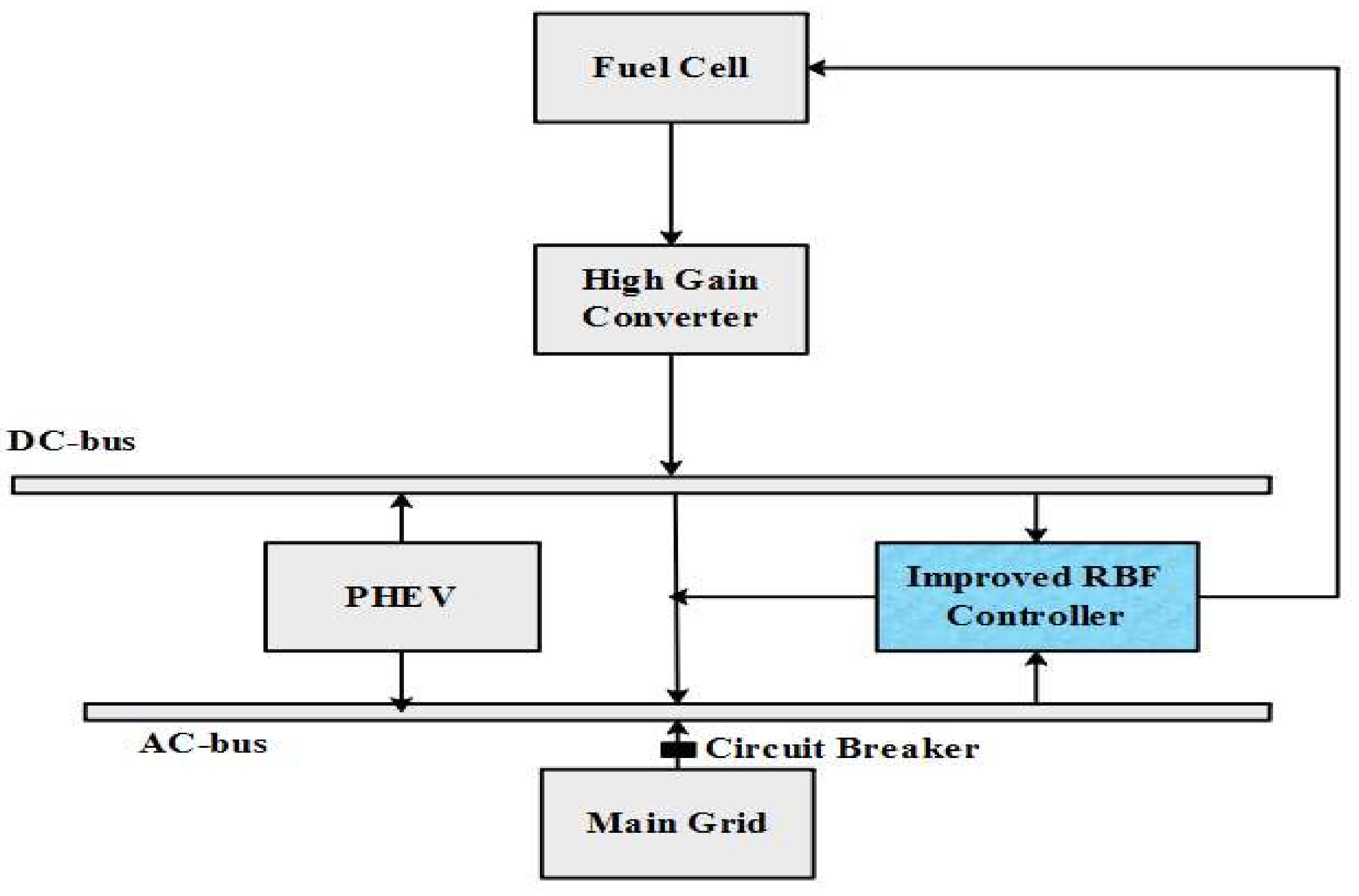
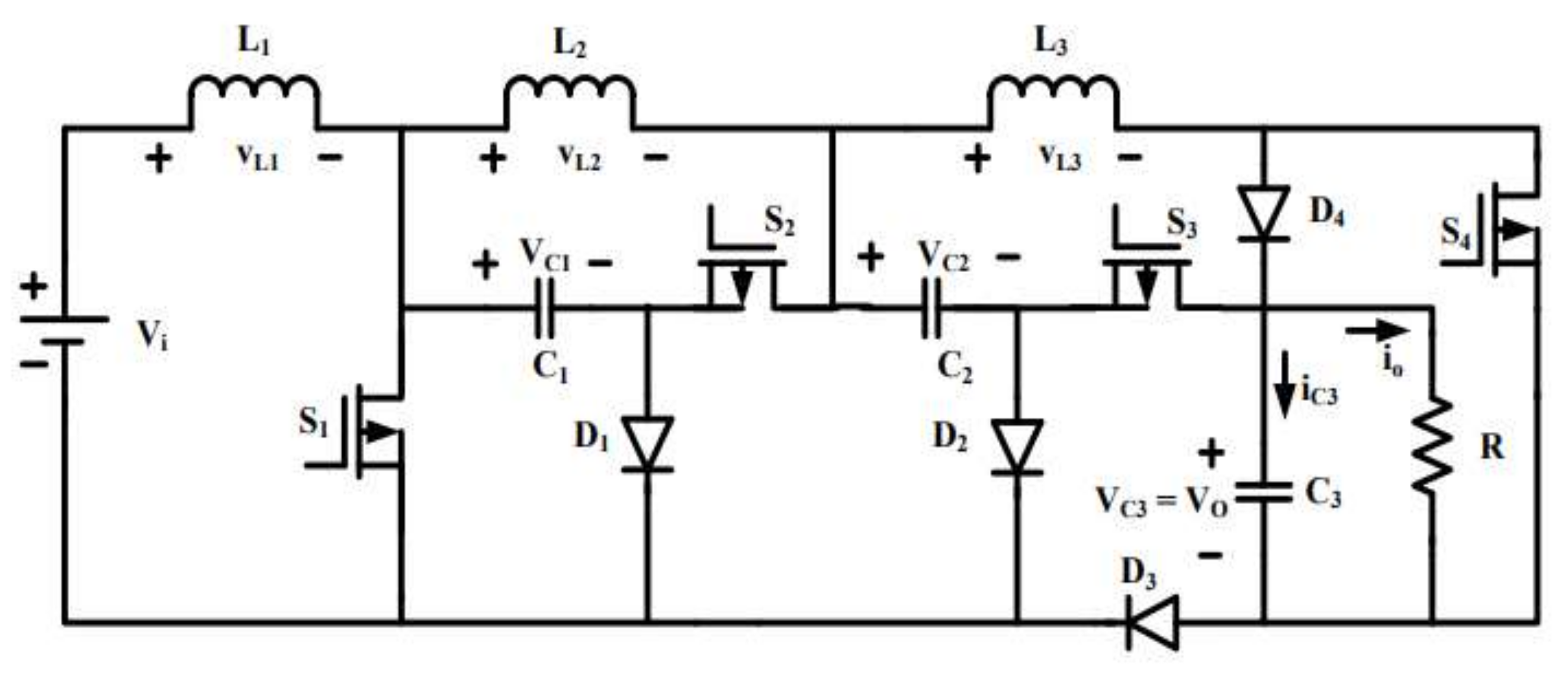
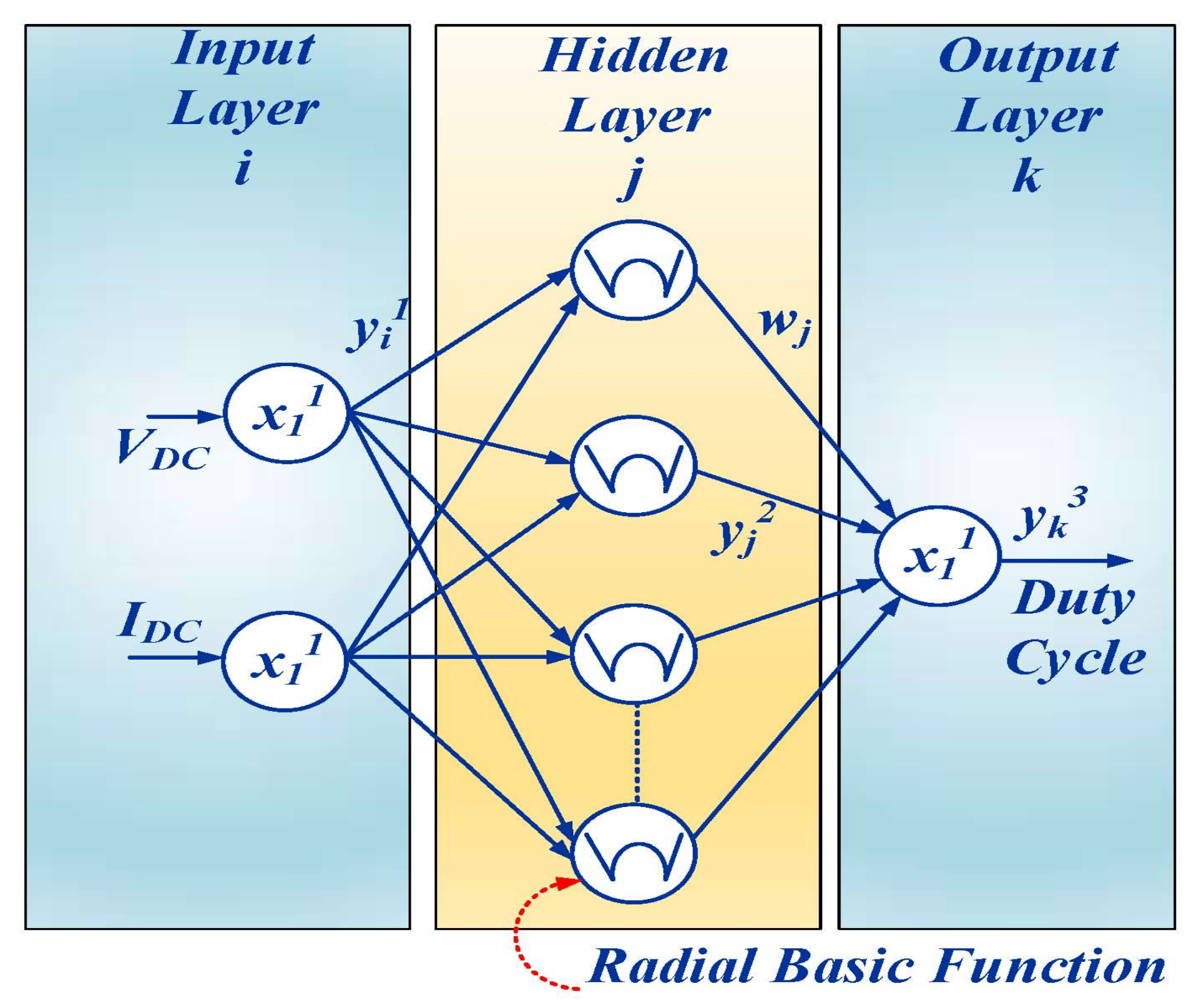
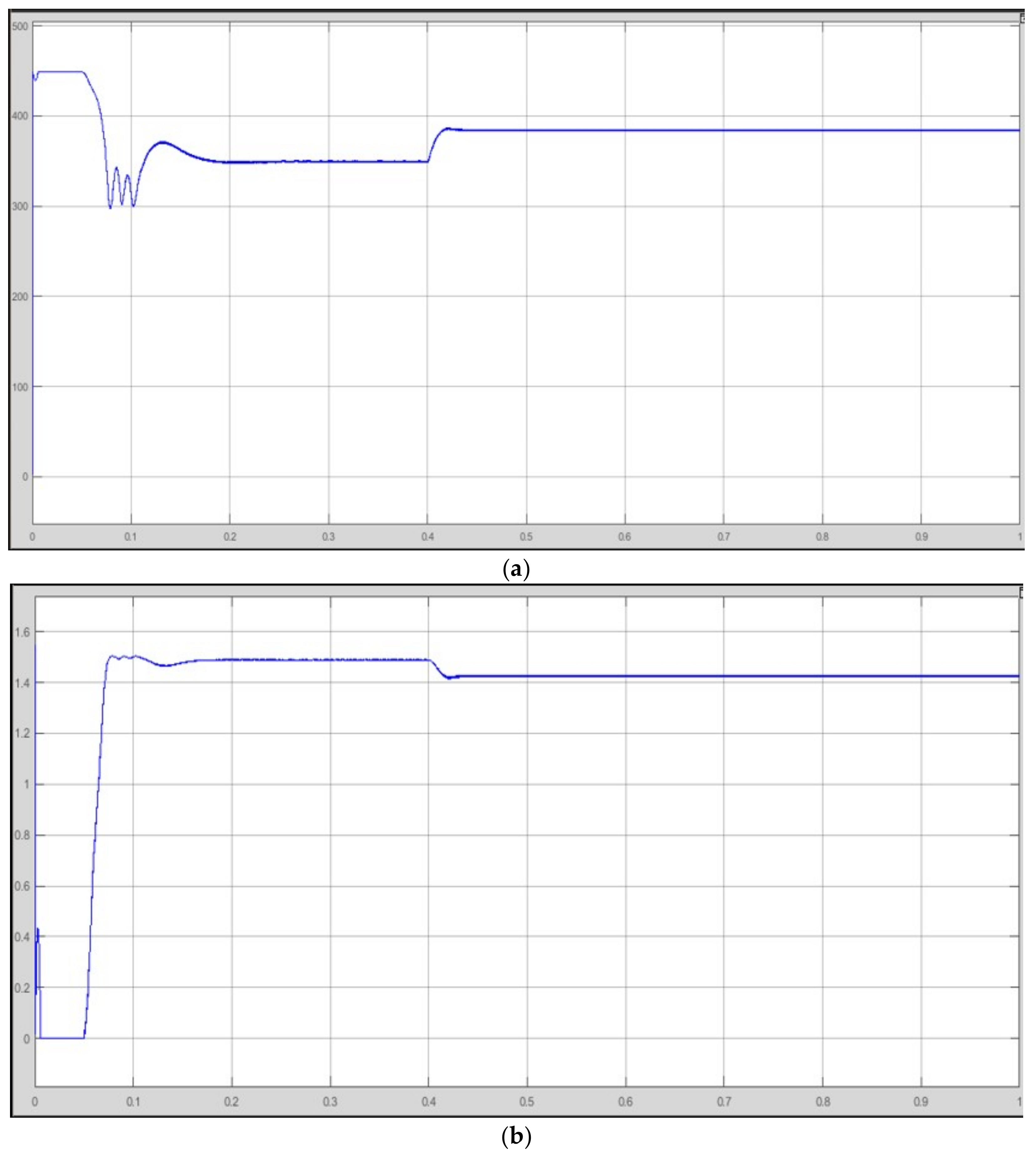
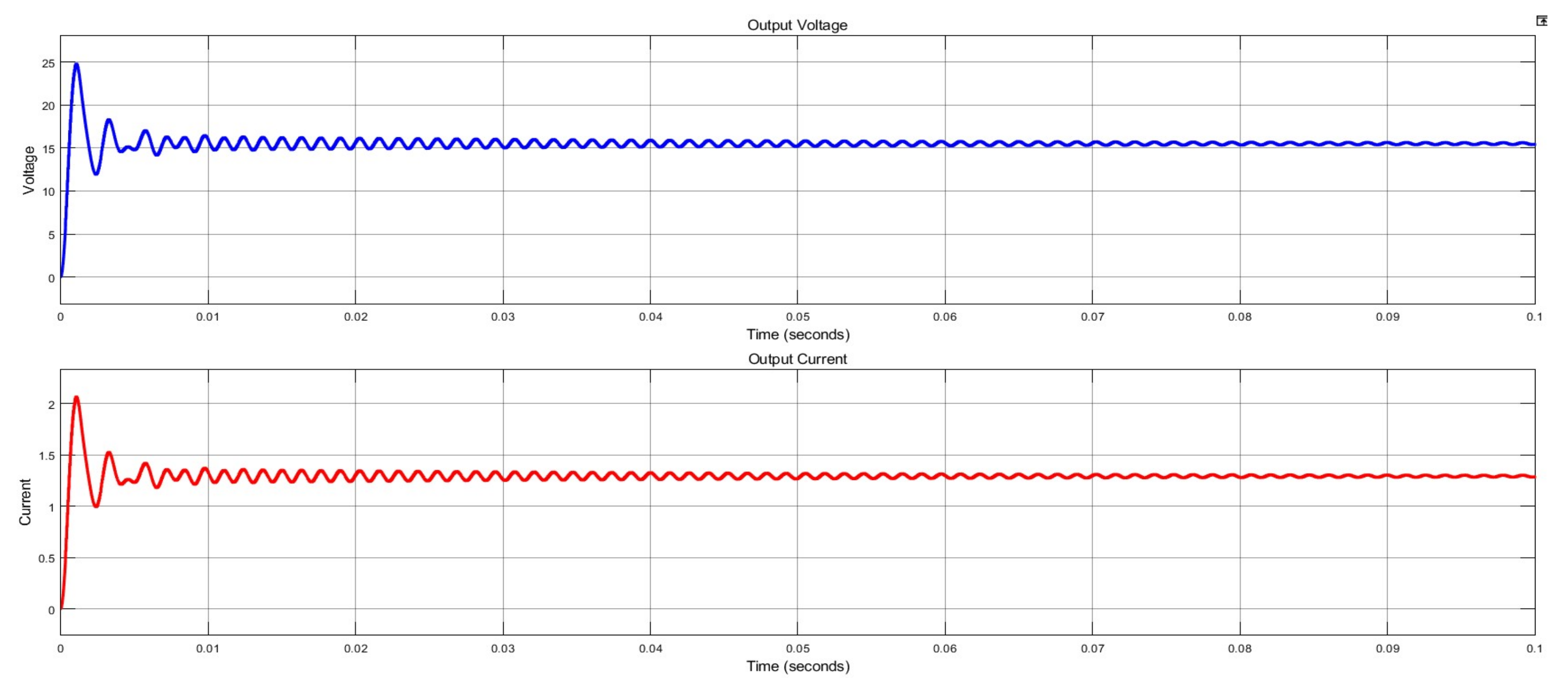
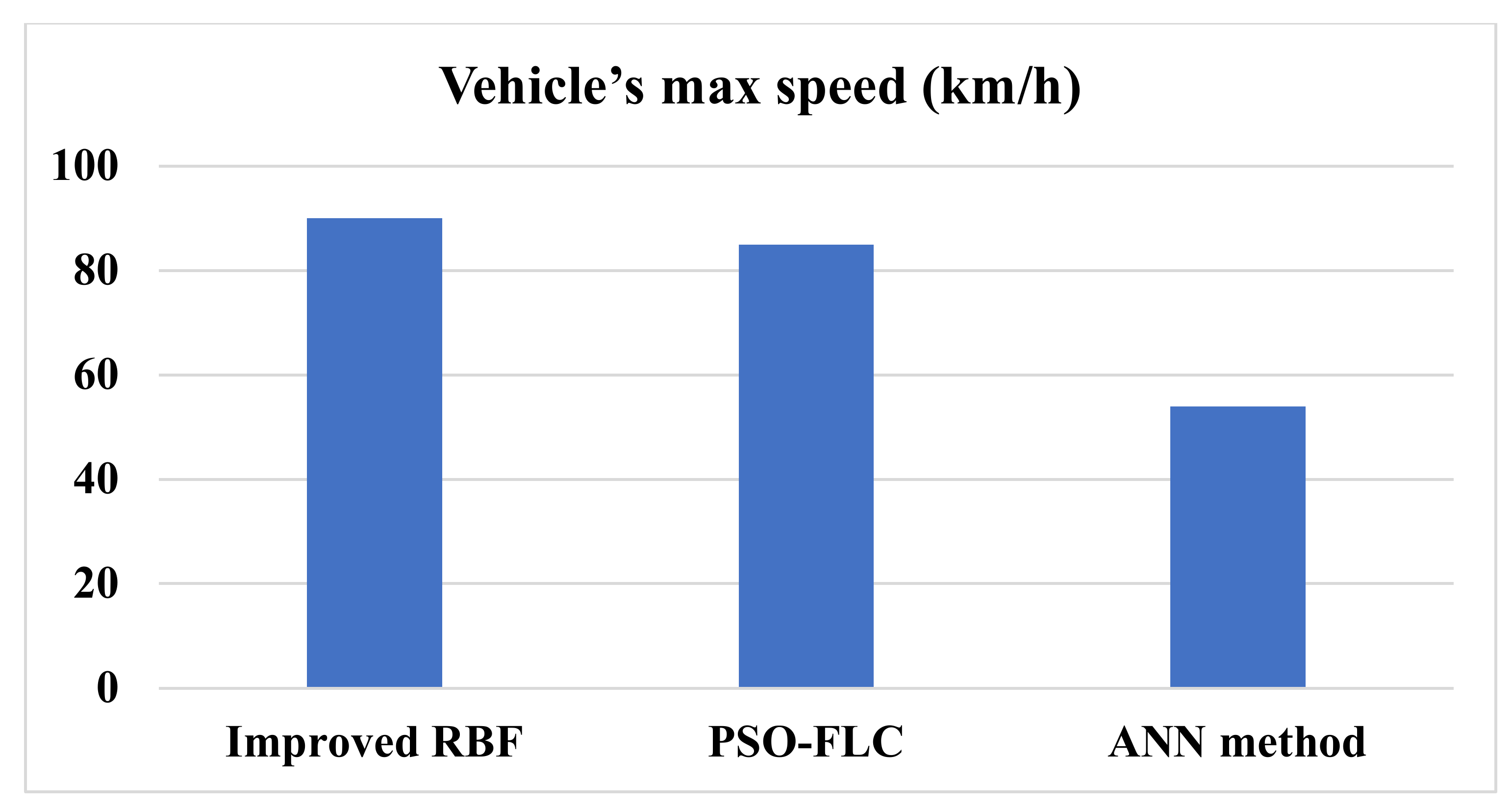
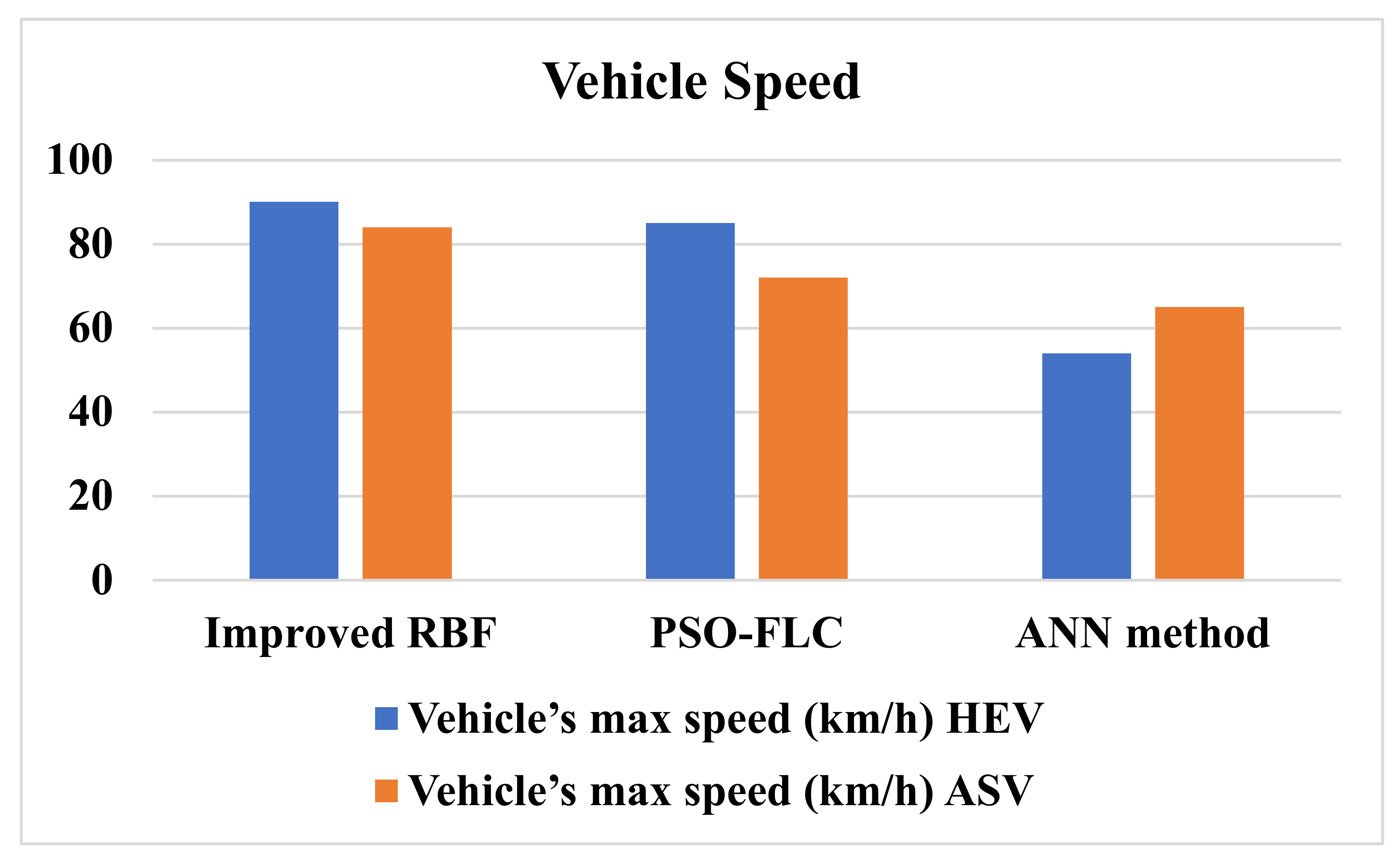
In a recent trend, electric vehicles (EV) have been facing various power quality issues, so fuel cells (FC) are considered the best choice for integrating EV technology to enhance performance. A fuel cell electric vehicle (FCEV) is a type of EV that uses a fuel cell combined with a small battery or super-capacitor to power its on-board electric motor. However, the power obtained from the FC system is much less and is not enough to drive the EV. So, another energy source is required to deliver the demanded power, which should contain high voltage gain with high conversion efficiency. The traditional converter produces a high output voltage at a high duty cycle, which generates various problems, such as reverse recovery issues, voltage spikes, and less lifespan. High switching frequency and voltage gain are essential for the propulsion of FC-based EV. Therefore, this paper presents an improved radial basis function (RBF)-based high-gain converter (HGC) to enhance the voltage gain and conversion efficiency of the entire system. The RBF neural model was constructed using the fast recursive algorithm (FRA) strategy to prune redundant hidden-layer neurons. The improved RBF technique reduces the input current ripple and voltage stress on the power semiconductor devices to increase the conversion ratio of the HGC without changing the duty cycle value. In the end, the improved RBF with HGC achieved an efficiency of 98.272%, vehicle speed of 91 km/h, and total harmonic distortion (THD) of 3.12%, which was simulated using MATLAB, and its waveforms for steady-state operation were analyzed and compared with existing methods.
Keywords: electric vehicle; fast recursive algorithm; fuel cell; high-gain converter; improved radial basis function network electric vehicle; fast recursive algorithm; fuel cell; high-gain converter; improved radial basis function network