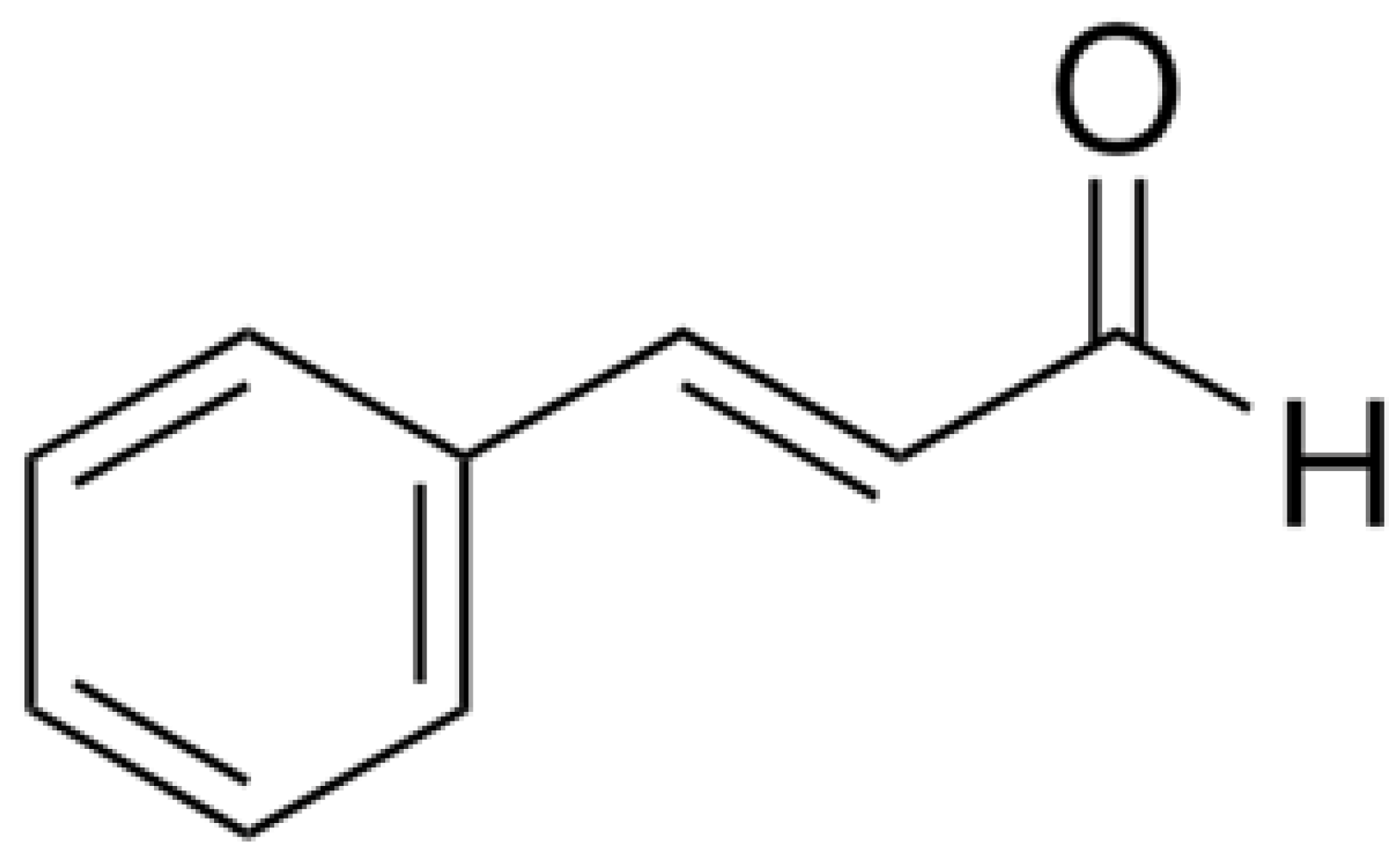
Trans-Cinnamaldehyde—Fighting Streptococcus mutans Using Nature

 ,
,
Abstract
1. Introduction
2. Materials and Methods
2.1. Bacterial Growth and Culture Conditions
2.2. Viable Count Evaluations
2.3. Agar Diffusion Test (ADT)
2.4. Biofilm Biomass Evaluation Using Crystal Violet (CV) Staining
2.5. Biofilm Biomass Evaluation via Tetrazolium Reduction Assay (MTT Metabolic Assay)
2.6. Metabolic Activity Assay (MTT) with Preformed Biofilms
2.7. Biofilm Analysis via Spinning-Disk Confocal Microscopy (SDCM)
2.8. High-Resolution Scanning Electron Microscopy (HR-SEM)
2.9. Statistical Analysis
3. Results
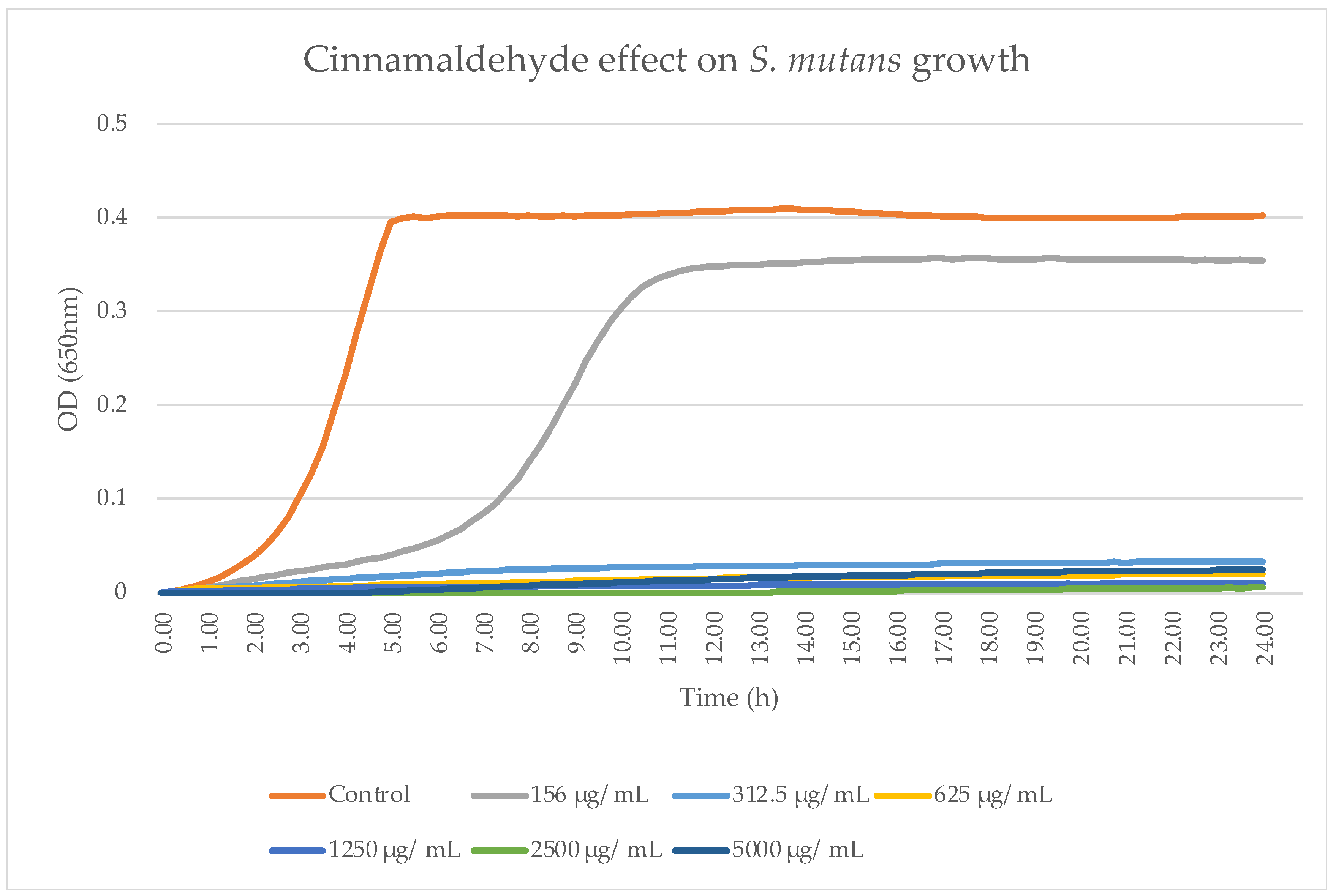
3.1. TC Inhibits Planktonic Growth of S. mutans
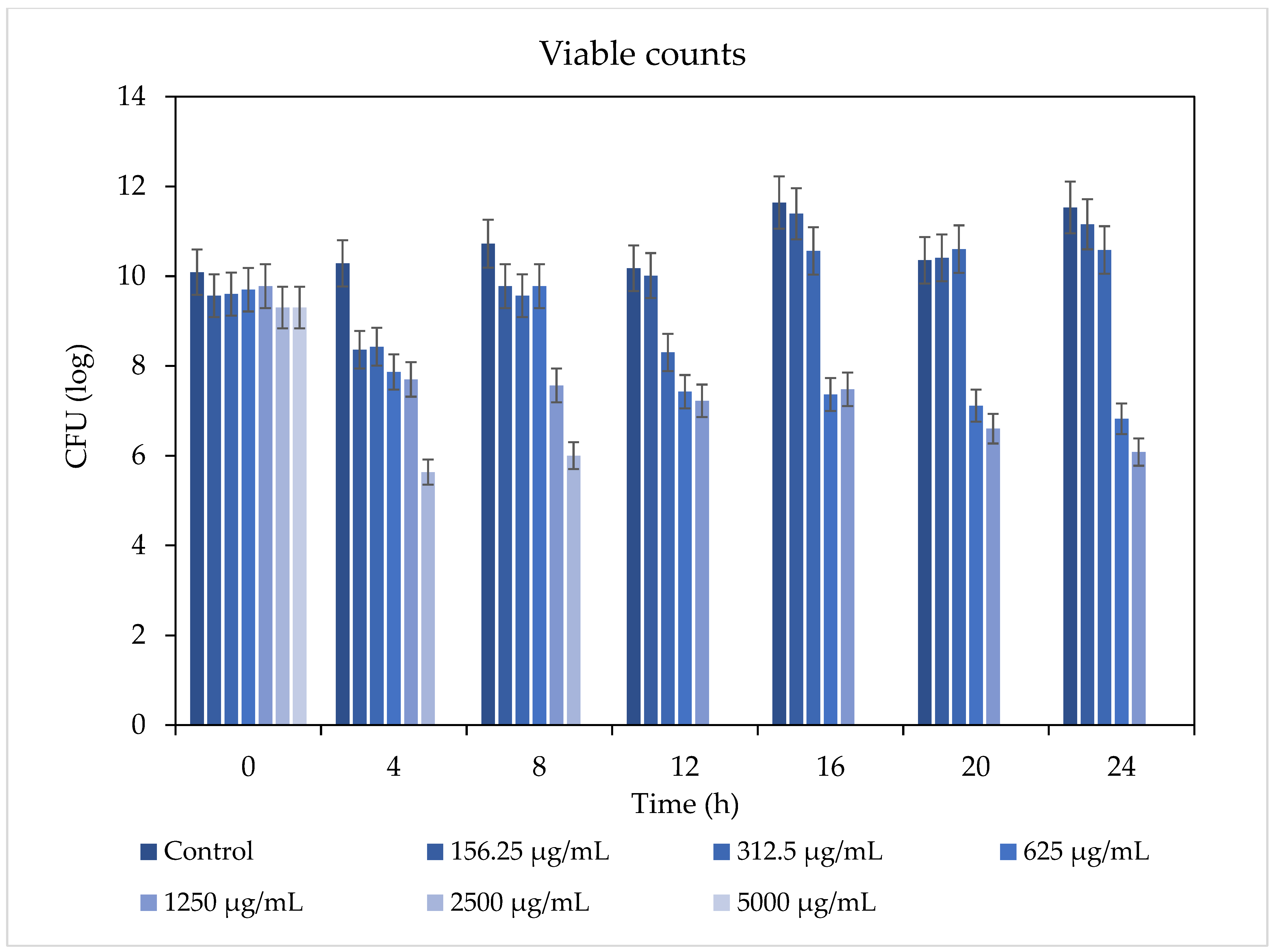
3.2. TC Inhibited S. mutans Colony Formation
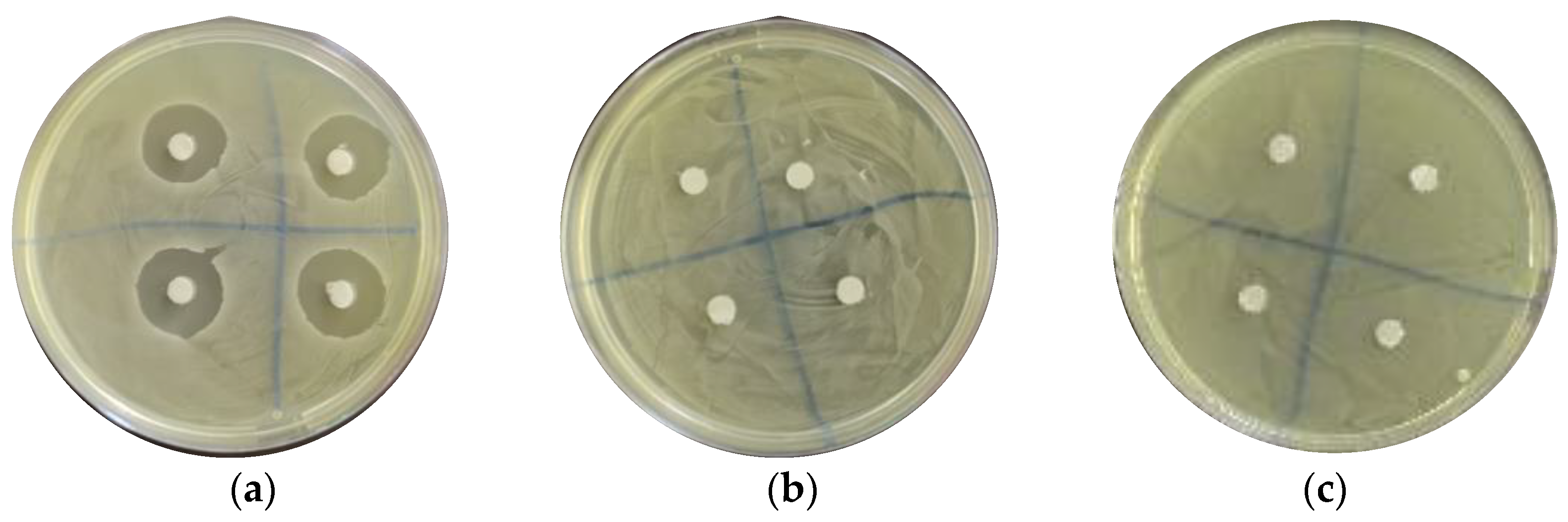
3.3. TC Demonstrated No Visible Halo with the Agar Diffusion Test (ADT)
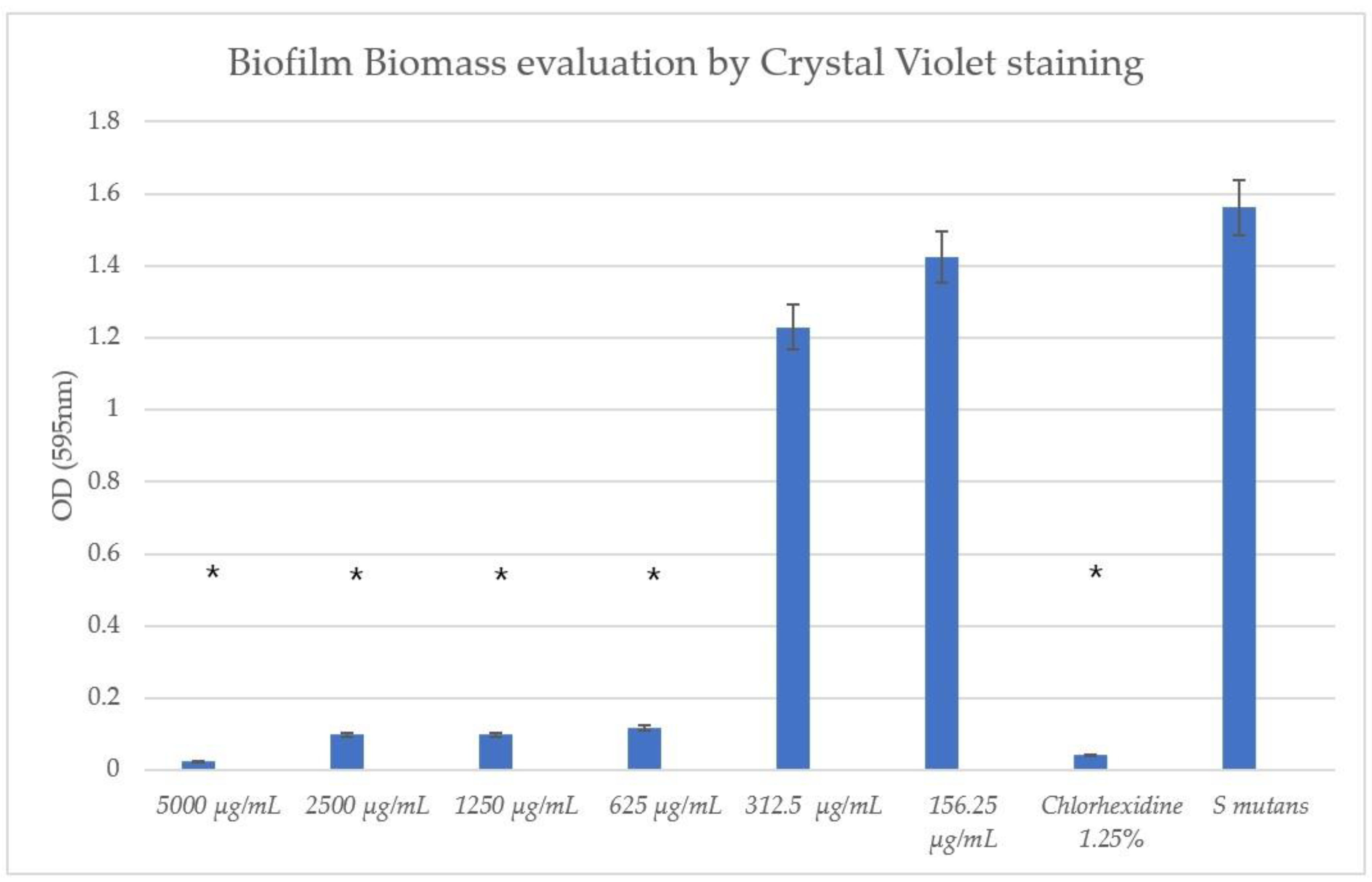
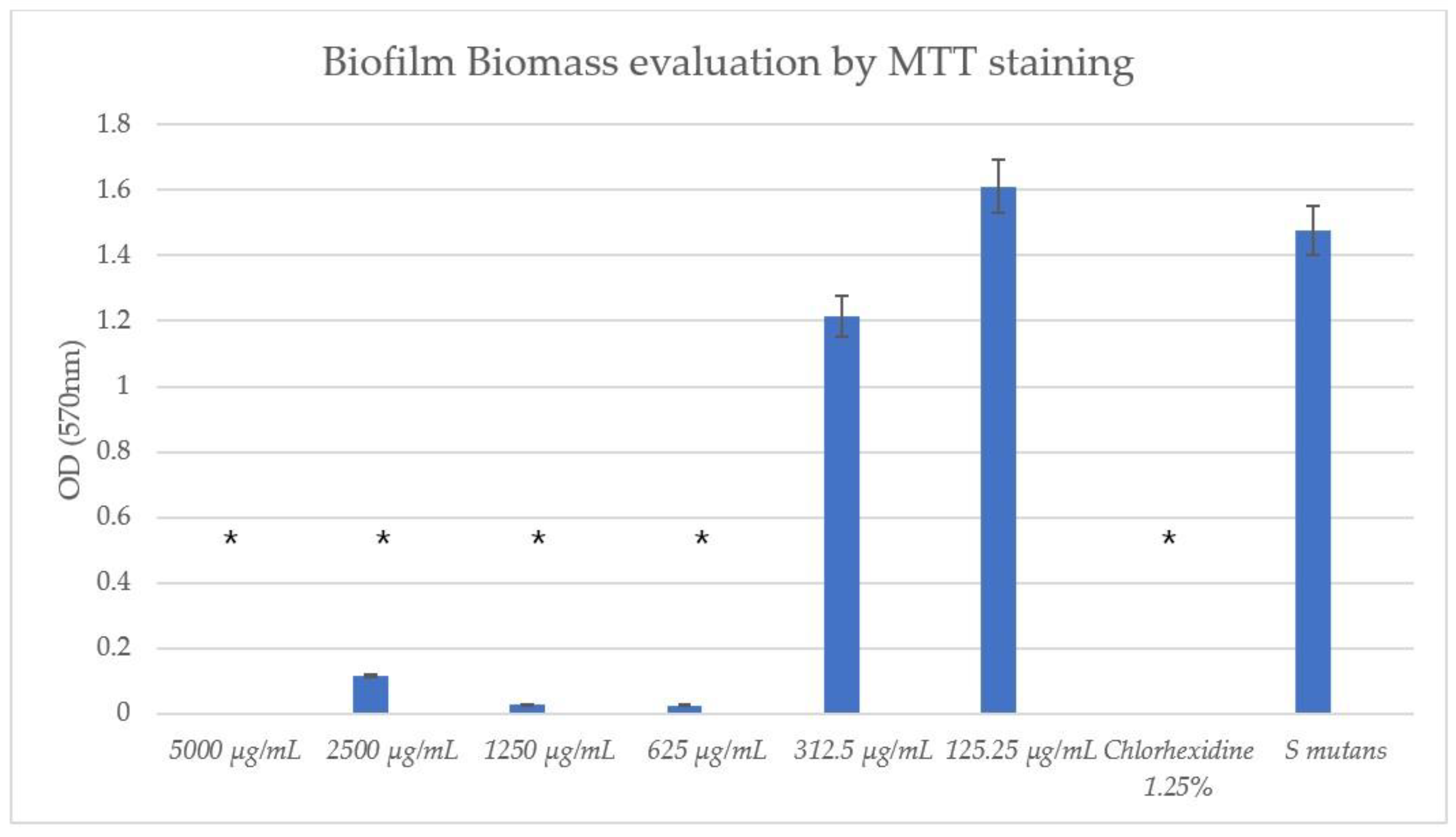
3.4. TC Exhibited Antibiofilm Effects
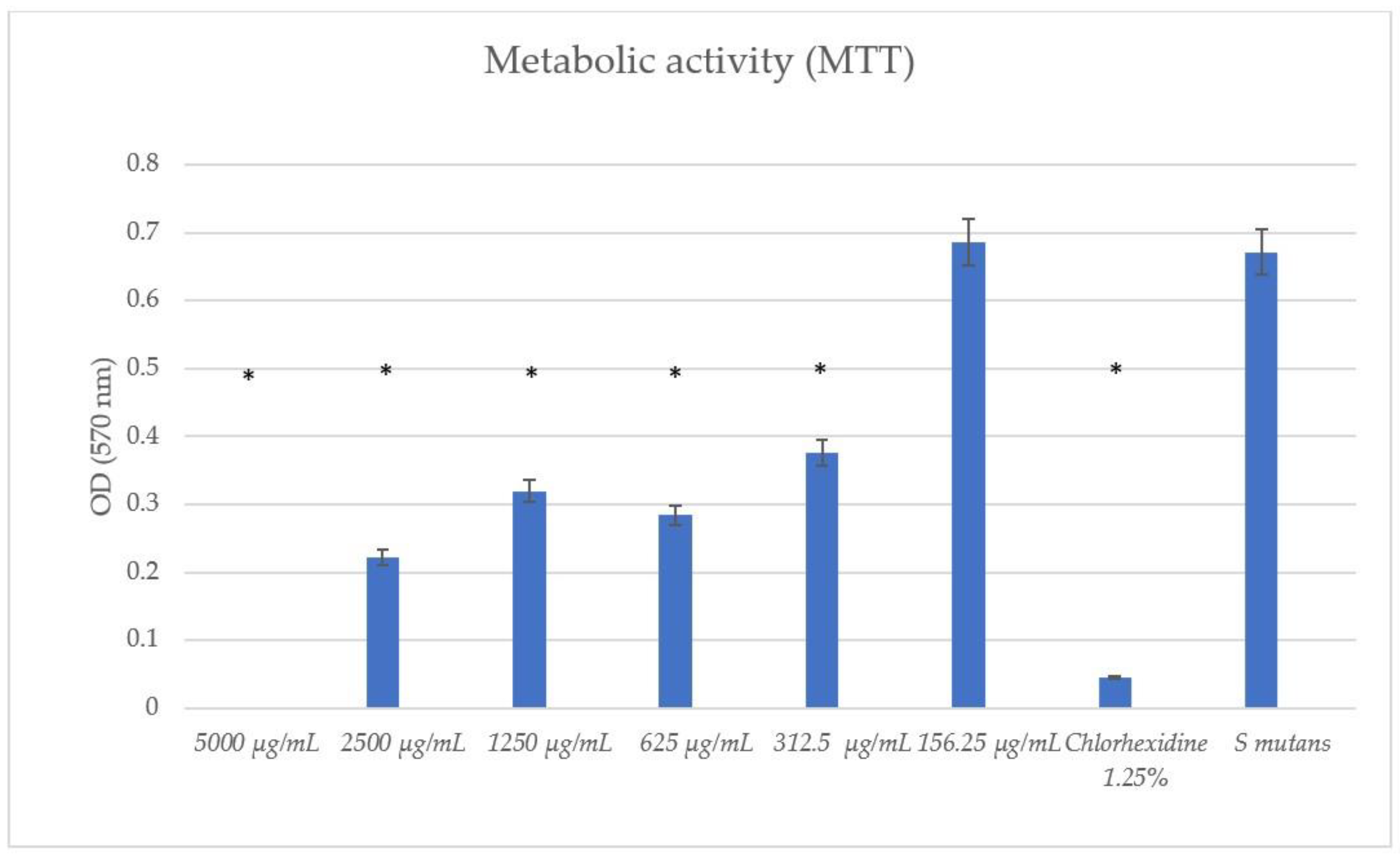
3.5. TC Exhibited Antibiofilm Activity with Preformed Biofilms
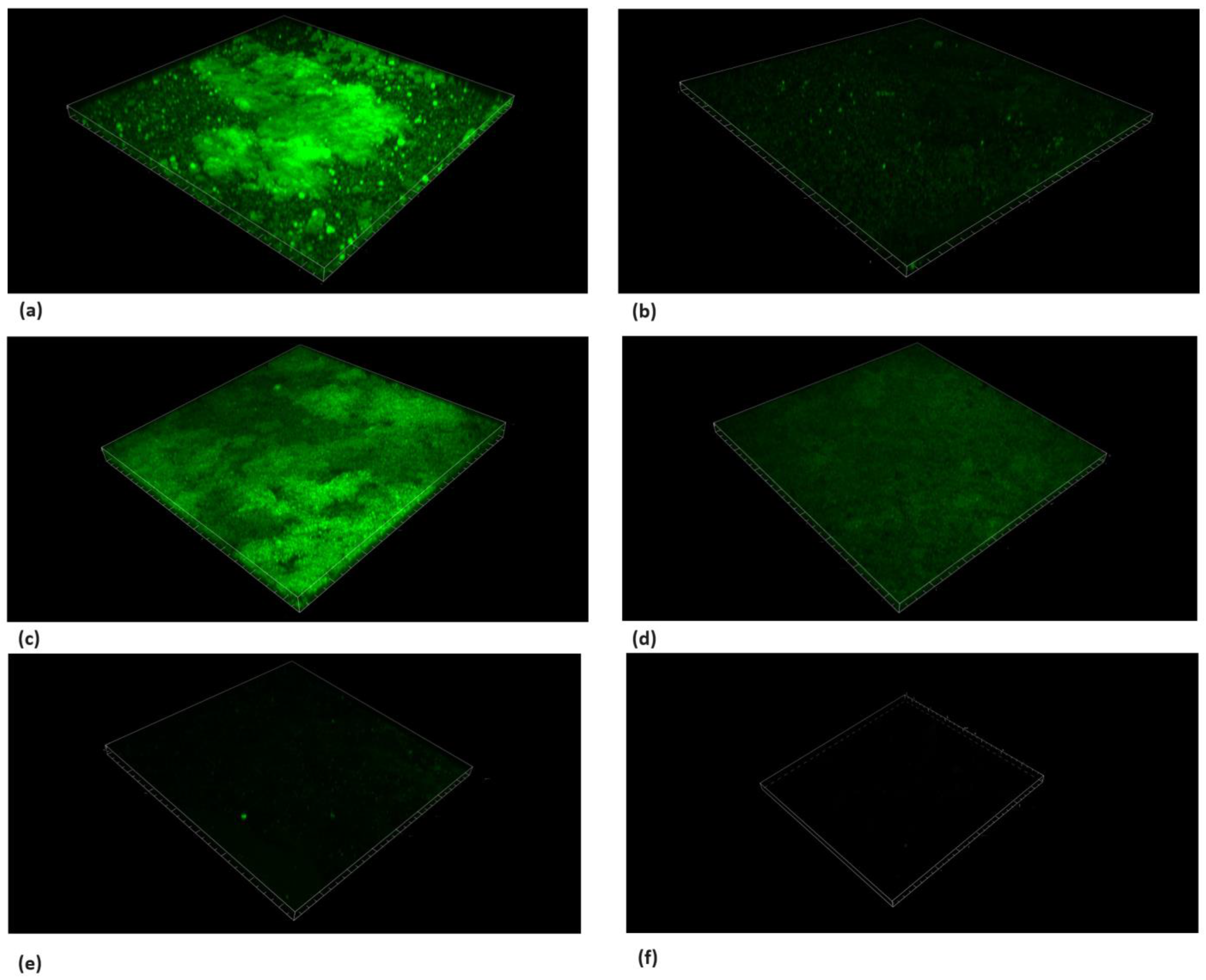
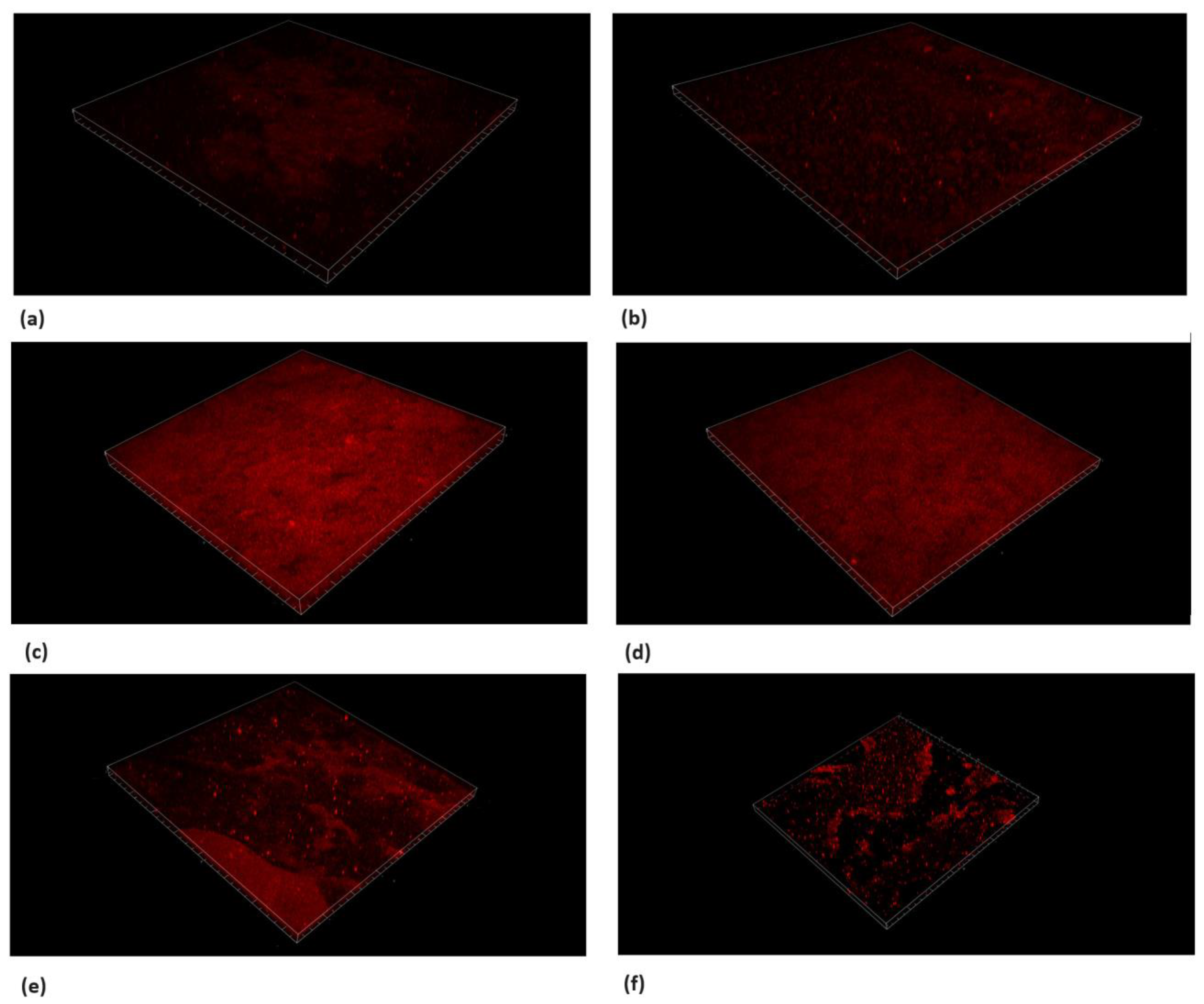
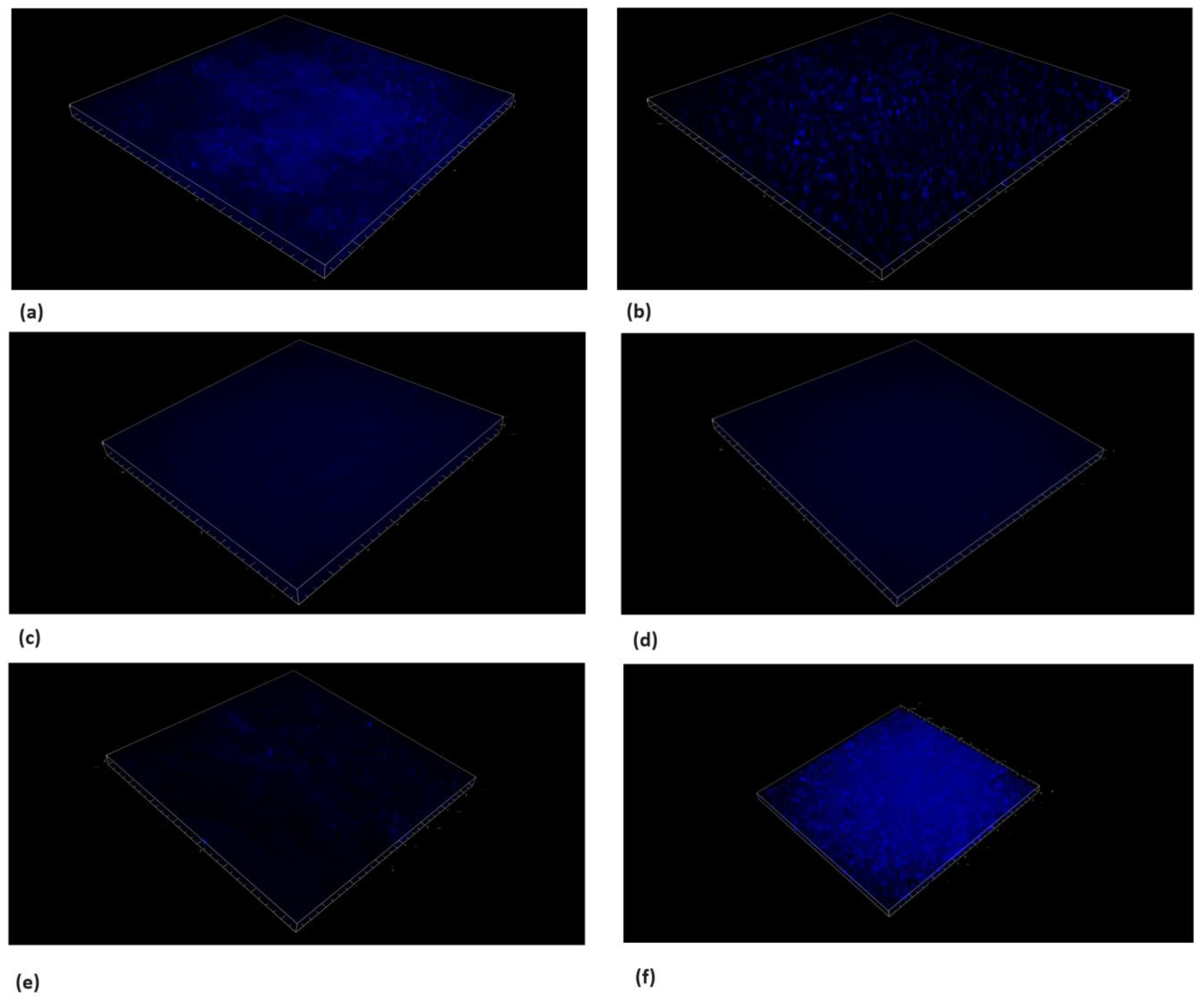
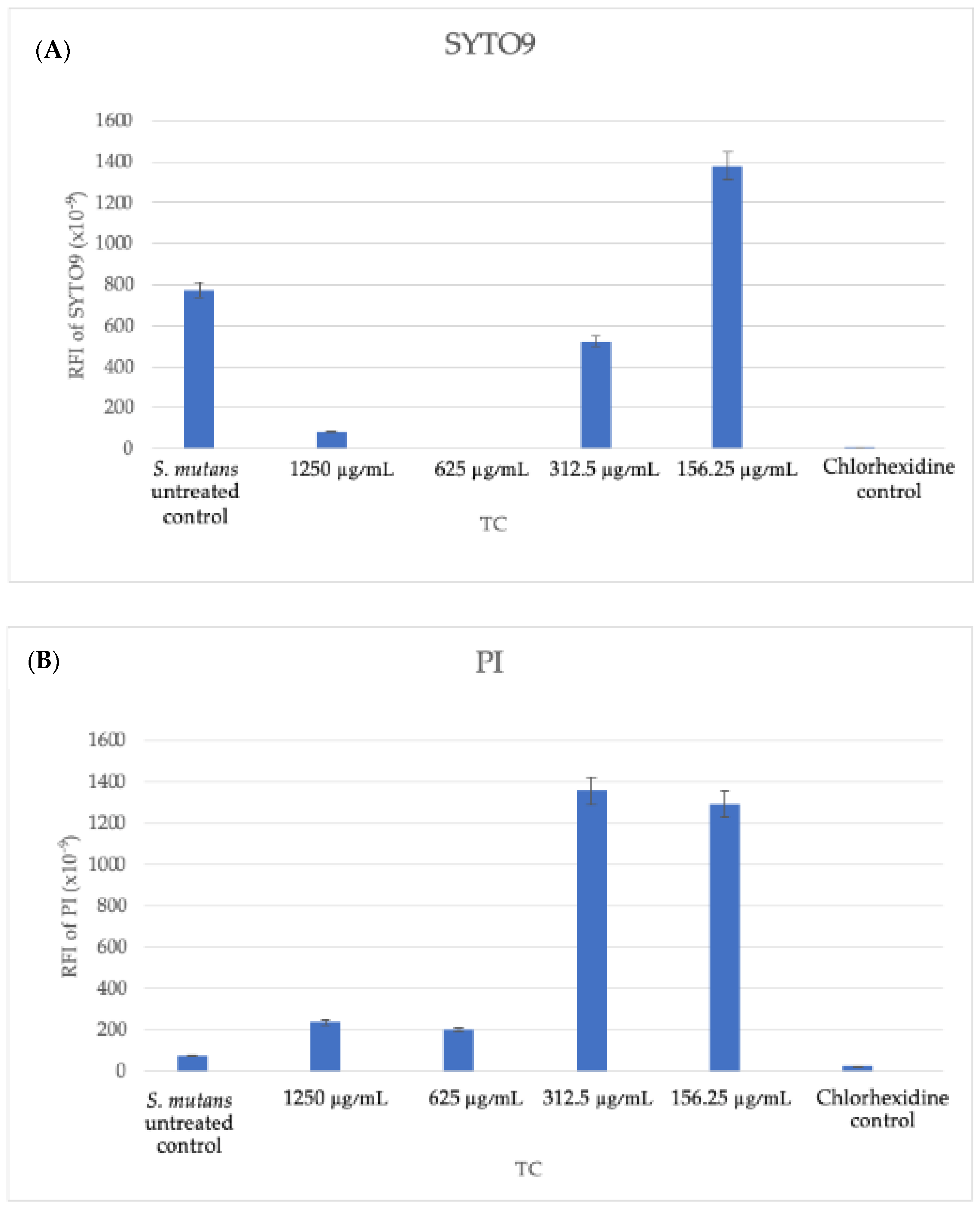
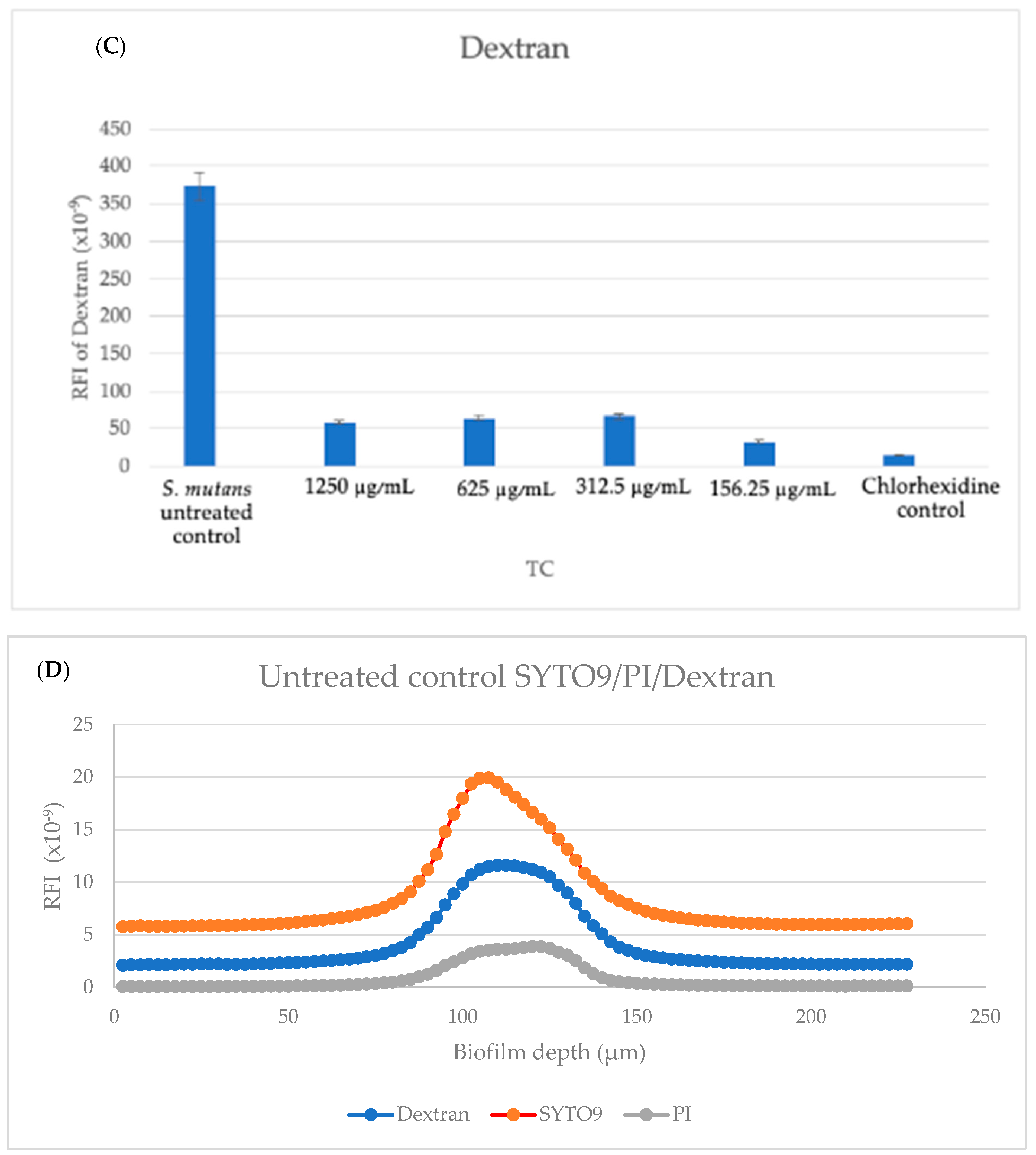
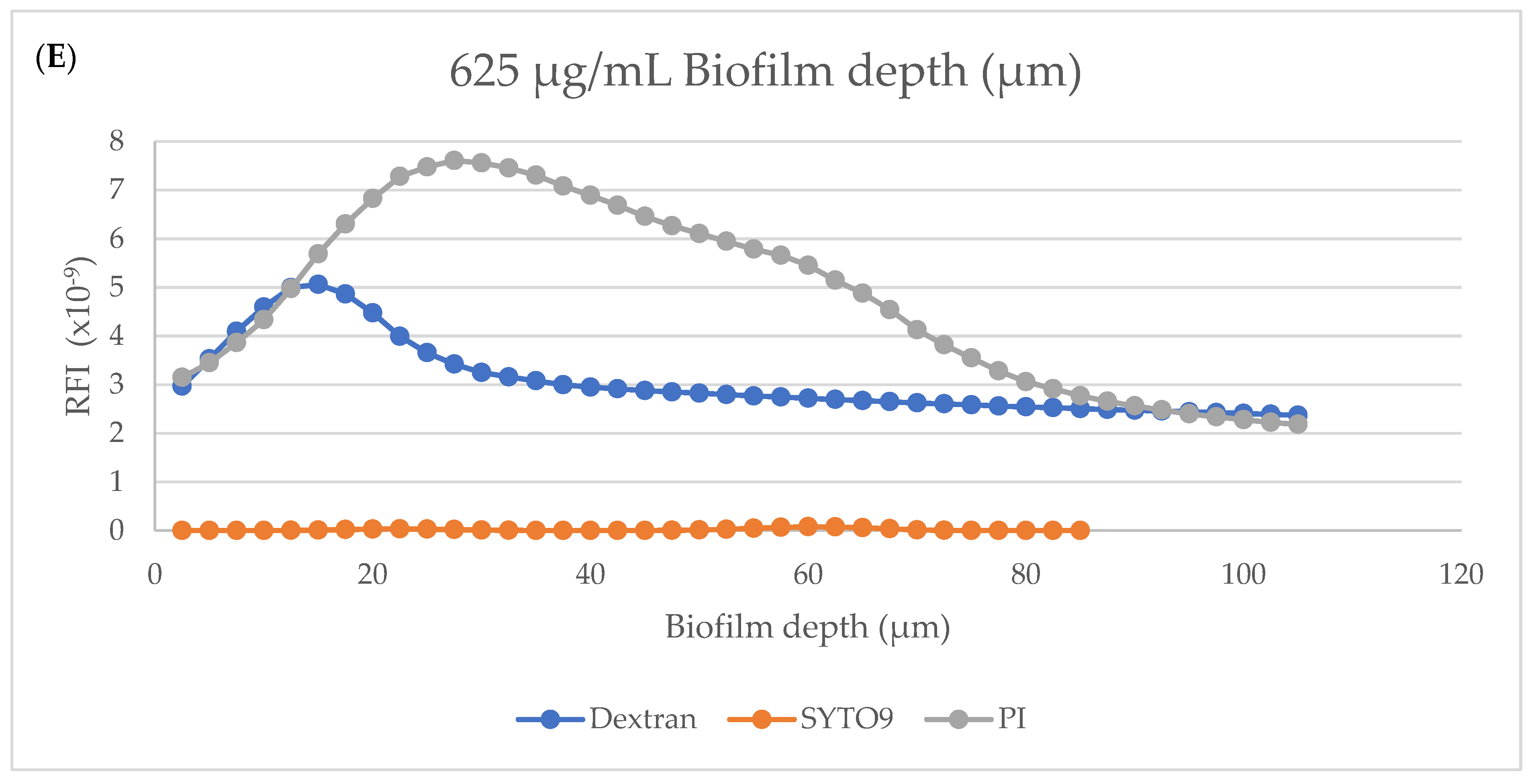
3.6. Live/Dead Bacteria and EPS Modification by TC
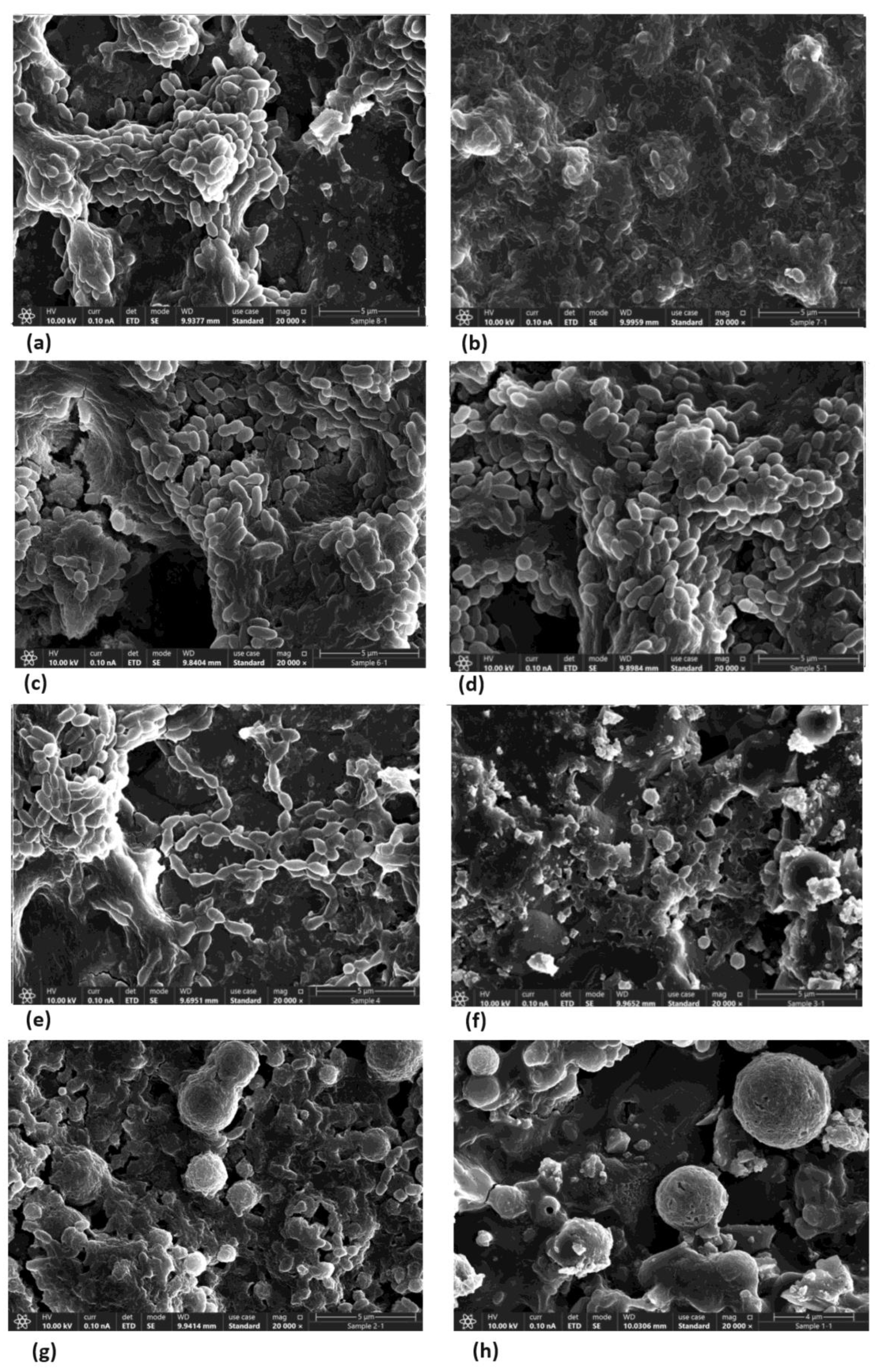
3.7. TC Altered Bacterial Morphology and Density
4. Discussion
5. Conclusions
Author Contributions
Funding
Institutional Review Board Statement
Informed Consent Statement
Data Availability Statement
Acknowledgments
Conflicts of Interest
References
- Hall-Stoodley, L.; Costerton, J.W.; Stoodley, P. Bacterial biofilms: From the natural environment to infectious diseases. Nat. Rev. Microbiol. 2004, 2, 95–108. [Google Scholar] [CrossRef] [Scilit] [PubMed]
- Krzyściak, W.; Jurczak, A.; Kościelniak, D.; Bystrowska, B.; Skalniak, A. The virulence of Streptococcus mutans and the ability to form biofilms. Eur. J. Clin. Microbiol. Infect. Dis. 2014, 33, 499–515. [Google Scholar] [CrossRef] [Scilit]
- Ahn, S.J.; Wen, Z.T.; Brady, L.J.; Burne, R.A. Characteristics of biofilm formation by Streptococcus mutans in the presence of saliva. Infect. Immun. 2008, 76, 4259–4268. [Google Scholar] [CrossRef] [Scilit]
- Khan, A.U.; Islam, B.; Khan, S.N.; Akram, M. A proteomic approach for exploring biofilm in Streptococcus mutans. Bioinformation 2011, 5, 440–445. [Google Scholar] [CrossRef] [Scilit]
- Wen, Z.T.; Yates, D.; Ahn, S.J.; Burne, R.A. Biofilm formation and virulence expression by Streptococcus mutans are altered when grown in dual-species model. BMC Microbiol. 2010, 10, 111. [Google Scholar] [CrossRef] [Scilit] [PubMed]
- Lemos, J.A.; Palmer, S.R.; Zeng, L.; Wen, Z.T.; Kajfasz, J.K.; Freires, I.A.; Abranches, J.; Brady, L.J. The Biology of Streptococcus mutans. Microbiol. Spectr. 2019, 7, 1. [Google Scholar] [CrossRef] [Scilit] [PubMed]
- Aqawi, M.; Sionov, R.V.; Gallily, R.; Friedman, M.; Steinberg, D. Anti-Biofilm Activity of Cannabigerol against. Microorganisms 2021, 9, 2031. [Google Scholar] [CrossRef] [Scilit]
- de Sousa, D.L.; Lima, R.A.; Zanin, I.C.; Klein, M.I.; Janal, M.N.; Duarte, S. Effect of Twice-Daily Blue Light Treatment on Matrix-Rich Biofilm Development. PLoS ONE 2015, 10, e0131941. [Google Scholar] [CrossRef] [Scilit]
- Koo, H.; Xiao, J.; Klein, M.I.; Jeon, J.G. Exopolysaccharides produced by Streptococcus mutans glucosyltransferases modulate the establishment of microcolonies within multispecies biofilms. J. Bacteriol. 2010, 192, 3024–3032. [Google Scholar] [CrossRef] [Scilit]
- Matsumoto-Nakano, M. Role of Streptococcus mutans surface proteins for biofilm formation. Jpn. Dent. Sci. Rev. 2018, 54, 22–29. [Google Scholar] [CrossRef] [Scilit]
- Jakubovics, N.S.; Goodman, S.D.; Mashburn-Warren, L.; Stafford, G.P.; Cieplik, F. The dental plaque biofilm matrix. Periodontology 2000 2021, 86, 32–56. [Google Scholar] [CrossRef] [Scilit] [PubMed]
- Amalaradjou, M.A.; Venkitanarayanan, K. Effect of trans-cinnamaldehyde on inhibition and inactivation of Cronobacter sakazakii biofilm on abiotic surfaces. J. Food Prot. 2011, 74, 200–208. [Google Scholar] [CrossRef] [Scilit]
- Yanakiev, S. Effects of Cinnamon. Molecules 2020, 25, 4184. [Google Scholar] [CrossRef] [Scilit] [PubMed]
- He, Z.; Huang, Z.; Jiang, W.; Zhou, W. Antimicrobial Activity of Cinnamaldehyde on. Front. Microbiol. 2019, 10, 2241. [Google Scholar] [CrossRef] [Scilit]
- Gómez, J.V.; Tarazona, A.; Mateo-Castro, R.; Gimeno-Adelantado, J.V.; Jiménez, M.; Mateo, E.M. Selected plant essential oils and their main active components, a promising approach to inhibit aflatoxigenic fungi and aflatoxin production in food. Food Addit. Contam. Part A Chem. Anal. Control Expo. Risk Assess. 2018, 35, 1581–1595. [Google Scholar] [CrossRef] [Scilit] [PubMed]
- Kim, M.E.; Na, J.Y.; Lee, J.S. Anti-inflammatory effects of trans-cinnamaldehyde on lipopolysaccharide-stimulated macrophage activation via MAPKs pathway regulation. Immunopharmacol. Immunotoxicol. 2018, 40, 219–224. [Google Scholar] [CrossRef] [Scilit]
- Lu, L.; Xiong, Y.; Zhou, J.; Wang, G.; Mi, B.; Liu, G. The Therapeutic Roles of Cinnamaldehyde against Cardiovascular Diseases. Oxid. Med. Cell Longev. 2022, 2022, 9177108. [Google Scholar] [CrossRef] [Scilit]
- Usai, F.; Di Sotto, A. Cinnamaldehyde as a Novel Candidate to Overcome Bacterial Resistance: An Overview of In Vitro Studies. Antibiotics 2023, 12, 254. [Google Scholar] [CrossRef] [Scilit] [PubMed]
- Vasconcelos, N.G.; Croda, J.; Simionatto, S. Antibacterial mechanisms of cinnamon and its constituents: A review. Microb. Pathog. 2018, 120, 198–203. [Google Scholar] [CrossRef] [Scilit]
- Yu, C.; Li, Y.L.; Liang, M.; Dai, S.Y.; Ma, L.; Li, W.G.; Lai, F.; Liu, X.M. Characteristics and hazards of the cinnamaldehyde oxidation process. RSC Adv. 2020, 10, 19124–19133. [Google Scholar] [CrossRef] [Scilit] [PubMed]
- Doyle, A.A.; Stephens, J.C. A review of cinnamaldehyde and its derivatives as antibacterial agents. Fitoterapia 2019, 139, 104405. [Google Scholar] [CrossRef] [Scilit]
- Mu, R.; Zhang, H.; Zhang, Z.; Li, X.; Ji, J.; Wang, X.; Gu, Y.; Qin, X. Trans-cinnamaldehyde loaded chitosan based nanocapsules display antibacterial and antibiofilm effects against cavity-causing. J. Oral Microbiol. 2023, 15, 2243067. [Google Scholar] [CrossRef] [Scilit] [PubMed]
- Silva, L.N.; Zimmer, K.R.; Macedo, A.J.; Trentin, D.S. Plant Natural Products Targeting Bacterial Virulence Factors. Chem. Rev. 2016, 116, 9162–9236. [Google Scholar] [CrossRef] [Scilit]
- Culp, D.J.; Robinson, B.; Cash, M.N.; Bhattacharyya, I.; Stewart, C.; Cuadra-Saenz, G. Salivary mucin 19 glycoproteins: Innate immune functions in Streptococcus mutans-induced caries in mice and evidence for expression in human saliva. J. Biol. Chem. 2015, 290, 2993–3008. [Google Scholar] [CrossRef] [Scilit]
- Dresser, A.R.; Hardy, P.O.; Chaconas, G. Investigation of the genes involved in antigenic switching at the vlsE locus in Borrelia burgdorferi: An essential role for the RuvAB branch migrase. PLoS Pathog. 2009, 5, e1000680. [Google Scholar] [CrossRef] [Scilit]
- Sawada, M.; Sridhar, K.; Kanda, Y.; Yamanaka, S. Pure hydroxyapatite synthesis originating from amorphous calcium carbonate. Sci. Rep. 2021, 11, 11546. [Google Scholar] [CrossRef] [Scilit] [PubMed]
- Balasubramanian, A.R.; Vasudevan, S.; Shanmugam, K.; Lévesque, C.M.; Solomon, A.P.; Neelakantan, P. Combinatorial effects of trans-cinnamaldehyde with fluoride and chlorhexidine on Streptococcus mutans. J. Appl. Microbiol. 2021, 130, 382–393. [Google Scholar] [CrossRef] [Scilit]
- Isaac-Renton, M.; Li, M.K.; Parsons, L.M. Cinnamon spice and everything not nice: Many features of intraoral allergy to cinnamic aldehyde. Dermatitis 2015, 26, 116–121. [Google Scholar] [CrossRef] [Scilit] [PubMed]
- Bernaola, J.; Valverde-Monge, M.; Otal-Buesa, M.; Cullen, D.; Heras-Mendaza, F. Cinnamon allergic contact cheilitis. Contact Dermatitis 2023, 88, 418–419. [Google Scholar] [CrossRef] [Scilit]
- de Groot, A. Contact Allergy to (Ingredients of) Toothpastes. Dermatitis 2017, 28, 95–114. [Google Scholar] [CrossRef] [Scilit]


Disclaimer/Publisher’s Note: The statements, opinions and data contained in all publications are solely those of the individual author(s) and contributor(s) and not of MDPI and/or the editor(s). MDPI and/or the editor(s) disclaim responsibility for any injury to people or property resulting from any ideas, methods, instructions or products referred to in the content. |
© 2024 by the authors. Licensee MDPI, Basel, Switzerland. This article is an open access article distributed under the terms and conditions of the Creative Commons Attribution (CC BY) license (https://creativecommons.org/licenses/by/4.0/).
Share and Cite
Ngokwe, Z.B.; Wolfoviz-Zilberman, A.; Sharon, E.; Zabrovsky, A.; Beyth, N.; Houri-Haddad, Y.; Kesler-Shvero, D. Trans-Cinnamaldehyde—Fighting Streptococcus mutans Using Nature. Pharmaceutics 2024, 16, 113. https://doi.org/10.3390/pharmaceutics16010113
Ngokwe ZB, Wolfoviz-Zilberman A, Sharon E, Zabrovsky A, Beyth N, Houri-Haddad Y, Kesler-Shvero D. Trans-Cinnamaldehyde—Fighting Streptococcus mutans Using Nature. Pharmaceutics. 2024; 16(1):113. https://doi.org/10.3390/pharmaceutics16010113
Chicago/Turabian StyleNgokwe, Zilefac Brian, Amit Wolfoviz-Zilberman, Esi Sharon, Asher Zabrovsky, Nurit Beyth, Yael Houri-Haddad, and Dana Kesler-Shvero. 2024. "Trans-Cinnamaldehyde—Fighting Streptococcus mutans Using Nature" Pharmaceutics 16, no. 1: 113. https://doi.org/10.3390/pharmaceutics16010113
APA StyleNgokwe, Z. B., Wolfoviz-Zilberman, A., Sharon, E., Zabrovsky, A., Beyth, N., Houri-Haddad, Y., & Kesler-Shvero, D. (2024). Trans-Cinnamaldehyde—Fighting Streptococcus mutans Using Nature. Pharmaceutics, 16(1), 113. https://doi.org/10.3390/pharmaceutics16010113