Article

Rotaviruses Associate with Distinct Types of Extracellular Vesicles


1
Departamento de Genética del Desarrollo y Fisiología Molecular, Instituto de Biotecnología, Universidad Nacional Autónoma de México, Cuernavaca CP 62210, Mexico
2
Departamento de Ingeniería Química Industrial y de Alimentos, Universidad Iberoamericana, Ciudad de México CP 01219, Mexico
*
Author to whom correspondence should be addressed.
Viruses 2020, 12(7), 763; https://doi.org/10.3390/v12070763
Submission received: 29 April 2020 / Revised: 27 June 2020 / Accepted: 29 June 2020 / Published: 16 July 2020
(This article belongs to the Special Issue Viruses and Extracellular Vesicles)

Abstract

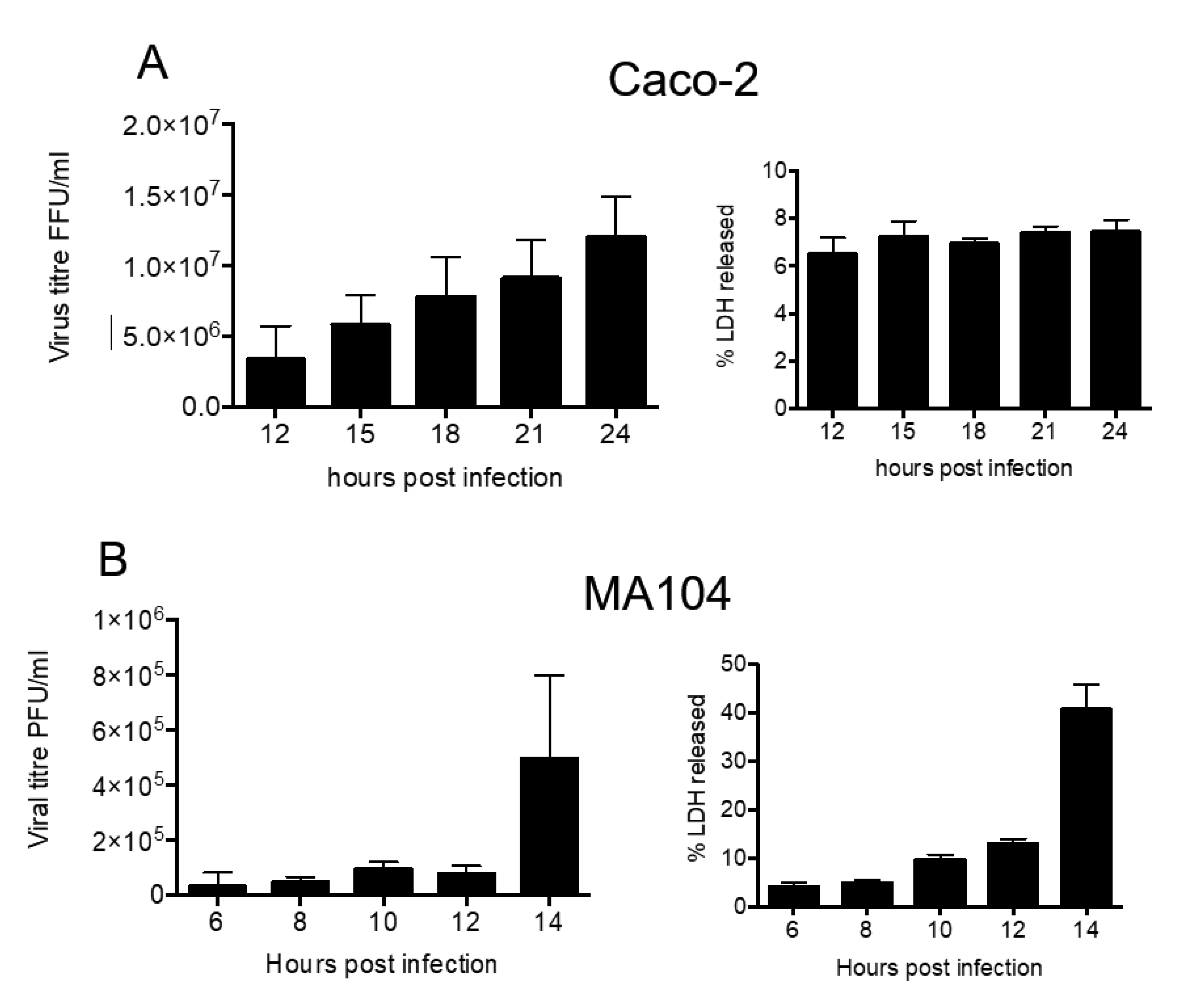
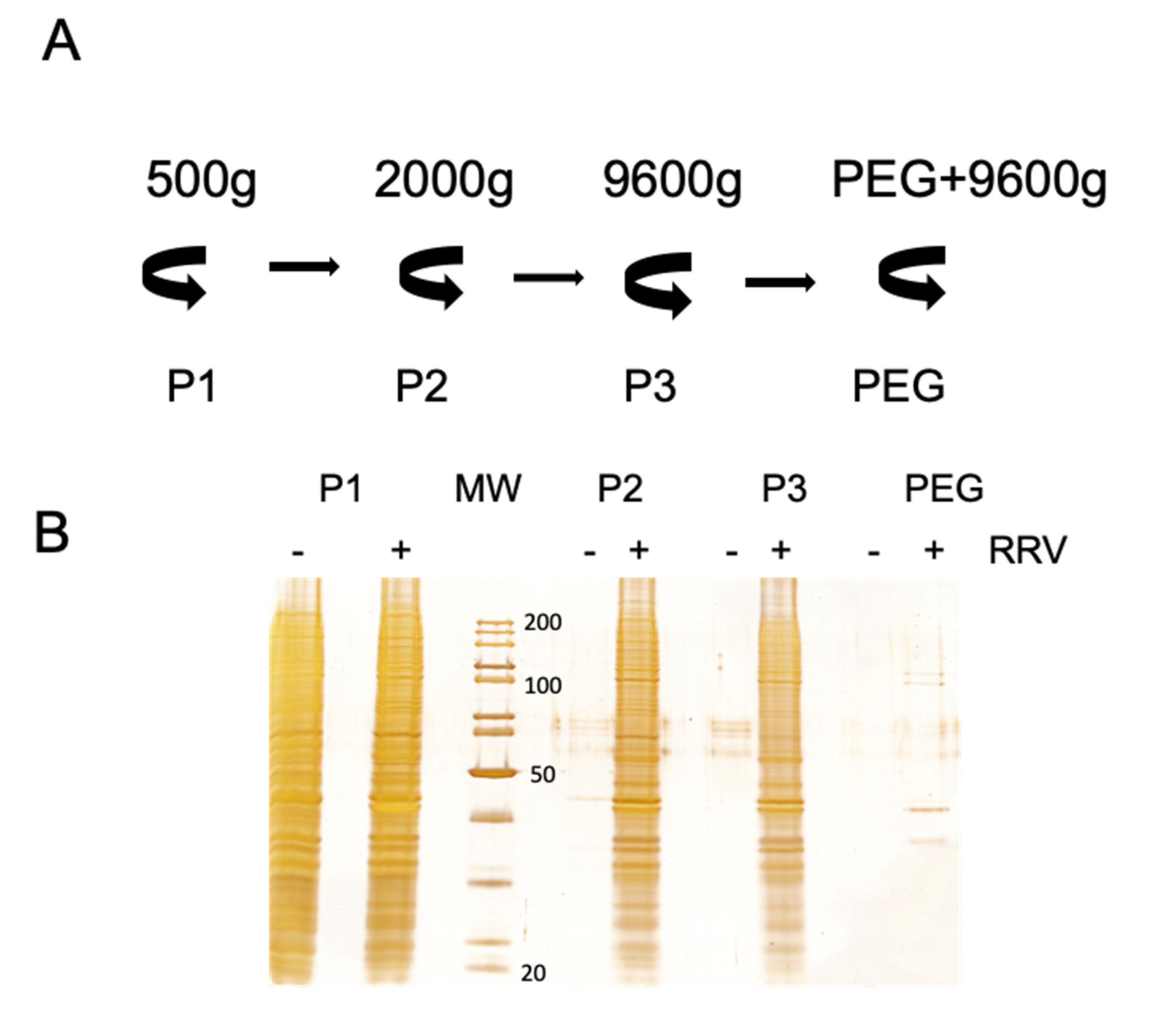
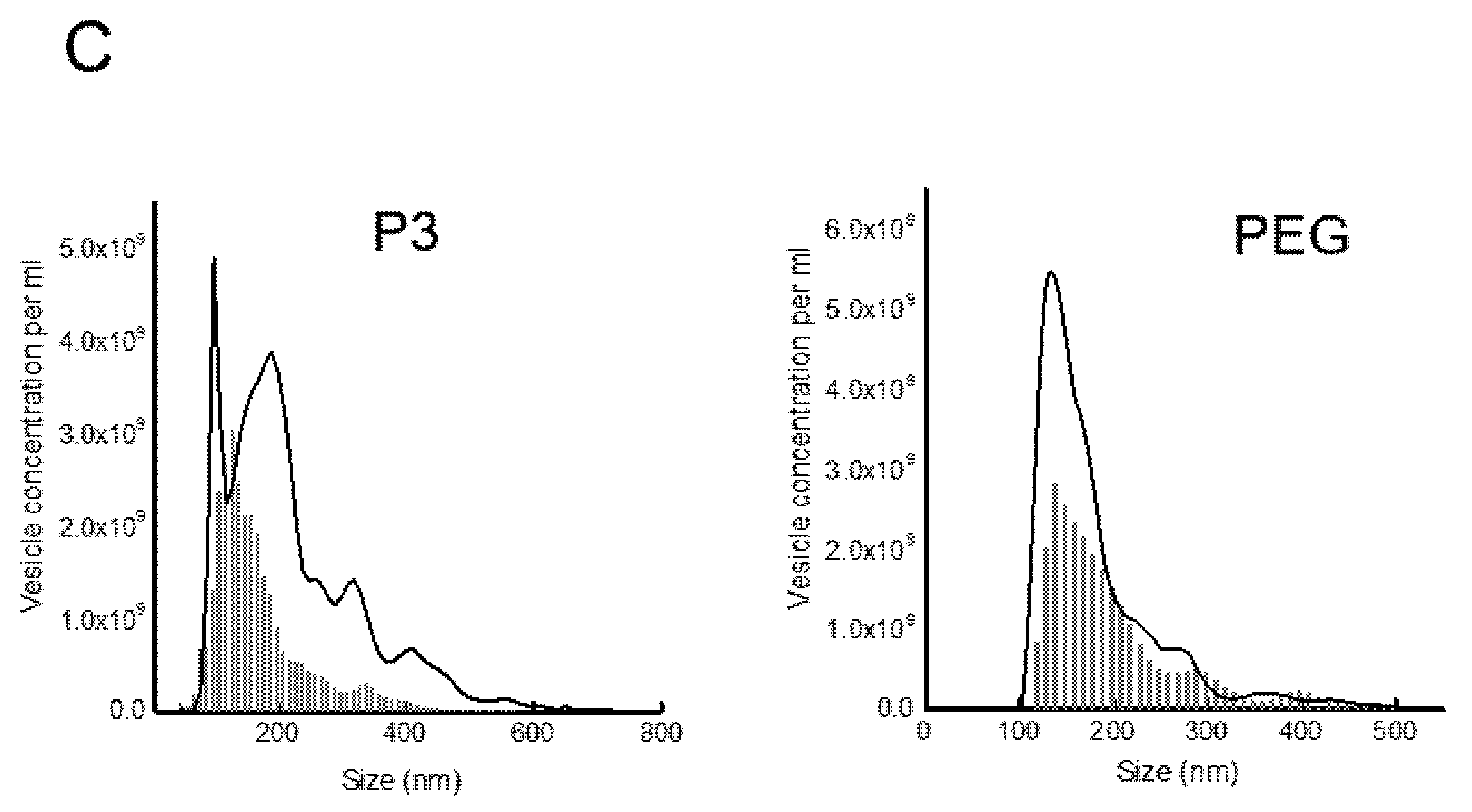
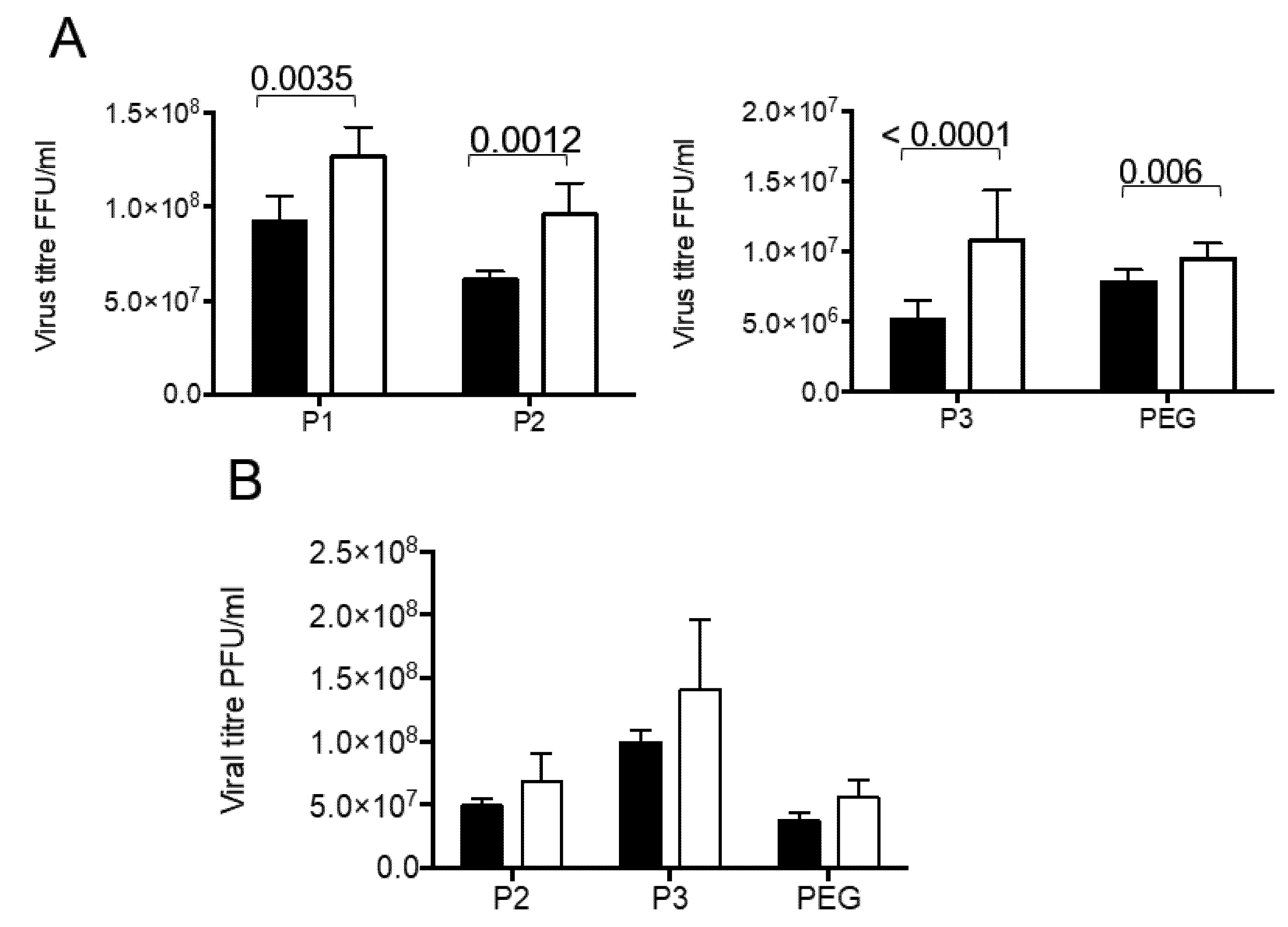
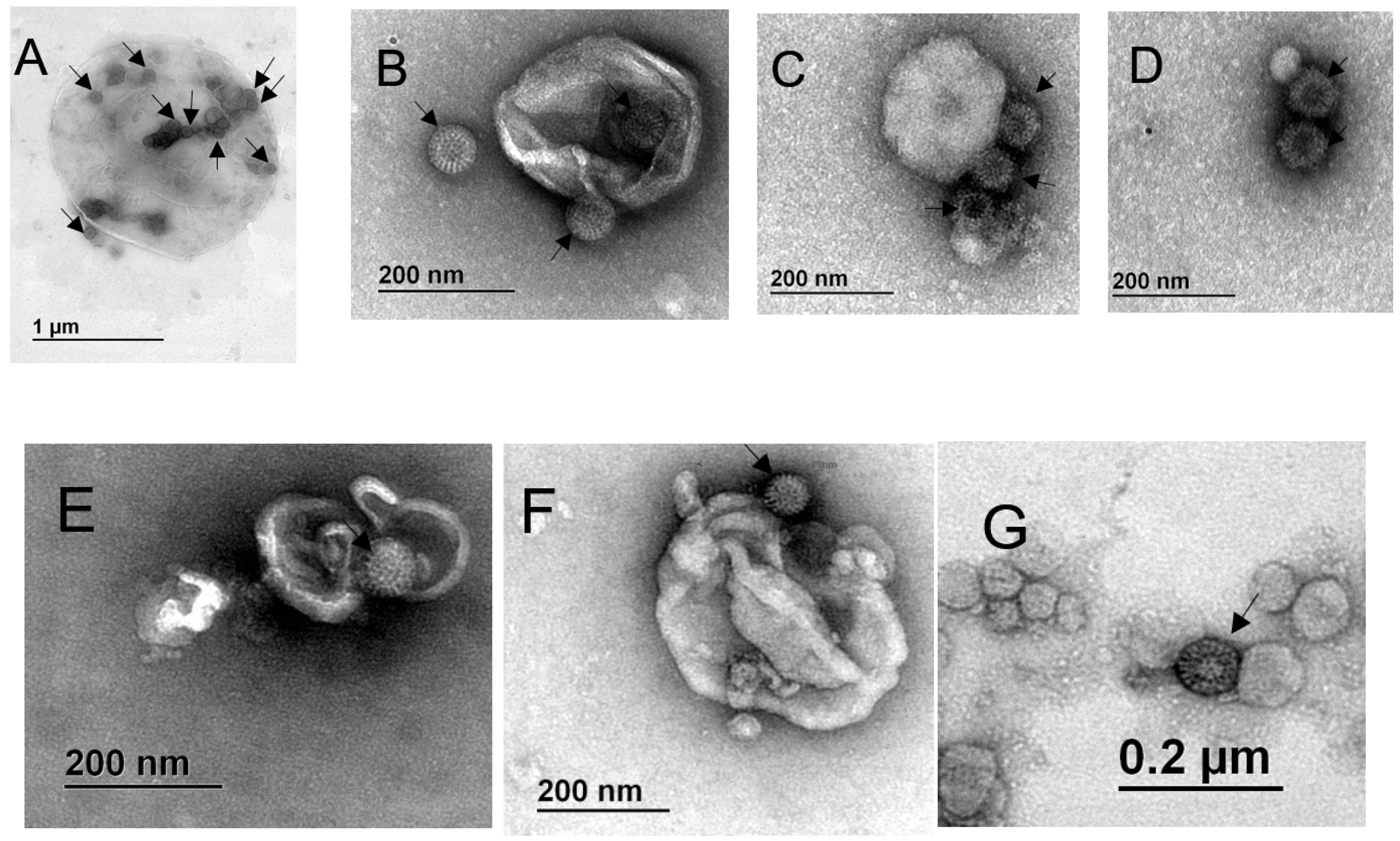
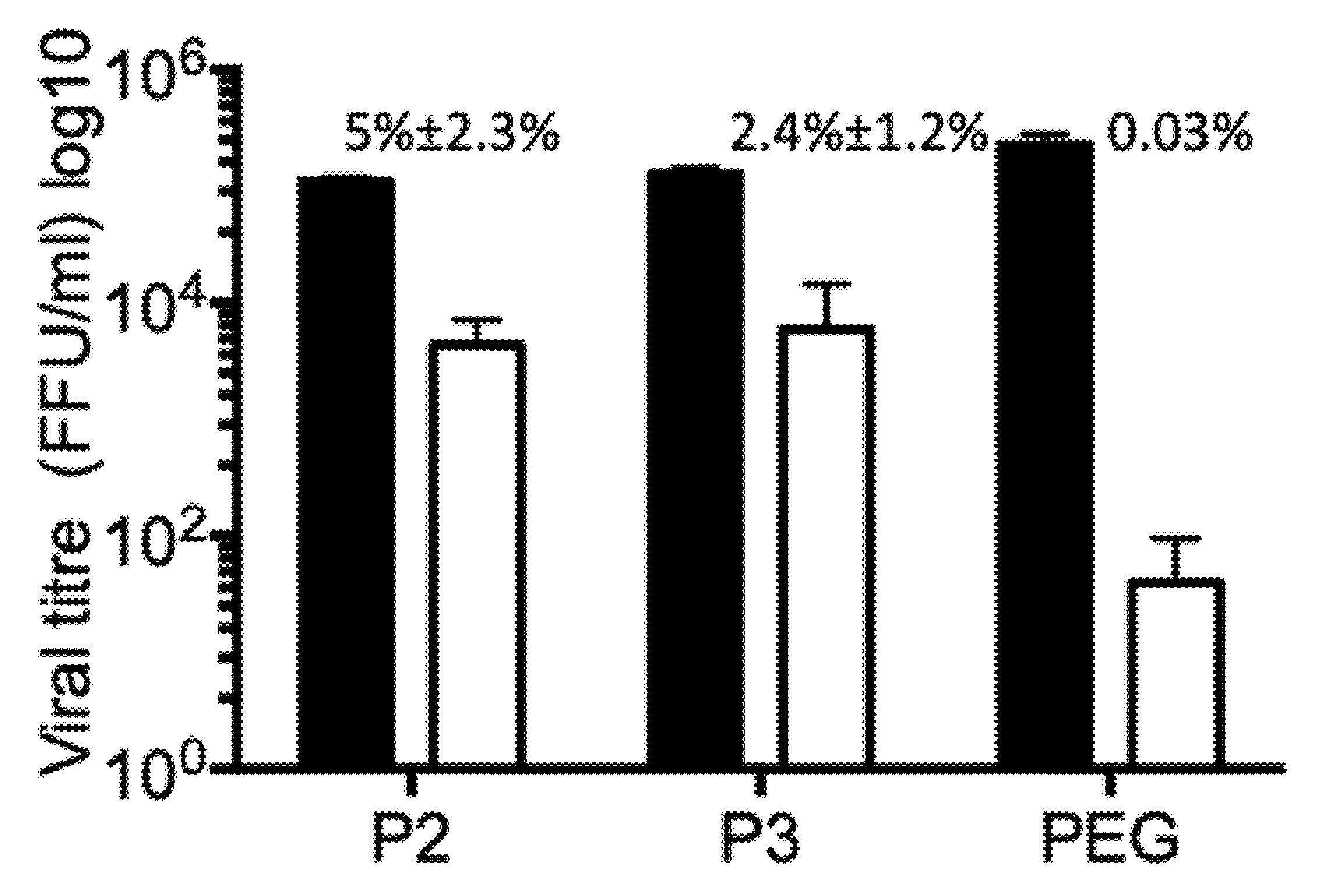
Rotaviruses are the leading cause of viral gastroenteritis among children under five years of age. Rotavirus cell entry has been extensively studied; however, rotavirus cell release is still poorly understood. Specifically, the mechanism by which rotaviruses leave the cell before cell lysis is not known. Previous works have found rotavirus proteins and viral particles associated with extracellular vesicles secreted by cells. These vesicles have been shown to contain markers of exosomes; however, in a recent work they presented characteristics more typical of microparticles, and they were associated with an increase in the infectivity of the virus. In this work, we purified different types of vesicles from rotavirus-infected cells. We analyzed the association of virus with these vesicles and their possible role in promotion of rotavirus infection. We confirmed a non-lytic rotavirus release from the two cell lines tested, and observed a notable stimulation of vesicle secretion following rotavirus infection. A fraction of the secreted viral particles present in the cell supernatant was protected from protease treatment, possibly through its association with membranous vesicles; the more pronounced association of the virus was with fractions corresponding to cell membrane generated microvesicles. Using electron microscopy, we found different size vesicles with particles resembling rotaviruses associated from both- the outside and the inside. The viral particles inside the vesicles were refractory to neutralization with a potent rotavirus neutralizing monoclonal antibody, and were able to infect cells even without trypsin activation. The association of rotavirus particles with extracellular vesicles suggests these might have a role in virus spread.
Keywords: extracellular vesicles; rotavirus; microvesicles; exosomes extracellular vesicles; rotavirus; microvesicles; exosomes