Article

Assessment of Cracking Development in Concrete Precast Crane Beams Using Optical and Deep Learning Methods


Faculty of Civil Engineering, Cracow University of Technology, ul. Warszawska 24, 31-155 Kraków, Poland
Materials 2025, 18(4), 731; https://doi.org/10.3390/ma18040731
Submission received: 19 December 2024 / Revised: 21 January 2025 / Accepted: 30 January 2025 / Published: 7 February 2025
(This article belongs to the Special Issue Testing of Materials and Elements in Civil Engineering (4th Edition))

Abstract

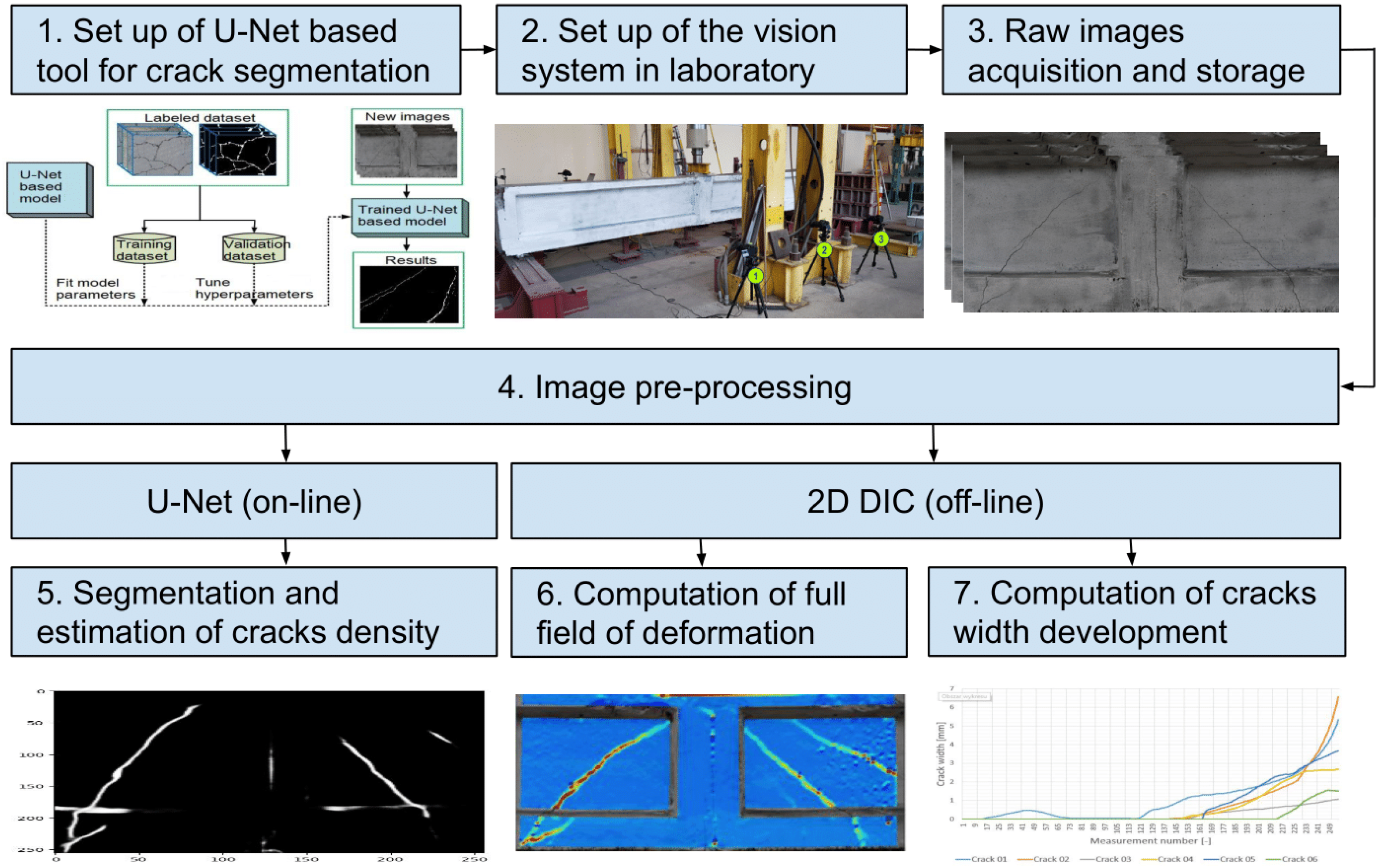
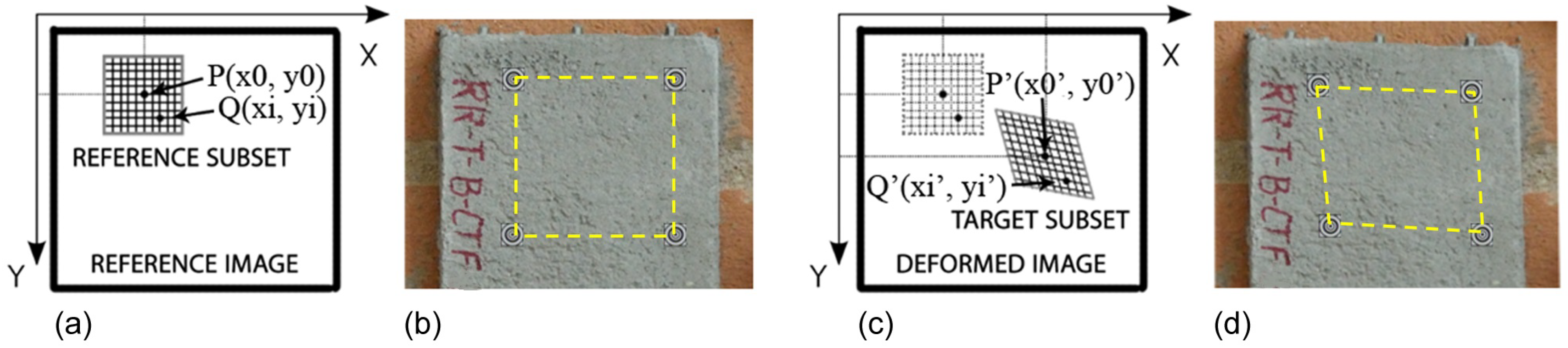
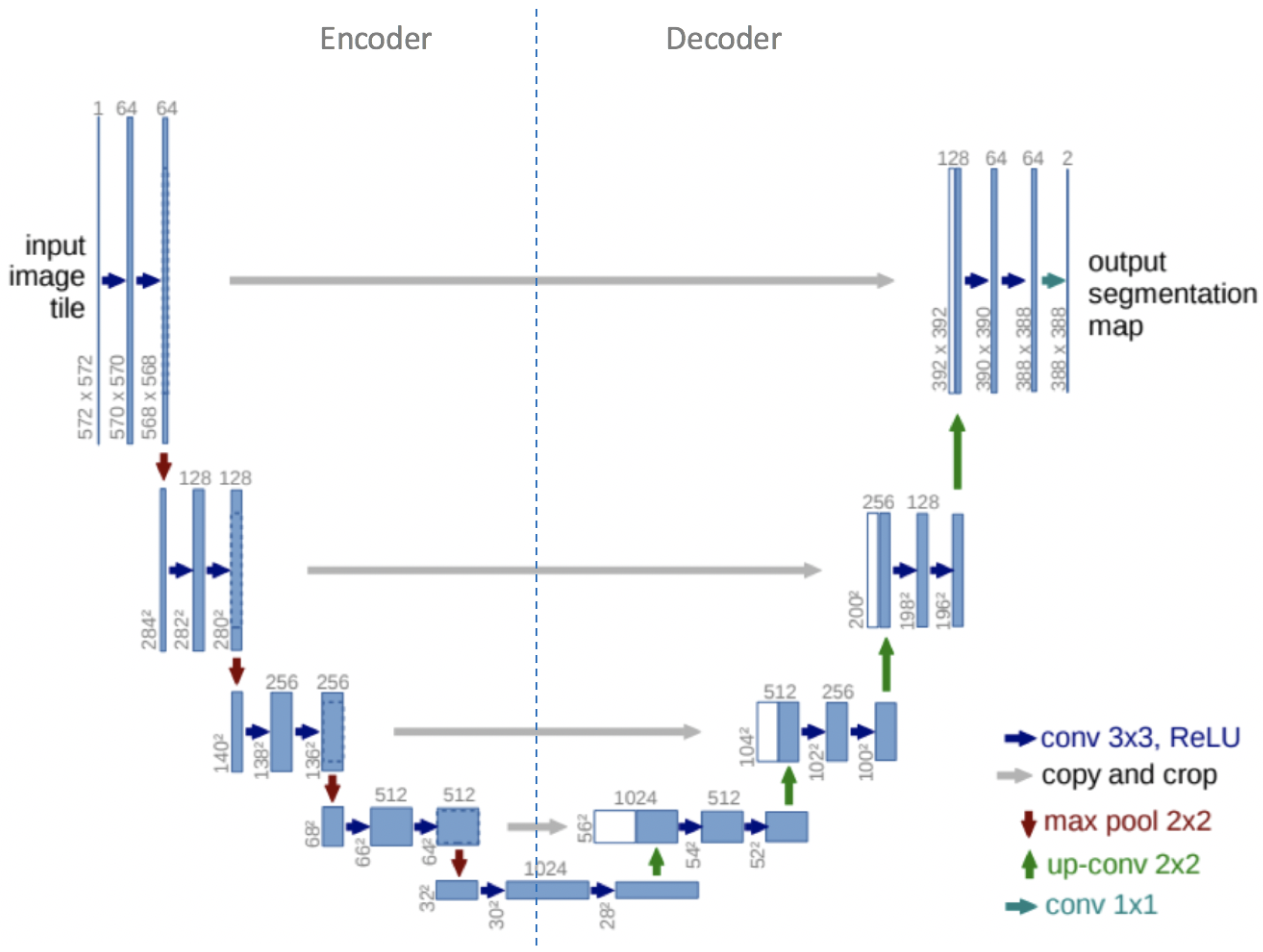
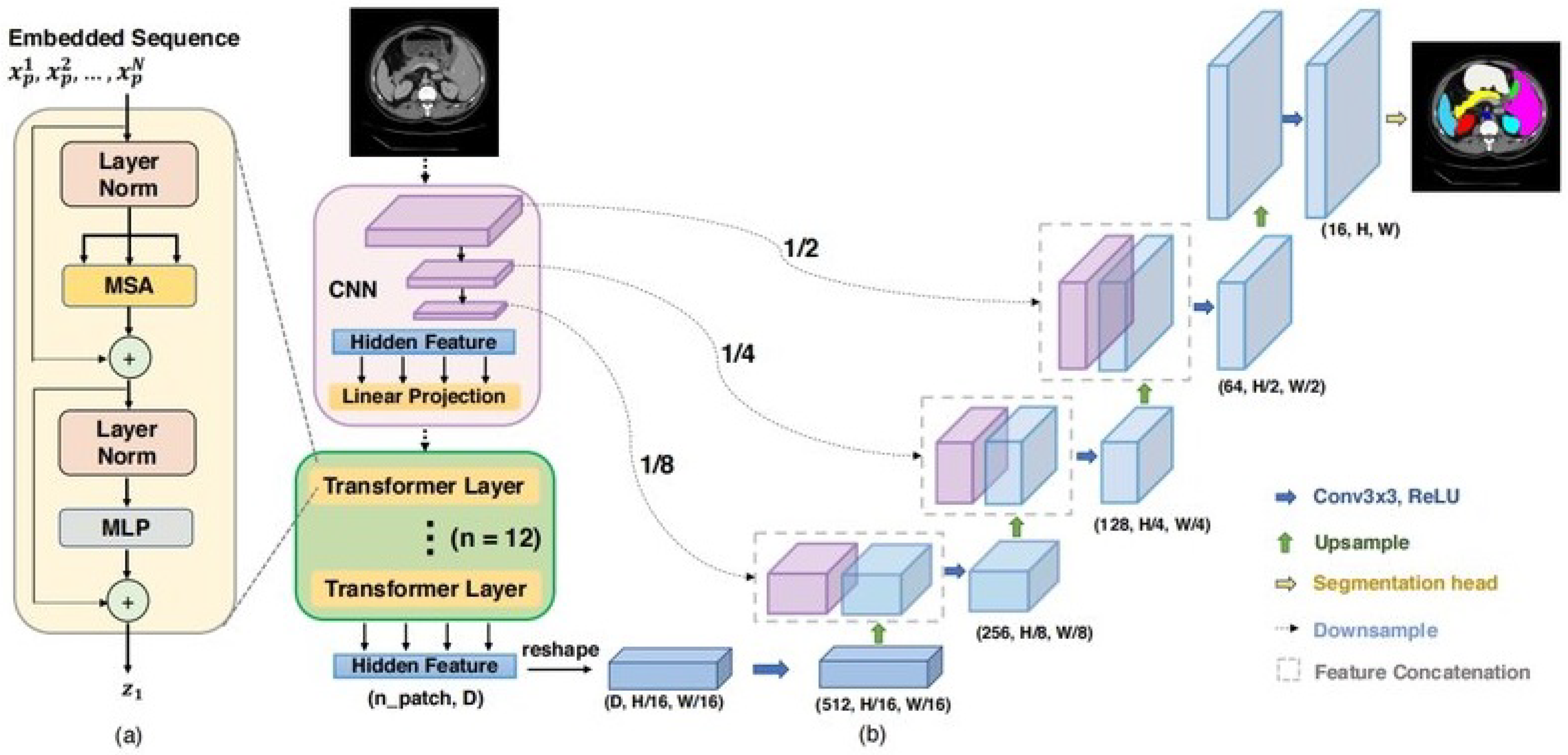
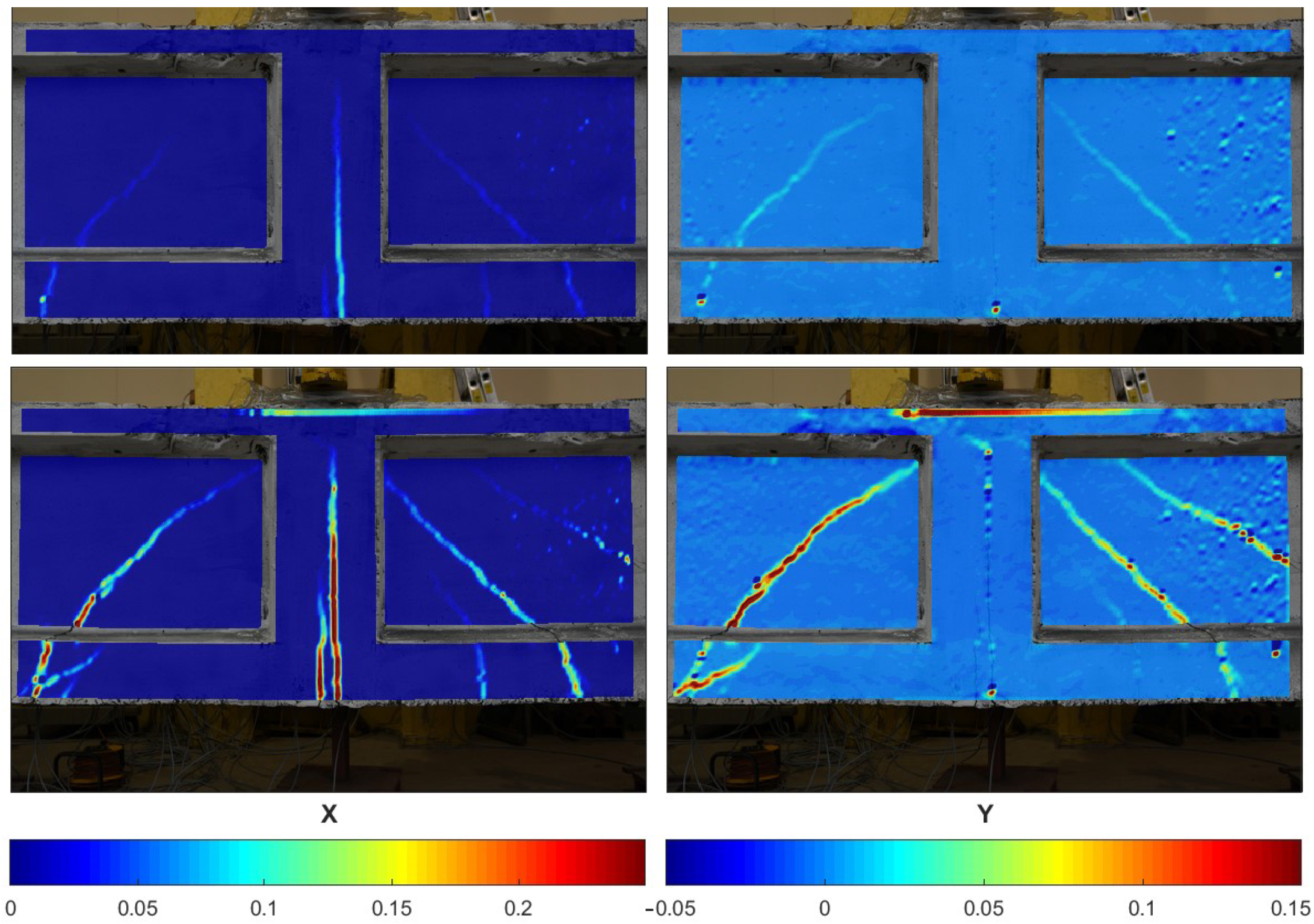
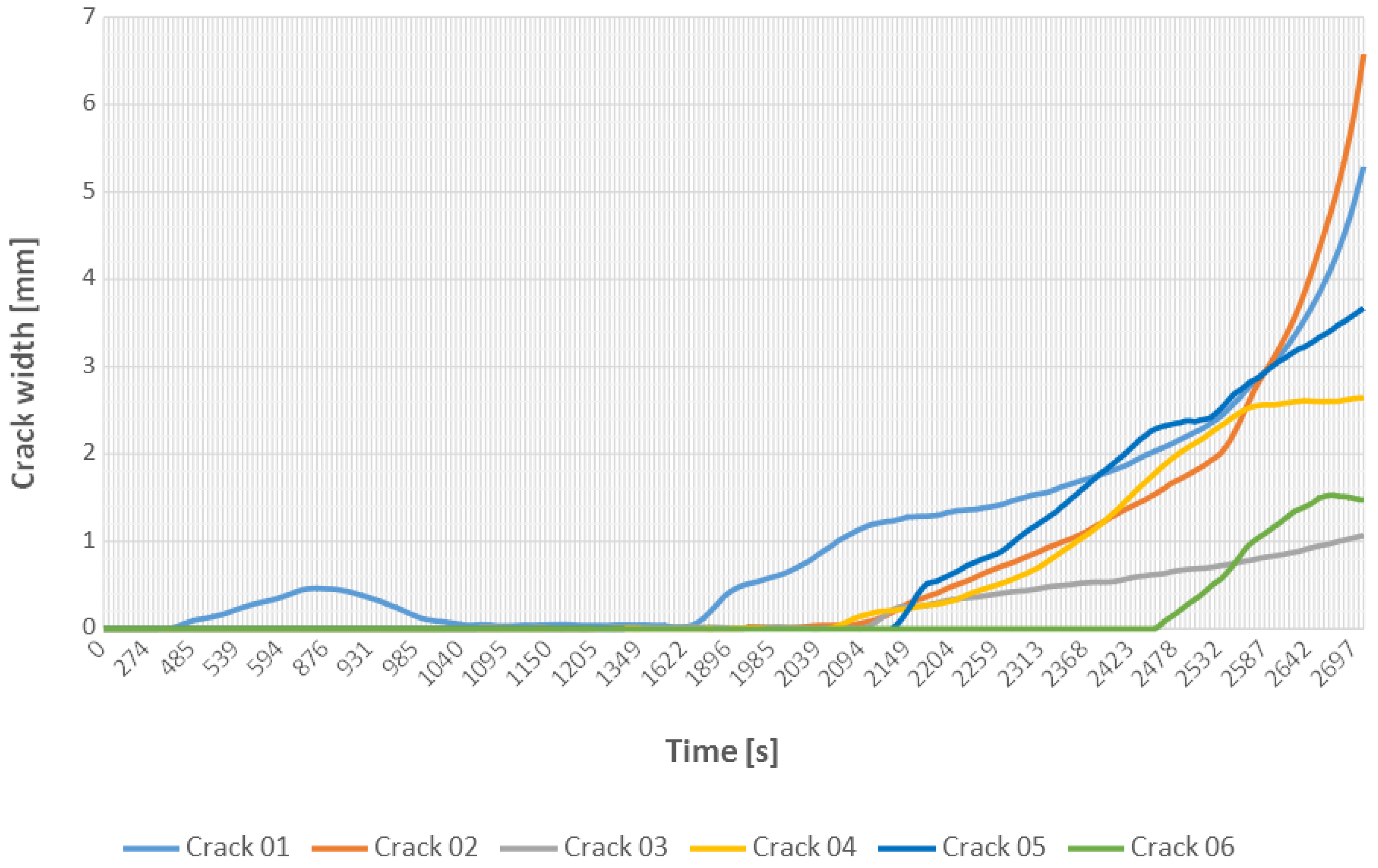
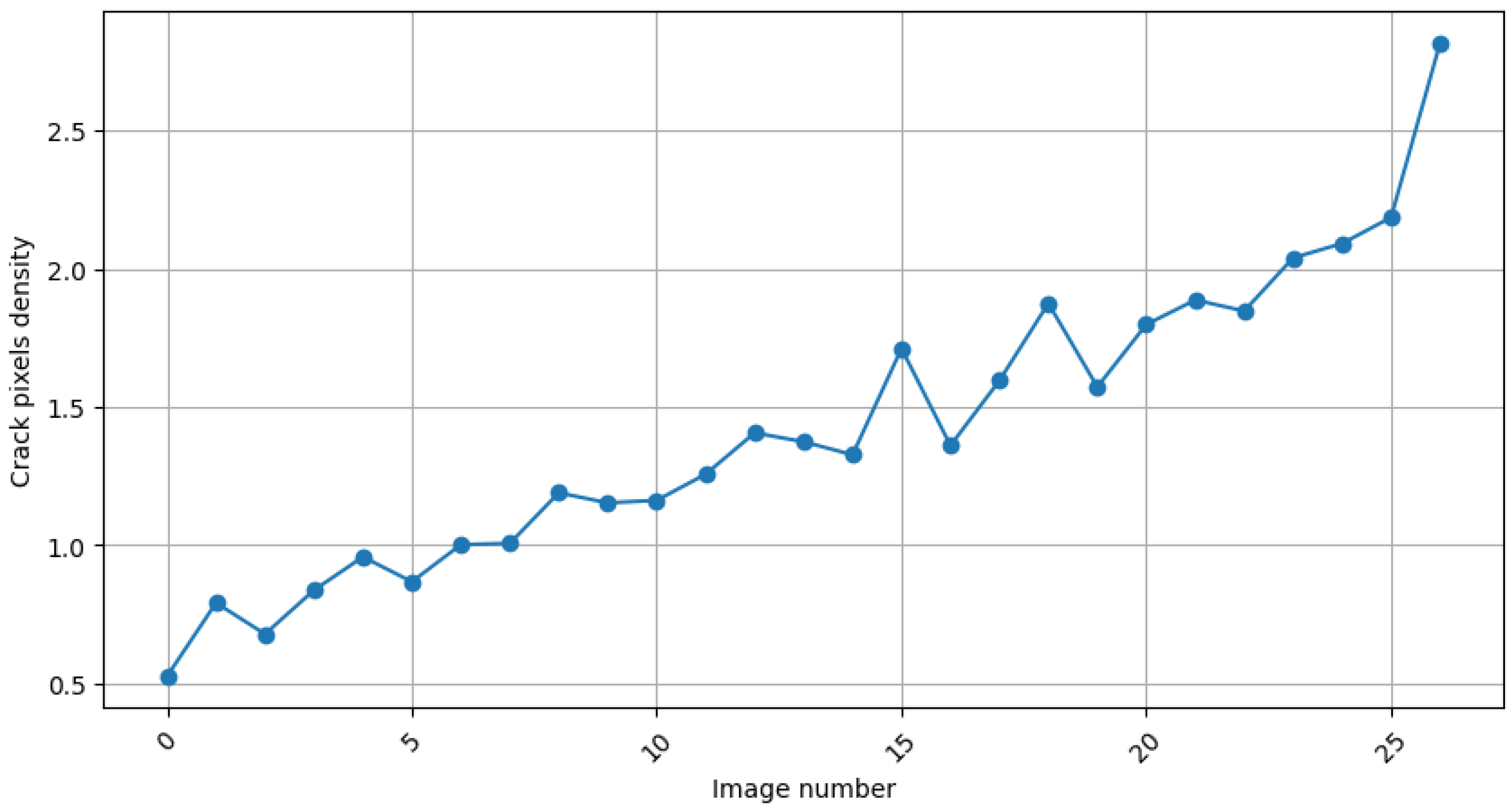
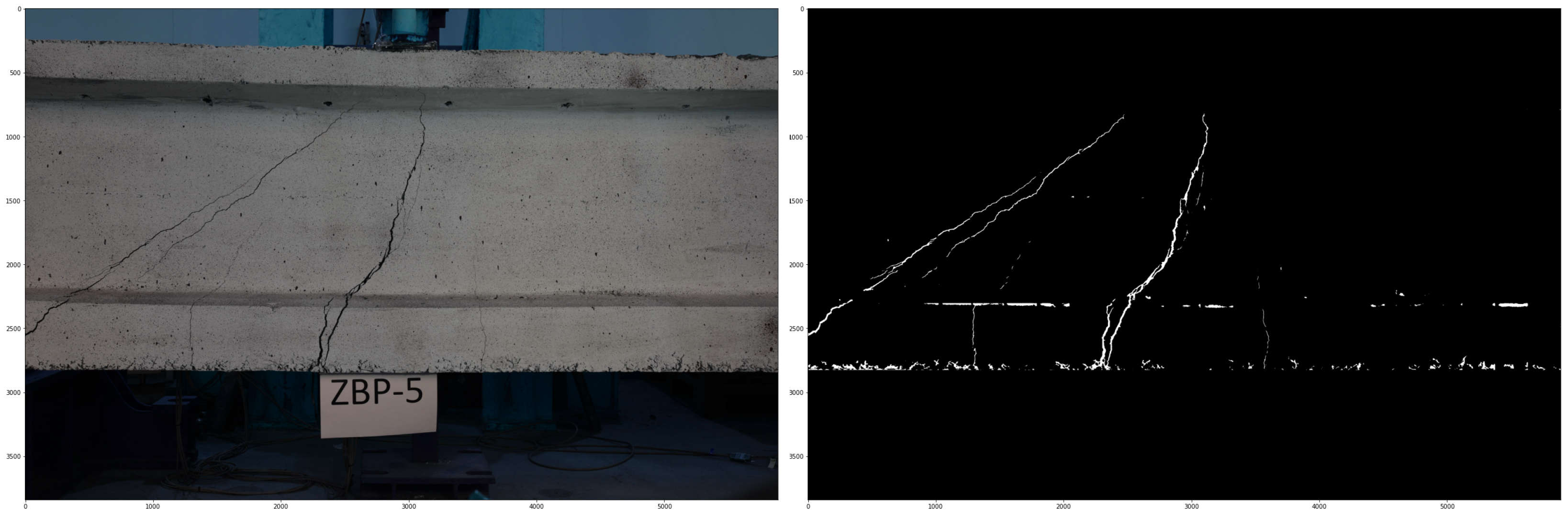
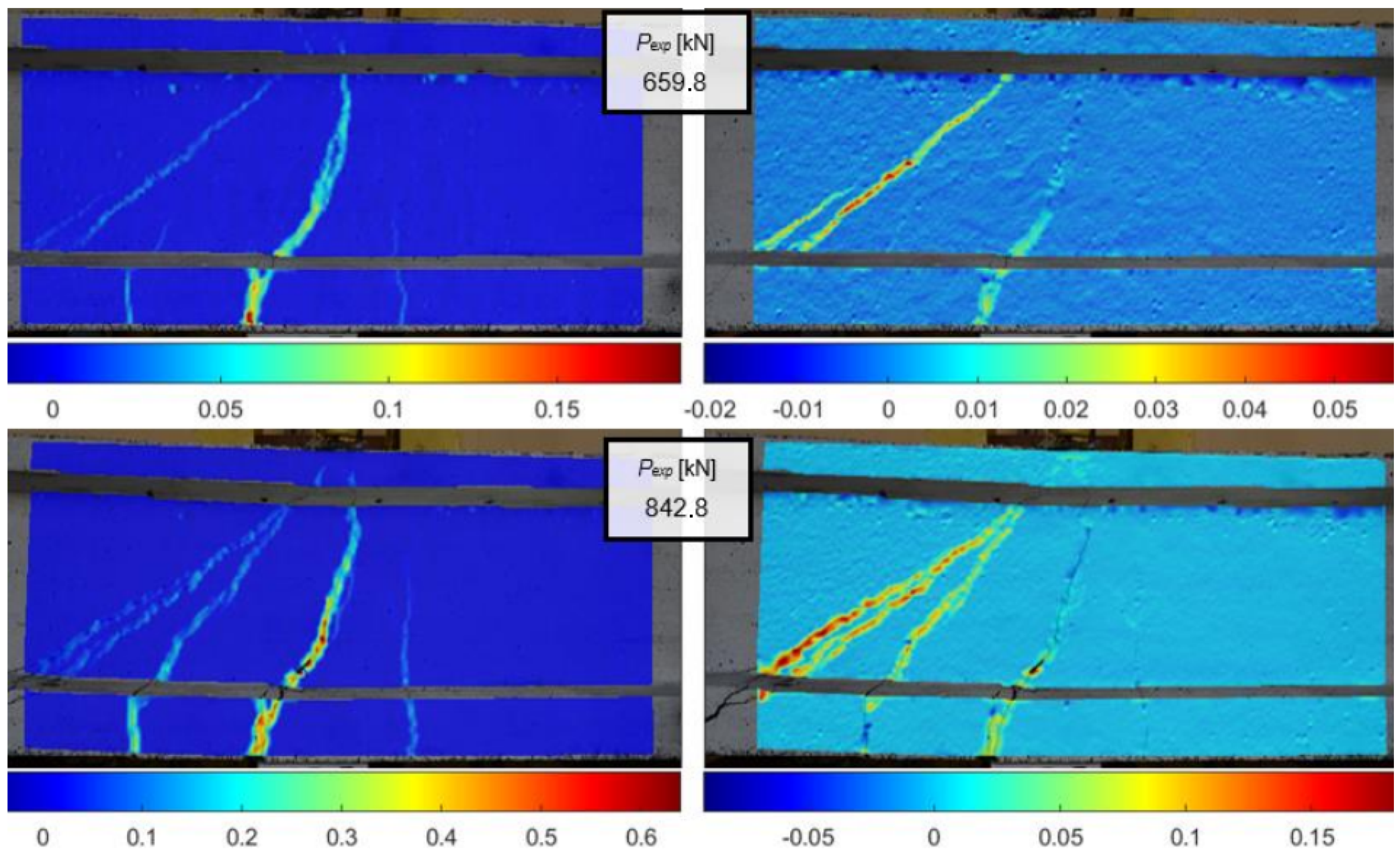
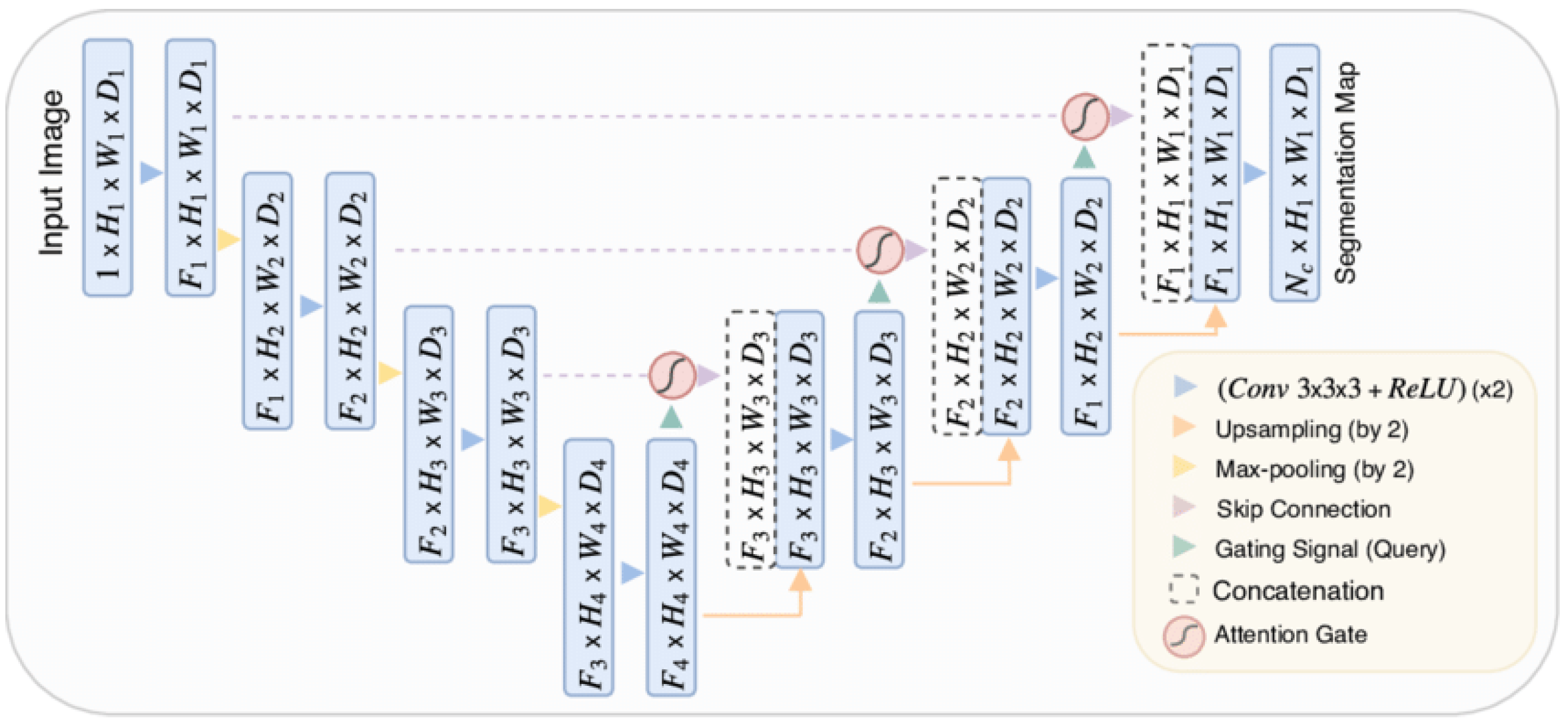
The longevity and safety of concrete precast crane beams significantly impact the operational integrity of industrial infrastructure. Assessment of surface cracks development in concrete structural elements during laboratory tests is performed mainly by applying standard tools such as linear-variable-differential transformers and strain gauges. This paper presents a novel assessment methodology combining deep convolutional neural network for image segmentation with digital image correlation method to evaluate the structural health of precast crane beams after more than fifty years of service. The study first outlines the adaptation of the deep learning U-Net architecture for detecting and segmentation of surface cracks in crane beams. Concurrently, DIC technique is employed to measure surface strains and displacements under load. The integration of these technologies enables a non-destructive, accurate, and detailed analysis, facilitating early detection of deterioration that may compromise structural safety. Initial results from field tests validate the effectiveness of our approach, demonstrating its potential as a tool for predictive maintenance of aging industrial infrastructure.
Keywords: concrete; precast; crane beam; crack; digital image correlation; convolutional neural network; U-Net; segmentation concrete; precast; crane beam; crack; digital image correlation; convolutional neural network; U-Net; segmentation