Article

Microstructural Analysis of Recast Layer Thickness and Microcrack Formation During EDM of Hastelloy C-22 with Different Graphite Electrodes

Institute of Manufacturing Technology, Faculty of Mechanical and Industrial Technology, Warsaw University of Technology, Narbutta 85, 02-524 Warsaw, Poland
*
Author to whom correspondence should be addressed.
Materials 2025, 18(23), 5338; https://doi.org/10.3390/ma18235338
Submission received: 5 November 2025 / Revised: 21 November 2025 / Accepted: 25 November 2025 / Published: 27 November 2025

Abstract

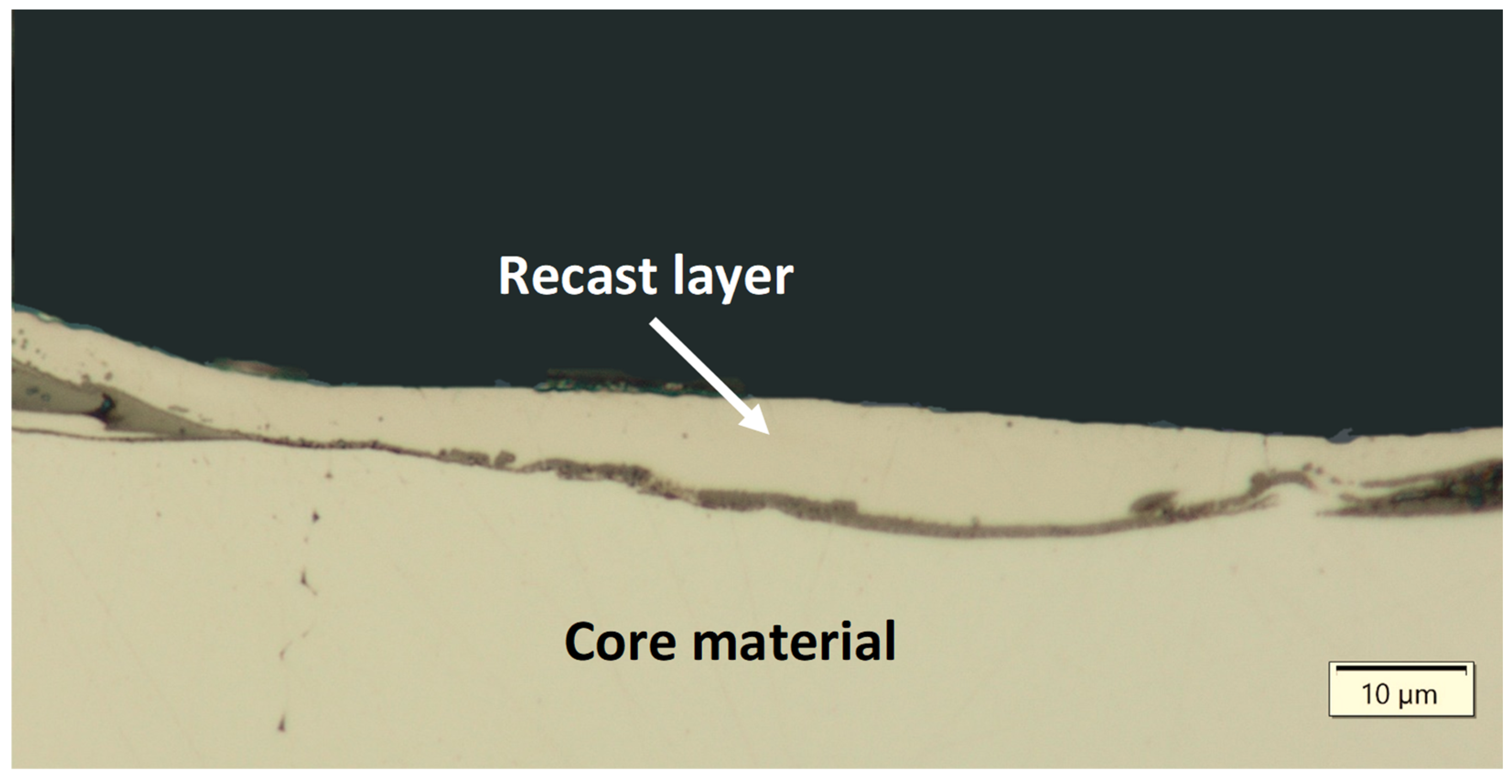
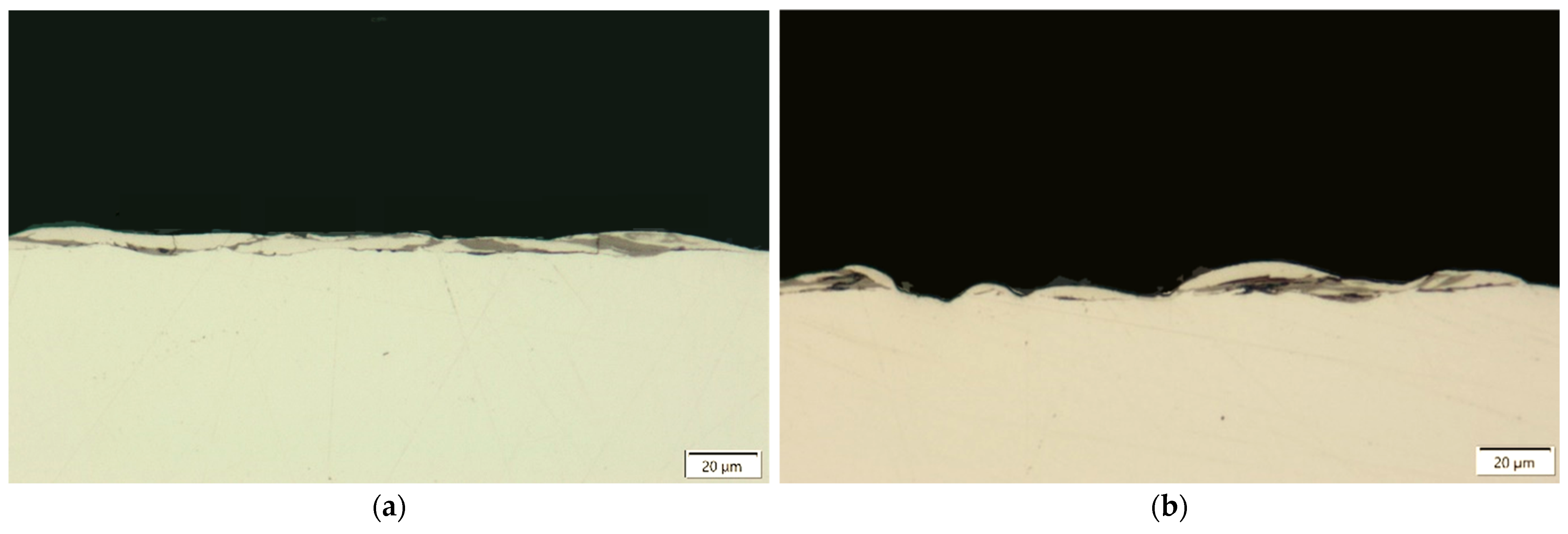
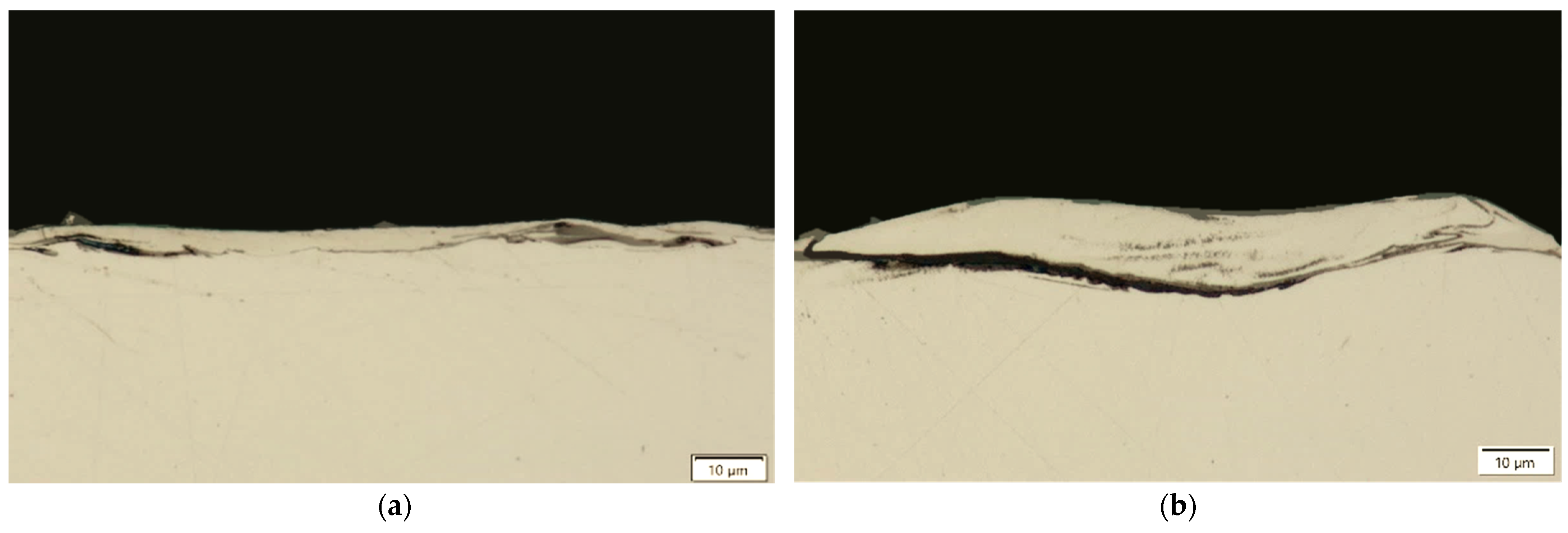
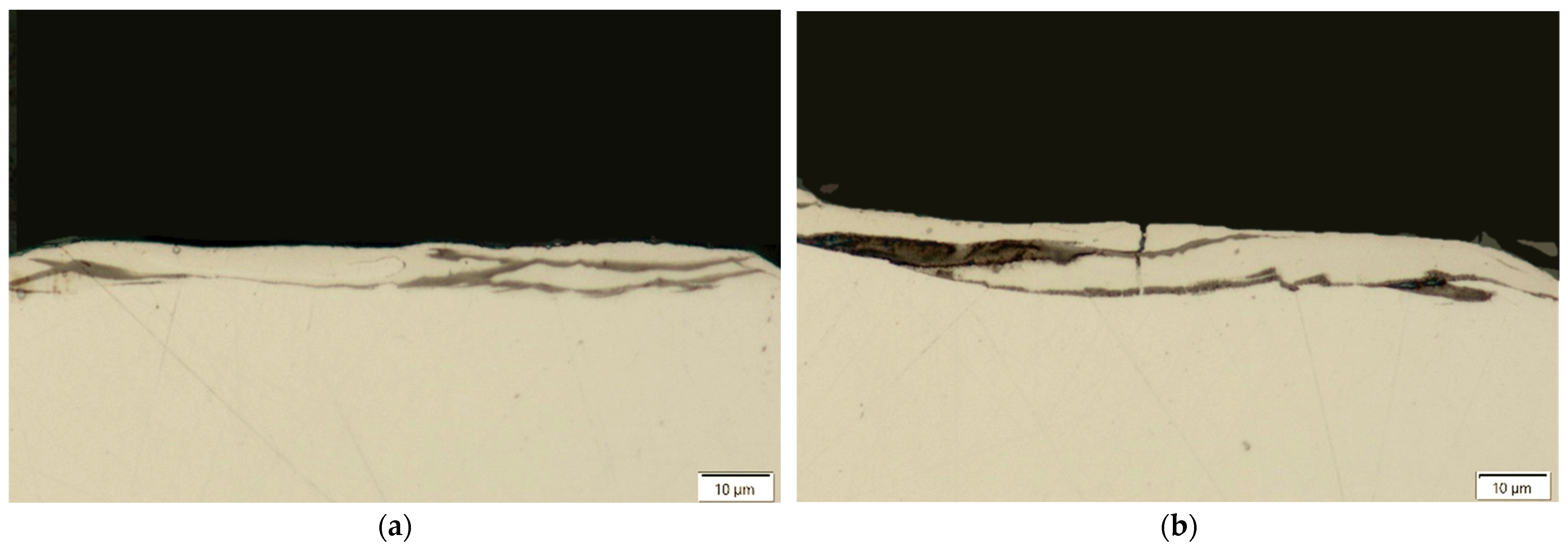
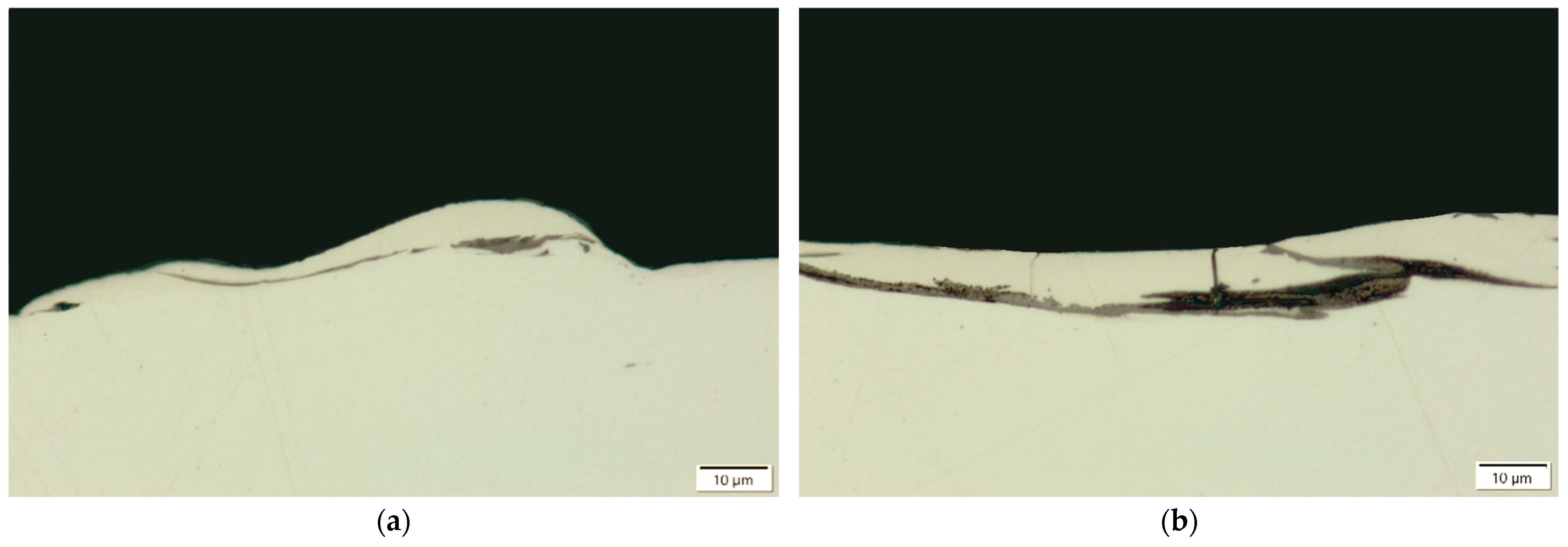
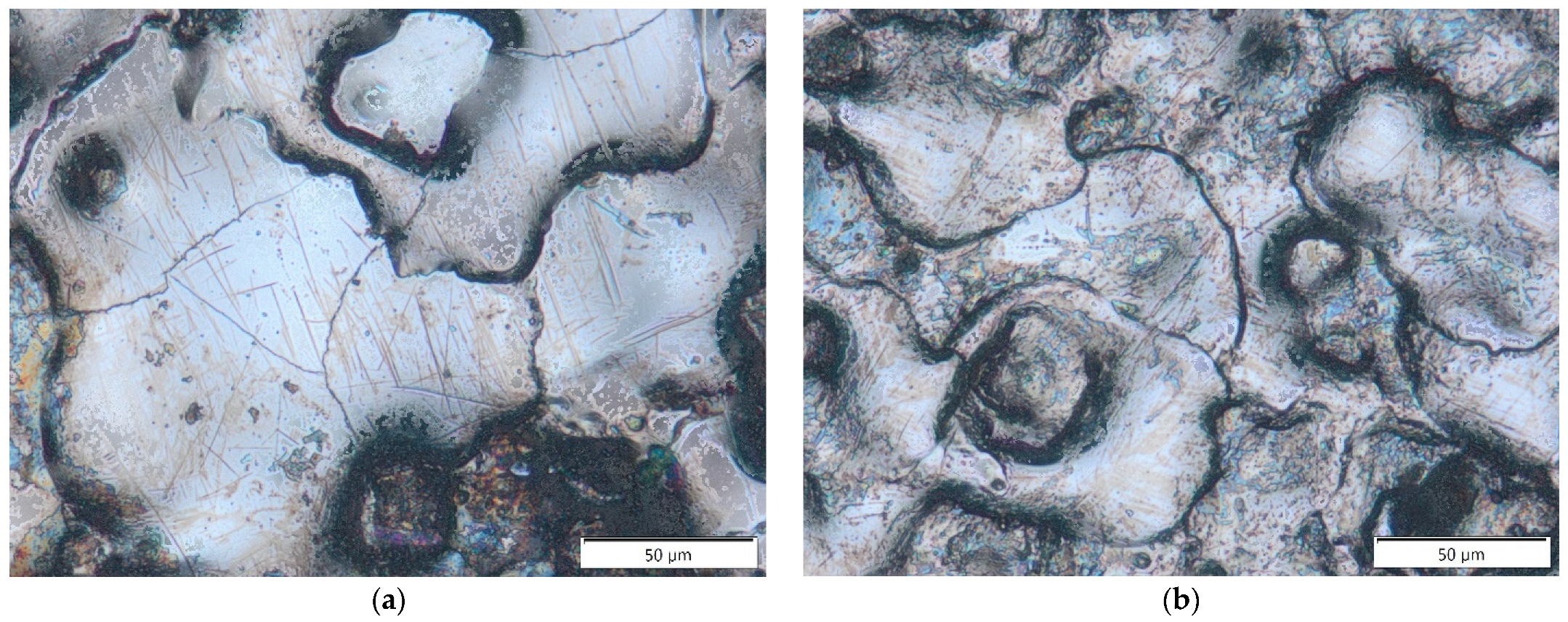
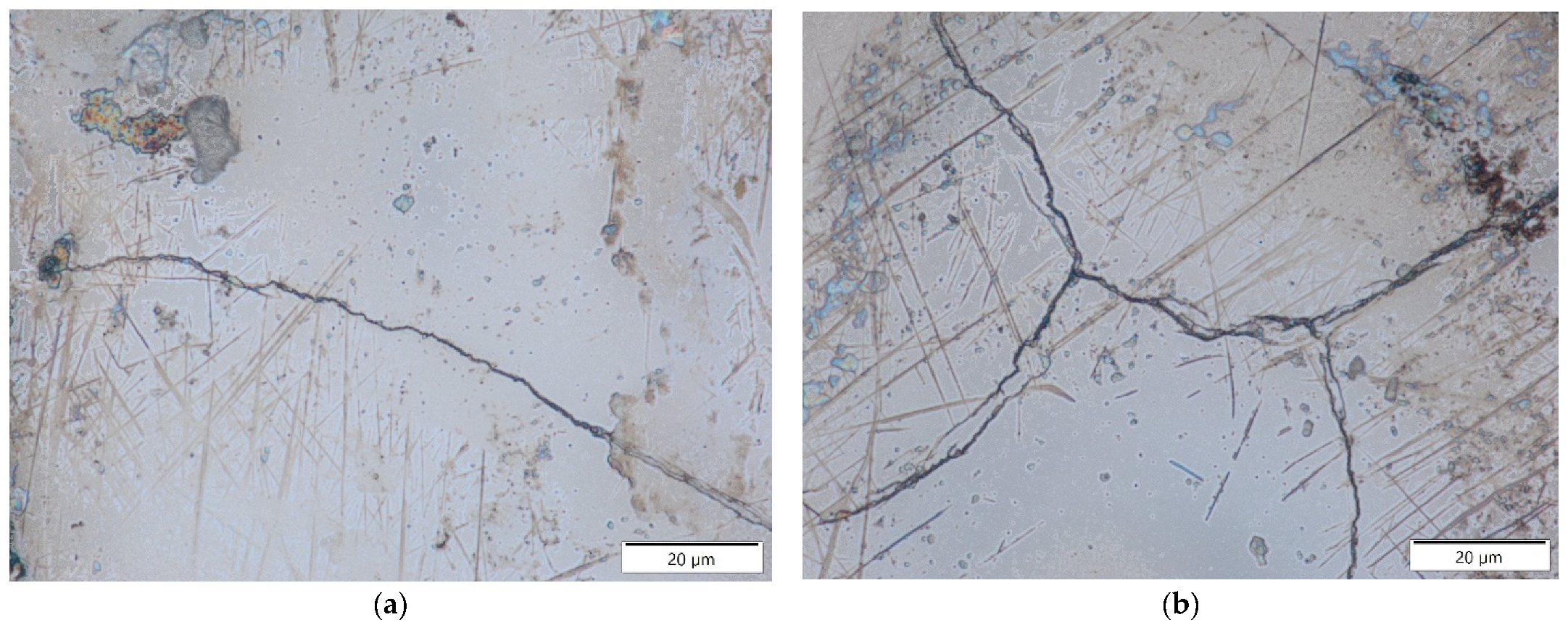
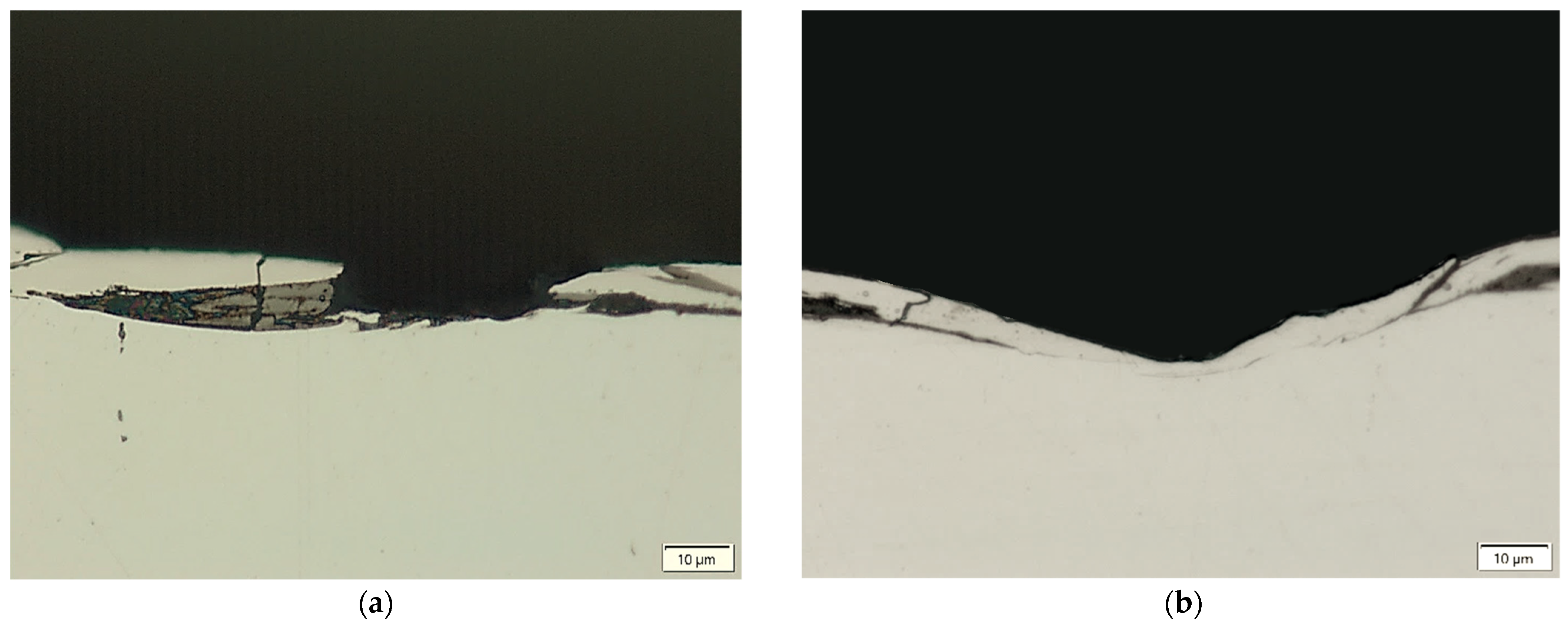
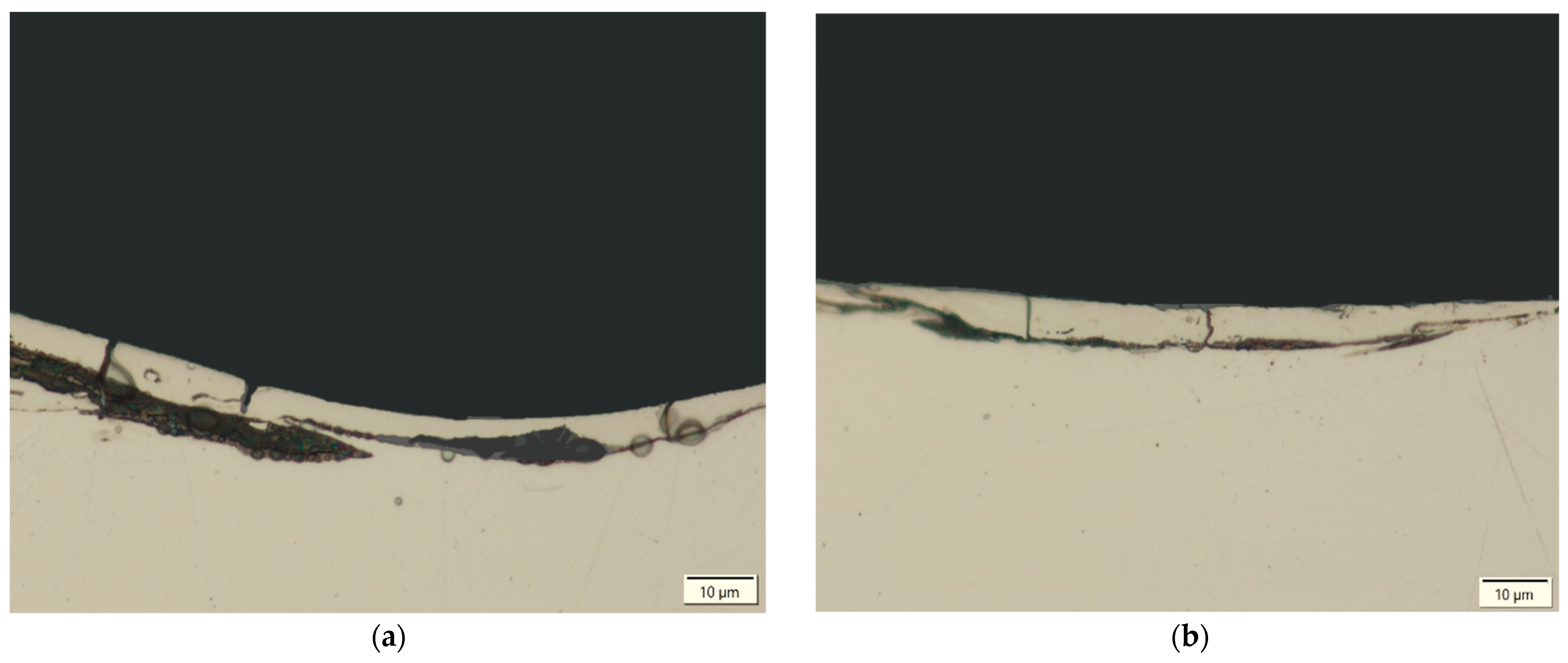
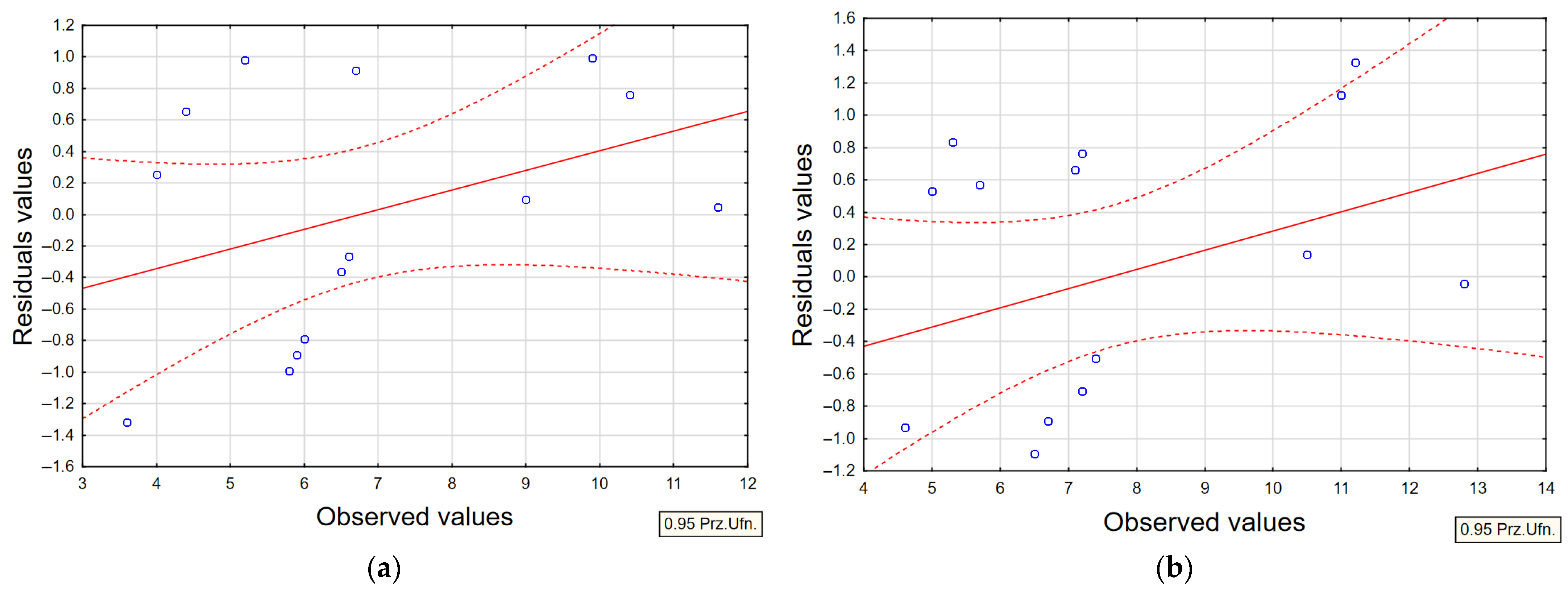
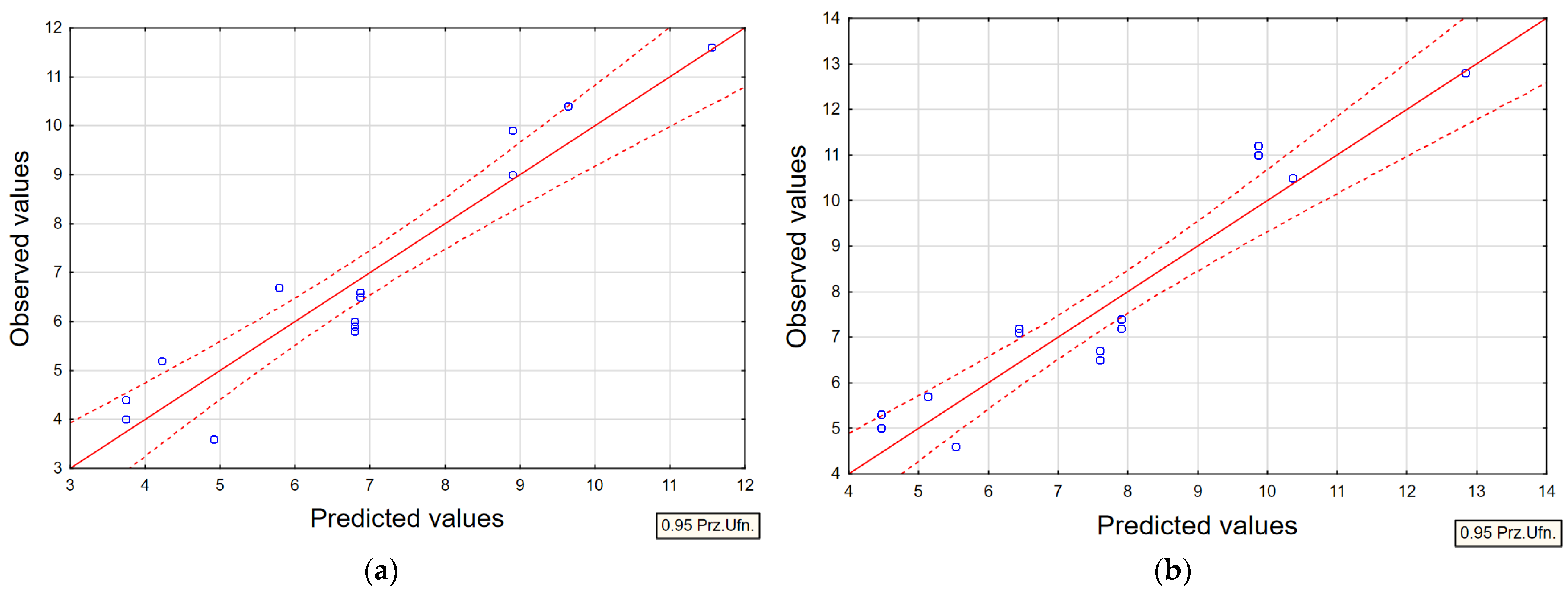
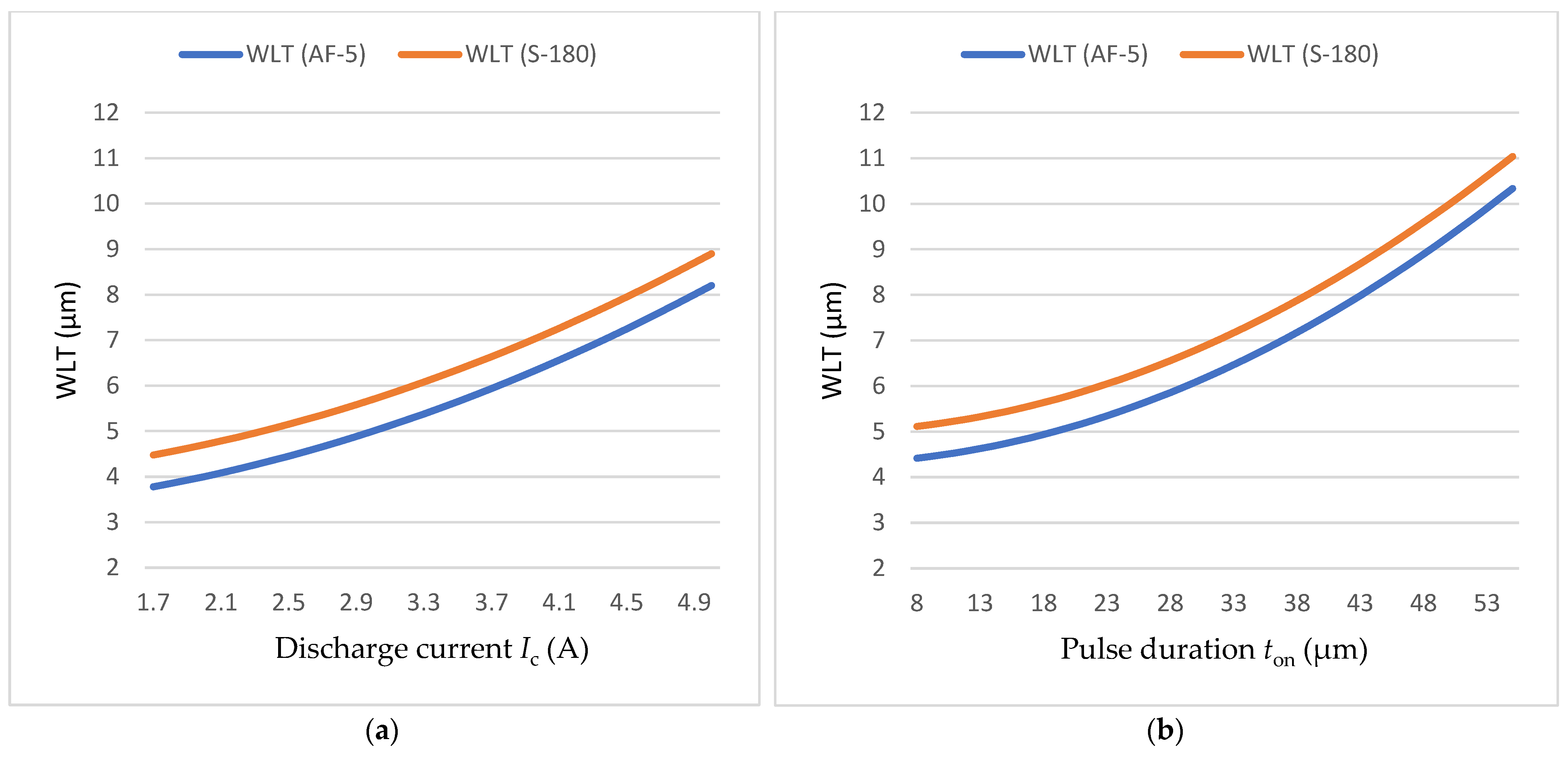
Electrical discharge machining is a non-conventional shaping technique applied to electrically conductive, difficult-to-machine alloys, such as Hastelloy C-22. This study investigates the influence of graphite electrode properties and key machining parameters on the average thickness of the recast layer under positive polarity. Two POCO graphite electrodes with different grain sizes—AF-5 (1 μm) and S-180 (10 μm)—were used to examine the effects of discharge current, pulse duration, and interval on recast layer formation. Metallographic analyses measured layer thickness and observed microstructural defects, including microcracks. Results show that discharge current and pulse duration are the primary factors controlling recast layer thickness, with higher currents and longer pulses producing thicker layers due to resolidification of molten material remaining in the plasma-formed crater. The coarser S-180 electrode caused slightly higher microcrack density and greater thickness variations due to its lower electrical resistivity. Pulse interval mainly influenced discharge stability and debris removal, with minimal effect on average layer thickness. Statistical regression models were developed to quantify the relationships between machining parameters, electrode type, and recast layer thickness, providing predictive tools for selecting optimal conditions. These findings contribute to improving surface integrity and process control in electrical discharge machining of nickel-based alloys.
Keywords: electrical discharge machining (EDM); recast layer thickness; microcracks; Hastelloy C-22; graphite electrodes; grain size electrical discharge machining (EDM); recast layer thickness; microcracks; Hastelloy C-22; graphite electrodes; grain size