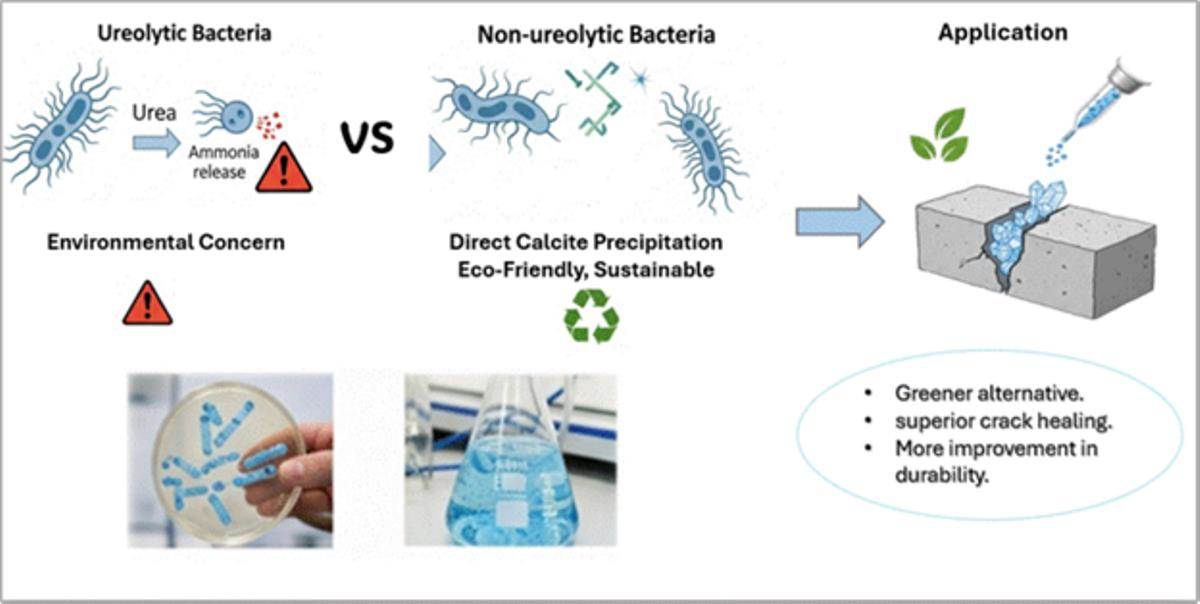
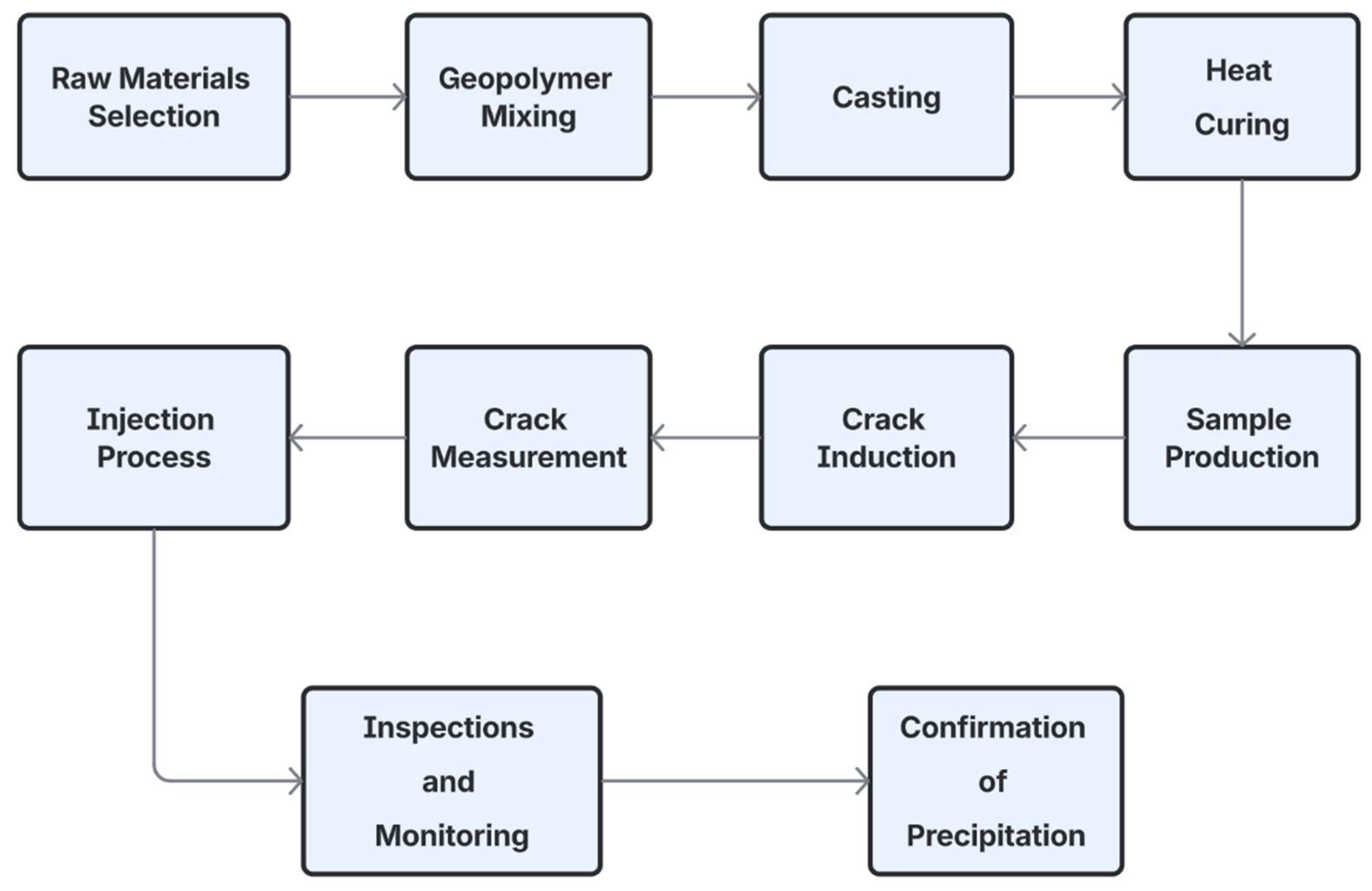
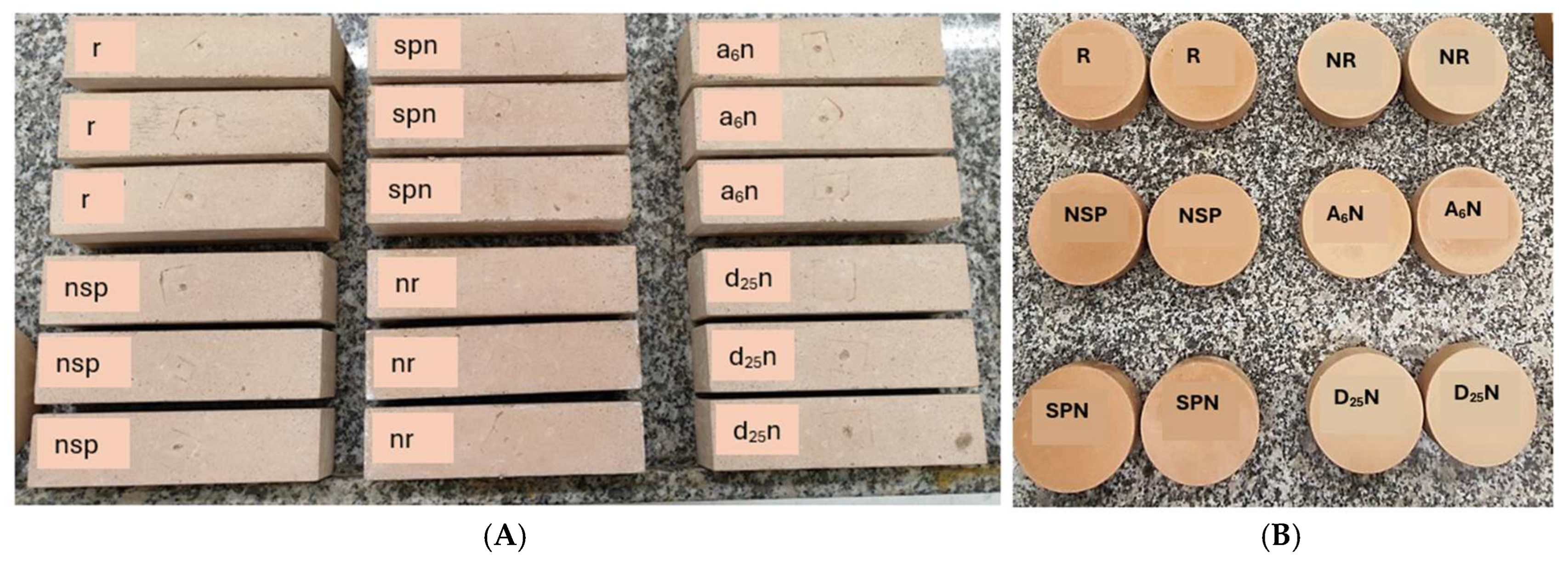
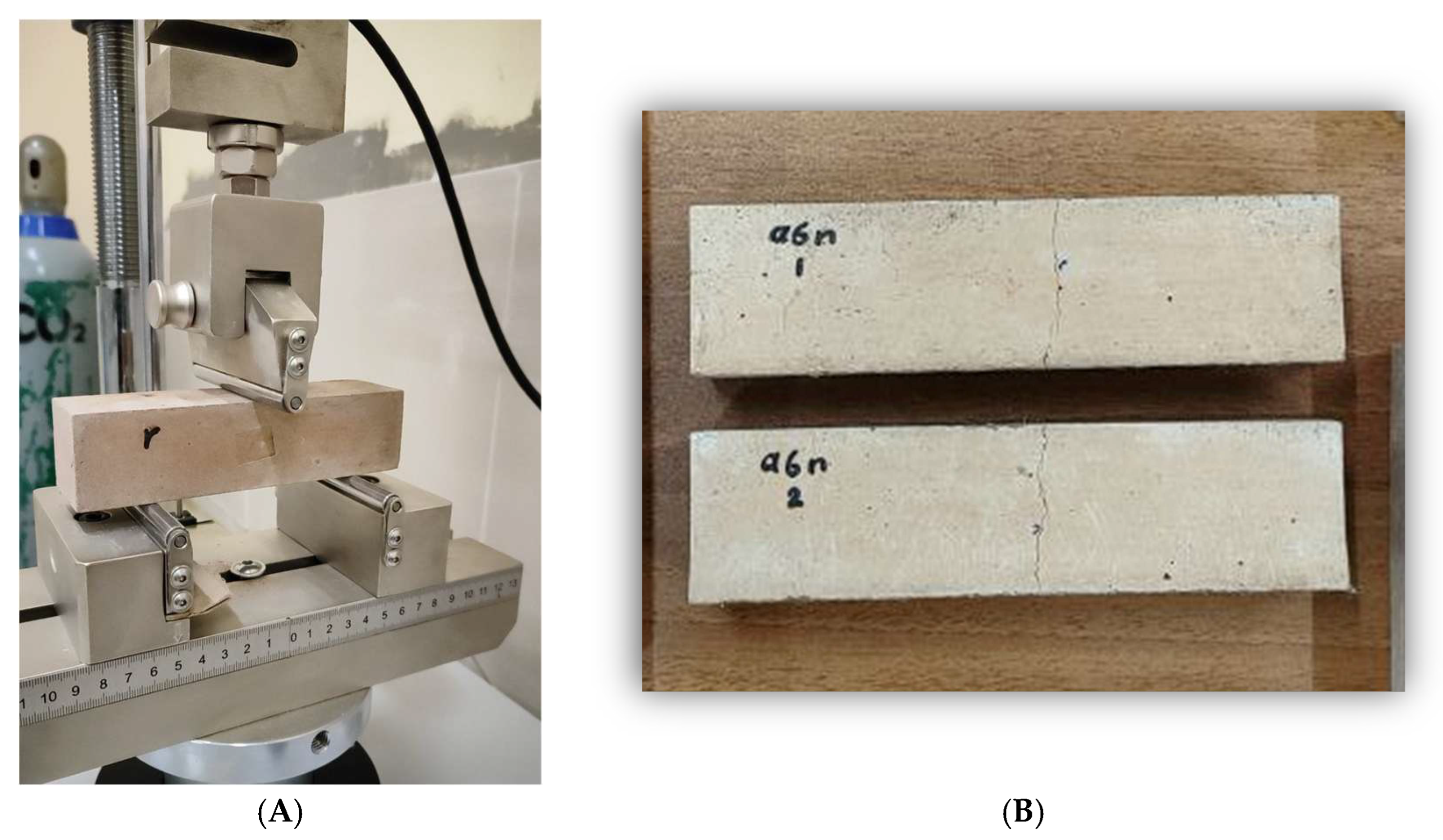
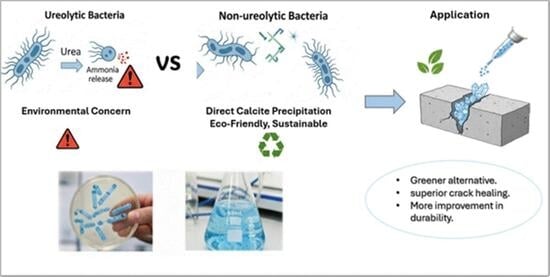
Experimental Verification of Calcite Formation Potential by Ureolytic and Non-Ureolytic Bacterial Strains in Geopolymer Mortar

 ,
,  , , and
 Abstract
Share and Cite
Al Hayo, B.; Canpolat, O.; Doğruöz Güngör, N.; Uysal, M.; Ahamada Rachid, N.; Ali, I. Experimental Verification of Calcite Formation Potential by Ureolytic and Non-Ureolytic Bacterial Strains in Geopolymer Mortar. Materials 2025, 18, 4795. https://doi.org/10.3390/ma18204795
Al Hayo B, Canpolat O, Doğruöz Güngör N, Uysal M, Ahamada Rachid N, Ali I. Experimental Verification of Calcite Formation Potential by Ureolytic and Non-Ureolytic Bacterial Strains in Geopolymer Mortar. Materials. 2025; 18(20):4795. https://doi.org/10.3390/ma18204795
Chicago/Turabian StyleAl Hayo, Bashar, Orhan Canpolat, Nihal Doğruöz Güngör, Mücteba Uysal, Nahdhoit Ahamada Rachid, and Issam Ali. 2025. "Experimental Verification of Calcite Formation Potential by Ureolytic and Non-Ureolytic Bacterial Strains in Geopolymer Mortar" Materials 18, no. 20: 4795. https://doi.org/10.3390/ma18204795
APA StyleAl Hayo, B., Canpolat, O., Doğruöz Güngör, N., Uysal, M., Ahamada Rachid, N., & Ali, I. (2025). Experimental Verification of Calcite Formation Potential by Ureolytic and Non-Ureolytic Bacterial Strains in Geopolymer Mortar. Materials, 18(20), 4795. https://doi.org/10.3390/ma18204795