Article

The In Vivo Toxicity and Antimicrobial Properties for Electrolyzed Oxidizing (EO) Water-Based Mouthwashes


1
Graduate Institute of Nanomedicine and Medical Engineering, College of Biomedical Engineering, Taipei Medical University, Taipei 110–52, Taiwan
2
School of Dentistry, Taipei Medical University, Taipei 110–52, Taiwan
3
Institute of Chemistry, Vilnius University, Naugarduko 24, LT-03225 Vilnius, Lithuania
4
Research Center of Biomedical Device, Taipei Medical University, Taipei 110–52, Taiwan
5
International Ph.D. Program in Biomedical Engineering, College of Biomedical Engineering, Taipei Medical University, Taipei 110–52, Taiwan
6
Research Center of Digital Oral Science and Technology, Taipei Medical University, Taipei 110–52, Taiwan
*
Author to whom correspondence should be addressed.
These authors contributed equally to this work.
Materials 2020, 13(19), 4299; https://doi.org/10.3390/ma13194299
Submission received: 20 August 2020 / Revised: 13 September 2020 / Accepted: 24 September 2020 / Published: 26 September 2020
(This article belongs to the Special Issue Biomaterials and Technologies in Dentistry)

Abstract

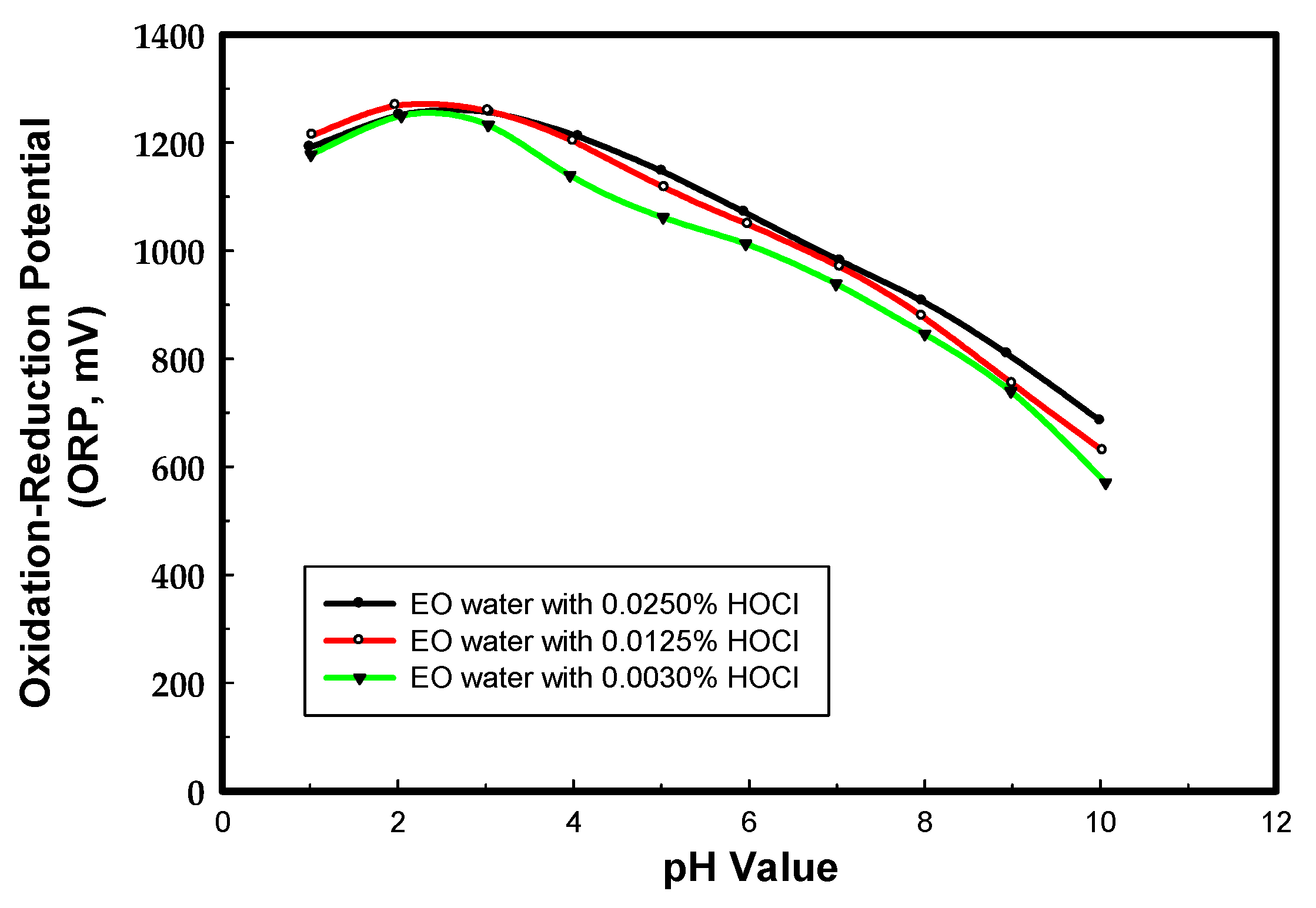
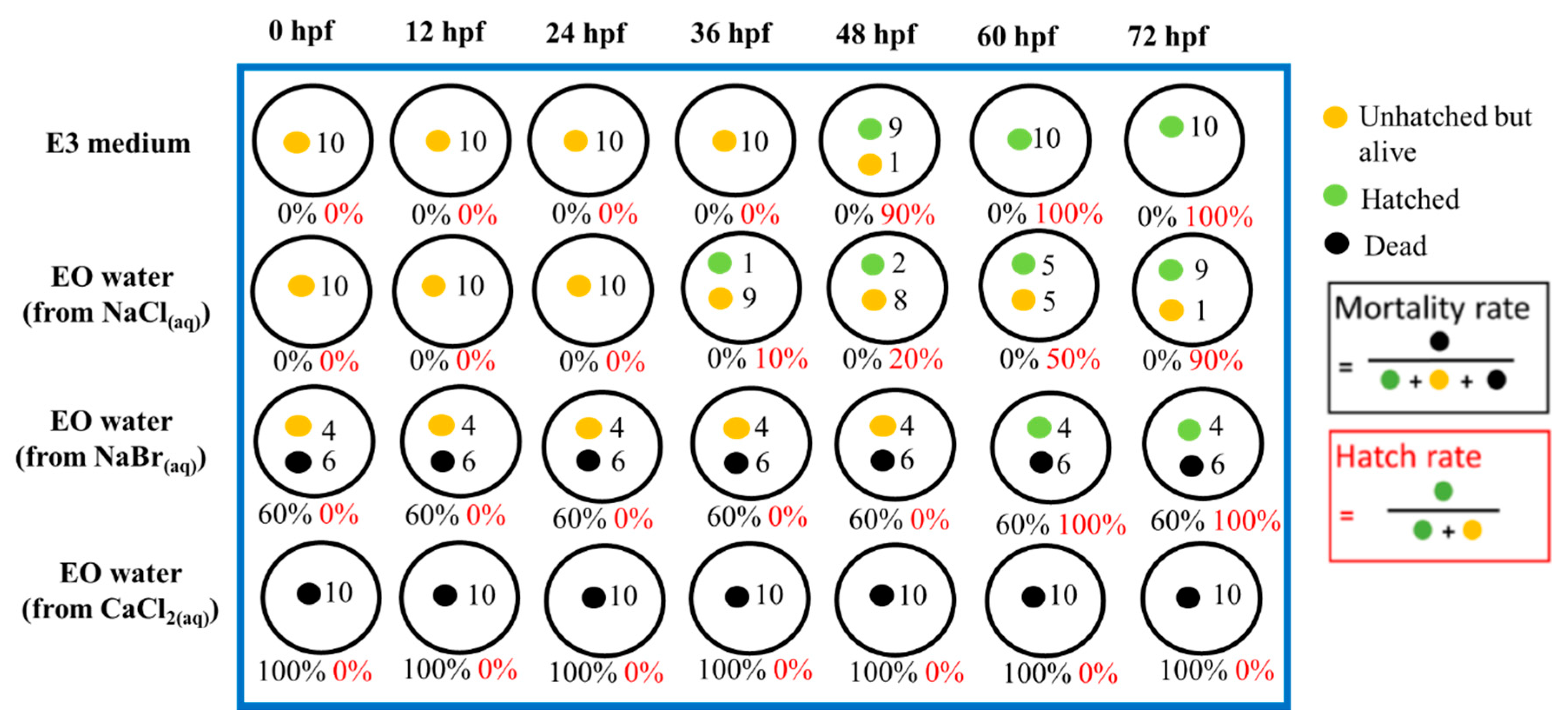
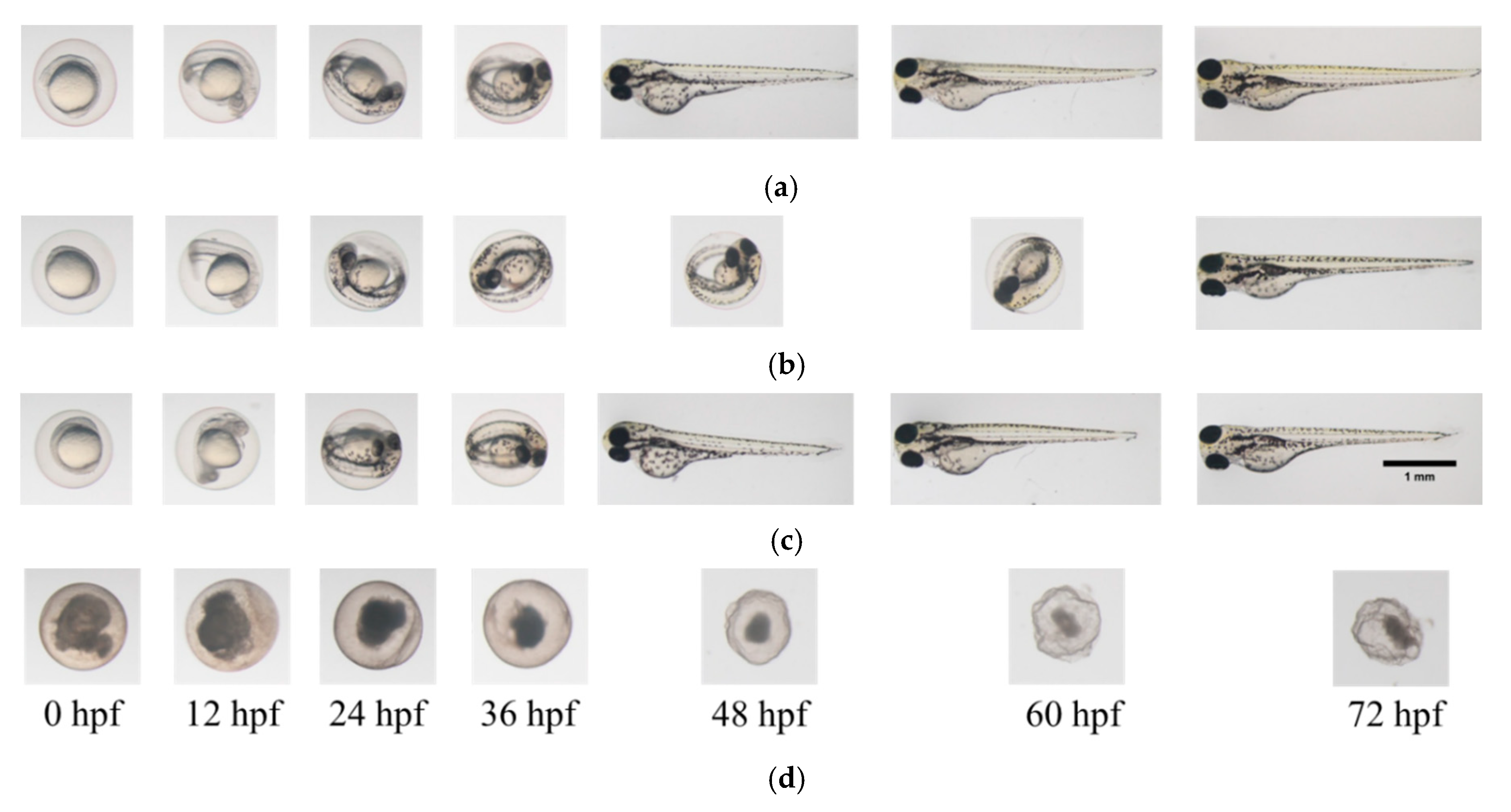
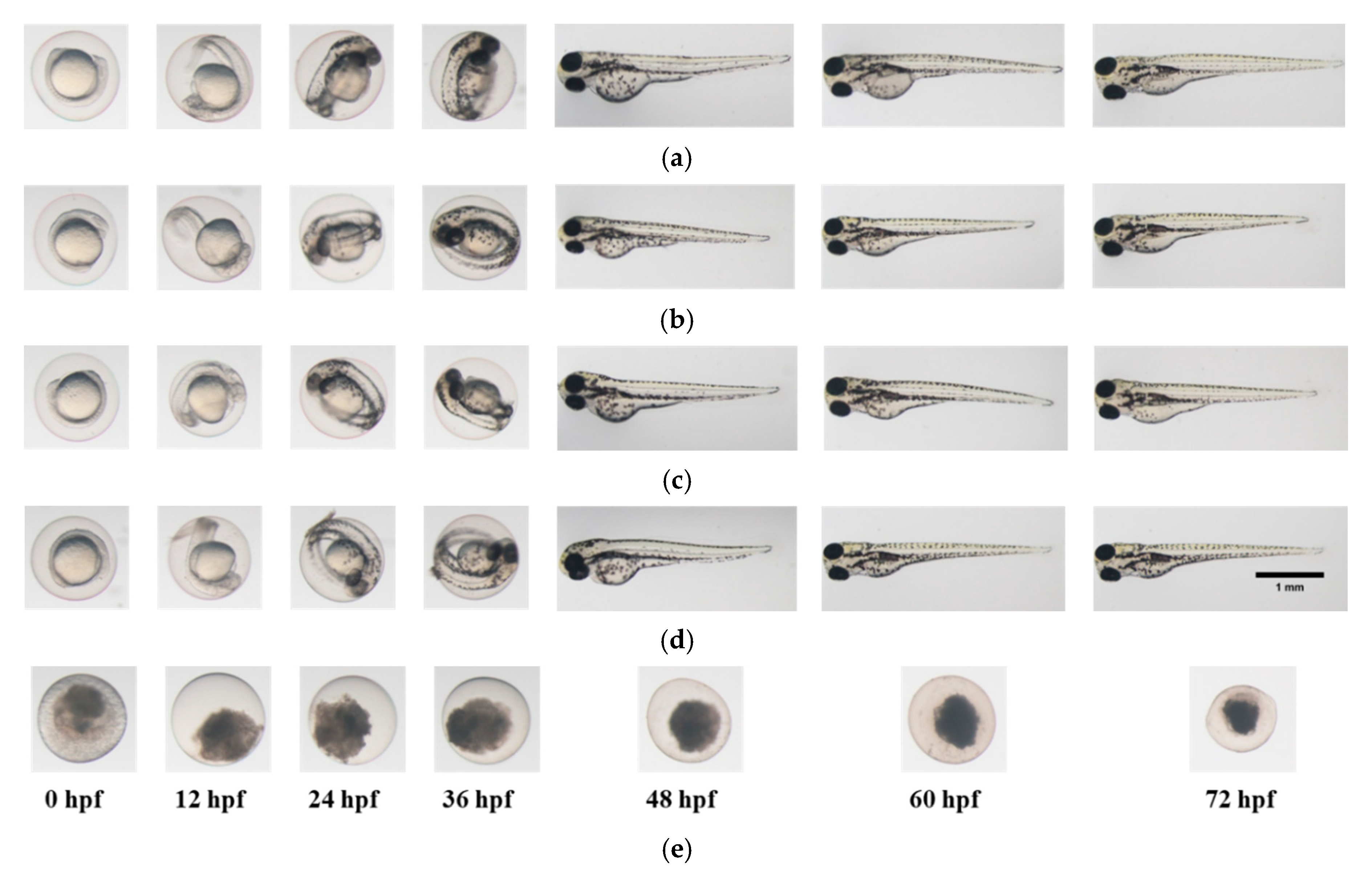
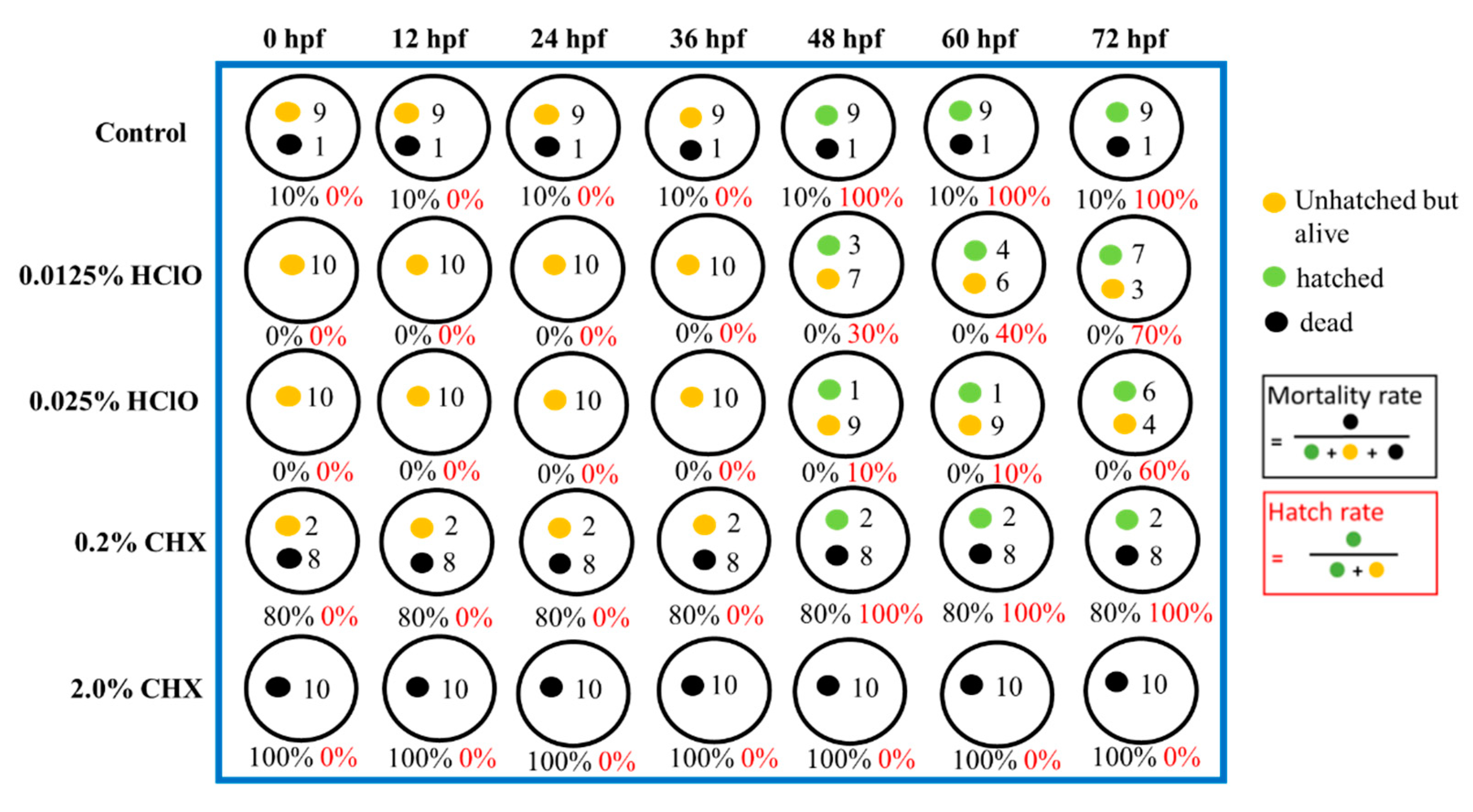
The objective of this study was to verify the feasibility of electrolyzed oxidizing (EO) water as a mouthwash through the evaluation of its in vivo toxicity by embryonic zebrafish and antimicrobial efficacy against Streptococcus mutans (S. mutans). Methodology: Each 1.5–3.0 g of sodium chloride (NaCl), sodium bromide (NaBr), or calcium chloride (CaCl2) were added into an electrolyzer with 300 mL of DD water to produce electrolyzed oxidizing (EO) water. A zebrafish embryo assay was used to evaluate acute toxicity of specimens. Antimicrobial property was conducted with 100 μL microbial count of 1 × 10⁸ cfu/mL S. mutans to blend with each 10 mL specimen of chlorhexidine (CHX) gluconate or hypochlorous acid (HOCl) for various time points. The concentration of viable microorganisms was assessed according to individually standardized inoculum by a plate-count method. Results: Among the EO water produced from NaCl, NaBr, and CaCl2, the EO water from NaCl showed a relatively low mortality rate of zebrafish embryos and was chosen for a detailed investigation. The mortality rates for the groups treated with EO water containing 0.0125% and 0.0250% HOCl were not statically different from those of a negative control, however the mortality rate was 66.7 ± 26.2% in 0.2% CHX gluconate for the same treatment time of 0.5 min. All of the HOCl or 2.0% CHX gluconate groups showed >99.9% antimicrobial effectiveness against S. mutans; while the 0.2% CHX gluconate group showed a bacterial reduction rate of 87.5% and 97.1% for treatment times of 0.5 min and 1.0 min, respectively. Conclusions: Except for the 0.2% CHX gluconate, all the HOCl specimens and 2.0% CHX gluconate revealed similar antimicrobial properties (>99.9%) against S. mutans. The EO water comprised of both 0.0125% and 0.0250% HOCl showed >99.9% antimicrobial efficacy but with little in vivo toxicity, illuminating the possibility as an alternative mouthwash for dental and oral care.
Keywords: in vivo toxicity; electrolyzed oxidizing (EO) water; chlorhexidine (CHX) gluconate; zebrafish; Streptococcus mutans (S. mutans) in vivo toxicity; electrolyzed oxidizing (EO) water; chlorhexidine (CHX) gluconate; zebrafish; Streptococcus mutans (S. mutans)