Article

Optimization of Residential Indoor Thermal Environment by Passive Design and Mechanical Ventilation in Tropical Savanna Climate Zone in Nigeria, Africa


1
School of Jangho Architecture, Northeastern University, Shenyang 110169, China
2
School of Architecture and Urban Planning, Beijing University of Civil Engineering and Architecture, Beijing 100044, China
3
School of Architecture and Fine Art, Dalian University of Technology, Dalian 116023, China
*
Author to whom correspondence should be addressed.
Energies 2025, 18(3), 450; https://doi.org/10.3390/en18030450
Submission received: 12 November 2024 / Revised: 9 January 2025 / Accepted: 10 January 2025 / Published: 21 January 2025
(This article belongs to the Special Issue The Application of Weather and Climate Research in the Energy Sector)

Abstract

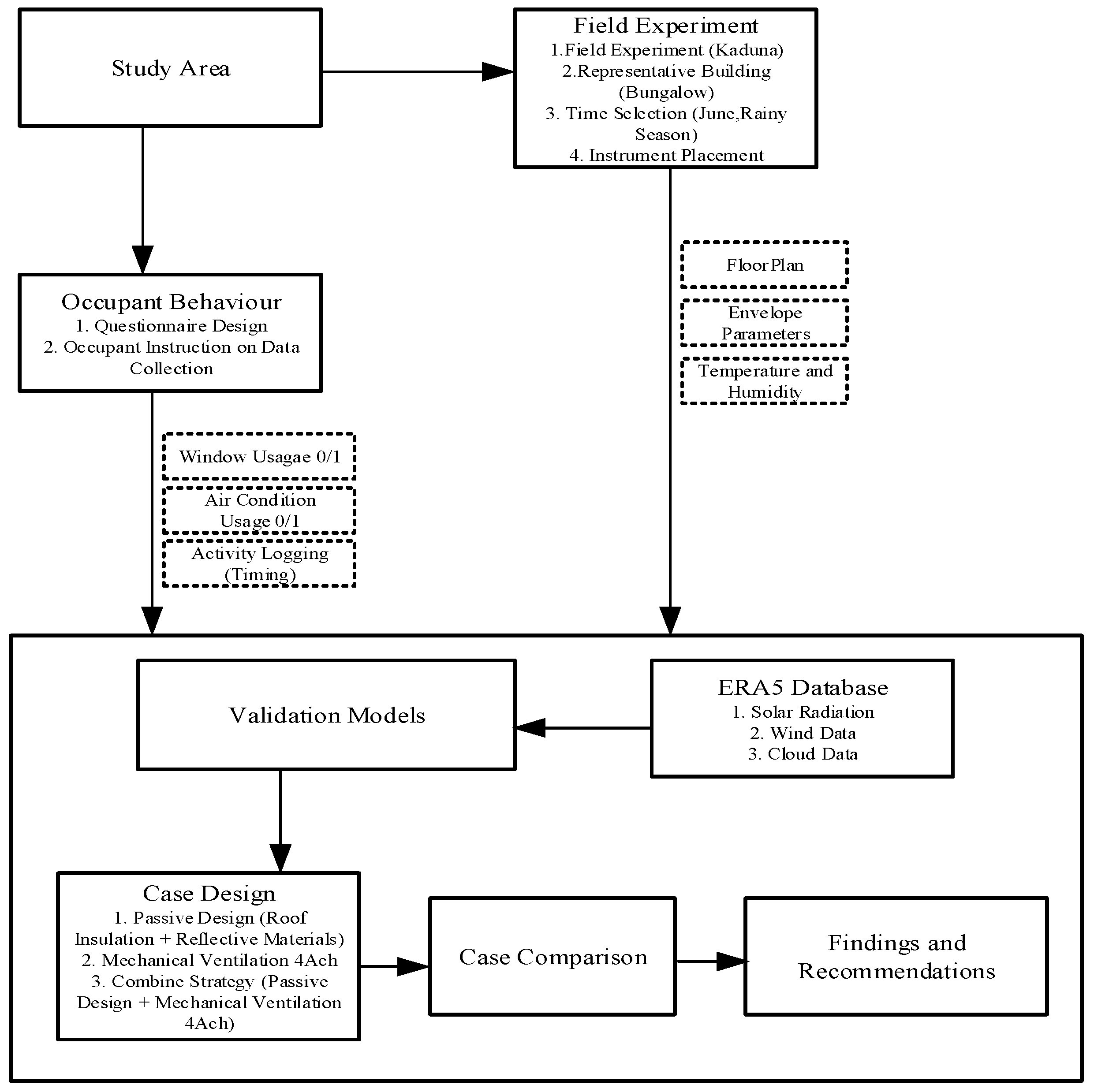
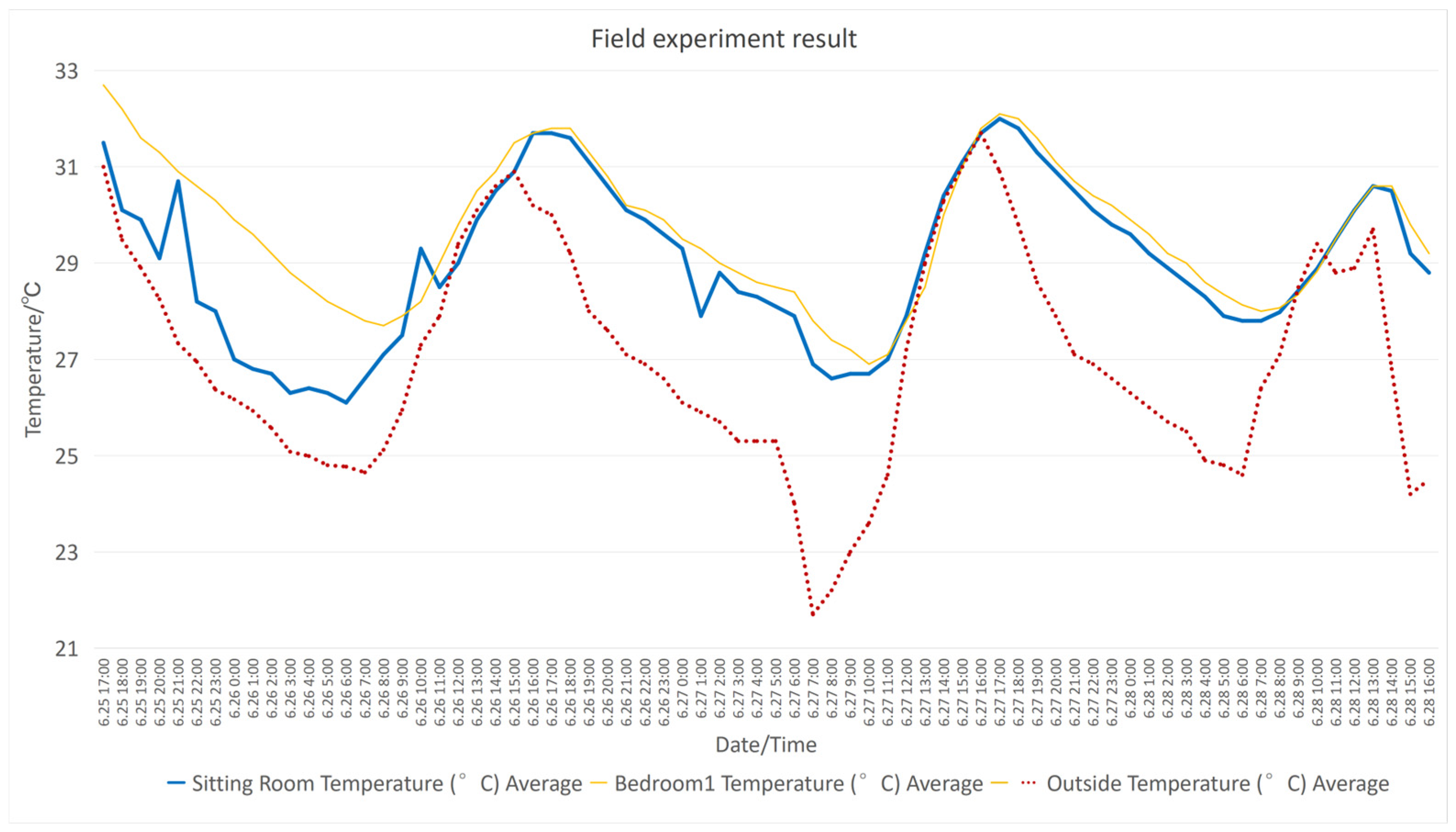
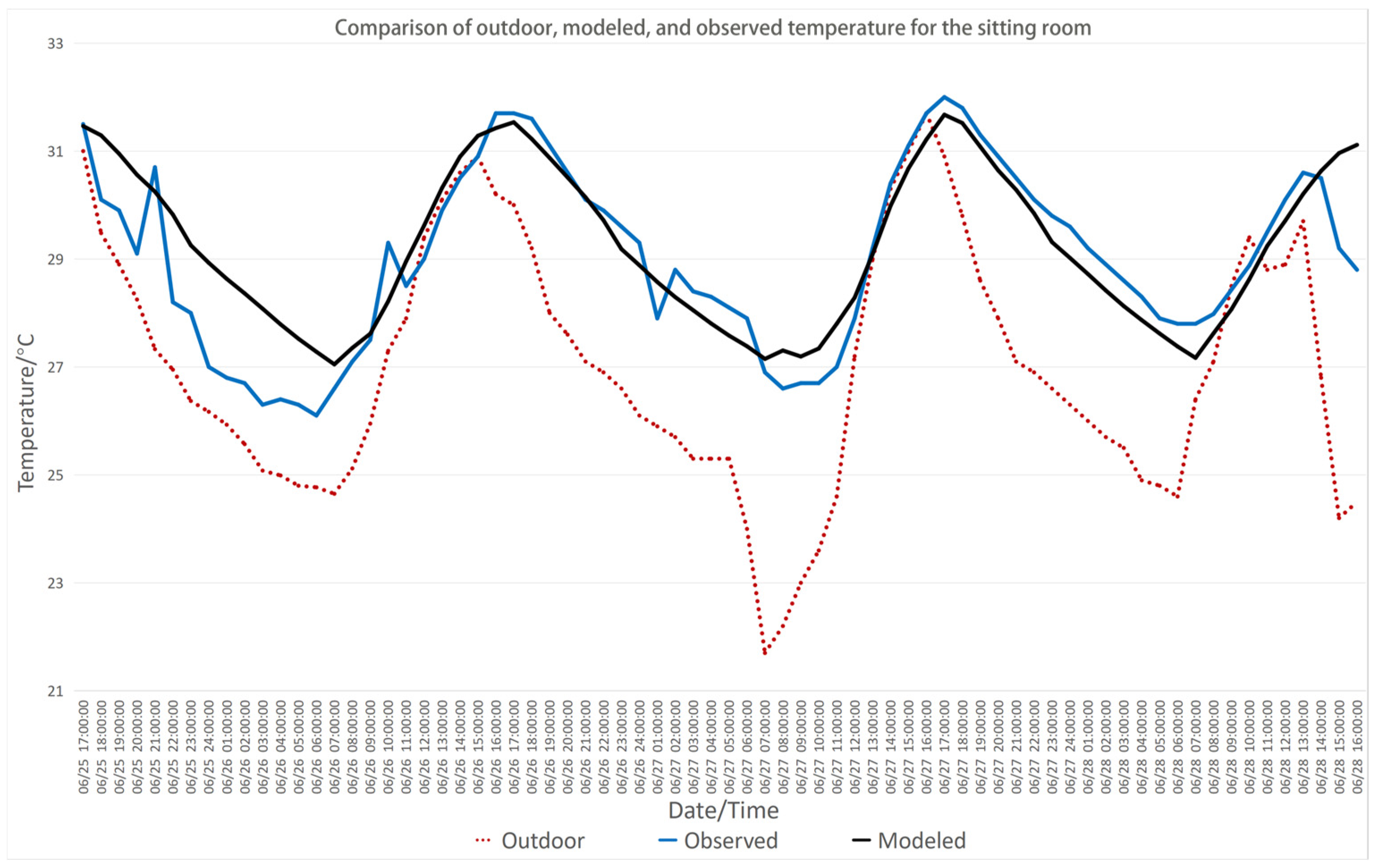
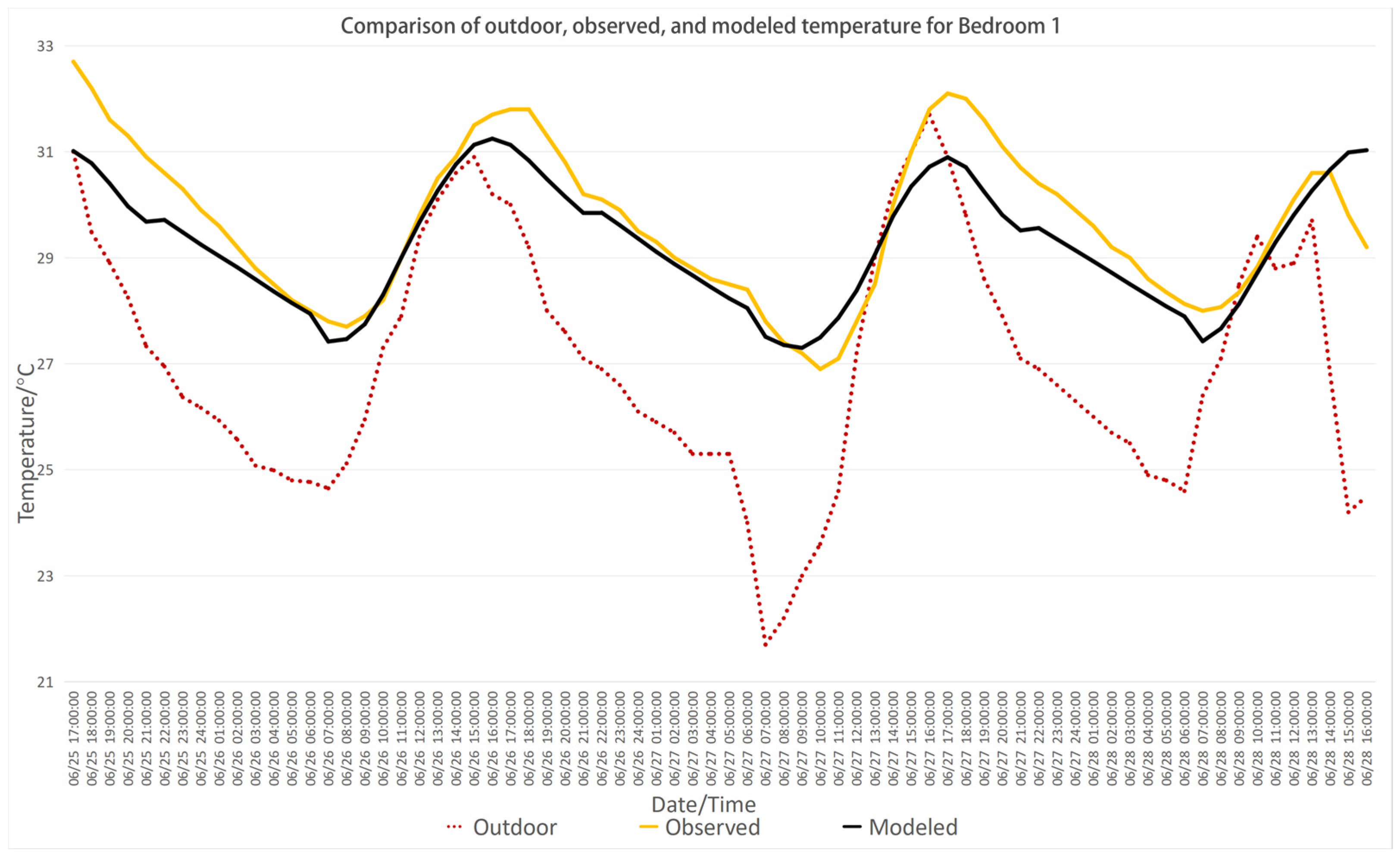
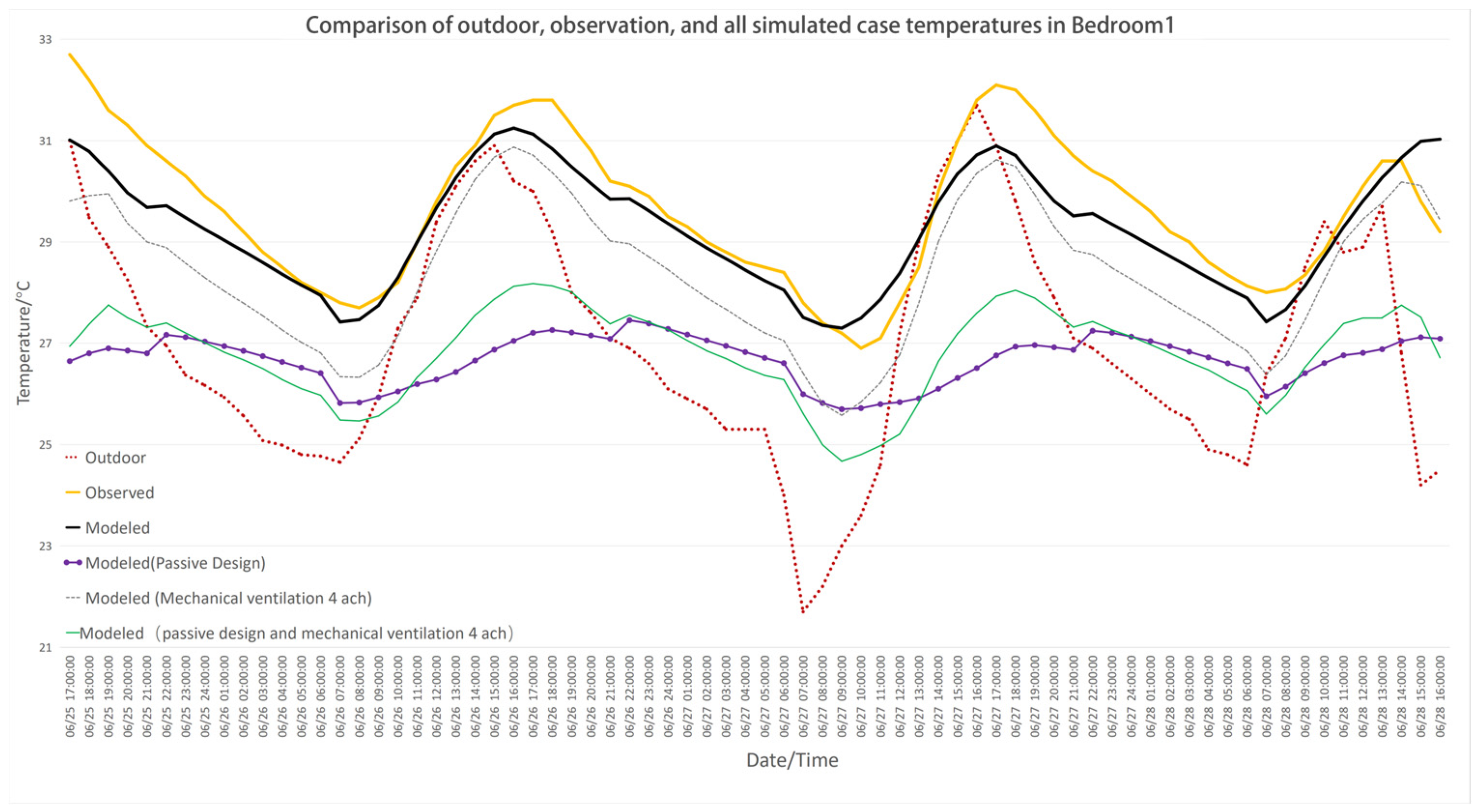
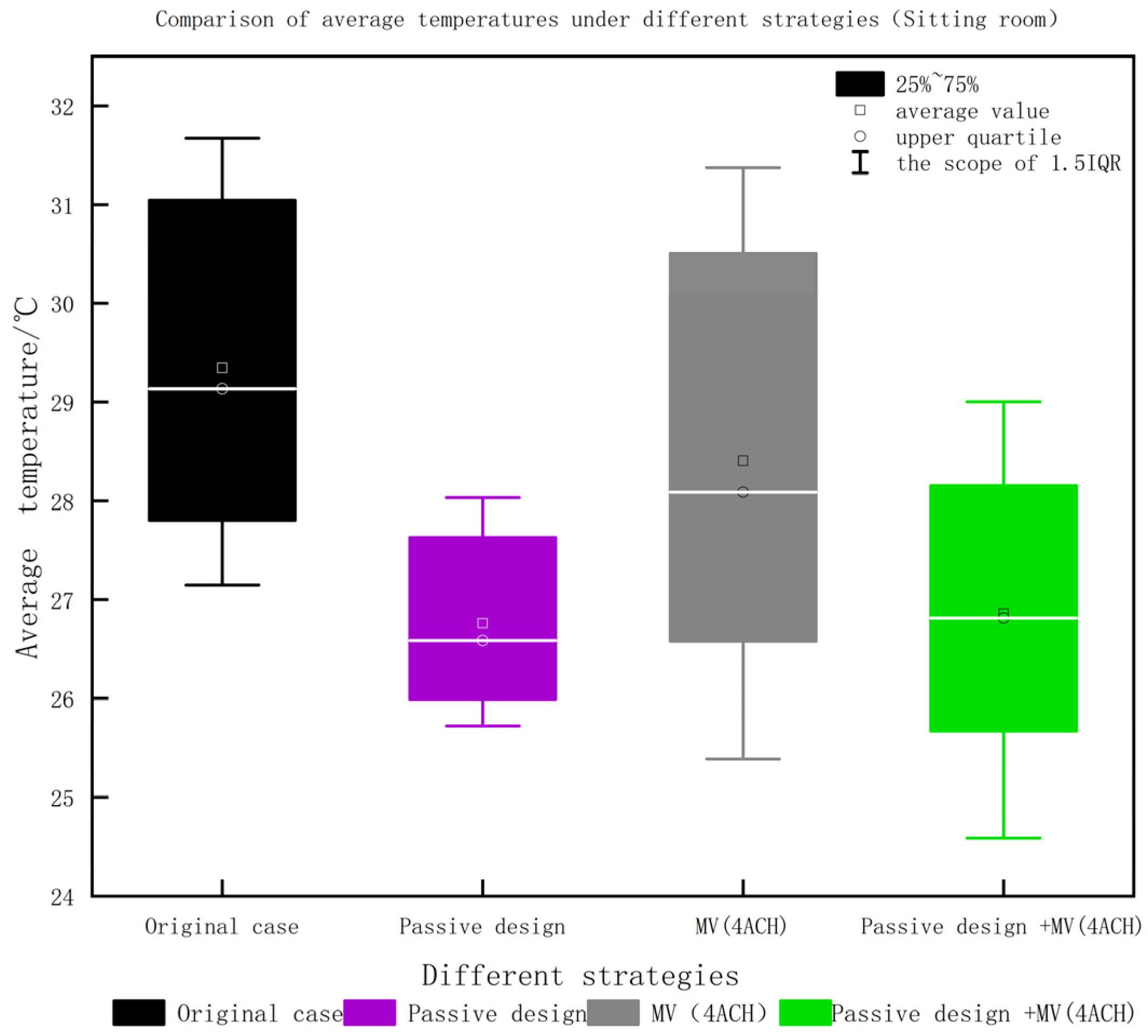
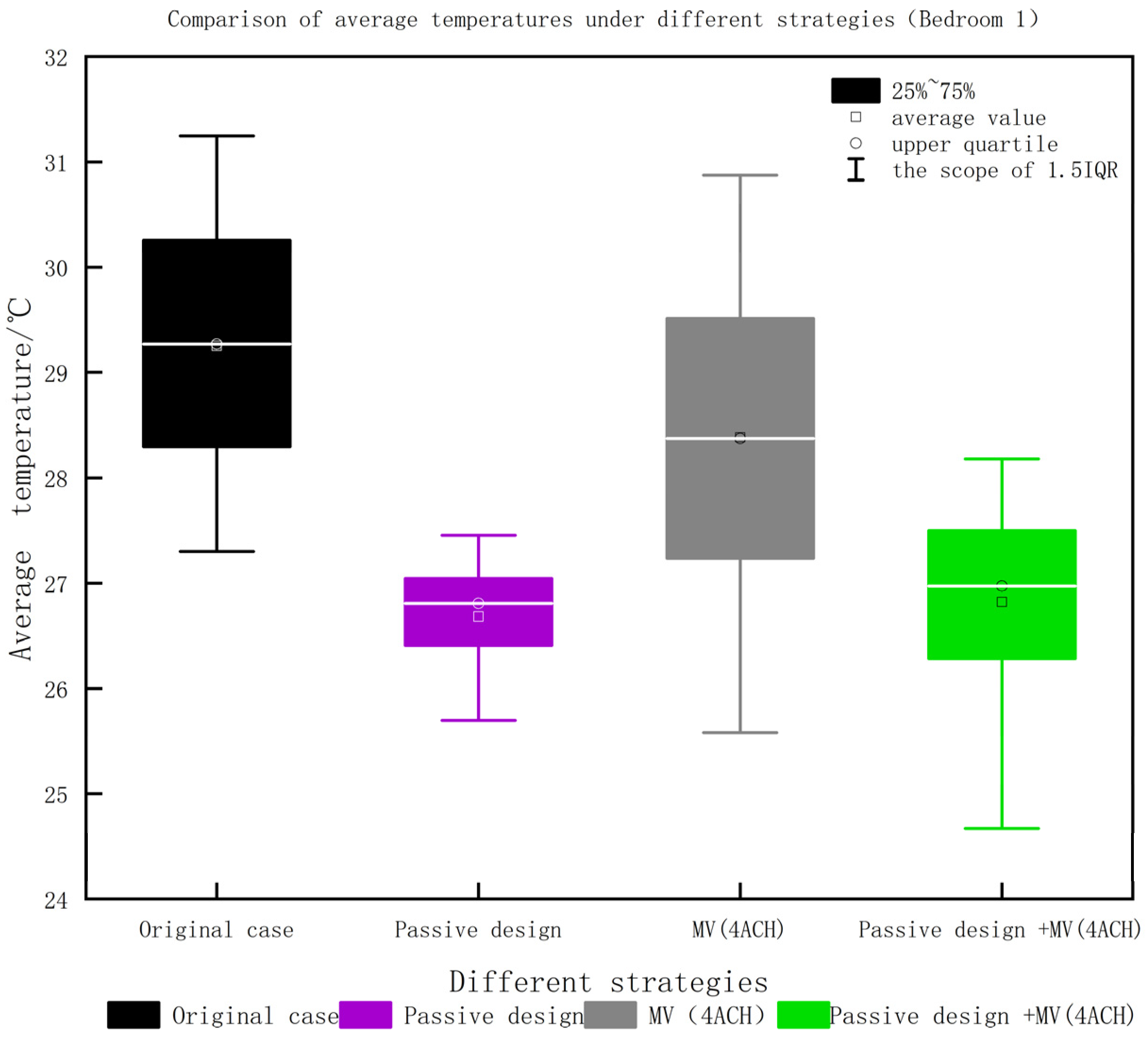
Thermal comfort is a fundamental goal of architecture aiming at protecting individuals from harsh weather conditions. In Nigeria’s savanna climate zone, such as Kaduna, poor indoor thermal comfort leads to over-reliance on air-conditioning systems. There is limited research on the application of passive design strategies in the Nigerian savanna climate, which creates a barrier to their widespread implementation in residential buildings. In response to the increased awareness of climate change and the need for sustainable design, this study explores the potential of passive design strategies, focusing on the combination of rooftop insulation and reflective materials with mechanical ventilation as a means of improving indoor thermal comfort solutions. This study conducted a 3-day field experiment of typical dwellings in Kaduna, a major city in the Nigerian savanna climate zone. The data collected from this experiment served as the basis for a simulation study using EnergyPlus software, which tested and evaluated 3 different strategies: passive design (roof insulation + reflective materials), mechanical ventilation, and a combination of passive design and mechanical ventilation. This study highlights the potential for passive design strategies to provide a more sustainable, cost-effective solution, reducing dependence on air conditioning while supporting indoor comfort. Additionally, the research methodology and insights gained offer a basis for developing future building codes in Nigeria that emphasize sustainable practices. Such codes would guide architects, builders, and policymakers in designing homes that respond to local climate needs and align with broader sustainability goals. Further research could explore additional passive measures, including advanced window technologies, shading, and natural ventilation, to maximize sustainable residential design potential in tropical savanna climates.
Keywords: passive design; mechanical ventilation; indoor thermal environment; tropical savanna climate; Nigeria passive design; mechanical ventilation; indoor thermal environment; tropical savanna climate; Nigeria