Review

Artificial Intelligence and Digital Twins for Bioclimatic Building Design: Innovations in Sustainability and Efficiency


1
Faculty of Civil and Industrial Engineering, Sapienza University of Rome, 00184 Rome, Italy
2
Nuclear Department, National Agency for New Technologies, Energy and Sustainable Economic Development (ENEA), 40121 Bologna, Italy
*
Authors to whom correspondence should be addressed.
Energies 2025, 18(19), 5230; https://doi.org/10.3390/en18195230
Submission received: 29 May 2025 / Revised: 3 September 2025 / Accepted: 24 September 2025 / Published: 1 October 2025
(This article belongs to the Special Issue New Insights into Hybrid Renewable Energy Systems in Buildings)

Abstract

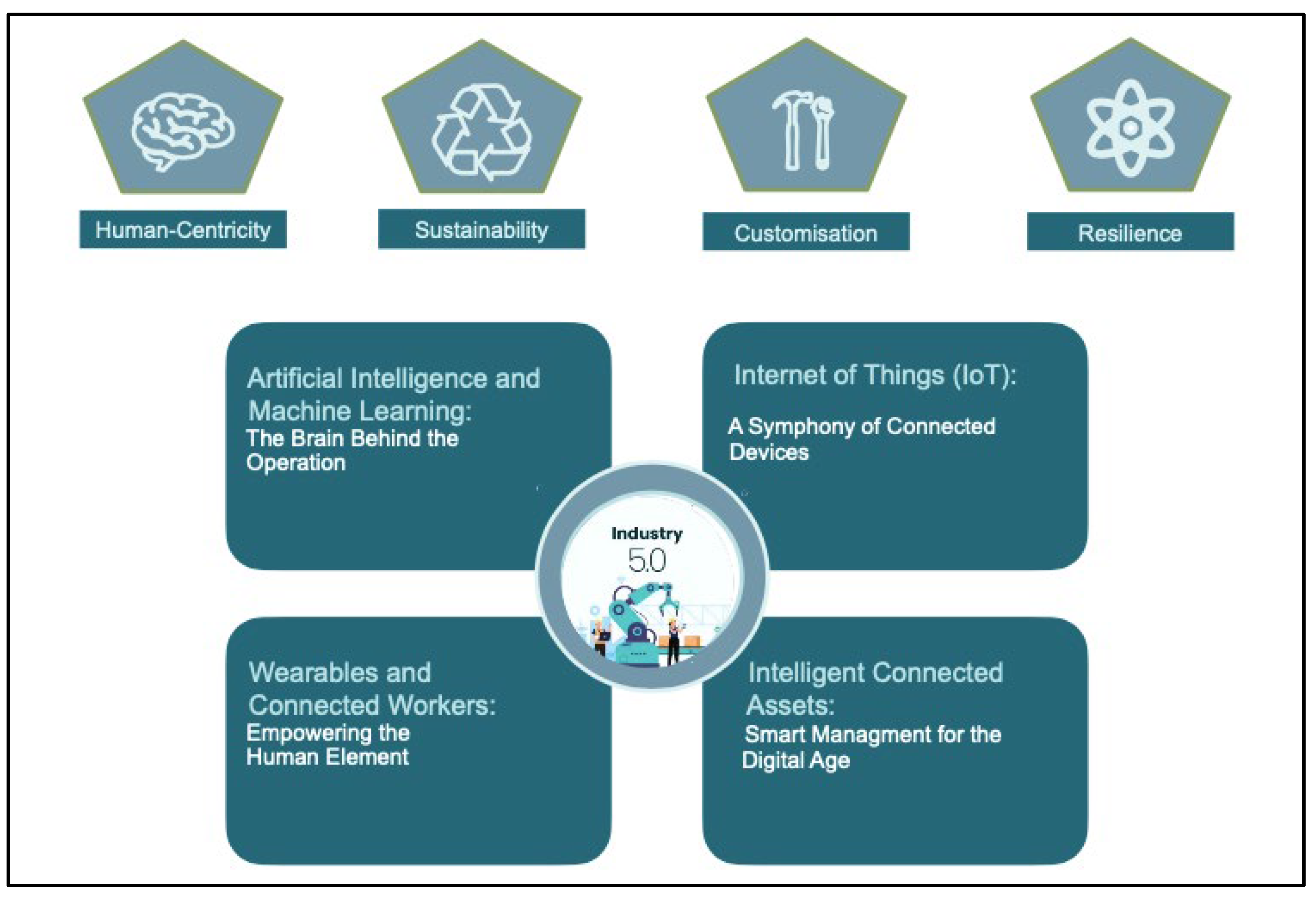
The integration of artificial intelligence (AI) into bioclimatic building design is reshaping the architecture, engineering, and construction (AEC) industry by addressing critical challenges in sustainability and efficiency. By aligning structures with local climates, bioclimatic design addresses global challenges such as energy consumption, urbanization, and climate change. Complementing these principles, AI technologies—including machine learning, digital twins, and generative algorithms—are revolutionizing the sector by optimizing processes across the entire building lifecycle, from design and construction to operation and maintenance. Amid the diverse array of AI-driven innovations, this research highlights digital twin (DT) technologies as a key to AI-driven transformation, enabling real-time monitoring, simulation, and optimization for sustainable design. Applications like façade optimization, energy flow analysis, and predictive maintenance showcase their role in adaptive architecture, while frameworks like Construction 4.0 and 5.0 promote human-centric, data-driven sustainability. By bridging AI with bioclimatic design, the findings contribute to a vision of a built environment that seamlessly aligns environmental sustainability with technological advancement and societal well-being, setting new standards for adaptive and resilient architecture. Despite the immense potential, AI and DTs face challenges like high computational demands, regulatory barriers, interoperability and skill gaps. Overcoming these challenges will be crucial for maximizing the impact on sustainable building, requiring ongoing research to ensure scalability, ethics, and accessibility.
Keywords: artificial intelligence; digital twin; bioclimatic building design; building performance; internet of things (IoT); energy efficiency artificial intelligence; digital twin; bioclimatic building design; building performance; internet of things (IoT); energy efficiency