Article

Principles for the Design of a Biomass-Fueled Internal Combustion Engine

1
Department of Energy and Fuels, E.T.S. Ingenieros de Minas y Energía, Universidad Politécnica de Madrid, Ríos Rosas 21, 28003 Madrid, Spain
2
Research and PhD Sub-Directorate, Escuela Politécnica Superior del Ejército, Joaquín Costa 6, 28006 Madrid, Spain
3
Department of Weapon Systems Industrial Technologies, Research and PhD Sub-Directorate, Escuela Politécnica Superior del Ejército, Joaquín Costa 6, 28006 Madrid, Spain
4
Escuela Politécnica Superior del Ejército, Joaquín Costa 6, 28006 Madrid, Spain
*
Author to whom correspondence should be addressed.
Energies 2024, 17(7), 1700; https://doi.org/10.3390/en17071700
Submission received: 29 February 2024 / Revised: 20 March 2024 / Accepted: 29 March 2024 / Published: 2 April 2024
(This article belongs to the Special Issue Internal Combustion Engine: Research and Application—2nd Edition)

Abstract

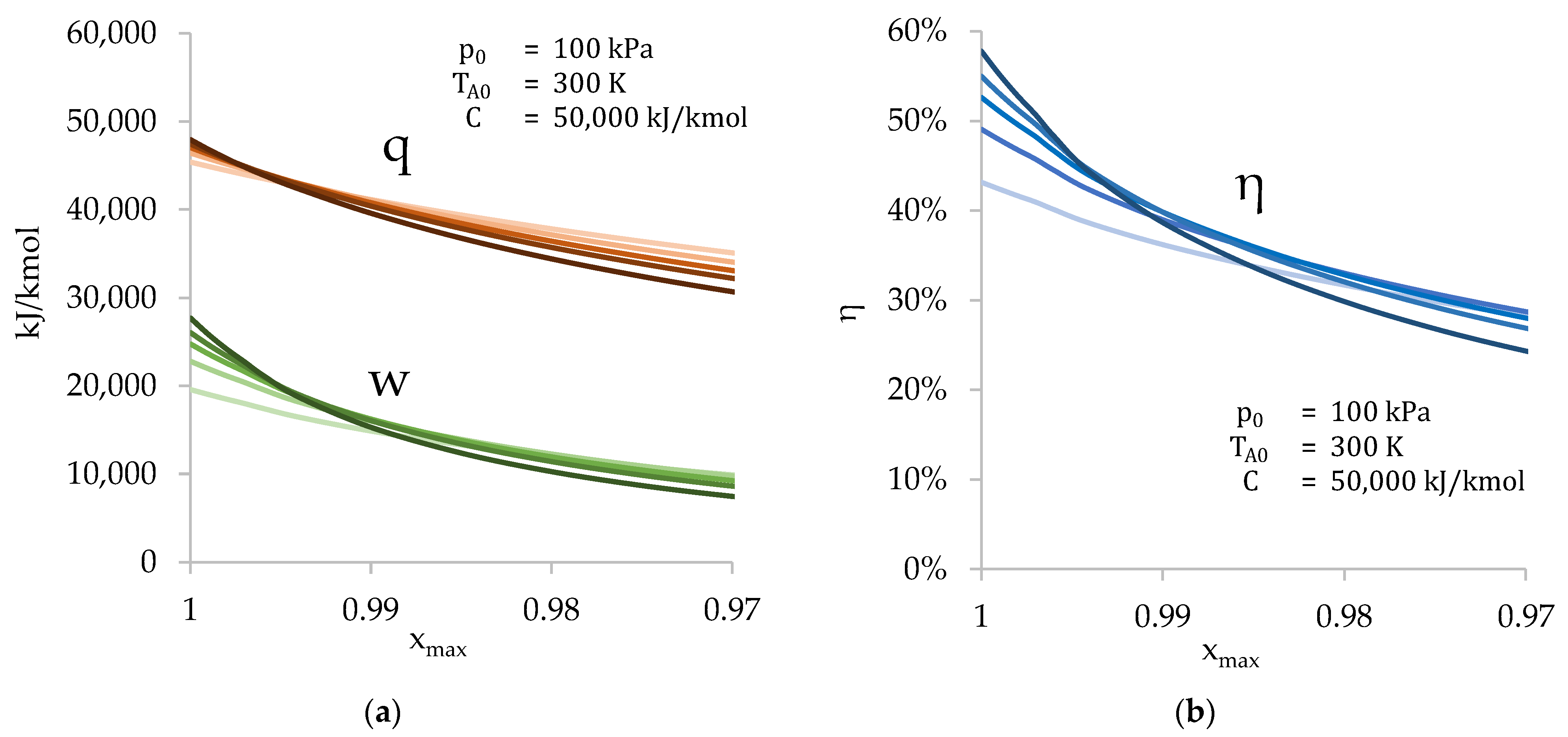
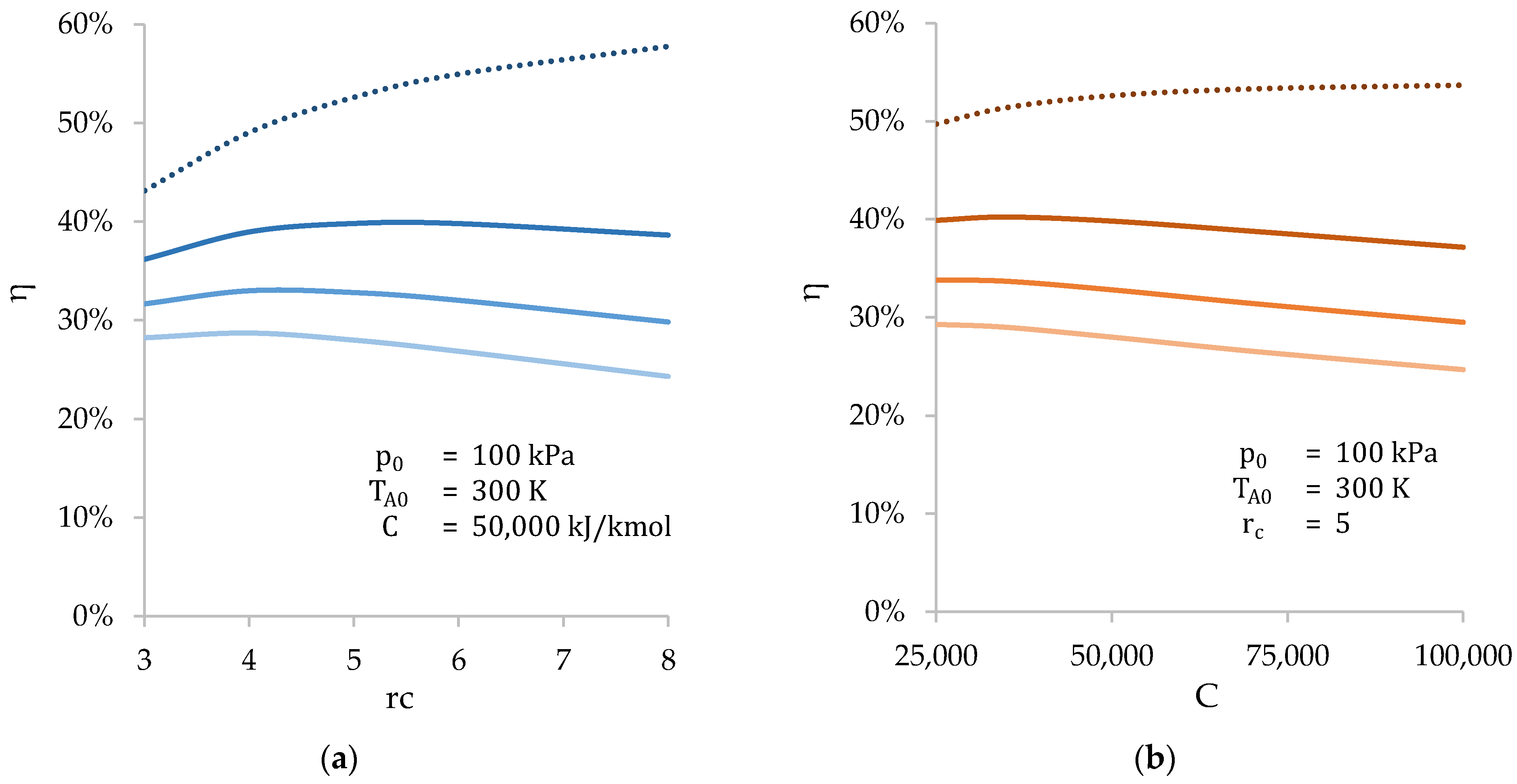
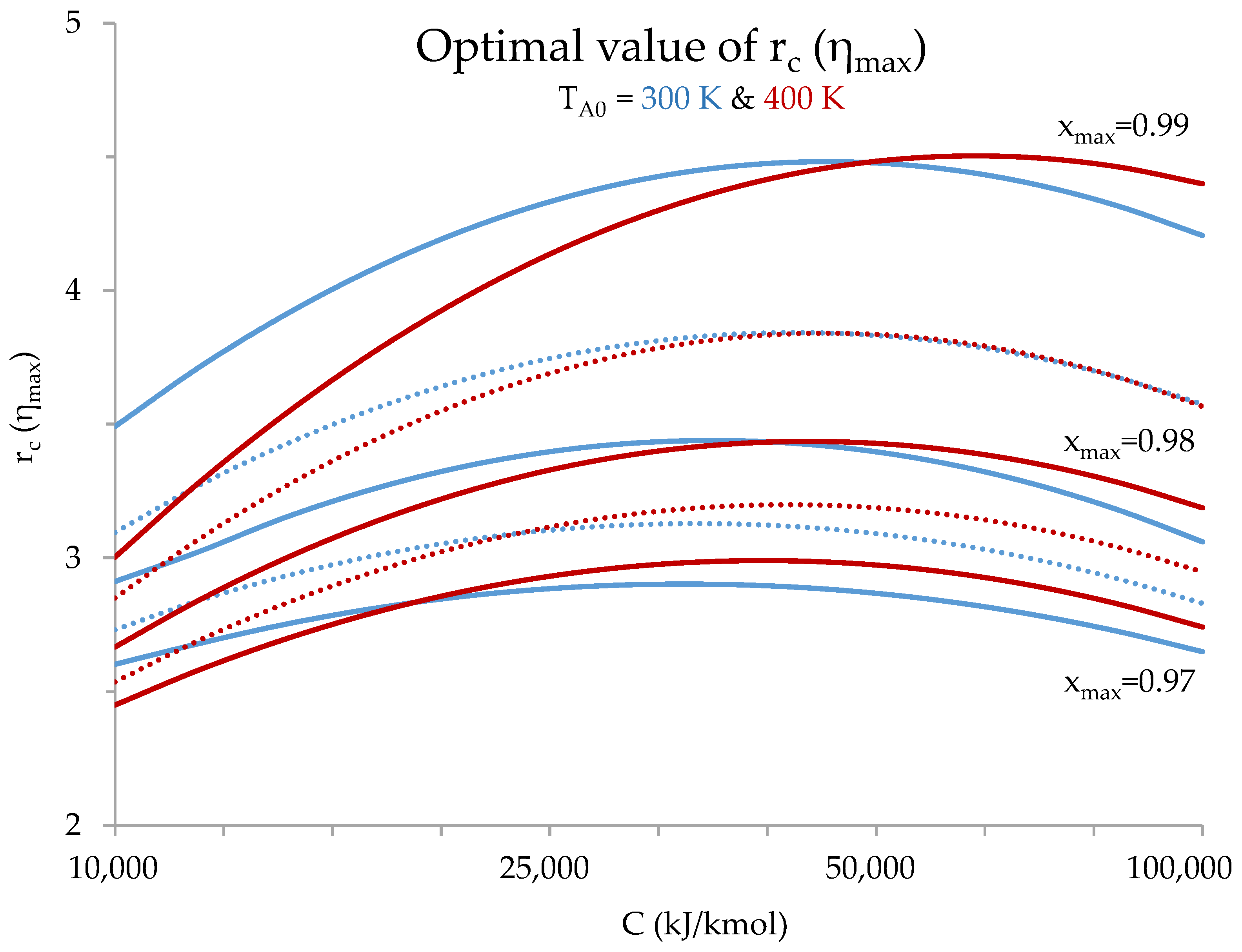
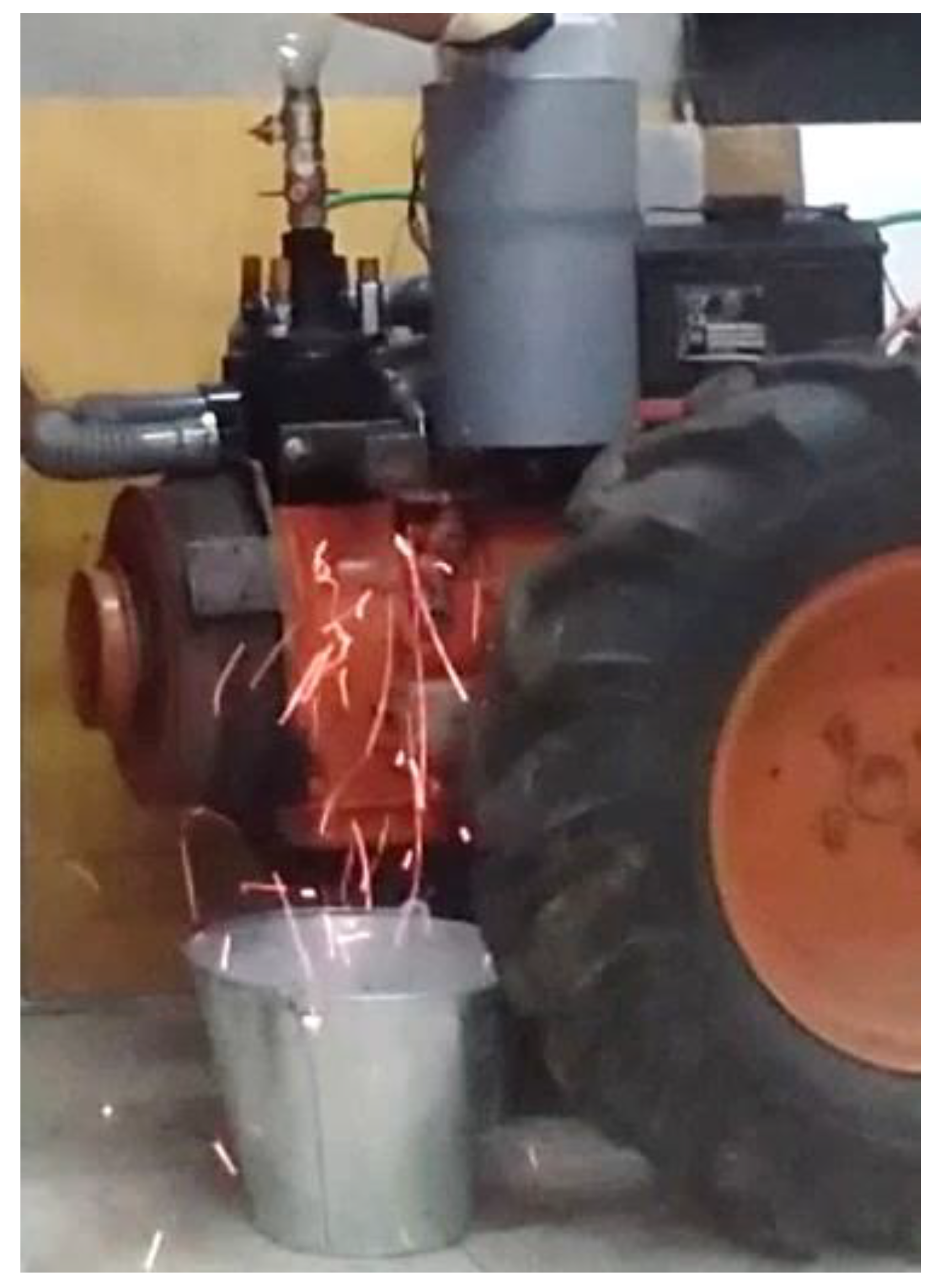
Biomass-fueled engines are a promising way to reduce the consumption of and dependence on fossil fuels. To create a working prototype, a detailed study of the thermodynamic cycle was developed. The dead volume was revealed to be the most limiting parameter for the engine efficiency. The cycle efficiency is reduced from 51.8% to 30.5% for the given example. The engine needs to be properly designed to minimize energy losses. In addition, the optimal compression ratio of the cycle is very low (about 3.5), losing energy in the exhaust gases and contributing to an inefficient engine. However, using a turbocharger can improve the cycle efficiency, combining the basic cycle with a Brayton cycle. Moreover, a two-stroke engine design is recommended for biomass-fueled engines. It allows minimization of the dead volume, is less sensitive to dirt, and avoids gas exchange with the combustion chamber during scavenging. Finally, the combustion chamber of the initial prototype was redesigned, based on the aforementioned improvements and allowing the successful start-up of the engine. This work demonstrates that biomass is a viable alternative to fossil fuels in applications where internal combustion engines are required.
Keywords: biomass; alternative fuels; combustion engine; decarbonization biomass; alternative fuels; combustion engine; decarbonization
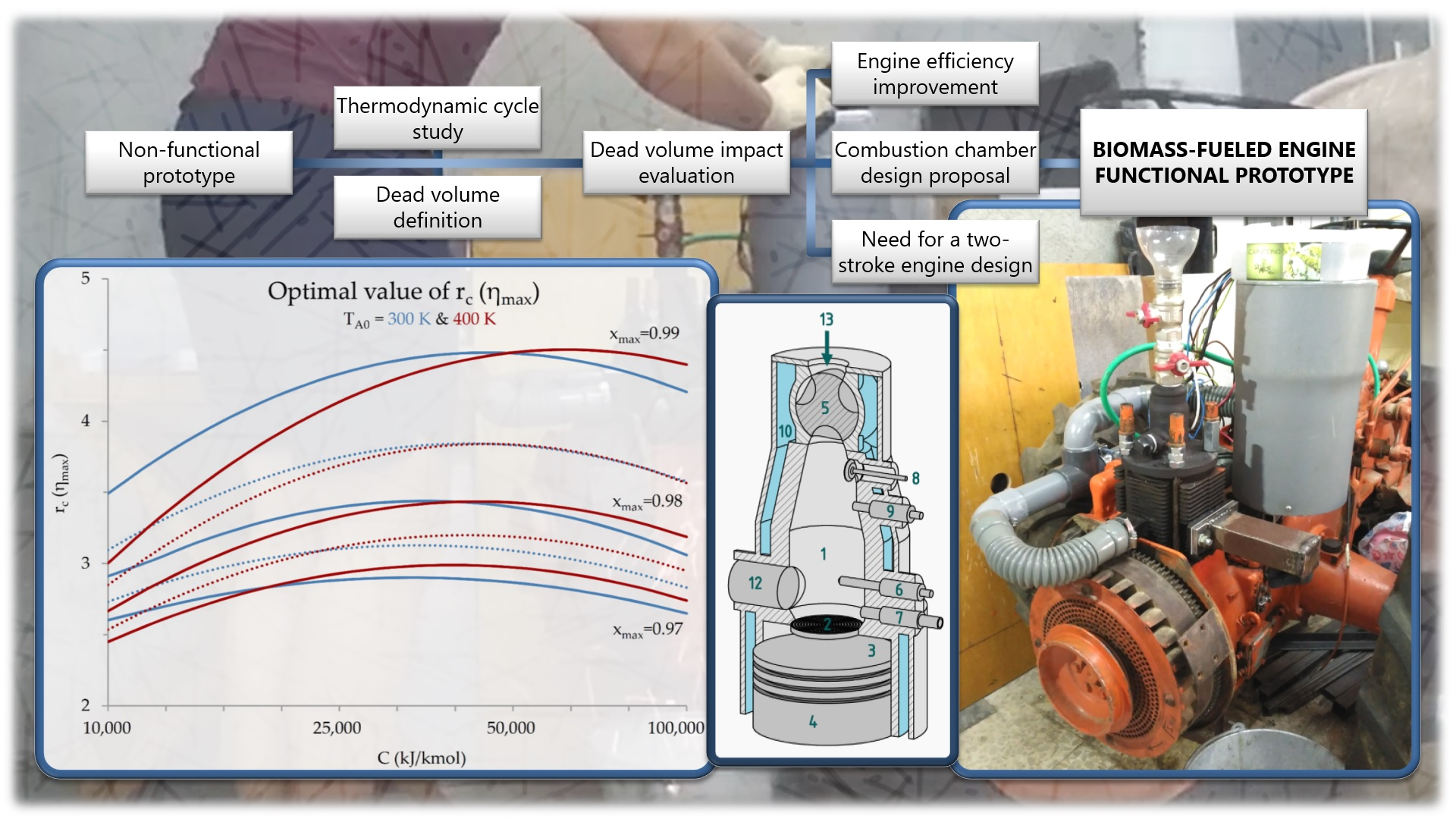
Graphical Abstract