Article

An Ultra-Throughput Boost Method for Gamma-Ray Spectrometers

1
State Key Laboratory of NBC Protection for Civilian, Beijing 102205, China
2
National Institute of Metrology (NIM), Beijing 100029, China
*
Authors to whom correspondence should be addressed.
Energies 2024, 17(6), 1456; https://doi.org/10.3390/en17061456
Submission received: 1 February 2024 / Revised: 11 March 2024 / Accepted: 12 March 2024 / Published: 18 March 2024
(This article belongs to the Special Issue Advancements in Nuclear Energy Technology)

Abstract

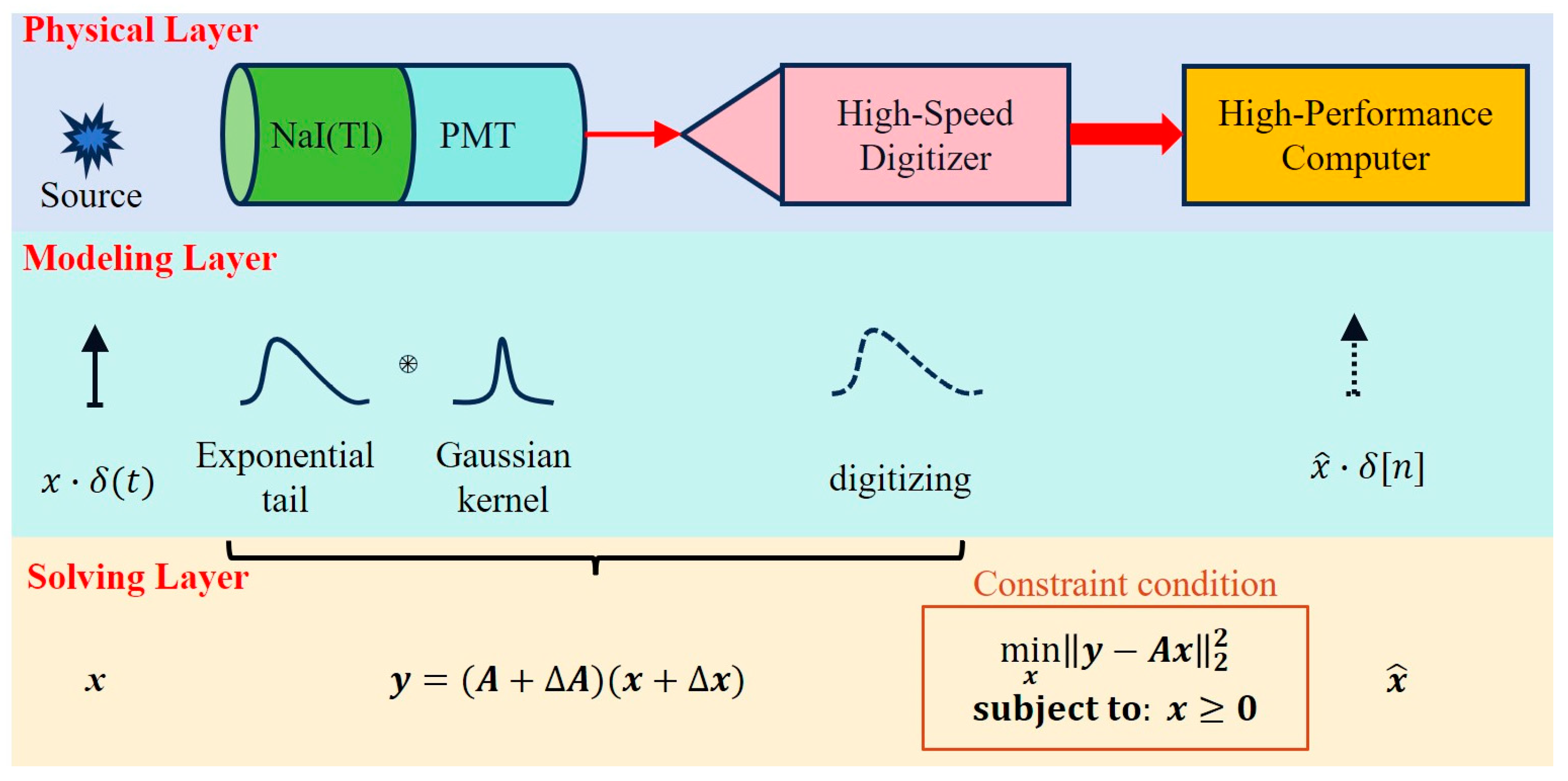
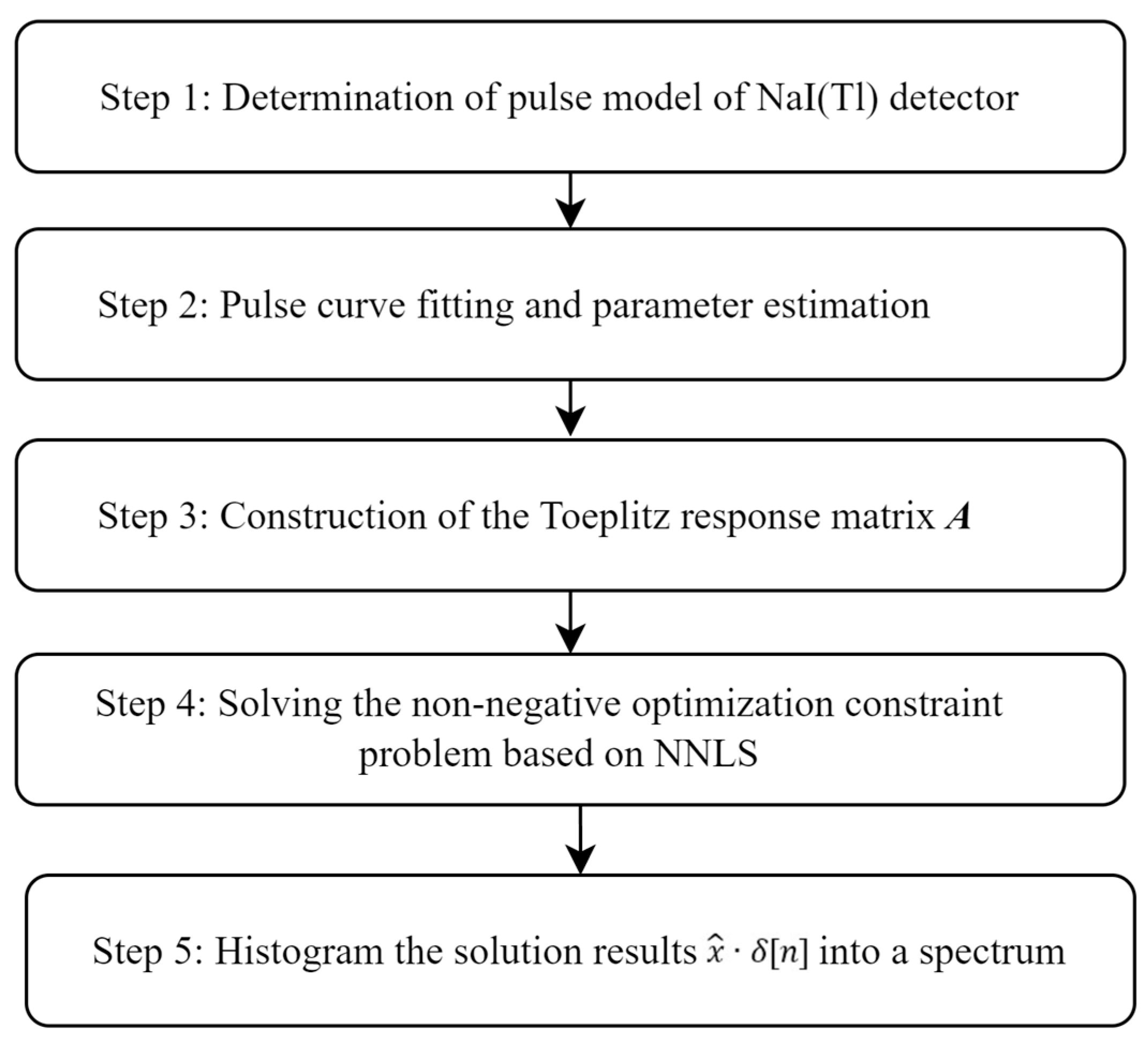
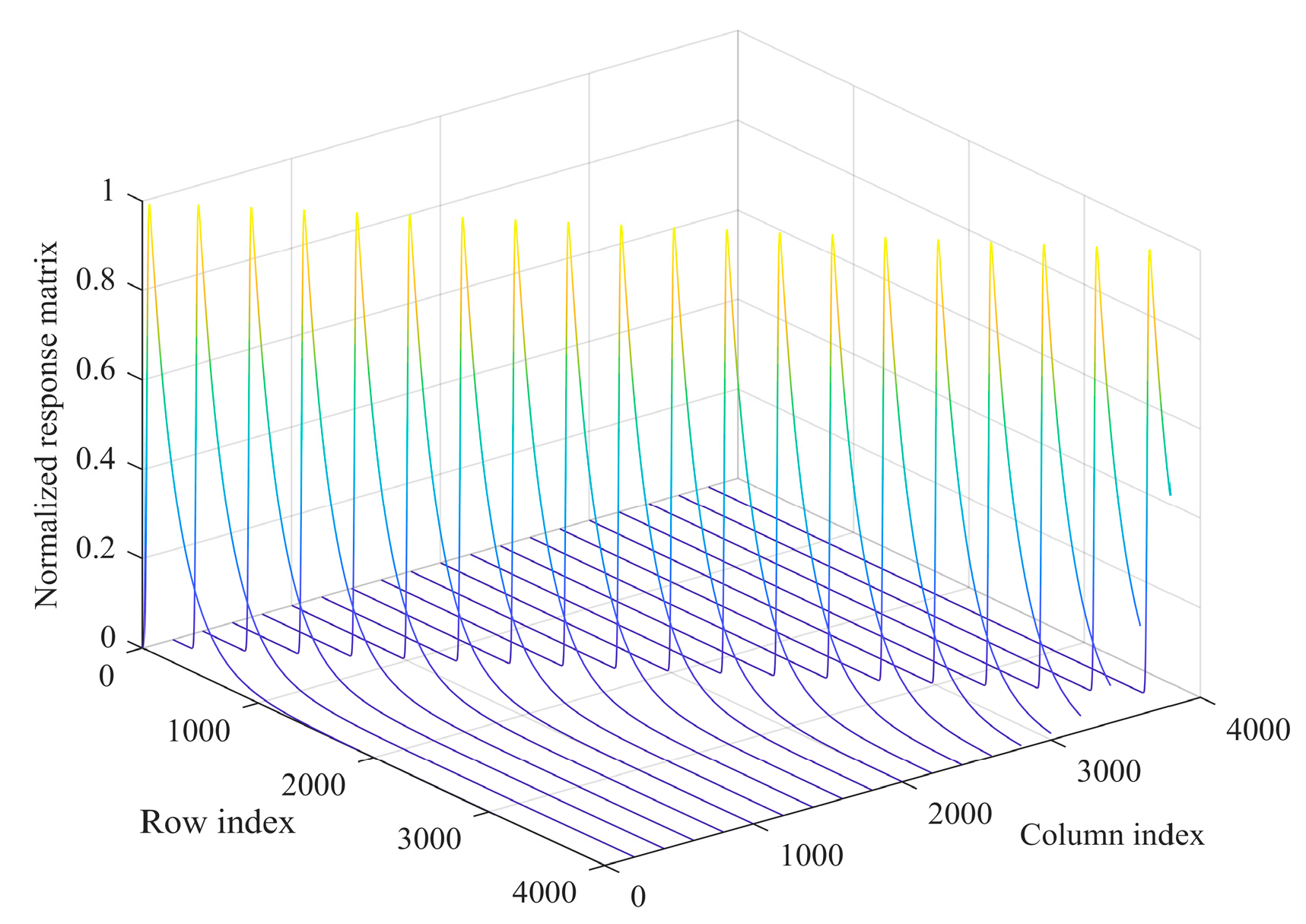
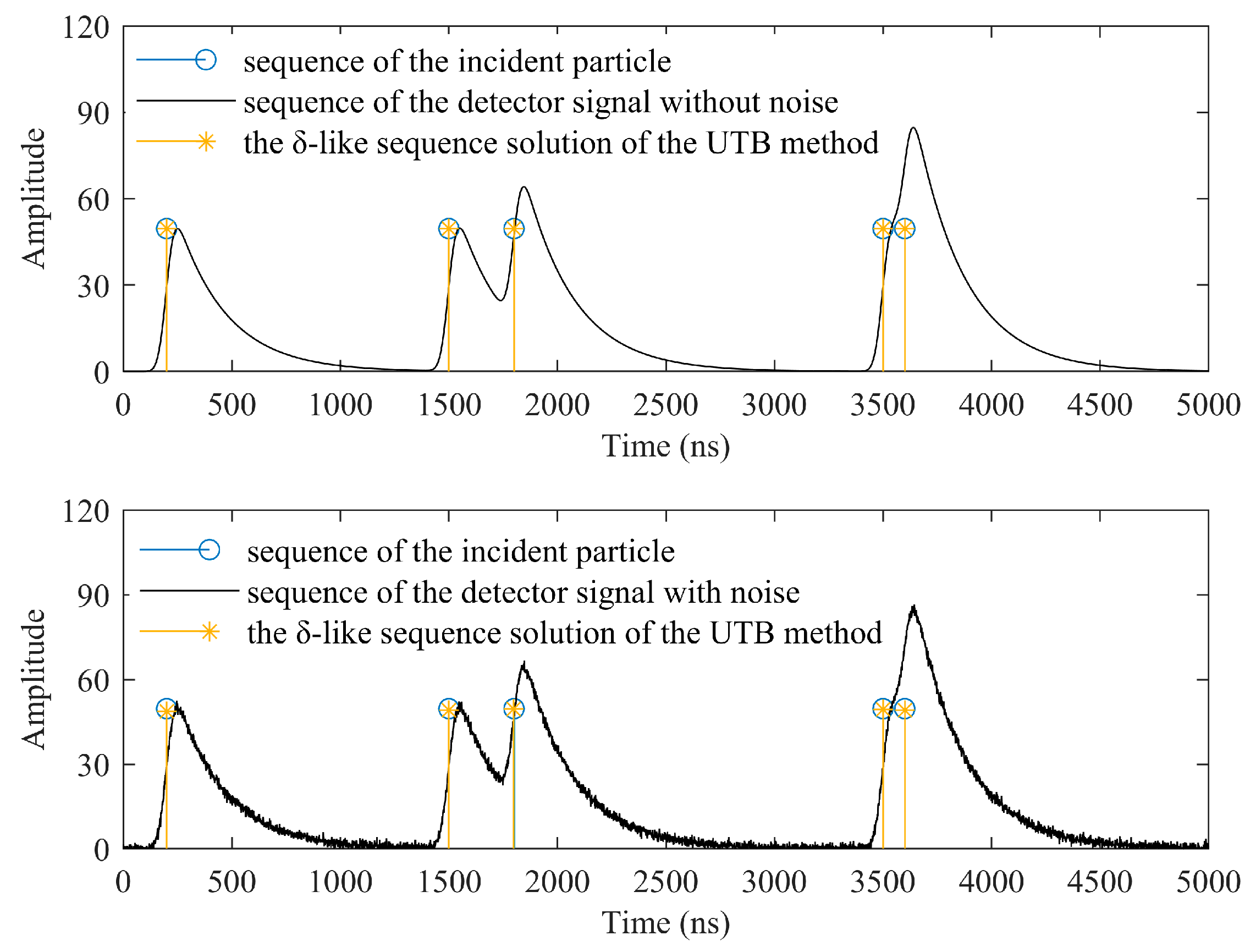
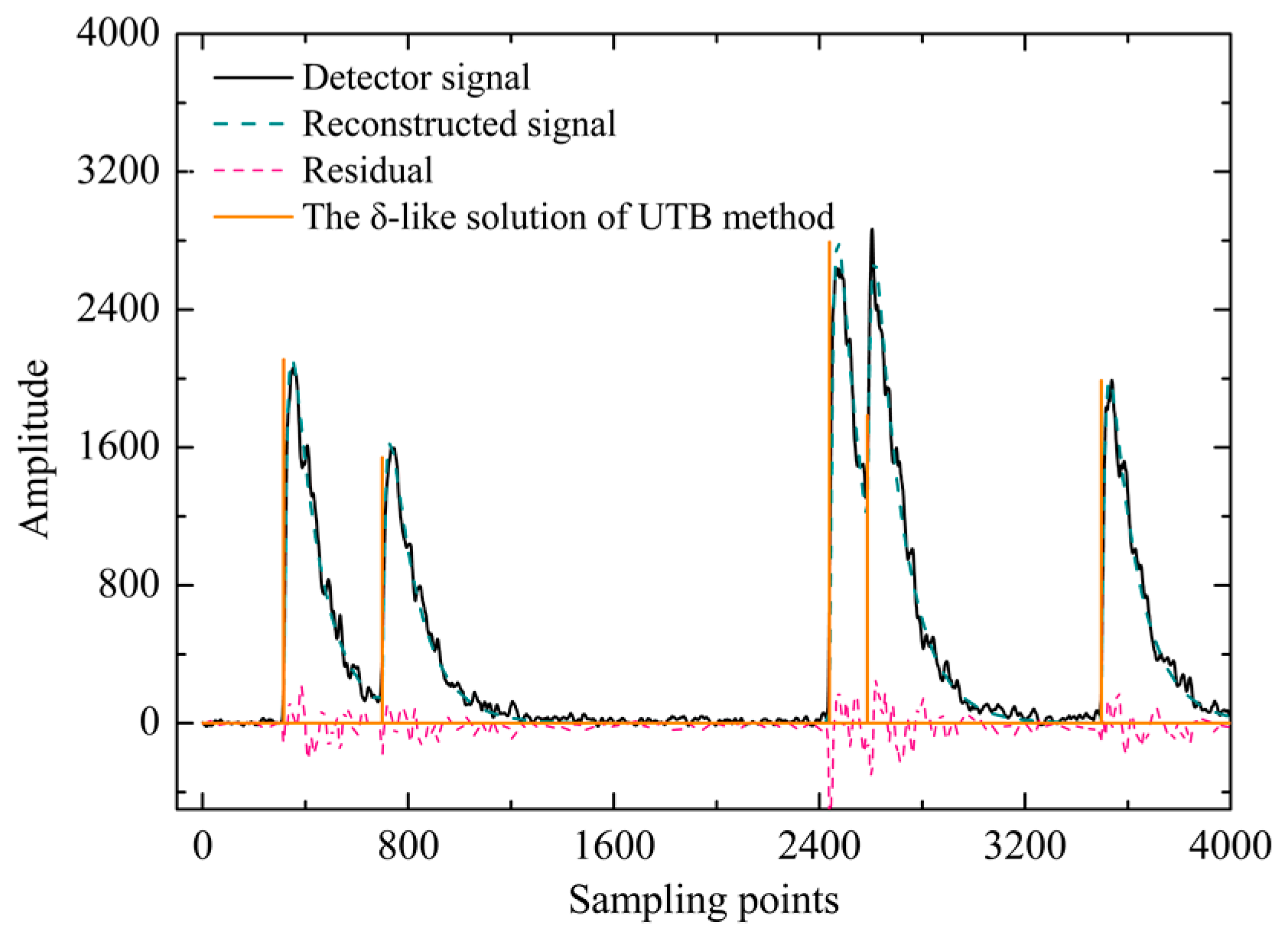
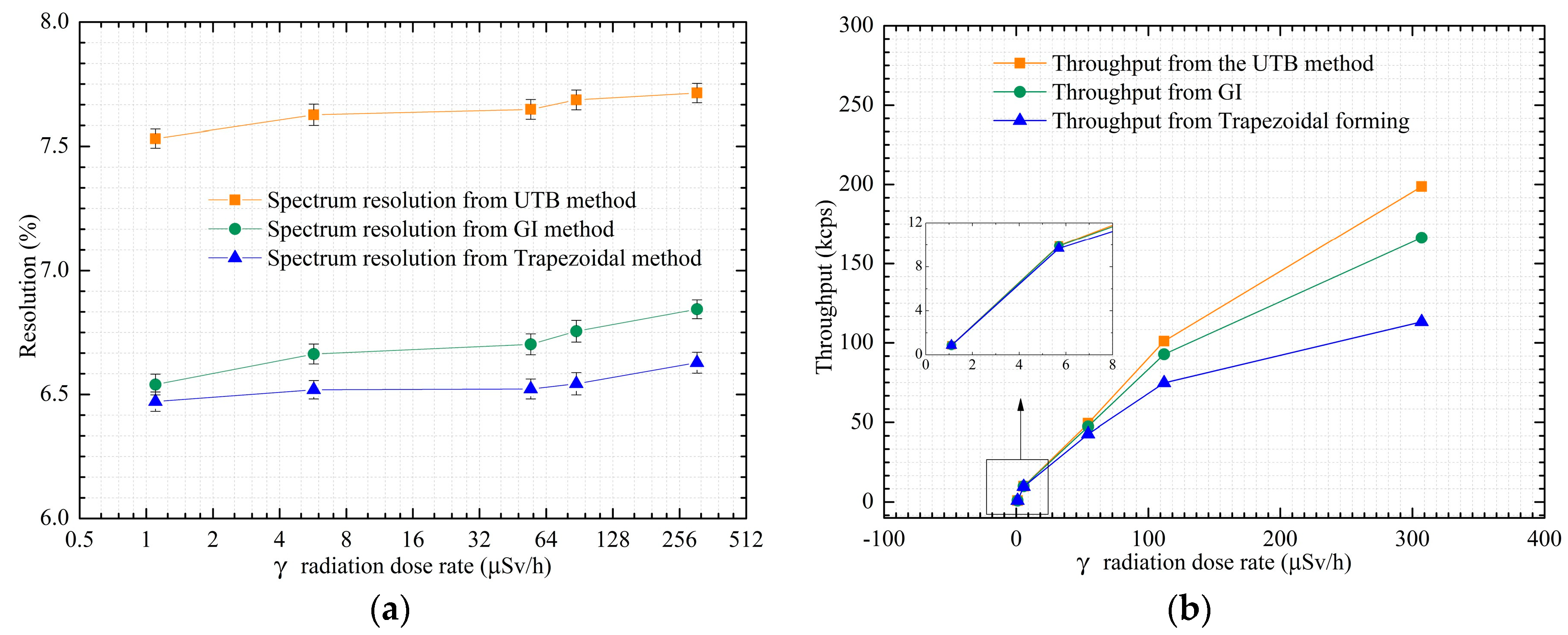
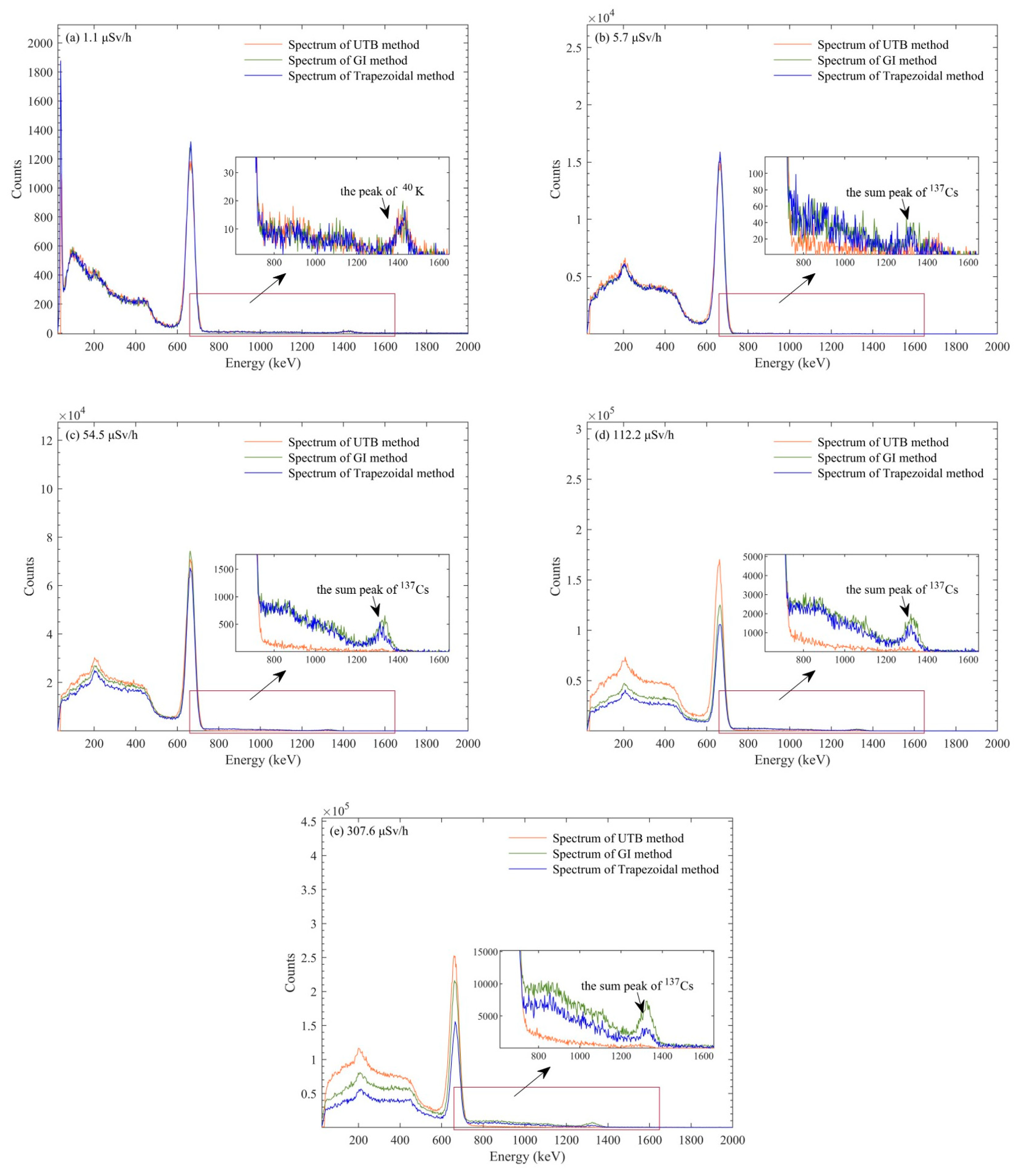
(1) Background: Generally, in nuclear medicine and nuclear power plants, energy spectrum measurements and radioactive nuclide identification are required for evaluation of strong radiation fields to ensure nuclear safety and security; thereby, damage is prevented to nuclear facilities caused by natural disasters or the criminal smuggling of nuclear materials. High count rates can lead to signal accumulation, negatively affecting the performance of gamma spectrometers, and in severe cases, even damaging the detectors. Higher pulse throughput with better energy resolution is the ultimate goal of a gamma-ray spectrometer. Traditionally, pileup pulses, which cause dead time and affect throughput, are rejected to maintain good energy resolution. (2) Method: In this paper, an ultra-throughput boost (UTB) off-line processing method was used to improve the throughput and reduce the pileup effect of the spectrometer. Firstly, by fitting the impulse signal of the detector, the response matrix was built by the functional model of a dual exponential tail convolved with the Gaussian kernel; then, a quadratic programming method based on a non-negative least squares (NNLS) algorithm was adopted to solve the constrained optimization problem for the inversion. (3) Results: Both the simulated and experimental results of the UTB method show that most of the impulses in the pulse sequence from the scintillator detector were restored to δ-like pulses, and the throughput of the UTB method for the NaI(Tl) spectrometer reached 207 kcps with a resolution of 7.71% @661.7 keV. A reduction was also seen in the high energy pileup phenomenon. (4) Conclusions: We conclude that the UTB method can restore individual and piled-up pulses to δ-like sequences, effectively boosting pulse throughput and suppressing high-energy tailing and sum peaks caused by the pileup effect at the cost of a slight loss in energy resolution.
Keywords: ultra-throughput boost; pileup restoration; convolved model; constrained quadratic programming; NNLS ultra-throughput boost; pileup restoration; convolved model; constrained quadratic programming; NNLS