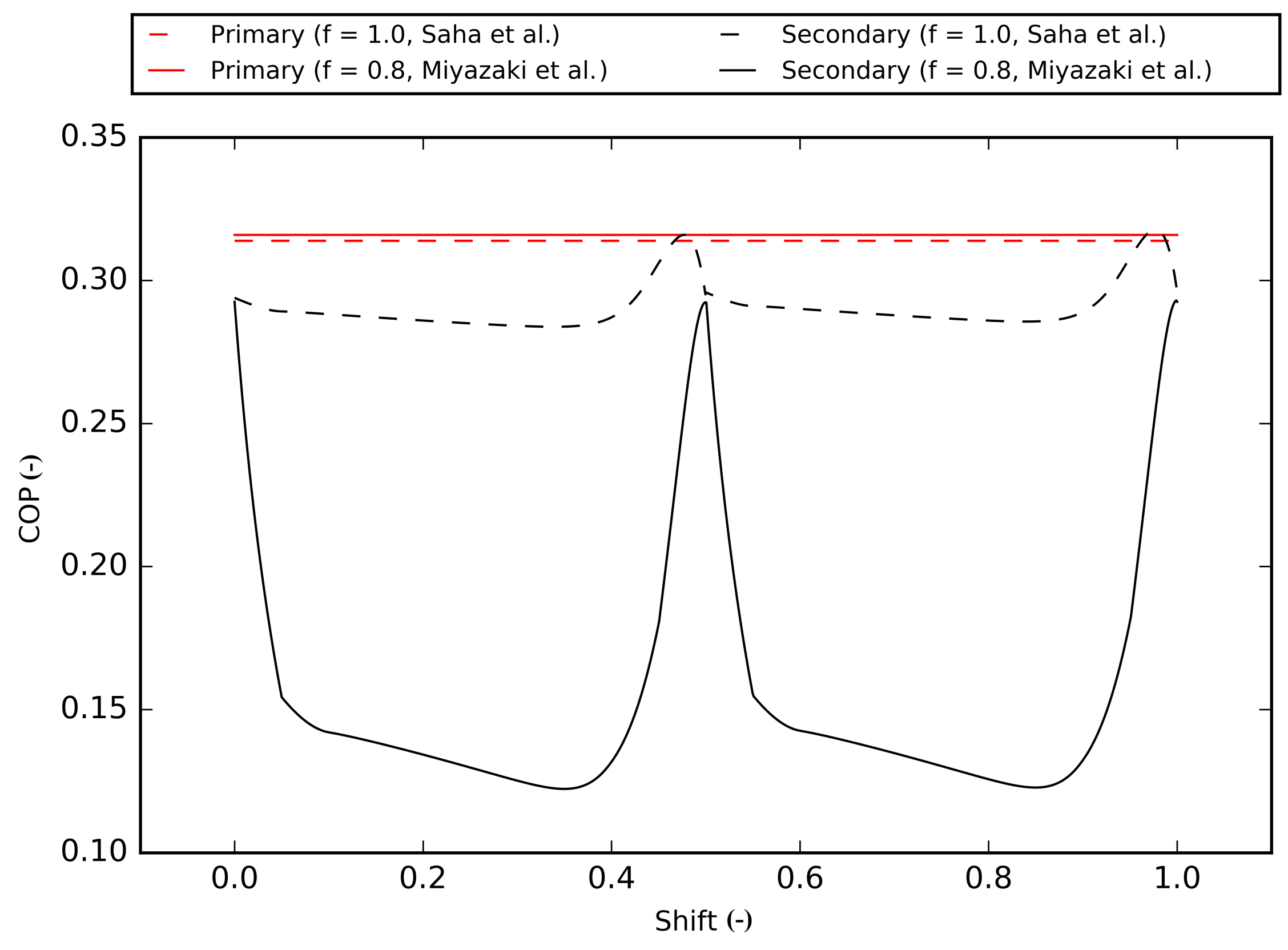
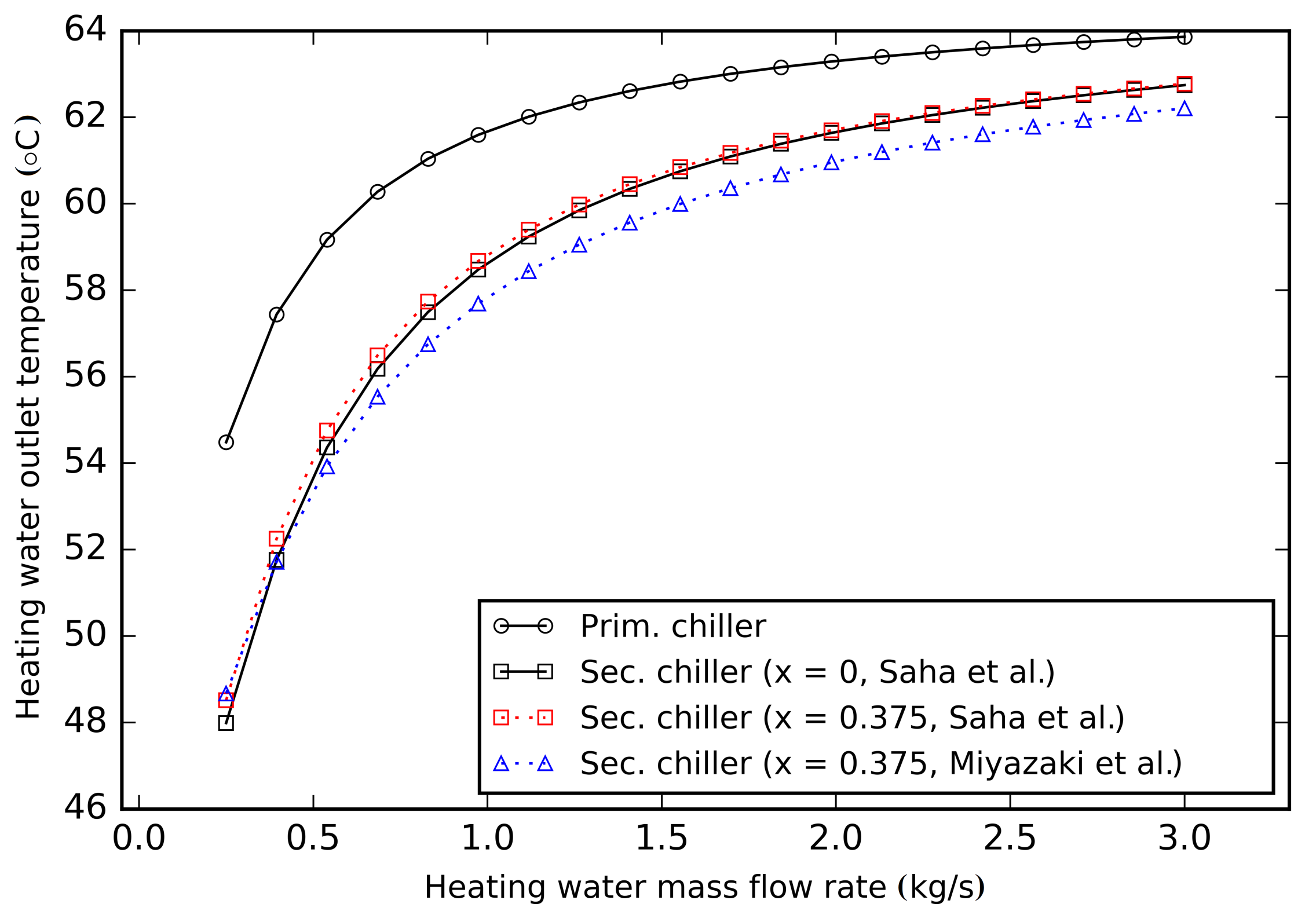
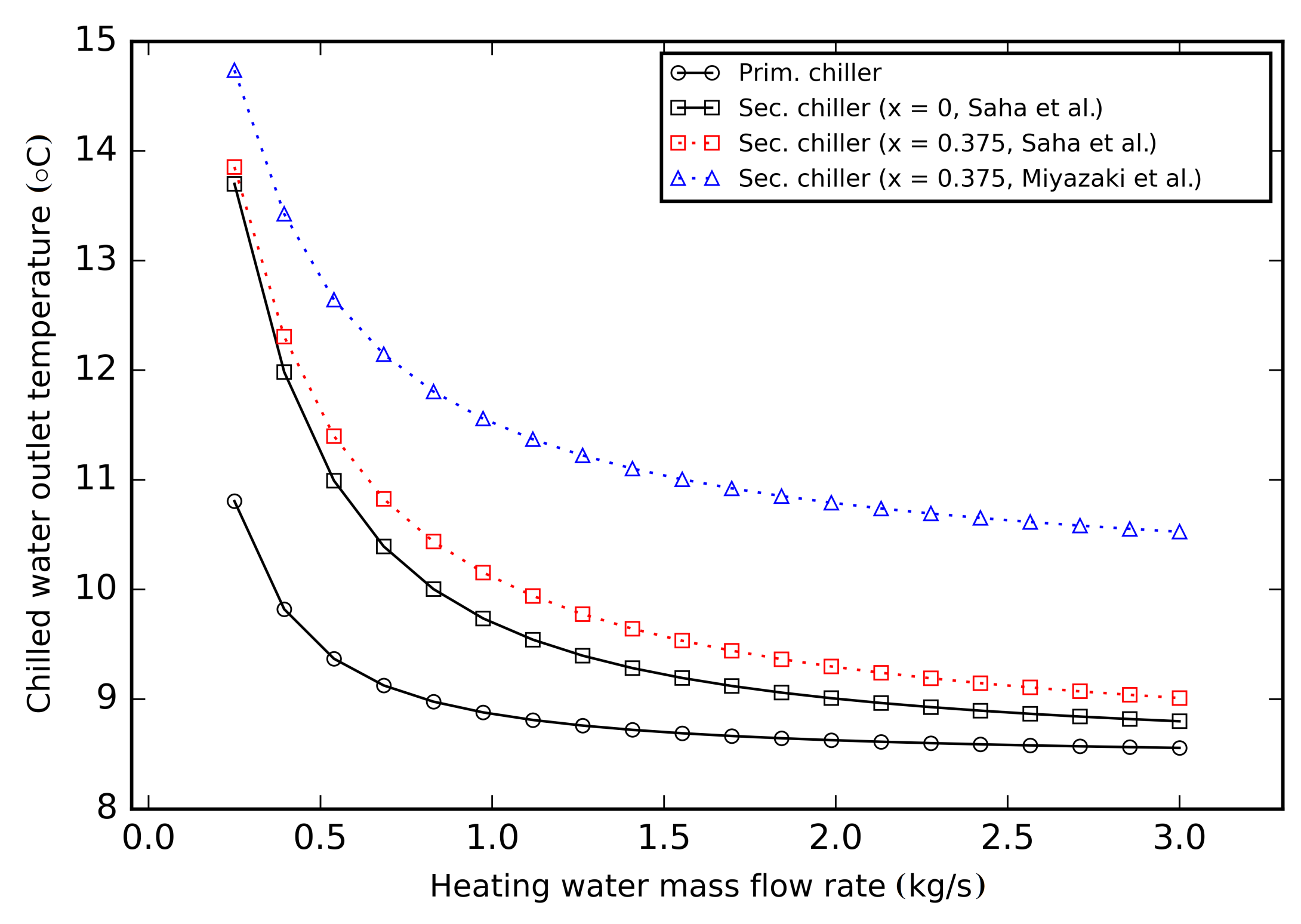
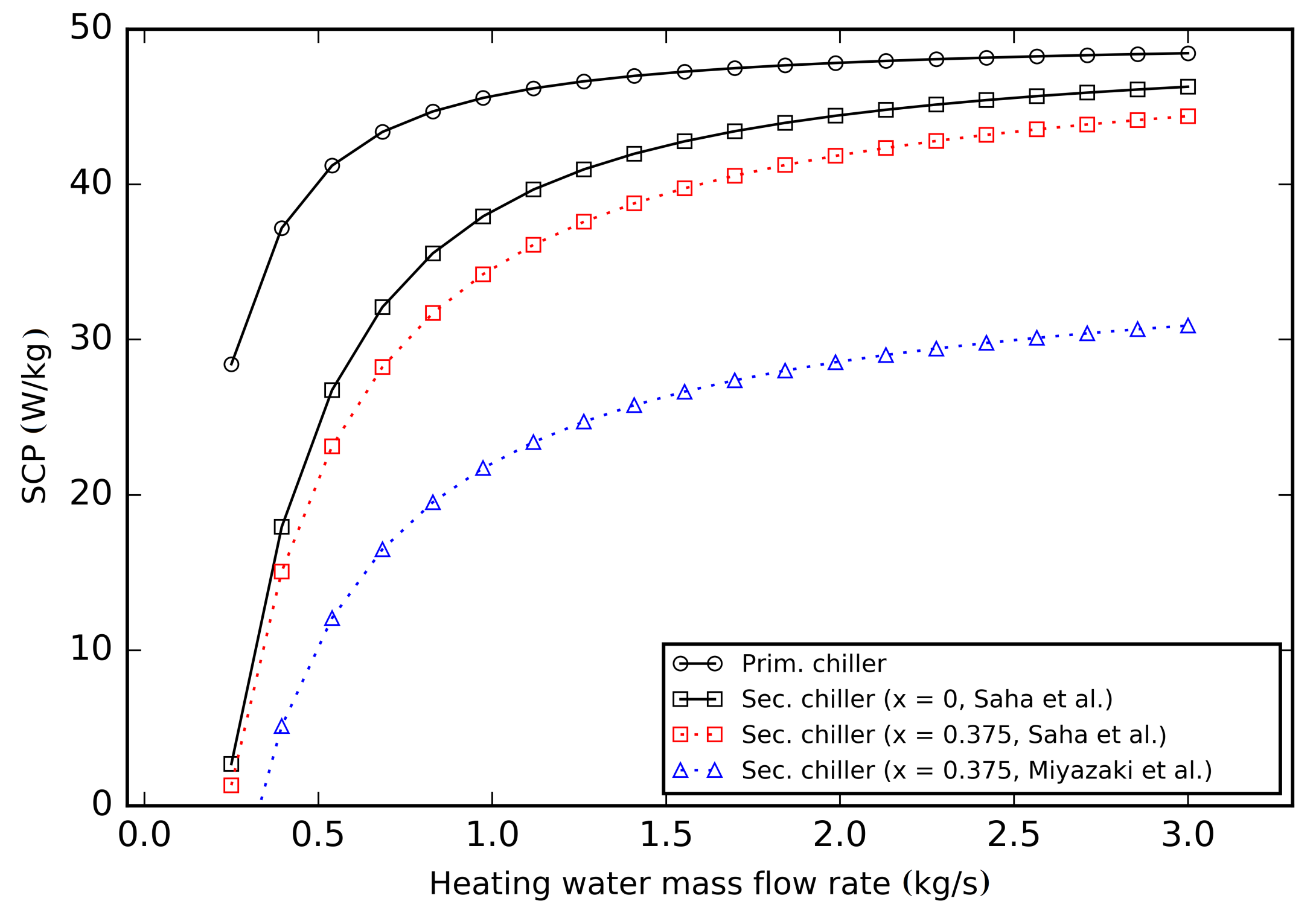
Recommendations for Running a Tandem of Adsorption Chillers Connected in Series and Powered by Low-Temperature Heat from District Heating Network

Abstract
Share and Cite
Nalepa, B.; Halon, T. Recommendations for Running a Tandem of Adsorption Chillers Connected in Series and Powered by Low-Temperature Heat from District Heating Network. Energies 2021, 14, 4791. https://doi.org/10.3390/en14164791
Nalepa B, Halon T. Recommendations for Running a Tandem of Adsorption Chillers Connected in Series and Powered by Low-Temperature Heat from District Heating Network. Energies. 2021; 14(16):4791. https://doi.org/10.3390/en14164791
Chicago/Turabian StyleNalepa, Bartlomiej, and Tomasz Halon. 2021. "Recommendations for Running a Tandem of Adsorption Chillers Connected in Series and Powered by Low-Temperature Heat from District Heating Network" Energies 14, no. 16: 4791. https://doi.org/10.3390/en14164791
APA StyleNalepa, B., & Halon, T. (2021). Recommendations for Running a Tandem of Adsorption Chillers Connected in Series and Powered by Low-Temperature Heat from District Heating Network. Energies, 14(16), 4791. https://doi.org/10.3390/en14164791