Article

Analysis of Progressive Failure Mechanism of Rock Slope with Locked Section Based on Energy Theory

1
School of Civil and Resource Engineering, University of Science and Technology Beijing, Beijing 100083, China
2
Key Laboratory of the Ministry of Education of China for High-Efficient Mining and Safety of Metal Mines, Beijing 100083, China
*
Author to whom correspondence should be addressed.
Energies 2020, 13(5), 1128; https://doi.org/10.3390/en13051128
Submission received: 2 February 2020 / Revised: 2 March 2020 / Accepted: 3 March 2020 / Published: 3 March 2020
(This article belongs to the Section H: Geo-Energy)

Abstract

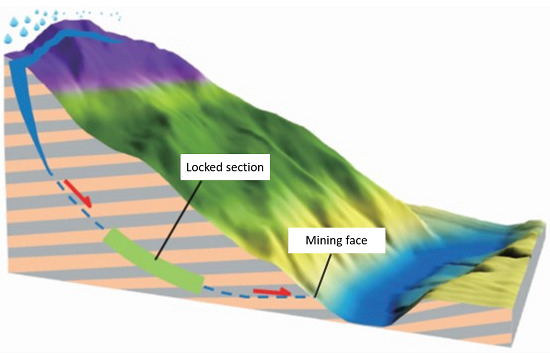
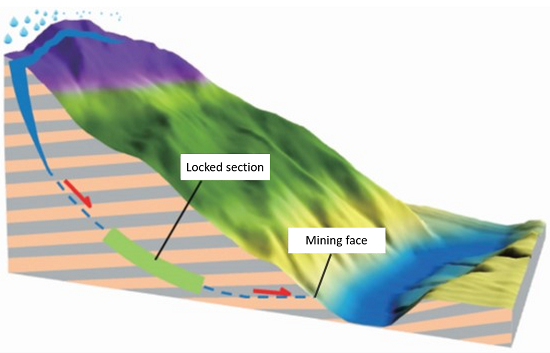
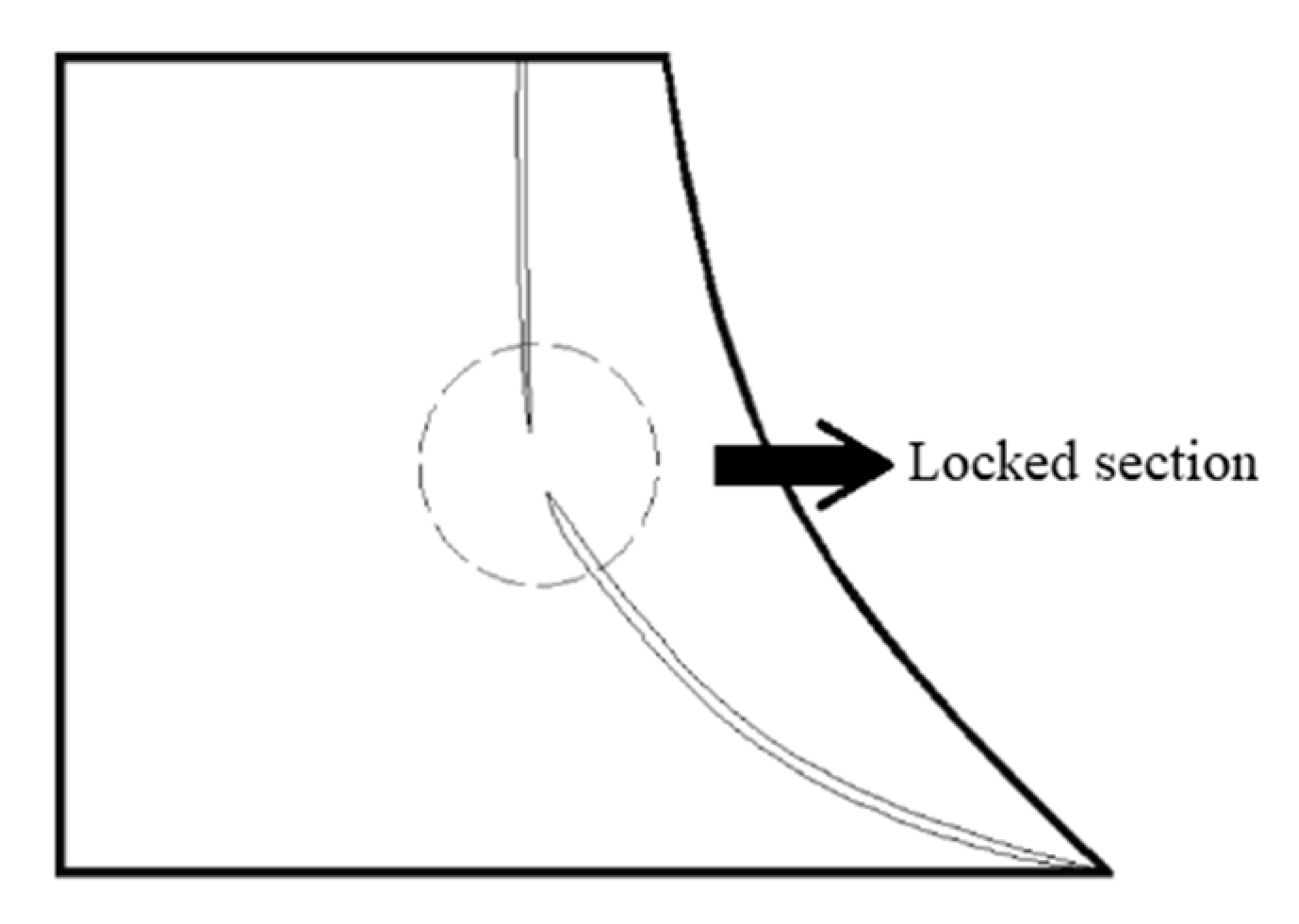
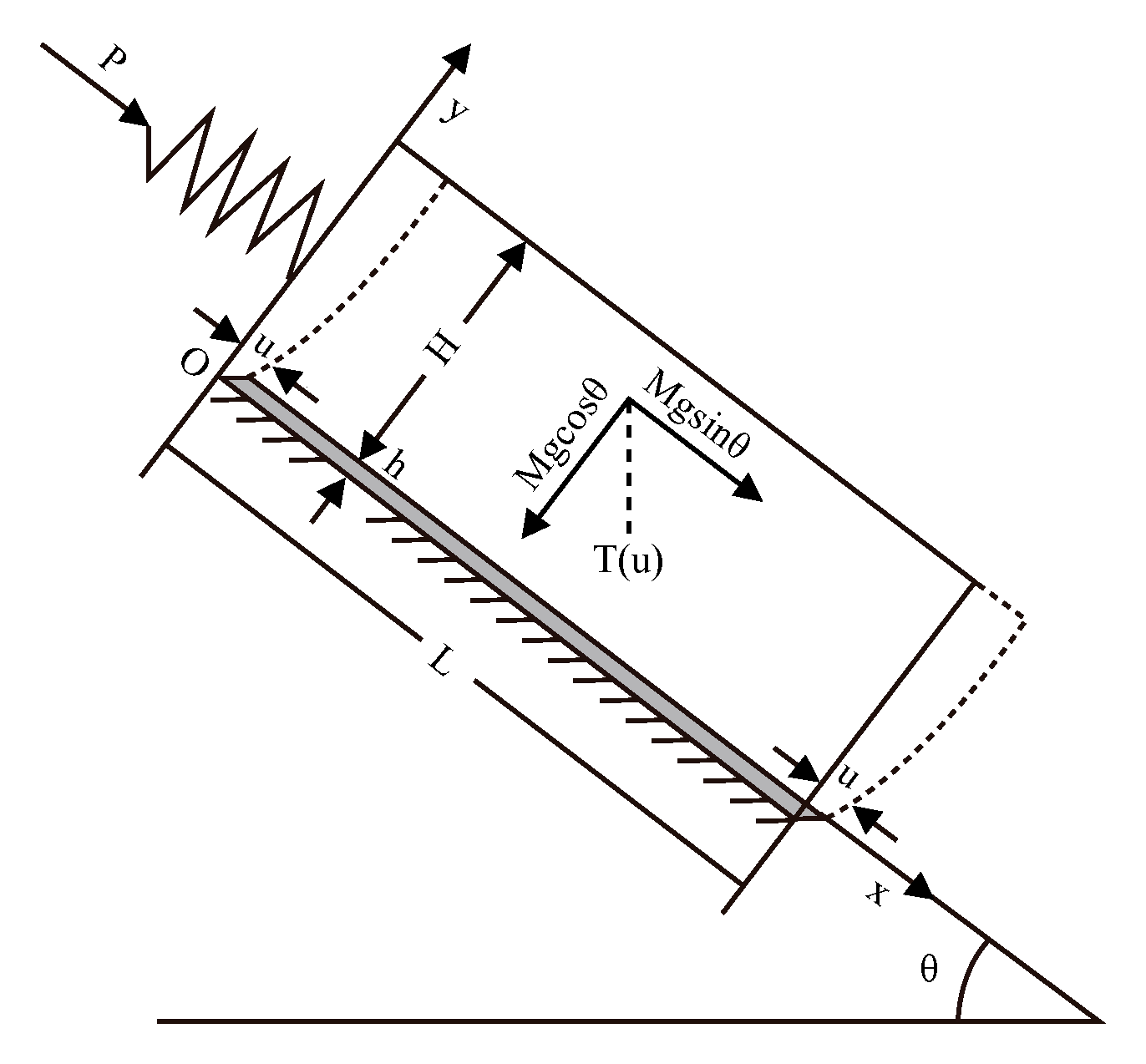
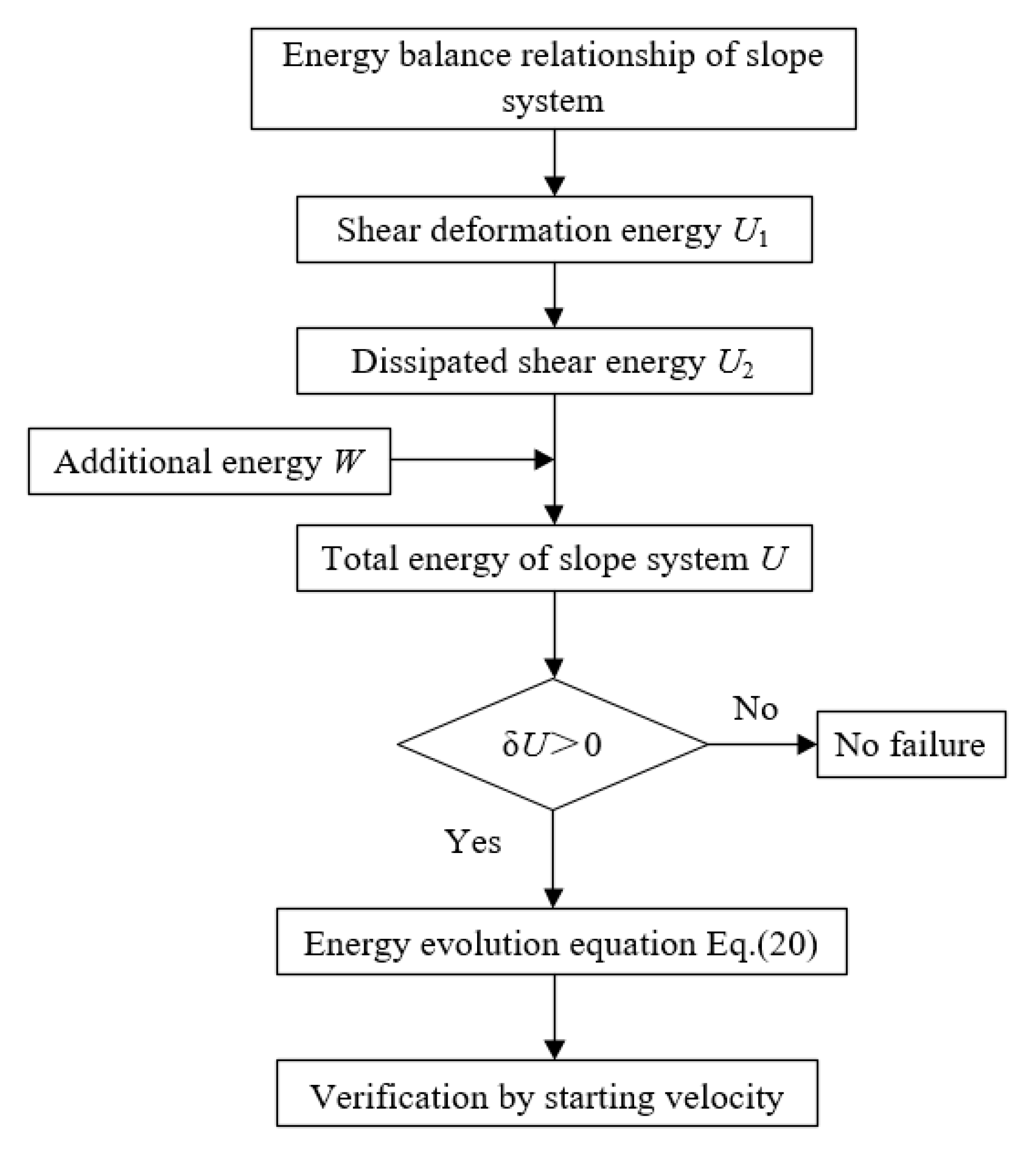
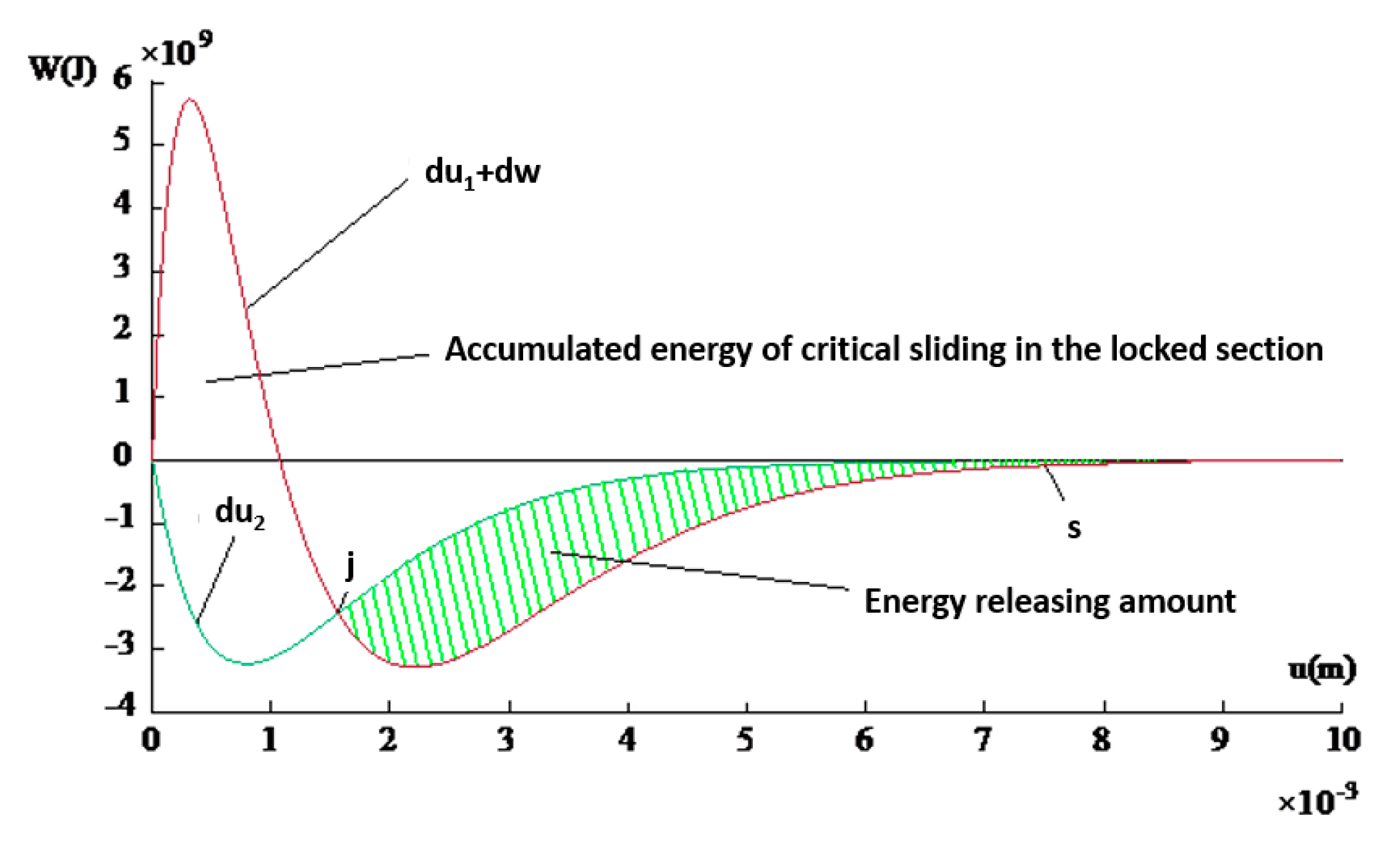
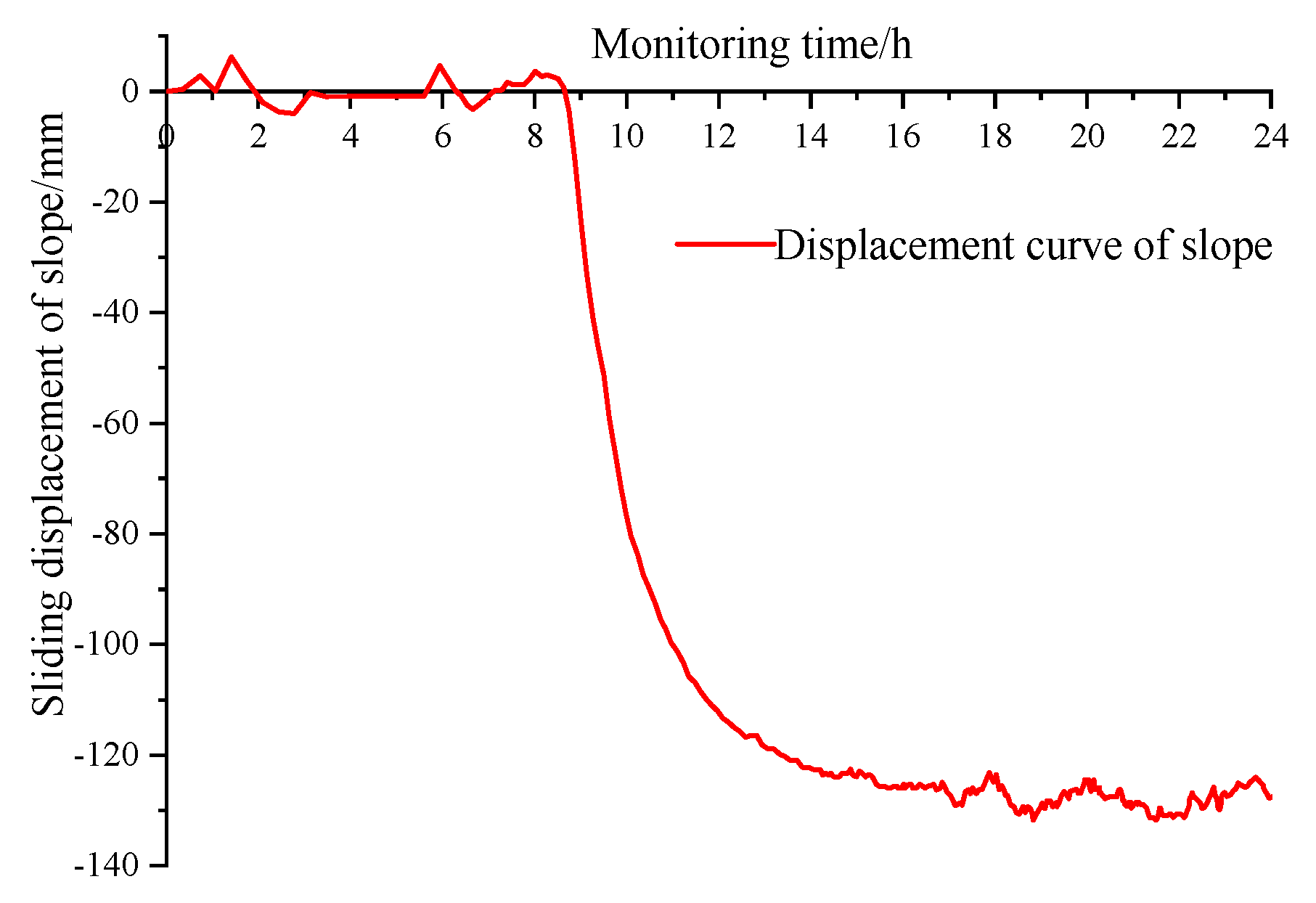
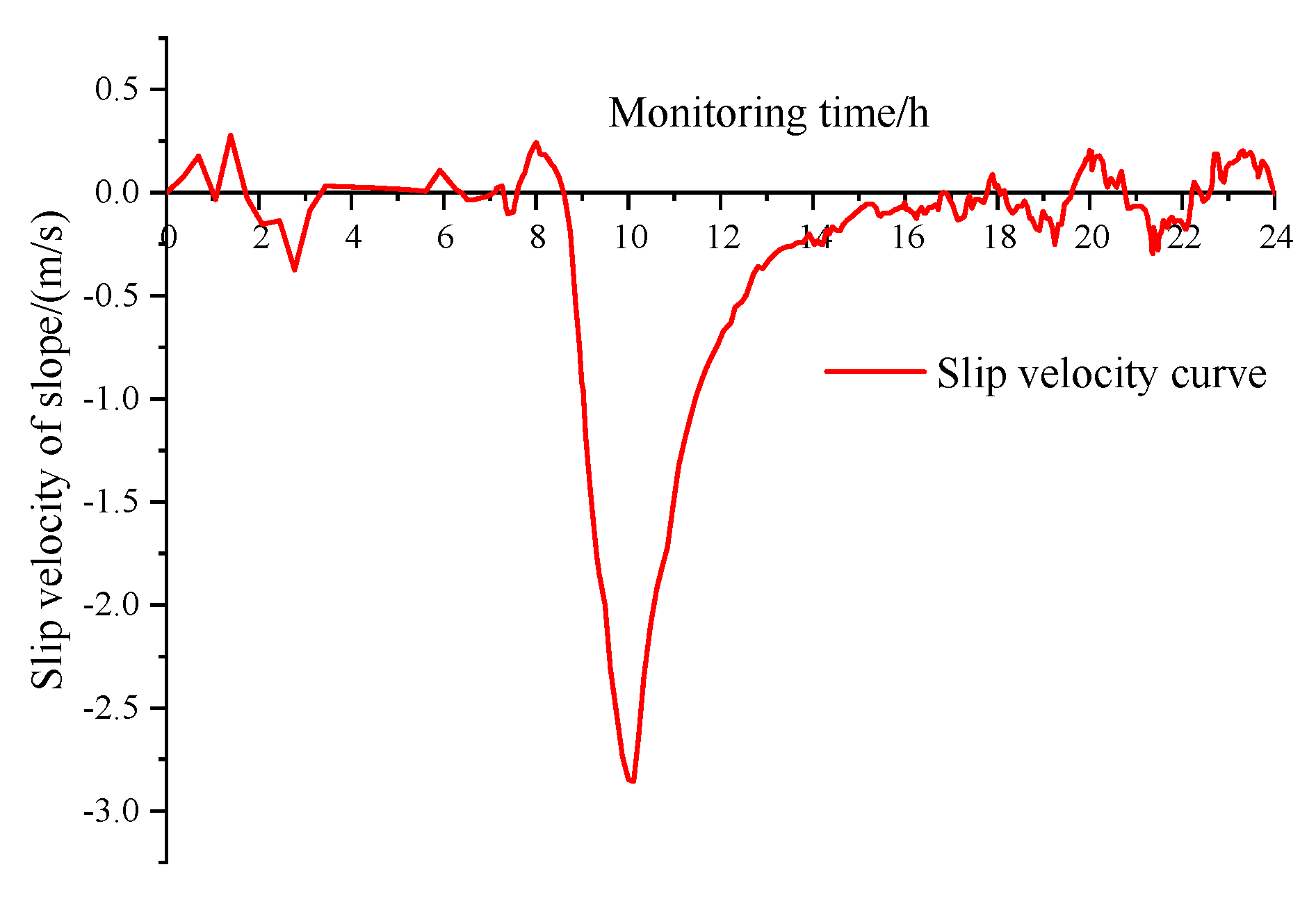
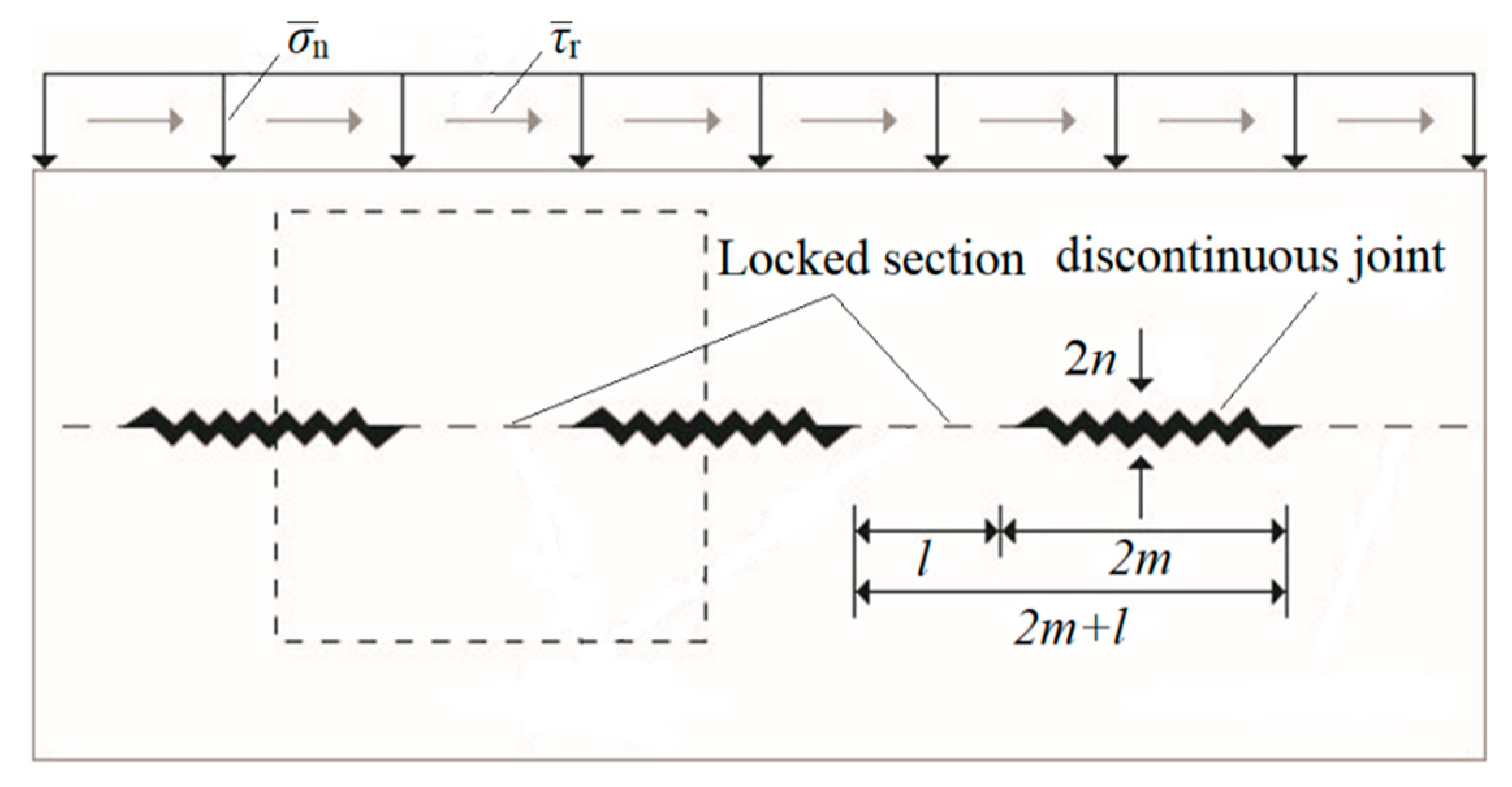
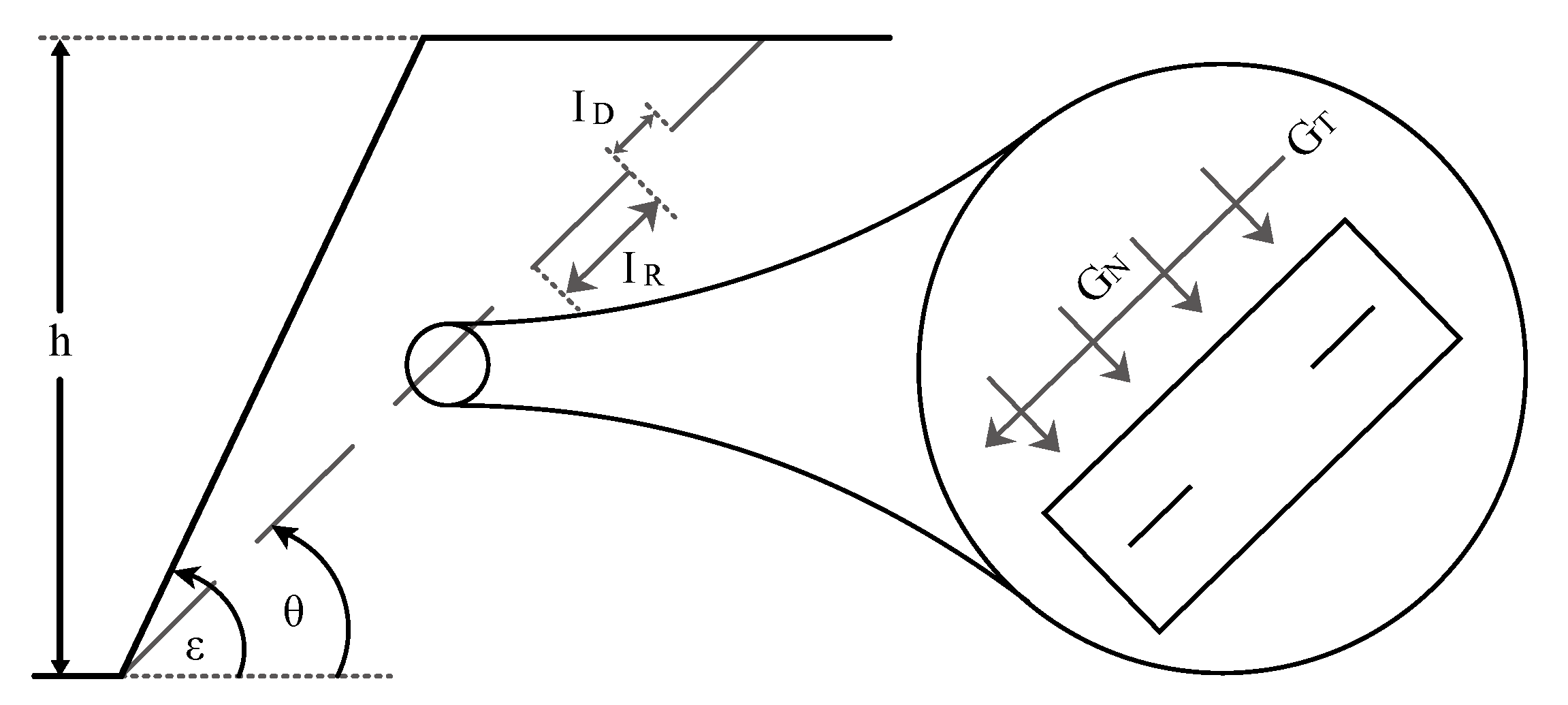
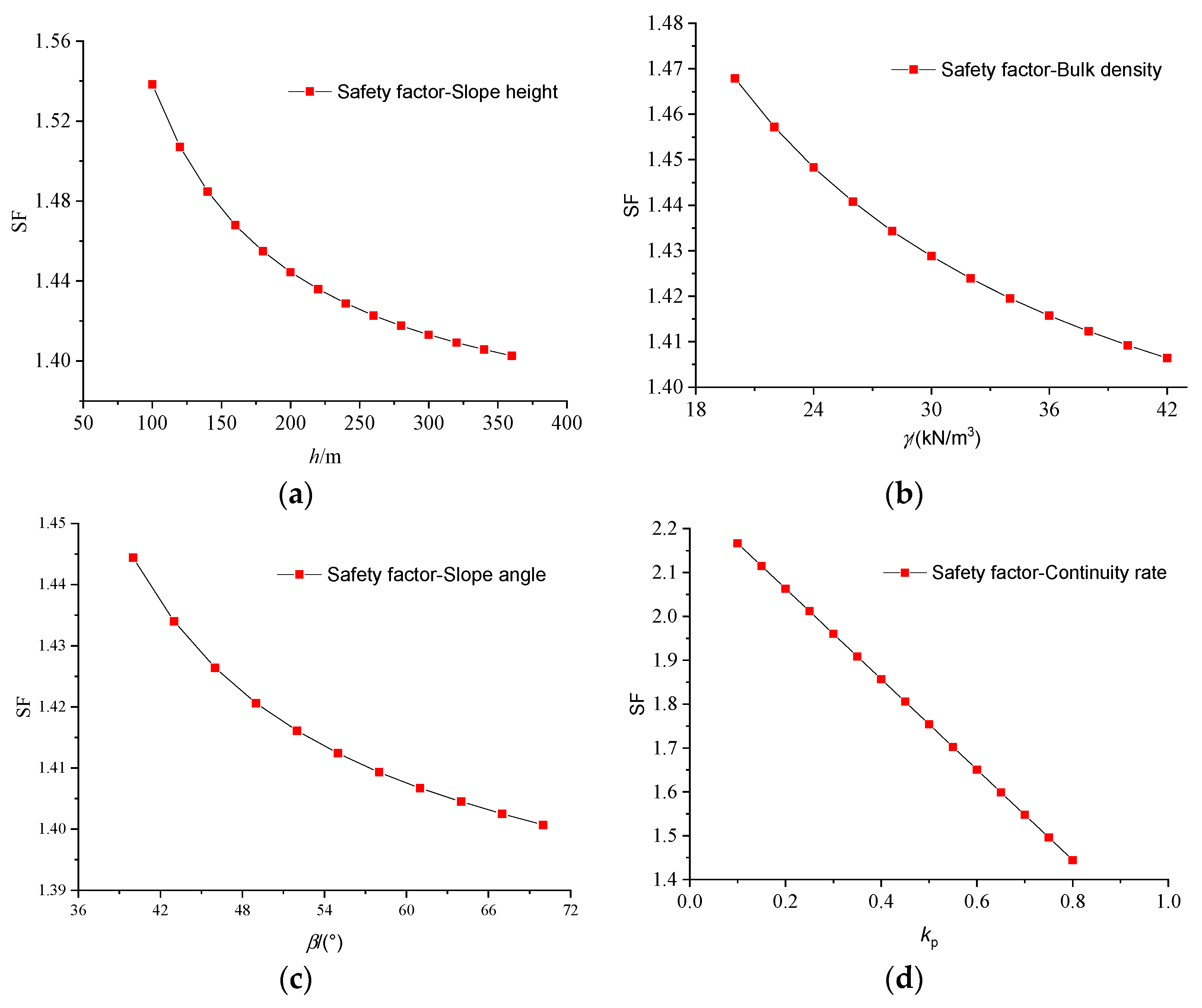
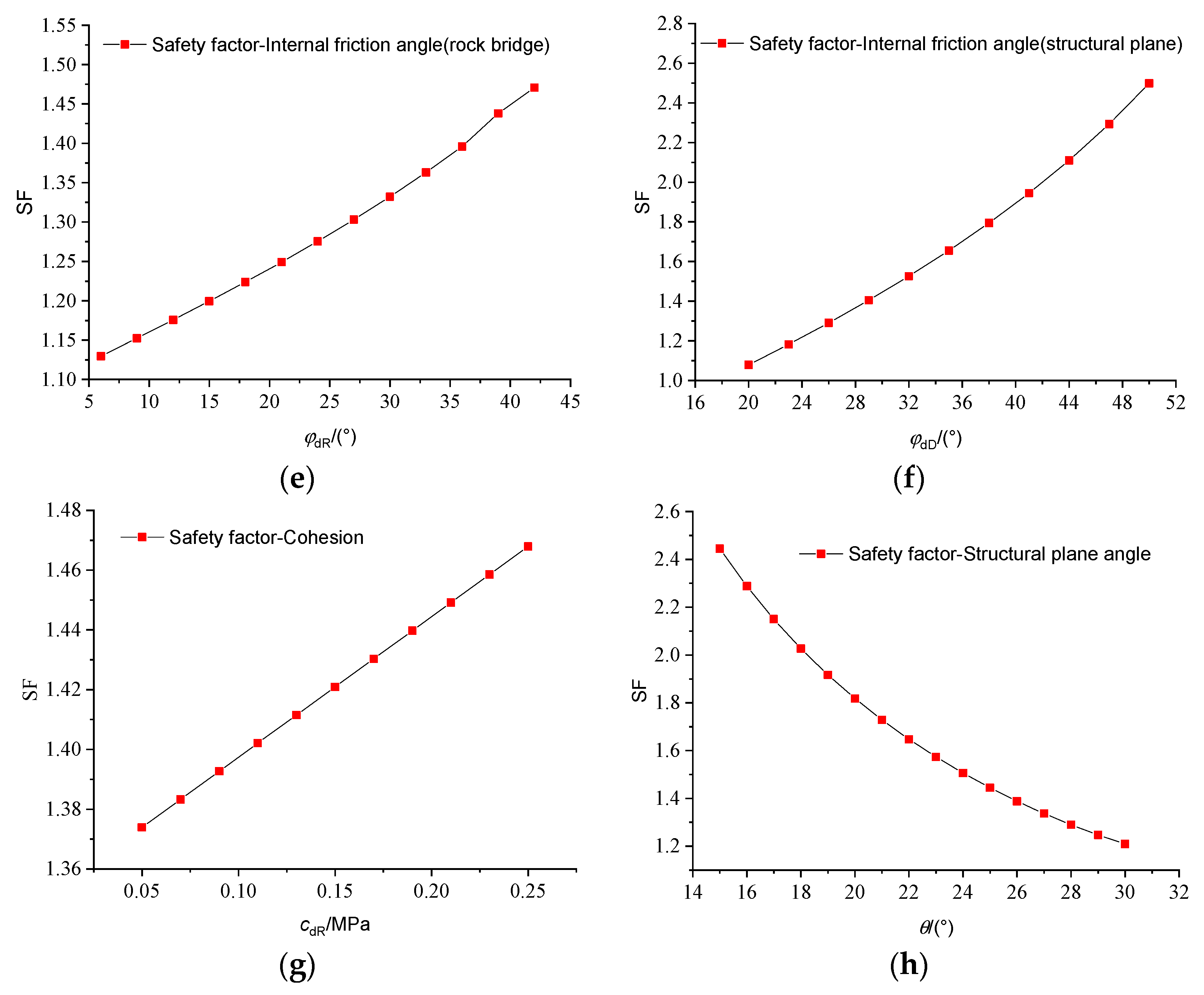
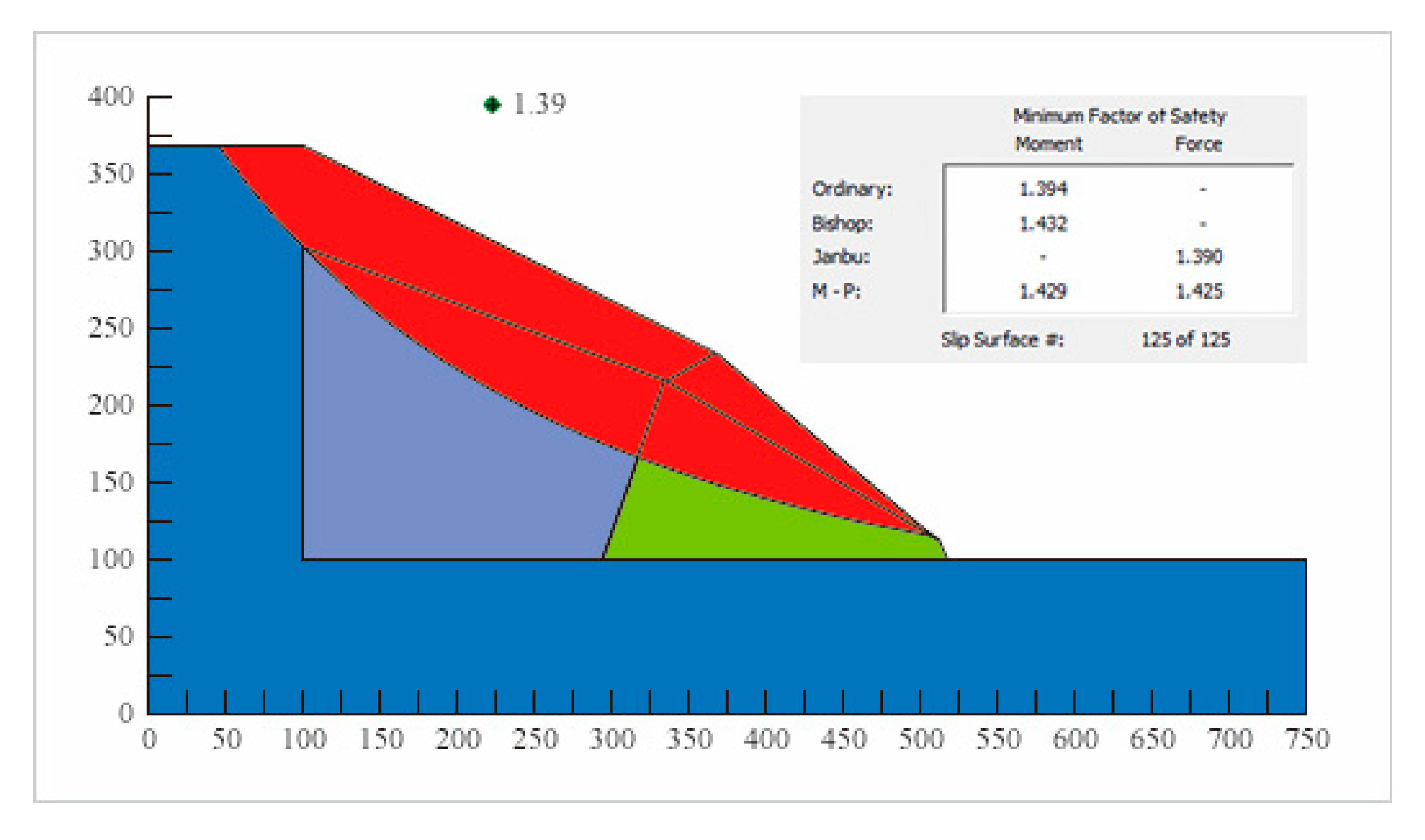
Progressive failure in rock bridges along pre-existing discontinuities is one of the predominant destruction modes of rock slopes. The monitoring and prediction of the impending progressive failure is of great significance to ensure the stability of the rock structures and the safety of the workers. The deformation and fracture of rocks are complex processes with energy evolution between rocks and the external environment. Regarding the whole slope as a system, an energy evolution equation of rock slope systems during progressive failure was established by an energy method of systemic stability. Then, considering the weakening effect of joints and the locking effect of rock bridges, a method for calculating the safety factor of rock slopes with a locked section was proposed. Finally, the energy evolution equation and the calculation method of safety factor are verified by a case study. The results show that when the energy dissipated in the progressive failure process of rock bridges is less than the energy accumulated by itself, the deformation energy stored in the slope system can make the locked section deform continuously until the damage occurs. The system energy equal to zero can be used as the critical criterion for the dynamic instability of the rock slope with locked section. The accumulated deformation energy in the slope system can promote the development of the cracks in the locked section, and the residual energy in the critical sliding state is finally released in the form of kinetic energy, which is the main reason for the progressive dynamic instability of rock slopes.
Keywords: slope engineering; energy; instability criterion; safety factor; structural plane; stability analysis slope engineering; energy; instability criterion; safety factor; structural plane; stability analysis
Graphical Abstract