Article

Research on the Starting Acceleration Characteristics of a New Mechanical–Electric–Hydraulic Power Coupling Electric Vehicle


1
College of Mechanical and Electrical Engineering, Qingdao University, Qingdao 260071, China
2
Power Integration and Energy Storage Systems Engineering Technology Center (Qingdao), Qingdao 260071, China
3
School of Mechanical Engineering, University of Science and Technology Beijing, Beijing 100083, China
*
Authors to whom correspondence should be addressed.
Energies 2020, 13(23), 6279; https://doi.org/10.3390/en13236279
Submission received: 30 October 2020 / Revised: 19 November 2020 / Accepted: 27 November 2020 / Published: 28 November 2020
(This article belongs to the Special Issue Advanced Electric Vehicle Techniques)

Abstract

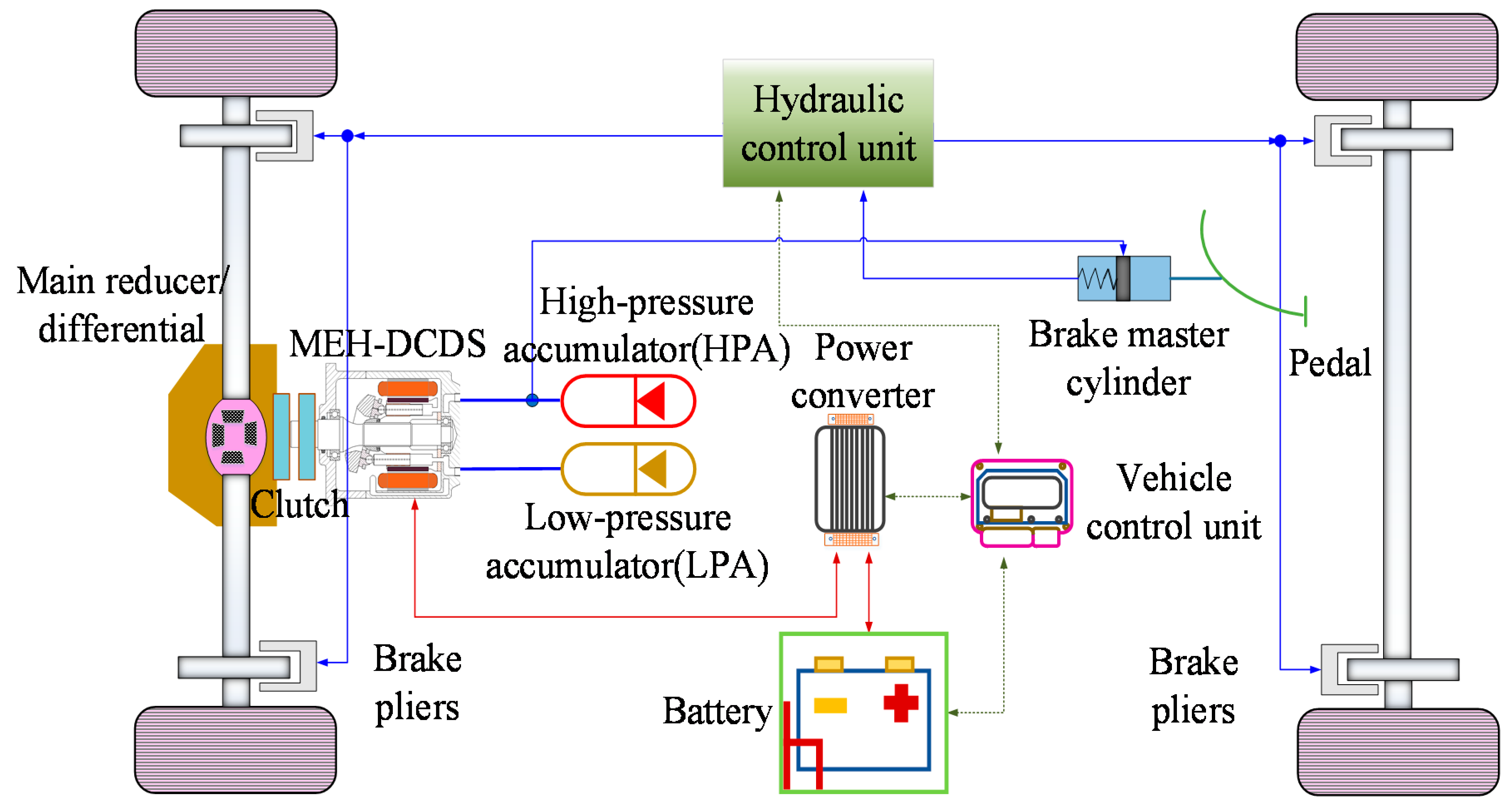
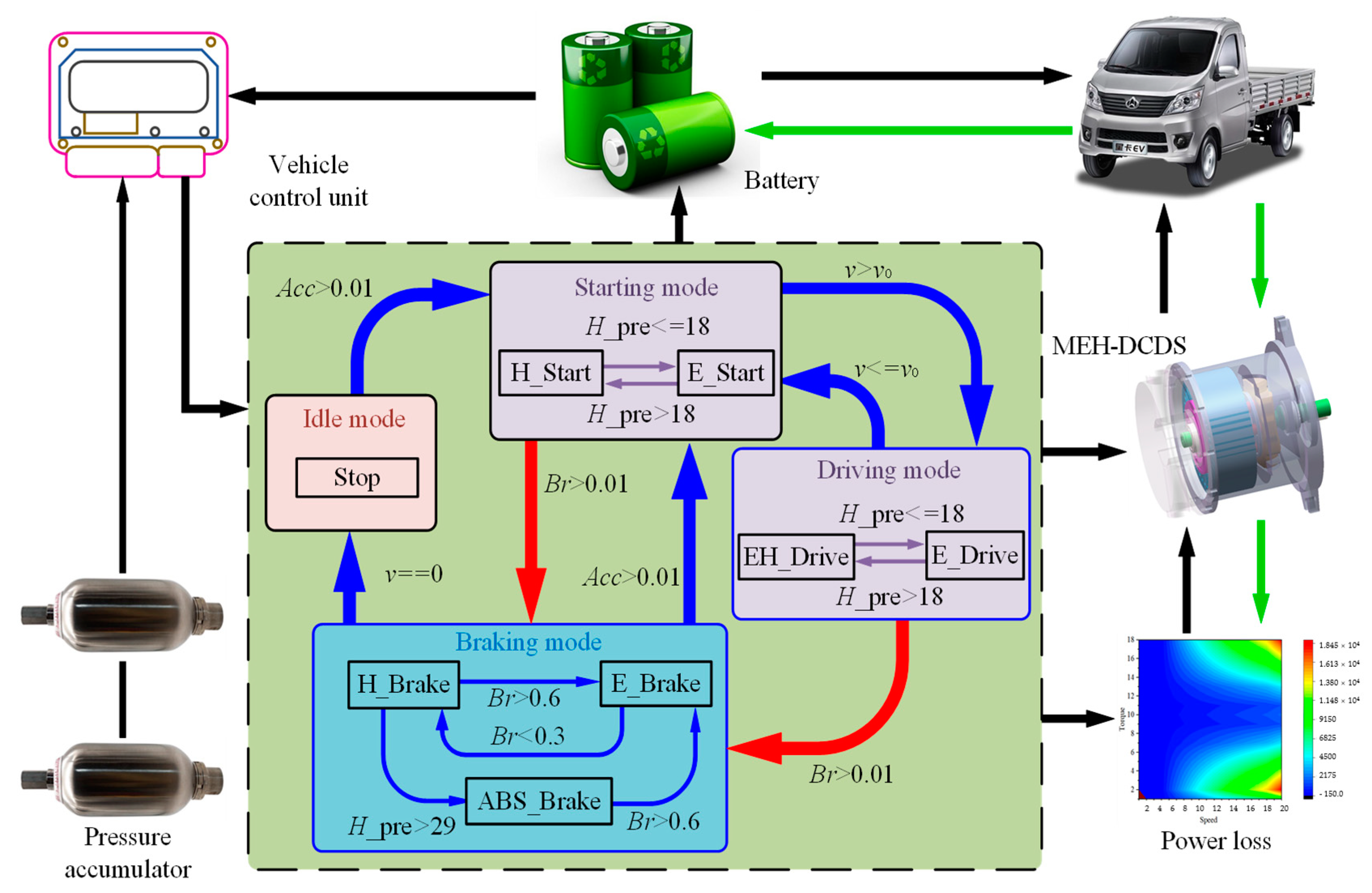
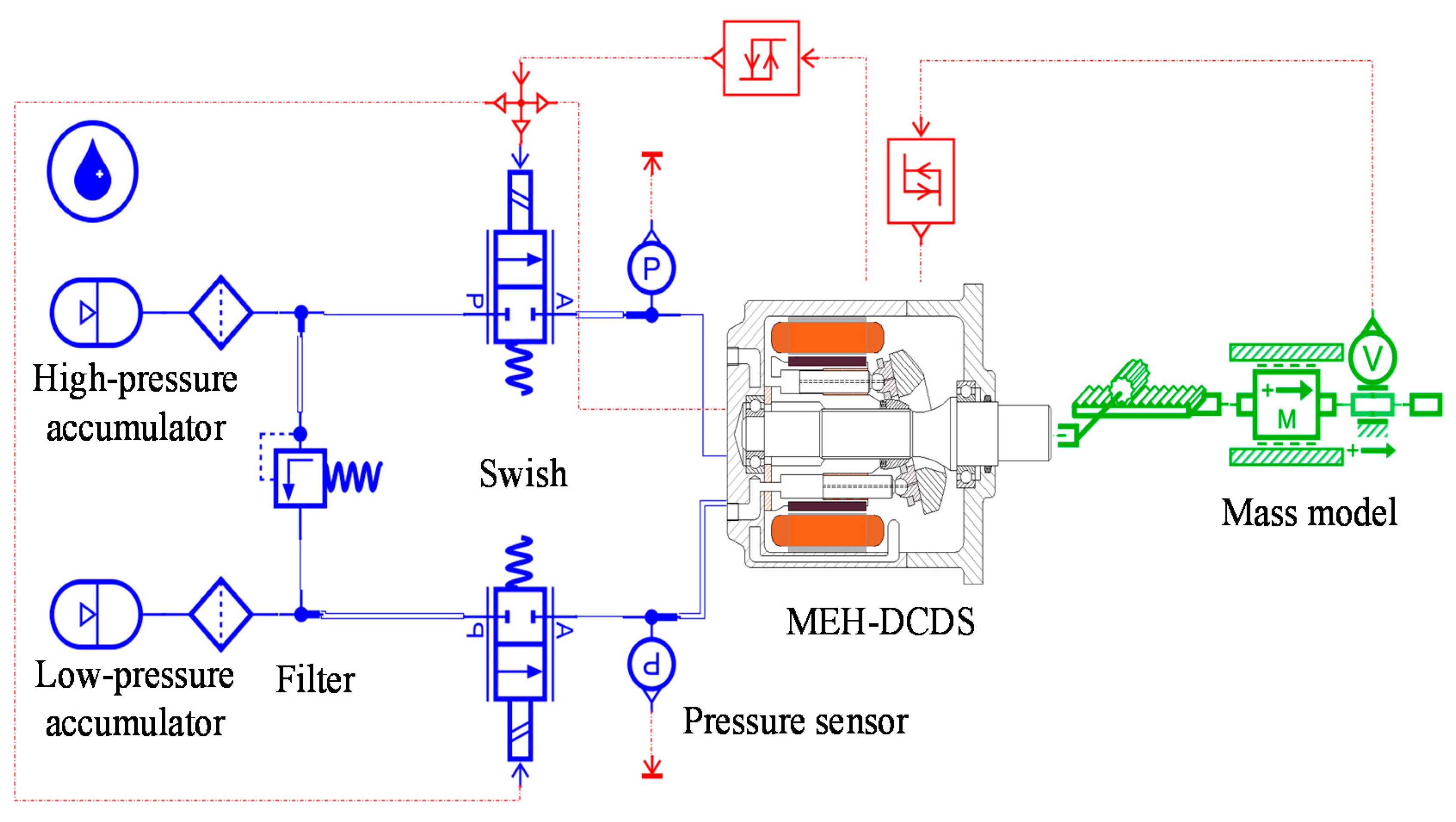
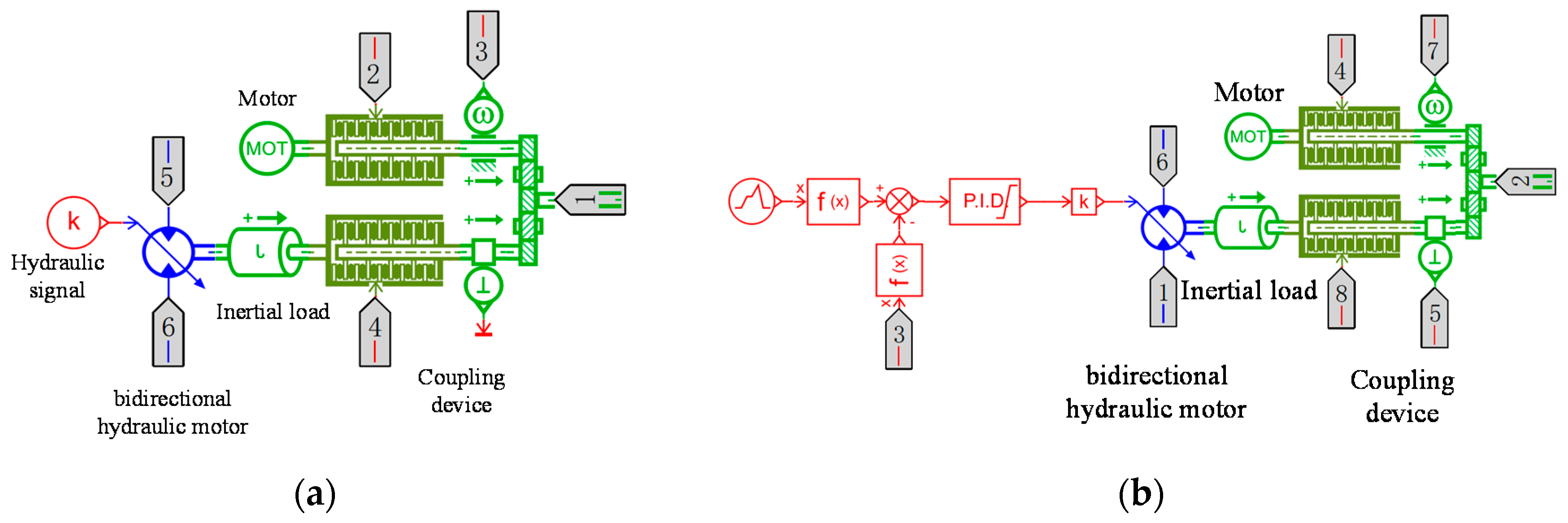
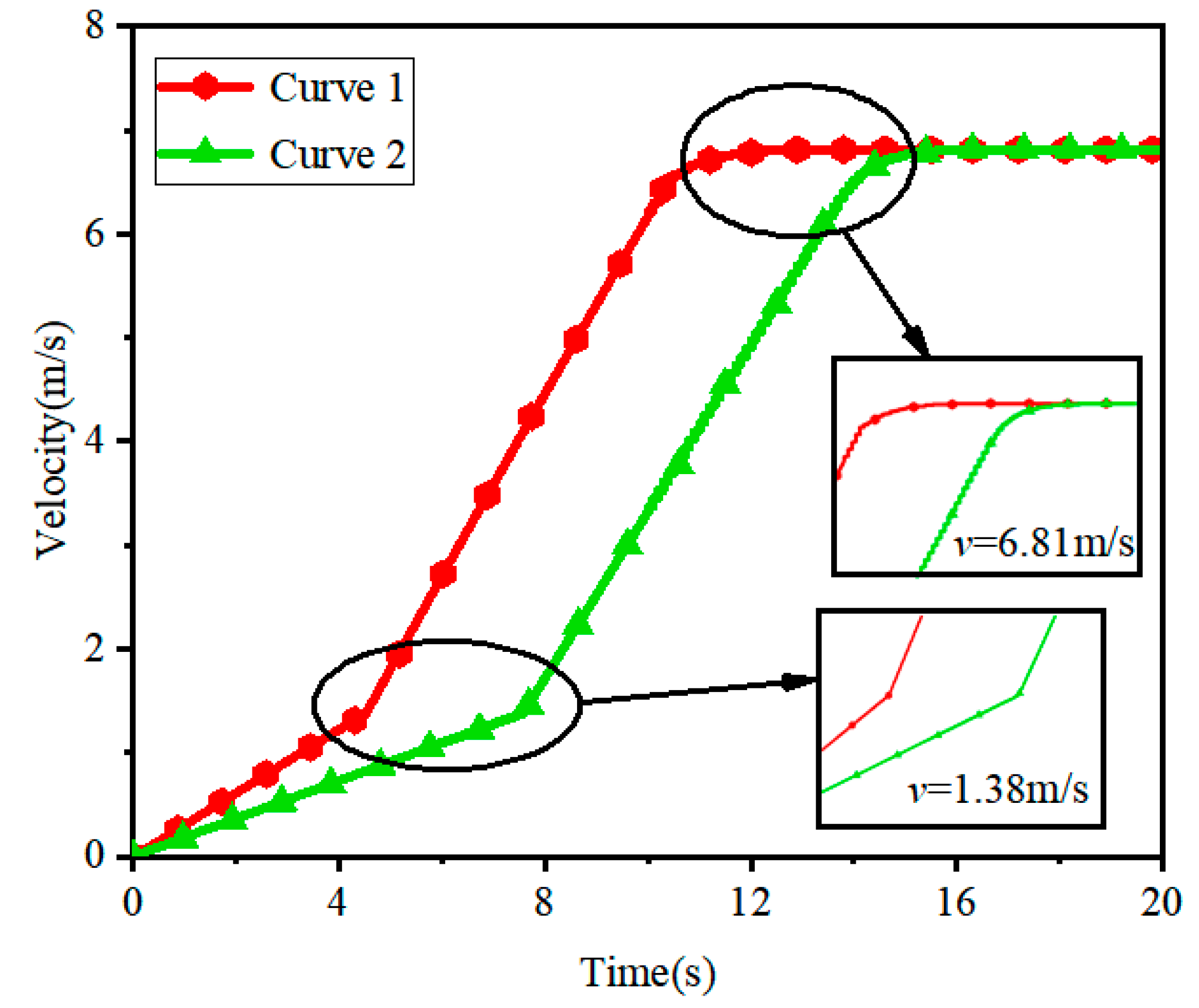
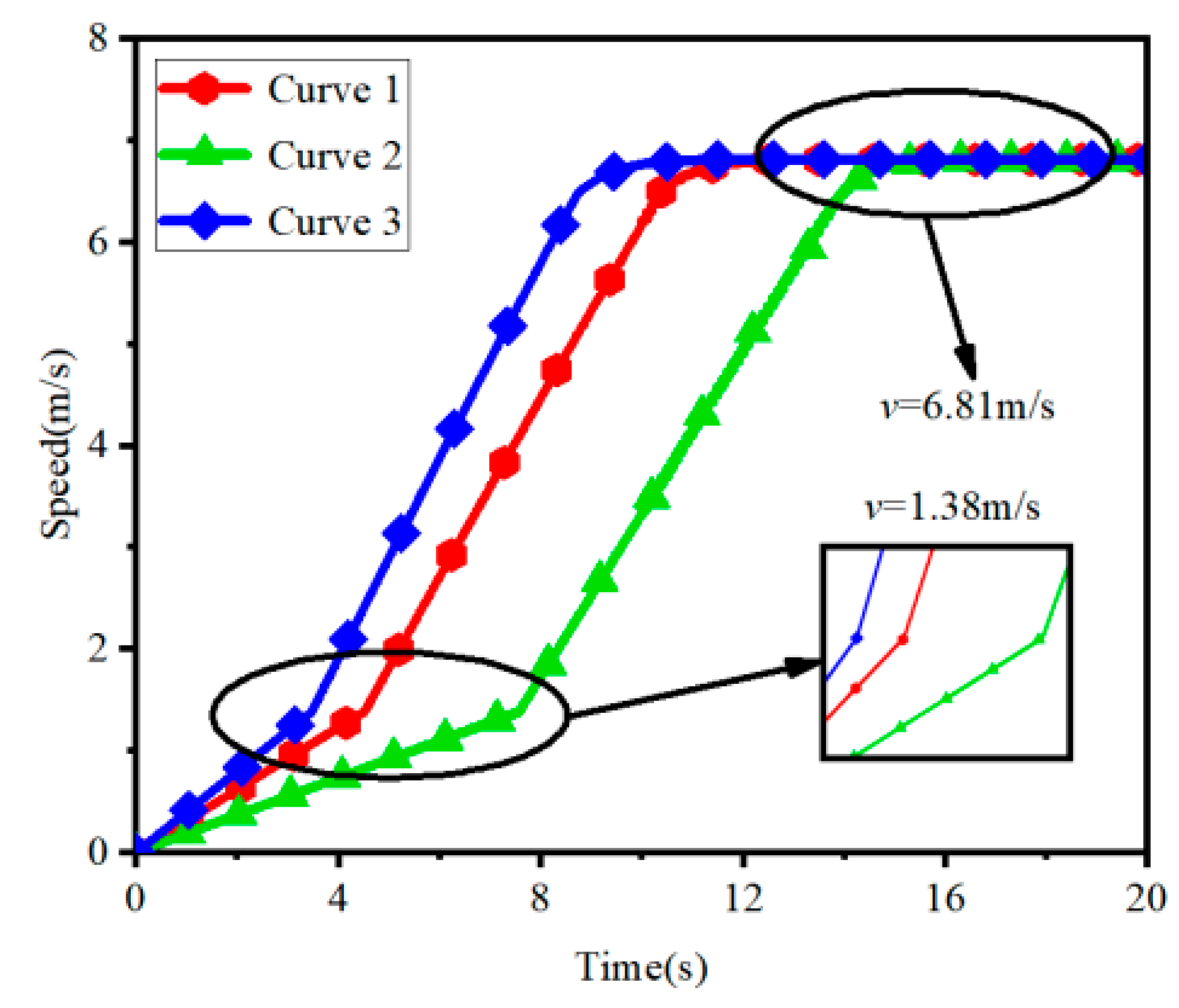
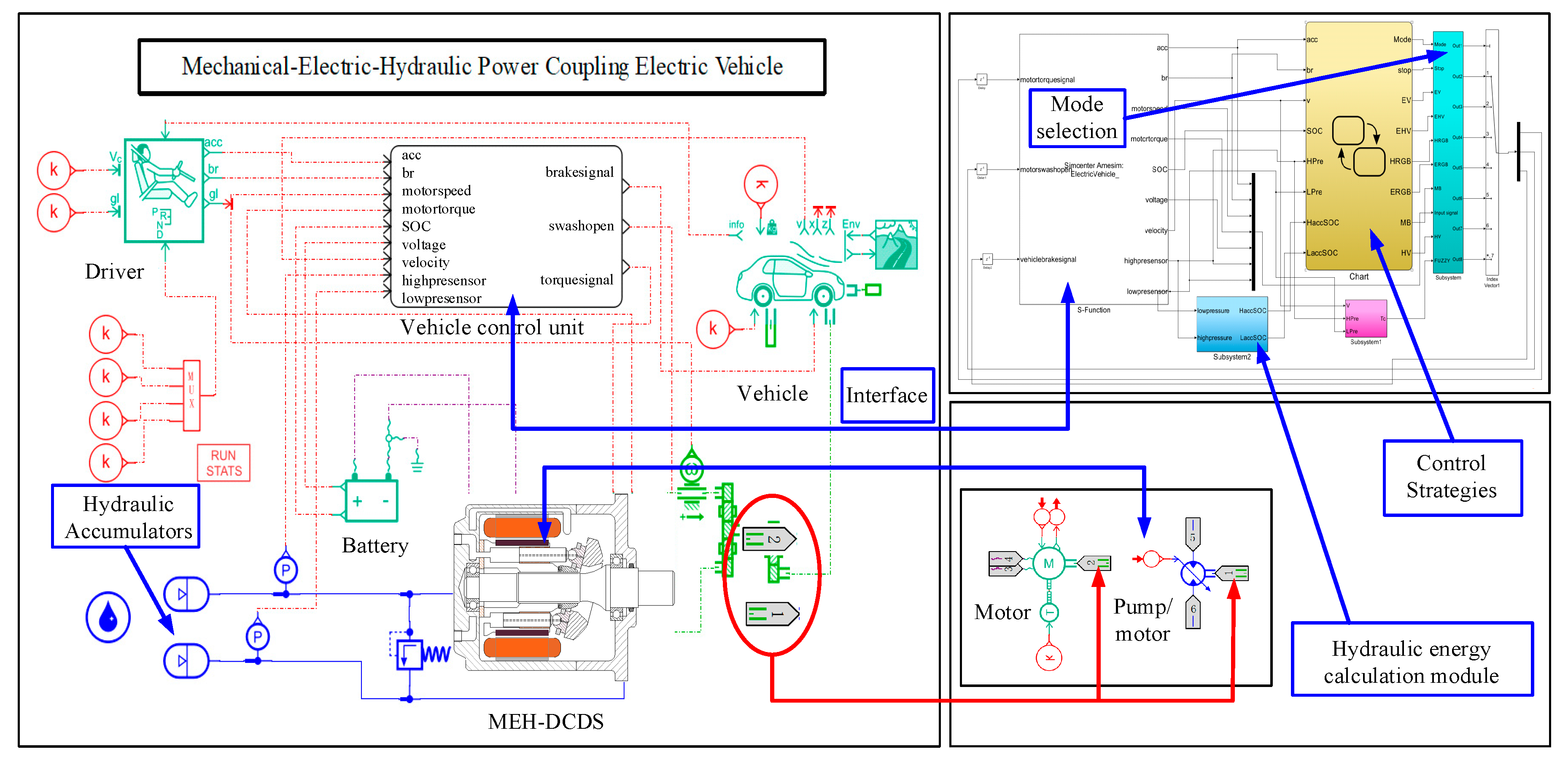
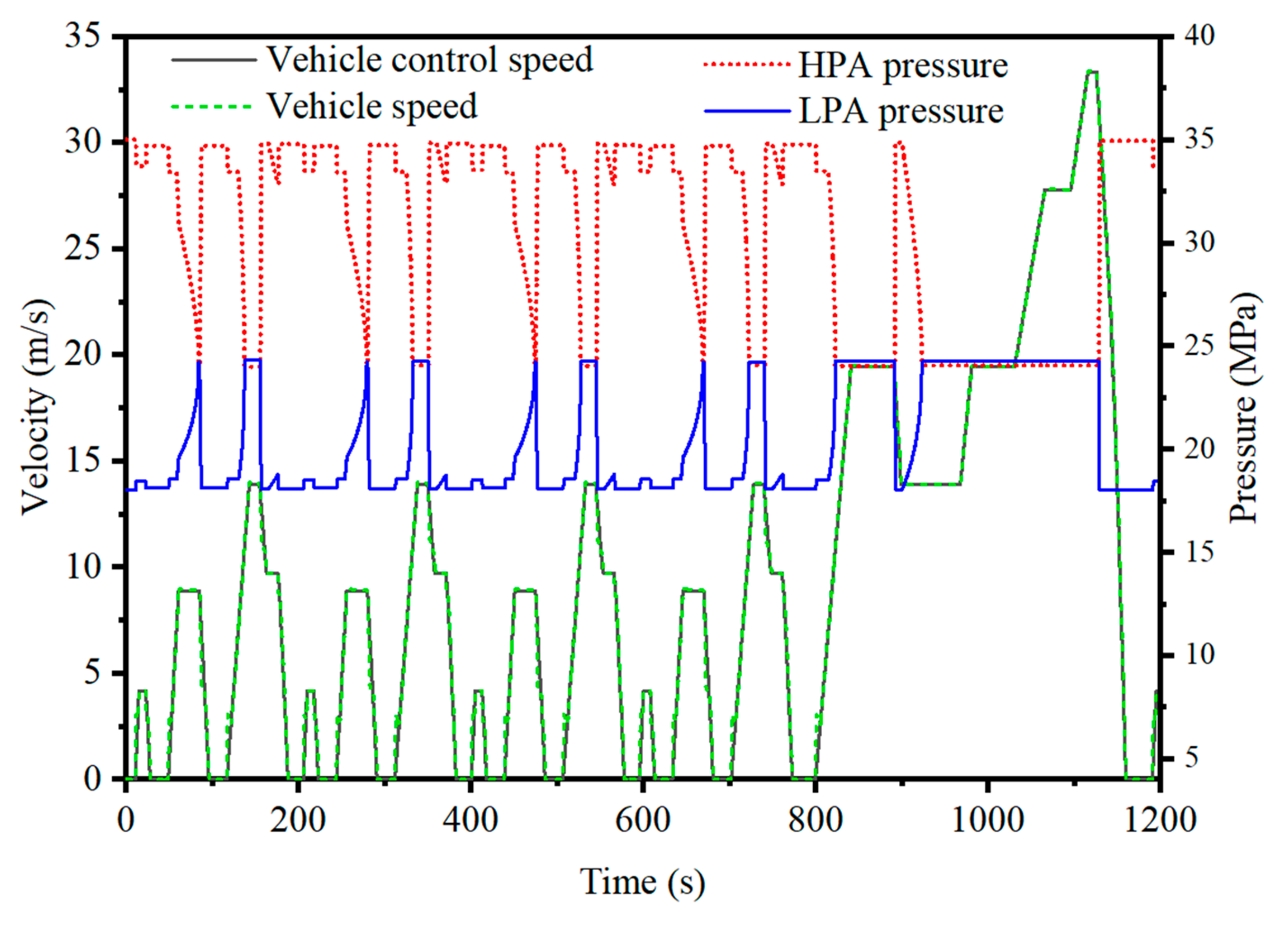
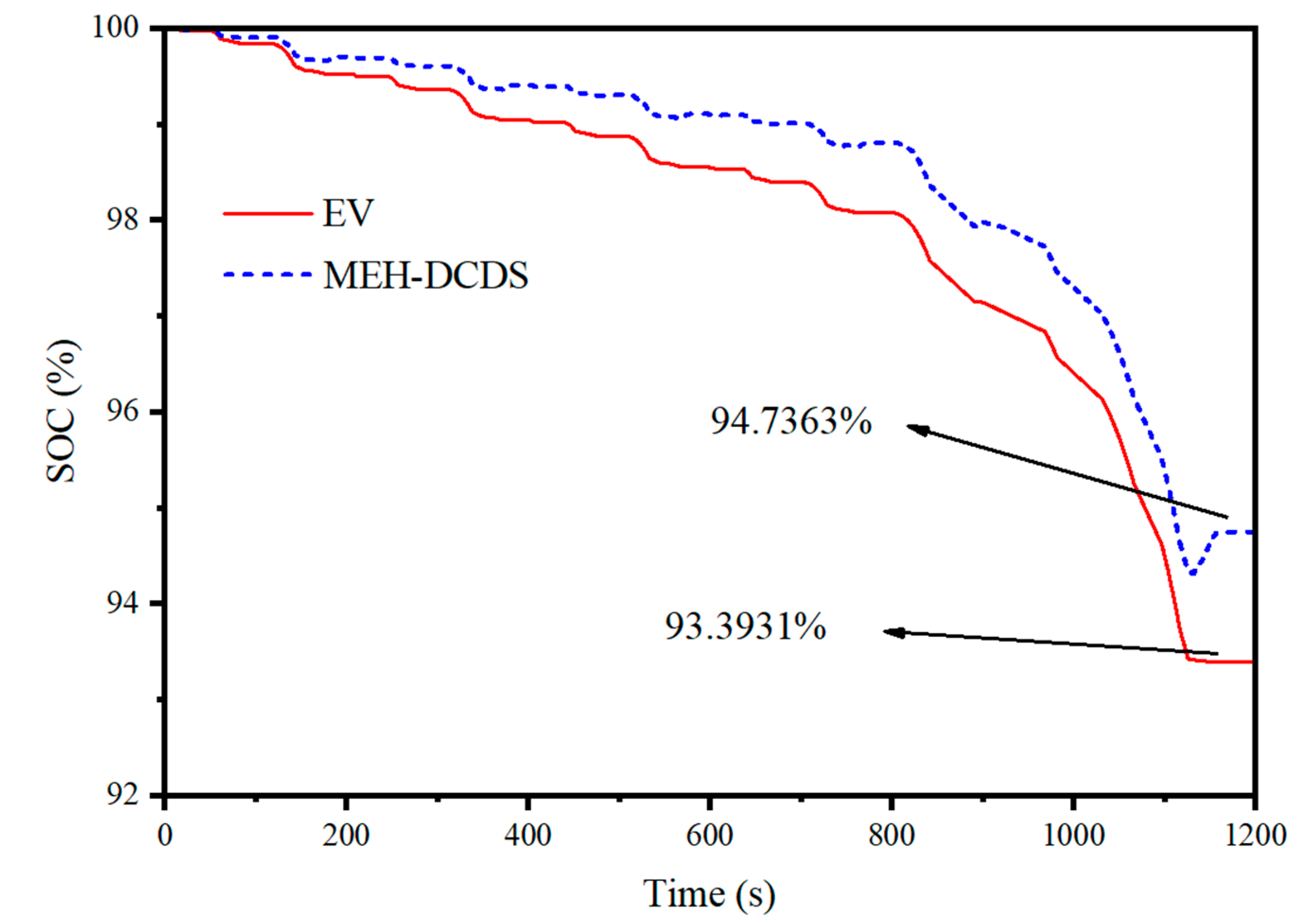
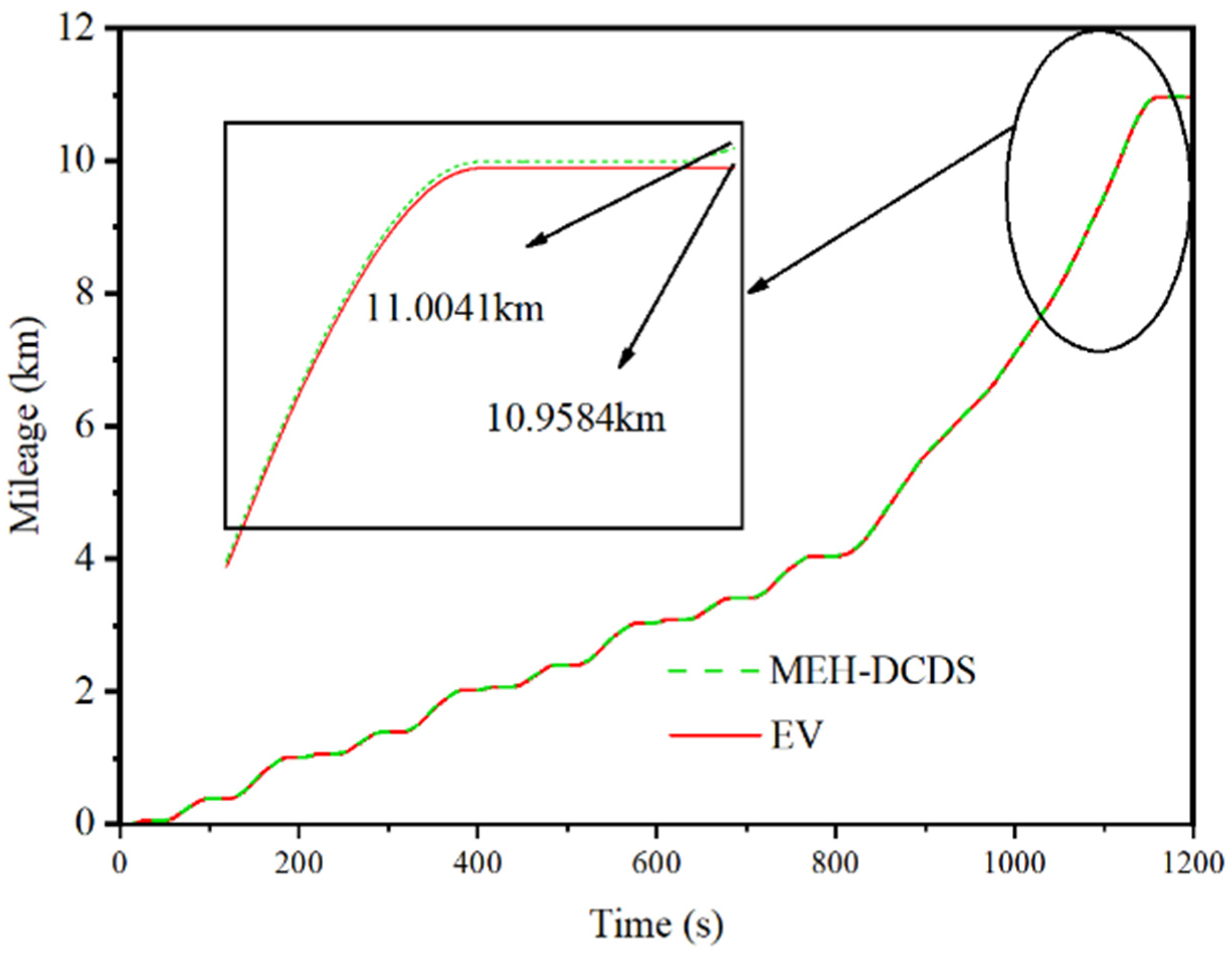
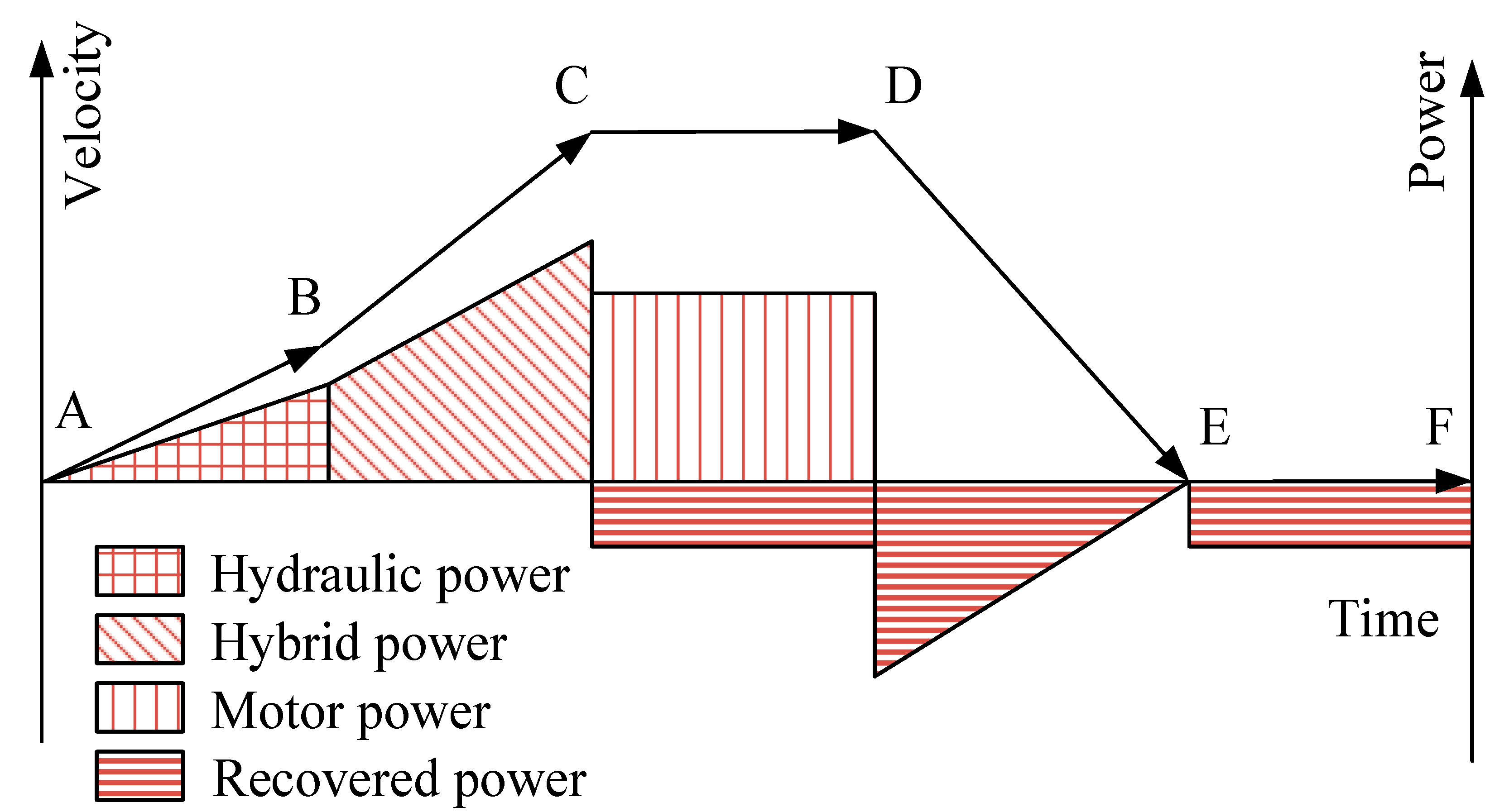
To simplify the layout of a purely electric vehicle transmission system and improve the acceleration performance of the vehicle, this paper utilizes the characteristics of the large torque of a hydraulic transmission system and proposes a new mechanical–electric–hydraulic dynamic coupling drive system (MEH-DCDS). It integrates the traditional motor and the swashplate hydraulic pump/motor into one, which can realize the mutual conversion between the mechanical energy, electrical energy, and hydraulic energy. This article explains its working principle and structural characteristics. At the same time, the mathematical model for the key components is established and the operation mode is divided into various types. Based on AMESim software, the article studies the dynamic characteristics of the MEH-DCDS, and finally proposes a method that combines real-time feedback of the accumulator output torque with PID control to complete the system simulation. The results show that the MEH-DCDS vehicle has a starting time of 4.52 s at ignition, and the starting performance is improved by 40.37% compared to that of a pure motor drive system vehicle; after a PID adjustment, the MEH-DCDS vehicle’s starting time is shortened by 1.04 s, and the acceleration performance is improved by 23.01%. The results indicated the feasibility of the system and the power performance was substantially improved. Finally, the system is integrated into the vehicle and the dynamic performance of the MEH-DCDS under cycle conditions is verified by joint simulation. The results show that the vehicle is able to follow the control speed well when the MEH-DCDS is loaded on the vehicle. The state-of-charge (SOC) consumption rate is reduced by 20.33% compared to an electric vehicle, while the MEH-DCDS has an increased range of 45.7 m compared to the EV. This improves the energy efficiency and increases the driving range.
Keywords: mechanical–electric–hydraulic; coupling; PID; AMESim; Simulink mechanical–electric–hydraulic; coupling; PID; AMESim; Simulink