Article

Laser Cutting Characteristics on Uncompressed Anode for Lithium-Ion Batteries


1
Department of Mechanical and Automotive Engineering, Kongju National University, Cheonan 31080, Korea
2
Energy Materials Research Center, Advanced Materials Division, Korea Research Institute of Chemical Technology, 141 Gajeong-ro, Yuseong-gu, Daejeon 305-600, Korea
*
Authors to whom correspondence should be addressed.
Energies 2020, 13(10), 2630; https://doi.org/10.3390/en13102630
Submission received: 13 March 2020 / Revised: 12 May 2020 / Accepted: 18 May 2020 / Published: 21 May 2020
(This article belongs to the Special Issue High Energy Electrochemical Capacitors)

Abstract

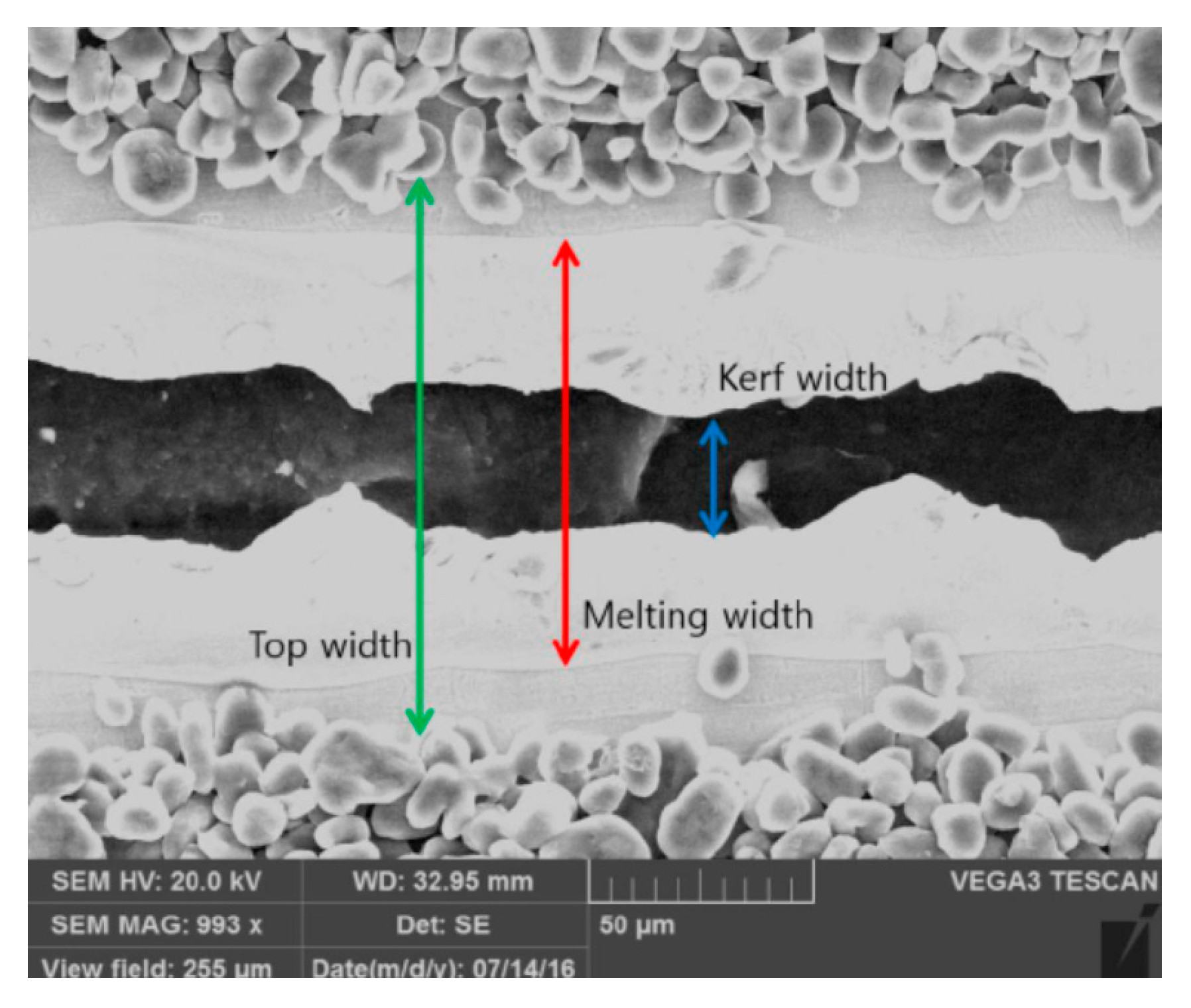
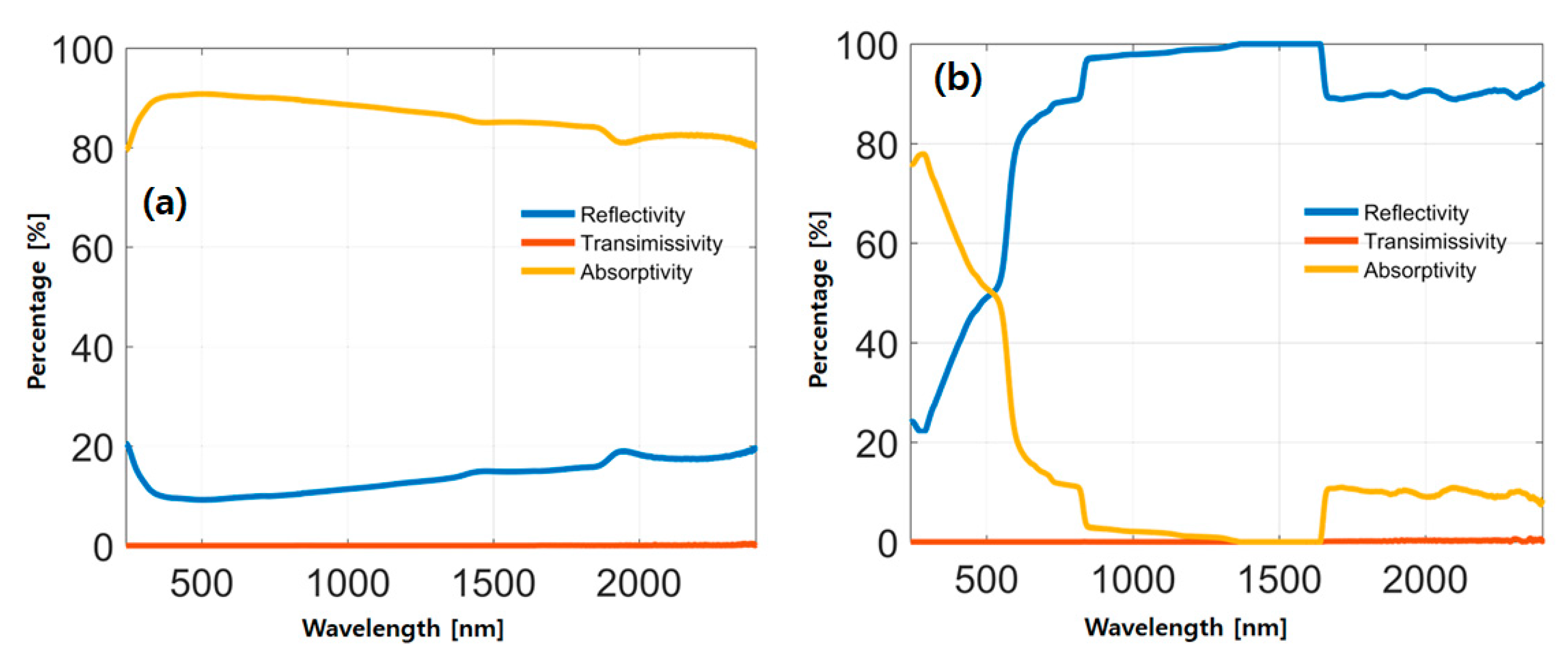
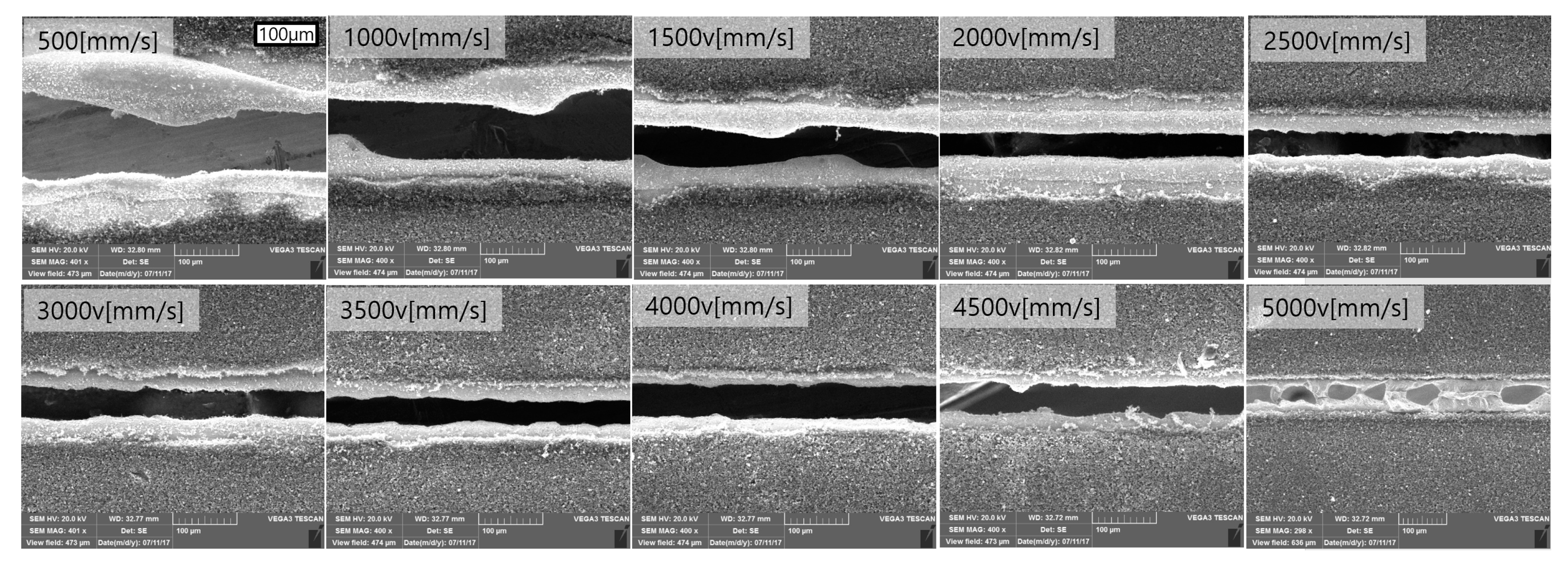
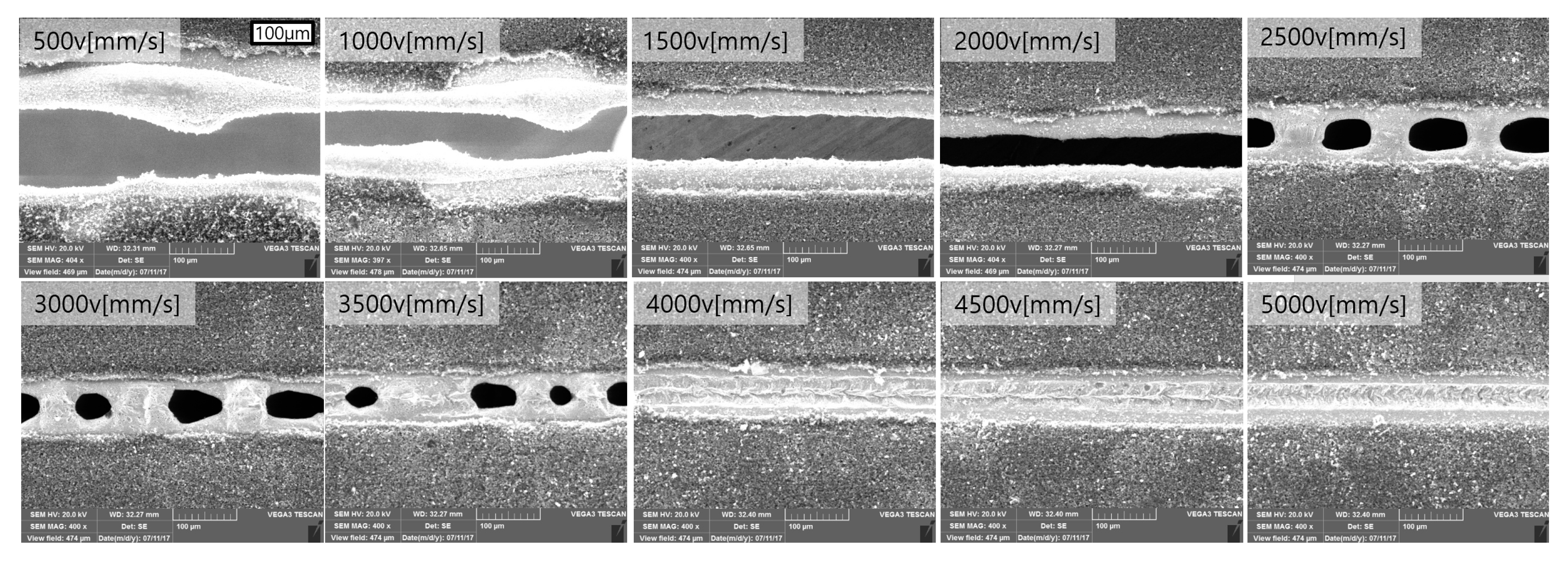
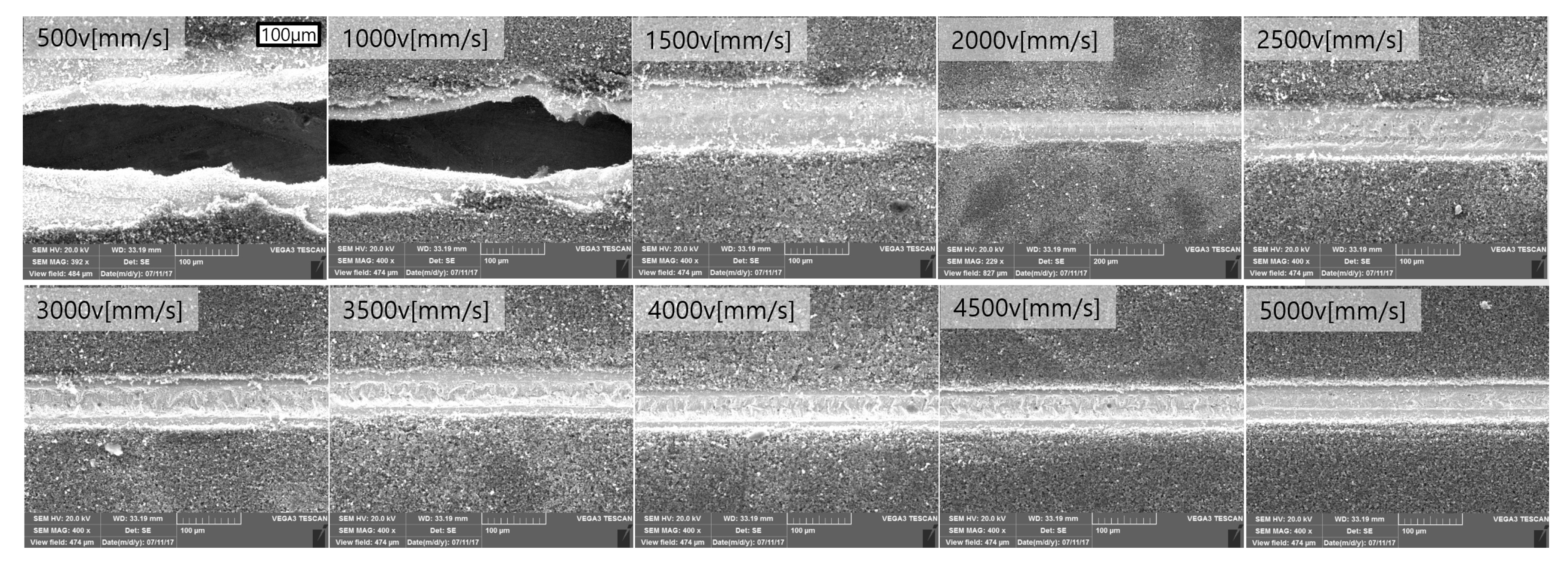
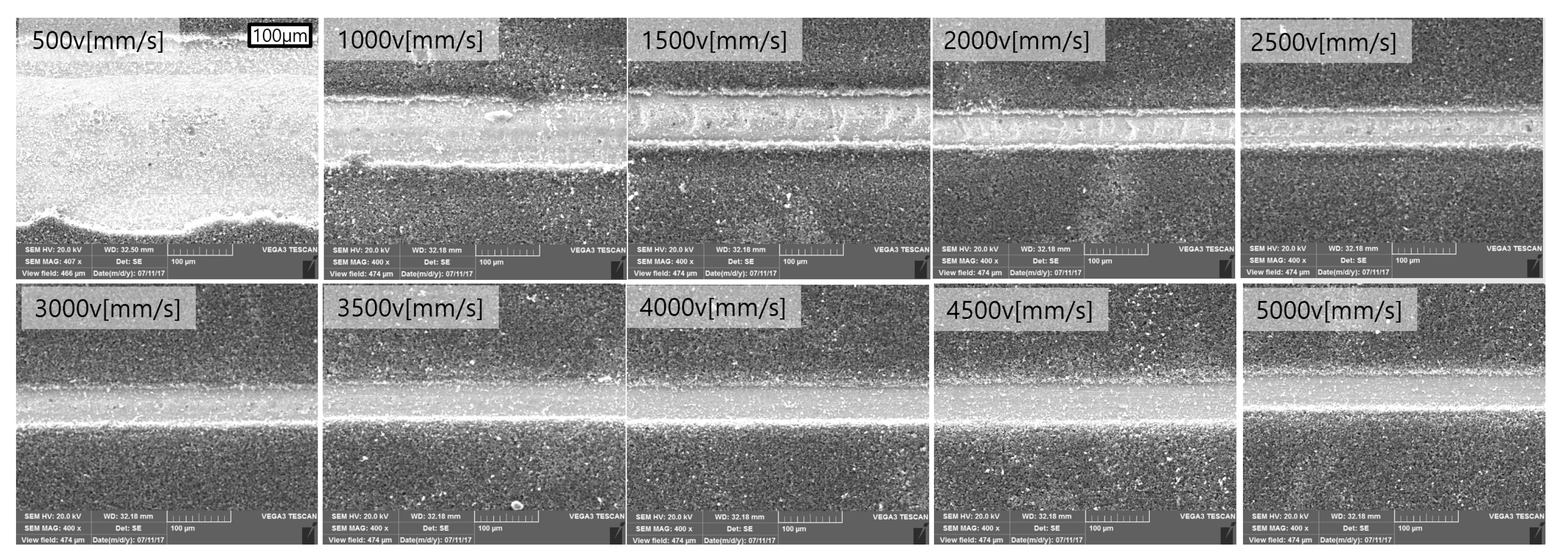
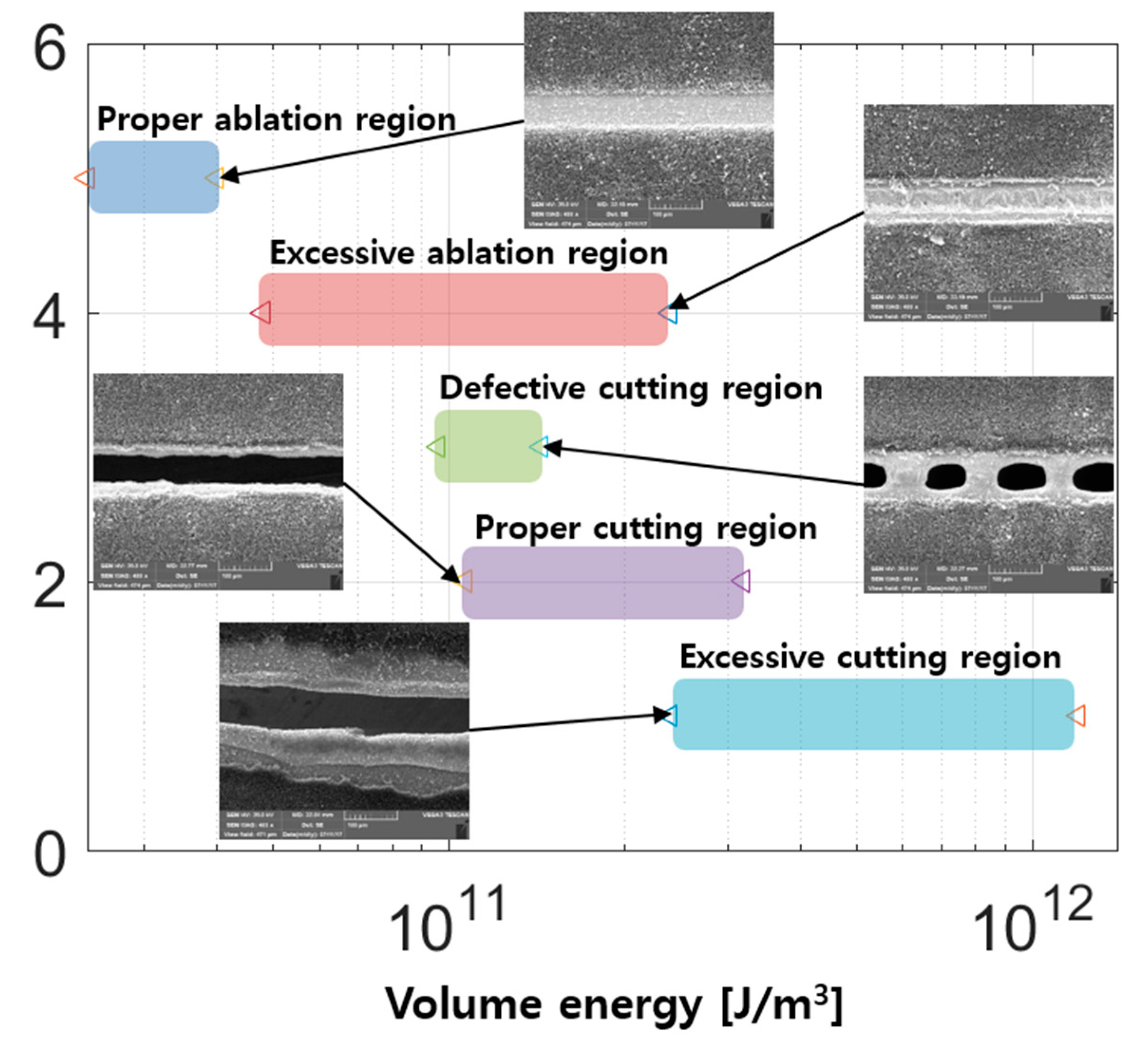
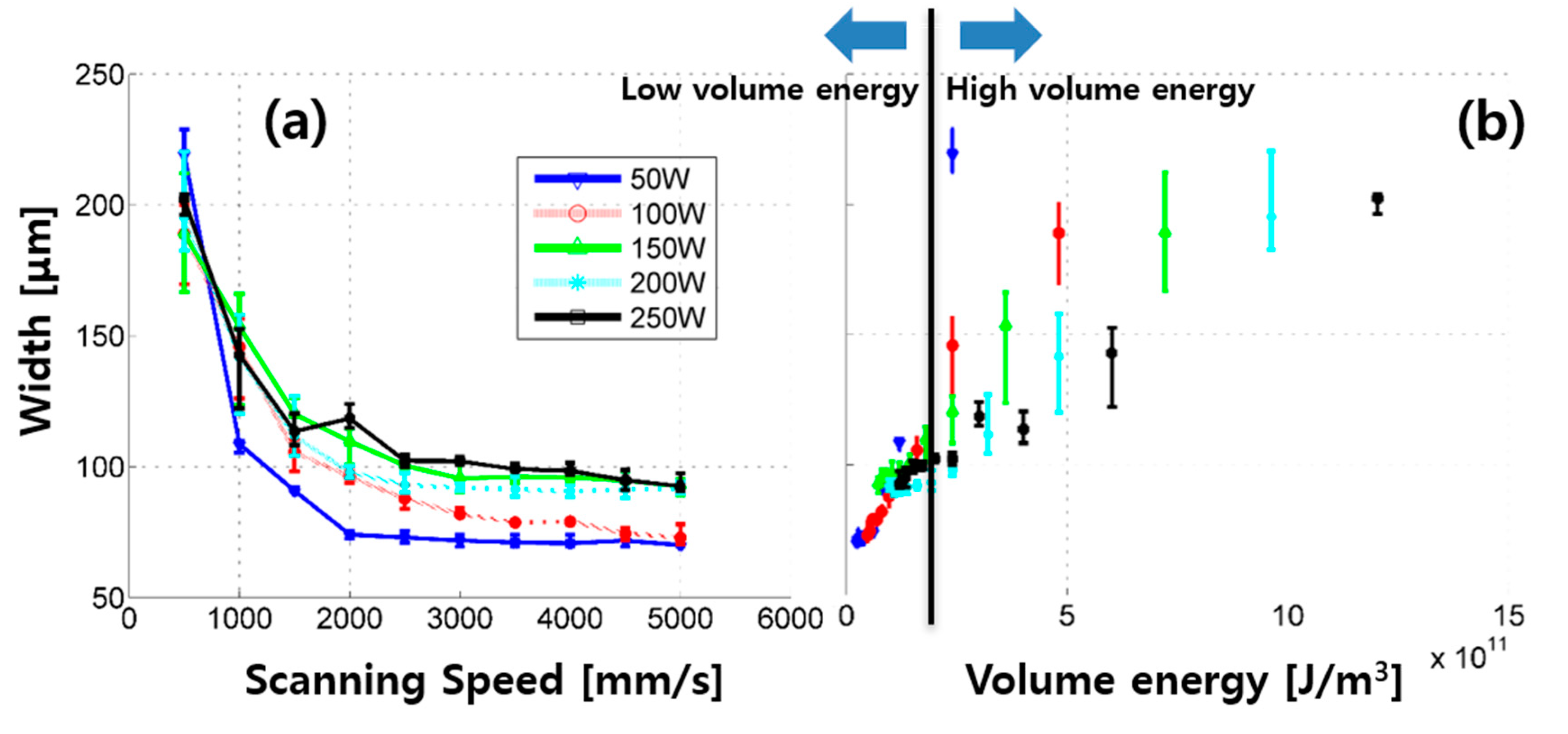
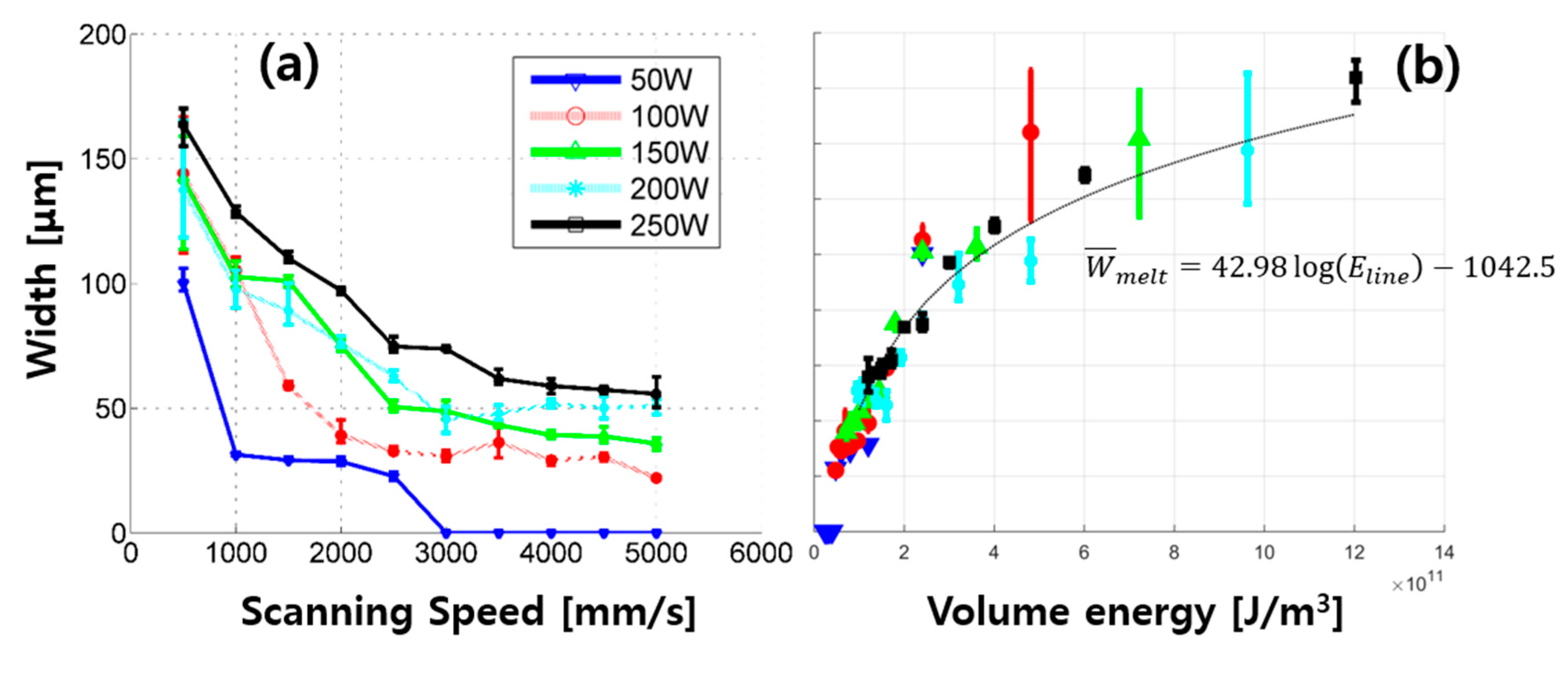
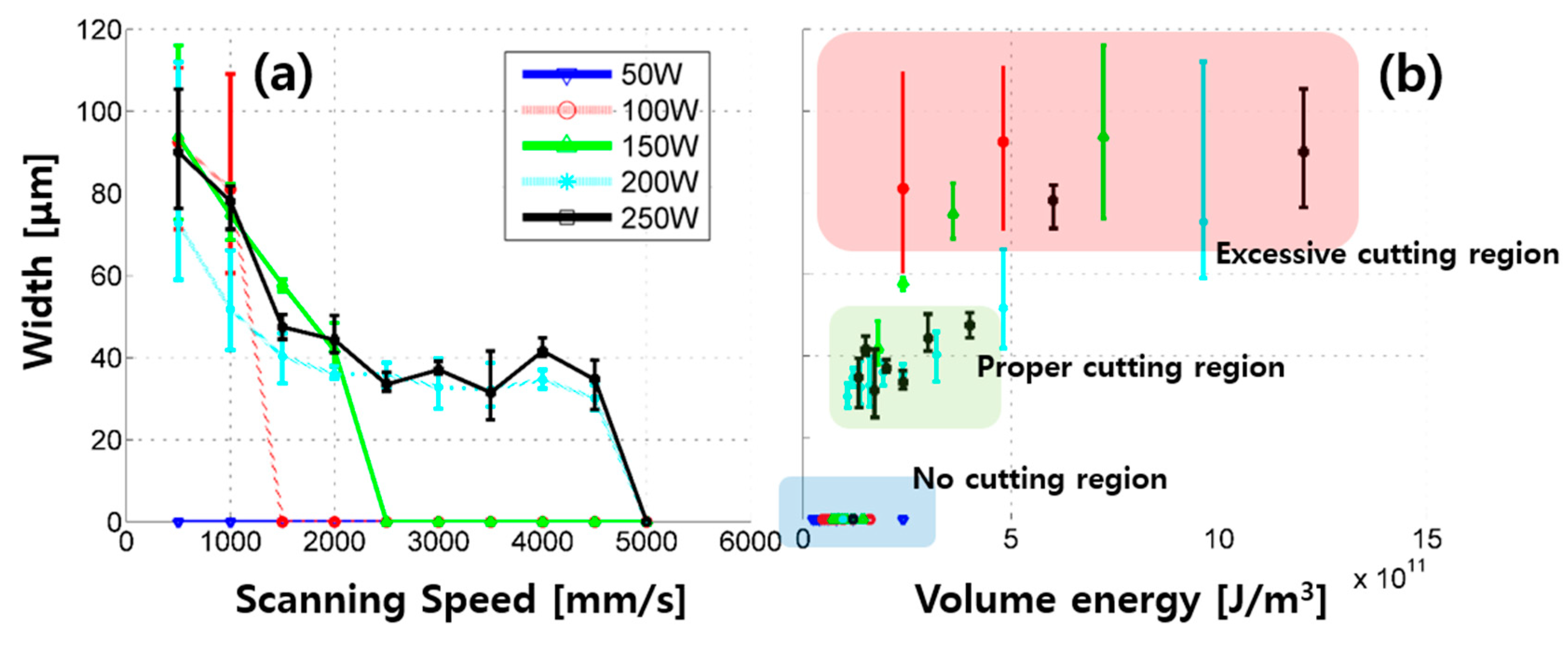
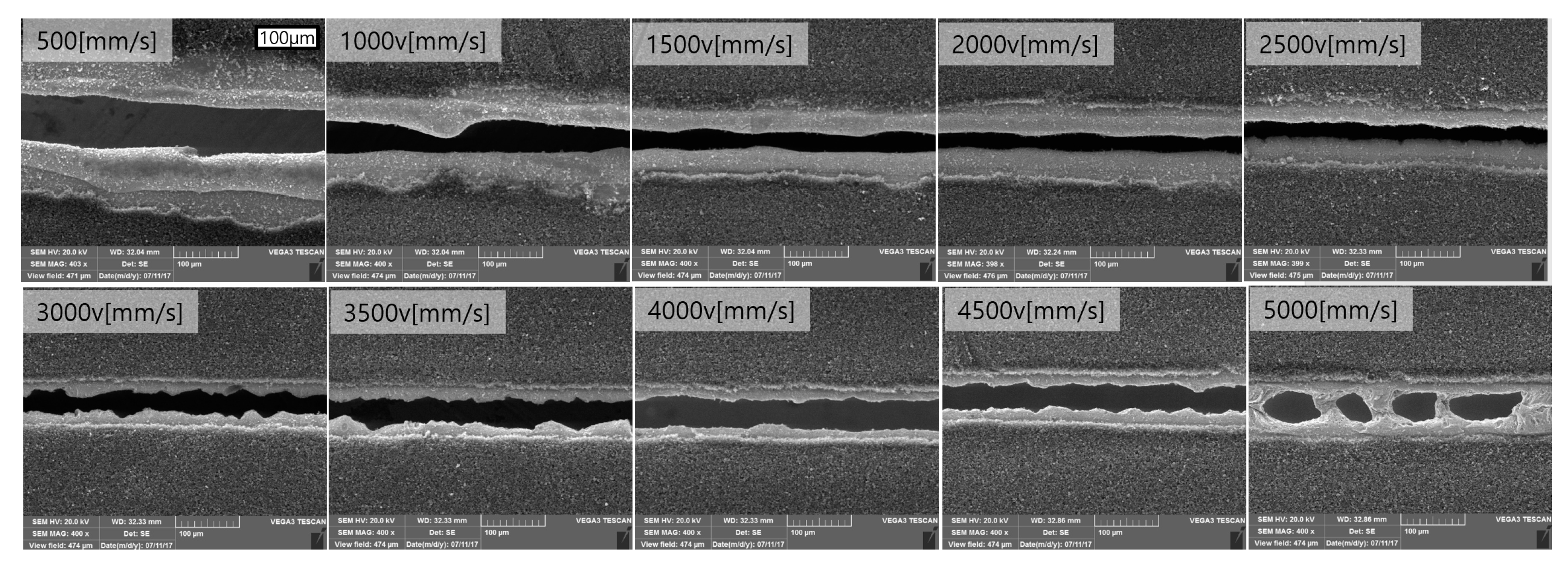
Lithium-ion batteries are actively used for many applications due to many advantages. Although electrodes are important during laser cutting, most laser cutting studies use commercially available electrodes. Thus, effects of electrodes characteristics on laser cutting have not been effectively studied. Since the electrodes’ characteristics can be manipulated in the laboratory, this study uses an uncompressed anode on laser cutting for the first time. Using the lab-made anode, this study identifies laser cutting characteristics of the uncompressed anode. First, the absorption coefficients of graphite and copper in the ultraviolet, visible, and infrared range are measured. The measured absorptivity of the graphite and copper at the wavelength of 1070 nm is 88.25% and 1.92%, respectively. In addition, cutting phenomena can be categorized in five regions: excessive cutting, proper cutting, defective cutting, excessive ablation, and proper ablation. The five regions are composed of a combination of multi-physical phenomena, such as ablation of graphite, melting of copper, evaporation of copper, and explosive boiling of copper. In addition, the top width varies in the order of 10 μm and 1 μm when applying high and low volume energy, respectively. The logarithmic relationship between the melting width and the volume laser energy was found.
Keywords: laser cutting; lithium-ion battery; absorption coefficient measurement; uncompressed anode; multi-physical phenomena; laser material interaction laser cutting; lithium-ion battery; absorption coefficient measurement; uncompressed anode; multi-physical phenomena; laser material interaction