Article

Driven Performance of Electric Vehicles in Edinburgh and Its Environs

1
Edinburgh College, Edinburgh EH11 4DE, UK
2
Department of Mechanical Engineering, University of the Basque Country, 01006 Vitoria-Gasteiz, Spain
3
School of Engineering and the Built Environment, Edinburgh Napier University, Edinburgh EH10 5DT, UK
4
School of Civil Engineering, University of Granada, 18071 Granada, Spain
*
Author to whom correspondence should be addressed.
Energies 2019, 12(16), 3074; https://doi.org/10.3390/en12163074
Submission received: 3 July 2019 / Revised: 30 July 2019 / Accepted: 5 August 2019 / Published: 9 August 2019
(This article belongs to the Special Issue Practice and Innovations in Sustainable Transport)

Abstract

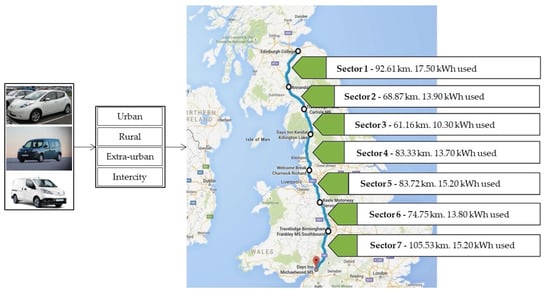
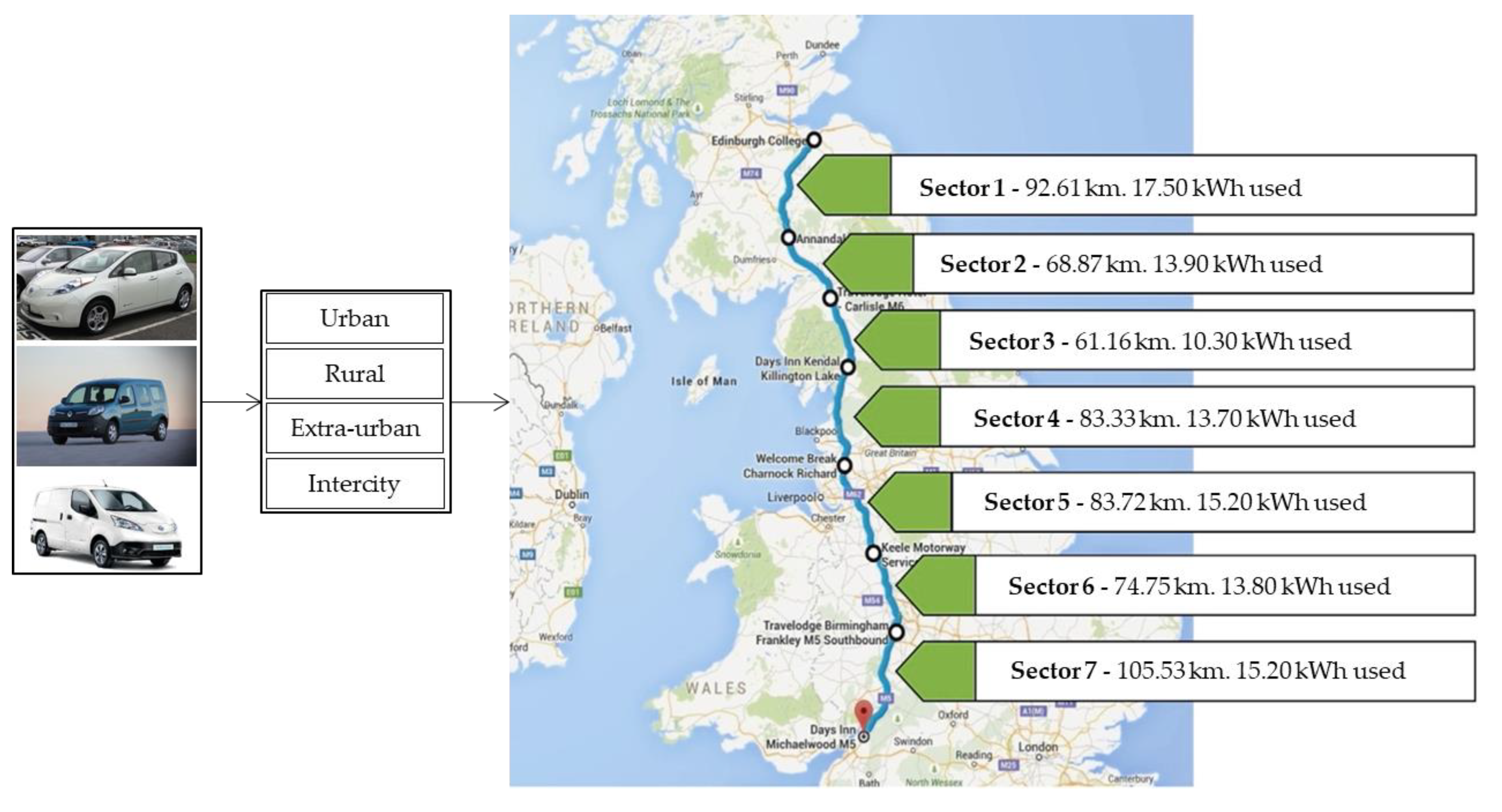
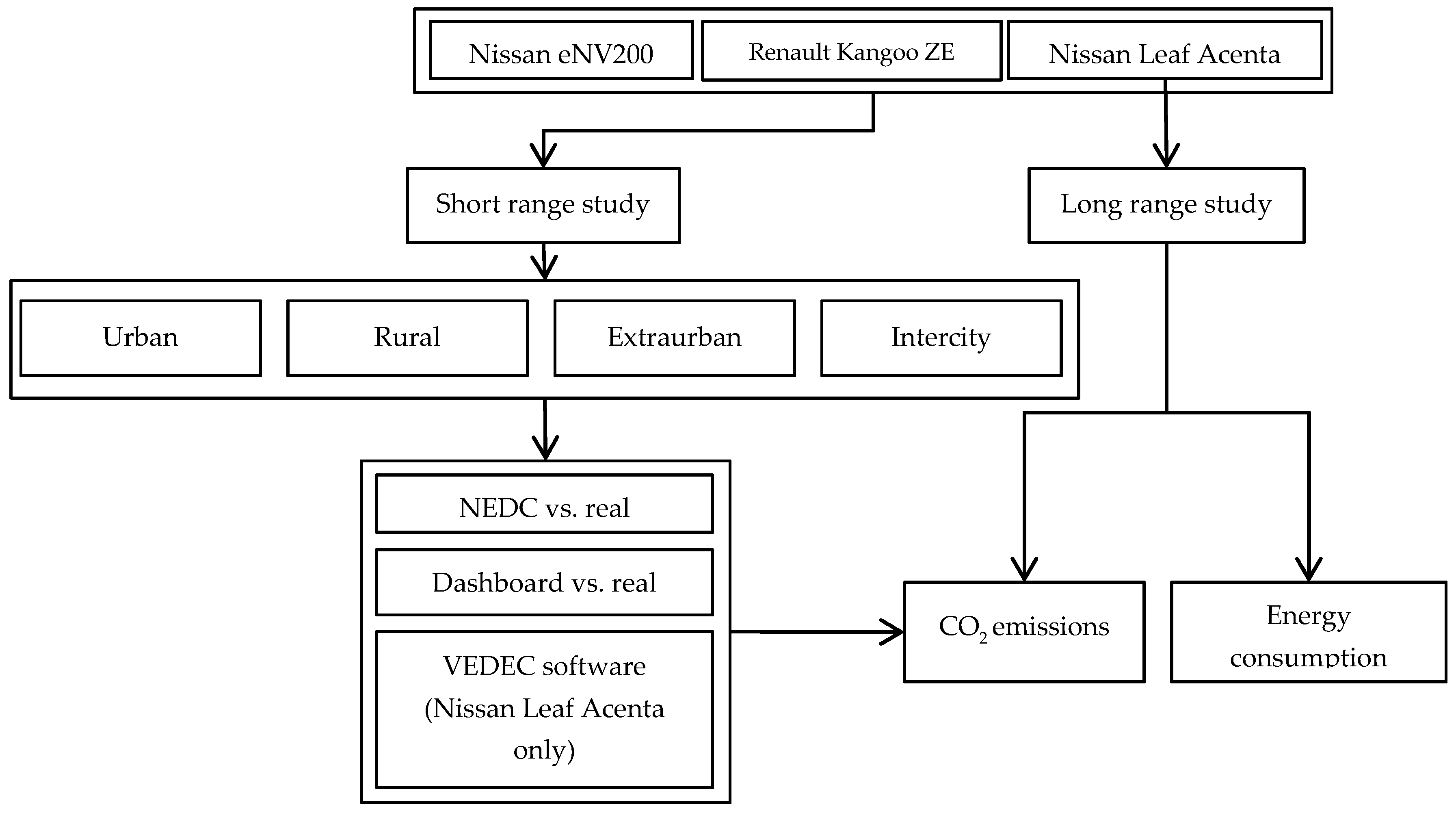
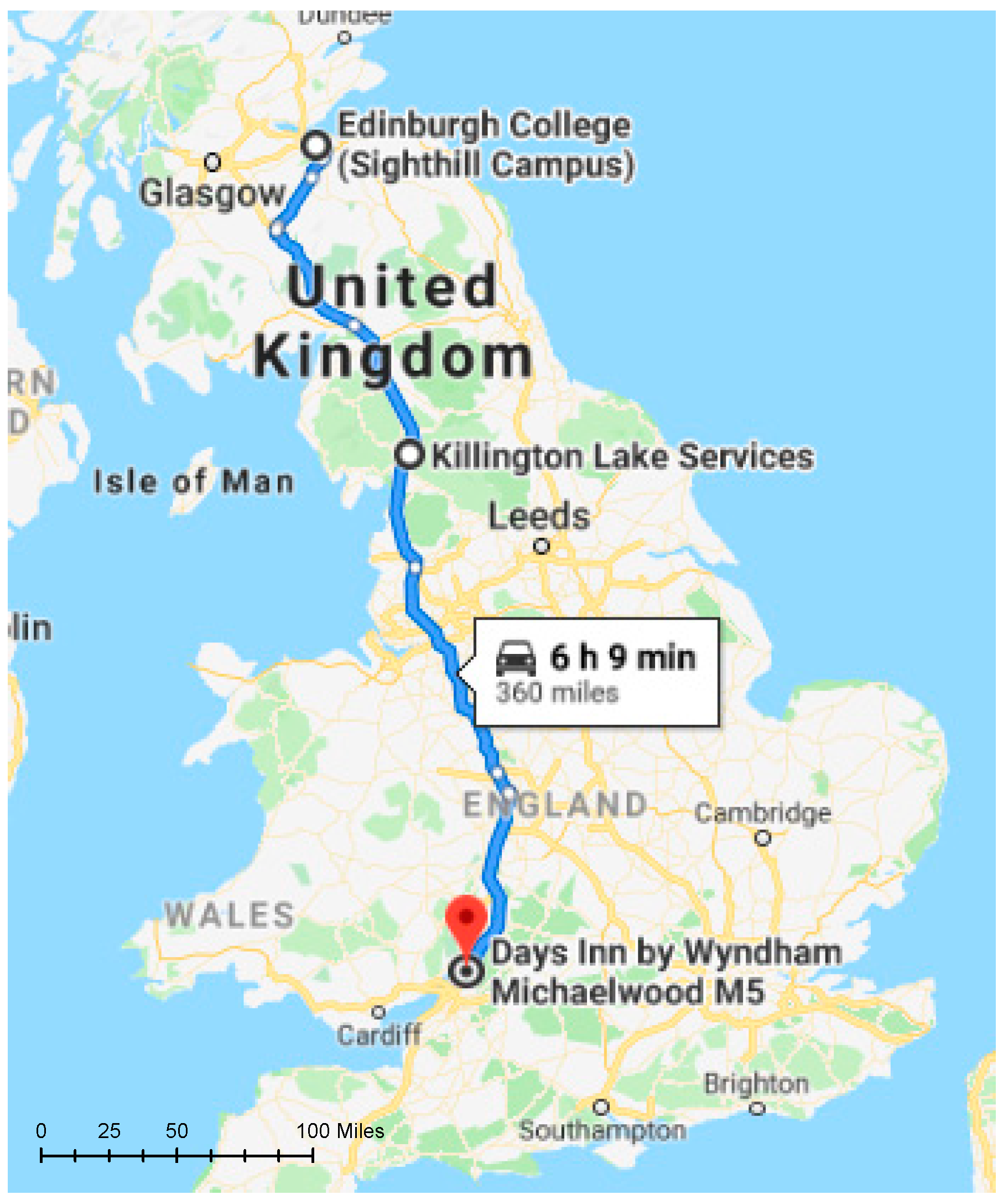
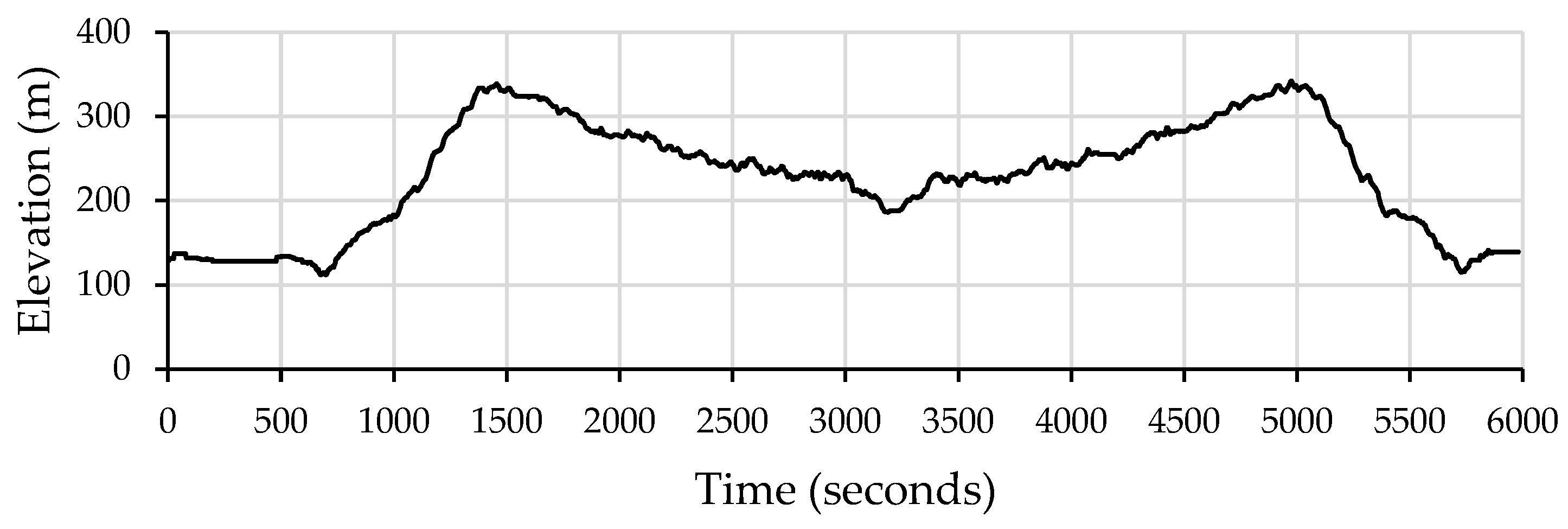
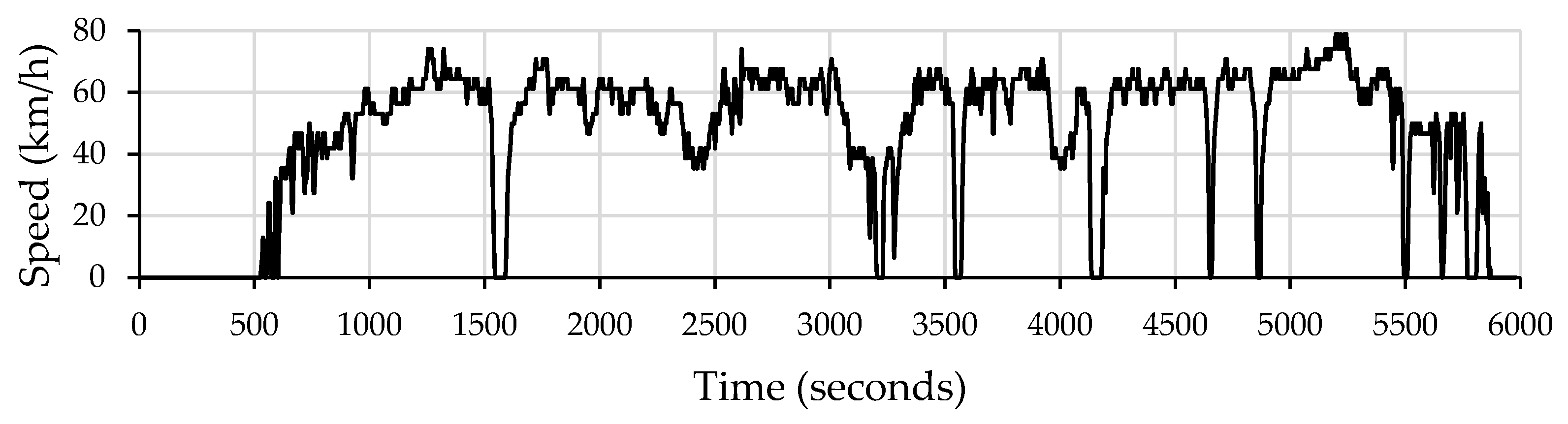
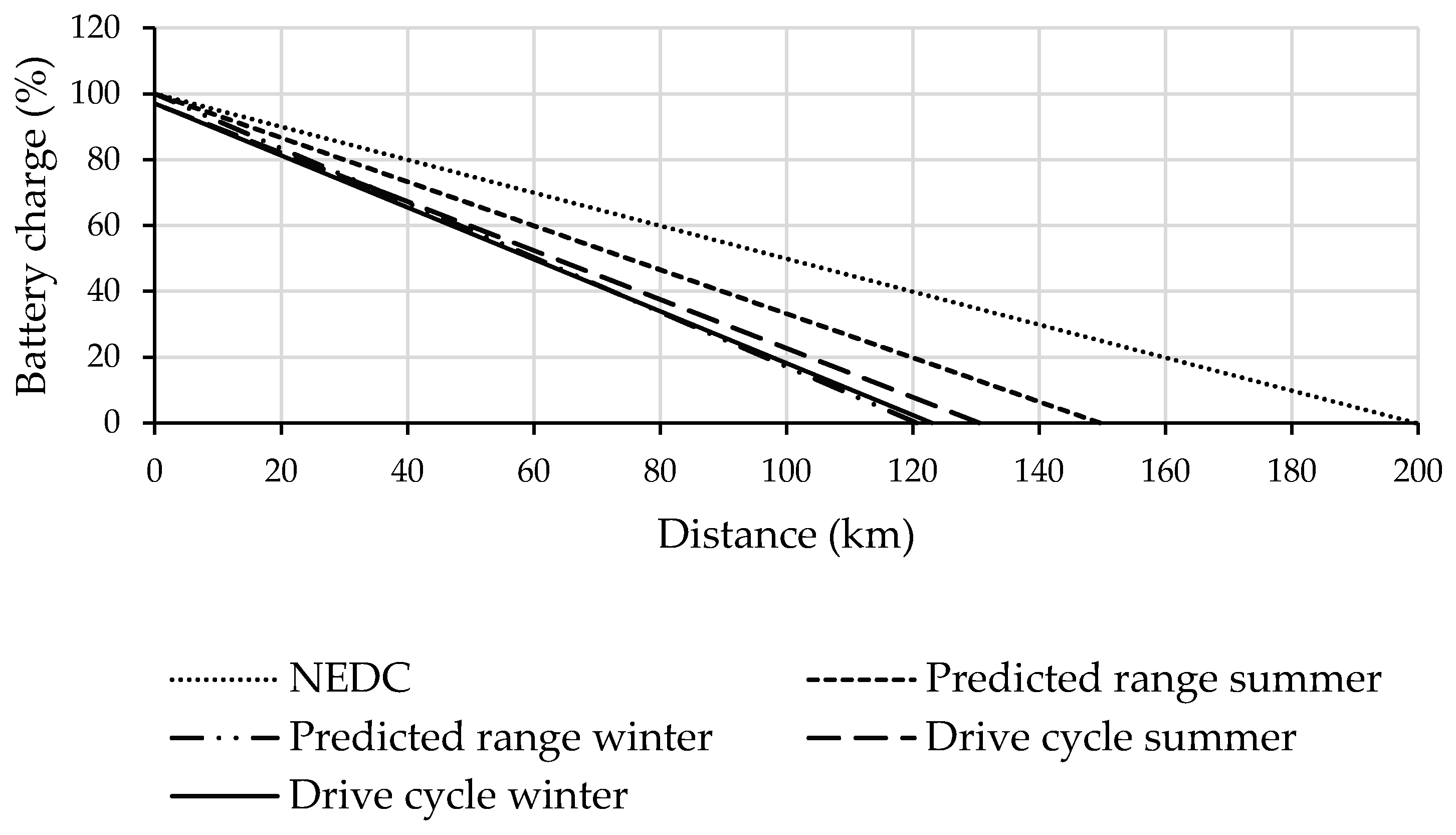
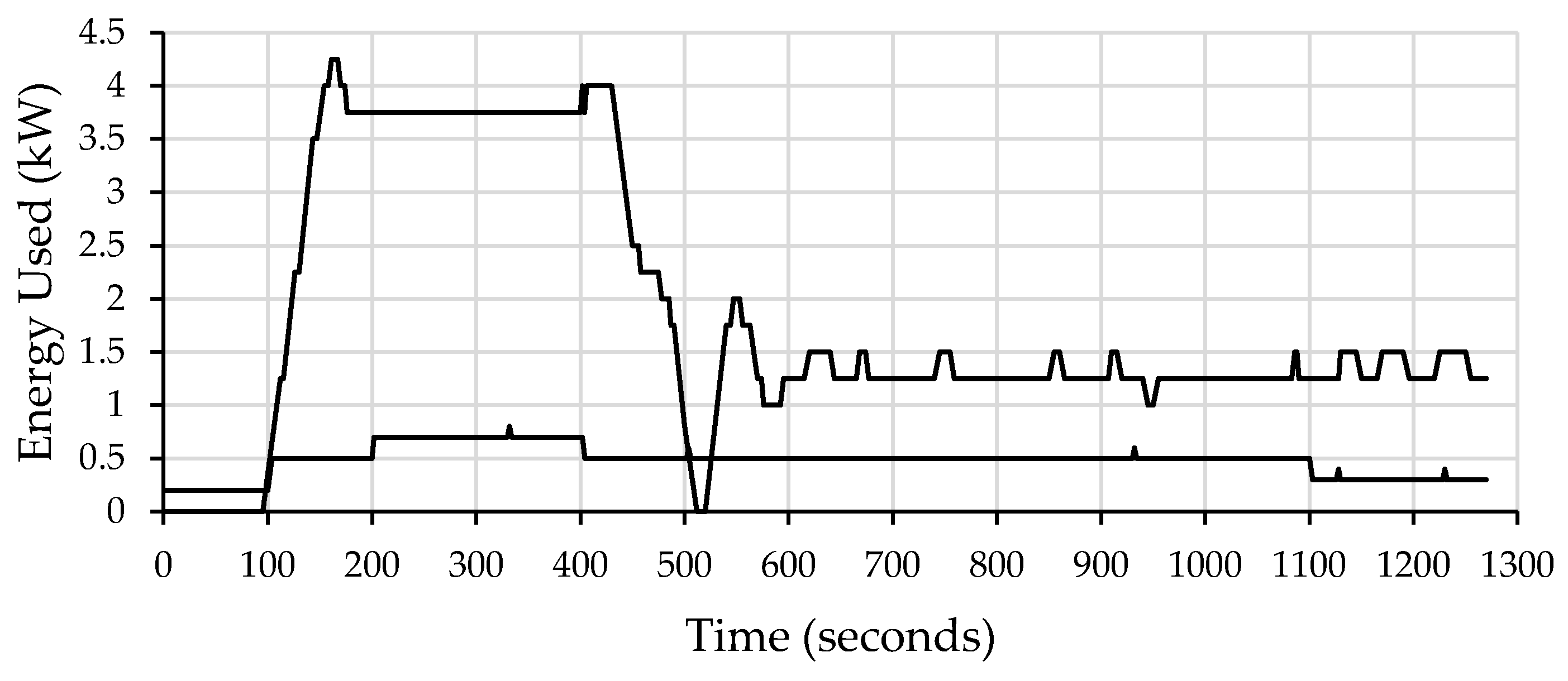
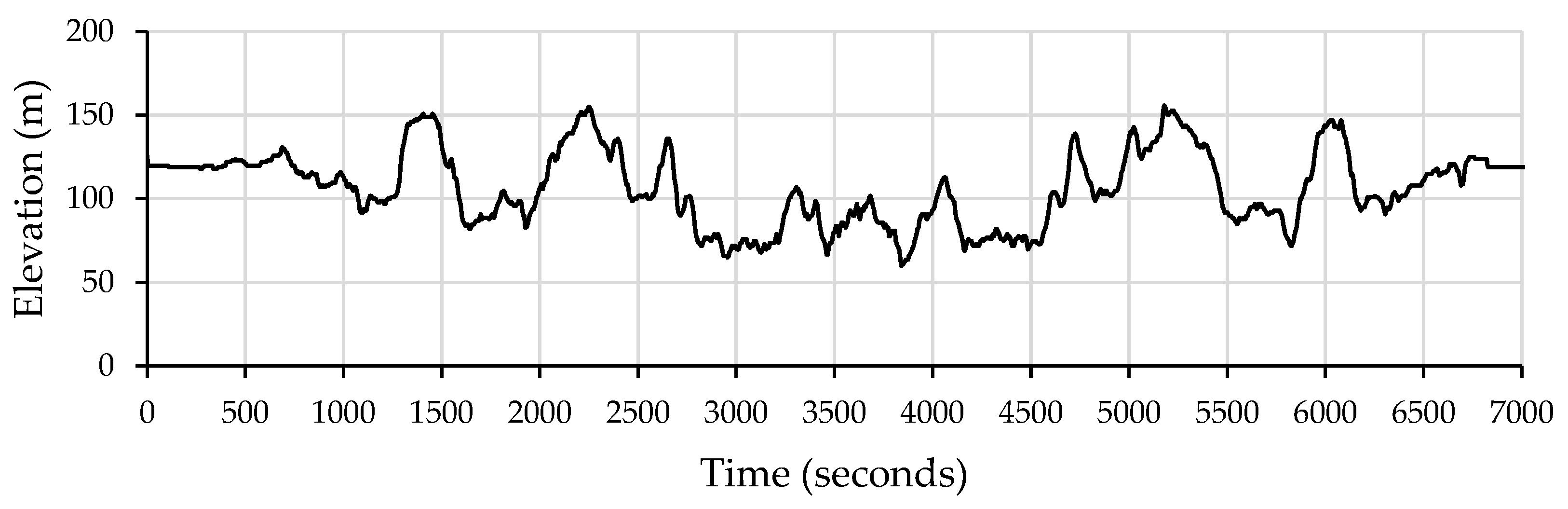
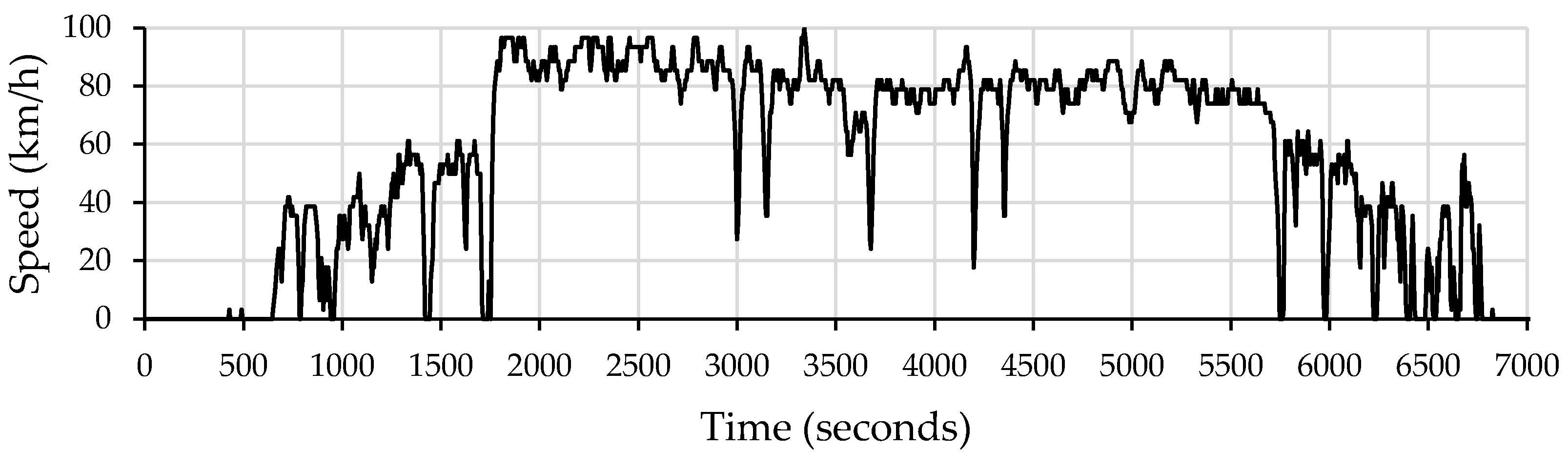
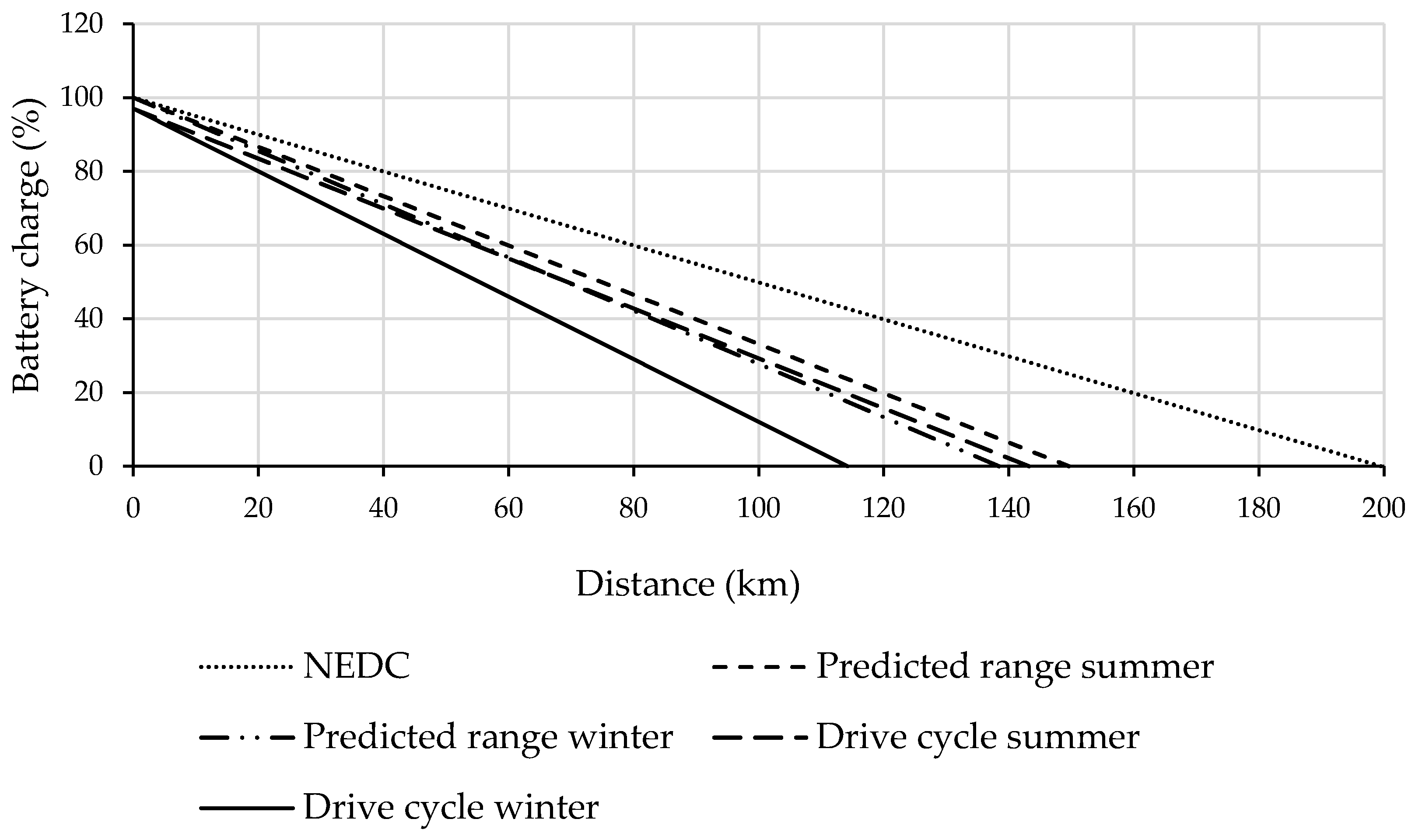
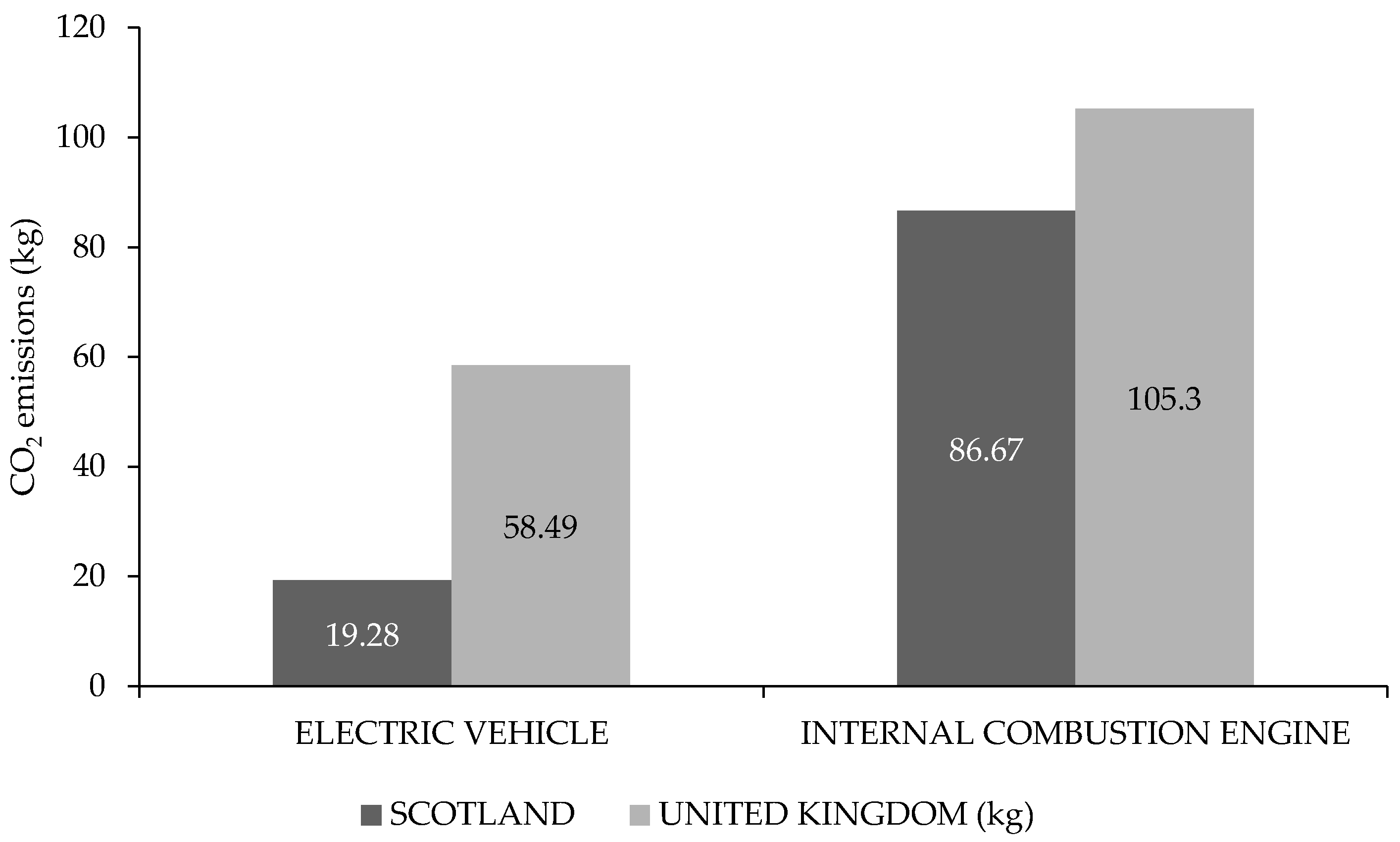
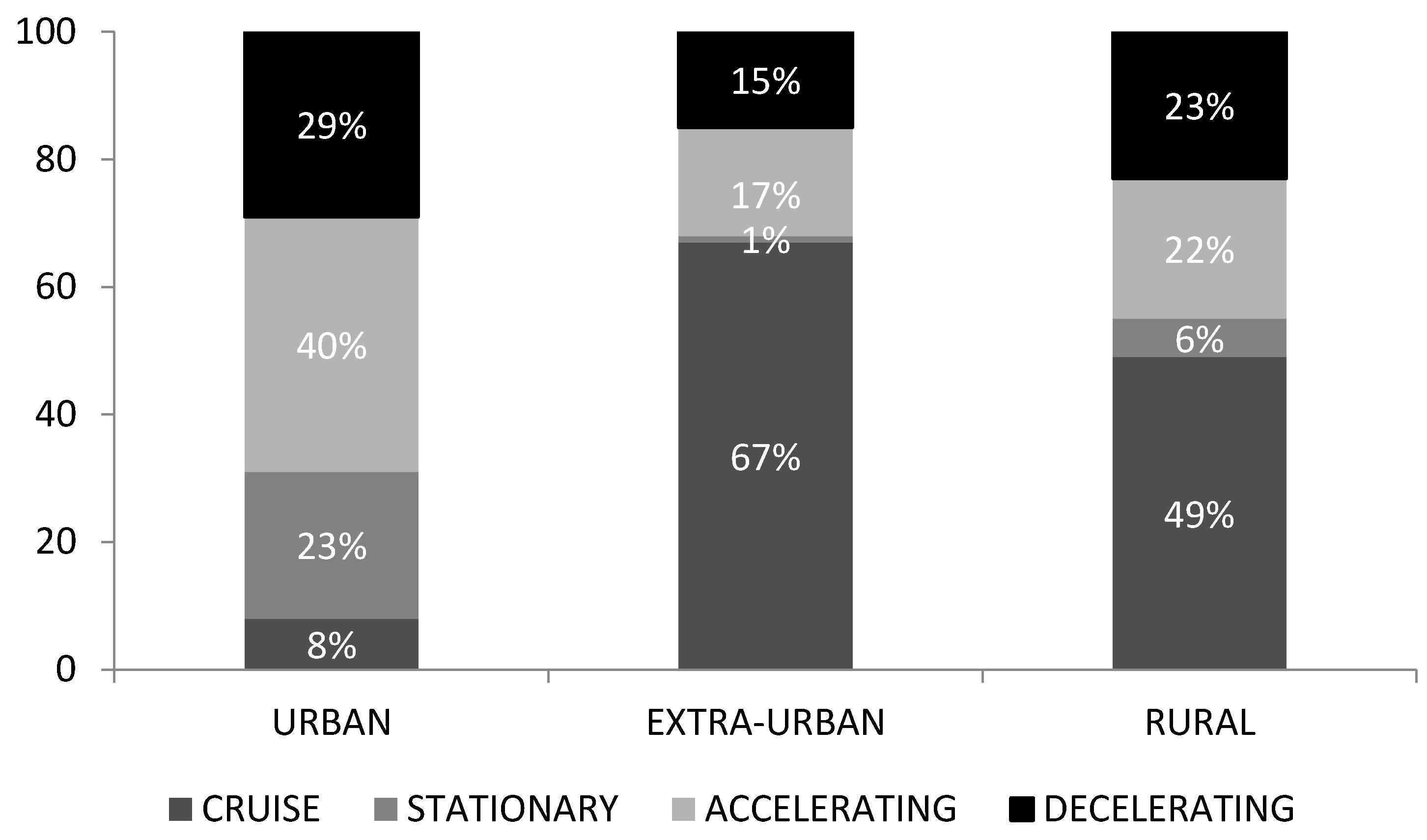
Fuelled by energy security problems and urban air pollution challenges, several countries worldwide have set the objective to gradually eliminate petrol and diesel cars. The increasing support from government and demands for environmental friendly means of transportation are accelerating the use of battery electric vehicles. However, it is indispensable to have accurate and complete information about their behaviour in different traffic situations and road conditions. For the experimental analysis carried out in this study, three different electric vehicles from the Edinburgh College leasing program were equipped and tracked to obtain over 50 GPS and energy consumption data for short distance journeys in the Edinburgh area and long-range tests between Edinburgh and Bristol (UK). The results showed that the vehicles’ energy intensities were significantly affected by the driving cycle pattern, with a noticeable diminution due to low temperatures. It was found that the real available range of the electric vehicle in some situations could be 17% lower than the predicted mileage shown in the dashboard of the vehicle. The difference from the New European Driving Cycle (NEDC) values was even higher. The study has also provided a discussion on the effect of the electricity mix on carbon emission reduction.
Keywords: electric vehicle; sustainable development; driving cycle; climate change electric vehicle; sustainable development; driving cycle; climate change
Graphical Abstract